

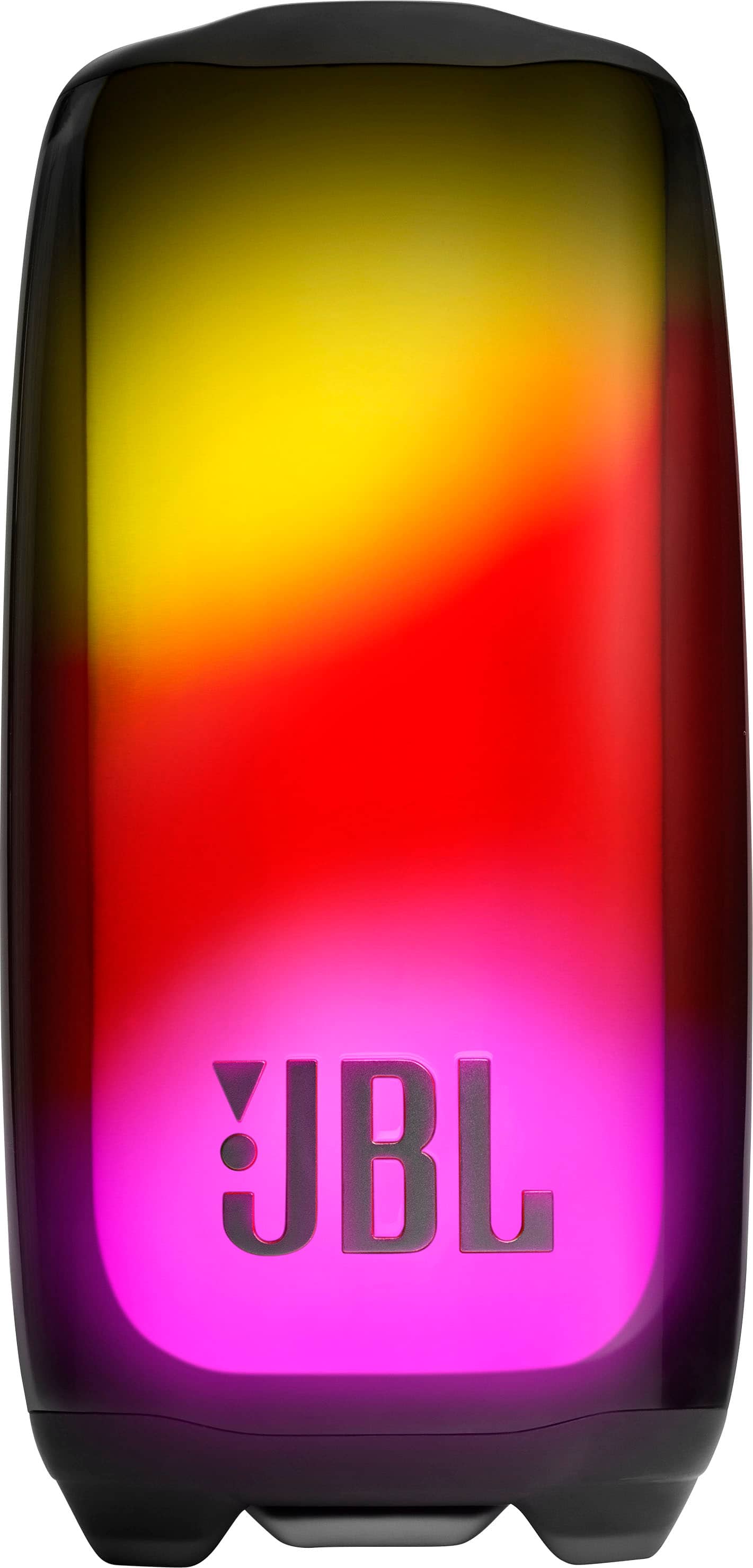
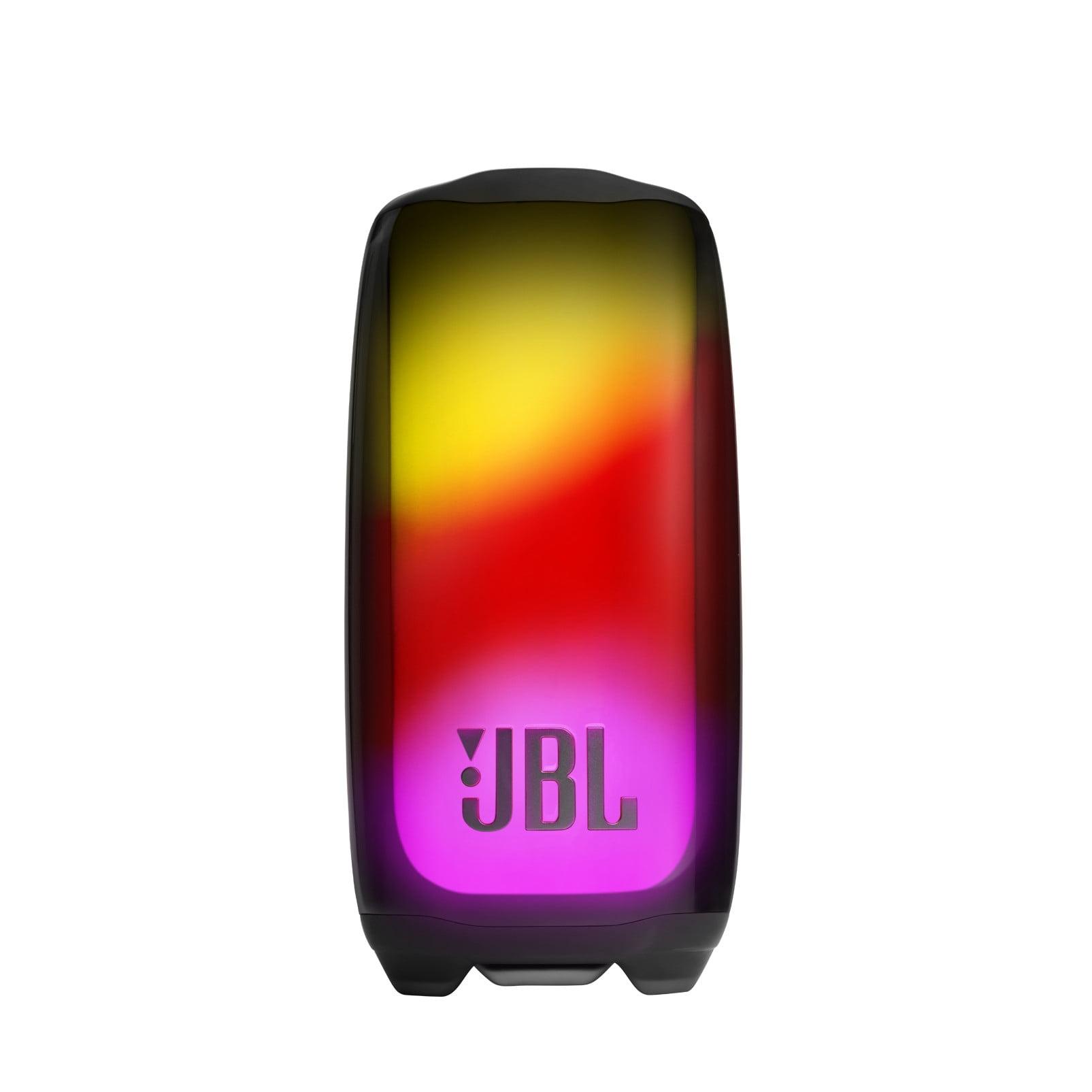
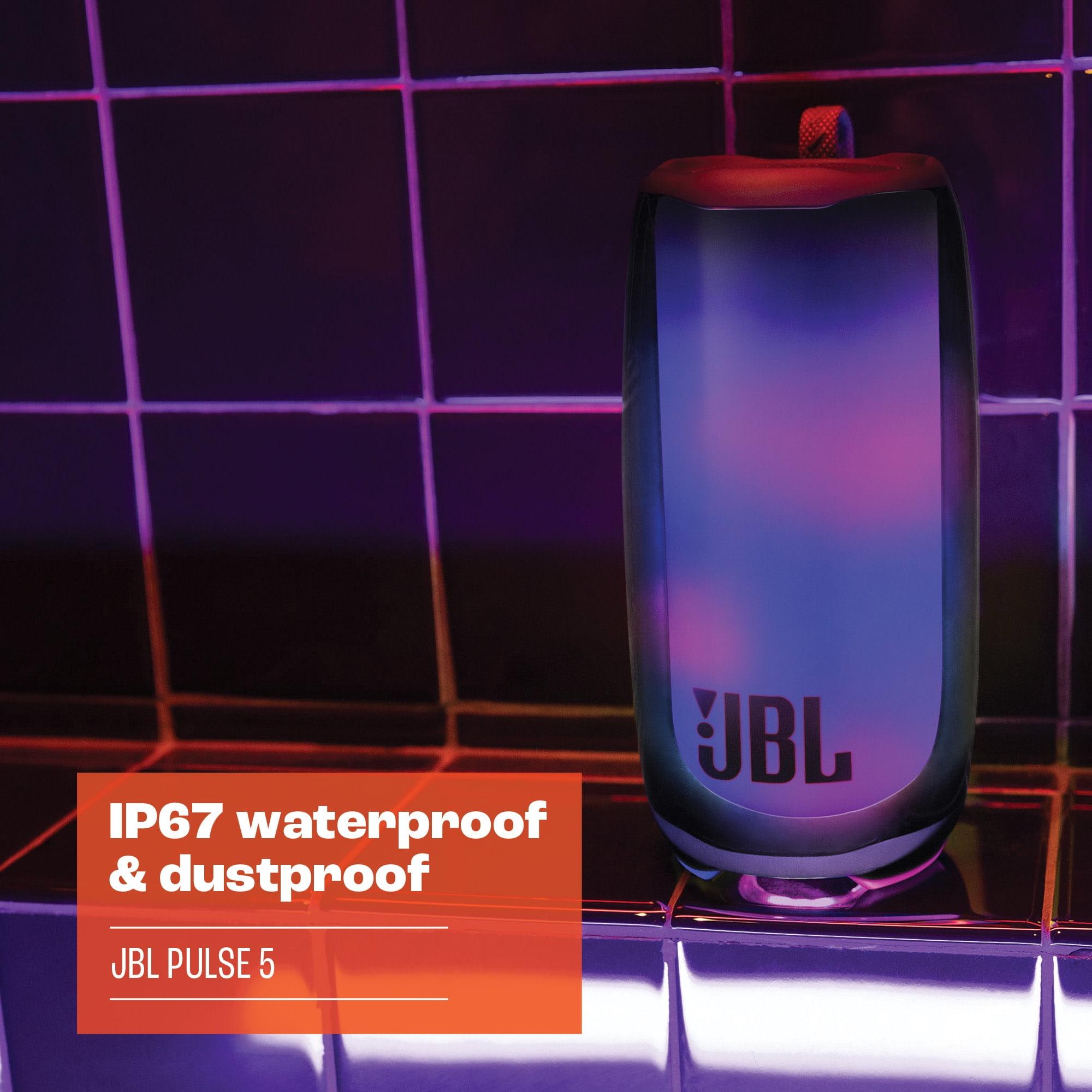
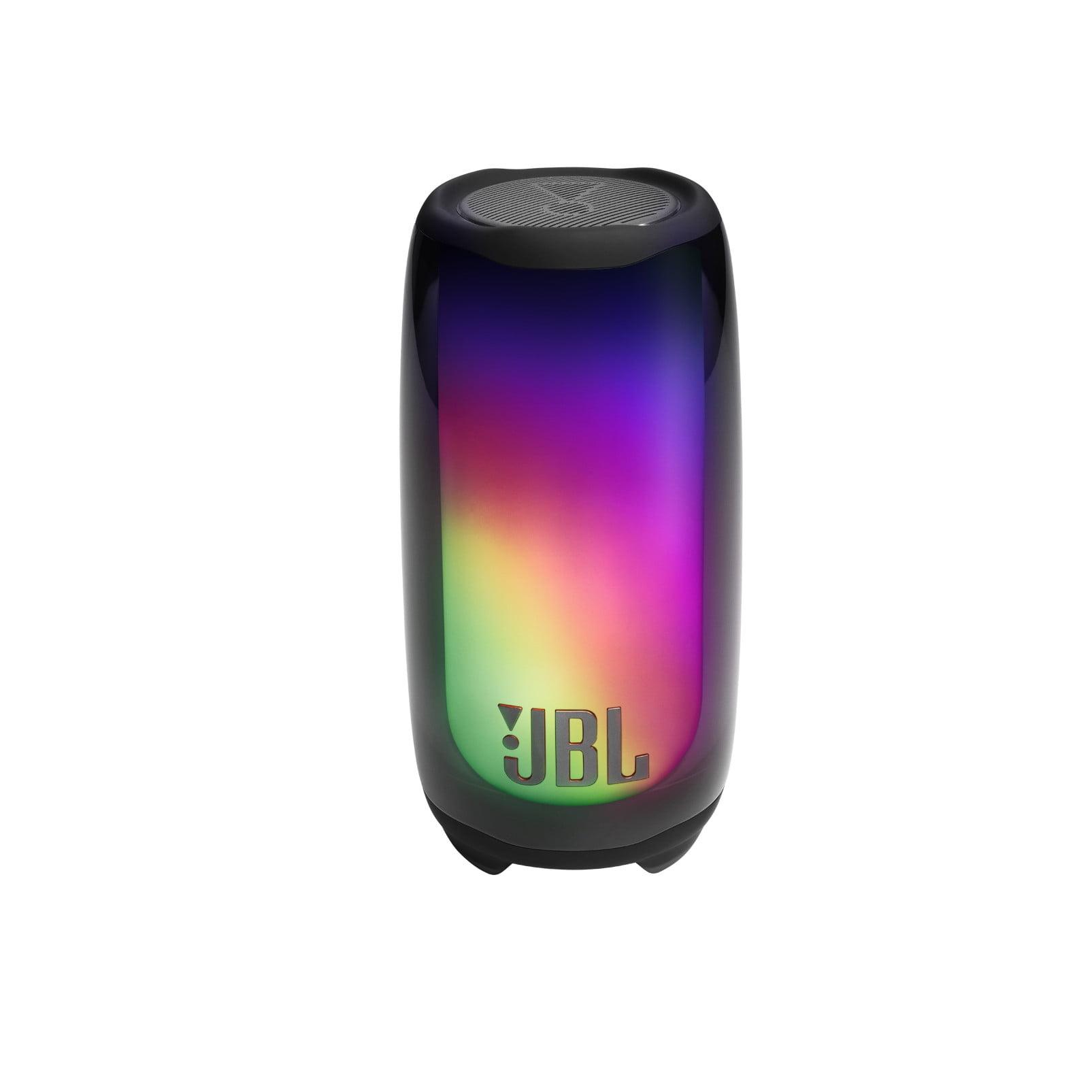
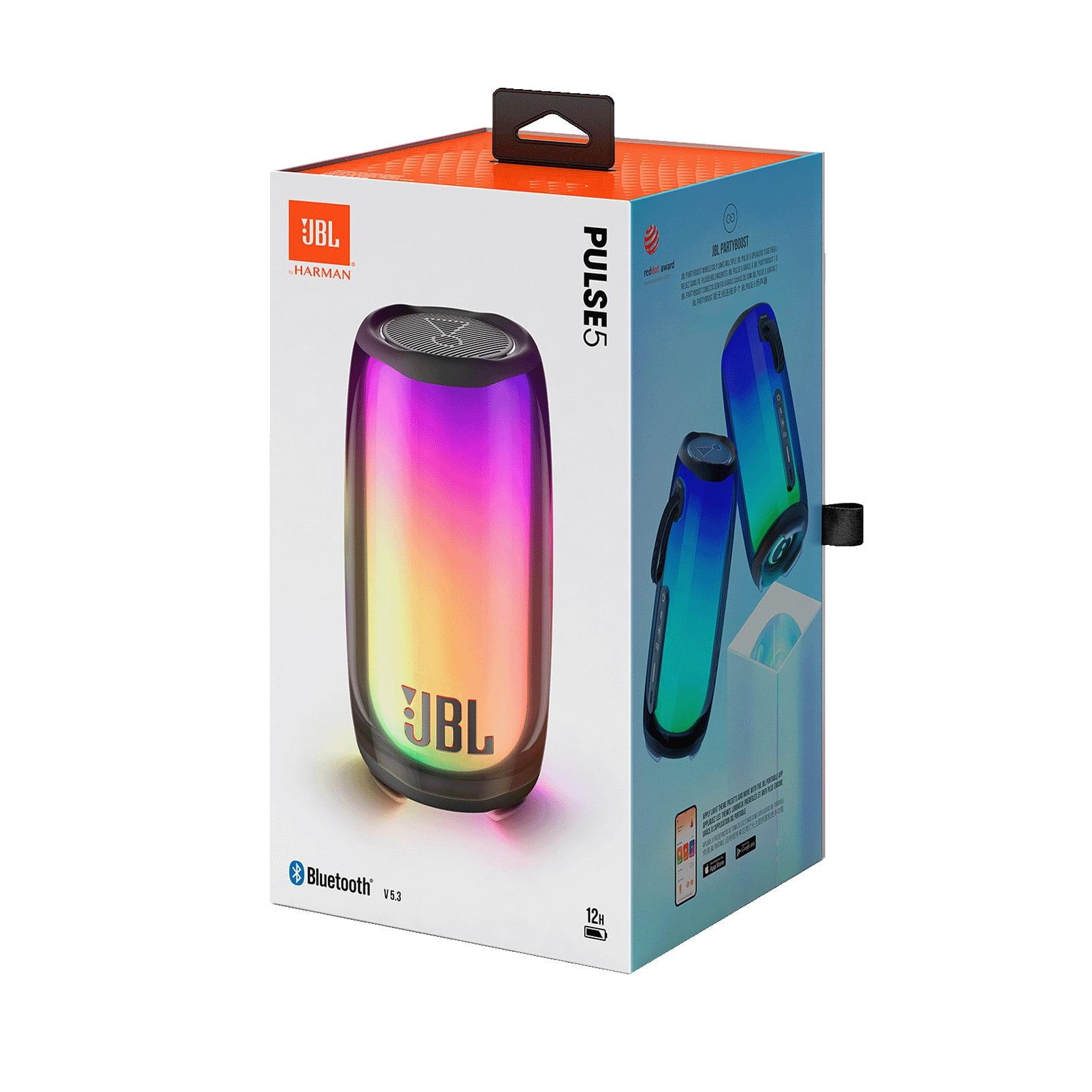
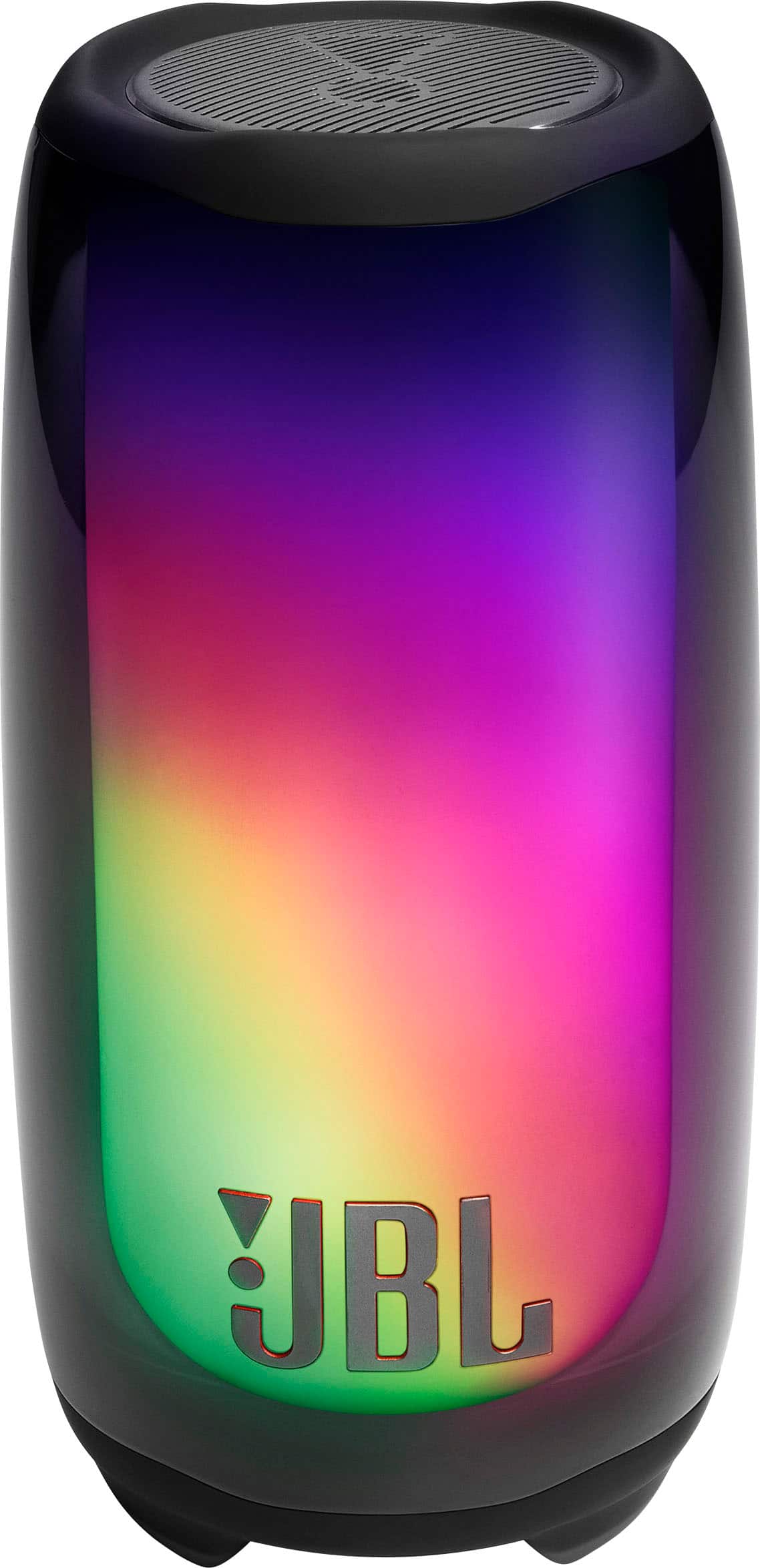
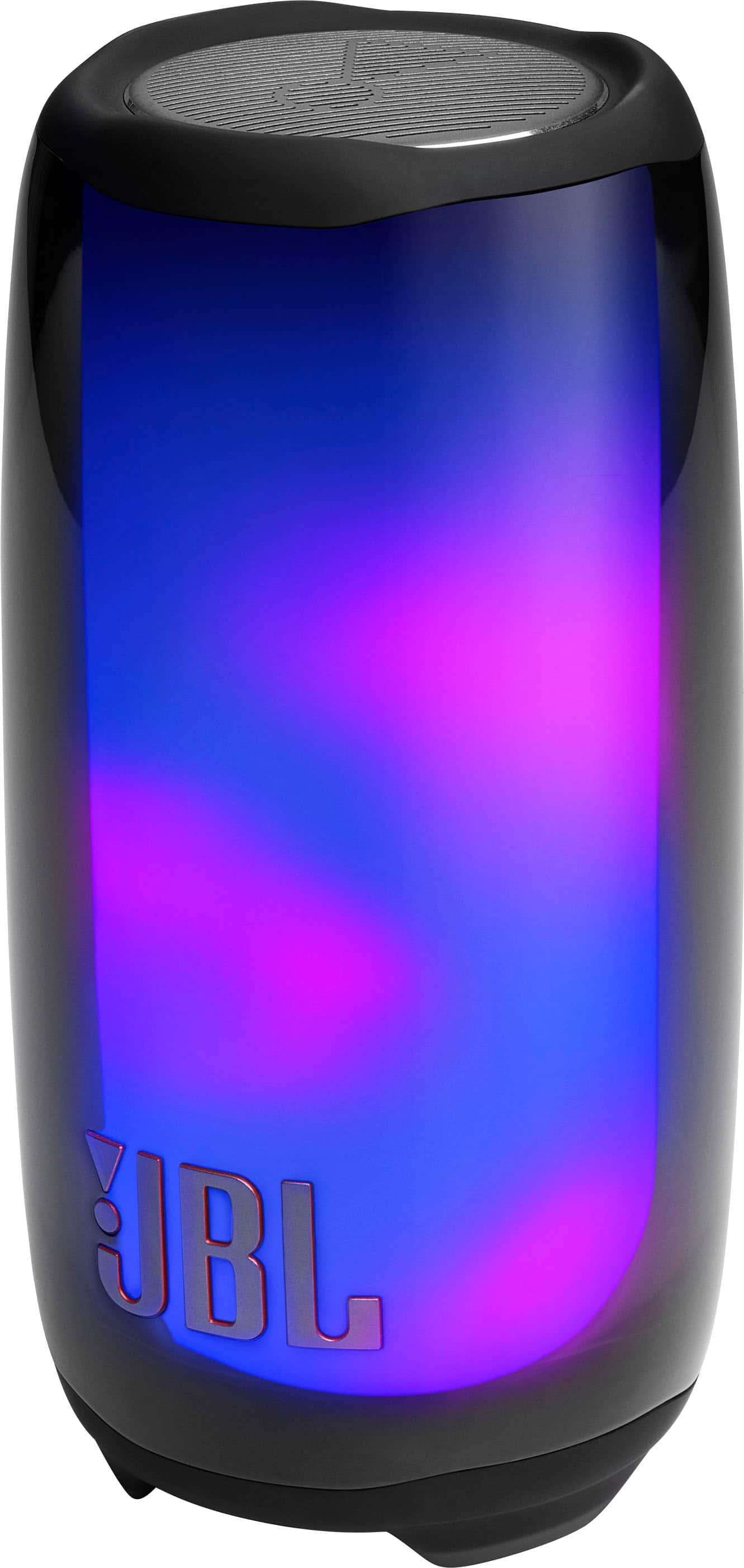
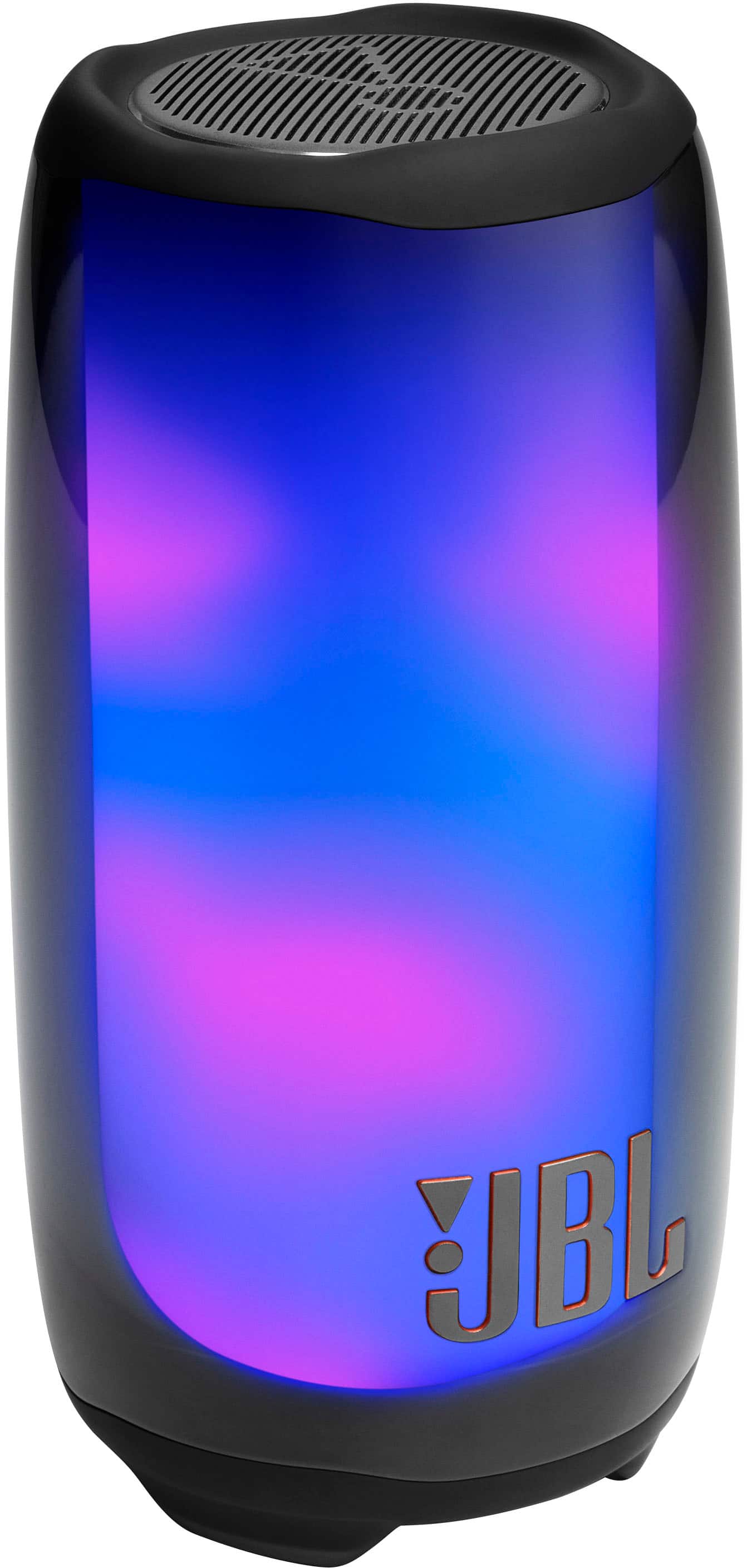
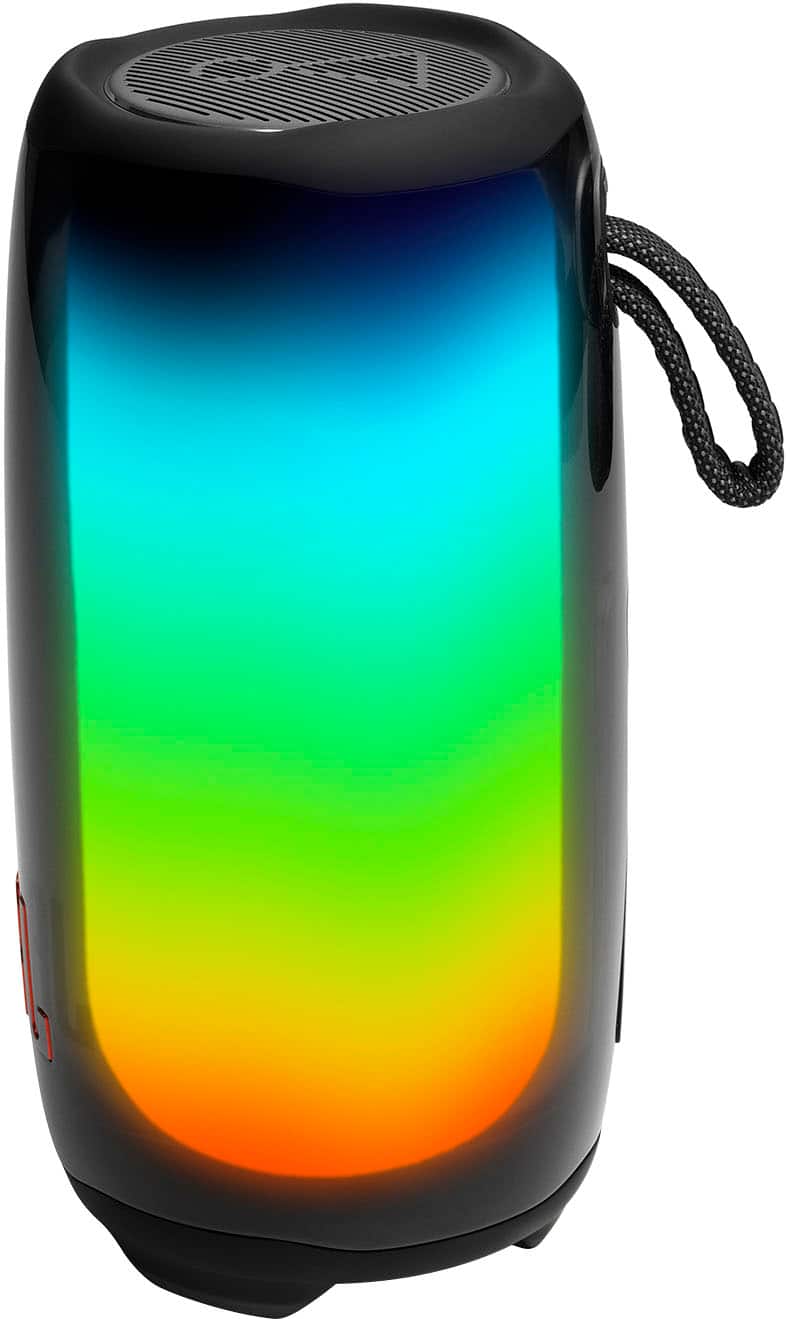
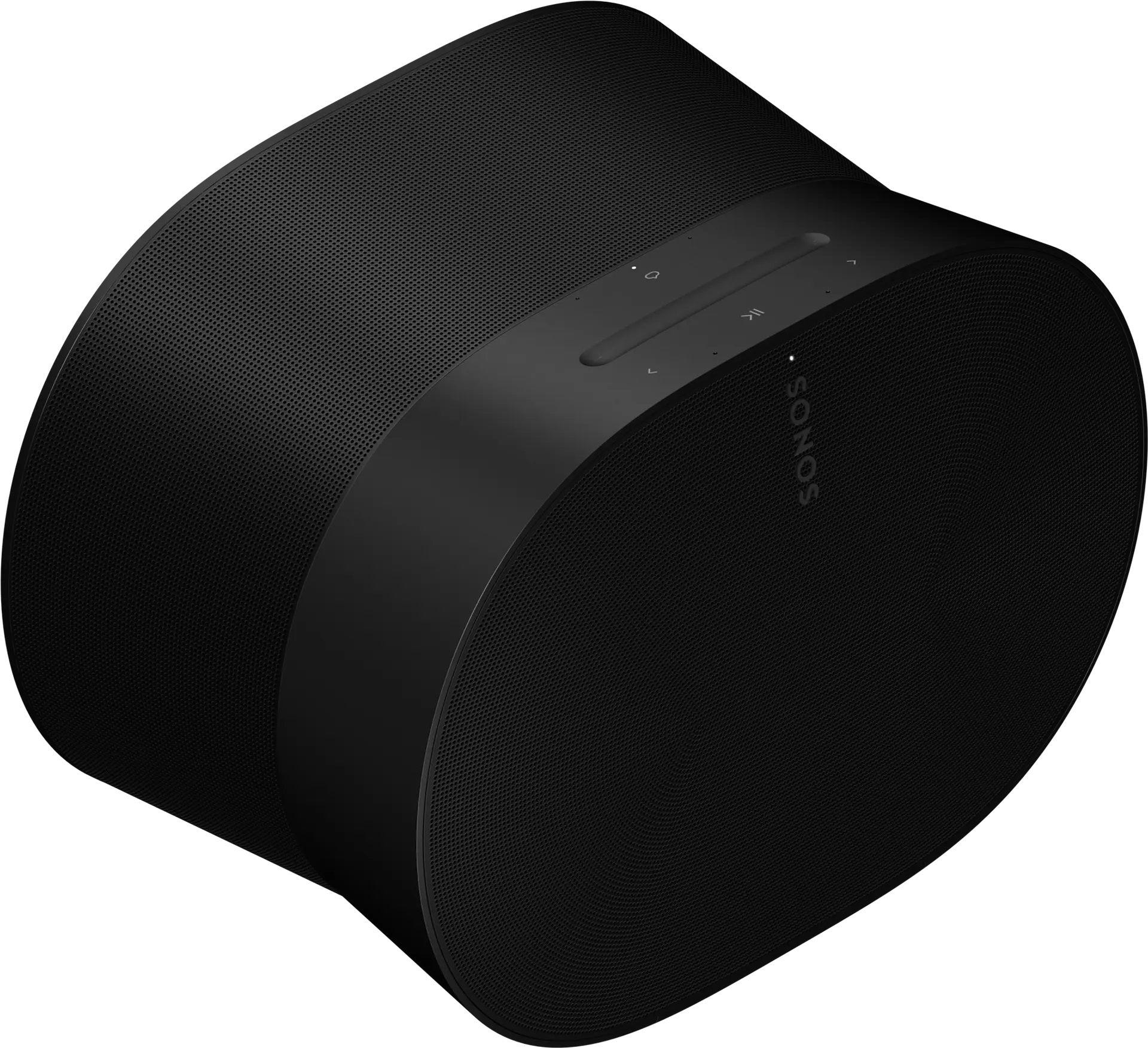
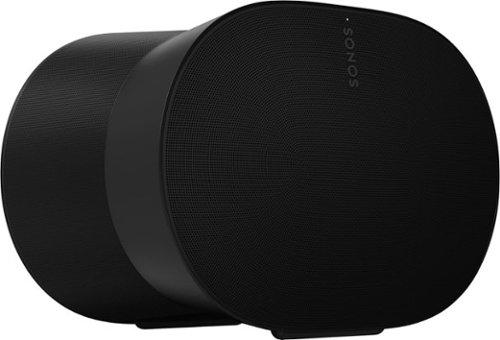
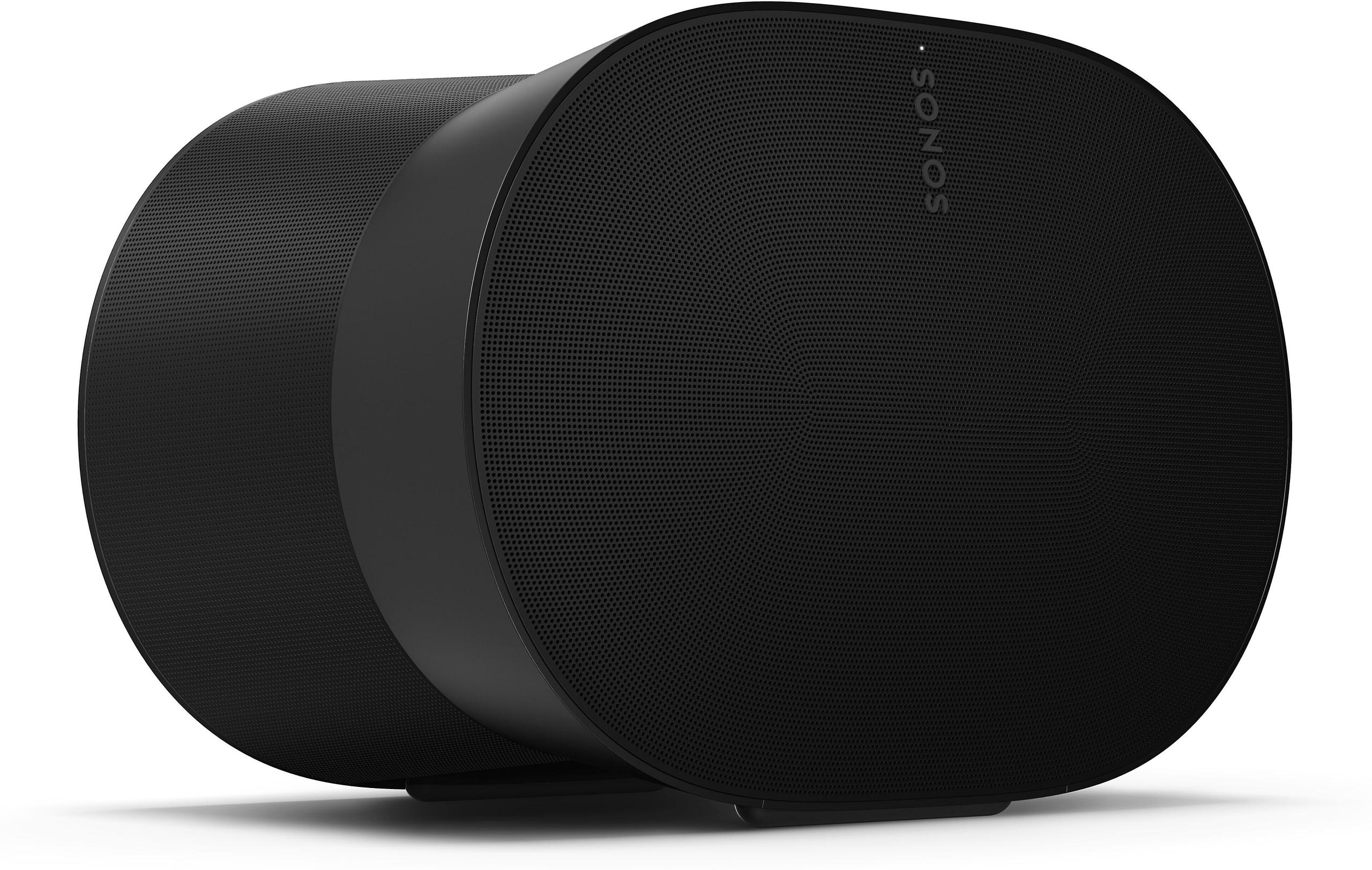
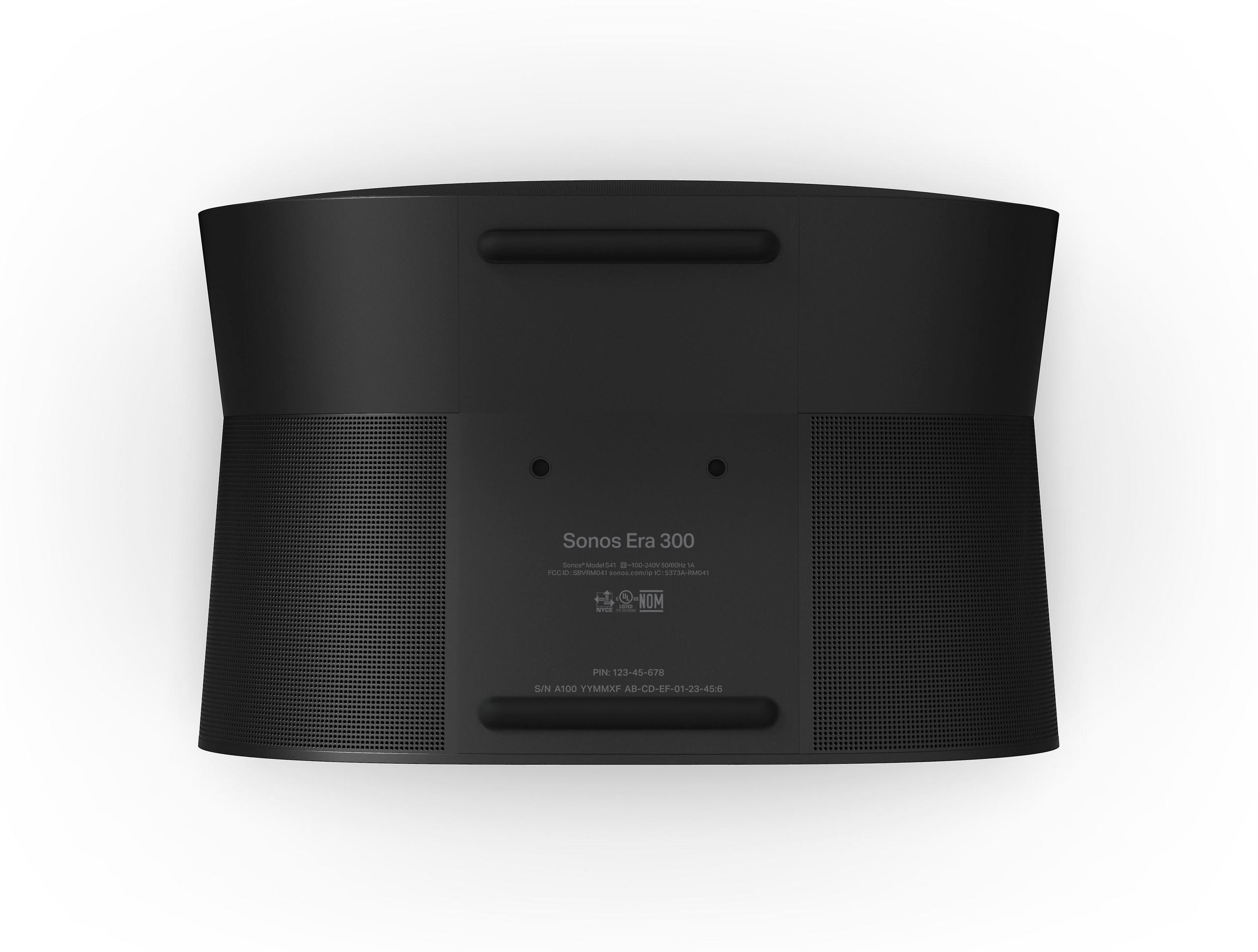
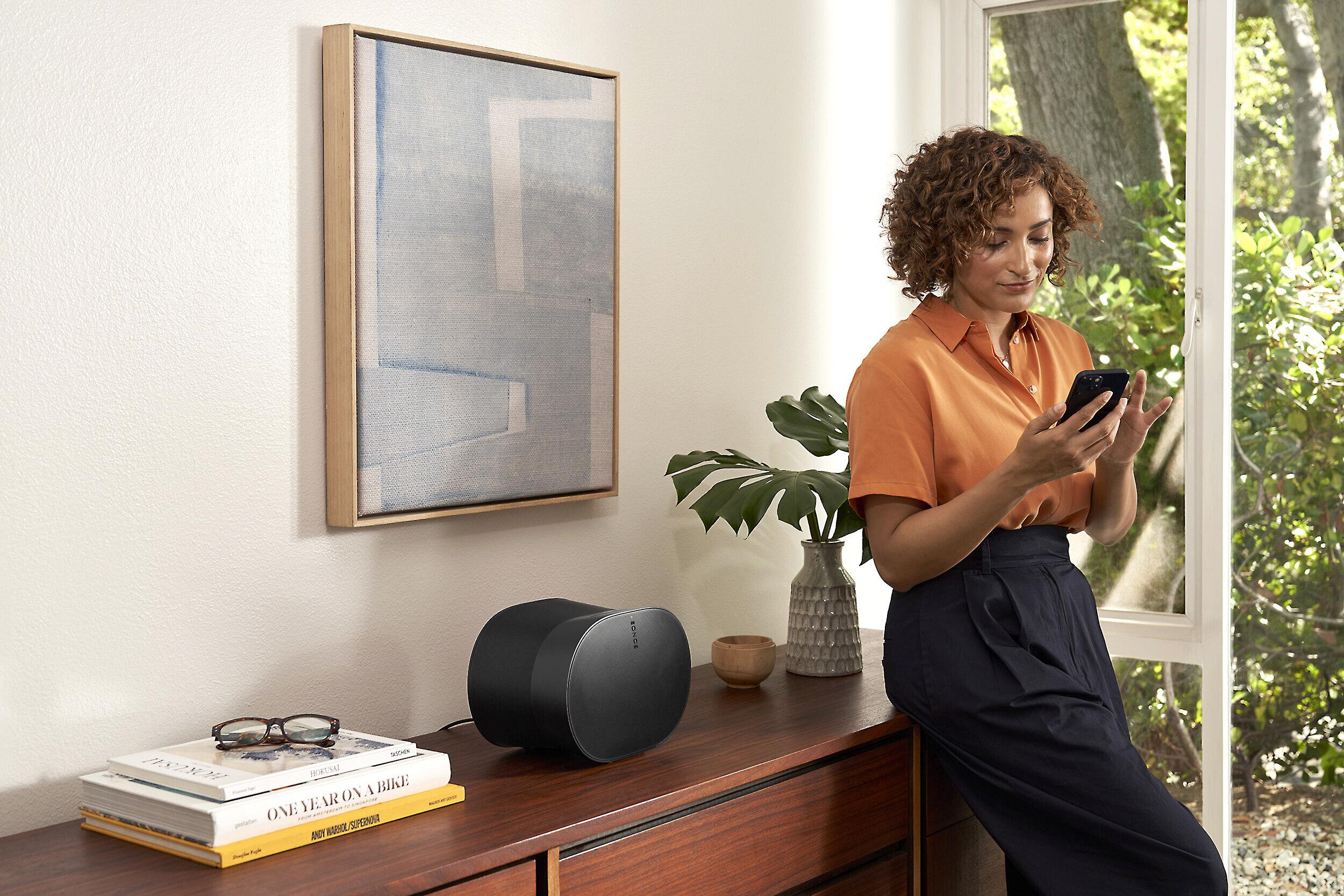
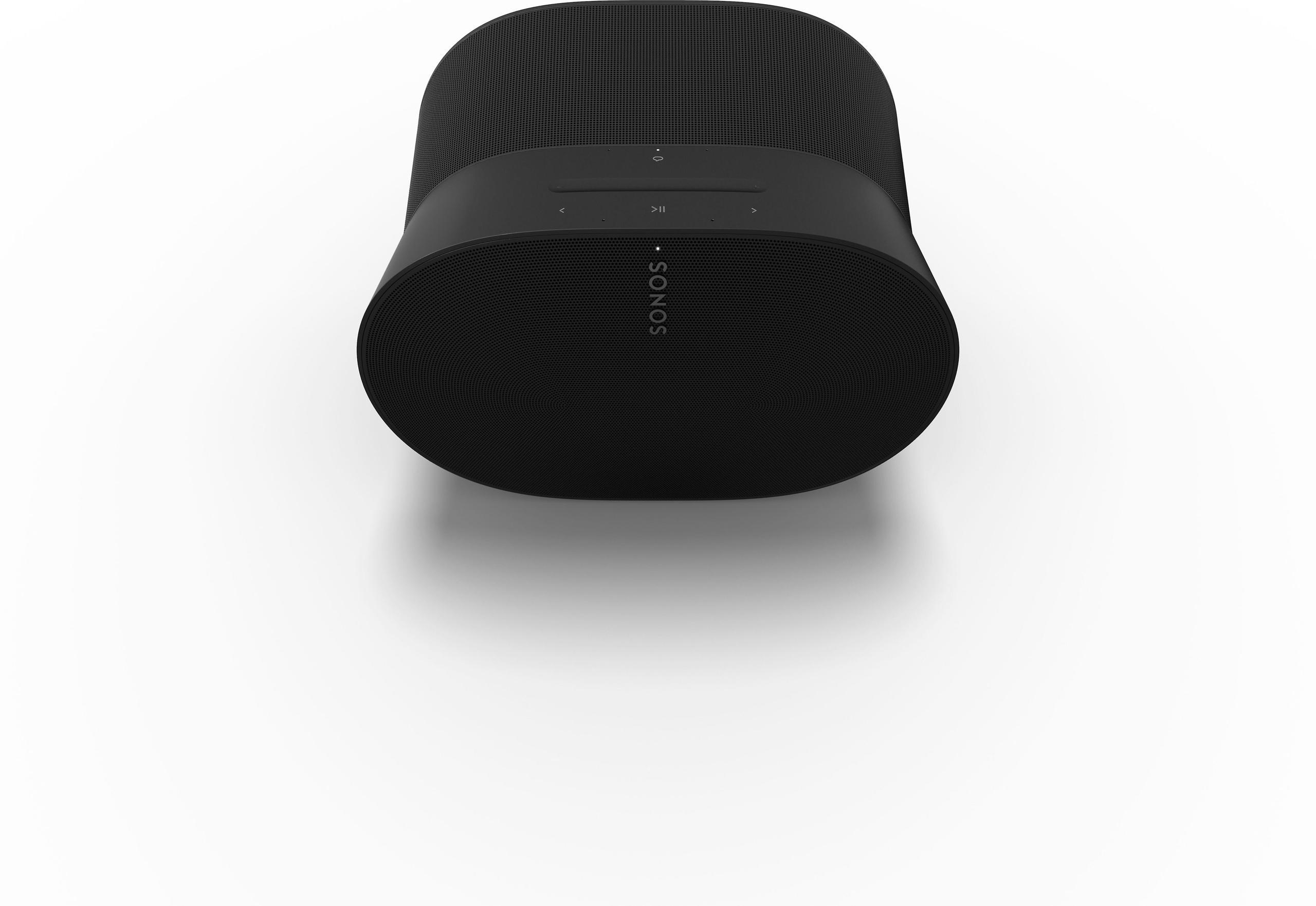
When it comes to modern wireless speakers, we're seeing increasingly diverse approaches to delivering great sound. Today, we're comparing two compelling but very different options: the JBL Pulse 5 ($249) and the Sonos Era 300 ($449). While both can fill a room with music, they're designed for distinctly different uses.
The audio landscape has changed dramatically in recent years. The JBL Pulse 5, released in late 2022, represents the latest evolution of portable party speakers, while the Sonos Era 300, launched in early 2023, showcases how far home audio has come with features like spatial audio (which creates a three-dimensional sound field) and advanced wireless connectivity.
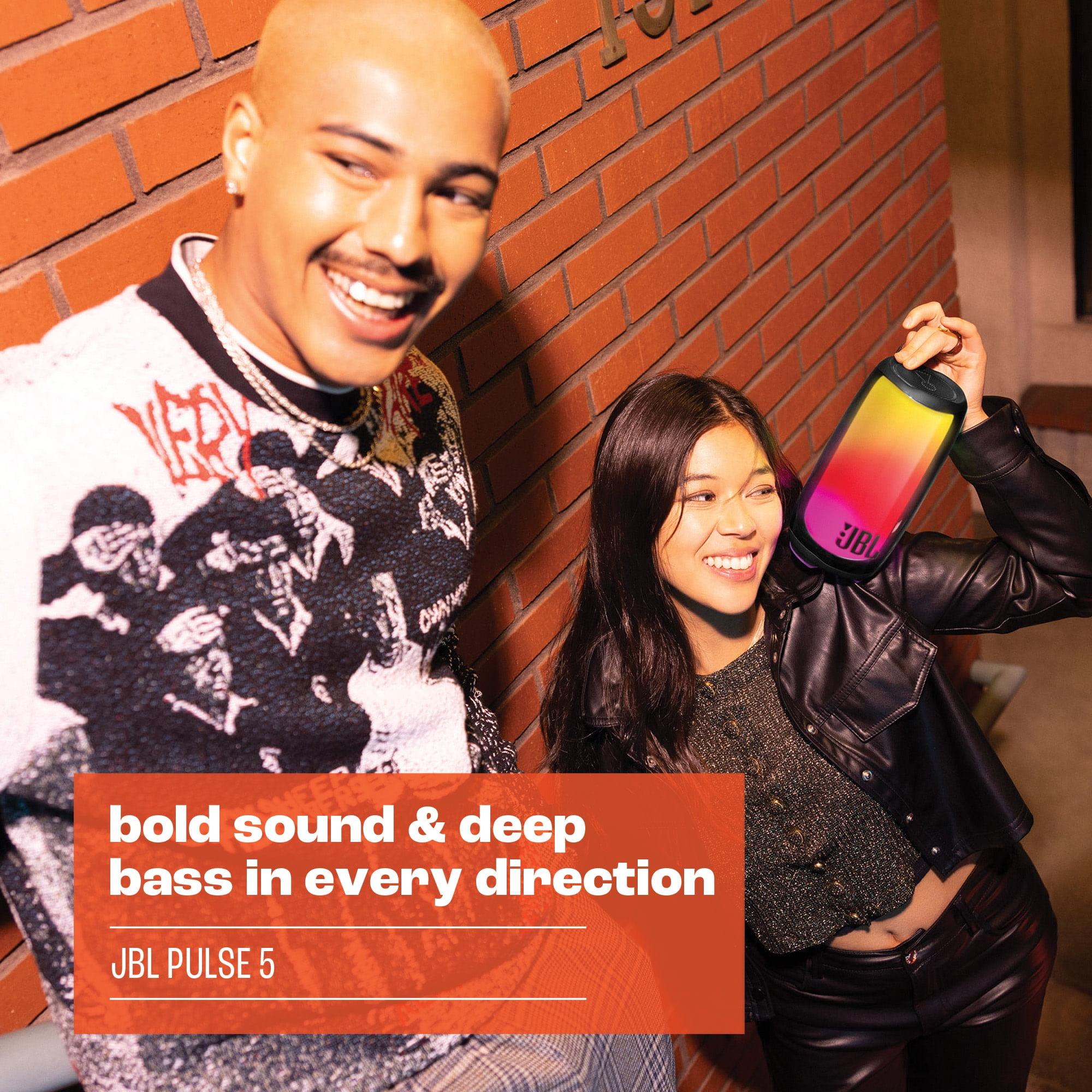
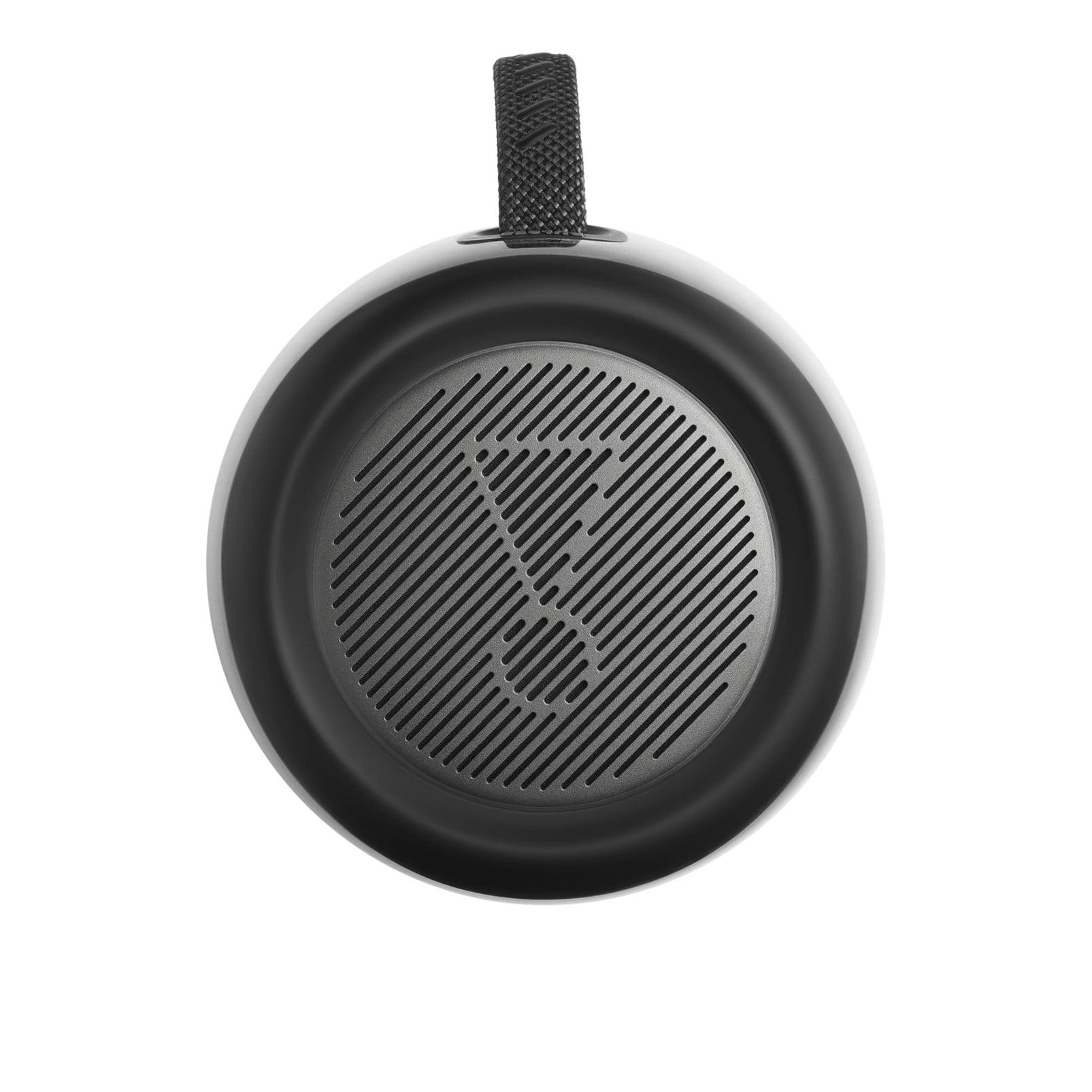
The Pulse 5 delivers surprisingly capable audio for its size. Its 40-watt system (30W woofer + 10W tweeter) provides clear, energetic sound that works well for casual listening and small gatherings. The speaker uses a combination of upward-firing and side-firing drivers to create 360-degree sound dispersion - meaning you can hear it clearly from any angle.
In testing, I've found the Pulse 5's audio is best described as "fun" rather than accurate. It emphasizes the upper mid-range frequencies that make vocals and lead instruments pop, though bass response is somewhat limited compared to larger home speakers. This tuning works well outdoors where bass typically gets lost anyway.
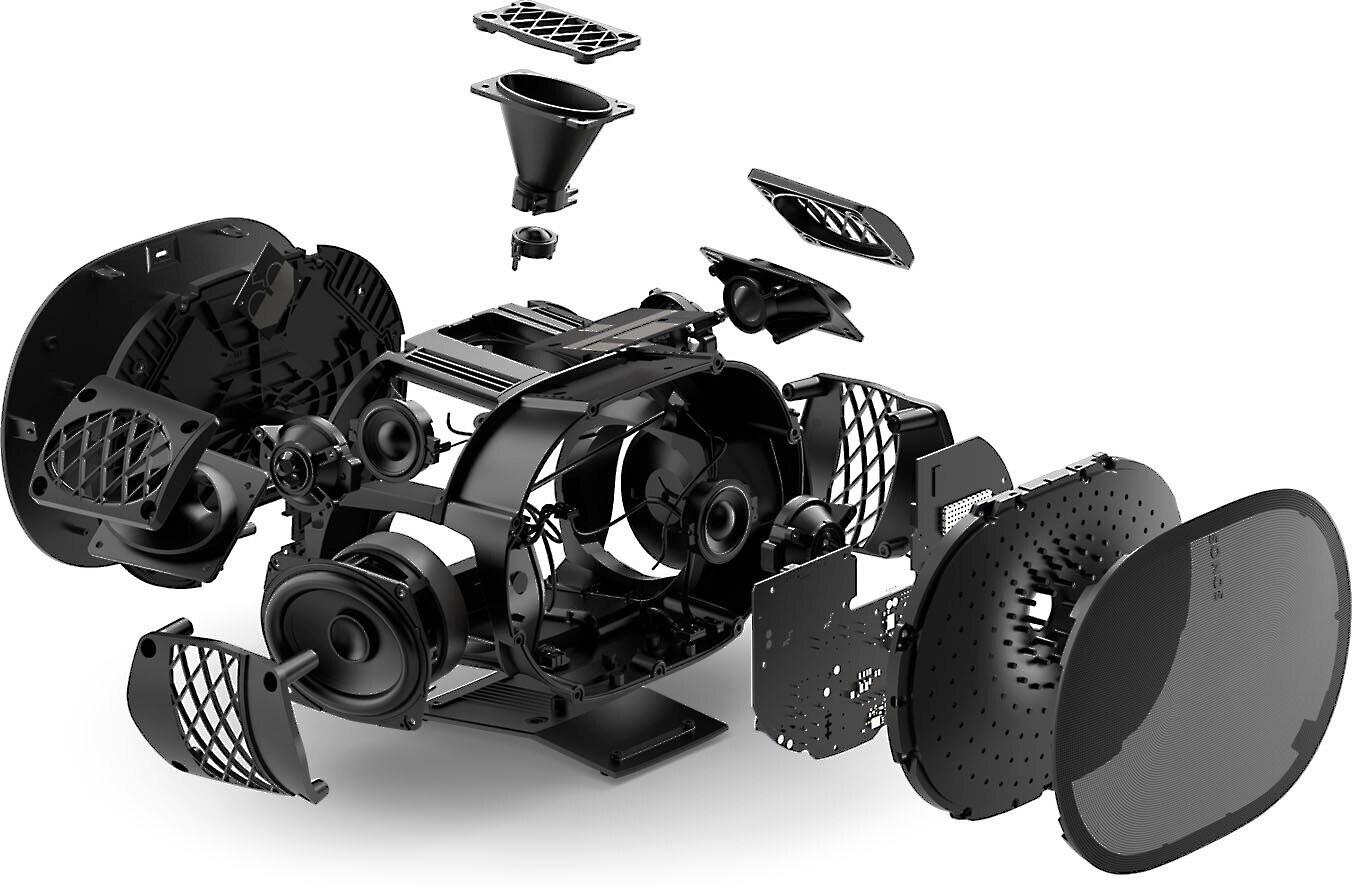
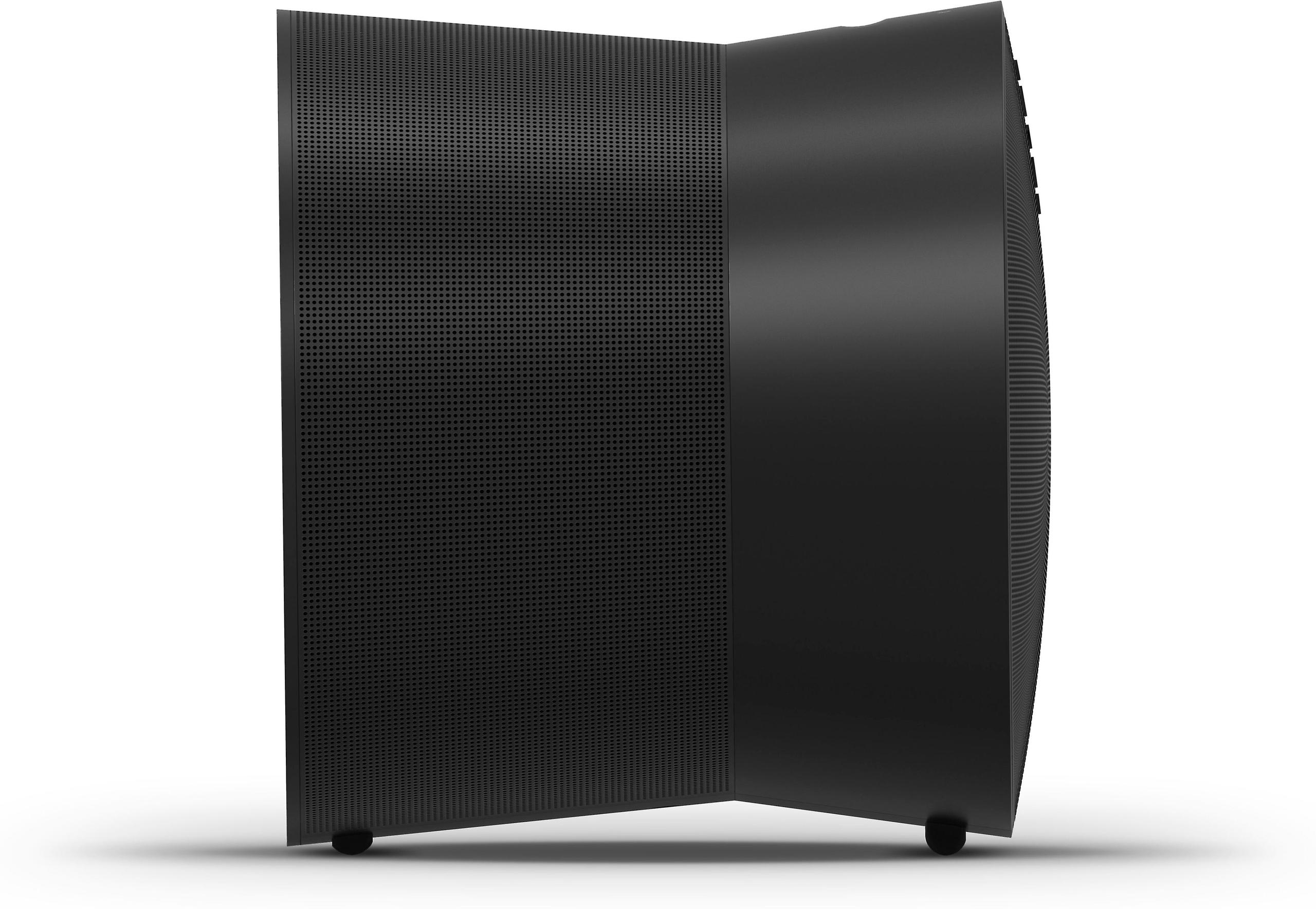
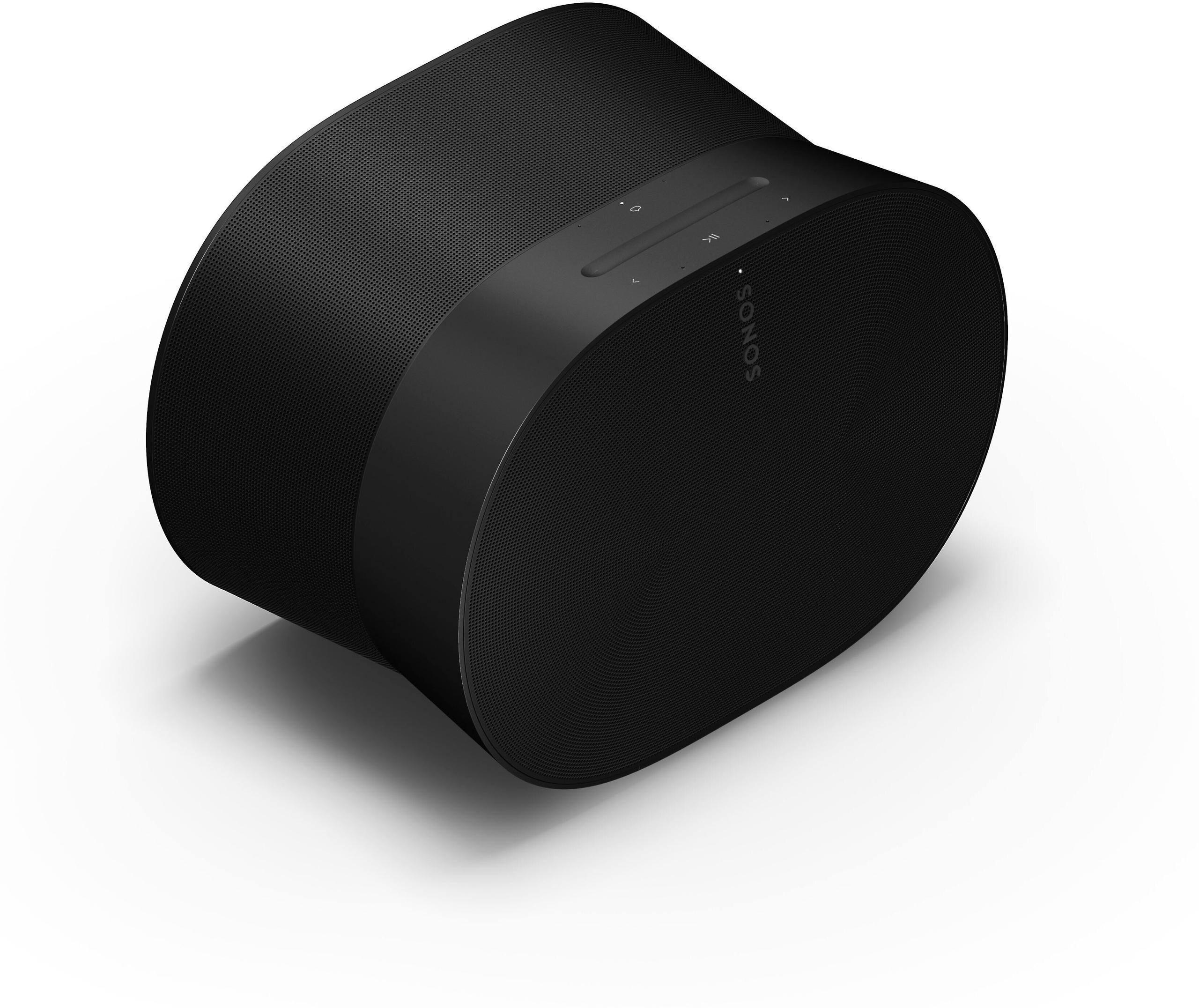
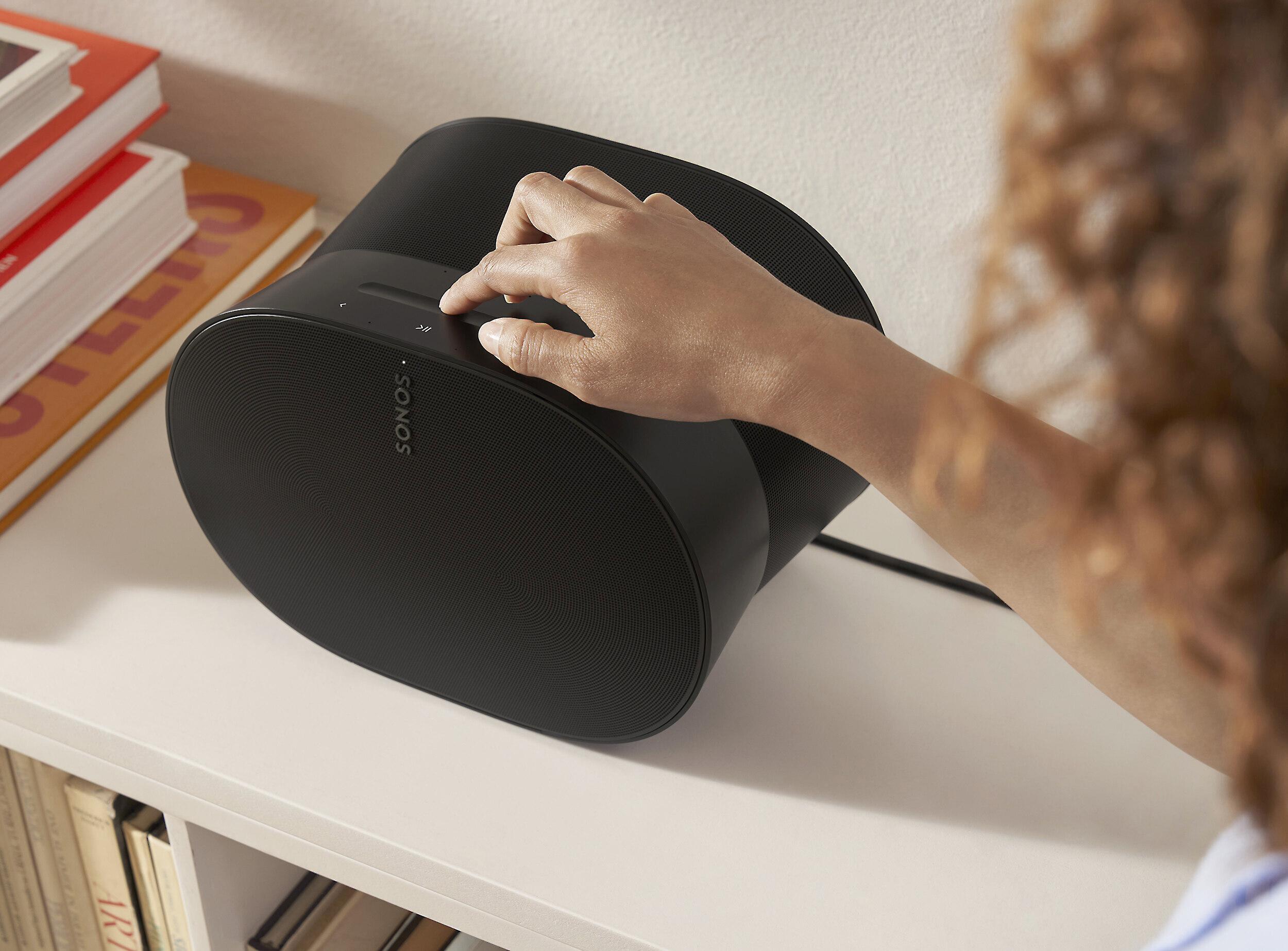
The Era 300 is in a different league entirely. Its six-driver array includes dedicated upward-firing, side-firing, and forward-firing tweeters, plus two woofers. This complex arrangement enables true spatial audio playback - you can actually hear sounds moving above and around you when playing Dolby Atmos content.
The Era 300's sound signature is remarkably balanced and refined. Bass extends deeper and with better control than the Pulse 5, while high frequencies remain clear without becoming harsh. The speaker's room correction technology (called Trueplay) automatically adjusts the sound to your room's acoustics, something portable speakers can't match.
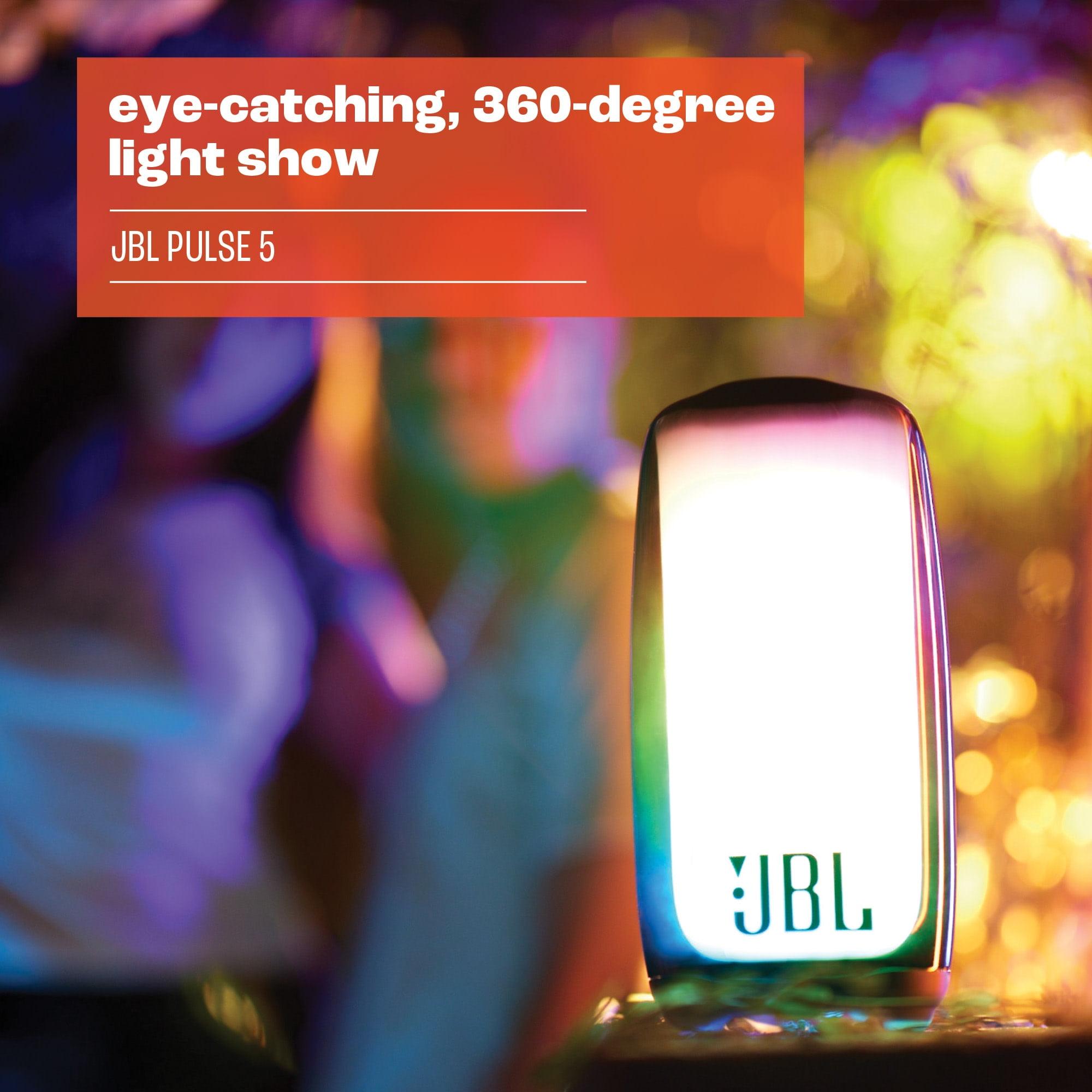
The Pulse 5's standout feature is its wrap-around LED light show, which has been significantly improved from previous generations. The transparent outer shell creates mesmerizing patterns that sync with music - it's genuinely impressive in person, especially in dark environments.
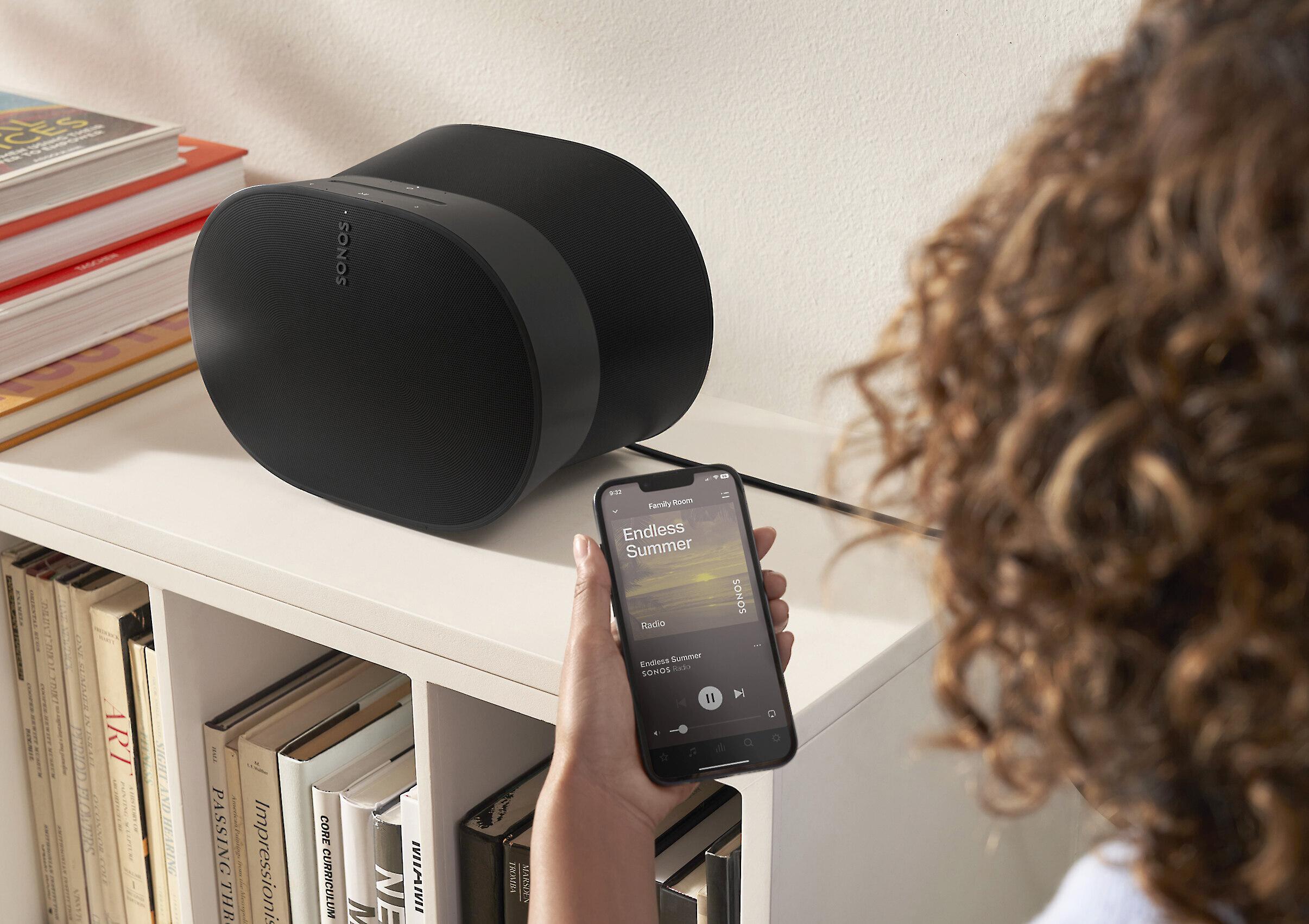
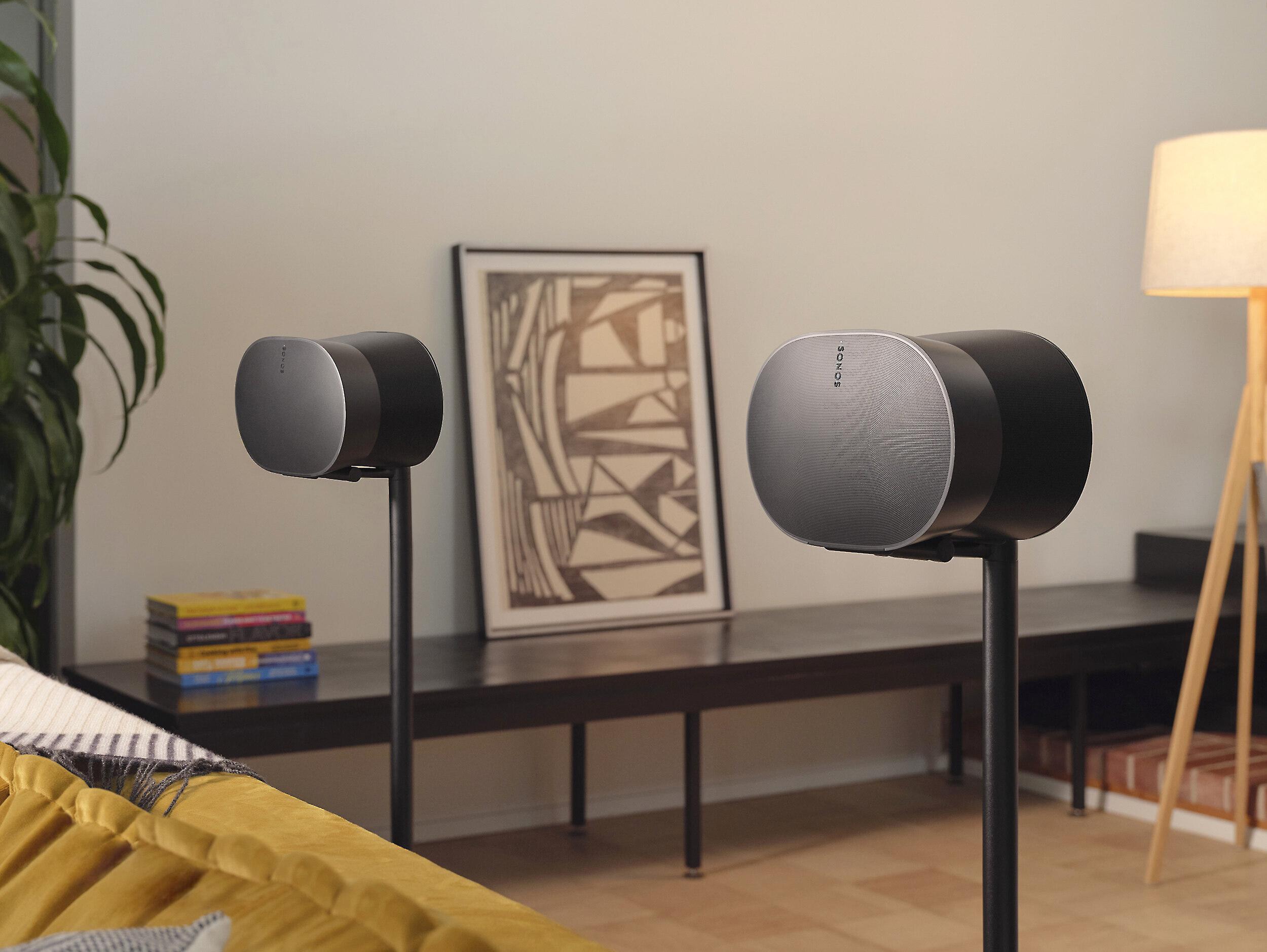
The Era 300's feature set is focused on integration and flexibility. It can serve as part of a whole-home audio system, pair with another Era 300 for stereo, or act as rear surrounds with a Sonos soundbar. The speaker's processing power (quad-core CPU, 2GB RAM) enables advanced features like spatial audio processing and room correction.
The Pulse 5 excels in situations where portability and durability matter:
The Era 300 is designed for serious home audio:
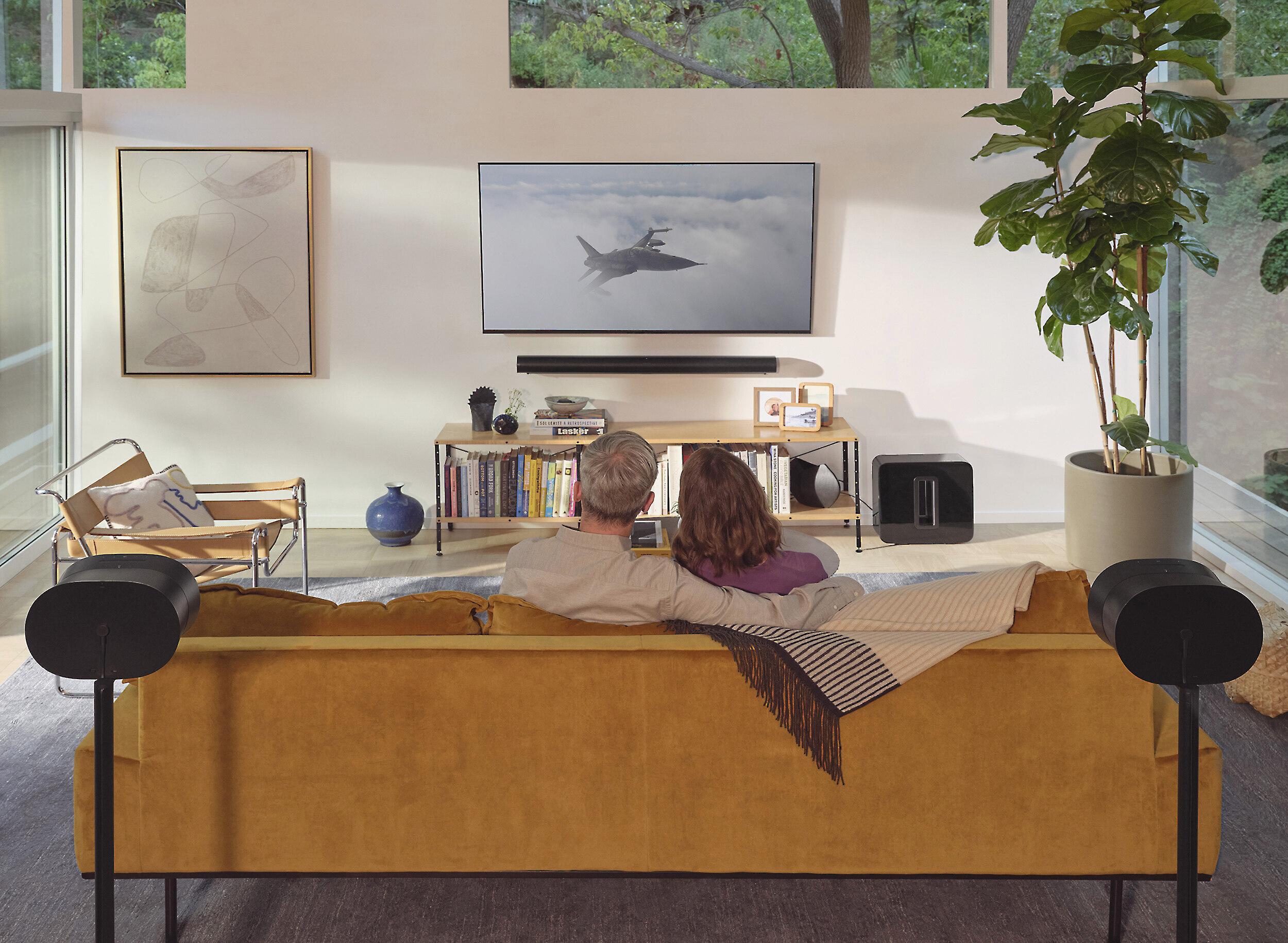
The Era 300 has a significant advantage here. Two Era 300s can be paired with a Sonos Arc or Beam soundbar to create a Dolby Atmos surround system. In this configuration, the Era 300s use their upward-firing drivers to enhance height effects, creating a more immersive experience than traditional surround speakers.
The Pulse 5 isn't designed for home theater use. While you could technically use it as a bluetooth speaker for TV, the latency would make it impractical for video content.
At $249, the Pulse 5 is priced in the premium portable speaker category. You're paying extra for the light show feature - similar-sounding speakers without lights cost less. However, if you'll use it regularly outdoors or want the visual element, it's a reasonable value. The build quality and water resistance suggest it should last several years of regular use.
The Era 300's $449 price tag puts it in the premium category, but it's competitive with other high-end wireless speakers. The value proposition improves if you:
Choose the JBL Pulse 5 if:
Choose the Sonos Era 300 if:
The Pulse 5's battery will eventually degrade, typically showing noticeable capacity loss after 2-3 years of regular use. However, its simple feature set means less can go wrong electronically.
The Era 300, while more complex, is designed for long-term use. Sonos has a strong track record of software support, often extending 5+ years. The speaker's modular design also makes repairs more feasible than typical wireless speakers.
Both speakers represent significant technical achievements in their categories. The Pulse 5's 360-degree sound and synchronized lighting required careful engineering to achieve in a portable format. The Era 300's spatial audio implementation is arguably more impressive, requiring precise driver placement and sophisticated digital signal processing to create convincing three-dimensional sound.
In conclusion, while both speakers can fill a room with music, they serve different purposes. The JBL Pulse 5 is a capable portable speaker with unique visual appeal, while the Sonos Era 300 is a sophisticated home audio component that pushes the boundaries of wireless speaker technology. Your choice should align with how and where you'll use the speaker most often.
| JBL Pulse 5 | Sonos Era 300 |
|---|---|
| Price - Initial Investment | |
| $249 (mid-range portable) | $449 (premium home audio) |
| Audio Configuration - Impacts sound quality and coverage | |
| 40W total (30W woofer + 10W tweeter) | 6 drivers (4 tweeters, 2 woofers) with spatial audio |
| Primary Use Case - Most suitable environment | |
| Portable outdoor/indoor party speaker | Premium home audio and home theater |
| Connectivity - How you'll connect devices | |
| Bluetooth 5.3 only | WiFi 6, Bluetooth 5.0, AirPlay 2, Line-in (adapter required) |
| Special Features - Unique capabilities | |
| 360° LED light show, IP67 waterproof | Dolby Atmos, Trueplay room correction, voice control |
| Size & Weight - Portability factor | |
| 4.2 x 8.5 x 5.2 in, 3.2 lbs | 6.3 x 10.24 x 7.28 in, 9.85 lbs |
| Power Source - Usage flexibility | |
| 12-hour rechargeable battery | AC power only |
| Multi-Speaker Options - Expandability | |
| PartyBoost for stereo pair or party mode | Full Sonos ecosystem, home theater integration |
| Sound Quality - Audio performance | |
| Good for portable, limited bass range | Exceptional, room-filling with precise staging |
| Smart Features - Additional functionality | |
| Basic app control for lights and EQ | Voice assistants, multi-room audio, extensive app features |
| Durability - Environmental resistance | |
| Waterproof, dustproof, drop-resistant | Indoor use only, sensitive electronics |
| Long-term Value - Future-proofing | |
| 2-3 years typical use before battery degradation | 5+ years of software updates, repairable design |
The JBL Pulse 5 is specifically designed for outdoor use with IP67 waterproofing and battery power. The Sonos Era 300 is not waterproof and requires AC power, making it unsuitable for outdoor use.
The JBL Pulse 5 costs $249, while the Sonos Era 300 is priced at $449, making it $200 more expensive.
The Sonos Era 300 can be paired with Sonos soundbars for home theater use, particularly as rear surrounds with Dolby Atmos. The JBL Pulse 5 isn't designed for home theater use.
The Sonos Era 300 offers superior sound quality with spatial audio and multiple precisely-aimed drivers. The JBL Pulse 5 provides good but not exceptional audio quality, focused on portable use.
Both speakers can connect to phones - the JBL Pulse 5 via Bluetooth, while the Sonos Era 300 offers Bluetooth, WiFi, and AirPlay 2 connectivity.
The JBL Pulse 5 has a 12-hour battery life but may show battery degradation after 2-3 years. The Sonos Era 300 is AC-powered and typically lasts 5+ years with regular software updates.
Yes, both support multi-speaker setups. The JBL Pulse 5 has PartyBoost for connecting multiple speakers, while the Sonos Era 300 offers full multi-room audio integration with other Sonos products.
The JBL Pulse 5 is better for parties with its portable design, light show feature, and waterproofing. The Sonos Era 300 is designed more for permanent home installation.
The Sonos Era 300 supports Amazon Alexa and Sonos Voice Control. The JBL Pulse 5 does not have voice assistant capabilities.
The Sonos Era 300 provides deeper, more controlled bass due to its larger size and dual woofers. The JBL Pulse 5 offers decent but more limited bass response.
The Sonos Era 300 integrates well with TV setups, especially in a Sonos home theater system. The JBL Pulse 5 can connect via Bluetooth but isn't ideal for TV use due to potential audio lag.
The Sonos Era 300 is more future-proof with regular software updates, spatial audio support, and multiple connectivity options. The JBL Pulse 5 has more limited upgrade potential but serves its portable purpose well.
We've done our best to create useful and informative comparisons to help you decide what product to buy. Our research uses advanced automated methods to create this comparison and perfection is not possible - please contact us for corrections or questions. These are the sites we've researched in the creation of this article: digitaltrends.com - youtube.com - target.com - rtings.com - jbl.com - jblonlinestore.com - harmanaudio.com - assistivetech.com.au - stereoguide.com - mm.jbl.com - jbl.com - creativeaudio.net - rtings.com - notebookcheck.net - audiosciencereview.com - whathifi.com - digitaltrends.com - sonos.com - sonos.com - youtube.com - soundguys.com - schaeferstv.com - en.community.sonos.com - bestbuy.com - youtube.com - sonos.com

Privacy Policy
Terms and Conditions - Affiliate Policy
Home Security
© Copyright 2008-2026.
11816 Inwood Rd #1211, Dallas, TX 75244