

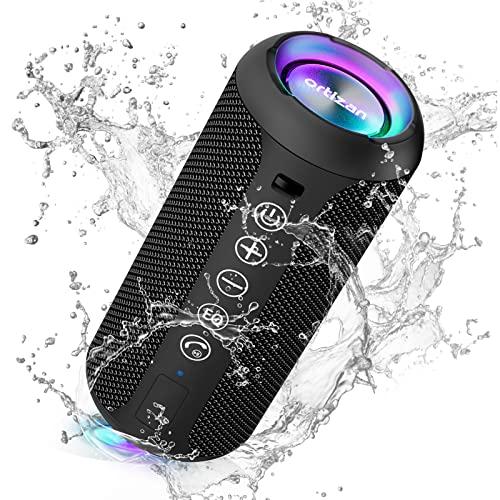

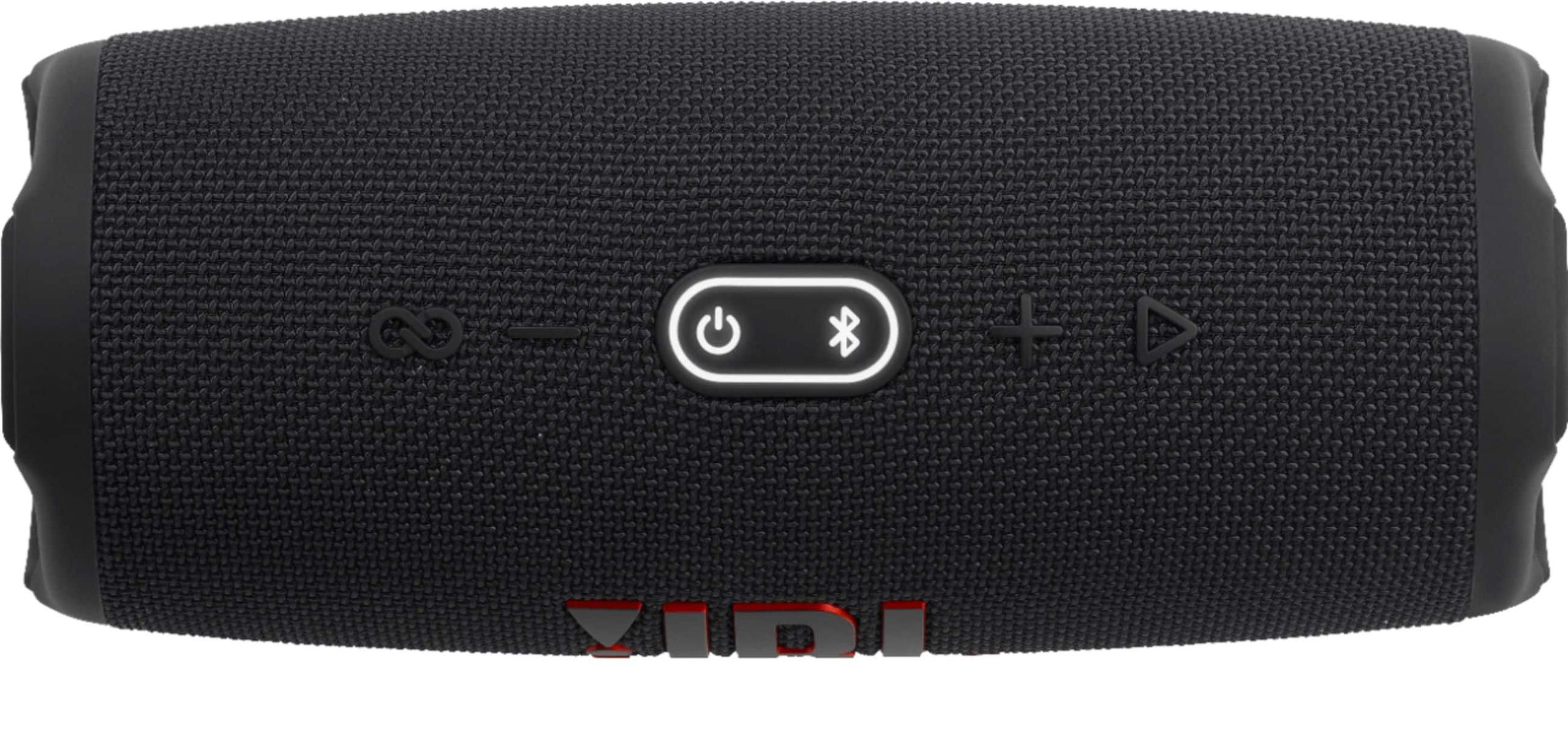
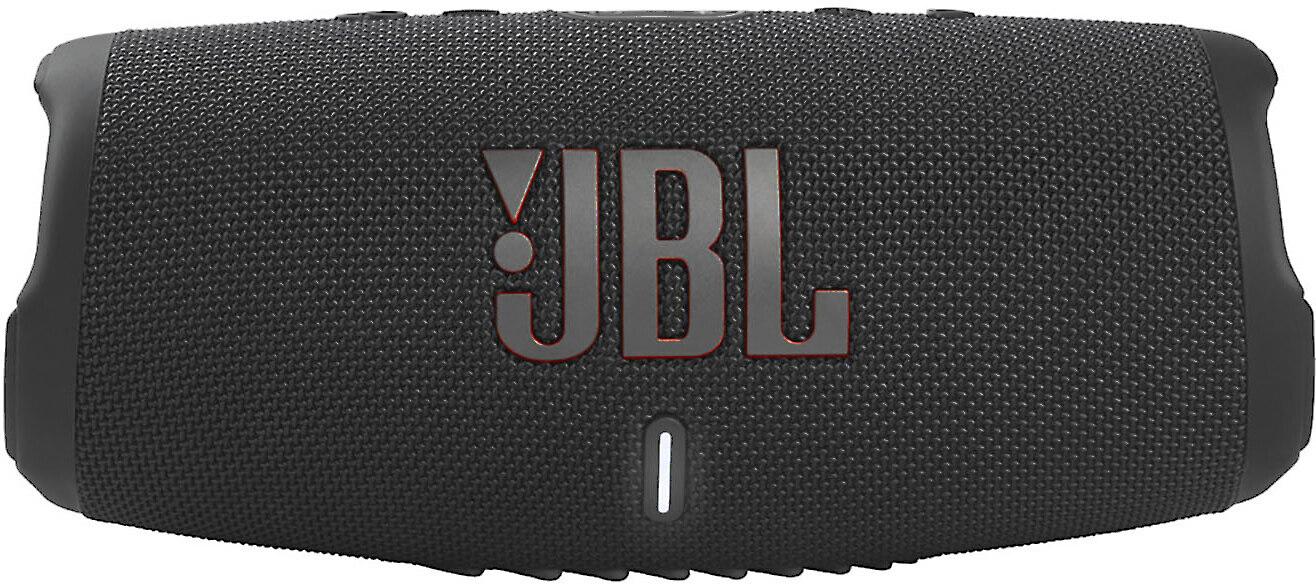
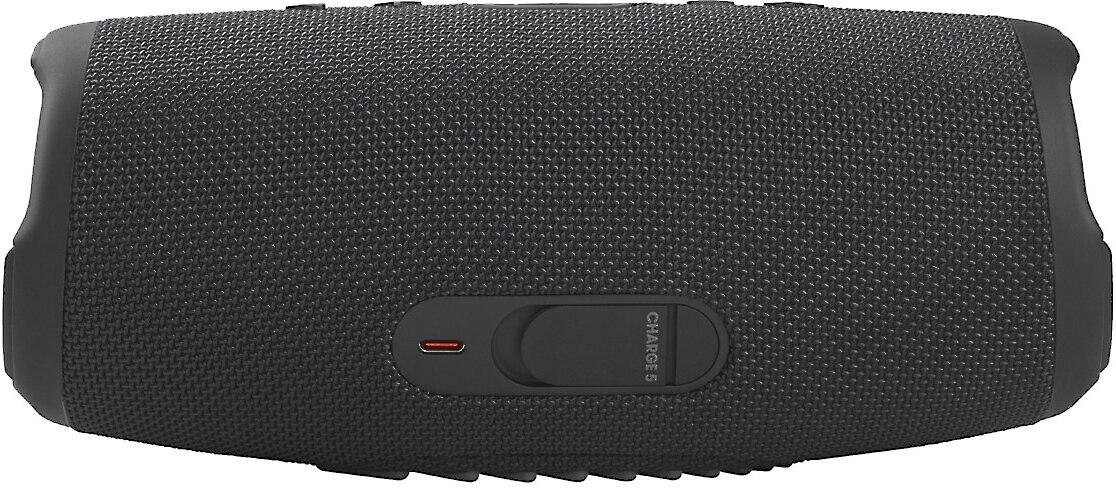
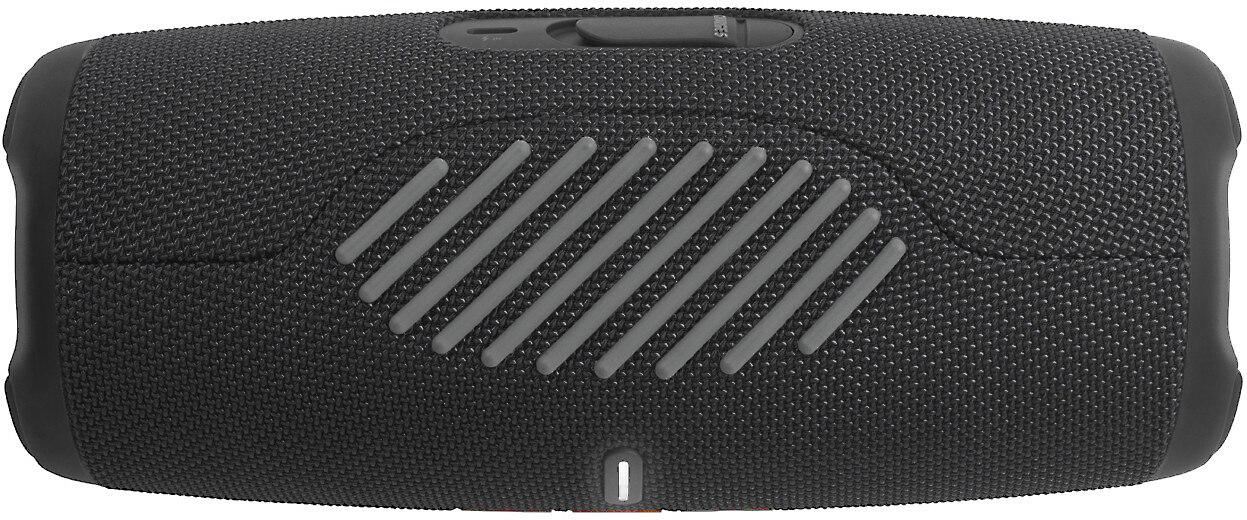
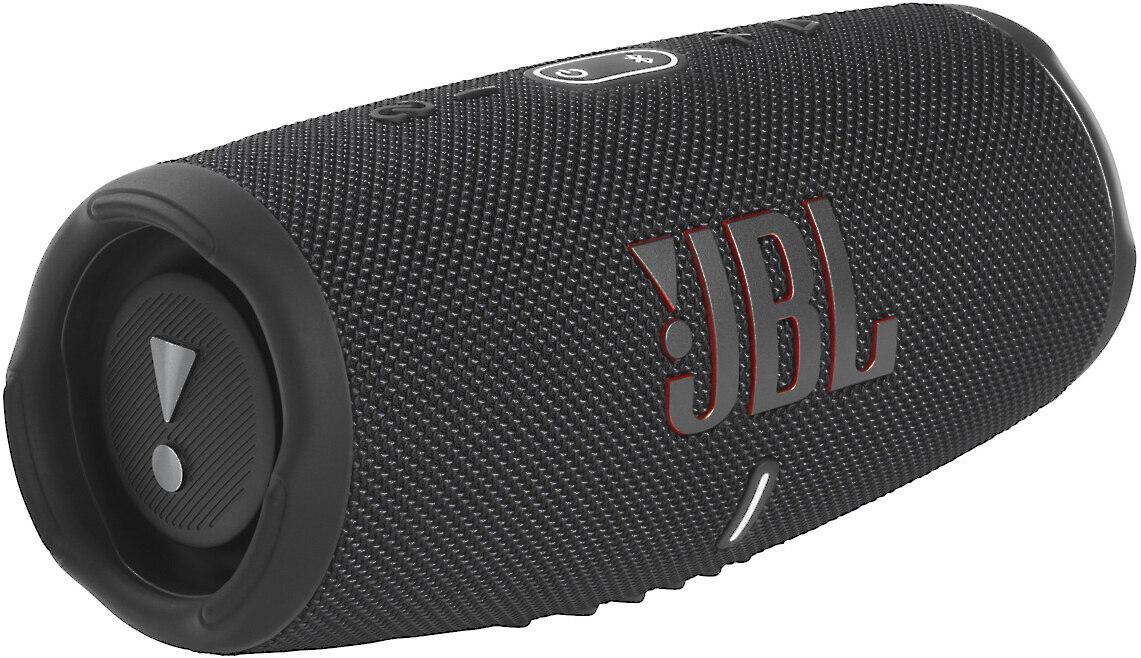
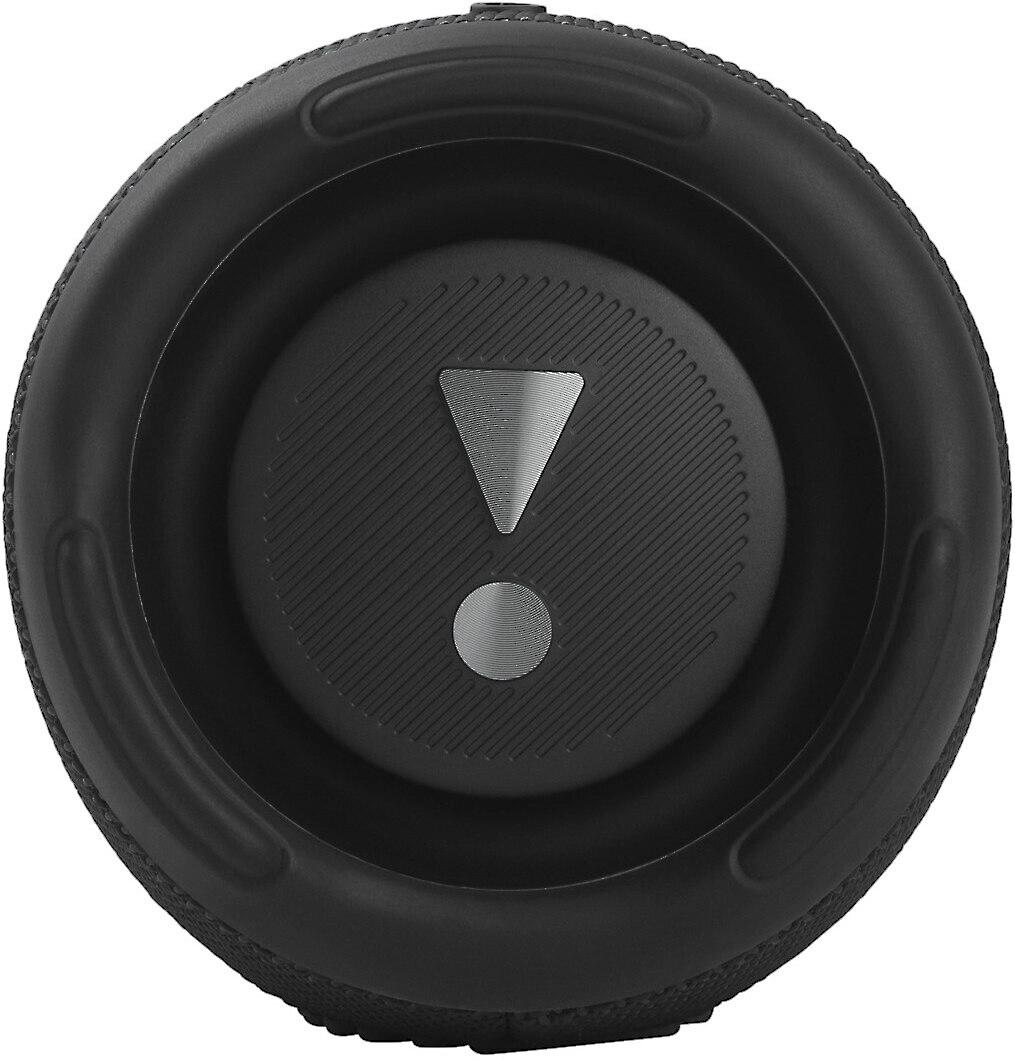
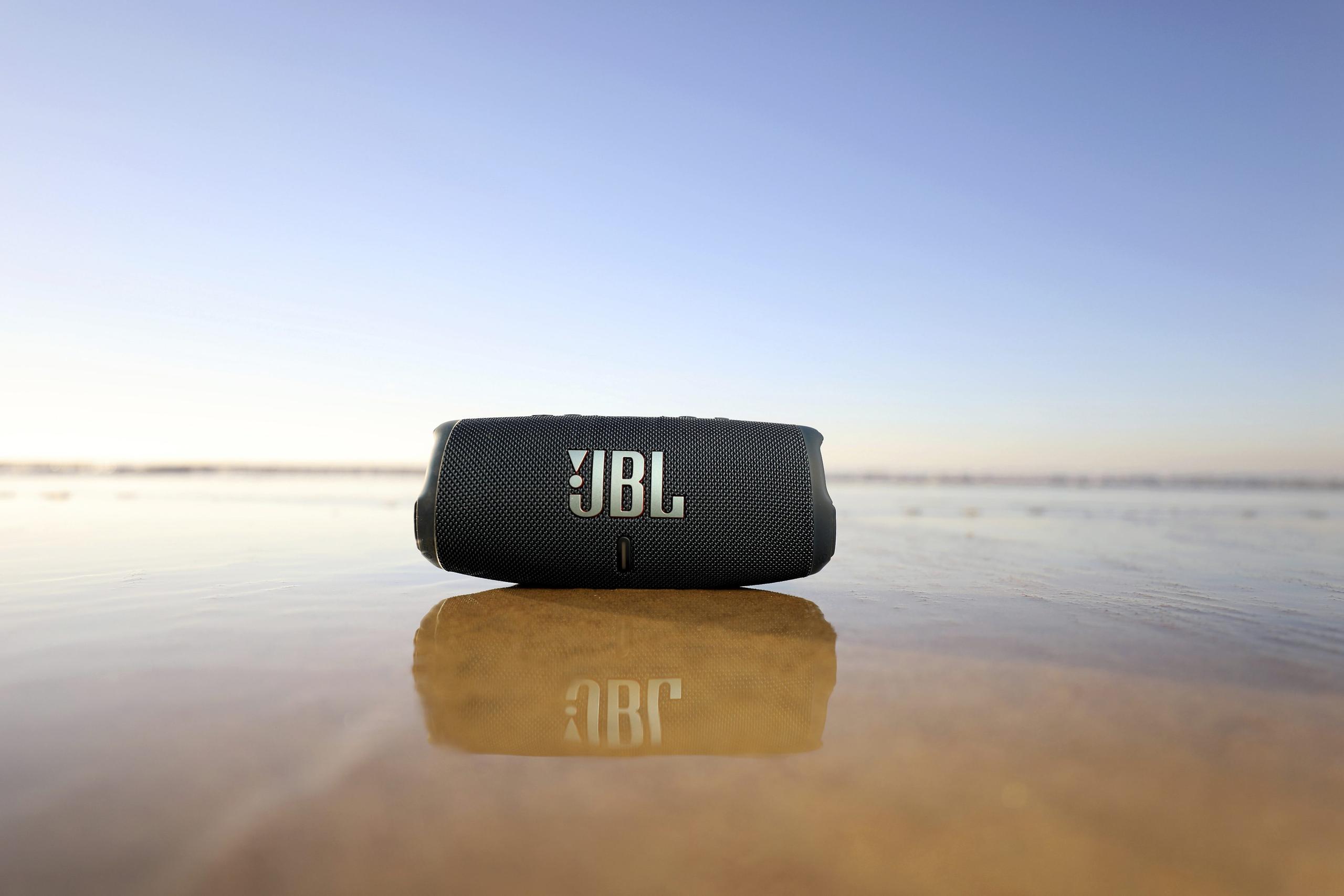
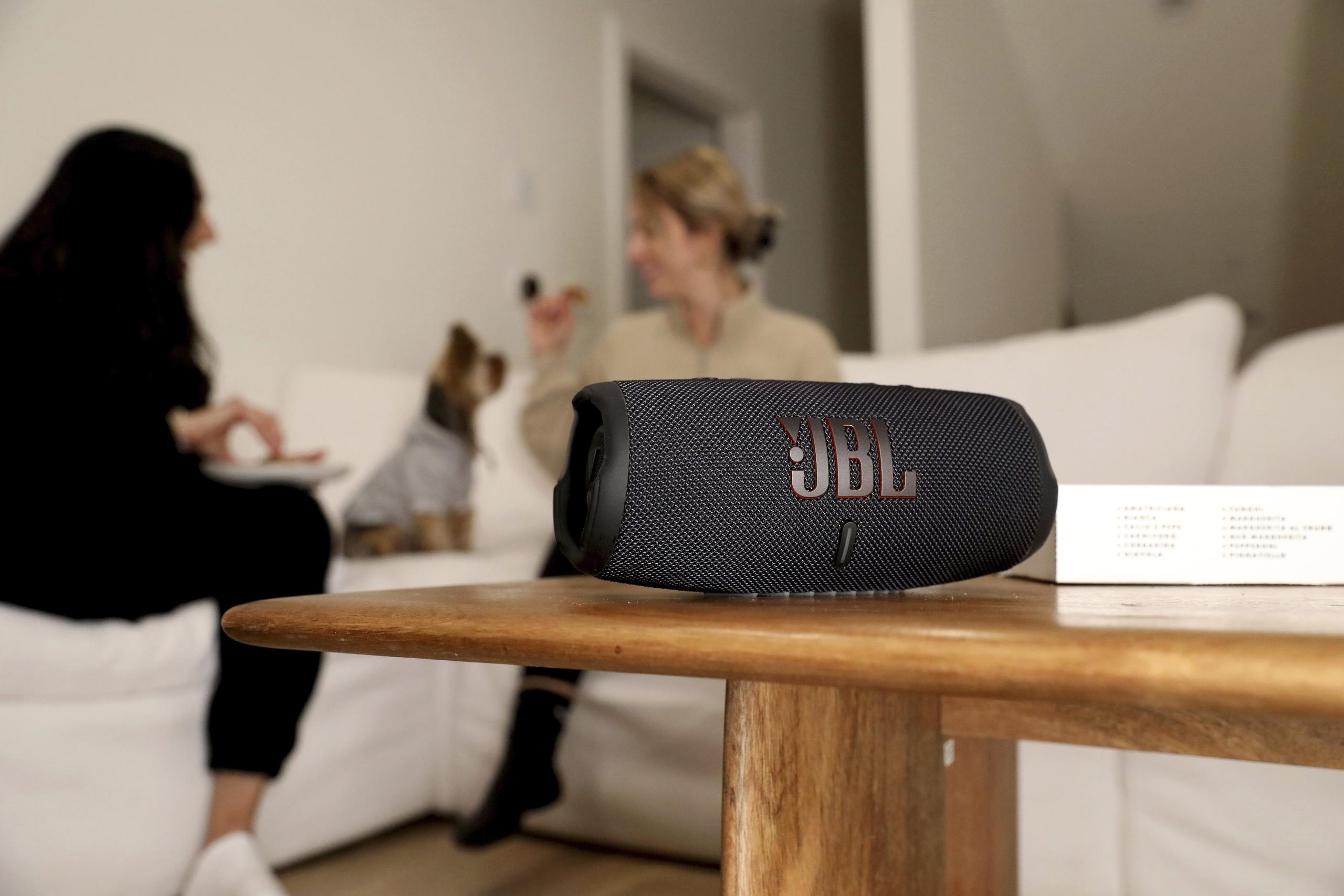

When you're shopping for a portable Bluetooth speaker, you'll quickly discover there's a massive gap between what $50 and $150 can buy you. The Ortizan X10 and JBL Charge 5 perfectly illustrate this divide, representing two completely different philosophies in portable audio design. Understanding these differences will help you make the right choice for your needs and budget.
Before diving into specifics, let's establish what makes a great portable speaker. The core considerations haven't changed much over the years: sound quality, battery life, durability, and portability. However, modern speakers have added features like water resistance, power bank functionality, and wireless stereo pairing that have become increasingly important.
The fundamental challenge with portable speakers is physics. Smaller drivers (the components that actually produce sound) and compact enclosures naturally limit how much bass you can produce and how loud you can play without distortion. Premium speakers overcome these limitations through better engineering, higher-quality components, and more sophisticated digital signal processing (DSP) – essentially computer algorithms that optimize the sound.
When evaluating any portable speaker, you should focus on a few key performance metrics: maximum volume without distortion, frequency response (how evenly it reproduces different pitches), bass extension (how deep the low notes go), and overall tonal balance. These technical aspects directly translate to your listening experience.
The Ortizan X10, released in 2020, represents the "feature-packed value" approach. It's designed to offer maximum features and adequate performance at a budget-friendly price point. Think of it as the smartphone equivalent of getting decent specs with some flashy extras to stand out in a crowded market.
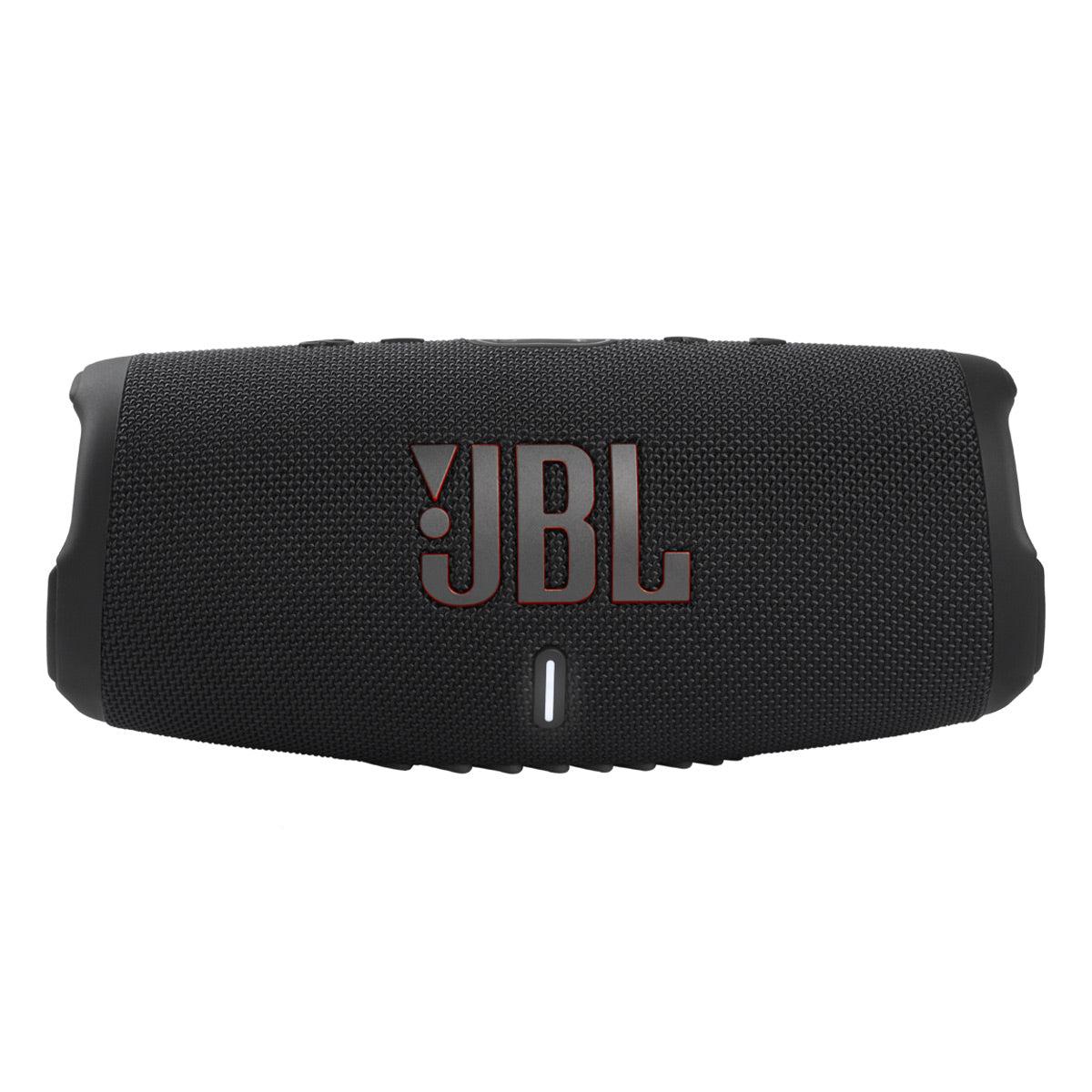
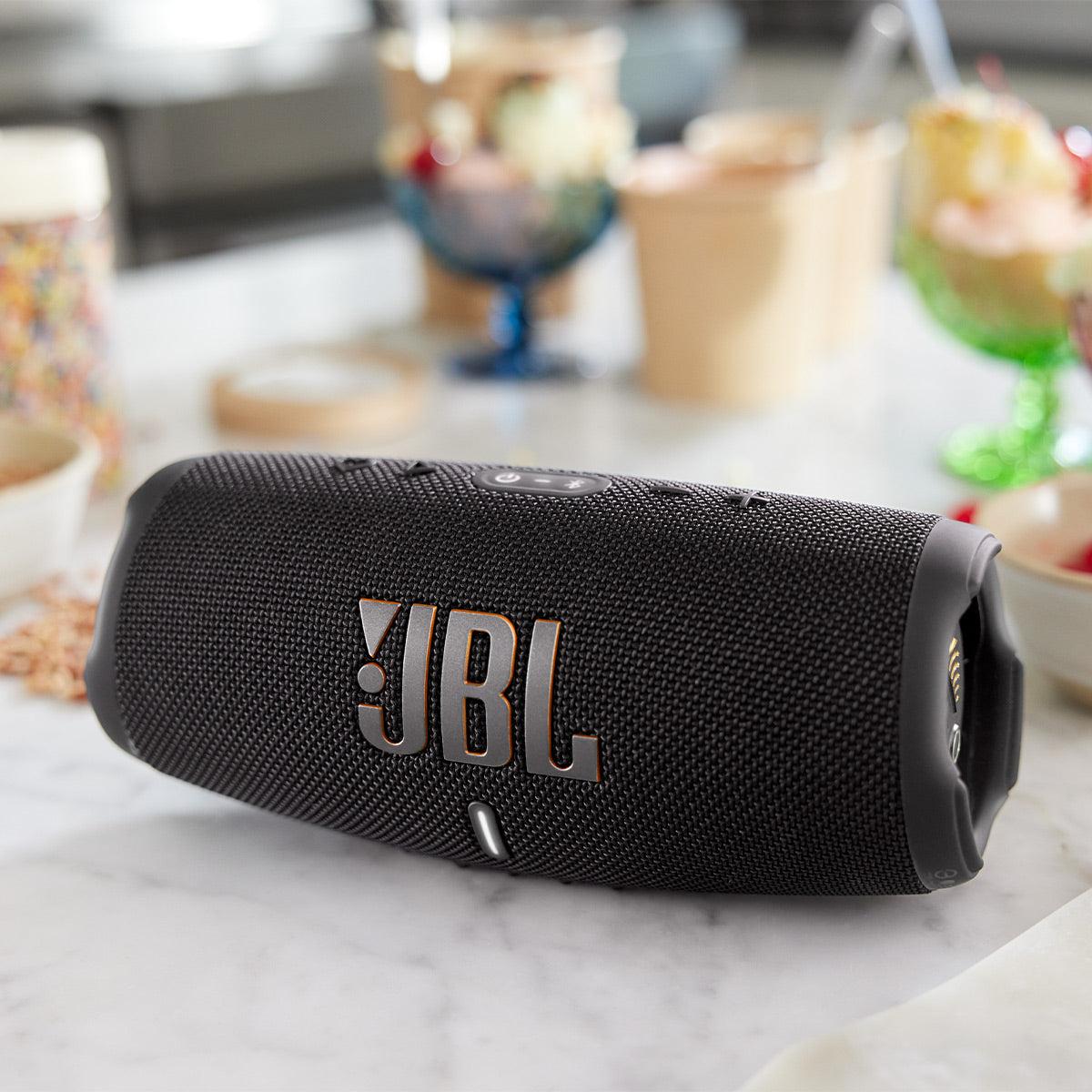
The JBL Charge 5, launched in 2021, exemplifies the "premium performance" philosophy. JBL has been refining their Charge series for years, and this latest iteration focuses on audio quality, build reliability, and practical features that serious users actually want.
The most obvious difference between these speakers is raw power output. The JBL Charge 5 delivers 40 watts total through dual 20-watt drivers, while the Ortizan X10 produces 24 watts via dual 12-watt drivers. This isn't just about bragging rights – that extra power translates to significantly higher maximum volume and better dynamic range.
In practical terms, the JBL Charge 5 can fill a large backyard party or compete with ambient noise at a busy beach. The Ortizan X10 works well for smaller gatherings, bedroom listening, or poolside use, but starts to struggle in larger spaces or noisy environments.
Here's where things get interesting technically. The Ortizan X10 claims frequency response down to 20Hz – the very bottom of human hearing – while the JBL Charge 5 is rated to 60Hz. On paper, this suggests the Ortizan should have deeper bass. However, real-world performance tells a different story.
Frequency response specifications can be misleading because they don't tell you how evenly the speaker reproduces different frequencies or at what volume levels those specifications apply. Based on extensive user feedback and professional reviews, the JBL Charge 5 maintains consistent, balanced sound across its entire volume range, while the Ortizan X10 tends to emphasize bass and can become muddy or distorted when pushed hard.
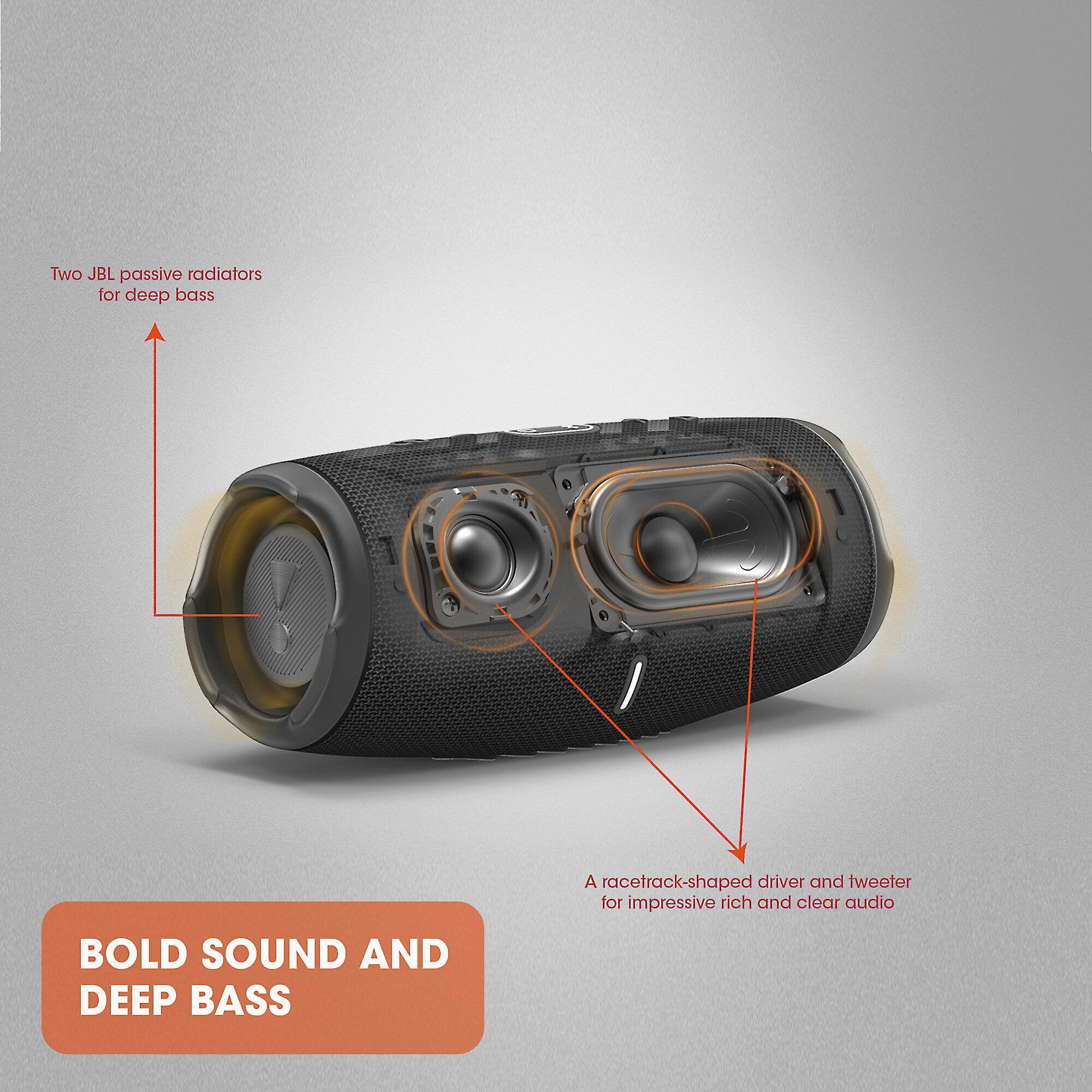
The JBL Charge 5 uses a more sophisticated driver configuration with a dedicated tweeter (for high frequencies) and dual bass radiators. Bass radiators are passive components that move with the music to enhance low-frequency output without requiring additional power. This design produces cleaner, more controlled bass compared to the Ortizan X10's approach of boosting bass through digital processing.
In terms of overall sound character, the speakers cater to different preferences. The Ortizan X10 has a more consumer-friendly "V-shaped" sound signature – boosted bass and treble with recessed midrange. This makes music sound more exciting initially but can become fatiguing over long listening sessions and doesn't represent instruments and vocals as accurately.
The JBL Charge 5 aims for a more balanced presentation that works well across different music genres. While some users find its treble slightly aggressive, it generally maintains better separation between instruments and clearer vocal reproduction. This makes it a better choice if you listen to a wide variety of music or care about hearing details in your favorite songs.
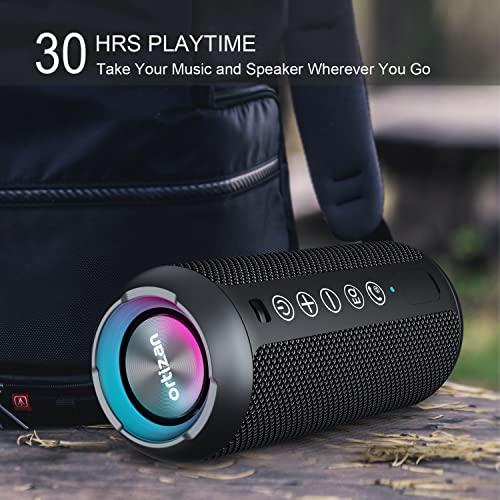
Battery life claims in portable speakers can be as misleading as fuel economy ratings for cars. The Ortizan X10 boasts an impressive 30-hour runtime, while the JBL Charge 5 claims 20 hours. However, these numbers deserve scrutiny.
The Ortizan X10's 30-hour claim likely applies to moderate volume levels (around 65dB, roughly equivalent to normal conversation volume). In real-world party or outdoor usage, where you'll probably run the speaker much louder, expect closer to 15-20 hours. The JBL Charge 5's 20-hour rating appears more conservative and realistic across different volume levels.
Both speakers use USB-C charging, which is convenient and increasingly standard. The Ortizan X10 charges faster (under 3 hours) thanks to its smaller battery, while the JBL Charge 5 takes about 4 hours for a full charge.
Here's where the JBL Charge 5 pulls ahead with a genuinely useful feature: built-in power bank functionality. You can charge your phone or other devices directly from the speaker using its substantial 7500mAh battery. This might seem like a gimmick, but it's incredibly practical during camping trips, beach days, or outdoor events where power outlets are scarce.
The Ortizan X10 lacks this capability entirely, which is understandable given its budget positioning but represents a missed opportunity for versatility.
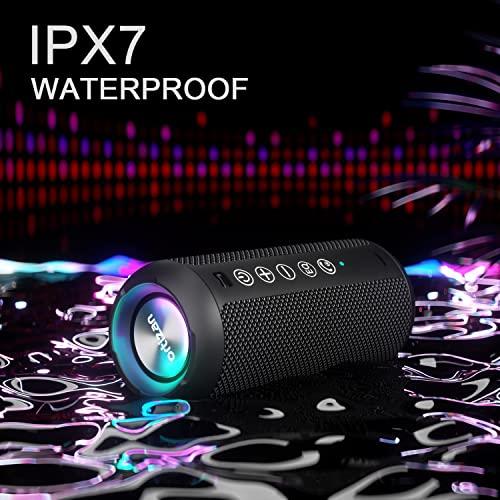
Both speakers offer water resistance, but with important differences. The JBL Charge 5 carries an IP67 rating, while the Ortizan X10 has IPX7 protection.
The IP (Ingress Protection) rating system uses two numbers: the first indicates dust protection, the second covers water resistance. The JBL Charge 5's IP67 rating means it's completely dust-tight (the "6") and can survive immersion in up to 1 meter of water for 30 minutes (the "7"). The Ortizan X10's IPX7 rating means dust protection isn't certified (the "X"), but it matches the water protection level.
For most users, both levels provide adequate protection against splashes, rain, and accidental drops in water. The dust protection difference mainly matters if you frequently use your speaker in sandy or dusty environments like beaches or construction sites.
Physical build quality represents another clear differentiation. The JBL Charge 5 uses premium materials and construction techniques developed over years of iteration. The fabric covering feels substantial, the rubber components remain flexible in temperature extremes, and the overall assembly feels solid and durable.
The Ortizan X10 offers respectable build quality for its price point but cuts corners in materials and assembly precision. It's lighter weight, which improves portability, but this often comes at the expense of long-term durability. For occasional use, this trade-off makes sense, but heavy users might find it showing wear more quickly.
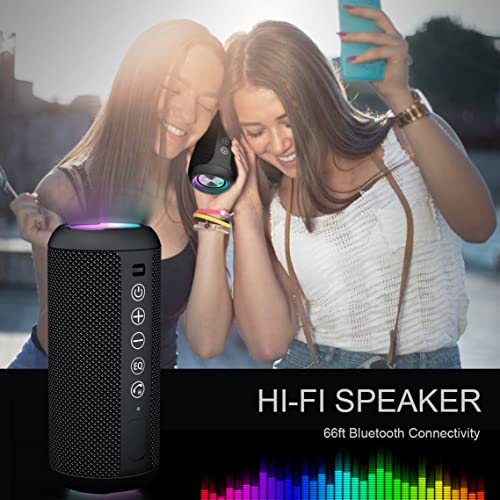
Both speakers use modern Bluetooth technology with similar connection ranges (around 66 feet in open areas). The JBL Charge 5 uses Bluetooth 5.1, which offers improved connection stability and lower power consumption compared to the Ortizan X10's Bluetooth 5.0 implementation.
More importantly, each speaker offers different multi-speaker pairing technologies. The JBL Charge 5 supports PartyBoost, which lets you connect multiple JBL speakers for synchronized playback. This creates a scalable audio system – start with one speaker and add more as needed for larger events.
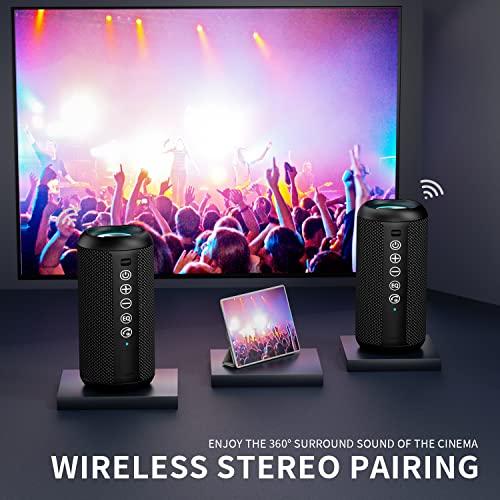
The Ortizan X10 offers True Wireless Stereo (TWS) pairing, allowing two identical speakers to work together in stereo mode (left and right channels separated). This creates a wider soundstage but only works with two speakers maximum.
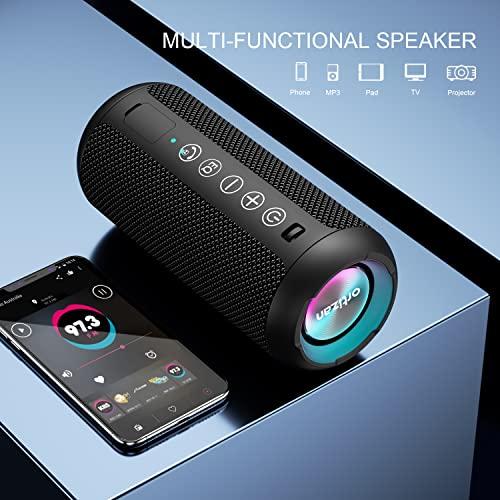
Here's where the Ortizan X10 shows its value-focused approach. It includes a 3.5mm auxiliary input and microSD card slot, supporting various audio formats including high-quality options like FLAC. This means you can play music without draining your phone's battery or use it in areas with poor Bluetooth connectivity.
The JBL Charge 5 eliminated the auxiliary input that previous generations included, focusing solely on Bluetooth connectivity. While this simplifies the design and improves water resistance, it reduces flexibility for users who prefer wired connections or want to play music from non-Bluetooth sources.
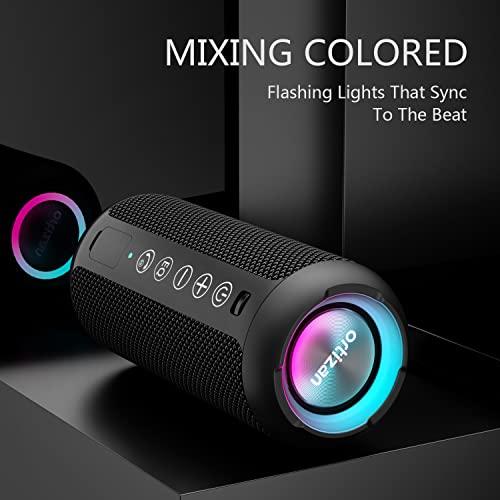
The Ortizan X10 includes a dynamic RGB light show that pulses and changes colors in sync with your music. While this might seem gimmicky, it genuinely adds to the party atmosphere and helps the speaker stand out visually. You can cycle through different lighting modes or turn the lights off entirely to conserve battery.
The JBL Charge 5 takes a more utilitarian approach, focusing on audio performance and practical features rather than visual flair. Some users appreciate this no-nonsense design philosophy, while others miss the fun factor that lights can add to social gatherings.
Neither speaker is designed specifically for home theater use, but both can serve as temporary solutions for smaller spaces. The JBL Charge 5's better tonal balance and higher maximum volume make it more suitable for dialogue clarity and dynamic range in movies. However, both lack the sophisticated surround sound processing and multiple driver configurations that dedicated soundbars provide.
For casual movie watching on tablets or laptops, either speaker represents a significant upgrade over built-in device speakers. The Ortizan X10's auxiliary input could be useful for connecting to older TV models that lack Bluetooth.
If you're working with a limited budget, the Ortizan X10 delivers impressive value. At the time of writing, it typically costs roughly half the price of the JBL Charge 5 while offering decent sound quality, long battery life, and entertaining features like the light show. It's particularly appealing for younger users who prioritize visual excitement and social media appeal.
The Ortizan X10 makes sense for casual listeners who primarily use speakers for background music, small gatherings, or personal listening at moderate volumes. The multiple connectivity options add versatility that some users genuinely need.
For users who prioritize audio quality and long-term reliability, the JBL Charge 5 justifies its premium pricing. The superior sound quality becomes apparent immediately when comparing them side-by-side, and the build quality suggests years of reliable service.
The power bank functionality alone might justify the price difference for outdoor enthusiasts, travelers, or anyone who frequently finds themselves away from power outlets. Combined with the better water resistance and proven durability, it represents solid value for demanding users.
Choose the Ortizan X10 if you're a student on a tight budget, want a speaker primarily for dorm room or apartment use, enjoy the visual aspect of RGB lighting, or need the auxiliary input for specific connectivity requirements.
Select the JBL Charge 5 if you frequently host outdoor gatherings, go camping or to the beach regularly, want to charge devices from your speaker, or simply want the best possible sound quality in this size category. It's also the better choice if you plan to use the speaker heavily and want something that will last for years.
The Ortizan X10 and JBL Charge 5 represent two valid but different approaches to portable audio. The Ortizan maximizes features and fun factor at a budget price point, while the JBL focuses on performance, quality, and practical functionality.
Neither speaker is objectively "better" – they're designed for different users with different priorities. The Ortizan X10 succeeds as an entertaining, versatile speaker that won't break the bank. The JBL Charge 5 excels as a serious audio tool that happens to be portable.
Your choice should align with how you plan to use the speaker, how important audio quality is to you, and whether the JBL Charge 5's premium features justify the additional cost. Both will serve their intended audiences well, just in very different ways.
| Ortizan X10 Portable Bluetooth Speaker 24W | JBL Charge 5 Portable Waterproof Speaker |
|---|---|
| Power Output - Determines maximum volume and clarity at loud levels | |
| 24W total (dual 12W drivers) - adequate for small to medium spaces | 40W total (dual 20W drivers) - significantly louder for large gatherings |
| Sound Quality Approach - Different philosophies for audio reproduction | |
| Bass-boosted "fun" sound with RGB light sync - party-focused tuning | Balanced audiophile tuning with dedicated tweeter - accurate reproduction |
| Battery Life - Critical for all-day outdoor use | |
| 30 hours claimed (realistic 15-20 hours at party volumes) | 20 hours rated (more conservative and consistent across volumes) |
| Water Resistance - Protection level for outdoor activities | |
| IPX7 (waterproof but no dust certification) | IP67 (fully waterproof and dustproof) - better for beach/camping |
| Charging Features - Convenience and versatility | |
| Fast 3-hour charging, no power bank capability | 4-hour charging with built-in power bank to charge devices |
| Connectivity Options - Flexibility for different audio sources | |
| Bluetooth + 3.5mm AUX + microSD card slot - maximum versatility | Bluetooth only (no AUX port) - simplified but less flexible |
| Multi-Speaker Pairing - Scaling up for larger events | |
| TWS pairing (two speakers only for stereo) | PartyBoost (unlimited JBL speakers for massive sound) |
| Special Features - Unique selling points | |
| RGB light show synchronized to music - visual entertainment focus | Built-in power bank functionality - practical utility focus |
| Build Quality - Long-term durability expectations | |
| Lightweight construction, good for the price point | Premium materials and proven reliability - built to last years |
| Target User - Who each speaker serves best | |
| Budget-conscious buyers wanting features and fun factor | Audio quality enthusiasts and heavy outdoor users |
The JBL Charge 5 is significantly louder with 40W total power output compared to the Ortizan X10's 24W. This means the JBL Charge 5 can fill larger spaces and compete better with background noise at outdoor events, while the Ortizan X10 works well for smaller gatherings and indoor use.
The JBL Charge 5 offers superior sound quality with more balanced audio reproduction, clearer vocals, and controlled bass response. The Ortizan X10 has a more bass-heavy, "fun" sound that can become muddy at high volumes, though it's still decent for casual listening and party environments.
The Ortizan X10 claims 30 hours of battery life, while the JBL Charge 5 offers 20 hours. However, the Ortizan X10's rating applies to moderate volumes, and real-world party use typically yields 15-20 hours. The JBL Charge 5's 20-hour rating is more consistent across different volume levels.
Both speakers offer excellent water protection, but the JBL Charge 5 has a slight edge with IP67 rating (waterproof and dustproof) compared to the Ortizan X10's IPX7 rating (waterproof only). Both can handle pool parties and beach use, but the JBL Charge 5 offers better protection in dusty environments.
Only the JBL Charge 5 can charge your devices with its built-in power bank feature using its large 7500mAh battery. The Ortizan X10 lacks this functionality entirely. This makes the JBL Charge 5 more practical for camping trips and outdoor events where power outlets aren't available.
The Ortizan X10 provides more connectivity versatility with Bluetooth, 3.5mm AUX input, and microSD card slot support. The JBL Charge 5 only offers Bluetooth connectivity, having removed the AUX port from previous generations. Choose the Ortizan X10 if you need wired connections or want to play music from SD cards.
Yes, each speaker offers unique features. The Ortizan X10 includes a dynamic RGB light show that syncs with your music, creating visual entertainment perfect for parties. The JBL Charge 5 focuses on practical features like power bank functionality and PartyBoost technology for connecting multiple speakers.
The JBL Charge 5 is better suited for demanding outdoor use due to its superior build quality, IP67 rating, higher maximum volume, and power bank capability. While the Ortizan X10 is waterproof and works outdoors, it's better for casual outdoor listening rather than rugged camping or beach adventures.
Both speakers support multi-speaker pairing but with different approaches. The Ortizan X10 offers TWS (True Wireless Stereo) pairing with one other identical speaker for stereo sound. The JBL Charge 5 features PartyBoost technology, allowing you to connect unlimited compatible JBL speakers for massive sound coverage.
The Ortizan X10 typically costs about half the price of the JBL Charge 5, making it excellent value for budget-conscious buyers who want decent sound quality and fun features like RGB lighting. The JBL Charge 5 justifies its premium pricing with superior audio quality, build durability, and practical features like power bank functionality.
Neither speaker is specifically designed for home theater, but both can improve audio for smaller TV setups. The JBL Charge 5 is better for home theater use due to its balanced sound profile and higher volume capability, providing clearer dialogue and better dynamic range. The Ortizan X10's AUX input might be useful for connecting to older TVs without Bluetooth.
Choose the Ortizan X10 if you're on a tight budget, want RGB lighting for parties, need multiple connectivity options, or primarily use speakers for casual listening. Select the JBL Charge 5 if you prioritize sound quality, need device charging capability, frequently use speakers outdoors, or want long-term durability and reliability from a proven brand.
We've done our best to create useful and informative comparisons to help you decide what product to buy. Our research uses advanced automated methods to create this comparison and perfection is not possible - please contact us for corrections or questions. These are the sites we've researched in the creation of this article: reviewindetail.com - manuals.plus - newegg.com - walmart.com - nerdtechy.com - aliexpress.com - youtube.com - h5.lazada.com.ph - youtube.com - manuals.plus - walmart.com - ortizan.com - youtube.com - youtube.com - ubuy.com.pk - manuals.plus - youtube.com - aliexpress.com - aliexpress.com - ortizan.com - youtube.com - heartwood.church - device.report - techradar.com - outeraudio.com - youtube.com - soundguys.com - howtogeek.com - jbl.com - abt.com - youtube.com - harmanaudio.com - homedepot.com - bhphotovideo.com - dxomark.com

Privacy Policy
Terms and Conditions - Affiliate Policy
Home Security
© Copyright 2008-2026.
11816 Inwood Rd #1211, Dallas, TX 75244