

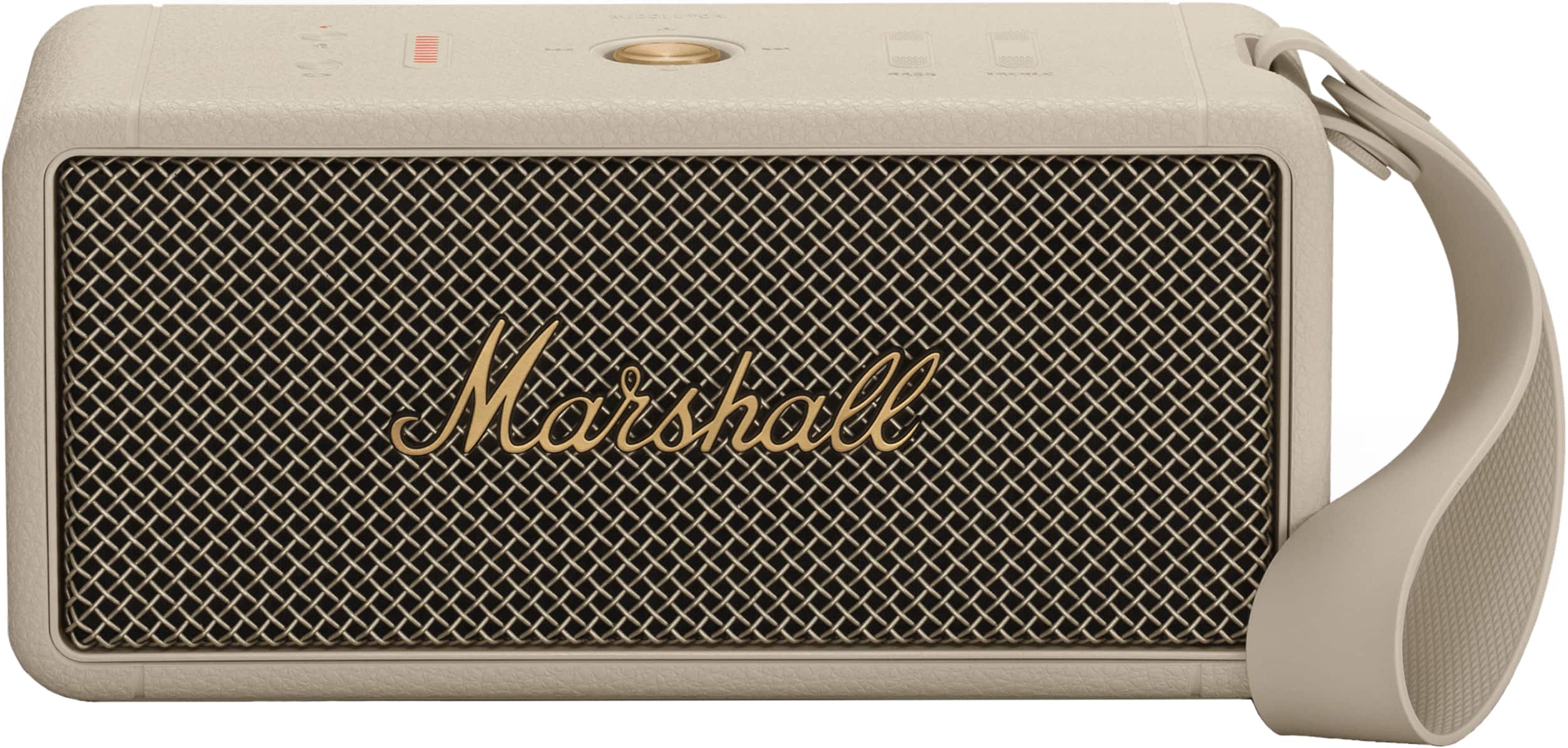
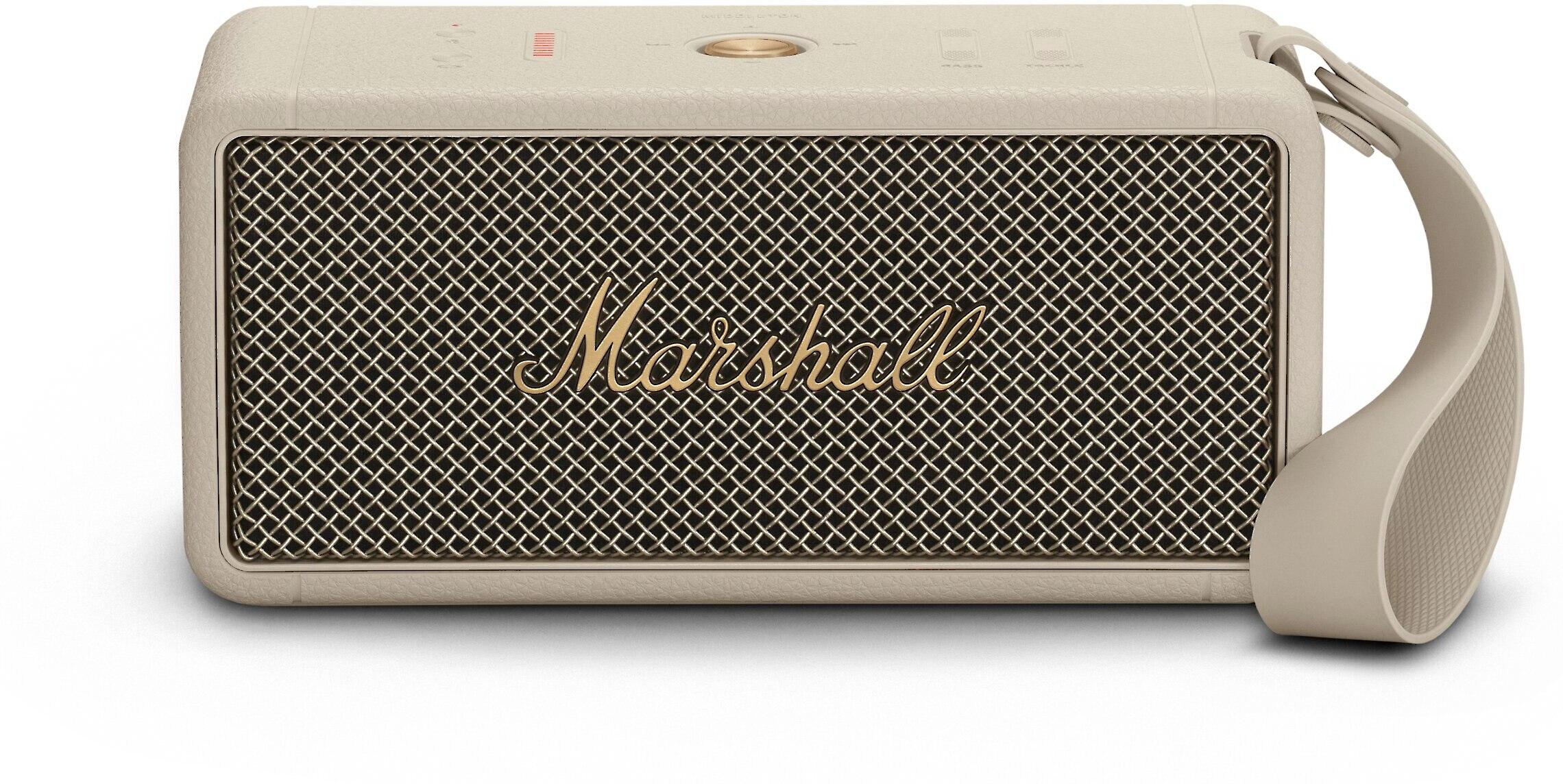


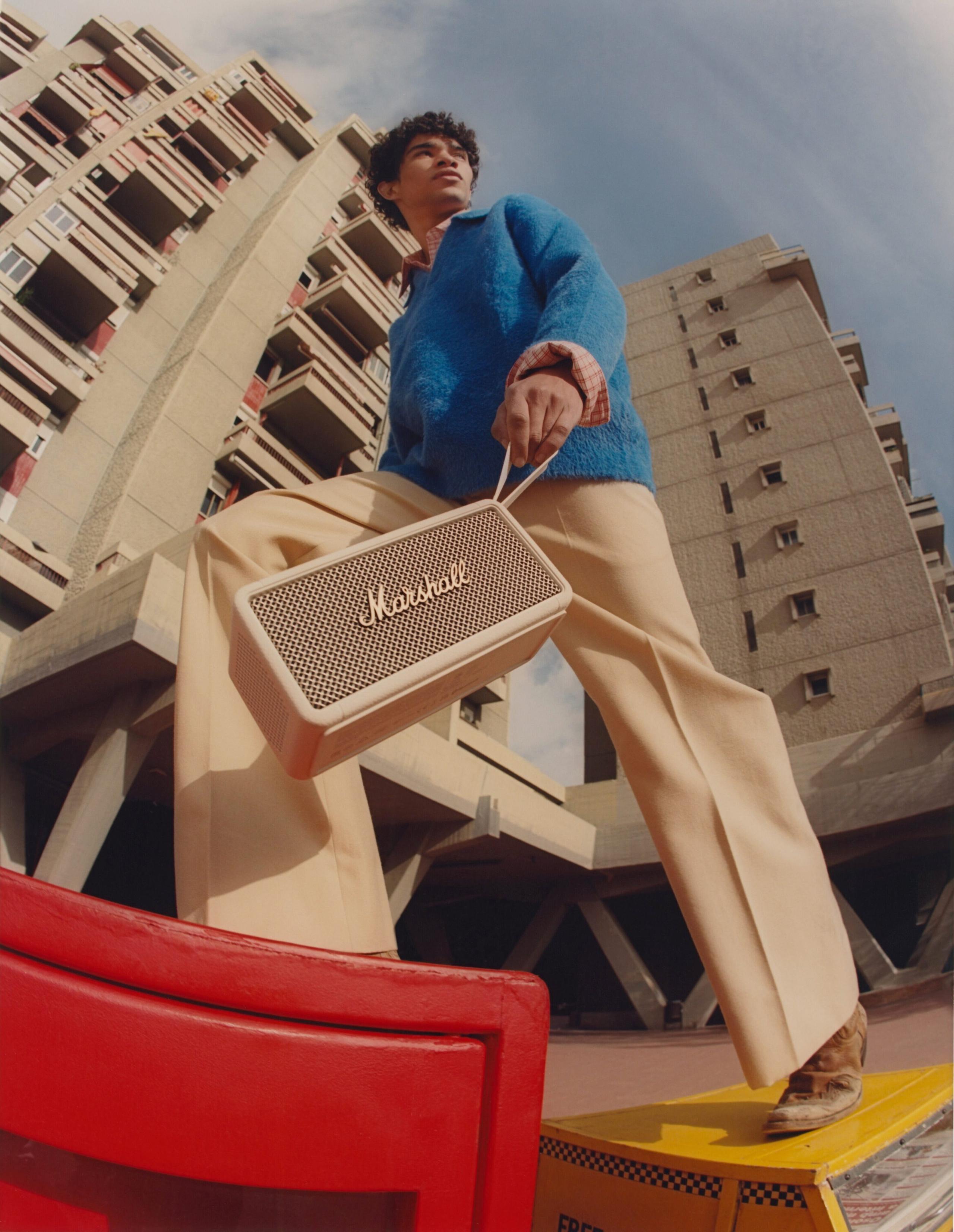
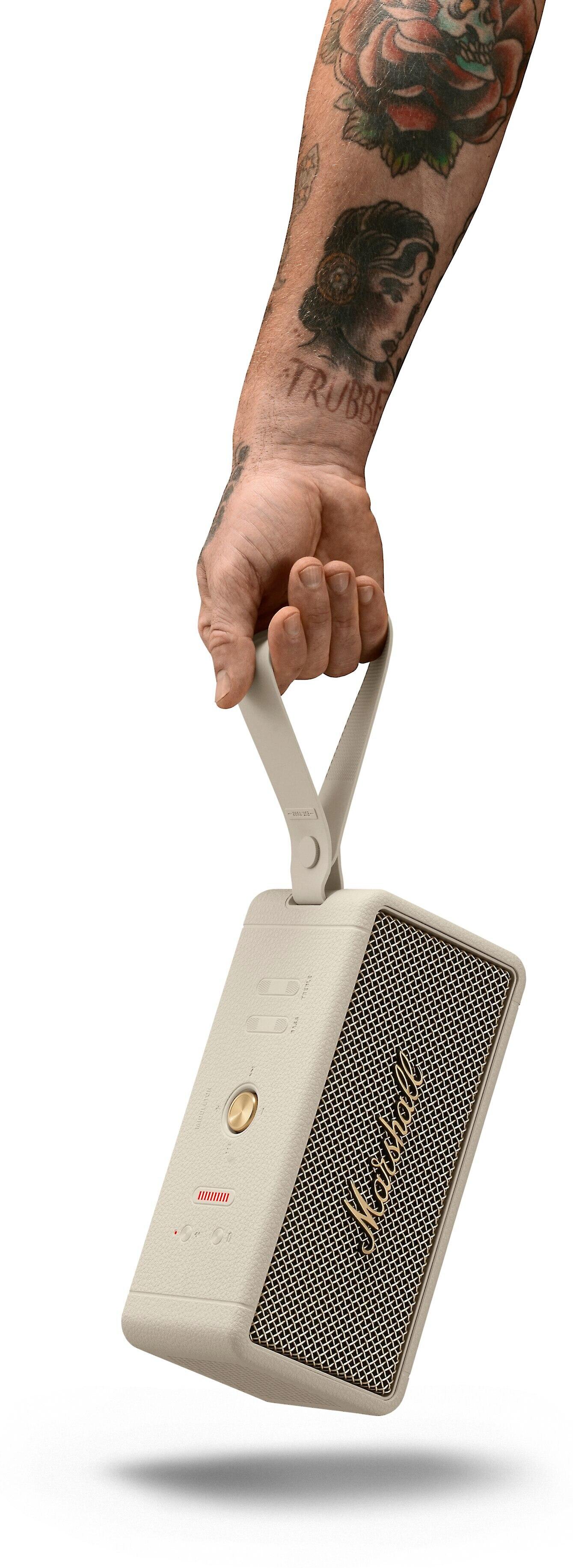
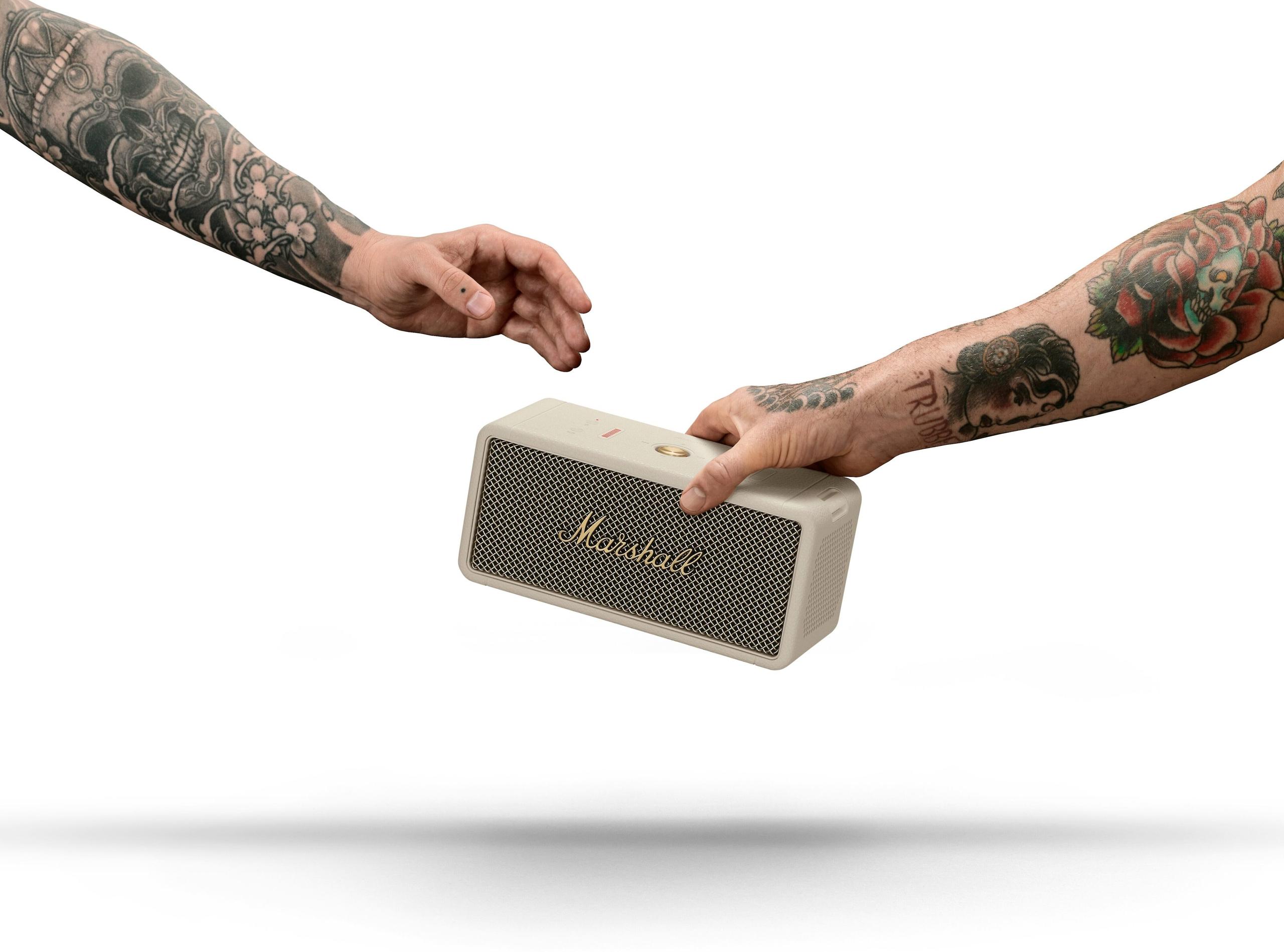
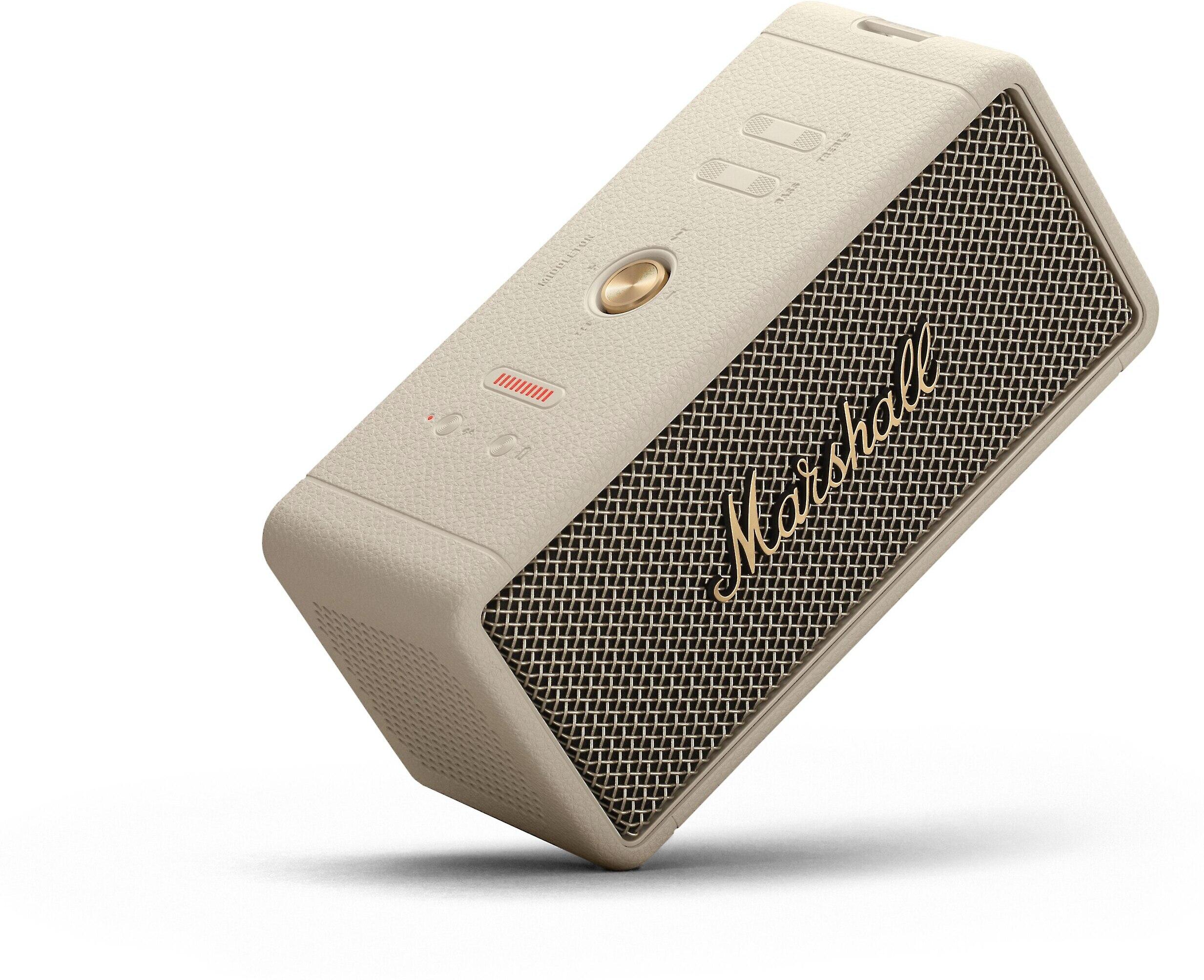



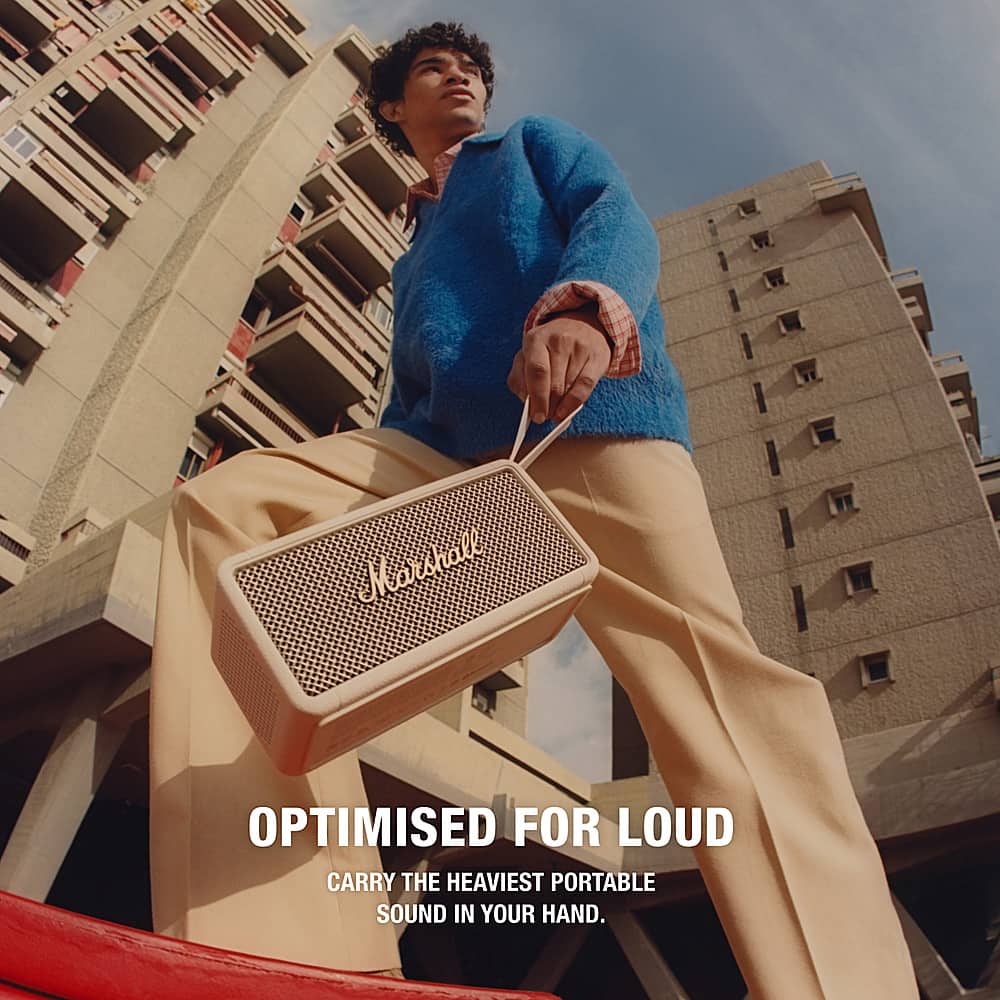
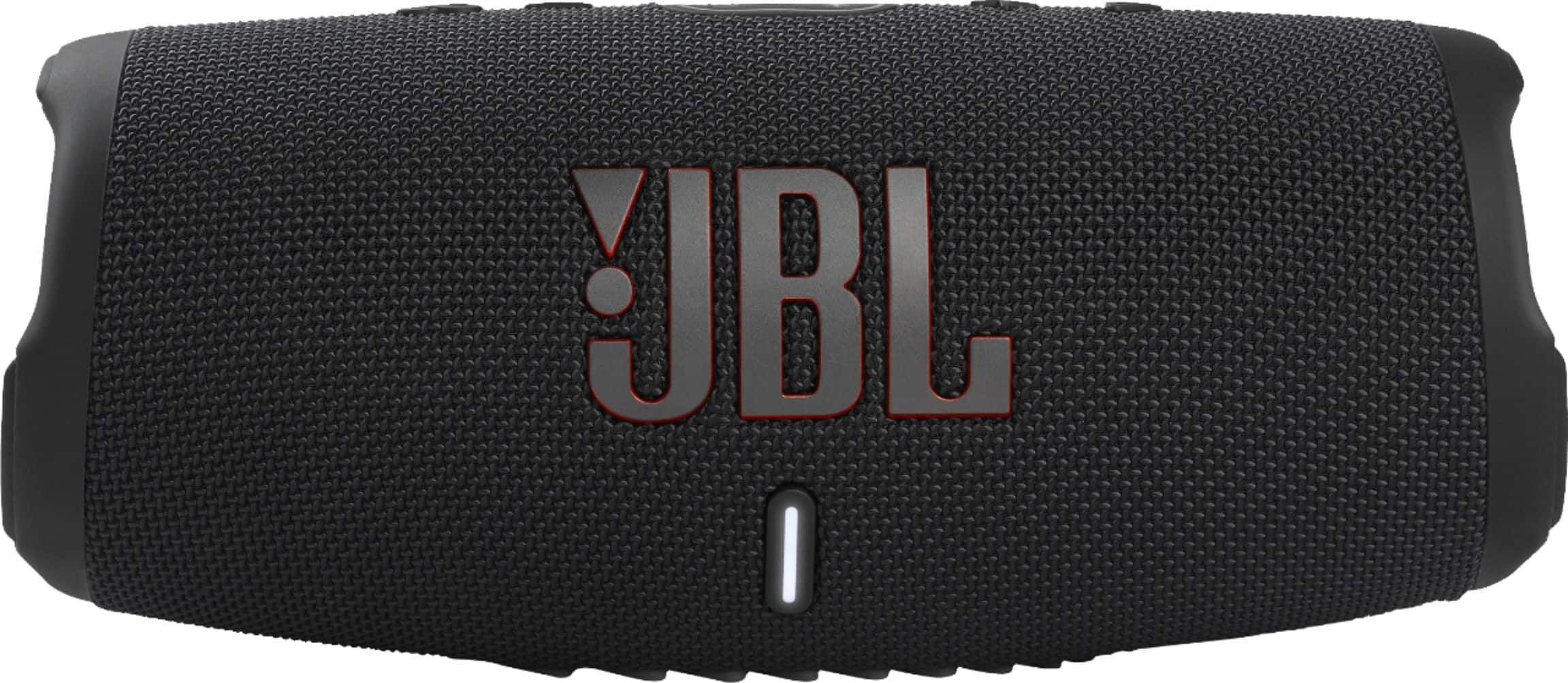
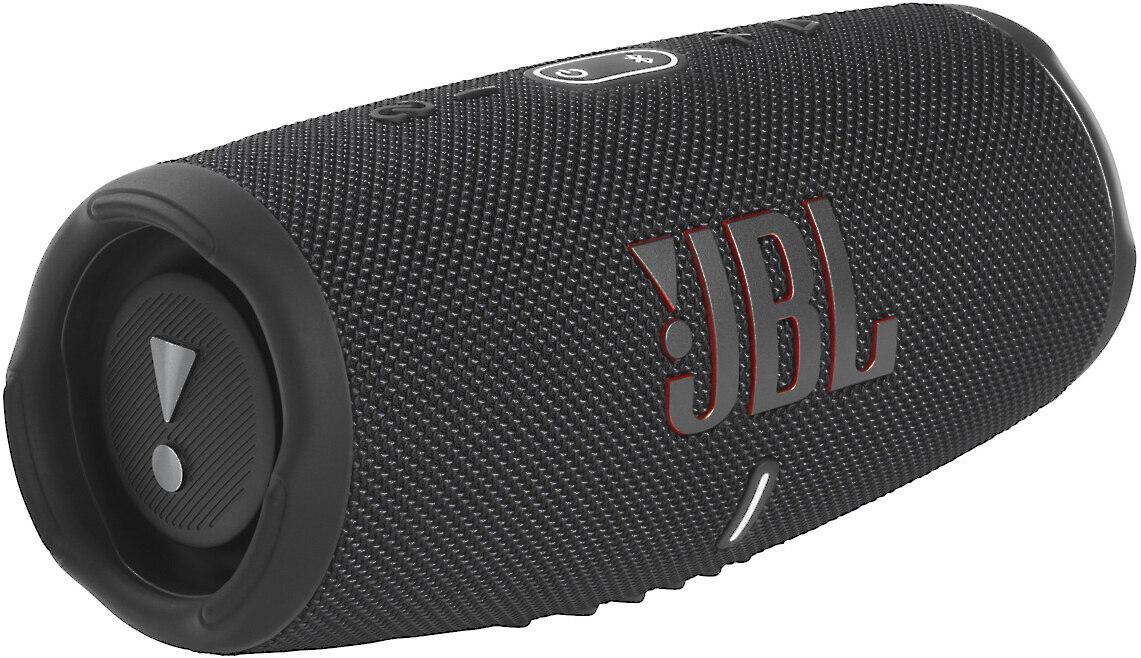
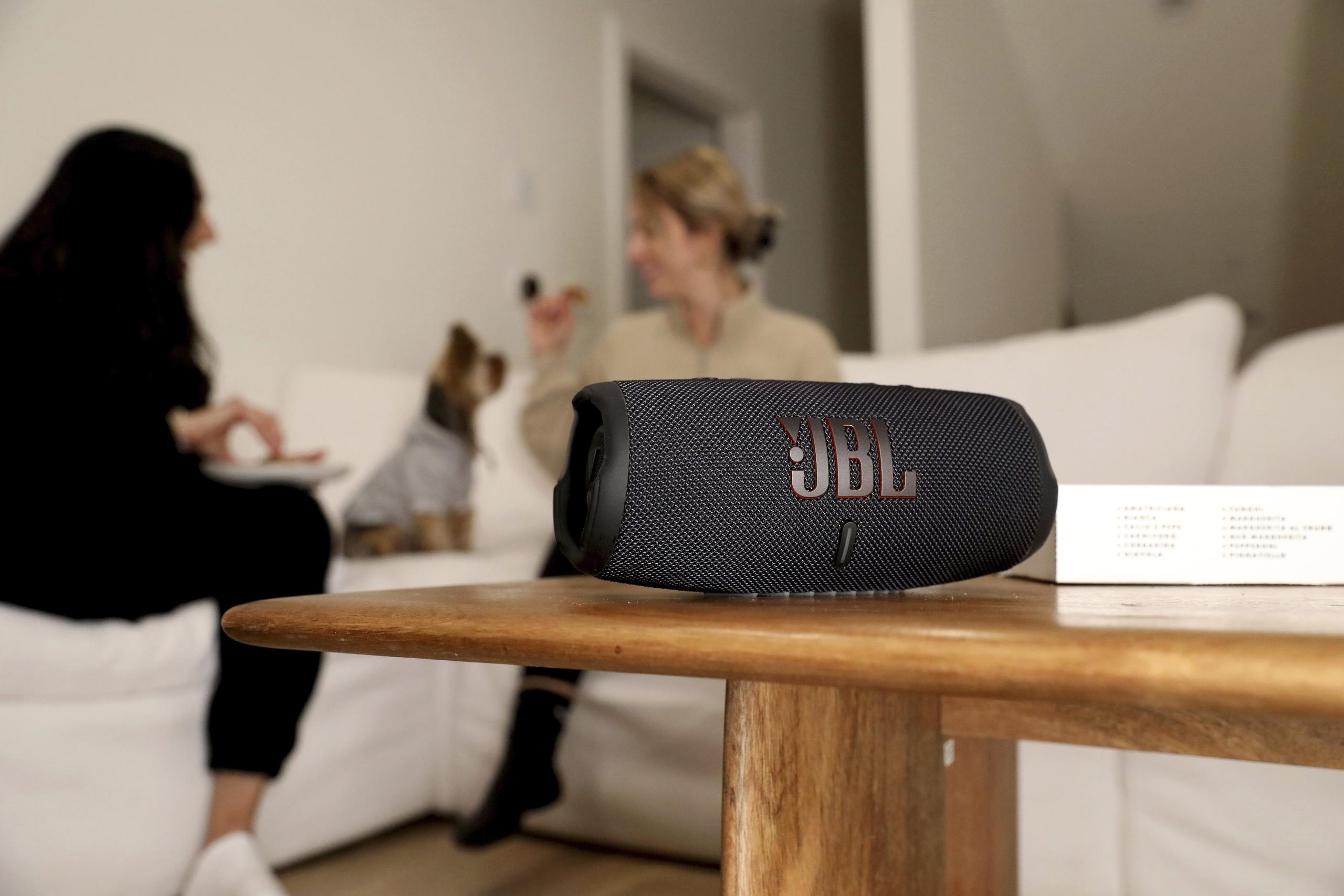
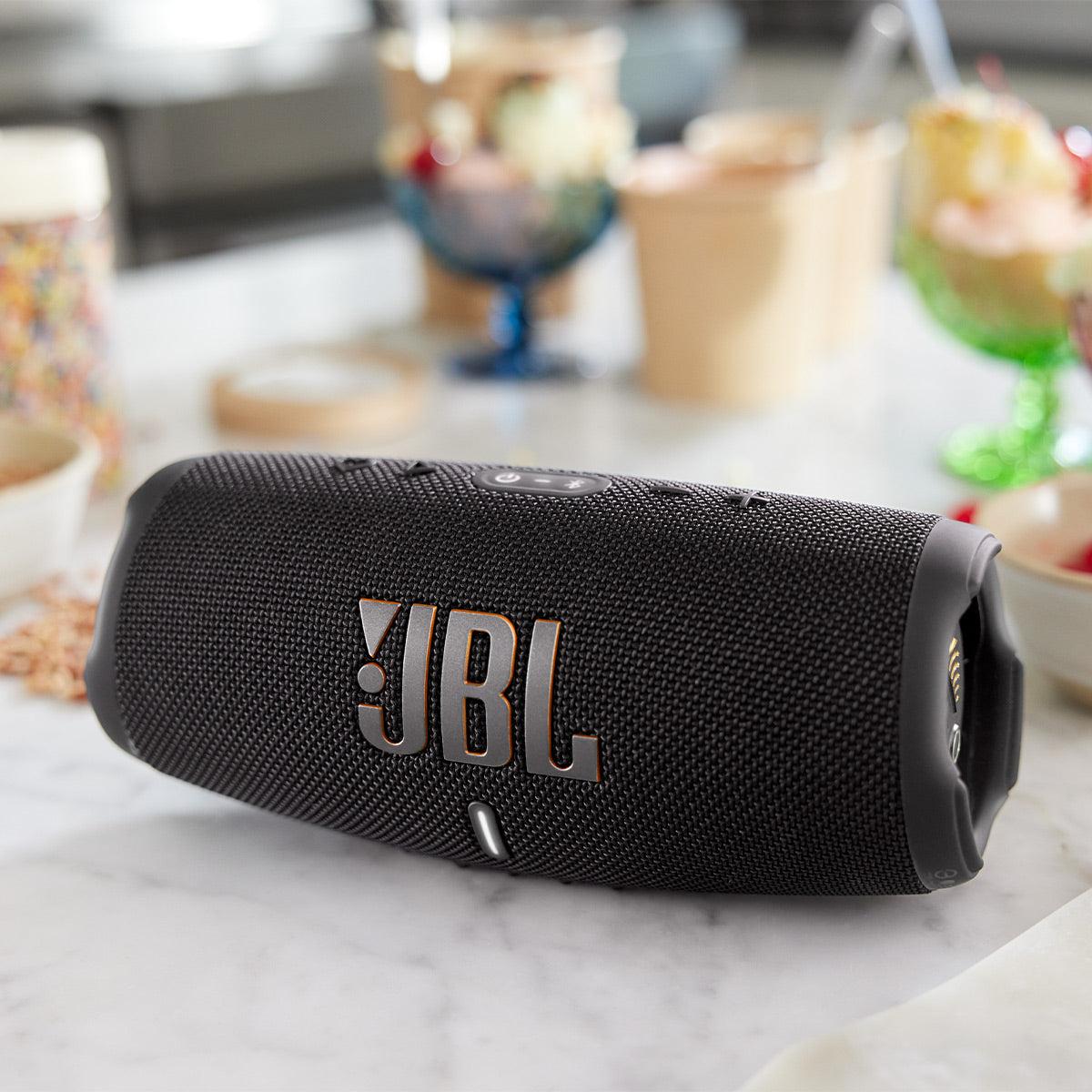
The portable Bluetooth speaker market has evolved significantly, with premium models now delivering impressive sound quality that rivals some home systems. The Marshall Middleton ($299) and JBL Charge 5 ($179) represent two different approaches to high-end portable audio, each with distinct advantages.
Modern portable speakers need to balance multiple factors: sound quality, durability, battery life, and features. Both these speakers launched recently - the Middleton in early 2023 and the Charge 5 in 2021 - representing current technology in portable audio.
The Marshall Middleton delivers a more sophisticated sound signature through its 60-watt system (two 20W woofers and two 10W tweeters). This quad-driver setup creates what Marshall calls "True Stereophonic" sound - essentially providing 360-degree audio that maintains stereo separation from any listening angle. In practice, this means you get proper left/right channel separation regardless of where you place the speaker.
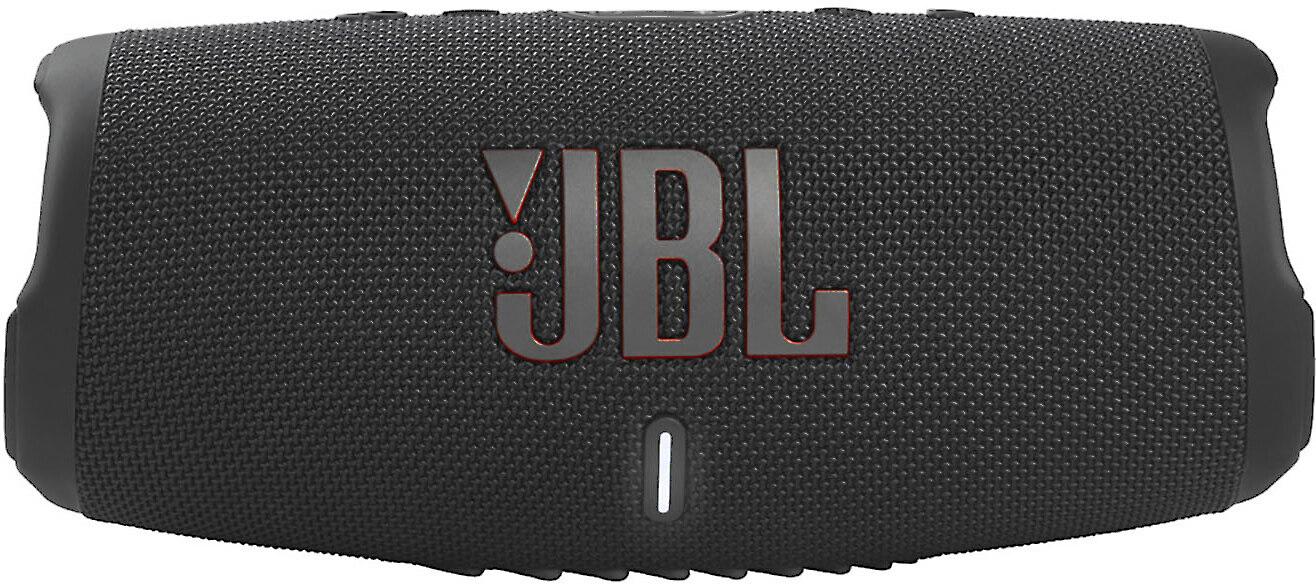
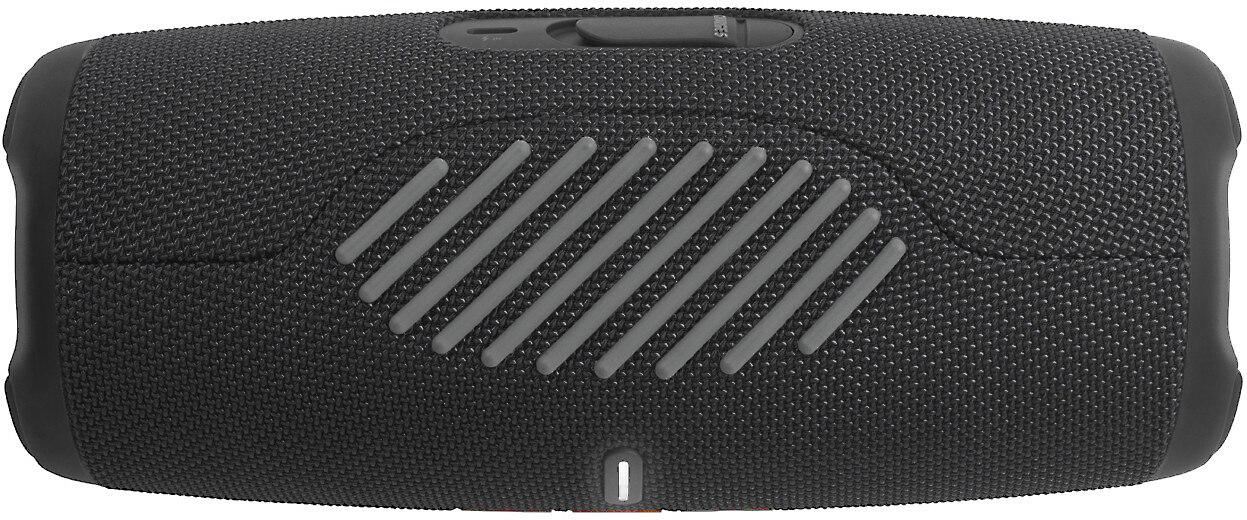
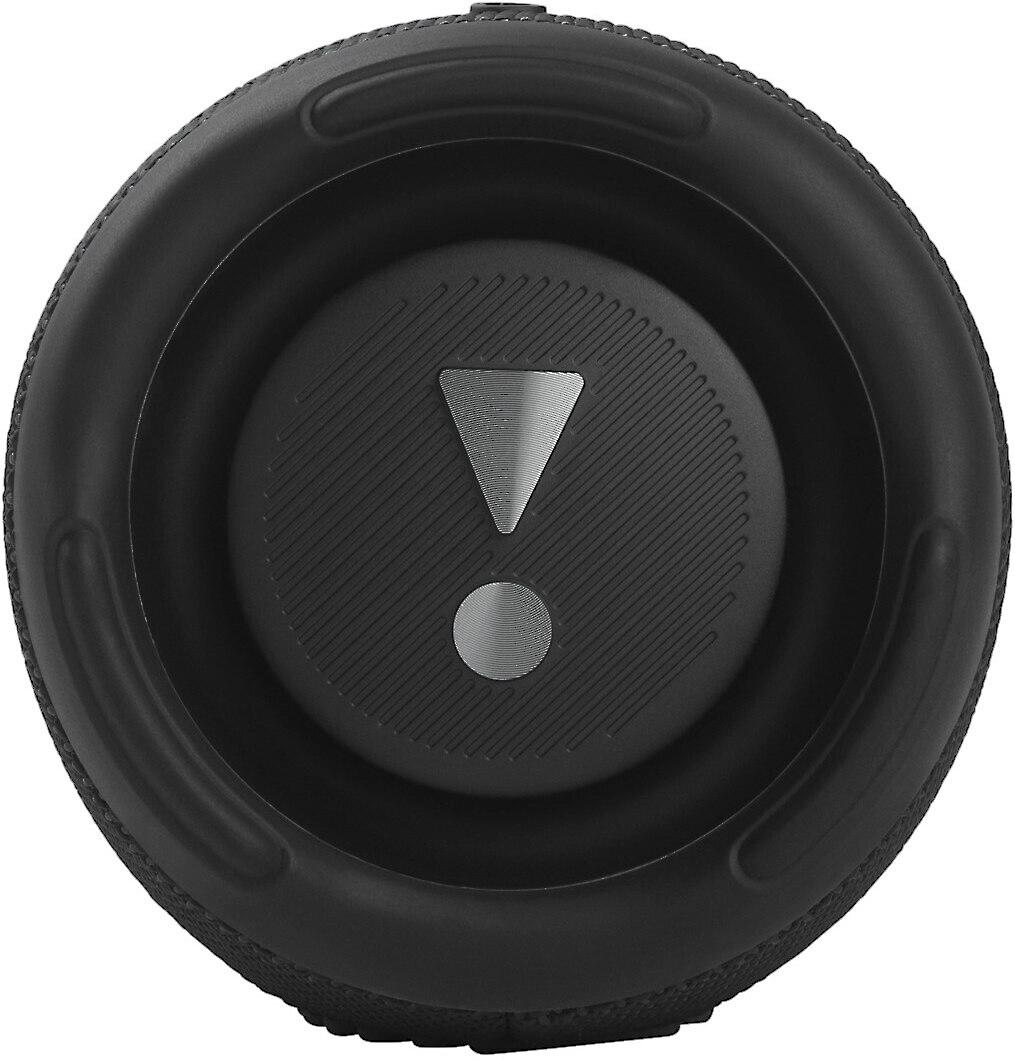
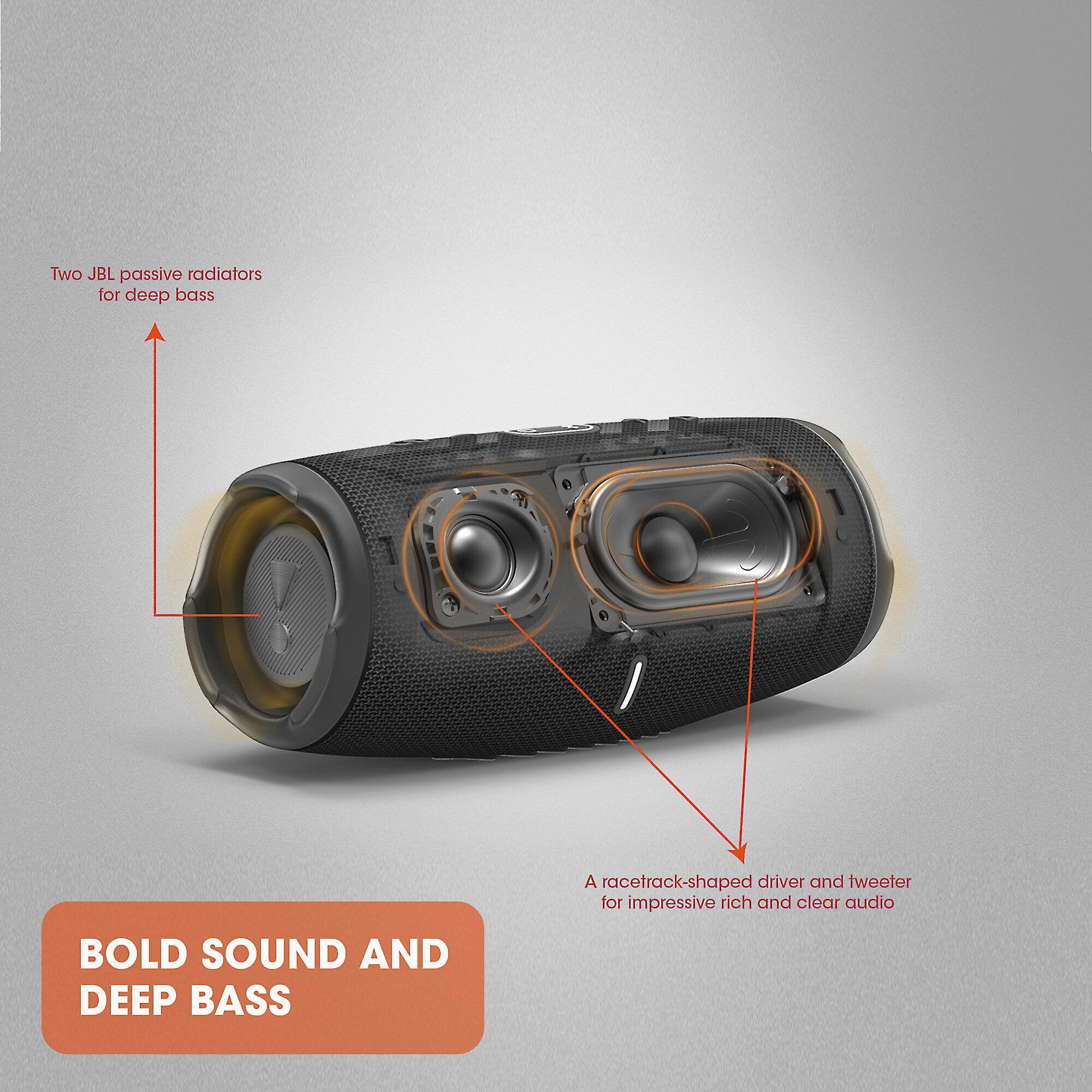
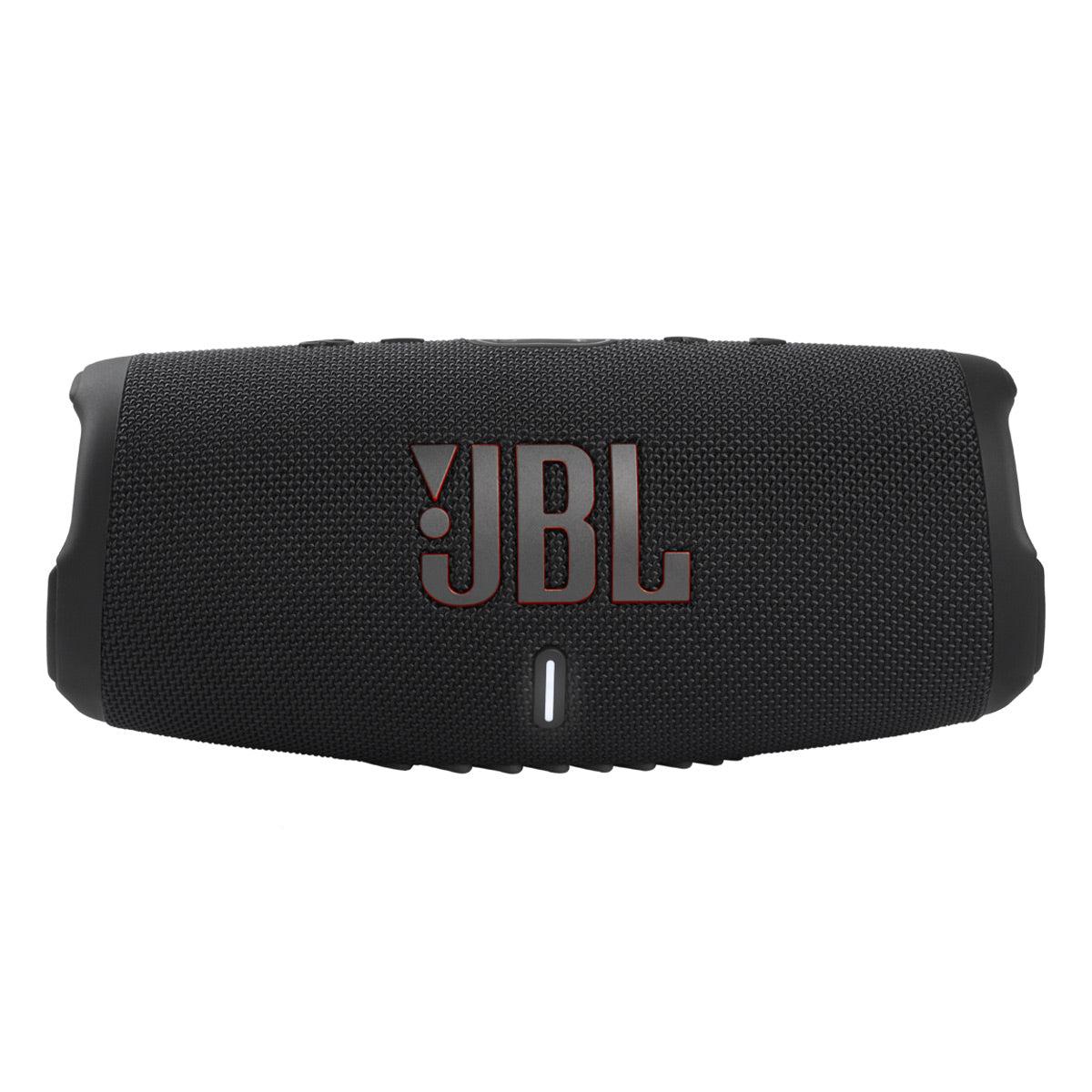
The JBL Charge 5 takes a more traditional approach with its 40-watt system (30W woofer, 10W tweeter) and dual passive radiators. While it doesn't offer 360-degree sound, it produces JBL's signature sound profile with prominent bass response and clear highs. The passive radiators (which are unpowered speakers that move from the air pressure created by the powered drivers) help enhance bass response without requiring additional amplification.
Bass response reveals key differences between these speakers. The Middleton's dual 3-inch woofers provide tight, controlled bass that stays musical even at high volumes. It's less boomy than previous Marshall portable speakers, focusing instead on accuracy.
The Charge 5's larger single woofer and passive radiators create more pronounced bass impact. While not as precise as the Middleton, it delivers the kind of powerful low end that many listeners prefer for outdoor use or party situations.
The Middleton's dedicated tweeters and more powerful amplification result in better separation between frequencies. You'll hear more detail in complex recordings, especially in the midrange where vocals and lead instruments sit. The speaker's Dynamic Loudness feature automatically adjusts frequency response based on volume level, helping maintain clarity at both low and high volumes.
The Charge 5 performs admirably in the clarity department but can't quite match the Middleton's refinement. However, its sound signature works well for popular music genres and outdoor use where absolute precision might be less critical.
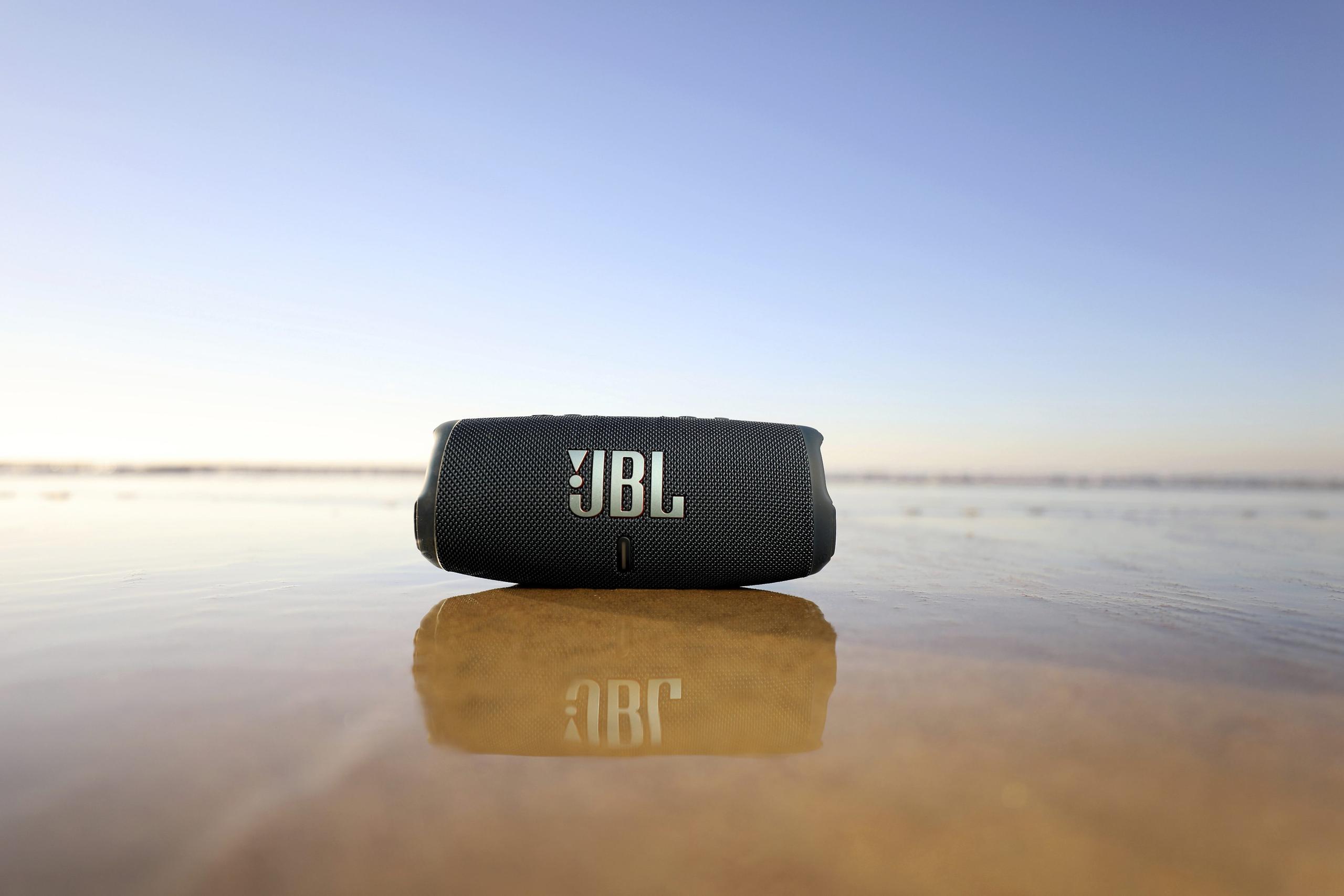
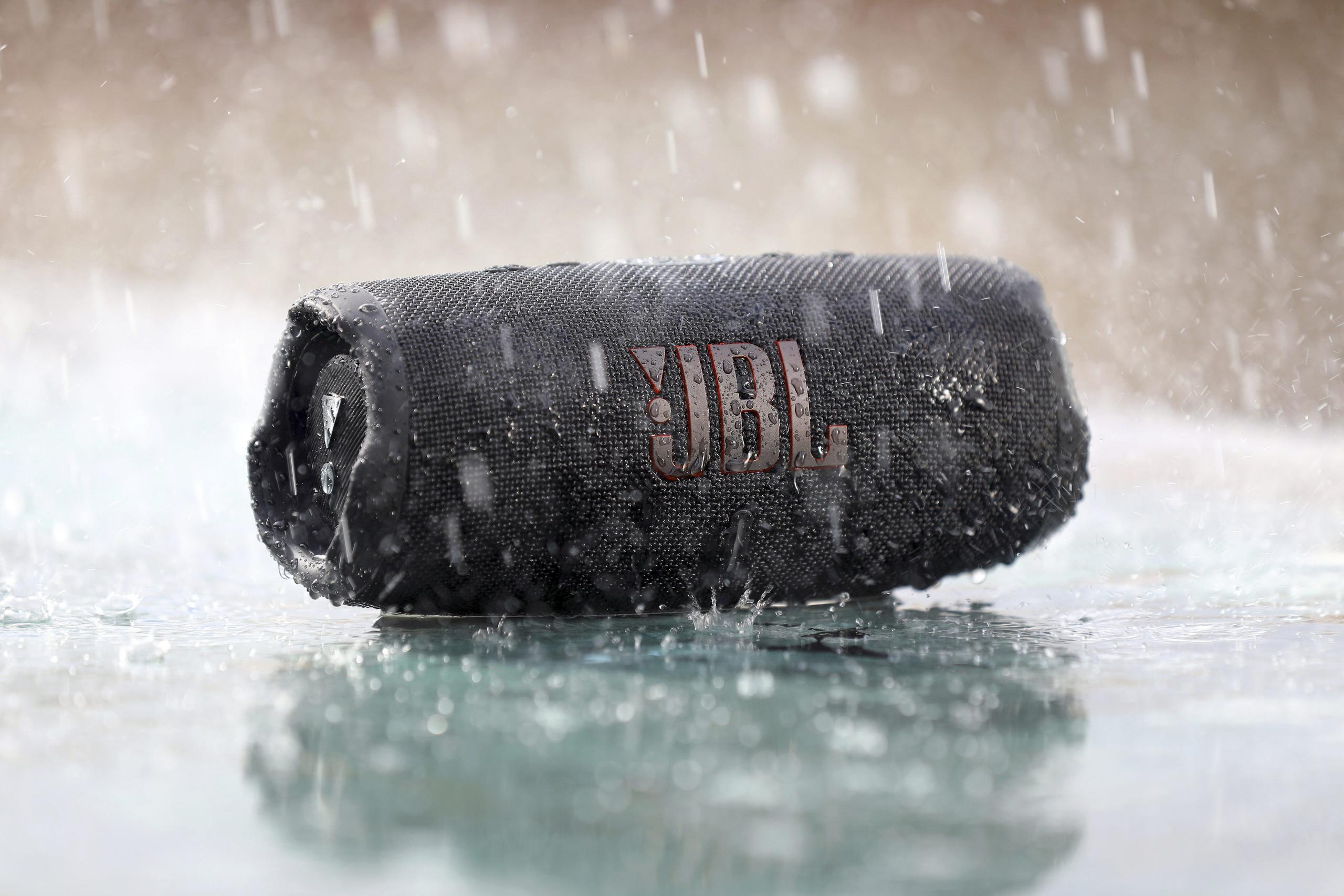
Both speakers feature IP67 water and dust resistance ratings, meaning they can handle submersion in 1 meter of water for 30 minutes and are completely dustproof. This is a significant improvement over earlier generations of both brands.
The Middleton's metal grille and rubber exterior give it a premium feel, though at 4 pounds it's notably heavier than the Charge 5. The extra weight comes partly from its more robust amplification system and larger battery.
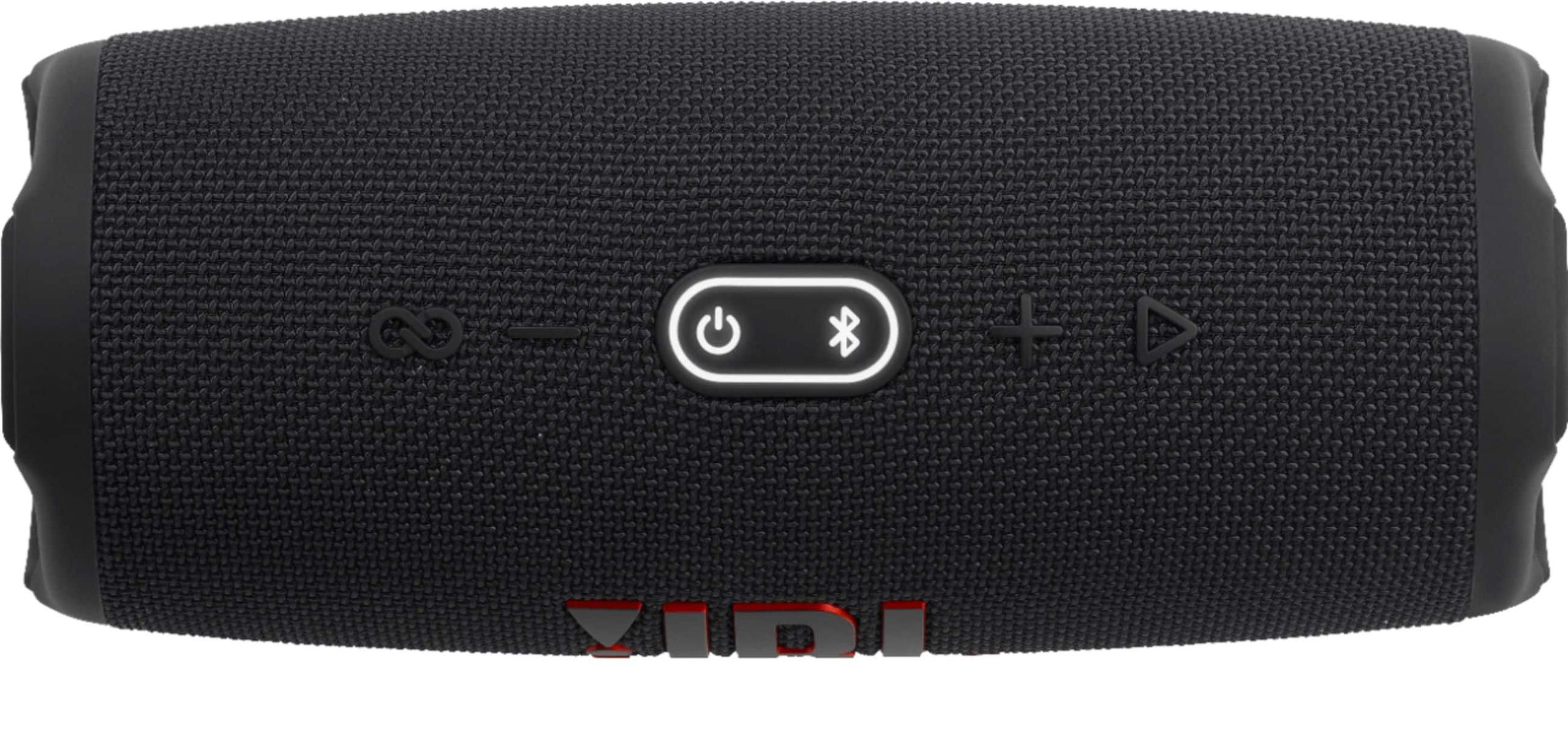
The Charge 5's rugged plastic construction keeps weight down to 2.11 pounds while maintaining durability. Its exposed passive radiators are well-protected but add visual interest, especially when playing bass-heavy music.
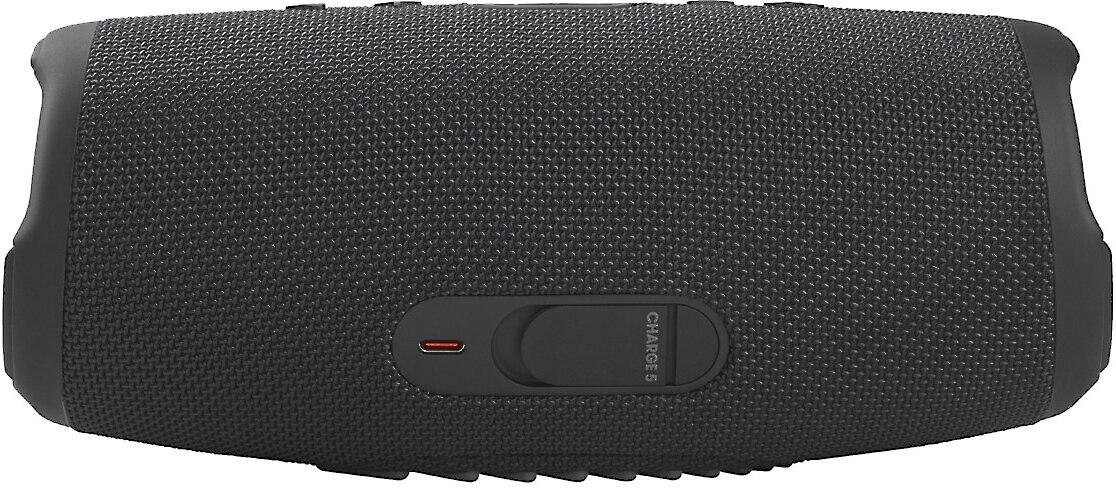
Both speakers advertise 20-hour battery life, though real-world usage typically lands closer to 15-17 hours at moderate volumes. They both feature USB-C charging and can serve as power banks for charging other devices.
The Middleton adds quick-charging capability, providing 2 hours of playback from a 20-minute charge. This feature can be particularly useful when you're headed out and discover a low battery.
The Marshall Middleton offers Stack Mode, allowing connection to other Middleton speakers for increased volume and coverage. However, it can't pair with other Marshall models.
The JBL Charge 5 includes PartyBoost, enabling pairing with other compatible JBL speakers. This system works across multiple JBL models, offering more flexibility.
The Middleton features physical controls including a multi-function joystick and dedicated EQ knobs for bass and treble adjustment. Its Bluetooth 5.1 implementation supports connecting two devices simultaneously.
The Charge 5 uses rubber buttons for controls and relies on the JBL app for EQ adjustments. It also uses Bluetooth 5.1 but lacks multi-device connectivity.
At $299, the Middleton positions itself in the premium segment, competing with high-end portable speakers. Its price reflects its advanced features and sound quality, but represents a significant investment.
The Charge 5's $179 price point offers excellent value, delivering most of the features people want in a portable speaker at a more accessible price point.
Choose the Marshall Middleton if:
Choose the JBL Charge 5 if:
Both speakers represent excellent options in the portable Bluetooth speaker market, with the main trade-offs coming down to sound quality preferences and price sensitivity. The Middleton offers superior sound quality and premium features at a higher price, while the Charge 5 delivers impressive performance at a more accessible price point.
Remember that both speakers will serve well for most uses - the differences matter most to discerning listeners or those with specific needs. Consider your typical use case and budget when making the final decision.
| Marshall Middleton | JBL Charge 5 |
|---|---|
| Price - Key factor in value proposition | |
| $299 (premium positioning) | $179 (better value proposition) |
| Total Power Output - Impacts maximum volume and headroom | |
| 60W (2x20W woofers, 2x10W tweeters) | 40W (30W woofer, 10W tweeter) |
| Sound Distribution - Affects placement flexibility | |
| True Stereophonic 360° sound | Directional front-firing audio |
| Weight - Important for portability | |
| 4.0 lbs (heavier, more substantial) | 2.11 lbs (more portable) |
| Battery Life - Critical for extended use | |
| 20+ hours (15-17 typical use) | 20 hours (15-17 typical use) |
| Water/Dust Protection - Essential for outdoor use | |
| IP67 rated (fully waterproof) | IP67 rated (fully waterproof) |
| Multi-Speaker Pairing - Expands sound coverage | |
| Stack Mode (Middleton speakers only) | PartyBoost (multiple JBL models) |
| Audio Controls - Affects ease of sound adjustment | |
| Physical EQ knobs, multi-function joystick | App-based EQ, basic button controls |
| Driver Configuration - Determines sound quality | |
| Quad-driver setup (2 woofers, 2 tweeters) | Dual-driver (1 woofer, 1 tweeter) + passive radiators |
| Additional Features - Adds functionality | |
| Quick charge (2hrs play/20min charge), dual device connection | PowerBank function, single device connection |
The Marshall Middleton offers superior sound quality and 360-degree audio for $299, while the JBL Charge 5 provides excellent value at $179 with powerful bass response. The Middleton is better for sound quality, while the Charge 5 is better for value.
The Marshall Middleton justifies its higher price with better sound quality, more powerful amplification (60W vs 40W), and premium build materials. However, the JBL Charge 5 offers 80% of the performance at 60% of the price.
Both speakers advertise 20 hours of battery life, with real-world usage around 15-17 hours. The Marshall Middleton adds quick charging capability, while the JBL Charge 5 has comparable endurance.
Both speakers feature identical IP67 water and dust resistance ratings. The Marshall Middleton has a more premium metal/rubber construction but is heavier, while the JBL Charge 5 uses durable plastic and is lighter.
Yes, both the Marshall Middleton and JBL Charge 5 are fully waterproof and designed for outdoor use. The Charge 5's lighter weight makes it more portable, while the Middleton's 360-degree sound works better for group settings.
The JBL Charge 5 delivers more pronounced bass impact thanks to its passive radiators. The Marshall Middleton offers more accurate, controlled bass that some listeners may prefer.
Yes, but differently. The Marshall Middleton can only connect to other Middleton speakers, while the JBL Charge 5 can connect to various JBL PartyBoost-compatible speakers.
The Marshall Middleton has higher total power output (60W vs 40W) and can achieve slightly higher maximum volume than the JBL Charge 5.
Yes, both the Marshall Middleton and JBL Charge 5 use Bluetooth 5.1 and are compatible with all modern smartphones and tablets.
The Marshall Middleton features physical EQ knobs and a multi-function joystick for easier adjustments. The JBL Charge 5 uses basic buttons and requires an app for EQ changes.
Yes, both the Marshall Middleton and JBL Charge 5 can charge devices via USB-C while playing music.
The JBL Charge 5 is better for parties due to its stronger bass response and lighter weight. However, the Marshall Middleton offers better sound coverage with its 360-degree audio design.
We've done our best to create useful and informative comparisons to help you decide what product to buy. Our research uses advanced automated methods to create this comparison and perfection is not possible - please contact us for corrections or questions. These are the sites we've researched in the creation of this article: t3.com - whatsthebest.co.uk - youtube.com - techradar.com - timesofindia.indiatimes.com - crutchfield.com - bestbuy.com - camelcamelcamel.com - marshall.com - marshall.com - crutchfield.com - corporatespecialties.com - rtings.com - itworld.com.my - techradar.com - outeraudio.com - youtube.com - soundguys.com - howtogeek.com - jbl.com - abt.com - youtube.com - harmanaudio.com - homedepot.com - bhphotovideo.com - dxomark.com

Privacy Policy
Terms and Conditions - Affiliate Policy
Home Security
© Copyright 2008-2026.
11816 Inwood Rd #1211, Dallas, TX 75244