

Finding the right portable Bluetooth speaker can feel overwhelming with so many options on the market. Today, we're diving deep into two compelling choices that represent different approaches to portable audio: the Monster Shock Plus S21 and the JBL Charge 5. Both promise great sound on-the-go, but they achieve this goal through distinctly different strategies.
Before we jump into specifics, let's establish what really matters in a portable speaker. The most critical factors are audio performance (how good it sounds and how loud it gets), battery life (how long it plays), durability (can it survive your lifestyle), and connectivity (how well it connects to your devices). Value – getting the most features and performance for your money – ties everything together.
The portable speaker market has evolved dramatically over the past few years. Better battery technology means longer playtime, improved Bluetooth standards reduce connection drops, and advances in driver design (the actual speakers inside) deliver surprisingly good sound from compact packages. Both speakers we're examining represent current-generation thinking about what portable audio should be.
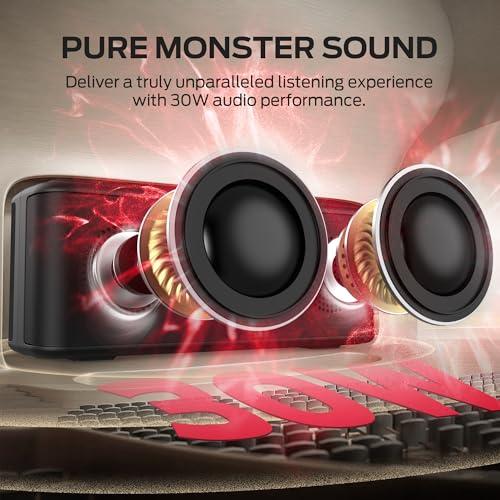
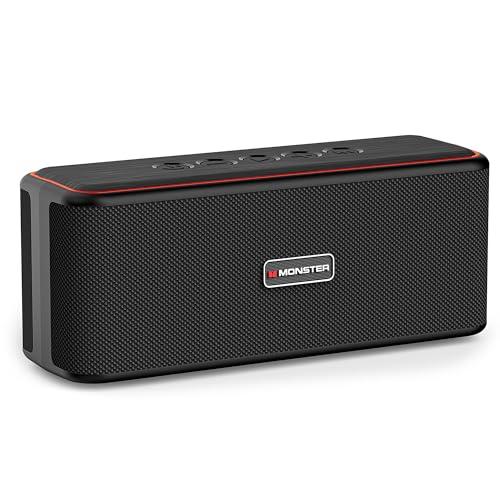
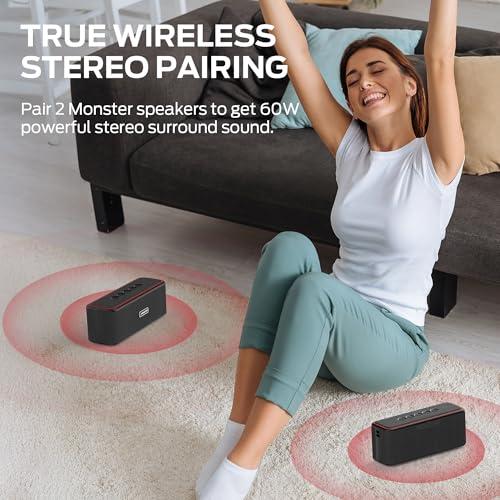
The Monster Shock Plus S21 takes an interesting approach to power. It delivers 30 watts from a single unit, but here's where it gets clever – you can pair two units using True Wireless Stereo (TWS) technology to create a combined 60-watt stereo system. TWS essentially turns two separate speakers into left and right channels, creating proper stereo separation that you'd normally only get from a home stereo system.
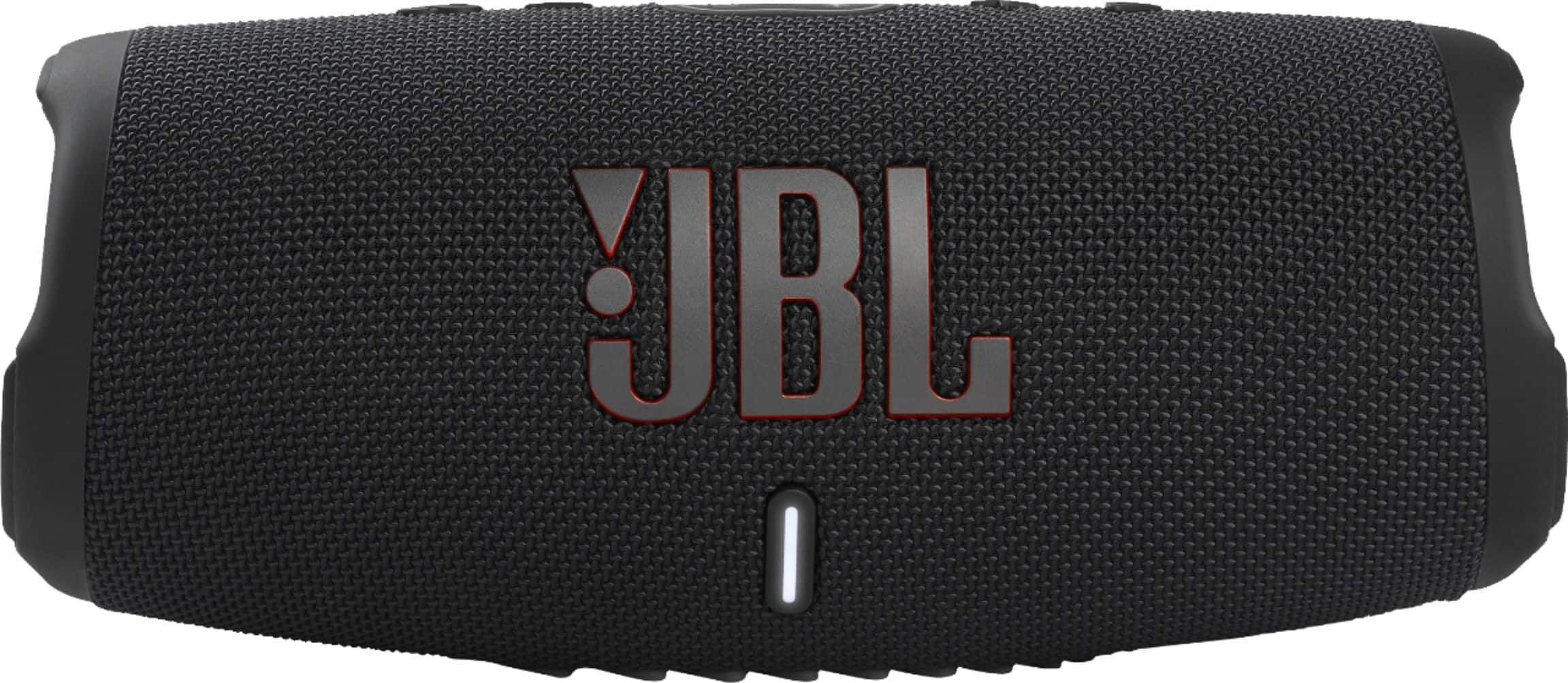
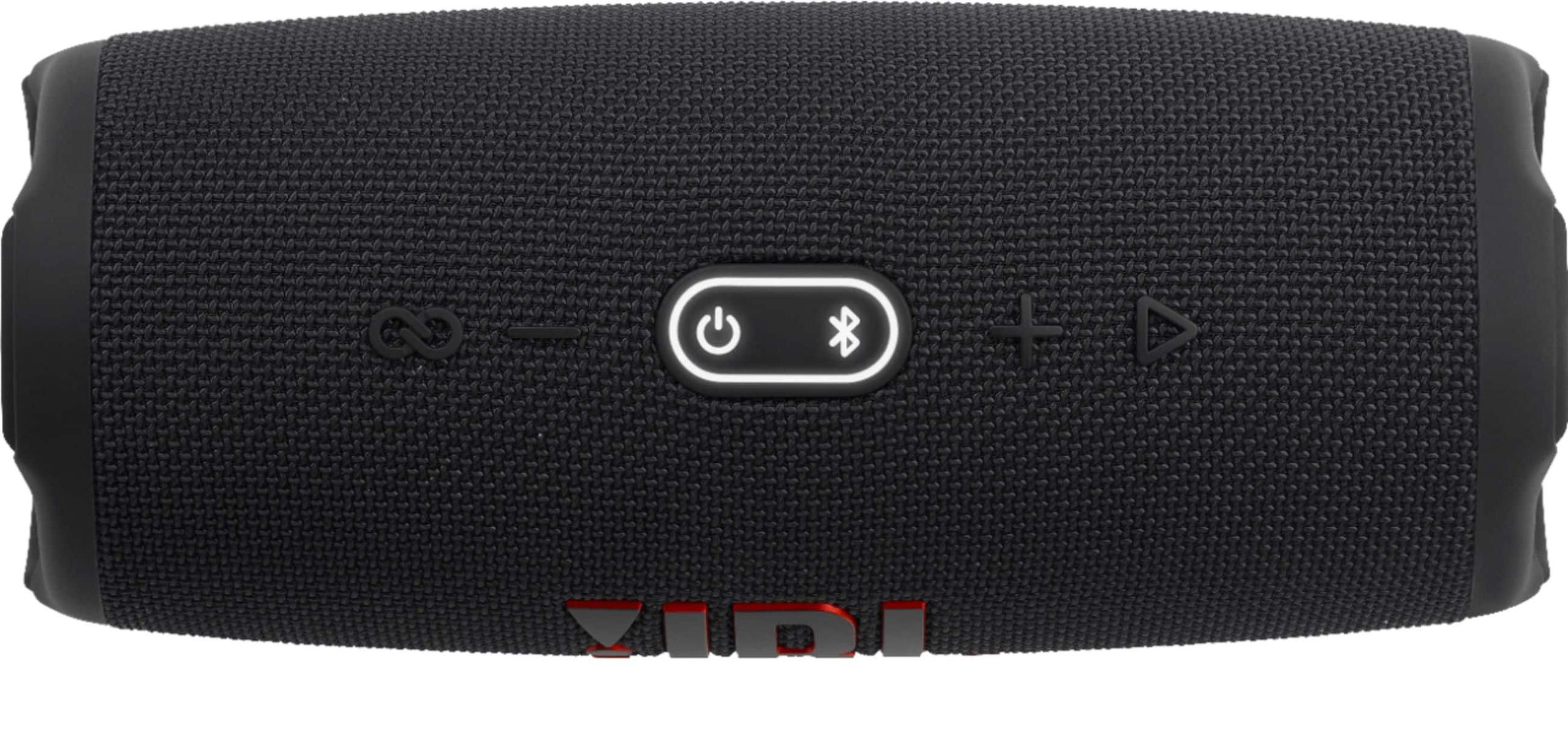
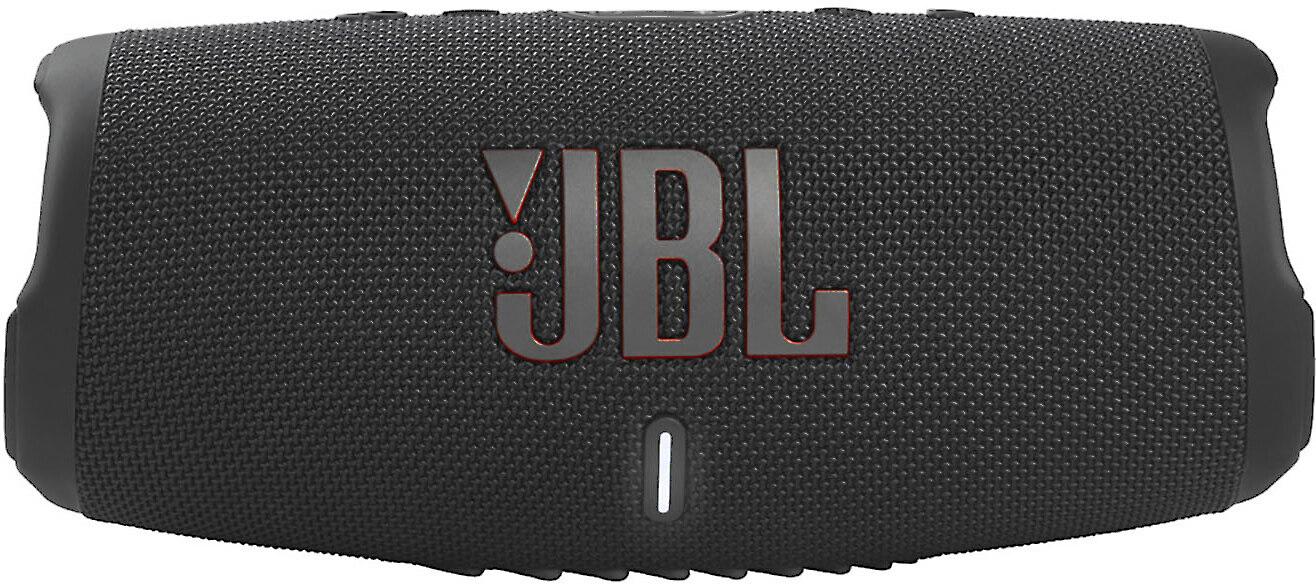
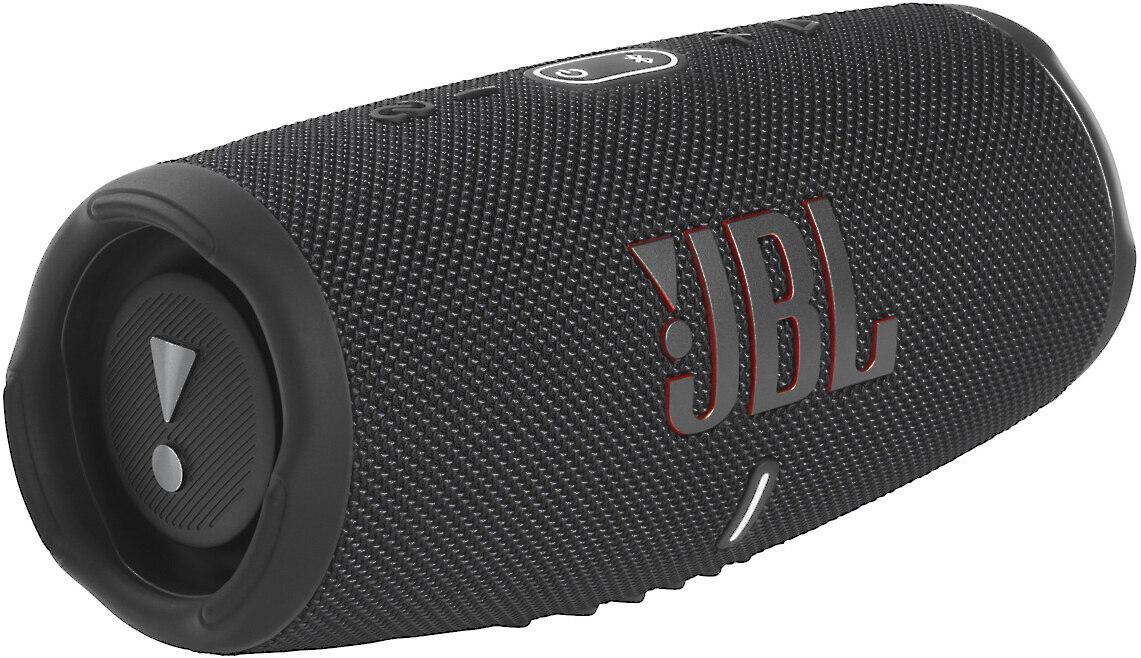
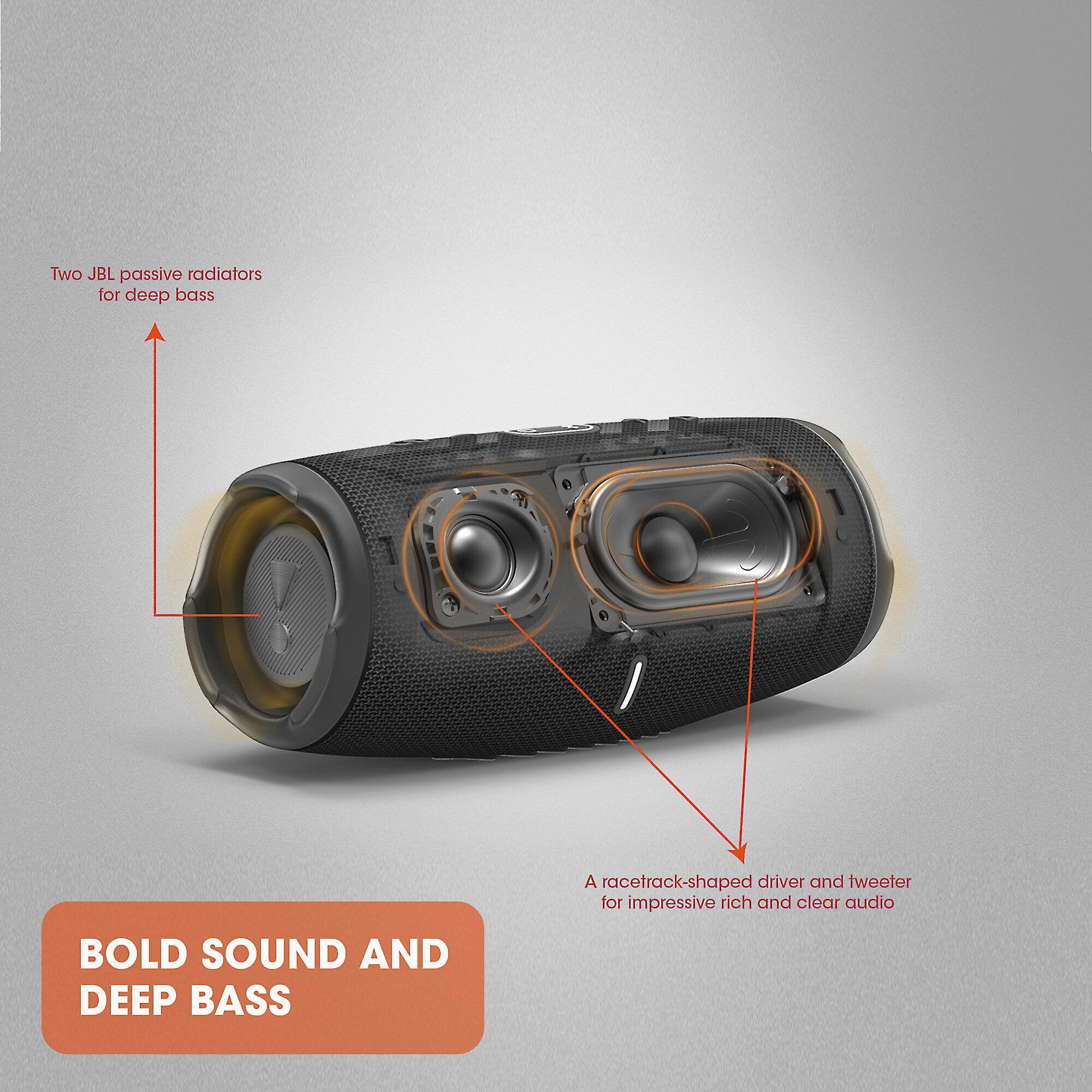
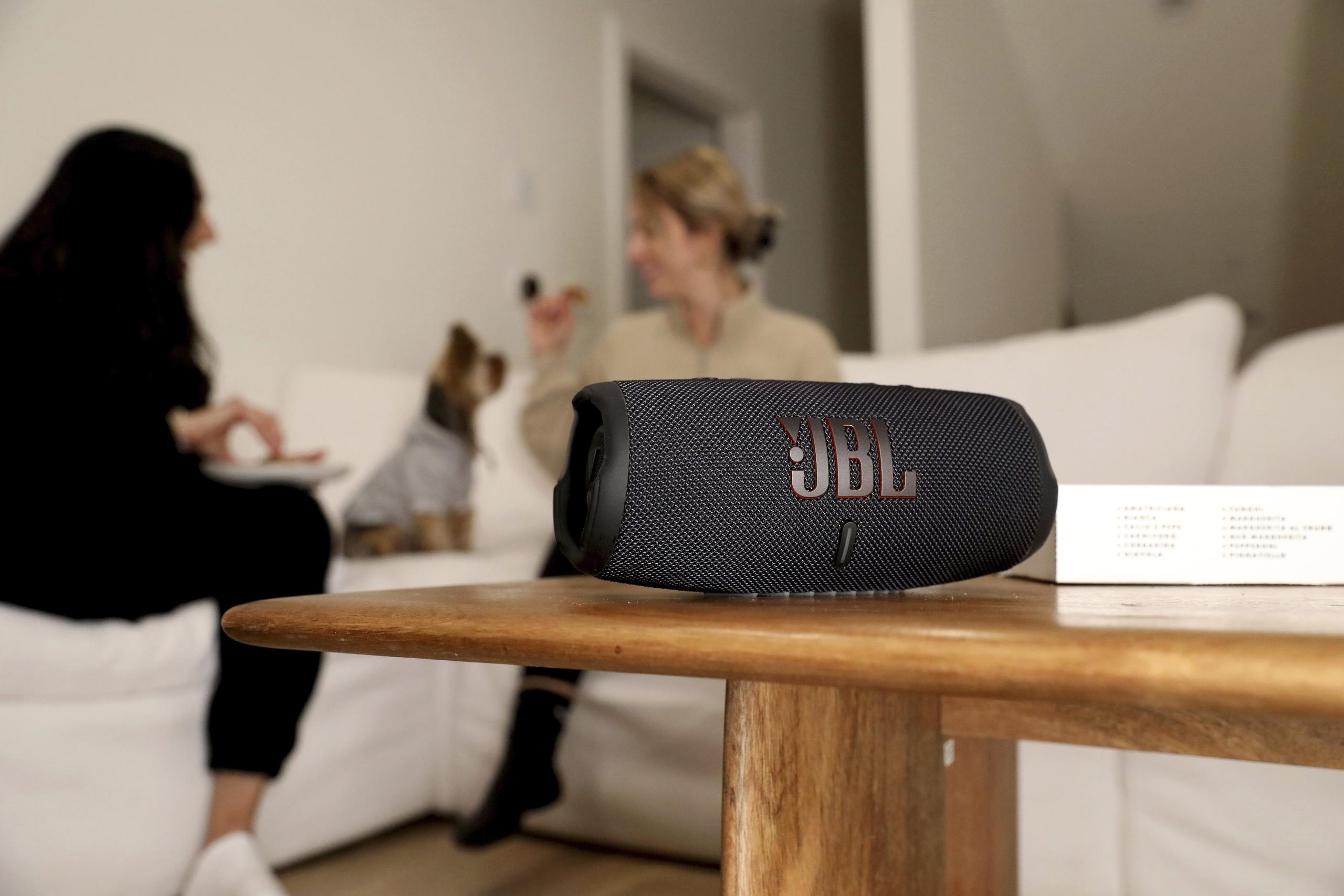
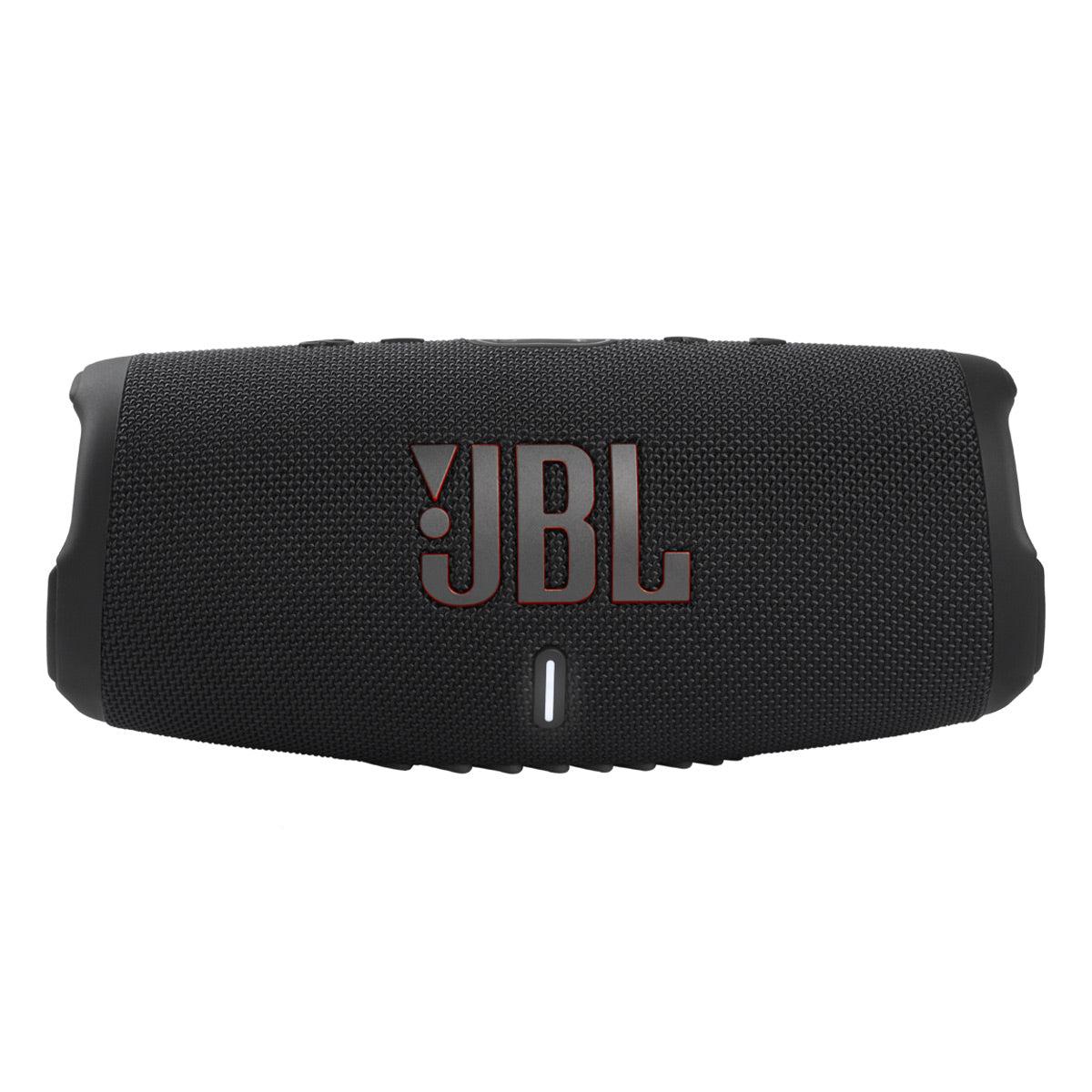
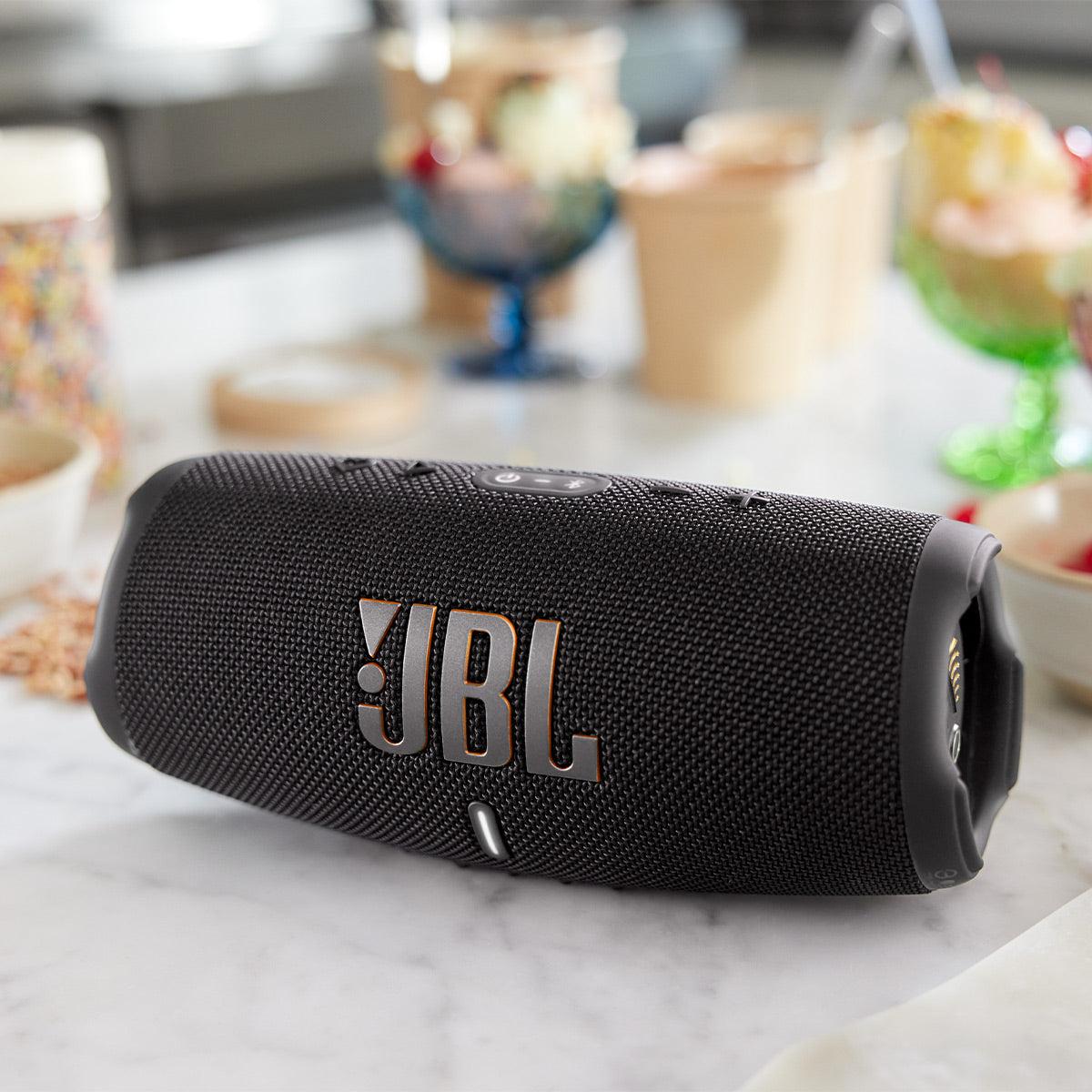
The JBL Charge 5, released in 2021, delivers 40 watts total through a more traditional dual-driver setup. This means it has separate drivers (the actual speaker components) handling different frequency ranges – a larger driver for bass and mids, plus a dedicated tweeter for high frequencies. This configuration has been refined since JBL's earlier models, which sometimes suffered from muddy sound at higher volumes.
In practical terms, both speakers get plenty loud for most situations. The JBL's higher baseline power means it hits maximum volume from a single unit, while the Monster offers expandability if you're willing to invest in a second speaker later. For most users, either speaker provides enough volume to fill a backyard party or beach gathering.
This is where the engineering philosophies really diverge. The Monster Shock Plus S21 uses what the company calls "Pure Sound Technology," developed from over 40 years of audio engineering. In practice, this translates to a sound signature that emphasizes clarity in the high frequencies (treble) while maintaining what they describe as "deep, physical bass." The single-driver approach means all frequencies come from the same source, which can actually improve coherence – the way different sounds blend together naturally.
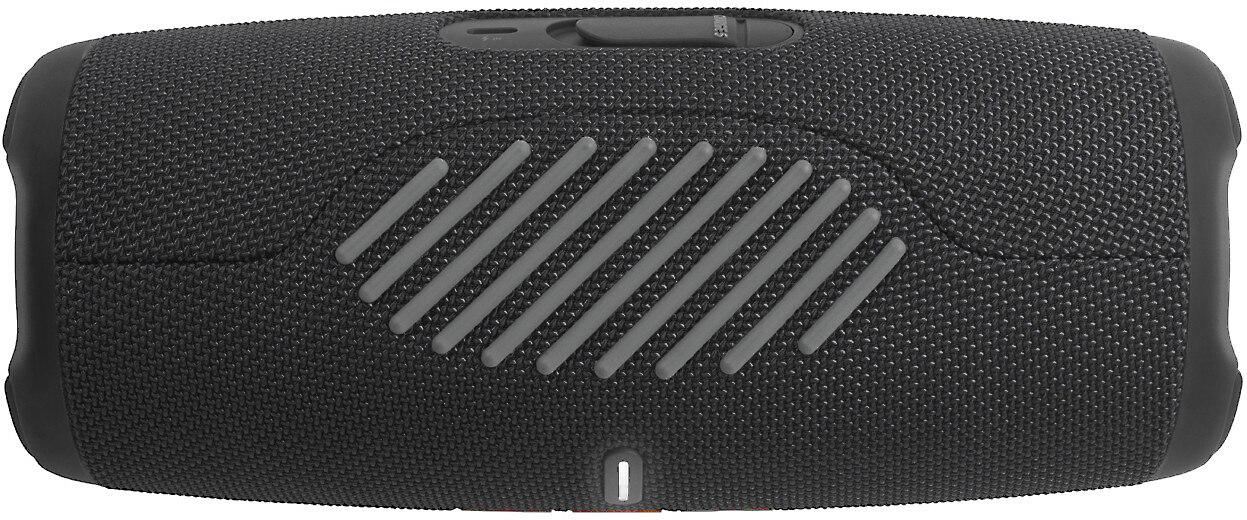
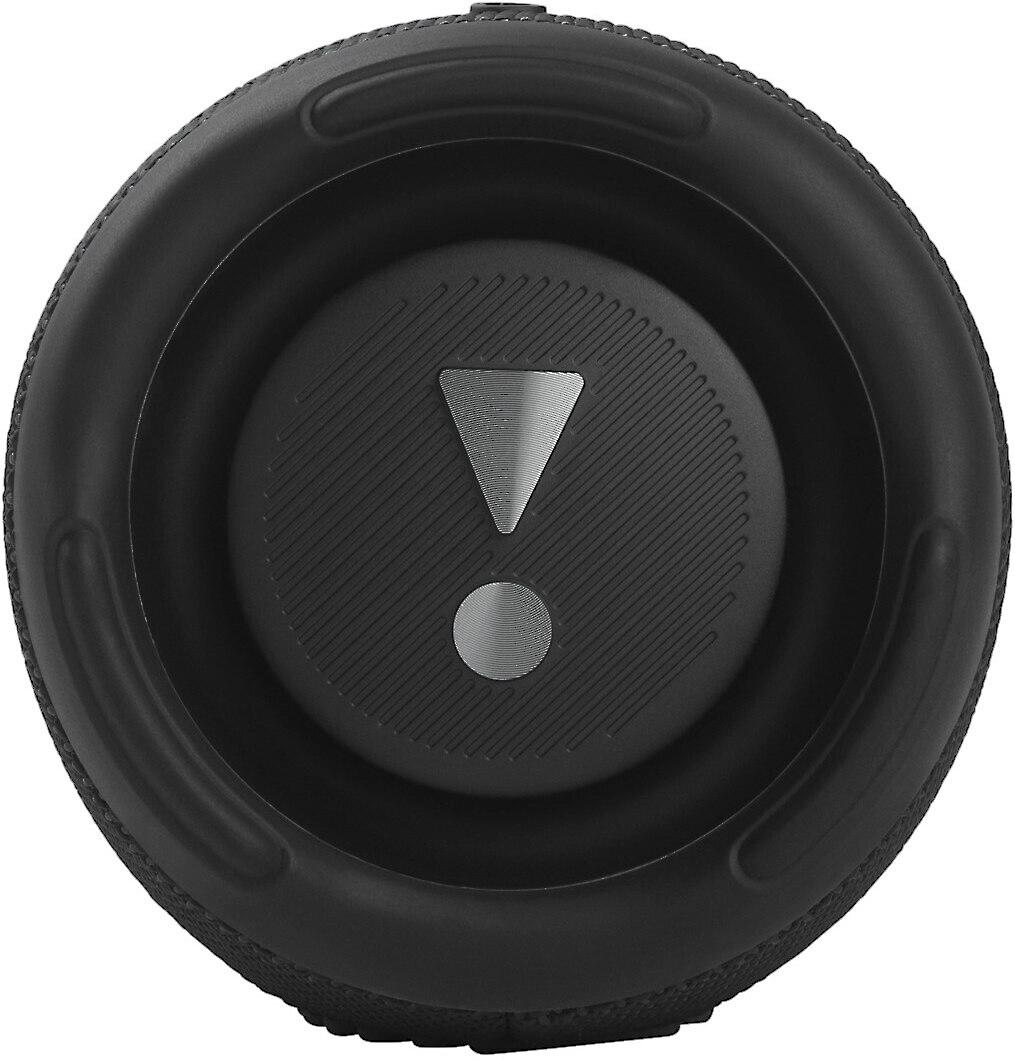
The JBL Charge 5 employs a more complex approach with its optimized long-excursion driver, separate tweeter, and dual bass radiators. Bass radiators are passive drivers that don't receive power directly but vibrate in response to the main driver, effectively extending the bass response. This setup allows each component to specialize: the main driver handles midrange, the tweeter takes care of highs, and the bass radiators add low-end punch.
From our research into user and expert reviews, the JBL tends to deliver more sophisticated frequency separation – instruments and vocals occupy distinct spaces in the mix rather than competing for attention. However, some users find the tweeter setting "too aggressive," making the sound brighter than natural. The Monster Shock Plus S21, conversely, seems to prioritize a more balanced approach that works well across different music genres without favoring any particular frequency range.
The most significant performance difference emerges in how these speakers handle different listening scenarios. The JBL Charge 5 excels in outdoor party environments where its enhanced bass response and high-volume clarity shine. The dual bass radiators really come into play here, providing the kind of low-end punch that cuts through ambient noise.
The Monster Shock Plus S21 appears more versatile for varied listening. Its balanced sound signature works well for both background music and active listening, whether you're playing acoustic folk or electronic dance music. The TWS pairing capability becomes particularly valuable for users who want to create a more immersive listening experience – proper stereo separation makes a noticeable difference when listening to music with complex arrangements.
Battery technology has improved significantly since 2020, with both speakers benefiting from advances in lithium-ion chemistry and power management. However, they make different trade-offs between capacity and charging speed.
The JBL Charge 5 delivers up to 20 hours of playback time from its 7,500mAh battery. This capacity places it among the longer-lasting portable speakers available and reflects JBL's focus on extended outdoor use. The "Charge" name isn't accidental – this speaker is designed for camping trips, beach days, and other scenarios where you can't easily recharge.
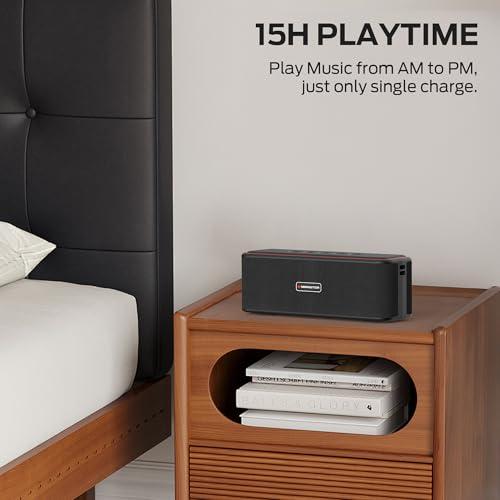
The Monster Shock Plus S21 provides up to 15 hours of playback, which is still excellent for most use cases. More importantly, it charges fully in just 2 hours compared to the JBL's 4-hour charging time. This faster charging becomes significant if you frequently use your speaker for shorter sessions and prefer quick top-ups between uses.
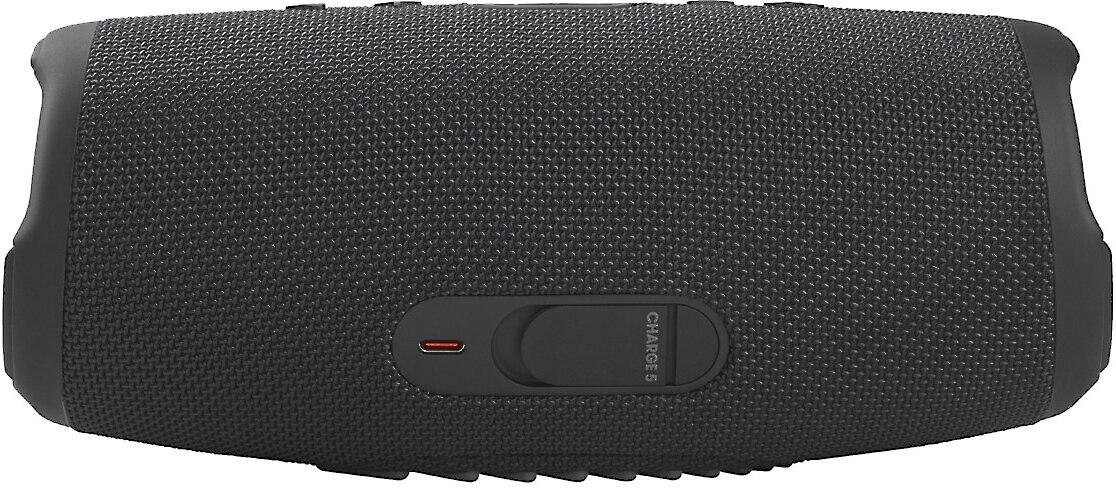
Here's where the JBL Charge 5 adds genuine utility beyond just playing music. Its built-in power bank function lets you charge smartphones, tablets, or other USB devices directly from the speaker's battery. The USB-A port can output up to 2 amps, enough to charge most phones at reasonable speed.
This feature transforms the speaker from a simple audio device into a portable power station. During outdoor activities, you can keep your phone charged for navigation or emergency communication while still enjoying music. The Monster Shock Plus S21 doesn't offer this capability, focusing purely on audio performance.
Water resistance ratings use the IP (Ingress Protection) system, where higher numbers mean better protection. Understanding these ratings helps you choose appropriate protection for your lifestyle.
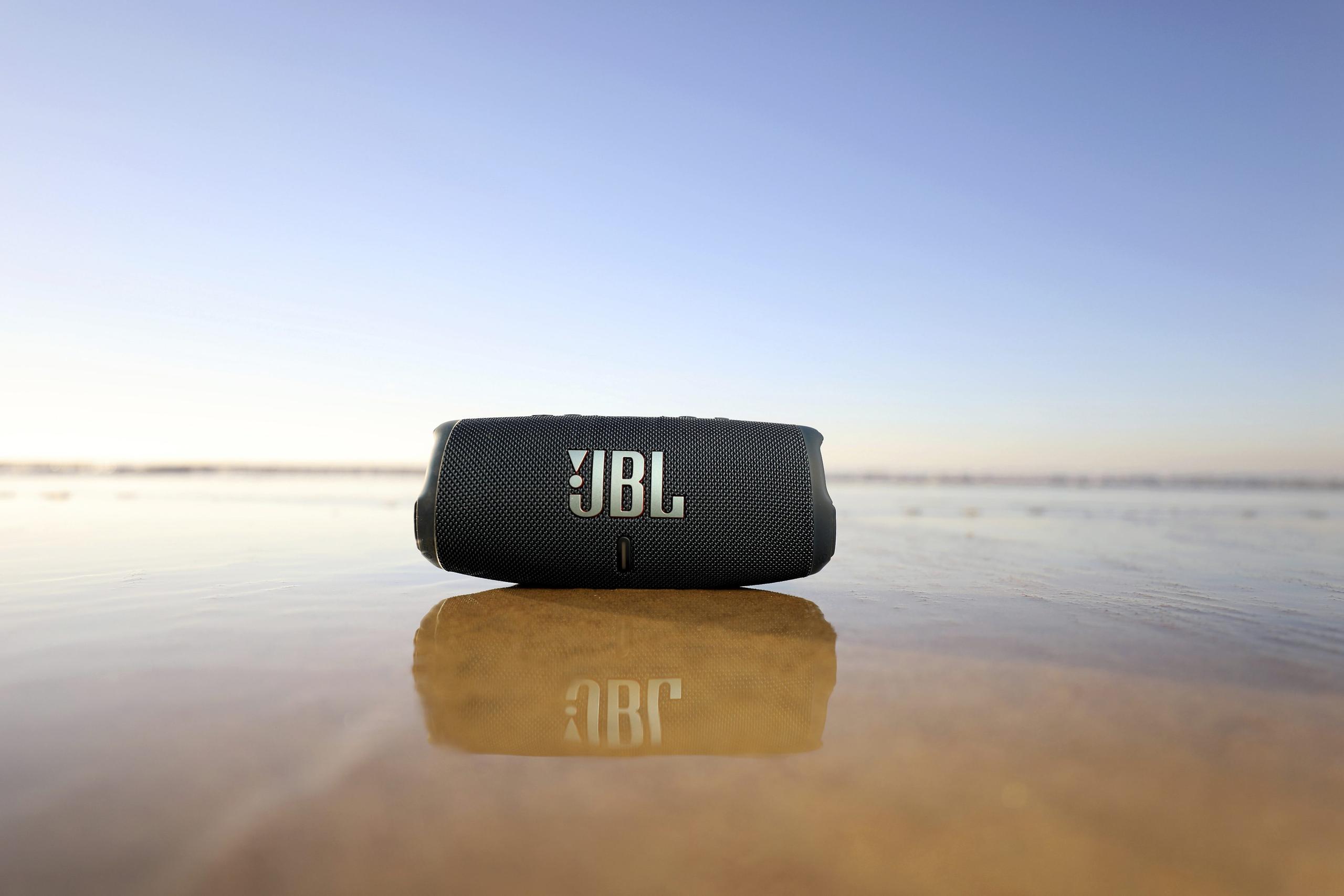
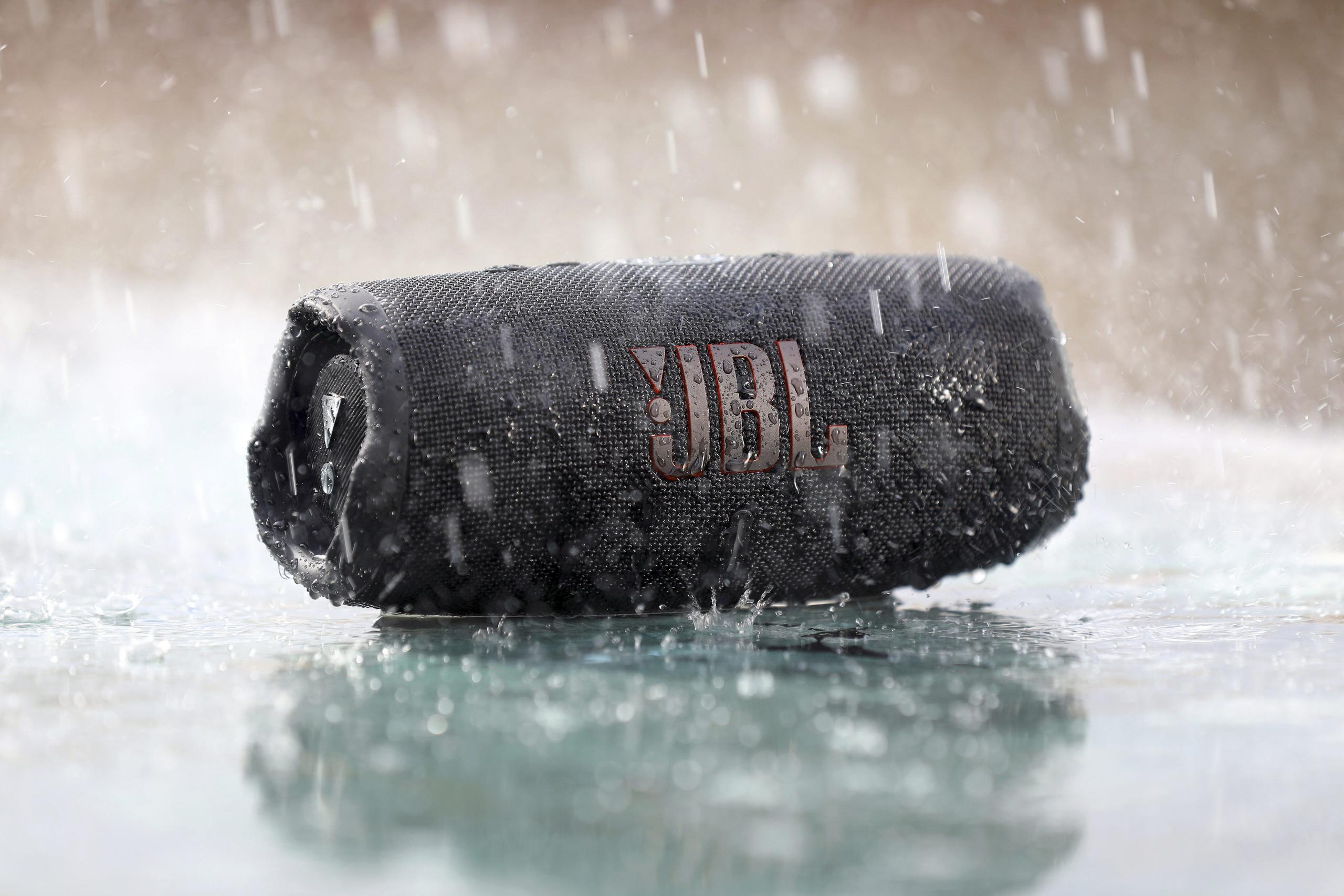
The JBL Charge 5 carries an IP67 rating, meaning it's completely dustproof and can survive being submerged in up to 1 meter of water for 30 minutes. This protection level handles accidental drops in pools, rain storms, and dusty environments without concern.
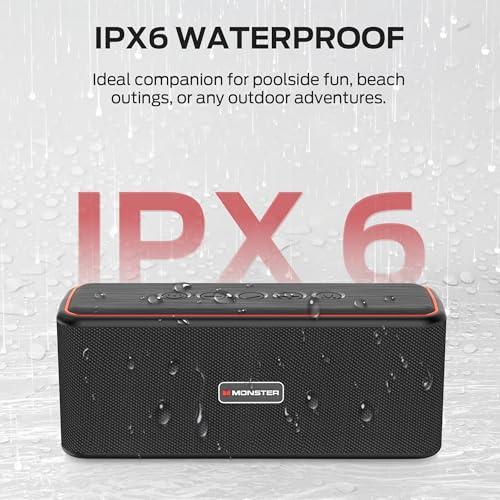
The Monster Shock Plus S21 offers IPX6 protection, which provides excellent defense against powerful water jets from any direction but isn't designed for submersion. Think heavy rain, splashing at the beach, or cleaning with a hose – but not underwater use.
For most users, IPX6 protection proves sufficient. The key question is whether you need that extra insurance against full submersion. If you're frequently around pools, boats, or other water activities where the speaker might end up underwater, the JBL's superior rating provides valuable peace of mind.
Both speakers use durable plastic construction optimized for portability rather than premium aesthetics. The JBL Charge 5 weighs slightly more at 2.11 pounds compared to the Monster Shock Plus S21's 1.8-2.0 pound range, reflecting its larger battery and more complex internal components.
Neither speaker feels flimsy, but they're clearly designed for function over luxury. The plastic housings resist impacts well and don't show wear easily. Based on long-term user reviews, both speakers maintain their performance characteristics over years of regular use, though the JBL's established track record provides more confidence in long-term reliability.
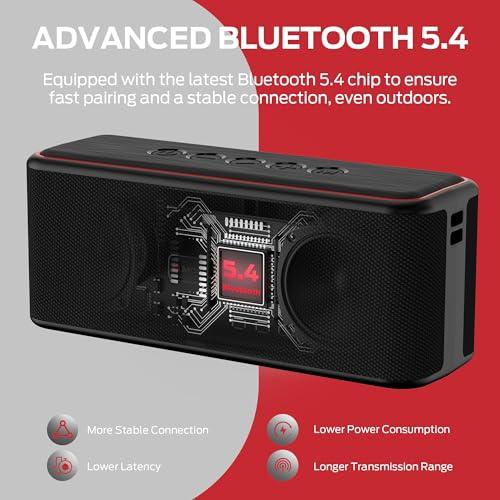
The Monster Shock Plus S21 uses Bluetooth 5.4, the newest standard available at the time of writing. Bluetooth 5.4 offers improved connection stability, faster pairing, and better power efficiency compared to earlier versions. The practical benefits include fewer connection drops and quicker reconnection when you move between devices.
The JBL Charge 5 employs Bluetooth 5.1, which was current-generation when it launched in 2021. While not the absolute latest, Bluetooth 5.1 still provides excellent performance for audio streaming with minimal latency (delay between your device and the speaker).
In real-world use, both speakers pair quickly and maintain stable connections within their specified ranges. The difference between Bluetooth 5.1 and 5.4 proves minimal for basic audio streaming, though the Monster's newer standard may offer slight advantages in crowded wireless environments.
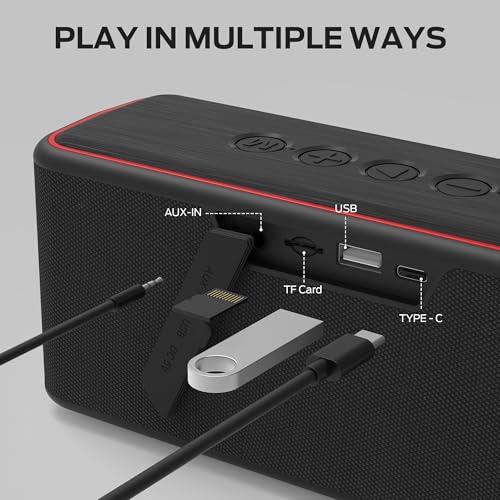
This represents one of the Monster Shock Plus S21's strongest advantages. Beyond Bluetooth, it includes AUX input (3.5mm cable), TF card slot (microSD cards), and USB port for direct playback. This flexibility becomes valuable when Bluetooth isn't available or when you want to play music directly from storage devices.
The JBL Charge 5 focuses primarily on Bluetooth connectivity, which simplifies the design but limits input options. For users who primarily stream from phones or tablets, this limitation rarely matters. However, if you have music stored on SD cards or need wired connectivity for older devices, the Monster's additional inputs provide genuine utility.
Both speakers support connecting multiple units, but through different systems. The Monster Shock Plus S21 uses True Wireless Stereo (TWS), which pairs two identical speakers to create left and right channels. This creates genuine stereo separation, where different instruments and vocals can be positioned across the soundstage.
The JBL Charge 5 supports PartyBoost, JBL's proprietary system for linking multiple JBL speakers. PartyBoost focuses more on increasing overall volume and coverage area rather than creating stereo separation. You can connect numerous JBL speakers together, but they all play the same mono signal.
For users interested in expanding their setup, TWS offers better audio quality with two speakers, while PartyBoost provides more flexibility for larger gatherings with multiple speakers.
At the time of writing, both speakers compete in the $120-180 price range, making them mid-tier options in the portable speaker market. This positioning puts them above basic budget speakers but below premium models from brands like Bose or Sonos.
The Monster Shock Plus S21, released in 2025, represents newer technology and design thinking. Its combination of fast charging, multiple inputs, and TWS capability targets users who want flexibility and modern connectivity. The newer Bluetooth standard and 2-hour charging time reflect recent technological advances.
The JBL Charge 5 leverages JBL's established reputation and proven engineering. Its longer battery life, power bank function, and superior water resistance appeal to users prioritizing practical outdoor use. The 2021 release means it's a mature product with known performance characteristics and widespread availability.
Neither speaker is designed primarily for home theater use, but they can serve as temporary solutions or bedroom systems. The Monster Shock Plus S21's TWS capability becomes more relevant here – two speakers positioned as left and right channels can provide basic stereo separation for TV audio or movie watching.
The JBL Charge 5's single-unit design limits stereo imaging, though its dual bass radiators provide better low-frequency response for movie soundtracks. Both speakers support low-latency codecs that minimize audio delay, making them usable for video content.
For serious home theater use, dedicated soundbars or bookshelf speakers remain superior choices. However, these portable speakers work well for casual movie watching in bedrooms or temporary setups.
You prioritize flexibility and modern convenience. The multiple input options make it ideal for users who play music from various sources – streaming services, downloaded files, or physical media. The fast 2-hour charging suits people who use speakers in shorter sessions and prefer quick recharging between uses.
The TWS pairing capability appeals to users interested in upgrading their audio experience over time. Starting with one speaker and adding a second later creates a genuine stereo system without replacing your original investment.
You need maximum endurance and protection for outdoor activities. The 20-hour battery life and IP67 rating suit camping, beach trips, boating, and other scenarios where recharging isn't convenient and weather protection is crucial.
The power bank function adds significant practical value for users who spend extended time away from power sources. Being able to charge your phone while playing music can be genuinely valuable during outdoor adventures.
Both the Monster Shock Plus S21 and JBL Charge 5 represent solid choices in the competitive portable speaker market, but they serve different user priorities. The Monster emphasizes flexibility, modern technology, and expandability – ideal for users who want a versatile speaker that adapts to various situations. The JBL focuses on endurance, protection, and proven performance – perfect for users who need reliability in demanding outdoor conditions.
The decision ultimately comes down to your specific use patterns. If you value having multiple connectivity options, fast charging, and potential stereo expansion, the Monster Shock Plus S21 delivers excellent value with its modern feature set. If you prioritize maximum battery life, superior water protection, and the convenience of device charging capability, the JBL Charge 5 provides time-tested reliability with practical outdoor features.
Both speakers deliver quality audio performance suitable for most listening scenarios. Your choice should be based on which additional features align better with how you actually use portable speakers, rather than pure audio performance differences that prove relatively minor in real-world use.
| Monster Shock Plus S21 | JBL Charge 5 |
|---|---|
| Audio Power Output - Determines maximum volume and sound quality | |
| 30W (60W with TWS pairing) | 40W (dual 20W drivers) |
| Battery Life - Critical for extended outdoor use | |
| Up to 15 hours | Up to 20 hours (33% longer playtime) |
| Charging Time - Important for quick turnarounds between uses | |
| 2 hours (50% faster charging) | 4 hours |
| Water Protection - Essential for outdoor durability | |
| IPX6 (splash-resistant, not submersible) | IP67 (fully waterproof and dustproof) |
| Bluetooth Version - Affects connection stability and power efficiency | |
| 5.4 (latest standard, better stability) | 5.1 (proven performance) |
| Connectivity Options - Determines input flexibility | |
| Bluetooth, AUX, TF Card, USB (maximum flexibility) | Primarily Bluetooth only |
| Multi-Speaker Pairing - For expanded sound systems | |
| TWS pairing (true stereo with 2 units) | PartyBoost (multiple speakers, mono sound) |
| Power Bank Feature - Charges other devices | |
| Not available | Built-in USB-A port for device charging |
| Weight - Affects portability | |
| 1.8-2.0 lbs (more portable) | 2.11 lbs |
| Release Year - Indicates technology generation | |
| 2025 (newest features and standards) | 2021 (proven track record) |
| Driver Configuration - Impacts sound quality and separation | |
| Single driver with Pure Sound Technology | Dual drivers with separate tweeter and bass radiators |
| Built-in Microphone - For hands-free calling | |
| Yes (hands-free calling support) | Standard Bluetooth calling |
The JBL Charge 5 produces 40W of power compared to the Monster Shock Plus S21's 30W from a single unit. However, the Monster Shock Plus S21 can pair with a second unit for 60W total output, making it potentially louder when using two speakers together.
The JBL Charge 5 offers up to 20 hours of battery life, while the Monster Shock Plus S21 provides up to 15 hours. The JBL gives you 5 additional hours of playtime, making it better for extended outdoor use or camping trips.
The JBL Charge 5 has IP67 rating, meaning it's fully waterproof and can be submerged in water. The Monster Shock Plus S21 has IPX6 rating, which protects against splashes and rain but shouldn't be submerged underwater.
The Monster Shock Plus S21 charges much faster at 2 hours for a full charge, compared to the JBL Charge 5 which takes 4 hours. This makes the Monster speaker more convenient for quick recharging between uses.
Only the JBL Charge 5 has a built-in power bank feature with a USB-A port to charge your devices. The Monster Shock Plus S21 doesn't offer phone charging capability, focusing purely on audio performance.
The Monster Shock Plus S21 offers much more flexibility with Bluetooth, AUX input, TF card slot, and USB port. The JBL Charge 5 primarily relies on Bluetooth connectivity, though it does have excellent Bluetooth performance.
Both speakers support multi-speaker setups but differently. The Monster Shock Plus S21 uses TWS pairing for true stereo sound with two speakers. The JBL Charge 5 uses PartyBoost to connect multiple JBL speakers for increased volume coverage.
The JBL Charge 5 is generally better for outdoor use due to its longer 20-hour battery life, full waterproof protection, and power bank feature for charging devices. However, the Monster Shock Plus S21 is lighter and charges faster for shorter outdoor sessions.
The JBL Charge 5 uses dual drivers with separate tweeters and bass radiators for more sophisticated sound separation. The Monster Shock Plus S21 uses Pure Sound Technology with a single driver approach that emphasizes balanced, clear audio across all frequencies.
The Monster Shock Plus S21 is lighter at 1.8-2.0 pounds compared to the JBL Charge 5 at 2.11 pounds. The Monster is also more compact, making it easier to carry for travel and hiking.
Neither speaker is designed primarily for home theater, but the Monster Shock Plus S21 has an advantage with its TWS pairing capability. Two Monster speakers can create proper left and right stereo channels for better TV audio, while the JBL Charge 5 remains a single-channel speaker.
Both speakers offer competitive value in similar price ranges. The Monster Shock Plus S21 provides more connectivity options, faster charging, and expandability through TWS pairing. The JBL Charge 5 offers longer battery life, superior water protection, and the practical power bank feature for charging devices.
We've done our best to create useful and informative comparisons to help you decide what product to buy. Our research uses advanced automated methods to create this comparison and perfection is not possible - please contact us for corrections or questions. These are the sites we've researched in the creation of this article: shopabunda.com - manuals.plus - popsci.com - armorsound.com - manuals.plus - youtube.com - shopstaff.net - thestreet.com - rtings.com - youtube.com - businessinsider.com - youtube.com - youtube.com - mensjournal.com - ratebud.ai - youtube.com - ebay.com - monsterstore.com - newegg.com - angelenaspensacola.com - techradar.com - outeraudio.com - youtube.com - soundguys.com - howtogeek.com - jbl.com - abt.com - youtube.com - harmanaudio.com - homedepot.com - bhphotovideo.com - dxomark.com

Privacy Policy
Terms and Conditions - Affiliate Policy
Home Security
© Copyright 2008-2026.
11816 Inwood Rd #1211, Dallas, TX 75244