

The smart projector market has exploded in recent years, transforming how we think about home entertainment. Gone are the days when you needed a separate streaming device, complex wiring, and professional installation. Today's smart projectors combine large-screen projection with built-in streaming platforms, offering everything from budget-friendly options that democratize big-screen viewing to premium models that rival dedicated home theaters.
When evaluating smart projectors, the fundamental question isn't just about image quality—it's about understanding what trade-offs you're willing to make for your budget and viewing environment. Some prioritize convenience and value, while others demand the absolute best image quality regardless of cost. This comparison between the HAPPRUN Google TV Smart Projector and the Hisense M2 Pro 4K Triple Laser Portable Projector perfectly illustrates this spectrum.
Smart projectors represent a fascinating convergence of traditional projection technology with modern streaming capabilities. The category has matured significantly since around 2020, when most projectors still required external streaming sticks or media players. Today's models integrate everything you need for a complete entertainment system.
The key considerations when choosing a smart projector extend far beyond just "how big and bright." You're looking at image quality fundamentals like resolution and color accuracy, practical considerations like brightness for your room's lighting, audio performance for standalone use, and platform integration that determines how enjoyable the daily experience will be.
Brightness, measured in ANSI lumens, determines where and when you can actually use your projector. Color accuracy affects how lifelike movies and shows appear. Resolution impacts the sharpness and detail you'll see, especially on larger screen sizes. The smart platform influences how seamlessly you can access your favorite content without additional devices.
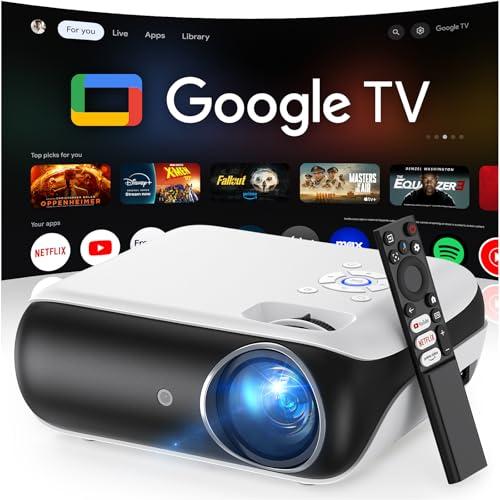
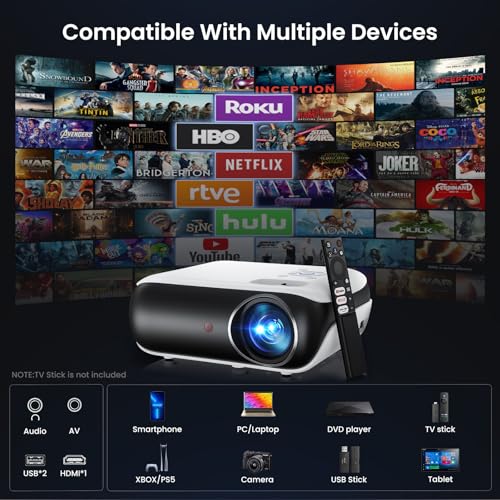
The HAPPRUN Google TV Smart Projector, released in 2024, represents the democratization of smart projection technology. At the time of writing, it sits in the budget-friendly category, typically priced several hundred dollars below premium alternatives. This projector focuses on delivering genuine smart TV functionality with respectable image quality at an accessible price point.
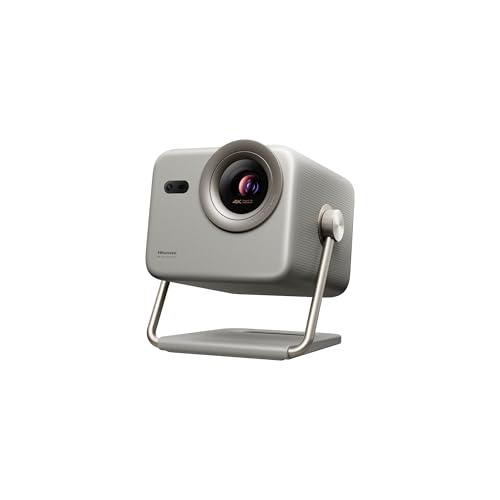
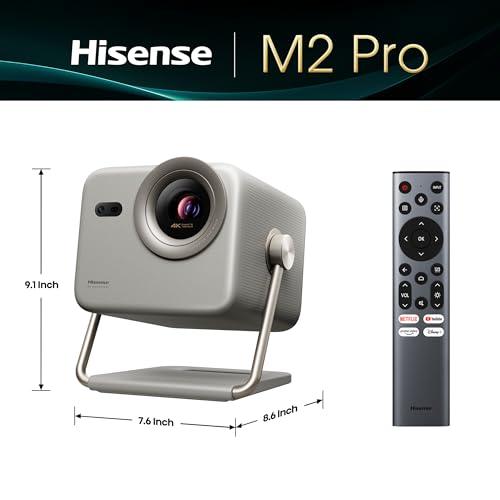
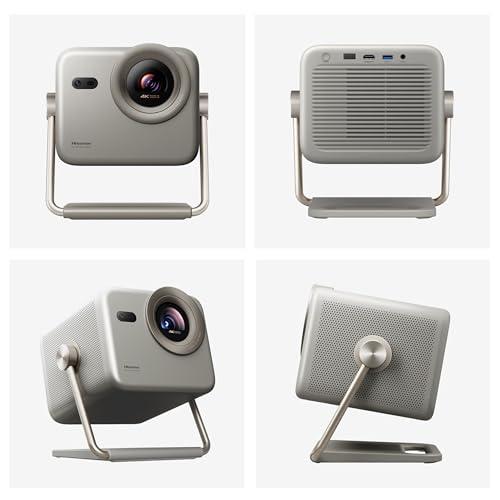
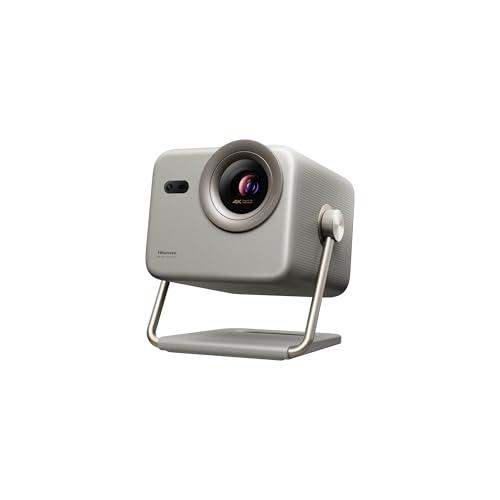
The Hisense M2 Pro 4K Triple Laser Portable Projector, also from 2024, takes the opposite approach. This premium model commands a price point in the four-digit range but delivers professional-grade features and image quality that was unimaginable in portable projectors just a few years ago.
These represent fundamentally different philosophies: accessibility versus performance, with the price gap reflecting genuinely different technologies and capabilities rather than just brand positioning.
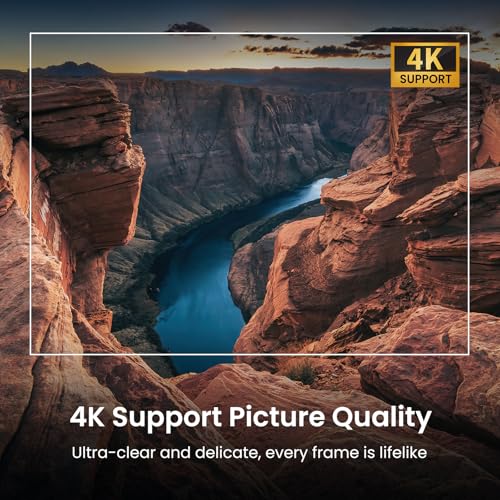
The most obvious difference lies in native resolution. The HAPPRUN delivers native 1080P (1920×1080 pixels) with 4K decoding capability. This means it can accept 4K content from streaming services or devices but displays it at HD resolution. Think of it like having a 4K photo displayed on an HD monitor—you get the content, but not the full detail.
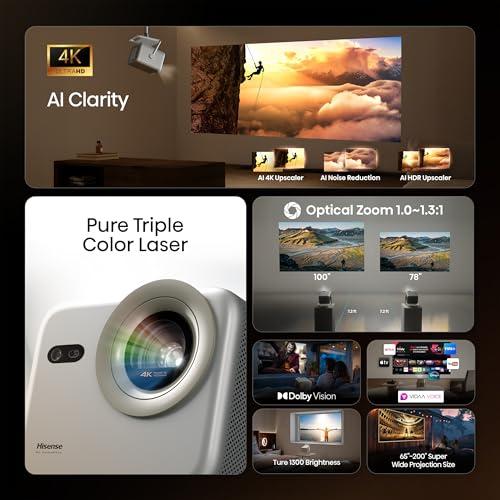
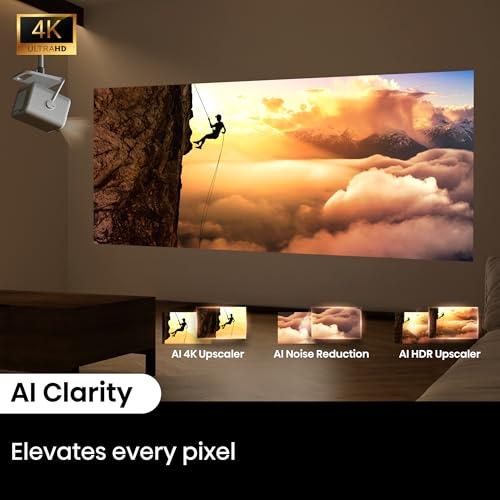
The Hisense M2 Pro offers true native 4K UHD (3840×2160 pixels) using 2.07 million individual micromirrors. Each micromirror can tilt thousands of times per second to create light and dark pixels, and having over 2 million of them means every pixel of 4K content gets its own dedicated mirror. This isn't upscaling or processing—it's genuine 4K projection.
For screen sizes up to about 100 inches, the difference is noticeable but not overwhelming. Push beyond 120 inches, however, and the native 4K resolution becomes dramatically apparent. Text remains sharp, movie details stay crisp, and the overall image maintains clarity that 1080P simply cannot match at large sizes.
This is where the technology gap becomes most significant. The HAPPRUN uses traditional LED light sources, which have improved considerably over the years but still face fundamental limitations in color reproduction. LEDs typically cover about 80-90% of the standard color space that most content is created for.
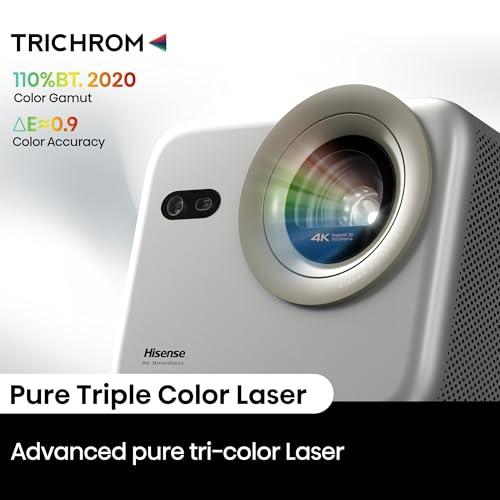
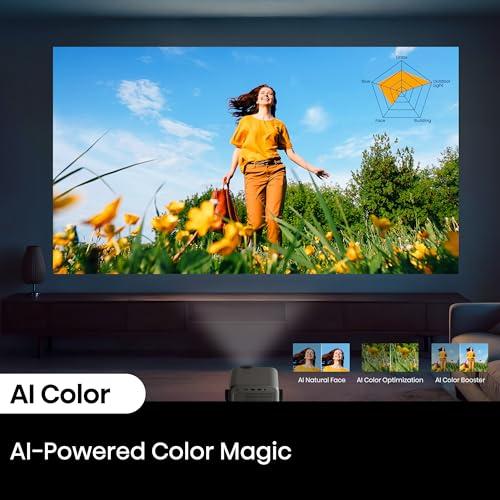
The Hisense M2 Pro's TriChroma Triple Laser system represents a technological leap. Instead of using white light filtered through color wheels or LED arrays, it employs separate red, green, and blue lasers. This approach achieves 110% coverage of the BT.2020 color space—a professional standard that encompasses more colors than most displays can reproduce.
In practical terms, this means more vibrant greens in nature documentaries, more accurate skin tones in movies, and more realistic colors overall. Professional reviews consistently note color accuracy measurements (Delta E) below 1.0 for the M2 Pro, which approaches reference monitor quality. The HAPPRUN delivers perfectly acceptable colors for its price range, but the difference is immediately apparent in side-by-side comparisons.
Here's where environmental compatibility becomes crucial. The HAPPRUN outputs 350 ANSI lumens, which sounds modest but actually works well in properly darkened rooms. This brightness level handles ambient light from phones or dim accent lighting but struggles with table lamps or window light.
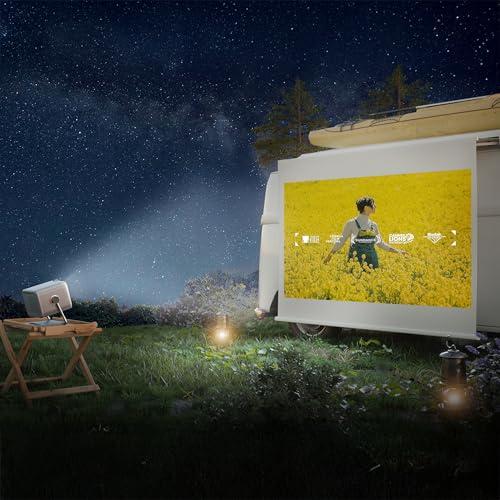
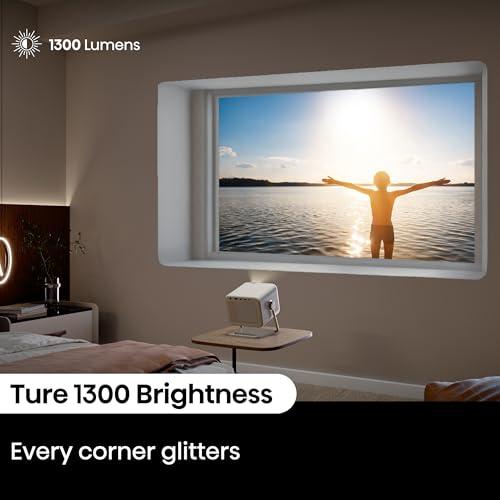
The Hisense M2 Pro delivers 1300 ANSI lumens—nearly four times brighter. This isn't just about numbers; it fundamentally changes where and when you can use the projector. Family movie nights with some lights on become feasible. Outdoor projection during twilight works beautifully. Even moderately lit rooms provide good viewing experiences.
ANSI lumens measure actual light output across the entire image, not peak brightness in small areas. This standardized measurement helps compare projectors meaningfully, and the 4:1 advantage represents a genuine difference in versatility.
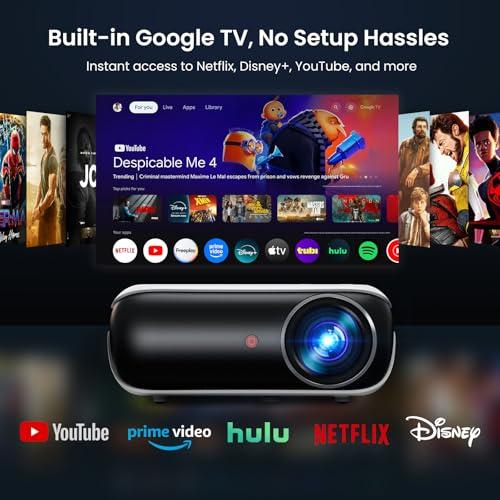
The platform experience often determines daily satisfaction more than technical specifications. The HAPPRUN runs official Google TV 11.0 with properly licensed Netflix, YouTube, Disney+, and other major streaming services. This isn't a generic Android implementation or unofficial app installation—it's the same Google TV experience found on premium Sony and other high-end TVs.
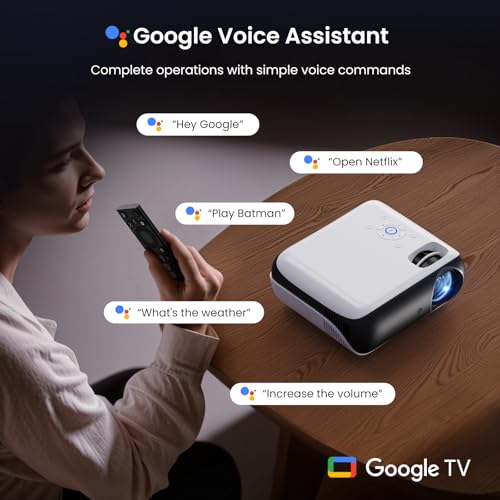
Google TV's strength lies in its content aggregation and recommendation engine. It pulls together content from all your subscribed services, suggests new shows based on viewing history, and integrates beautifully with Android phones and Google Assistant voice commands. The interface responds quickly, apps launch reliably, and the overall experience feels polished.
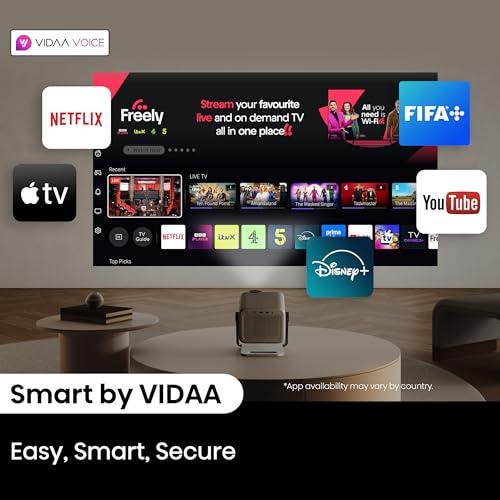
The Hisense M2 Pro uses VIDAA Smart OS, Hisense's proprietary platform. While it provides access to major streaming services, the experience lacks Google's ecosystem integration. VIDAA has improved significantly since its introduction around 2020, offering faster performance and better app selection, but it doesn't match Google TV's content discovery or voice control capabilities.
For users deeply invested in Google's ecosystem—using Android phones, Google Home devices, or Google Photos—the HAPPRUN's platform integration provides genuine convenience advantages that extend beyond just watching movies.
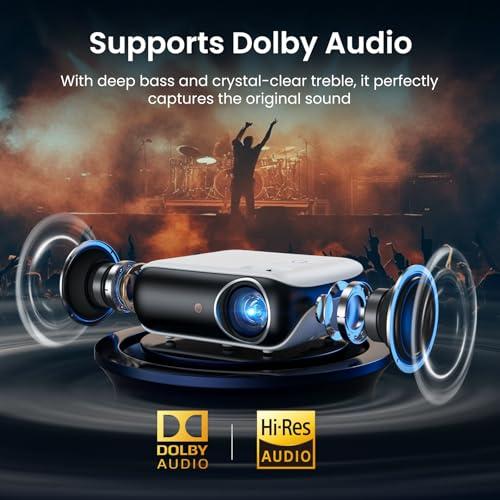
Neither projector eliminates the need for dedicated audio systems in serious home theaters, but their built-in speakers serve different purposes. The HAPPRUN includes an 8W digital speaker with Dolby 3D processing, which handles dialogue clearly and provides adequate sound for casual viewing in smaller rooms.
The Hisense M2 Pro steps up with dual 10W speakers (20W total) featuring Dolby Audio and DTS Virtual:X processing. DTS Virtual:X creates simulated surround sound from stereo speakers, providing more immersive audio for movies and shows. The additional power and processing create noticeably fuller sound with better bass response.
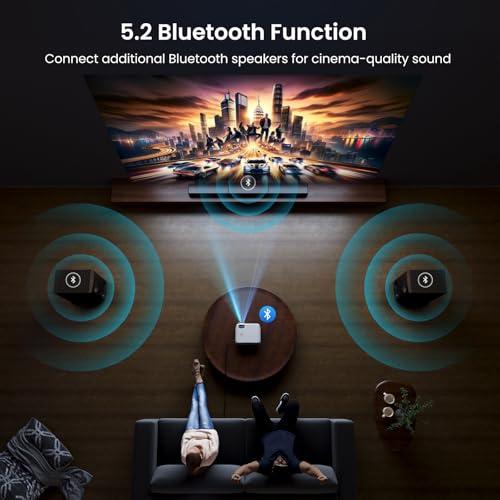
For apartments, dorm rooms, or situations where external speakers aren't practical, the M2 Pro's audio system works surprisingly well for a projector. The HAPPRUN handles basic needs but really benefits from Bluetooth speakers or a soundbar for optimal enjoyment.
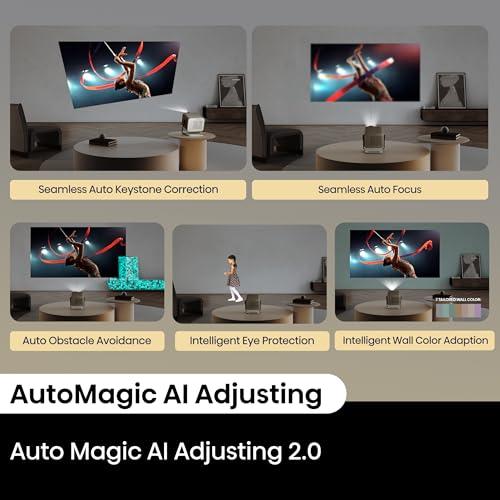
The Hisense M2 Pro includes several features that dramatically simplify installation and daily use. Auto keystone correction automatically adjusts the image shape when projecting at angles, while auto focus ensures sharp images without manual adjustment. Most impressively, intelligent wall color adaptation adjusts the projected colors to compensate for non-white surfaces, maintaining color accuracy whether projecting onto cream walls, textured surfaces, or portable screens.
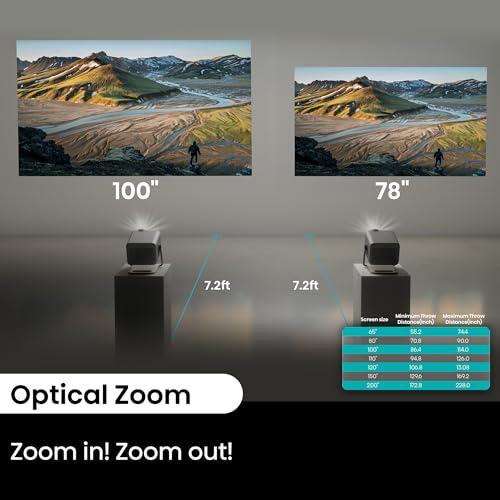
The built-in gimbal system enables 360-degree horizontal and 135-degree vertical adjustment, making ceiling projection or unusual mounting angles possible without additional hardware. Optical zoom (1.0-1.3x ratio) allows fine-tuning of image size and throw distance without degrading image quality—something digital zoom cannot accomplish.
The HAPPRUN takes a more traditional approach, requiring manual adjustments and standard mounting options. For users comfortable with basic projector setup, this isn't problematic, but the convenience features become valuable when frequently moving the projector or using it in various locations.
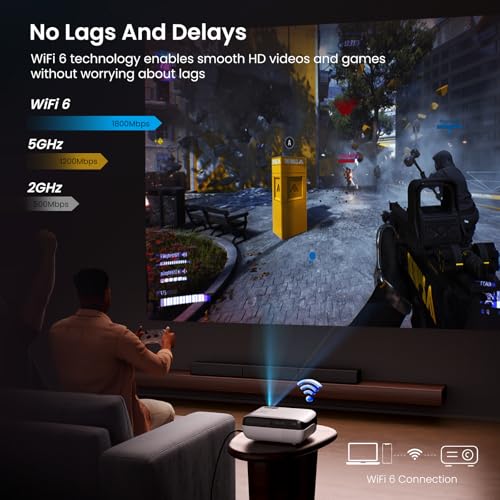
Gaming has become increasingly important for projector evaluation. The Hisense M2 Pro specifically addresses this with a 240Hz refresh rate and 12ms input lag, making it suitable for competitive gaming where response time matters. These specifications approach gaming monitor performance levels, which is remarkable for a projector.
The HAPPRUN handles gaming adequately for casual use but lacks the specialized low-latency processing that serious gamers require. For occasional gaming or non-competitive titles, it works fine, but the difference becomes apparent in fast-paced games where every millisecond matters.
The HAPPRUN Google TV Smart Projector excels in specific scenarios that align with its strengths. Apartment living with controllable lighting provides an ideal environment. The projector handles movie nights beautifully when curtains are drawn and lights are dimmed, delivering surprisingly engaging experiences for its price point.
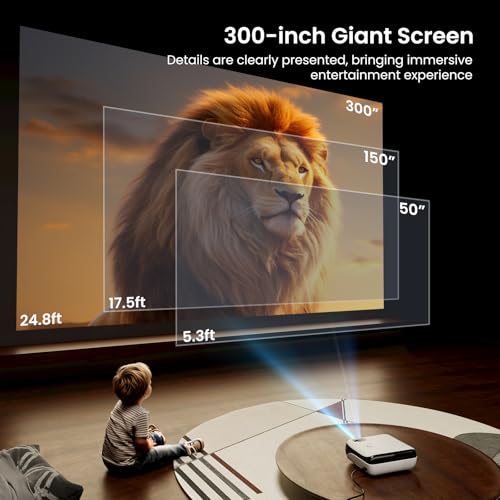
College students, young professionals, or families seeking an affordable upgrade from small TVs find genuine value here. The official Google TV integration eliminates the need for streaming sticks or complicated setups, while the 40-200 inch projection capability transforms any room into an entertainment space.
The HAPPRUN also serves as an excellent introduction to projection technology. Users uncertain about committing to expensive projection setups can experience large-screen entertainment without major financial risk, potentially discovering preferences that inform future upgrades.
The Hisense M2 Pro justifies its premium pricing in scenarios where image quality and versatility matter most. Home theater enthusiasts seeking cinema-quality reproduction find the color accuracy and true 4K resolution immediately rewarding. The brightness advantage enables usage flexibility that budget projectors simply cannot match.
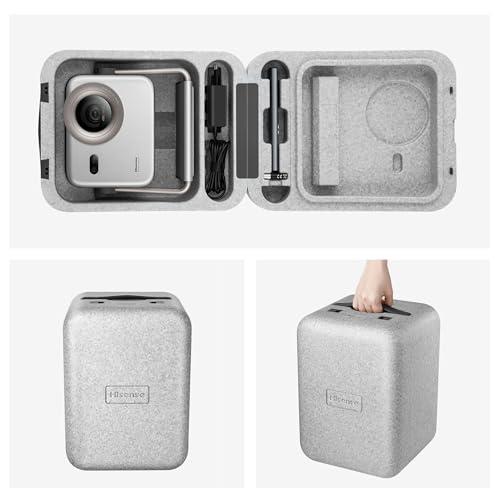
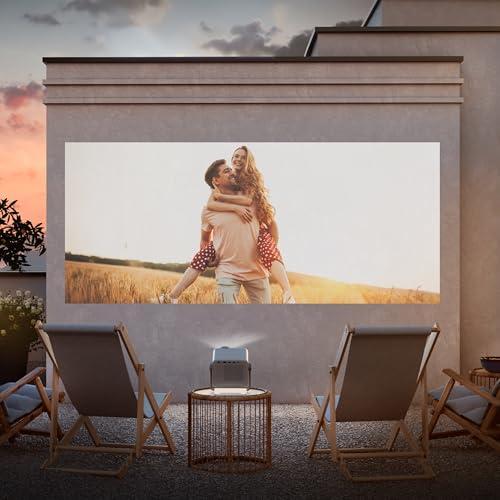
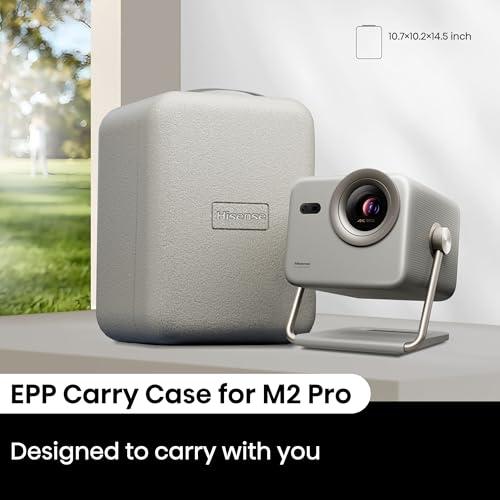
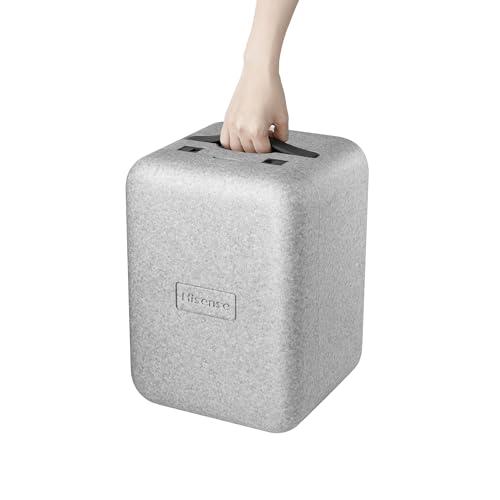
Outdoor entertainment becomes genuinely practical with 1300 ANSI lumens. Backyard movie nights, camping trips, or poolside entertainment work beautifully even with ambient lighting. The portable design (despite weighing 8.6 pounds) and protective carrying case enable transportation that fixed installations cannot provide.
Professional applications also benefit from the M2 Pro's capabilities. Presentations requiring color accuracy, temporary installations in varying lighting conditions, or situations where image quality impacts credibility all favor the premium model's performance.
The decision ultimately depends on your priorities, environment, and intended usage patterns. Choose the HAPPRUN Google TV Smart Projector if you're seeking genuine value in controlled lighting environments, prioritize Google TV ecosystem integration, or want to explore projection technology without significant financial commitment. The image quality, while not premium, provides satisfying experiences for casual viewing and proves that good projection doesn't require enormous budgets.
Select the Hisense M2 Pro if image quality takes priority over budget concerns, you need versatility across different lighting conditions and locations, or you're building a serious home theater where every aspect of performance matters. The technological advantages—true 4K, laser color accuracy, advanced setup features—justify the premium pricing for users who will appreciate and utilize these capabilities.
Both projectors succeed within their intended markets, but understanding your specific needs, viewing environment, and quality expectations determines which approach serves you better. At the time of writing, the price gap reflects genuine technological differences rather than just market positioning, making either choice defensible depending on your priorities and circumstances.
The smart projector category continues evolving rapidly, but these models represent mature implementations of their respective approaches—accessible smart projection versus premium performance—both delivering on their fundamental promises.
| HAPPRUN Google TV Smart Projector | Hisense M2 Pro 4K Triple Laser Portable Projector |
|---|---|
| Native Resolution - Determines image sharpness, especially on screens over 100 inches | |
| 1080P native with 4K decoding (accepts 4K but displays at HD) | True 4K UHD native (3840×2160 with 2.07M micromirrors) |
| Brightness - Critical for room lighting flexibility and daytime viewing | |
| 350 ANSI lumens (requires darkened room for best results) | 1300 ANSI lumens (works well in moderately lit rooms) |
| Light Source Technology - Affects color quality, lifespan, and maintenance | |
| LED light source (standard consumer-grade colors) | TriChroma Triple Laser (R+G+B lasers, 25,000+ hour lifespan) |
| Color Performance - Impact on movie realism and visual experience | |
| Standard LED color gamut | 110% BT.2020 color space coverage (cinema-grade accuracy) |
| HDR Support - Enhanced contrast and dynamic range for modern content | |
| HDR10+ decoding | Dolby Vision, HDR10, HDR10+, HLG with AI processing |
| Smart Platform - Daily user experience and app ecosystem | |
| Official Google TV 11.0 with licensed Netflix, Google Assistant | VIDAA Smart OS with major streaming apps, VIDAA Voice |
| Audio System - Built-in sound quality for standalone use | |
| 8W digital speaker with Dolby 3D stereo | 20W stereo with Dolby Audio and DTS Virtual:X |
| Setup Features - Installation convenience and flexibility | |
| Basic projection with standard mounting options | Auto keystone, auto focus, optical zoom, wall color adaptation |
| Gaming Performance - Low latency for responsive gameplay | |
| Basic gaming compatibility | 240Hz refresh rate with 12ms input lag |
| Projection Flexibility - Mounting and positioning options | |
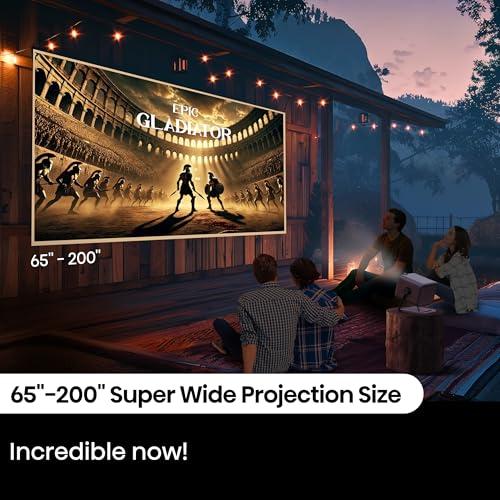
| 40-200 inch projection, standard positioning | 65-200 inch projection, 360° gimbal with ceiling capability |
| Physical Design - Portability and space requirements | |
| Compact LED projector design | 8.6 lbs portable with protective carrying case |
| Target User - Best fit scenarios and room requirements | |
| Budget-conscious users, dark rooms, Google TV ecosystem fans | Home theater enthusiasts, flexible lighting, premium image quality |
The biggest difference is image quality and brightness. The HAPPRUN Google TV Smart Projector offers 1080P native resolution with 350 ANSI lumens, making it ideal for budget-conscious users in dark rooms. The Hisense M2 Pro 4K Triple Laser Portable Projector delivers true 4K resolution with 1300 ANSI lumens, providing cinema-quality images that work in various lighting conditions.
For serious home theater setups, the Hisense M2 Pro is significantly better due to its true 4K resolution, triple laser color accuracy covering 110% BT.2020 color space, and Dolby Vision support. The HAPPRUN works well for casual home theater use in dedicated dark rooms but lacks the premium image quality for discerning viewers.
The HAPPRUN Google TV Smart Projector requires darkened rooms for optimal viewing due to its 350 ANSI lumens output. The Hisense M2 Pro with 1300 ANSI lumens performs much better in moderately lit rooms and can handle some ambient lighting, making it more versatile for different viewing environments.
Both projectors have built-in smart platforms, eliminating the need for external streaming devices. The HAPPRUN features official Google TV 11.0 with licensed Netflix and major streaming apps. The Hisense M2 Pro uses VIDAA Smart OS with access to popular streaming services, though it lacks Google's ecosystem integration.
The Hisense M2 Pro 4K Triple Laser Portable Projector has superior built-in audio with dual 10W speakers (20W total) featuring Dolby Audio and DTS Virtual:X processing. The HAPPRUN Google TV Smart Projector includes an 8W speaker with Dolby 3D stereo, which is adequate for casual viewing but less immersive.
The Hisense M2 Pro excels at gaming with its 240Hz refresh rate and 12ms input lag, making it suitable for competitive gaming. The HAPPRUN handles casual gaming adequately but lacks specialized low-latency features needed for serious gaming performance.
The HAPPRUN Google TV Smart Projector projects images from 40-200 inches, while the Hisense M2 Pro supports 65-200 inch projection. Both work well at various sizes, but the M2 Pro's true 4K resolution maintains better sharpness at larger screen sizes above 120 inches.
While both are designed for portability, the Hisense M2 Pro 4K Triple Laser Portable Projector is specifically engineered for mobile use, weighing 8.6 pounds with a protective carrying case and built-in gimbal for flexible positioning. The HAPPRUN is compact but uses a more traditional design approach.
The HAPPRUN Google TV Smart Projector offers straightforward setup with basic mounting options. The Hisense M2 Pro includes advanced auto-setup features like auto keystone correction, auto focus, and wall color adaptation, making installation easier without professional help despite its premium features.
The HAPPRUN provides excellent value for budget-conscious buyers seeking smart projector functionality with decent image quality in dark rooms. The Hisense M2 Pro offers better value for users prioritizing image quality, versatility, and premium features, despite its higher cost.
The HAPPRUN Google TV Smart Projector works for outdoor use only in completely dark conditions due to its limited brightness. The Hisense M2 Pro 4K Triple Laser Portable Projector is much better for outdoor use, with sufficient brightness for twilight viewing and portable design features ideal for outdoor entertainment.
The HAPPRUN Google TV Smart Projector offers superior platform experience with official Google TV 11.0, featuring better content discovery, Google Assistant integration, and seamless Android device connectivity. The Hisense M2 Pro's VIDAA platform provides good streaming access but lacks Google's ecosystem benefits and advanced recommendation features.
We've done our best to create useful and informative comparisons to help you decide what product to buy. Our research uses advanced automated methods to create this comparison and perfection is not possible - please contact us for corrections or questions. These are the sites we've researched in the creation of this article: youtube.com - topvisiontec.com - youtube.com - happrunprojector.com - youtube.com - happrunprojector.com - youtube.com - business.walmart.com - youtube.com - walmart.com - cordcuttersnews.com - nexpow.com - thegadgetflow.com - valueelectronics.com - youtube.com - projectorscreenstore.com - whathifi.com - hisense-usa.com - tomsguide.com - content.syndigo.com - youtube.com - shop.hisense-usa.com - avsforum.com - projectorscreen.com - projectorscreen.com - projectorcentral.com - avsforum.com - youtube.com - projector-database.com

Privacy Policy
Terms and Conditions - Affiliate Policy
Home Security
© Copyright 2008-2026.
11816 Inwood Rd #1211, Dallas, TX 75244