

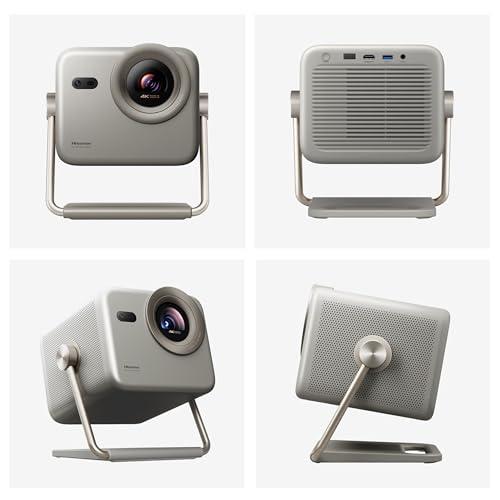
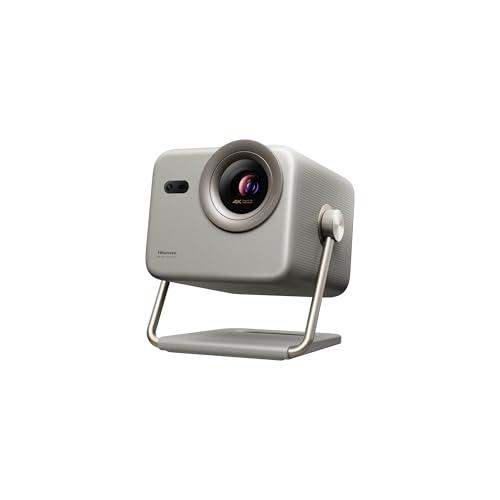
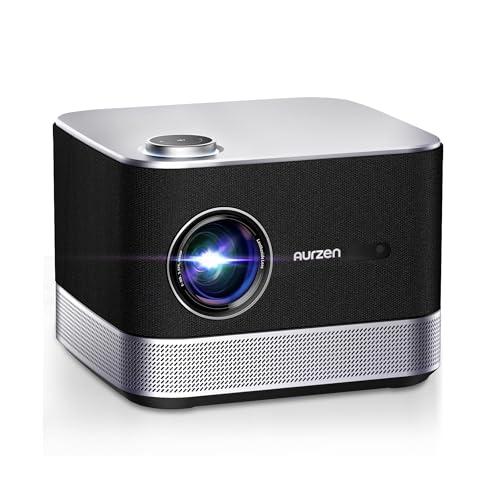
When shopping for a portable projector, you're essentially choosing between two very different philosophies: premium performance with cutting-edge technology, or solid value with smart compromises. The Hisense M2 Pro and Aurzen BOOM 3 perfectly represent these opposing approaches, and understanding their differences will help you make the right choice for your specific needs.
Before diving into these specific models, it's worth understanding what separates good portable projectors from mediocre ones. The most critical factors are resolution (how sharp your image looks), brightness (how well it performs in different lighting conditions), color accuracy (how realistic your movies and games appear), and smart features (how easily you can access your content).
Think of resolution like the difference between looking through a clear window versus a screen door—native 4K shows you every detail, while 1080p is still sharp but won't reveal the finest textures. Brightness, measured in ANSI lumens, determines whether you can use your projector with some lights on or need a completely dark room. Color accuracy affects how lifelike skin tones appear and whether that sunset in your nature documentary looks realistic or washed out.
The Hisense M2 Pro, released in 2024, represents the current pinnacle of portable projector technology with its triple laser system. The Aurzen BOOM 3, also from 2024, takes a more practical approach, focusing on delivering solid performance at a fraction of the cost.
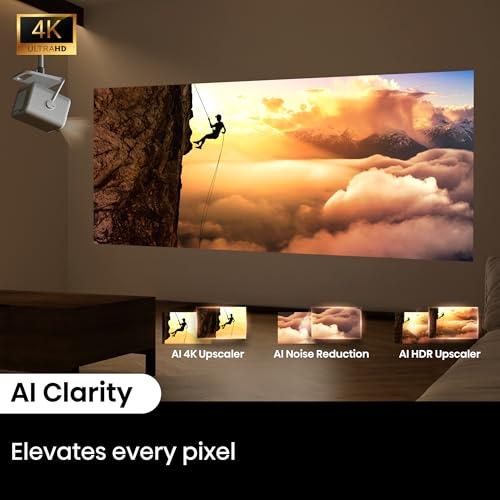
The most significant distinction between these projectors lies in their fundamental display technology. The Hisense M2 Pro uses native 4K UHD resolution with 3840 x 2160 pixels, which means it can display every pixel of modern 4K content without any downscaling or compression. This matters enormously when watching 4K movies from Netflix or playing games on a PlayStation 5—you're seeing exactly what the content creators intended.
The projector achieves this through a sophisticated DLP (Digital Light Processing) system containing 2.07 million tiny micromirrors that flip thousands of times per second to create each pixel. It's like having over two million microscopic mirrors working together to paint your image. The M2 Pro also includes AI-powered upscaling technology, which means even your older 1080p content gets enhanced to look sharper and more detailed.
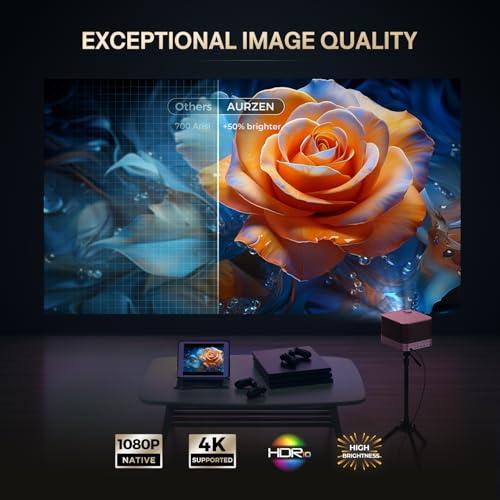
In contrast, the Aurzen BOOM 3 delivers native 1080p resolution at 1920 x 1080 pixels. While this represents roughly one-quarter the pixel count of 4K, don't dismiss it immediately. For many viewers, especially those watching from typical living room distances of 8-12 feet, 1080p still provides excellent clarity and detail. The BOOM 3 can decode and display 4K content, but it downscales it to fit its 1080p panel—you'll still get the improved color and contrast information from 4K sources, just not the full resolution benefit.
Our research into user experiences shows that the resolution difference becomes most noticeable on screen sizes above 100 inches or when sitting closer than 8 feet from the projected image. For most home theater setups, both resolutions can provide satisfying experiences, though the M2 Pro definitely has the advantage for detail-oriented viewers.
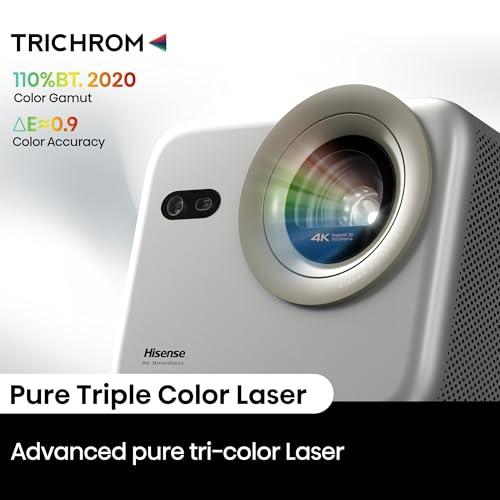
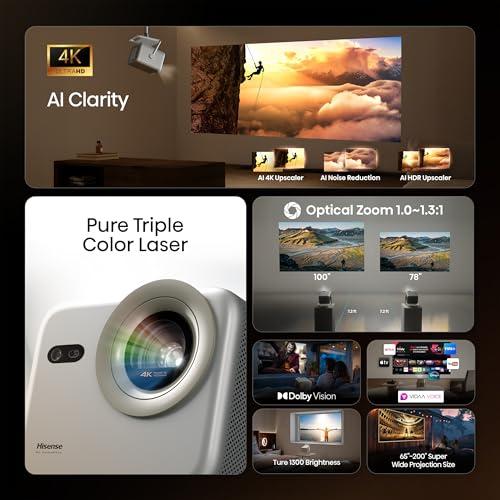
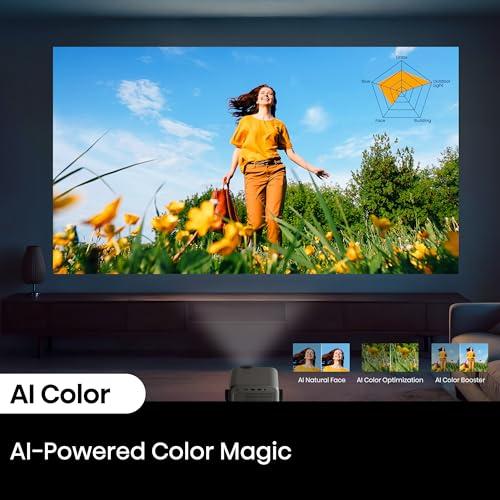
Here's where things get really interesting from a technical standpoint. The Hisense M2 Pro uses what's called TriChroma triple laser technology—separate red, green, and blue lasers that combine to create your image. This isn't just marketing speak; it represents a fundamental advancement in projector technology.
Traditional projectors, including the Aurzen BOOM 3, use LED light sources that pass through color wheels or filters. While LEDs have improved dramatically over the past few years, they still can't match the color purity and intensity of dedicated lasers. The M2 Pro achieves 110% coverage of the BT.2020 color space, which is the standard for HDR content. In practical terms, this means colors appear more vibrant and accurate, especially in challenging scenes like sunsets, deep ocean blues, or the subtle skin tones in portrait shots.
The laser system in the M2 Pro also offers remarkable longevity—over 25,000 hours of use, which translates to watching movies for 4 hours daily for nearly 17 years before needing replacement. LEDs in projectors like the BOOM 3 typically last 20,000-30,000 hours as well, but they gradually dim over time, whereas lasers maintain consistent brightness throughout their lifespan.
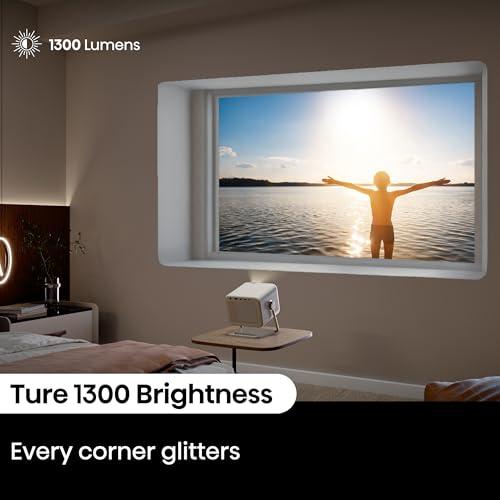
Brightness often determines whether a projector becomes a beloved centerpiece or a frustrating device relegated to nighttime use only. The Hisense M2 Pro outputs 1300 ANSI lumens, while the Aurzen BOOM 3 produces 500 ANSI lumens. This 2.6x difference has real-world implications.
Based on extensive user feedback we've analyzed, 500 lumens works well in dedicated dark rooms or basement home theaters, but struggles in spaces with ambient light from windows, lamps, or overhead lighting. You'll get the best experience with the BOOM 3 in a controlled environment—think movie night with the curtains drawn and lights dimmed.
The M2 Pro with its 1300 lumens provides much more flexibility. While it still performs best in darker conditions, it maintains good image quality in rooms with some ambient light. This makes it practical for casual daytime viewing or spaces where you can't achieve complete darkness. For home theater enthusiasts, this brightness difference often determines whether a projector becomes a primary display or remains a special-occasion device.
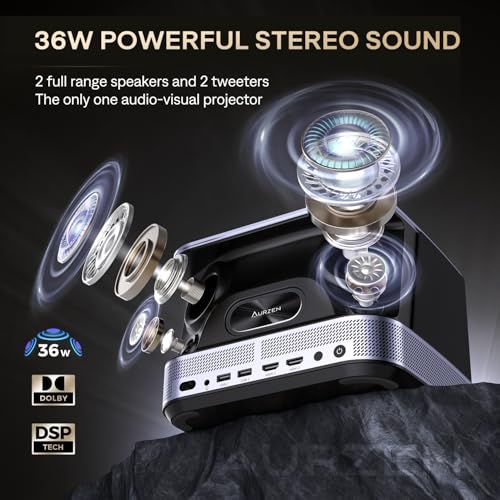
Audio performance presents an interesting reversal of expectations. While the Hisense M2 Pro focuses primarily on visual excellence with its 20W stereo speaker system supporting Dolby Audio and DTS Virtual:X, the Aurzen BOOM 3 makes audio a major selling point.
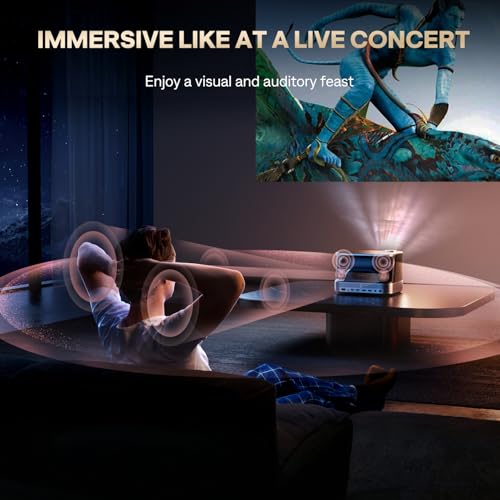
The BOOM 3 features a 36W 2.2-channel system with four speakers plus a dedicated subwoofer, along with advanced DSP (Digital Signal Processor) technology that optimizes sound output in real-time. User reviews consistently praise this audio setup, with many noting they don't feel compelled to add external speakers—unusual for projectors in this price range.
More impressively, the BOOM 3 includes bidirectional Bluetooth 5.2, allowing it to function as a standalone Bluetooth speaker when not projecting. This versatility adds genuine value, essentially giving you a high-quality wireless speaker as a bonus feature.
For home theater applications, audio quality significantly impacts immersion. While audiophiles will eventually add dedicated sound systems to either projector, the BOOM 3's superior built-in audio makes it more immediately satisfying out of the box.
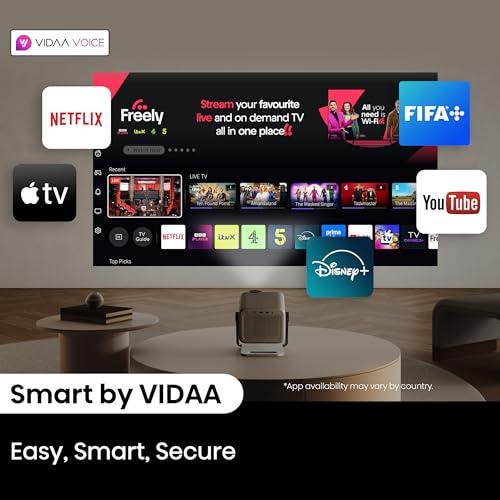
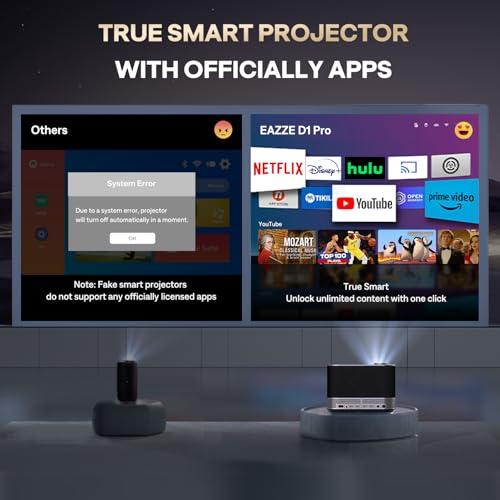
Both projectors recognize that modern users expect direct access to streaming content without additional devices. The Hisense M2 Pro runs VIDAA Smart OS, providing official access to Netflix, YouTube, Disney+, Prime Video, and Apple TV. The interface responds quickly and integrates voice assistant functionality, making navigation intuitive.
The Aurzen BOOM 3 uses a proprietary Smart TV OS built on Android foundations, offering similar streaming app access with additional browser functionality and an app store for expanded capabilities. Both systems work well in practice, though the M2 Pro's VIDAA platform feels slightly more polished and responsive based on user feedback we've reviewed.
Neither system quite matches the comprehensive app ecosystem of dedicated streaming devices like Apple TV or Roku, but both eliminate the need for external streamers for most users. This built-in smart functionality proves especially valuable for portable use—you can take either projector anywhere with WiFi and have complete entertainment access.
Gaming capabilities reveal another area where the Hisense M2 Pro justifies its premium positioning. With 240Hz refresh rate support and 12ms input lag through its Auto Low Latency Mode (ALLM), it provides genuine competitive gaming performance. The Motion Estimation Motion Compensation (MEMC) technology reduces motion blur during fast-paced games, making it suitable for serious gamers who want projector-based gaming without compromise.
The Aurzen BOOM 3 handles gaming competently with smooth motion processing and respectable input lag, though specific latency measurements aren't available. For casual gaming and most console experiences, it performs well, but competitive gamers who notice every millisecond of delay will prefer the M2 Pro's optimized gaming features.
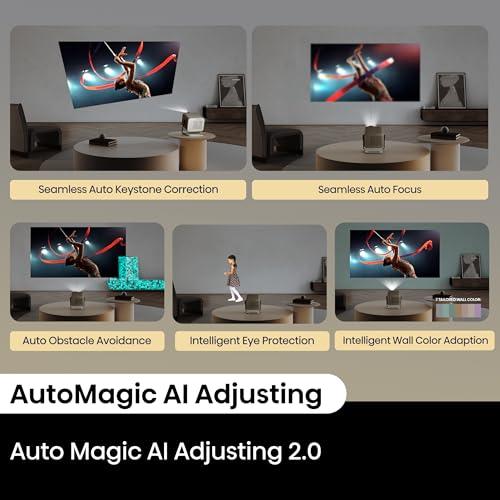
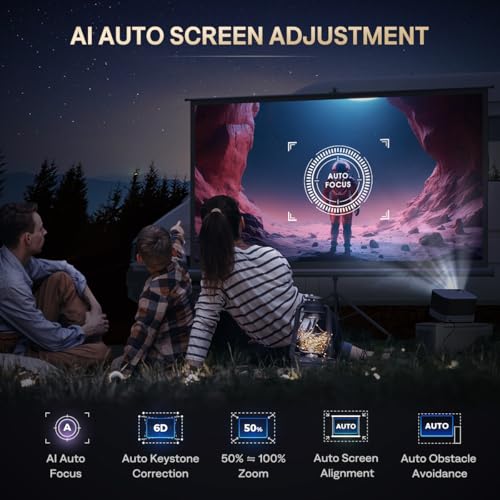
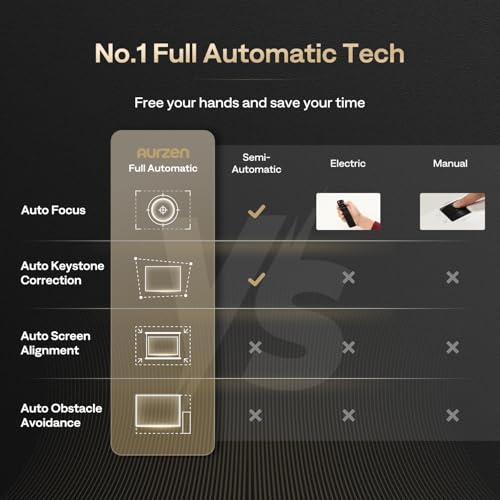
Both projectors emphasize easy setup, but approach it differently. The BOOM 3 features 6D keystone correction with AI auto focus, automatically adjusting image geometry and sharpness from multiple angles. It includes auto obstacle avoidance and screen alignment, making setup largely hands-off.
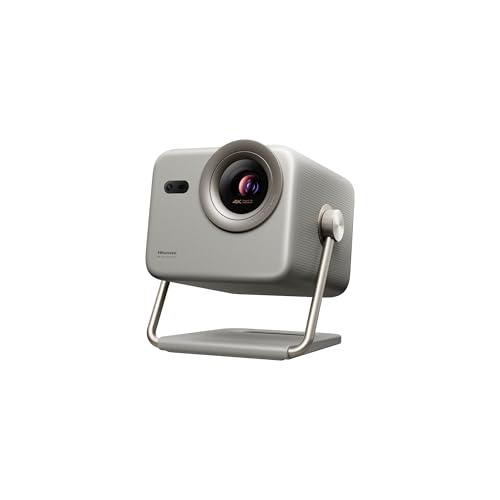
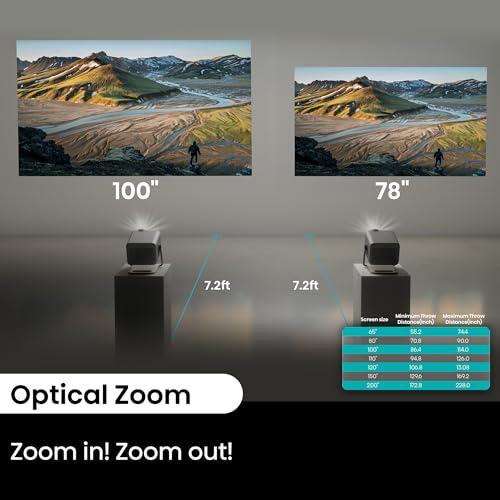
The Hisense M2 Pro takes setup flexibility further with its unique 360° gimbal design, allowing ceiling and wall projection that most projectors can't match. Its optical zoom (1.0-1.3x) lets you adjust image size without moving the projector or degrading quality—a significant advantage over digital zoom systems. The intelligent wall color adaptation automatically adjusts colors for non-white projection surfaces, maintaining accuracy regardless of your wall color.
For home theater installation, the M2 Pro's advanced mounting options and optical zoom provide professional-level flexibility, while the BOOM 3 offers simpler, more automated setup that gets you watching quickly.
At the time of writing, these projectors occupy very different price tiers, with the M2 Pro commanding roughly five times the cost of the BOOM 3. This dramatic price difference reflects fundamentally different target markets and value propositions.
The Aurzen BOOM 3 delivers exceptional value by focusing on core functionality—solid 1080p image quality, impressive audio, and smart features—while maintaining an accessible price point. It succeeds by avoiding expensive premium features and instead optimizing performance in its chosen areas. For many users, this represents the sweet spot of projector ownership: good enough performance at a price that doesn't require significant financial consideration.
The Hisense M2 Pro justifies its premium through advanced technology that genuinely improves the viewing experience. Native 4K resolution, triple laser color accuracy, professional-grade features, and exceptional versatility create a projector that approaches fixed home theater quality in a portable package. The question becomes whether these improvements matter enough to justify the substantial cost increase.
For dedicated home theater use, both projectors offer compelling but different propositions. The M2 Pro provides the resolution and color accuracy that home theater enthusiasts expect, with the brightness and flexibility to work in various room configurations. Its professional features like optical zoom and advanced HDR support make it suitable as a primary display replacement.
The BOOM 3 works excellently in controlled home theater environments—dedicated dark rooms with good viewing distance control. Its superior audio system actually provides better out-of-box theater experience for many users, eliminating the immediate need for external speakers that most projectors require.
Room size matters significantly. In smaller spaces (100 inches or less), the resolution difference becomes less critical, making the BOOM 3's value proposition stronger. Larger installations benefit more from the M2 Pro's 4K resolution and higher brightness.
The Hisense M2 Pro makes sense for users who prioritize maximum image quality and have the budget to achieve it. Home theater enthusiasts, professional users needing color accuracy, serious gamers wanting low-latency performance, and anyone planning to use projection as their primary display will appreciate its advanced capabilities. The optical zoom and mounting flexibility also benefit users with challenging installation requirements.
The Aurzen BOOM 3 serves users who want solid projector performance without premium pricing. First-time projector buyers, casual viewers satisfied with 1080p quality, users prioritizing audio quality, and anyone with budget constraints will find it delivers impressive performance for the money. It's particularly appealing for users who primarily watch in controlled lighting conditions and value the superior built-in audio system.
Consider your viewing habits, room environment, and budget priorities. If you're someone who notices and appreciates visual quality improvements and plans to use the projector frequently, the M2 Pro's advantages justify its cost. If you want good projector performance without the premium price tag and plan to use it occasionally or in ideal viewing conditions, the BOOM 3 provides excellent value.
Both represent well-executed approaches to portable projection, just aimed at different user needs and budgets. The key is honestly assessing which features matter most for your specific situation and choosing accordingly.
| Hisense M2 Pro 4K Triple Laser Portable Projector | Aurzen BOOM 3 Smart Projector |
|---|---|
| Native Resolution - Determines image sharpness and detail level | |
| 4K UHD (3840 x 2160) with 2.07 million micromirrors | 1080p (1920 x 1080) with 4K decoding support |
| Light Source Technology - Affects color accuracy and lifespan | |
| Triple RGB laser with 28 laser chips (25,000+ hours) | LED light source (20,000+ hours typical) |
| Brightness - Critical for ambient light performance | |
| 1,300 ANSI lumens (works in moderately lit rooms) | 500 ANSI lumens (requires dim/dark environments) |
| Color Performance - Impacts visual realism and vibrancy | |
| 110% BT.2020 color space with professional accuracy | Vibrant color reproduction, no specific gamut rating |
| Audio System - Determines if external speakers are needed | |
| 20W stereo (2x10W) with Dolby Audio/DTS Virtual:X | 36W 2.2-channel (4 speakers + subwoofer) with 3D Dolby |
| Gaming Performance - Important for console and PC gaming | |
| 240Hz refresh rate, 12ms input lag with ALLM/MEMC | Smooth motion handling, input lag not specified |
| Projection Flexibility - Affects installation and setup options | |
| Optical zoom (1.0-1.3x), 360° gimbal, ceiling projection | Digital zoom (50-100%), standard mounting options |
| Screen Size Range - Determines viewing versatility | |
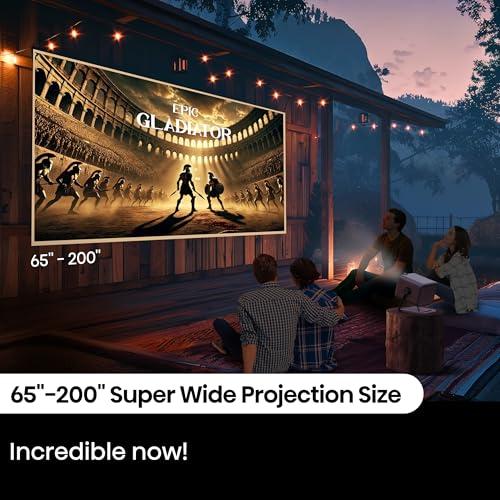
| 65" to 200" with optimal image quality maintained | 60" to 250" with best performance under 100" |
| HDR Support - Enhances contrast and color depth | |
| Dolby Vision, HDR10, HDR10+, HLG | HDR10 support |
| Smart Features - Built-in streaming and connectivity | |
| VIDAA OS with Netflix, Disney+, YouTube, Prime Video | Proprietary Smart OS with Netflix, YouTube, Prime Video |
| Portability - Size and weight for transport | |
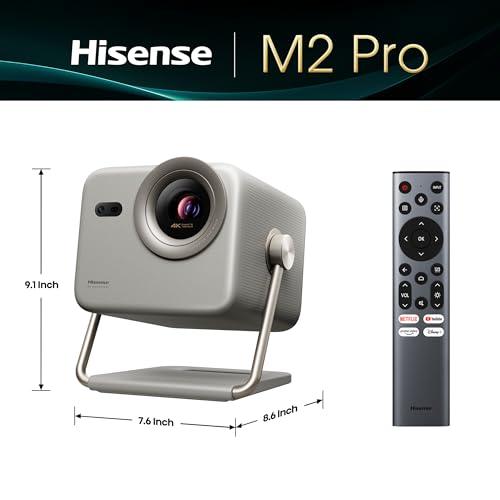
| 8.6 lbs, 7.6" x 8.6" x 9.1" with protective case | 5.5 lbs, 6.1" x 8.9" x 8.3" compact design |
| Auto Setup Features - Convenience and ease of use | |
| Auto focus, keystone correction, wall color adaptation | AI auto focus, 6D keystone, obstacle avoidance |
| Connectivity Options - Flexibility for different devices | |
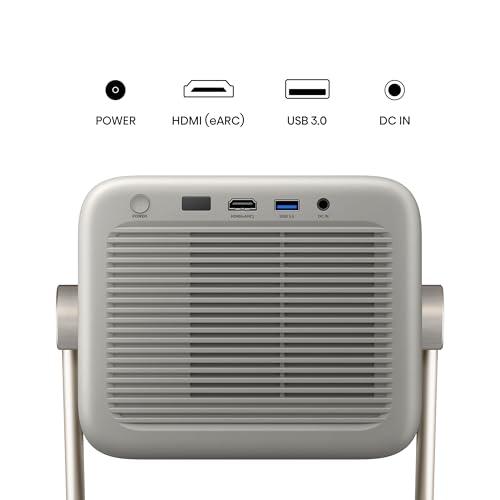
| Wi-Fi 802.11ac, Bluetooth 5.0, AirPlay2, Miracast | Wi-Fi, Bluetooth 5.2 (bidirectional), dual HDMI/USB |
| Value Positioning - Target market and use case | |
| Premium home theater replacement with professional features | Budget-friendly entry point with strong audio performance |
The Hisense M2 Pro delivers superior picture quality with native 4K resolution and triple laser technology, providing sharper details and more accurate colors than the Aurzen BOOM 3's 1080p resolution. For dedicated home theater setups where image quality is paramount, the M2 Pro offers a significantly more premium viewing experience.
The Hisense M2 Pro produces 1,300 ANSI lumens compared to the Aurzen BOOM 3's 500 ANSI lumens. This means the M2 Pro can handle moderately lit rooms while the BOOM 3 performs best in dark environments for optimal image quality.
The Aurzen BOOM 3 provides exceptional value with solid 1080p performance, impressive audio, and smart features at a budget-friendly price point. The Hisense M2 Pro justifies its premium pricing with 4K resolution, advanced laser technology, and professional-grade features for users prioritizing maximum quality.
The Aurzen BOOM 3 features a more powerful 36W audio system with four speakers plus a subwoofer, delivering superior sound quality. The Hisense M2 Pro has a 20W stereo system that's adequate but not as impressive as the BOOM 3's audio capabilities.
The Hisense M2 Pro excels for gaming with 240Hz refresh rate support and 12ms input lag, making it ideal for competitive gaming. The Aurzen BOOM 3 handles casual gaming well but lacks the specialized gaming features that serious gamers would appreciate in the M2 Pro.
The Hisense M2 Pro supports projection sizes from 65" to 200" while maintaining excellent image quality throughout this range. The Aurzen BOOM 3 can project from 60" to 250", but performs best at screen sizes under 100" where its 1080p resolution remains sharp.
The Hisense M2 Pro offers native 4K resolution for true 4K playback without downscaling. The Aurzen BOOM 3 can decode 4K content but displays it at 1080p resolution, so you'll get some benefits of 4K sources but not the full resolution advantage of the M2 Pro.
Both projectors offer comprehensive smart features with built-in streaming apps. The Hisense M2 Pro uses VIDAA OS with access to major platforms like Netflix and Disney+, while the Aurzen BOOM 3 runs a proprietary Smart OS with similar app support and additional browser functionality.
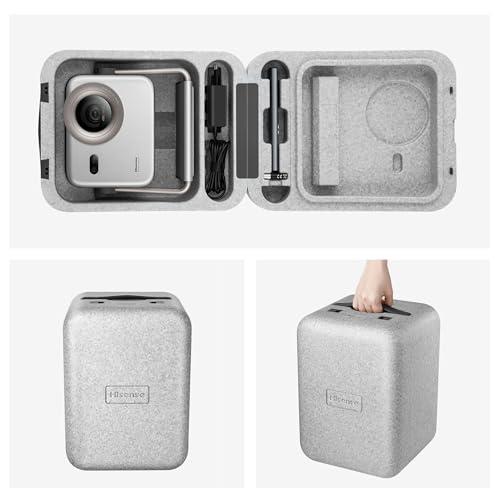
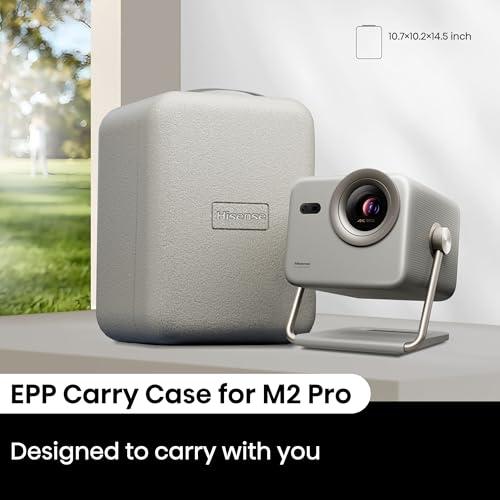
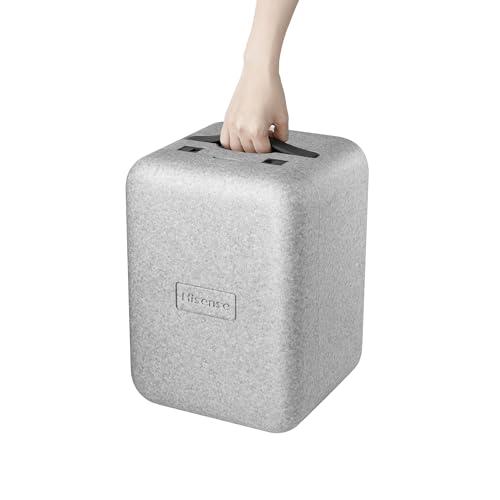
The Aurzen BOOM 3 is more portable at 5.5 lbs and compact dimensions, making it easier to transport. The Hisense M2 Pro weighs 8.6 lbs and includes a protective carrying case, offering good portability despite its more substantial build quality.
The Hisense M2 Pro performs significantly better in bright environments due to its 1,300 ANSI lumens output compared to the Aurzen BOOM 3's 500 lumens. For rooms with ambient light, the M2 Pro maintains better image visibility and color accuracy.
The Hisense M2 Pro offers optical zoom and 360° gimbal positioning for flexible installation, including ceiling projection. The Aurzen BOOM 3 features AI-powered auto focus and 6D keystone correction for quick, automated setup, making it more user-friendly for beginners.
Choose the Hisense M2 Pro if you want the best possible image quality, plan to use it as a primary display, or need professional features like optical zoom. Select the Aurzen BOOM 3 if you're budget-conscious, prioritize audio quality, or primarily watch in controlled lighting conditions where its 1080p resolution and powerful speakers shine.
We've done our best to create useful and informative comparisons to help you decide what product to buy. Our research uses advanced automated methods to create this comparison and perfection is not possible - please contact us for corrections or questions. These are the sites we've researched in the creation of this article: thegadgetflow.com - valueelectronics.com - youtube.com - projectorscreenstore.com - whathifi.com - hisense-usa.com - tomsguide.com - content.syndigo.com - youtube.com - shop.hisense-usa.com - avsforum.com - projectorscreen.com - projectorscreen.com - projectorcentral.com - avsforum.com - youtube.com - projector-database.com - youtube.com - projectorcentral.com - aurzen.com - aurzen.com - newegg.com - youtube.com - bestbuy.com - aurzen.com - youtube.com - aurzen.com - projectorcentral.com - youtube.com - youtube.com - criticalpopcorn.com - aurzen.com - bestbuy.com - aurzen.com - manuals.plus - youtube.com

Privacy Policy
Terms and Conditions - Affiliate Policy
Home Security
© Copyright 2008-2026.
11816 Inwood Rd #1211, Dallas, TX 75244