

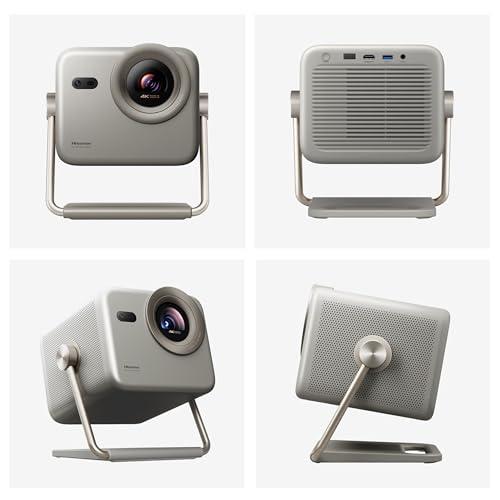
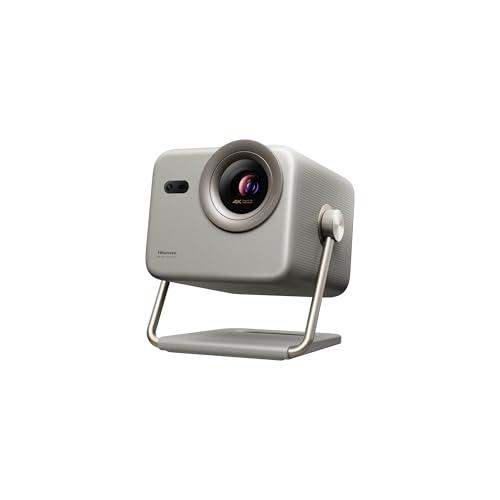
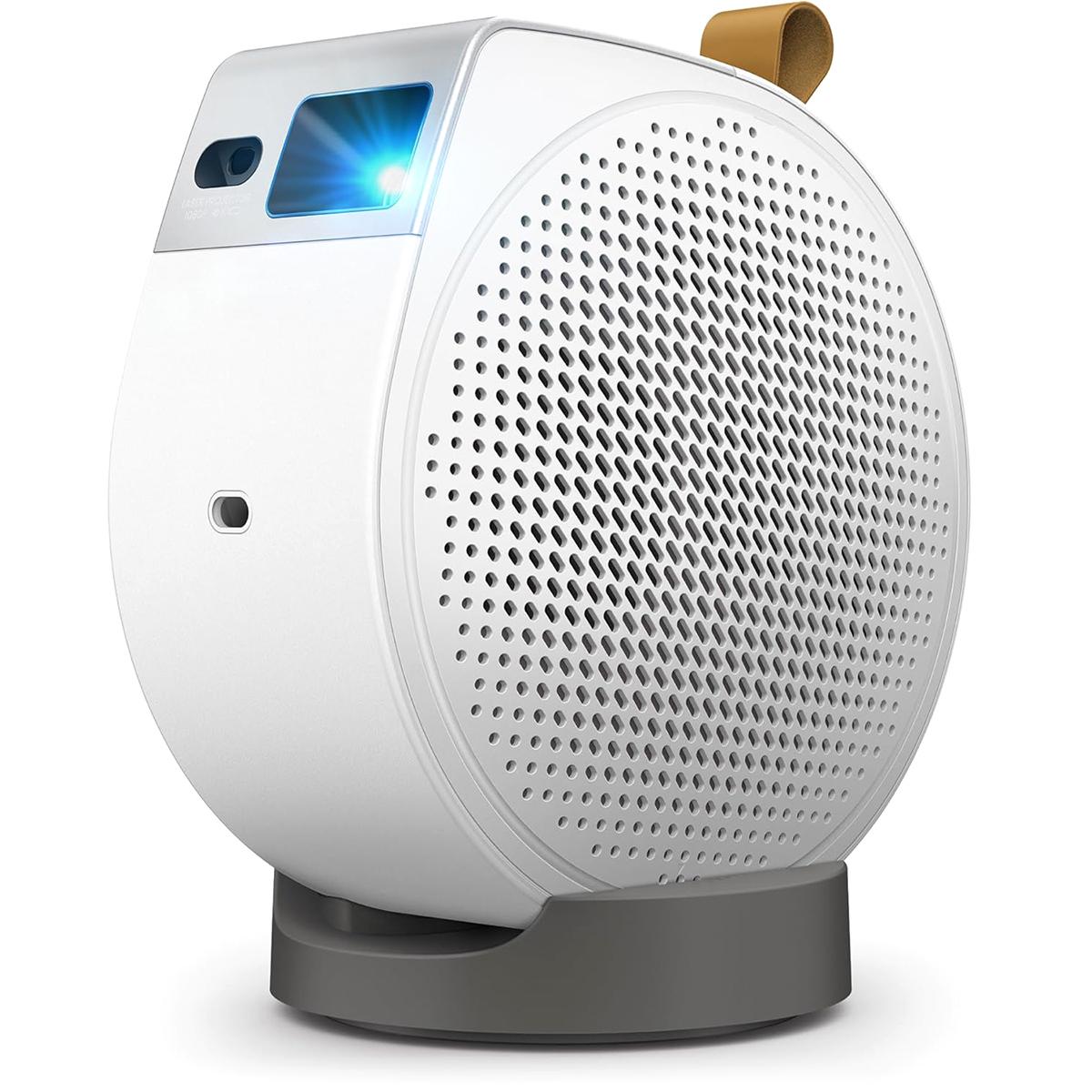
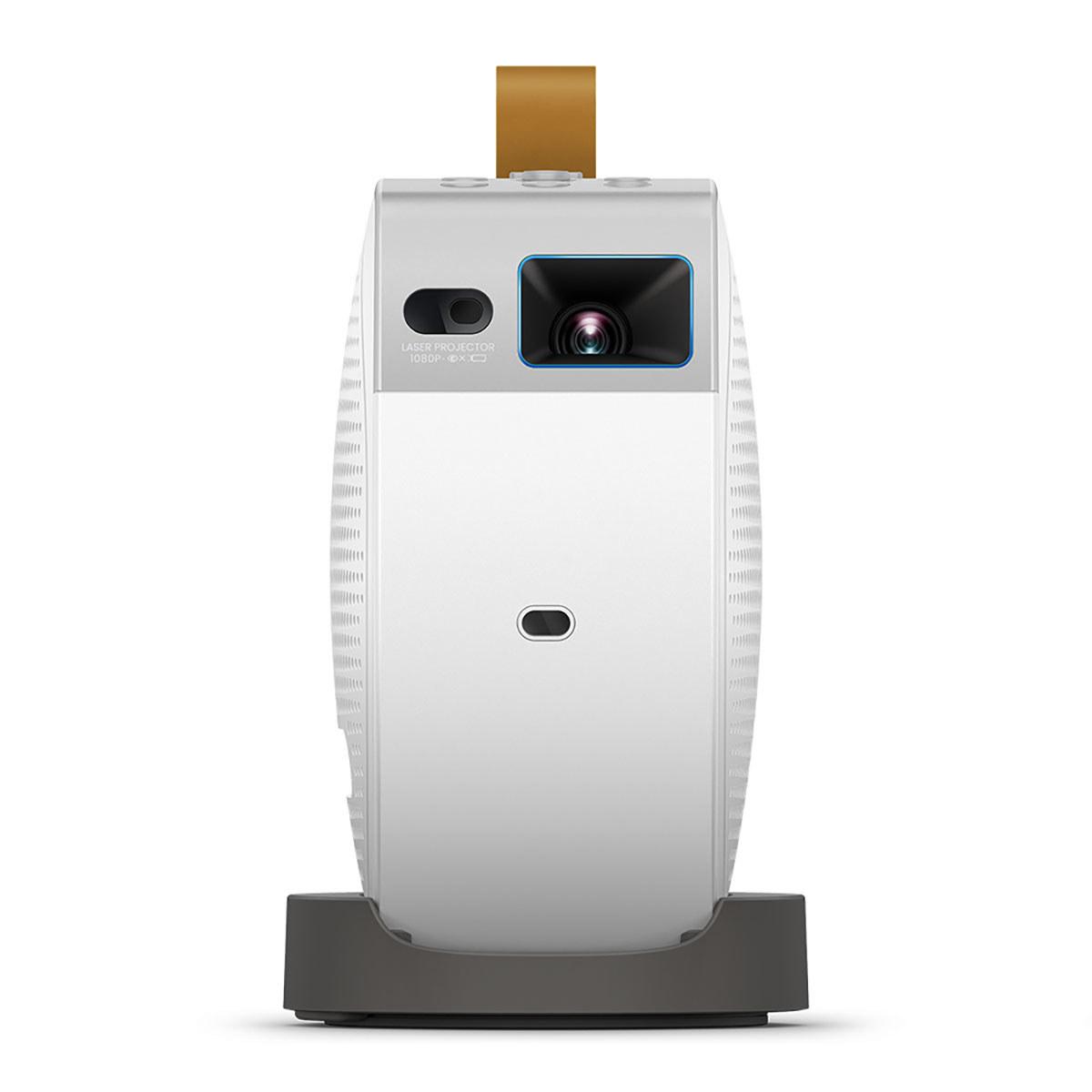
Finding the perfect portable projector used to mean choosing between decent picture quality and actual portability. Not anymore. The projector landscape has transformed dramatically over the past few years, with laser technology bringing cinema-quality images to devices you can actually carry around. Today, we're comparing two projectors that represent completely different philosophies: the Hisense M2 Pro 4K Triple Laser Portable Projector and the BenQ GV50 Full HD Smart Ceiling Projector.
These aren't your typical business presentation projectors. Both were released in 2024, representing the cutting edge of what portable projection can achieve. The Hisense M2 Pro pushes image quality to new heights with genuine 4K resolution and advanced laser technology, while the BenQ GV50 revolutionizes where and how you can watch content with its unique positioning capabilities and built-in battery.
The portable projector category has exploded in sophistication since laser light sources became mainstream around 2020. Unlike traditional lamp-based projectors that required frequent bulb replacements and produced inconsistent colors, laser projectors maintain brightness and color accuracy for decades.
When evaluating any projector, several key factors determine whether you'll love it or regret the purchase. Image quality encompasses resolution (how sharp the picture looks), brightness (whether you can see it clearly), and color accuracy (how lifelike everything appears). Projection flexibility covers screen sizes, how far you need to place the projector from the wall, and positioning options. Portability includes not just weight and size, but also setup complexity and power requirements.
The smart features have become crucial too. Modern projectors run full operating systems with streaming apps, eliminating the need for separate devices. Audio performance matters more than you'd expect – built-in speakers can make or break the experience for casual viewing.
At the time of writing, the Hisense M2 Pro commands a premium price that reflects its high-end specifications, while the BenQ GV50 offers compelling value at roughly half the cost. This price difference isn't arbitrary – it reflects fundamentally different design priorities.
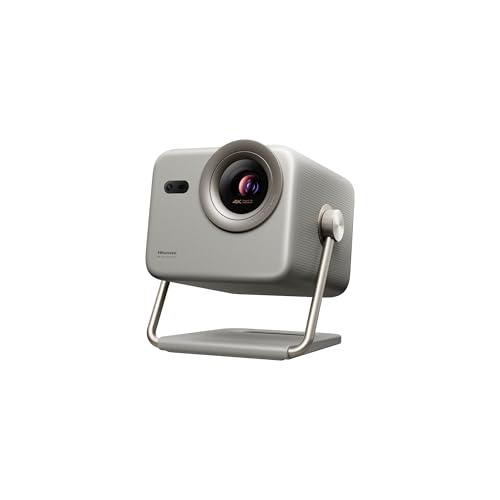
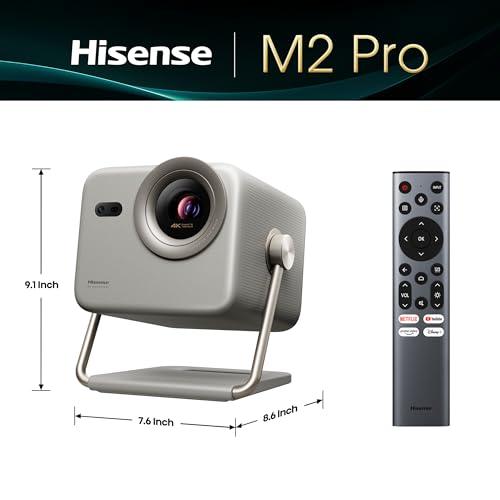
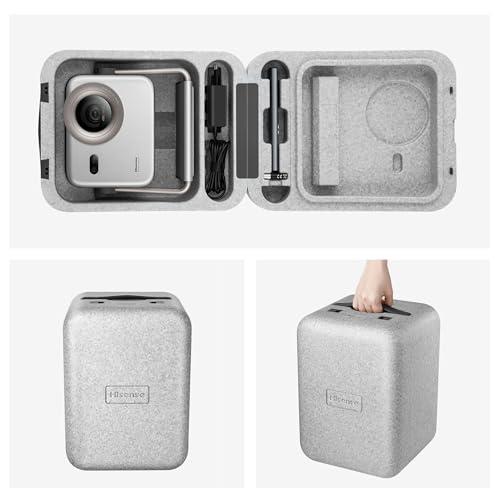
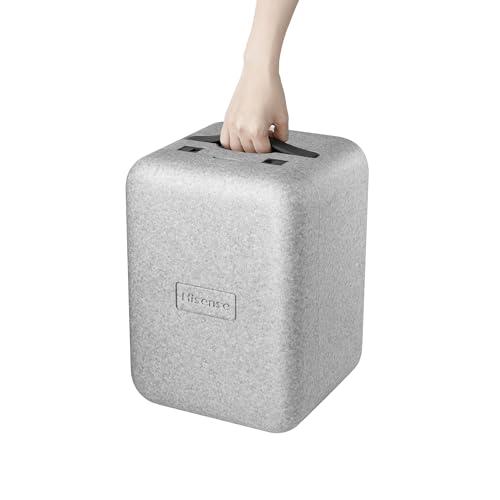
The Hisense M2 Pro represents the "no-compromise" approach to portable projection. It's what happens when engineers ask, "How can we fit home theater performance into a smaller box?" The result weighs about 8.6 pounds – definitely portable, but requiring two hands to move comfortably.
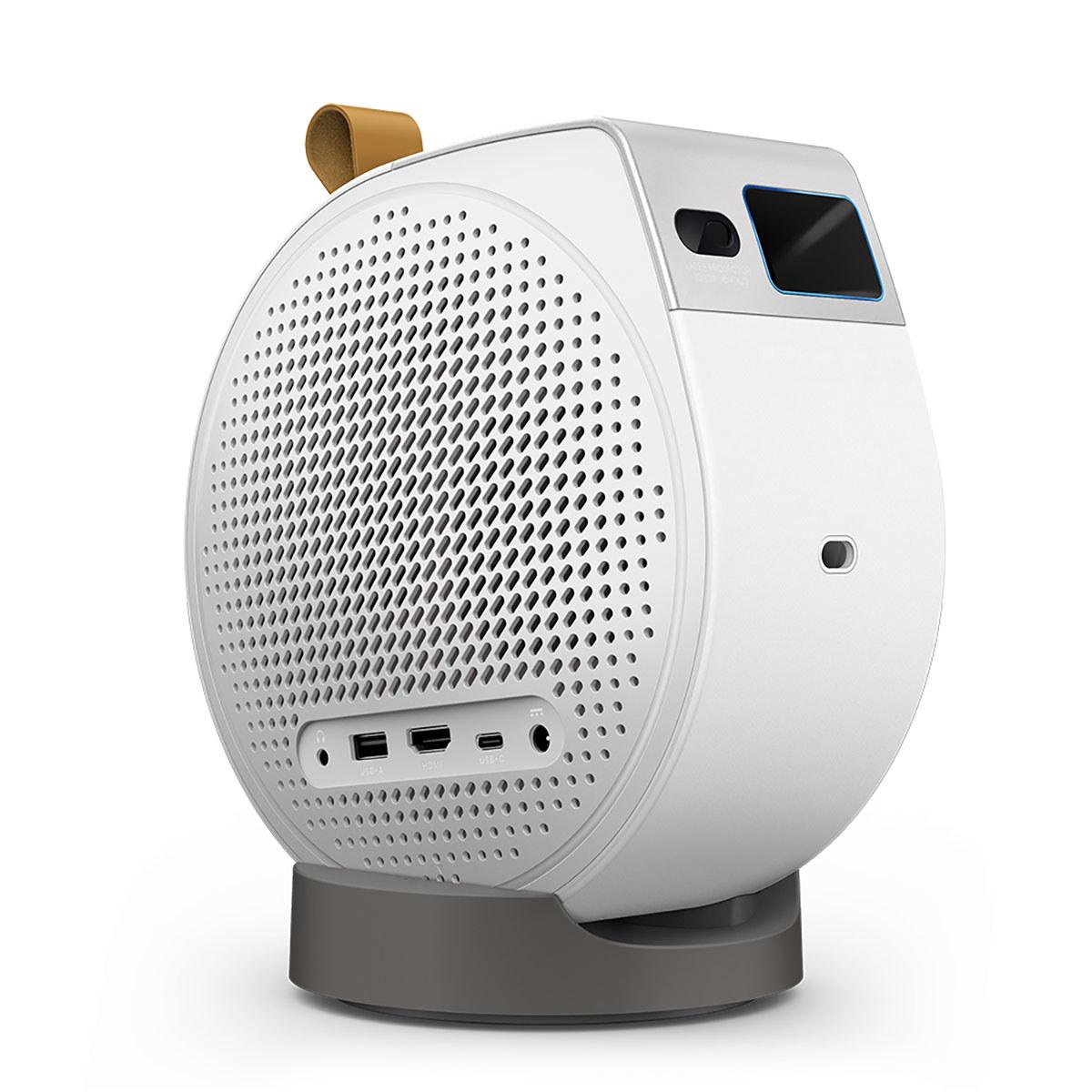
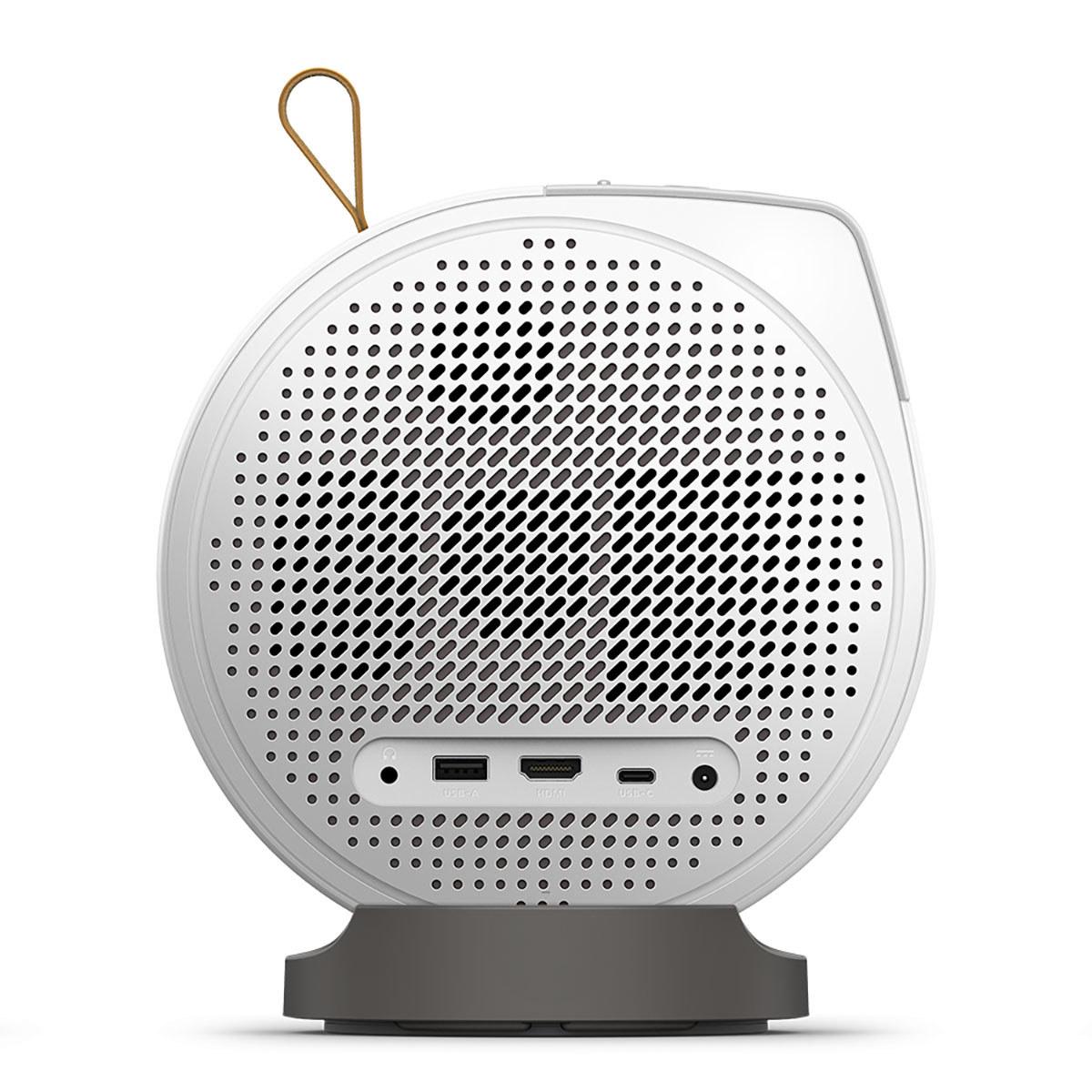
The BenQ GV50, at 4.6 pounds, embodies the "go anywhere, project anywhere" philosophy. Its magnetic base and built-in battery mean you can literally take it camping and project movies on your tent ceiling. This isn't just marketing speak – the engineering choices throughout the device support this vision.
The most obvious difference between these projectors is resolution, and it's significant. The Hisense M2 Pro delivers true 4K UHD at 3840×2160 pixels, while the BenQ GV50 provides 1080p at 1920×1080 pixels. This means the Hisense has four times as many pixels creating the image.
In practical terms, this difference becomes noticeable around the 100-inch screen size. Below that, many people struggle to distinguish 4K from good 1080p content, especially at typical viewing distances. However, if you're dreaming of a 150-inch or larger image – something these projectors can actually deliver – the 4K resolution becomes transformative. Text remains sharp, fine details in movies stay crisp, and the overall image maintains that "looking through a window" quality that makes large screens compelling.
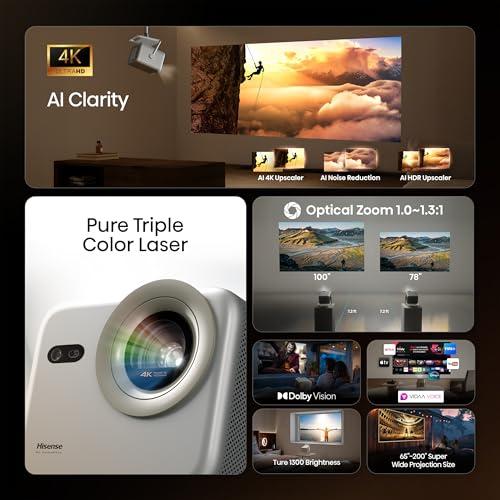
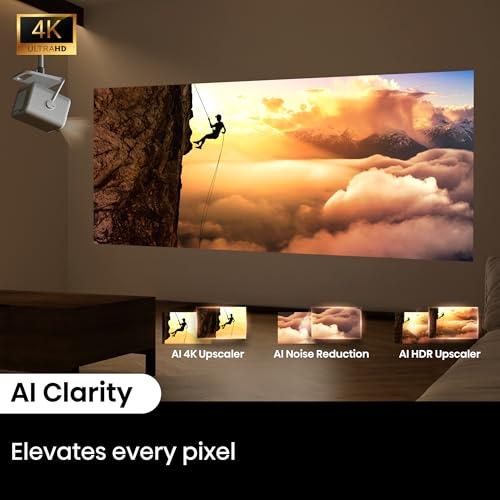
The Hisense M2 Pro also includes AI upscaling technology, which intelligently enhances lower-resolution content to look better on its 4K display. This matters because much of what we watch – streaming services, older movies, TV shows – isn't native 4K. The AI processing analyzes each frame and adds detail where it makes sense, though it can't work miracles with truly poor source material.
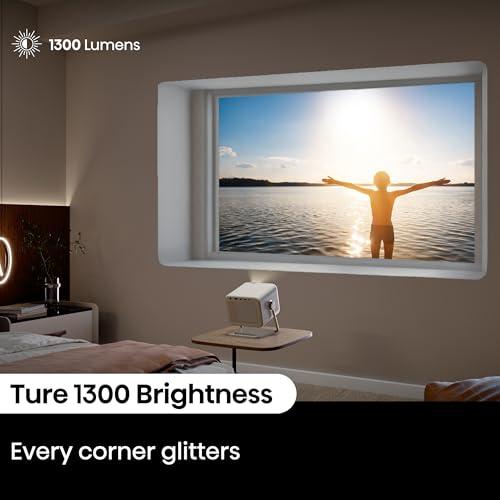
Brightness, measured in ANSI lumens, determines whether you can actually see your projected image clearly. The Hisense M2 Pro produces 1,300 ANSI lumens compared to the BenQ GV50's 500 lumens. This nearly 3:1 difference fundamentally changes how and when you can use each projector.
With 1,300 lumens, the Hisense M2 Pro handles moderately lit rooms reasonably well. You won't get perfect black levels with lights on, but the image remains watchable and colors stay vibrant. This makes it suitable for evening family movie nights without requiring complete darkness.
The BenQ GV50's 500 lumens requires more careful light control. However, our research into user experiences reveals something interesting: despite lower brightness, the BenQ often appears sharper and more detailed in darker scenes. This suggests superior image processing that preserves shadow detail rather than simply boosting overall brightness.
For home theater use, brightness matters less than you might think. Most dedicated viewing happens in darkened rooms anyway, where both projectors excel. The difference becomes crucial for casual viewing – having a movie playing while doing other activities, or projecting in spaces with ambient light.
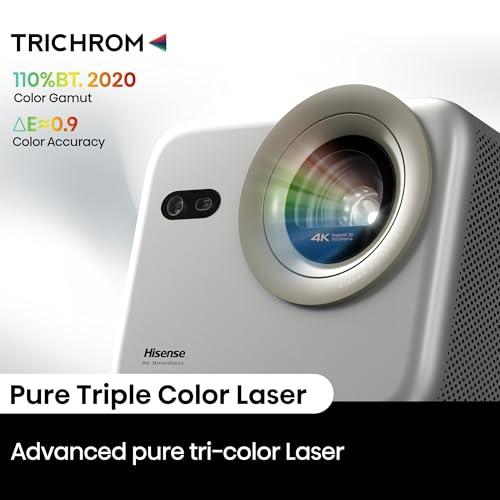
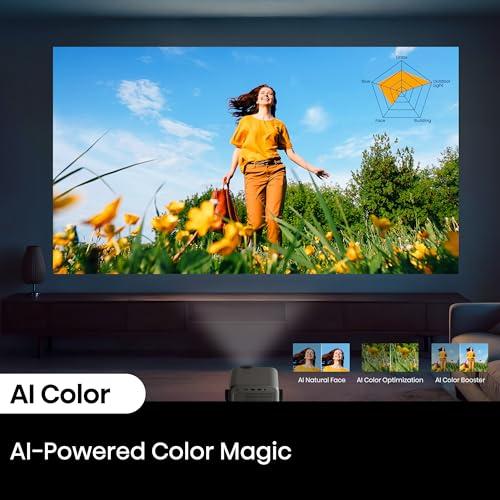
Here's where these projectors reveal their true character. The Hisense M2 Pro uses Triple Color Laser technology, employing separate red, green, and blue laser diodes. This approach allows it to reproduce 110% of the BT.2020 color space – a technical specification that translates to incredibly vibrant, accurate colors.
Traditional projectors use a single white light source filtered through a color wheel or phosphor coating. The triple laser approach eliminates this compromise, allowing each color to reach its full intensity without affecting the others. In practice, this means reds look genuinely red rather than orange-ish, greens appear lush and natural, and blues show proper depth.
The BenQ GV50 uses laser phosphor technology, which represents the current mainstream approach. While it can't match the color gamut of triple laser systems, it delivers consistent, pleasant colors that most viewers find satisfying. The trade-off comes in color intensity – everything looks natural but perhaps not quite as "pop" as the Hisense.
For content creators or anyone who cares about color accuracy – photographers editing work, designers reviewing projects, or serious movie enthusiasts – the triple laser advantage is significant. For casual viewing, the difference is noticeable but not necessarily decisive.
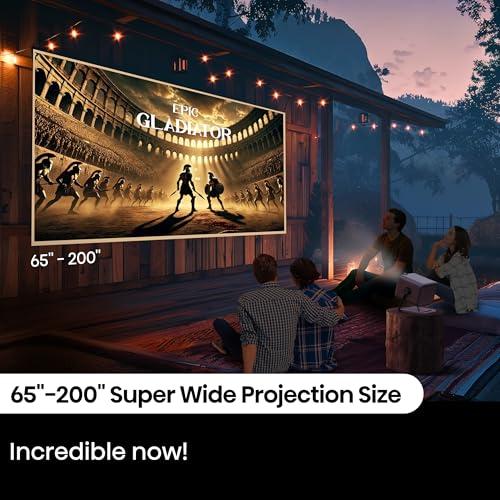
Both projectors support impressive screen sizes, but with different strengths. The Hisense M2 Pro projects from 65 inches up to a massive 200 inches, while the BenQ GV50 handles 30 to 120 inches. These ranges reflect their target audiences – the Hisense aims for true home theater experiences, while the BenQ focuses on intimate viewing.
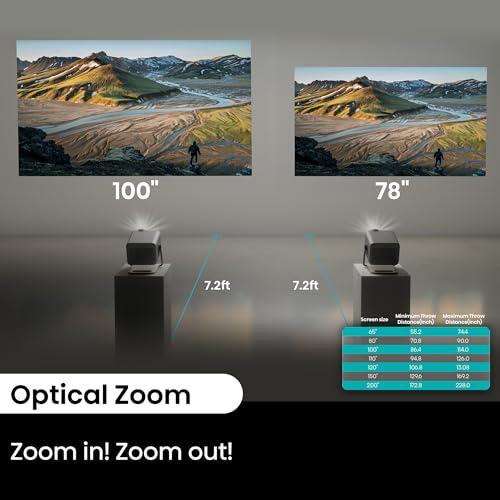
The Hisense M2 Pro includes optical zoom with a 1.0-1.3:1 throw ratio. This technical specification means you can place it closer to the screen and still fill it completely, or position it further back for the same image size. Crucially, optical zoom maintains full 4K resolution – unlike digital zoom, which simply crops and stretches pixels.
Throw ratio determines how far the projector needs to be from your screen. A 1.2:1 ratio means for every foot of screen width, the projector needs to be 1.2 feet away. For a 100-inch screen (about 7 feet wide), you'd need roughly 8.5 feet of distance. The flexibility to adjust this distance without losing quality solves many room layout challenges.
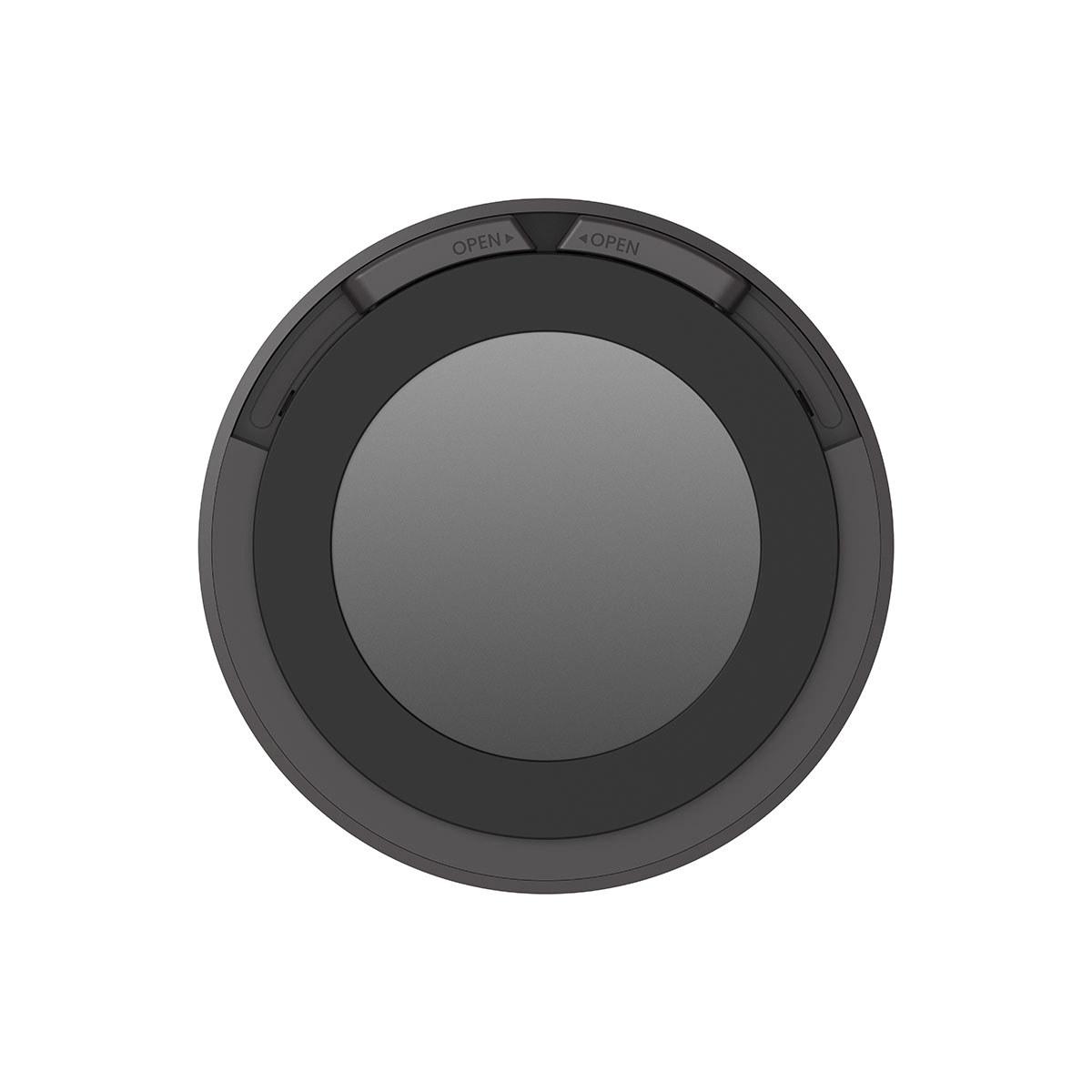
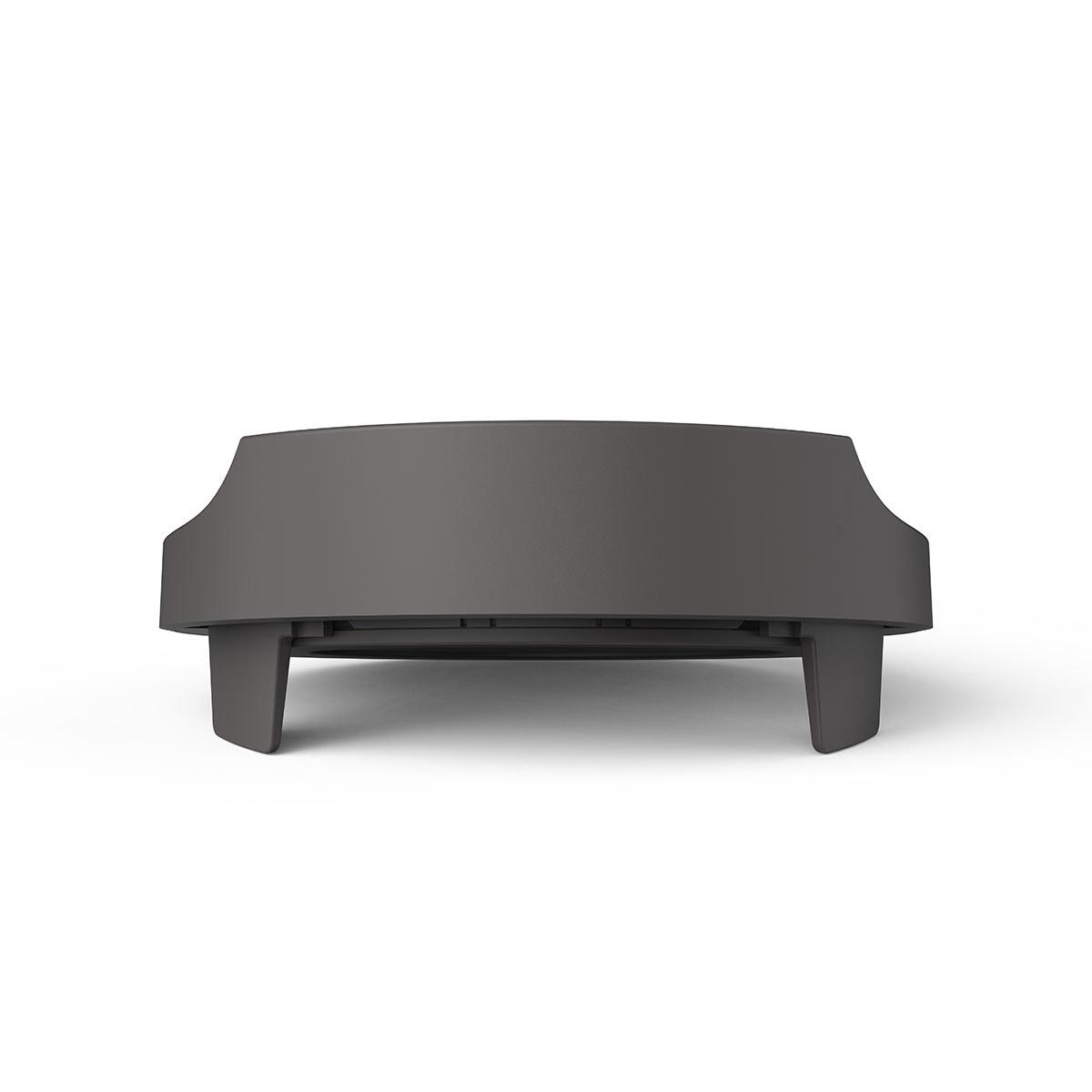
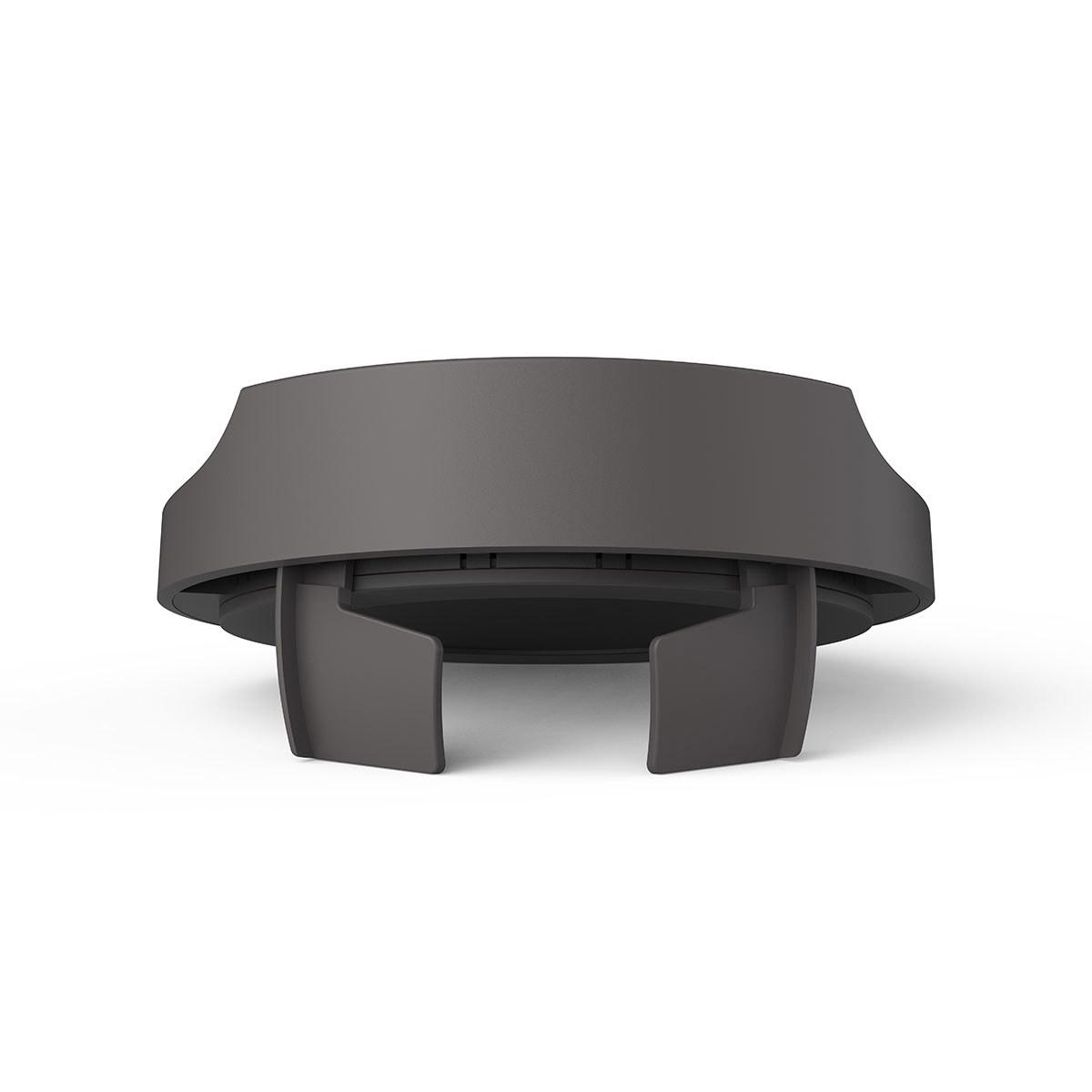
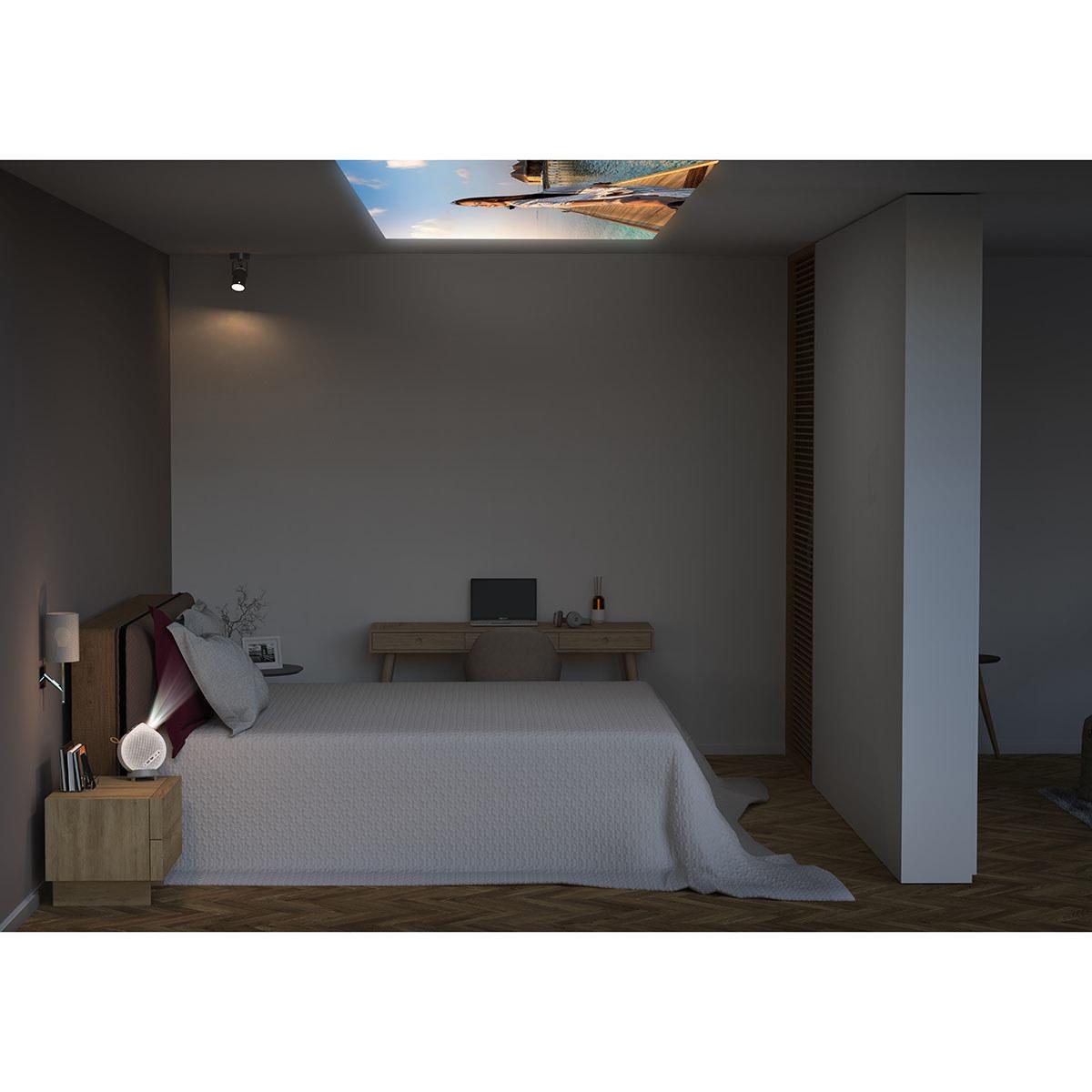
The BenQ GV50's standout feature is its positioning flexibility. The magnetic base allows 135-degree vertical adjustment and 180-degree horizontal rotation. More importantly, it's specifically engineered for ceiling projection – pointing upward while you lie in bed.
This might sound gimmicky until you consider the implications. Traditional projectors assume you're sitting upright, facing forward. The BenQ GV50 enables genuinely new use cases: watching movies in bed while looking up, projecting onto angled surfaces, or creating ambient displays on ceilings during parties.
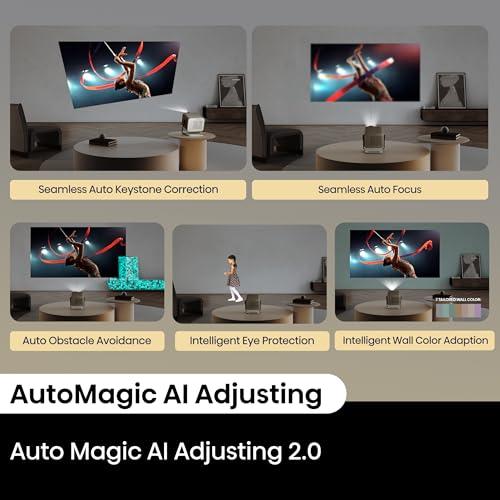
The auto-focus and 2D keystone correction work in any orientation, automatically adjusting the image for sharp, rectangular projection regardless of projector position. This removes the traditional setup hassle that makes portable projectors less appealing for casual use.
The BenQ GV50 includes a built-in battery providing 150 minutes of video playback. This transforms it from a "moveable projector" into a genuinely portable entertainment device. You can take it camping, use it in backyards without power access, or move between rooms without finding outlets.
The Hisense M2 Pro requires constant AC power, limiting its portability despite the compact size. At 8.6 pounds, it's definitely moveable – lighter than most laptops from a decade ago – but the power requirement means you're always tethered to an outlet.
This difference reflects design priorities. Battery operation requires compromises in brightness and processing power. The BenQ GV50 accepts these limitations to achieve true mobility, while the Hisense M2 Pro prioritizes performance over battery operation.
Both projectors emphasize easy setup, but they achieve it differently. The Hisense M2 Pro includes intelligent wall color adaptation, automatically adjusting projected colors when you're not projecting onto a white surface. This sounds minor until you try projecting onto a beige wall and discover how it affects color reproduction.
The BenQ GV50 excels in physical setup through its magnetic base and orientation sensors. Place it anywhere, point it in any direction, and it automatically focuses and corrects the image geometry. For truly casual use – grabbing it from a closet for an impromptu movie night – this ease of setup matters enormously.
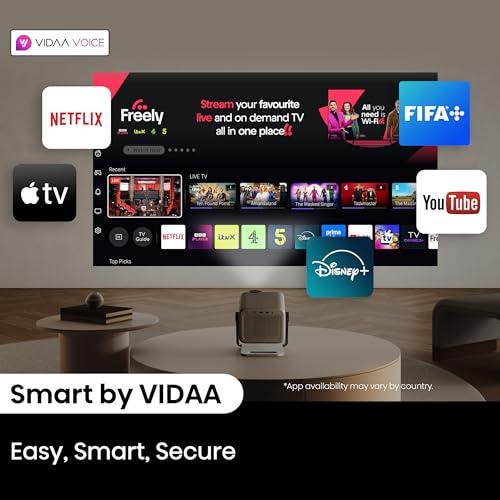
The Hisense M2 Pro runs VIDAA OS, while the BenQ GV50 uses Google TV. Both provide access to major streaming services, but Google TV offers broader app compatibility and better voice assistant integration. However, VIDAA OS tends to be faster and more responsive on projector hardware.
For most users, either system works fine for Netflix, YouTube, Disney+, and other mainstream services. The difference matters if you use less common apps or prefer Google's ecosystem integration with other devices.
Gaming performance reveals another significant difference. The Hisense M2 Pro achieves 240Hz refresh rates with 12ms input lag, making it genuinely suitable for competitive gaming. These numbers rival dedicated gaming monitors – impressive for any projector, remarkable for a portable one.
The BenQ GV50's 22.4ms input lag works fine for casual gaming but isn't ideal for fast-paced competitive games where reaction time matters. For most gaming scenarios – RPGs, adventure games, racing games – this difference won't affect your experience. For competitive multiplayer games, it might.
Built-in audio quality varies dramatically between these projectors. The Hisense M2 Pro includes 20W stereo speakers with Dolby Audio and DTS Virtual:X processing. This creates surprisingly room-filling sound that works well for larger spaces and action movies.
The BenQ GV50 features an 18W 2.1 system with a dedicated subwoofer. Despite slightly lower power, the subwoofer adds bass presence that makes movies and music more engaging. It also includes a specialized "ceiling cinema" audio mode that optimizes sound when projecting upward.
For serious home theater use, you'll likely want external speakers with either projector. But for casual viewing, both provide adequate audio quality that eliminates the need for separate devices in many situations.
In a dedicated home theater setup, the Hisense M2 Pro makes more sense despite its higher cost. The 4K resolution and superior brightness support larger screens in controlled lighting. The triple laser color technology delivers the wide color gamut that makes movies look their best.
However, the BenQ GV50 opens up new possibilities for secondary viewing spaces. Bedroom ceiling projection, outdoor movie nights, or basement gaming sessions become feasible with its battery operation and flexible positioning.
The key insight from our research is that these projectors serve different entertainment needs. The Hisense M2 Pro replaces a traditional TV or home theater projector with something portable. The BenQ GV50 enables entertainment scenarios that weren't previously practical.
Choose the Hisense M2 Pro if image quality drives your decision. The 4K resolution, superior brightness, and advanced color technology create a genuinely premium viewing experience. It's ideal for users who want the best possible image quality in a moveable package, don't mind the higher cost, and have consistent access to AC power.
The BenQ GV50 suits users who prioritize flexibility and convenience. Its battery operation, unique positioning capabilities, and easier setup make it perfect for varied viewing scenarios. The lower resolution and brightness are acceptable trade-offs for true portability and innovative positioning options.
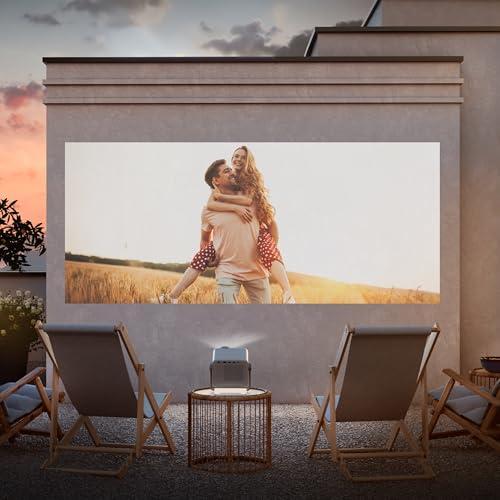
For most people choosing between these projectors, the decision comes down to primary use case. If you're creating a semi-permanent setup that occasionally moves – a living room projector that sometimes goes to the backyard – the Hisense M2 Pro delivers superior performance. If you want a projector for various locations and situations – camping trips, bedroom ceiling viewing, outdoor events – the BenQ GV50 offers unmatched flexibility.
Both represent significant advances in portable projection technology. Your choice should align with how you actually plan to use the projector, not just which specifications look more impressive on paper. At the time of writing, both offer compelling value within their respective target markets, making either a solid choice for the right user.
| Hisense M2 Pro 4K Triple Laser Portable Projector | BenQ GV50 Full HD Smart Ceiling Projector |
|---|---|
| Resolution - Determines image sharpness and detail on large screens | |
| 4K UHD (3840×2160) with AI upscaling | 1080p Full HD (1920×1080) |
| Brightness - Critical for ambient light performance and screen size | |
| 1,300 ANSI lumens (moderate room lighting capable) | 500 ANSI lumens (dark room required) |
| Light Source Technology - Affects color accuracy and lifespan | |
| Triple Color Laser (discrete R+G+B lasers, 25,000+ hours) | Laser Phosphor (20,000-30,000 hours) |
| Screen Size Range - Maximum entertainment scale possible | |
| 65" to 200" with optical zoom | 30" to 120" |
| Portability Features - True mobility vs semi-portable | |
| 8.6 lbs, requires AC power | 4.6 lbs with 150-minute battery life |
| Unique Positioning - Setup flexibility and use cases | |
| 360° horizontal, 135° vertical gimbal adjustment | 135° vertical tilt with magnetic base for ceiling projection |
| Color Performance - Visual impact and accuracy | |
| 110% BT.2020 color space, ΔE ~0.9 accuracy | Standard color gamut with good skin tone reproduction |
| Gaming Performance - Response time for interactive content | |
| 240Hz refresh rate, 12ms input lag | 60Hz refresh rate, 22.4ms input lag |
| Smart Platform - App availability and user experience | |
| VIDAA OS with major streaming services | Google TV with broader app ecosystem |
| Audio System - Built-in sound quality | |
| 20W stereo with Dolby Audio/DTS Virtual:X | 18W 2.1 system with dedicated subwoofer |
| Best For - Primary target use case | |
| Premium home theater replacement with portability | Ultimate flexibility for varied viewing scenarios |
The Hisense M2 Pro 4K Triple Laser Portable Projector delivers superior picture quality with true 4K resolution (3840×2160) compared to the BenQ GV50 Full HD Smart Ceiling Projector's 1080p resolution. The Hisense M2 Pro also produces brighter images at 1,300 ANSI lumens versus 500 lumens, and offers wider color gamut coverage with its triple laser technology for more vibrant, accurate colors.
The Hisense M2 Pro 4K Triple Laser Portable Projector handles moderate ambient lighting reasonably well with its 1,300 ANSI lumens of brightness. The BenQ GV50 Full HD Smart Ceiling Projector requires darker rooms due to its 500-lumen output, making it better suited for evening viewing or controlled lighting environments.
The BenQ GV50 Full HD Smart Ceiling Projector is more truly portable, weighing 4.6 pounds with a built-in battery providing 150 minutes of operation. The Hisense M2 Pro weighs 8.6 pounds and requires constant AC power, making it moveable but not battery-powered portable.
The Hisense M2 Pro 4K Triple Laser Portable Projector supports much larger screens from 65" to 200", while the BenQ GV50 projects from 30" to 120". For home theater setups wanting massive screen sizes, the Hisense M2 Pro offers significantly more scale.
The BenQ GV50 Full HD Smart Ceiling Projector is specifically designed for ceiling projection with its 135° vertical tilt and magnetic positioning base. While the Hisense M2 Pro has gimbal adjustment capabilities, the BenQ GV50 is purpose-built for upward projection scenarios like bedroom viewing.
The Hisense M2 Pro 4K Triple Laser Portable Projector excels for gaming with 240Hz refresh rate support and 12ms input lag, making it suitable for competitive gaming. The BenQ GV50 has 22.4ms input lag, which works fine for casual gaming but isn't ideal for fast-paced competitive games.
Both projectors include smart platforms with streaming apps. The Hisense M2 Pro runs VIDAA OS while the BenQ GV50 Full HD Smart Ceiling Projector uses Google TV, which offers broader app compatibility and better voice assistant integration for accessing Netflix, YouTube, and other services.
Both projectors use laser technology for extended lifespan. The Hisense M2 Pro 4K Triple Laser Portable Projector offers 25,000+ hours of operation, while the BenQ GV50 provides 20,000-30,000 hours depending on usage mode, eliminating the need for frequent bulb replacements.
The Hisense M2 Pro features 20W stereo speakers with Dolby Audio and DTS Virtual:X for room-filling sound. The BenQ GV50 Full HD Smart Ceiling Projector includes an 18W 2.1 system with a dedicated subwoofer, providing better bass response despite slightly lower total power output.
The Hisense M2 Pro 4K Triple Laser Portable Projector is better suited for dedicated home theater setups with its 4K resolution, higher brightness, and support for screens up to 200". The BenQ GV50 works well for casual home theater use but is more focused on flexible, intimate viewing experiences.
Value depends on your priorities. The BenQ GV50 Full HD Smart Ceiling Projector costs significantly less and offers unique positioning flexibility with battery operation. The Hisense M2 Pro commands a premium price but delivers superior image quality, brightness, and large-screen capabilities that justify the cost for performance-focused users.
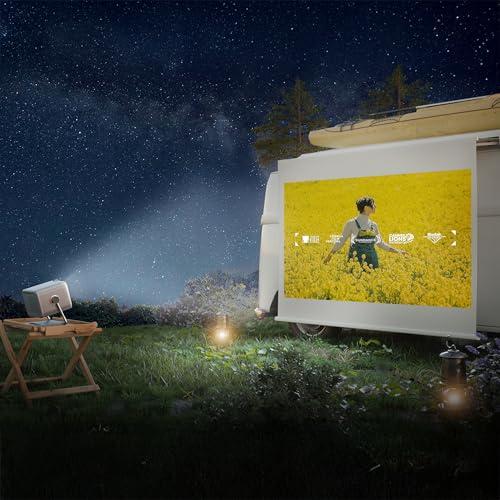
The BenQ GV50 Full HD Smart Ceiling Projector is ideal for outdoor use with its built-in battery, lightweight design, and easy setup. The Hisense M2 Pro 4K Triple Laser Portable Projector can work outdoors but requires access to AC power, limiting its use to locations with electrical outlets like RV camping or powered outdoor spaces.
We've done our best to create useful and informative comparisons to help you decide what product to buy. Our research uses advanced automated methods to create this comparison and perfection is not possible - please contact us for corrections or questions. These are the sites we've researched in the creation of this article: thegadgetflow.com - valueelectronics.com - youtube.com - projectorscreenstore.com - whathifi.com - hisense-usa.com - tomsguide.com - content.syndigo.com - youtube.com - shop.hisense-usa.com - avsforum.com - projectorscreen.com - projectorscreen.com - projectorcentral.com - avsforum.com - youtube.com - projector-database.com - thewellnessinsider.asia - bhphotovideo.com - thetechnovore.com - howtogeek.com - projectorcentral.com - projectorcentral.com - techradar.com - adorama.com - projectorcentral.com - thesmarthomehookup.com - youtube.com - youtube.com - whathifi.com - youtube.com - cdw.com - projectorcentral.com - youtube.com

Privacy Policy
Terms and Conditions - Affiliate Policy
Home Security
© Copyright 2008-2026.
11816 Inwood Rd #1211, Dallas, TX 75244