

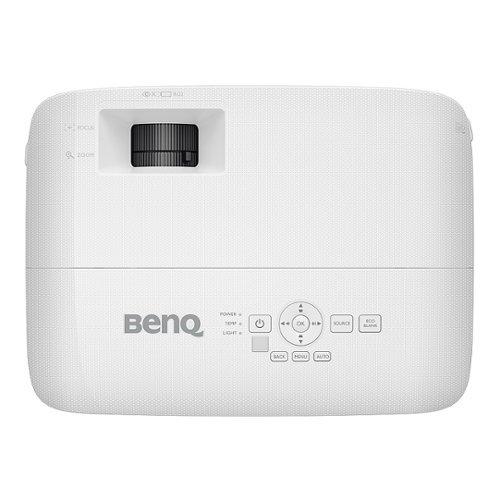
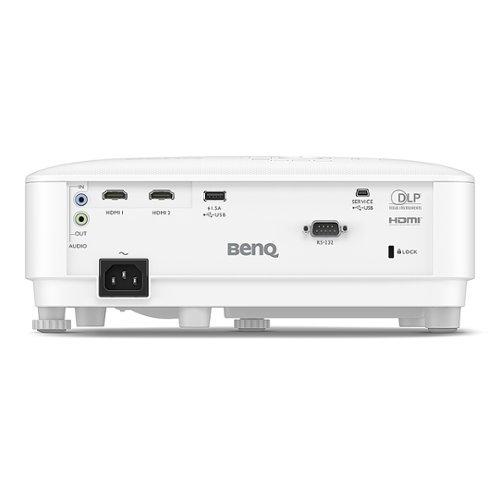
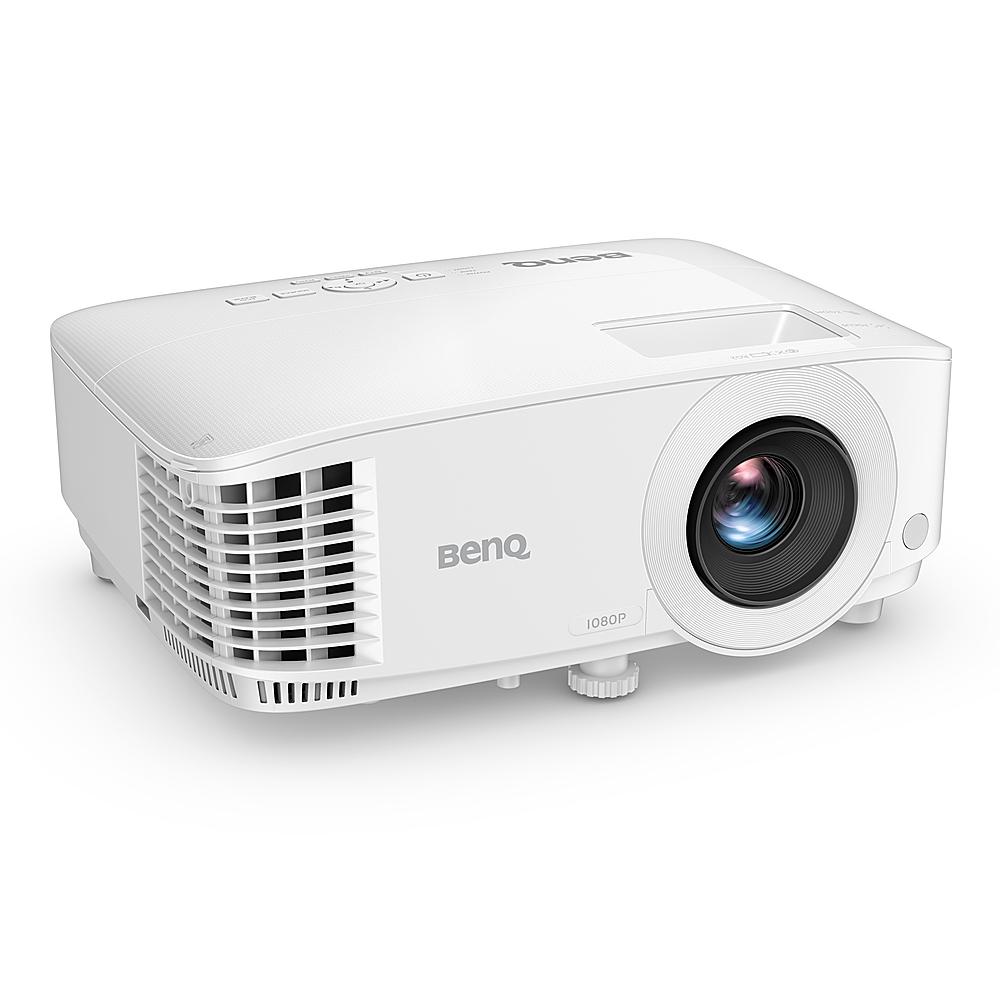
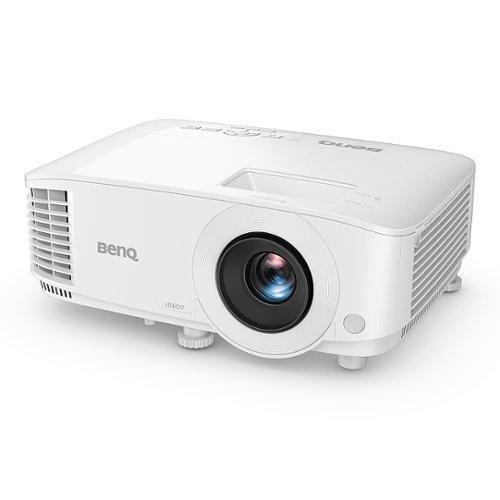
When shopping for a projector in 2024, you're entering a market that's dramatically different from even five years ago. Two distinct philosophies have emerged: ultra-portable smart projectors with advanced laser technology, and traditional lamp-based models optimized for specific uses like gaming. The Hisense M2 Pro 4K Triple Laser Portable Projector and BenQ TH575 1080p Gaming Projector represent these two approaches perfectly, each excelling in different scenarios.
The projector landscape has evolved significantly since these models launched. The BenQ TH575 arrived in 2022 during a period when gaming projectors were becoming mainstream, while the Hisense M2 Pro represents the cutting edge of 2024's laser projection technology. Understanding these different approaches—and their trade-offs—will help you make the right choice for your specific needs.
Before diving into specifics, it's crucial to understand what separates these projector categories. Traditional projectors like the BenQ TH575 use metal halide lamps (essentially very bright light bulbs) that need periodic replacement but produce intense brightness. They're designed for fixed installations where you'll use external devices for streaming content.
The Hisense M2 Pro represents the newer category of portable smart projectors. These use laser light sources that last decades without replacement and include built-in streaming capabilities. Think of it as the difference between a desktop computer (powerful but stationary) and a high-end laptop (portable but with different strengths).
The key considerations when choosing between these approaches include image quality, brightness levels, gaming performance, setup complexity, and total cost over time. Each excels in different areas, making your specific use case the determining factor.
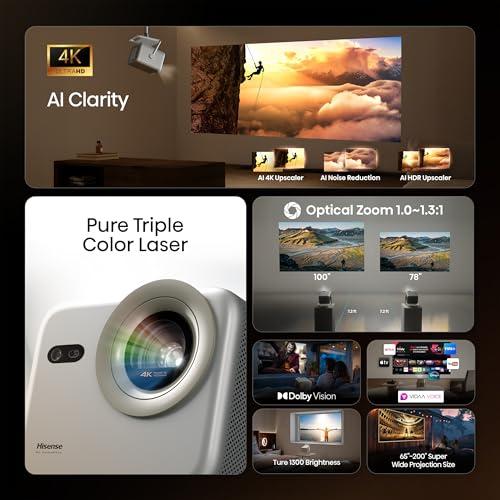
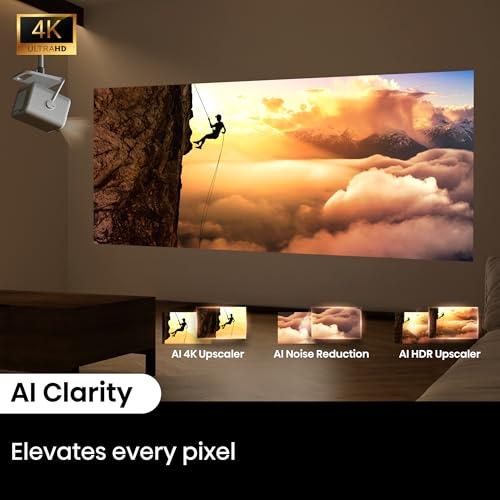
The most obvious difference between the Hisense M2 Pro and BenQ TH575 is resolution. The M2 Pro delivers native 4K UHD at 3840×2160 pixels, while the TH575 provides Full HD at 1920×1080 pixels. This isn't just a numbers game—4K contains four times as many pixels as 1080p, creating noticeably sharper images, especially on larger screens.
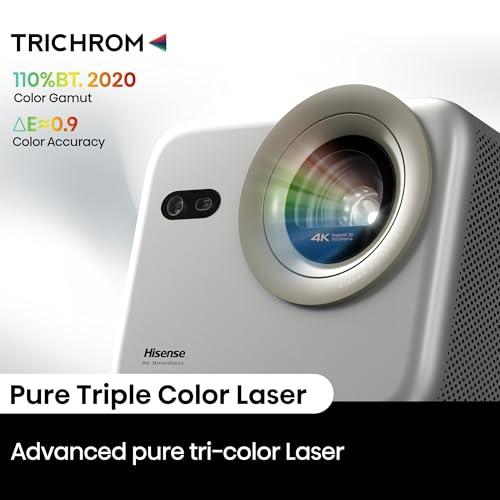
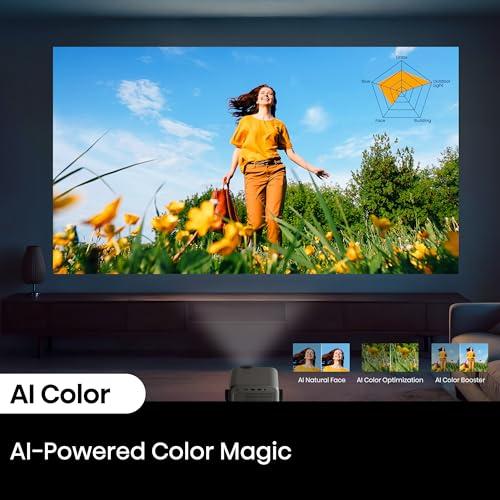
However, resolution alone doesn't tell the complete story. The Hisense M2 Pro uses something called Triple Laser RGB technology, where separate red, green, and blue lasers create the image. This enables the projector to display 110% of the BT.2020 color space—a technical specification that essentially means it can show more vibrant, lifelike colors than standard displays. When you're watching nature documentaries or animated films, this expanded color range makes greens more emerald and blues more oceanic.
The BenQ TH575 takes a different approach with DLP (Digital Light Processing) technology using a 0.65-inch DMD chip containing over a million tiny mirrors. While it adheres to the more limited Rec.709 color standard, it achieves something the M2 Pro struggles with: exceptional contrast. The TH575's 15,000:1 dynamic contrast ratio versus the M2 Pro's 1,000:1 ratio means much deeper blacks and more dramatic differences between light and dark areas.
In practical terms, the Hisense M2 Pro will make HDR content look more colorful and detailed, while the BenQ TH575 will make dark movie scenes more dramatic with better shadow detail. For home theater use, both matter, but contrast often has more immediate visual impact during movie watching.
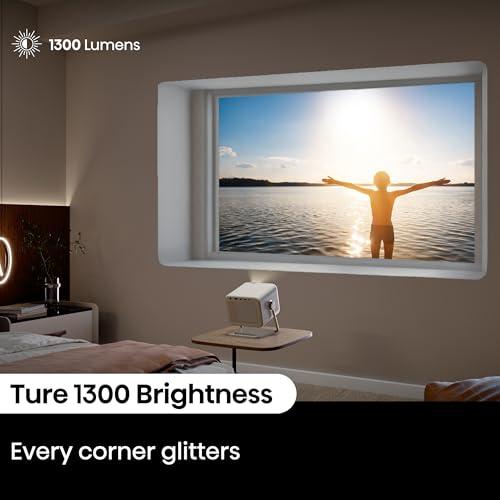
Brightness, measured in ANSI lumens, determines where you can actually use your projector. The BenQ TH575 produces 3800 ANSI lumens compared to the Hisense M2 Pro's 1300 lumens—nearly three times brighter.
This difference fundamentally changes where and when you can use each projector. The TH575 can handle moderately lit family rooms, basement spaces with some ambient light, or even outdoor viewing during twilight hours. Its brightness means you don't need to create a completely dark cave to enjoy movies or games.
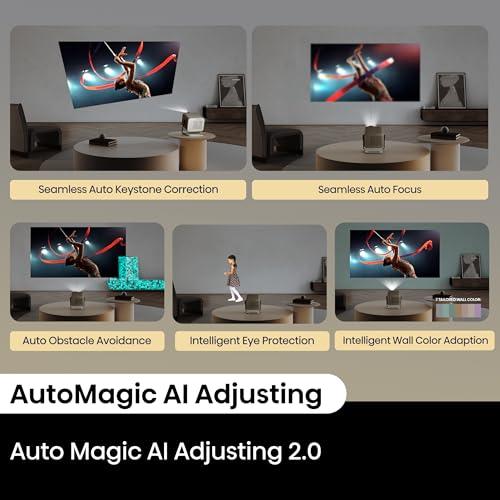
The Hisense M2 Pro requires more controlled lighting conditions. However, it compensates with intelligent wall color adaptation—a feature that automatically adjusts the projected colors based on your wall color. So if you're projecting onto a beige wall instead of white, the M2 Pro corrects the color temperature to maintain accuracy. The TH575 lacks this intelligence and assumes a white projection surface.
For home theater enthusiasts, this brightness difference matters significantly. A dedicated theater room with light control suits the Hisense M2 Pro perfectly, while a multi-purpose family room benefits from the BenQ TH575's brightness advantage.
Gaming performance involves several technical specifications that directly impact your experience. Input lag—the delay between pressing a button and seeing the action on screen—is crucial for competitive gaming. The BenQ TH575 achieves 16.7ms input lag, which is excellent for a projector and suitable for most gaming scenarios.
The Hisense M2 Pro claims 12ms input lag with additional gaming features like 240Hz refresh rate support and Auto Low Latency Mode (ALLM). The higher refresh rate means smoother motion in fast-paced games, while ALLM automatically switches to gaming mode when it detects a gaming console.
However, the TH575 includes dedicated gaming optimizations that matter for practical gameplay. Its Game Mode enhances dark scene visibility and includes Black Detail Enhancement—features that help you spot enemies hiding in shadows during competitive play. These aren't just marketing features; they genuinely improve tactical gaming performance.
For home theater gaming setups, the choice depends on your gaming style. The BenQ TH575 excels for competitive gaming where every millisecond matters and visibility in dark areas can determine victory. The Hisense M2 Pro better serves casual gaming where visual quality and convenience take precedence over competitive optimization.
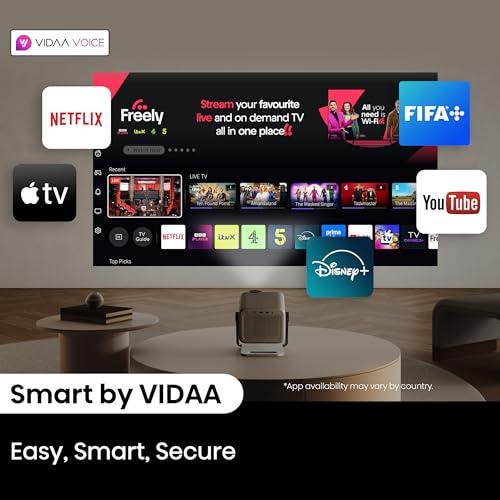
The smart feature divide represents fundamentally different philosophies. The Hisense M2 Pro includes VIDAA OS with built-in Netflix, Disney+, YouTube, Amazon Prime Video, and other streaming services. It's essentially an Android TV or Apple TV built into the projector, complete with voice assistant support and screen mirroring capabilities.
This integration eliminates the need for external streaming devices, simplifies setup, and reduces cable clutter. The M2 Pro also includes advanced automation features like auto keystone correction (automatically squares the image) and auto focus (maintains sharpness automatically). These features make setup nearly foolproof—you can literally place it anywhere and start watching within minutes.
The BenQ TH575 requires external streaming devices and manual setup adjustments. While this might seem like a disadvantage, it offers flexibility and longevity. When streaming services change their apps or your smart TV platform becomes obsolete, you can simply replace a $50 streaming stick rather than your entire projector.
For home theater setups, this choice often depends on your technical comfort level and aesthetic preferences. The Hisense M2 Pro appeals to users wanting simplicity and minimal cables, while the BenQ TH575 suits enthusiasts who prefer controlling each component separately.
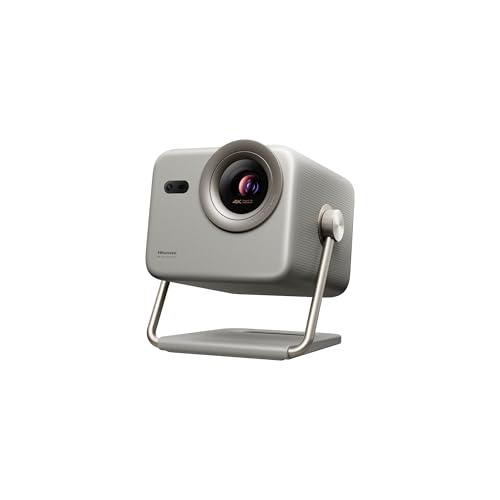
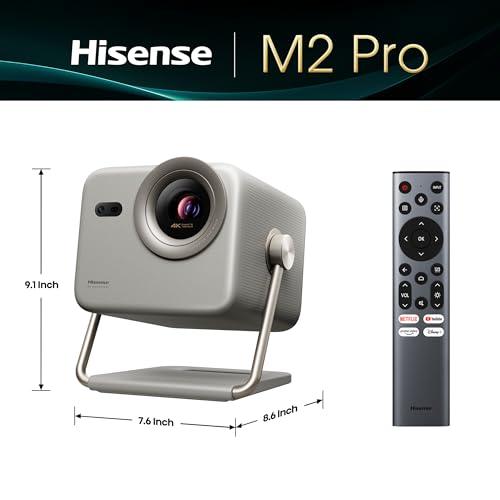
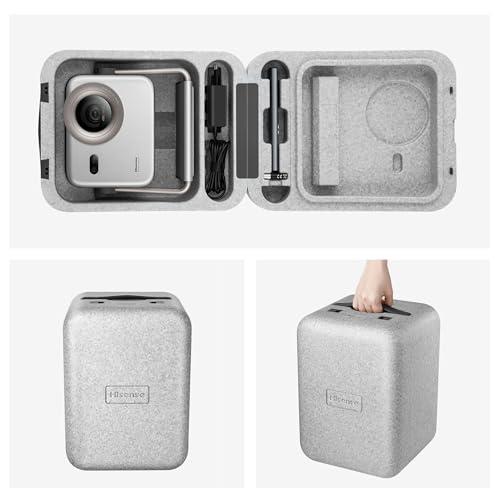
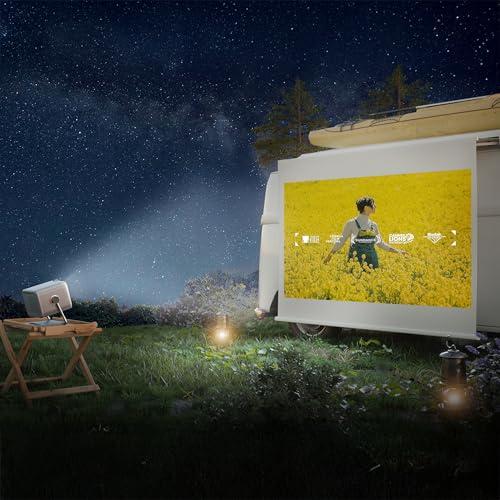
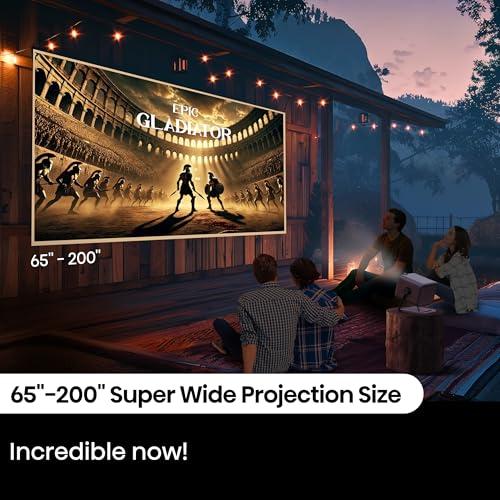
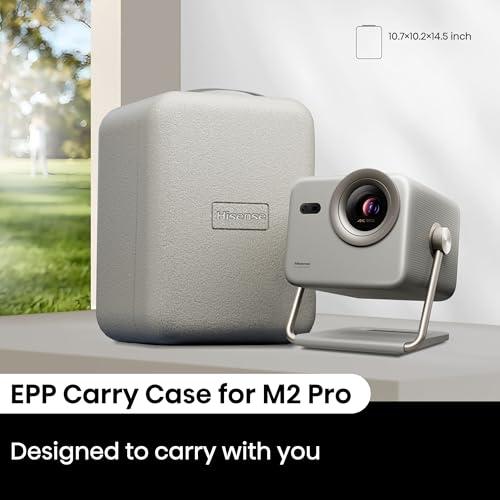
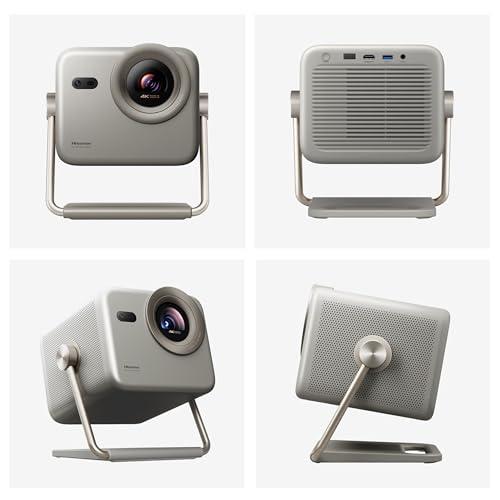
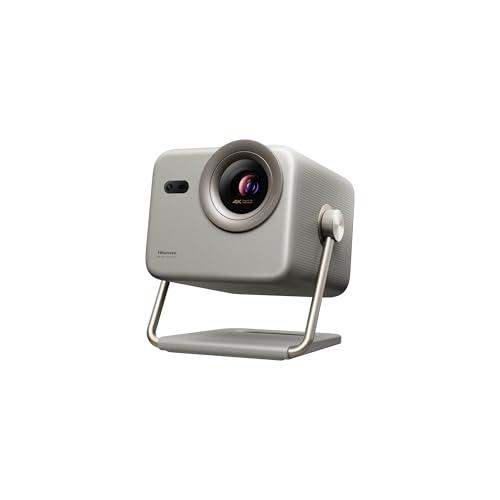
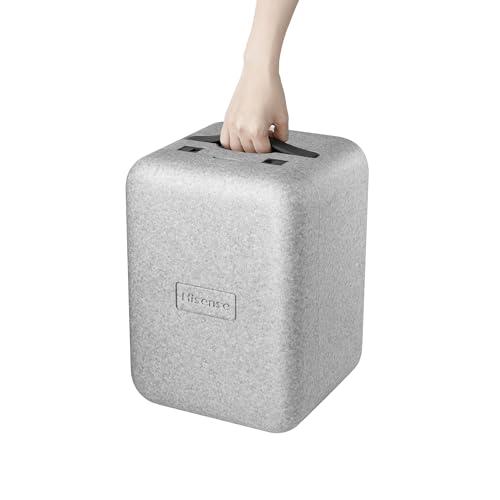
The portability difference between these projectors is dramatic. The Hisense M2 Pro weighs 8.6 pounds and includes a built-in gimbal that allows 360-degree horizontal and 135-degree vertical adjustment. This means you can project onto walls, ceilings, or even create an outdoor theater in your backyard. The included carrying case makes transport genuinely practical.
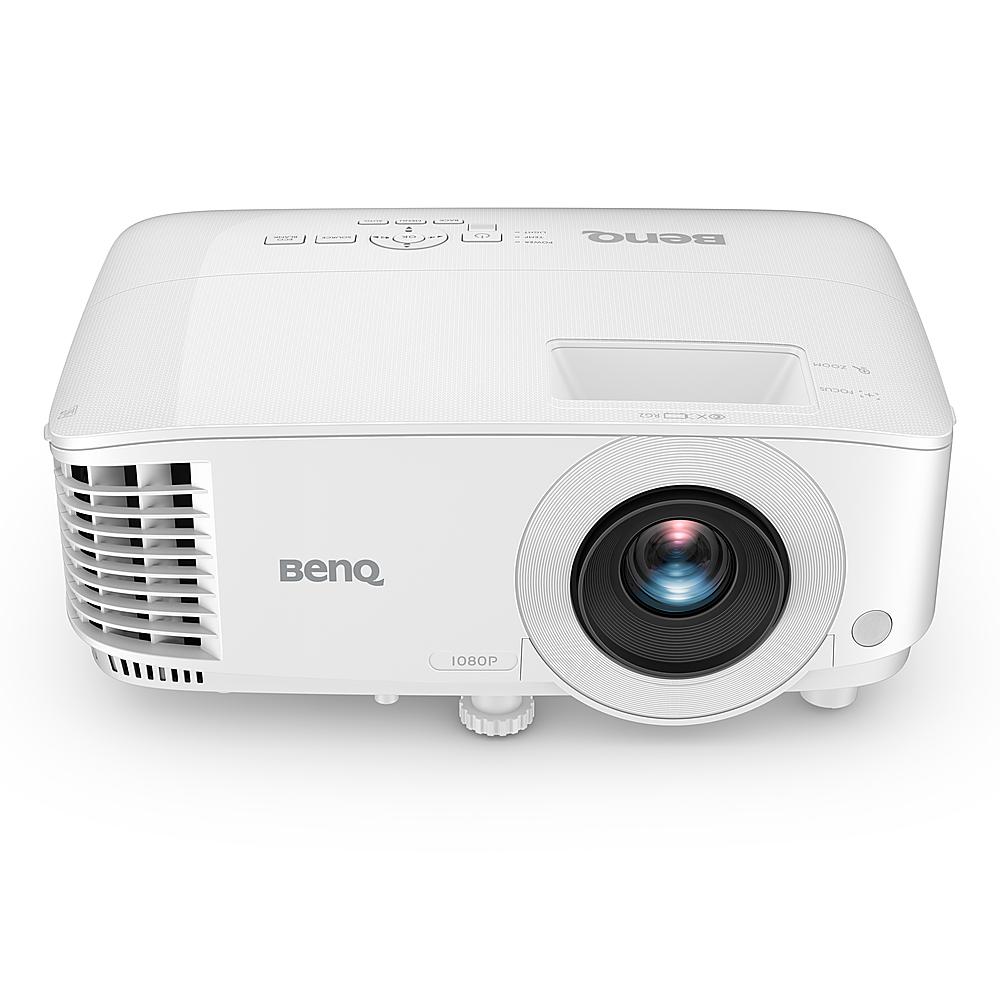
The BenQ TH575 weighs 5.5 pounds but requires mounting or a stable surface plus manual adjustments for optimal image alignment. It's designed for semi-permanent installation where you'll primarily use it in one location.
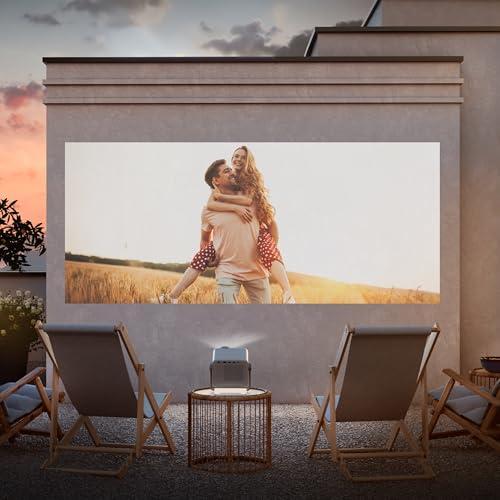
This portability difference opens different use cases. The Hisense M2 Pro excels for apartment dwellers who can't mount ceiling fixtures, renters who move frequently, or families wanting outdoor movie nights. The flexibility to project onto any surface and automatically adjust the image makes it incredibly versatile.
The BenQ TH575 better serves dedicated home theater rooms or game caves where permanent installation makes sense. Its higher brightness and contrast ratios shine in these controlled environments.
Built-in audio quality varies dramatically between these projectors. The Hisense M2 Pro includes a 20-watt stereo speaker system with Dolby Audio and DTS Virtual:X processing. This creates surprisingly room-filling sound that eliminates the need for external speakers in many scenarios.
The BenQ TH575 includes only a basic 10-watt mono speaker that's adequate for menu navigation but insufficient for entertainment. You'll need external speakers or a soundbar for any serious viewing.
For home theater applications, the M2 Pro's integrated audio is genuinely useful for casual viewing, late-night watching when you can't use loud external speakers, or outdoor setups where running speaker cables is impractical. However, dedicated home theaters benefit from proper surround sound systems regardless of projector choice.
At the time of writing, the Hisense M2 Pro commands a premium price reflecting its advanced laser technology and smart features, while the BenQ TH575 occupies the mid-range gaming projector market.
However, total cost calculations must include ongoing expenses. The BenQ TH575 uses a replaceable lamp that typically lasts 6,000-15,000 hours depending on usage mode, with replacement lamps costing $150-200. Additionally, you'll need external streaming devices.
The Hisense M2 Pro's laser light source lasts 25,000+ hours without replacement—potentially the lifetime of the projector. The integrated smart features eliminate streaming device costs. Over five to ten years, these savings can offset much of the initial price premium.
For dedicated home theater enthusiasts planning extensive usage, the Hisense M2 Pro often provides better long-term value despite higher upfront costs. Casual users or budget-conscious buyers may prefer the BenQ TH575's lower initial investment.
After researching extensive user reviews and expert evaluations, clear patterns emerge about who should choose which projector.
Choose the Hisense M2 Pro if you prioritize convenience, portability, and future-proofing. It excels for apartment dwellers, renters, or anyone wanting maximum flexibility in viewing locations. The 4K resolution and advanced color reproduction make it excellent for streaming content, especially HDR movies and shows. The automated setup features appeal to less technical users who want plug-and-play operation.
The BenQ TH575 suits dedicated gaming setups, bright rooms, and budget-conscious buyers. Its superior brightness and contrast ratios excel in home theaters with some ambient light. The gaming optimizations and proven low input lag make it ideal for competitive gaming setups. Traditional users who prefer controlling each system component separately will appreciate its straightforward approach.
For home theater applications specifically, the choice often comes down to room characteristics and usage patterns. Dark, controlled rooms maximize the Hisense M2 Pro's 4K laser advantages, while rooms with ambient light benefit from the BenQ TH575's brightness superiority.
Both projectors represent solid choices within their categories, but they serve different masters. The Hisense M2 Pro prioritizes convenience, image quality, and versatility, while the BenQ TH575 focuses on performance, brightness, and value. Understanding your specific needs, room characteristics, and usage patterns will guide you toward the right choice for your home entertainment setup.
| Hisense M2 Pro 4K Triple Laser Portable Projector | BenQ TH575 1080p Gaming Projector |
|---|---|
| Resolution - Determines image sharpness and future content compatibility | |
| 4K UHD (3840×2160) - Future-proof for streaming content | Full HD (1920×1080) - Sharp but limited for large screens |
| Brightness - Most critical for room lighting flexibility | |
| 1,300 ANSI lumens (requires controlled lighting) | 3,800 ANSI lumens (excellent for bright rooms) |
| Light Source Technology - Affects maintenance and color quality | |
| Triple Laser RGB (25,000+ hours, no replacement needed) | Metal Halide Lamp (6,000-15,000 hours, requires replacement) |
| Color Performance - Impact on visual experience | |
| 110% BT.2020 color space (exceptional vibrancy) | Rec.709 standard (accurate but limited range) |
| Contrast Ratio - Critical for dark scene detail | |
| 1,000:1 (adequate for bright content) | 15,000:1 (excellent black levels and shadow detail) |
| Gaming Performance - Input lag determines competitive viability | |
| 12ms input lag, 240Hz refresh rate support | 16.7ms input lag, dedicated Game Mode optimizations |
| Smart Features - Convenience vs flexibility trade-off | |
| VIDAA OS built-in (Netflix, Disney+, streaming integrated) | No smart features (requires external streaming devices) |
| Setup Complexity - Time and technical skill required | |
| Automated (auto focus, keystone, wall color adaptation) | Manual (requires adjustment for optimal alignment) |
| Portability - Flexibility for different viewing scenarios | |
| Ultra-portable (8.6 lbs, 360° gimbal, carry case included) | Semi-portable (5.5 lbs, requires mounting or stable surface) |
| Audio System - Built-in sound quality | |
| 20W stereo with Dolby Audio/DTS Virtual:X | 10W mono speaker (external audio recommended) |
| Optical Zoom - Placement flexibility without image quality loss | |
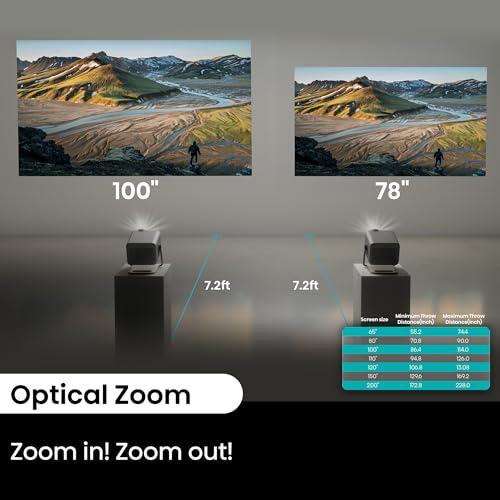
| 1.0-1.3x optical zoom (maintains 4K sharpness) | 1.1x manual zoom (minimal adjustment range) |
| 3D Support - Entertainment format compatibility | |
| Yes (enhanced by 4K resolution) | Yes (optimized for gaming applications) |
| Price Category - Investment level at time of writing | |
| Premium portable projector segment | Mid-range gaming projector market |
Both projectors offer excellent gaming performance, but they excel in different areas. The BenQ TH575 is specifically designed for gaming with 16.7ms input lag and dedicated Game Mode features that enhance dark scene visibility for competitive advantage. The Hisense M2 Pro offers slightly lower 12ms input lag and supports 240Hz refresh rates, making it better for high-end gaming setups. For competitive gaming, choose the BenQ TH575, while casual gamers who want 4K visuals should consider the Hisense M2 Pro.
The Hisense M2 Pro delivers 4K resolution with four times more pixels than the BenQ TH575's 1080p resolution. This means sharper text, more detailed images, and better clarity on large screens above 100 inches. However, the BenQ TH575 compensates with superior contrast ratios and brighter output. For most viewers, 4K becomes noticeably better on screens larger than 120 inches, while 1080p remains perfectly adequate for smaller screen sizes.
The BenQ TH575 is significantly better for bright rooms with its 3,800 ANSI lumens compared to the Hisense M2 Pro's 1,300 lumens. This brightness difference means the TH575 can handle family rooms with windows, basement spaces with ambient lighting, or outdoor viewing during twilight. The Hisense M2 Pro requires controlled lighting conditions with curtains or blackout shades for optimal viewing.
The Hisense M2 Pro includes built-in VIDAA OS with Netflix, Disney+, YouTube, and other streaming apps, eliminating the need for external devices. The BenQ TH575 has no smart features and requires external streaming devices like Roku, Apple TV, or Fire TV Stick. While this means additional cost and complexity for the TH575, it also provides more flexibility and upgrade options over time.
The Hisense M2 Pro is designed for ultimate portability with a built-in gimbal allowing 360-degree projection, automated setup features, and an included carry case. At 8.6 pounds, it's perfect for moving between rooms or outdoor use. The BenQ TH575 weighs 5.5 pounds but requires manual setup and mounting considerations, making it better suited for semi-permanent installation in dedicated spaces.
The Hisense M2 Pro uses laser technology that lasts 25,000+ hours without replacement, potentially lasting the projector's lifetime. The BenQ TH575 uses a traditional lamp lasting 6,000-15,000 hours, requiring replacement every few years depending on usage. Replacement lamps typically cost $150-200, making the Hisense M2 Pro more cost-effective for heavy users despite its higher initial price.
The Hisense M2 Pro features superior audio with 20W stereo speakers supporting Dolby Audio and DTS Virtual:X, providing room-filling sound without external speakers. The BenQ TH575 includes only a basic 10W mono speaker suitable for menu navigation but requiring external audio for entertainment. For convenience and all-in-one solutions, the Hisense M2 Pro clearly wins.
The Hisense M2 Pro offers automated setup with auto-focus, auto keystone correction, and intelligent wall color adaptation, making it virtually plug-and-play from any position. The BenQ TH575 requires manual focus, keystone correction, and optimal positioning for best results. The M2 Pro is ideal for users wanting simplicity, while the TH575 suits those who prefer manual control and optimization.
For dedicated home theaters with controlled lighting, the Hisense M2 Pro excels with 4K resolution, wide color gamut, and integrated smart features. For multi-purpose rooms or spaces with ambient light, the BenQ TH575 performs better due to superior brightness and contrast. The Hisense M2 Pro suits modern streaming-focused viewing, while the BenQ TH575 works well with traditional home theater components.
The Hisense M2 Pro delivers exceptional color reproduction covering 110% of BT.2020 color space with its triple laser technology, creating more vibrant and lifelike colors. The BenQ TH575 offers excellent contrast with a 15,000:1 ratio versus the M2 Pro's 1,000:1, providing deeper blacks and better shadow detail. Choose the Hisense M2 Pro for color vibrancy or the BenQ TH575 for contrast performance.
The Hisense M2 Pro costs more initially but eliminates ongoing lamp replacement expenses and includes built-in streaming capabilities. The BenQ TH575 has lower upfront costs but requires lamp replacements and external streaming devices over time. For heavy users planning extensive viewing hours, the Hisense M2 Pro often provides better total cost of ownership despite higher initial investment.
Choose the Hisense M2 Pro if you want 4K resolution, maximum portability, integrated smart features, and automated setup for flexible viewing locations. Select the BenQ TH575 if you need maximum brightness for bright rooms, dedicated gaming performance, lower initial costs, or prefer traditional projector operation with external components. Consider your room lighting, primary use case, and technical preferences when deciding between these excellent but different approaches to projection.
We've done our best to create useful and informative comparisons to help you decide what product to buy. Our research uses advanced automated methods to create this comparison and perfection is not possible - please contact us for corrections or questions. These are the sites we've researched in the creation of this article: thegadgetflow.com - valueelectronics.com - youtube.com - projectorscreenstore.com - whathifi.com - hisense-usa.com - tomsguide.com - content.syndigo.com - youtube.com - shop.hisense-usa.com - avsforum.com - projectorscreen.com - projectorscreen.com - projectorcentral.com - avsforum.com - youtube.com - projector-database.com - lifeisxbox.eu - ai-techreport.com - electronics.woot.com - ai-techreport.com - laurentwillen.com - bestbuy.com - bestbuy.com - projectorcentral.com - tvsbook.com - shidirect.com - blog.richersounds.com - memoryexpress.com - versus.com - adorama.com - avsforum.com - shi.com - bestbuy.com - bhphotovideo.com - cdw.com - insight.com - shi.ca - projectorcentral.com - insight.com - specsradar.com - touchboards.com

Privacy Policy
Terms and Conditions - Affiliate Policy
Home Security
© Copyright 2008-2026.
11816 Inwood Rd #1211, Dallas, TX 75244