

When Netflix first launched its streaming service, who could have predicted that we'd eventually be watching movies on 120-inch screens projected from devices smaller than a shoebox? Portable projectors have transformed from clunky business tools into sophisticated entertainment systems that can turn any wall into a cinema screen.
Today's portable projector market splits into two distinct camps: budget-friendly options that get the job done, and premium models that push the boundaries of what's possible in a compact package. The Hisense M2 Pro and TCL A1 represent these two philosophies perfectly, and understanding their differences will help you choose the right approach for your needs.
Before diving into specifics, it's worth understanding what separates good portable projectors from great ones. Unlike your living room TV that sits in one spot with consistent lighting, portable projectors face unique challenges. They need to produce bright, clear images while remaining light enough to carry, and they must work well in various environments from basement movie nights to backyard gatherings.
The most critical factor is brightness, measured in lumens (the amount of light output). Think of lumens like horsepower in a car – more isn't always necessary, but having adequate power for your intended use is essential. For portable projectors, anything under 500 lumens typically requires near-complete darkness, while 1,000+ lumens can handle some ambient light.
Resolution determines how sharp and detailed your image looks. While 1080p remains perfectly watchable, 4K provides four times the detail – especially noticeable on larger screens where pixelation becomes more apparent. Color accuracy matters too, particularly if you're watching movies where directors spent months perfecting the visual palette.
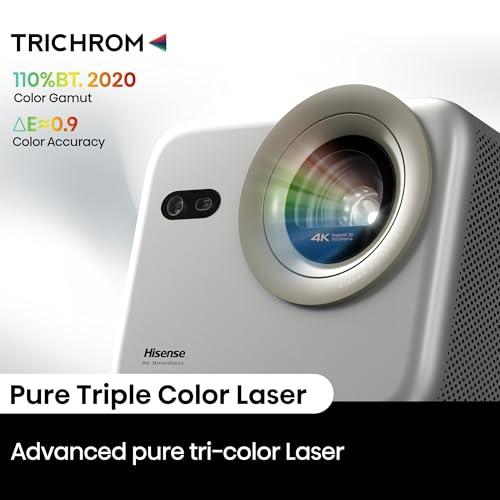
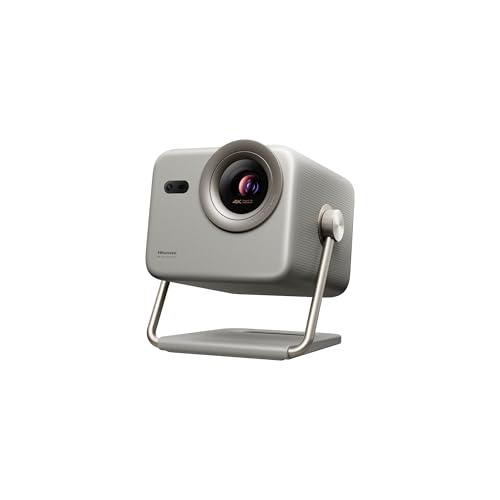
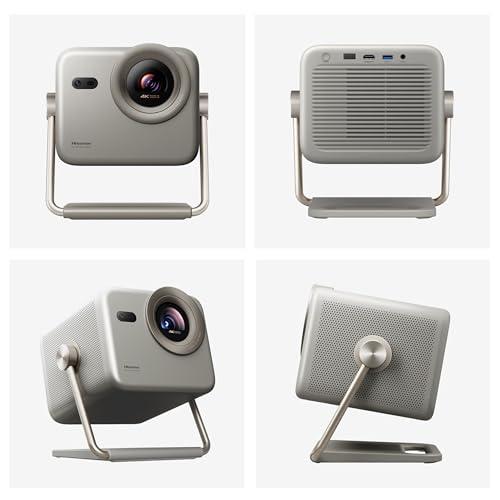
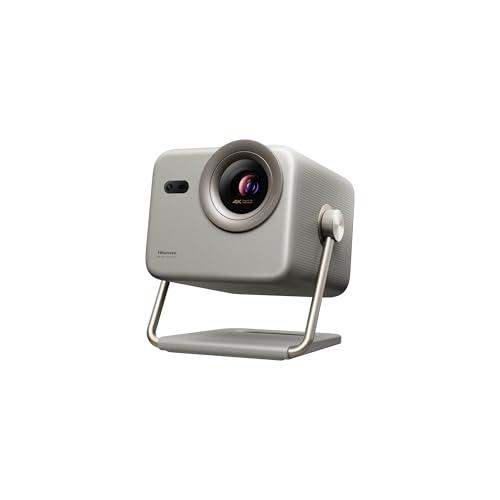
The Hisense M2 Pro, released in 2024, represents the premium end of portable projection. It's built around advanced triple laser technology – using separate red, green, and blue lasers instead of a single light source. This approach allows for much wider color reproduction and typically longer-lasting brightness compared to traditional LED systems.
The TCL A1, also from 2024, takes a more practical approach. It uses conventional LCD technology with LED lighting, focusing on affordability and smart features rather than pushing image quality boundaries. TCL's strategy here mirrors their TV business – delivering solid performance at attractive price points.
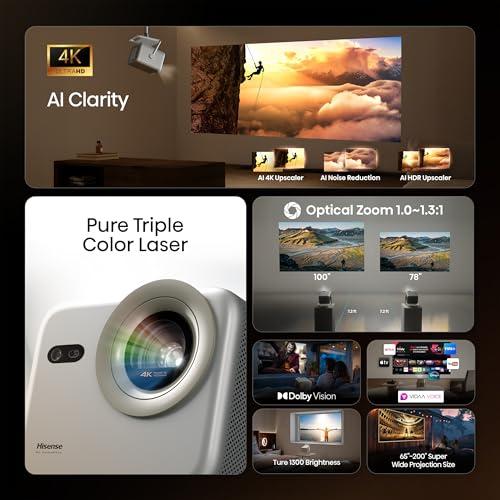
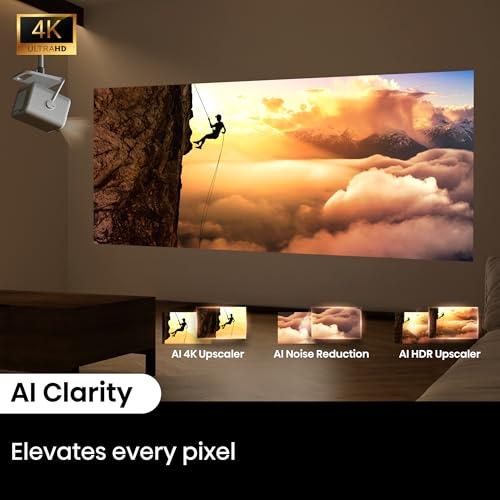
The gap between these projectors becomes immediately apparent when you examine their image capabilities. The Hisense M2 Pro projects native 4K resolution (3840 x 2160 pixels) using what Hisense calls their "AI 4K Clarity Engine." This isn't just marketing speak – the system actually includes three distinct processing technologies working together.
The AI 4K Upscaler takes lower-resolution content like Netflix shows or YouTube videos and intelligently adds detail to approach true 4K quality. AI Noise Reduction cleans up compression artifacts and visual noise that can make images look muddy. The AI HDR Upscaler enhances contrast and color range, making bright scenes brighter and dark scenes more detailed without washing out the overall image.
Behind this processing sits a DLP (Digital Light Processing) system with 2.07 million tiny mirrors – one for roughly every two pixels in the 4K image. Each mirror can tilt thousands of times per second, creating incredibly precise control over light and shadow. It's similar to having 2 million tiny controllable flashlights working in perfect coordination.
The TCL A1, meanwhile, uses LCD technology to produce 1080p images. While LCD projectors have improved significantly over the years, they're fundamentally limited by their light source and pixel density. At 1080p, you get about 2 million total pixels – roughly the same number as the Hisense's individual mirrors.
When projecting onto larger screens (say, 100+ inches), this resolution difference becomes quite noticeable. Text appears sharper on the Hisense M2 Pro, movie details are more defined, and overall image clarity is substantially better. However, for casual viewing on smaller projection sizes, the difference may not justify the price gap for some users.
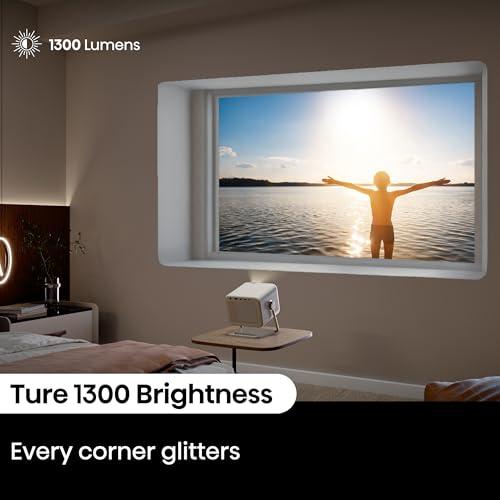
Here's where the Hisense M2 Pro truly separates itself. At 1,300 ANSI lumens, it produces roughly 3.6 times more light than the TCL A1's 360 ISO lumens. This isn't just a numbers game – it fundamentally changes where and when you can use each projector.
The triple laser system in the Hisense uses 28 individual laser chips, with each chip producing light equivalent to four LEDs. This concentrated light output means you can watch movies with some ambient lighting – perhaps with a lamp on in the corner or during late afternoon with curtains drawn. The TCL A1 requires near-complete darkness for optimal viewing, limiting its usefulness to nighttime or basement scenarios.
Understanding the difference between ANSI lumens and ISO lumens is helpful here. ANSI (American National Standards Institute) lumens represent a more stringent measurement standard, typically resulting in lower numbers than ISO measurements for the same actual brightness. So the gap between these projectors is even larger than the raw numbers suggest.
For home theater use, the brightness difference is crucial. A properly set up home theater room with some ambient lighting requires at least 1,000 lumens for comfortable viewing. The Hisense M2 Pro meets this threshold, while the TCL A1 falls well short.
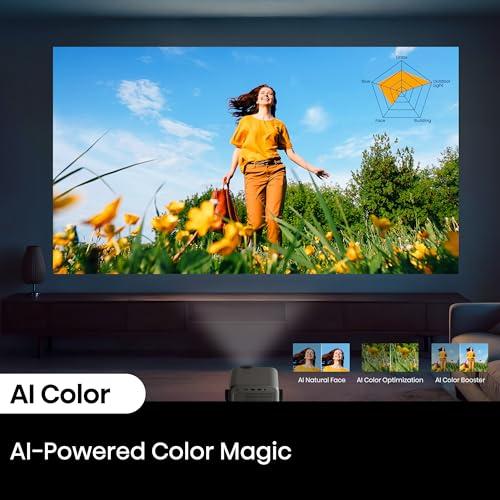
The Hisense M2 Pro's triple laser system produces what's called a wide color gamut – essentially, it can reproduce colors that simply aren't possible with conventional LED systems. The projector covers 110% of the BT.2020 color space, which is the standard for 4K HDR content.
To understand why this matters, imagine trying to paint a sunset using only primary colors versus having access to dozens of orange, red, and yellow shades. The laser system's separate red, green, and blue light sources can create incredibly pure colors and smooth gradations between them. Expert reviews consistently note color accuracy measurements (Delta E) around 0.9 for the Hisense – a level typically found in professional monitors costing thousands of dollars.
The TCL A1 uses standard LCD color reproduction, which is perfectly adequate for most content but lacks the vibrancy and accuracy of laser systems. You'll notice this most in nature documentaries, animated films, and HDR content where color plays a central role in the visual experience.
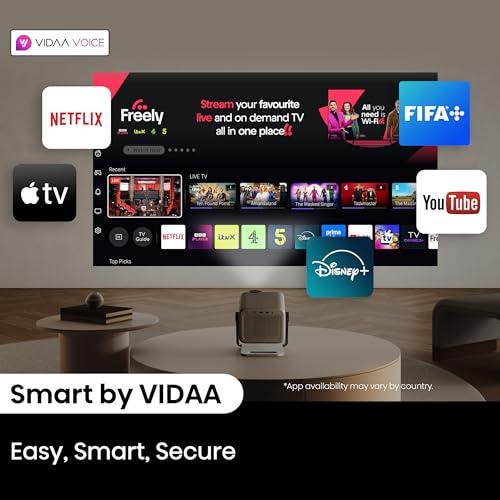
Both projectors include built-in smart platforms, but they take different approaches. The Hisense M2 Pro runs VIDAA OS, Hisense's proprietary smart TV platform. It includes the major streaming apps – Netflix, YouTube, Disney+, Prime Video – along with voice assistant support and screen mirroring from phones and tablets.
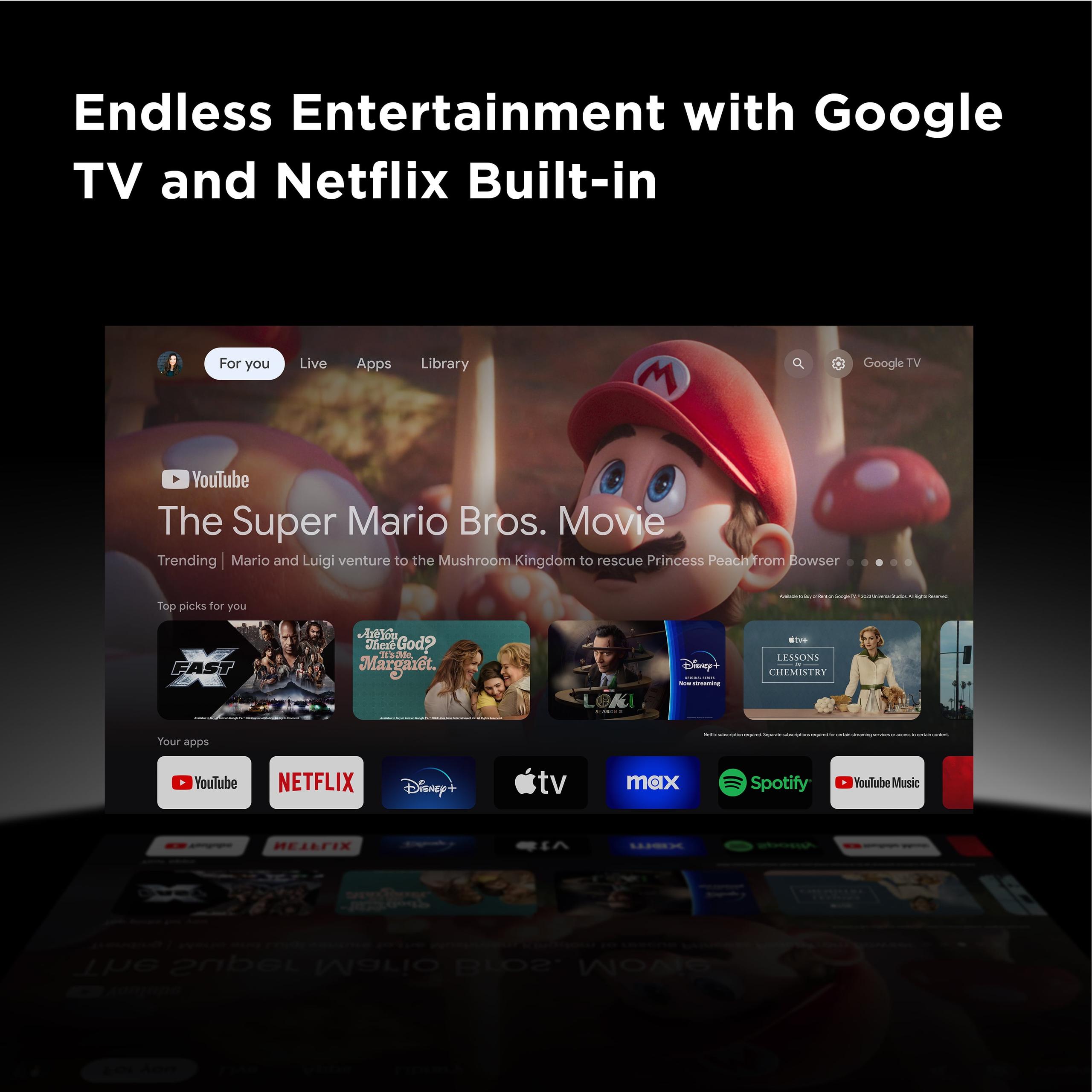
The TCL A1 uses Google TV, which provides access to the full Google Play Store and deeper integration with Google services. If you're heavily invested in the Google ecosystem with Gmail, Google Photos, and Google Assistant throughout your home, this integration can be quite valuable.
From a practical standpoint, both platforms handle the core streaming apps well. The Hisense focuses on fast, streamlined access to popular services, while the TCL offers broader app selection and customization options. Neither approach is inherently better – it depends on your preferences and existing tech ecosystem.
For gaming enthusiasts, the Hisense M2 Pro offers features typically found only in high-end gaming monitors. The 240Hz refresh rate with 12ms input lag creates incredibly responsive gameplay on a massive screen. Features like Auto Low Latency Mode (ALLM) and Motion Estimation Motion Compensation (MEMC) work together to reduce blur and lag during fast-paced gaming.
These specifications might seem like technical jargon, but they translate to real gaming advantages. The low input lag means the time between pressing a button and seeing the action on screen is minimal – crucial for competitive gaming. The high refresh rate ensures smooth motion during rapid camera movements or action sequences.
The TCL A1 offers basic gaming capability but lacks the specialized features that make large-screen gaming truly enjoyable. For occasional gaming, it's adequate. For anyone planning regular gaming sessions, the Hisense is the clear choice.
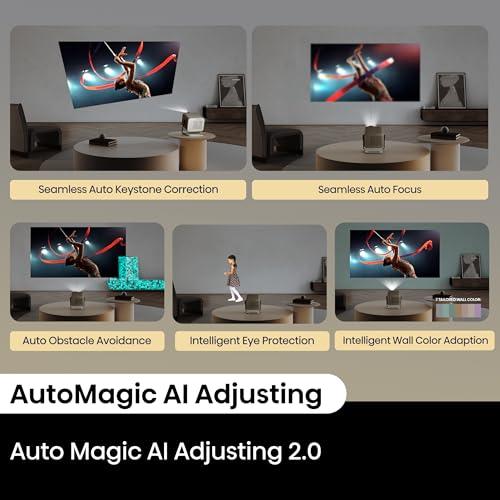
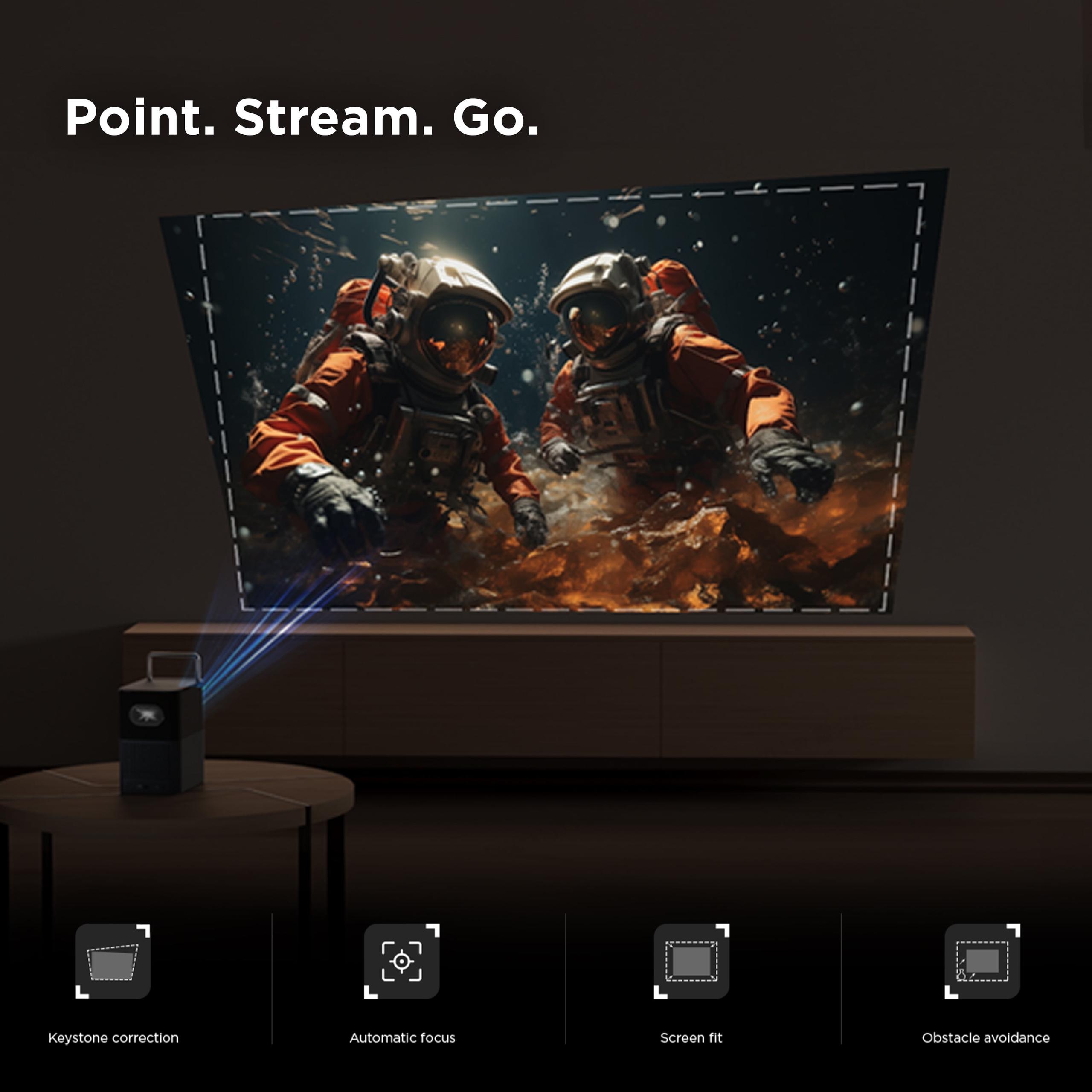
Both projectors include automatic focus and keystone correction – features that eliminate the tedious manual adjustments that plagued earlier projectors. However, they implement these conveniences differently.
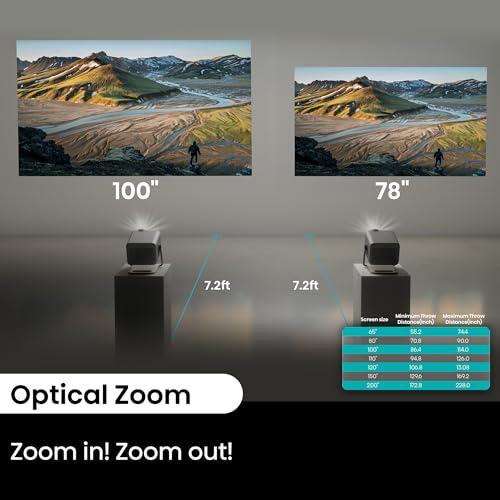
The Hisense M2 Pro includes optical zoom with a 1.0-1.3:1 throw ratio, meaning you can adjust image size without moving the projector or sacrificing image quality. This is a significant advantage over digital zoom, which essentially crops the image and reduces sharpness. The built-in gimbal design allows 360-degree rotation and 135-degree vertical adjustment, making it possible to project onto ceilings or at unusual angles.
Perhaps most impressively, the Hisense includes intelligent wall color adaptation. If you're projecting onto a beige wall or colored surface, the system automatically adjusts color temperature and saturation to maintain accurate colors. This flexibility means you're not limited to white walls or expensive projection screens.
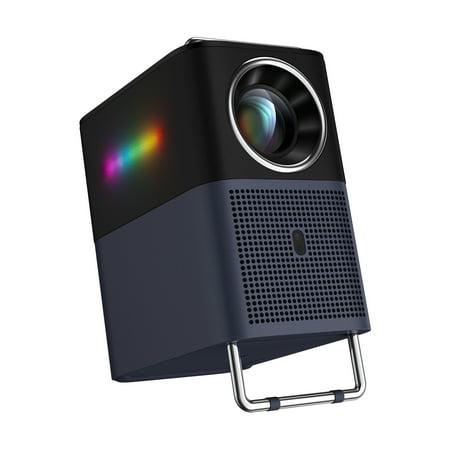
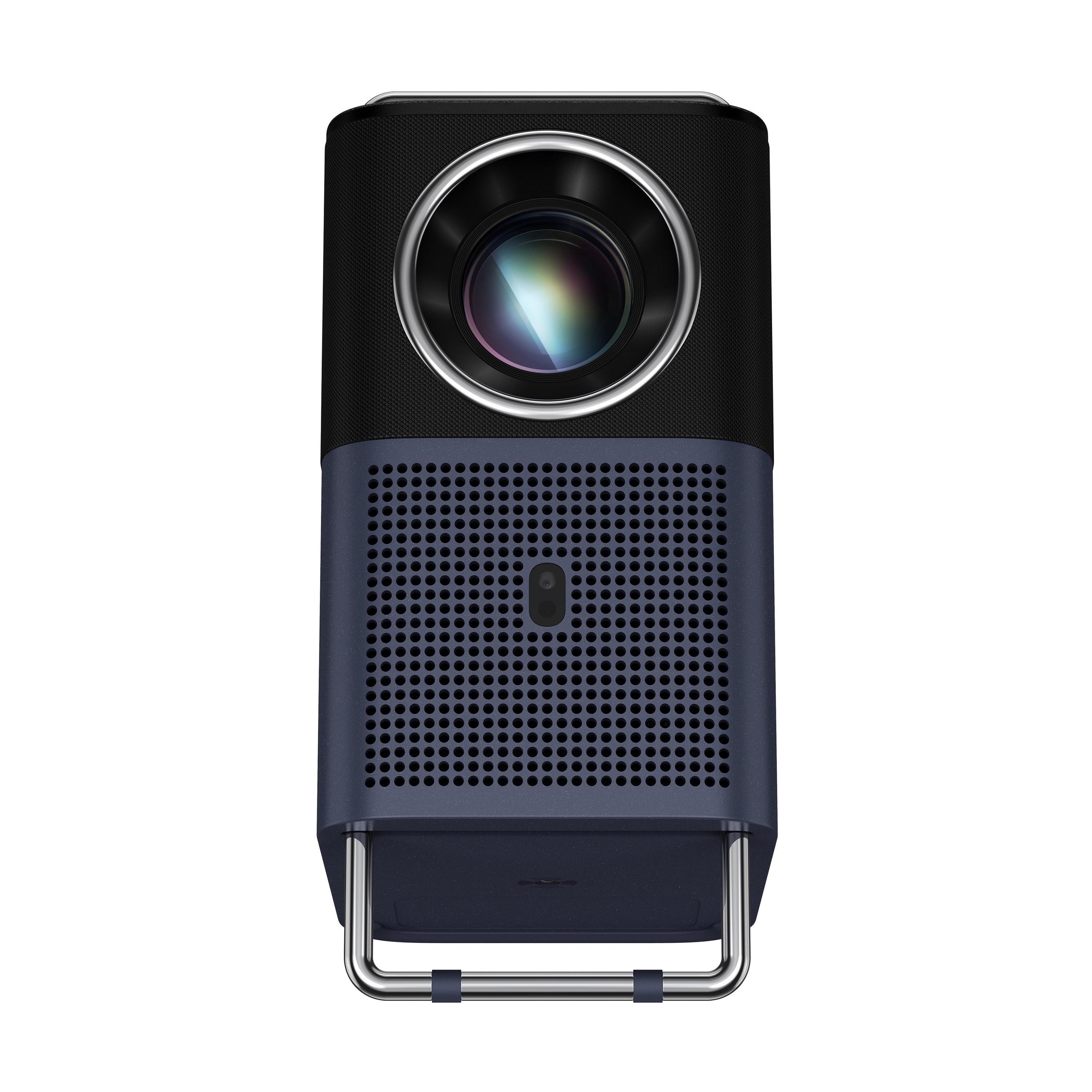
The TCL A1 takes a different approach with its VersaGrip handle design. The carrying handle doubles as an adjustable stand, allowing up to 15 degrees of tilt without additional accessories. It's an elegant solution that enhances portability while providing basic positioning flexibility.
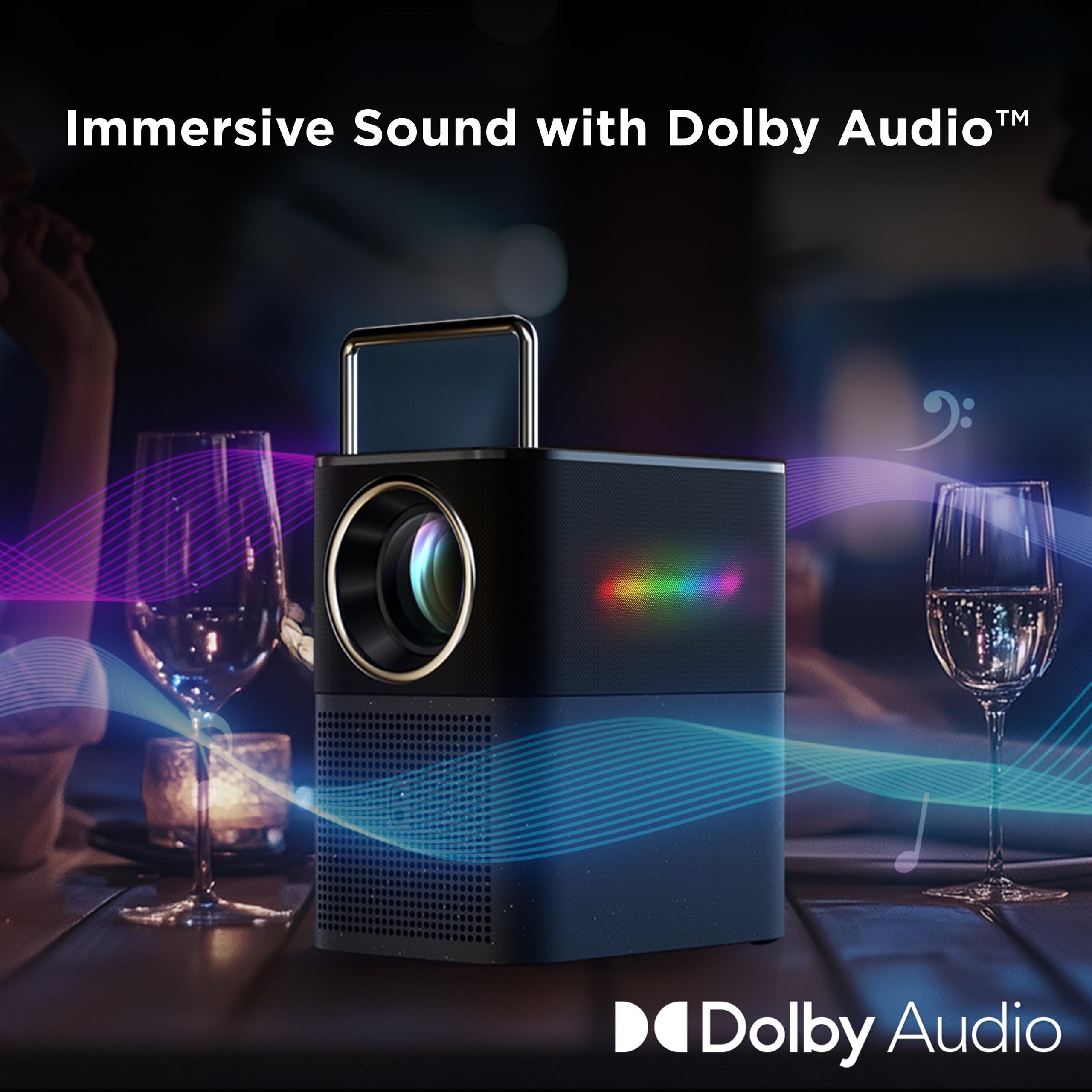
Audio quality often gets overlooked in projector comparisons, but it's crucial for the overall experience. The Hisense M2 Pro includes a 20-watt stereo system with Dolby Audio and DTS Virtual:X processing. The virtual surround sound processing creates a surprisingly immersive audio experience for a compact device.
The TCL A1 features dual 8-watt speakers with Dolby Digital+ processing. While adequate for casual viewing, the lower power output and simpler processing don't create the same sense of immersion.
For serious home theater use, neither projector replaces a dedicated sound system, but the Hisense comes much closer to providing satisfying audio without additional equipment.
Laser projectors typically outlast LED systems significantly. The Hisense M2 Pro's triple laser system is rated for 25,000+ hours of use – roughly 27 years of 2.5 hours daily viewing. Even more importantly, laser systems maintain their brightness much better over time compared to LED systems, which can lose 30-50% of their initial brightness after just a few thousand hours.
The TCL A1's LED system will require replacement much sooner, and brightness degradation will become noticeable within a few years of regular use. When considering long-term cost of ownership, this difference becomes significant.
The Hisense M2 Pro makes sense for users who plan regular viewing sessions and want cinema-quality images. If you're setting up a dedicated movie night routine, enjoy gaming on large screens, or need flexibility to use the projector in various lighting conditions, the premium price feels justified. Home theater enthusiasts who want portable convenience without sacrificing image quality will appreciate the professional-grade color accuracy and 4K sharpness.
The TCL A1 serves casual users well – those who want to try portable projection without a major investment, or who only need occasional use in consistently dark environments. Its Google TV integration makes it particularly appealing if you're already using Google services throughout your home. The innovative handle design and lighter weight also make it ideal for users who prioritize maximum portability.
At the time of writing, the Hisense M2 Pro costs roughly 2.6 times more than the TCL A1, but delivers dramatically superior performance across almost every metric. The question becomes whether that performance difference justifies the price gap for your specific needs.
If you're planning to use a portable projector regularly – more than once or twice per month – the Hisense's superior brightness, image quality, and durability provide better long-term value despite the higher upfront cost. The ability to use it in more lighting conditions alone makes it significantly more versatile.
For occasional use or as an introduction to portable projection, the TCL A1 offers reasonable performance at an accessible price point. Just understand its limitations going in – particularly the brightness constraints that limit when and where you can use it effectively.
The portable projector market has matured significantly since 2020, with improvements in brightness, resolution, and smart features making these devices genuinely useful for home entertainment. Both projectors represent solid execution of their respective approaches – the choice simply depends on whether you prioritize performance or affordability in your portable cinema experience.
| Hisense M2 Pro 4K Triple Laser Portable Projector | TCL A1 Portable 1080p Smart Projector |
|---|---|
| Resolution - Determines image sharpness, especially on large screens | |
| Native 4K UHD (3840 x 2160) with AI upscaling | Full HD 1080p (1920 x 1080) |
| Brightness - Most critical factor for room lighting flexibility | |
| 1,300 ANSI lumens (usable in moderate ambient light) | 360 ISO lumens (requires near-complete darkness) |
| Light Source Technology - Affects color quality and longevity | |
| Triple laser (R+G+B) with 25,000+ hour lifespan | LED with typical 10,000-20,000 hour lifespan |
| Color Performance - Important for movie watching and content accuracy | |
| 110% BT.2020 color space, professional accuracy (ΔE ~0.9) | Standard LCD color gamut, consumer-grade accuracy |
| Projection Size Range - Flexibility for different room sizes | |
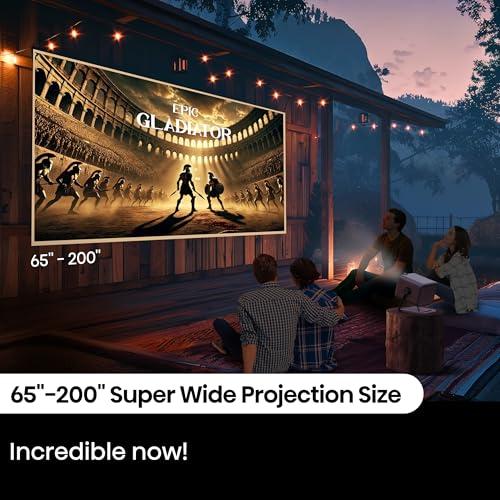
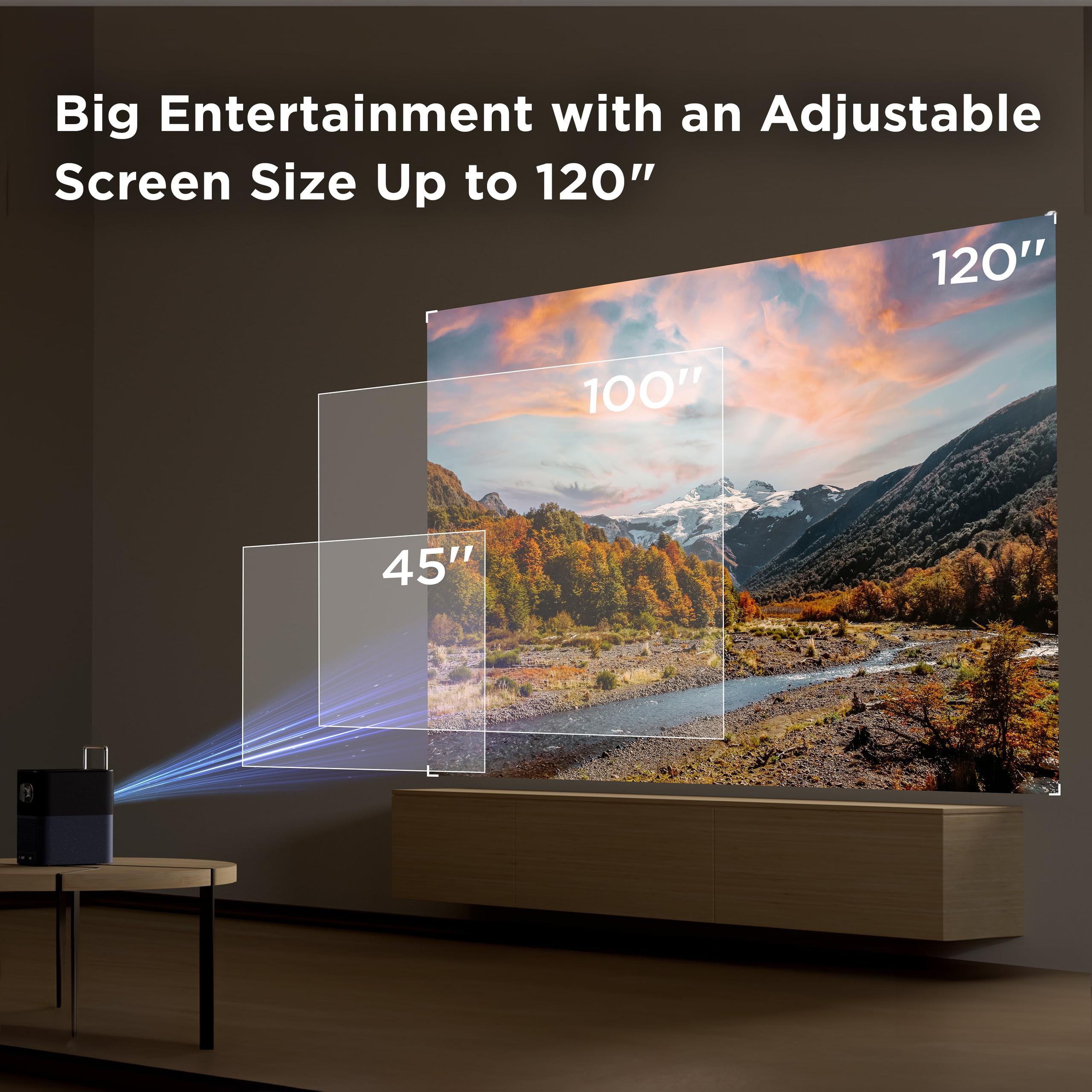
| 65" to 200" diagonal with optical zoom | 45" to 120" diagonal |
| Weight & Portability - Ease of transport between locations | |
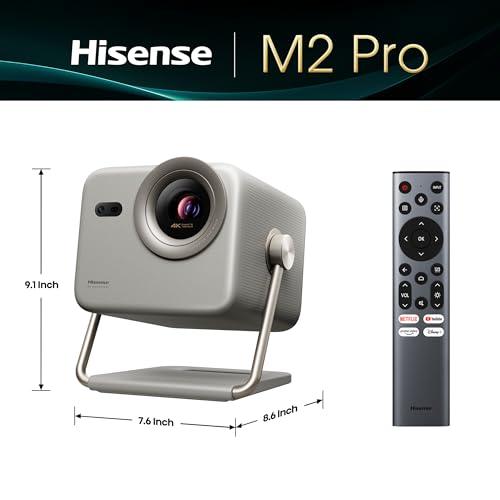
| 8.6 lbs with protective case | 5.5 lbs with carrying case and handle-stand design |
| Smart Platform - Streaming apps and ecosystem integration | |
| VIDAA OS with major streaming apps, voice assistant | Google TV with full Play Store access, Chromecast built-in |
| Audio System - Built-in sound quality without external speakers | |
| 20W stereo with Dolby Audio and DTS Virtual:X | 16W stereo with Dolby Digital+ |
| Gaming Performance - Response time and refresh rate for gaming | |
| 240Hz refresh, 12ms input lag, dedicated Game Mode | Standard refresh rates, basic gaming capability |
| Setup Features - Convenience and installation flexibility | |
| Auto focus, keystone correction, optical zoom, 360° rotation | Auto focus, keystone correction, VersaGrip handle-stand |
| HDR Support - Enhanced contrast and color in compatible content | |
| Dolby Vision, HDR10, HDR10+, HLG with AI HDR upscaling | Basic HDR support |
| Connectivity Options - How you connect devices and networks | |
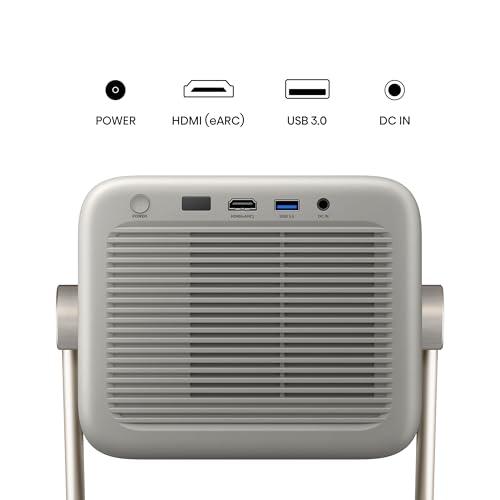
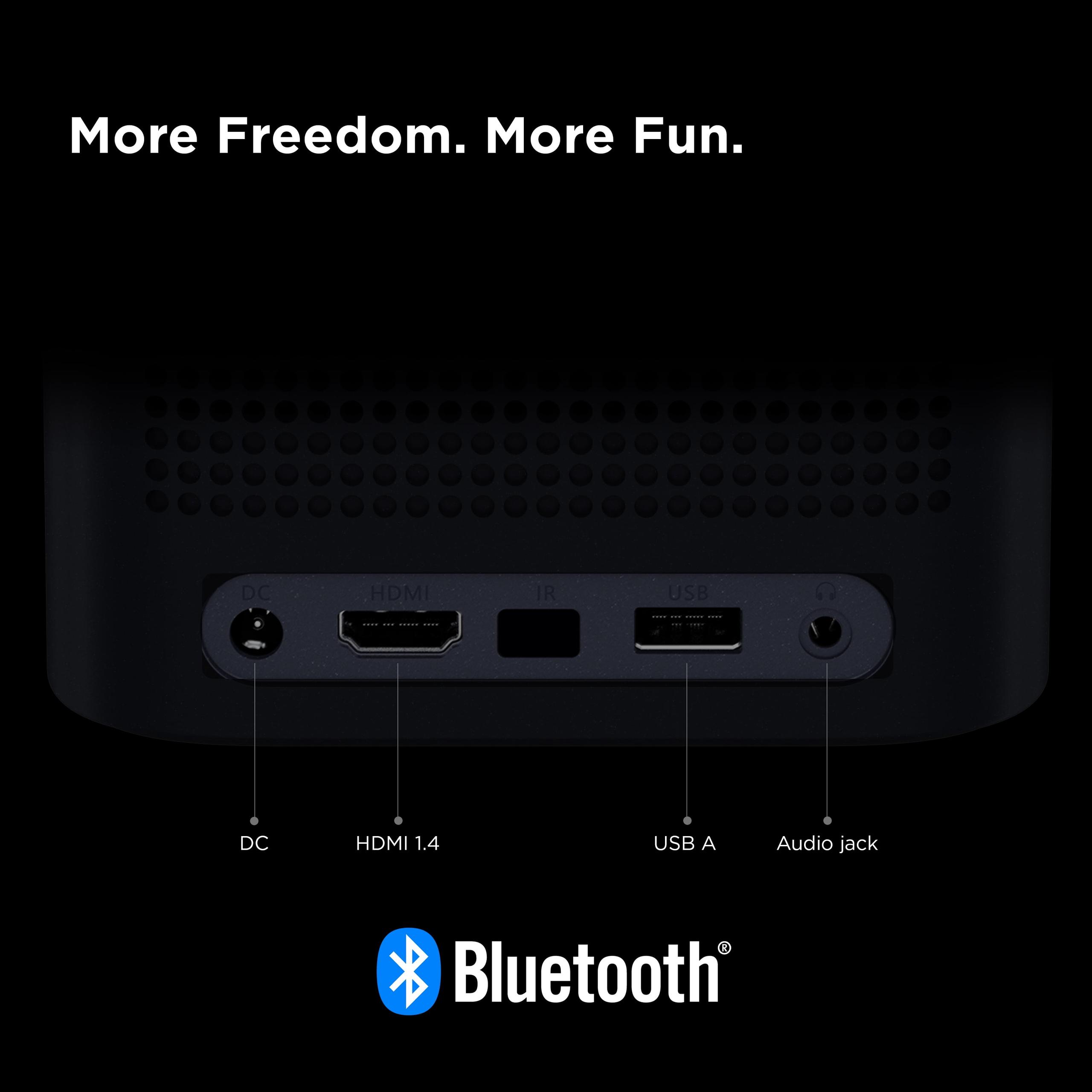
| Wi-Fi 802.11ac, Bluetooth 5.0, HDMI, USB | Wi-Fi 4, Bluetooth 5.1, HDMI, USB, 3.5mm audio |
The Hisense M2 Pro delivers significantly better picture quality with native 4K resolution and triple laser technology. It produces sharper images, more accurate colors covering 110% of the BT.2020 color space, and better contrast than the TCL A1, which uses standard 1080p LCD technology. For home theater use, the difference in image quality is substantial.
The Hisense M2 Pro works reasonably well in moderate ambient lighting thanks to its 1,300 ANSI lumens brightness, making daytime viewing possible with curtains drawn. The TCL A1 at 360 ISO lumens requires near-complete darkness for optimal viewing, severely limiting daytime use.
The Hisense M2 Pro is far superior for gaming with its 240Hz refresh rate, 12ms input lag, and dedicated Game Mode features. The TCL A1 offers basic gaming capability but lacks the specialized features needed for responsive, large-screen gaming experiences.
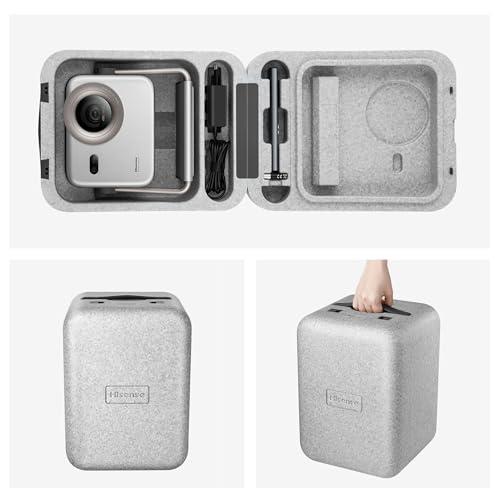
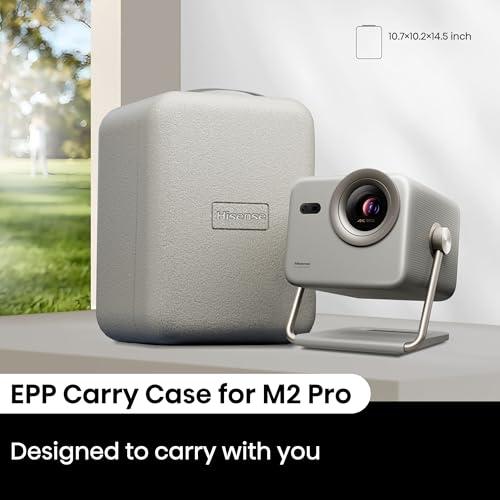
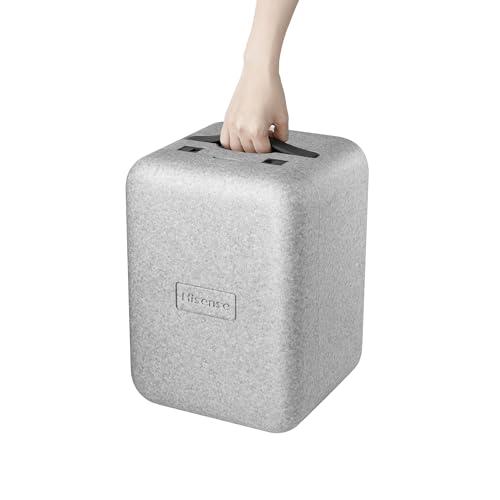
Both projectors are portable, but the TCL A1 is lighter at 5.5 lbs with an innovative handle that doubles as a stand. The Hisense M2 Pro weighs 8.6 lbs but includes a protective case and offers more setup flexibility with its gimbal design and optical zoom.
The TCL A1 runs Google TV with full Play Store access and deeper Google ecosystem integration, while the Hisense M2 Pro uses VIDAA OS with streamlined access to major streaming apps. Google TV offers more app choices, but both handle popular streaming services well.
The Hisense M2 Pro can project images from 65" to 200" diagonal with optical zoom maintaining 4K sharpness. The TCL A1 supports 45" to 120" diagonal projection, which is adequate for most rooms but more limited than the Hisense option.
The Hisense M2 Pro uses laser technology rated for 25,000+ hours of use with minimal brightness degradation over time. The TCL A1 uses LED technology that typically lasts 10,000-20,000 hours but may lose brightness more noticeably after several years of use.
The Hisense M2 Pro is significantly better for dedicated home theater use due to its 4K resolution, superior brightness, wide color gamut, and support for Dolby Vision HDR. The TCL A1 works for casual movie watching but lacks the image quality needed for serious home theater applications.
The Hisense M2 Pro features a 20W stereo system with Dolby Audio and DTS Virtual:X processing for immersive sound. The TCL A1 has dual 8W speakers with Dolby Digital+ processing. While both provide adequate audio, the Hisense offers noticeably better sound quality for movie watching.
The Hisense M2 Pro includes intelligent wall color adaptation that automatically adjusts for non-white surfaces, maintaining color accuracy even on beige or colored walls. The TCL A1 lacks this feature and performs best on white walls or projection screens for optimal color reproduction.
The TCL A1 offers better value for casual users with limited budgets who primarily watch in dark rooms. The Hisense M2 Pro provides better long-term value for regular users who want cinema-quality images and plan to use the projector frequently in various lighting conditions.
Both the Hisense M2 Pro and TCL A1 feature automatic focus and keystone correction for easy setup. The Hisense adds optical zoom and 360-degree rotation flexibility, while the TCL's unique handle-stand design simplifies positioning. Both eliminate the manual adjustments that made older projectors difficult to use.
We've done our best to create useful and informative comparisons to help you decide what product to buy. Our research uses advanced automated methods to create this comparison and perfection is not possible - please contact us for corrections or questions. These are the sites we've researched in the creation of this article: thegadgetflow.com - valueelectronics.com - youtube.com - projectorscreenstore.com - whathifi.com - hisense-usa.com - tomsguide.com - content.syndigo.com - youtube.com - shop.hisense-usa.com - avsforum.com - projectorscreen.com - projectorscreen.com - projectorcentral.com - avsforum.com - youtube.com - projector-database.com - youtube.com - hometheaterforum.com - hifivision.com - tcl.com - gstylemag.com - youtube.com - youtube.com - soundandvision.com - tcl.com - androidheadlines.com - valueelectronics.com - tcl.com - walmart.com - esquire.com - hometheaterview.com - androidpolice.com - projectorcentral.com - howtogeek.com - nfm.com - tcl.com - valueelectronics.com - extapps.dec.ny.gov - cna-aiic.ca - projectorcentral.com - tcl.com - tcl.com - tcl.com

Privacy Policy
Terms and Conditions - Affiliate Policy
Home Security
© Copyright 2008-2026.
11816 Inwood Rd #1211, Dallas, TX 75244