

Portable 4K laser projectors have revolutionized home entertainment, bringing cinema-quality visuals to anywhere you can find a wall. These aren't your grandfather's business projectors—they're sophisticated pieces of technology that use laser light sources instead of traditional bulbs to create incredibly bright, colorful images that can rival your living room TV.
The technology has evolved dramatically since these devices first appeared around 2020. Early models were either massive and expensive or portable but dim. Today's generation strikes a much better balance, with two standout options representing different philosophies: the Hisense M2 Pro 4K Triple Laser Portable Projector and the JMGO N1S Ultimate 4K Laser Projector.
Before diving into specifics, it's worth understanding what sets laser projectors apart. Traditional projectors use LED lights or replaceable bulbs that fade over time and produce limited color ranges. Laser projectors use precisely controlled laser diodes—think of them as super-focused light sources—that can produce much wider color spectrums and maintain their brightness for tens of thousands of hours.
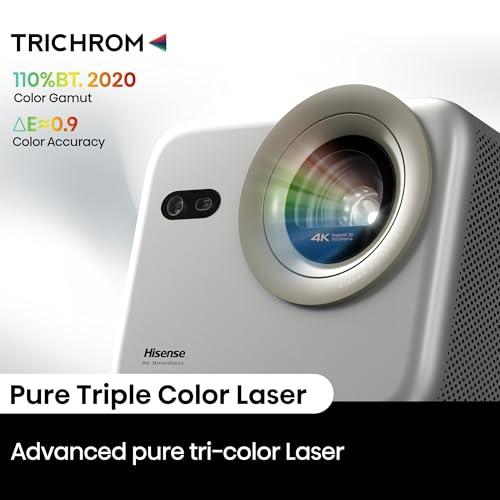
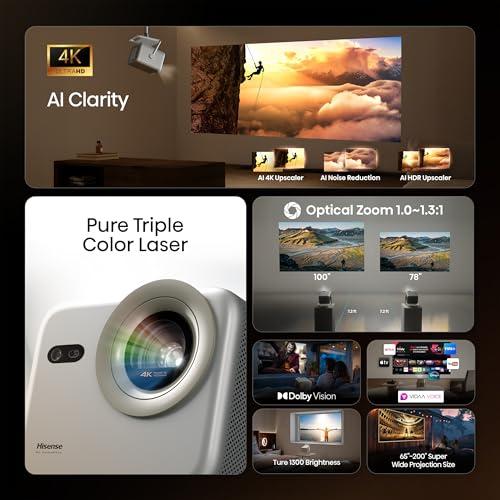
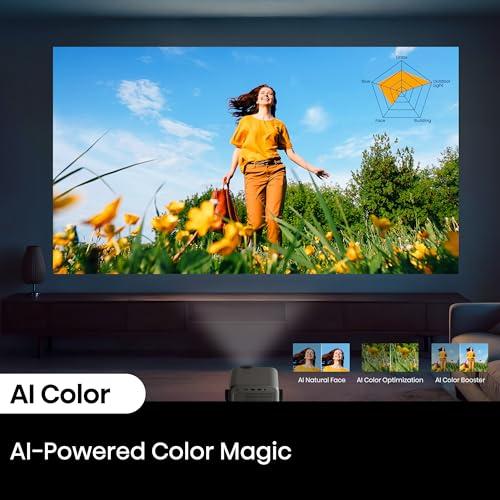
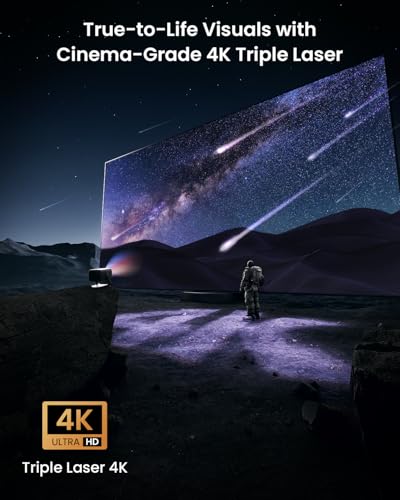
Both the Hisense M2 Pro and JMGO N1S Ultimate use "triple laser" technology, meaning they have separate red, green, and blue lasers that combine to create the full spectrum of colors your eyes can see. This is significant because it allows them to display colors that regular TVs and LED projectors simply can't reproduce, making everything from nature documentaries to animated movies look more lifelike.
The "4K" designation means these projectors can display images with 3840 x 2160 pixels—four times the resolution of standard HD. However, not all 4K projectors are created equal, and the way they achieve this resolution matters for image quality.
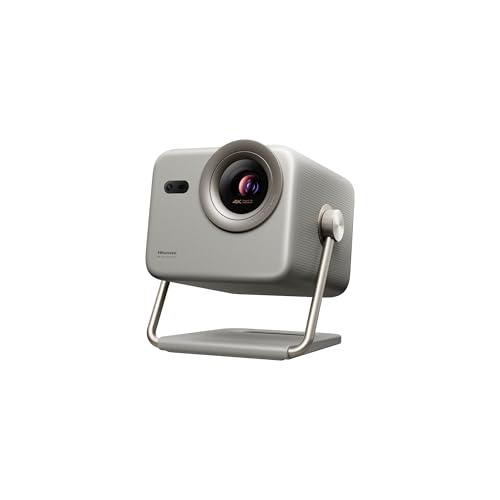
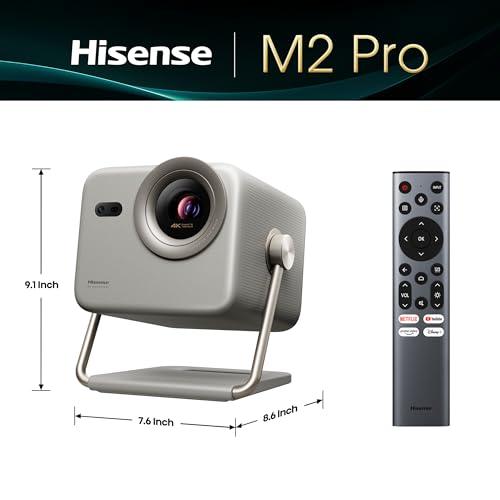
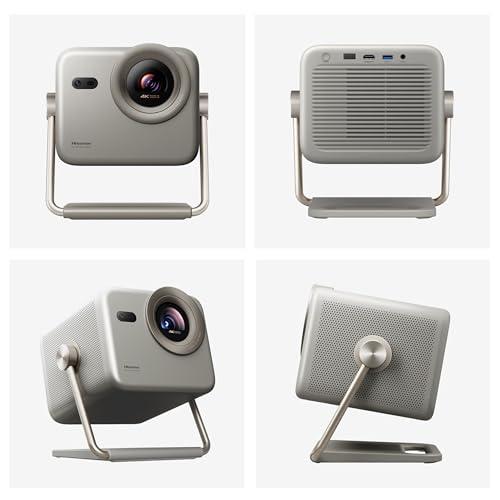
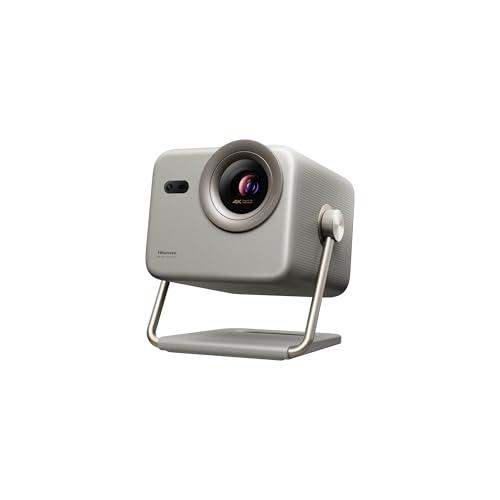
The Hisense M2 Pro, released in 2024, represents the "true portable" philosophy. At 8.6 pounds, it's genuinely something you can toss in a backpack for camping trips or easily move between rooms. Hisense has been making laser projectors longer than most companies, and their experience shows in the sophisticated features packed into this compact device.
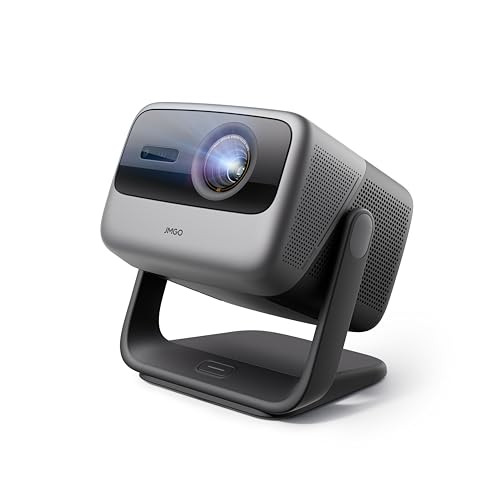
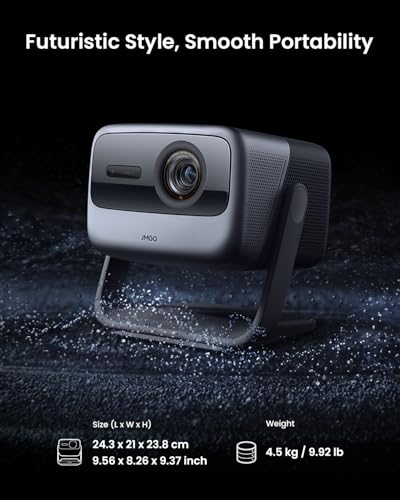
The JMGO N1S Ultimate, also from 2024, takes a different approach. At 14.3 pounds, it's not truly portable in the grab-and-go sense, but it compensates with features and brightness that make it incredibly versatile for semi-permanent setups. JMGO has been focusing specifically on lifestyle projectors, and their engineering priorities show.
When researching projector reviews and user experiences, brightness consistently emerges as the most critical factor for real-world satisfaction. This is measured in ANSI lumens—a standardized way of measuring how much light the projector actually puts out.
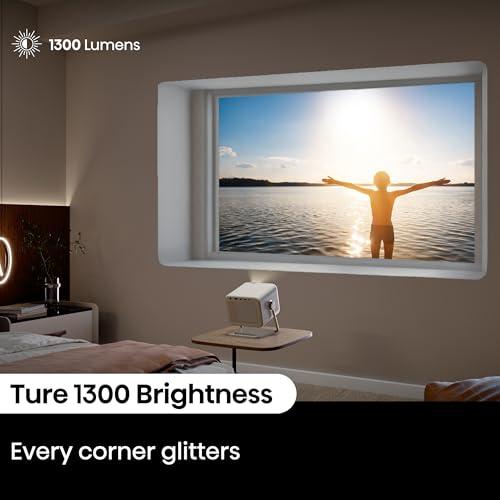
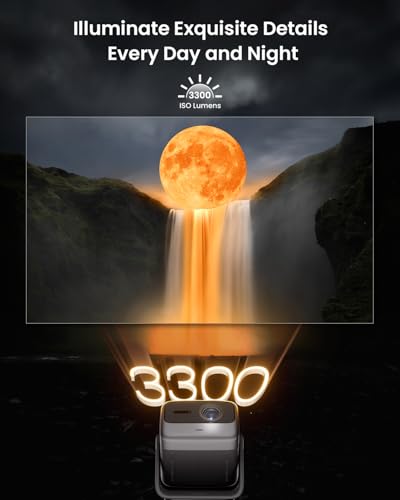
The difference here is dramatic: the JMGO N1S Ultimate produces 3,500 ANSI lumens compared to the Hisense M2 Pro's 1,300 ANSI lumens. That's nearly three times brighter, and in practical terms, it's the difference between needing blackout curtains and being able to watch with normal room lighting.
From user feedback across review sites and forums, 1,300 lumens is adequate for dark rooms and can work in dim conditions, but you'll struggle with any significant ambient light. The 3,500 lumens of the JMGO, however, can handle well-lit living rooms and even some outdoor daytime viewing. This brightness advantage extends the JMGO's usability to scenarios where the Hisense simply wouldn't work well.
Both projectors achieve excellent color reproduction, covering 110% of the BT.2020 color space—which means they can display colors that are more vivid and accurate than most TVs. However, their approaches to achieving 4K resolution differ significantly.
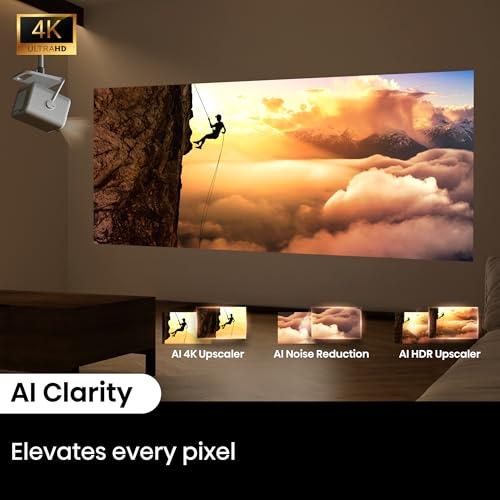
The Hisense M2 Pro uses what's called "AI 4K Clarity" technology, which combines sophisticated upscaling algorithms with genuine optical processing. When you're watching lower-resolution content (which is most streaming video), the projector's AI analyzes each frame and intelligently adds detail and sharpness. User reports consistently praise this system for making 1080p content look genuinely close to native 4K.
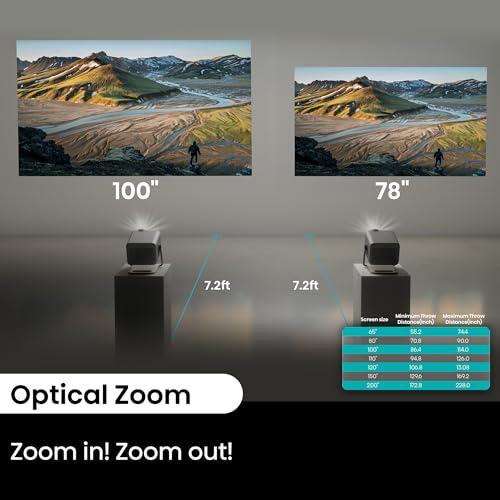
More importantly, the Hisense includes true optical zoom with a 1.0-1.3 throw ratio. This means you can adjust the image size without moving the projector or losing image quality. Most projectors, including the JMGO, only offer digital zoom, which essentially crops the image and reduces resolution. For anyone who's struggled with projector placement, this optical zoom is incredibly valuable.
The JMGO N1S Ultimate achieves 4K through pixel shifting—a technique where the projector physically moves each pixel slightly to display four times the information. While this works well, it's not quite as sharp as native 4K, though the difference is subtle unless you're sitting very close to a large screen.
Where the JMGO excels is in contrast ratio—1,600:1 compared to the Hisense's 1,000:1. This translates to deeper blacks and more dramatic differences between light and dark areas. For movie watching, especially darker films, this creates a more cinematic experience.
For gaming enthusiasts, the Hisense M2 Pro clearly wins with 12ms input lag versus the JMGO's 16ms, and supports up to 240Hz refresh rates compared to 120Hz. While both are acceptable for casual gaming, competitive players will appreciate the Hisense's responsiveness. The difference between 12ms and 16ms might sound negligible, but in fast-paced games, it's noticeable to experienced players.
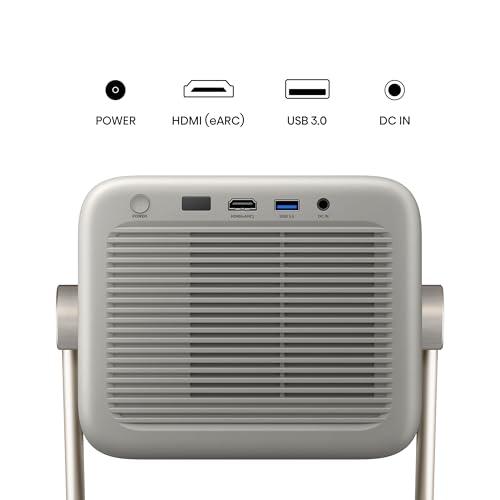
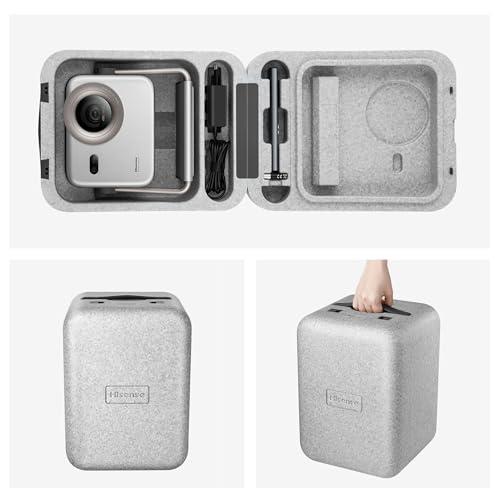
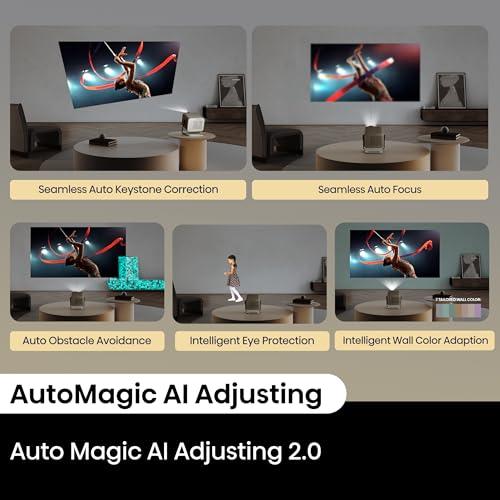
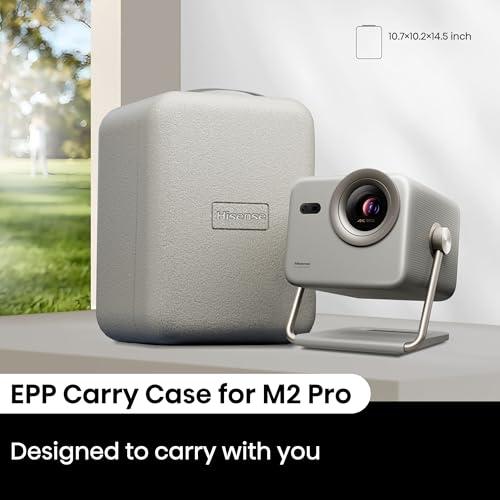
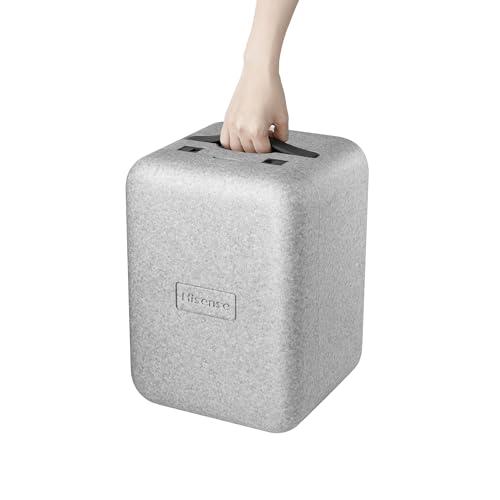
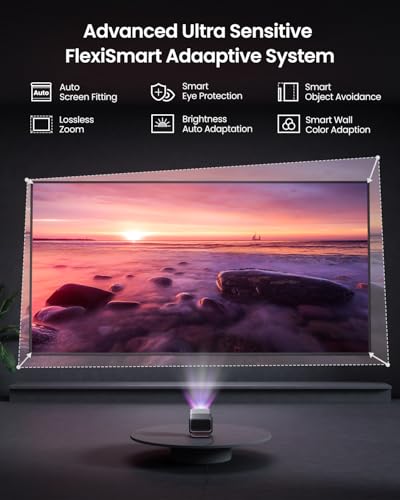
The Hisense M2 Pro is genuinely portable. At 8.6 pounds with a compact form factor, it's something you can realistically travel with. The included carrying case reinforces this portable intent, and setup features like automatic keystone correction (which squares up the image when projecting at an angle) and auto-focus make it practical for frequent setup and breakdown.
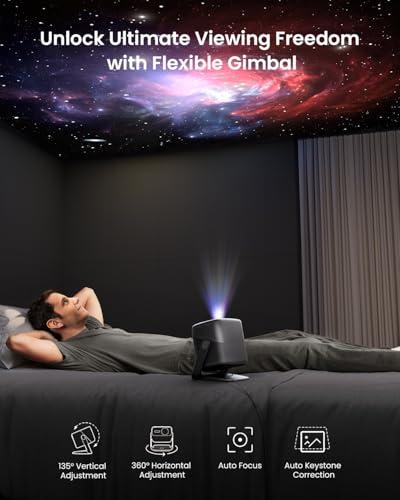
The JMGO N1S Ultimate takes a different approach with its unique gimbal design. This allows the projector to rotate 360 degrees horizontally and 135 degrees vertically, meaning you can project onto ceilings, angled walls, or create unusual viewing setups without physically repositioning the unit. It's an engineering solution that prioritizes flexibility over portability.
Based on user experiences, the gimbal system opens up use cases that simply aren't possible with traditional projectors. Ceiling projection for bed viewing, angled projection around obstacles, or creative installations for parties or events. However, at 14.3 pounds, it's not something most people will frequently move.
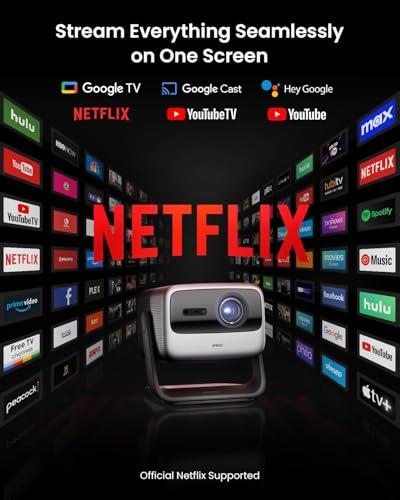
The software experience differs significantly between these devices. The JMGO N1S Ultimate runs Google TV, which means native Netflix support (surprisingly rare in projectors), access to the full Google Play Store, and integration with Google Assistant. User reviews consistently praise this platform for its familiarity and comprehensive app selection.
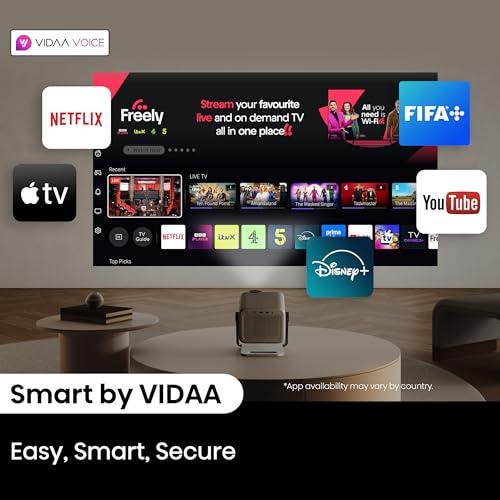
The Hisense M2 Pro uses Hisense's VIDAA operating system. While it includes major streaming services, it's not as comprehensive as Google TV. However, it's also not as resource-intensive, which can mean faster response times and fewer crashes—something worth considering for a portable device that might not always have perfect Wi-Fi.
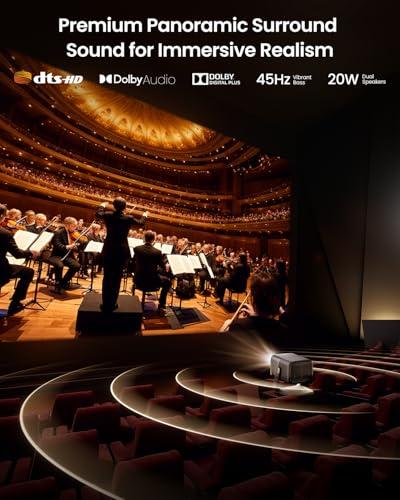
Audio quality varies significantly between these projectors. The JMGO N1S Ultimate includes a dedicated 20-watt subwoofer along with dual 10-watt speakers, creating a 2.1 system that can genuinely fill a room with sound extending down to 45Hz—low enough for meaningful bass response.
The Hisense M2 Pro offers a 20-watt stereo system with Dolby Audio and DTS Virtual:X processing. While it lacks a dedicated subwoofer, the processing creates a wider soundstage that works well for its portable use cases.
From user feedback, the JMGO's audio system can reasonably replace external speakers for casual viewing, while the Hisense is adequate for its size but benefits from external speakers for serious movie watching.
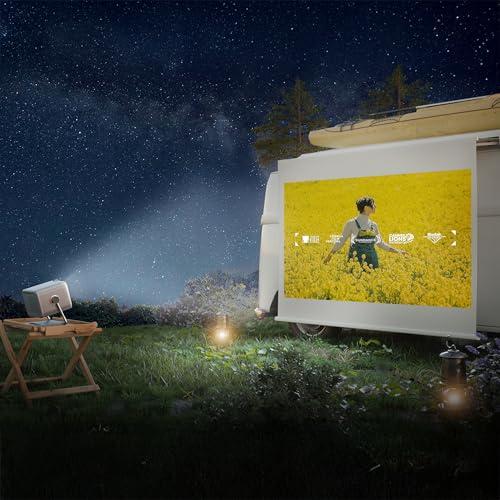
If you're someone who wants to take movie nights to the backyard, camping trips, or friends' houses, the Hisense M2 Pro is clearly superior. Its true portability, included carrying case, and features like wall color adaptation (which adjusts colors when projecting onto colored walls) make it practical for varied environments.
The brightness limitation means you'll need to control lighting conditions, but for evening outdoor viewing or indoor use with curtains, it delivers excellent image quality in a package that won't break your back.
For a family room, finished basement, or dedicated media space, the JMGO N1S Ultimate offers compelling advantages. The higher brightness means you can leave some lights on, the gimbal design solves placement challenges, and the superior audio system reduces the need for additional speakers.
The 14.3-pound weight becomes irrelevant if you're not frequently moving it, and the brightness advantage creates a more TV-like experience where you don't need to darken the room for comfortable viewing.
For dedicated home theater use, both projectors have strengths and limitations. The JMGO N1S Ultimate's higher brightness and contrast ratio create a more cinematic experience, especially for larger screens (150+ inches). However, serious home theater enthusiasts might find the reliance on digital zoom and fixed positioning limiting.
The Hisense M2 Pro's optical zoom and advanced image processing create exceptional sharpness and flexibility for screen sizing, but the lower brightness might necessitate more light control than some users prefer.
At the time of writing, these projectors occupy different price tiers, with the Hisense M2 Pro positioned significantly lower than the JMGO N1S Ultimate. The price difference roughly reflects the brightness and feature differences, but value depends heavily on your priorities.
The Hisense represents exceptional value for anyone prioritizing portability and optical features. You're getting sophisticated laser technology, AI processing, and true optical zoom at a price point that was unimaginable for laser projectors just a few years ago.
The JMGO commands a premium for its brightness and unique gimbal system. Whether this premium is justified depends on your lighting conditions and placement requirements. If you need the brightness for daytime viewing or bright rooms, the price difference becomes much more reasonable.
Both projectors represent the current state of the art in portable laser projection, released in 2024 with the latest generation of laser diodes and processing chips. The technology has stabilized somewhat, with improvements now focusing on efficiency, AI processing, and smart features rather than dramatic hardware leaps.
The laser light sources in both units are rated for 25,000+ hours, which translates to over 10 years of typical use. This longevity is one of the key advantages of laser technology over traditional bulb-based projectors that might need lamp replacements every few years.
After researching extensive user feedback and professional reviews, the choice comes down to your primary use case and environmental constraints.
Choose the Hisense M2 Pro 4K Triple Laser Portable Projector if:
Choose the JMGO N1S Ultimate 4K Laser Projector if:
The fundamental trade-off is portability and advanced optics versus brightness and placement flexibility. Both are excellent projectors that represent different engineering priorities, and your choice should align with how you actually plan to use the device rather than theoretical capabilities you might never need.
For most users, I'd recommend seriously considering your actual usage patterns. If you're not regularly moving your projector, the JMGO's brightness advantage will provide daily benefits. If true portability is important to your lifestyle, the Hisense delivers impressive performance in a genuinely portable package that opens up use cases impossible with heavier alternatives.
| Hisense M2 Pro 4K Triple Laser Portable Projector | JMGO N1S Ultimate 4K Laser Projector |
|---|---|
| Brightness - Most critical spec for room lighting flexibility | |
| 1,300 ANSI lumens (requires dim lighting for best experience) | 3,500 ANSI lumens (works well in bright rooms and daylight) |
| Weight & Portability - Determines if you'll actually move it | |
| 8.6 lbs (truly portable, includes carrying case) | 14.3 lbs (semi-portable, better for dedicated spaces) |
| Zoom Technology - Affects placement flexibility and image quality | |
| 1.0-1.3x optical zoom (maintains full 4K resolution) | Digital zoom only (reduces effective resolution when adjusted) |
| Projection Size Range - Maximum screen size capability | |
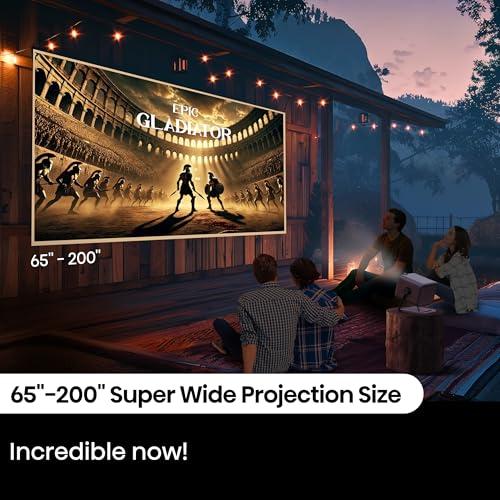
| 65-200 inches | 84-180 inches |
| Contrast Ratio - Impact on black levels and movie experience | |
| 1,000:1 (good blacks, but not exceptional) | 1,600:1 (noticeably deeper blacks for cinematic viewing) |
| Gaming Performance - Input lag and refresh rates | |
| 12ms input lag, 240Hz refresh (excellent for competitive gaming) | 16ms input lag, 120Hz refresh (good for casual gaming) |
| Unique Design Feature - Sets each projector apart | |
| AI wall color adaptation (adjusts for colored projection surfaces) | 360° gimbal rotation (project on ceilings, angled walls) |
| Smart Platform - App ecosystem and streaming support | |
| VIDAA OS (major streaming services, lighter system) | Google TV (native Netflix, full Google Play Store access) |
| Audio System - Built-in sound quality | |
| 20W stereo with Dolby Audio/DTS Virtual:X | 20W subwoofer + dual 10W speakers (superior bass response) |
| Setup Convenience - How easy to get perfect image | |
| Auto-focus, auto-keystone, wall color adaptation | Auto-focus, auto-keystone, gimbal positioning flexibility |
| Color Performance - Both excel equally | |
| 110% BT.2020 color gamut with triple laser technology | 110% BT.2020 color gamut with triple laser technology |
| Best Use Cases - Who should choose each projector | |
| Frequent movers, outdoor events, budget-conscious buyers, gamers | Bright room viewing, flexible installations, smart TV replacement |
The JMGO N1S Ultimate 4K Laser Projector is significantly brighter at 3,500 ANSI lumens compared to the Hisense M2 Pro 4K Triple Laser Portable Projector at 1,300 ANSI lumens. This makes the JMGO much better for rooms with ambient light or daytime viewing, while the Hisense requires controlled lighting conditions for optimal viewing.
The Hisense M2 Pro 4K Triple Laser Portable Projector is much more portable at 8.6 pounds with a compact design and included carrying case. The JMGO N1S Ultimate weighs 14.3 pounds and is better suited for semi-permanent setups rather than frequent transport.
Yes, both the Hisense M2 Pro and JMGO N1S Ultimate support 4K resolution (3840 x 2160 pixels). However, the Hisense uses AI upscaling and optical zoom to maintain 4K sharpness, while the JMGO uses pixel-shifting technology to achieve 4K display.
The Hisense M2 Pro 4K Triple Laser Portable Projector is superior for gaming with 12ms input lag and 240Hz refresh rate support. The JMGO N1S Ultimate has 16ms input lag and 120Hz refresh rate, which is still good for casual gaming but not as responsive for competitive play.
The JMGO N1S Ultimate 4K Laser Projector has superior audio with a dedicated 20W subwoofer plus dual 10W speakers, providing deeper bass and fuller sound. The Hisense M2 Pro offers 20W stereo speakers with processing enhancements but lacks a dedicated subwoofer.
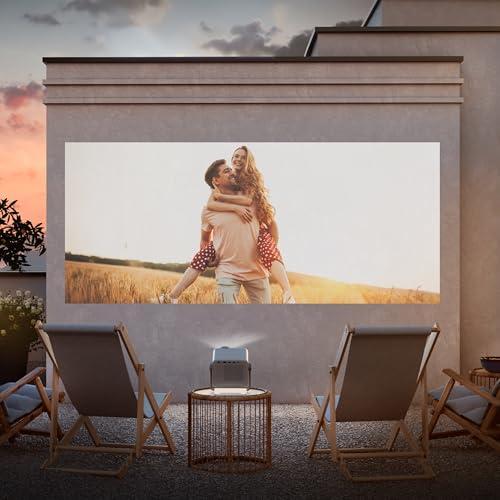
Both projectors can be used outdoors, but with different requirements. The Hisense M2 Pro is more portable for outdoor events but needs evening or shaded conditions due to lower brightness. The JMGO N1S Ultimate can handle brighter outdoor conditions but is heavier to transport.
The JMGO N1S Ultimate 4K Laser Projector runs Google TV with native Netflix support and access to the full Google Play Store. The Hisense M2 Pro uses VIDAA OS with major streaming services but has a more limited app ecosystem compared to the JMGO.
Both projectors work well for home theater, but serve different needs. The JMGO N1S Ultimate offers higher brightness and contrast for larger screens and varied lighting conditions. The Hisense M2 Pro provides excellent image processing and optical zoom but requires more controlled lighting for optimal home theater experience.
The JMGO N1S Ultimate 4K Laser Projector offers unique placement flexibility with its 360° gimbal design, allowing ceiling projection and angled setups. The Hisense M2 Pro provides optical zoom for distance flexibility and wall color adaptation but doesn't match the JMGO's gimbal versatility.
Both the Hisense M2 Pro 4K Triple Laser Portable Projector and JMGO N1S Ultimate feature laser light sources rated for 25,000+ hours of use, which translates to over 10 years of typical viewing without needing replacements.
Value depends on your needs. The Hisense M2 Pro offers exceptional value for portable use with advanced AI processing and optical zoom at a lower price point. The JMGO N1S Ultimate commands a premium but justifies it with significantly higher brightness and unique gimbal features for users who need those capabilities.
The JMGO N1S Ultimate 4K Laser Projector is better suited to replace a TV due to its higher brightness, comprehensive Google TV platform, and superior built-in audio system. The Hisense M2 Pro can replace a TV in controlled lighting environments but may require additional consideration for room lighting and audio setup.
We've done our best to create useful and informative comparisons to help you decide what product to buy. Our research uses advanced automated methods to create this comparison and perfection is not possible - please contact us for corrections or questions. These are the sites we've researched in the creation of this article: thegadgetflow.com - valueelectronics.com - youtube.com - projectorscreenstore.com - whathifi.com - hisense-usa.com - tomsguide.com - content.syndigo.com - youtube.com - shop.hisense-usa.com - avsforum.com - projectorscreen.com - projectorscreen.com - projectorcentral.com - avsforum.com - youtube.com - projector-database.com - projectorreviews.com - youtube.com - projectorcentral.com - tomsguide.com - global.jmgo.com - global.jmgo.com - projectorcentral.com - global.jmgo.com - youtube.com - vividstorm.us - youtube.com - global.jmgo.com - device.report - global.nothingprojector.com

Privacy Policy
Terms and Conditions - Affiliate Policy
Home Security
© Copyright 2008-2026.
11816 Inwood Rd #1211, Dallas, TX 75244