


The portable projector market has exploded in recent years, transforming from a niche gadget category into a legitimate alternative to traditional TVs. Whether you're setting up a backyard movie night, creating a temporary home theater, or bringing entertainment on camping trips, today's portable projectors offer impressive performance in surprisingly compact packages.
But here's where it gets tricky: not all portable projectors are created equal. Some prioritize ultimate image quality while sacrificing some convenience, while others focus on being as portable and user-friendly as possible. Today, we're comparing two projectors that represent these different philosophies perfectly: the Hisense M2 Pro 4K Triple Laser Portable Projector and the XGIMI MoGo 3 Pro Portable Projector.
Before diving into the specifics, let's establish what really matters in a portable projector. The most critical factors are image quality, brightness, portability, smart features, and overall value. Unlike traditional home theater projectors that sit permanently mounted to your ceiling, portable projectors need to balance performance with convenience.
Brightness is perhaps the most crucial specification – measured in lumens (the amount of light output). More lumens mean you can use the projector in brighter rooms and project larger images. Color accuracy, measured by how much of a specific color space the projector can display, determines how realistic and vibrant your content looks. Resolution obviously matters too, with 4K providing four times the detail of 1080p.
The smart platform – the built-in operating system that handles streaming apps – has become increasingly important as more people cut the cord from cable TV. Finally, portability isn't just about weight; it includes setup simplicity, power requirements, and how well the projector adapts to different environments.
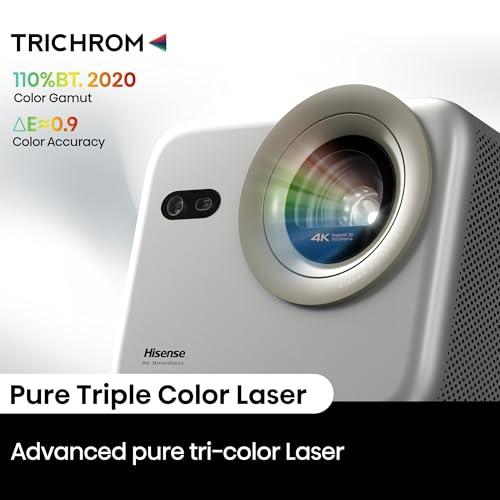
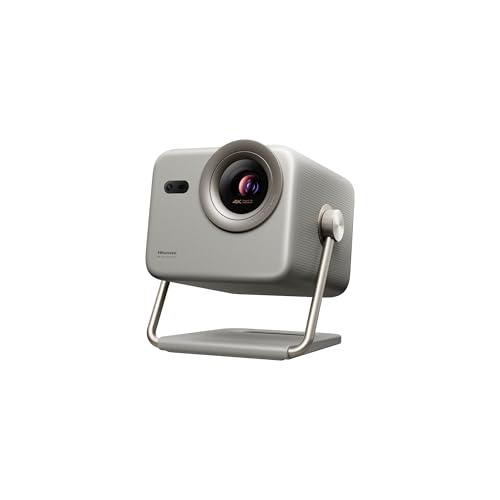
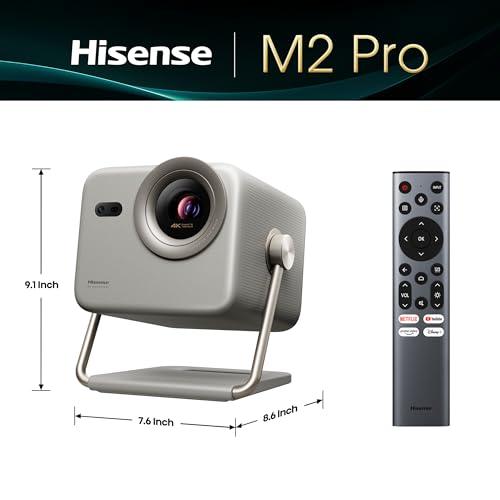
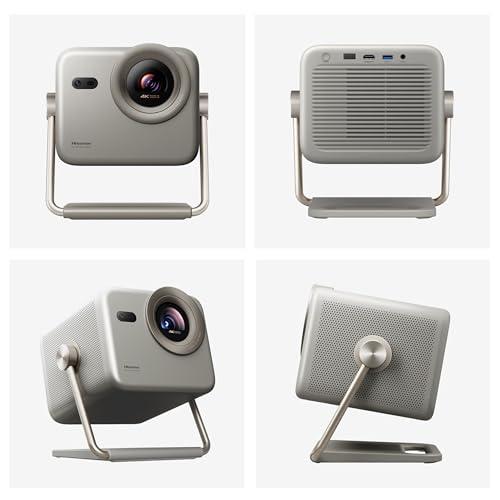
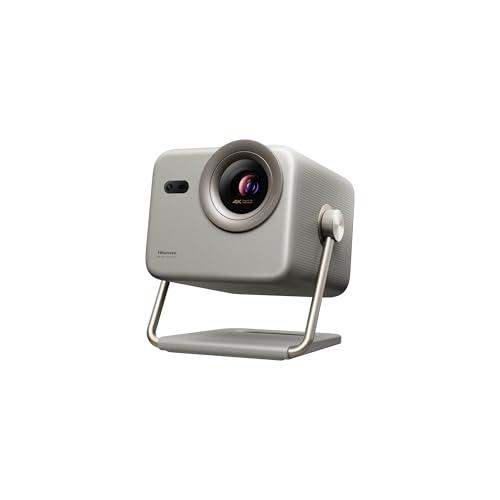
The Hisense M2 Pro, released in 2024, represents the "performance-first" approach to portable projection. At roughly 8.6 pounds, it's portable but substantial – think of it as a high-performance laptop rather than a tablet. Hisense packed professional-grade imaging technology into this projector, including their triple laser system that uses separate red, green, and blue lasers instead of the single white laser or LED found in most projectors.
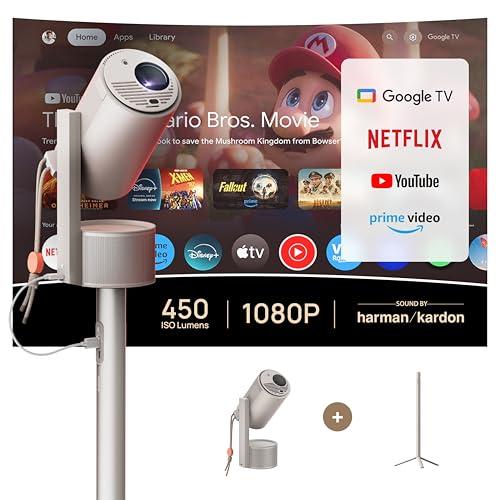
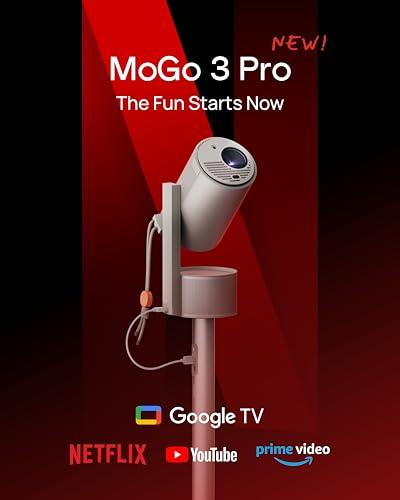
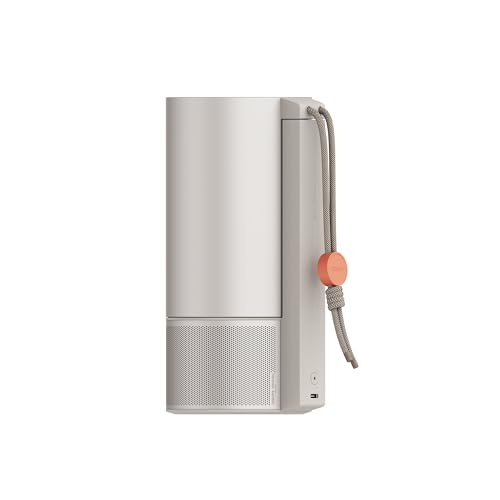
On the flip side, the XGIMI MoGo 3 Pro, also from 2024, embodies the "convenience-first" philosophy. Weighing just 2.4 pounds and roughly the size of a large coffee cup, it prioritizes ultimate portability and ease of use. XGIMI focused on creating something you could genuinely take anywhere without thinking twice about it.
Both approaches have merit, but they serve different users and use cases. Let's break down exactly what these differences mean in practice.
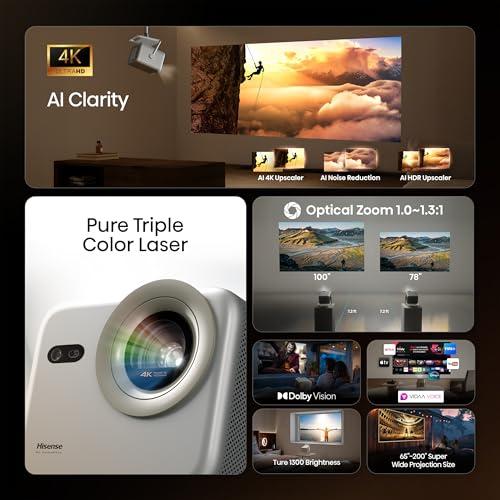
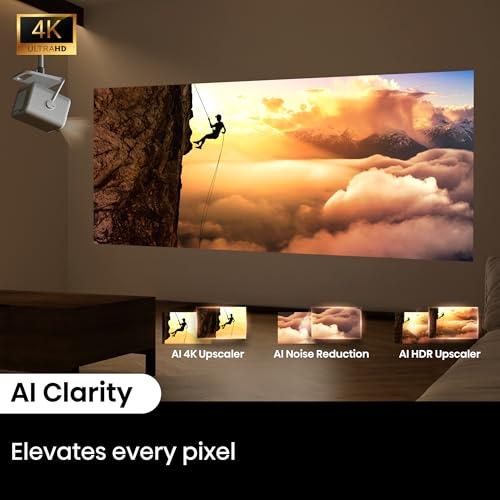
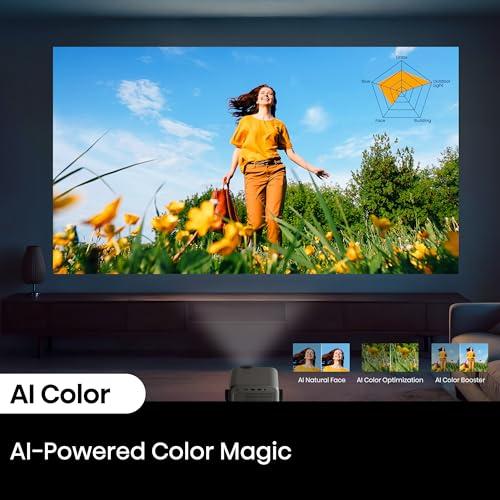
This is where the Hisense M2 Pro absolutely dominates. Its native 4K resolution (3840×2160) provides four times the pixel count of the MoGo 3 Pro's 1080p output. But the real magic happens with Hisense's triple laser technology.
Most projectors use either a single white laser or LED light source, which limits their color reproduction. The M2 Pro uses three separate lasers – one each for red, green, and blue – allowing it to cover 110% of the BT.2020 color space. To put this in perspective, BT.2020 is the standard for premium 4K content, and most consumer displays can only manage 70-80% coverage. This means the Hisense can display colors that literally don't exist on most TVs or projectors.
The XGIMI MoGo 3 Pro delivers respectable 1080p quality with 90% DCI-P3 color coverage – the same standard used in movie theaters. For a projector at its price point (significantly less expensive than the Hisense at the time of writing), this represents excellent value. The colors are vibrant and accurate enough for most content, and 1080p still looks sharp on screen sizes up to about 100 inches.
However, there's no getting around the resolution difference. If you're projecting larger images or sitting closer to the screen, the M2 Pro's 4K resolution provides noticeably sharper text, finer detail in textures, and overall superior clarity. This becomes especially apparent with high-quality 4K content from sources like Netflix, Apple TV+, or Ultra HD Blu-rays.
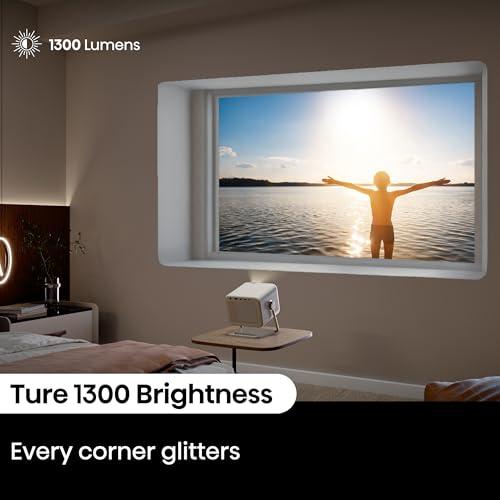
Brightness determines where and when you can actually use your projector. The Hisense M2 Pro outputs 1,300 ANSI lumens, while the MoGo 3 Pro manages around 450 ISO lumens (approximately 394 ANSI lumens in independent testing).
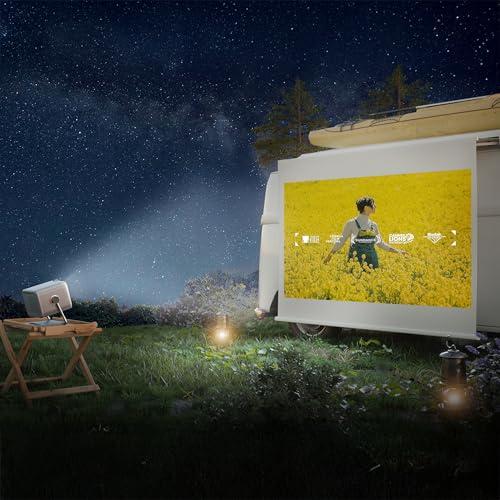
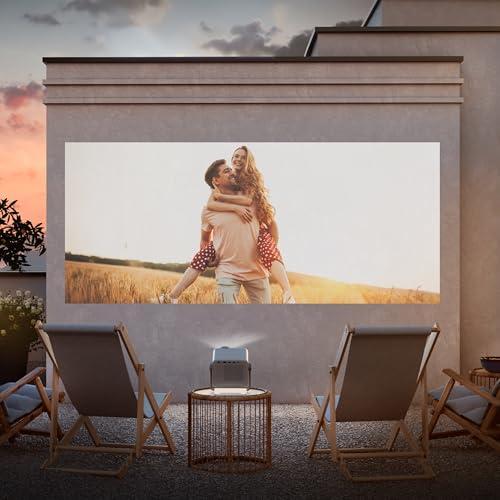
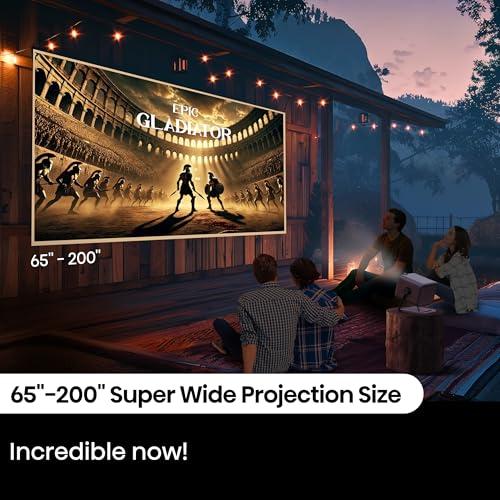
This isn't just a numbers game – it translates to real-world usability differences. The Hisense can produce watchable images even with moderate ambient lighting, like during evening hours with some lamps on. You can comfortably project up to 200 inches and still maintain good brightness levels.
The XGIMI, while bright for its size, really shines (pun intended) in darker environments. It's perfect for nighttime movie sessions, but struggles in rooms with significant ambient light. The sweet spot for screen size is between 60-120 inches – larger than that and the image starts looking dim.
From our research into user experiences, the brightness difference becomes most apparent during family movie nights or when entertaining guests. The M2 Pro gives you flexibility to start a movie before fully darkening the room, while the MoGo 3 Pro requires more planning around lighting conditions.
Gaming on projectors has become increasingly popular, especially for large-screen experiences that no TV can match affordably. Here, the Hisense M2 Pro takes gaming seriously with 12ms input lag and a 240Hz refresh rate.
Input lag is the delay between pressing a button and seeing the action on screen. Anything under 20ms is considered excellent for gaming, and 12ms puts the M2 Pro in competitive gaming territory. The 240Hz refresh rate means it can display up to 240 frames per second – crucial for competitive gaming where every millisecond matters.
The XGIMI MoGo 3 Pro offers respectable gaming performance for casual play, with input lag ranging from 27-60ms depending on settings. This is fine for single-player adventures or party games, but competitive online gaming might feel sluggish.
If you're planning to use your projector for serious gaming sessions – think first-person shooters, racing games, or any competitive online gaming – the Hisense is the clear choice. For casual gaming and family-friendly titles, the XGIMI performs adequately.
Both projectors recognize that modern users want built-in streaming without additional devices. The XGIMI MoGo 3 Pro takes a significant lead here with full Google TV integration, including licensed Netflix – a rarity in the projector world that eliminates the need for workarounds or sideloading apps.
Google TV provides access to over 10,000 apps through the Google Play Store, plus 800+ free channels. The interface is smooth, familiar to Android users, and includes Google Assistant for voice control. You can also cast content directly from your phone using Chromecast built-in.
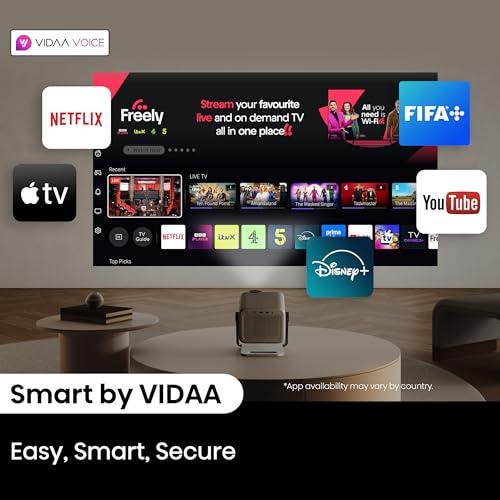
The Hisense M2 Pro uses VIDAA OS, which covers the major streaming services (Netflix, YouTube, Disney+, Amazon Prime Video) but isn't as comprehensive as Google TV. The interface is responsive and well-designed, but you might occasionally need external devices for more obscure streaming services.
For most users, both platforms handle the essential streaming needs perfectly well. The XGIMI edges ahead for tech enthusiasts who want maximum app compatibility and smart home integration.
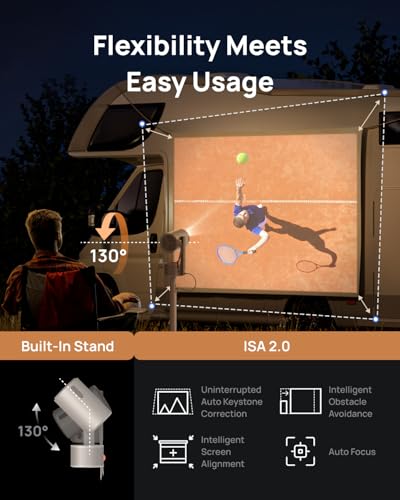
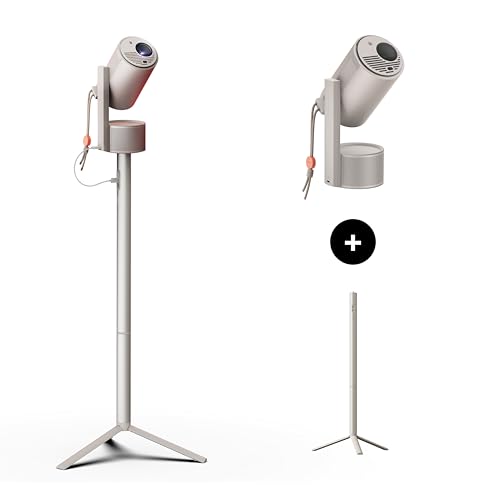
This is where the fundamental design philosophies become most apparent. The XGIMI MoGo 3 Pro weighs 2.4 pounds and fits in a small backpack corner. Its integrated 130-degree adjustable stand means you can set it up almost anywhere without additional accessories. The compact design makes it genuinely travel-friendly – you could easily pack it for vacation or business trips.
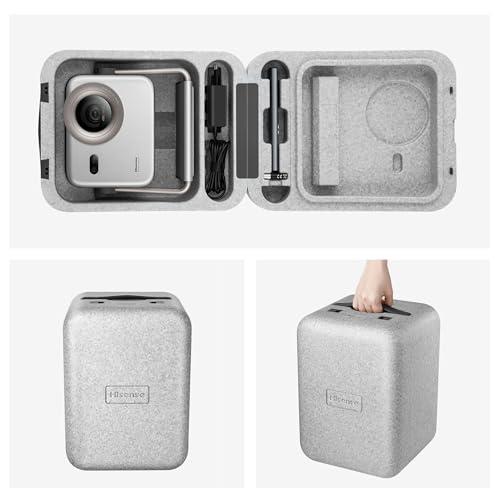
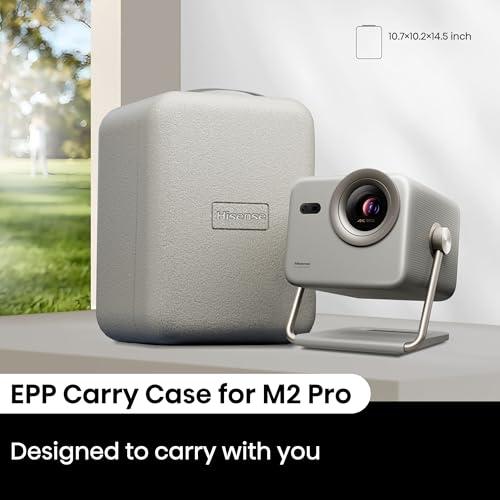
The Hisense M2 Pro at 8.6 pounds requires more commitment. It's portable in the sense that you can move it between rooms or take it to friends' houses, but it's not something you'd casually toss in a carry-on bag. However, it includes a gimbal design that allows 360-degree adjustment, making it incredibly flexible for unusual projection angles.
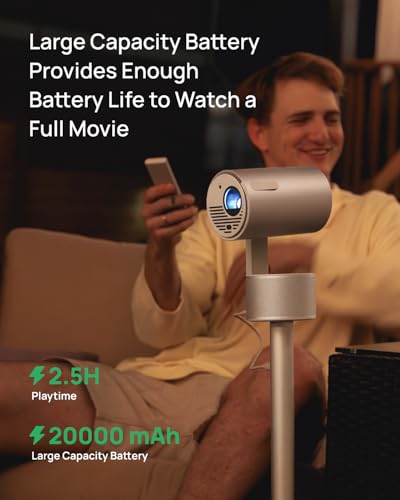
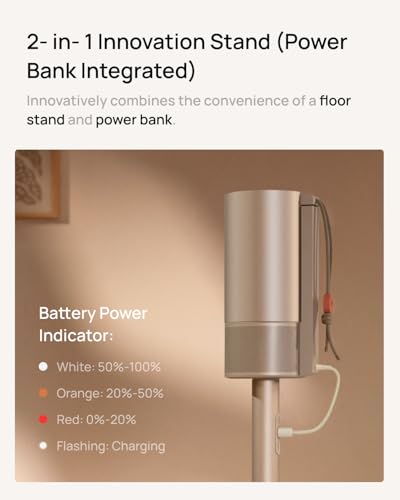
Power requirements also differ significantly. The MoGo 3 Pro can run off USB-C power delivery, meaning you could potentially power it from a high-capacity power bank (though at reduced brightness). The M2 Pro requires traditional AC power, limiting its truly portable applications.
Both projectors take audio seriously, understanding that built-in speakers can eliminate the need for external sound systems in many scenarios. The Hisense M2 Pro features a 20-watt stereo system with Dolby Audio and DTS Virtual:X processing, delivering room-filling sound that's genuinely impressive for a portable device.
The XGIMI MoGo 3 Pro includes dual 5-watt Harman Kardon speakers – smaller but well-tuned. It also offers a unique Ambient Light Mode that transforms the projector into a Bluetooth speaker with customizable lighting effects, perfect for background music during parties or relaxation.
For home theater use, the Hisense provides more powerful, immersive audio that can handle action movies and gaming without feeling overwhelmed. The XGIMI offers adequate sound for its size and adds the versatility of doubling as a smart speaker.
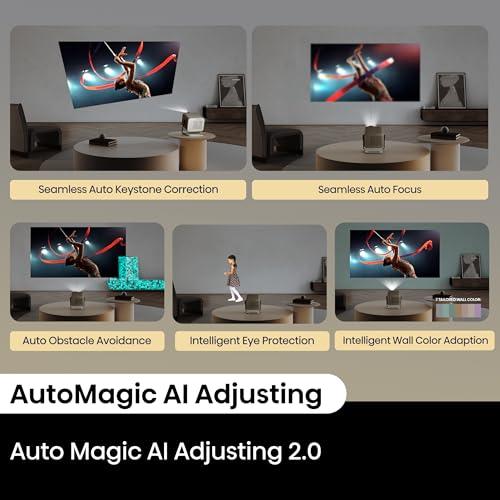
Modern portable projectors have largely solved the setup headaches that plagued earlier generations. Both models feature automatic keystone correction (fixing the trapezoid effect when projecting at angles) and autofocus systems.
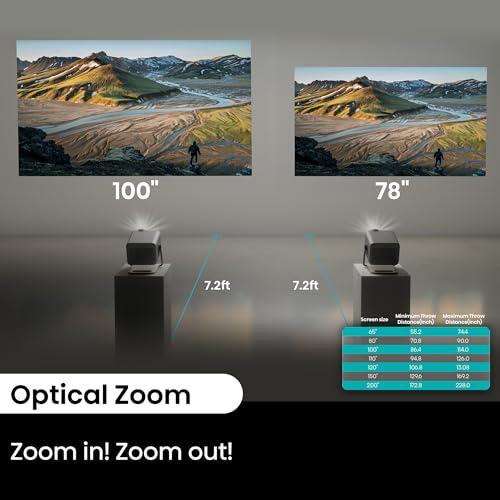
The Hisense M2 Pro includes intelligent wall color adaptation, automatically adjusting colors when projecting onto non-white surfaces – surprisingly useful for real-world setups. Its optical zoom (1.0-1.3x) lets you adjust image size without moving the projector, maintaining 4K sharpness throughout the zoom range.
The XGIMI MoGo 3 Pro features ISA 2.0 (Intelligent Screen Adaptation), which goes beyond basic keystone correction to avoid obstacles like wall sockets or picture frames, automatically resizing and repositioning the image. This makes setup almost foolproof, even in challenging environments.
Both systems work well, but the XGIMI edges ahead for sheer convenience, while the Hisense offers more precision and control.
At the time of writing, the Hisense M2 Pro commands a premium price reflecting its advanced technology and 4K capabilities. The triple laser system, 4K resolution, and gaming-focused features justify the higher cost for users who prioritize image quality and versatility.
The XGIMI MoGo 3 Pro represents exceptional value in the portable projector space, offering impressive 1080p quality, comprehensive smart features, and ultimate portability at a significantly lower price point.
Long-term value considerations include lamp life (both use LED/laser sources rated for 25,000+ hours), software update support, and whether your needs might evolve over time. The M2 Pro's 4K capability provides future-proofing as more 4K content becomes available, while the MoGo 3 Pro's portability ensures it remains useful even if you eventually add a larger display to your setup.
The Hisense M2 Pro makes sense for users who want the best possible image quality in a portable form factor. It's ideal for serious home theater enthusiasts who plan to use the projector primarily in one or two locations, gamers who demand low input lag, and anyone who regularly watches high-quality 4K content. The higher investment pays off if image quality is your top priority.
The XGIMI MoGo 3 Pro excels for users who prioritize convenience and versatility. It's perfect for frequent travelers, outdoor movie enthusiasts, renters who move frequently, and casual viewers who want good quality without the premium price. Its true portability and comprehensive smart features make it incredibly versatile.
These projectors succeed at their intended purposes but serve different audiences. The Hisense M2 Pro is a home theater projector that happens to be portable, while the XGIMI MoGo 3 Pro is a portable entertainment device that delivers surprisingly good image quality.
If you value ultimate image quality and have the budget for it, the M2 Pro provides an experience closer to traditional home theater projectors. If you prioritize convenience, value, and versatility, the MoGo 3 Pro offers tremendous capability in an incredibly portable package.
The beauty of the current portable projector market is that both approaches deliver genuinely impressive experiences – you really can't go wrong with either choice, as long as you understand which philosophy aligns with your priorities and usage patterns.
| Hisense M2 Pro 4K Triple Laser Portable Projector | XGIMI MoGo 3 Pro Portable Projector |
|---|---|
| Resolution - Higher resolution means sharper details and better text clarity | |
| Native 4K UHD (3840×2160) with 2.07 million micromirrors | Native 1080p (1920×1080) |
| Brightness - Critical for daytime viewing and larger screen sizes | |
| 1,300 ANSI lumens (excellent for moderate ambient light) | 450 ISO lumens (~394 ANSI lumens measured) |
| Color Technology - Determines color accuracy and vibrancy | |
| Triple laser (R+G+B) covering 110% BT.2020 color space | LED light source covering 90% DCI-P3 color space |
| Weight & Portability - How easy it is to move and travel with | |
| 8.6 lbs (3.9kg) - portable but substantial | 2.4 lbs (1.1kg) - ultra-portable, coffee cup size |
| Gaming Performance - Input lag and refresh rate for responsive gaming | |
| 12ms input lag, 240Hz refresh rate (competitive gaming ready) | 27-60ms input lag, 60Hz (casual gaming only) |
| Smart Platform - Built-in streaming capabilities and app selection | |
| VIDAA OS with major streaming apps | Google TV with 10,000+ apps and licensed Netflix |
| Audio System - Built-in speaker quality for room-filling sound | |
| 20W stereo (2×10W) with Dolby Audio, DTS Virtual:X | Dual 5W Harman Kardon with Bluetooth speaker mode |
| Screen Size Range - Maximum projection capabilities | |
| 65" to 200" optimal viewing | 40" to 200" (best 60-120") |
| Power Requirements - Flexibility for portable use | |
| AC power required (100W consumption) | USB-C PD 65W (power bank compatible with reduced brightness) |
| Setup Features - Automatic adjustments for easy installation | |
| Auto keystone, auto focus, wall color adaptation, 360° gimbal | ISA 2.0 with obstacle avoidance, 130° adjustable stand |
| HDR Support - Enhanced contrast and dynamic range | |
| Dolby Vision, HDR10, HLG, HDR10+ decoding | HDR10 support |
| Optical Zoom - Adjust image size without moving projector | |
| 1.0-1.3:1 optical zoom (maintains 4K quality) | Digital zoom only (reduces image quality) |
The Hisense M2 Pro 4K Triple Laser Portable Projector delivers superior image quality with native 4K resolution and triple laser technology. It provides four times the pixel count of the XGIMI MoGo 3 Pro Portable Projector, which offers 1080p resolution. The Hisense M2 Pro also covers 110% of the BT.2020 color space compared to the MoGo 3 Pro's 90% DCI-P3 coverage, resulting in more vibrant and accurate colors.
The Hisense M2 Pro is significantly brighter at 1,300 ANSI lumens, making it suitable for moderately lit rooms and daytime viewing. The XGIMI MoGo 3 Pro outputs approximately 394 ANSI lumens, which is best for dark environments and nighttime use. For versatile viewing conditions, the Hisense M2 Pro provides better performance.
The XGIMI MoGo 3 Pro Portable Projector is much more portable at 2.4 pounds and coffee cup size, making it ideal for travel and outdoor use. The Hisense M2 Pro weighs 8.6 pounds and is better suited for semi-permanent setups or occasional room-to-room movement. For true portability, the MoGo 3 Pro is the clear winner.
The Hisense M2 Pro 4K Triple Laser Portable Projector excels for gaming with 12ms input lag and 240Hz refresh rate, making it suitable for competitive gaming. The XGIMI MoGo 3 Pro has 27-60ms input lag and 60Hz refresh rate, which is adequate for casual gaming but not ideal for fast-paced or competitive games.
The XGIMI MoGo 3 Pro Portable Projector offers superior smart features with Google TV and licensed Netflix access, plus over 10,000 apps. The Hisense M2 Pro uses VIDAA OS with major streaming services but has fewer app options. For comprehensive streaming capabilities, the MoGo 3 Pro provides better smart functionality.
The XGIMI MoGo 3 Pro can run on USB-C power from compatible power banks, though at reduced brightness. The Hisense M2 Pro 4K Triple Laser Portable Projector requires AC power and cannot operate on battery power. For off-grid use and true wireless operation, the MoGo 3 Pro offers more flexibility.
The Hisense M2 Pro is better suited for home theater applications with its 4K resolution, higher brightness, superior color accuracy, and more powerful 20W audio system. While the XGIMI MoGo 3 Pro can create an enjoyable viewing experience, the M2 Pro's professional-grade features make it the superior choice for dedicated home theater setups.
The Hisense M2 Pro 4K Triple Laser Portable Projector features a more powerful 20W stereo system with Dolby Audio and DTS Virtual:X processing. The XGIMI MoGo 3 Pro has dual 5W Harman Kardon speakers that are well-tuned for their size and can function as a Bluetooth speaker. For room-filling audio, the Hisense M2 Pro provides better sound quality.
Value depends on your priorities. The XGIMI MoGo 3 Pro Portable Projector offers excellent value for users prioritizing portability and smart features at a lower price point. The Hisense M2 Pro provides premium value for those who want 4K quality and professional features. The MoGo 3 Pro is better for budget-conscious buyers, while the M2 Pro justifies its higher cost with superior performance.
The Hisense M2 Pro can effectively project from 65" to 200" with excellent brightness and clarity throughout this range. The XGIMI MoGo 3 Pro Portable Projector works from 40" to 200" but performs best between 60-120" due to brightness limitations. For larger home theater screens, the M2 Pro maintains better image quality.
Both projectors offer automatic setup features, but the XGIMI MoGo 3 Pro has a slight edge with its ISA 2.0 system that includes obstacle avoidance and a built-in adjustable stand. The Hisense M2 Pro 4K Triple Laser Portable Projector features auto keystone correction and wall color adaptation. For foolproof setup, the MoGo 3 Pro is more user-friendly.
Both the Hisense M2 Pro and XGIMI MoGo 3 Pro use long-lasting light sources rated for 25,000+ hours of operation, which translates to many years of regular use. The M2 Pro's triple laser system and the MoGo 3 Pro's LED technology are both designed for longevity with minimal maintenance required over their lifespan.
We've done our best to create useful and informative comparisons to help you decide what product to buy. Our research uses advanced automated methods to create this comparison and perfection is not possible - please contact us for corrections or questions. These are the sites we've researched in the creation of this article: thegadgetflow.com - valueelectronics.com - youtube.com - projectorscreenstore.com - whathifi.com - hisense-usa.com - tomsguide.com - content.syndigo.com - youtube.com - shop.hisense-usa.com - avsforum.com - projectorscreen.com - projectorscreen.com - projectorcentral.com - avsforum.com - youtube.com - projector-database.com - projectorcentral.com - techradar.com - androidcentral.com - tvsbook.com - techradar.com - thesmarthomehookup.com - whathifi.com - youtube.com - youtube.com - projectorcentral.com - projectorcentral.com - youtube.com - global.xgimi.com - us.xgimi.com - youtube.com - us.xgimi.com - us.xgimi.com

Privacy Policy
Terms and Conditions - Affiliate Policy
Home Security
© Copyright 2008-2026.
11816 Inwood Rd #1211, Dallas, TX 75244