


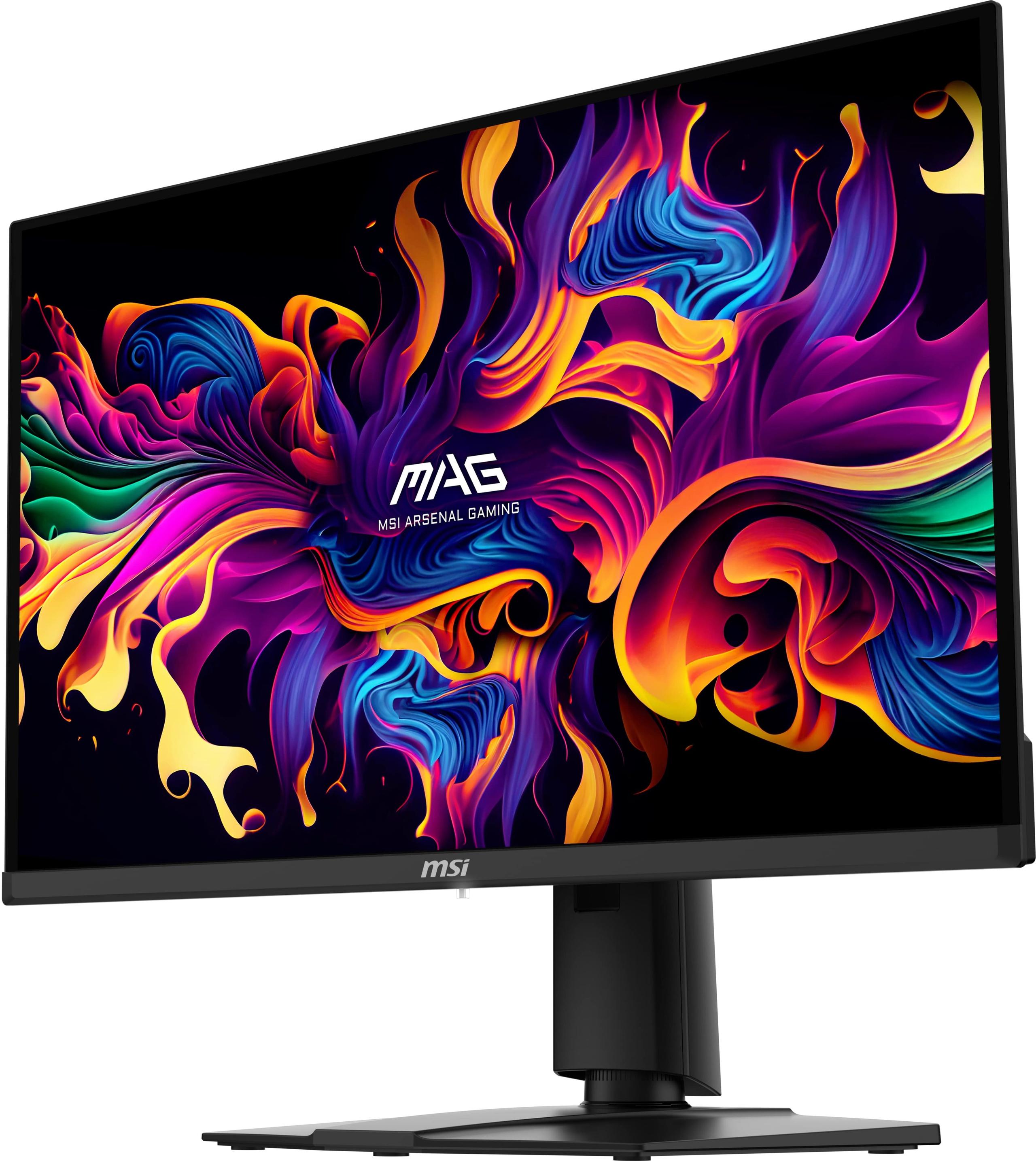
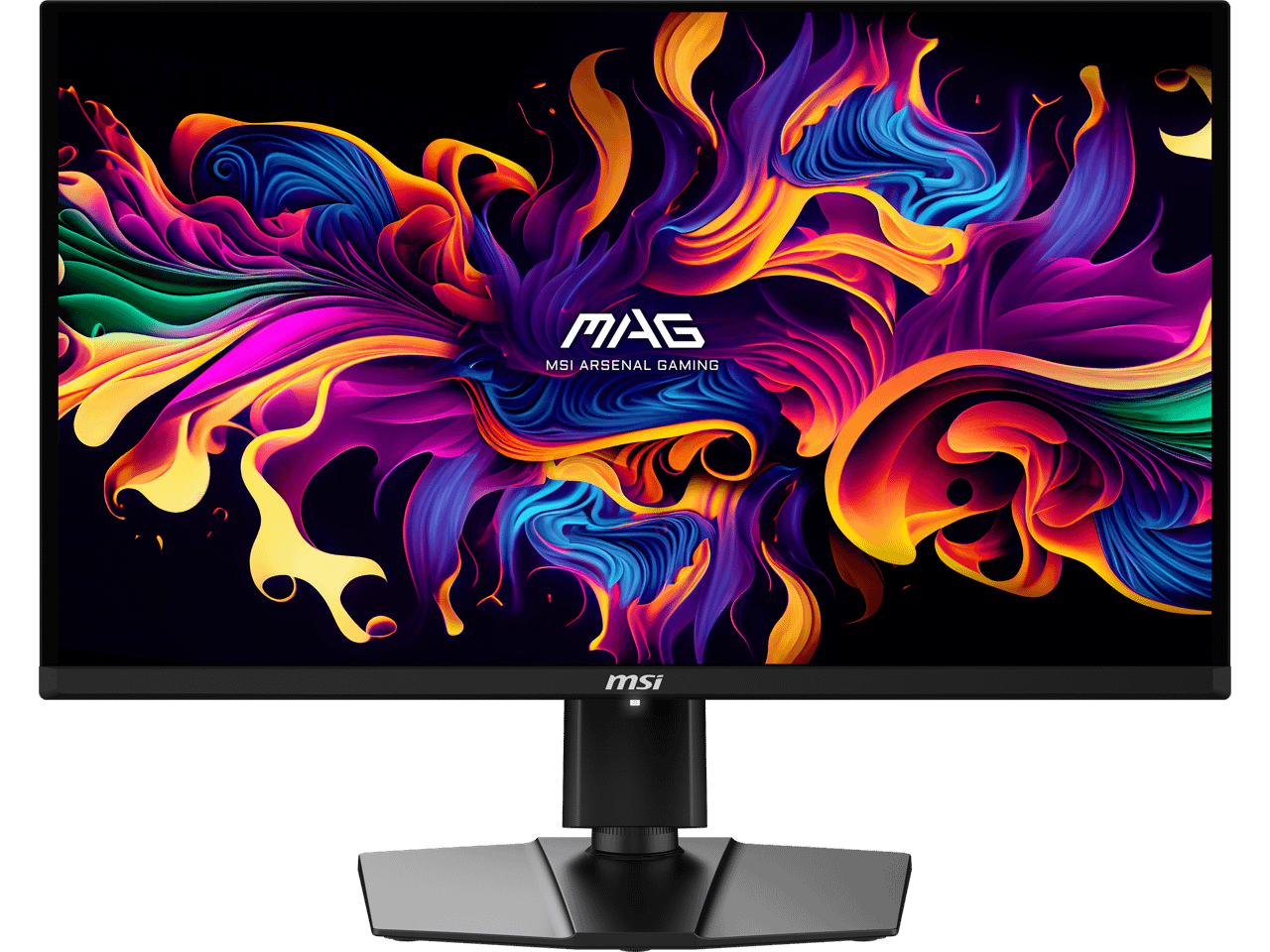
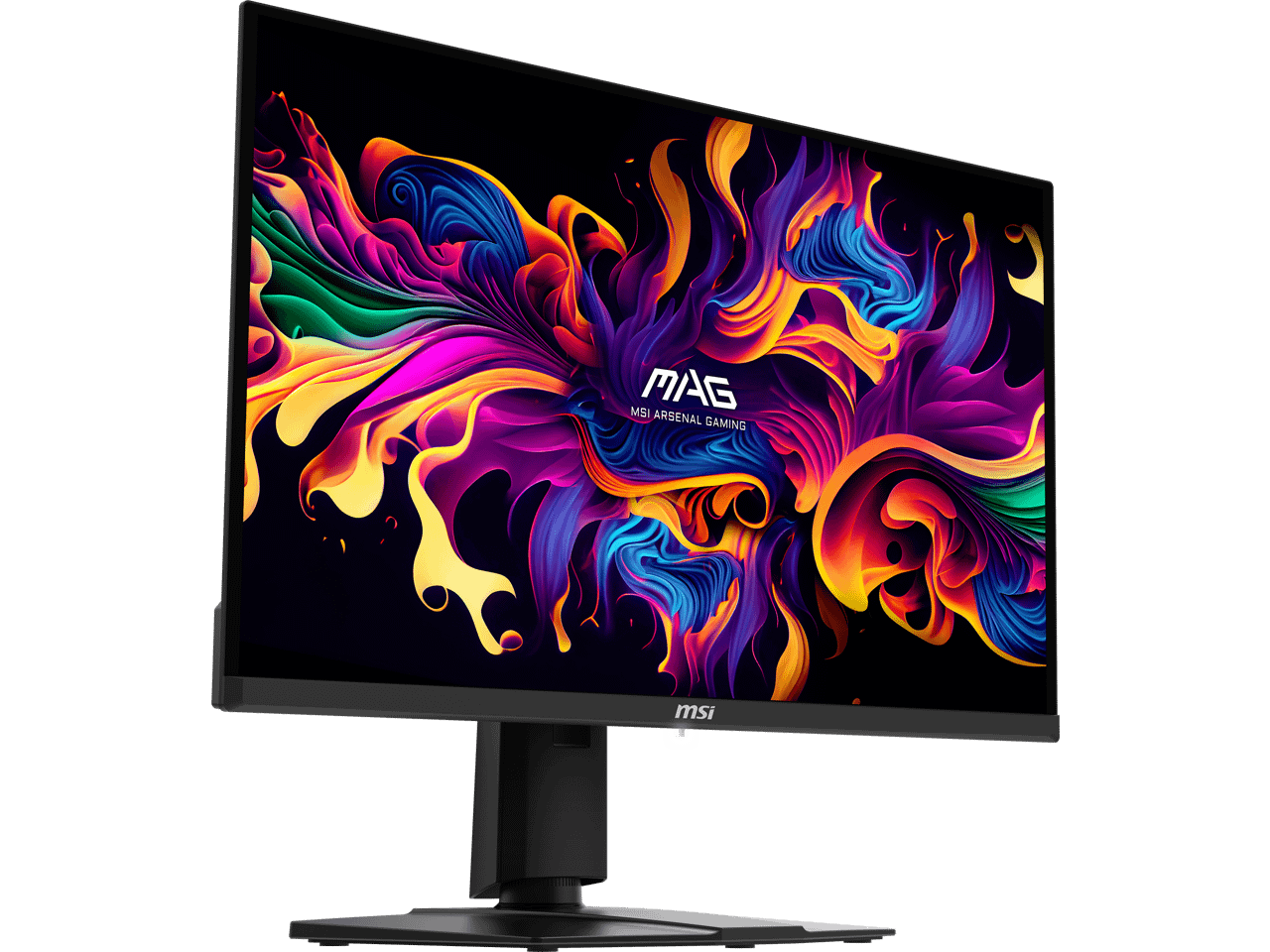
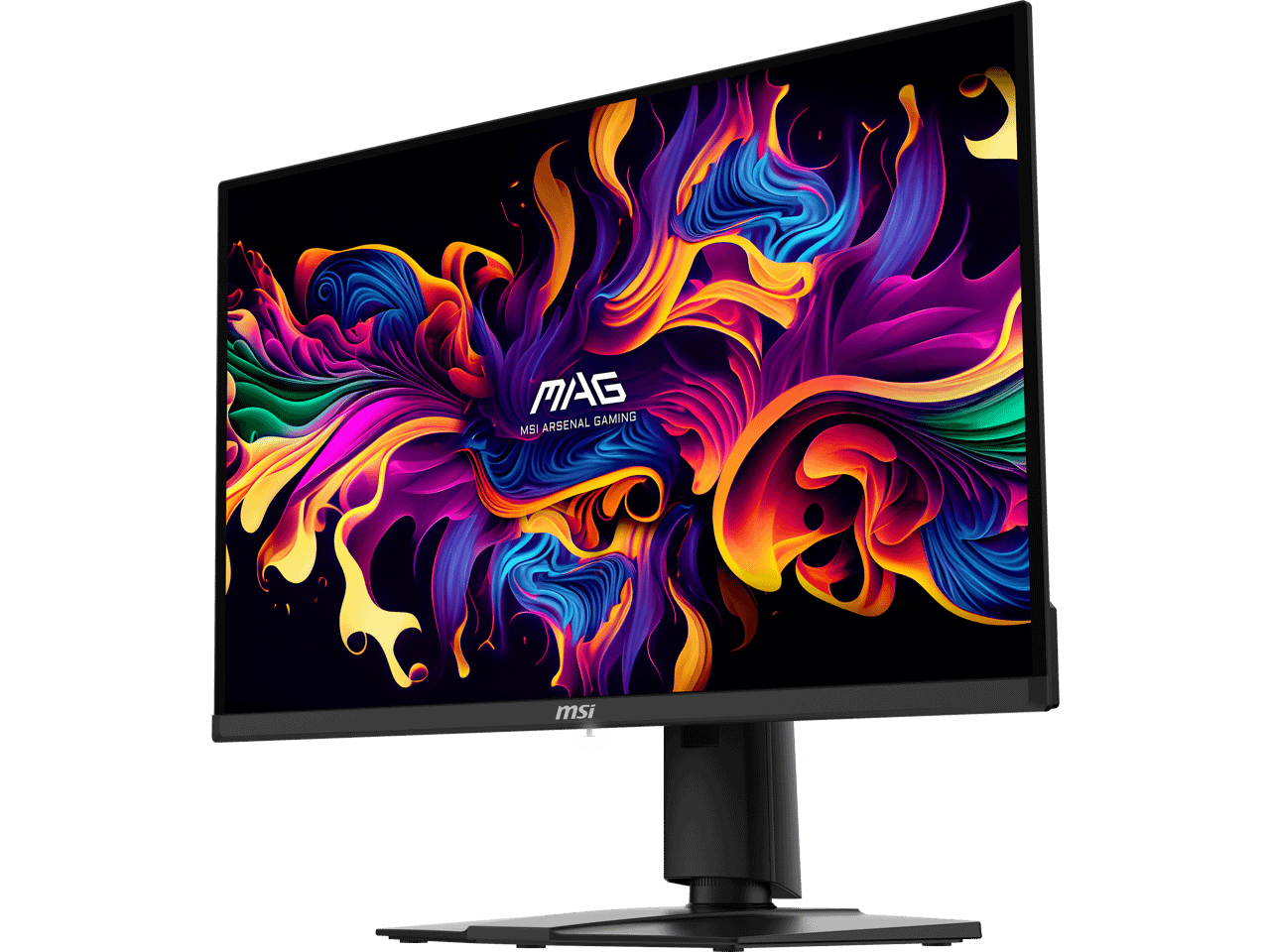


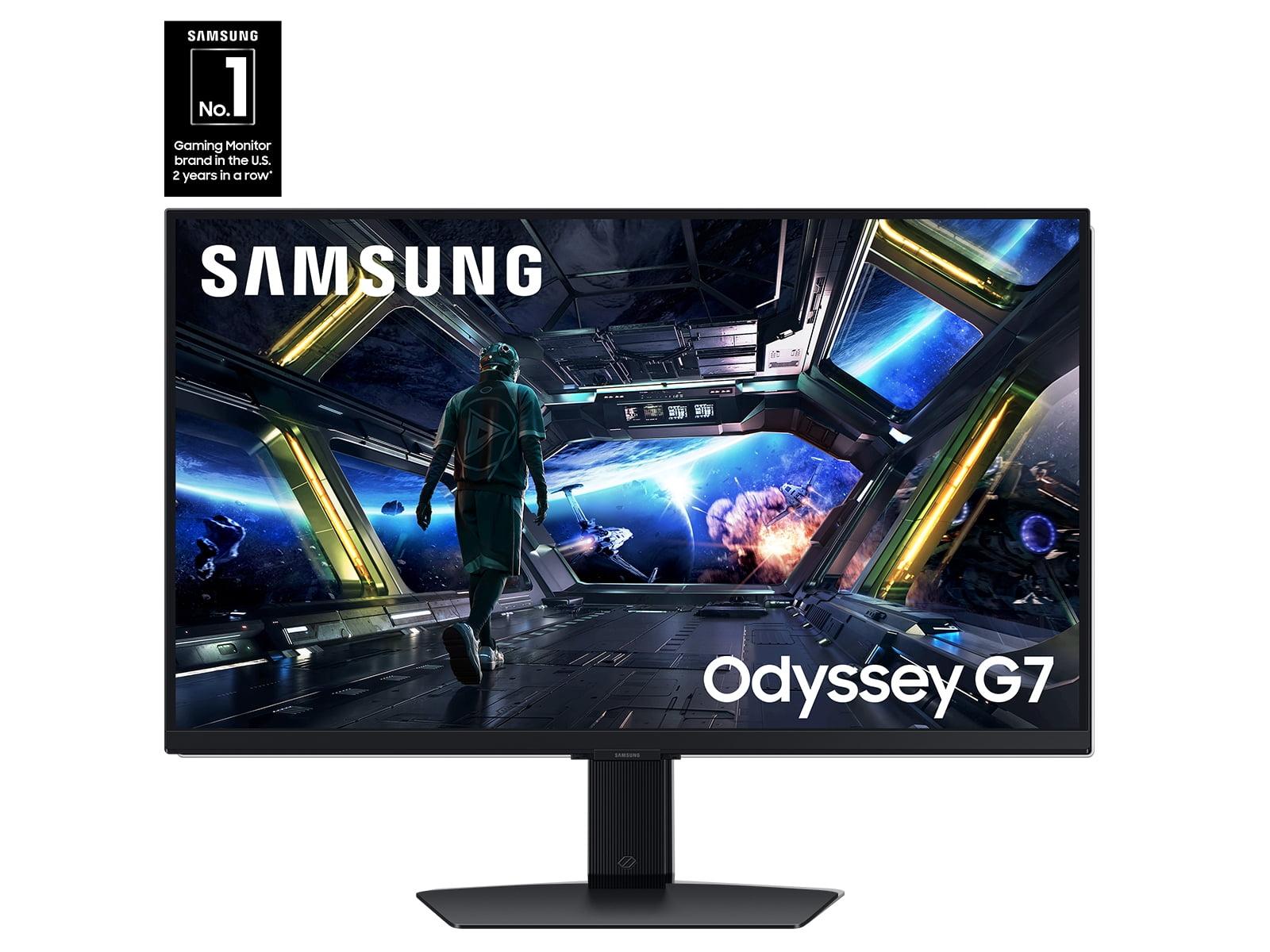
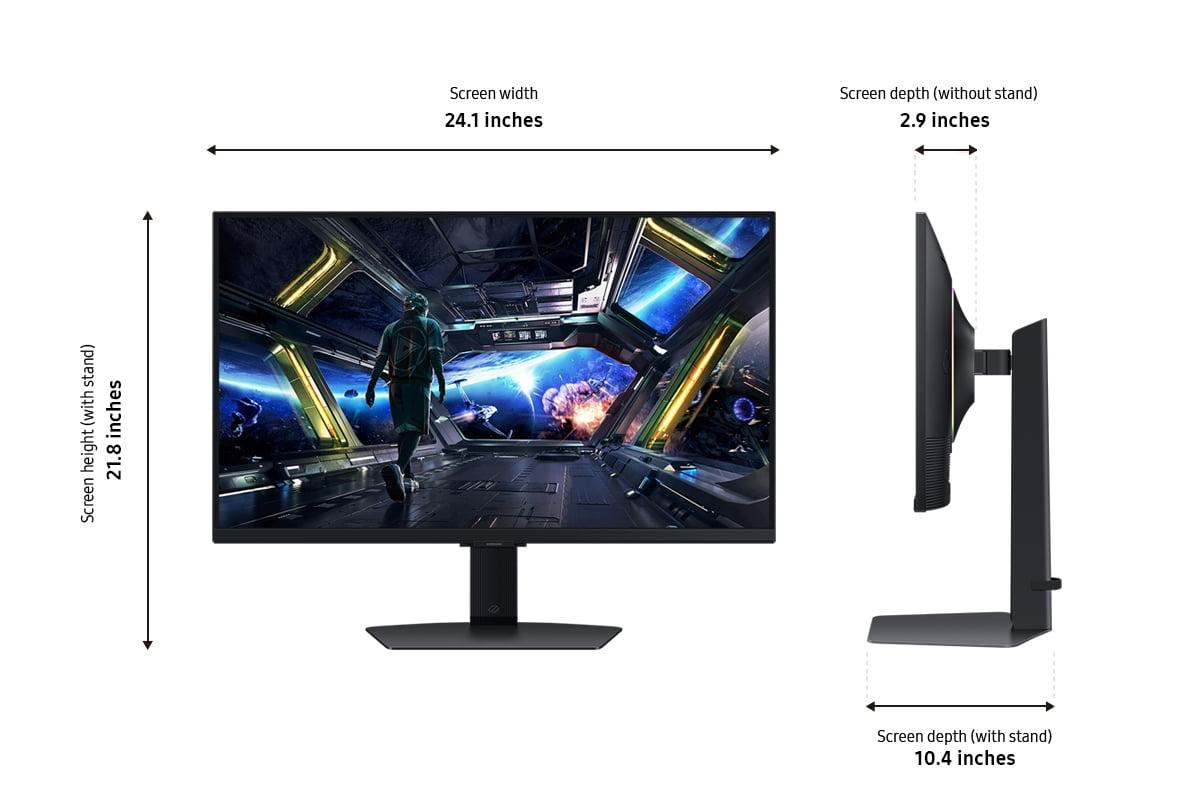
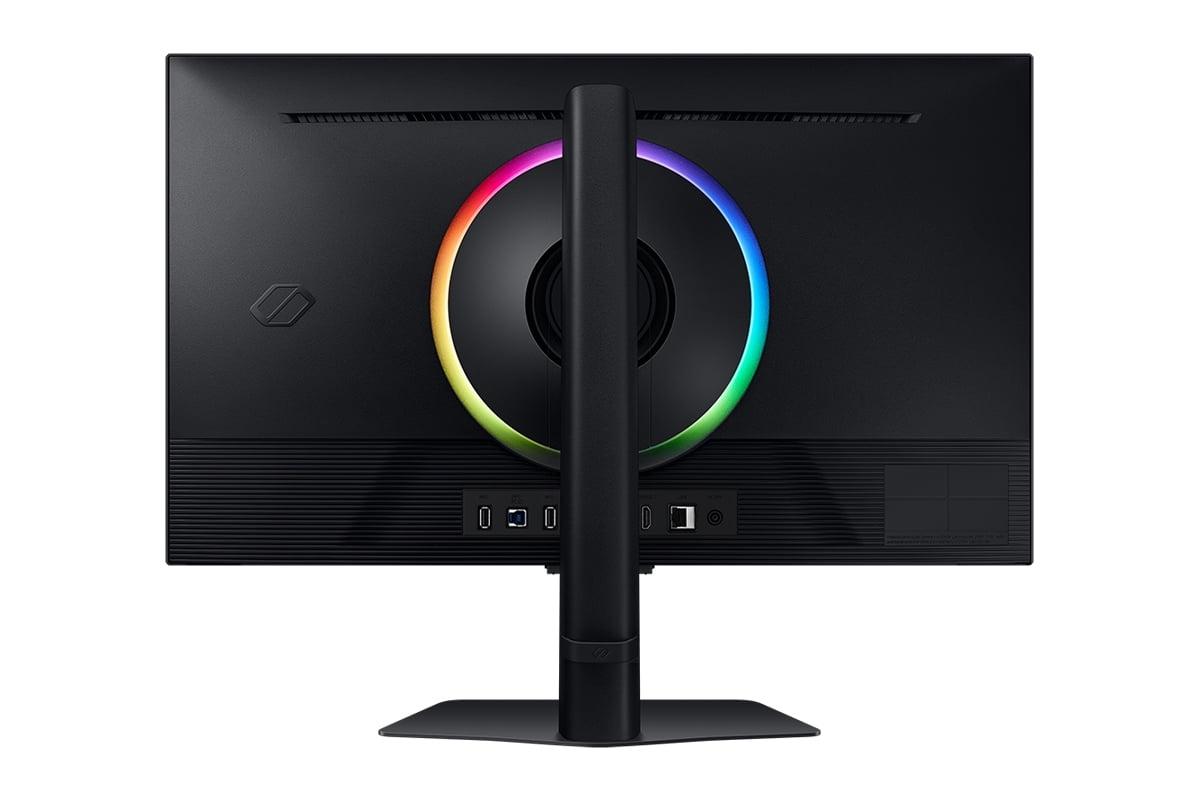
When you're shopping for a gaming monitor in 2025, you're looking at what might be the most exciting time in display technology history. Two monitors perfectly capture this moment: the MSI MAG 271QP QD-OLED X24 and the Samsung Odyssey G7 G70D. These represent fundamentally different approaches to gaming displays, and understanding their differences will help you make the right choice for your setup.
Gaming monitors aren't just regular displays with faster refresh rates anymore. They're specialized pieces of technology designed around specific priorities. The most important factors you'll encounter are panel technology (which determines how the display creates images), resolution versus refresh rate (the eternal gaming trade-off), and HDR performance (how realistic colors and lighting appear).
Panel technology is where things get interesting. Traditional LCD panels use backlights that shine through liquid crystal layers, while newer OLED panels have individual pixels that light themselves up. This fundamental difference affects everything from how deep black colors appear to how quickly the display can change what it's showing.
The resolution versus refresh rate debate has dominated gaming monitors for years. Higher resolution means sharper, more detailed images – think of it like having more dots per inch on your screen. Higher refresh rates mean smoother motion, with the display updating more frequently each second. Most gamers have to choose between these priorities because driving both simultaneously requires enormous processing power.
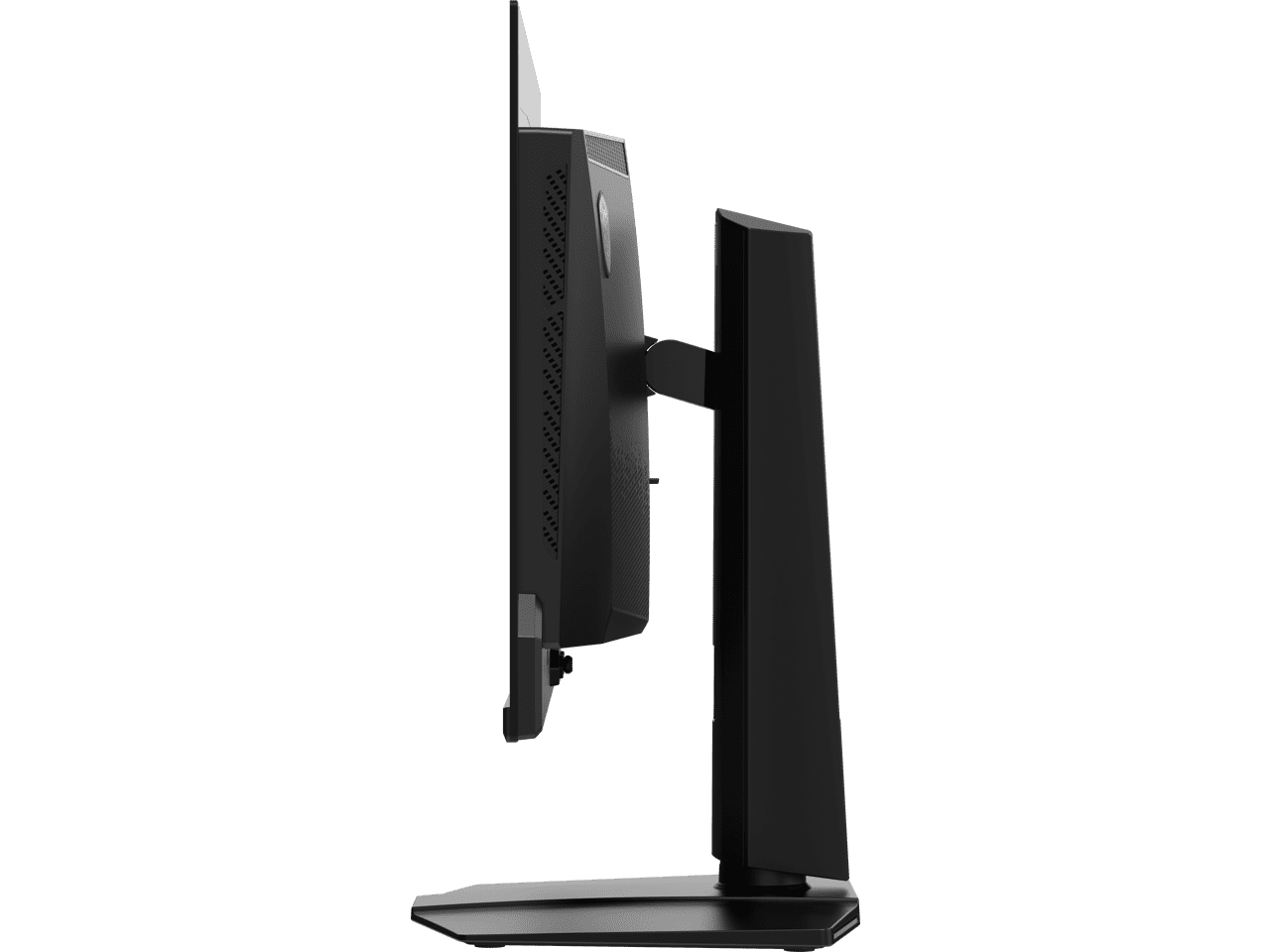
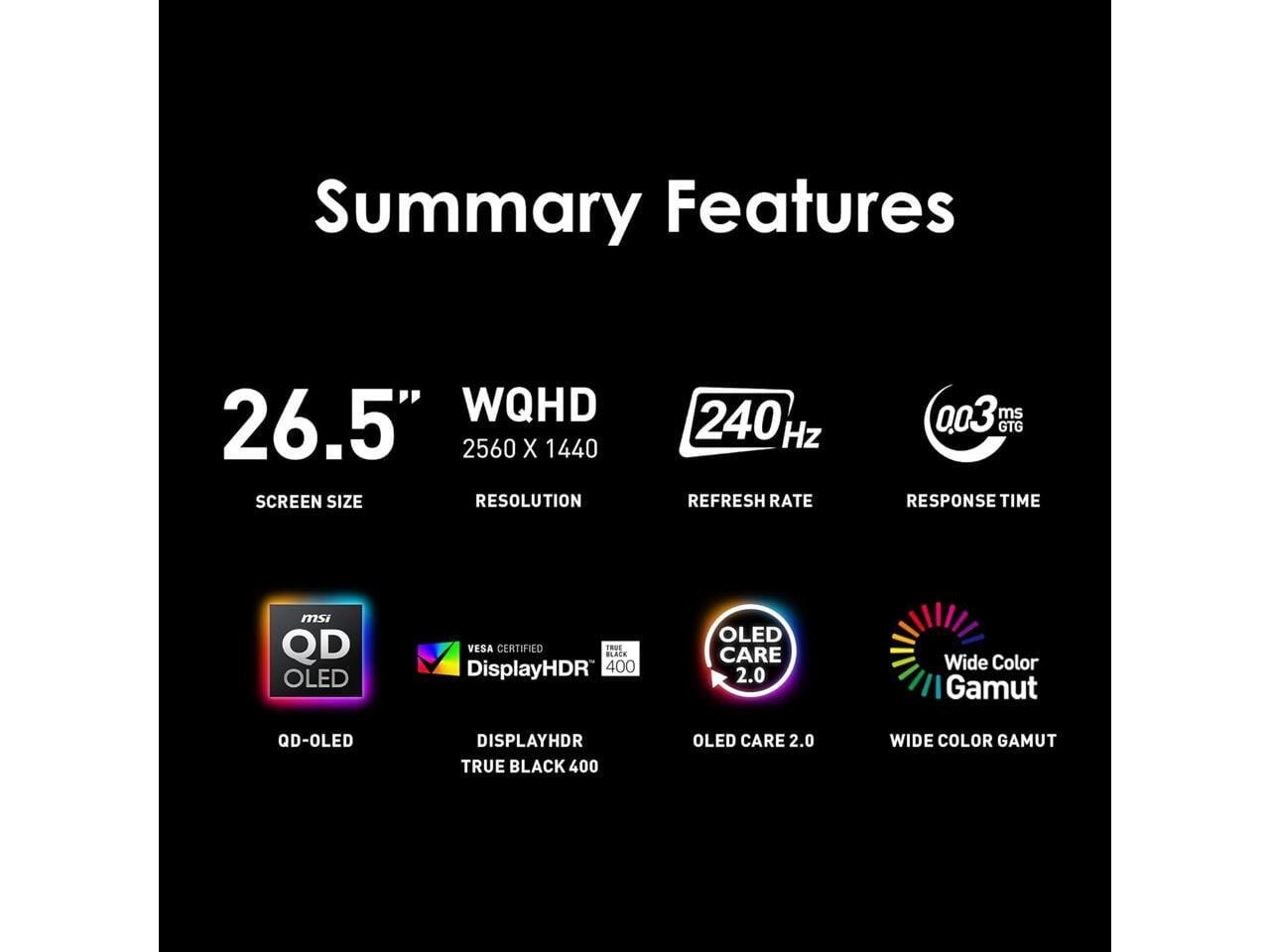
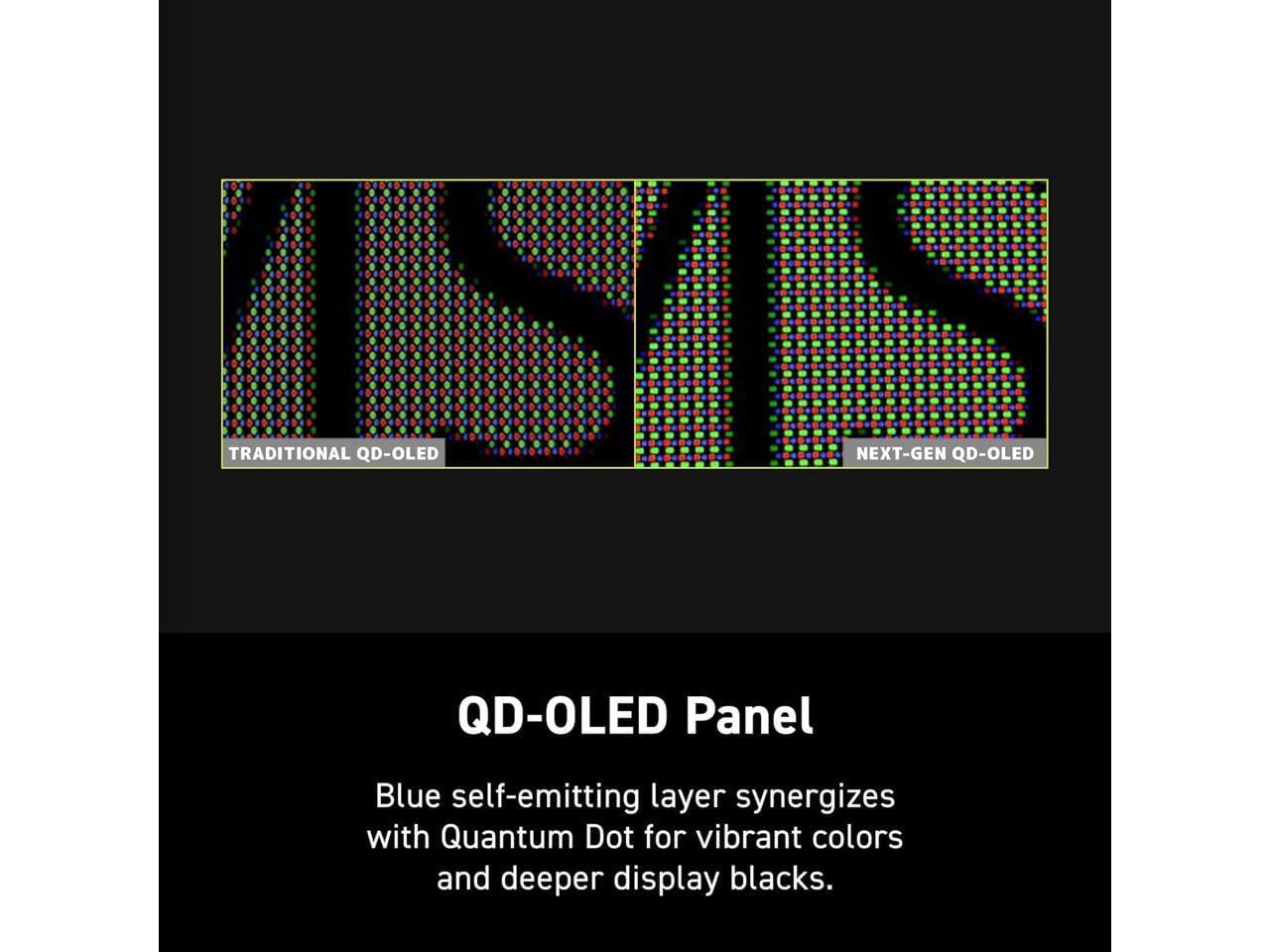
The MSI MAG 271QP QD-OLED X24, released in 2025, represents the cutting edge of display technology. It uses QD-OLED (Quantum Dot Organic Light-Emitting Diode) panels – a relatively new technology that combines the perfect blacks of OLED with enhanced color performance from quantum dots. These microscopic particles emit specific colors when hit with light, creating more accurate and vibrant colors than traditional displays.
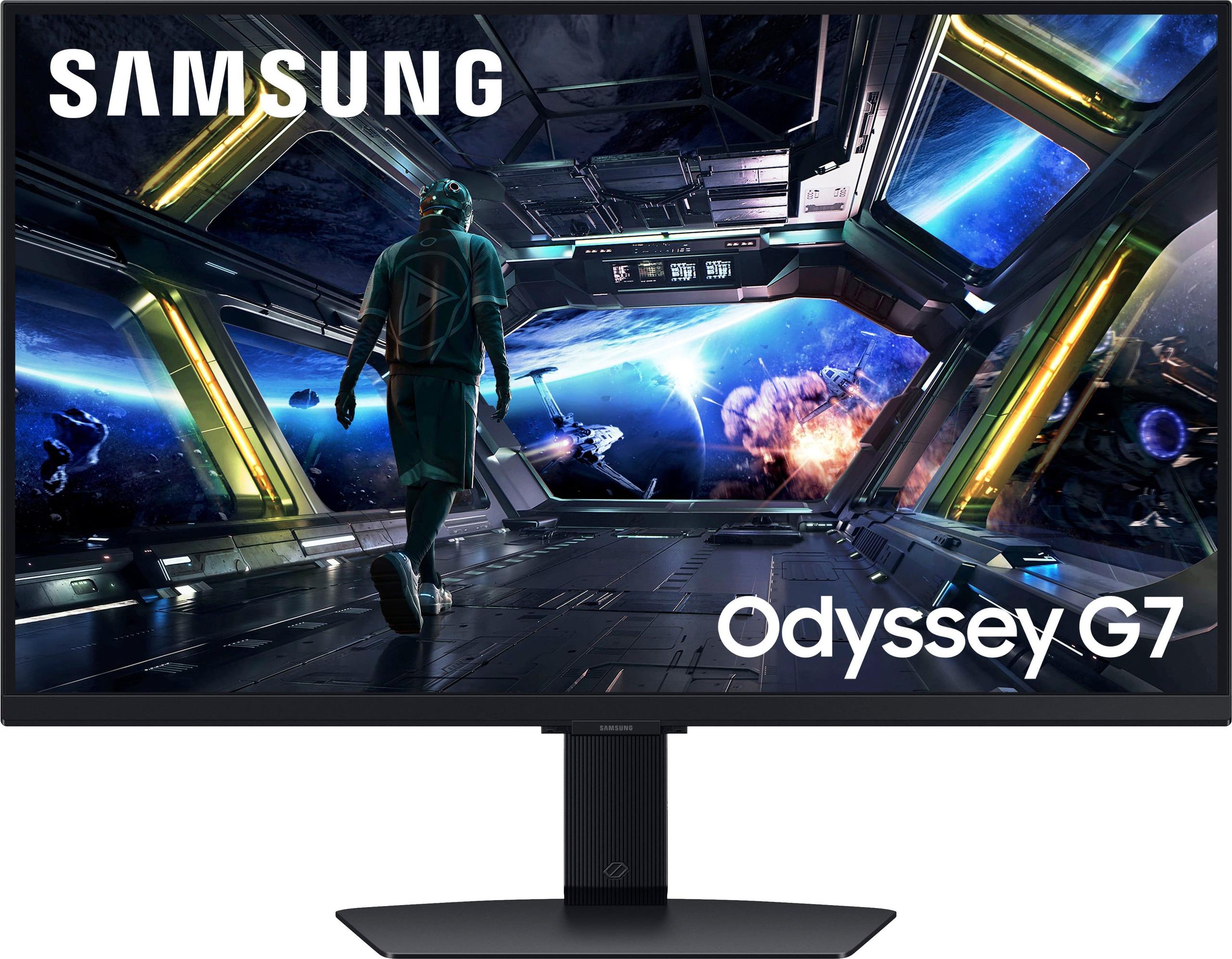
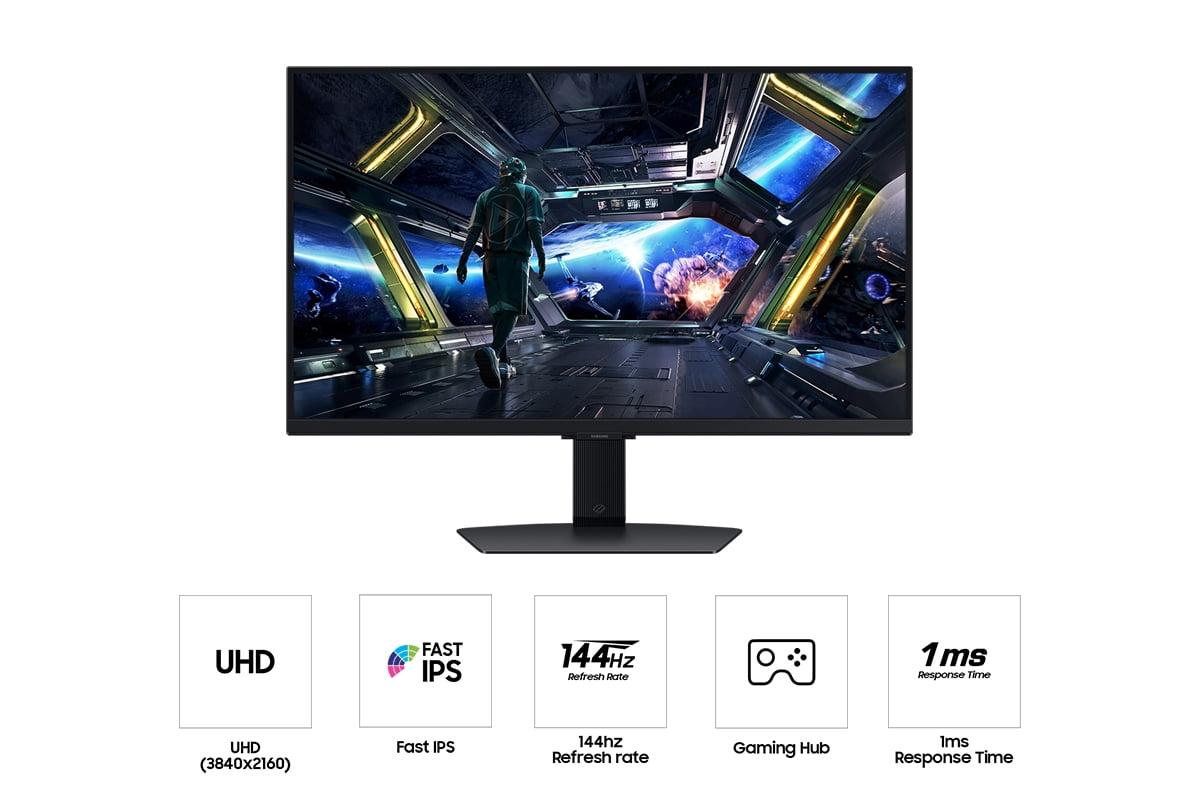
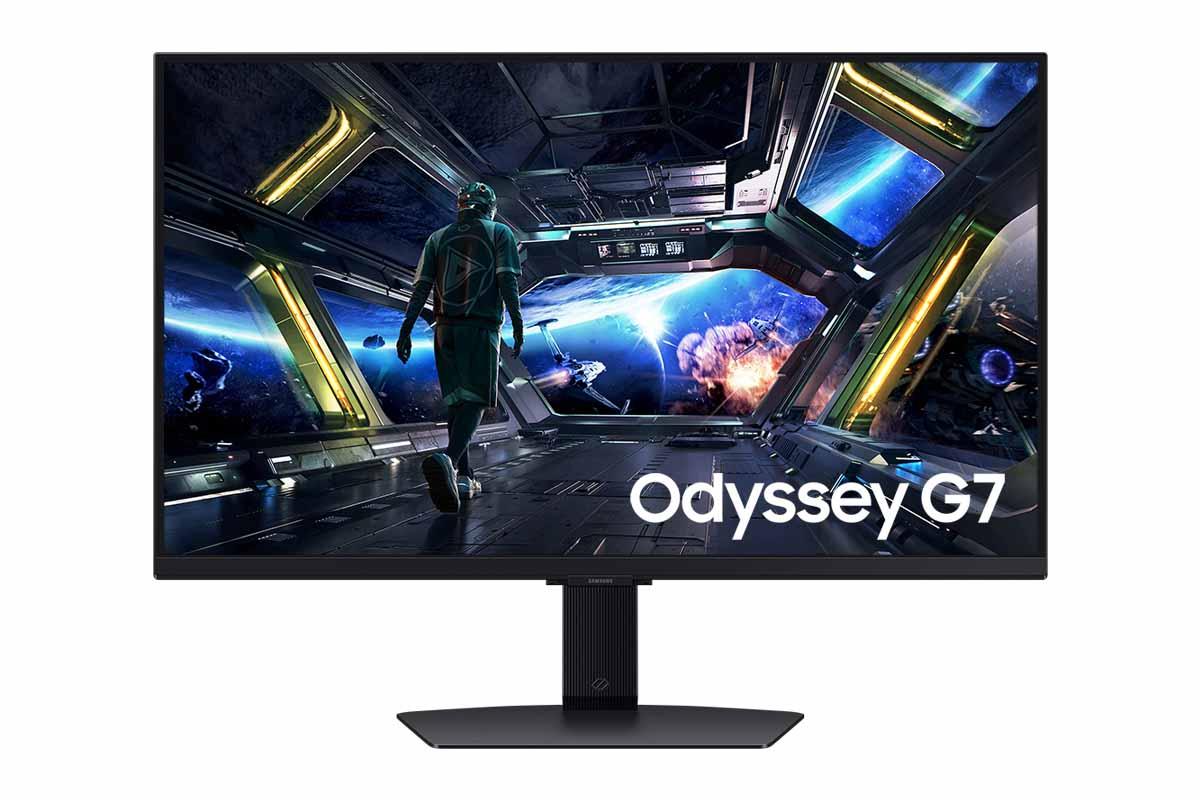
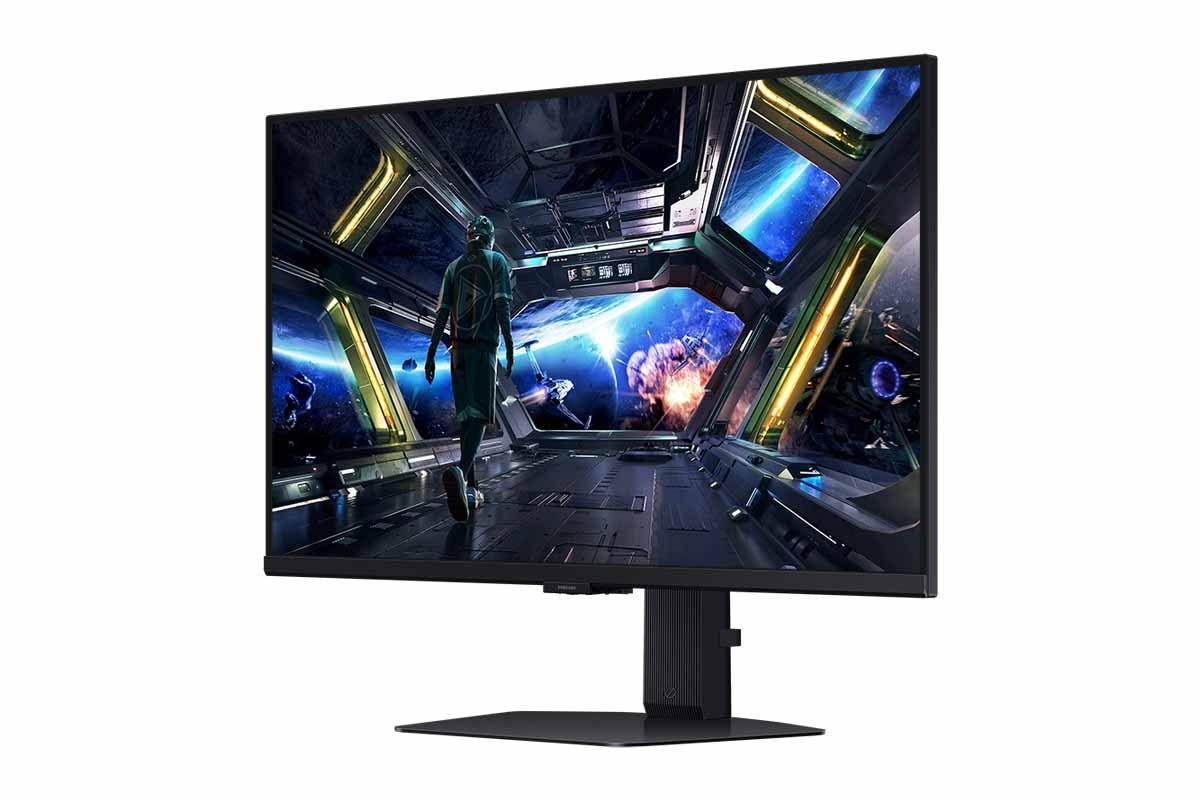
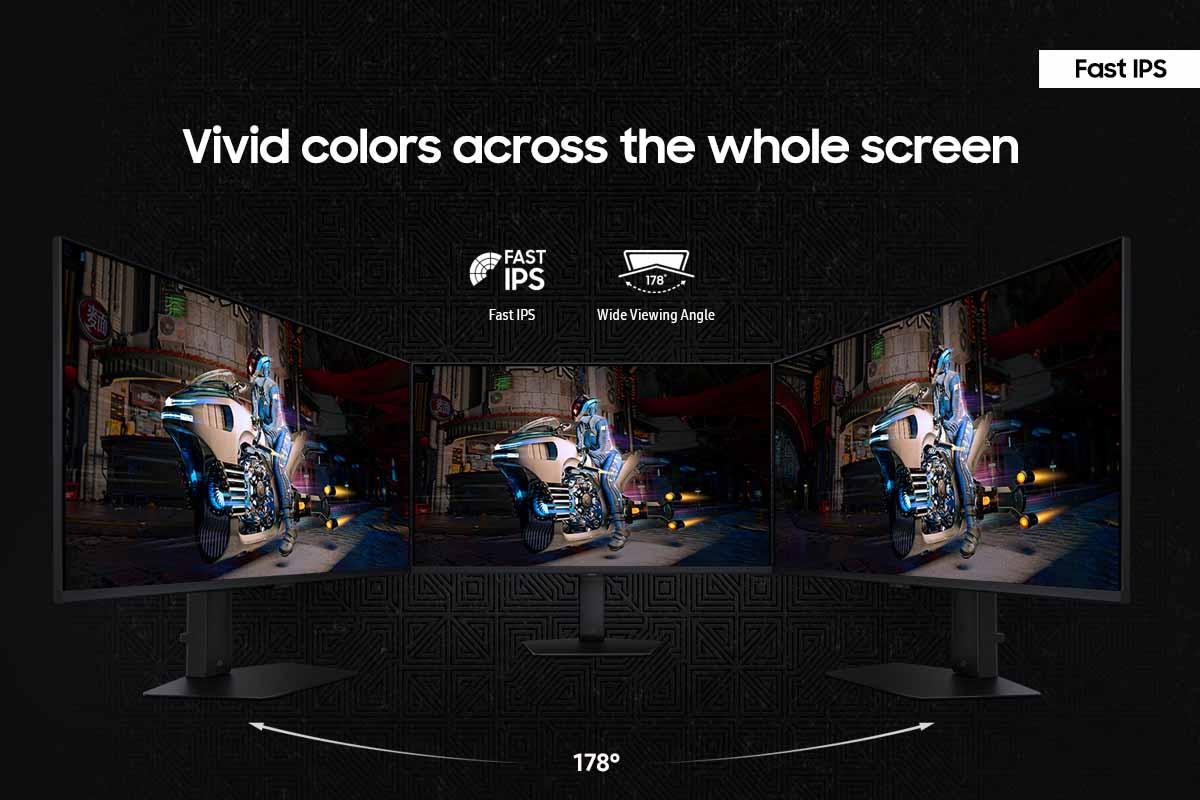
The Samsung Odyssey G7 G70D, released in 2024, takes a different approach. It uses Fast IPS (In-Plane Switching) technology, which is a refined version of traditional LCD panels. IPS panels are known for consistent colors when viewed from different angles and reliable performance over time.
Here's where it gets interesting: the MSI monitor prioritizes gaming performance with a 240Hz refresh rate at 1440p resolution, while the Samsung display emphasizes visual detail with 4K resolution at 144Hz. It's like comparing a sports car optimized for track racing versus a luxury sedan built for comfortable highway cruising.
The MSI MAG 271QP QD-OLED X24 uses QD-OLED technology that only became commercially available in recent years. Each pixel can turn completely off, creating true black levels that traditional monitors simply cannot match. When you see a night scene in a game, the dark areas are genuinely dark, not the grayish-black you get from backlit displays.
What makes QD-OLED special is how it handles color. The quantum dots act like tiny color filters, converting blue OLED light into incredibly pure red and green colors. This results in a color gamut covering 99% of the DCI-P3 space (the standard used in movie theaters) and 98% of Adobe RGB (preferred by professional photographers). In practical terms, colors appear more vibrant and lifelike than most displays can produce.
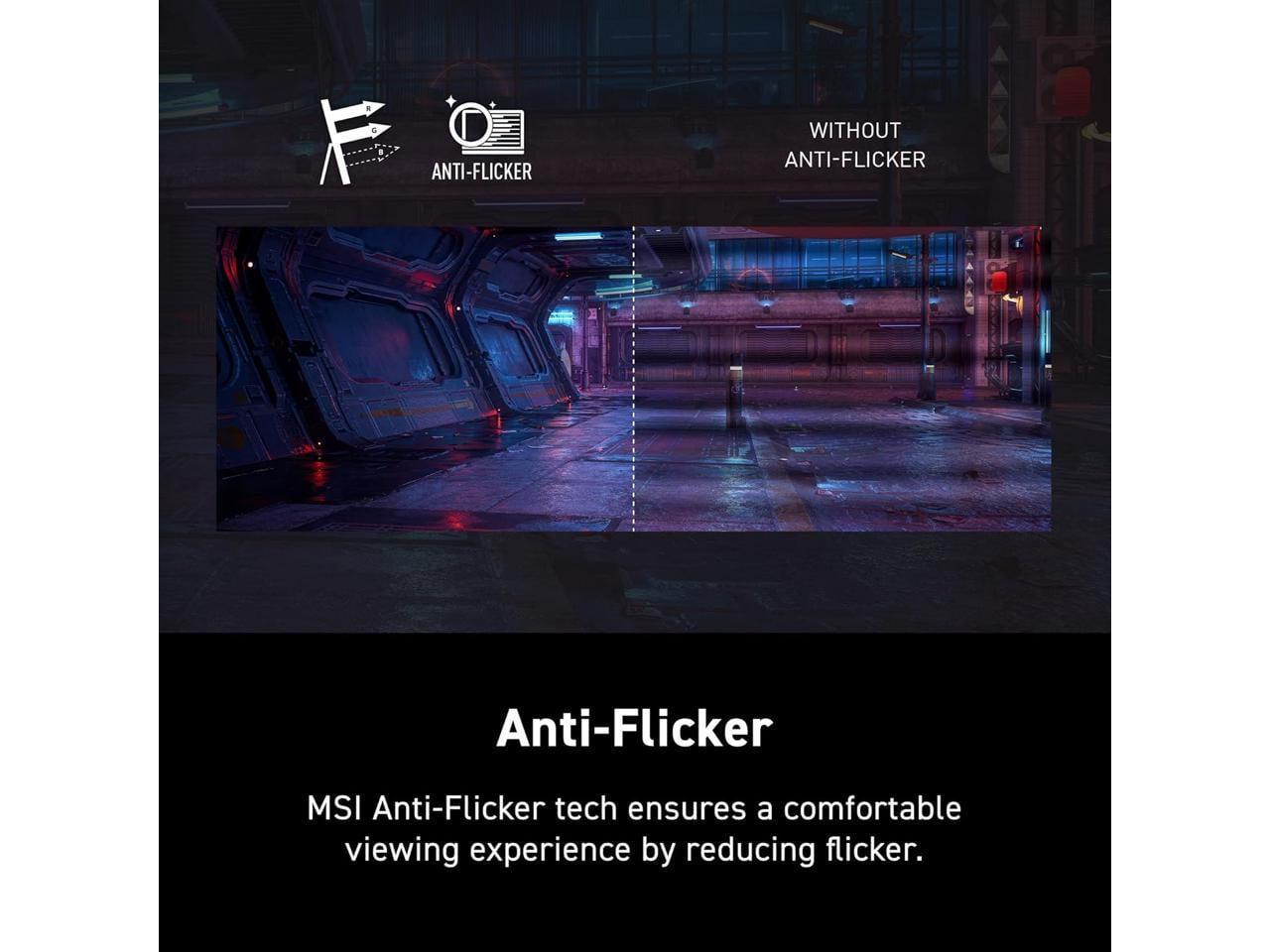
The downside? OLED panels can potentially develop burn-in, where static images leave permanent marks on the screen. However, the MSI monitor includes OLED Care 2.0 technology, which actively moves pixels slightly, dims static content, and refreshes the panel to prevent this issue. MSI even offers a three-year warranty that specifically covers burn-in, which is unusual in the industry.
The Samsung Odyssey G7 G70D uses Fast IPS technology, which has been refined over decades. IPS panels don't suffer from burn-in and maintain consistent performance over many years. The trade-off is a typical contrast ratio around 1,000:1 compared to the MSI's infinite contrast ratio.
What IPS does well is consistency. Colors remain accurate when viewed from wide angles, and brightness stays uniform across the entire screen. The Samsung monitor also reaches higher sustained brightness levels, making it better suited for bright rooms where the MSI's OLED might appear dimmer.
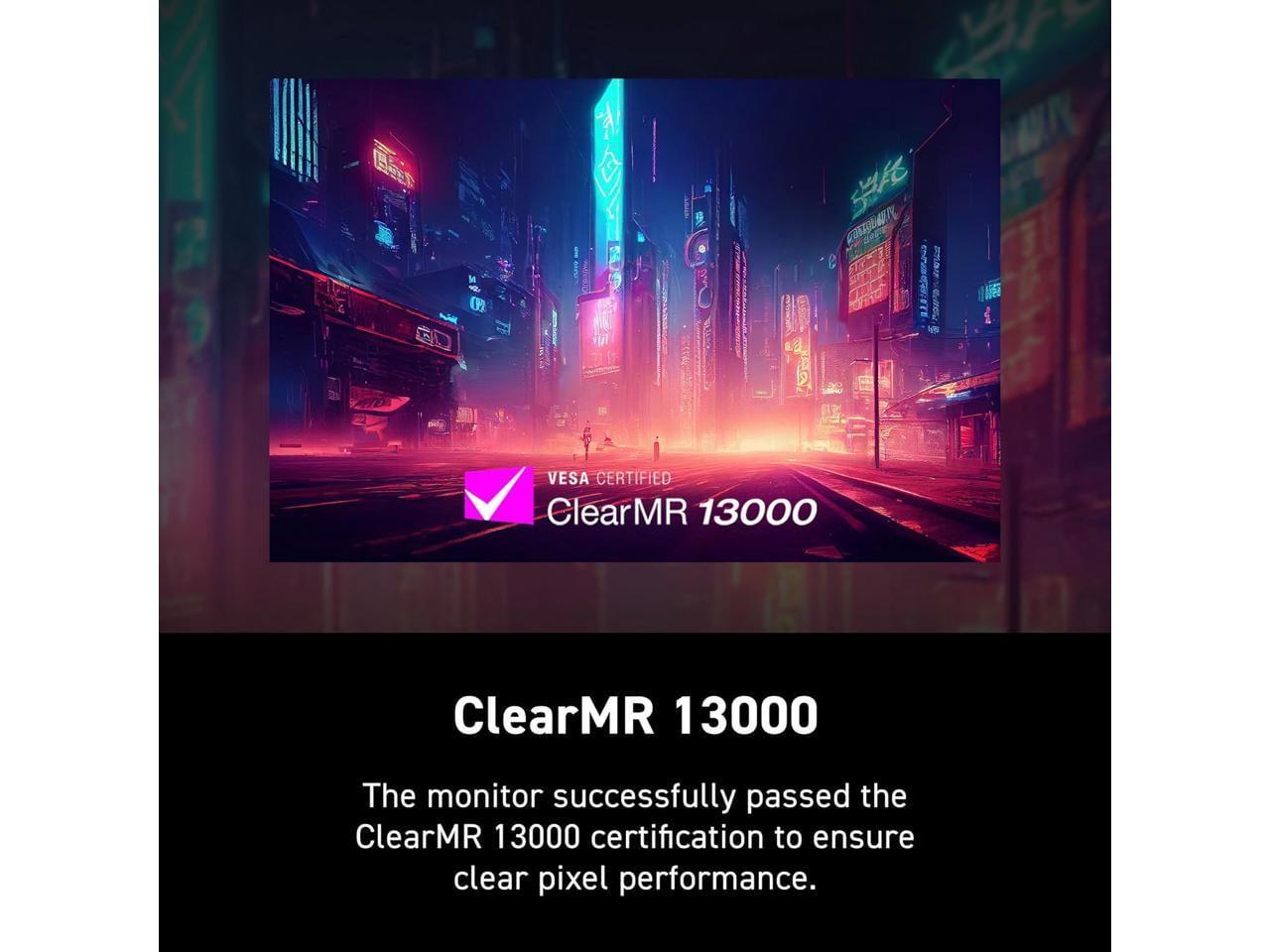
This is where the MSI QD-OLED absolutely dominates. With a 0.03ms response time, it's essentially instantaneous. When you move your mouse or a character runs across the screen, there's virtually no ghosting or motion blur. The display has earned VESA ClearMR 13000 certification, which means it maintains exceptional clarity even during the fastest motion.
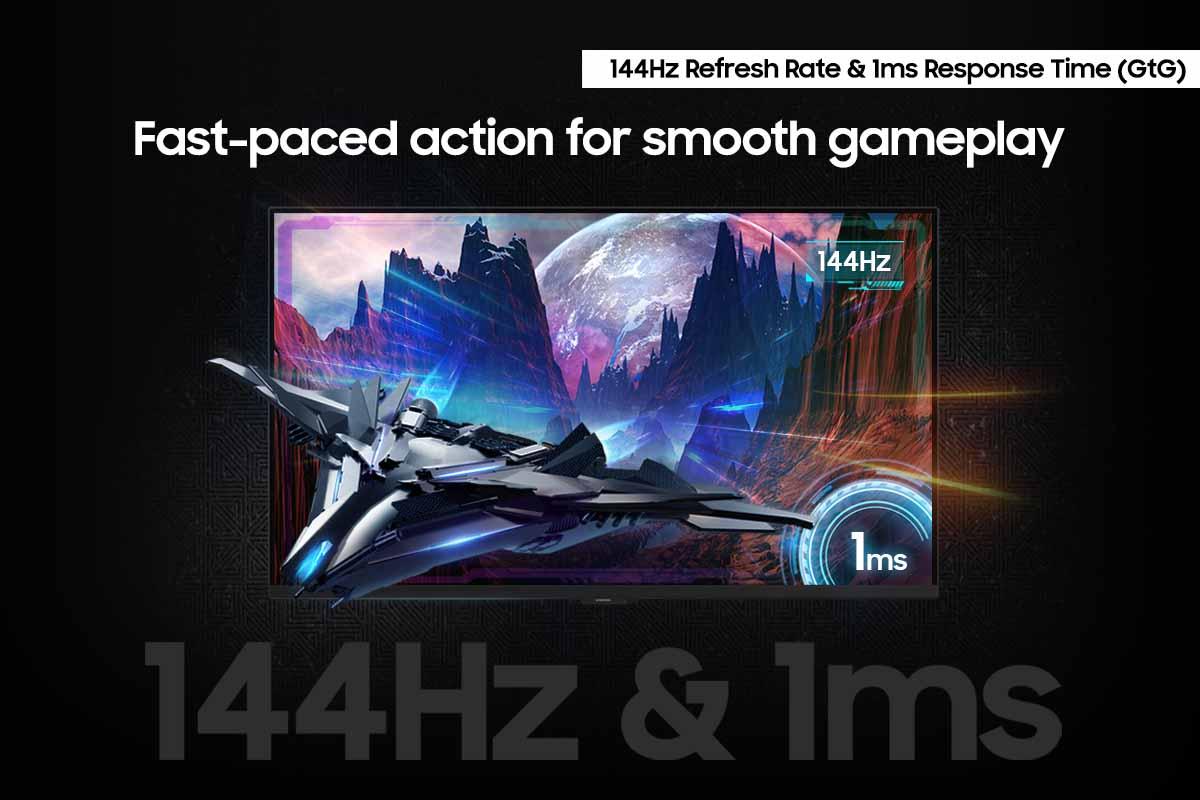
The Samsung IPS monitor offers a respectable 1ms response time, which is good but not exceptional by today's standards. In fast-paced games like first-person shooters or racing games, you might notice slightly more motion blur, though it's still perfectly playable for most users.
Here's where personal preference and use case matter enormously. The MSI monitor runs at 240Hz, meaning it updates the image 240 times per second. For competitive gamers playing titles like Counter-Strike 2 or Valorant, this creates an incredibly smooth experience where every movement feels immediate and precise.
The Samsung display operates at 144Hz, which is still excellent for gaming but noticeably less smooth than 240Hz. However, 144Hz is perfectly adequate for most gaming scenarios, and many players won't notice the difference unless they're playing competitively.
The real question is whether your graphics card can actually push enough frames to take advantage of these refresh rates. Running games at 4K resolution (like the Samsung monitor requires) is much more demanding than 1440p (which the MSI monitor uses). You'll need a high-end graphics card to fully utilize either display.
HDR (High Dynamic Range) is where the technology differences become most apparent. The MSI QD-OLED achieves VESA DisplayHDR True Black 400 certification, which specifically recognizes displays that can produce true blacks alongside bright highlights. When you're exploring a dark cave with sunlight streaming through cracks, the contrast between light and dark areas looks genuinely realistic.
The Samsung IPS monitor supports HDR10+ and meets DisplayHDR 400 standards, but the experience isn't comparable. IPS panels use local dimming zones to darken parts of the screen, but the Samsung model only has 32 zones. This means large areas of the screen brighten together, reducing the precision of HDR effects and sometimes creating distracting blooming around bright objects.
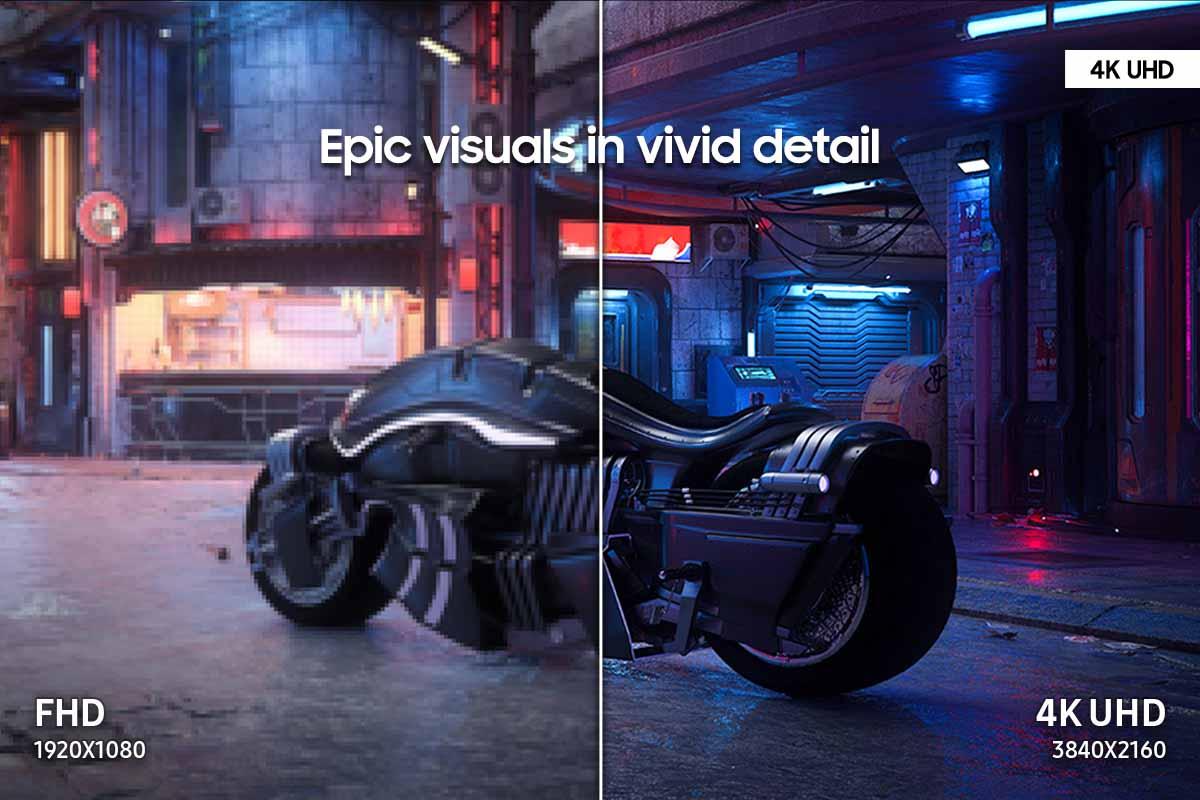
This represents the core philosophical difference between these monitors. The Samsung Odyssey G7 G70D delivers 4K resolution (3840 x 2160), providing incredibly sharp text and detailed game environments. When you're playing single-player adventures or strategy games where you want to see fine details, 4K makes a noticeable difference.
The MSI MAG 271QP QD-OLED X24 uses 1440p resolution (2560 x 1440), which is lower than 4K but still significantly sharper than standard 1080p. The advantage is that 1440p is much easier to drive at high frame rates, allowing you to actually use that 240Hz refresh rate in demanding games.
At 27 inches, both resolutions look good, but they serve different purposes. 4K excels for productivity work, detailed single-player games, and media consumption. 1440p is the sweet spot for competitive gaming where frame rate matters more than ultimate sharpness.
The Samsung Odyssey G7 G70D includes Samsung's Gaming Hub, essentially turning the monitor into a smart TV. You can stream Netflix, access cloud gaming services, and even connect wireless controllers directly to the monitor. This eliminates the need for separate streaming devices and makes the monitor more versatile for entertainment beyond gaming.
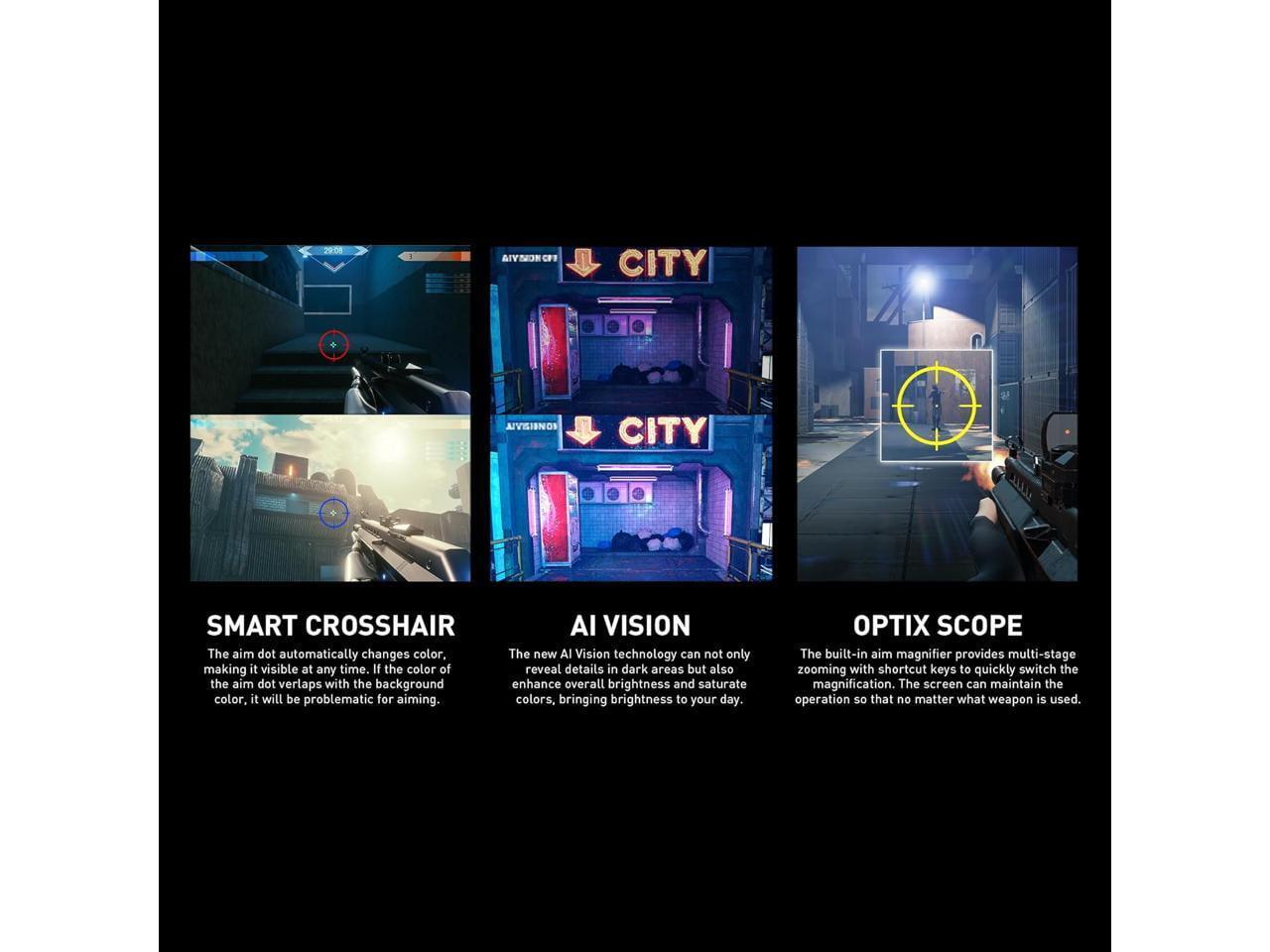
The MSI QD-OLED focuses more on core gaming features, offering Gaming Intelligence software that provides crosshair overlays, FPS counters, and other competitive gaming tools. Both monitors include multiple HDMI 2.1 ports for next-generation console compatibility.
If you're considering either monitor for home theater use, the MSI QD-OLED has significant advantages. The perfect black levels and wide color gamut make movies look spectacular, especially in darker viewing environments. The HDR performance genuinely enhances the cinematic experience.
The Samsung IPS monitor works better in brighter living rooms due to its higher sustained brightness and better reflection handling. The smart TV features also make it more convenient for streaming content without additional devices.
However, both monitors are relatively small at 27 inches for dedicated home theater use. They're better suited as desktop displays that can handle both gaming and media consumption.
At the time of writing, the MSI QD-OLED commands a significant premium over the Samsung IPS monitor, roughly 75% more expensive. This price difference reflects the cutting-edge nature of QD-OLED technology and its superior gaming performance.
The Samsung display represents excellent value for users wanting 4K resolution and smart features without premium pricing. It's a more conservative choice that balances performance with affordability.
From a longevity perspective, IPS technology has a proven track record of lasting many years without degradation. OLED technology is newer, but modern implementations with burn-in protection like the MSI monitor's OLED Care 2.0 system have largely addressed earlier concerns.
Choose the MSI MAG 271QP QD-OLED X24 if you're serious about competitive gaming and want the absolute best motion clarity and visual quality. The 240Hz refresh rate and perfect blacks create an exceptional gaming experience, especially for fast-paced titles. You should also have a high-end graphics card to drive games at 1440p at high frame rates.
The Samsung Odyssey G7 G70D makes more sense for users who want higher resolution for detailed games and productivity work, appreciate smart TV functionality, and prefer a more budget-friendly option. It's also better if you game in a bright room or want the reliability of proven IPS technology.
Consider your primary use case carefully. If you spend most of your time in competitive multiplayer games, the MSI monitor's superior motion handling justifies the extra cost. If you play a variety of games including detailed single-player titles and use your monitor for work, the Samsung's higher resolution and smart features provide better overall value.
Both monitors represent excellent choices within their respective categories. The MSI QD-OLED pushes gaming performance to new heights, while the Samsung IPS monitor delivers practical versatility at an attractive price point. Your choice ultimately depends on whether you prioritize cutting-edge gaming performance or balanced functionality with smart features.
| MSI MAG 271QP QD-OLED X24 | Samsung Odyssey G7 G70D |
|---|---|
| Panel Technology - Determines contrast, color accuracy, and response time | |
| QD-OLED (perfect blacks, infinite contrast) | Fast IPS (no burn-in risk, consistent performance) |
| Resolution - Higher resolution means sharper text and more detailed visuals | |
| 2560 x 1440 (1440p/QHD) | 3840 x 2160 (4K UHD) |
| Refresh Rate - Higher rates provide smoother motion in fast games | |
| 240Hz (exceptional for competitive gaming) | 144Hz (great for most gaming scenarios) |
| Response Time - Lower times reduce motion blur and ghosting | |
| 0.03ms (virtually eliminates motion blur) | 1ms (good performance, slight blur possible) |
| Contrast Ratio - Higher ratios create more realistic dark scenes | |
| 1,500,000:1 (infinite contrast with true blacks) | 1,000:1 (typical for IPS, greyish blacks) |
| Peak Brightness - Important for HDR content and bright room usage | |
| 1000 nits (3% window), 250 nits sustained | 350 nits typical (better for bright rooms) |
| Color Gamut Coverage - Wider coverage produces more vibrant, accurate colors | |
| 99% DCI-P3, 98% Adobe RGB (cinema-grade colors) | 99% sRGB (good for general use) |
| HDR Performance - Better HDR creates more realistic lighting effects | |
| VESA DisplayHDR True Black 400 (genuine HDR) | VESA DisplayHDR 400 (limited by IPS technology) |
| Adaptive Sync - Eliminates screen tearing for smoother gameplay | |
| Adaptive-Sync compatible (AMD/NVIDIA) | AMD FreeSync Premium |
| Smart Features - Additional functionality beyond basic display | |
| Gaming Intelligence software, OLED Care 2.0 | Gaming Hub with streaming apps, remote control |
| Connectivity - Determines what devices you can connect | |
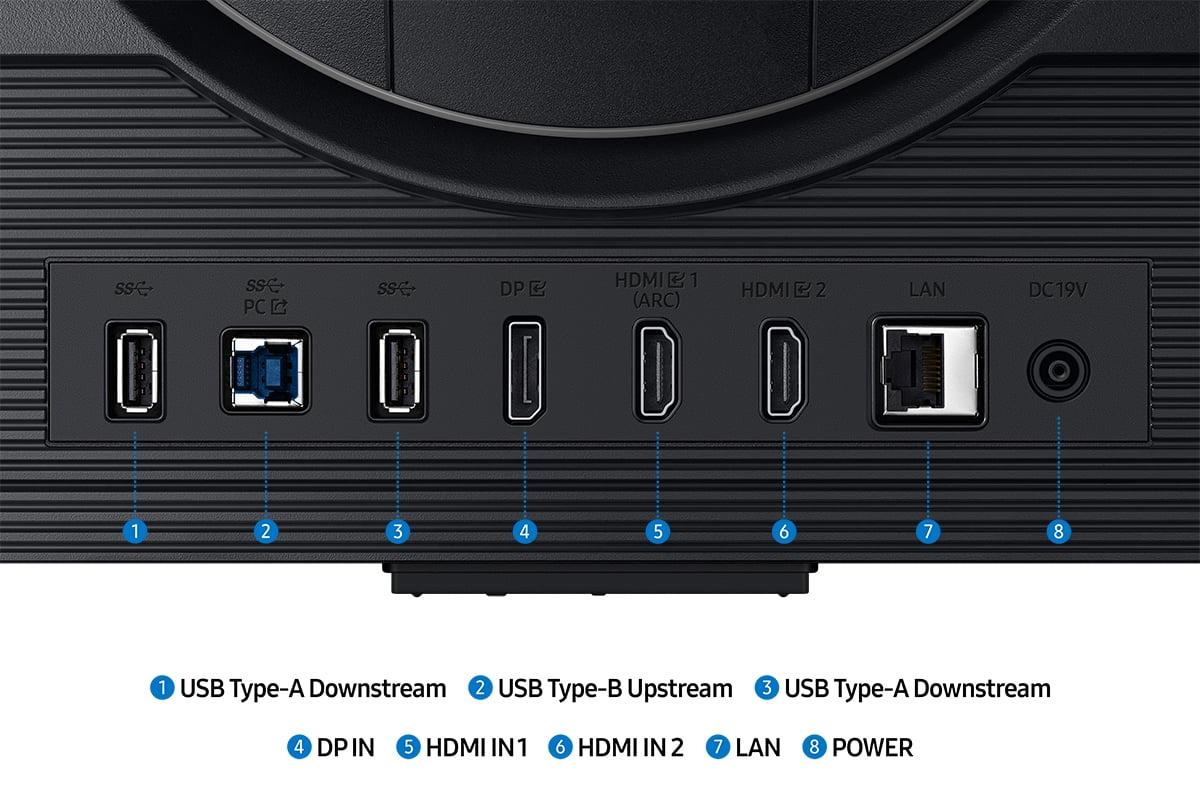
| 2x HDMI 2.1, 1x DisplayPort 1.4a | Multiple HDMI/DisplayPort, USB-A ports |
| Burn-in Risk - OLED panels can develop permanent image retention | |
| Possible but mitigated by OLED Care 2.0 + 3yr warranty | No burn-in risk with IPS technology |
| Best Use Case - Where each monitor excels most | |
| Competitive gaming, dark room viewing, color-critical work | 4K gaming, bright rooms, productivity, streaming |
| Value Proposition - Cost versus performance benefits | |
| Premium price for cutting-edge gaming performance | Excellent value for 4K resolution and smart features |
The MSI MAG 271QP QD-OLED X24 is significantly better for competitive gaming due to its 240Hz refresh rate and 0.03ms response time. This combination virtually eliminates motion blur and provides ultra-smooth gameplay that gives competitive players a real advantage. The Samsung Odyssey G7 G70D offers 144Hz and 1ms response time, which is good but not exceptional for esports.
QD-OLED technology in the MSI monitor provides perfect blacks, infinite contrast, and exceptional color accuracy by having each pixel light itself. IPS technology in the Samsung monitor uses a backlight and offers consistent colors from wide viewing angles with no risk of burn-in. QD-OLED delivers superior image quality, while IPS provides proven reliability.
The Samsung Odyssey G7 G70D offers 4K resolution (3840 x 2160) for incredibly sharp visuals, while the MSI MAG 271QP QD-OLED X24 uses 1440p resolution (2560 x 1440). 4K provides more detail but requires a powerful graphics card to maintain high frame rates, while 1440p balances sharpness with performance for smoother gaming.
Both monitors support next-generation consoles through HDMI 2.1 connectivity. The Samsung monitor excels with 4K resolution matching PS5 and Xbox Series X capabilities, while the MSI monitor provides exceptional motion clarity for competitive console titles. Both support variable refresh rate and auto low latency mode.
The MSI MAG 271QP QD-OLED X24 delivers superior movie watching with perfect blacks, infinite contrast, and excellent HDR performance that creates a cinematic experience. The Samsung Odyssey G7 G70D offers smart TV functionality with built-in streaming apps and a remote control, making it more convenient for entertainment use.
The MSI QD-OLED monitor has potential for burn-in since it uses OLED technology, but includes OLED Care 2.0 protection features and a 3-year warranty covering burn-in. The Samsung IPS monitor has no burn-in risk whatsoever, making it worry-free for users who display static content frequently.
The Samsung Odyssey G7 G70D provides excellent value with 4K resolution, smart features, and reliable IPS technology at a more affordable price point. The MSI MAG 271QP QD-OLED X24 costs significantly more but delivers cutting-edge display technology and superior gaming performance that justifies the premium for serious gamers.
The Samsung monitor performs better in bright rooms due to higher sustained brightness and better reflection handling typical of IPS panels. The MSI QD-OLED monitor may appear dimmer in very bright environments due to OLED's lower sustained brightness, making it better suited for controlled lighting conditions.
The Samsung Odyssey G7 G70D is superior for productivity with its 4K resolution providing sharper text and more screen real estate for multitasking. The MSI MAG 271QP QD-OLED X24 offers excellent color accuracy for creative work but the lower 1440p resolution is less ideal for general productivity tasks.
The Samsung monitor includes comprehensive smart TV functionality with Gaming Hub, streaming apps, remote control, and built-in speakers. The MSI monitor focuses on gaming-specific smart features like Gaming Intelligence software, crosshair overlays, and OLED Care 2.0 protection systems.
The MSI MAG 271QP QD-OLED X24 delivers significantly better HDR with VESA DisplayHDR True Black 400 certification, perfect blacks, and genuine contrast enhancement. The Samsung Odyssey G7 G70D supports HDR10+ but has limited local dimming that reduces HDR effectiveness compared to OLED's per-pixel lighting control.
Choose the 240Hz MSI monitor if you prioritize competitive gaming performance and play fast-paced esports titles where smooth motion matters most. Choose the 4K Samsung monitor if you prefer detailed visuals in single-player games and have a powerful graphics card capable of driving 4K resolution at decent frame rates.
We've done our best to create useful and informative comparisons to help you decide what product to buy. Our research uses advanced automated methods to create this comparison and perfection is not possible - please contact us for corrections or questions. These are the sites we've researched in the creation of this article: bestbuy.com - youtube.com - xda-developers.com - newegg.com - notebookcheck.net - displayninja.com - ign.com - rtings.com - cdw.com - microcenter.com - bestbuy.com - us.msi.com - colamco.com - msi.com - msi.com - displayspecifications.com - msi.com - storage-asset.msi.com - msi.com - us.msi.com - displayspecifications.com - bestbuy.com - typectechreviews.com - rtings.com - rtings.com - youtube.com - youtube.com - samsung.com - samsung.com - samsung.com - bhphotovideo.com - samsung.com - samsung.com - versus.com - abt.com - abt.com - bestbuy.com - bhphotovideo.com - youtube.com - abt.com

Privacy Policy
Terms and Conditions - Affiliate Policy
Home Security
© Copyright 2008-2026.
11816 Inwood Rd #1211, Dallas, TX 75244