


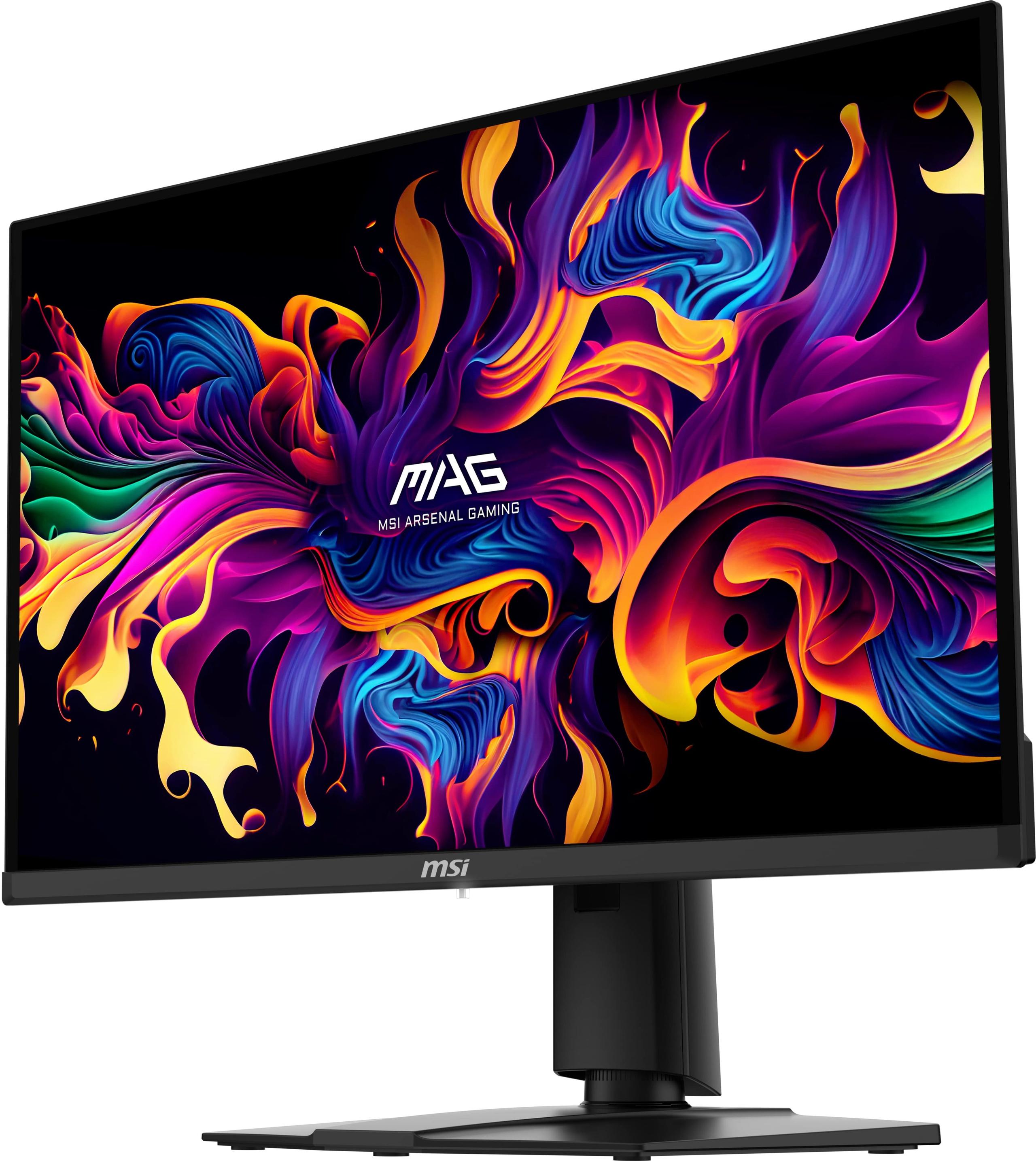
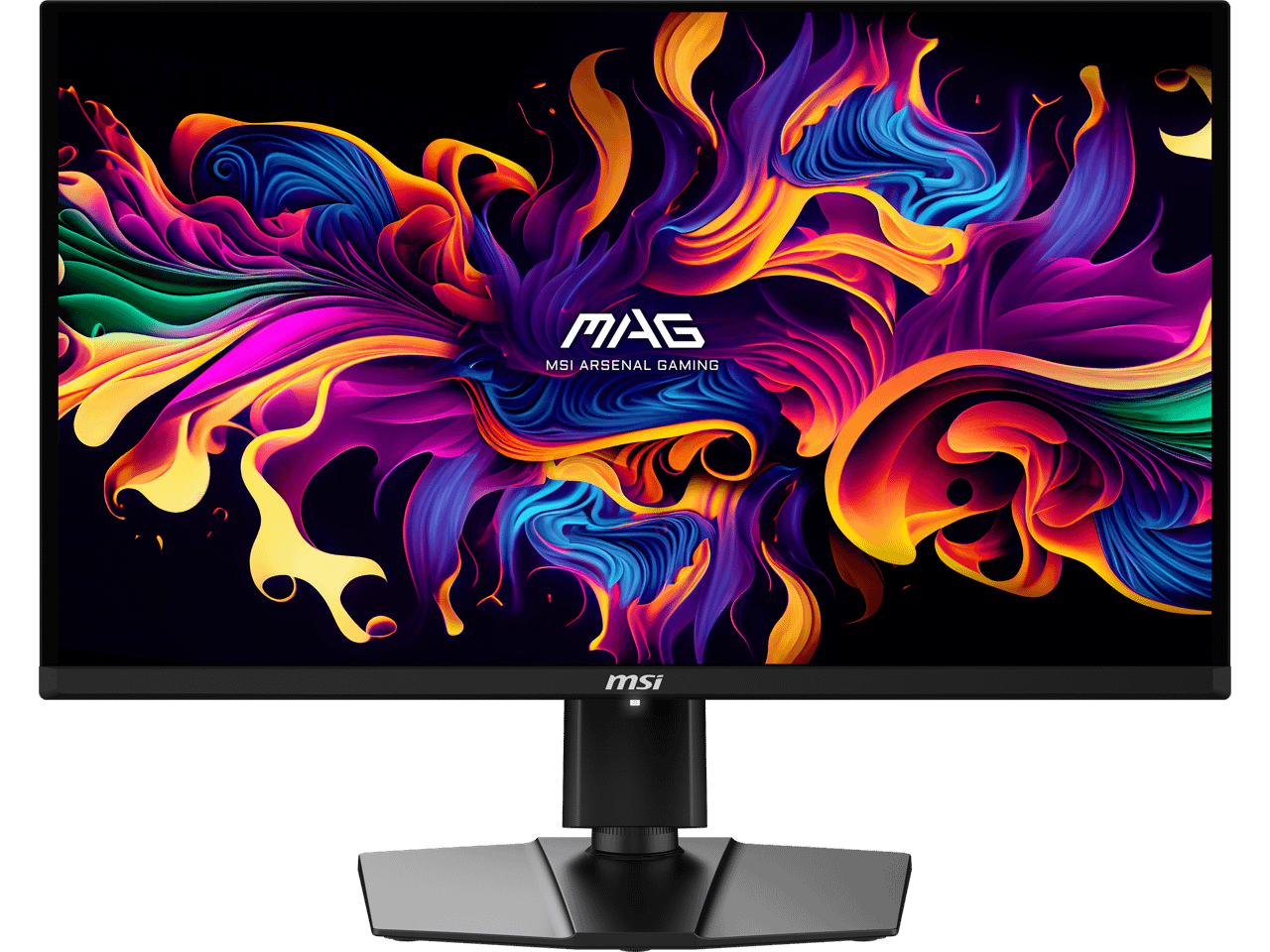
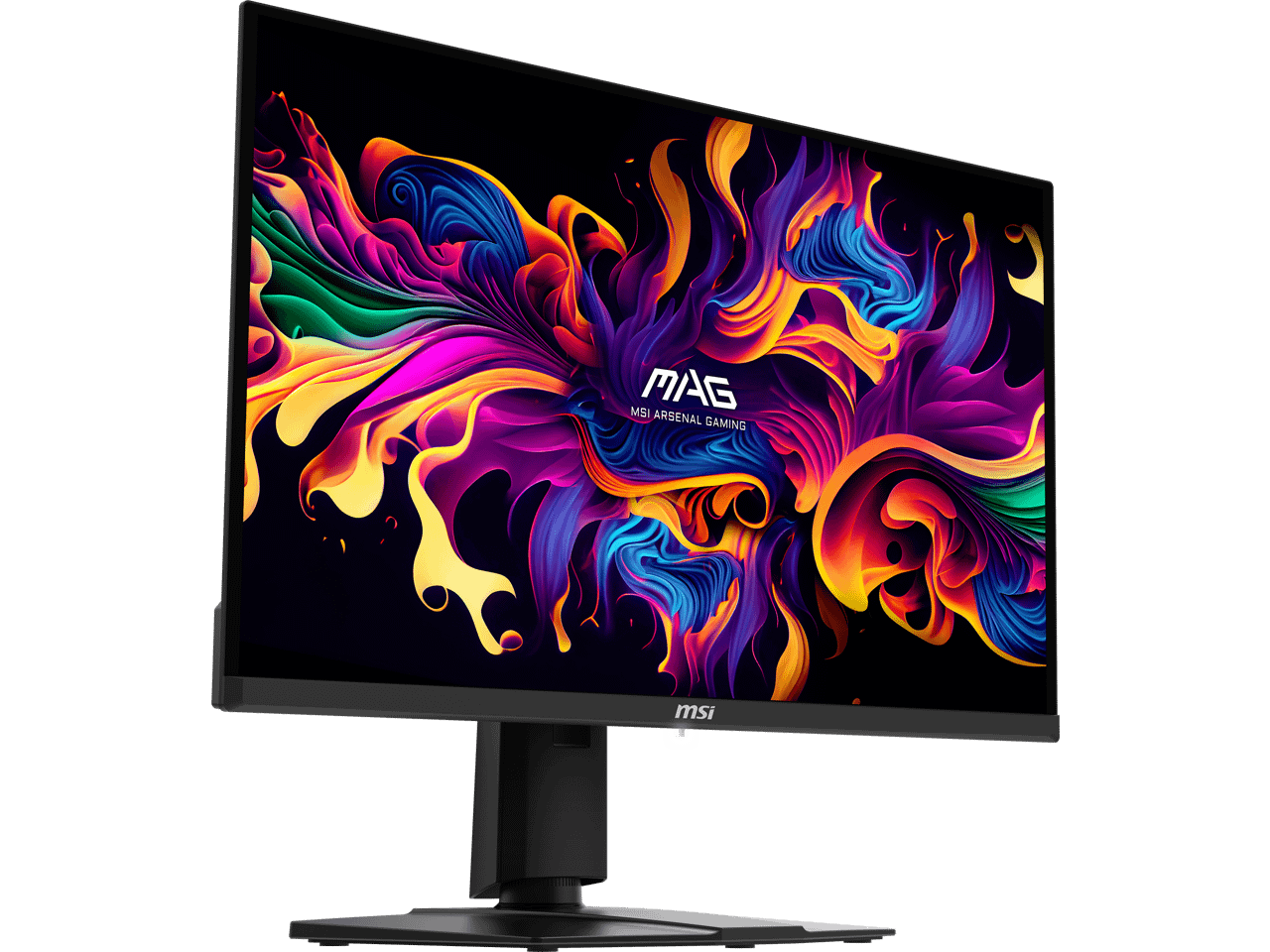
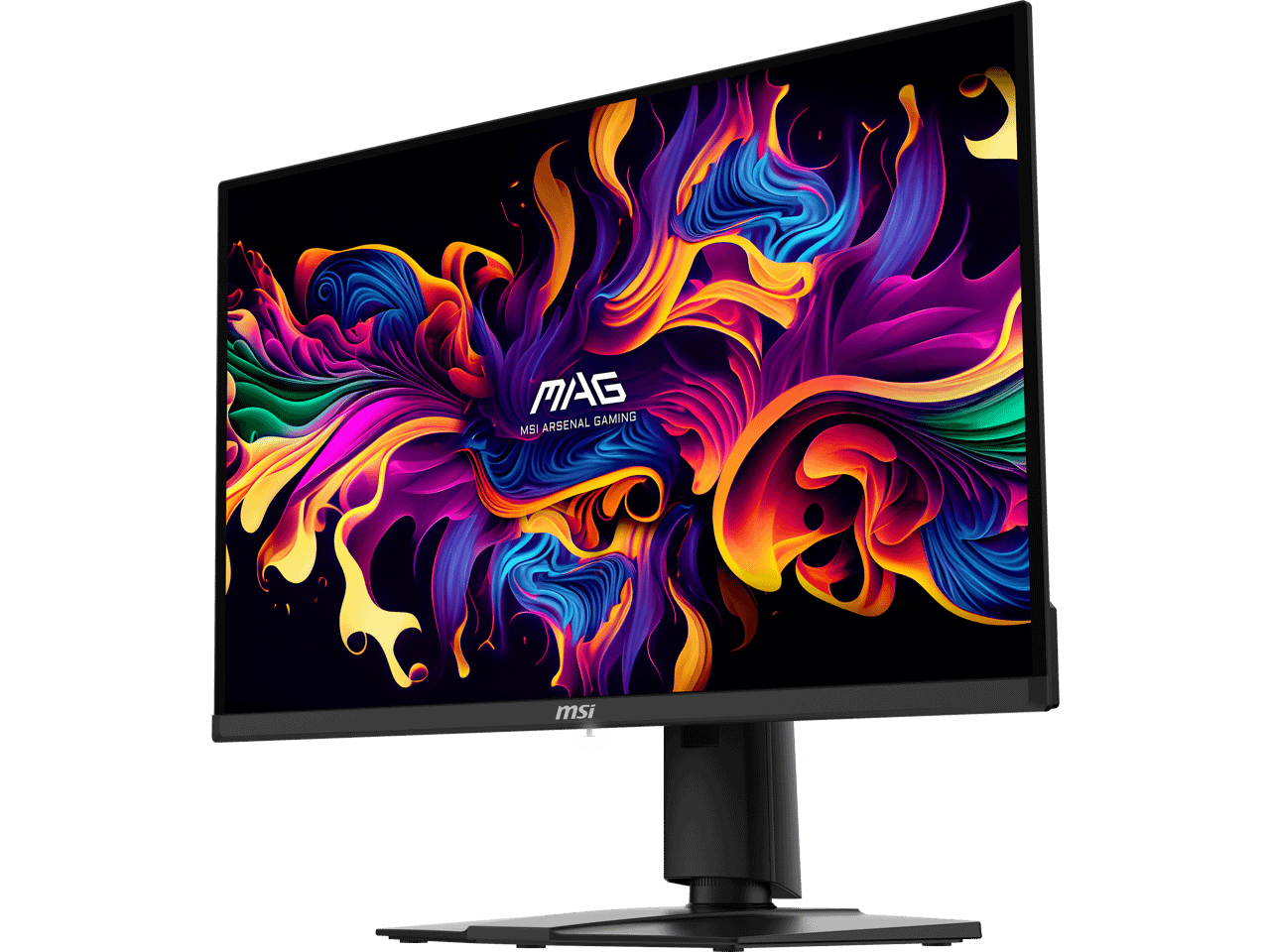



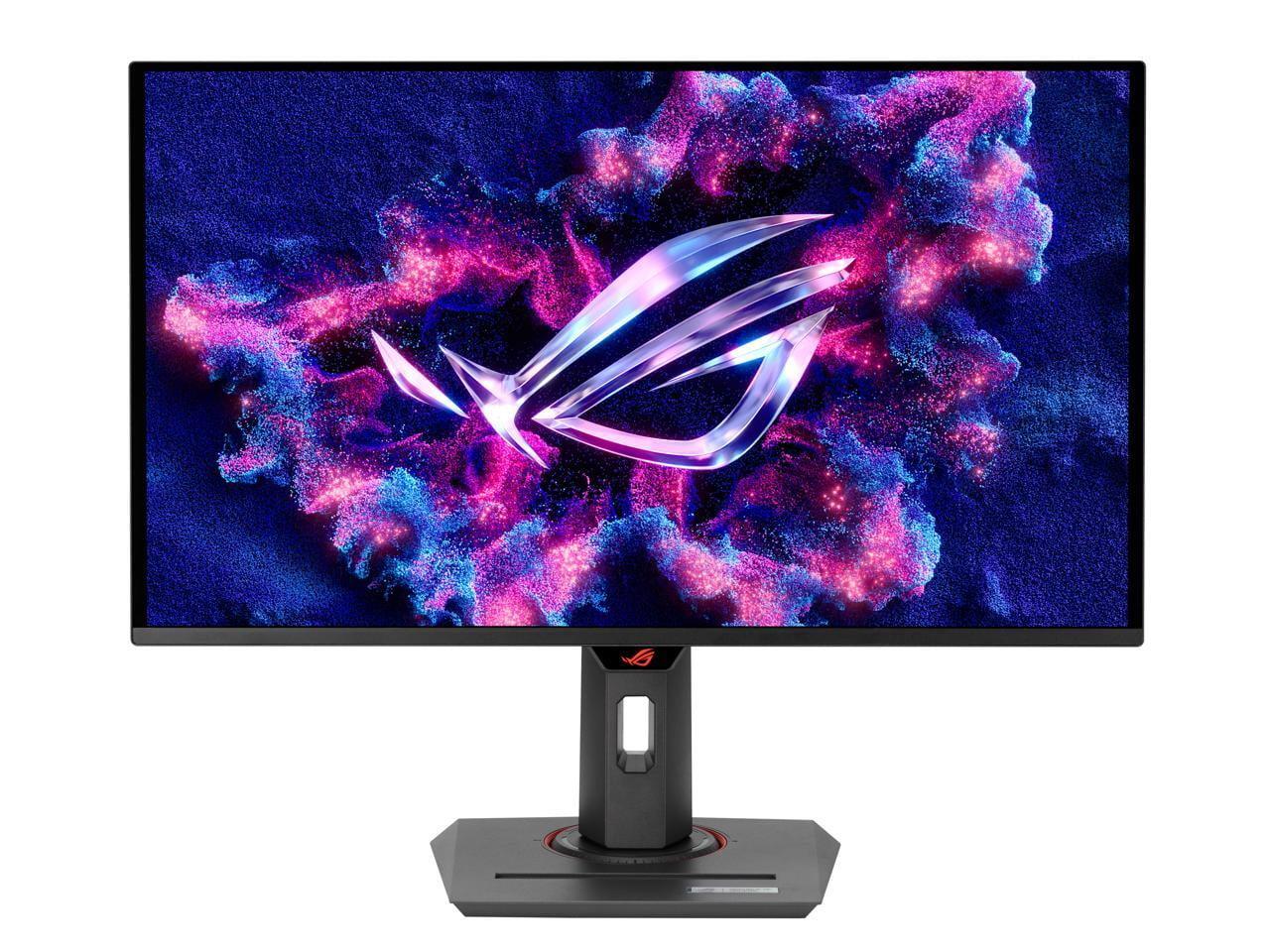
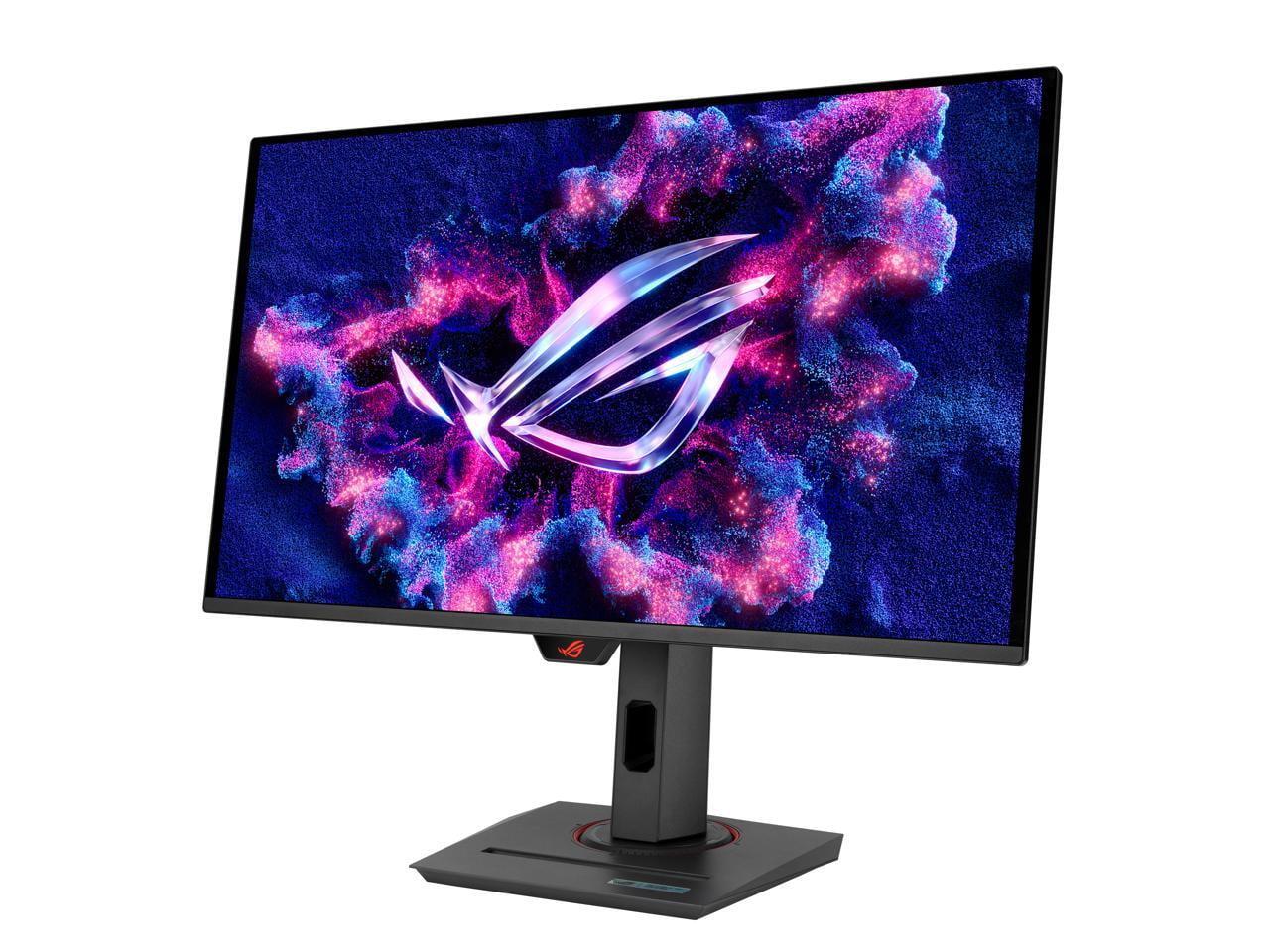
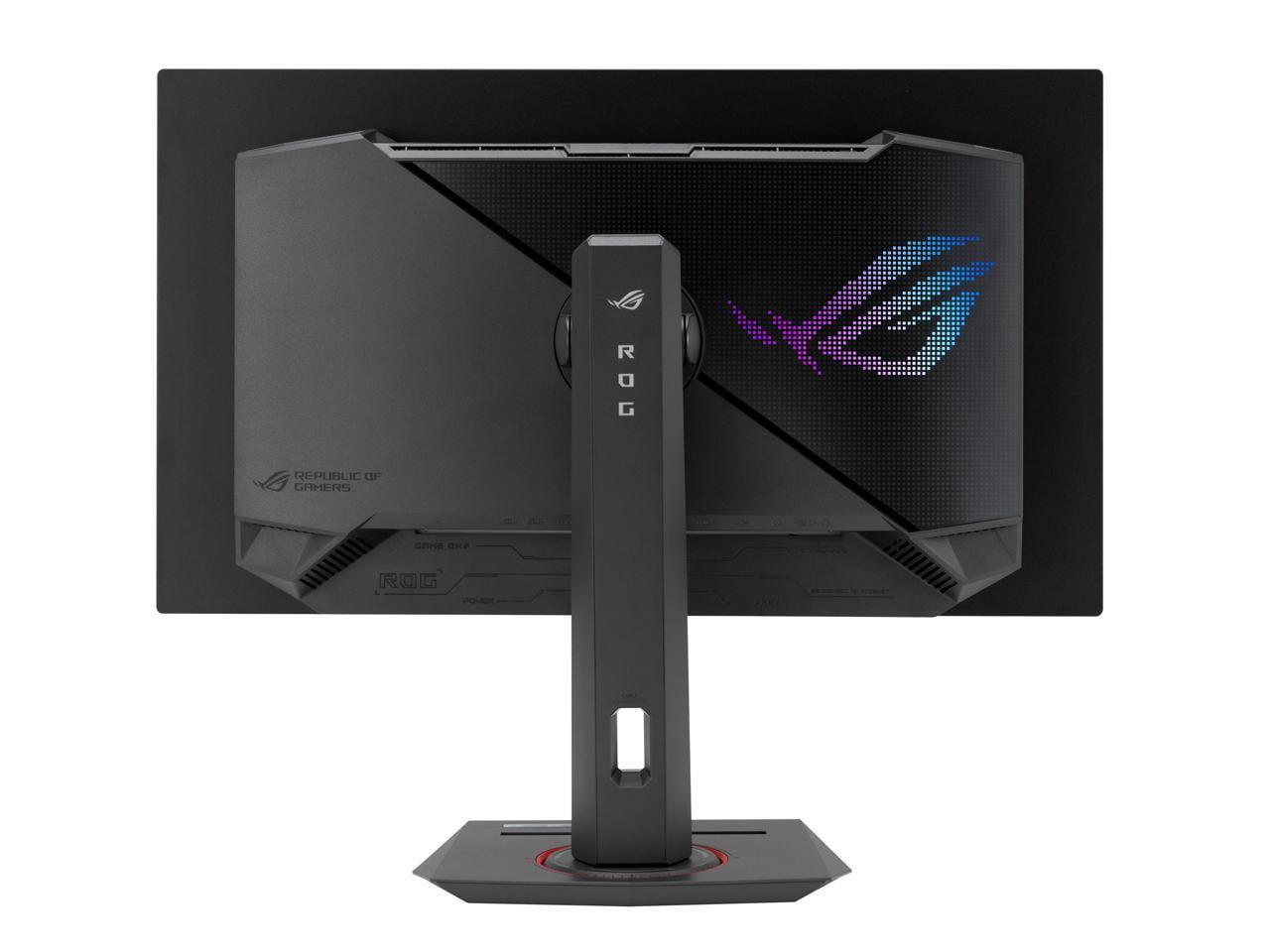

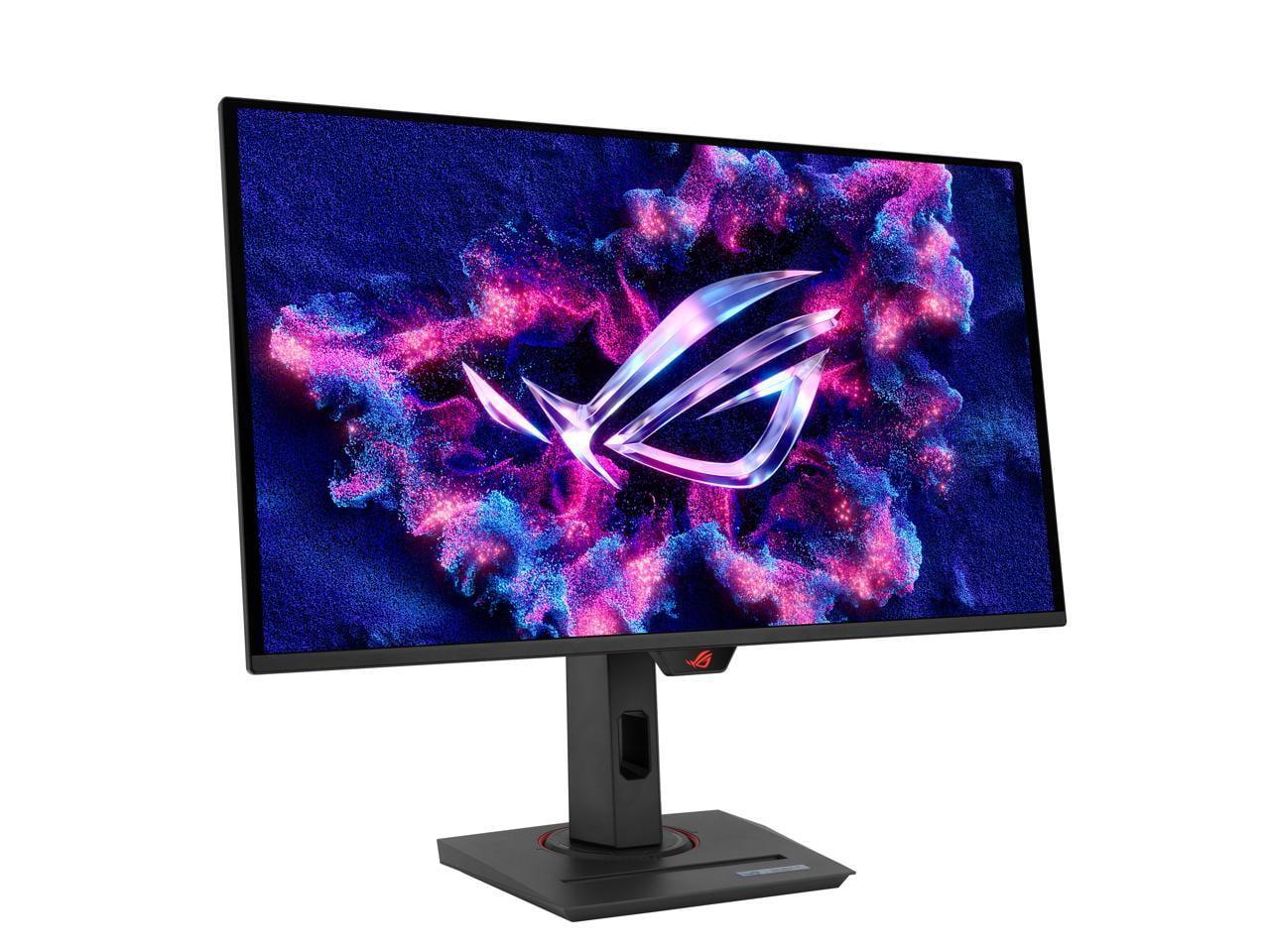
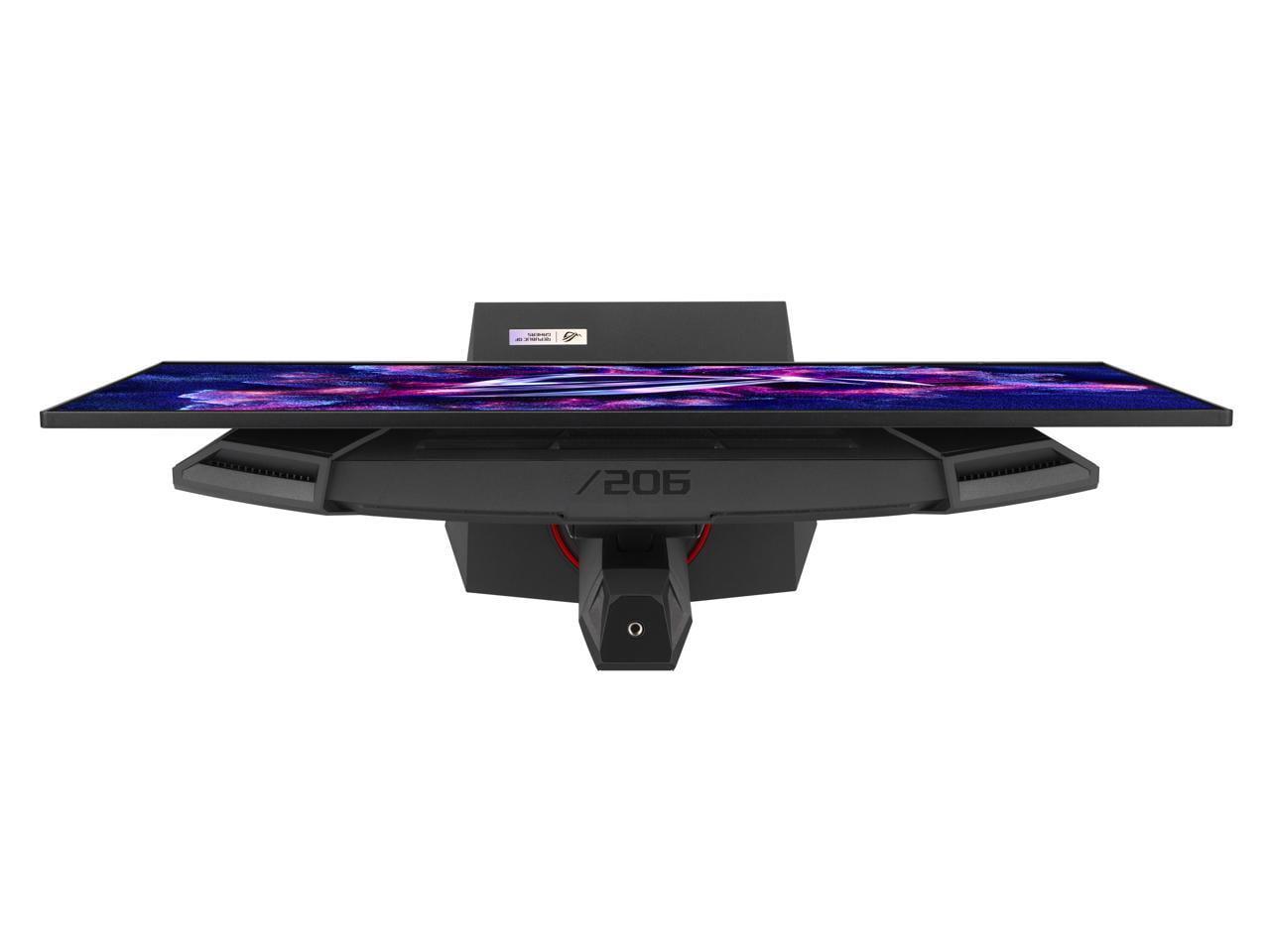
Gaming monitors have come a long way from the bulky CRT displays of the past. Today's premium OLED gaming monitors represent the pinnacle of display technology, offering perfect blacks, vibrant colors, and lightning-fast response times that were unimaginable just a few years ago. Two standout models that showcase different approaches to this technology are the MSI MAG 271QP QD-OLED X24 and the ASUS ROG Strix OLED XG27UCDMG.
Both monitors were released in 2025, riding the wave of OLED technology finally becoming accessible to mainstream gamers. However, they take distinctly different paths to excellence – one focuses on competitive gaming value, while the other targets premium versatility. Understanding these differences will help you make the right choice for your gaming setup and budget.
Before diving into the comparison, it's worth understanding what makes OLED technology so compelling. Unlike traditional LCD monitors that use a backlight shining through liquid crystal panels, OLED (Organic Light-Emitting Diode) displays have pixels that emit their own light. This means when a pixel needs to show black, it simply turns off completely, creating true blacks rather than the grayish "black" you see on most LCD screens.
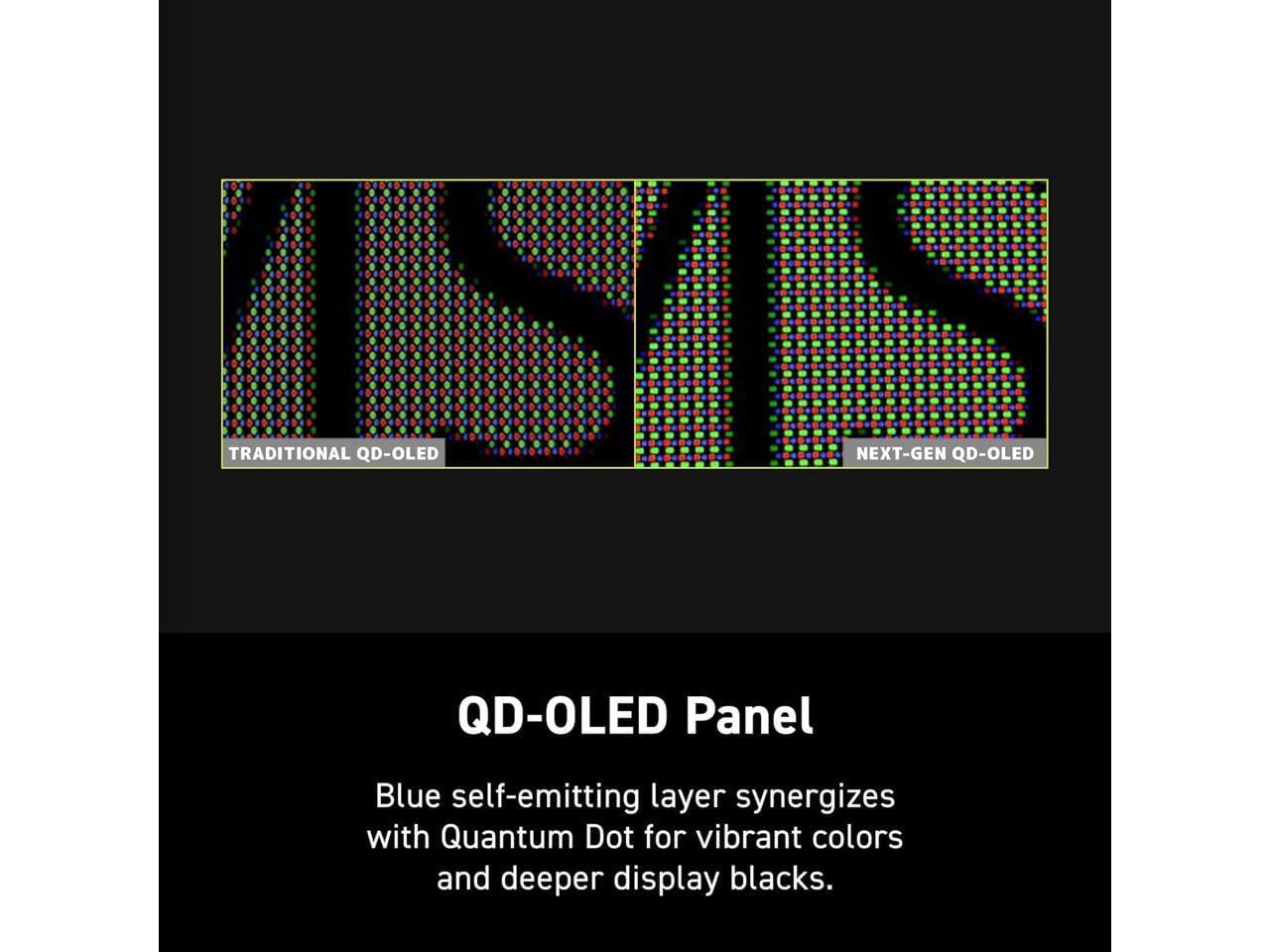
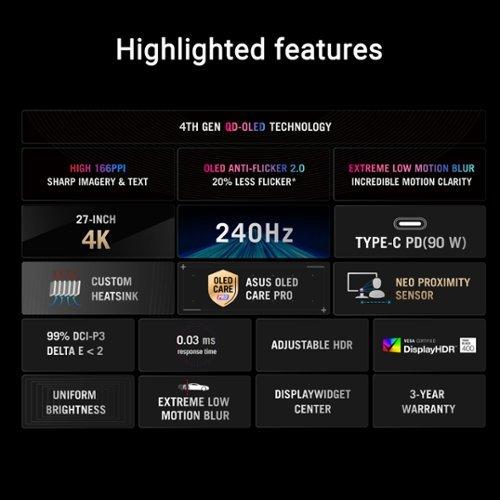
Both the MSI MAG 271QP QD-OLED X24 and ASUS ROG Strix OLED XG27UCDMG use QD-OLED panels, which add quantum dot technology on top of the OLED base. Quantum dots are microscopic crystals that enhance color accuracy and brightness, resulting in more vibrant and precise colors than standard OLED panels. The result is a contrast ratio of 1,500,000:1 – essentially infinite contrast that makes games and movies pop off the screen.
The most fundamental difference between these monitors is resolution, and it's a choice that affects everything from gaming performance to visual clarity.
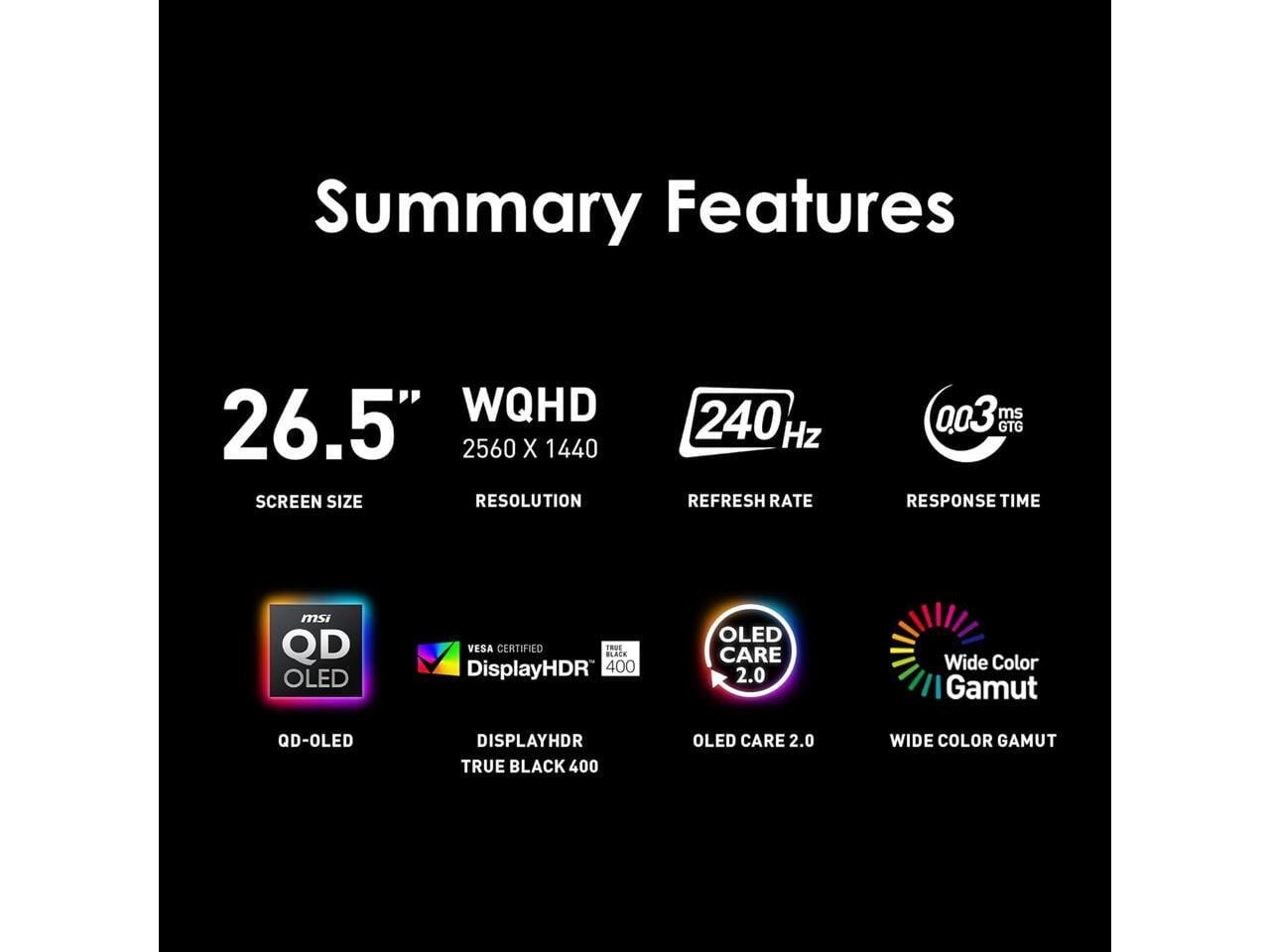
The MSI MAG 271QP QD-OLED X24 uses QHD resolution (2560 x 1440 pixels), while the ASUS ROG Strix OLED XG27UCDMG pushes up to 4K (3840 x 2160 pixels). That's a massive difference – the ASUS has 78% more pixels to push, which dramatically changes the gaming experience and system requirements.
At QHD resolution, the MSI delivers a pixel density of 111 pixels per inch (PPI). This provides sharp gaming visuals where you're focused on fast-moving action, though you might notice some pixelation if you look closely at text or fine details. The 4K resolution of the ASUS bumps that up to 166 PPI, creating noticeably sharper text and finer image details that become apparent in both gaming and productivity tasks.
Here's where it gets interesting for gaming performance: driving 4K at high refresh rates requires significantly more GPU horsepower than QHD. While you might achieve 200+ fps in competitive games like Valorant or CS2 at QHD with a mid-range graphics card, hitting those same frame rates at 4K typically requires a flagship GPU costing $800 or more. The MSI monitor becomes an excellent choice for gamers with RTX 4070 or RX 7800 XT level hardware, while the ASUS model really shines with RTX 4080/4090 or RX 7900 XTX graphics cards.
Both monitors share an impressive 240Hz refresh rate and 0.03ms gray-to-gray response time – specifications that put them in the elite tier of gaming displays. To understand why these numbers matter, consider that most budget gaming monitors top out at 144Hz with 1-4ms response times.
Refresh rate determines how many times per second your monitor updates the image. At 240Hz, you're seeing 240 unique frames every second when your graphics card can keep up. This creates incredibly smooth motion, especially noticeable in fast-paced competitive games. The difference between 144Hz and 240Hz might seem subtle at first, but once you experience it, going back feels sluggish.
Response time measures how quickly pixels can change from one color to another. The 0.03ms specification on both the MSI and ASUS monitors is essentially instantaneous, eliminating the ghosting or blurring you might see with slower displays during rapid movement.
Both monitors support variable refresh rate (VRR) technologies including FreeSync Premium Pro and G-SYNC compatibility. VRR synchronizes your monitor's refresh rate with your graphics card's frame output, eliminating screen tearing – those ugly horizontal lines that appear when frame rates and refresh rates don't match up.
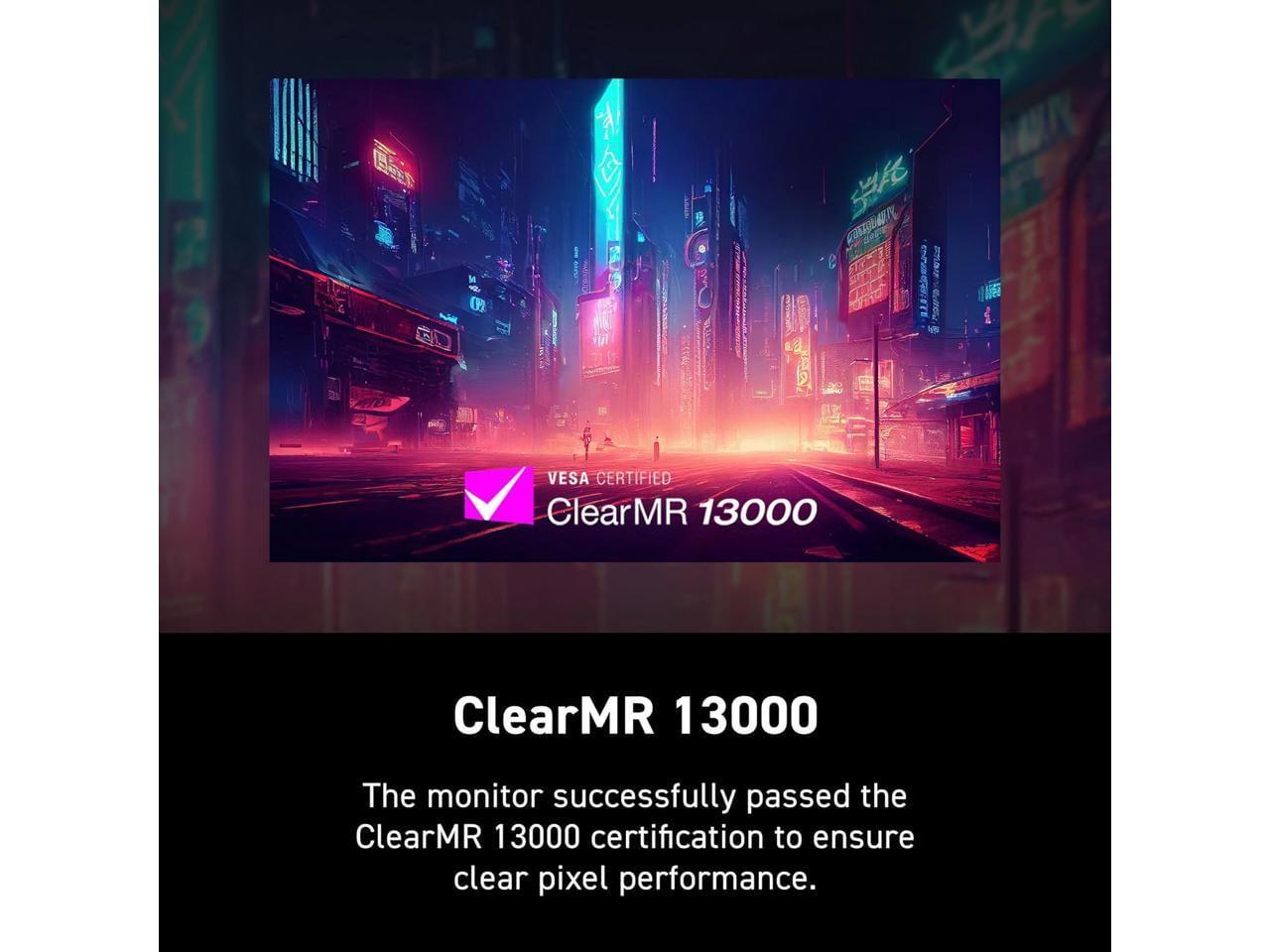
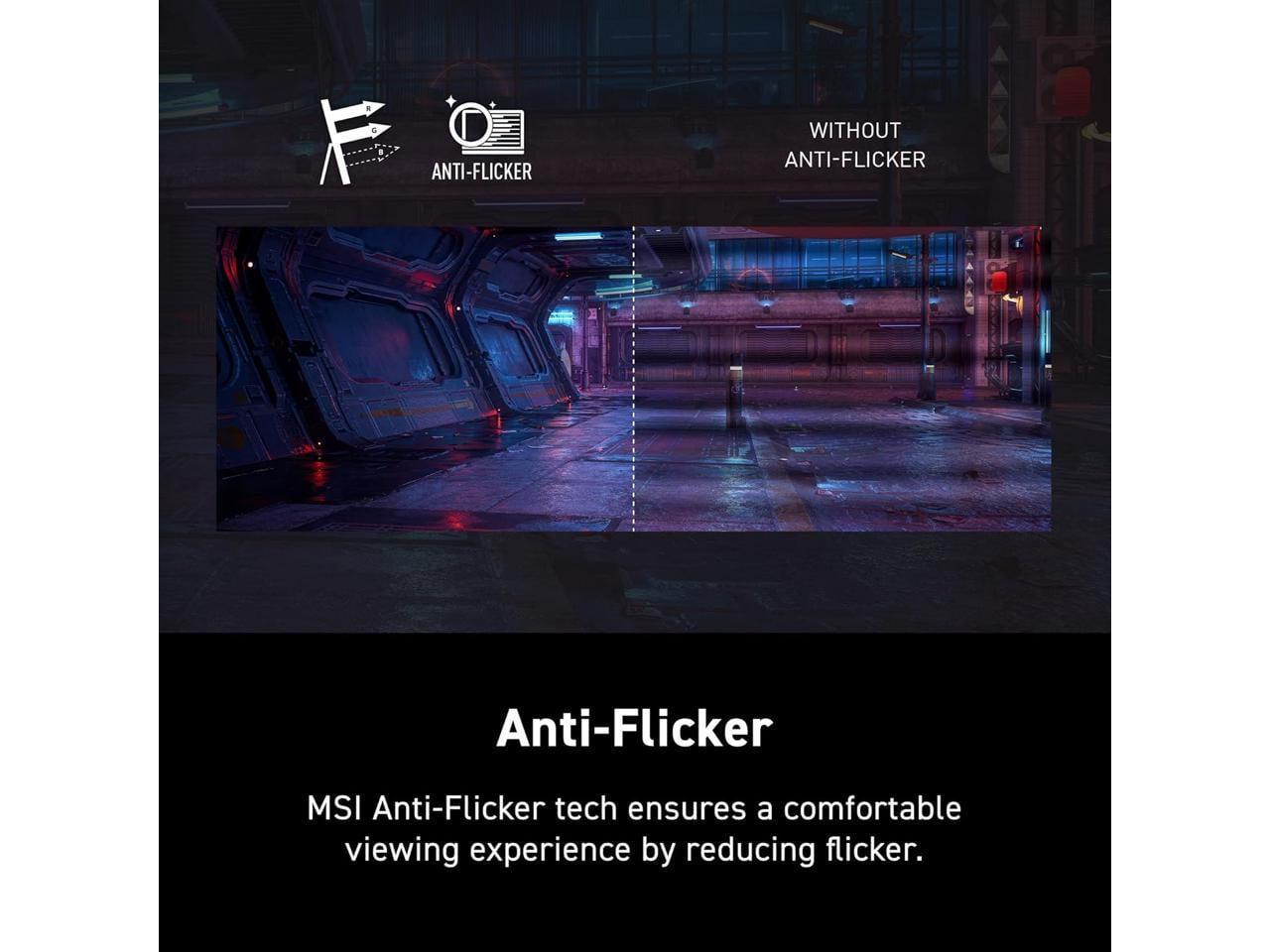
The MSI MAG 271QP QD-OLED X24 holds VESA ClearMR 13000 certification, which is a standardized measurement of motion clarity. The higher the number, the clearer moving objects appear. This certification confirms the monitor's excellent performance for competitive gaming where tracking fast-moving targets is crucial.
For competitive gaming, the QHD resolution of the MSI monitor actually provides an advantage. Many professional esports players prefer lower resolutions because they're easier to drive at high frame rates, and the slightly larger target size can improve accuracy in games like Overwatch or Apex Legends. Meanwhile, the 4K resolution of the ASUS model excels in single-player games where visual fidelity and immersion matter more than competitive edge.
Both monitors deliver exceptional color performance thanks to their QD-OLED panels. They cover 99% of the DCI-P3 color space (the standard used for digital cinema) and over 138% of the sRGB space that most content uses. This wide color gamut means you'll see more vibrant greens in forest environments, deeper blues in ocean scenes, and more accurate skin tones in character models.
Color accuracy is measured using Delta E values, where lower numbers indicate more precise colors. Both monitors achieve Delta E < 2, which is considered excellent – professional content creators typically aim for Delta E < 3, so these displays exceed professional standards right out of the box.
HDR (High Dynamic Range) support adds another layer of visual enhancement. Both monitors are certified for VESA DisplayHDR True Black 400, which specifically tests OLED displays' ability to show both deep blacks and bright highlights simultaneously. They can hit peak brightness levels around 1000 nits in small areas – that's bright enough to make sunlight reflections off water or metal surfaces genuinely eye-catching, while maintaining perfect blacks in shadows.
The ASUS ROG Strix OLED XG27UCDMG includes more sophisticated HDR processing and calibration options, along with support for multiple HDR formats. This makes it slightly better suited for HDR movie watching or content creation work where color accuracy is paramount.
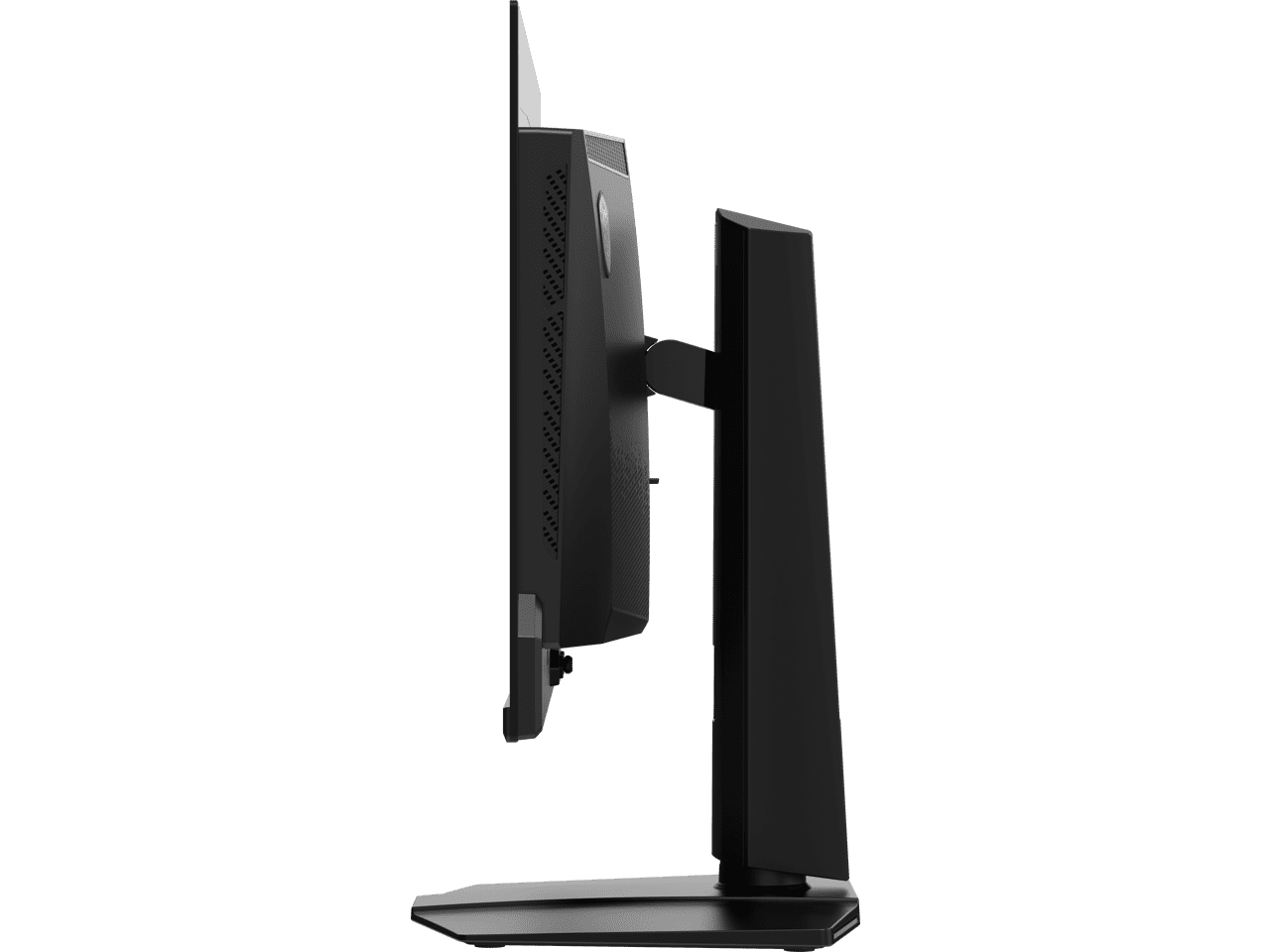
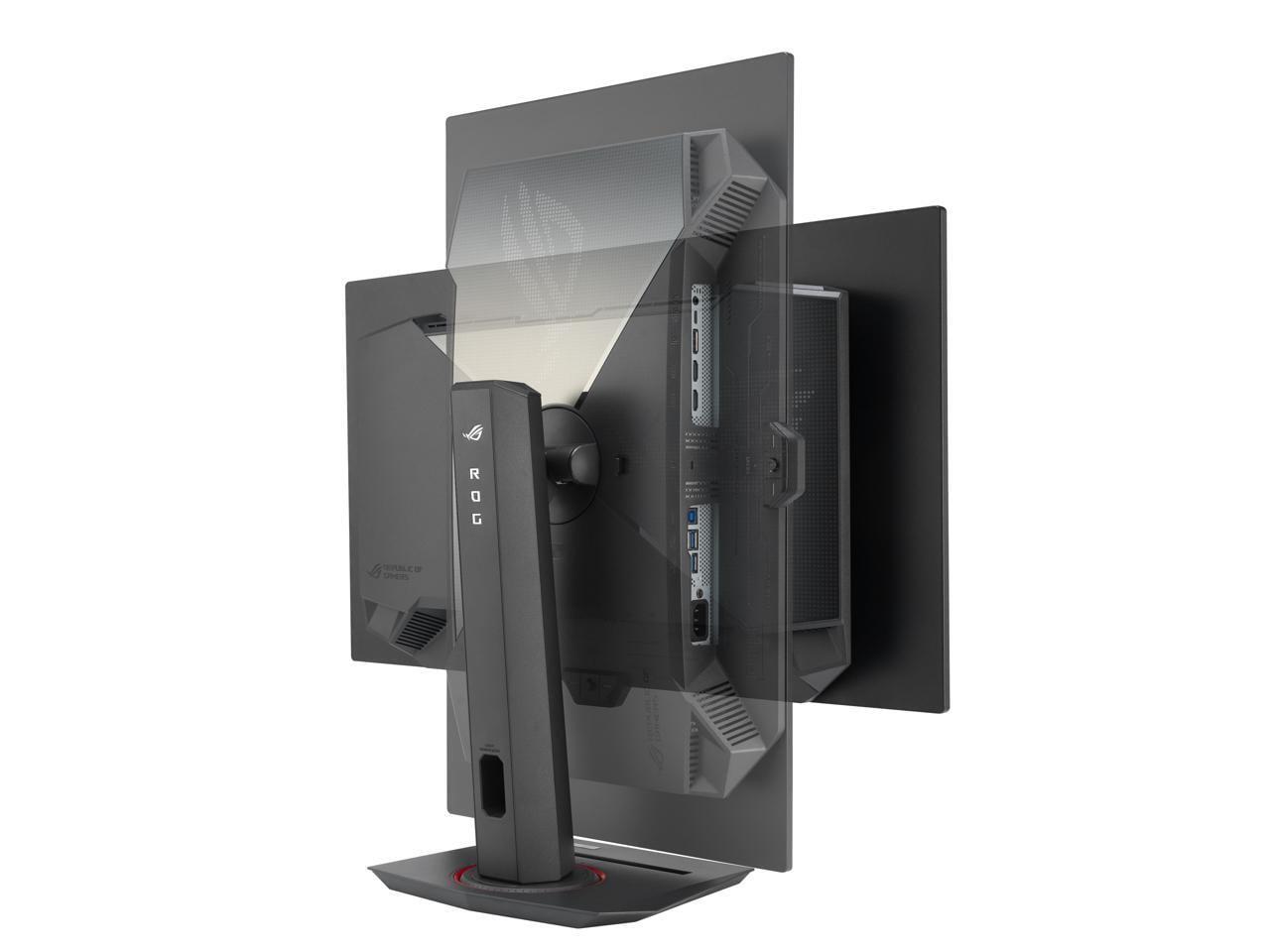
The feature sets of these monitors reveal their different target markets clearly. The MSI MAG 271QP QD-OLED X24 focuses on gaming essentials with a clean, straightforward approach. It includes full ergonomic adjustability (tilt, swivel, height adjustment, and 90-degree pivot), solid build quality, and MSI's OLED Care 2.0 system for protecting against burn-in.
OLED Care 2.0 includes pixel shifting (subtly moving the image to prevent static elements from staying in one place), panel refresh routines that run automatically, and static screen detection that dims or moves persistent interface elements. MSI backs this with a 3-year warranty that specifically covers OLED burn-in – unusual in the industry and a sign of confidence in their protection systems.
The ASUS ROG Strix OLED XG27UCDMG takes a more premium approach with OLED Care Pro, which includes all the MSI features plus a Neo Proximity Sensor. This clever addition detects when you step away from the monitor and automatically switches to a black screen, preventing burn-in from static desktop elements while saving power. The ASUS also features more advanced thermal management with custom heatsinks that help maintain stable performance during long gaming sessions.
Connectivity tells a similar story. The MSI monitor provides the essentials: two HDMI 2.1 ports and one DisplayPort 1.4a connection, plus a headphone jack. This covers gaming needs perfectly – you can connect a gaming PC via DisplayPort and two consoles via HDMI, all supporting the full 240Hz refresh rate.
The ASUS model goes further with USB-C connectivity that supports DisplayPort Alt Mode and 90W power delivery. This means you can connect and charge a laptop with a single cable, making it excellent for mixed gaming and productivity setups. It also includes a USB hub, KVM switch functionality (letting you control multiple computers with one keyboard and mouse), and more extensive gaming software integration.
OLED burn-in – permanent image retention from static elements – remains a concern for many buyers, though modern OLED monitors have largely solved this issue through smart software. Both monitors implement comprehensive protection systems, but their approaches differ slightly.
The MSI MAG 271QP QD-OLED X24 uses OLED Care 2.0, which focuses on core protection features like pixel refreshing, logo detection, and subtle pixel shifting. These systems run transparently in the background, requiring no user intervention. The 3-year burn-in warranty provides additional peace of mind.
ASUS's OLED Care Pro on the XG27UCDMG adds the Neo Proximity Sensor, which is particularly clever for preventing desktop burn-in. When you walk away from your computer, the sensor automatically displays a black screen within seconds, preventing Windows taskbars, desktop icons, or pause screens from causing retention. It also includes more sophisticated thermal monitoring and panel refresh algorithms.
In practical use, burn-in is rarely an issue with modern OLED gaming monitors when used normally. The biggest risk comes from leaving static images on screen for hours – something like a paused game menu or a Windows desktop with bright, unchanging elements. Both monitors' protection systems effectively mitigate these risks.
At the time of writing, these monitors occupy different value segments that reflect their feature sets and target audiences. The MSI MAG 271QP QD-OLED X24 positions itself as the value champion, offering excellent OLED gaming performance at a more accessible price point. It delivers roughly 90% of the gaming experience for significantly less money, making it ideal for competitive gamers who want OLED benefits without premium pricing.
The ASUS ROG Strix OLED XG27UCDMG commands a premium price but justifies it through 4K resolution, extensive connectivity, and productivity features. For users who game and work on the same system, or those with high-end graphics cards that can truly utilize 4K gaming, the additional cost becomes worthwhile.
Consider total system cost when making this decision. Pairing the MSI monitor with a mid-range graphics card like an RTX 4070 creates an excellent gaming system at a reasonable total cost. The ASUS monitor really demands a high-end GPU to shine, pushing total system costs significantly higher but delivering a more premium experience.
Both monitors work well for media consumption, though with some caveats. The OLED technology provides perfect blacks and vibrant colors that make movies and TV shows look fantastic. HDR content particularly benefits from the high contrast ratios and accurate color reproduction.
The ASUS model's 4K resolution provides a clear advantage for streaming 4K content from Netflix, Amazon Prime, or Apple TV+. The higher pixel density creates sharper text in subtitles and finer detail in movie scenes. However, both monitors use computer-oriented scaling and interfaces rather than TV-style smart features.
For gaming console use, both monitors support HDMI 2.1 with features like Auto Low Latency Mode (ALLM) and Variable Refresh Rate (VRR) for Xbox Series X|S and PlayStation 5. The MSI monitor makes more sense for console gaming since most console games target 1440p at high frame rates rather than 4K, and the lower resolution is easier to drive.
Your choice between these monitors should primarily depend on your graphics card, gaming preferences, and intended use cases.
Choose the MSI MAG 271QP QD-OLED X24 if you're primarily focused on competitive gaming, have a mid-range graphics card, value excellent gaming performance over ultimate visual fidelity, or want to experience OLED technology without premium pricing. It's particularly excellent for esports titles, battle royale games, and multiplayer shooters where frame rate and response time matter more than visual detail.
The ASUS ROG Strix OLED XG27UCDMG makes sense if you have a high-end graphics card, frequently switch between gaming and productivity tasks, create content or stream, want the sharpest possible image quality, or plan to keep the monitor for several years as technology advances. It's ideal for single-player AAA games, content creation, and mixed-use scenarios.
Both monitors represent excellent implementations of OLED technology with their own strengths. The MSI democratizes premium gaming displays by focusing on core gaming performance, while the ASUS provides a comprehensive premium experience with versatility beyond gaming. Either choice will provide a significant upgrade over traditional LCD gaming monitors, delivering the kind of visual quality and gaming performance that makes you wonder how you ever played games without OLED technology.
The most important factor is honestly matching the monitor to your graphics card capabilities and usage patterns. A fantastic 4K monitor paired with inadequate GPU power results in a frustrating experience, while a well-matched QHD OLED setup can provide years of exceptional gaming enjoyment. Consider your entire system holistically, and either of these excellent monitors will serve you well within their respective sweet spots.
| MSI MAG 271QP QD-OLED X24 | ASUS ROG Strix OLED XG27UCDMG |
|---|---|
| Resolution - The biggest performance and visual quality difference | |
| 2560 x 1440 (QHD) - Easier to drive at high fps | 3840 x 2160 (4K) - 78% more pixels, sharper detail |
| Refresh Rate & Response Time - Critical for competitive gaming | |
| 240Hz, 0.03ms (identical gaming performance) | 240Hz, 0.03ms (identical gaming performance) |
| Panel Technology - Why both deliver exceptional image quality | |
| 3rd-gen QD-OLED, 1,500,000:1 contrast | 4th-gen QD-OLED, 1,500,000:1 contrast, improved text clarity |
| Color Performance - Professional-grade accuracy on both | |
| 99% DCI-P3, 138% sRGB, Delta E < 2 | 99% DCI-P3, 145% sRGB, Delta E < 2 |
| HDR Performance - Both excellent for gaming and media | |
| DisplayHDR True Black 400, 1000 nits peak | DisplayHDR True Black 400, 1000 nits peak |
| GPU Requirements - Major cost consideration for your build | |
| RTX 4060 Ti/4070 or RX 7700 XT/7800 XT sufficient | RTX 4080/4090 or RX 7900 XTX recommended for full 4K |
| Connectivity - Basic vs premium multi-device setup | |
| 2x HDMI 2.1, 1x DP 1.4a, headphone jack | 2x HDMI 2.1, 1x DP 1.4, USB-C (90W PD), USB hub, KVM |
| OLED Protection - Both include comprehensive burn-in prevention | |
| OLED Care 2.0, 3-year burn-in warranty | OLED Care Pro with Neo Proximity Sensor, 3-year warranty |
| Build Quality & Ergonomics - Both offer full adjustability | |
| Standard gaming design, full ergonomic stand | Premium build with phone holder, RGB lighting, tripod mount |
| Target Use Case - Different approaches to OLED gaming | |
| Competitive gaming focus, excellent value | Premium multi-use: gaming, productivity, content creation |
| Price Positioning - Significant value difference | |
| Budget-friendly OLED entry point | Premium pricing for 4K resolution and advanced features |
The MSI MAG 271QP QD-OLED X24 is better for competitive gaming due to its QHD resolution being easier to drive at high frame rates. You can achieve 200+ fps in esports titles with mid-range GPUs, while the ASUS ROG Strix OLED XG27UCDMG's 4K resolution requires flagship graphics cards to reach similar frame rates. Both offer identical 240Hz refresh rates and 0.03ms response times.
The primary difference is resolution: the MSI MAG 271QP QD-OLED X24 uses 2560x1440 (QHD) while the ASUS ROG Strix OLED XG27UCDMG features 3840x2160 (4K). This affects both visual sharpness and GPU performance requirements, with the ASUS having 78% more pixels to display.
For the MSI MAG 271QP QD-OLED X24, an RTX 4060 Ti, RTX 4070, or RX 7700 XT provides excellent performance. The ASUS ROG Strix OLED XG27UCDMG really needs an RTX 4080, RTX 4090, or RX 7900 XTX to fully utilize its 4K resolution at high refresh rates.
Both use QD-OLED panels with identical contrast ratios (1,500,000:1) and similar color coverage (99% DCI-P3). The ASUS ROG Strix OLED XG27UCDMG has sharper text and finer details due to higher pixel density, while the MSI MAG 271QP QD-OLED X24 offers excellent image quality that's perfectly suited for gaming.
The MSI MAG 271QP QD-OLED X24 provides exceptional value by delivering premium OLED gaming performance at a more accessible price point. The ASUS ROG Strix OLED XG27UCDMG costs significantly more but justifies the premium through 4K resolution and extensive connectivity features.
Yes, both support HDMI 2.1 with VRR and ALLM for Xbox Series X|S and PlayStation 5. The MSI MAG 271QP QD-OLED X24 is actually better suited for console gaming since most console games target 1440p resolution, making it easier to achieve high frame rates than the 4K ASUS ROG Strix OLED XG27UCDMG.
The ASUS ROG Strix OLED XG27UCDMG excels at productivity with its 4K resolution providing crisp text, USB-C connectivity with 90W power delivery for laptops, and KVM switch functionality. The MSI MAG 271QP QD-OLED X24 focuses primarily on gaming with basic connectivity options.
The MSI MAG 271QP QD-OLED X24 offers essential gaming connections: 2x HDMI 2.1, 1x DisplayPort 1.4a, and headphone jack. The ASUS ROG Strix OLED XG27UCDMG adds USB-C with power delivery, USB hub, and KVM switch for multi-device workflows.
Yes, both include comprehensive burn-in protection. The MSI MAG 271QP QD-OLED X24 uses OLED Care 2.0 with pixel shifting and panel refresh. The ASUS ROG Strix OLED XG27UCDMG features OLED Care Pro with an additional Neo Proximity Sensor that automatically displays black screens when you're away.
The ASUS ROG Strix OLED XG27UCDMG is superior for single-player gaming due to its 4K resolution providing exceptional visual detail and immersion. The MSI MAG 271QP QD-OLED X24 still delivers excellent single-player gaming but prioritizes performance over ultimate visual fidelity.
Both monitors excel at movie watching with perfect OLED blacks and vibrant colors. The ASUS ROG Strix OLED XG27UCDMG has an advantage for 4K streaming content with sharper detail and text. Both support HDR content beautifully, though the MSI MAG 271QP QD-OLED X24 offers great movie performance at better value.
Choose the MSI MAG 271QP QD-OLED X24 if you want excellent OLED gaming performance at better value and have a mid-range GPU. Pick the ASUS ROG Strix OLED XG27UCDMG if you have a high-end graphics card, need productivity features, and want the sharpest possible image quality for both gaming and work.
We've done our best to create useful and informative comparisons to help you decide what product to buy. Our research uses advanced automated methods to create this comparison and perfection is not possible - please contact us for corrections or questions. These are the sites we've researched in the creation of this article: bestbuy.com - youtube.com - xda-developers.com - newegg.com - notebookcheck.net - displayninja.com - ign.com - rtings.com - cdw.com - microcenter.com - bestbuy.com - us.msi.com - colamco.com - msi.com - msi.com - displayspecifications.com - msi.com - storage-asset.msi.com - msi.com - us.msi.com - displayspecifications.com - bestbuy.com - rog.asus.com - forum.pcmonitors.info - rog.asus.com - windowscentral.com - versus.com - youtube.com - youtube.com - rtings.com - rtings.com - rog.asus.com - rog.asus.com - rog.asus.com - tenforums.com - rog.asus.com - techpowerup.com - bestbuy.com - newegg.com - displayspecifications.com - youtube.com - tftcentral.co.uk - displayninja.com

Privacy Policy
Terms and Conditions - Affiliate Policy
Home Security
© Copyright 2008-2026.
11816 Inwood Rd #1211, Dallas, TX 75244