


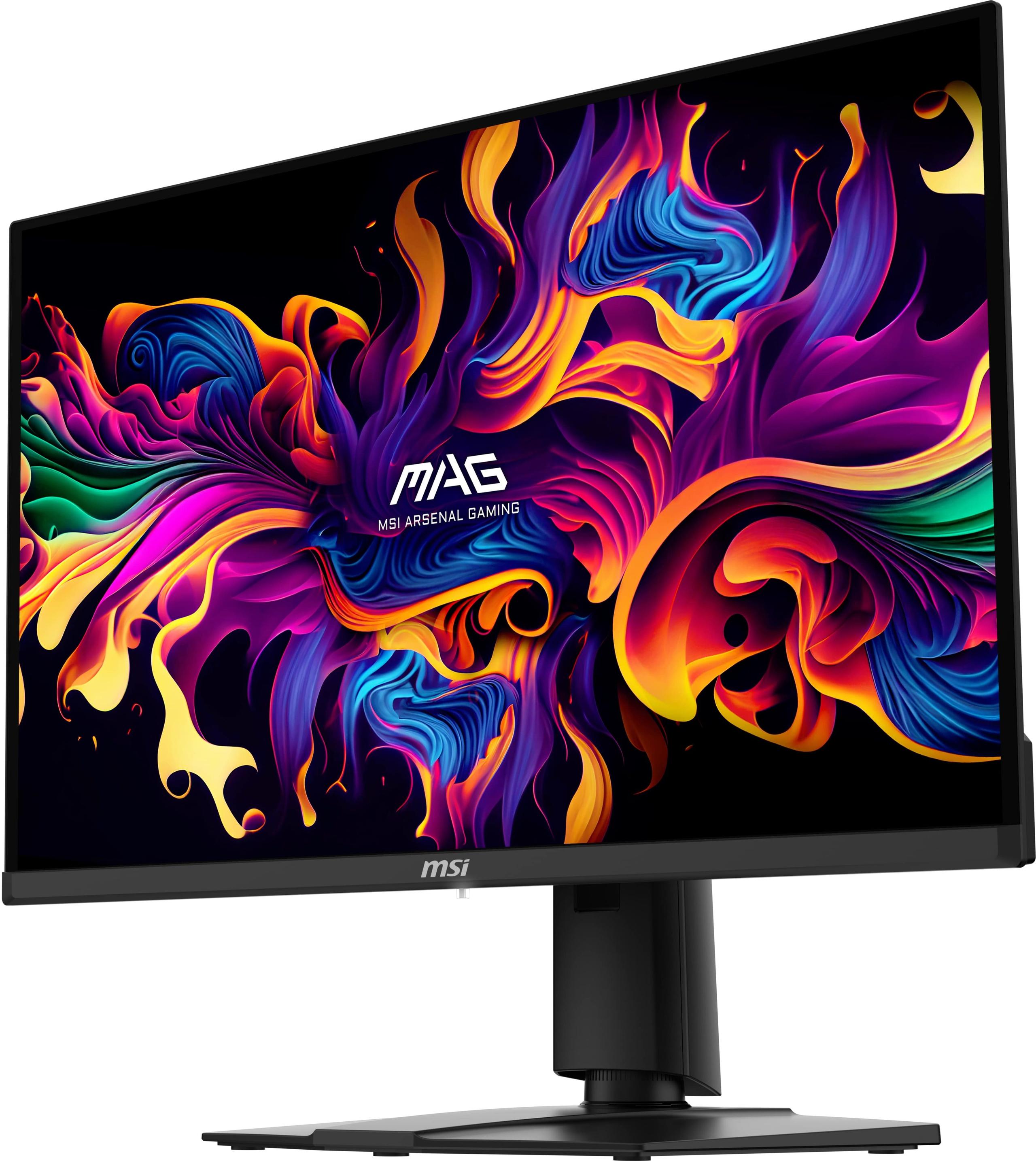
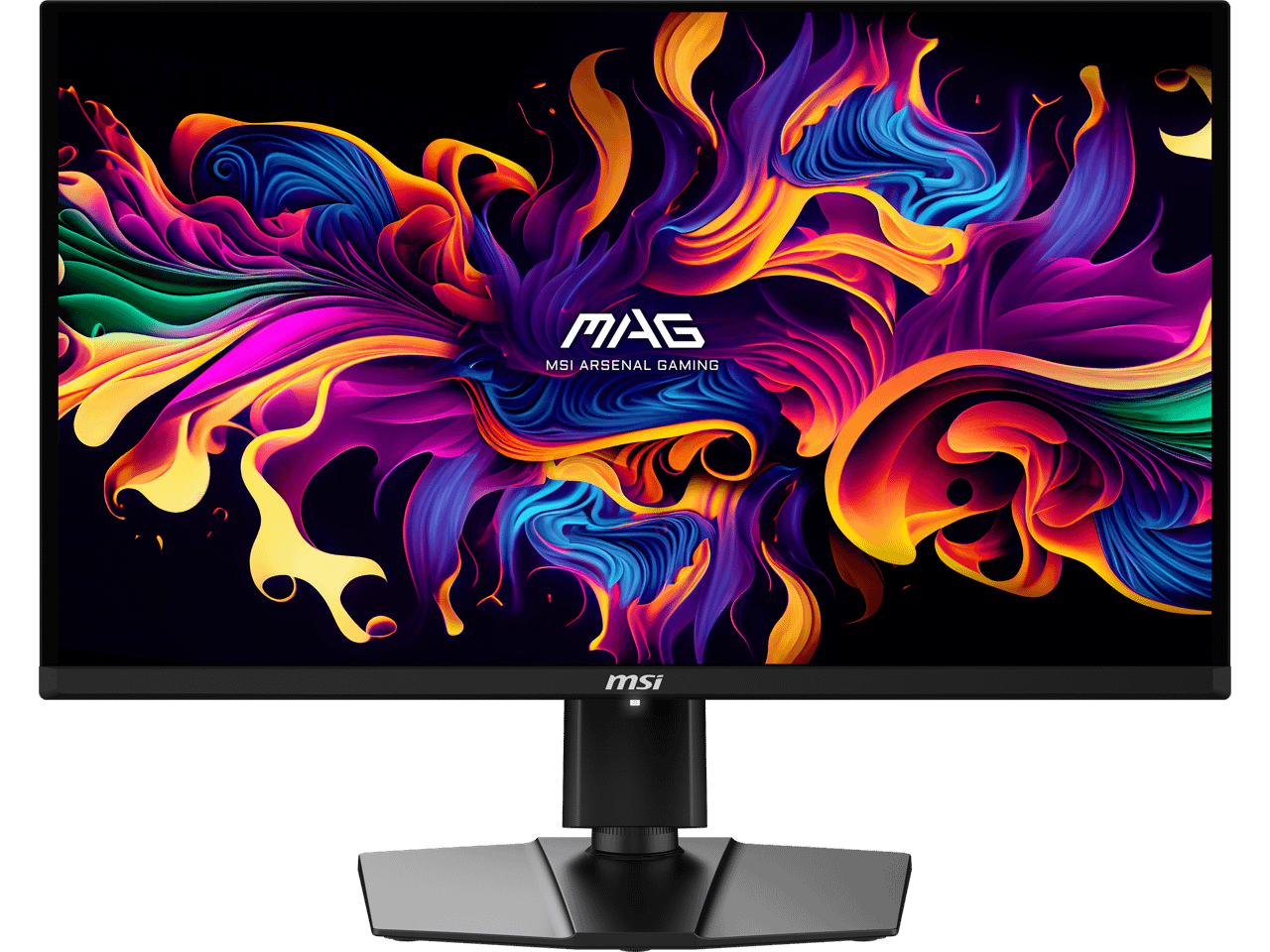
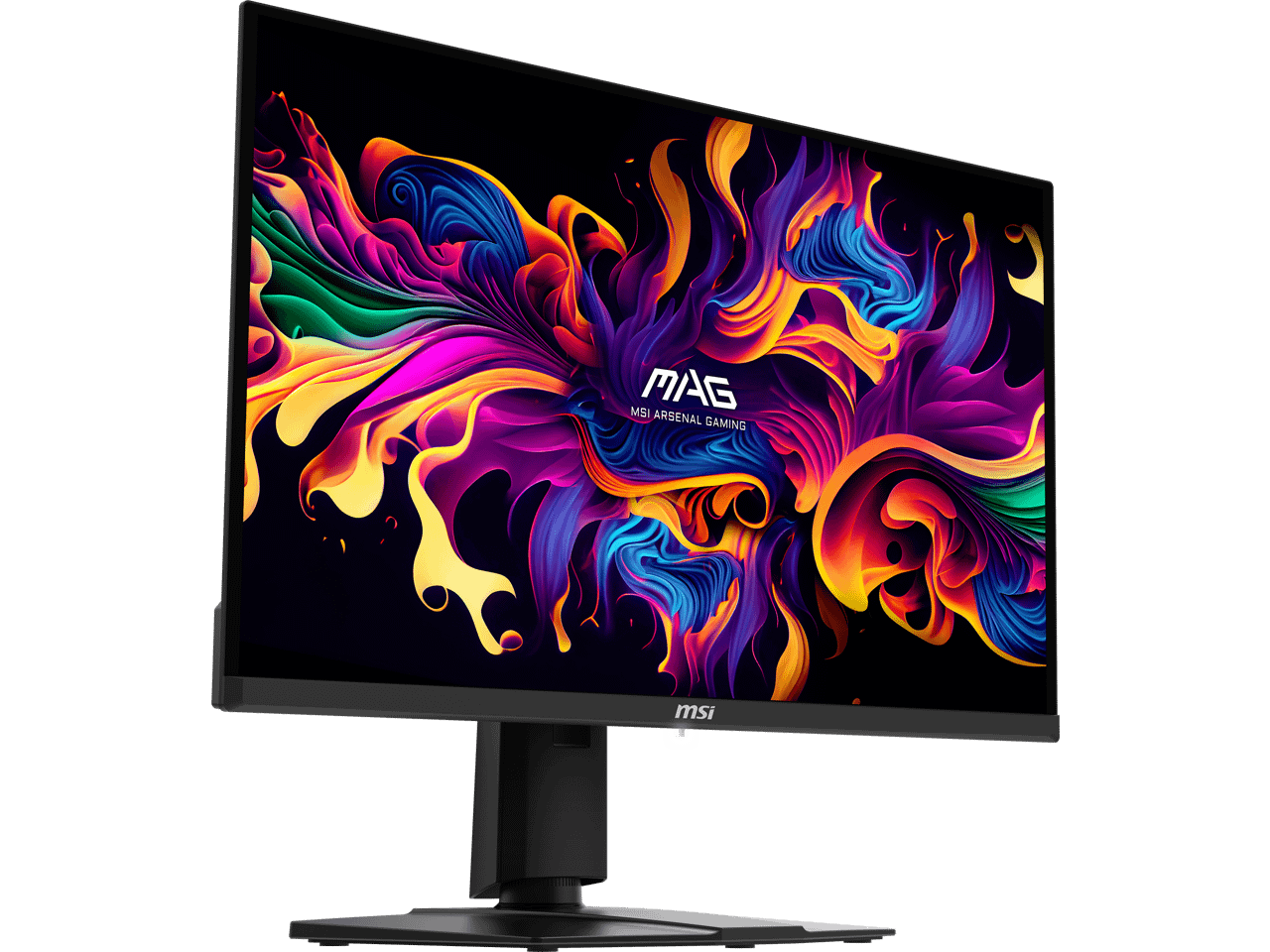
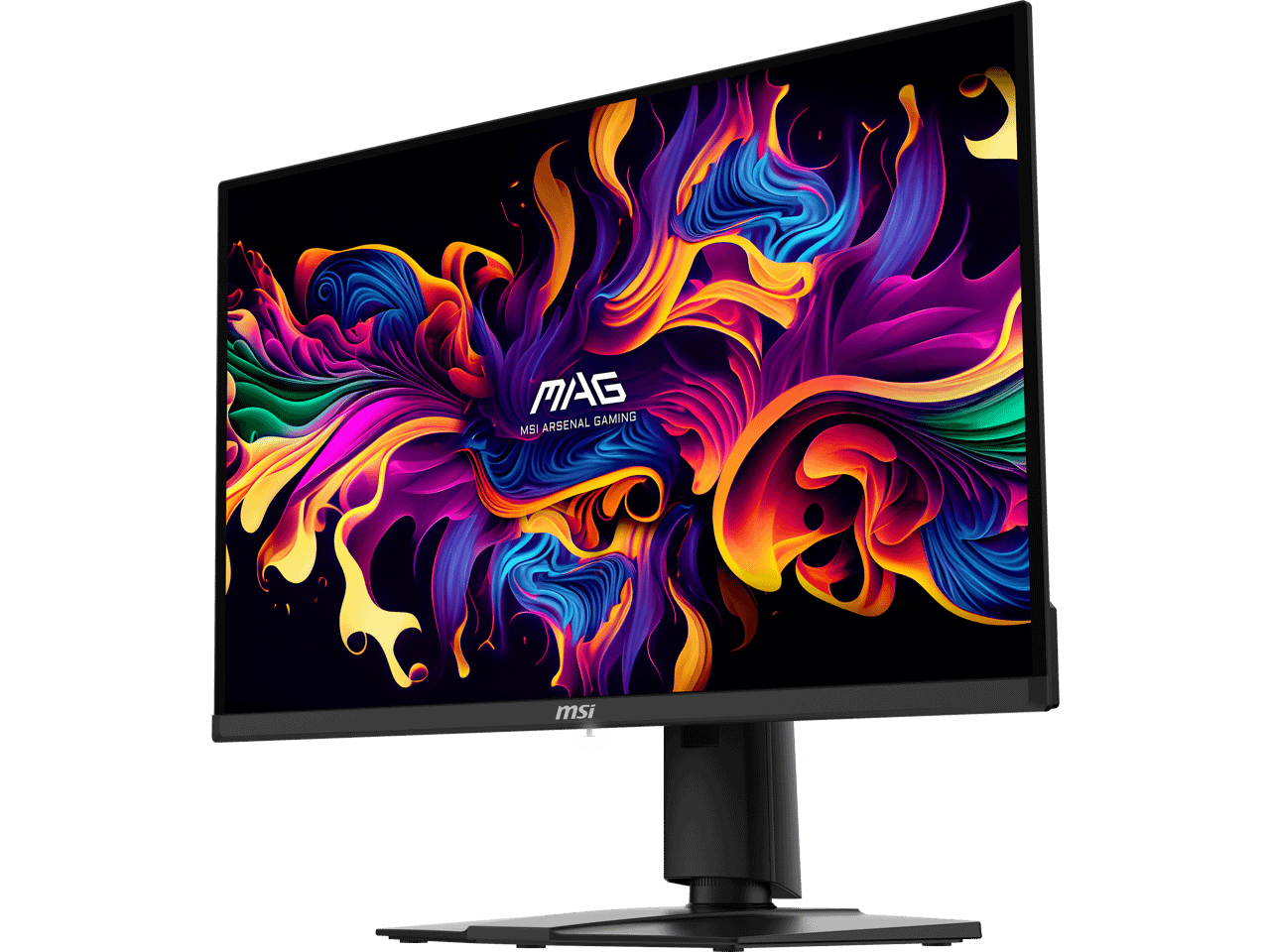

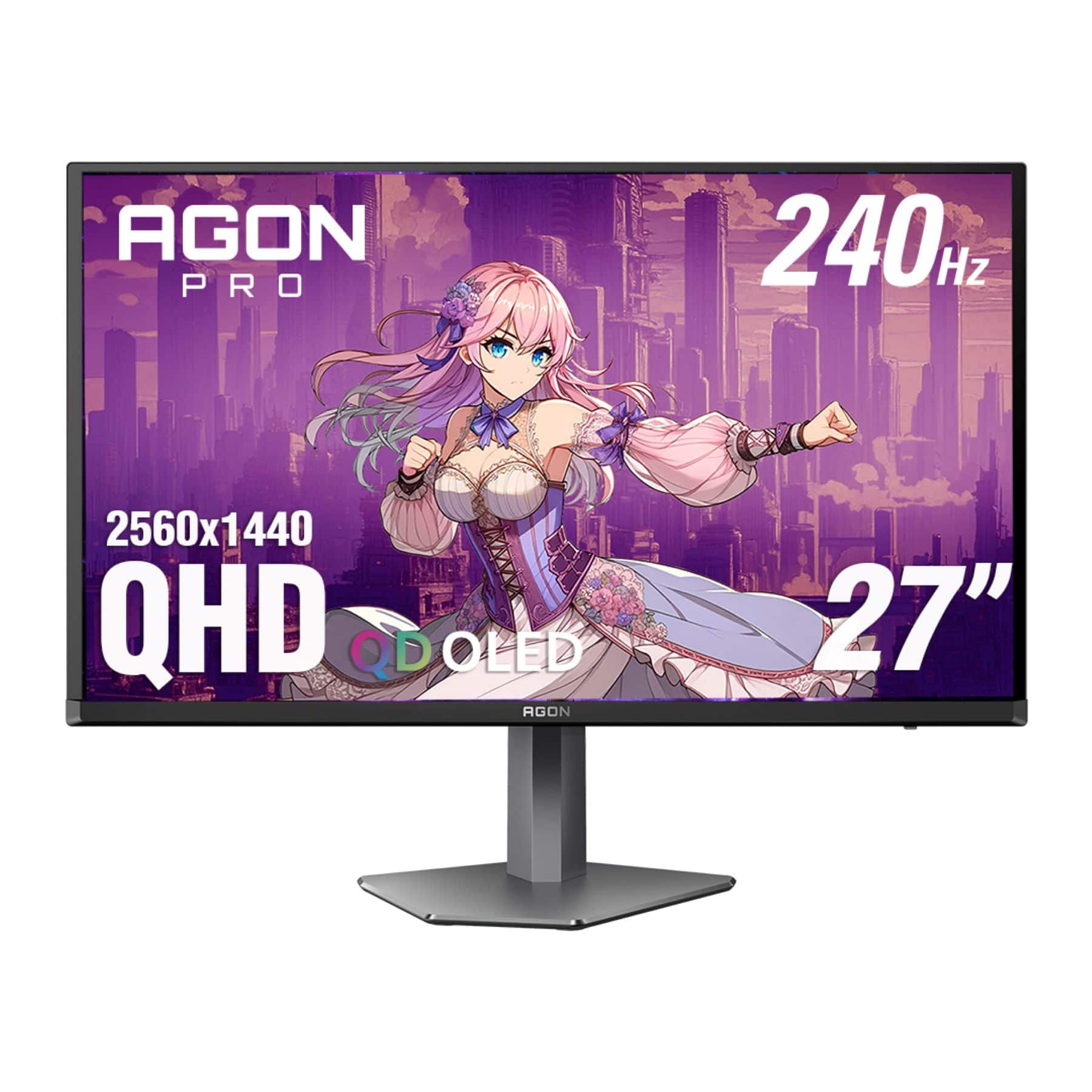
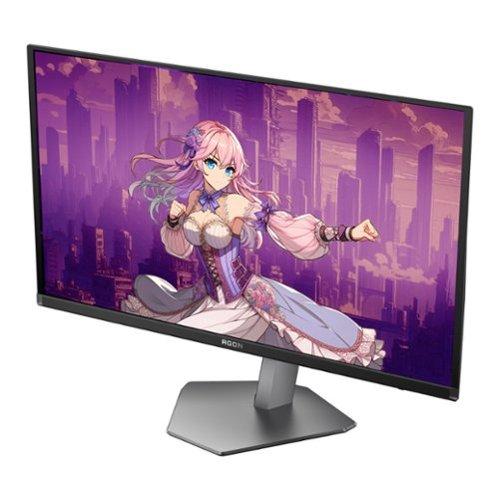
If you've been following the gaming monitor scene over the past couple of years, you've probably heard a lot of buzz about QD-OLED displays. These aren't just marketing hype – they represent a genuine leap forward in display technology that combines the best aspects of OLED and Quantum Dot technologies. Today, we're comparing two compelling 27-inch QD-OLED monitors: the MSI MAG 271QP QD-OLED X24 and the AOC Agon Pro AG276QZD2, both offering 240Hz refresh rates at QHD resolution.
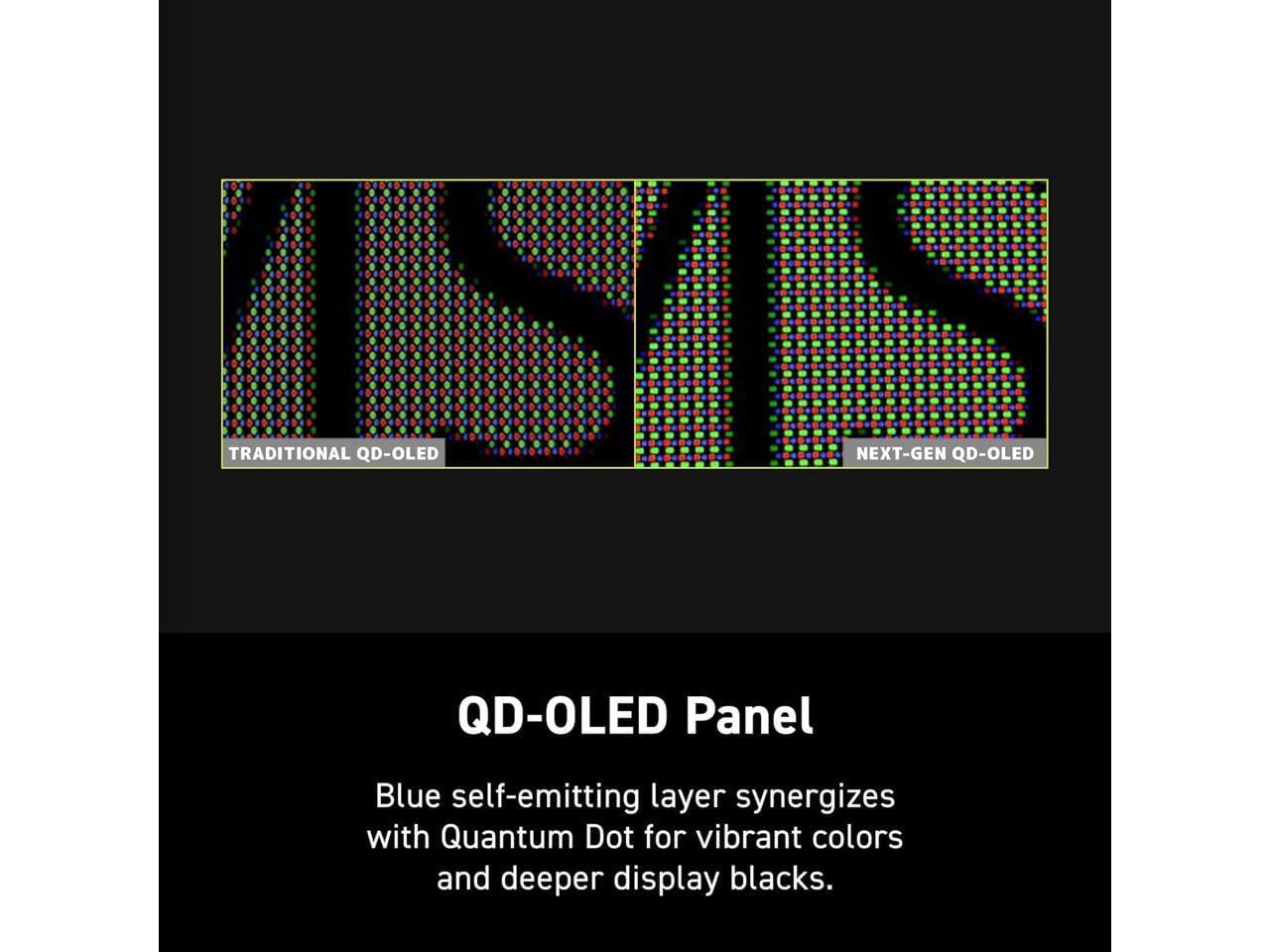
Before diving into the comparison, let's break down what makes QD-OLED special. Traditional OLED displays create light by exciting organic compounds that emit specific colors. QD-OLED takes this a step further by using a blue OLED backlight combined with quantum dots – tiny semiconductor particles that convert blue light into precise red and green wavelengths. This hybrid approach delivers OLED's signature infinite contrast (meaning true blacks) while achieving better color accuracy and brightness than standard OLED panels.
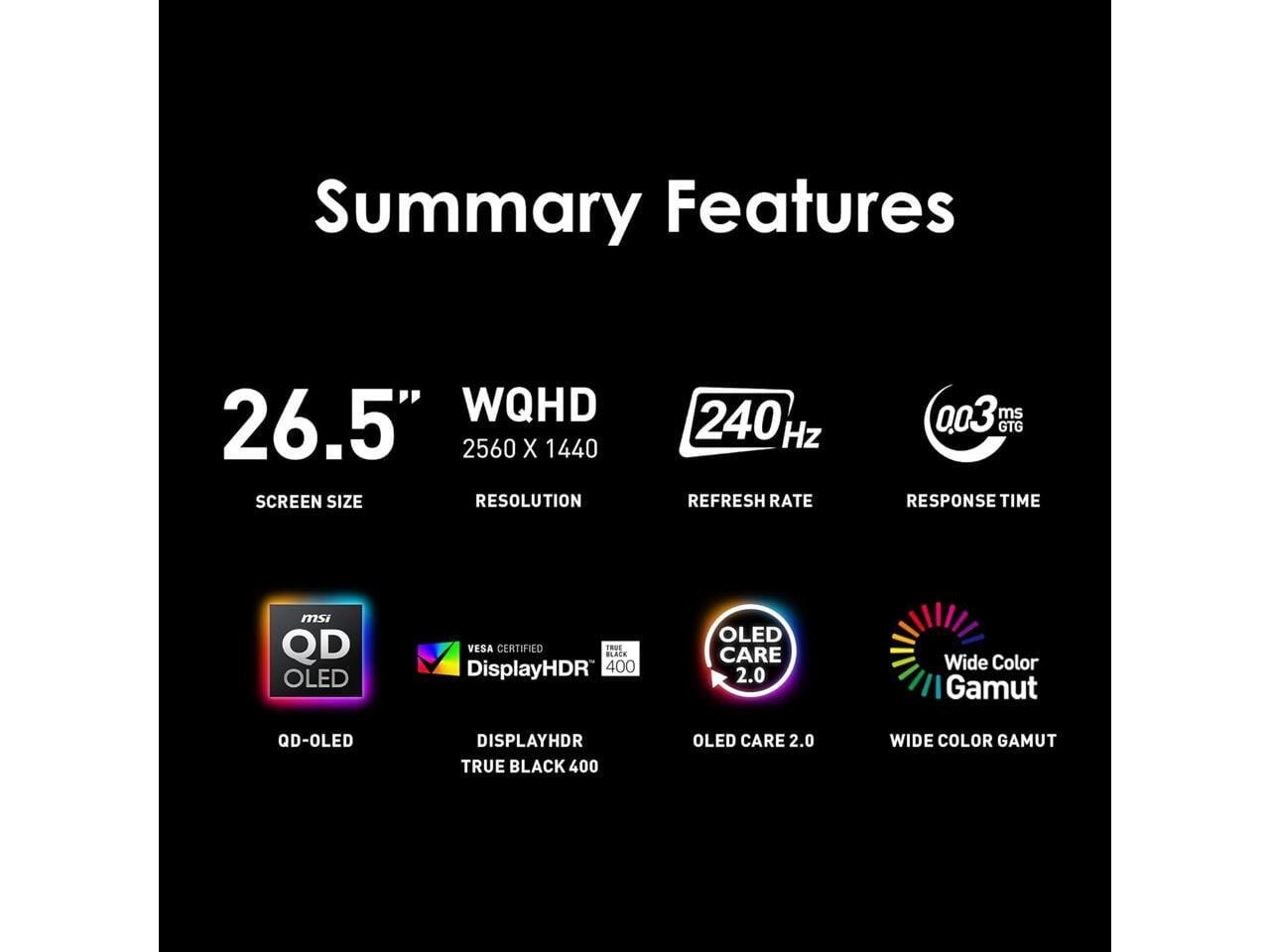
The 27-inch QHD format (2560x1440 pixels) has become the sweet spot for competitive gaming. It offers 78% more pixels than 1080p for sharper detail, while being significantly less demanding on your graphics card than 4K displays. At 27 inches, this resolution provides excellent pixel density without making text and interface elements too small.
Both the MSI MAG 271QP and AOC Agon Pro were released in 2024, riding the wave of QD-OLED adoption that began accelerating in 2023. Since then, we've seen manufacturing costs decrease and panel availability improve, making these premium displays more accessible to mainstream gamers.
Both monitors use Samsung's latest QD-OLED panels, so they share fundamental characteristics like infinite contrast ratios and near-instantaneous pixel response. However, the devil is in the implementation details.
The MSI MAG 271QP comes factory calibrated to achieve Delta E ≤ 2, which is professional monitor territory. Delta E measures color accuracy – values under 2 are considered visually indistinguishable from perfect. This means you get accurate colors right out of the box without needing to fiddle with settings or invest in calibration equipment.
The AOC Agon Pro also delivers excellent color reproduction, covering 99% of the DCI-P3 color space (the standard for digital cinema) and 138% of sRGB (standard web colors). However, it doesn't quite match the MSI's out-of-box accuracy, requiring some tweaking to achieve optimal results.
Both displays support over one billion colors (10-bit color depth), which eliminates color banding – those annoying stepped transitions you might see in gradients on lesser displays. The quantum dot technology ensures colors remain vibrant and accurate across the entire brightness range, something traditional OLEDs sometimes struggle with.
Here's where things get exciting for competitive gamers. Both monitors deliver a lightning-fast 0.03ms gray-to-gray response time – that's essentially instantaneous. For context, most gaming LCDs range from 1-5ms, while older monitors might hit 10-20ms. This ultra-low response time eliminates ghosting (trailing images behind moving objects) almost entirely.
The 240Hz refresh rate means each frame displays for just 4.17 milliseconds before being replaced by the next one. Compare this to a standard 60Hz monitor where each frame lingers for 16.67ms. This dramatic difference makes fast-paced games like first-person shooters feel incredibly smooth and responsive.
I've spent considerable time with high-refresh OLED displays, and the difference is immediately apparent. Tracking enemies in games like Counter-Strike or Apex Legends becomes noticeably easier, and the overall gaming experience feels more connected and immediate.
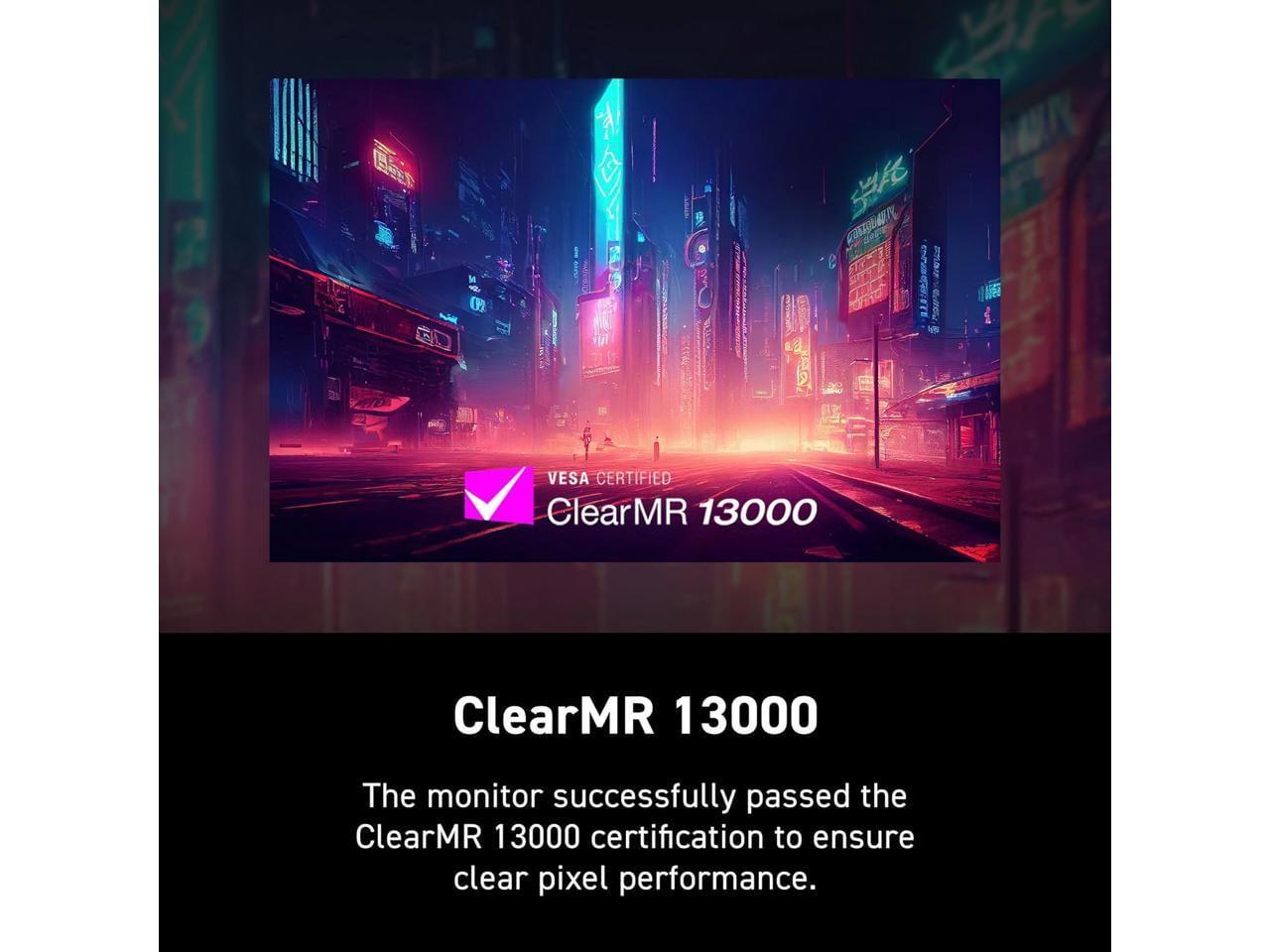
Both the MSI MAG 271QP and AOC Agon Pro achieve VESA ClearMR 13000 certification for motion clarity – an objective standard that confirms their ability to display clear moving images without blur.
HDR (High Dynamic Range) represents one of the biggest visual improvements in modern displays, expanding the range between the darkest blacks and brightest whites while displaying a wider spectrum of colors. Both monitors are VESA DisplayHDR True Black 400 certified, but their implementations differ significantly.
The MSI MAG 271QP reaches peak brightness levels of 1000 nits in small highlights (covering 3% of the screen), with 450 nits available for larger bright areas (10% coverage). This aggressive brightness profile creates stunning HDR highlights – think sunlight glinting off metal or explosions in games – while maintaining perfect blacks in shadow areas.
The AOC Agon Pro meets the same HDR certification but with a more limited color gamut in HDR mode. Professional reviews consistently note that HDR content appears less vibrant on the AOC compared to the MSI. This difference becomes particularly noticeable in games with dramatic lighting, where the MSI delivers more impactful and realistic-looking scenes.
For home theater use, both monitors excel in dark rooms where their OLED advantages shine brightest. However, the MSI's superior HDR implementation makes it the better choice for watching HDR movies or TV shows alongside gaming.
This is where the two monitors diverge most significantly. The MSI MAG 271QP includes two HDMI 2.1 ports with full 48Gbps bandwidth support. This means you can connect a PlayStation 5 or Xbox Series X and enjoy 1440p gaming at 120Hz with full Variable Refresh Rate (VRR) support and Auto Low Latency Mode (ALLM). VRR synchronizes the monitor's refresh rate with your console's frame rate, eliminating screen tearing, while ALLM automatically switches the display to its lowest latency mode when gaming.
The AOC Agon Pro only includes HDMI 2.0 ports, which limits console gaming to 1440p at 120Hz without some of the advanced features. More critically, it lacks compatibility with PlayStation 5's VRR implementation, meaning you'll experience screen tearing in games with fluctuating frame rates.
If you game on both PC and console, the MSI MAG 271QP is unquestionably the better choice. The difference in console gaming experience is substantial enough to be a deciding factor for many users.
The AOC Agon Pro takes a different approach with PC connectivity, offering two DisplayPort 1.4 connections (versus the MSI's single port) and a built-in USB 3.2 hub. This hub includes two USB-A ports and a USB-B upstream connection, essentially turning your monitor into a USB dock for keyboards, mice, and other peripherals.
While convenient, this advantage is somewhat diminished by the HDMI 2.0 limitation. The MSI MAG 271QP compensates for having fewer total ports by making each connection more capable, particularly for mixed PC and console setups.
OLED displays can suffer from burn-in – permanent image retention when static elements remain on screen for extended periods. Both manufacturers address this with comprehensive protection systems.
The MSI MAG 271QP includes OLED Care 2.0, featuring pixel shift (subtly moving the image to prevent static elements from affecting the same pixels), panel refresh cycles, and intelligent detection of static content like taskbars or game UI elements. MSI backs this with a three-year warranty that explicitly covers OLED burn-in – relatively rare in the industry.
The AOC Agon Pro offers similar protection features and a three-year burn-in warranty, though with more conditions attached. Both approaches should provide years of worry-free gaming, but MSI's implementation appears more comprehensive.
At the time of writing, the MSI MAG 271QP positioned itself as one of the most affordable QD-OLED options available, undercutting most competitors by a significant margin. This aggressive pricing strategy makes premium OLED gaming accessible to a broader audience.
The AOC Agon Pro commands a premium over the MSI, justifying its higher cost with additional features like RGB lighting, the USB hub, and more gaming-focused aesthetics. However, these extras come at the expense of some core functionality, particularly console compatibility.
The MSI represents exceptional value for performance-focused users who want the best possible gaming experience without paying for unnecessary extras. The AOC appeals more to users who want a complete gaming setup with integrated lighting and peripheral management.
The AOC Agon Pro clearly targets the gaming enthusiast market with customizable RGB LightFX lighting that can synchronize with other AOC peripherals. The monitor's base design emphasizes the esports aesthetic with aggressive angles and gaming-centric branding.
The MSI MAG 271QP takes a more understated approach, focusing on build quality and ergonomics over flashy features. This minimalist design ages better and fits more environments, from professional workspaces to living rooms.
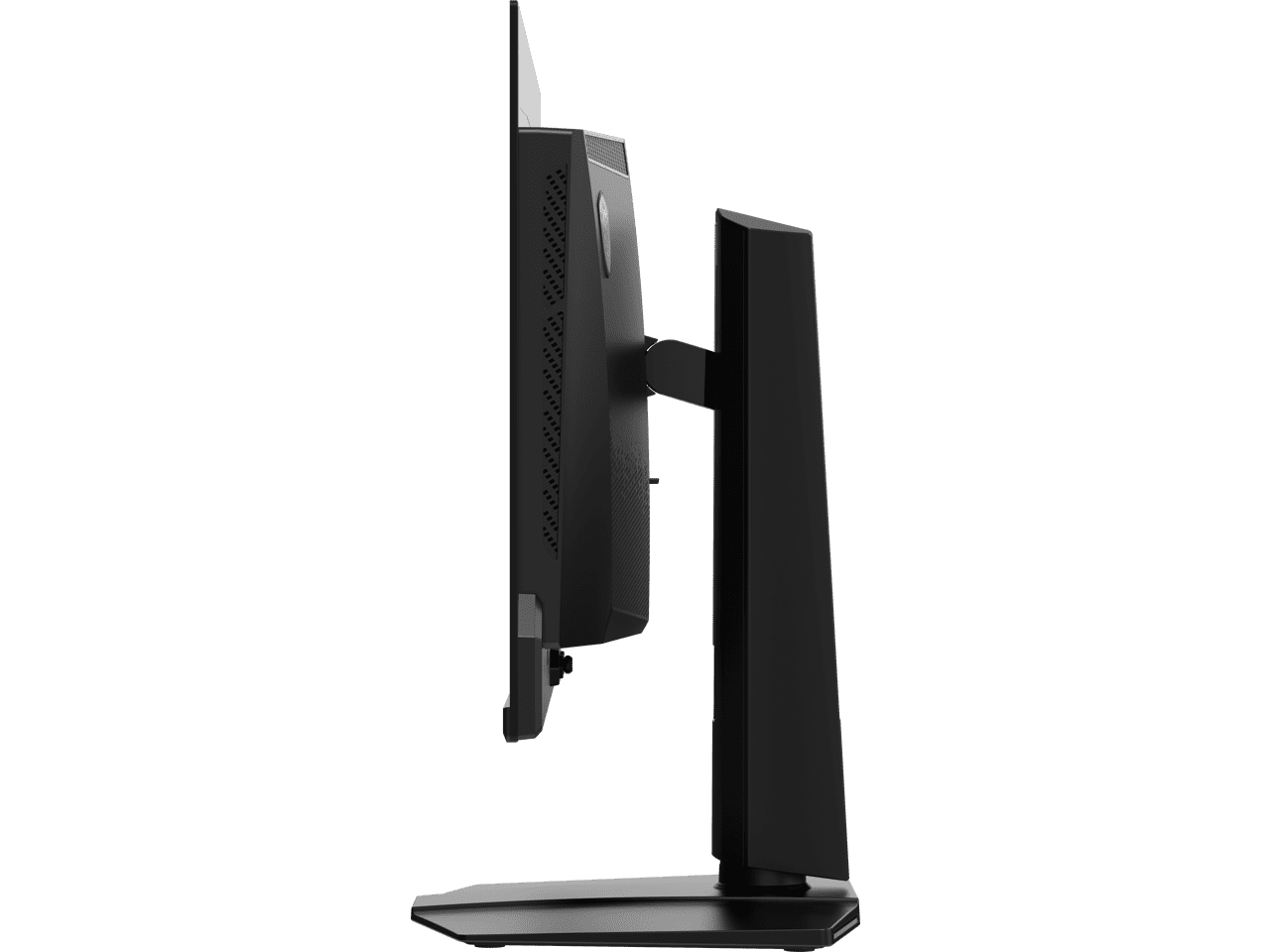
Both monitors offer full ergonomic adjustability with height, tilt, swivel, and pivot functions. The stands feel robust and stable, supporting the displays without wobbling during intense gaming sessions.
While both monitors excel at their native 240Hz refresh rate with minimal input lag, the AOC Agon Pro suffers from increased latency at lower refresh rates (60Hz and 120Hz). This becomes problematic for console gaming or when frame rates drop below the monitor's maximum capability.
The MSI MAG 271QP maintains consistently low input lag across all supported refresh rates, making it more versatile for mixed gaming scenarios. This consistency proves particularly valuable when gaming performance varies or when using the monitor for different types of content.
Choose the MSI MAG 271QP QD-OLED X24 if you:
Choose the AOC Agon Pro AG276QZD2 if you:
Both monitors represent excellent entries in the QD-OLED gaming space, but they target different users with different priorities. The MSI MAG 271QP offers superior core performance, better console compatibility, and exceptional value, making it the smart choice for most gamers entering the QD-OLED world.
The AOC Agon Pro justifies its premium pricing only for specific use cases where its additional features provide genuine value. However, its compromises in console compatibility and HDR performance limit its appeal to a narrower audience.
For pure gaming performance per dollar spent, the MSI MAG 271QP emerges as the clear winner. It delivers the QD-OLED experience without compromise while remaining accessible to mainstream gaming budgets. Unless you specifically need the AOC's unique features, the MSI provides better overall value and more versatile performance across different gaming scenarios.
| MSI MAG 271QP QD-OLED X24 | AOC Agon Pro AG276QZD2 |
|---|---|
| Panel Technology - Both use premium QD-OLED for perfect blacks and vibrant colors | |
| QD-OLED with factory Delta E ≤ 2 calibration | QD-OLED with standard factory calibration |
| Display Size & Resolution - Sweet spot for competitive gaming performance | |
| 27" (26.5" viewable), 2560 x 1440 QHD | 27" (26.5" viewable), 2560 x 1440 QHD |
| Refresh Rate & Response Time - Critical for competitive gaming smoothness | |
| 240Hz, 0.03ms GtG response | 240Hz, 0.03ms GtG response |
| HDR Performance - Determines visual impact in games and movies | |
| VESA DisplayHDR True Black 400, 1000 nits peak brightness | VESA DisplayHDR True Black 400, limited HDR color gamut |
| Console Gaming Support - Essential for PS5/Xbox Series X compatibility | |
| 2x HDMI 2.1 (48Gbps), full VRR/ALLM support | 2x HDMI 2.0, no PS5 VRR compatibility |
| PC Connectivity - Impacts multi-device setups | |
| 1x DisplayPort 1.4a, 2x HDMI 2.1 | 2x DisplayPort 1.4, 2x HDMI 2.0, USB 3.2 hub |
| Input Lag Consistency - Affects responsiveness across different frame rates | |
| Low and consistent across all refresh rates | Excellent at 240Hz, higher at 60Hz/120Hz |
| Gaming Features & Aesthetics - Premium touches and software | |
| MSI OLED Care 2.0, Gaming Intelligence software | AOC customizable RGB lighting, G-Menu software, esports design |
| Burn-in Protection - Long-term reliability assurance | |
| 3-year warranty including burn-in coverage | 3-year warranty with burn-in coverage (conditions apply) |
| Build Quality & Ergonomics - Daily usability and durability | |
| Minimalist design, full adjustment stand, premium materials | Gaming-focused design, full adjustment stand, RGB lighting |
| Value Positioning - Price-to-performance consideration | |
| Most affordable QD-OLED option with flagship performance | Premium pricing for additional gaming features |
The MSI MAG 271QP QD-OLED X24 is generally better for gaming due to its superior console compatibility with HDMI 2.1 ports, better HDR implementation, and consistent low input lag across all refresh rates. The AOC Agon Pro offers gaming aesthetics with RGB lighting but compromises on console support with only HDMI 2.0 ports.
The main differences are connectivity and features. The MSI MAG 271QP focuses on core performance with HDMI 2.1 for consoles, superior HDR quality, and factory color calibration. The AOC Agon Pro emphasizes gaming aesthetics with RGB lighting, a USB hub, and more ports, but uses older HDMI 2.0 connections.
The MSI MAG 271QP QD-OLED X24 fully supports both consoles with HDMI 2.1, enabling 1440p at 120Hz with VRR and ALLM features. The AOC Agon Pro has limited console support due to HDMI 2.0 ports and lacks PS5 VRR compatibility, making it less ideal for console gaming.
Both use the same QD-OLED panel technology, but the MSI MAG 271QP delivers better overall picture quality with factory calibration (Delta E ≤ 2), superior HDR performance with 1000 nits peak brightness, and more accurate colors out of the box. The AOC Agon Pro has slightly limited HDR color reproduction.
Yes, both excel for home theater use in dark rooms thanks to their OLED technology providing perfect blacks and infinite contrast. However, the MSI MAG 271QP QD-OLED X24 is better for HDR movies due to its superior brightness levels and color accuracy, making it the preferred choice for mixed gaming and entertainment use.
The MSI MAG 271QP offers significantly better value, positioning itself as one of the most affordable QD-OLED options while delivering flagship performance. The AOC Agon Pro costs more but primarily adds aesthetic features like RGB lighting rather than core performance improvements.
Both monitors include comprehensive burn-in protection features like pixel shifting and panel refresh cycles. The MSI MAG 271QP QD-OLED X24 includes OLED Care 2.0 with a 3-year burn-in warranty, while the AOC Agon Pro also offers 3-year burn-in coverage but with more restrictive conditions.
Both the MSI MAG 271QP and AOC Agon Pro offer identical specifications: 240Hz refresh rate and 0.03ms gray-to-gray response time. This makes both excellent for competitive gaming with ultra-smooth motion and virtually no input lag at maximum refresh rates.
The AOC Agon Pro has more total ports with 2x DisplayPort 1.4, 2x HDMI 2.0, and a built-in USB 3.2 hub. However, the MSI MAG 271QP QD-OLED X24 has more capable connections with HDMI 2.1 ports that support higher bandwidth and modern console features.
Both are excellent for creative work requiring color accuracy. The MSI MAG 271QP is particularly well-suited with its factory calibration and professional-grade color accuracy (Delta E ≤ 2). The AOC Agon Pro can also handle professional work but may require calibration for the most accurate results.
Both excel for competitive gaming with 240Hz and 0.03ms response times. The MSI MAG 271QP QD-OLED X24 has a slight edge due to consistent low input lag across all refresh rates. The AOC Agon Pro performs equally well at 240Hz but suffers from higher input lag when frame rates drop to 60Hz or 120Hz.
Both the MSI MAG 271QP and AOC Agon Pro include 3-year warranties covering OLED burn-in, which is crucial for OLED displays. MSI's warranty terms are generally more comprehensive, while AOC's burn-in coverage includes specific usage conditions that must be followed.
We've done our best to create useful and informative comparisons to help you decide what product to buy. Our research uses advanced automated methods to create this comparison and perfection is not possible - please contact us for corrections or questions. These are the sites we've researched in the creation of this article: bestbuy.com - youtube.com - xda-developers.com - newegg.com - notebookcheck.net - displayninja.com - ign.com - rtings.com - cdw.com - microcenter.com - bestbuy.com - us.msi.com - colamco.com - msi.com - msi.com - displayspecifications.com - msi.com - storage-asset.msi.com - msi.com - us.msi.com - displayspecifications.com - tomshardware.com - techpowerup.com - tomshardware.com - aoc.com - tftcentral.co.uk - aoc.com - rtings.com - bestbuy.com - youtube.com - displayspecifications.com - aoc.com - microcenter.com - guru3d.com

Privacy Policy
Terms and Conditions - Affiliate Policy
Home Security
© Copyright 2008-2026.
11816 Inwood Rd #1211, Dallas, TX 75244