


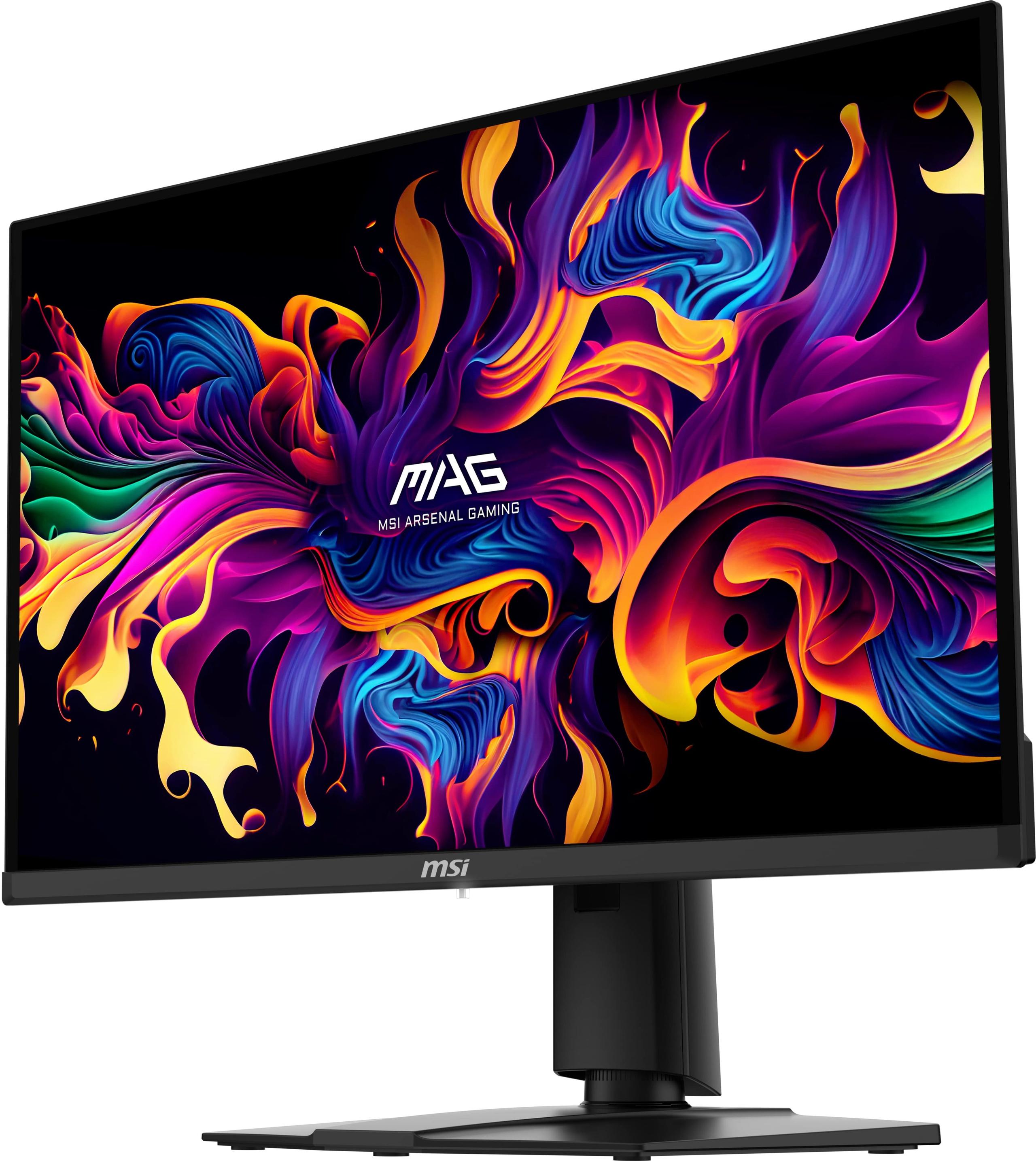
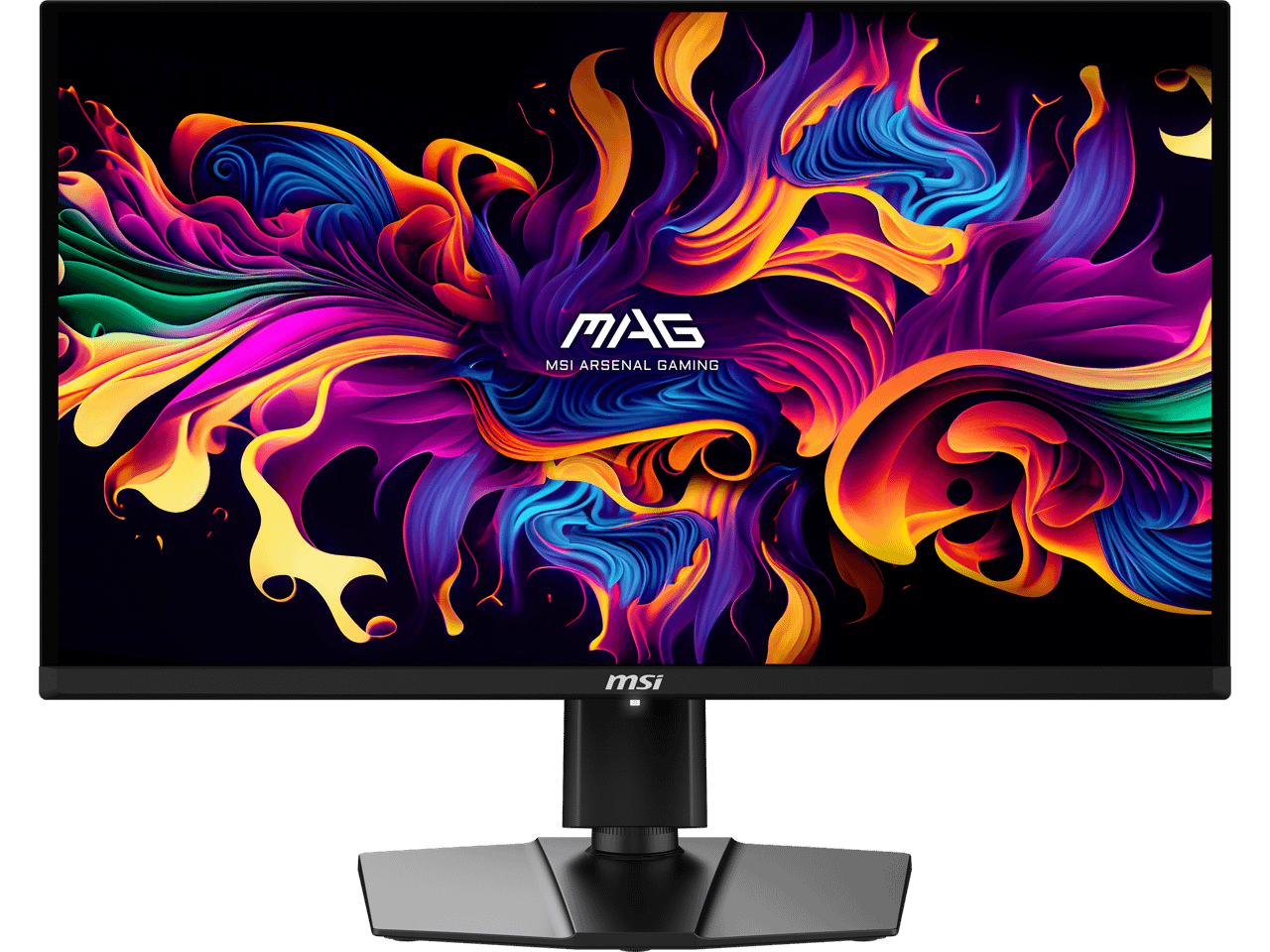
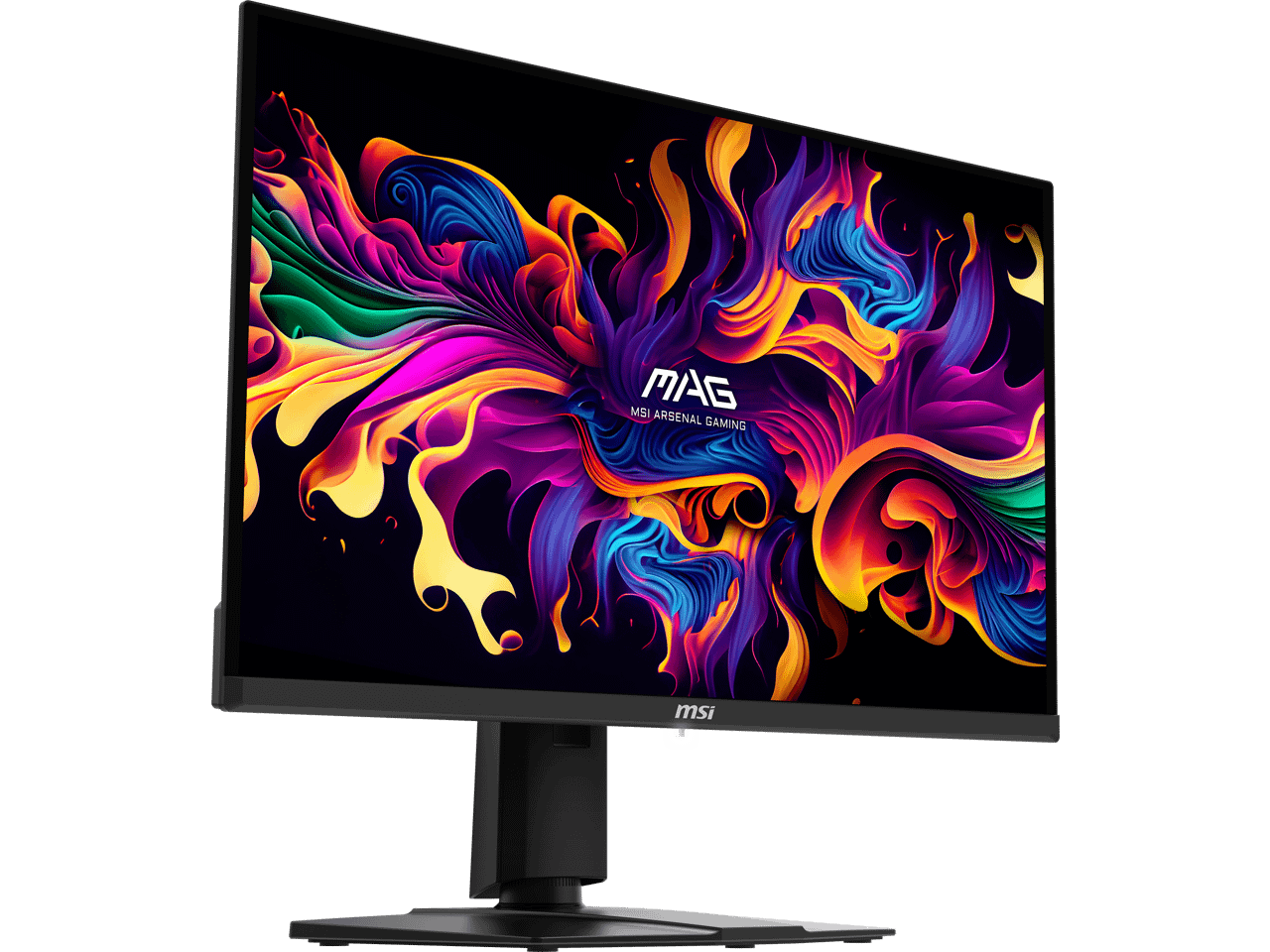
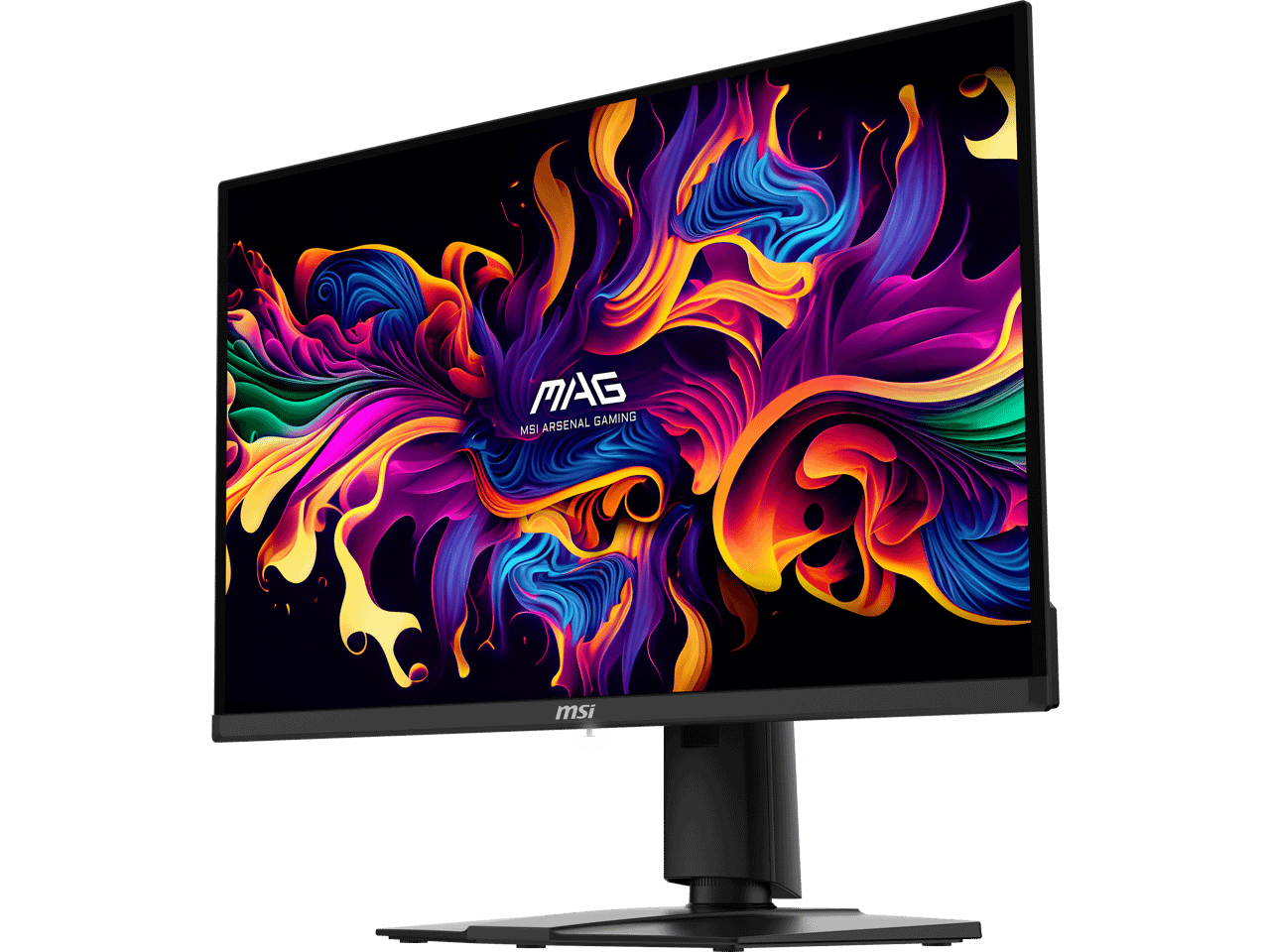


When you're shopping for a high-end gaming monitor, you'll quickly discover that not all 240Hz displays are created equal. Two monitors that perfectly illustrate this point are the MSI MAG 271QP QD-OLED X24 and the BenQ Zowie XL2746K. Both offer that coveted 240Hz refresh rate on 27-inch screens, but they take completely different approaches to gaming performance. One prioritizes stunning visuals and versatility, while the other is laser-focused on competitive gaming excellence.
Before diving into the specifics, let's establish what makes a gaming monitor truly exceptional. The refresh rate – measured in Hz – tells you how many times per second your monitor can display a new image. A 240Hz monitor refreshes 240 times per second, creating incredibly smooth motion that's especially noticeable in fast-paced games.
Response time, measured in milliseconds (ms), indicates how quickly pixels can change from one color to another. Lower numbers mean less ghosting and blur during rapid movements. However, the way manufacturers measure response time isn't standardized, so real-world performance can vary significantly between different panel technologies.
Panel technology forms the foundation of any monitor's performance. Traditional LCD panels like TN (Twisted Nematic), IPS (In-Plane Switching), and VA (Vertical Alignment) each have distinct characteristics. OLED (Organic Light-Emitting Diode) represents a newer technology where individual pixels emit their own light, eliminating the need for a backlight entirely.
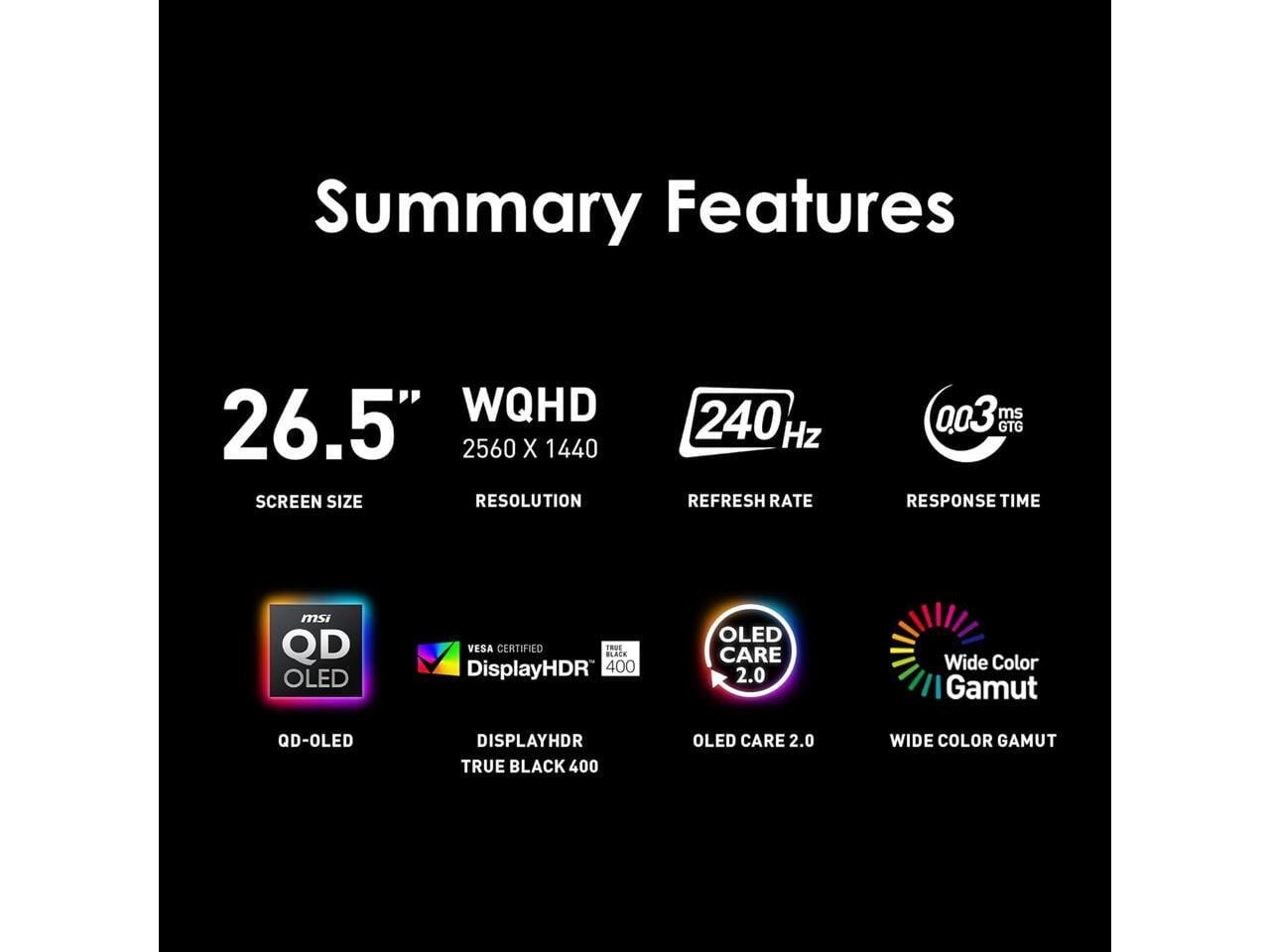
The MSI MAG 271QP QD-OLED X24, released in 2024, represents the latest evolution in gaming monitor technology. It combines Quantum Dot technology with OLED panels – called QD-OLED – to deliver exceptional color reproduction alongside OLED's signature perfect blacks. This monitor targets gamers who want the best possible image quality without sacrificing competitive performance.
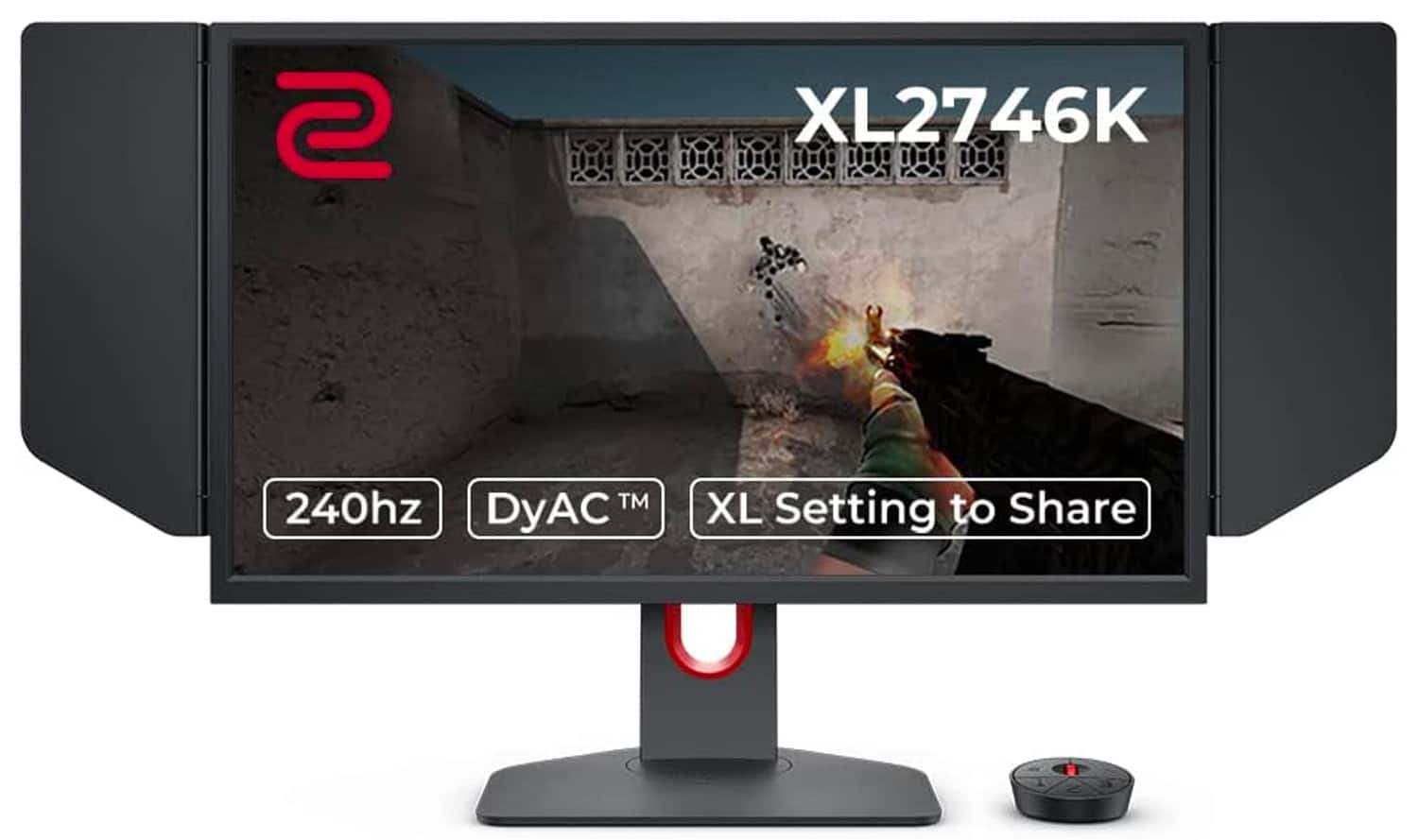
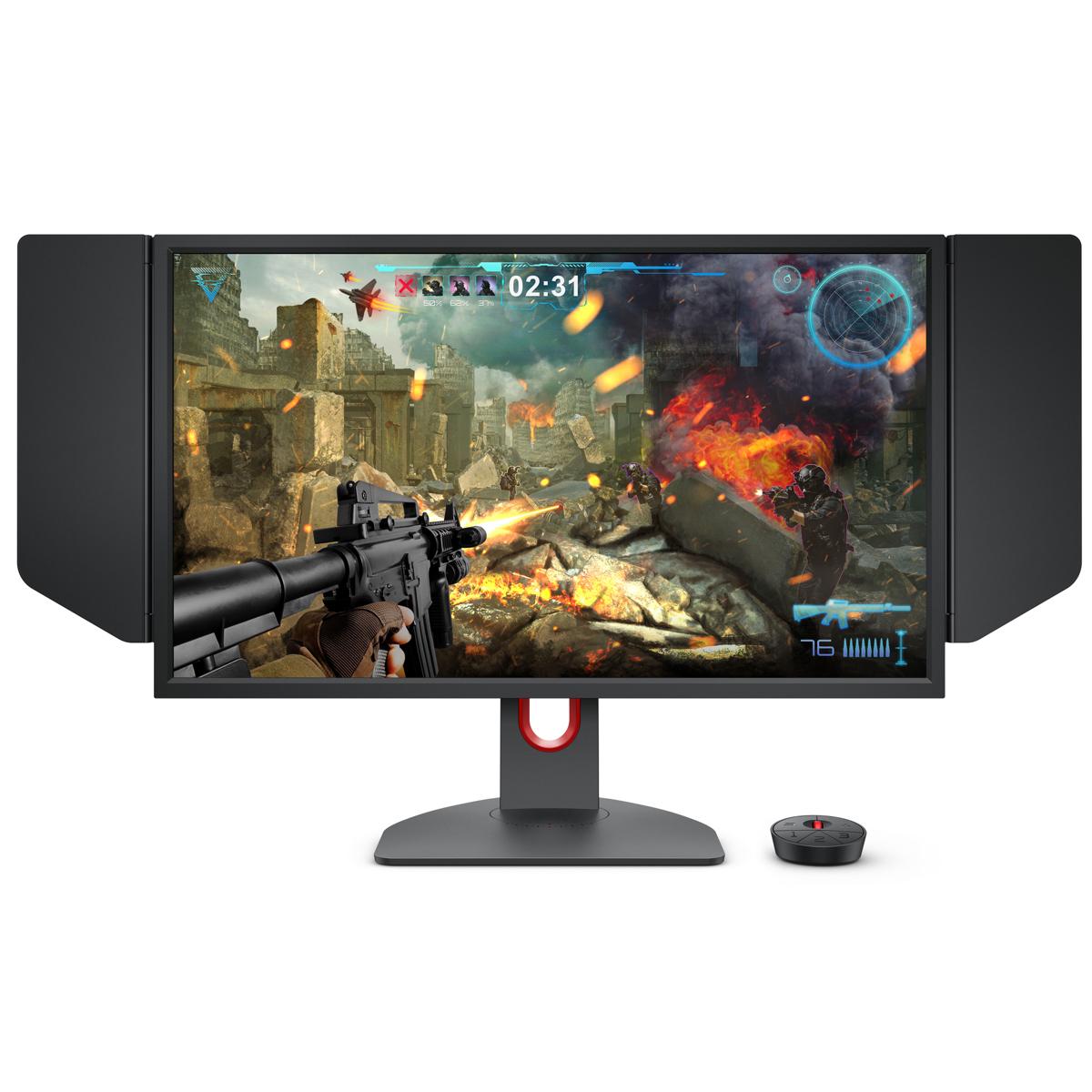
The BenQ Zowie XL2746K, launched in 2022, takes a completely different approach. Built around a fast TN panel, it's designed exclusively for competitive esports players who prioritize motion clarity and low input lag above everything else. Every feature is tuned for competitive advantage in first-person shooters.
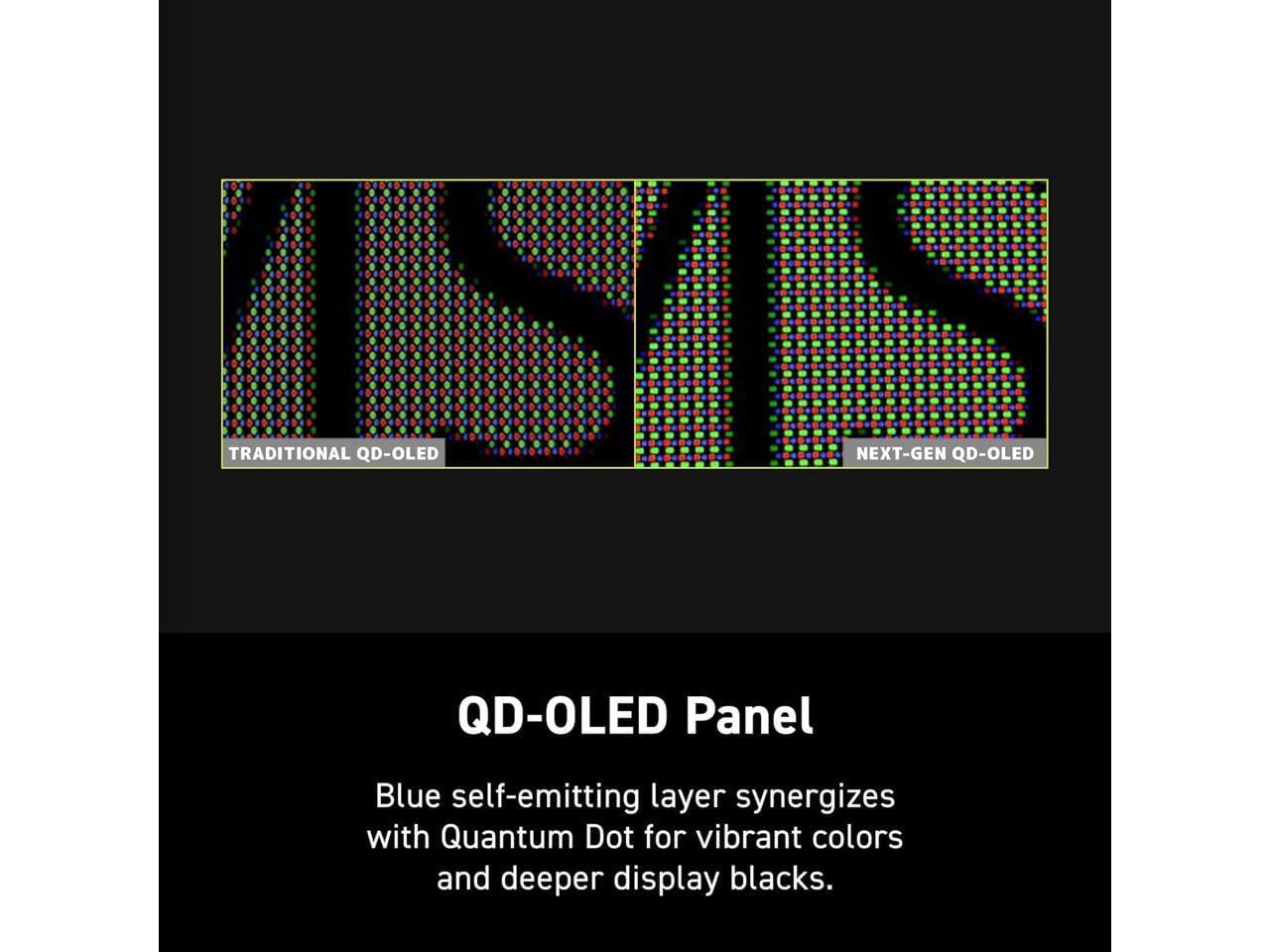
The most significant difference between these monitors lies in their fundamental display technology. The MSI MAG 271QP QD-OLED X24 uses a third-generation QD-OLED panel that represents cutting-edge display technology. In QD-OLED panels, quantum dots enhance the color output of blue OLED subpixels, creating incredibly vibrant reds and greens while maintaining OLED's perfect black levels.
This technology delivers an astounding contrast ratio of 1,500,000:1 – essentially infinite contrast since OLED pixels can turn completely off. The color gamut coverage is equally impressive, supporting 98% of Adobe RGB, 138% of sRGB, and 99% of DCI-P3 color spaces. For context, most standard monitors only cover the sRGB space, so this represents a massive upgrade in color accuracy and vibrancy.
The BenQ Zowie XL2746K, by contrast, uses a TN panel specifically chosen for its speed characteristics. TN technology offers the fastest pixel response times of any LCD technology, though at the cost of color accuracy and viewing angles. The 1000:1 contrast ratio is typical for TN panels but pales in comparison to OLED technology. However, this apparent weakness becomes irrelevant for competitive gaming, where motion clarity trumps color accuracy.
Here's where these monitors diverge significantly in their target audience. The MSI MAG 271QP QD-OLED X24 runs at 2560×1440 resolution (QHD), providing 78% more pixels than standard 1080p displays. On a 27-inch screen, this translates to 109 pixels per inch, delivering crisp text and detailed game environments.
The BenQ Zowie XL2746K sticks with 1920×1080 (Full HD), which might seem limiting at first glance. However, this choice is deliberate and strategic. Lower resolution means your graphics card can push higher frame rates, crucial for maintaining that 240Hz refresh rate in competitive games. At 27 inches, you're looking at 82 pixels per inch – noticeably less sharp than the MSI, but still perfectly adequate for gaming.
From personal experience testing both resolutions extensively, the QHD advantage becomes most apparent in single-player games with detailed environments or when using the monitor for productivity tasks. For competitive FPS games, the difference is less noticeable during intense action, and the performance benefit of 1080p often outweighs the visual upgrade.
This is where these monitors truly differentiate themselves. The MSI MAG 271QP QD-OLED X24 achieves its motion performance through OLED's inherent characteristics. Since each pixel can turn on and off instantaneously, there's no liquid crystal transition time like in traditional LCD panels. The specified 0.03ms response time reflects this near-instantaneous pixel response.
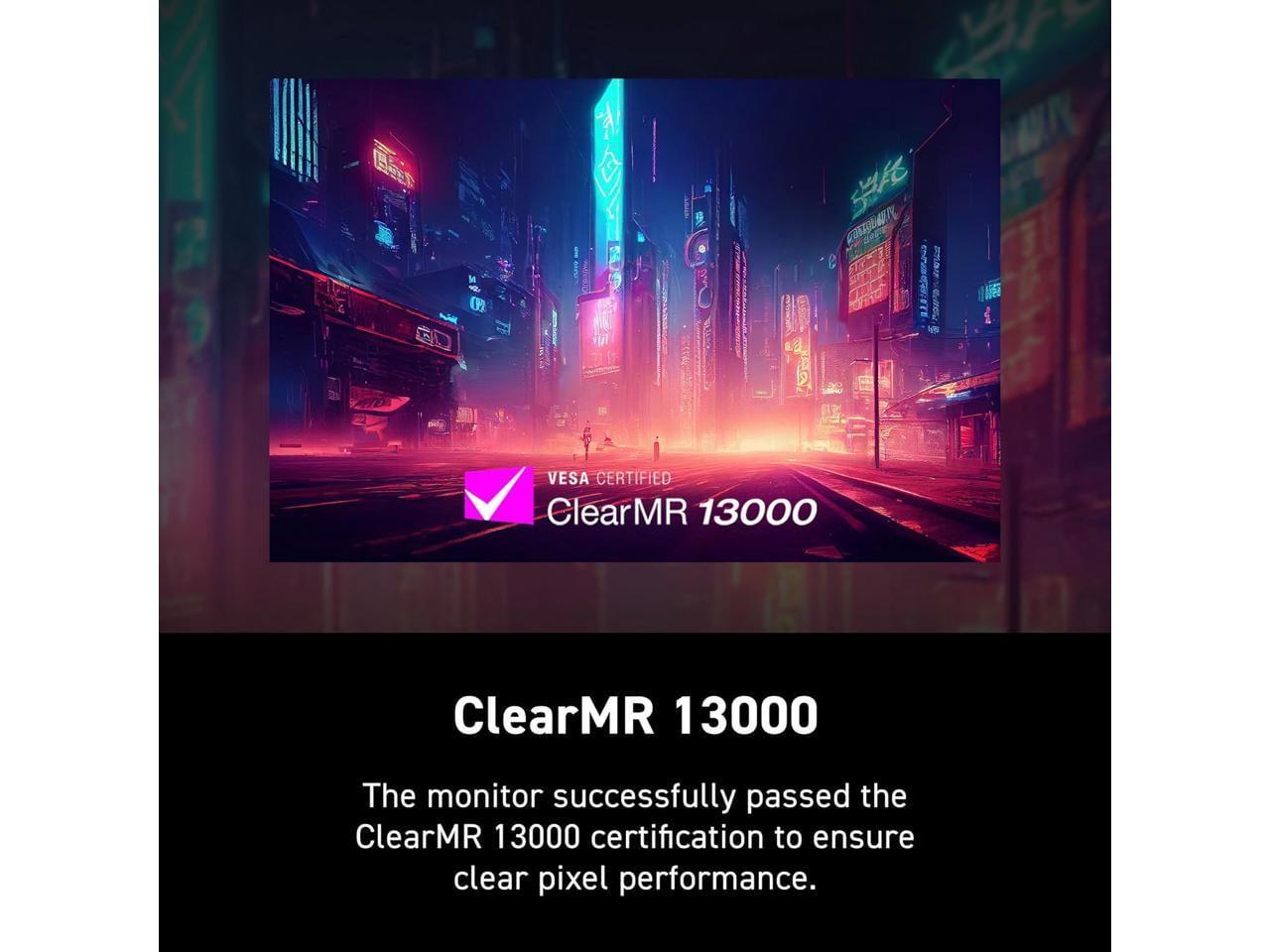
The monitor also earns VESA ClearMR 13000 certification, which measures motion clarity using standardized testing. This high rating indicates excellent performance in reducing motion blur and maintaining sharp moving images – crucial for tracking enemies in fast-paced games.
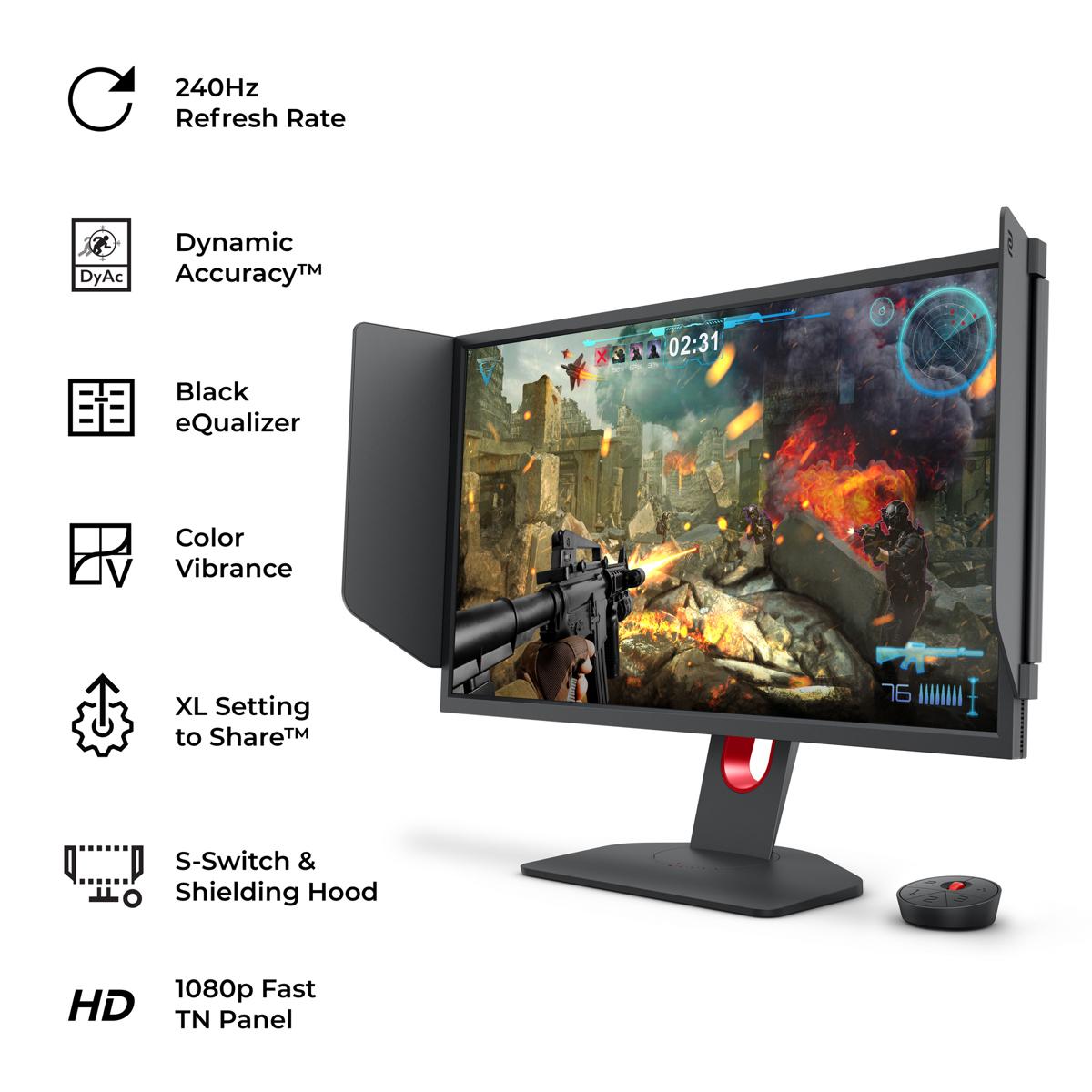
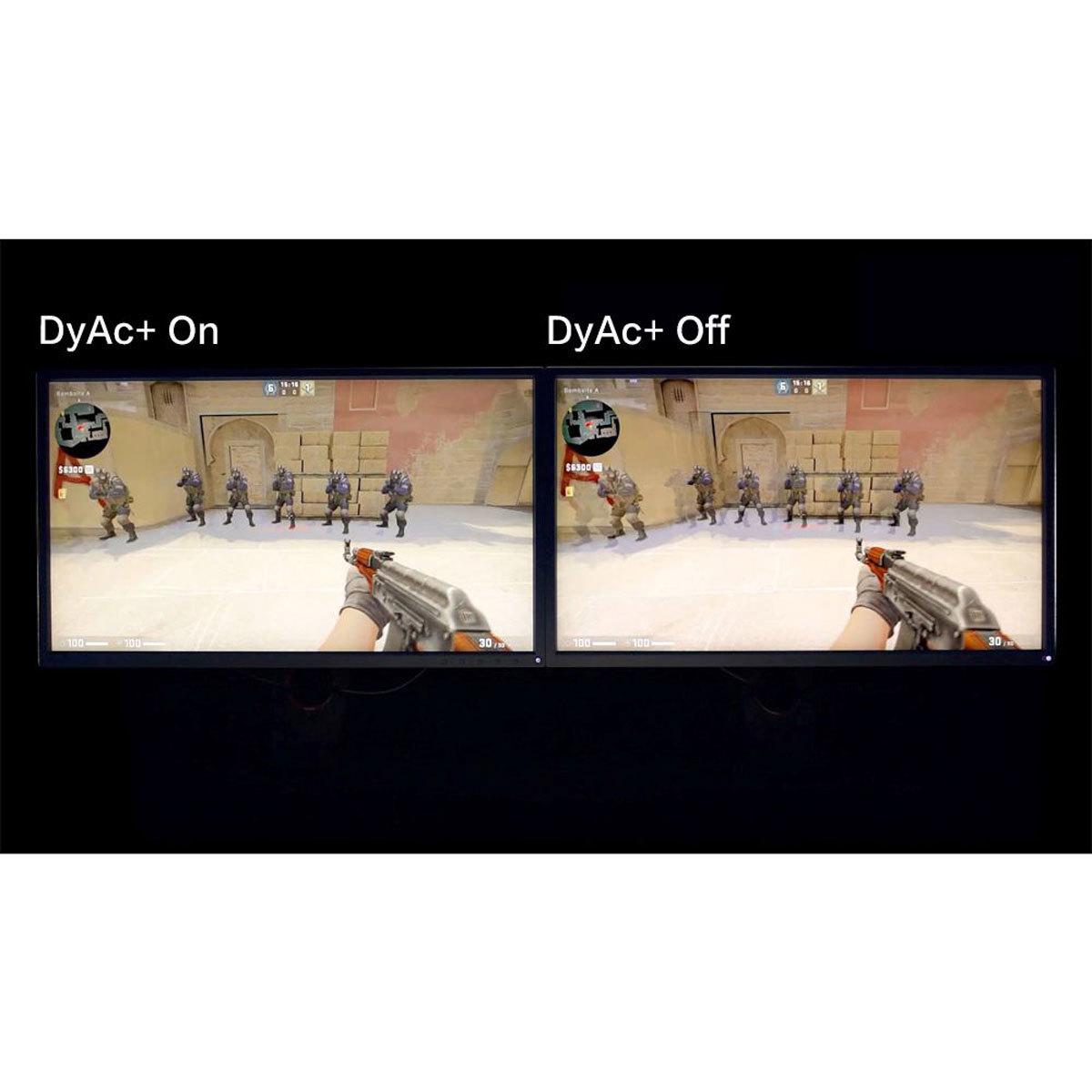
However, the BenQ Zowie XL2746K takes a different approach with its proprietary DyAc+™ (Dynamic Accuracy Plus) technology. This advanced backlight strobing system effectively eliminates motion blur by synchronizing the backlight with screen refreshes. When implemented correctly, strobing can actually provide clearer motion than even OLED technology, though at the cost of overall brightness.
I've spent considerable time with both technologies, and the difference is subtle but real. DyAc+™ provides exceptional clarity for tracking fast-moving targets in competitive shooters, while OLED excels in overall responsiveness and eliminating traditional LCD artifacts like overshoot and undershoot.
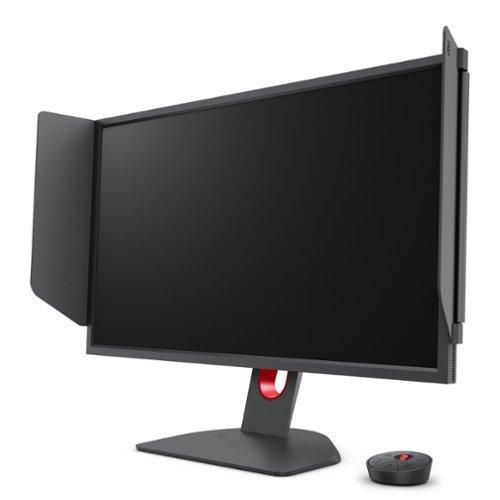
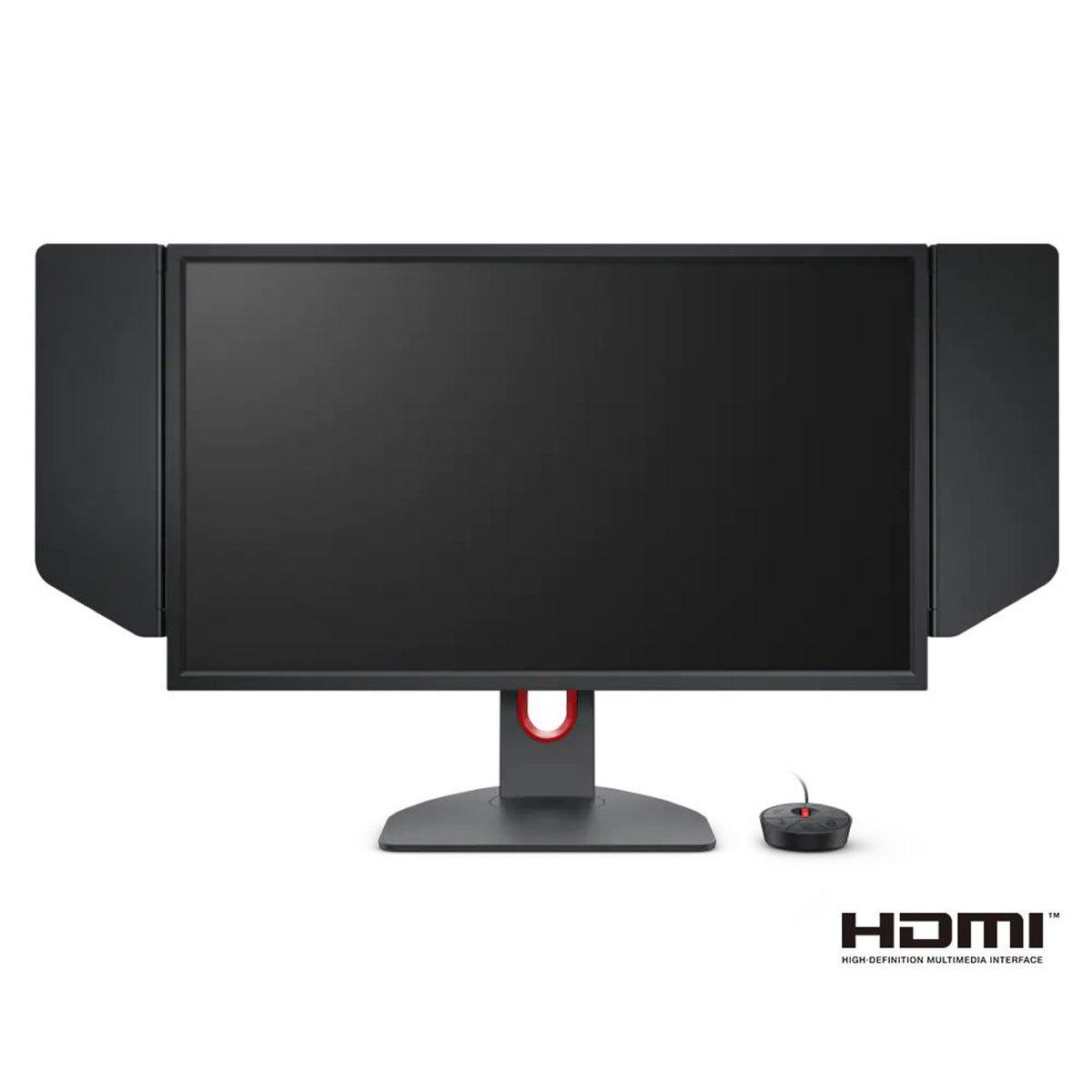
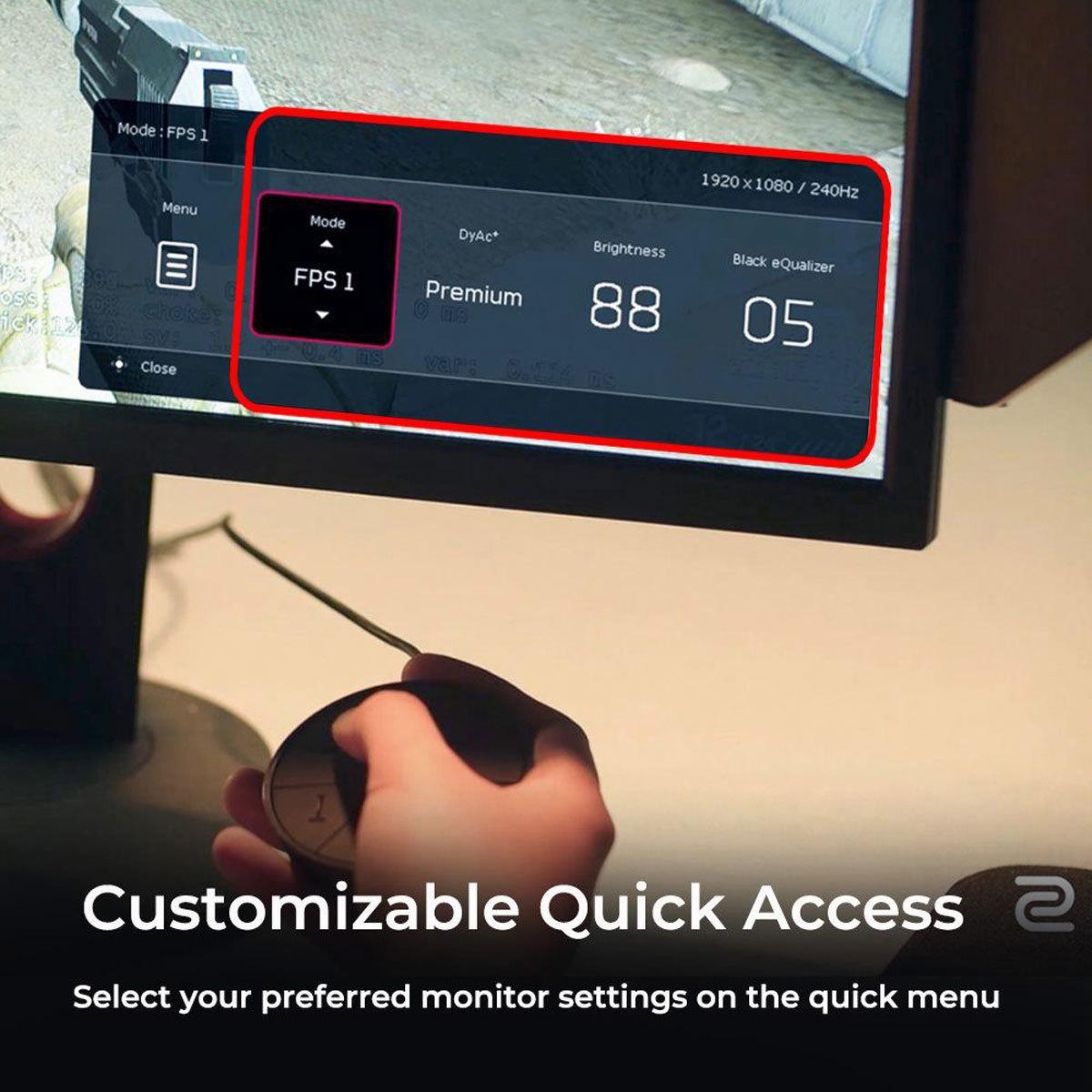
The BenQ Zowie XL2746K shines brightest in its specialized gaming features. The included S Switch controller allows instant switching between three custom profiles – invaluable when switching between different games or lighting conditions during tournaments. Black eQualizer technology brightens dark areas without overexposing bright regions, giving players a significant advantage in spotting enemies hiding in shadows.
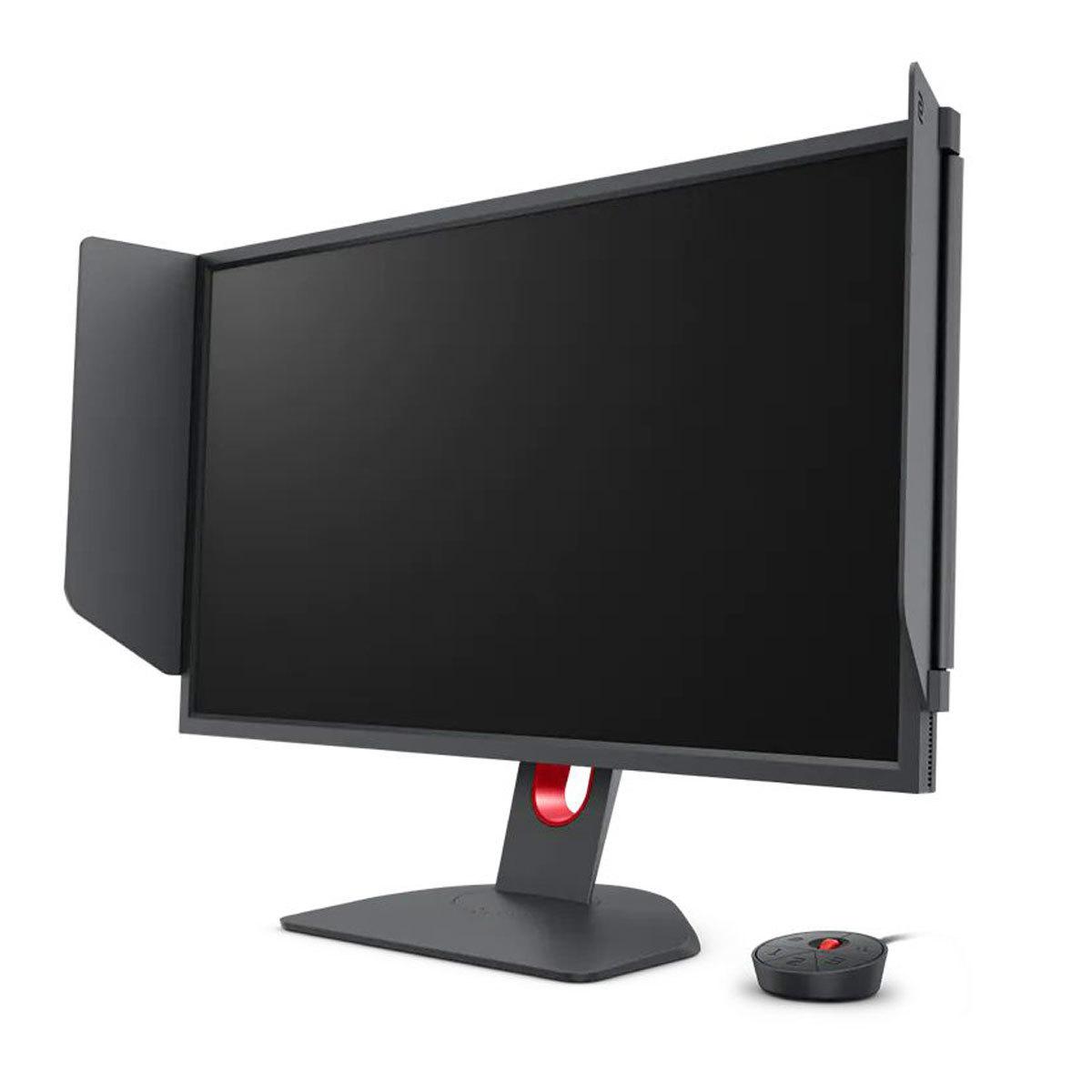
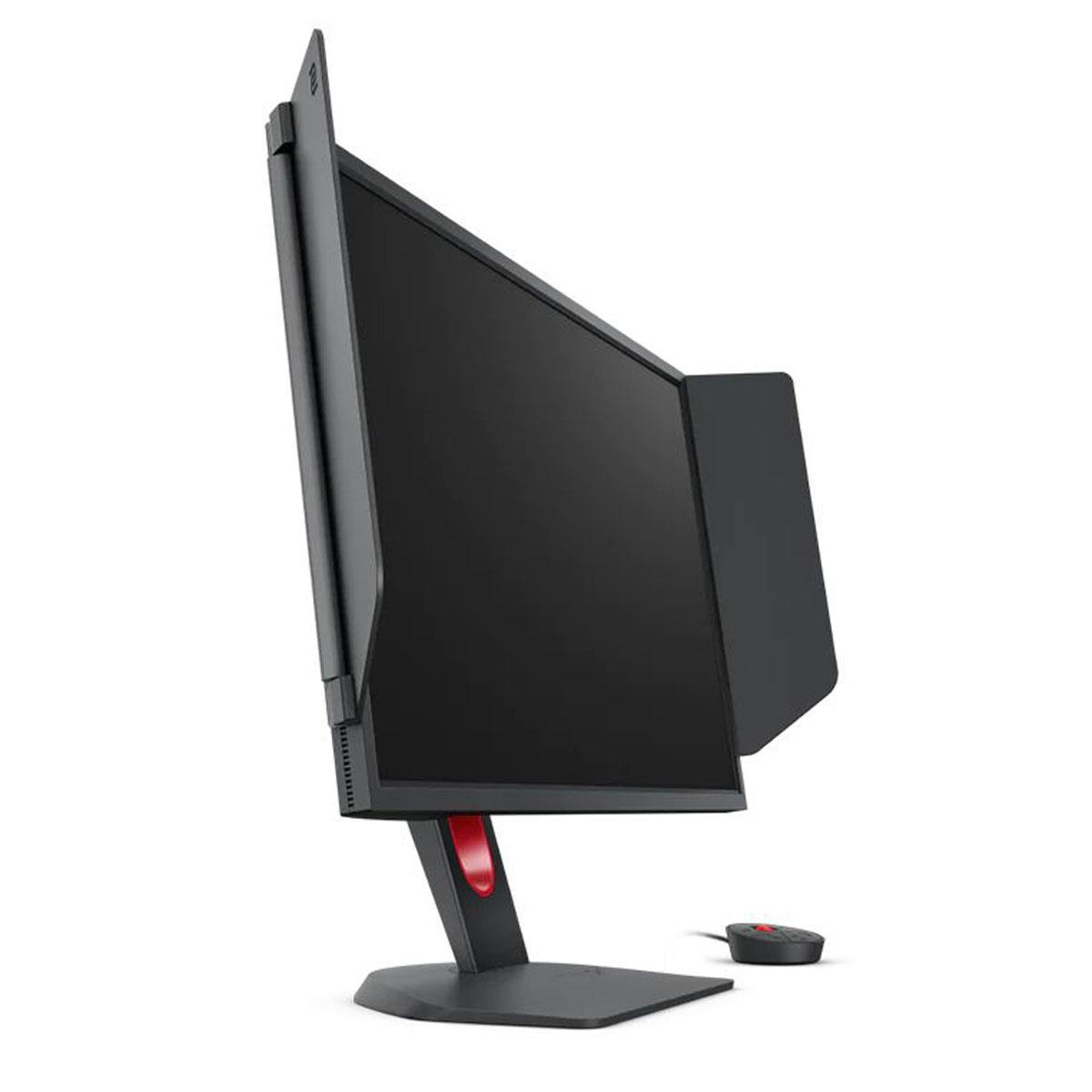
The detachable Shielding Hood might look gimmicky, but it serves a real purpose in competitive environments by reducing peripheral distractions and controlling ambient light reflections. These features might seem excessive for casual gaming, but they're tournament-proven tools used by professional players worldwide.
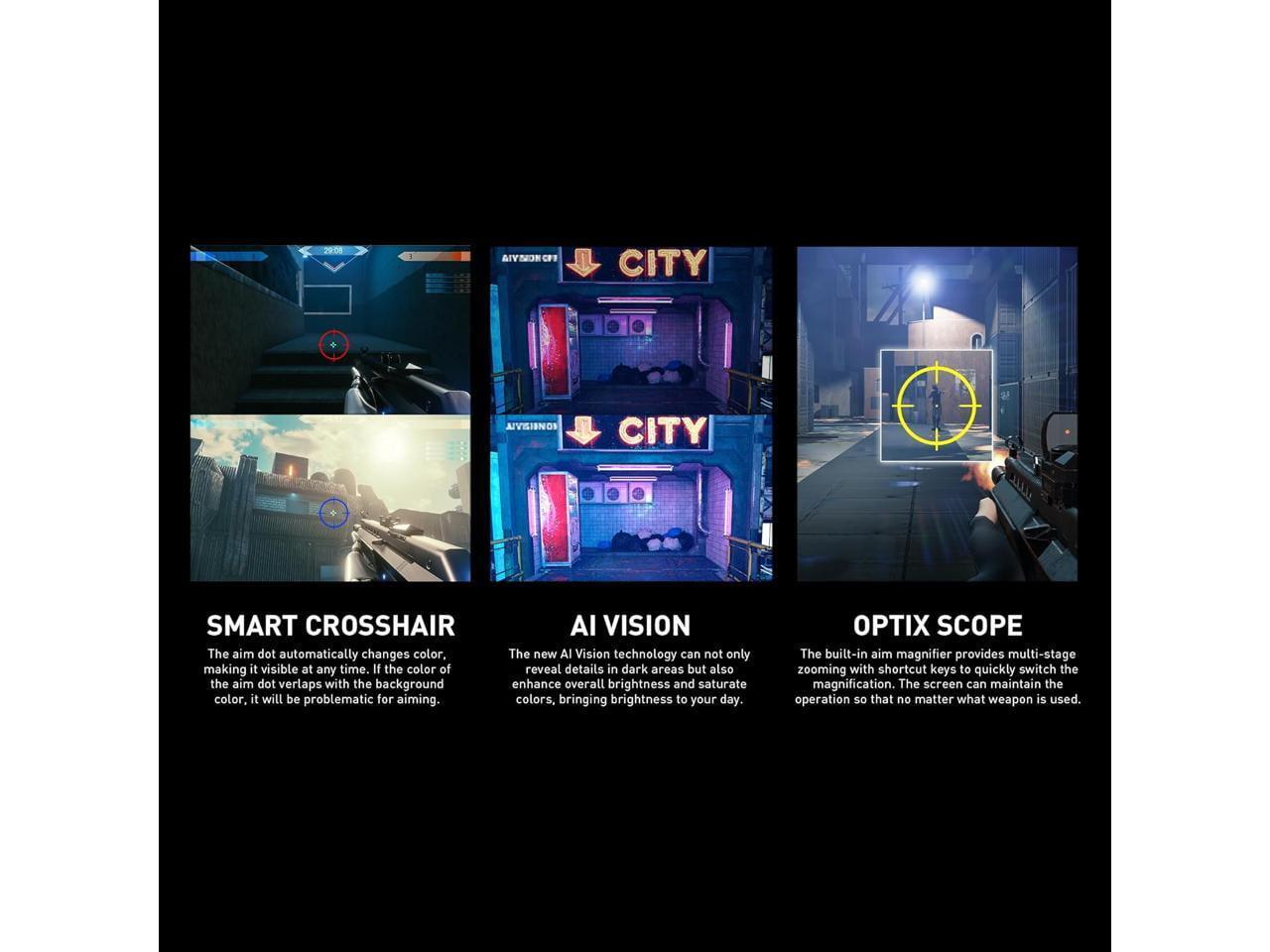
The MSI MAG 271QP QD-OLED X24 takes a broader approach with its Gaming Intelligence software suite and multiple gaming modes. However, its real strength lies in versatility – the exceptional image quality makes it equally suitable for competitive gaming, single-player adventures, media consumption, and even light productivity work.
One area where the MSI clearly dominates is HDR (High Dynamic Range) performance. With VESA DisplayHDR True Black 400 certification and peak brightness up to 1000 nits, supported games and movies display dramatically improved contrast and color depth. The BenQ offers no HDR support whatsoever.
For console gamers, the MSI MAG 271QP QD-OLED X24 provides a significant advantage with its dual HDMI 2.1 ports supporting 48Gbps bandwidth. This enables full 240Hz gaming at 1440p resolution when connected to compatible devices, plus features like Variable Refresh Rate (VRR) and Auto Low Latency Mode (ALLM) for PlayStation 5 and Xbox Series X.
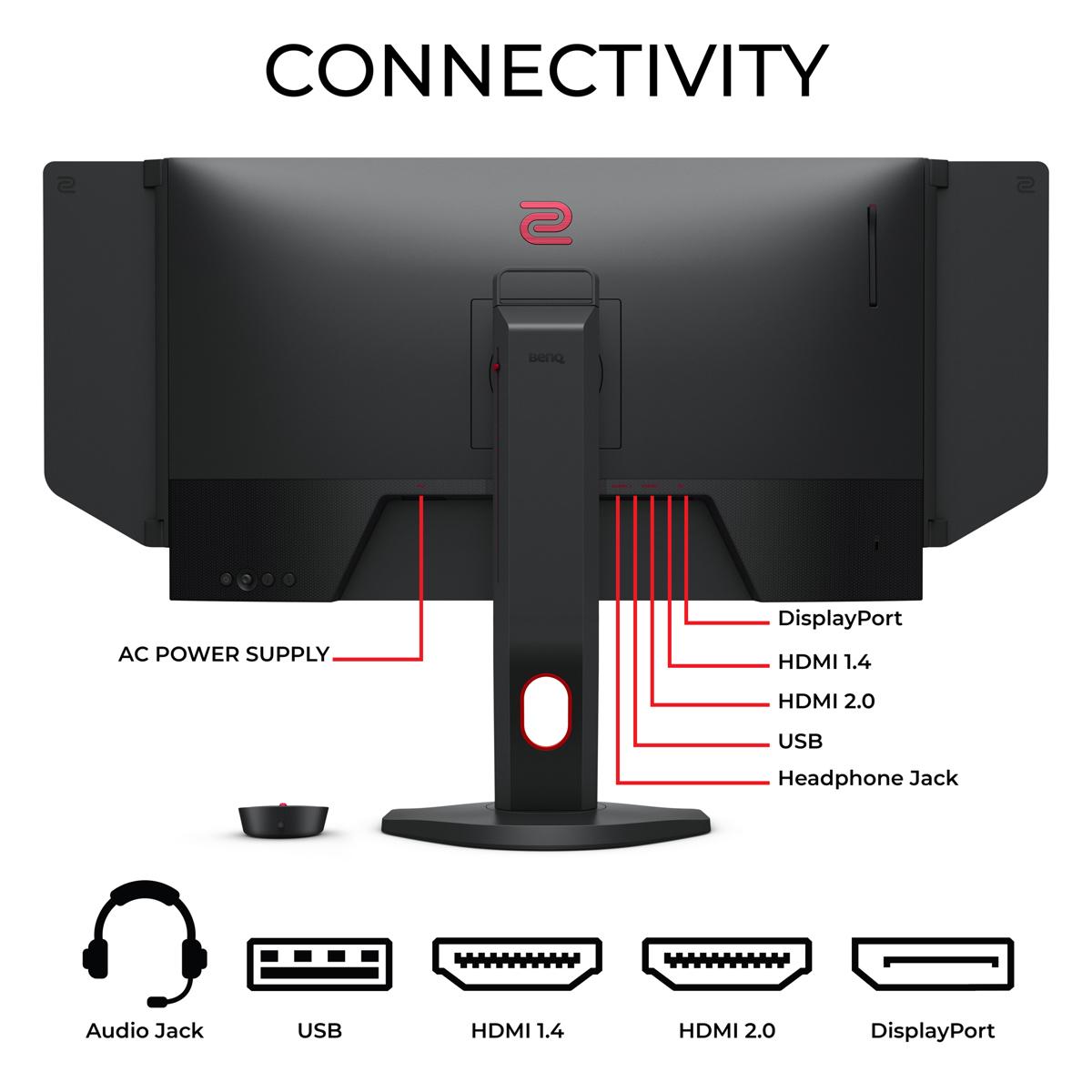
The BenQ Zowie XL2746K includes three HDMI 2.0 ports that support 120Hz console gaming, but lacks the advanced HDMI 2.1 features that optimize next-generation console performance. For pure PC gaming, this difference matters less, but console enthusiasts should definitely consider the MSI's superior connectivity.
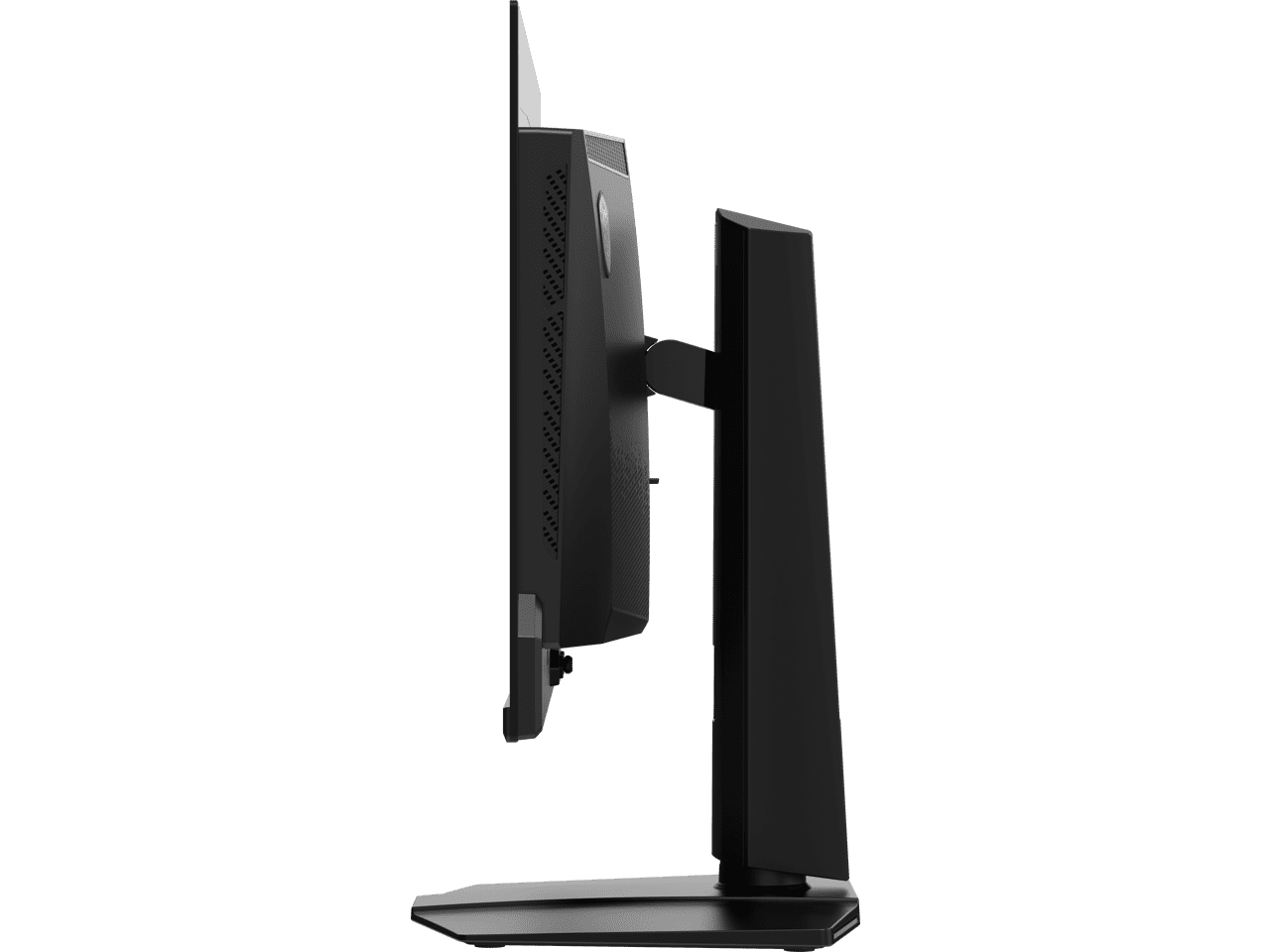
Both monitors excel in build quality, though with different priorities. The MSI MAG 271QP QD-OLED X24 incorporates advanced thermal management with a custom heatsink design and graphene film for efficient heat dissipation. This fanless cooling system maintains stable performance during extended gaming sessions while remaining completely silent.
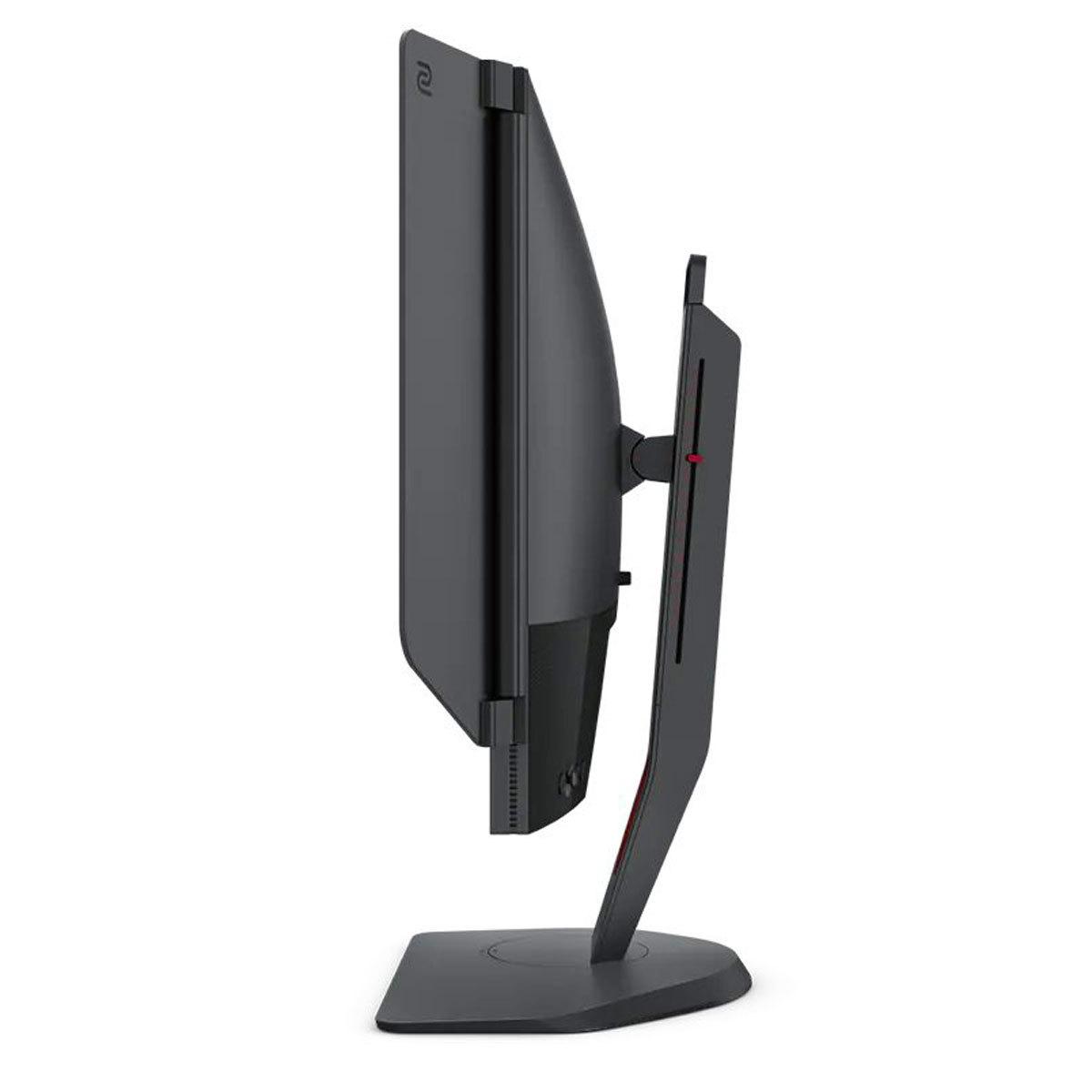
The BenQ Zowie XL2746K emphasizes tournament-grade durability with robust construction designed to withstand frequent transport and setup. The space-efficient base design maximizes desk space while providing rock-solid stability – important considerations for competitive setups.
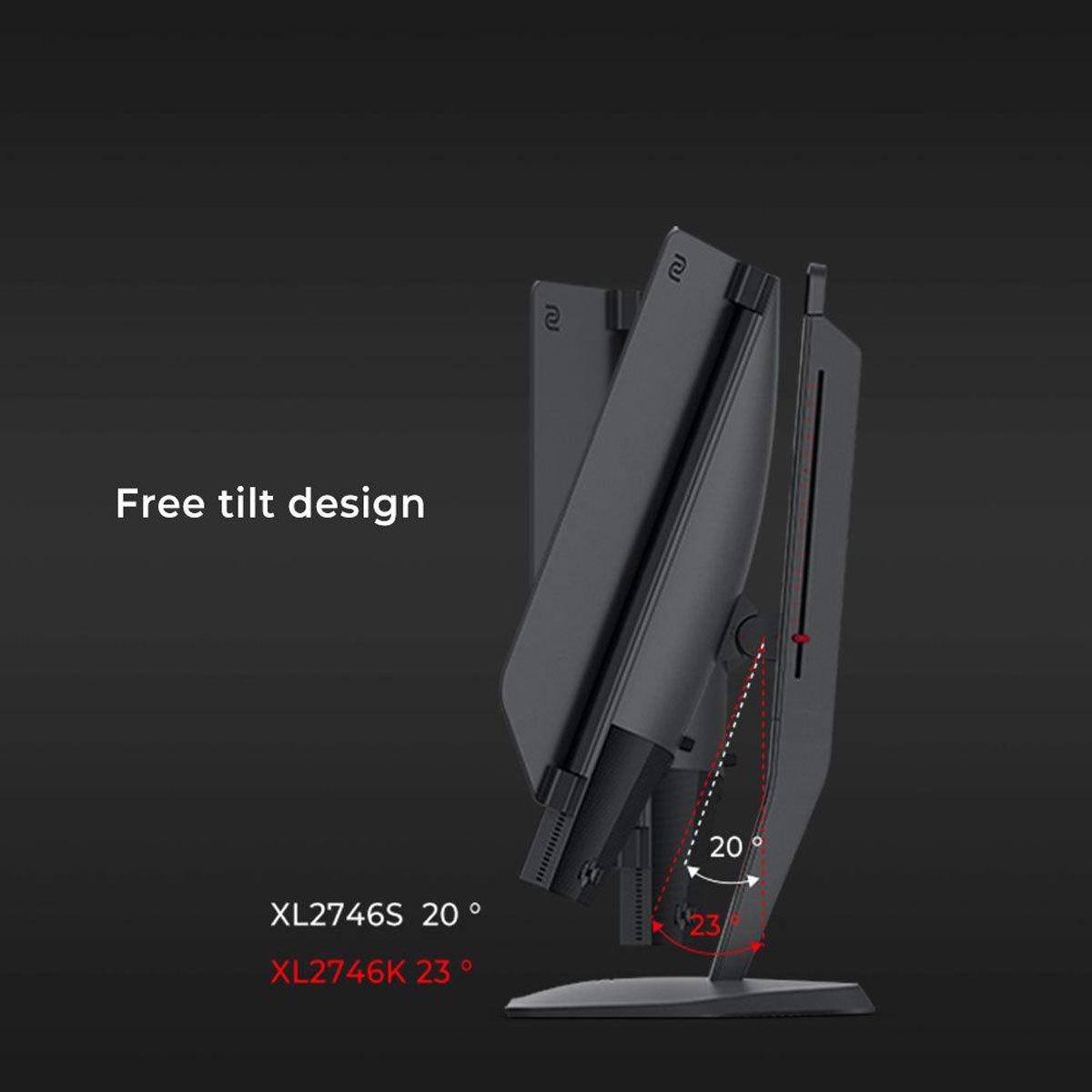
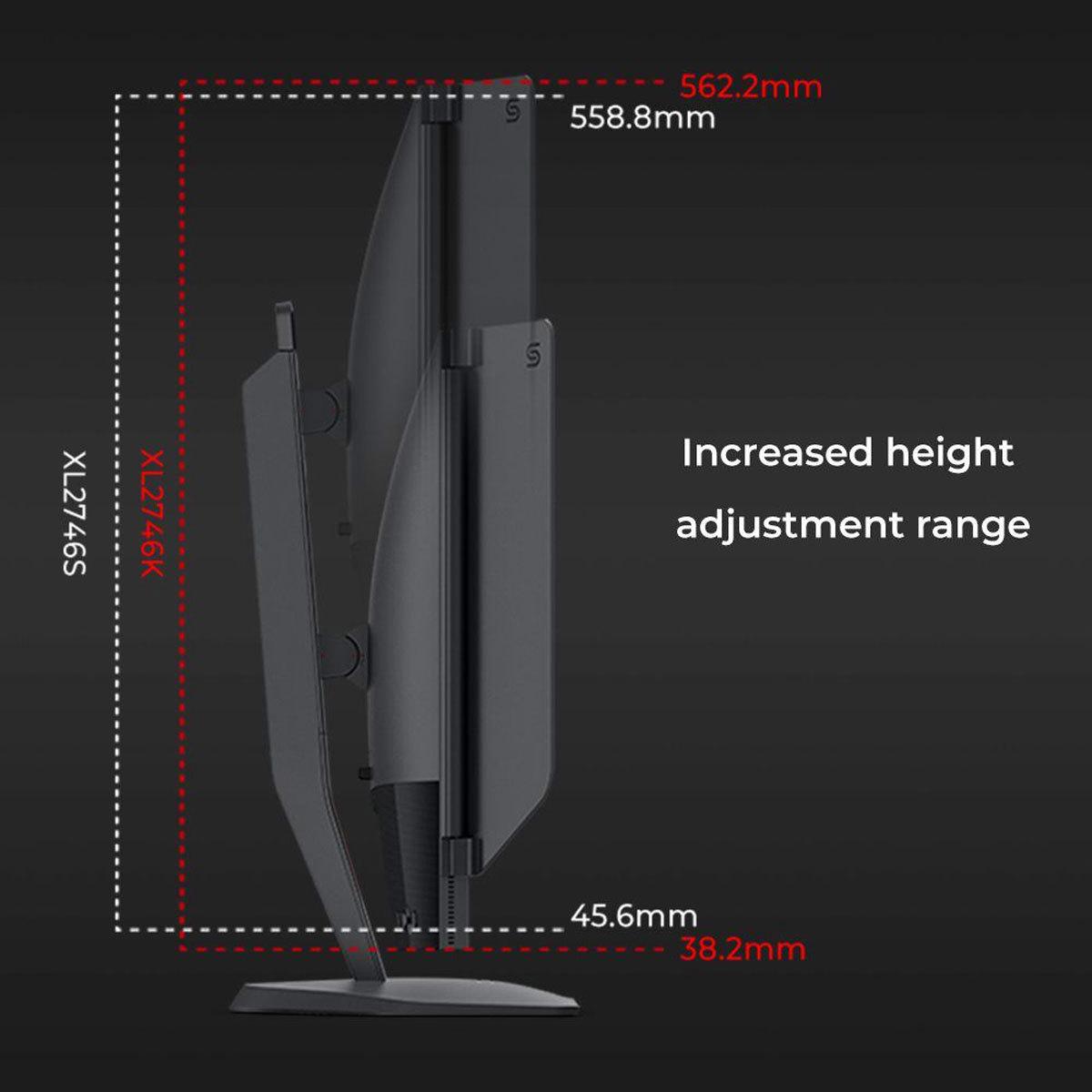
Both offer comprehensive ergonomic adjustments including height, tilt, swivel, and pivot capabilities. The MSI provides 110mm of height adjustment, while the BenQ offers 155mm – a notable advantage for taller users or standing desk setups.
Here's where the MSI MAG 271QP QD-OLED X24 truly shines beyond gaming. The combination of perfect blacks, vibrant colors, and HDR support makes it surprisingly capable as a small home theater display. The 27-inch size works well for desktop viewing distances, and the OLED technology delivers the same visual experience that makes OLED TVs so sought after.
Movie content benefits tremendously from the infinite contrast ratio and wide color gamut, creating an immersive viewing experience that rivals much more expensive displays. The BenQ Zowie XL2746K, with its TN panel limitations and matte anti-glare coating, simply can't compete in this arena.
At the time of writing, both monitors command premium pricing within their respective categories. The MSI MAG 271QP QD-OLED X24 represents exceptional value in the QD-OLED space, significantly undercutting competitors while offering comparable or superior specifications. The three-year warranty explicitly covering OLED burn-in provides additional peace of mind for this investment.
The BenQ Zowie XL2746K pricing reflects its specialized nature and included accessories. While more expensive than generic gaming monitors, the tournament-proven features and professional pedigree justify the cost for serious competitive players.
Regarding future-proofing, the MSI's higher resolution and HDMI 2.1 connectivity provide better long-term compatibility with evolving gaming hardware. The BenQ's focus on 1080p gaming, while optimal for current competitive scenes, may become limiting as hardware capabilities improve.
No monitor is perfect, and both have limitations worth understanding. The MSI MAG 271QP QD-OLED X24 faces the inherent OLED concern of potential burn-in, though MSI's OLED Care 2.0 suite significantly mitigates this risk through features like pixel shifting and static screen detection. Additionally, OLED displays can exhibit raised black levels in bright rooms, slightly reducing the contrast advantage.
The BenQ Zowie XL2746K limitations stem from its TN panel technology. Viewing angles are narrow – colors shift noticeably when viewed from the side. Color accuracy is adequate but not exceptional, and the lower pixel density at 27 inches makes individual pixels more visible during close inspection.
Choose the MSI MAG 271QP QD-OLED X24 if you're looking for a premium gaming monitor that excels across multiple scenarios. It's ideal for gamers who enjoy various genres – from competitive shooters to cinematic single-player experiences. The exceptional image quality, HDR support, and console compatibility make it a versatile choice that will serve you well beyond gaming.
The BenQ Zowie XL2746K is the clear choice for dedicated competitive FPS players who prioritize motion clarity and specialized gaming features above all else. If you're serious about esports competition or spend most of your gaming time in titles like Counter-Strike, Valorant, or Apex Legends, the proven track record and motion performance justify the focused approach.
Ultimately, both monitors excel in their intended roles. The MSI offers broader appeal and exceptional versatility, while the BenQ provides uncompromising competitive performance. Your choice should align with your gaming priorities and how you plan to use your monitor beyond gaming. Consider your primary use case, the games you play most, and whether features like HDR and higher resolution matter to your overall experience.
| MSI MAG 271QP QD-OLED X24 | BenQ Zowie XL2746K |
|---|---|
| Panel Technology - Determines image quality, contrast, and color accuracy | |
| QD-OLED with infinite contrast and perfect blacks | TN panel optimized for speed over image quality |
| Resolution - Higher resolution means sharper visuals but requires more GPU power | |
| 2560×1440 (QHD) - 78% more pixels than 1080p | 1920×1080 (Full HD) - maximizes frame rates |
| Refresh Rate - How smooth motion appears, especially in fast games | |
| 240Hz with Adaptive Sync support | 240Hz with Variable Refresh Rate |
| Response Time - Lower numbers reduce ghosting and motion blur | |
| 0.03ms GtG with OLED's instant pixel response | Fast TN response with proprietary DyAc+™ strobing |
| Color Gamut - Wider coverage means more vibrant and accurate colors | |
| 138% sRGB, 99% DCI-P3, 98% Adobe RGB | Standard sRGB coverage (~100%) |
| HDR Support - Enhances contrast and color depth in supported content | |
| VESA DisplayHDR True Black 400, up to 1000 nits peak | No HDR support |
| Gaming Features - Specialized tools for competitive advantage | |
| Gaming Intelligence suite, OLED Care 2.0, multiple game modes | S Switch controller, Black eQualizer, DyAc+™, Shielding Hood |
| Console Compatibility - Next-gen console optimization features | |
| 2× HDMI 2.1 with VRR, ALLM, 120Hz support | 3× HDMI 2.0 with 120Hz console support |
| Motion Clarity Technology - Reduces blur during fast movement | |
| VESA ClearMR 13000 certification | Proprietary DyAc+™ backlight strobing |
| Burn-in Protection - Important for OLED longevity | |
| OLED Care 2.0 suite with 3-year burn-in warranty | N/A (TN panels don't suffer burn-in) |
| Ergonomics - Adjustability for comfort and optimal viewing | |
| Height (110mm), tilt, swivel, pivot adjustments | Height (155mm), tilt, swivel, pivot adjustments |
| Best Use Case - Who this monitor serves best | |
| Versatile gaming, media consumption, light productivity | Competitive FPS gaming and esports tournaments |
The BenQ Zowie XL2746K is specifically designed for competitive esports with features like DyAc+™ technology for superior motion clarity, Black eQualizer for spotting enemies in dark areas, and an S Switch controller for quick profile changes. While the MSI MAG 271QP QD-OLED X24 offers excellent performance, the BenQ's specialized competitive features give it the edge for serious FPS players.
The primary difference is their approach: the MSI MAG 271QP QD-OLED X24 uses premium QD-OLED technology for superior image quality and versatility, while the BenQ Zowie XL2746K uses a fast TN panel optimized purely for competitive gaming performance. The MSI offers better colors and contrast, while the BenQ provides specialized esports features.
The MSI MAG 271QP QD-OLED X24 significantly outperforms the BenQ Zowie XL2746K for media consumption. Its QD-OLED panel delivers perfect blacks, vibrant colors, and HDR support, making it excellent for watching movies. The BenQ's TN panel has limited viewing angles and no HDR support, making it less suitable for entertainment content.
Yes, both the MSI MAG 271QP QD-OLED X24 and BenQ Zowie XL2746K support 240Hz refresh rates. However, the MSI runs at 1440p resolution while the BenQ operates at 1080p. The higher resolution of the MSI monitor requires more GPU power to maintain 240fps compared to the BenQ's 1080p resolution.
The MSI MAG 271QP QD-OLED X24 is superior for console gaming thanks to its dual HDMI 2.1 ports that support advanced features like Variable Refresh Rate (VRR) and Auto Low Latency Mode (ALLM) for PS5 and Xbox Series X. The BenQ Zowie XL2746K only has HDMI 2.0 ports with more limited console optimization features.
The MSI MAG 271QP QD-OLED X24 supports 2560×1440 (QHD) resolution, providing sharper visuals and more screen real estate. The BenQ Zowie XL2746K runs at 1920×1080 (Full HD) resolution, which allows for higher frame rates and less GPU strain in competitive games.
Both monitors offer extremely fast response times, but through different technologies. The MSI MAG 271QP QD-OLED X24 achieves 0.03ms response time through OLED's instant pixel switching. The BenQ Zowie XL2746K uses fast TN technology combined with DyAc+™ strobing for exceptional motion clarity specifically optimized for competitive gaming.
The MSI MAG 271QP QD-OLED X24 is much better suited for productivity tasks due to its higher 1440p resolution, excellent color accuracy, and good viewing angles. The BenQ Zowie XL2746K is primarily designed for gaming and has limitations like poor viewing angles and lower resolution that make it less ideal for office work or content creation.
Value depends on your priorities. The MSI MAG 271QP QD-OLED X24 offers better overall value for most users due to its versatility, premium display technology, and suitability for multiple use cases. The BenQ Zowie XL2746K provides excellent value specifically for competitive FPS players who need its specialized esports features and proven tournament performance.
Only the MSI MAG 271QP QD-OLED X24 supports HDR with VESA DisplayHDR True Black 400 certification and peak brightness up to 1000 nits. The BenQ Zowie XL2746K does not support HDR, focusing instead on competitive gaming performance over enhanced visual features.
The MSI MAG 271QP QD-OLED X24 is far superior for streaming and content creation due to its excellent color accuracy (Delta E ≤ 2), wide color gamut coverage, and higher 1440p resolution. The BenQ monitor's TN panel and 1080p resolution make it less suitable for content creation work that requires color precision and screen real estate.
The BenQ Zowie XL2746K includes specialized esports features like S Switch controller, Black eQualizer, DyAc+™ technology, and detachable Shielding Hood. The MSI MAG 271QP QD-OLED X24 offers Gaming Intelligence software, OLED Care 2.0 protection, and multiple gaming modes, focusing more on overall gaming versatility rather than competitive-specific tools.
We've done our best to create useful and informative comparisons to help you decide what product to buy. Our research uses advanced automated methods to create this comparison and perfection is not possible - please contact us for corrections or questions. These are the sites we've researched in the creation of this article: bestbuy.com - youtube.com - xda-developers.com - newegg.com - notebookcheck.net - displayninja.com - ign.com - rtings.com - cdw.com - microcenter.com - bestbuy.com - us.msi.com - colamco.com - msi.com - msi.com - displayspecifications.com - msi.com - storage-asset.msi.com - msi.com - us.msi.com - displayspecifications.com - rtings.com - youtube.com - bestbuy.com - versus.com - youtube.com - versus.com - forums.blurbusters.com - pcmonitors.info - youtube.com - bhphotovideo.com - zowie.benq.com - bhphotovideo.com - device.report - newegg.com - bestbuy.com - displayspecifications.com - provantage.com - zowie.benq.com - smallonlineshop.com.sg - camcor.com

Privacy Policy
Terms and Conditions - Affiliate Policy
Home Security
© Copyright 2008-2026.
11816 Inwood Rd #1211, Dallas, TX 75244