

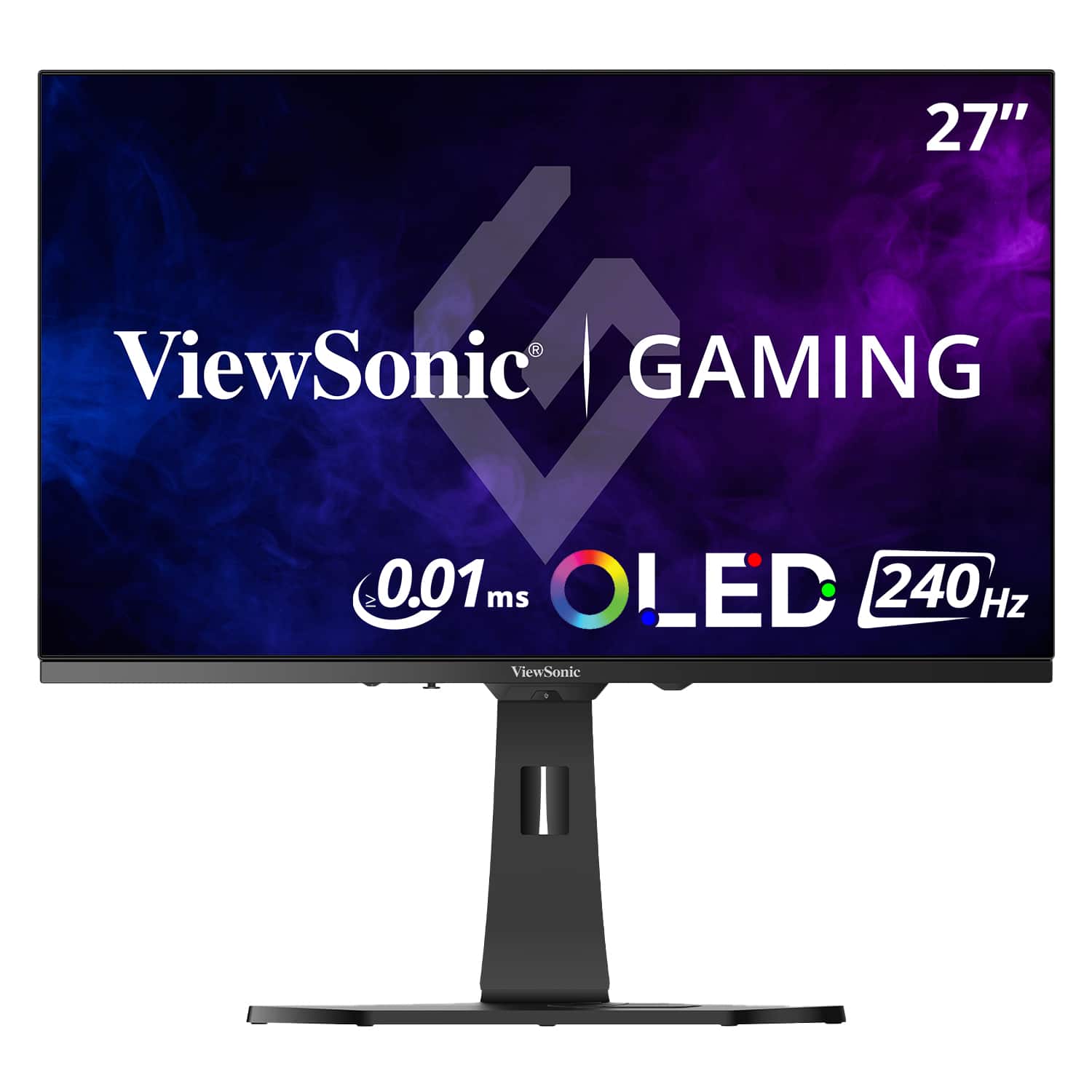
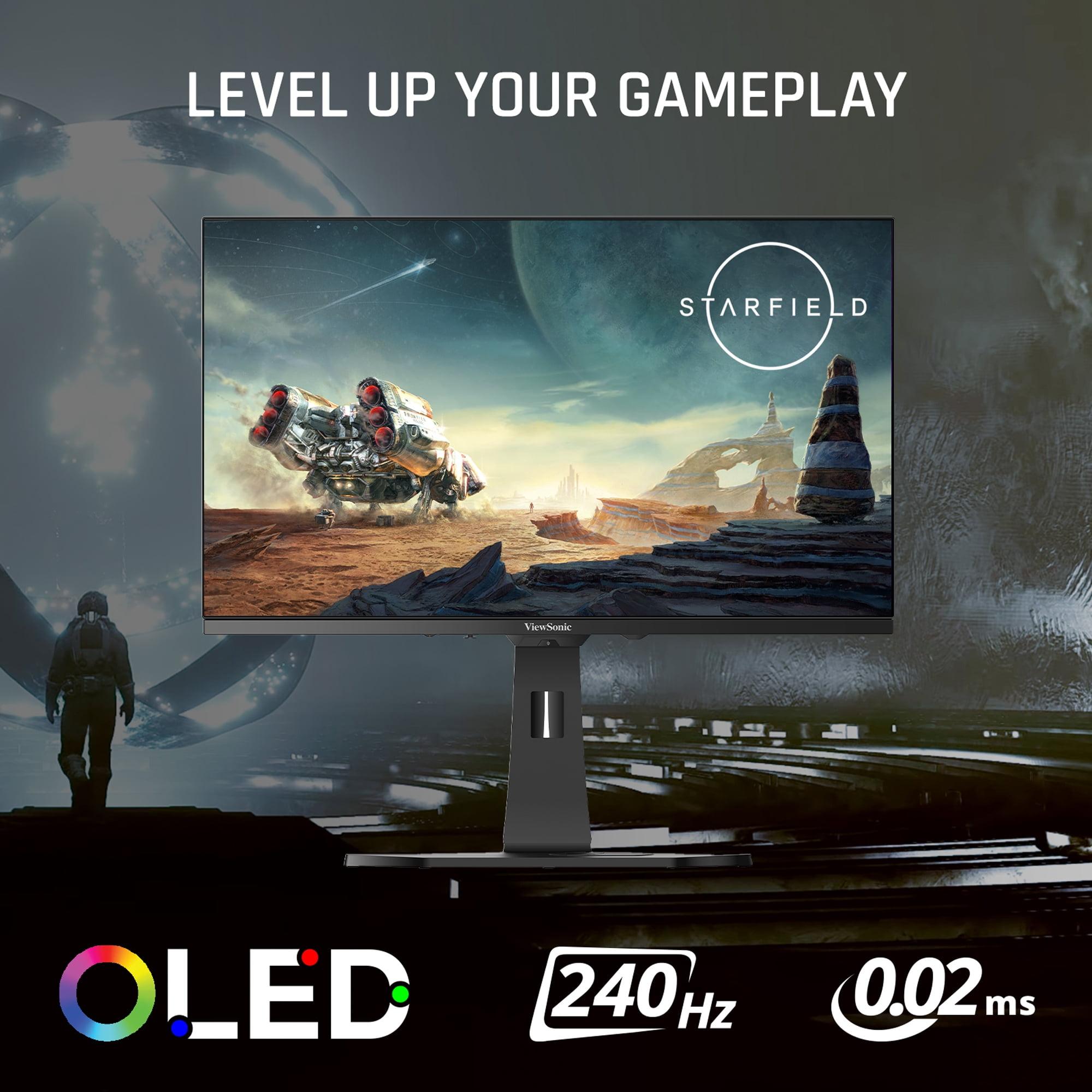
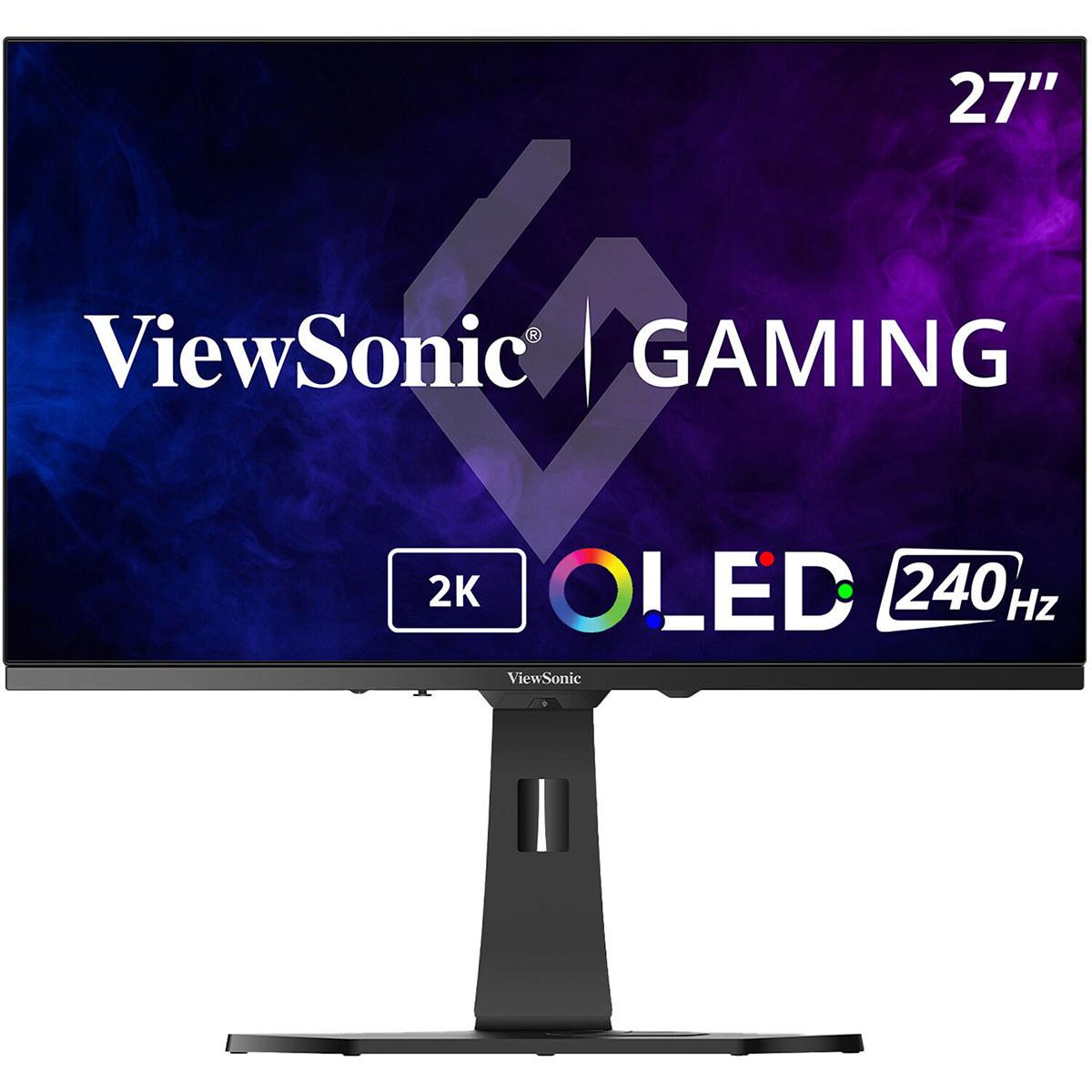

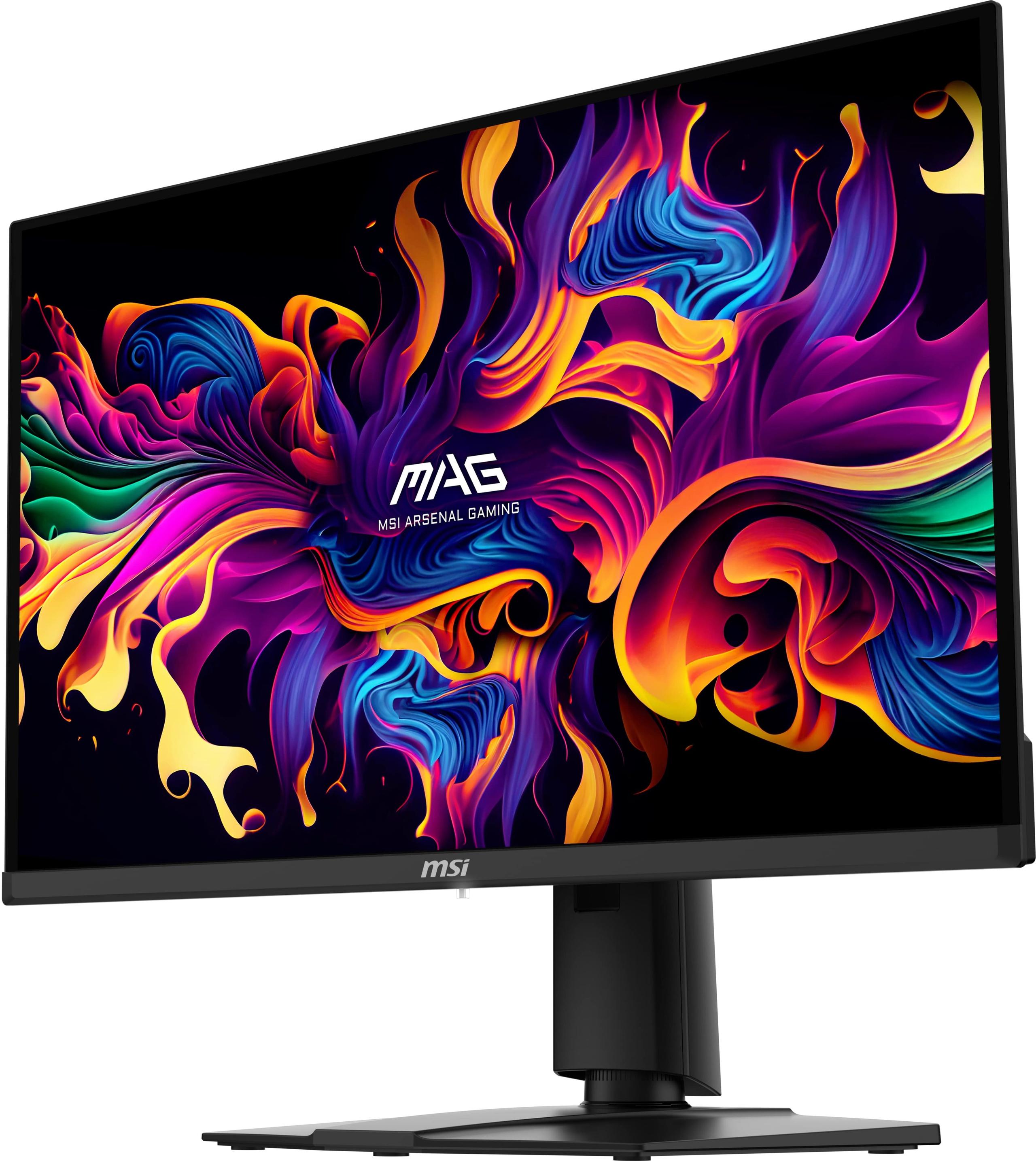
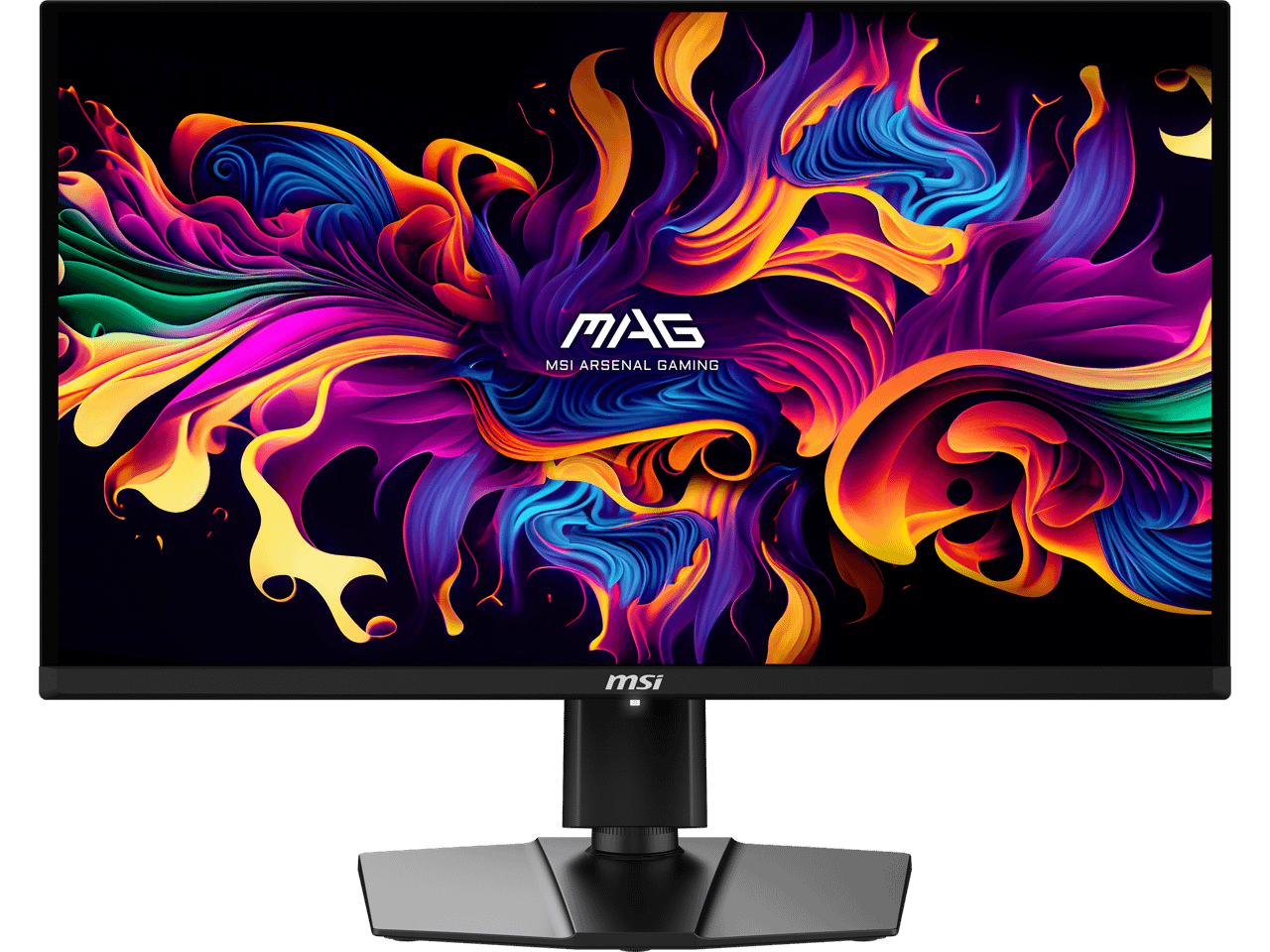
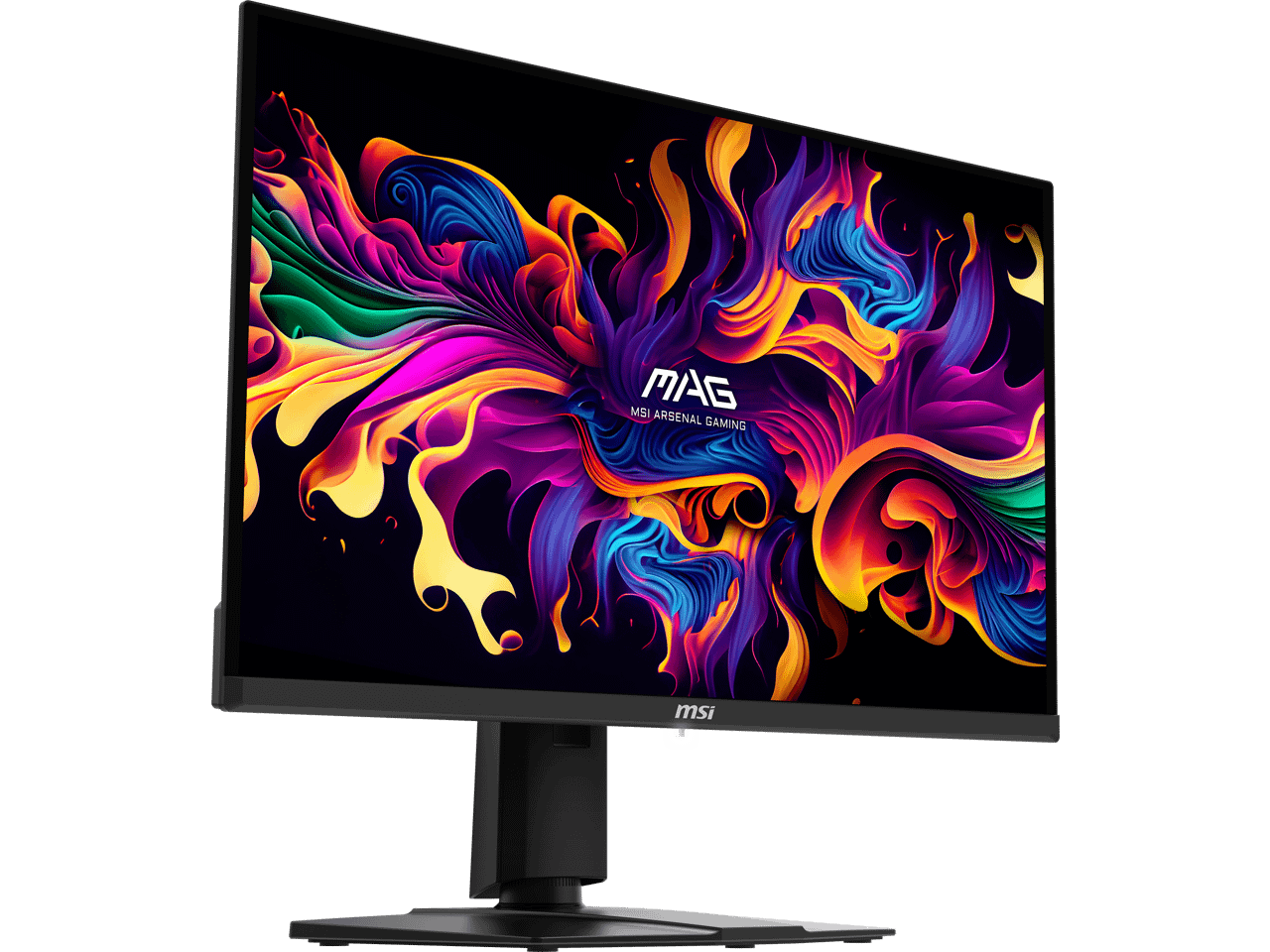
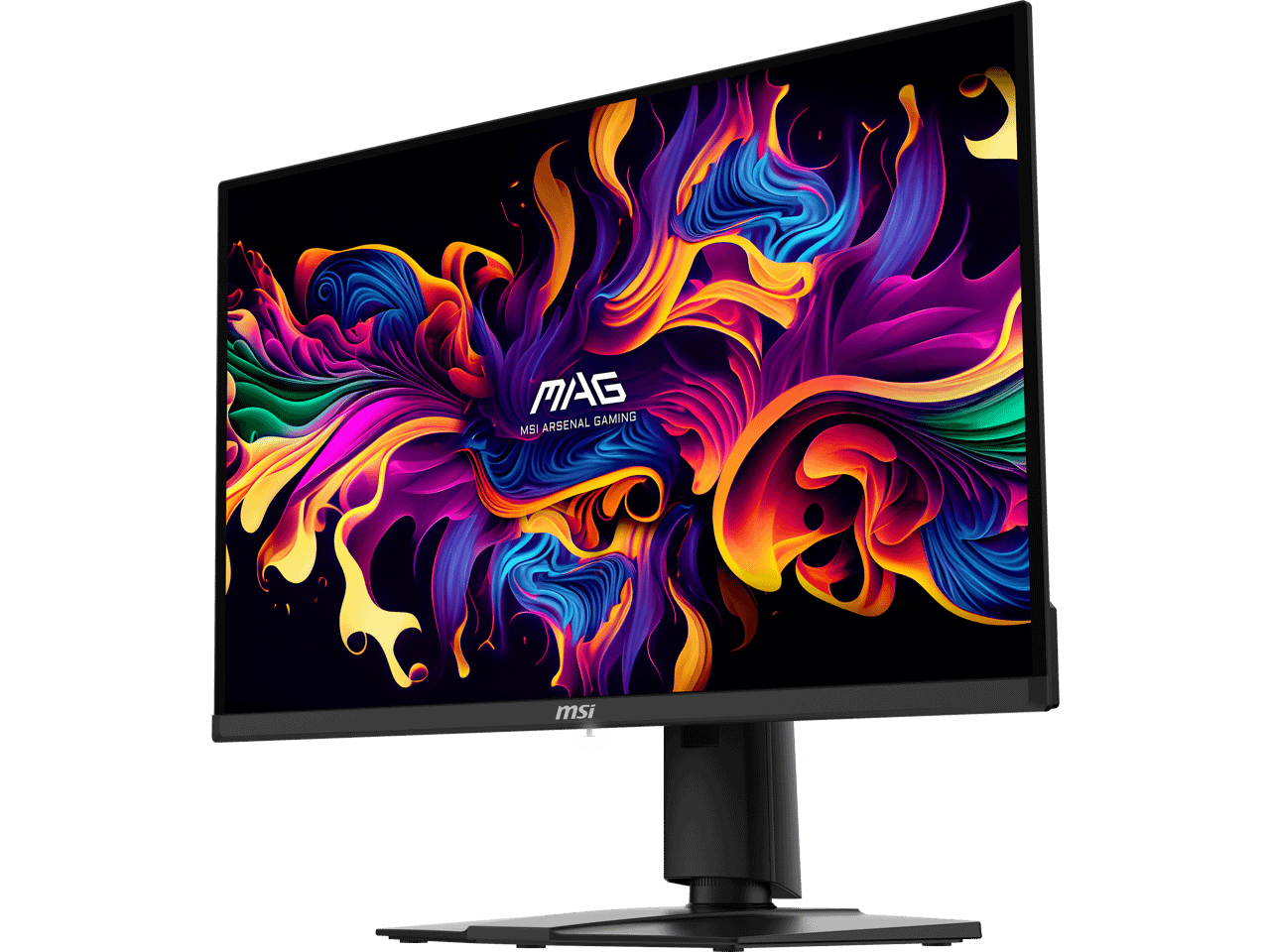


The premium gaming monitor landscape underwent a revolutionary shift in 2024 with the widespread adoption of OLED technology at accessible sizes and refresh rates. Two standout contenders emerged in the highly competitive 27-inch QHD OLED space: the ViewSonic XG272-2K-OLED and the MSI MAG 271QP QD-OLED X24. Both monitors target the sweet spot of modern gaming displays, but they take distinctly different approaches to achieving OLED excellence.
Before diving into specifics, it's worth understanding what makes this category so compelling. OLED (Organic Light-Emitting Diode) technology represents a fundamental shift from traditional LCD displays. Instead of requiring a backlight that shines through liquid crystal cells, each pixel in an OLED panel generates its own light. This means when a pixel needs to display black, it simply turns off completely – resulting in perfect blacks and theoretically infinite contrast ratios.
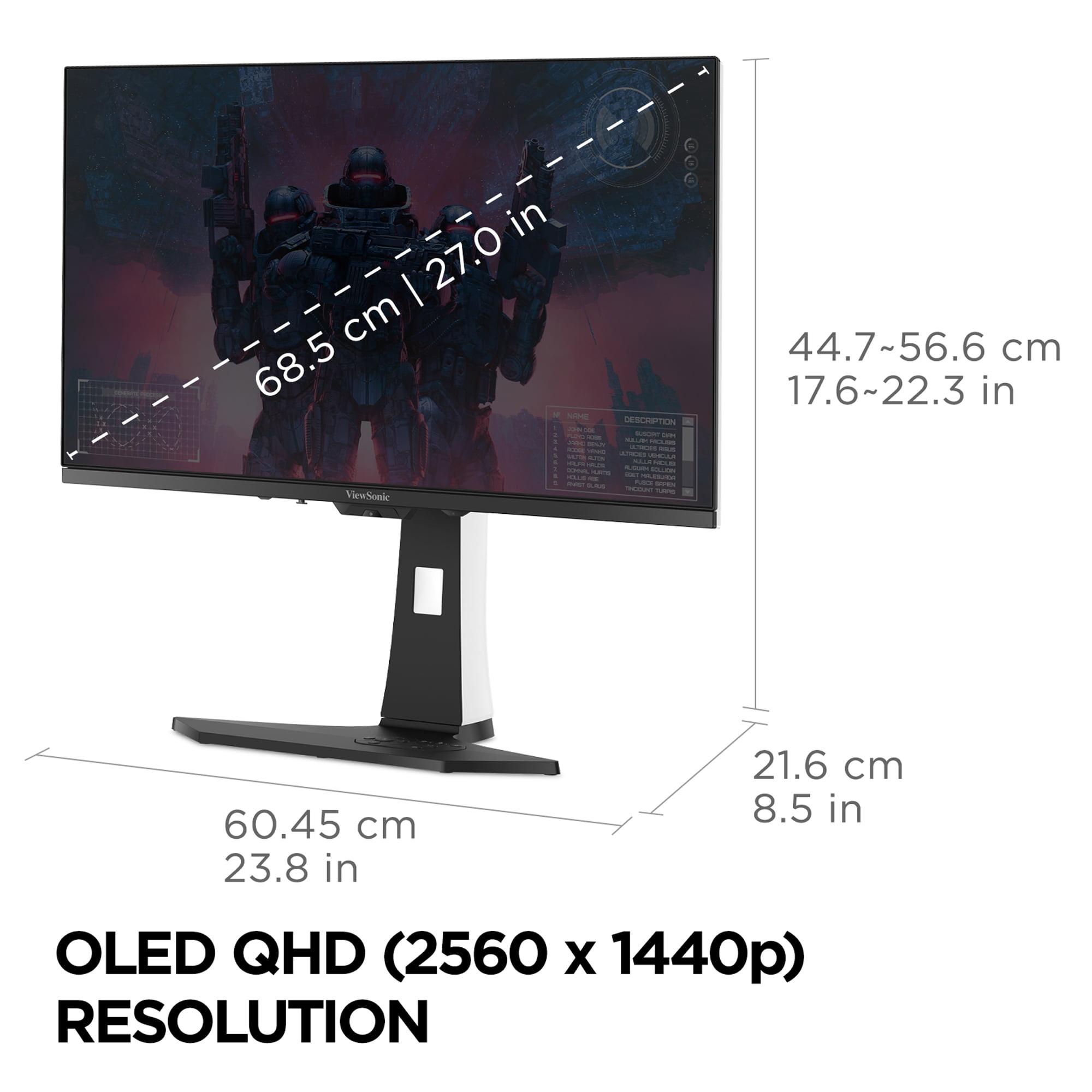
The 27-inch form factor hits the sweet spot for most users. It's large enough for immersive gaming and productivity work, but not so massive that it overwhelms smaller desks or requires you to turn your head constantly. Paired with QHD resolution (2560 x 1440), you get sharp, detailed images without the GPU performance hit of 4K gaming.
When evaluating monitors in this premium segment, several key factors matter most: panel technology and image quality, raw gaming performance metrics, build quality and ergonomics, feature sets, and overall value proposition. The ViewSonic XG272-2K-OLED and MSI MAG 271QP QD-OLED X24 approach these priorities differently, making the choice between them more nuanced than simple spec comparisons might suggest.
The most fundamental difference between these monitors lies in their OLED implementation, and understanding this distinction is crucial for making an informed decision.
The ViewSonic XG272-2K-OLED uses what's called WOLED (White OLED) technology, sourced from LG.Display. In this approach, the OLED layer produces white light, which then passes through red, green, and blue color filters to create the final image. Think of it like having a white flashlight that you shine through colored glass to get different colors.
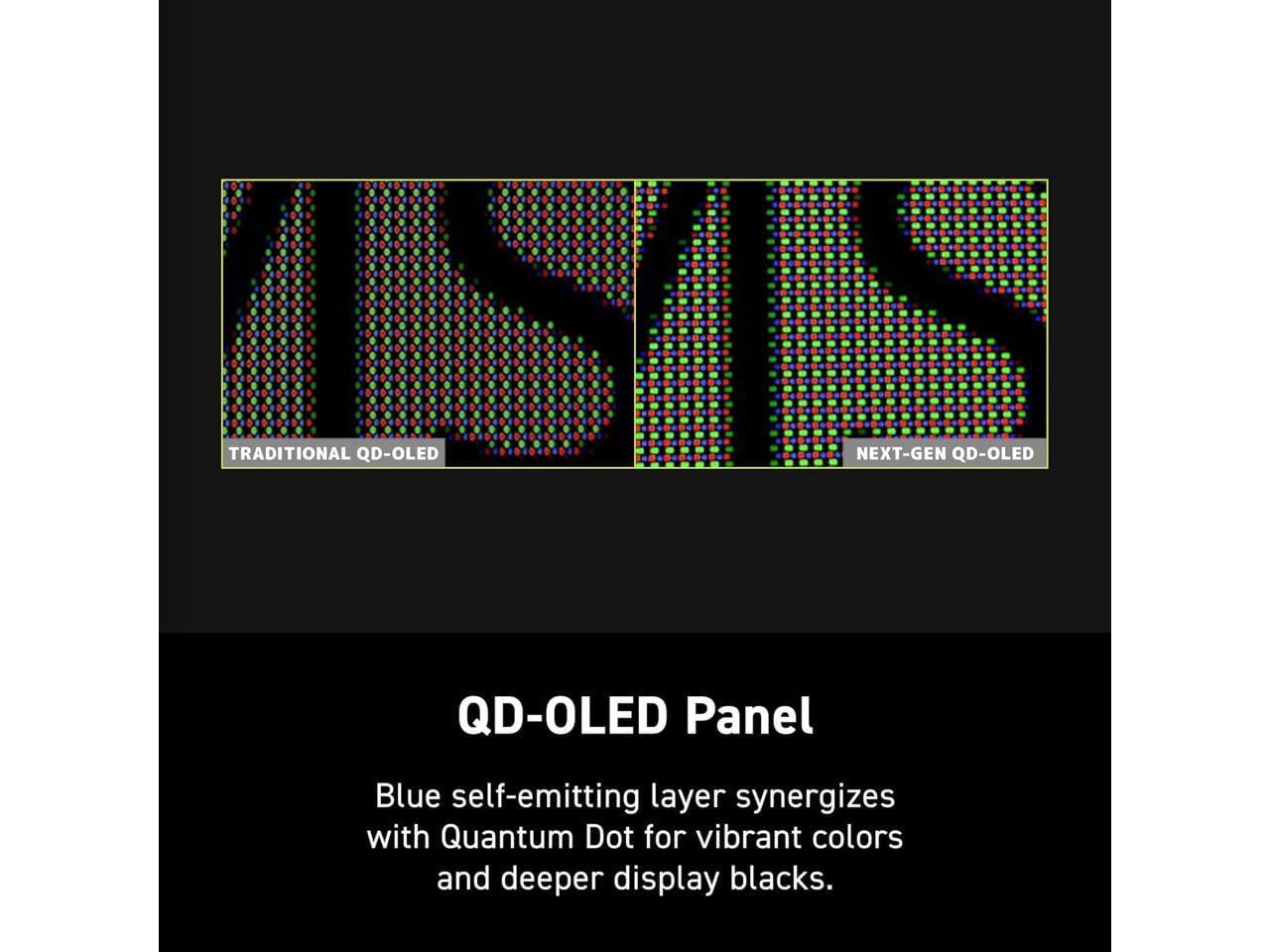
Conversely, the MSI MAG 271QP QD-OLED X24 employs QD-OLED (Quantum Dot OLED) technology from Samsung. Here, blue OLED light hits quantum dots – tiny semiconductor particles that convert blue light into highly pure red and green colors. It's like having a more sophisticated light conversion system that can produce more vibrant, saturated colors.
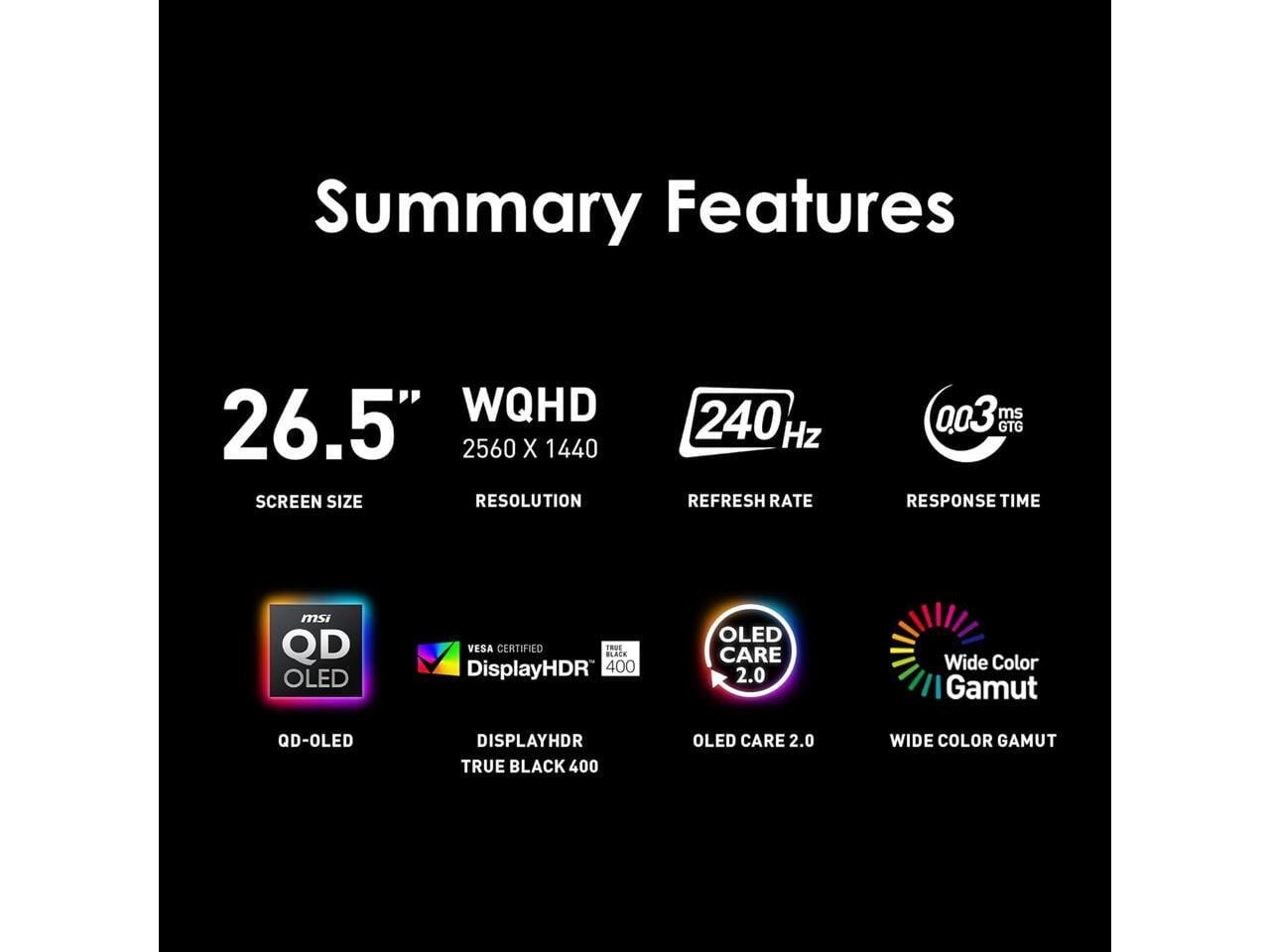
In practice, this translates to noticeable differences in color performance. The MSI monitor achieves wider color coverage: 98% Adobe RGB, 99% DCI-P3, and 138% sRGB compared to the ViewSonic's 97% DCI-P3 and 137% sRGB. While these numbers might seem close, the QD-OLED's quantum dot technology delivers what many users describe as more "punchy" and vibrant colors, particularly in reds and greens.
However, the ViewSonic's WOLED approach isn't without advantages. WOLED panels typically maintain more consistent performance across different brightness levels and often handle mixed content better. The panel also features a matte anti-glare coating that significantly reduces reflections – a practical advantage in brighter rooms where the glossy nature of many QD-OLED panels can become problematic.
Both monitors target the competitive gaming market with 240Hz refresh rates and ultra-low response times, but their approaches and results differ subtly.
The ViewSonic XG272-2K-OLED claims an impressive 0.01ms pixel response time with 0.02ms GTG (Gray-to-Gray). While these numbers sound incredibly fast, it's worth noting that OLED response time measurements can be inconsistent across the industry. What matters more in practice is that both monitors deliver virtually instantaneous pixel transitions that eliminate ghosting and motion blur in fast-paced games.
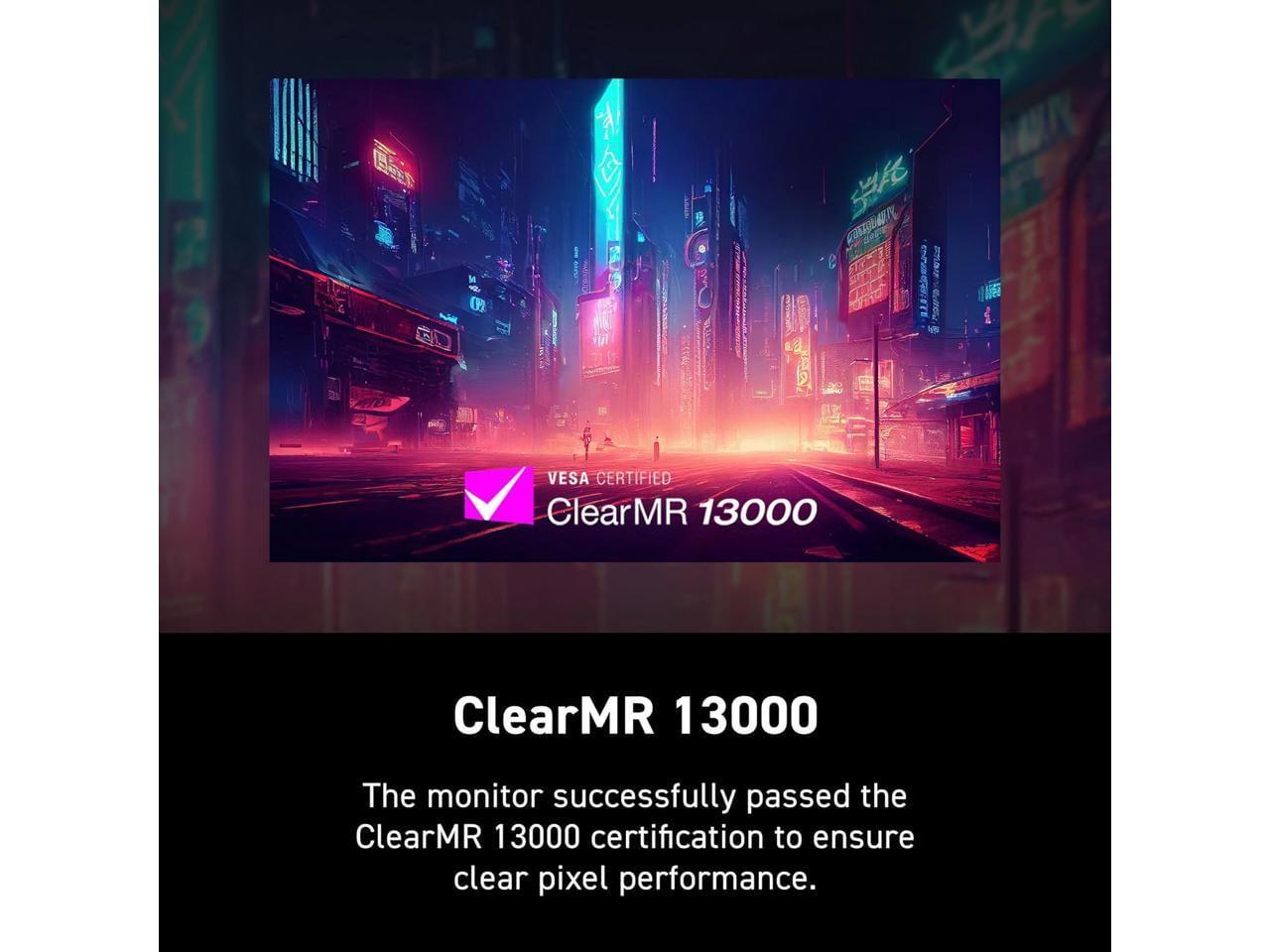
The MSI MAG 271QP QD-OLED X24 specifies a 0.03ms GTG response time, which in real-world gaming feels identical to the ViewSonic. Both monitors have earned VESA certifications that matter more than raw specifications – the ViewSonic carries Blurbusters Verified certification, while the MSI achieved VESA ClearMR 13000 rating. These certifications indicate rigorous testing for motion clarity in actual gaming scenarios.
Where the monitors differentiate themselves is in motion enhancement features. The ViewSonic includes Black Frame Insertion (BFI), a technology that briefly inserts black frames between regular frames to reduce perceived motion blur. This feature can make fast movement appear even crisper, though it does reduce overall brightness. It's particularly valuable for competitive first-person shooters where tracking enemies across the screen matters most.
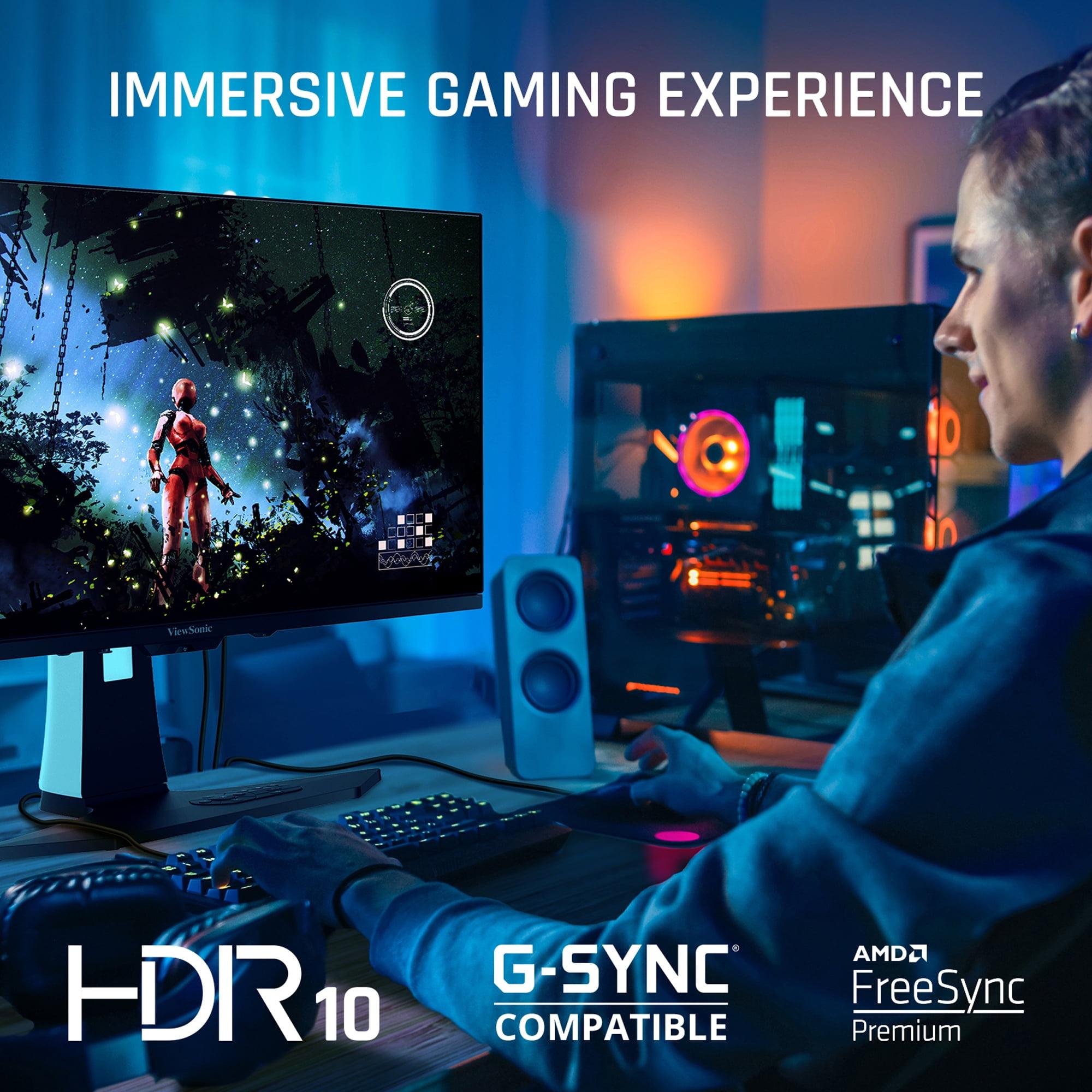
Both monitors support adaptive sync technology to eliminate screen tearing, but with different certifications. The ViewSonic carries both NVIDIA G-Sync Compatible and AMD FreeSync Premium certifications, ensuring broad compatibility regardless of your graphics card choice. The MSI monitor supports Adaptive Sync but may have varying certification levels depending on your region.
For input lag – the delay between your action and its appearance on screen – both monitors perform excellently. OLED technology inherently provides lower input lag than LCD displays because there's no backlight processing delay. In competitive gaming scenarios like Counter-Strike or Valorant, both monitors provide the responsiveness that serious players demand.
While gaming performance metrics grab headlines, image quality separates good monitors from great ones, especially in this premium price segment.
The ViewSonic XG272-2K-OLED delivers what many reviewers consider the brightest HDR performance in its class. With 450 cd/m² typical brightness and strong HDR10 support, HDR content appears more impactful than on many competing OLED monitors. This brightness advantage becomes particularly noticeable when watching HDR movies or playing games with dramatic lighting, like Cyberpunk 2077 or The Witcher 3.
However, the MSI MAG 271QP QD-OLED X24 takes a different approach to HDR excellence. While its full-screen brightness is lower at 250 cd/m², it can achieve peak brightness of up to 1,000 cd/m² in small highlights (covering just 3% of the screen). This means that bright elements like explosions, fire, or sunlight can appear incredibly intense against OLED's perfect blacks. The monitor carries VESA DisplayHDR True Black 400 certification, indicating superior contrast performance.
Color accuracy tells another part of the story. The MSI monitor comes factory calibrated to Delta E ≤2, which means colors appear nearly identical to their intended values – crucial for content creators or anyone who values accurate color reproduction. The quantum dot technology also provides what's called higher "color volume," meaning colors remain vivid even at different brightness levels.
The ViewSonic delivers excellent color accuracy out of the box, though some users note that its default gamma curve runs slightly lighter than ideal (closer to 2.0 instead of the standard 2.2). This can make some content appear slightly washed out initially, though it's easily corrected through monitor settings or graphics driver adjustments.
One practical consideration is surface treatment. The ViewSonic's matte coating effectively reduces reflections, making it more usable in rooms with windows or overhead lighting. Some users feel this slightly reduces color vibrancy compared to glossy panels, but the trade-off often proves worthwhile in real-world viewing environments.
These monitors represent different design philosophies that extend beyond mere aesthetics to practical usability.
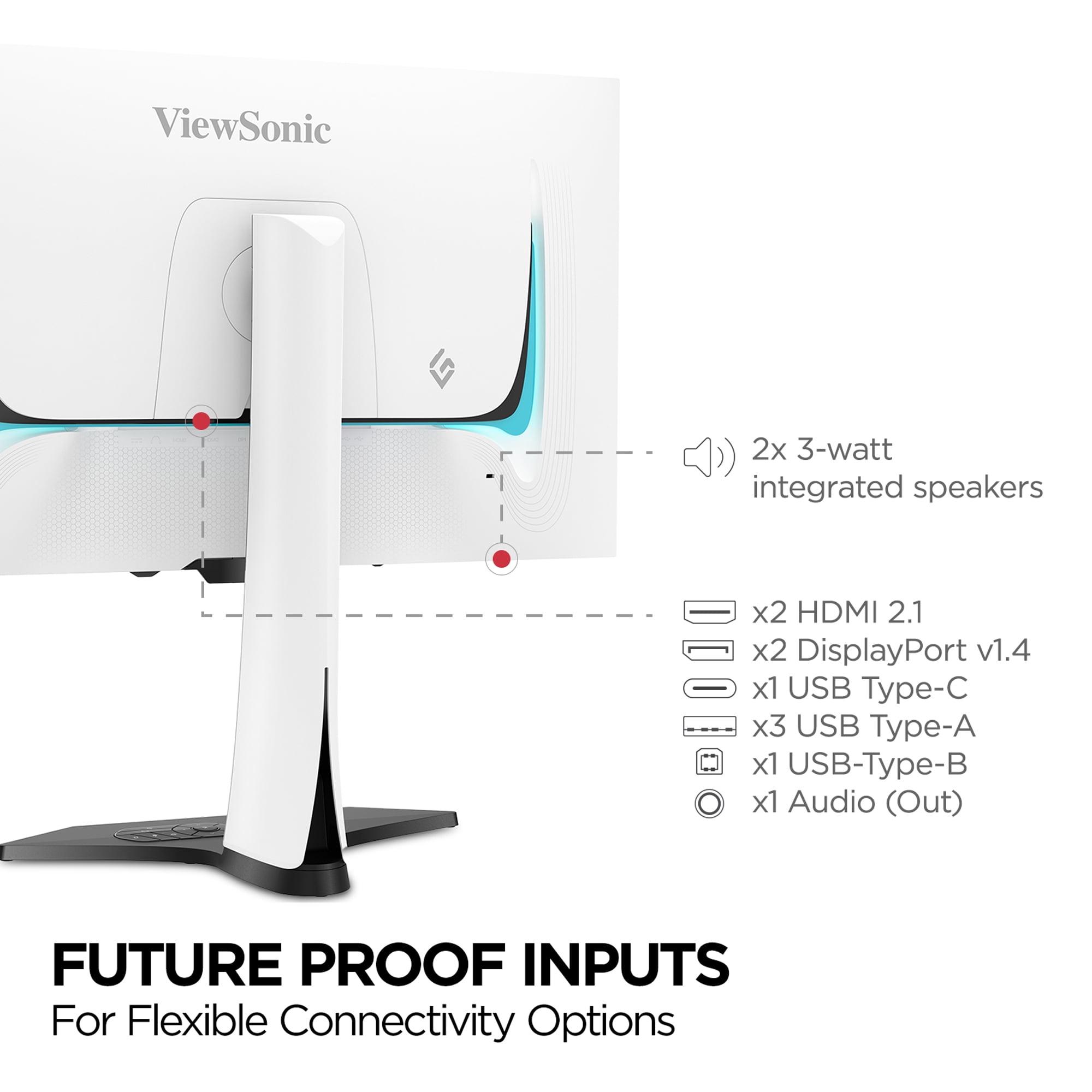
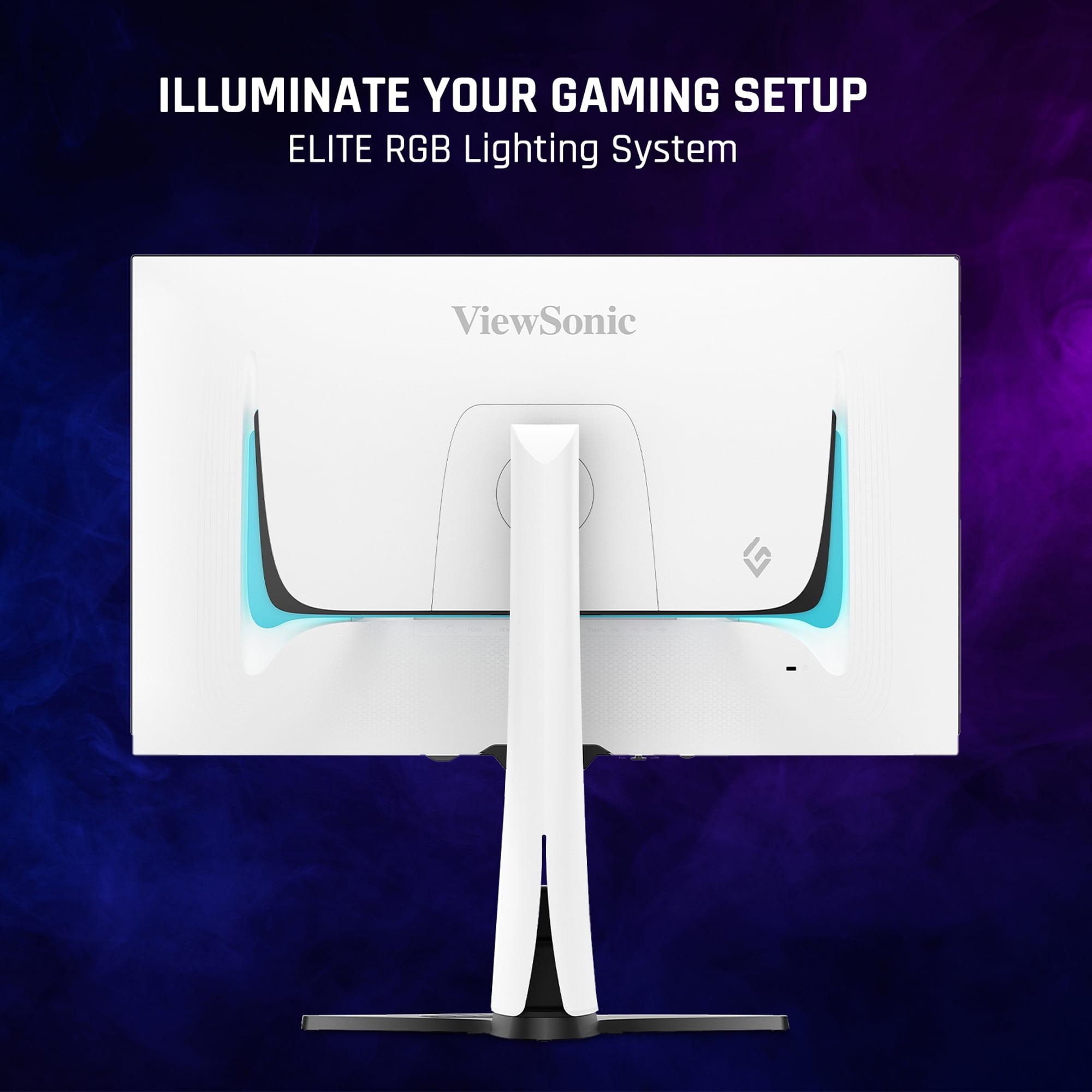
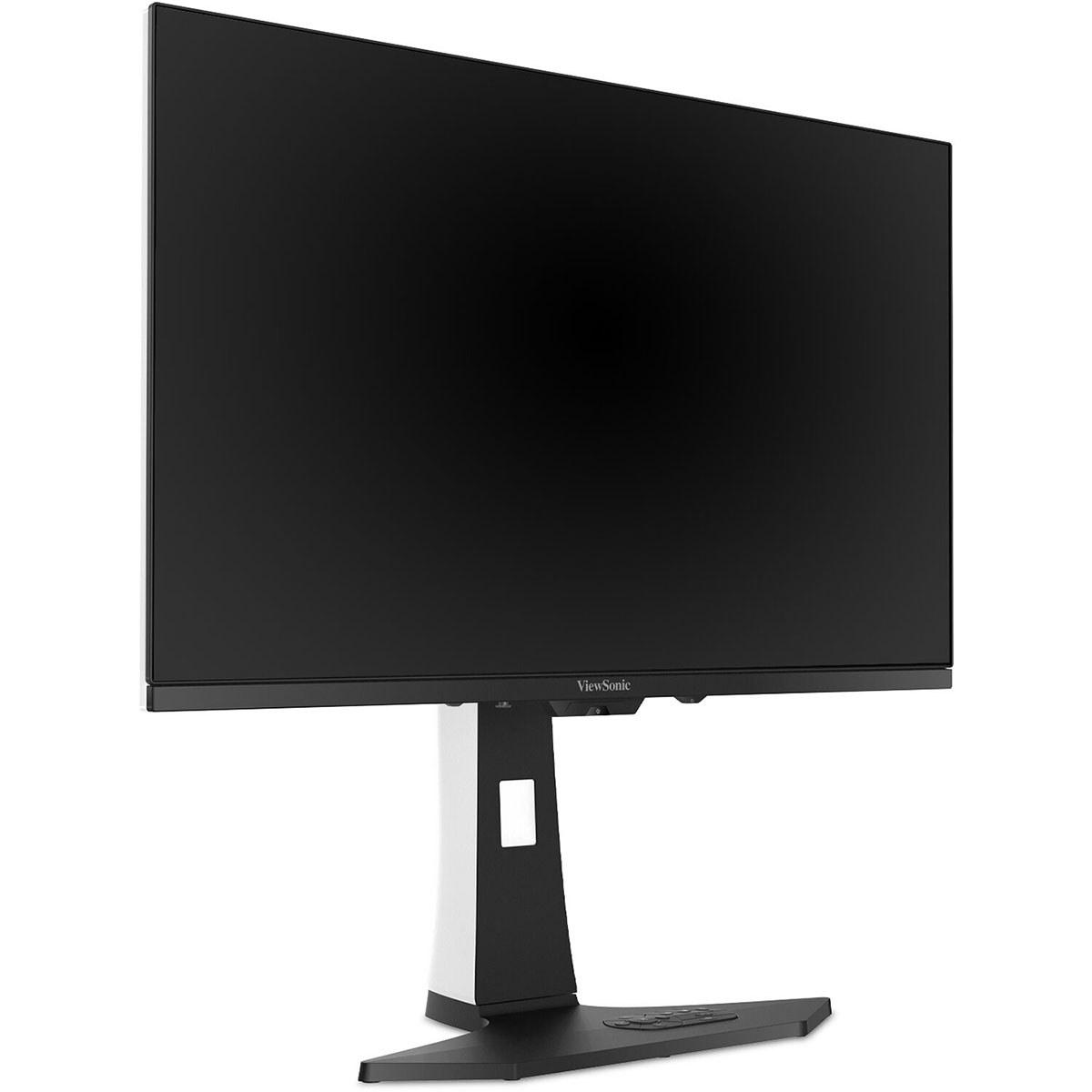
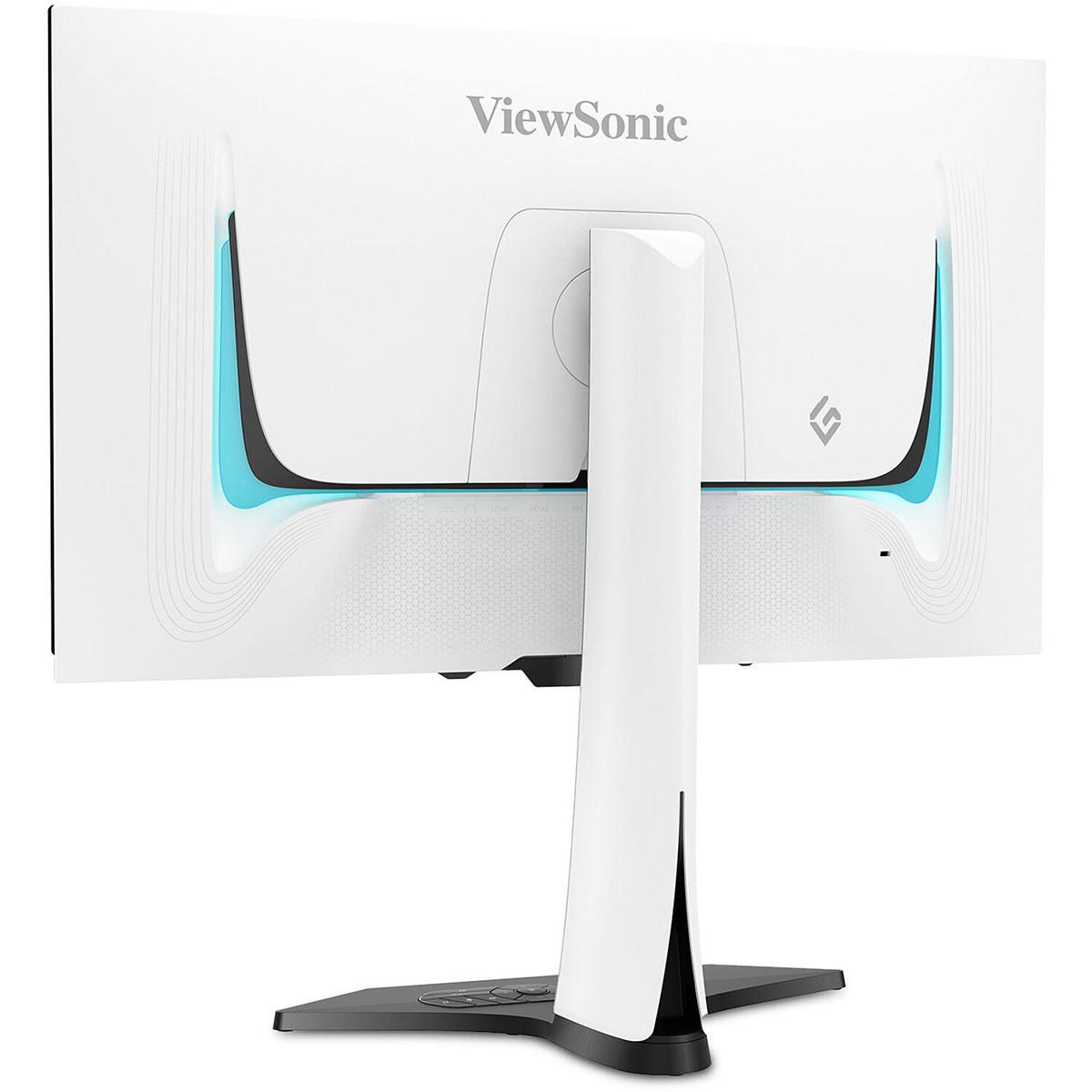
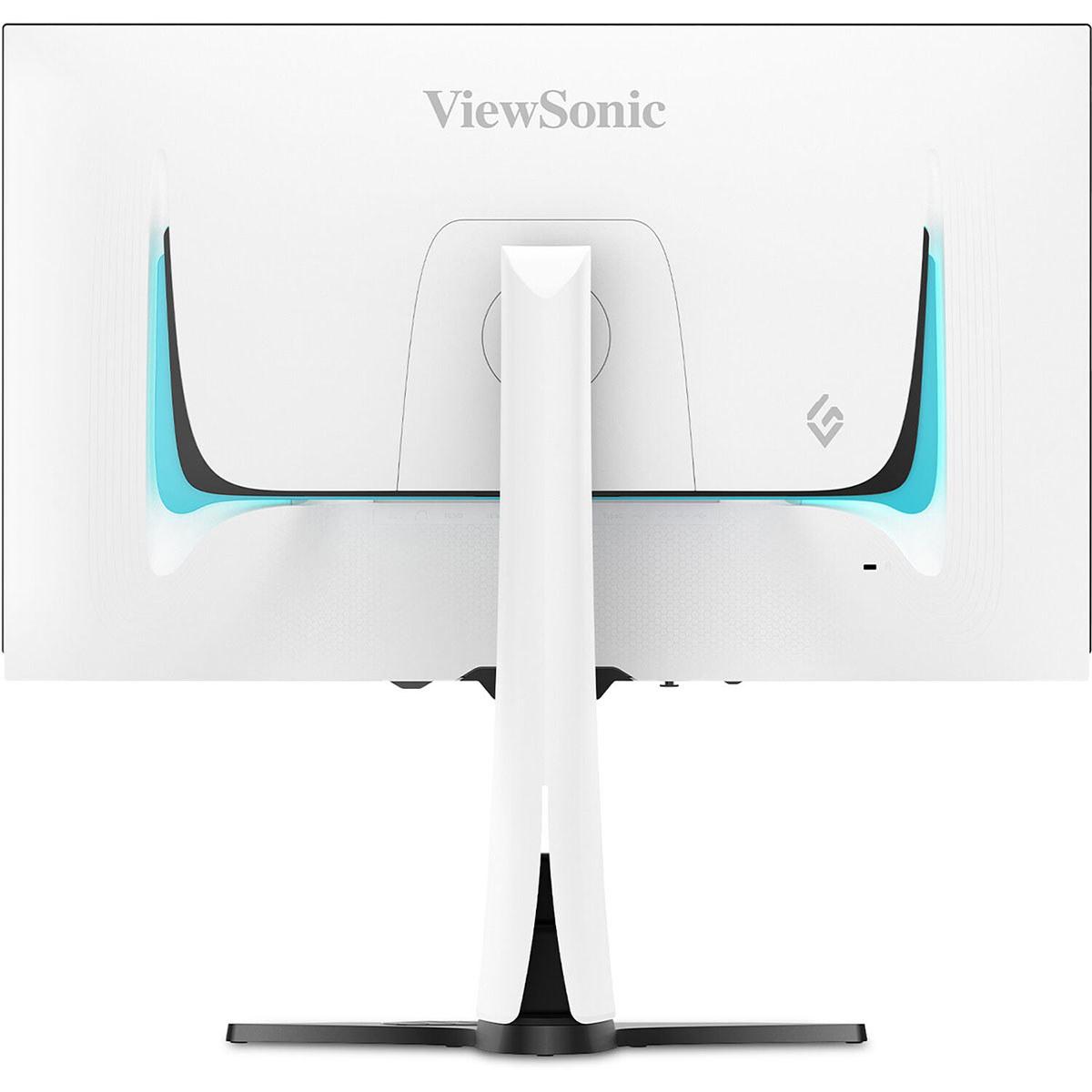
The ViewSonic XG272-2K-OLED breaks the mold with its distinctive white chassis and integrated RGB lighting. This isn't just visual flair – the white finish helps the monitor blend into brighter room decor and can make cable management less visually intrusive. The RGB lighting system offers extensive customization options and can sync with other gaming peripherals for a cohesive setup aesthetic.
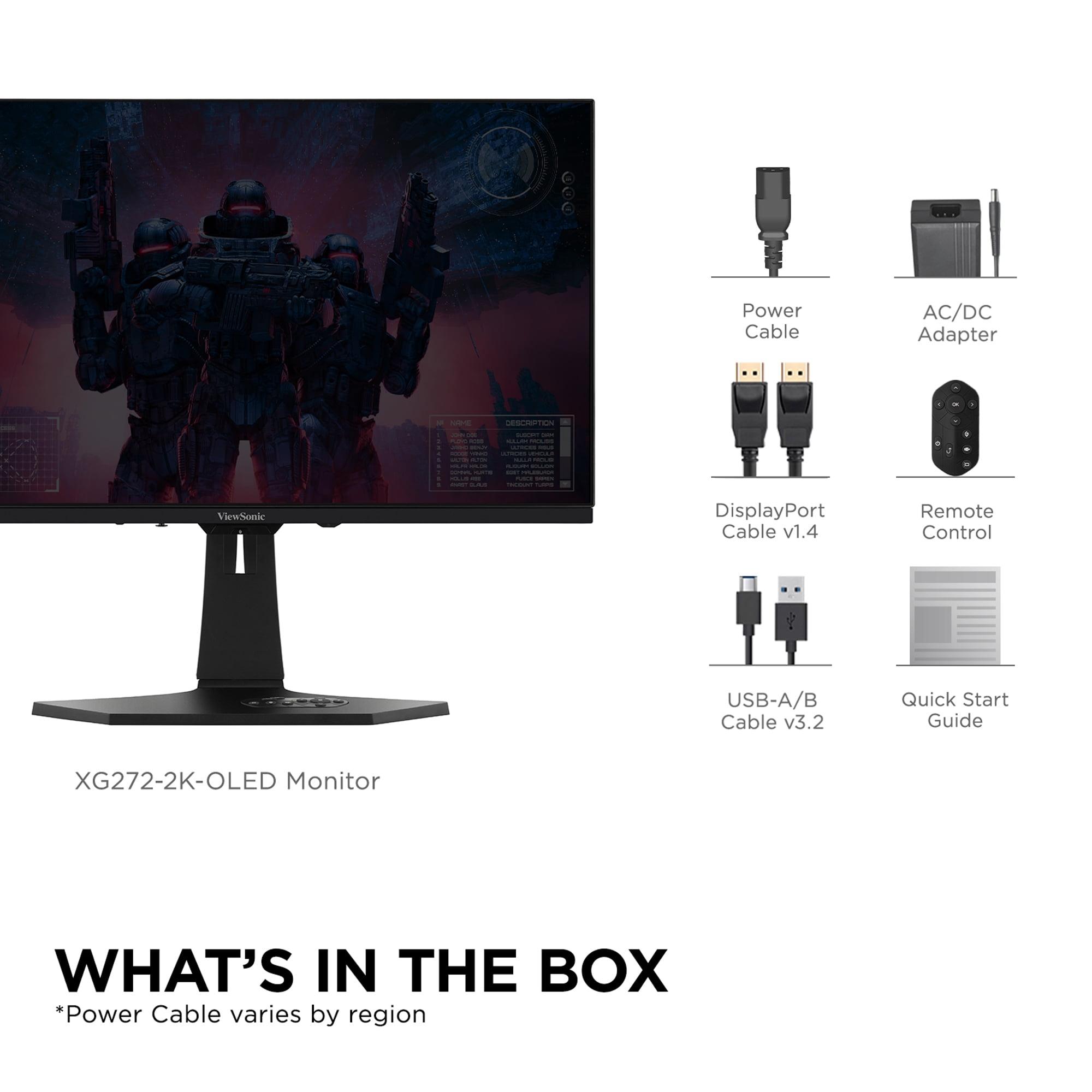
Perhaps more importantly, ViewSonic includes a comprehensive remote control that stores elegantly in the monitor's base. Anyone who's struggled with complex monitor OSD (On-Screen Display) menus will appreciate this thoughtful addition. The remote makes switching between input sources, adjusting settings, and navigating gaming modes significantly more convenient.
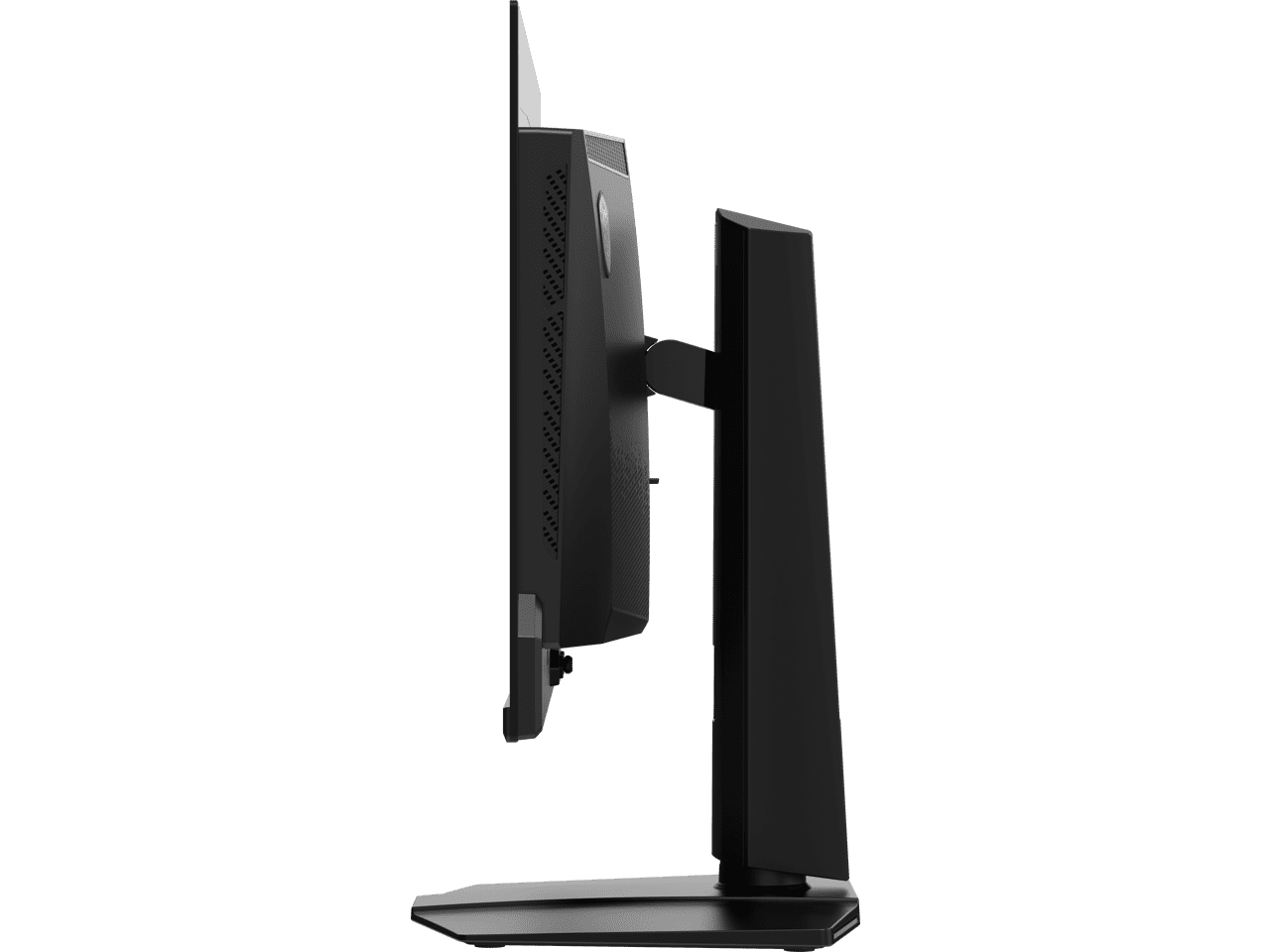
The MSI MAG 271QP QD-OLED X24 takes a more traditional gaming-focused approach with its metallic black finish and angular design elements characteristic of MSI's gaming products. While less visually distinctive, this design choice keeps the focus on the display content itself and fits well with most gaming setups.
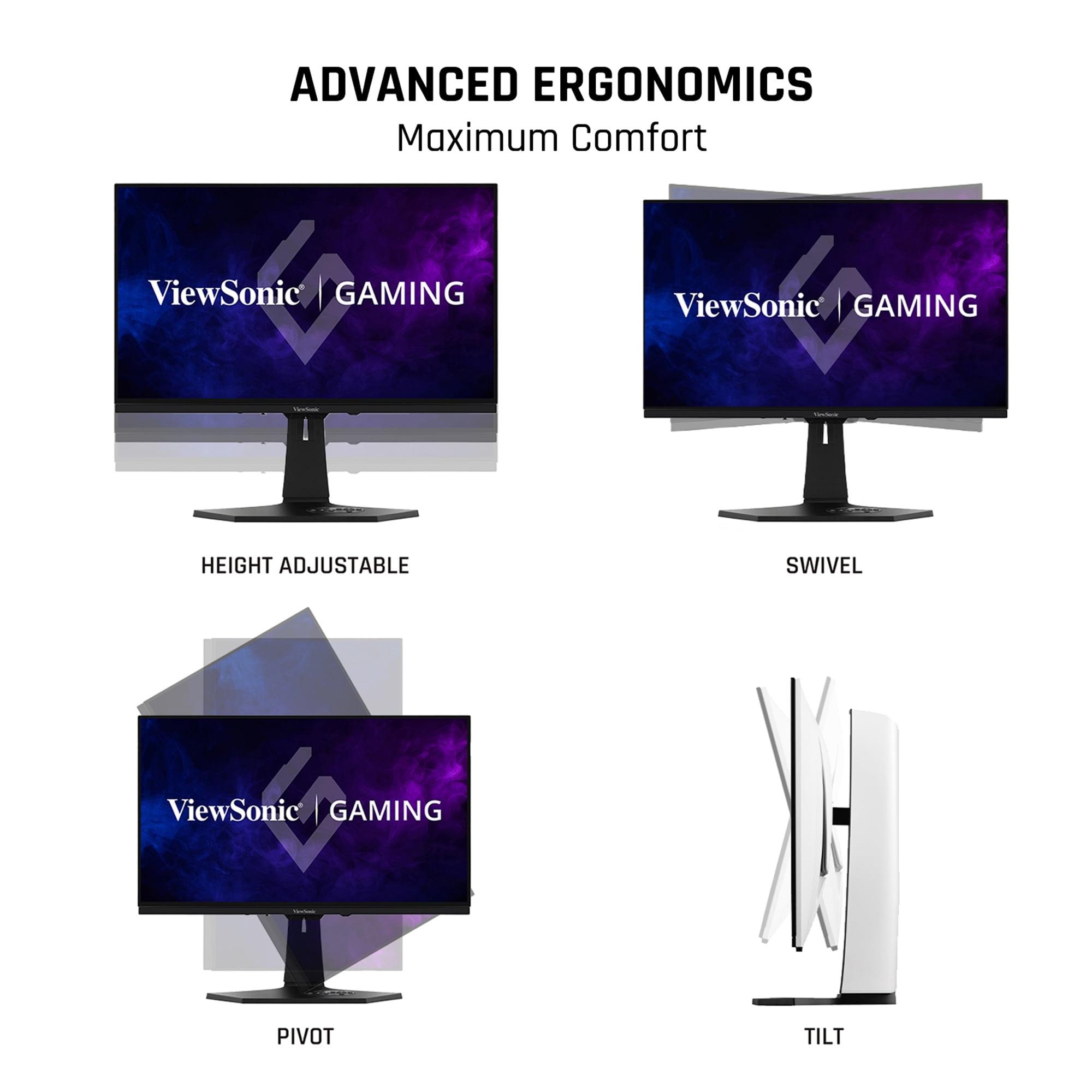
Both monitors feature fully adjustable ergonomic stands supporting tilt, swivel, height adjustment, and pivot rotation. The build quality feels substantial on both units, with sturdy bases that minimize wobble during intense gaming sessions. VESA mount compatibility (100 x 100 mm) provides flexibility for users preferring monitor arms or wall mounting.
Modern premium monitors need comprehensive connectivity options, and these two take different approaches to meeting user needs.
The ViewSonic XG272-2K-OLED provides superior connectivity flexibility with two HDMI 2.1 ports, two DisplayPort 1.4 connections, and notably, USB-C with 15W power delivery. This USB-C port supports both video and power, making it perfect for laptop users who want single-cable connectivity. The monitor also includes a three-port USB-A hub, effectively turning it into a connectivity center for keyboards, mice, and other peripherals.
The MSI MAG 271QP QD-OLED X24 offers two HDMI 2.1 ports and one DisplayPort 1.4a connection, covering most users' needs but lacking the USB-C convenience. For users primarily connecting desktop PCs or gaming consoles, this limitation may not matter, but it does reduce versatility for mixed-use scenarios.
Both monitors support HDMI 2.1's advanced features including Variable Refresh Rate (VRR) and Auto Low Latency Mode (ALLM), ensuring optimal performance with PlayStation 5 and Xbox Series X consoles. The 48Gbps bandwidth of HDMI 2.1 enables full 240Hz at 1440p resolution, something that wasn't possible with earlier HDMI standards.
One legitimate concern with OLED technology is burn-in – permanent image retention that can occur when static elements remain on screen for extended periods. Both manufacturers address this differently.
The ViewSonic XG272-2K-OLED incorporates standard burn-in prevention measures including pixel shifting (moving the image slightly to prevent static elements from staying in one place), automatic dimming when static screens are detected, and periodic panel refresh cycles that recalibrate the pixels.
The MSI MAG 271QP QD-OLED X24 goes further with OLED Care 2.0, an advanced protection suite that includes multi-logo detection, taskbar detection, and boundary detection. These features specifically target common burn-in scenarios like gaming HUDs, Windows taskbars, and video borders. More importantly, MSI backs the monitor with a 3-year warranty that explicitly covers OLED burn-in – providing peace of mind that many competitors don't match.
At the time of writing, both monitors compete in the premium segment with pricing that reflects their advanced OLED technology and gaming-focused features. The MSI MAG 271QP QD-OLED X24 typically carries a slight price advantage in most markets, making it an attractive option for users prioritizing the QD-OLED's superior color performance at a more accessible price point.
The ViewSonic XG272-2K-OLED commands a premium for its unique design, superior connectivity options, and included remote control. Whether this premium proves worthwhile depends on individual priorities and use cases.
For users considering these monitors for home theater or multimedia use, several factors become particularly important.
The ViewSonic's higher HDR brightness makes it more suitable for rooms with ambient lighting, while its matte coating reduces distracting reflections during movie viewing. The included remote control becomes especially valuable for media consumption, eliminating the need to reach for monitor buttons during movies or shows.
The MSI monitor's QD-OLED technology excels in dark room scenarios where its superior contrast and color volume can shine. The glossy panel surface can be problematic with room lighting but delivers more vibrant colors in controlled lighting conditions.
Both monitors' 27-inch size and 16:9 aspect ratio work well for most multimedia content, though they're not ideal for ultrawide movie formats that would benefit from 21:9 displays.
After extensive consideration of both monitors' strengths and limitations, clear usage scenarios emerge for each.
Choose the ViewSonic XG272-2K-OLED if you value comprehensive connectivity, unique aesthetics, and brighter HDR performance. It's ideal for users who frequently switch between devices (PC, laptop, consoles), work in brighter environments, or want a monitor that stands out visually. Content creators who need USB-C connectivity and the convenience of remote control will find it particularly appealing.
The MSI MAG 271QP QD-OLED X24 better serves users prioritizing color accuracy, competitive gaming performance, and value. Its QD-OLED technology provides superior color reproduction for both gaming and content creation, while the explicit burn-in warranty coverage offers long-term peace of mind. It's the better choice for dark room gaming, color-critical work, and users who want maximum performance per dollar spent.
Both monitors represent the current pinnacle of 27-inch gaming display technology. Your choice ultimately depends on whether you prioritize the ViewSonic's premium features and versatility or the MSI's superior panel technology and competitive value proposition. Either way, you'll experience OLED gaming at its finest.
| ViewSonic XG272-2K-OLED | MSI MAG 271QP QD-OLED X24 |
|---|---|
| Panel Technology - Determines color quality and brightness characteristics | |
| WOLED (White OLED) with matte coating | QD-OLED (Quantum Dot OLED) with glossy finish |
| Color Gamut Coverage - Wider is better for vibrant visuals and content creation | |
| 97% DCI-P3, 137% sRGB | 98% Adobe RGB, 99% DCI-P3, 138% sRGB |
| Response Time - Lower means less motion blur in fast games | |
| 0.01ms pixel / 0.02ms GTG | 0.03ms GTG |
| HDR Brightness - Higher allows better HDR impact in bright rooms | |
| 450 cd/m² typical (brightest in class) | 250 cd/m² full screen, 1000 cd/m² peak highlights |
| Adaptive Sync Support - Prevents screen tearing across different GPUs | |
| NVIDIA G-Sync Compatible + AMD FreeSync Premium | Adaptive Sync (certification varies by region) |
| Connectivity Options - More ports mean better device flexibility | |
| 2x HDMI 2.1, 2x DP 1.4, USB-C (15W PD), 3x USB-A hub | 2x HDMI 2.1, 1x DP 1.4a |
| Design and Aesthetics - Visual appeal and room integration | |
| Unique white chassis with RGB lighting | Traditional metallic black gaming design |
| Remote Control - Convenience for settings and input switching | |
| Included remote stores in stand base | Standard monitor controls only |
| Motion Enhancement Features - Reduces blur in competitive gaming | |
| Black Frame Insertion (BFI), Blurbusters Verified | VESA ClearMR 13000 certification |
| Burn-in Protection and Warranty - Long-term OLED reliability | |
| Standard OLED protection, 3-year warranty | OLED Care 2.0 suite, 3-year warranty including burn-in |
| Color Accuracy - Important for content creation and accurate visuals | |
| Excellent out-of-box, lighter default gamma | Factory calibrated to Delta E ≤2 |
| Surface Treatment - Affects reflections and color vibrancy | |
| Matte coating reduces glare, slightly less vibrant | Glossy finish more vibrant but prone to reflections |
The MSI MAG 271QP QD-OLED X24 delivers superior color quality with its QD-OLED panel technology, covering 99% DCI-P3 and 98% Adobe RGB compared to the ViewSonic XG272-2K-OLED's 97% DCI-P3 coverage. The MSI's quantum dot technology produces more vibrant, saturated colors that are particularly noticeable in reds and greens, making it the better choice for content creators and users who prioritize color accuracy.
The ViewSonic XG272-2K-OLED uses WOLED technology, which creates white light filtered through color layers, while the MSI MAG 271QP QD-OLED X24 uses QD-OLED technology that converts blue OLED light through quantum dots. QD-OLED typically produces wider color gamuts and more vibrant colors, while WOLED offers more consistent brightness performance and better glare resistance with its matte coating.
Both monitors excel for competitive gaming with 240Hz refresh rates and ultra-low response times. The ViewSonic XG272-2K-OLED has a slight edge with 0.01ms pixel response time and Black Frame Insertion technology, plus certified NVIDIA G-Sync Compatible and AMD FreeSync Premium support. However, the MSI MAG 271QP QD-OLED X24 offers excellent performance with VESA ClearMR 13000 certification and may provide better color differentiation in competitive scenarios.
The ViewSonic XG272-2K-OLED offers brighter overall HDR performance with 450 cd/m² typical brightness, making it better for rooms with ambient lighting. The MSI MAG 271QP QD-OLED X24 provides 250 cd/m² full-screen brightness but can reach up to 1,000 cd/m² in small highlights, creating more dramatic contrast in dark scenes. Both support HDR10, with the MSI carrying VESA DisplayHDR True Black 400 certification.
The ViewSonic XG272-2K-OLED provides superior connectivity with 2x HDMI 2.1, 2x DisplayPort 1.4, USB-C with 15W power delivery, and a 3-port USB-A hub. The MSI MAG 271QP QD-OLED X24 offers 2x HDMI 2.1 and 1x DisplayPort 1.4a but lacks USB-C connectivity. The ViewSonic is better for users who need to connect laptops or multiple devices simultaneously.
Yes, both monitors excel for console gaming with HDMI 2.1 support enabling 240Hz at 1440p resolution, Variable Refresh Rate (VRR), and Auto Low Latency Mode (ALLM) for PlayStation 5 and Xbox Series X. The ViewSonic XG272-2K-OLED offers more HDMI ports for multi-console setups, while the MSI MAG 271QP QD-OLED X24 provides superior color vibrancy for visually stunning games.
The ViewSonic XG272-2K-OLED includes standard OLED protection like pixel shifting and panel refresh cycles with a 3-year warranty. The MSI MAG 271QP QD-OLED X24 features advanced OLED Care 2.0 with multi-logo detection, taskbar detection, and boundary detection, plus a 3-year warranty that explicitly covers OLED burn-in. The MSI offers more comprehensive burn-in protection and warranty coverage.
The ViewSonic XG272-2K-OLED is better for bright rooms due to its matte anti-glare coating that significantly reduces reflections and higher HDR brightness of 450 cd/m². The MSI MAG 271QP QD-OLED X24 has a glossy finish that can be problematic with room lighting, though it delivers more vibrant colors in controlled lighting conditions.
The ViewSonic XG272-2K-OLED features a unique white chassis with customizable RGB lighting and includes a remote control that stores in the stand base. The MSI MAG 271QP QD-OLED X24 uses a traditional metallic black gaming design with angular elements. The ViewSonic offers more distinctive aesthetics and convenience features, while the MSI focuses on functional gaming design.
The MSI MAG 271QP QD-OLED X24 typically offers better value with superior QD-OLED color technology, comprehensive burn-in warranty coverage, and competitive pricing. The ViewSonic XG272-2K-OLED commands a premium for its unique design, superior connectivity options, and remote control, making value dependent on whether you need these additional features.
The MSI MAG 271QP QD-OLED X24 is better suited for professional work with factory calibration to Delta E ≤2, wider color gamut coverage (98% Adobe RGB), and superior color accuracy. The ViewSonic XG272-2K-OLED offers excellent color quality but with slightly lighter default gamma that may require adjustment for color-critical work.
Choose the ViewSonic XG272-2K-OLED if you value unique aesthetics, comprehensive connectivity (especially USB-C), brighter HDR performance, and convenience features like the remote control. Pick the MSI MAG 271QP QD-OLED X24 if you prioritize superior color accuracy, competitive pricing, comprehensive burn-in warranty, and the most vibrant color reproduction from QD-OLED technology.
We've done our best to create useful and informative comparisons to help you decide what product to buy. Our research uses advanced automated methods to create this comparison and perfection is not possible - please contact us for corrections or questions. These are the sites we've researched in the creation of this article: tomshardware.com - viewsonic.com - cgmagonline.com - bhphotovideo.com - forums.blurbusters.com - pangoly.com - youtube.com - rtings.com - youtube.com - bhphotovideo.com - viewsonic.com - assetserver.net - viewsonic.com - viewsonic.com - colamco.com - viewsonic.com - store.connectcause.com - displayspecifications.com - bhphotovideo.com - manuals.viewsonic.com - viewsonic.com - pangoly.com - visioncomputers.com - bestbuy.com - bestbuy.com - youtube.com - xda-developers.com - newegg.com - notebookcheck.net - displayninja.com - ign.com - rtings.com - cdw.com - microcenter.com - bestbuy.com - us.msi.com - colamco.com - msi.com - msi.com - displayspecifications.com - msi.com - storage-asset.msi.com - msi.com - us.msi.com - displayspecifications.com

Privacy Policy
Terms and Conditions - Affiliate Policy
Home Security
© Copyright 2008-2026.
11816 Inwood Rd #1211, Dallas, TX 75244