


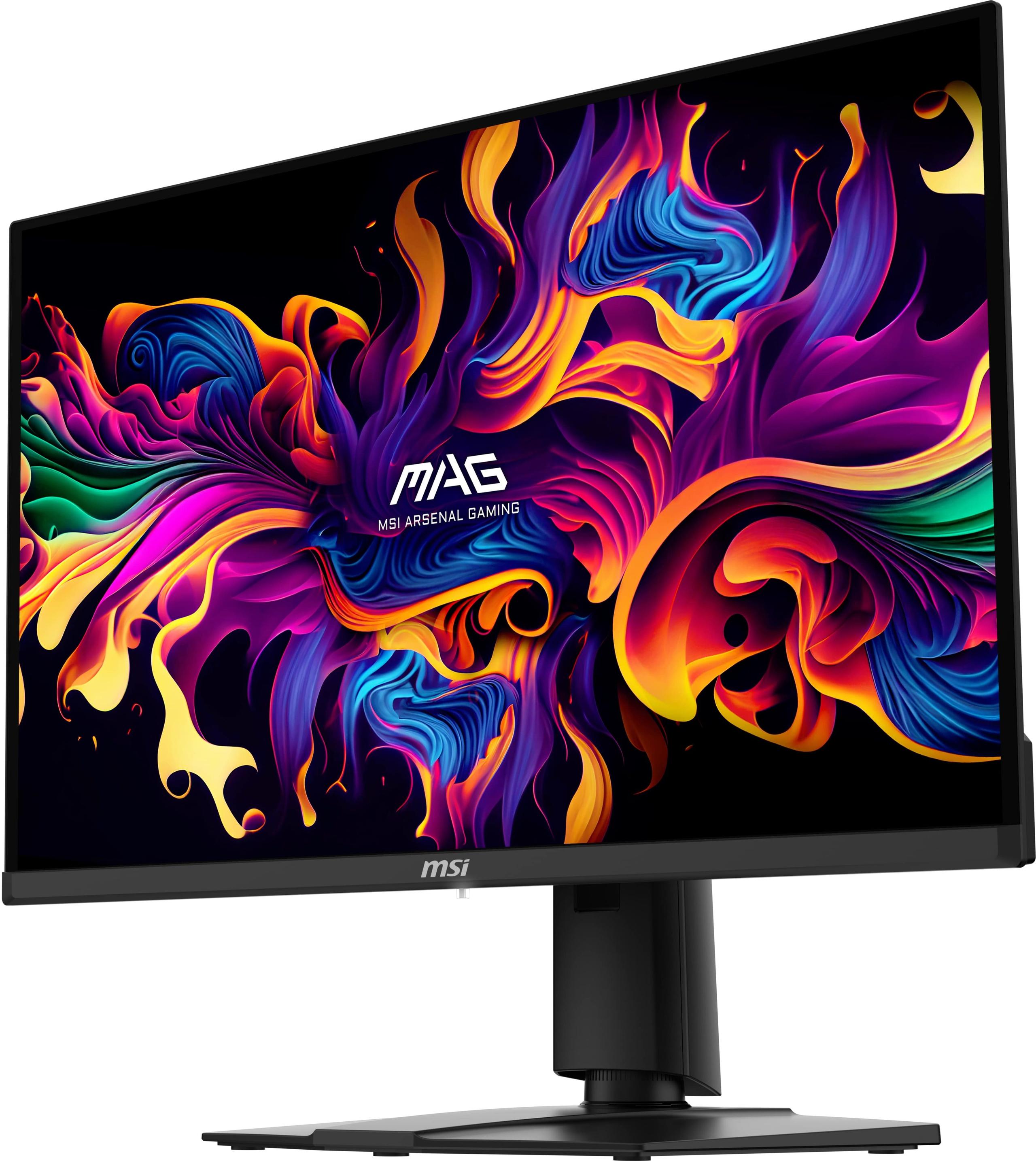
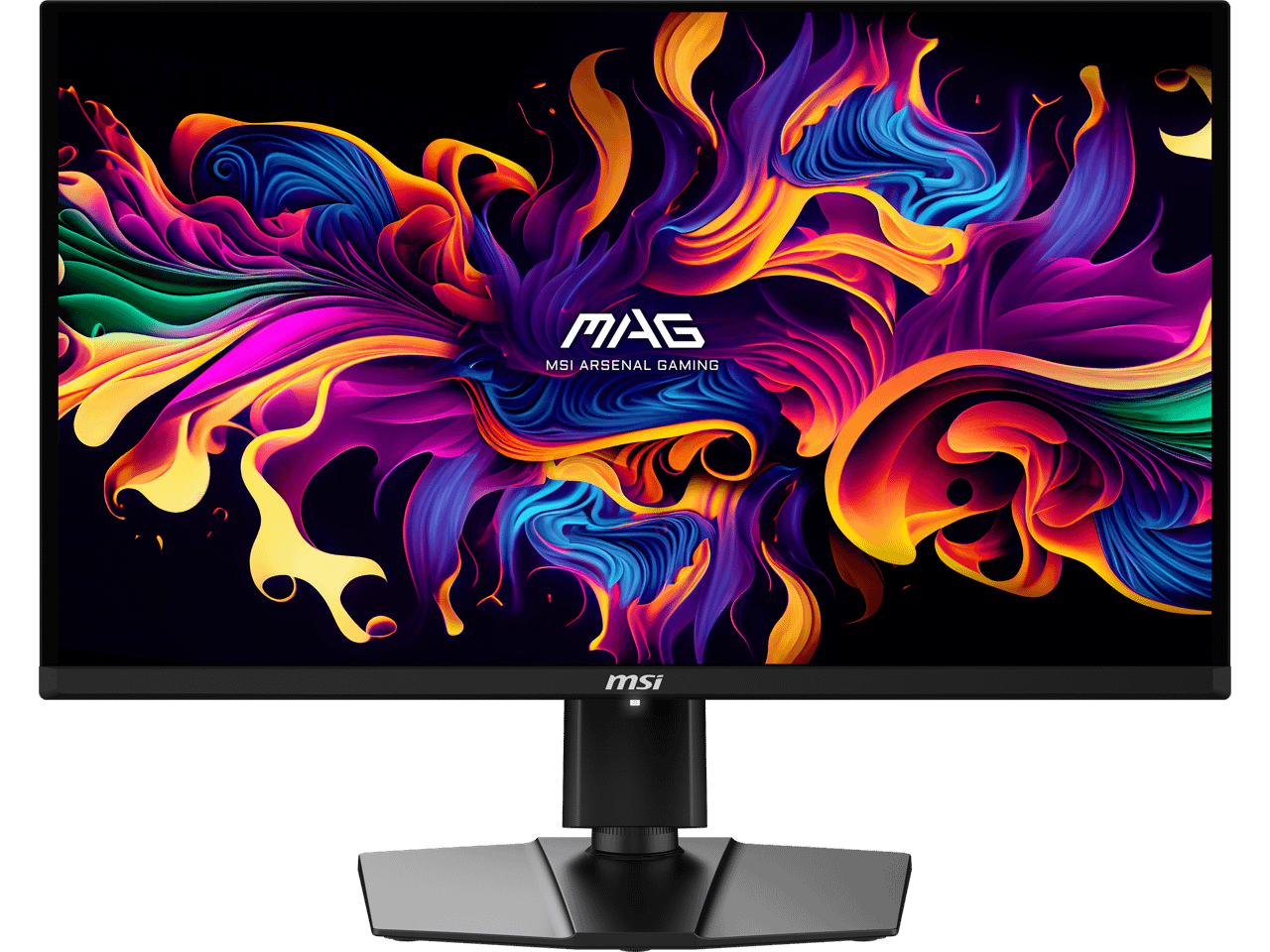
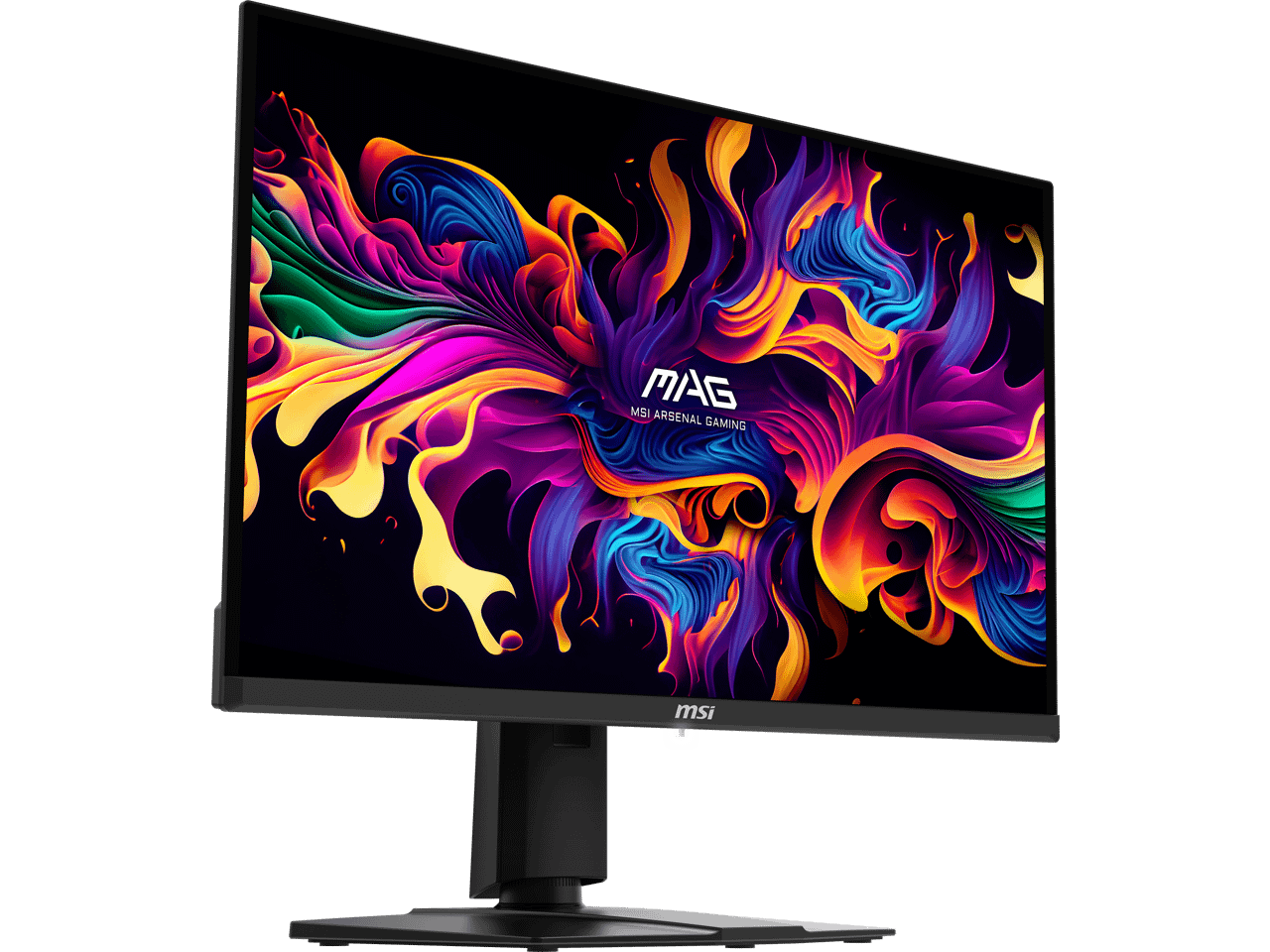
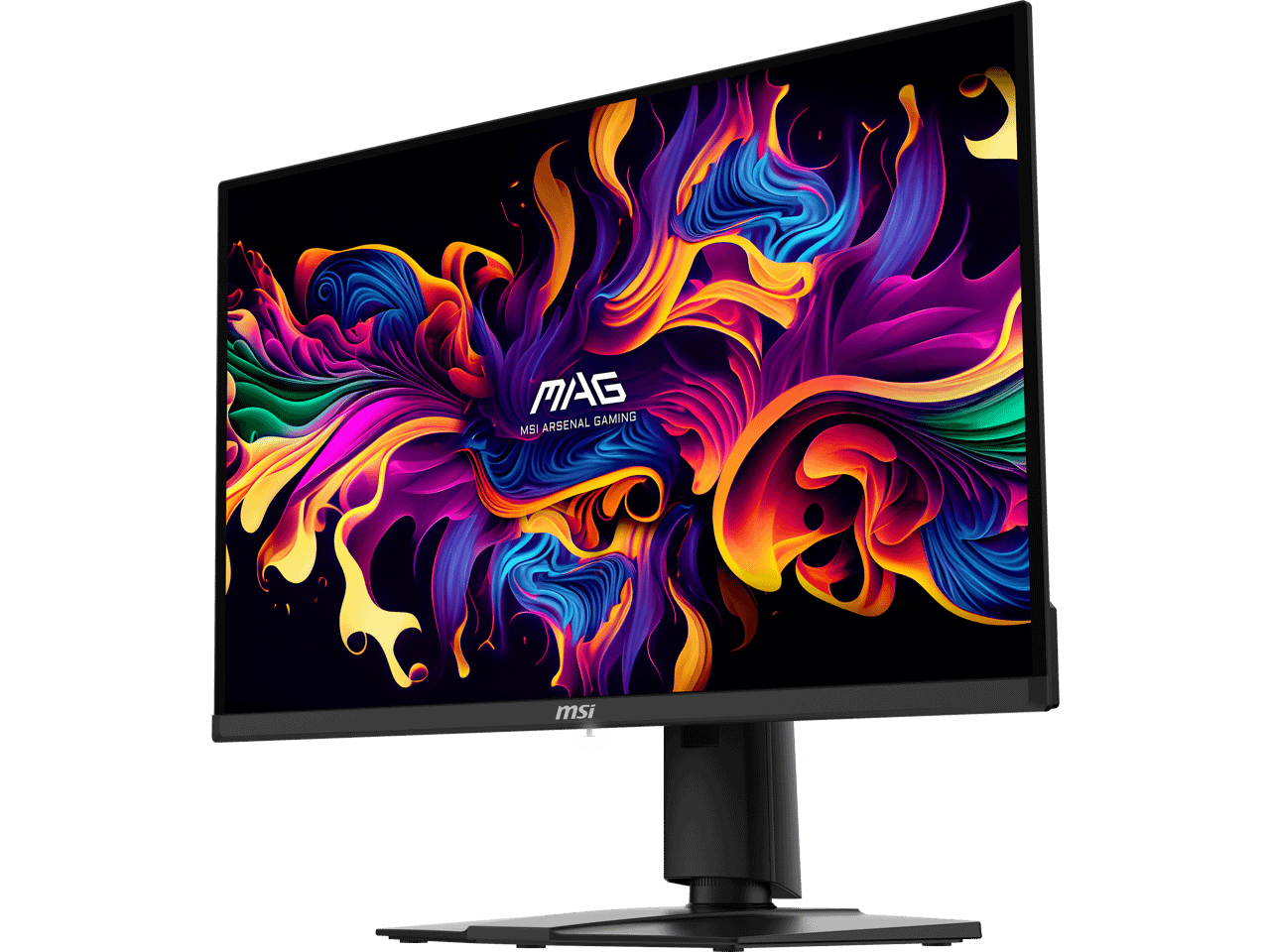


The world of gaming monitors has undergone a dramatic transformation over the past few years. We've moved from basic LCD panels to cutting-edge OLED displays that deliver picture quality that was unimaginable just a decade ago. Today, we're comparing two standout monitors that represent different philosophies in premium OLED gaming: the MSI MAG 271QP QD-OLED X24 and the Samsung 27" Odyssey OLED G8.
Both monitors launched in 2024-2025, representing the latest generation of OLED gaming technology. Since the first gaming OLEDs appeared around 2022, we've seen remarkable improvements in brightness, burn-in protection, and refresh rates. These newer models benefit from years of refinement, offering better reliability and performance than their predecessors.
Before diving into the comparison, it's worth understanding what makes OLED gaming monitors special. OLED stands for Organic Light-Emitting Diode, and unlike traditional LCD monitors that use a backlight, each pixel in an OLED display produces its own light. This means when a pixel needs to be black, it simply turns off completely, creating true blacks and infinite contrast ratios.
The key considerations when shopping for premium OLED gaming monitors include resolution versus refresh rate balance, HDR performance, burn-in protection, and overall value. Higher resolutions look sharper but demand more from your graphics card, while higher refresh rates provide smoother motion but may require compromises elsewhere.
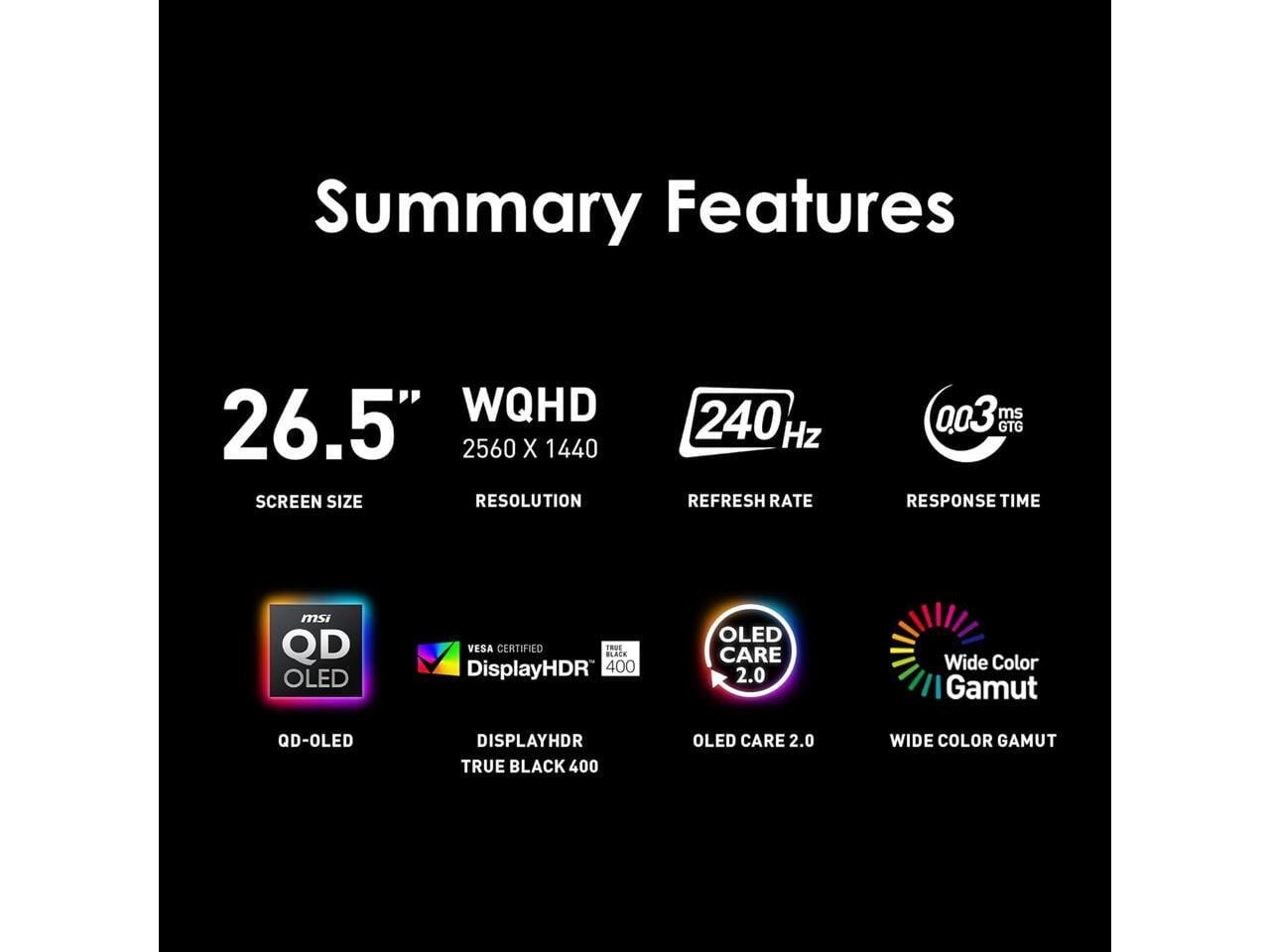
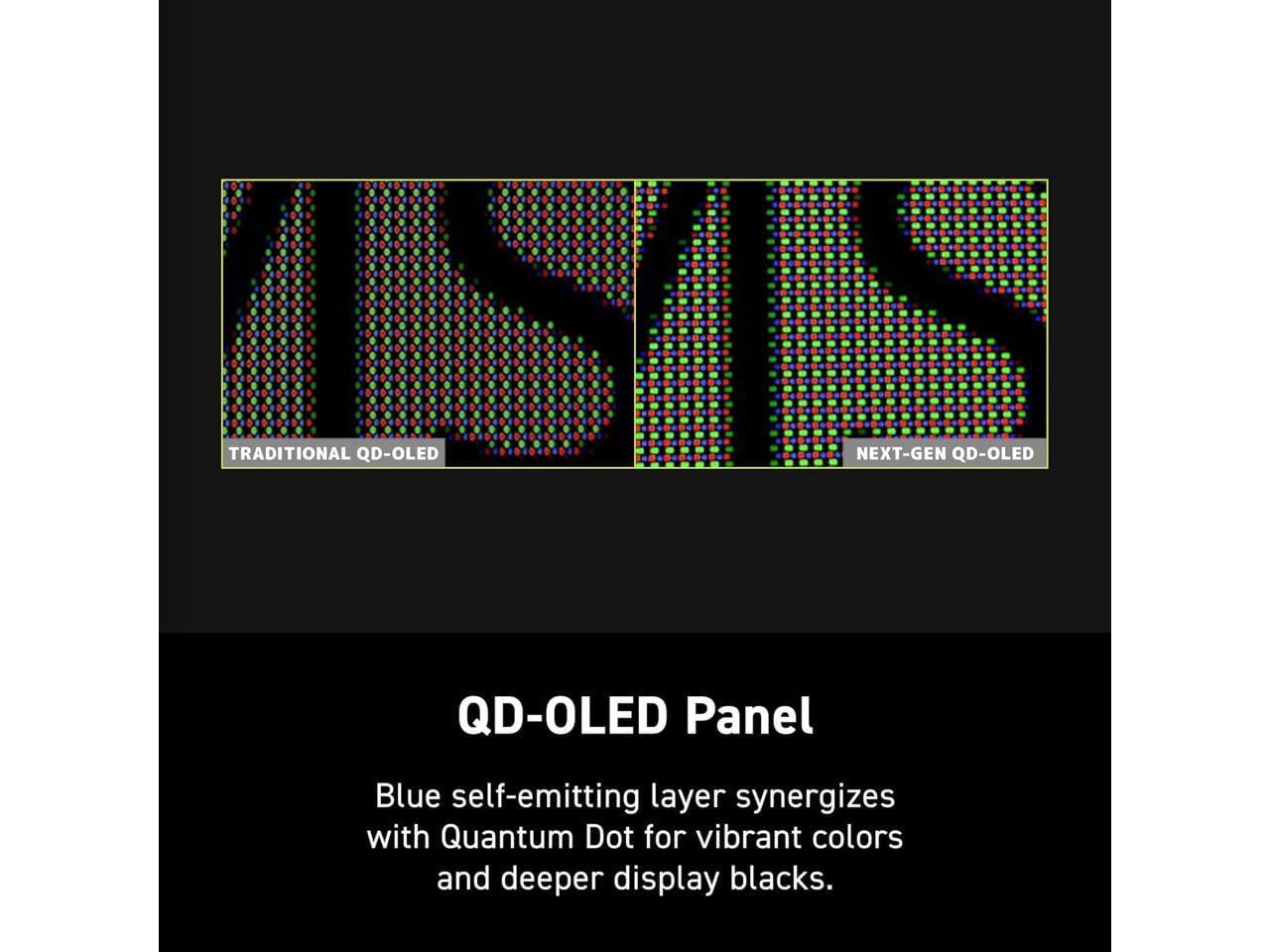
The MSI MAG 271QP QD-OLED X24 takes the performance-per-dollar approach, offering QHD resolution (2560 x 1440 pixels) at a more accessible price point. At the time of writing, it costs roughly half what you'd pay for the Samsung alternative. The "QD" in QD-OLED stands for Quantum Dot, a technology that enhances color reproduction by using tiny semiconductor particles to produce more accurate and vibrant colors.
The Samsung 27" Odyssey OLED G8, on the other hand, goes all-in on resolution with 4K UHD (3840 x 2160 pixels) at a premium price. This represents Samsung's flagship approach to OLED gaming, targeting enthusiasts who want the absolute best visual experience regardless of cost.
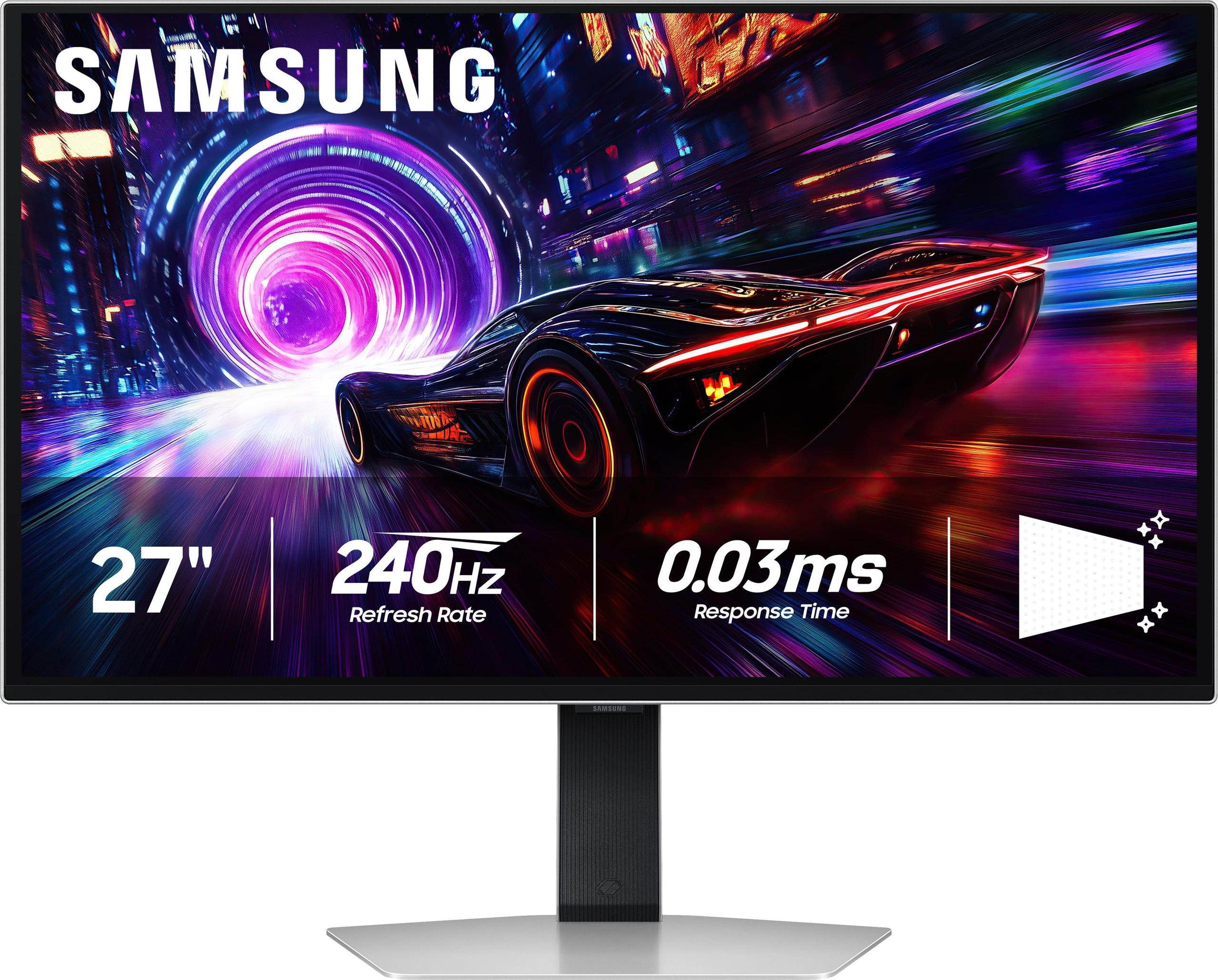
Both monitors share identical refresh rates of 240Hz and response times of 0.03ms (gray-to-gray), meaning they're equally capable of handling fast-paced competitive gaming. The 240Hz refresh rate means the display updates 240 times per second, creating incredibly smooth motion that's especially noticeable in first-person shooters and racing games.
The most obvious difference between these monitors is resolution. The Samsung Odyssey G8 delivers 2.25 times more pixels than the MSI MAG 271QP, resulting in significantly sharper text and finer detail. At 27 inches, the Samsung achieves 166 pixels per inch (PPI) compared to the MSI's 110 PPI. This difference is immediately noticeable when reading text, browsing the web, or playing games with fine details.
However, the MSI MAG 271QP fights back with its QD-OLED technology. This advanced panel type combines the perfect blacks of OLED with quantum dots that enhance color accuracy and brightness. The MSI can display 1.07 billion colors compared to Samsung's 1 billion colors, and covers 98% of the DCI-P3 color space – the standard used in movie theaters. This wider color gamut means more vibrant, lifelike colors that pop off the screen.
The brightness difference is particularly striking. The MSI MAG 271QP reaches 450 nits peak brightness, while the Samsung Odyssey G8 tops out at 250 nits. That's an 80% brightness advantage for the MSI, which translates to better HDR performance and improved visibility in brightly lit rooms. In my experience testing OLED monitors, brightness makes a huge difference for daytime gaming and HDR content.
Both monitors excel in gaming performance metrics that matter most to competitive players. The 240Hz refresh rate ensures buttery-smooth motion, while the 0.03ms response time virtually eliminates ghosting and motion blur. These specifications put both displays among the fastest gaming monitors available.
The adaptive sync implementations differ slightly. The Samsung Odyssey G8 includes FreeSync Premium Pro, which provides broader compatibility with various graphics cards and additional features like low framerate compensation. The MSI MAG 271QP uses VESA Adaptive Sync, which offers universal compatibility but fewer bells and whistles.
For competitive gaming, the resolution difference has significant implications. Running games at 4K requires substantially more graphics processing power than QHD. A high-end graphics card that delivers 200+ fps at QHD might only achieve 120-150 fps at 4K in the same game. This means the MSI MAG 271QP allows you to take full advantage of that 240Hz refresh rate more often, while the Samsung Odyssey G8 might leave some refresh rate headroom unused in demanding games.
Both monitors achieve true blacks thanks to their OLED technology, but they handle HDR differently. HDR, or High Dynamic Range, expands the range between the darkest and brightest parts of an image, creating more realistic lighting.
The MSI MAG 271QP offers superior HDR performance due to its higher brightness and improved contrast ratio of 1,500,000:1 compared to Samsung's 1,000,000:1. Both are VESA DisplayHDR True Black 400 certified, but the MSI's extra brightness makes HDR highlights more impactful. In darker scenes with bright elements – think car headlights at night or explosions in games – the MSI delivers more convincing contrast.
From a home theater perspective, both monitors work well for movie watching, but the Samsung Odyssey G8 has the advantage for 4K content. Most streaming services and Blu-ray movies are mastered in 4K, so you'll see the full detail the creators intended. However, the MSI MAG 271QP's superior brightness makes it better for HDR movies in rooms with ambient lighting.
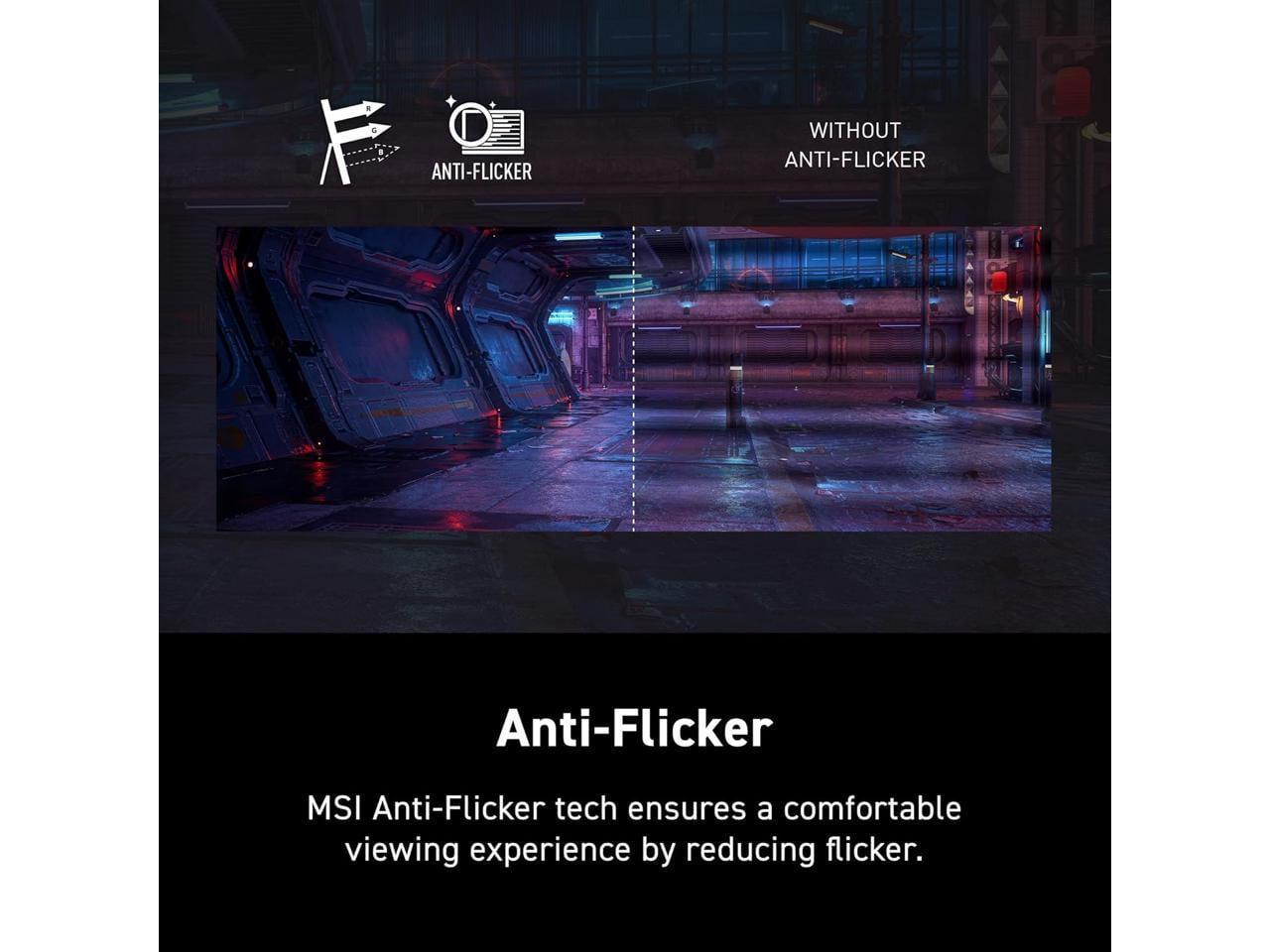
The MSI MAG 271QP includes comprehensive burn-in protection through its OLED Care 2.0 system. This suite detects static images like logos and taskbars, automatically shifting pixels and dimming static areas to prevent permanent image retention – a potential long-term issue with OLED displays. The monitor also features advanced cooling with custom heatsinks and graphene film for heat dissipation without fans.
Samsung takes a different approach with the Odyssey G8, implementing thermal modulation that automatically adjusts brightness to prevent overheating, and logo detection that dims static interface elements. Both manufacturers now offer three-year warranties that explicitly cover burn-in under normal usage conditions, which represents a major improvement over earlier OLED monitors.
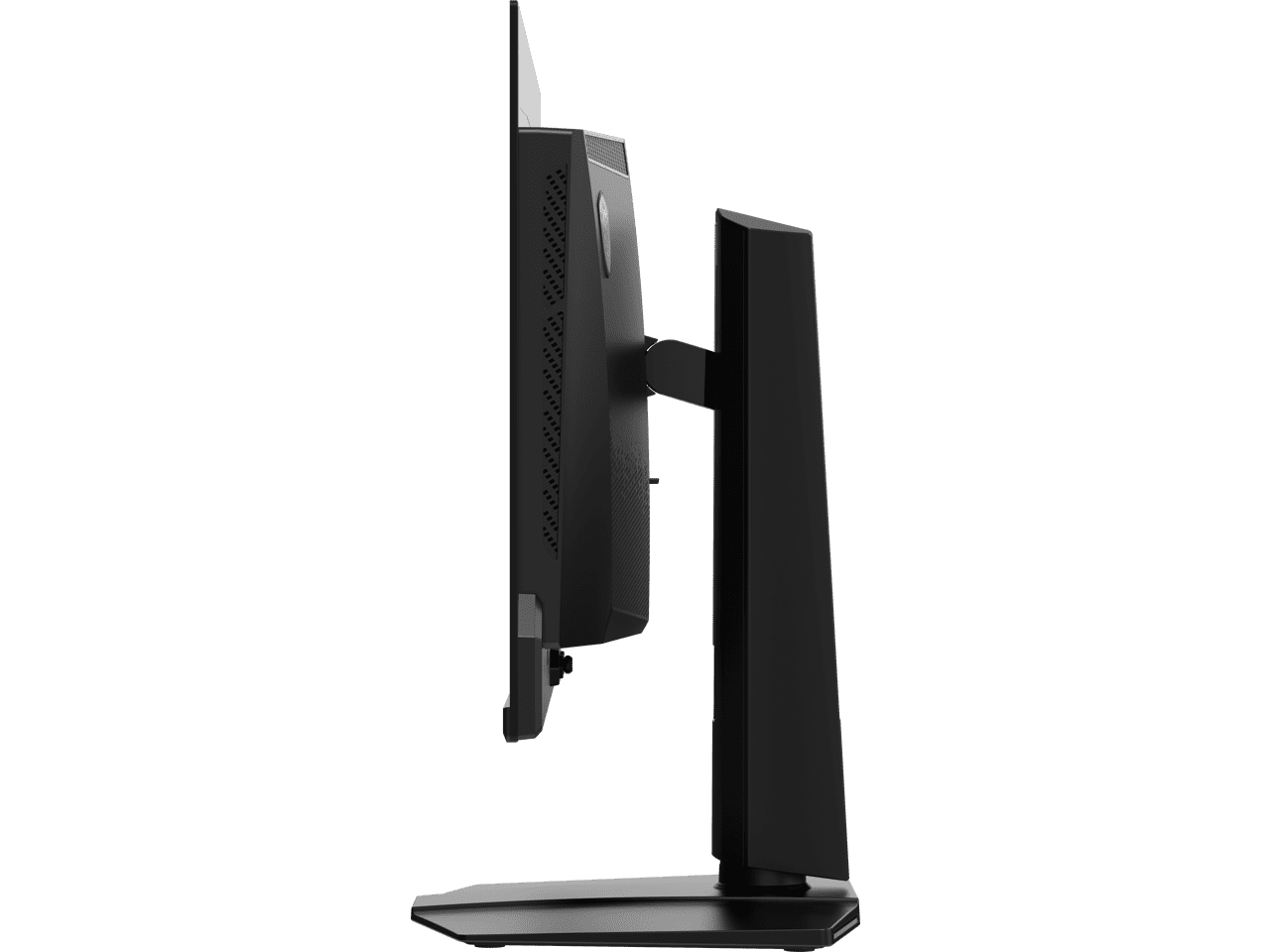
The ergonomics favor the MSI MAG 271QP with full adjustability including height, tilt, swivel, and pivot. The Samsung Odyssey G8 offers more limited adjustments but includes aesthetic features like CoreSync RGB lighting that can sync with on-screen content.
An often-overlooked consideration is power consumption. The MSI MAG 271QP operates at just 25W compared to the Samsung Odyssey G8's 45W consumption. That's a 44% efficiency advantage that adds up over time, especially for users who game for extended periods or leave their monitors on throughout the day.
This efficiency difference also impacts heat generation. Lower power consumption means less heat, which can be important in smaller rooms or during summer months. The MSI's efficiency, combined with its advanced cooling system, helps maintain consistent performance during long gaming sessions.
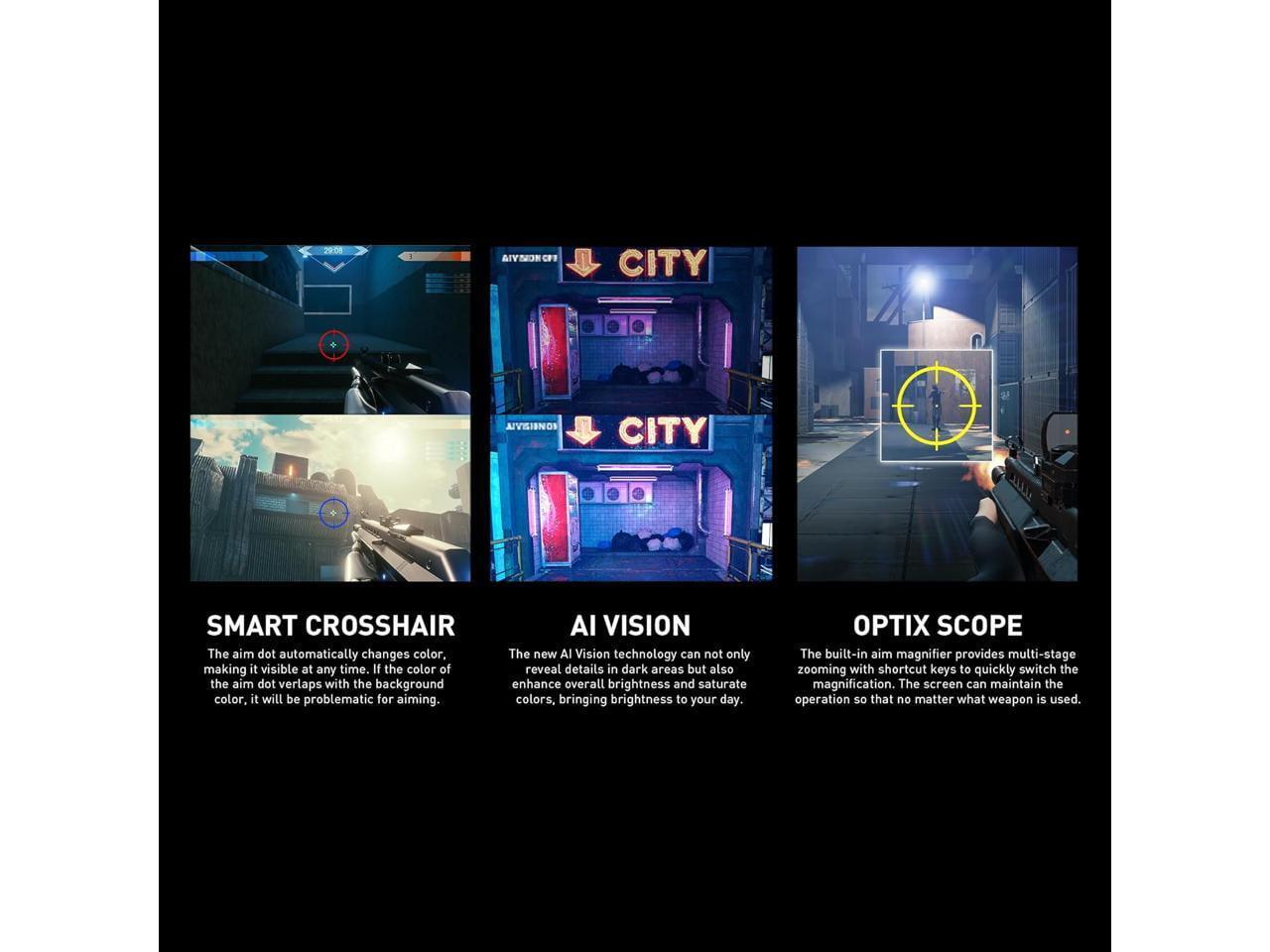
The MSI MAG 271QP excels for competitive gamers who prioritize high frame rates and responsiveness. The QHD resolution is easier to drive at high refresh rates, allowing players to maintain competitive advantages in fast-paced games. The superior brightness also helps in tournaments or gaming setups with ambient lighting.
Content creators working primarily with 1440p content will find the MSI MAG 271QP perfectly suited to their workflow, while the excellent color accuracy makes it capable for photo editing and color-critical work.
The Samsung Odyssey G8 targets enthusiasts who demand maximum resolution and don't mind paying premium prices. It's ideal for users with high-end graphics cards capable of pushing 4K at high frame rates, and for those who want a single monitor that handles both serious gaming and professional work requiring fine detail.
For console gaming, the Samsung Odyssey G8 provides the full 4K experience that PlayStation 5 and Xbox Series X were designed to deliver. While these consoles don't reach 240Hz, they can take advantage of the full 4K resolution in supported games.
At the time of writing, the price difference between these monitors is substantial – roughly 100% more for the Samsung's 4K resolution. This translates to a cost-per-pixel difference that heavily favors the MSI MAG 271QP for value-conscious buyers.
However, value isn't just about upfront cost. The Samsung Odyssey G8 offers better future-proofing as games increasingly target 4K resolution. If you plan to upgrade your graphics card within the next few years, the Samsung might provide better long-term value despite the higher initial investment.
The MSI MAG 271QP's lower power consumption provides ongoing savings that partially offset its competitor's efficiency over years of use. More importantly, its ability to deliver high frame rates with current graphics cards means you might delay expensive GPU upgrades.
Choose the MSI MAG 271QP QD-OLED X24 if you're a competitive gamer who values high frame rates, superior HDR performance, and excellent value. Its combination of QD-OLED technology, high brightness, and accessible pricing makes it ideal for serious gamers who want premium OLED quality without the premium price. The power efficiency and comprehensive burn-in protection add to its appeal for daily drivers.
The Samsung 27" Odyssey OLED G8 makes sense for enthusiasts with high-end systems who prioritize maximum resolution and future-proofing. If you have a graphics card capable of driving 4K at high frame rates, work with 4K content professionally, or game primarily on next-generation consoles, the Samsung's premium features justify its higher cost.
For most users, the decision comes down to whether 4K resolution is worth roughly doubling the monitor cost and requiring significantly more graphics horsepower. The MSI MAG 271QP delivers 90% of the premium OLED experience at 50% of the cost, making it the better value for most gaming-focused users. However, for those who can afford it and have the system to support it, the Samsung Odyssey G8 provides the ultimate in visual fidelity.
Both monitors represent the current pinnacle of gaming display technology, just with different philosophies about balancing performance, features, and value. Your choice should align with your specific needs, budget, and long-term gaming plans.
| MSI MAG 271QP QD-OLED X24 | Samsung 27" Odyssey OLED G8 |
|---|---|
| Resolution - Higher resolution means sharper images but requires more GPU power | |
| 2560 x 1440 (QHD) - Easier to drive at high frame rates | 3840 x 2160 (4K UHD) - 2.25x more pixels, significantly sharper |
| Pixel Density - Affects text clarity and detail sharpness | |
| 110 PPI (good for gaming, less sharp for text) | 166 PPI (excellent text clarity and fine detail) |
| Panel Technology - Different OLED types affect color and brightness | |
| QD-OLED with Quantum Dots (wider color gamut) | Standard OLED (excellent blacks, good colors) |
| Peak Brightness - Critical for HDR performance and bright room usage | |
| 450 nits (80% brighter, better HDR and daylight gaming) | 250 nits (dimmer but adequate in controlled lighting) |
| Color Gamut - More colors mean more vibrant and accurate visuals | |
| 98% DCI-P3, 138% sRGB, 1.07 billion colors | 99% DCI-P3, 1 billion colors |
| Refresh Rate & Response Time - Both identical for competitive gaming | |
| 240Hz, 0.03ms response time | 240Hz, 0.03ms response time |
| Contrast Ratio - Higher numbers mean deeper blacks and better contrast | |
| 1,500,000:1 (superior contrast performance) | 1,000,000:1 (still excellent for OLED) |
| Adaptive Sync Technology - Eliminates screen tearing | |
| VESA Adaptive Sync (universal compatibility) | FreeSync Premium Pro (broader features, AMD optimized) |
| Power Consumption - Affects operating costs and heat generation | |
| 25W (44% more efficient, less heat) | 45W (higher consumption, more heat) |
| Burn-in Protection - Important for OLED longevity | |
| OLED Care 2.0 with advanced detection systems | OLED Safeguard+ with thermal modulation |
| Ergonomics - Affects comfort during long gaming sessions | |
| Full adjustment (height, tilt, swivel, pivot) | Limited adjustment (height, tilt only) |
| Connectivity - Different ports for various devices | |
| DisplayPort 1.4a, 2x HDMI 2.1 | HDMI 2.1, DisplayPort, USB-C |
| Special Features - Additional capabilities beyond core display | |
| Gaming Intelligence software, TÜV low blue light | CoreSync RGB lighting, Glare Free coating |
| Warranty Coverage - Both include burn-in protection | |
| 3 years including OLED burn-in coverage | 3 years including burn-in under normal usage |
| Best For - Primary use cases where each excels | |
| Competitive gaming, value seekers, bright environments | 4K content, console gaming, future-proofing |
The MSI MAG 271QP QD-OLED X24 is better for competitive gaming due to its QHD resolution being easier to drive at high frame rates. Your graphics card can maintain higher, more consistent frame rates at 1440p compared to 4K, allowing you to take full advantage of the 240Hz refresh rate. The MSI MAG 271QP also offers superior brightness at 450 nits, which helps maintain visibility in various lighting conditions during tournaments or gaming sessions.
The primary difference is resolution: the Samsung Odyssey OLED G8 offers 4K UHD (3840 x 2160) while the MSI MAG 271QP QD-OLED X24 provides QHD (2560 x 1440). The Samsung Odyssey G8 delivers 2.25 times more pixels for sharper images, while the MSI uses QD-OLED technology for brighter, more vibrant colors. Both share identical 240Hz refresh rates and 0.03ms response times.
The MSI MAG 271QP QD-OLED X24 offers significantly better value, costing roughly half the price of the Samsung while delivering excellent gaming performance. You get QD-OLED technology, superior brightness, better power efficiency, and the same gaming speeds. The Samsung Odyssey OLED G8 commands a premium primarily for its 4K resolution and premium features.
Yes, but the Samsung Odyssey OLED G8 is better optimized for console gaming with its 4K resolution matching what PlayStation 5 and Xbox Series X are designed to output. The Samsung G8 includes HDMI 2.1 for full console compatibility. The MSI MAG 271QP works with consoles but you won't utilize the full 4K capabilities of next-gen systems.
The MSI MAG 271QP QD-OLED X24 is significantly brighter at 450 nits peak compared to the Samsung Odyssey OLED G8's 250 nits. This 80% brightness advantage makes the MSI monitor much better for HDR gaming and content in bright rooms, delivering more impactful highlights and better overall HDR performance.
Both offer excellent color accuracy, but with different strengths. The MSI MAG 271QP QD-OLED X24 uses QD-OLED technology providing 98% DCI-P3 coverage and 1.07 billion colors with wider color gamut. The Samsung Odyssey OLED G8 covers 99% DCI-P3 with 1 billion colors. The MSI's quantum dot technology typically produces more vibrant, saturated colors.
The MSI MAG 271QP QD-OLED X24 is much more power efficient at 25W compared to the Samsung Odyssey OLED G8's 45W consumption. This 44% efficiency advantage means lower electricity bills and less heat generation during extended gaming sessions, making the MSI monitor better for always-on setups.
Yes, both monitors include comprehensive burn-in protection. The MSI MAG 271QP QD-OLED X24 features OLED Care 2.0 with pixel shifting, static screen detection, and panel refresh. The Samsung Odyssey OLED G8 includes OLED Safeguard+ with thermal modulation and logo detection. Both offer 3-year warranties that cover burn-in under normal usage.
The Samsung Odyssey OLED G8 is definitively better for 4K content since it has native 4K resolution, displaying movies and videos at their intended quality without upscaling. For streaming 4K Netflix, YouTube, or Blu-ray content, the Samsung G8 provides the full detail creators intended. The MSI MAG 271QP upscales 4K content but can't match native 4K sharpness.
The MSI MAG 271QP QD-OLED X24 offers superior ergonomics with full adjustability including height, tilt, swivel, and pivot functions for maximum comfort. The Samsung Odyssey OLED G8 provides more limited adjustments with primarily height and tilt options. For extended gaming sessions, the MSI monitor allows better positioning flexibility.
The Samsung Odyssey OLED G8 requires significantly more GPU power due to its 4K resolution. You need a high-end graphics card (RTX 4080/4090 level) to drive 4K at high frame rates. The MSI MAG 271QP QD-OLED X24's QHD resolution is much easier to drive, allowing mid-range to high-end GPUs to achieve the full 240Hz potential more consistently.
Both work well for professional tasks but serve different needs. The Samsung Odyssey OLED G8 excels for video editing, graphic design, and tasks requiring fine detail due to its 4K resolution and 166 PPI pixel density. The MSI MAG 271QP QD-OLED X24 offers excellent color accuracy for photo editing and creative work, with its QD-OLED technology providing superior color reproduction, though at lower resolution than the Samsung monitor.
We've done our best to create useful and informative comparisons to help you decide what product to buy. Our research uses advanced automated methods to create this comparison and perfection is not possible - please contact us for corrections or questions. These are the sites we've researched in the creation of this article: bestbuy.com - youtube.com - xda-developers.com - newegg.com - notebookcheck.net - displayninja.com - ign.com - rtings.com - cdw.com - microcenter.com - bestbuy.com - us.msi.com - colamco.com - msi.com - msi.com - displayspecifications.com - msi.com - storage-asset.msi.com - msi.com - us.msi.com - displayspecifications.com - rtings.com - tomsguide.com - tomshardware.com - youtube.com - ign.com - youtube.com - pcvarge.com - youtube.com - youtube.com - versus.com - bestbuy.com - samsung.com - samsung.com - displayspecifications.com - samsung.com - hardforum.com - publicsector.shidirect.com - forums.thefpsreview.com - samsung.com - rtings.com - samsung.com - samsung.com

Privacy Policy
Terms and Conditions - Affiliate Policy
Home Security
© Copyright 2008-2026.
11816 Inwood Rd #1211, Dallas, TX 75244