


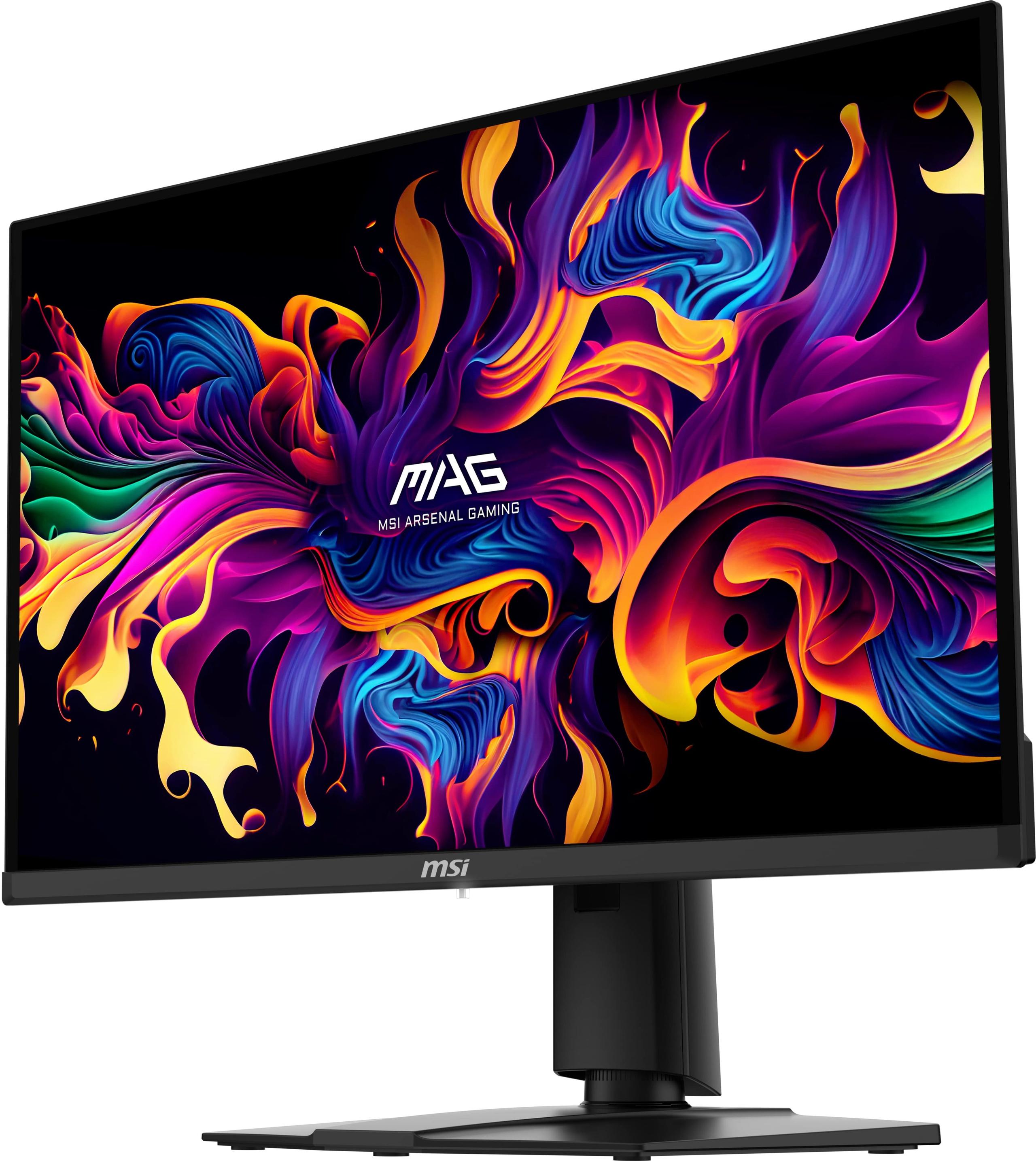
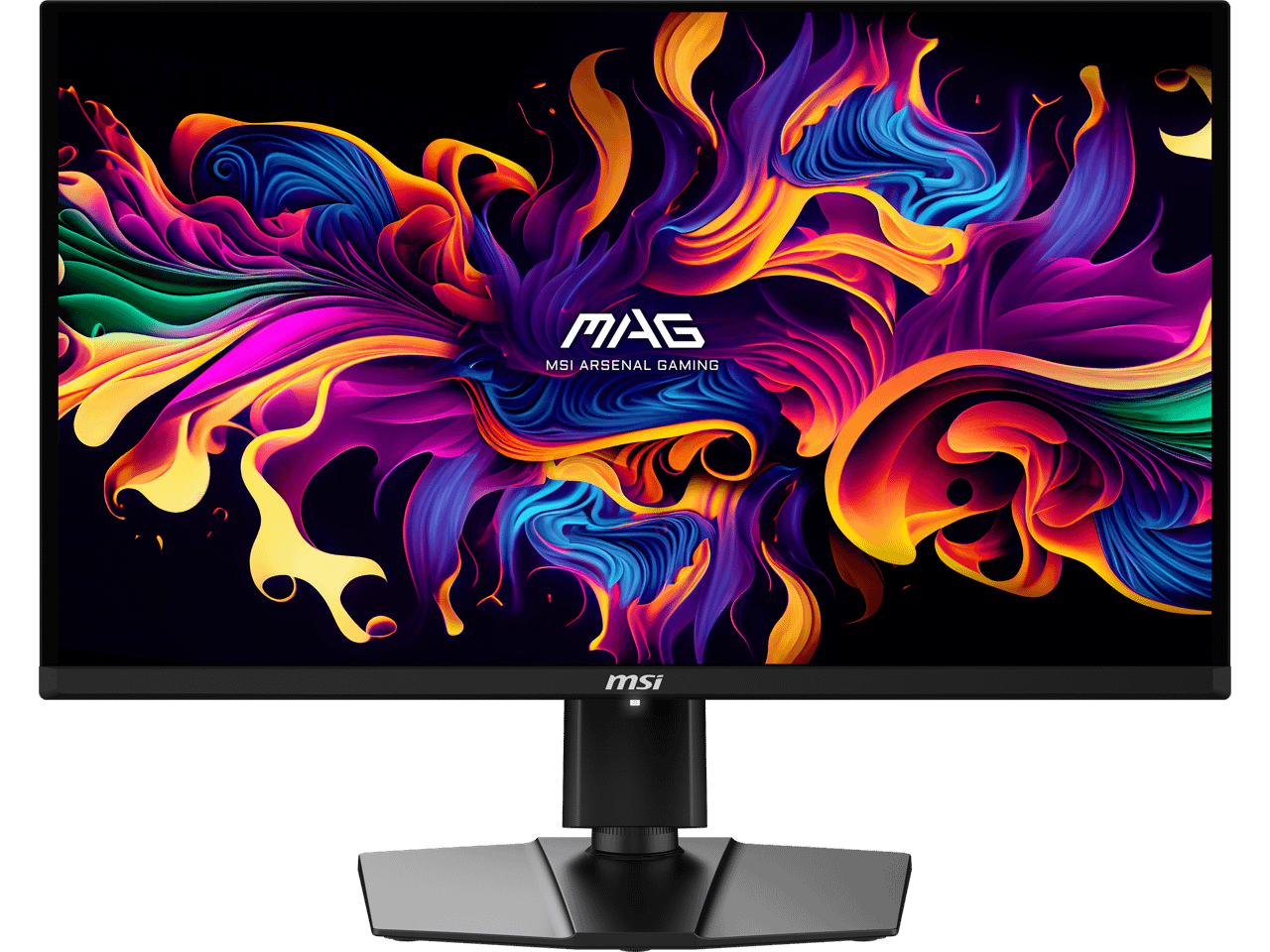
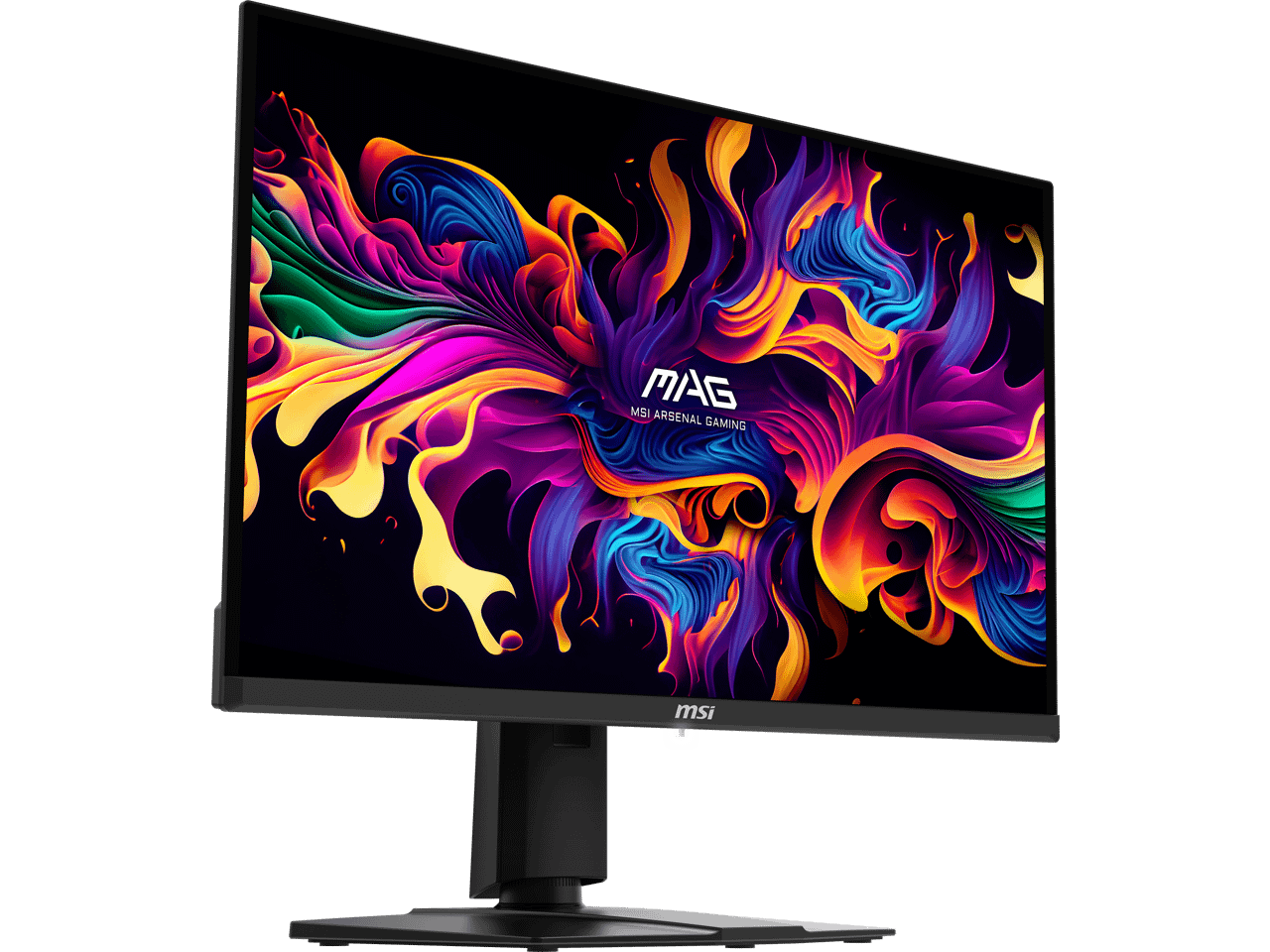
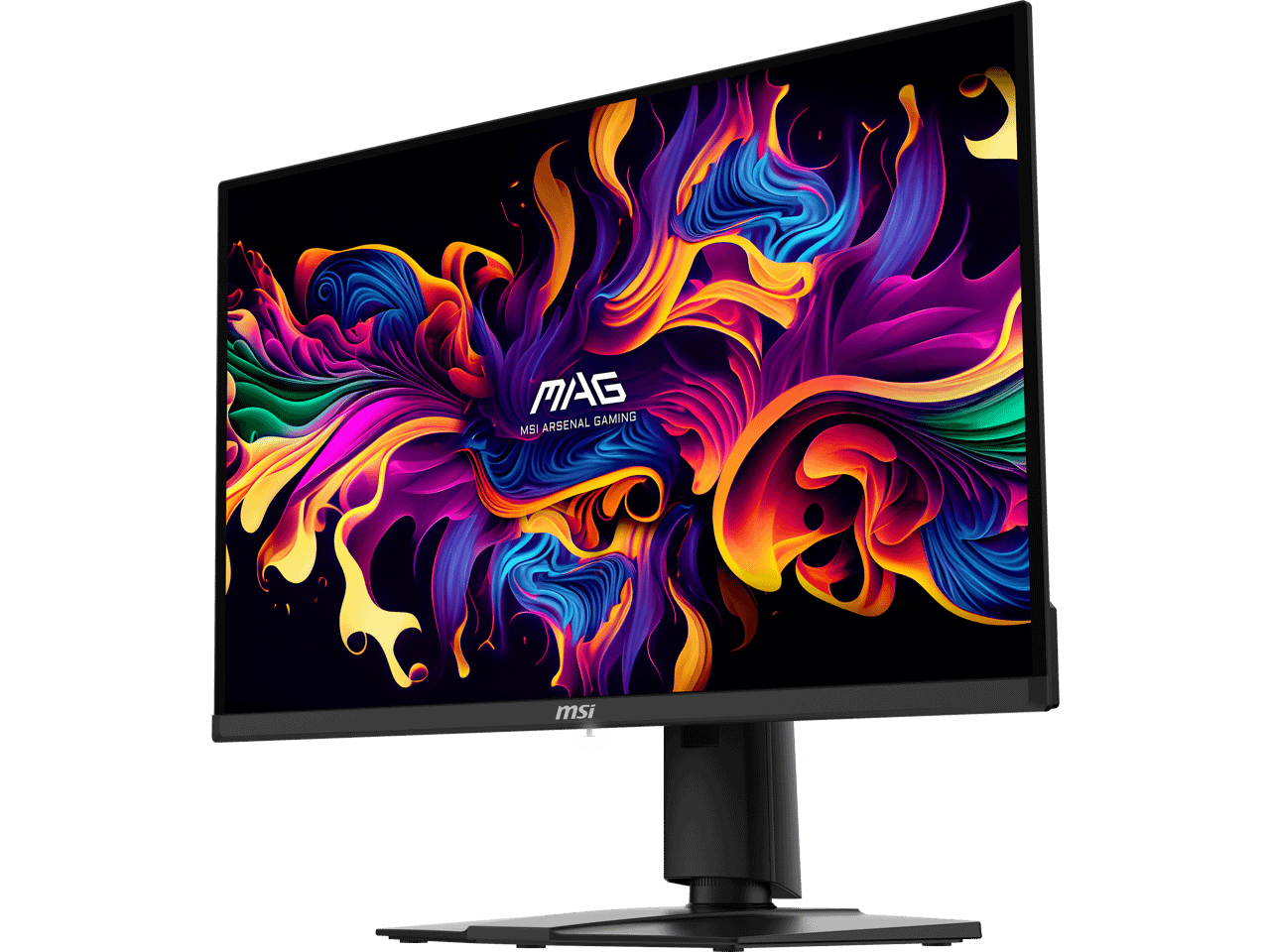
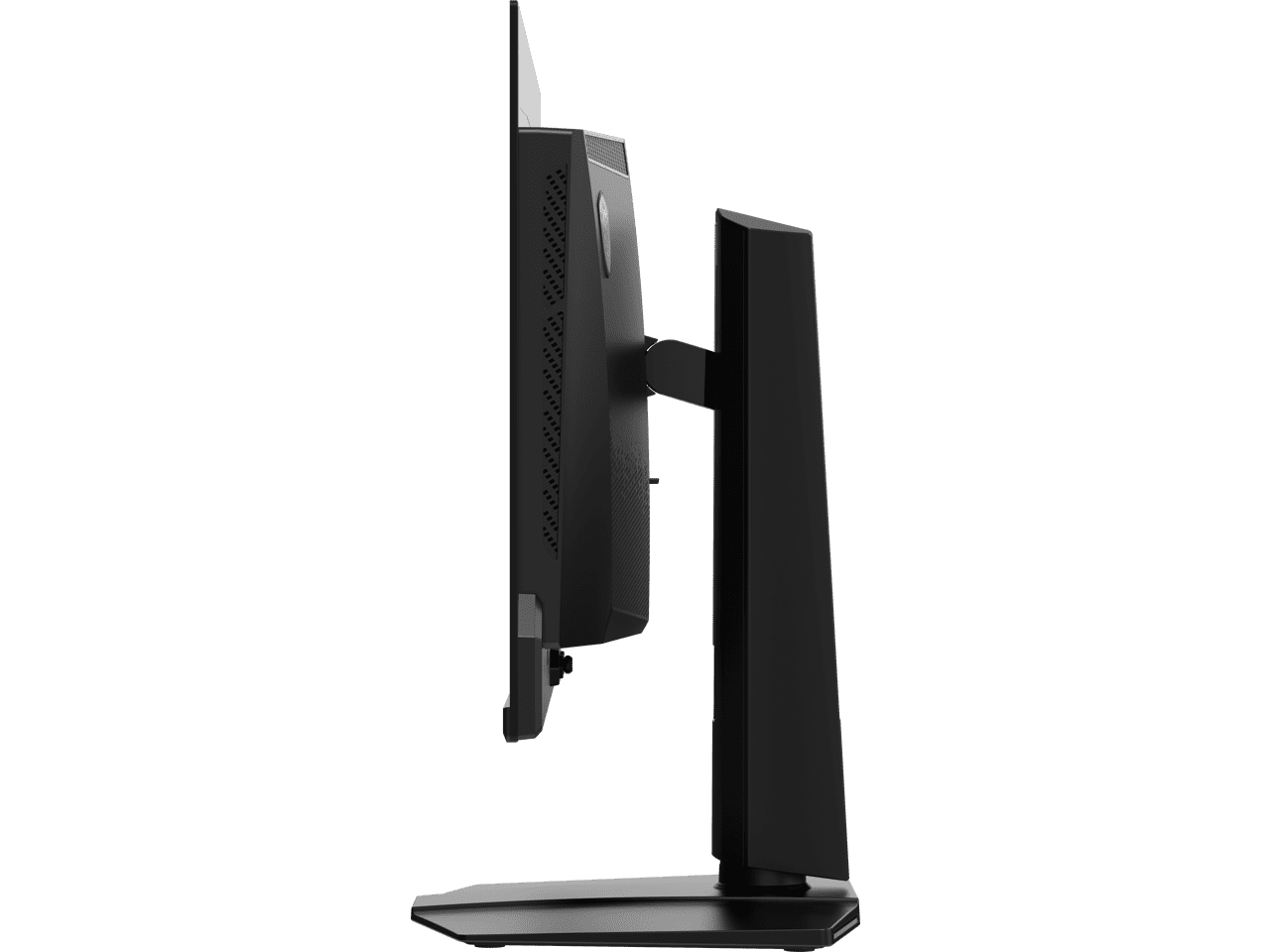




Gaming monitors have evolved dramatically over the past few years. What once was a simple choice between size and refresh rate has become a complex decision involving cutting-edge display technologies that can fundamentally change how you experience games. Today, we're comparing two monitors that represent entirely different visions for the future of gaming displays: the MSI MAG 271QP QD-OLED X24 and the Samsung 27" Odyssey 3D G90XF.
Both launched in 2025, but they take radically different approaches to improving your gaming experience. One focuses on perfecting traditional display technology, while the other introduces something genuinely new to consumer monitors. Understanding these differences will help you decide which innovation deserves your money.
Before diving into these specific models, let's establish what actually matters in a gaming monitor. The most critical factors are refresh rate (how many times per second the image updates), response time (how quickly pixels can change colors), resolution (image sharpness), and color accuracy (how realistic colors appear).
Think of refresh rate like frames per second in movies. Higher refresh rates create smoother motion, especially important in fast-paced games where split-second reactions matter. Response time measures input lag – the delay between your mouse click and seeing the result on screen. Even milliseconds matter in competitive gaming.
Resolution determines how sharp and detailed images appear, while color accuracy affects how vibrant and realistic everything looks. Modern gaming monitors also include adaptive sync technology, which synchronizes your graphics card with the monitor to eliminate screen tearing (those horizontal lines that appear during fast motion).
The MSI MAG 271QP QD-OLED X24 and Samsung 27" Odyssey 3D G90XF approach these fundamentals very differently, each prioritizing different aspects of the gaming experience.
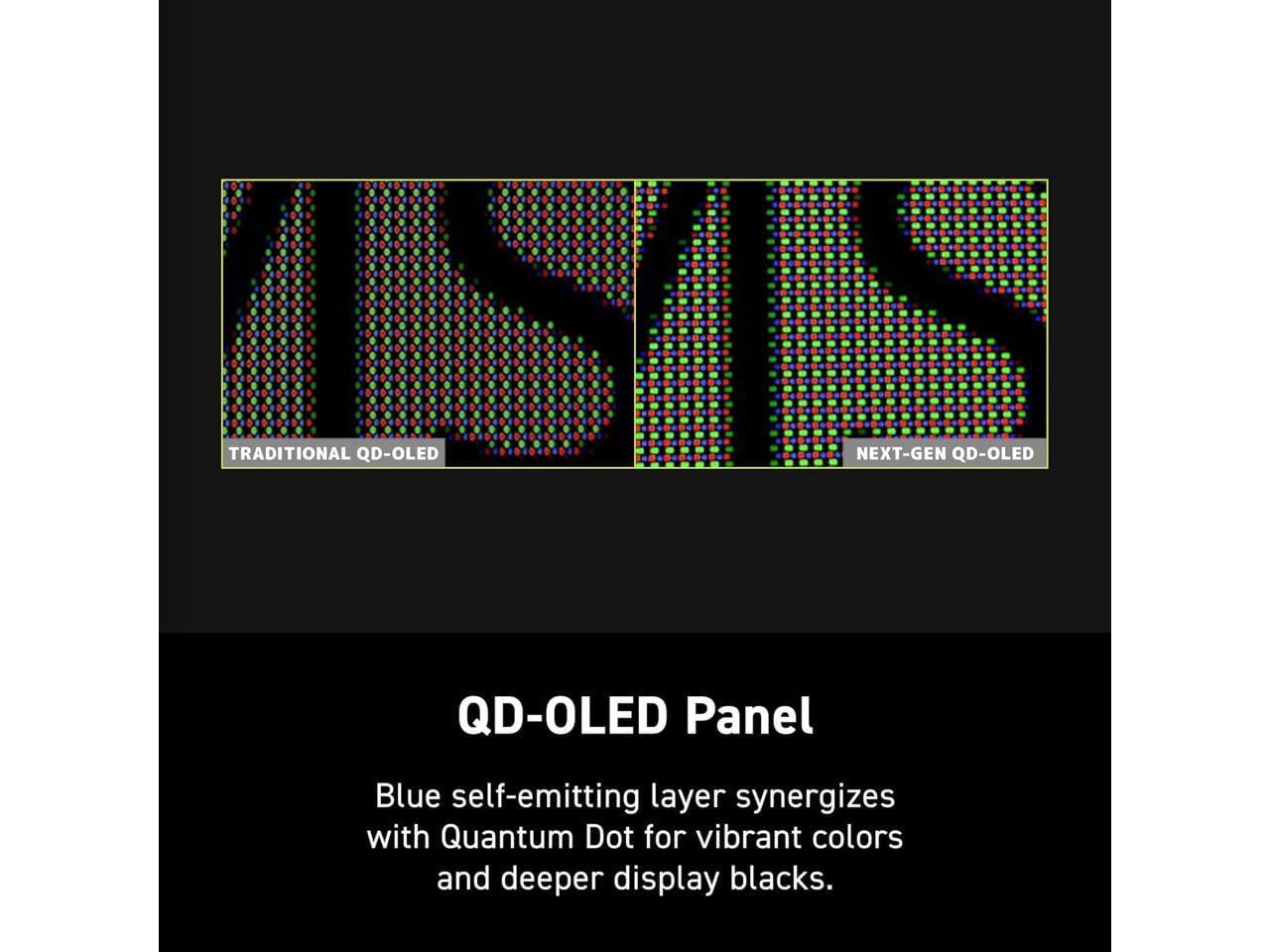
The MSI MAG 271QP QD-OLED X24 represents the latest evolution in OLED (Organic Light-Emitting Diode) technology. Unlike traditional monitors that use backlights, OLED pixels generate their own light. This means when a pixel needs to display black, it simply turns off completely, creating true black rather than the dark gray you see on most monitors.
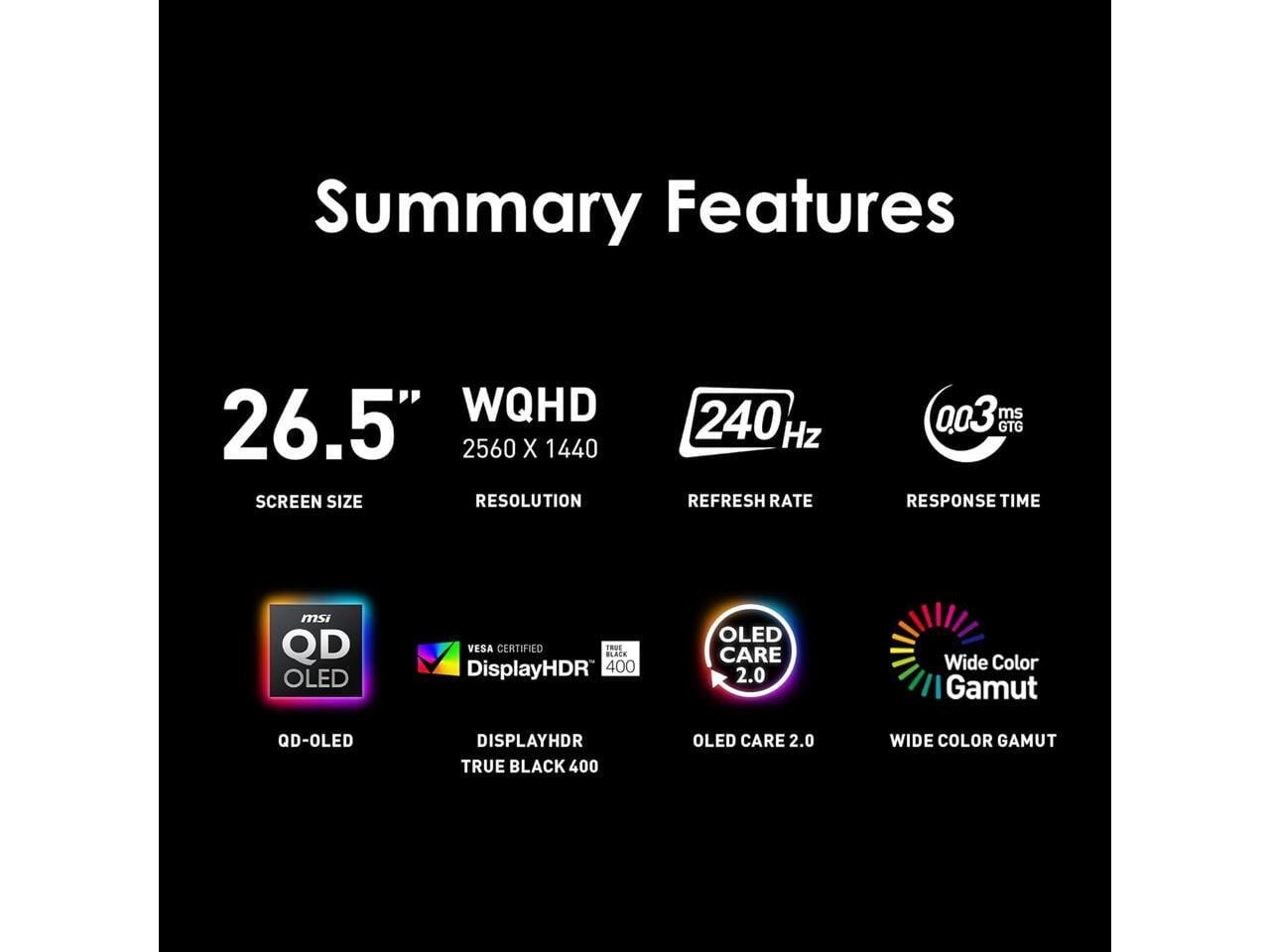
What makes this MSI special is its QD-OLED panel – "QD" stands for Quantum Dot. These microscopic particles enhance color production, creating more vibrant and accurate colors than standard OLED. The result is a contrast ratio of 1,500,000:1, which is essentially infinite since true black has no measurable light output.
MSI has also implemented OLED Care 2.0, a suite of technologies designed to prevent burn-in (permanent image retention). This includes pixel shifting, which slightly moves static images, and automatic detection of static elements like taskbars or game UIs. The company backs this with a three-year warranty that specifically covers burn-in – unusual confidence for OLED technology.
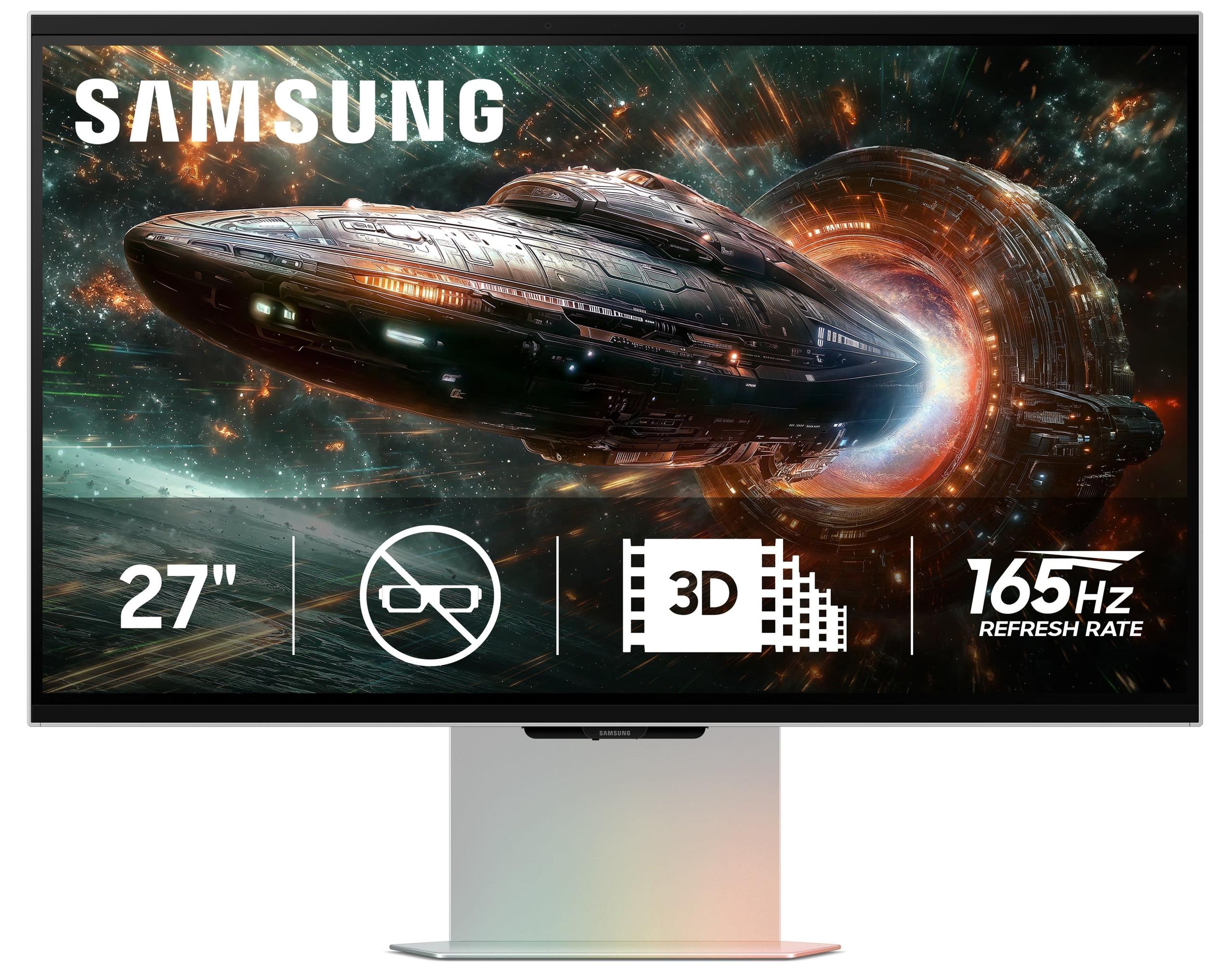
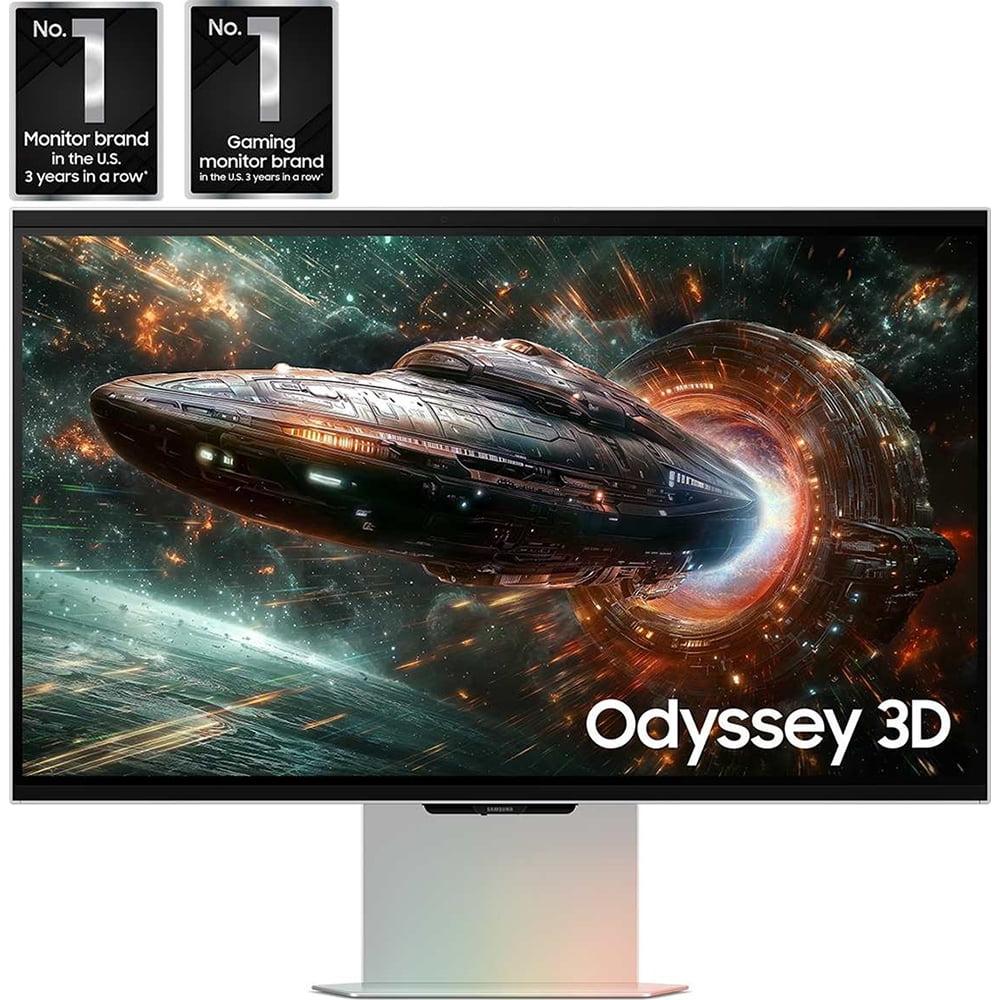
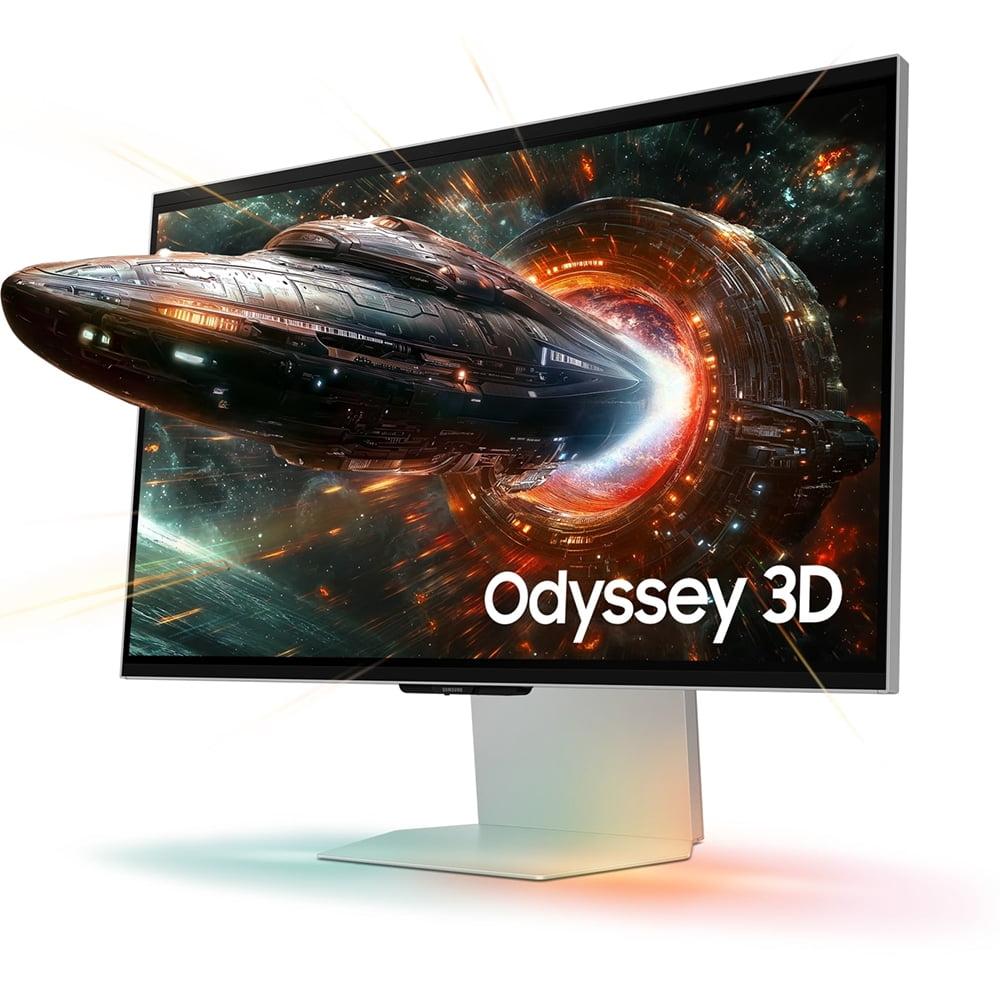
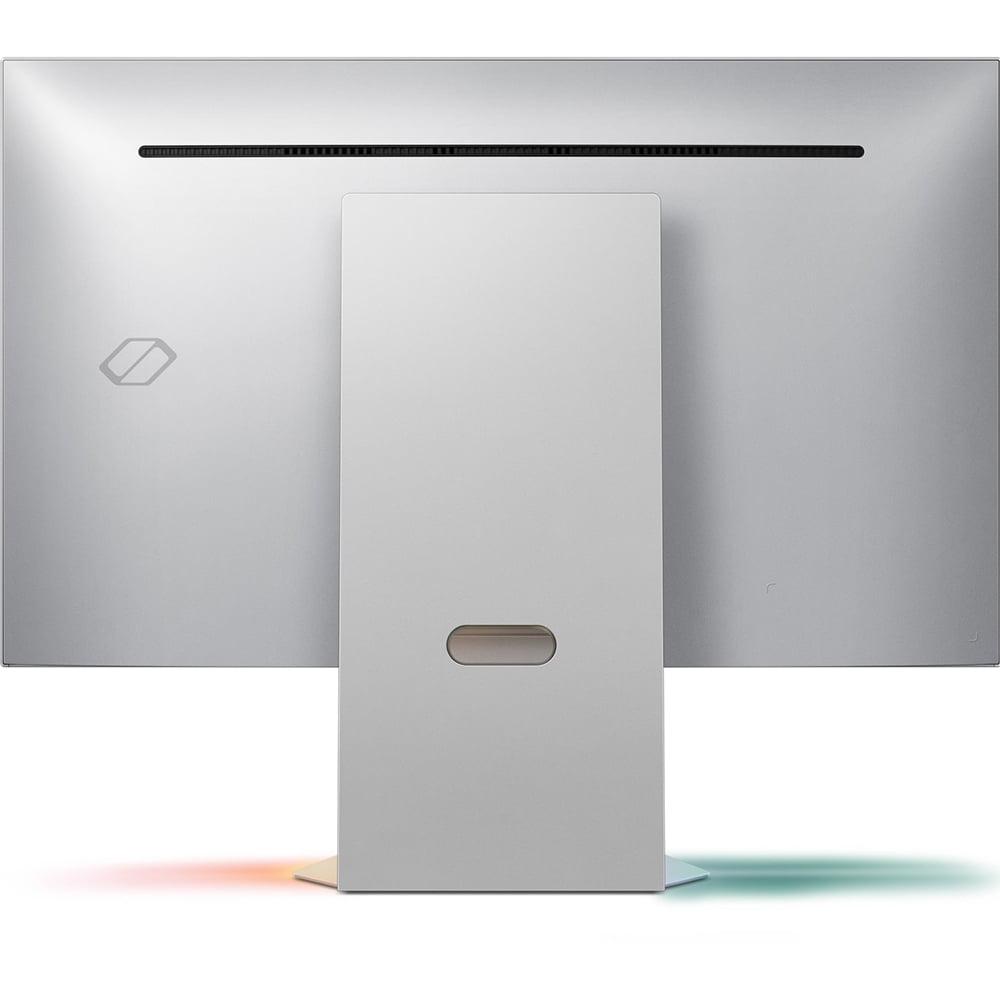
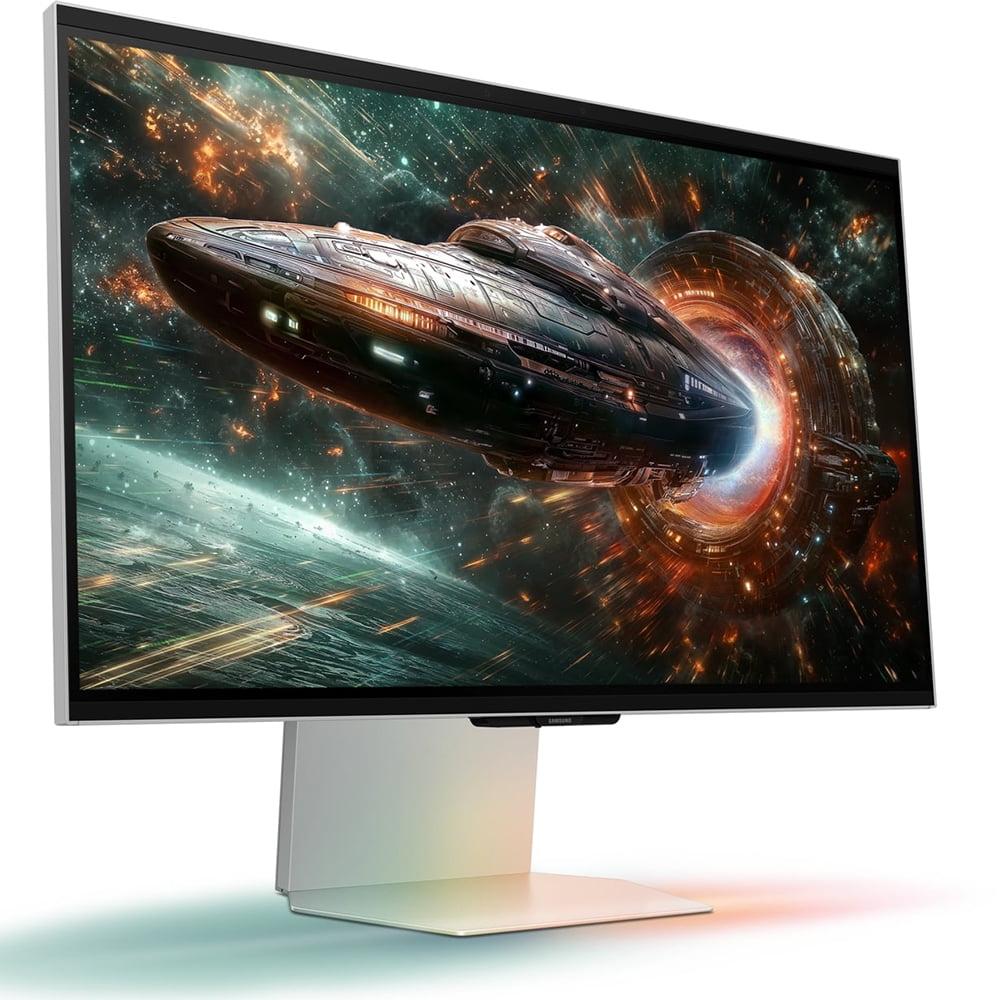
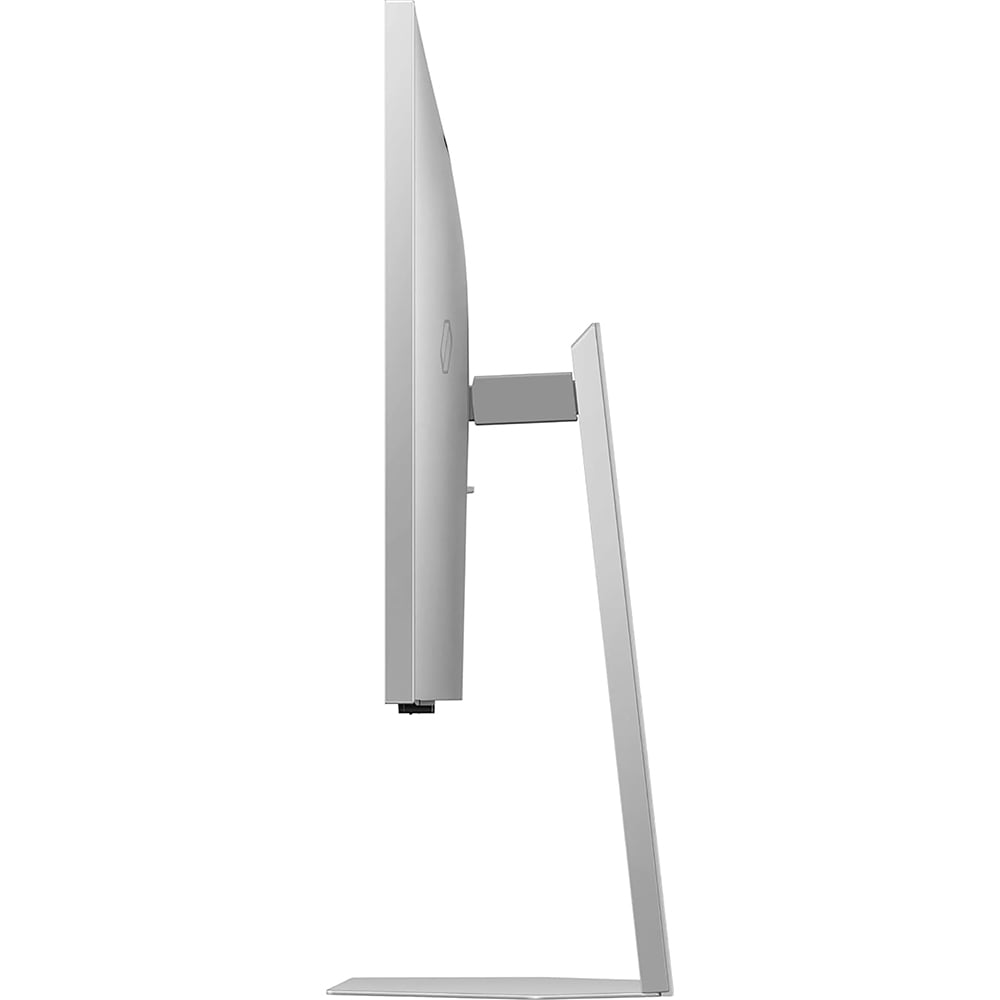
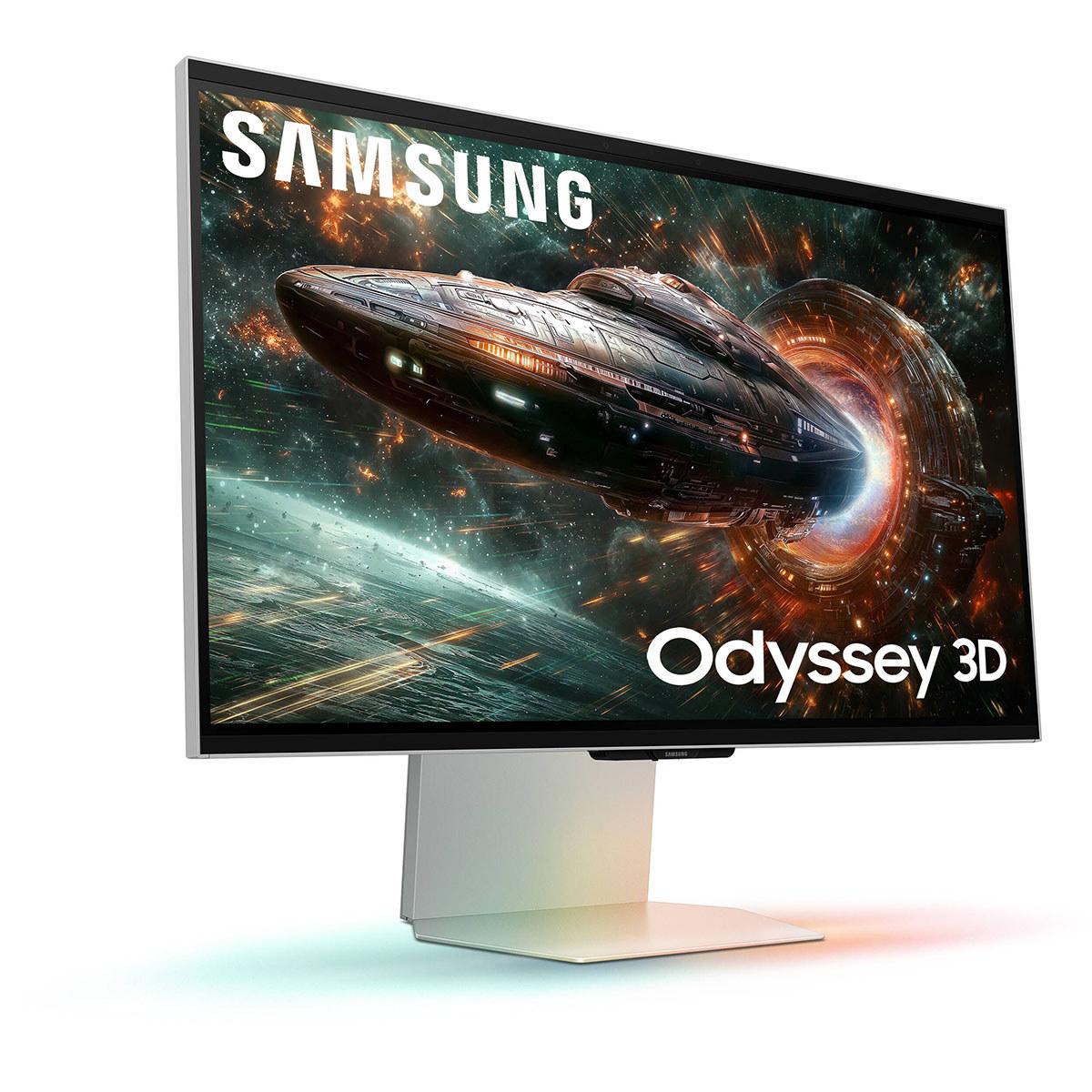
The Samsung 27" Odyssey 3D G90XF takes an entirely different approach. Instead of improving traditional display quality, it introduces glasses-free 3D technology to consumer gaming monitors. This isn't the gimmicky 3D from TVs a decade ago – Samsung uses eye-tracking cameras and sophisticated algorithms to create a convincing stereoscopic effect.
The system works by using a lenticular lens array (think of tiny vertical ridges) across the screen surface. Dual cameras track your eye position, and the monitor adjusts the image in real-time to deliver different perspectives to each eye. The result is genuine depth perception – objects appear to float in front of or behind the screen plane.
Samsung pairs this with AI-powered 2D-to-3D conversion, analyzing regular content and adding depth information. Their Odyssey 3D Hub software provides access to a growing library of 3D-compatible games and manages the conversion process.
Here's where the philosophies diverge dramatically. The MSI MAG 271QP QD-OLED X24 pushes traditional gaming performance to its limits with a 240Hz refresh rate and 0.03ms response time. To put this in perspective, that response time is thirty times faster than the Samsung 27" Odyssey 3D G90XF's 1ms specification.
For competitive gaming – think Counter-Strike, Valorant, or Rocket League – these numbers translate to real advantages. Higher refresh rates provide smoother motion tracking, making it easier to follow fast-moving targets. The ultra-low response time means virtually no delay between your input and what you see on screen.
I've personally noticed the difference when switching between high-refresh OLED and traditional monitors. There's an immediacy to OLED that's hard to describe but easy to feel, especially in reaction-based games. It's like the difference between speaking to someone in person versus over a slightly laggy video call.
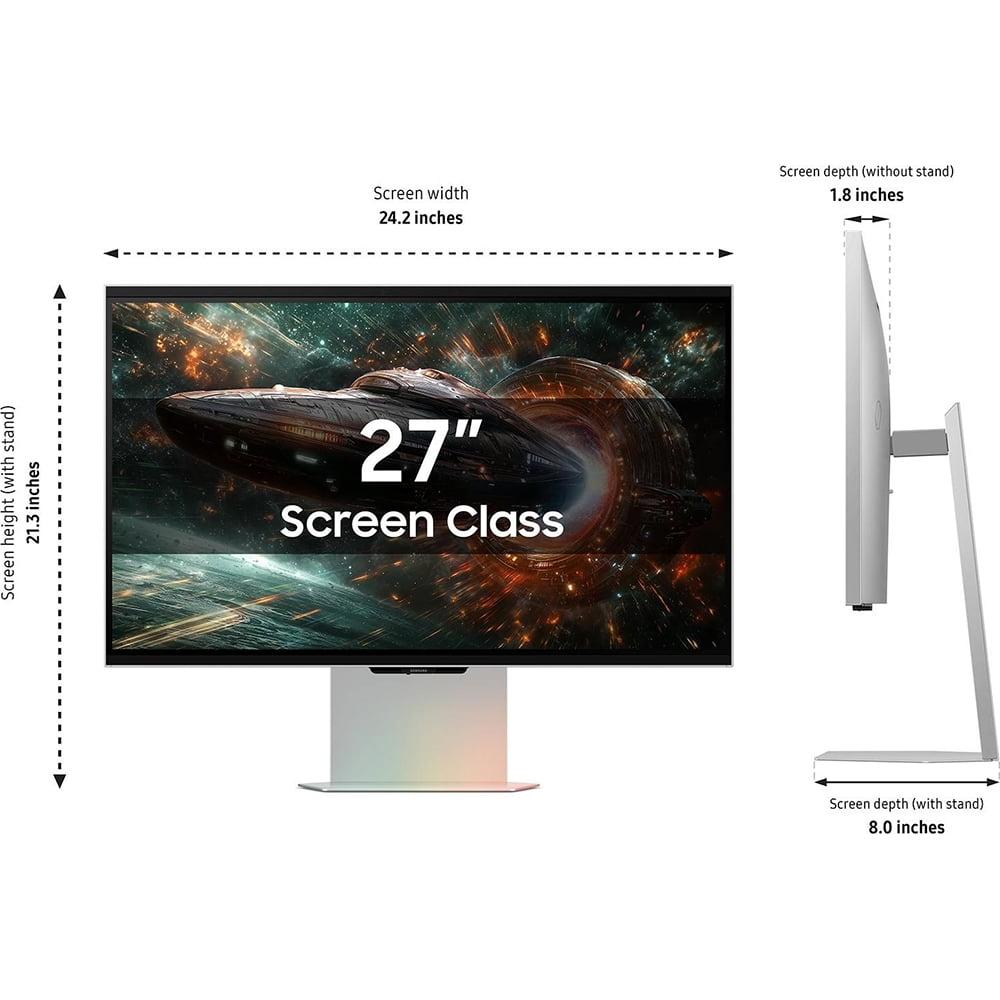
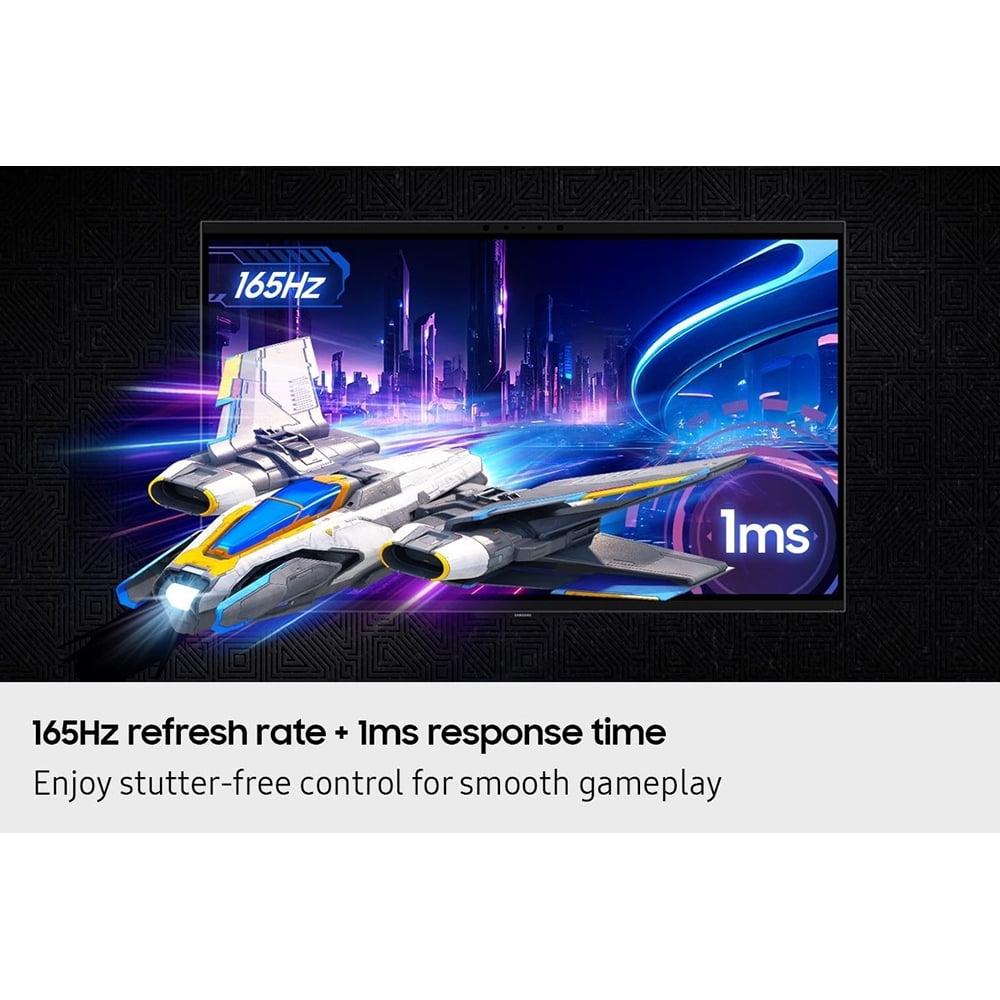
The Samsung 27" Odyssey 3D G90XF's 165Hz refresh rate isn't slow by any measure – it's still excellent for most gaming scenarios. However, the 75Hz difference becomes noticeable in competitive situations. The trade-off is Samsung's 4K resolution versus MSI's QHD (2560x1440), providing significantly sharper imagery when your graphics card can handle it.
The resolution difference creates an interesting performance dynamic. The MSI MAG 271QP QD-OLED X24's QHD resolution requires less graphics processing power, making it easier to actually achieve that 240Hz refresh rate. Even mid-range graphics cards can push many games to 240fps at 1440p.
The Samsung 27" Odyssey 3D G90XF's 4K resolution demands more from your system, especially when running 3D mode. The monitor essentially renders two separate images (one for each eye), effectively doubling the workload. Samsung recommends an RTX 3080 or better for optimal 3D gaming performance.
At 27 inches, 4K provides noticeably sharper text and finer details compared to QHD. This matters for productivity work and games with lots of small UI elements or distant objects. However, the performance cost means many users will need to reduce graphics settings or accept lower frame rates.
The MSI MAG 271QP QD-OLED X24 delivers image quality that's simply in a different league for traditional content. The perfect blacks create incredible contrast in dark scenes – think exploring caves in games like Elden Ring or the space sequences in Mass Effect. Colors appear more saturated and natural thanks to the quantum dot enhancement.
This monitor covers 138% of the sRGB color space and 99% of DCI-P3, the color standard used in modern HDR content. In practical terms, colors appear more vibrant and accurate than on standard monitors. Reds are deeper, greens more lush, and blues more vivid without looking oversaturated.
The HDR performance particularly benefits from OLED technology. With VESA DisplayHDR True Black 400 certification, the monitor can display true darkness alongside bright highlights, creating the contrast range HDR content is designed for. Most traditional monitors struggle with HDR because they can't achieve true blacks.
The Samsung 27" Odyssey 3D G90XF trades some traditional image quality for its 3D capabilities. The IPS panel provides good color accuracy (99% sRGB coverage) but can't match OLED's contrast or black levels. The lenticular lens array also slightly reduces overall sharpness compared to standard 4K displays.
However, when the 3D effect works well, it's genuinely impressive. Supported games like "Lies of P" create convincing depth that adds immersion beyond what traditional displays can achieve. Characters and objects appear to have genuine dimensionality, and environmental depth becomes tangible rather than just implied.
The AI 2D-to-3D conversion produces mixed results. Simple content like basic games or videos can be enhanced effectively, but complex scenes often produce artifacts or inconsistent depth mapping. The technology works best with content specifically designed for 3D viewing.
The MSI MAG 271QP QD-OLED X24 works with everything. Every game, movie, or application benefits from its superior image quality and fast response times. This universal compatibility makes it a safe choice that improves your entire computing experience.
The Samsung 27" Odyssey 3D G90XF faces significant content limitations. At launch, only a small number of games officially support the 3D functionality. While Samsung's AI conversion can process other content, the results vary widely in quality and effectiveness.
This creates a value proposition challenge for the Samsung model. You're paying a premium for 3D technology that only enhances a fraction of your gaming library. The 3D effect is genuinely innovative and impressive when it works, but the limited content ecosystem reduces its practical value.
At the time of writing, the MSI MAG 271QP QD-OLED X24 represents exceptional value in the QD-OLED space. MSI has managed to bring this premium display technology to a more accessible price point, making it competitive with high-end traditional gaming monitors while offering superior image quality.
The Samsung 27" Odyssey 3D G90XF commands a significant premium for its 3D technology. Whether this premium is justified depends entirely on how much value you place on the 3D experience and your tolerance for its current limitations.
Consider the total cost of ownership as well. The Samsung requires a more powerful graphics card to fully utilize its capabilities, potentially adding hundreds of dollars to the overall system cost. The MSI is more forgiving of mid-range hardware while still delivering excellent performance.
Both monitors can serve double duty in home theater setups, but with different strengths. The MSI MAG 271QP QD-OLED X24 excels for movie watching thanks to its perfect blacks and wide color gamut. HDR movies display with the contrast range filmmakers intended, creating a cinema-like experience at your desk.
The Samsung 27" Odyssey 3D G90XF offers higher resolution for detailed content but lacks the contrast performance that makes movies truly cinematic. The 3D capability could be interesting for 3D movie content, though the selection is limited and the effect may not match the quality of purpose-built 3D projectors or TVs.
For gaming in a living room setup, the MSI's higher refresh rate and lower input lag make it better suited for console gaming, where responsiveness matters more than maximum resolution.
Technology purchasing always involves predicting future needs. The MSI MAG 271QP QD-OLED X24 represents a mature technology that will remain relevant as long as people value image quality and gaming performance. QD-OLED is likely to become more common and affordable over time.
The Samsung 27" Odyssey 3D G90XF is betting on 3D gaming becoming more mainstream. If developers embrace glasses-free 3D and the content library expands significantly, early adopters will benefit from having compatible hardware. However, if 3D remains niche, you'll have paid a premium for occasionally-used features.
Choose the MSI MAG 271QP QD-OLED X24 if you prioritize proven gaming performance and image quality. It's ideal for competitive gamers who need maximum refresh rates and response times, value-conscious buyers wanting premium display technology, and anyone who wants a monitor that excels at everything rather than specializing in one area.
The Samsung 27" Odyssey 3D G90XF makes sense for technology enthusiasts willing to pay for innovation, gamers primarily interested in single-player experiences where immersion matters more than competitive performance, and users with high-end systems capable of driving 4K gaming effectively.
Consider your gaming habits honestly. If you play competitive multiplayer games regularly, the MSI's performance advantages will benefit you daily. If you prefer immersive single-player experiences and have the hardware to support it, Samsung's 3D technology could provide genuinely unique experiences.
Ultimately, the MSI MAG 271QP QD-OLED X24 delivers more universal benefits for most users, while the Samsung 27" Odyssey 3D G90XF offers specialized advantages for a narrower audience. Both represent impressive engineering achievements, but they serve different priorities in the gaming monitor landscape.
The choice comes down to whether you want the best possible traditional gaming experience or you're willing to trade some performance for the novelty and potential of glasses-free 3D gaming. Either way, you'll be getting cutting-edge display technology that represents the current state of the art in gaming monitors.
| MSI MAG 271QP QD-OLED X24 | Samsung 27" Odyssey 3D G90XF |
|---|---|
| Display Technology - Determines image quality and contrast | |
| QD-OLED with perfect blacks and infinite contrast | IPS with 3D lenticular lens array, limited contrast |
| Resolution - Affects sharpness and performance requirements | |
| 2560 x 1440 (QHD) - easier to drive at high refresh rates | 3840 x 2160 (4K) - sharper but demands more GPU power |
| Refresh Rate - Critical for competitive gaming smoothness | |
| 240Hz (exceptional for esports and fast-paced games) | 165Hz (excellent for most gaming, adequate for competition) |
| Response Time - Determines input lag and motion blur | |
| 0.03ms (virtually instantaneous, best-in-class) | 1ms (very good, 33x slower than OLED) |
| Color Accuracy - Important for visual fidelity | |
| 138% sRGB, 99% DCI-P3 (exceptional color volume) | 99% sRGB (good accuracy, less vibrant than QD-OLED) |
| HDR Performance - Enhances contrast in supported content | |
| VESA DisplayHDR True Black 400 (genuine HDR experience) | HDR10+ Gaming (limited by IPS contrast limitations) |
| Unique Features - What sets each monitor apart | |
| OLED Care 2.0 burn-in protection, universal compatibility | Glasses-free 3D gaming, AI 2D-to-3D conversion |
| Content Compatibility - What works with special features | |
| All games and content benefit from superior image quality | Limited 3D game library, inconsistent AI conversion |
| System Requirements - Hardware needed for optimal performance | |
| Mid-range GPU can achieve 240Hz at QHD | High-end GPU (RTX 3080+) required for 4K 3D gaming |
| Burn-in Protection - OLED longevity concerns | |
| 3-year warranty including burn-in coverage | Not applicable (IPS technology) |
| Target User - Who benefits most from each approach | |
| Competitive gamers, value seekers wanting premium tech | 3D enthusiasts, early adopters, single-player focused |
The MSI MAG 271QP QD-OLED X24 is significantly better for competitive gaming due to its 240Hz refresh rate and 0.03ms response time. This provides smoother motion and virtually no input lag compared to the Samsung 27" Odyssey 3D G90XF's 165Hz and 1ms response time. For esports titles like Counter-Strike or Valorant, the MSI's performance advantage is substantial.
The core difference is display technology approach: the MSI MAG 271QP QD-OLED X24 focuses on superior traditional gaming performance with QD-OLED technology for perfect blacks and vibrant colors, while the Samsung 27" Odyssey 3D G90XF introduces glasses-free 3D gaming as its primary innovation, trading some traditional performance for this unique feature.
The MSI MAG 271QP QD-OLED X24 delivers superior image quality with perfect blacks, infinite contrast ratio, and exceptional color accuracy covering 138% sRGB. The Samsung 27" Odyssey 3D G90XF offers higher 4K resolution for sharper details but uses IPS technology with limited contrast and no true blacks.
The MSI MAG 271QP QD-OLED X24 works well with mid-range graphics cards since QHD resolution at 240Hz is achievable with many modern GPUs. The Samsung 27" Odyssey 3D G90XF requires a high-end graphics card (RTX 3080 or better) to effectively drive 4K resolution, especially when using 3D features that essentially double the rendering workload.
For traditional single-player gaming, the MSI MAG 271QP QD-OLED X24 provides superior visual quality with its OLED technology. However, if you're interested in immersive 3D experiences and have supported games, the Samsung 27" Odyssey 3D G90XF offers a unique dimension that can enhance compatible single-player titles significantly.
The Samsung 27" Odyssey 3D G90XF currently has a limited library of officially supported 3D games at launch. While Samsung's AI can convert 2D content to 3D, the quality varies significantly. The MSI MAG 271QP QD-OLED X24 works optimally with all games without any compatibility concerns.
The MSI MAG 271QP QD-OLED X24 typically offers better value, bringing premium QD-OLED technology at a competitive price point. The Samsung 27" Odyssey 3D G90XF commands a premium for its innovative 3D technology, which may not justify the cost unless you specifically value glasses-free 3D gaming.
The MSI MAG 271QP QD-OLED X24 includes OLED Care 2.0 technology with multiple burn-in prevention features and comes with a 3-year warranty that covers burn-in damage. Modern OLED monitors have significantly reduced burn-in risks compared to older generations. The Samsung 27" Odyssey 3D G90XF uses IPS technology, so burn-in isn't a concern.
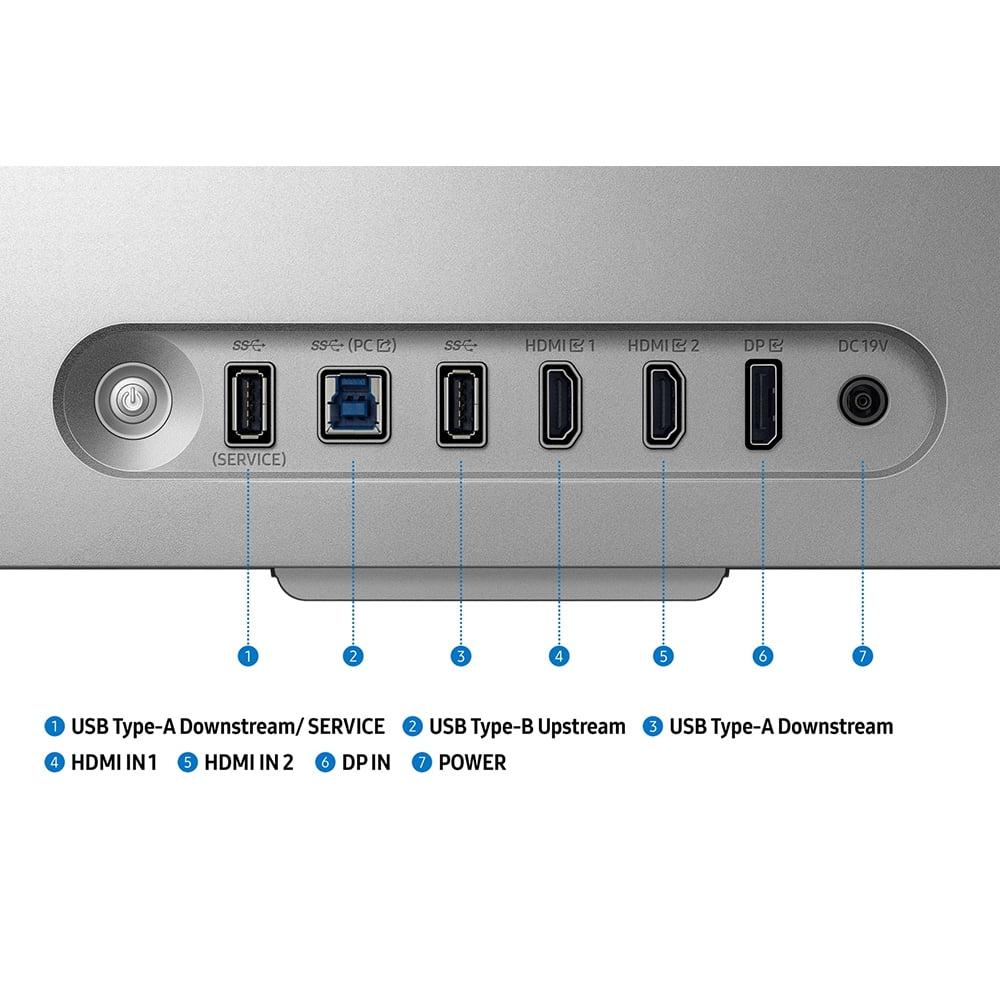
Both monitors support console gaming, but the MSI MAG 271QP QD-OLED X24 is more console-friendly with its lower resolution allowing better performance and HDMI 2.1 support for high refresh rates. The Samsung 27" Odyssey 3D G90XF can display 4K from consoles but the 3D features only work with PC gaming.
The MSI MAG 271QP QD-OLED X24 excels for productivity with accurate colors and excellent contrast, though QHD resolution provides less screen real estate. The Samsung 27" Odyssey 3D G90XF offers more workspace with 4K resolution and sharper text, making it better for detailed work, though the 3D features aren't useful for productivity tasks.
The MSI MAG 271QP QD-OLED X24 represents mature, proven technology that will remain relevant for years. The Samsung 27" Odyssey 3D G90XF is betting on 3D gaming becoming mainstream - if the technology catches on and content expands, early adopters benefit, but if it remains niche, you've paid extra for rarely-used features.
The MSI MAG 271QP QD-OLED X24's main concerns are potential OLED burn-in (though well-protected) and lower resolution compared to 4K alternatives. The Samsung 27" Odyssey 3D G90XF's drawbacks include limited 3D content, high system requirements, weaker contrast than OLED competitors, and premium pricing for specialized features that may not appeal to all users.
We've done our best to create useful and informative comparisons to help you decide what product to buy. Our research uses advanced automated methods to create this comparison and perfection is not possible - please contact us for corrections or questions. These are the sites we've researched in the creation of this article: bestbuy.com - youtube.com - xda-developers.com - newegg.com - notebookcheck.net - displayninja.com - ign.com - rtings.com - cdw.com - microcenter.com - bestbuy.com - us.msi.com - colamco.com - msi.com - msi.com - displayspecifications.com - msi.com - storage-asset.msi.com - msi.com - us.msi.com - displayspecifications.com - hometechnologyreview.com - substack.com - rtings.com - youtube.com - techaeris.com - versus.com - tomsguide.com - avsforum.com - youtube.com - versus.com - bestbuy.com - samsung.com - samsung.com - samsung.com - samsung.com - m.media-amazon.com

Privacy Policy
Terms and Conditions - Affiliate Policy
Home Security
© Copyright 2008-2026.
11816 Inwood Rd #1211, Dallas, TX 75244