

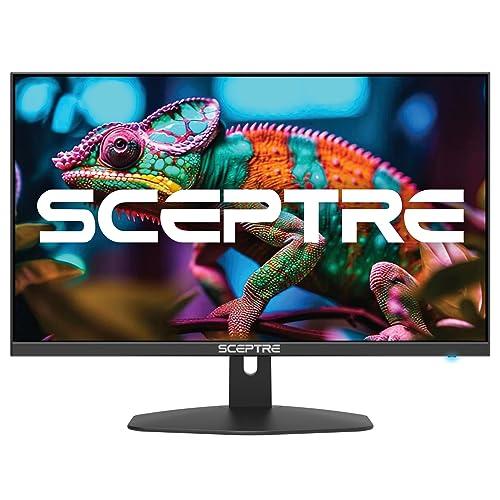
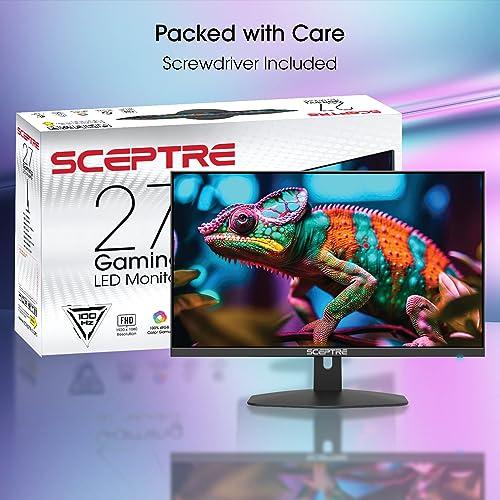
Gaming monitors have evolved dramatically over the past decade, moving from simple displays to specialized performance machines designed for competitive play. Today's market splits into two distinct camps: affordable monitors that deliver solid gaming performance without breaking the bank, and premium esports displays engineered for professional-level competition. The Sceptre 27-inch Gaming Monitor E275W-FW100T and BenQ Zowie XL2746K perfectly represent this divide, offering vastly different approaches to gaming displays.
Before diving into specifics, it's crucial to understand what separates gaming monitors from regular displays. Gaming monitors prioritize refresh rate (how many times per second the screen updates), response time (how quickly pixels can change colors), and input lag (the delay between your mouse click and the action appearing on screen). These factors directly impact your gaming experience, especially in fast-paced competitive games where split-second reactions determine victory or defeat.
Panel technology forms the foundation of any monitor's performance. The three main types each offer distinct trade-offs: TN (Twisted Nematic) panels are the fastest but have poor color reproduction and viewing angles; IPS (In-Plane Switching) panels offer excellent colors but slower response times; and VA (Vertical Alignment) panels sit between the two, providing better contrast than IPS with faster response than older VA designs.
The Sceptre E275W-FW100T uses a VA panel, while the BenQ Zowie XL2746K employs a TN panel. This fundamental difference shapes everything about how these monitors perform and who they're designed for.
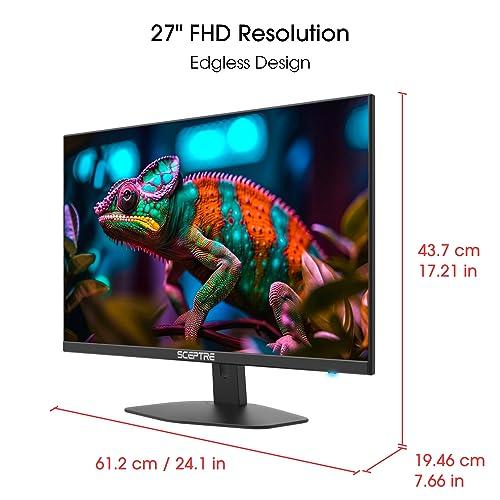
Released around 2021, the Sceptre E275W-FW100T represents what modern budget gaming monitors can achieve. At the time of writing, it typically sells for well under $150, making it one of the most affordable ways to experience higher refresh rate gaming. This pricing positions it as an entry-level gaming monitor that doesn't completely sacrifice performance.
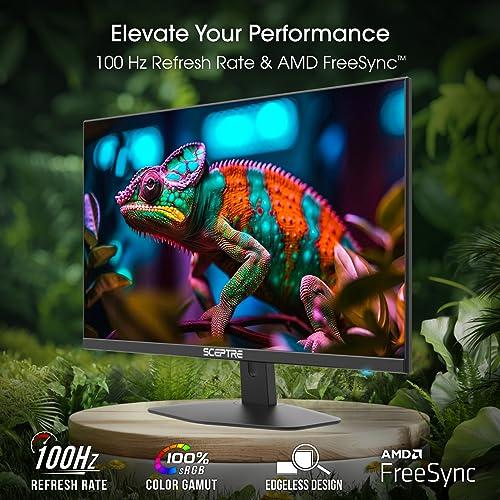
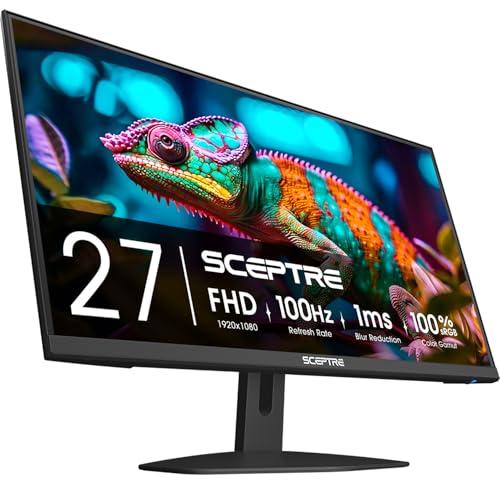
The monitor's 27-inch VA panel delivers 1920×1080 resolution with a 100Hz refresh rate. While 100Hz might seem modest compared to the 240Hz displays favored by esports professionals, it represents a significant upgrade from standard 60Hz monitors. The difference is immediately noticeable – scrolling through web pages feels smoother, and games display more fluid motion with reduced judder during camera pans.
VA panel technology gives the Sceptre monitor a substantial advantage in visual quality. Its 3000:1 contrast ratio produces genuinely deep blacks and vibrant colors, creating more immersive gaming experiences. When playing atmospheric games like horror titles or open-world adventures, the superior contrast makes dark scenes more dramatic and colorful environments more engaging. This contrasts sharply with TN panels, which often make blacks appear gray and washed out.
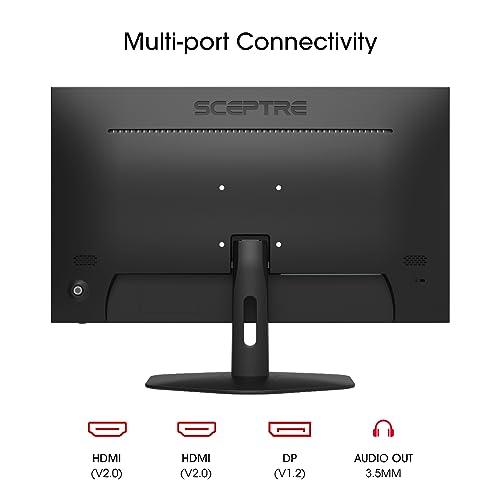
The monitor includes AMD FreeSync support with a 48-100Hz variable refresh rate range. FreeSync synchronizes your graphics card's frame output with the monitor's refresh rate, eliminating screen tearing (those horizontal lines that appear when the display and graphics card fall out of sync). The Sceptre's implementation works with both AMD and newer NVIDIA graphics cards when connected via DisplayPort, though HDMI limits FreeSync to AMD cards only.
Response time measures 5ms gray-to-gray, which represents the time needed for a pixel to change from one shade of gray to another. While respectable for a budget monitor, this slower response creates noticeable ghosting – faint trails behind fast-moving objects. In competitive first-person shooters, this ghosting can make tracking enemies more difficult, though it's less problematic in slower-paced games.
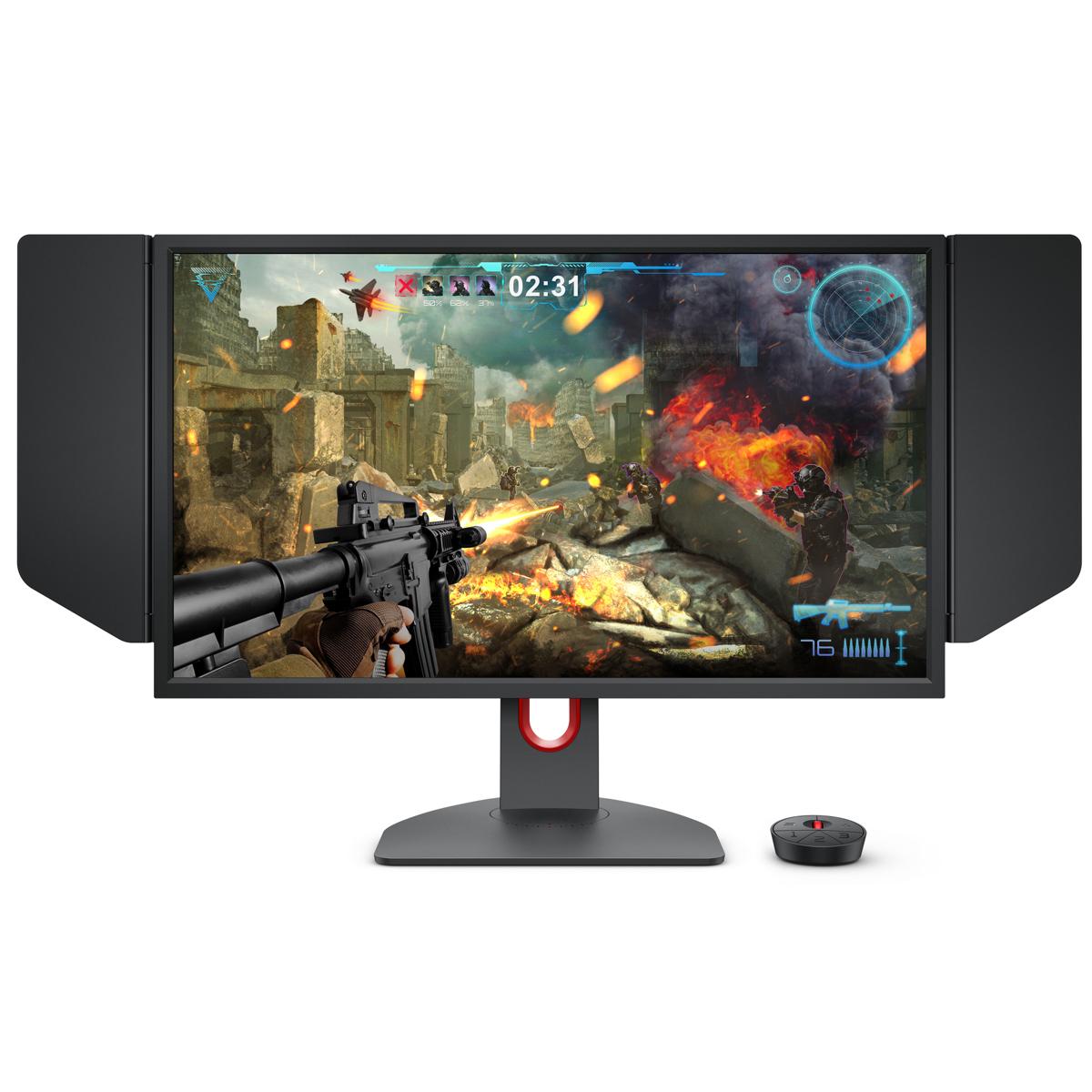
The BenQ Zowie XL2746K, released in 2022, takes an entirely different philosophy. Priced at roughly four times the Sceptre's cost at launch, it targets serious competitive gamers who demand every possible advantage. This monitor essentially serves as professional equipment – the kind found at esports tournaments and used by sponsored players.
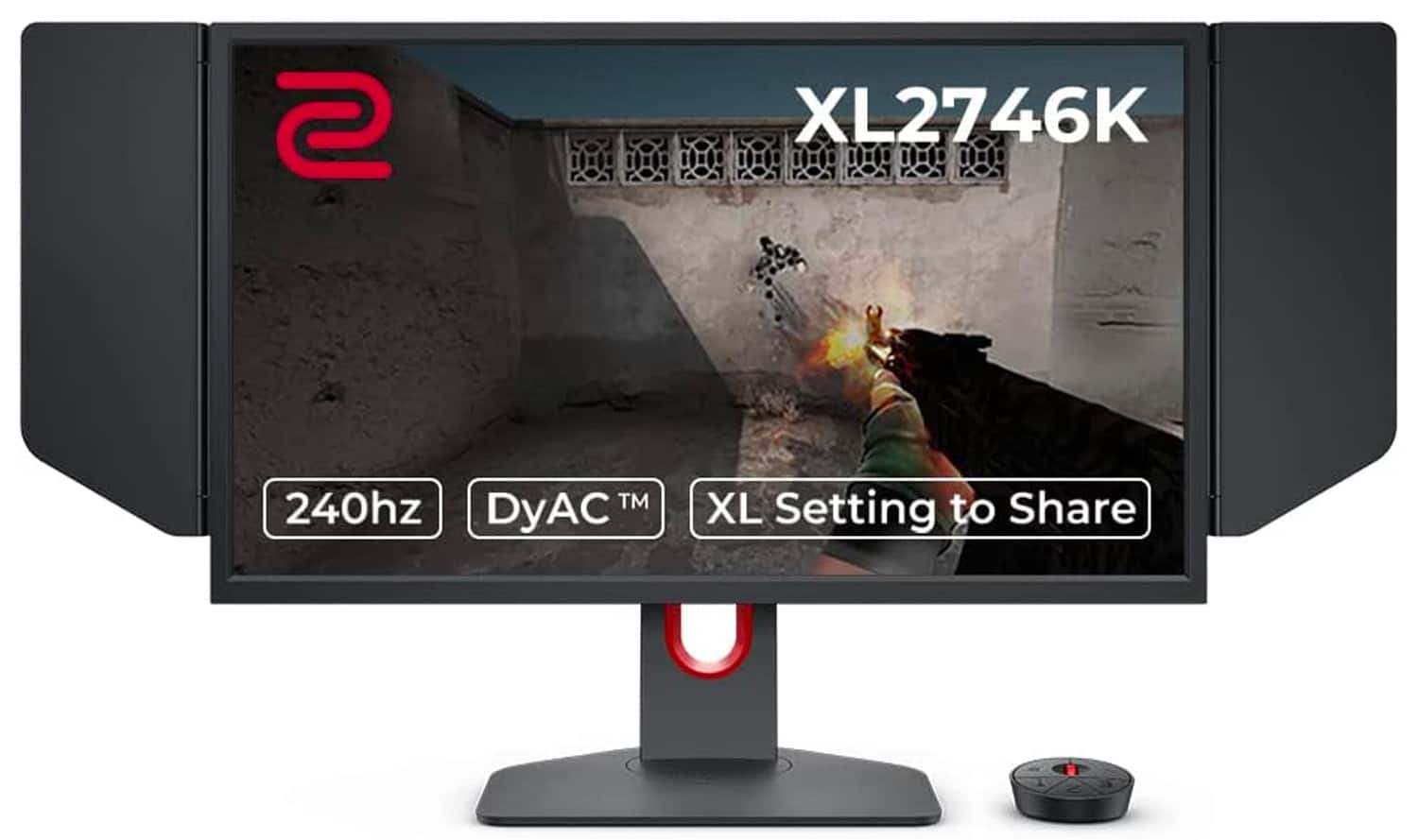
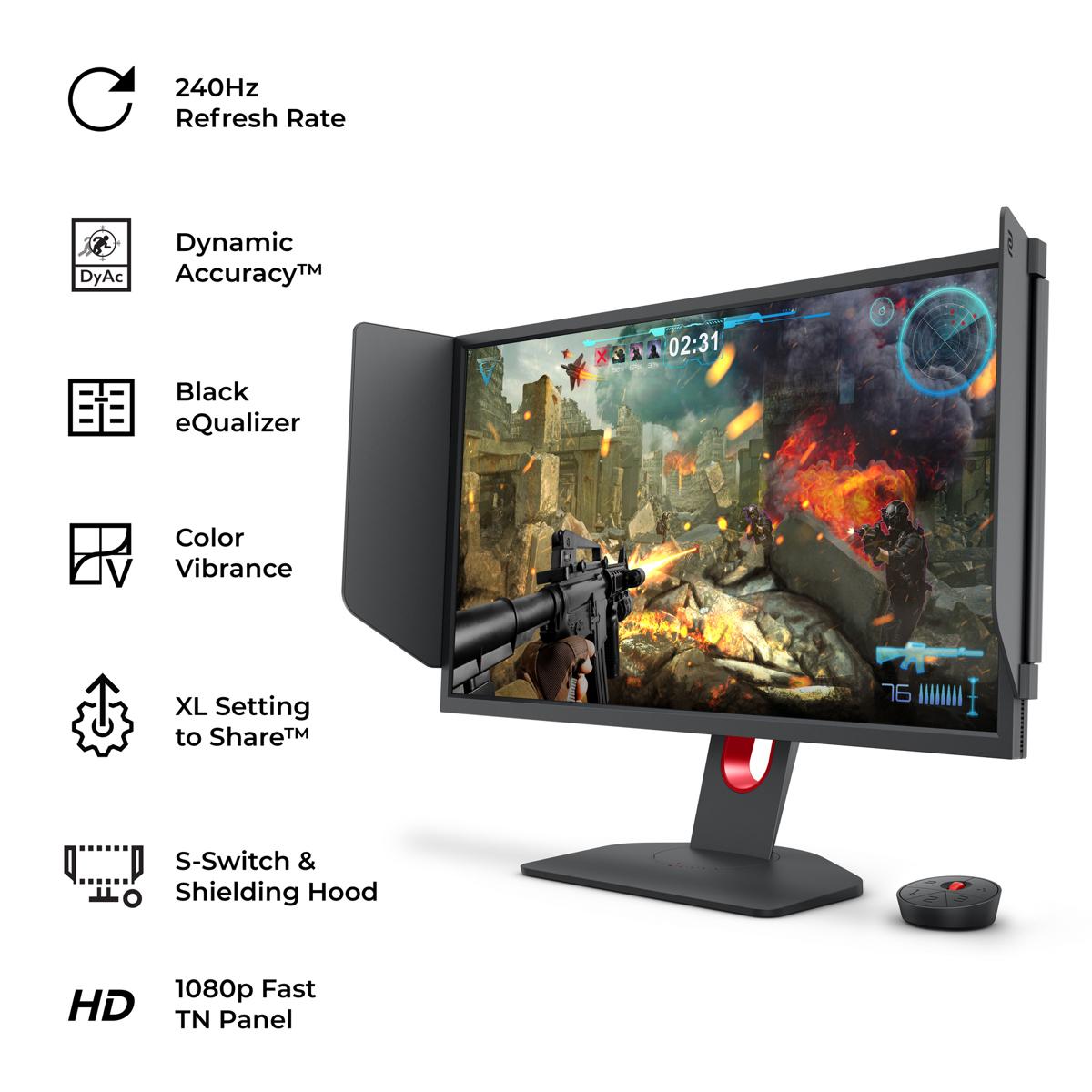
The most striking difference lies in refresh rate. The BenQ monitor operates at 240Hz, meaning it refreshes the image 240 times per second compared to the Sceptre's 100 times. This creates extraordinarily smooth motion, particularly beneficial in fast-paced games where enemies appear and disappear quickly. The difference between 100Hz and 240Hz might seem mathematical, but in practice, it's transformative for competitive play.
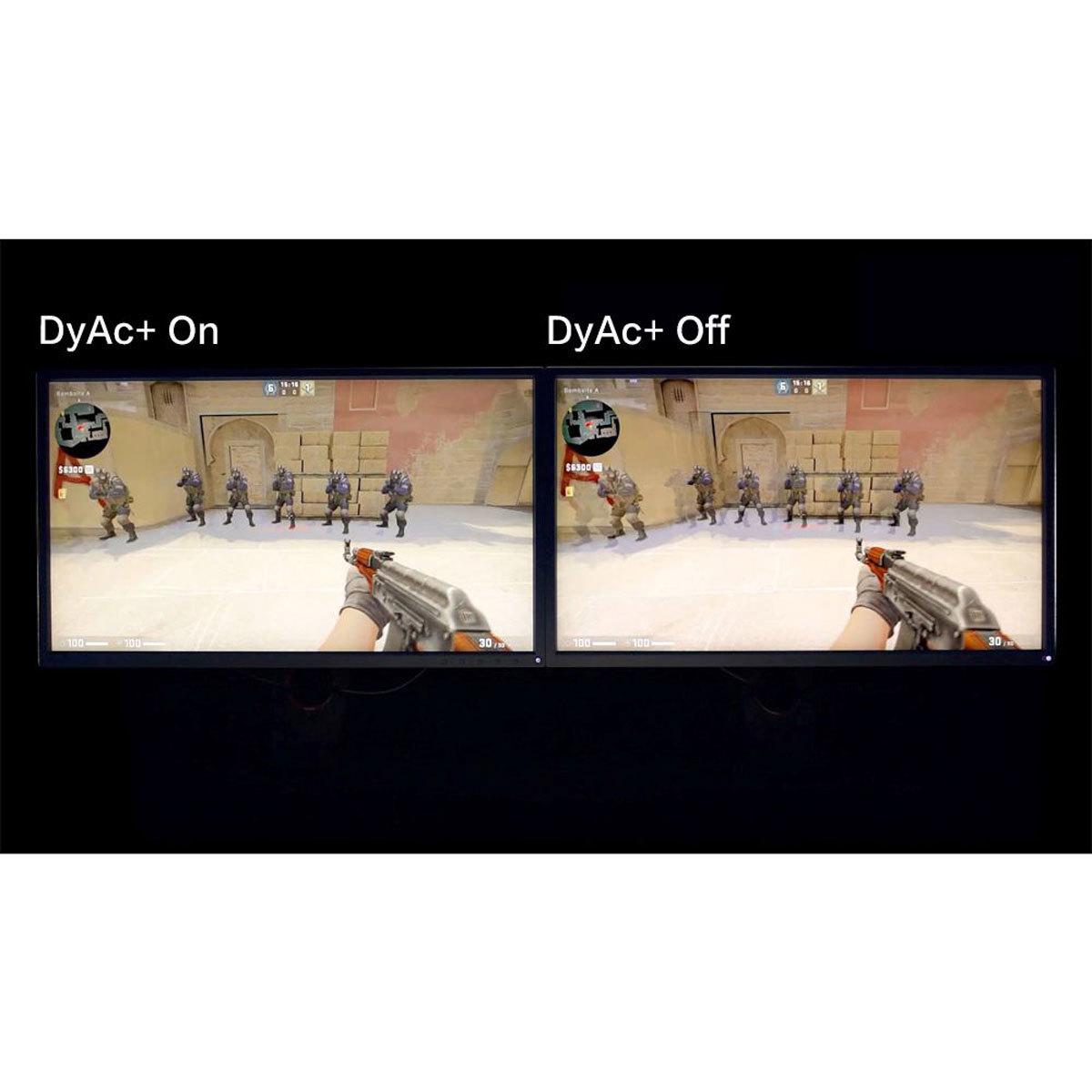
DyAc+™ technology represents BenQ's secret weapon. This proprietary backlight strobing system reduces motion blur by briefly turning off the backlight between frame refreshes. The result is crystal-clear motion clarity that makes tracking moving targets significantly easier. When an enemy runs across your screen in Counter-Strike or Valorant, they remain sharp and distinct rather than becoming a blurred streak. This technology cannot be replicated on budget monitors and provides a genuine competitive advantage.
The XL2746K's TN panel trades visual quality for speed. Its 1000:1 contrast ratio and washed-out colors pale compared to the Sceptre's VA panel, but the lightning-fast response time eliminates ghosting entirely. Professional players willingly accept these visual compromises because clear, responsive motion matters more than pretty colors in competitive scenarios.
Motion clarity represents the most critical performance difference between these monitors. The Sceptre handles motion adequately for casual gaming – you'll notice improved smoothness over 60Hz displays, and FreeSync eliminates tearing when frame rates fluctuate. However, fast-moving objects create visible trails, and rapid camera movements can appear slightly blurry.
The BenQ monitor operates in a different league entirely. DyAc+™ technology combined with the ultra-fast TN panel creates motion clarity that feels almost supernatural if you're accustomed to typical displays. Enemies remain perfectly sharp during rapid movements, making it easier to aim accurately while tracking targets. This clarity advantage becomes more pronounced as game speed increases – the faster the action, the more the BenQ pulls ahead.
Input lag – the delay between your actions and their appearance on screen – heavily influences competitive gaming. The Sceptre achieves approximately 6ms of input lag, which feels responsive for casual play. The BenQ monitor reduces this to under 3ms, creating an almost instantaneous connection between your inputs and the display. While the difference seems small numerically, competitive players can feel this improvement, especially when combined with high-refresh gaming mice and mechanical keyboards.
Color accuracy and visual quality favor the Sceptre monitor significantly. Its VA panel covers 100% of the sRGB color space with true 8-bit color depth, producing vibrant, accurate colors suitable for both gaming and content consumption. The 3000:1 contrast ratio makes HDR content more impactful and creates deeper, more realistic shadows in games. The BenQ's TN panel struggles with color reproduction and viewing angles, making it less suitable for media consumption or creative work.
For competitive esports gaming, the BenQ Zowie XL2746K dominates completely. If you play Counter-Strike: Global Offensive, Valorant, Apex Legends, or similar fast-paced shooters at a high level, the performance advantages justify the premium price. The 240Hz refresh rate and DyAc+™ technology provide measurable competitive benefits that can influence match outcomes. Professional players choose monitors like this for good reason – they work.
Casual and story-driven gaming suits the Sceptre E275W-FW100T perfectly. When playing single-player adventures, RPGs, or strategy games, visual quality often matters more than raw speed. The superior contrast and color reproduction create more immersive experiences, while 100Hz still provides noticeably smoother motion than standard displays. The built-in speakers, while basic, eliminate the need for separate audio equipment in space-constrained setups.
Console gaming presents interesting considerations for both monitors. The Sceptre works well with PlayStation 5 and Xbox Series X consoles, though it's limited to their maximum 120Hz output. The BenQ monitor can utilize the full 120Hz from modern consoles, but you won't access its 240Hz capability without a high-end PC. For console players prioritizing visual quality over competitive features, the Sceptre offers better value.
Neither monitor excels as a primary home theater display, but they serve different secondary roles. The Sceptre's superior contrast and built-in speakers make it more suitable for casual movie watching in a bedroom or office setup. Its VA panel handles dark movie scenes better, and the larger 27-inch size works well for close viewing.
The BenQ monitor poorly suits home theater use due to its TN panel's limitations. Colors appear washed out, and viewing angles restrict where you can sit without image degradation. However, if you primarily use your setup for competitive gaming with occasional streaming, the trade-offs might be acceptable.
Both monitors reflect their release timeframes and target markets. The Sceptre, launched in 2021, incorporates modern VA panel improvements that deliver better response times than older VA designs while maintaining contrast advantages. Since its release, budget monitor technology has continued advancing, but 100Hz VA panels remain a sweet spot for value-conscious buyers.
The BenQ XL2746K, released in 2022, represents mature esports monitor technology. While newer models offer 360Hz refresh rates, the improvements become increasingly marginal beyond 240Hz. DyAc+™ technology has been refined but not fundamentally changed, making this monitor still relevant for competitive play.
Choose the Sceptre 27-inch Gaming Monitor E275W-FW100T if you want solid gaming performance without premium pricing. It's perfect for players who enjoy various game genres, value visual quality alongside performance, and operate within budget constraints. The monitor provides genuine improvements over standard displays while maintaining versatility for work and entertainment.
Select the BenQ Zowie XL2746K if competitive gaming represents your primary focus and budget allows for specialized equipment. The performance advantages are real and meaningful for serious players, but the premium price only makes sense if you can utilize the professional-grade features effectively.
The fundamental question isn't whether the BenQ performs better – it clearly does. The question is whether those performance improvements matter for your specific gaming style and whether they justify spending roughly four times more than the Sceptre. For most gamers, the answer is no. For competitive esports players, the answer is absolutely yes.
Both monitors serve their intended audiences well, representing the current state of gaming display technology at opposite ends of the market spectrum. Your choice should align with your gaming priorities, budget, and long-term plans rather than simple specification comparisons.
| Sceptre 27-inch Gaming Monitor E275W-FW100T | BenQ Zowie XL2746K 27" 240Hz Esports Gaming Monitor |
|---|---|
| Refresh Rate - Higher Hz = smoother motion, critical for competitive gaming | |
| 100Hz (2x smoother than standard monitors) | 240Hz (ultra-smooth for esports, diminishing returns beyond this) |
| Panel Type - Determines speed vs visual quality trade-off | |
| VA Panel (balanced contrast and speed) | TN Panel (fastest response, poor colors/viewing angles) |
| Response Time - Lower = less ghosting behind moving objects | |
| 5ms GtG (noticeable trails in fast games) | <1ms (virtually eliminates ghosting completely) |
| Motion Clarity Technology - Reduces blur during fast action | |
| None (standard motion handling) | DyAc+™ (professional backlight strobing for crystal-clear tracking) |
| Contrast Ratio - Higher = deeper blacks and more immersive visuals | |
| 3000:1 (excellent depth and immersion) | 1000:1 (washed out blacks, prioritizes speed over visuals) |
| Color Gamut - Wider = more vibrant and accurate colors | |
| 100% sRGB (excellent for gaming and media) | ~sRGB (adequate but not optimized for color work) |
| Variable Refresh Rate - Eliminates screen tearing | |
| AMD FreeSync 48-100Hz (smooth when supported) | VRR supported but disabled with DyAc+™ (must choose between features) |
| Gaming Features - Specialized tools for competitive advantage | |
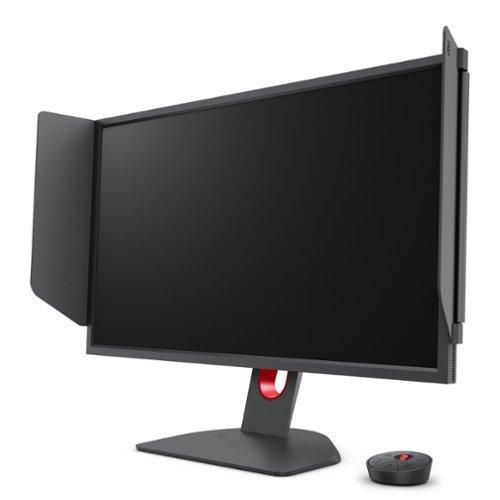
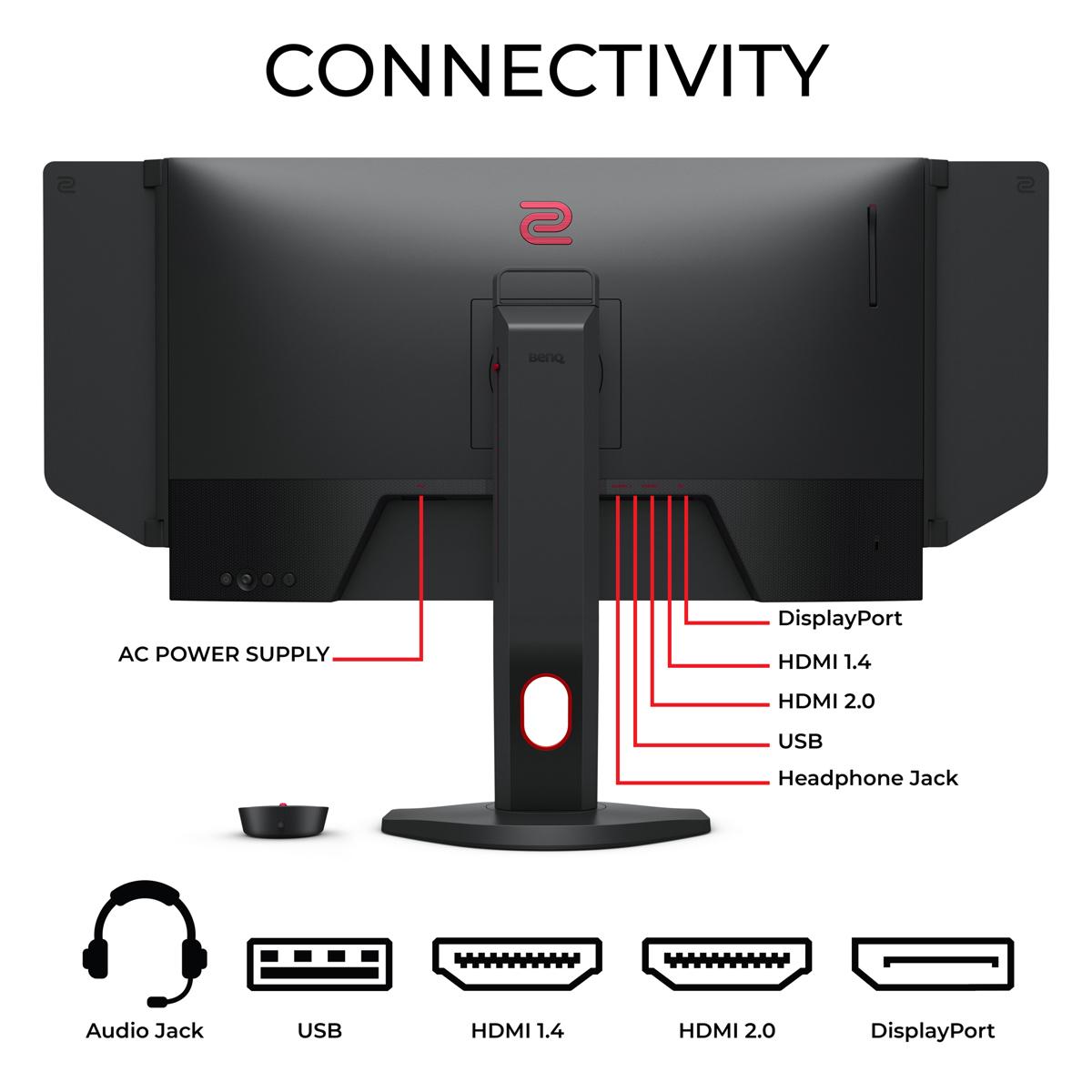
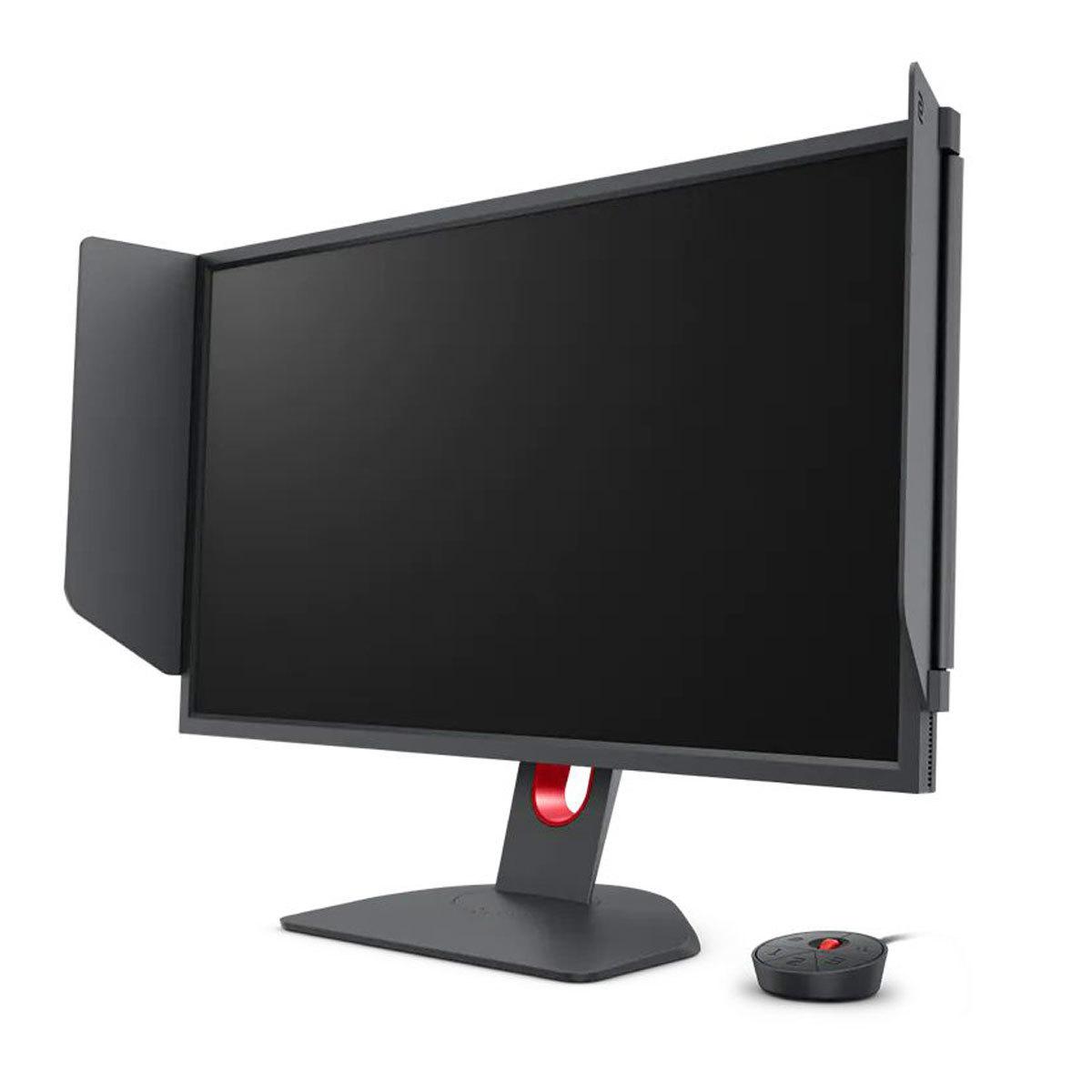
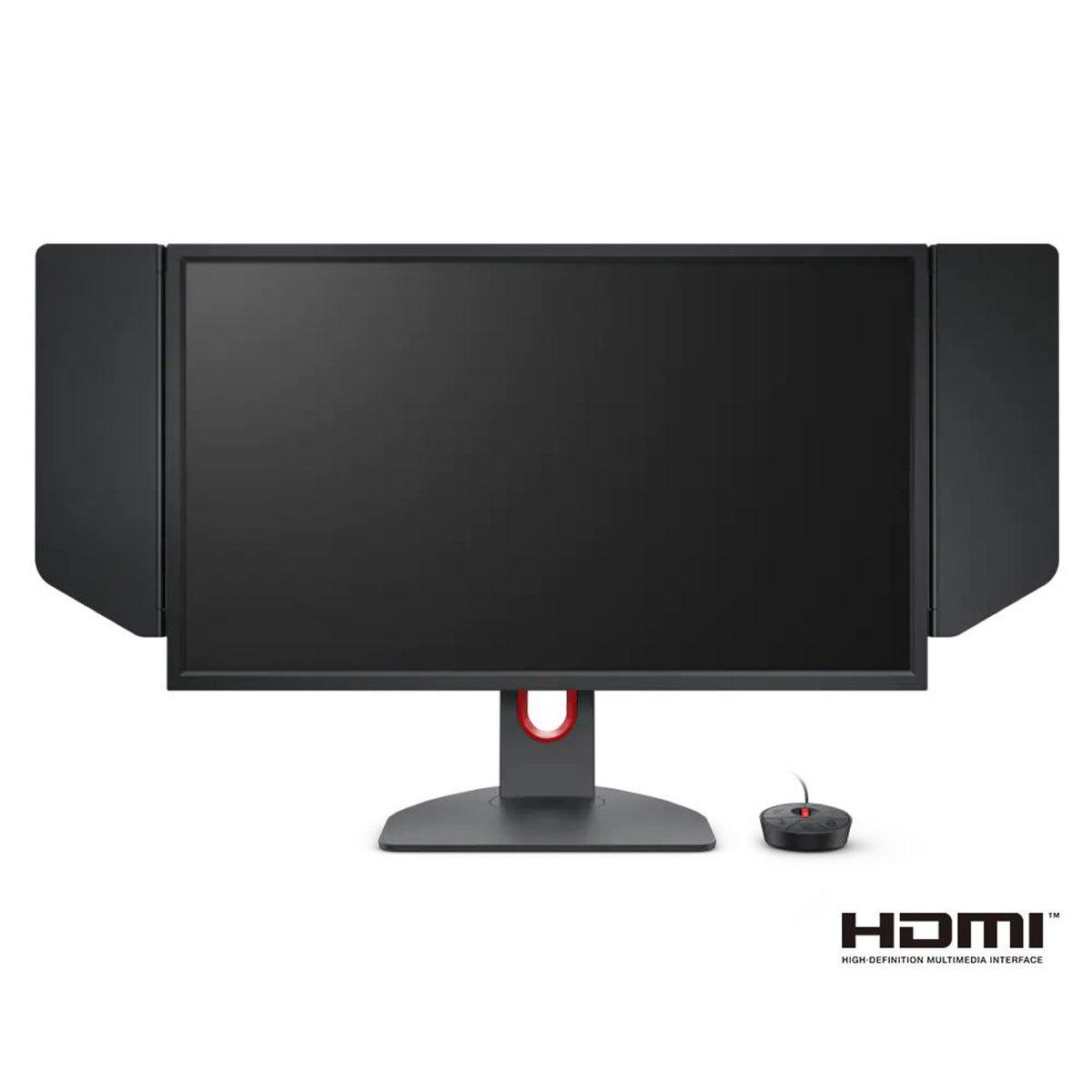
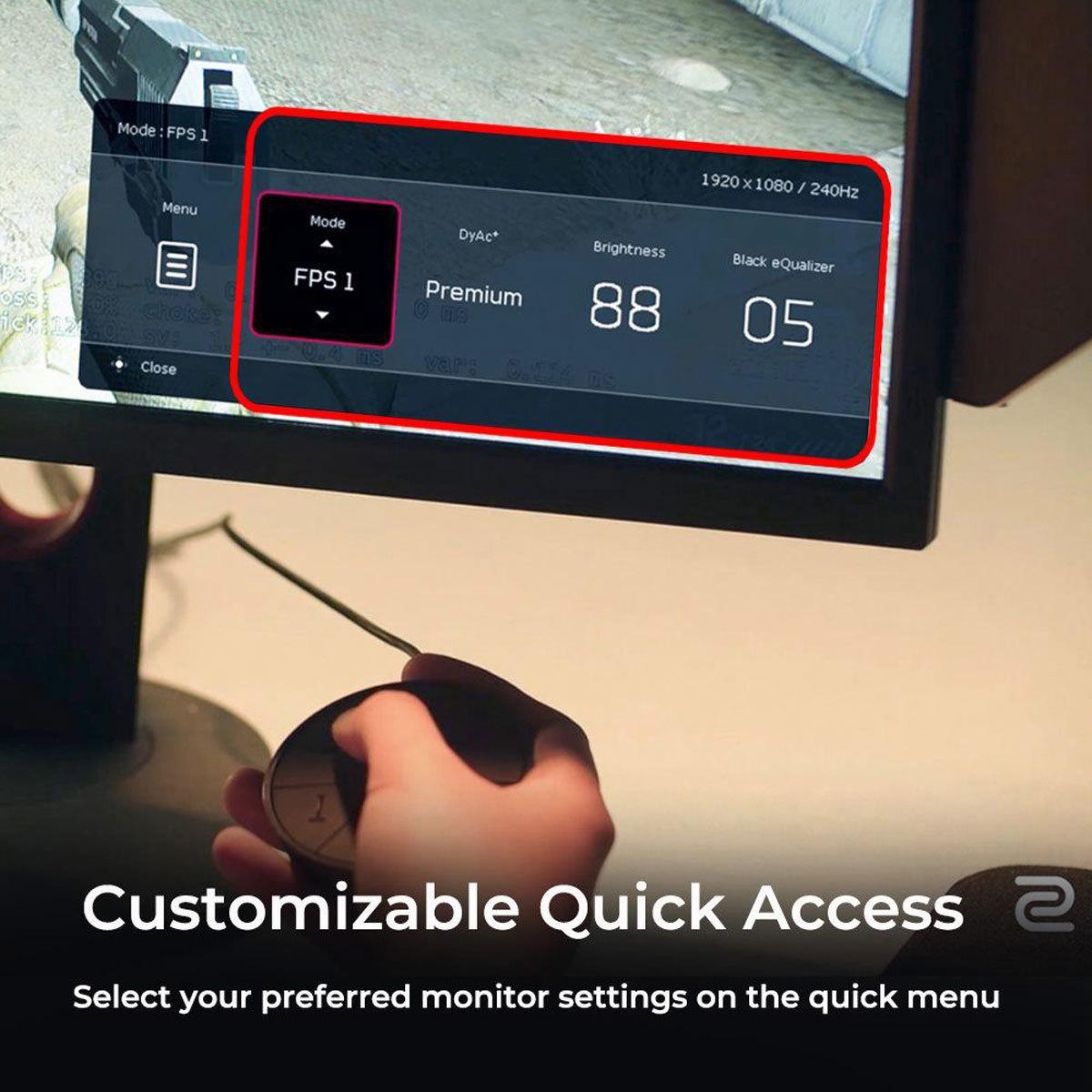
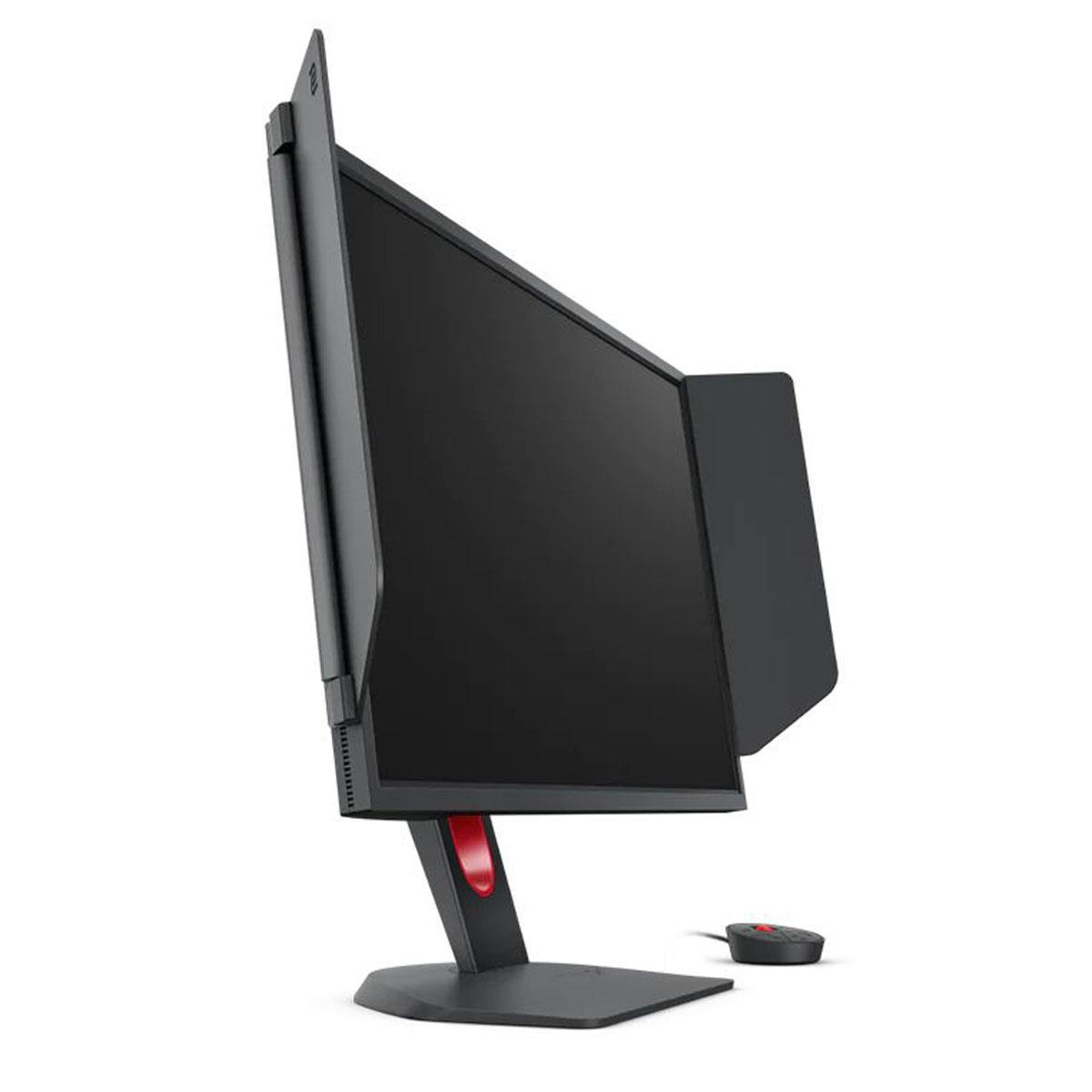
| Basic FPS/RTS modes, Black Level Equalizer | S-Switch controller, Shielding Hood, Black eQualizer, Color Vibrance |
| Ergonomics - Important for long gaming sessions | |
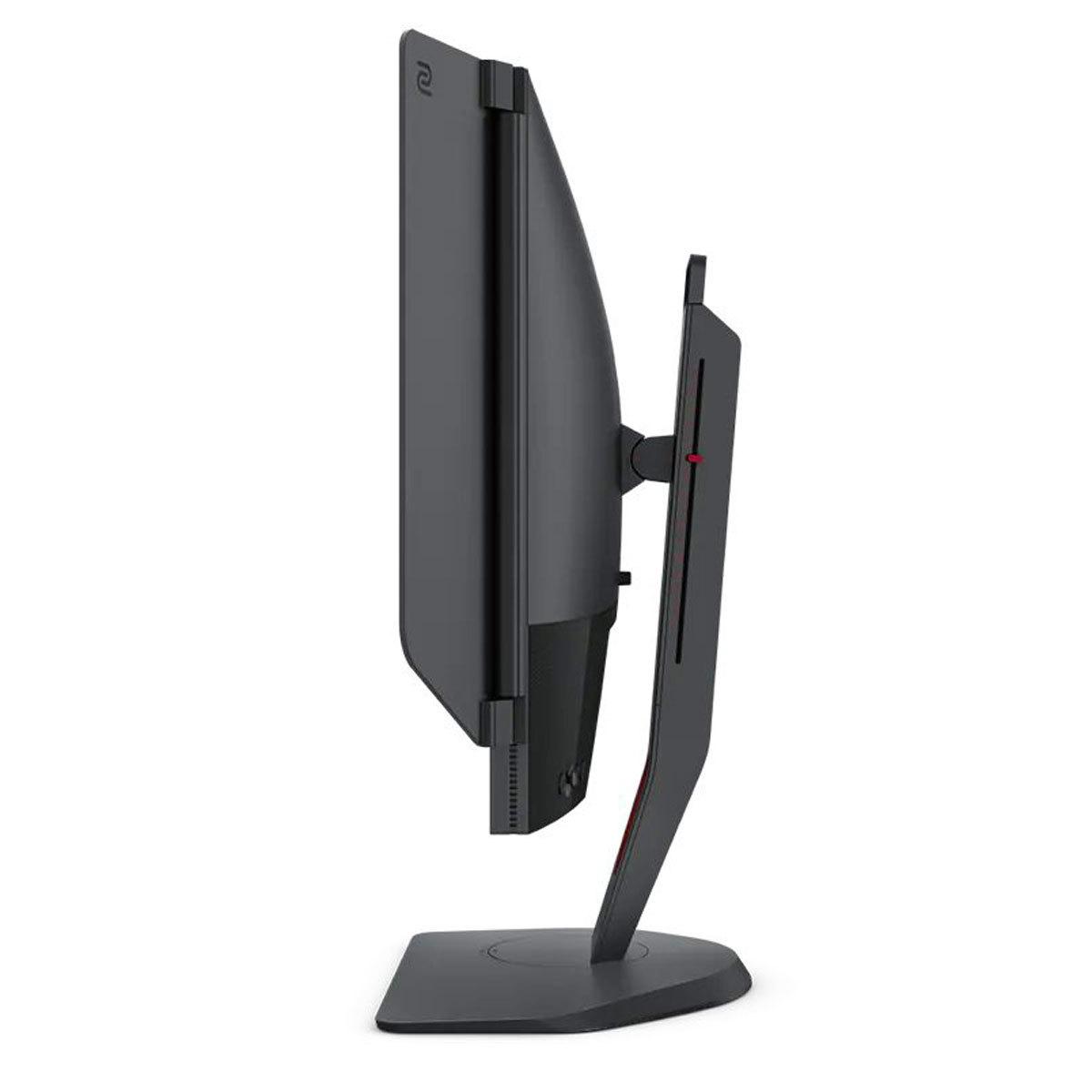
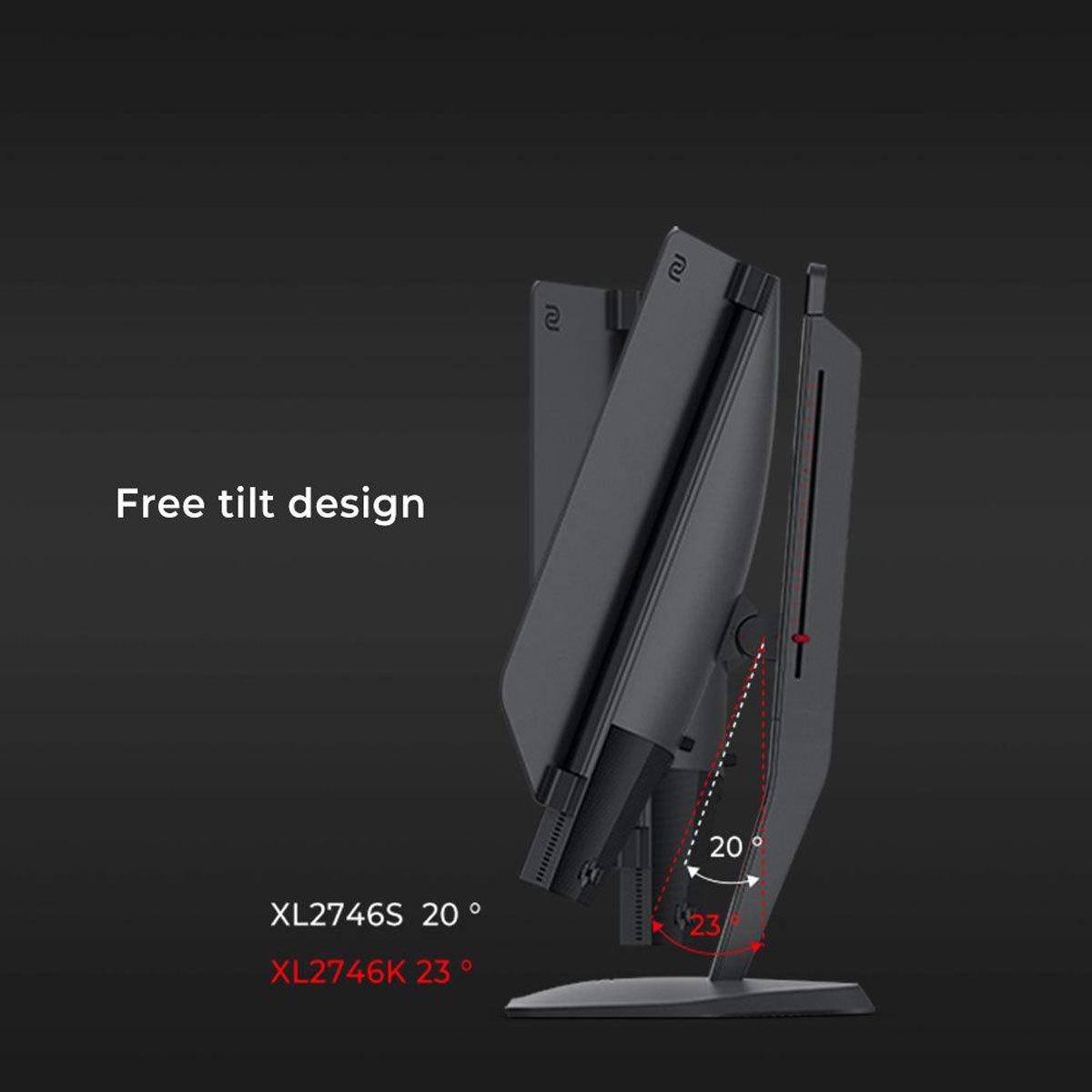
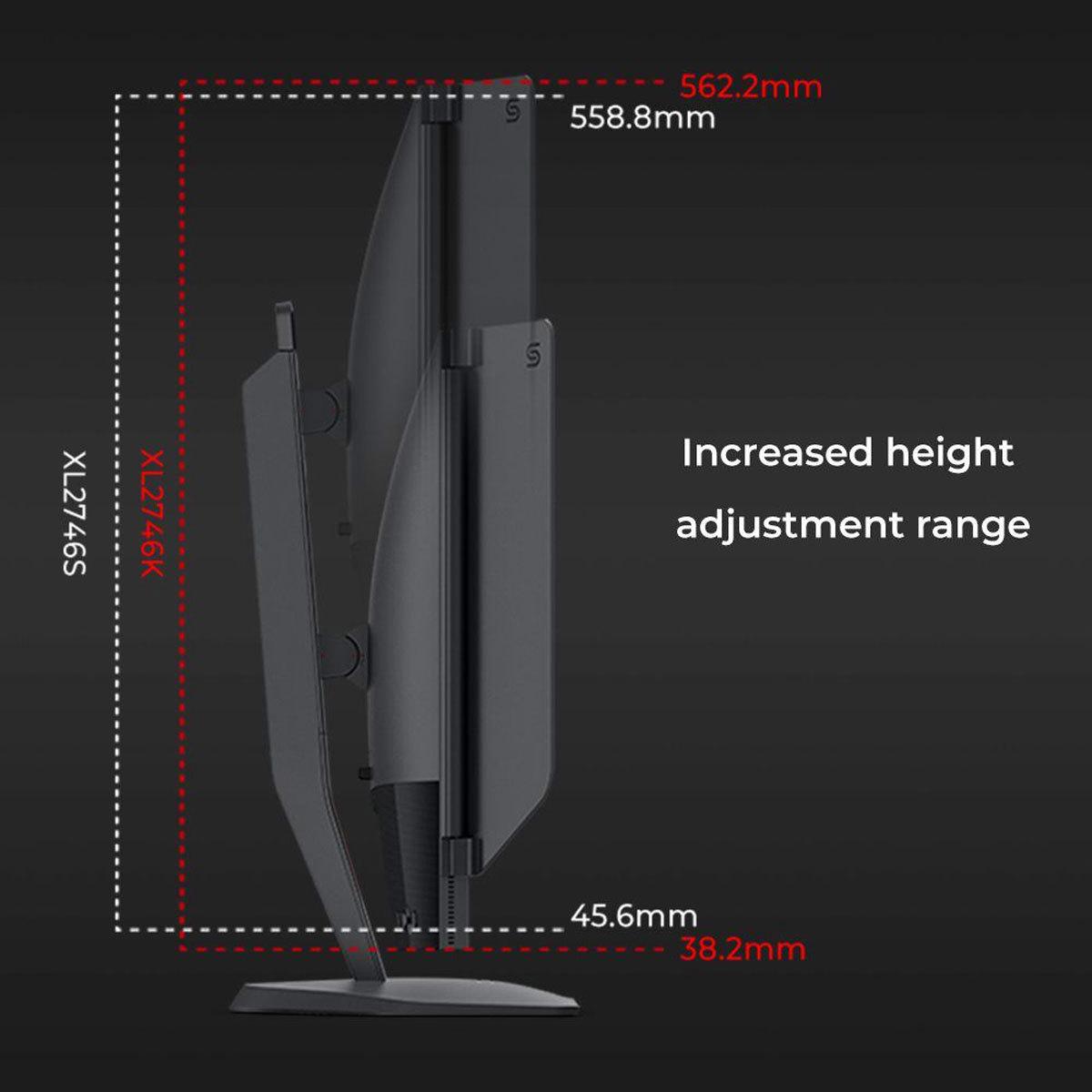
| Tilt only (limited positioning options) | Full adjustment: height, tilt, swivel, pivot (professional setup flexibility) |
| Built-in Audio - Convenience for space-limited setups | |
| 2x 2W speakers (basic but functional) | No speakers (assumes dedicated gaming audio setup) |
| Target Market - Who each monitor is designed for | |
| Budget-conscious gamers wanting smooth performance | Serious competitive players prioritizing every advantage |
| Value Proposition - Cost vs benefit analysis | |
| Exceptional performance-per-dollar for casual gaming | Premium price justified only for competitive esports use |
The Sceptre 27-inch Gaming Monitor E275W-FW100T is better for casual gaming due to its superior visual quality from the VA panel, which provides better contrast and colors for immersive single-player games. Its 100Hz refresh rate still offers smooth gameplay while the built-in speakers add convenience for casual setups.
The primary difference is their target audience and performance level. The Sceptre E275W-FW100T is a budget-friendly monitor focused on good value and visual quality, while the BenQ Zowie XL2746K is a professional esports monitor prioritizing maximum speed and competitive features like 240Hz refresh rate and DyAc+™ technology.
The Sceptre 27-inch Gaming Monitor has significantly better picture quality with its VA panel offering 3000:1 contrast ratio, 100% sRGB color coverage, and deeper blacks. The BenQ XL2746K uses a TN panel that sacrifices visual quality for speed, resulting in washed-out colors and poor viewing angles.
The BenQ Zowie XL2746K is only worth the premium if you're a serious competitive gamer who plays fast-paced FPS games like Counter-Strike or Valorant. For casual gaming, the Sceptre monitor provides excellent value with 80% of the gaming benefits at a fraction of the cost.
The Sceptre E275W-FW100T is better for console gaming because it offers superior visual quality that enhances story-driven games, and consoles can't fully utilize the BenQ's 240Hz capability anyway. Both support 120Hz from PS5 and Xbox Series X, but the Sceptre provides better overall value for console players.
The Sceptre 27-inch Gaming Monitor works reasonably well for movies thanks to its high contrast VA panel that handles dark scenes better, plus it includes built-in speakers. The BenQ XL2746K is poor for movies due to its TN panel's washed-out colors and narrow viewing angles.
The BenQ Zowie XL2746K has significantly lower input lag at under 3ms compared to the Sceptre's approximately 6ms. Combined with its 240Hz refresh rate and DyAc+™ technology, the BenQ provides a substantial competitive advantage for esports players.
The Sceptre E275W-FW100T works better for general productivity due to its superior color accuracy, better viewing angles, and higher contrast that reduces eye strain. The BenQ monitor is designed specifically for gaming and isn't ideal for work due to its TN panel's poor color reproduction.
The BenQ Zowie XL2746K has far superior motion clarity thanks to its 240Hz refresh rate, ultra-fast TN panel, and DyAc+™ backlight strobing technology. The Sceptre monitor shows noticeable ghosting behind fast-moving objects due to its slower 5ms response time.
The Sceptre E275W-FW100T includes basic gaming features like FPS/RTS modes and Black Level Equalizer. The BenQ XL2746K offers professional esports features including the S-Switch controller, detachable Shielding Hood, Black eQualizer, and Color Vibrance settings designed for competitive advantage.
The Sceptre 27-inch Gaming Monitor is ideal for first-time gaming monitor buyers because it provides a significant upgrade from standard displays at an affordable price, with good visual quality and 100Hz smoothness. The BenQ monitor is overkill unless you're already a serious competitive player.
Both monitors support variable refresh rate, but differently. The Sceptre E275W-FW100T includes AMD FreeSync with a 48-100Hz range that works with both AMD and NVIDIA cards. The BenQ XL2746K supports VRR but you must disable DyAc+™ technology to use it, forcing you to choose between motion clarity and tear elimination.
We've done our best to create useful and informative comparisons to help you decide what product to buy. Our research uses advanced automated methods to create this comparison and perfection is not possible - please contact us for corrections or questions. These are the sites we've researched in the creation of this article: pcvarge.com - walmart.com - cubed.run - productchart.com - displayninja.com - target.com - youtube.com - versus.com - youtube.com - youtube.com - sceptre.com - sceptre.com - rtings.com - youtube.com - bestbuy.com - versus.com - youtube.com - versus.com - forums.blurbusters.com - pcmonitors.info - youtube.com - bhphotovideo.com - zowie.benq.com - bhphotovideo.com - device.report - newegg.com - bestbuy.com - displayspecifications.com - provantage.com - zowie.benq.com - smallonlineshop.com.sg - camcor.com

Privacy Policy
Terms and Conditions - Affiliate Policy
Home Security
© Copyright 2008-2026.
11816 Inwood Rd #1211, Dallas, TX 75244