

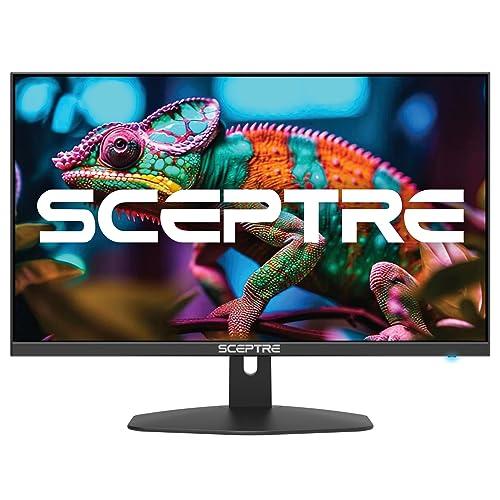
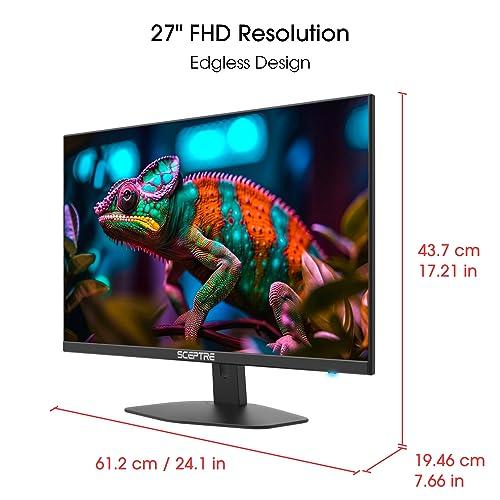
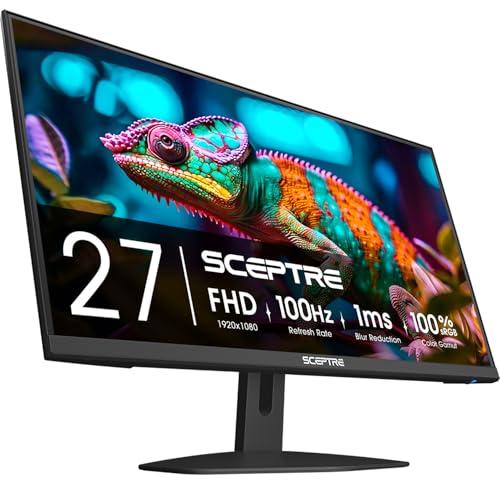
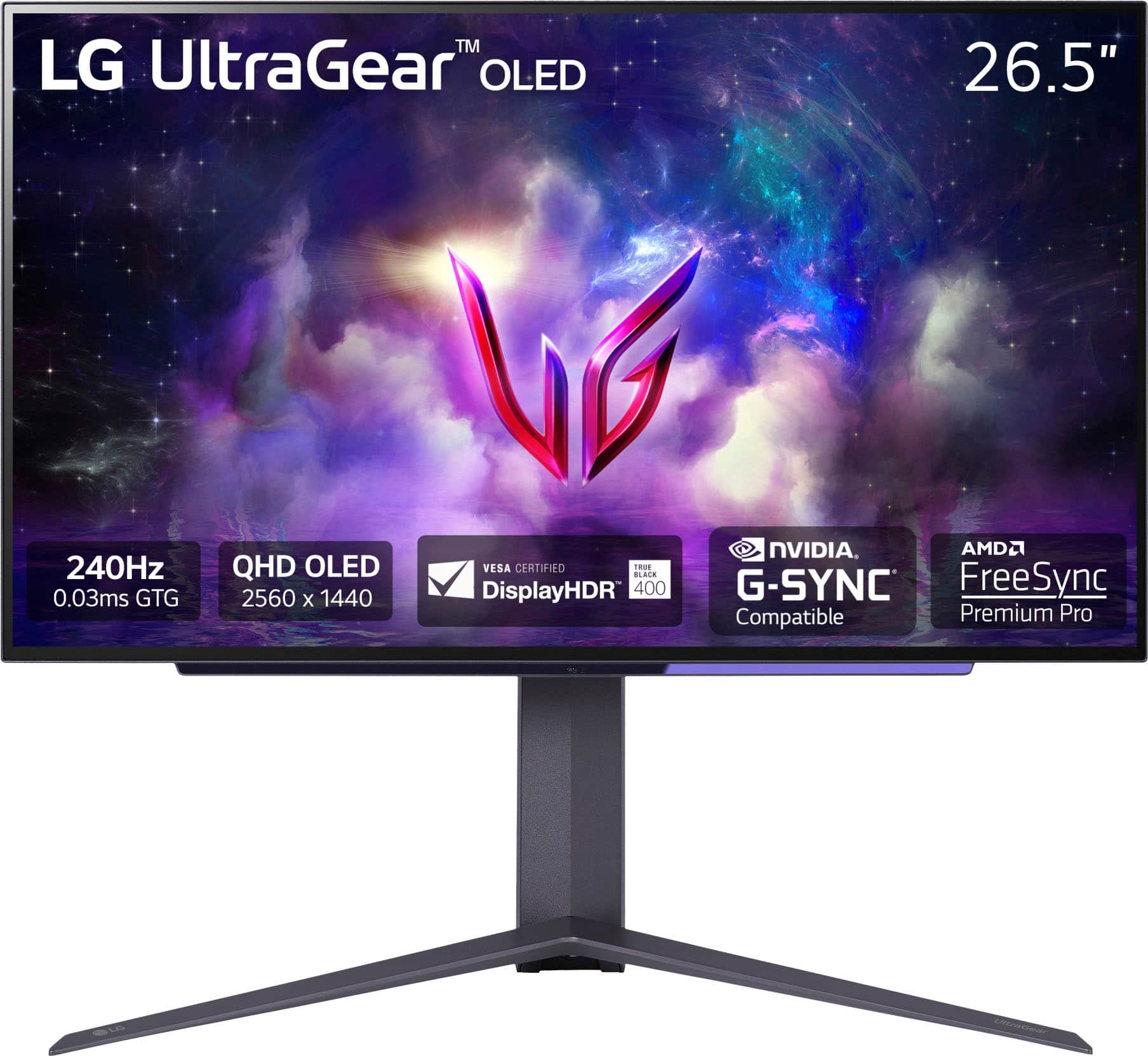
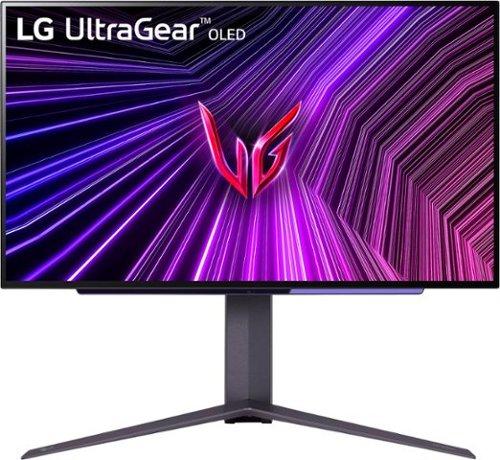


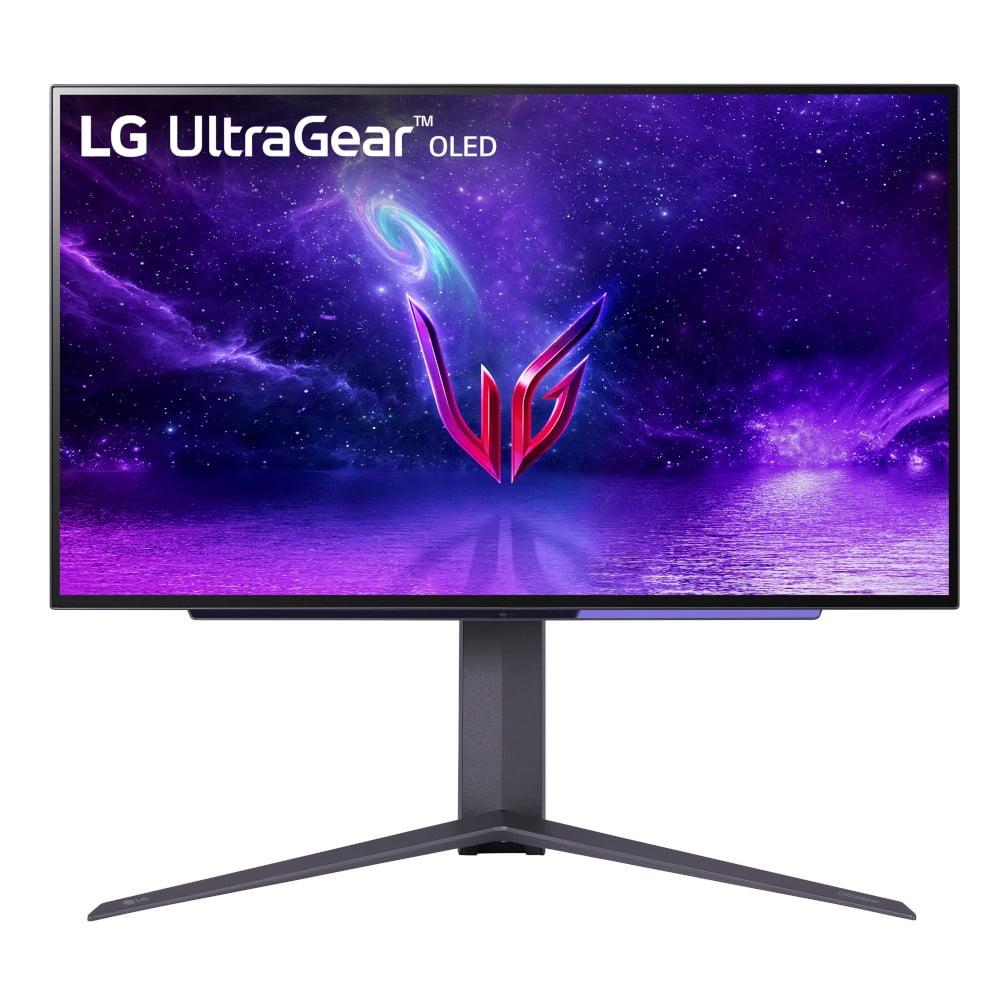
Gaming monitors have evolved dramatically over the past few years, creating a massive gap between budget and premium options. Today, we're comparing two monitors that perfectly illustrate this divide: the Sceptre E275W-FW100T, a budget-friendly display from 2019, and the LG UltraGear 27" OLED QHD 240Hz, a cutting-edge premium monitor released in 2024.
At the time of writing, these monitors sit at opposite ends of the price spectrum—the Sceptre costs under $100, while the LG OLED commands nearly seven times that amount. But what exactly are you getting for that price difference, and which one makes sense for your setup?
Before diving into our comparison, let's establish what makes a gaming monitor tick. The most important specifications include refresh rate (how many times per second the screen updates), response time (how quickly pixels can change colors), resolution (the number of pixels on screen), and panel type (the underlying display technology).
Panel technology particularly matters because it affects everything from color accuracy to viewing angles. The three main types are IPS (In-Plane Switching), VA (Vertical Alignment), and OLED (Organic Light-Emitting Diode). Each has distinct characteristics that influence your gaming experience.
Modern gaming demands have pushed monitor technology forward rapidly. Since 2019, we've seen mainstream adoption of higher refresh rates, better HDR support, and the emergence of OLED gaming monitors that were previously limited to TVs.
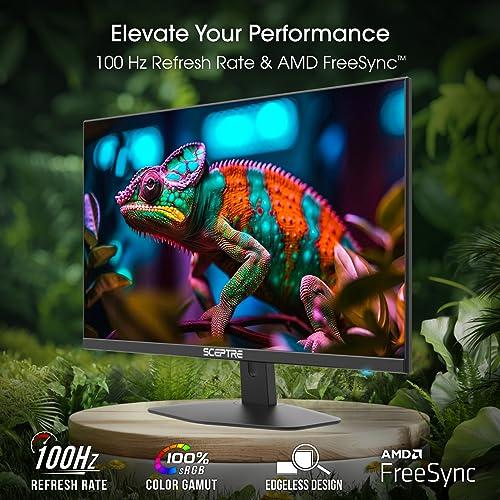
The Sceptre E275W-FW100T represents solid budget engineering from 2019. It features a 27-inch VA panel running at 1920x1080 resolution with a 100Hz refresh rate—specs that were quite competitive in its price range five years ago.
VA panels excel at producing deep blacks thanks to their high contrast ratios. The Sceptre achieves a 3,000:1 static contrast ratio, which means the brightest whites are 3,000 times brighter than the darkest blacks. This creates more immersive visuals in dark scenes compared to typical IPS panels, which usually manage around 1,000:1.
The 100Hz refresh rate provides a noticeable improvement over standard 60Hz monitors. When gaming, this translates to smoother motion and reduced input lag—the delay between your mouse click and seeing the action on screen. For casual gaming, this refresh rate feels significantly more responsive than 60Hz, though the jump isn't as dramatic as going from 100Hz to higher rates.
However, the Sceptre's 1080p resolution on a 27-inch screen creates some limitations. With only 81.59 pixels per inch, text appears noticeably less sharp than on higher-resolution displays. This makes the monitor primarily suitable for gaming and basic office work rather than tasks requiring crisp text rendering.
The response time specification of 5ms gray-to-gray (GtG) sounds reasonable on paper, but real-world performance shows noticeable ghosting—faint trails that follow fast-moving objects. This VA panel characteristic becomes apparent in fast-paced games, though it's not severe enough to ruin the experience for casual players.
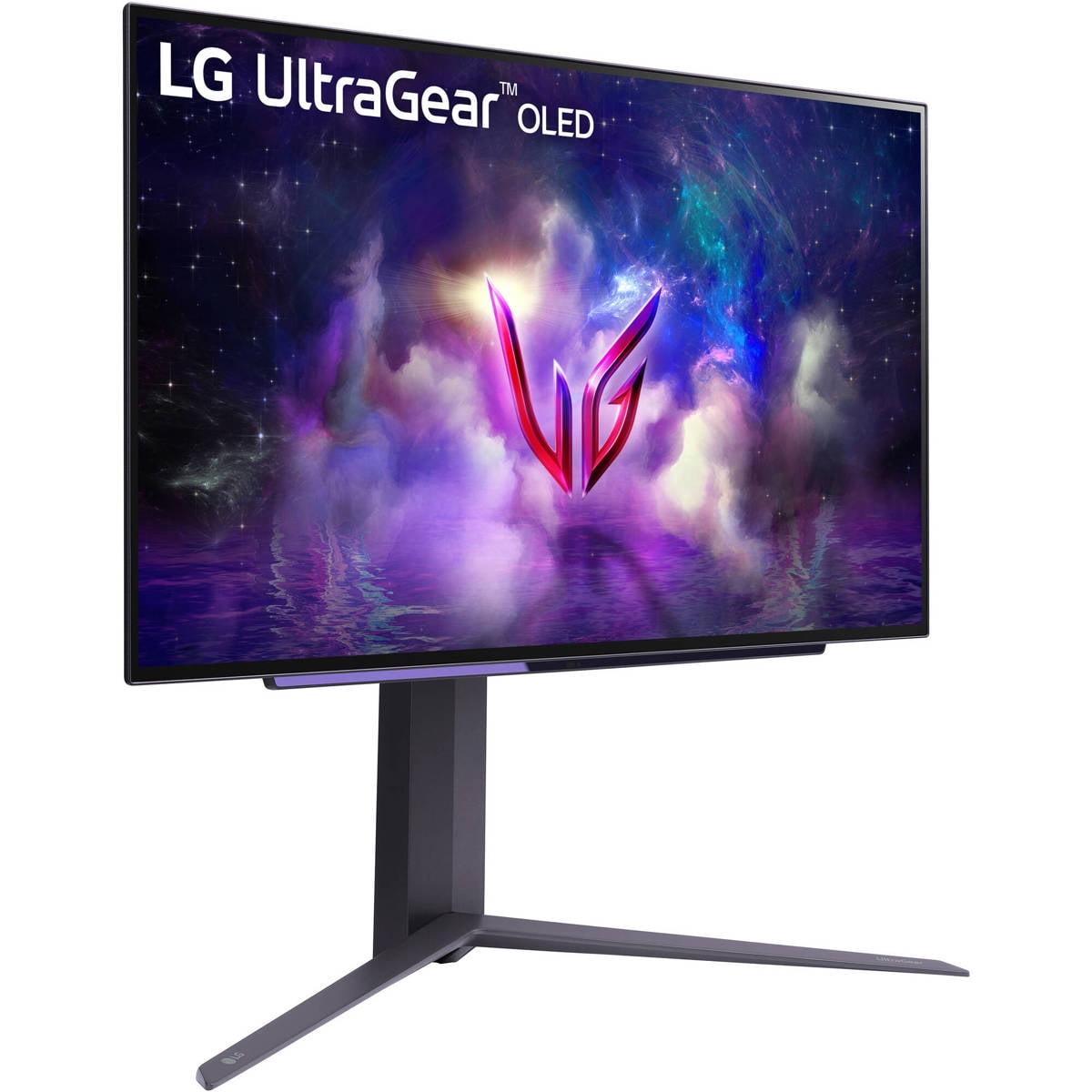
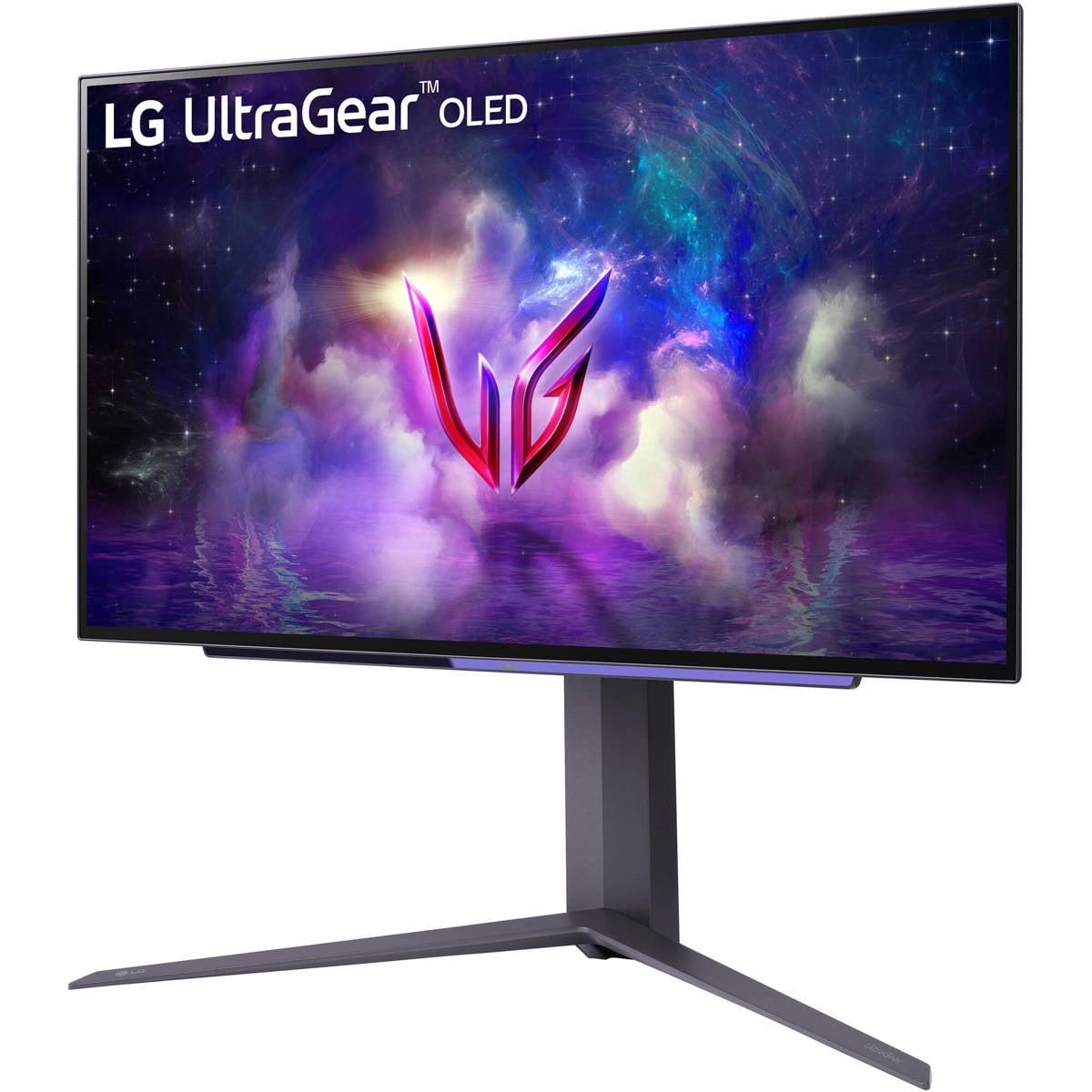
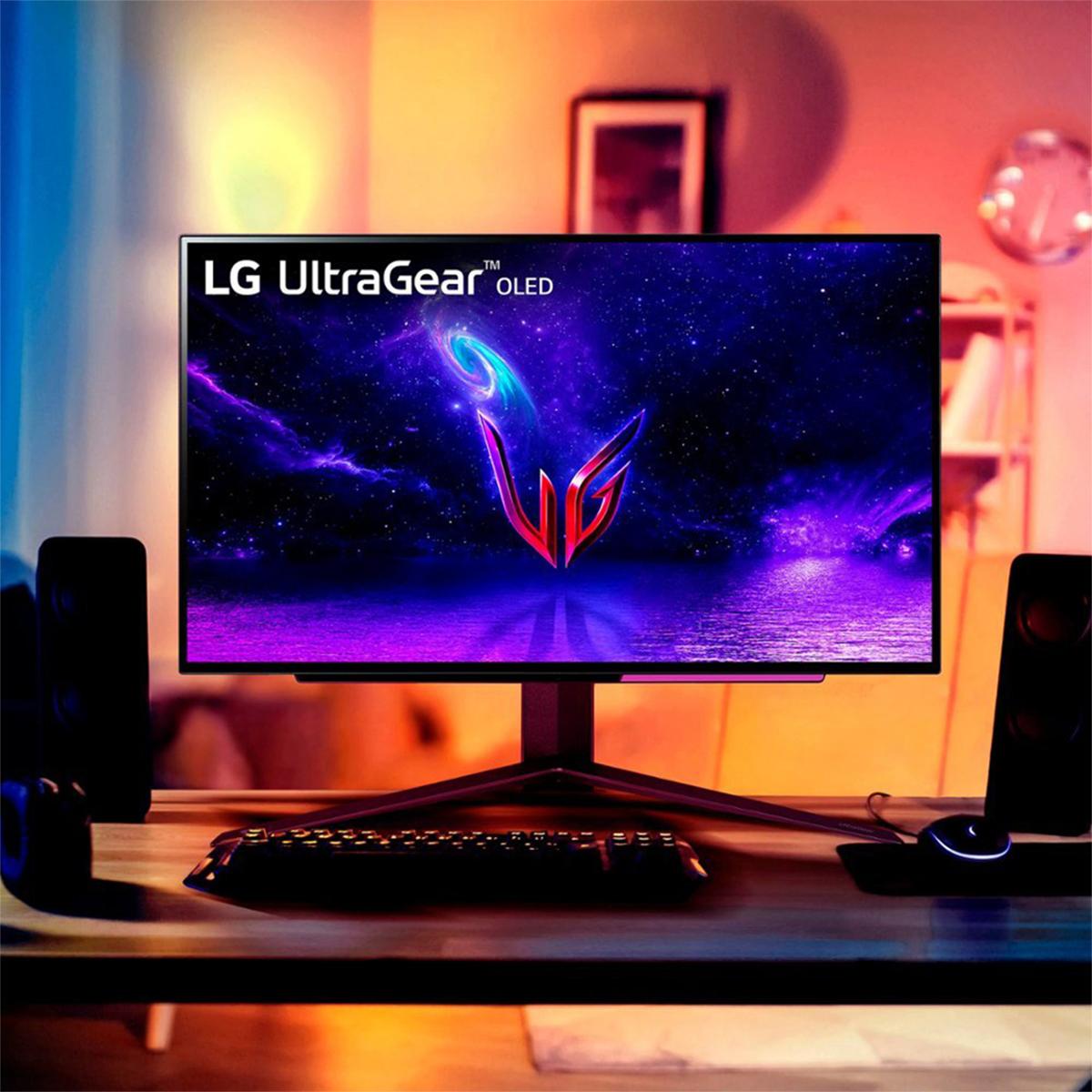
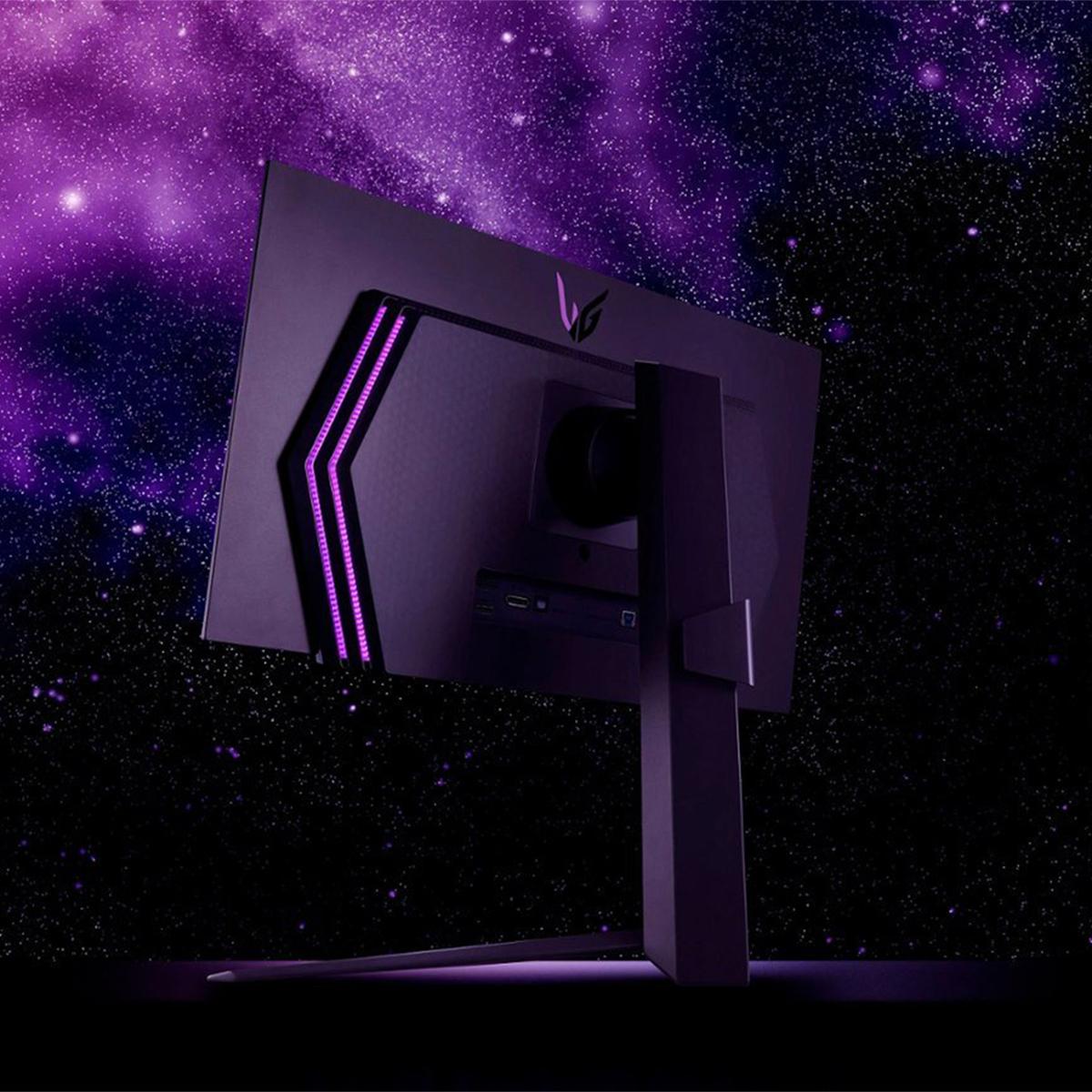
The LG UltraGear 27" OLED represents the current pinnacle of gaming monitor technology. Released in 2024, it showcases how far display technology has advanced in just five years.
OLED technology fundamentally differs from traditional LCD panels. Instead of using a backlight behind liquid crystals, OLED pixels emit their own light. This enables perfect blacks—when a pixel needs to be black, it simply turns off completely. The result is theoretically infinite contrast and incredibly vibrant colors.
The resolution bump to 2560x1440 (QHD) provides significantly sharper images than 1080p. On a 27-inch screen, this translates to approximately 109 pixels per inch, making text crisp and game details much more defined. This resolution strikes an excellent balance between visual clarity and performance demands on your graphics card.
Perhaps most impressively, the LG OLED achieves a 240Hz refresh rate with a 0.03ms response time. This combination virtually eliminates motion blur and ghosting, creating exceptionally smooth visuals that competitive gamers prize. The difference between 100Hz and 240Hz is substantial in fast-paced games, providing smoother tracking of moving objects and reduced input lag.
The monitor covers 98.5% of the DCI-P3 color space—a wider gamut than standard sRGB that's used in professional video production. Combined with factory color calibration, this makes the LG OLED suitable for content creation as well as gaming.
For competitive gaming, motion clarity reigns supreme. The Sceptre's 5ms response time and VA panel characteristics create noticeable ghosting in fast-paced scenarios. While this doesn't break the gaming experience, it can put you at a disadvantage in competitive shooters where tracking moving enemies precisely matters.
The LG OLED's near-instantaneous pixel response eliminates this issue entirely. OLED pixels can change states almost instantly without the overdrive techniques that LCD panels use, which can introduce inverse ghosting artifacts. For competitive gaming, this represents a genuine performance advantage.
The refresh rate difference amplifies this advantage. While 100Hz feels smooth compared to 60Hz, 240Hz provides even more fluid motion that becomes particularly apparent when panning the camera quickly or tracking fast-moving objects.
The Sceptre's VA panel produces respectable image quality for its price point. The high contrast ratio creates deep blacks that enhance movie watching and atmospheric games. However, the 1080p resolution on a 27-inch screen means individual pixels become visible if you sit close to the monitor.
The LG OLED excels here with perfect blacks, vibrant colors, and sharp detail. OLED's ability to control individual pixels creates stunning visual experiences in HDR content. The wider color gamut reproduces colors that simply aren't possible on standard monitors, making games and movies appear more lifelike.
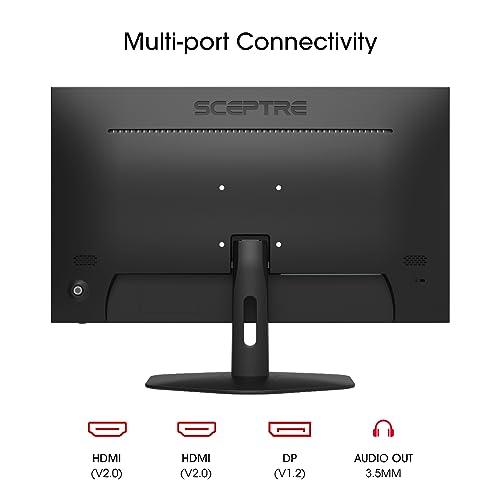
The Sceptre provides adequate connectivity with HDMI 2.0 and DisplayPort 1.2 inputs. These support its maximum specifications adequately, though they're becoming dated as newer consoles and graphics cards adopt HDMI 2.1.
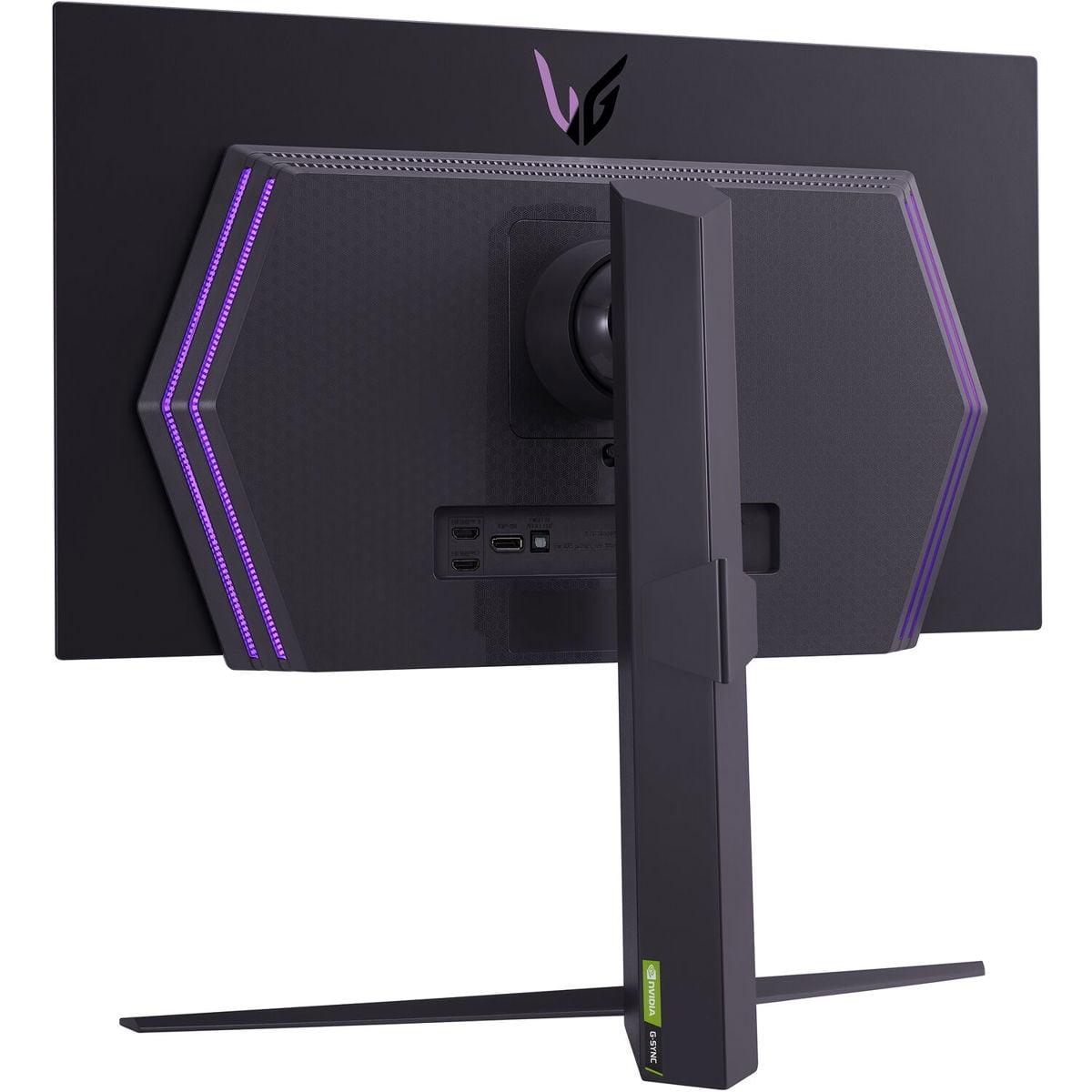
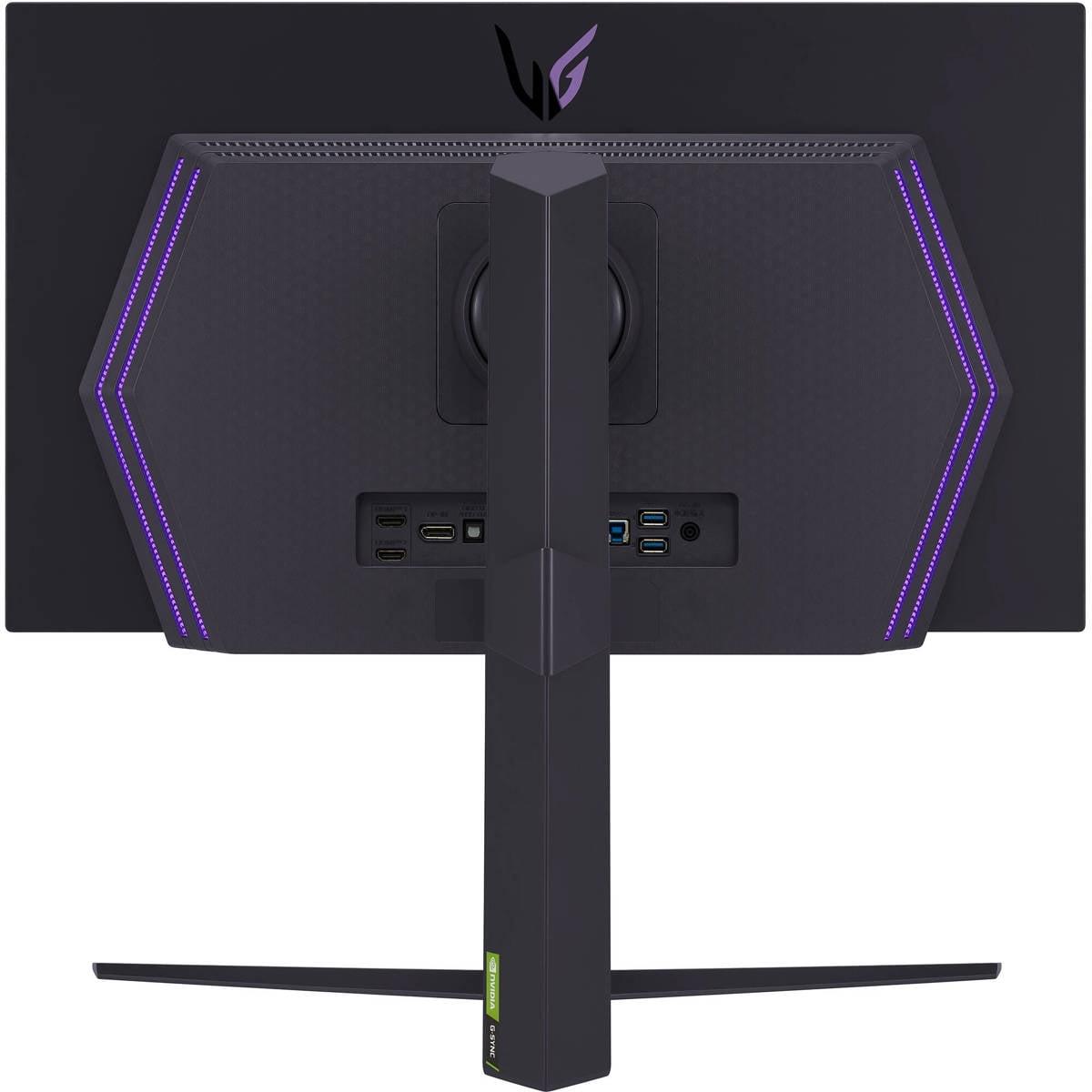
The LG OLED's HDMI 2.1 ports future-proof your setup for next-generation consoles and graphics cards. These connections support higher refresh rates and resolutions that older standards can't handle, ensuring compatibility with future hardware.
For home theater use, both monitors present interesting options. The Sceptre's high contrast VA panel produces deep blacks that work well in dark rooms, though its brightness limitations make it less suitable for well-lit spaces. The built-in speakers, while basic, eliminate the need for separate audio equipment in simple setups.
The LG OLED excels as a home theater display with perfect blacks, HDR support, and wider color reproduction. However, it lacks built-in speakers, requiring separate audio solutions. The OLED technology also introduces burn-in concerns with static content like TV channel logos, though modern OLED panels include protective features.
The price difference between these monitors reflects fundamental technology gaps. The Sceptre uses mature, cost-effective components to deliver essential gaming features at an accessible price point. For users with strict budget constraints, it provides genuine value by offering higher refresh rates and better contrast than basic office monitors.
The LG OLED's premium pricing reflects cutting-edge technology that wasn't available in consumer monitors until recently. The OLED panel alone represents a significant manufacturing cost, before considering the 240Hz refresh rate and advanced color processing.
From a value perspective, both monitors serve their intended markets well. The Sceptre maximizes features per dollar for budget-conscious users, while the LG OLED justifies its premium through measurable performance improvements and future-proofing.
The Sceptre represents a shorter-term investment. Its 2019 design already feels dated in some aspects, particularly the 1080p resolution on a large screen. As display technology continues advancing and prices drop, users may find themselves wanting to upgrade within 2-3 years.
The LG OLED provides better long-term value despite its higher upfront cost. The cutting-edge specifications should remain relevant for 5+ years, and the superior image quality won't become outdated as quickly. However, OLED technology requires more careful usage to avoid burn-in issues with static content.
The Sceptre E275W-FW100T makes sense for students, casual gamers, and anyone building their first PC setup on a tight budget. It provides essential gaming features without breaking the bank, though you'll need to accept compromises in text sharpness and motion clarity.
The LG UltraGear 27" OLED targets serious gamers, content creators, and enthusiasts who prioritize performance over price. If you spend significant time gaming or working at your computer, the improved experience justifies the investment.
These monitors represent different philosophies in gaming display design. The Sceptre E275W-FW100T proves that decent gaming performance doesn't require a massive budget, delivering essential features at an accessible price point. However, its limitations become apparent in demanding scenarios and productivity work.
The LG UltraGear 27" OLED showcases how far gaming monitor technology has advanced, offering performance that was unimaginable at any price just a few years ago. While expensive, it provides transformative improvements in motion clarity, image quality, and overall gaming experience.
Your choice ultimately depends on your priorities, budget, and intended use. The Sceptre satisfies basic gaming needs affordably, while the LG OLED delivers cutting-edge performance for users who demand the best. Both serve their intended markets well, but they're targeting fundamentally different users with different expectations and budgets.
For most casual users, the Sceptre provides excellent value and satisfying performance. For competitive gamers and enthusiasts, the LG OLED's superior technology justifies its premium pricing through measurable improvements in every aspect of display performance.
| Sceptre E275W-FW100T | LG UltraGear 27" OLED QHD 240Hz |
|---|---|
| Panel Technology - Determines image quality, contrast, and color accuracy | |
| VA (Vertical Alignment) with LED backlight | OLED (Organic Light-Emitting Diode) |
| Resolution - Affects text sharpness and visual detail | |
| 1920 x 1080 (Full HD) - 81.59 PPI, text appears less sharp on 27" | 2560 x 1440 (QHD) - ~109 PPI, crisp text and fine details |
| Refresh Rate - Higher rates provide smoother motion in games | |
| 100Hz (good improvement over 60Hz for casual gaming) | 240Hz (exceptional smoothness for competitive gaming) |
| Response Time - Lower times reduce ghosting and motion blur | |
| 5ms GtG with noticeable ghosting in fast scenes | 0.03ms with virtually no ghosting or motion blur |
| Contrast Ratio - Higher ratios provide deeper blacks and better HDR | |
| 3,000:1 static contrast (good blacks for VA panel) | Near-infinite contrast (perfect blacks with OLED technology) |
| Color Gamut - Wider gamuts display more vivid, accurate colors | |
| 100% sRGB (adequate for gaming and basic work) | 98.5% DCI-P3 (professional-grade color accuracy) |
| Brightness - Higher brightness better for well-lit rooms | |
| 280 nits (suitable for dim to moderate lighting) | Higher peak brightness with HDR support |
| Adaptive Sync - Eliminates screen tearing for smoother gameplay | |
| AMD FreeSync (48-100Hz range) | AMD FreeSync Premium + NVIDIA G-SYNC Compatible |
| Connectivity - Future-proofs setup for new consoles and GPUs | |
| 2x HDMI 2.0, 1x DisplayPort 1.2 (adequate for current specs) | 2x HDMI 2.1, 1x DisplayPort 1.4 (supports next-gen hardware) |
| Stand Adjustability - Affects ergonomics and viewing comfort | |
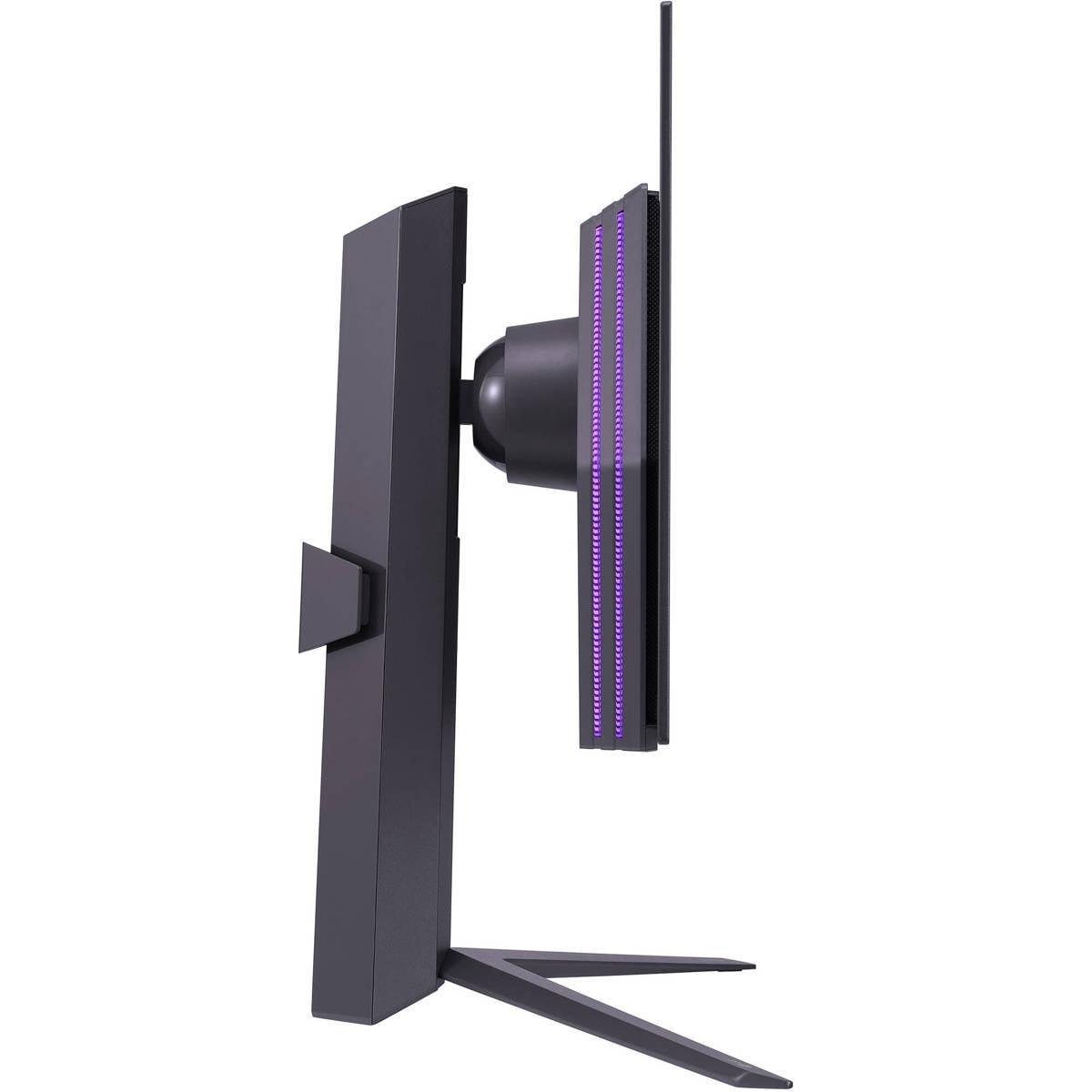
| Tilt only (limited positioning options) | Height, tilt, and swivel (full ergonomic adjustment) |
| Built-in Audio - Saves desk space but quality varies | |
| 2x 2W speakers included (basic but functional) | No built-in speakers (requires separate audio solution) |
| Release Year - Indicates how current the technology is | |
| 2019 (older design showing its age) | 2024 (cutting-edge current technology) |
| Target Use Case - Best applications for each monitor | |
| Casual gaming, basic office work, budget setups | Competitive gaming, content creation, premium entertainment |
The LG UltraGear 27" OLED QHD 240Hz is significantly better for competitive gaming. Its 240Hz refresh rate and 0.03ms response time provide exceptional motion clarity and reduced input lag compared to the Sceptre E275W-FW100T's 100Hz refresh rate and 5ms response time. The LG OLED virtually eliminates ghosting, giving competitive players a clear advantage in fast-paced games.
The primary difference is panel technology and performance level. The Sceptre E275W-FW100T uses budget-friendly VA panel technology with 1080p resolution, while the LG UltraGear 27" OLED features cutting-edge OLED technology with 1440p resolution. This translates to dramatically different image quality, motion clarity, and overall gaming performance.
Value depends on your budget and needs. The Sceptre E275W-FW100T offers excellent value for budget-conscious buyers, providing essential gaming features at an accessible price point. The LG UltraGear 27" OLED provides superior value for serious gamers and professionals who can justify the premium cost for cutting-edge performance and image quality.
Yes, the resolution difference is very noticeable. The Sceptre's 1080p resolution results in less sharp text and visible pixels on a 27-inch screen, while the LG OLED's 1440p resolution provides crisp, detailed visuals. For productivity work and modern gaming, the higher resolution of the LG monitor offers a significantly better experience.
The LG UltraGear 27" OLED QHD 240Hz is better suited for console gaming, especially with next-generation consoles. Its HDMI 2.1 connectivity supports the latest console features, while the Sceptre E275W-FW100T uses older HDMI 2.0 connections. The LG OLED also provides better image quality for console games.
The Sceptre E275W-FW100T has limited brightness at 280 nits, making it better suited for dim to moderately lit rooms. The LG UltraGear 27" OLED offers higher peak brightness capabilities, though both monitors perform best in controlled lighting conditions. For very bright rooms, consider the lighting in your setup when choosing between these options.
The LG UltraGear 27" OLED QHD 240Hz delivers superior color performance with 98.5% DCI-P3 coverage and perfect blacks thanks to OLED technology. While the Sceptre E275W-FW100T offers decent contrast with its VA panel, the LG OLED provides more vibrant colors and better HDR support for an enhanced entertainment experience.
The Sceptre E275W-FW100T includes built-in 2x2W speakers, which are basic but functional for users who want to save desk space. The LG UltraGear 27" OLED does not include built-in speakers, requiring separate audio equipment. This makes the Sceptre more convenient for simple setups.
For office work, the LG UltraGear 27" OLED QHD 240Hz is significantly better due to its higher 1440p resolution providing crisp text rendering. The Sceptre E275W-FW100T's 1080p resolution on a 27-inch screen results in less sharp text that can strain your eyes during extended work sessions. The LG monitor also offers better ergonomic adjustments.
The Sceptre E275W-FW100T, released in 2019, already shows its age with older connectivity and lower resolution. It may need replacement within 2-3 years as standards evolve. The LG UltraGear 27" OLED, released in 2024, features cutting-edge technology that should remain relevant for 5+ years, making it more future-proof despite the higher initial investment.
The LG UltraGear 27" OLED QHD 240Hz has dramatically better motion clarity with its 0.03ms response time and 240Hz refresh rate, virtually eliminating ghosting and motion blur. The Sceptre E275W-FW100T exhibits noticeable ghosting in fast-moving scenes due to its 5ms response time and VA panel characteristics. For any fast-paced content, the LG OLED provides superior performance.
Both the Sceptre E275W-FW100T and LG UltraGear 27" OLED QHD 240Hz support VESA mounting with 100mm x 100mm patterns. However, the LG monitor offers full ergonomic adjustments with its included stand (height, tilt, swivel), while the Sceptre only provides tilt adjustment, making wall mounting more attractive for the Sceptre if you need better positioning flexibility.
We've done our best to create useful and informative comparisons to help you decide what product to buy. Our research uses advanced automated methods to create this comparison and perfection is not possible - please contact us for corrections or questions. These are the sites we've researched in the creation of this article: pcvarge.com - walmart.com - cubed.run - productchart.com - displayninja.com - target.com - youtube.com - versus.com - youtube.com - youtube.com - sceptre.com - sceptre.com - bestbuy.com - bestbuy.com - youtube.com - rtings.com - youtube.com - youtube.com - lg.com - bhphotovideo.com - bestbuy.com - forum.beyond3d.com - youtube.com - lg.com - lg.com - lg.com - techpowerup.com - newegg.com - bestbuy.com - pcmonitors.info - lg.com - lg.com

Privacy Policy
Terms and Conditions - Affiliate Policy
Home Security
© Copyright 2008-2026.
11816 Inwood Rd #1211, Dallas, TX 75244