

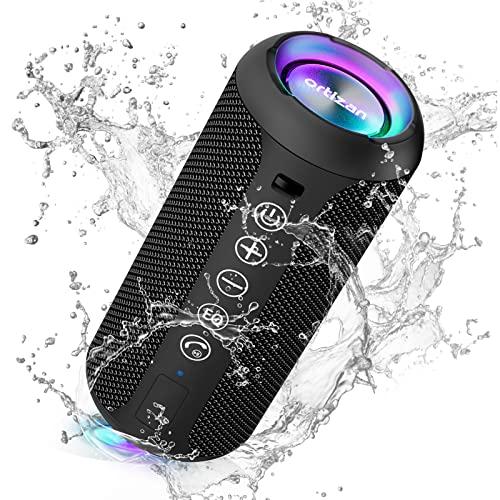
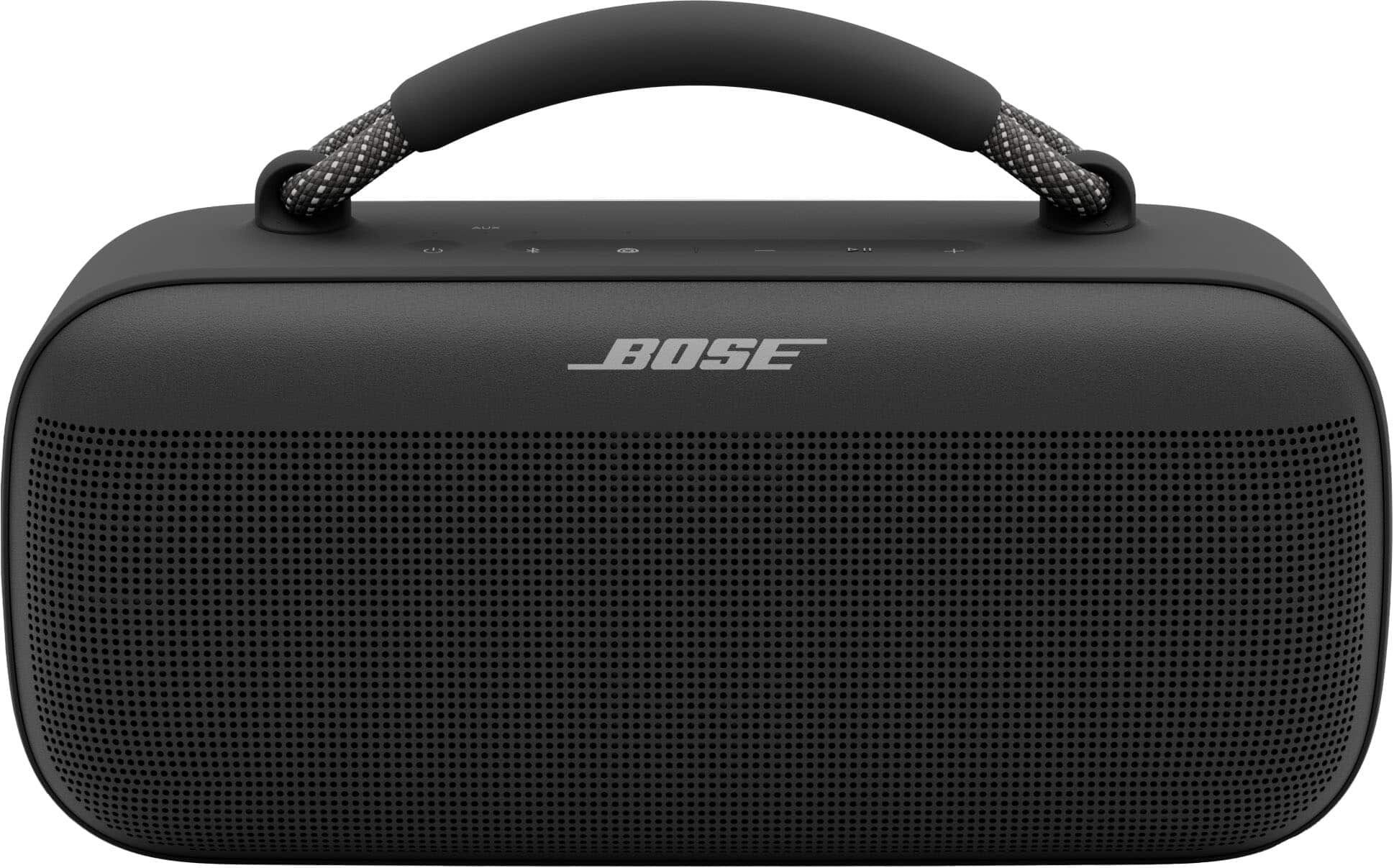
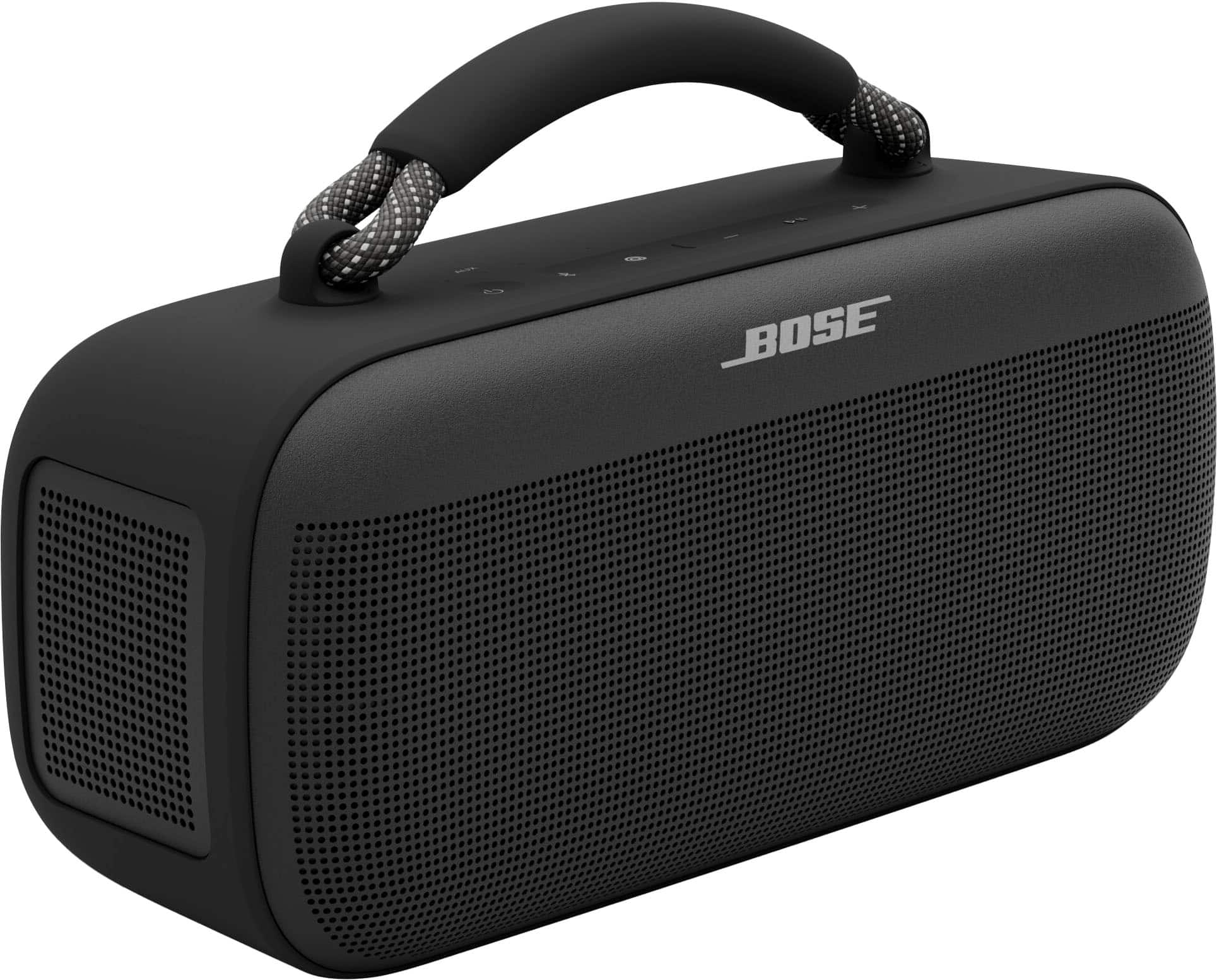
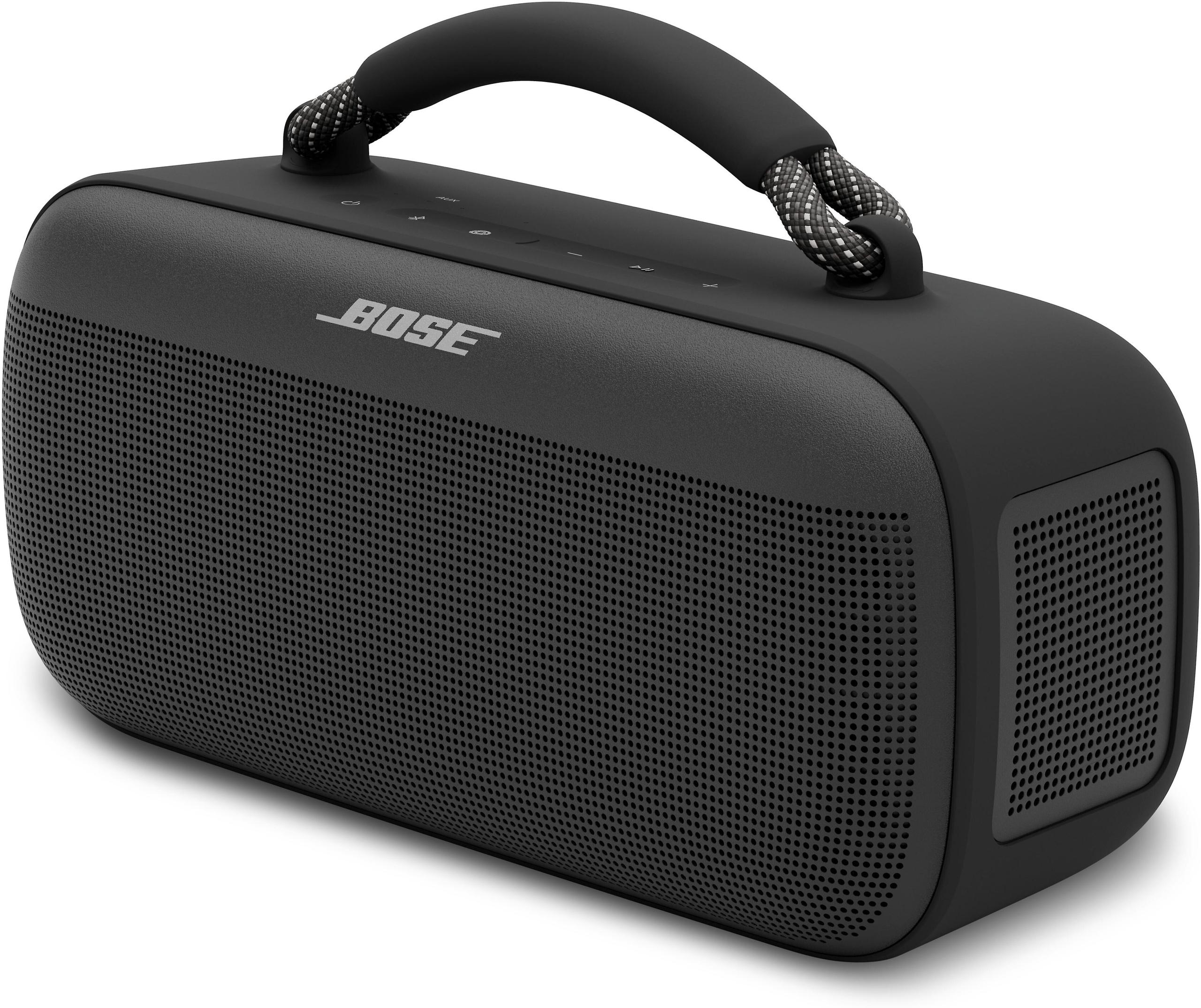
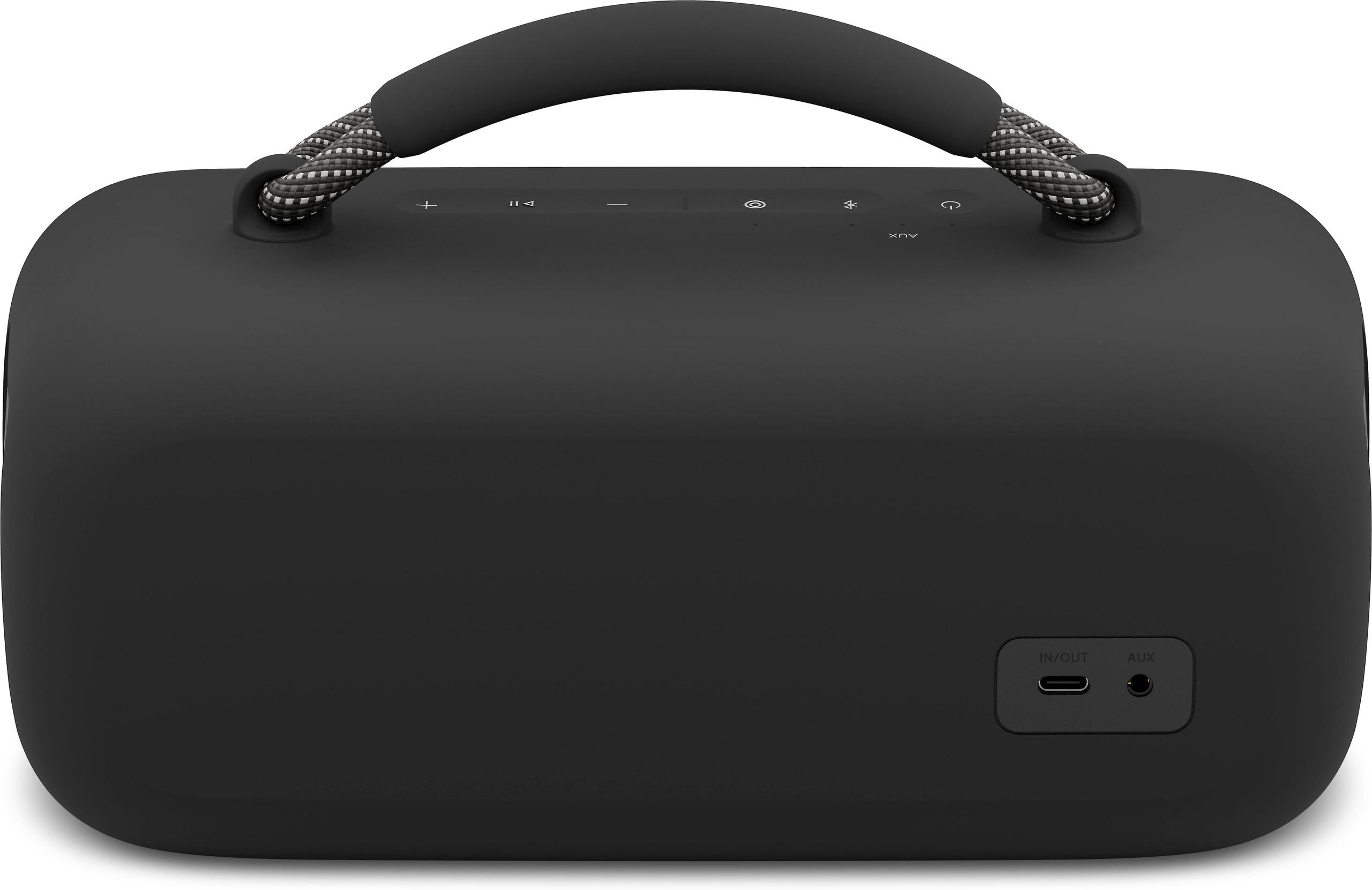


When it comes to portable Bluetooth speakers, the market offers an almost overwhelming range of choices. At one end, you have budget-friendly options that promise decent sound without breaking the bank. At the other, premium brands deliver audiophile-quality performance with price tags to match. Today, we're comparing two speakers that represent these different philosophies: the Ortizan X10 and the Bose SoundLink Max.
The portable speaker market has exploded over the past decade, with manufacturers constantly pushing boundaries in battery life, sound quality, and durability. Understanding what makes these speakers tick – and more importantly, which one fits your needs – requires looking beyond marketing claims to examine real-world performance and value.
Before diving into our comparison, it's worth understanding what separates good portable speakers from great ones. The key factors include driver technology (the components that actually produce sound), digital signal processing (computer algorithms that optimize audio), battery chemistry and management, and Bluetooth codec support (the methods used to compress and transmit audio wirelessly).
Modern speakers also incorporate features like True Wireless Stereo (TWS), which allows two identical speakers to work together as a stereo pair, and advanced waterproofing technologies that enable worry-free outdoor use. These innovations have transformed portable speakers from simple convenience items into legitimate alternatives to home audio systems for many listening scenarios.
The Ortizan X10 represents the "maximum value" approach that has gained popularity since around 2020. This speaker focuses on delivering the most features and longest battery life possible at an extremely accessible price point. Released during the pandemic when outdoor gatherings became more important, speakers like the X10 capitalized on demand for affordable, long-lasting portable audio.
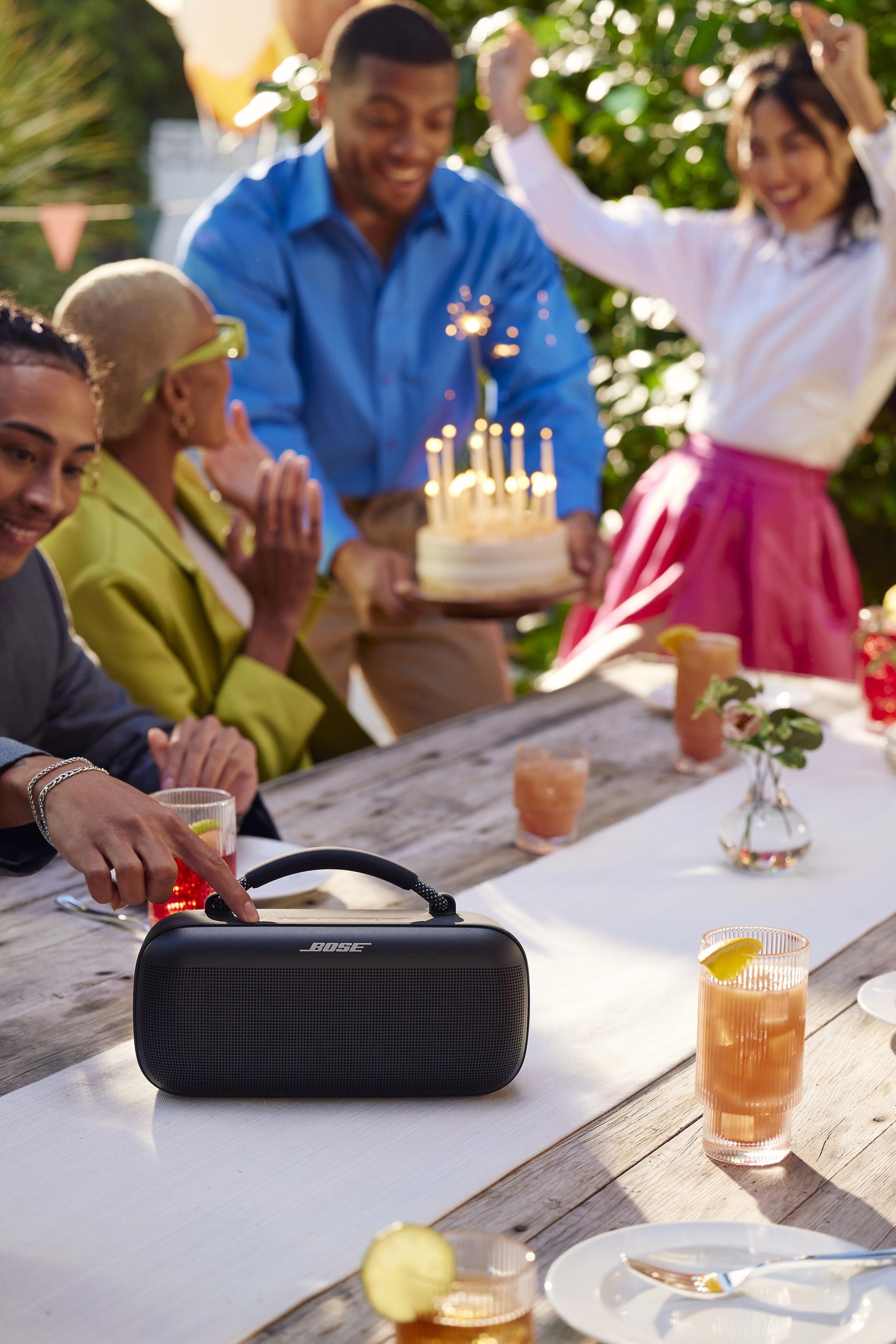
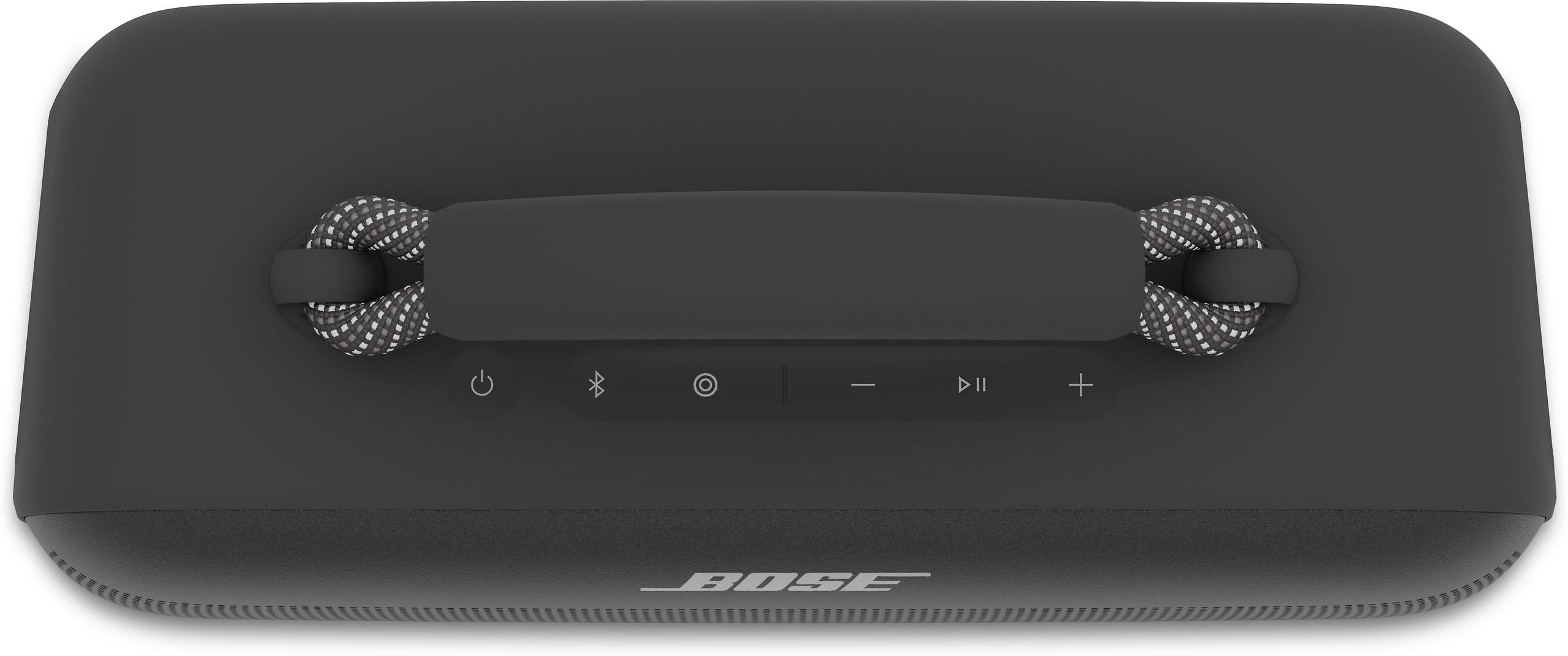
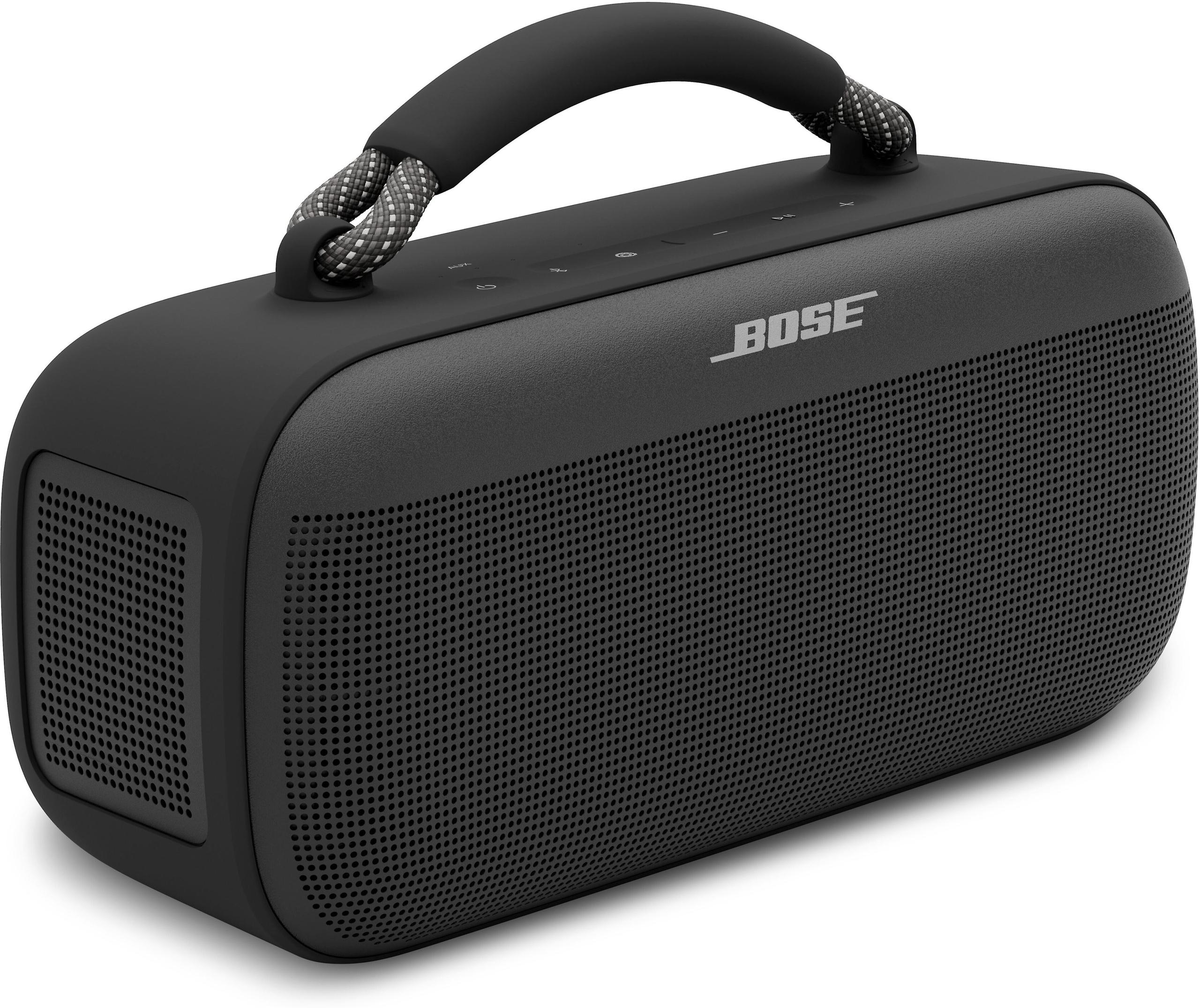
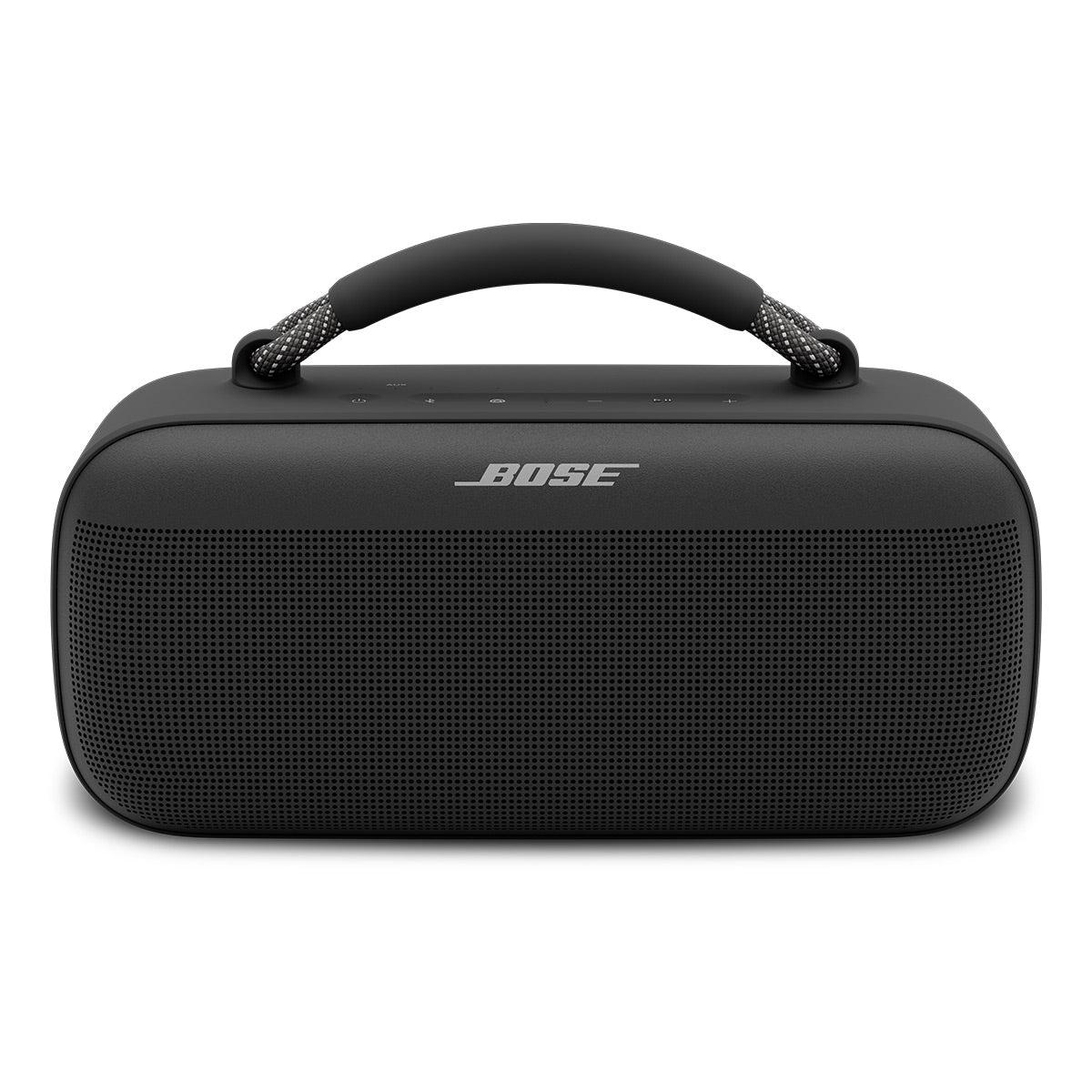
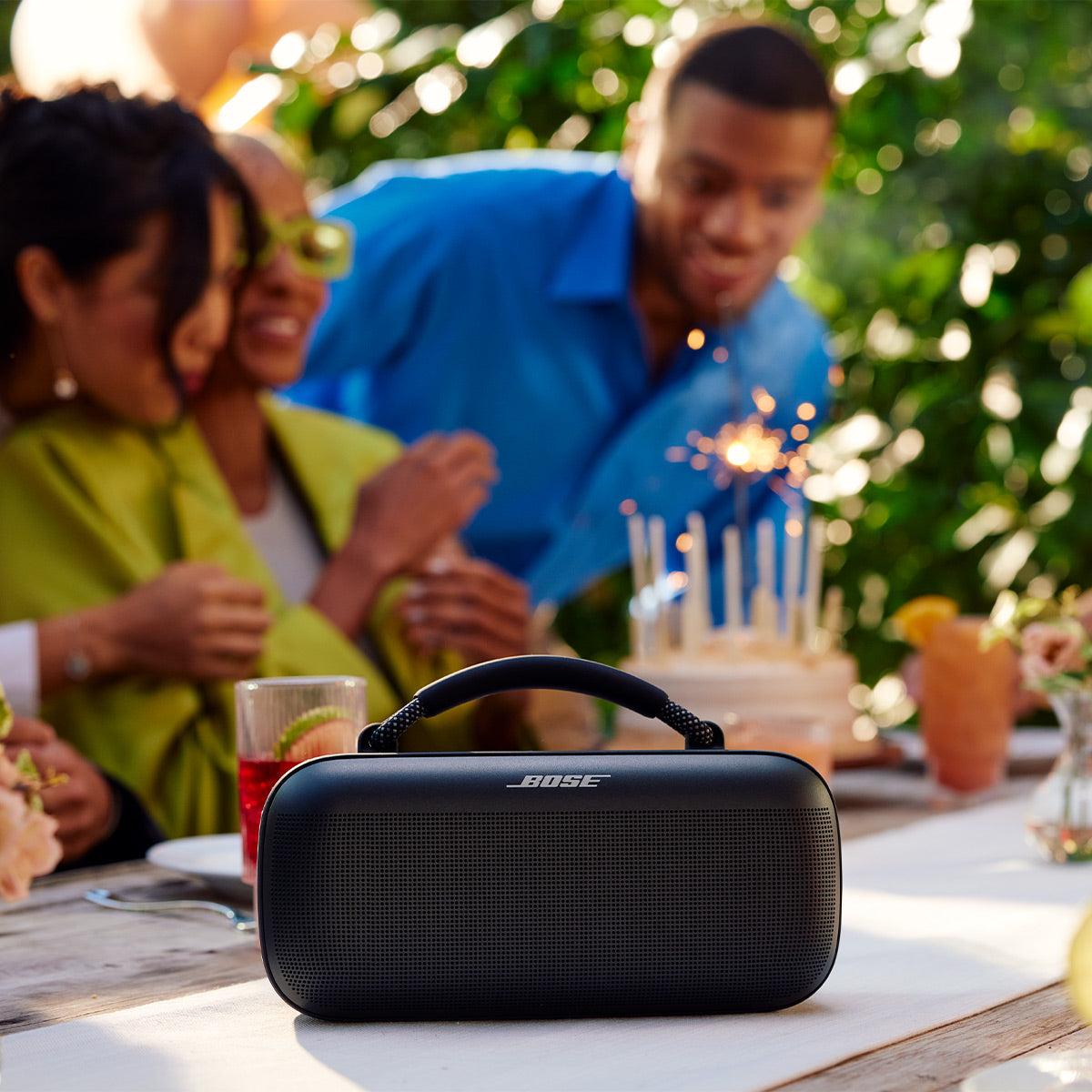
In contrast, the Bose SoundLink Max, released in 2024, embodies the premium approach. Bose has spent decades refining acoustic engineering, and the SoundLink Max represents their latest thinking on portable audio. Rather than competing on price, it aims to deliver the best possible sound quality and build materials in a portable package.
Sound quality remains the most important factor when choosing any speaker, and here the differences between our contenders become immediately apparent. The Ortizan X10 delivers 24 watts of total power through dual 12-watt drivers, which sounds impressive on paper. In reality, these specifications tell only part of the story.
The X10 uses what Ortizan calls "BASSBOOM" technology – essentially digital signal processing that enhances low frequencies. This works reasonably well at moderate volumes, providing satisfying bass response for casual listening. However, our research into user experiences reveals that the bass can become muddy and distorted when pushed to maximum volume. The overall sound signature tends toward a "V-shaped" response, emphasizing bass and treble while the midrange (where vocals live) can sound somewhat recessed.
The Bose SoundLink Max, meanwhile, takes a completely different approach. Rather than chasing high wattage numbers, Bose focuses on driver quality, acoustic design, and sophisticated digital processing. The result is what most listeners describe as a more "natural" or "balanced" sound signature. Vocals remain clear and present, bass extends deeper without becoming boomy, and the overall presentation maintains clarity even at high volumes.
This difference becomes particularly noticeable with complex music – orchestral pieces, busy rock tracks, or modern pop with heavy production. The Ortizan X10 can struggle to separate all the elements, while the Bose SoundLink Max maintains distinct instrument separation and spatial imaging that creates a more immersive listening experience.
For home theater use, these differences matter significantly. While neither speaker is designed as a primary home theater solution, both can serve as portable options for outdoor movie nights or bedroom viewing. The Bose SoundLink Max's superior dialogue clarity and dynamic range make it considerably better for this application, though you'll pay substantially more for the privilege.
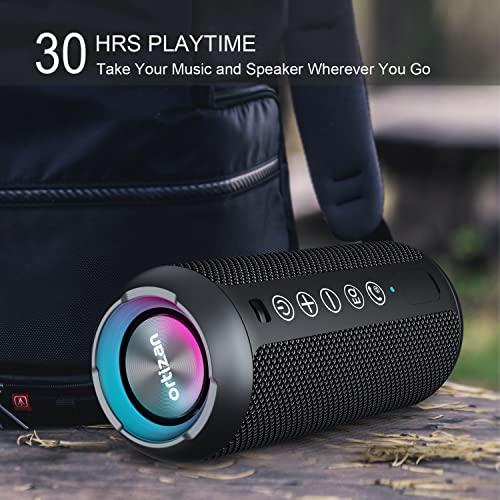
Battery performance represents one area where the Ortizan X10 clearly dominates. Its claimed 30-hour battery life at moderate volumes (around 65 decibels) is genuinely impressive and largely supported by real-world testing. This exceptional endurance comes from several factors: efficient Class D amplification, a large 3,600mAh battery, and relatively modest power consumption during typical use.
The Bose SoundLink Max offers a more modest but still respectable 20 hours of playback time. However, it includes a feature the X10 lacks: USB-C power output for charging your devices. This bidirectional charging capability means the SoundLink Max can serve as a backup battery for your phone during extended outdoor sessions – a genuinely useful feature that adds practical value beyond audio performance.
Charging times also differ significantly. The Ortizan X10 reaches full charge in under three hours, while the Bose SoundLink Max requires about five hours. For users who frequently forget to charge their devices, the X10's faster charging provides a notable convenience advantage.
The practical implications of these differences depend heavily on your usage patterns. For camping trips, multi-day festivals, or situations where charging opportunities are limited, the Ortizan X10's extended battery life becomes a decisive advantage. For typical daily use where you can charge overnight, the Bose SoundLink Max's power bank functionality might prove more valuable.
Physical construction reveals another clear distinction between these speakers. The Ortizan X10 uses primarily plastic construction optimized for cost-effectiveness and weight reduction. At just over one pound, it's genuinely portable in ways the heavier SoundLink Max cannot match. However, this lightweight construction comes with trade-offs in perceived quality and long-term durability.
The Bose SoundLink Max employs premium materials throughout: aluminum frames, steel reinforcement, silicone protective elements, and high-quality fabric coverings. This construction not only feels more substantial but also provides better protection against the kinds of accidents that can damage portable electronics.
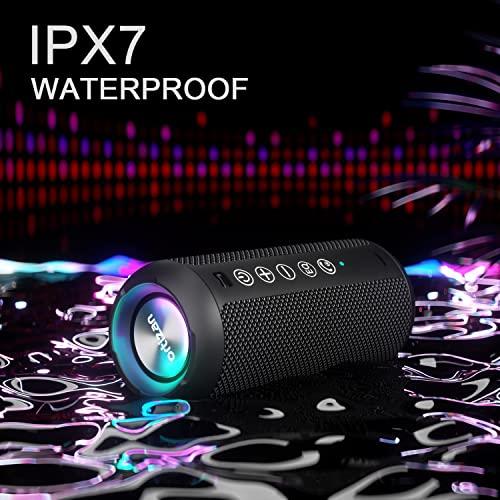
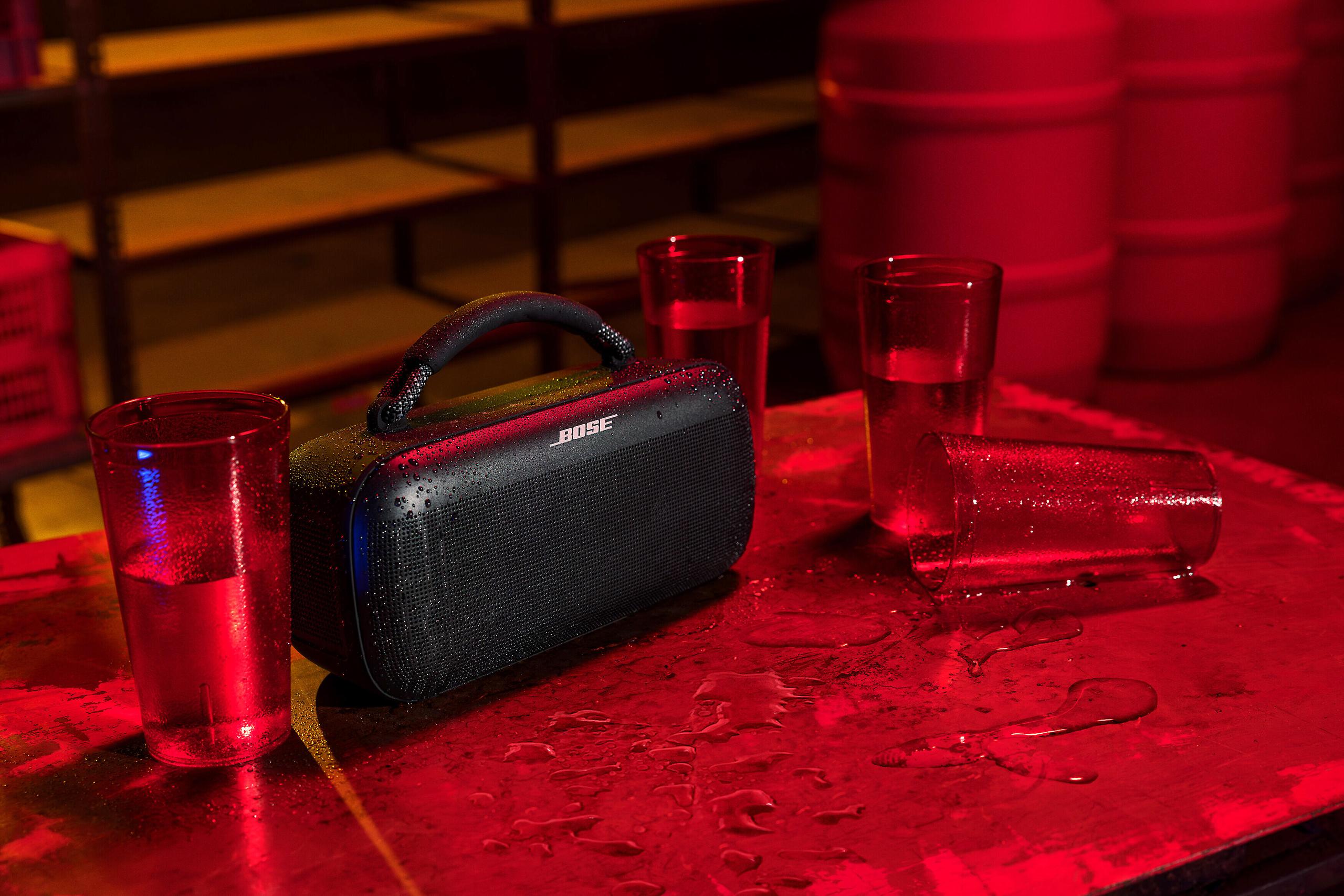
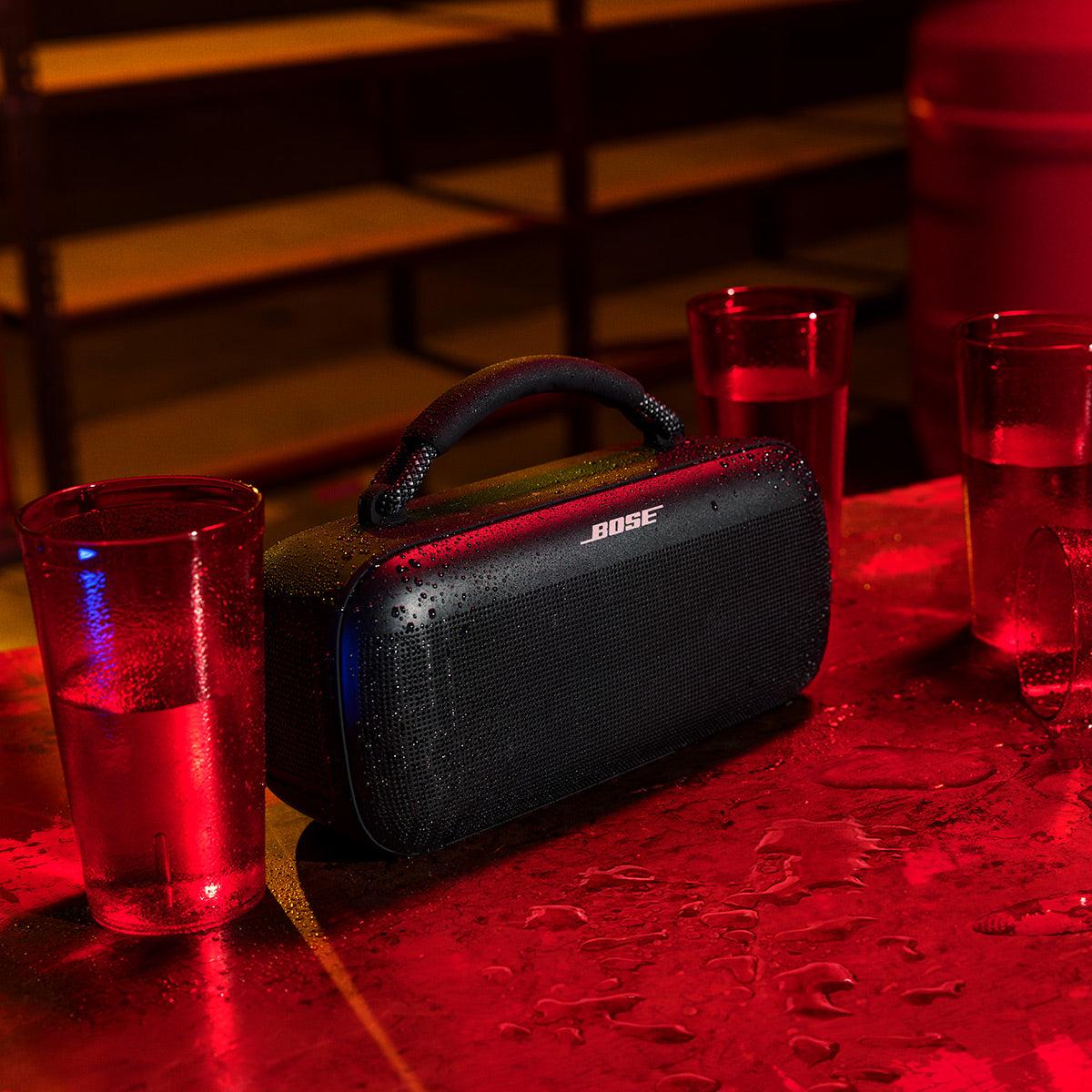
Both speakers offer impressive water resistance, but with different strengths. The Ortizan X10 carries an IPX7 rating, meaning it can survive submersion in up to three feet of water for 30 minutes. The Bose SoundLink Max uses IP67 rating – the "6" indicates complete dust protection while maintaining similar water resistance. For beach use or dusty environments, this dust protection becomes genuinely important.
The long-term durability implications are significant. While both speakers should survive normal use, the Bose SoundLink Max's superior materials and construction suggest it will maintain performance and appearance longer. This durability advantage partially justifies the premium pricing, especially for users who plan to keep their speaker for several years.
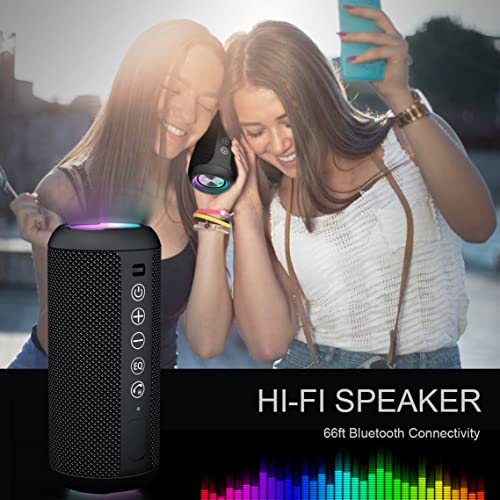
Bluetooth connectivity represents an area where technological advancement continues rapidly. The Ortizan X10 uses Bluetooth 5.0 or 5.3 (depending on manufacturing batch), providing solid connectivity with a claimed range of up to 66 feet. In practice, this range proves optimistic – expect closer to 40-50 feet in typical environments with obstacles.
The Bose SoundLink Max employs the newer Bluetooth 5.4 standard along with advanced codec support including aptX Adaptive and Snapdragon Sound. These technologies matter primarily for Android users with compatible devices, potentially providing lower latency and better audio quality during wireless transmission. iPhone users won't benefit from these advanced codecs due to Apple's preference for their AAC codec.
Multi-point connectivity represents a significant advantage for the Bose SoundLink Max. This feature allows simultaneous connection to two devices, automatically switching between them based on which is actively playing audio. For users juggling phone calls and music from different devices, this seamless switching eliminates the constant pairing and unpairing that plagues single-connection speakers.
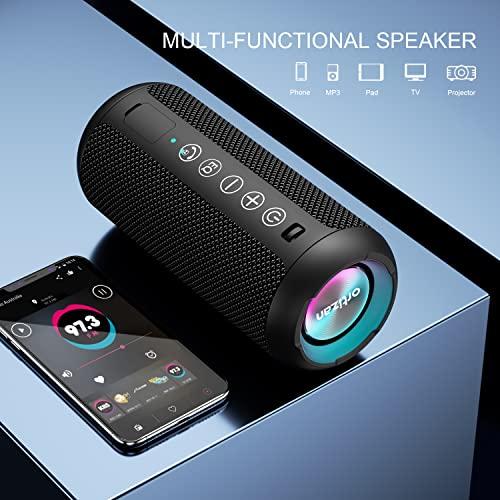
The Ortizan X10 compensates with broader input flexibility, including a 3.5mm auxiliary input and microSD card slot supporting up to 32GB. This offline playback capability proves valuable for areas with poor cellular coverage or when conserving phone battery. The ability to load music directly onto a memory card and play it without any wireless connection represents genuine flexibility that the Bose SoundLink Max cannot match.
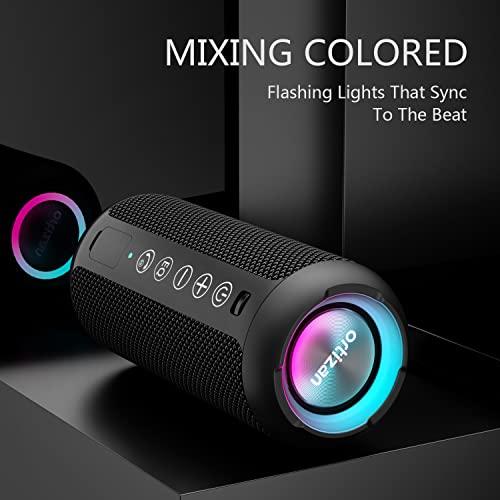
RGB lighting might seem like a gimmick, but the Ortizan X10's light show genuinely enhances certain listening experiences. The lights pulse and change colors in sync with music, creating visual interest that particularly appeals to younger users or party situations. While you can disable the lights to extend battery life, their inclusion adds entertainment value that purely audio-focused speakers lack.
The Bose SoundLink Max takes a more utilitarian approach, focusing features on audio performance rather than visual effects. Its SimpleSync technology allows connection with other Bose smart speakers and soundbars, enabling whole-home audio systems for users already invested in the Bose ecosystem. This integration capability represents sophisticated functionality, but only benefits users with compatible Bose products.
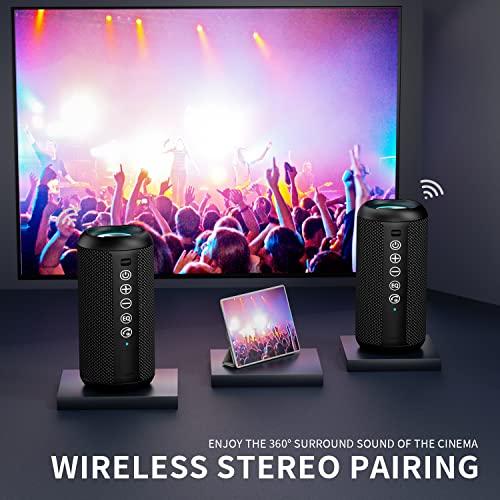
True Wireless Stereo pairing works on both speakers, allowing two identical units to create a proper stereo soundstage. However, the implementation quality differs. The Ortizan X10 provides basic stereo separation, while the Bose SoundLink Max's more sophisticated processing creates better instrument placement and spatial imaging when paired.
At the time of writing, these speakers occupy vastly different price segments. The Ortizan X10 typically costs less than a nice dinner for two, while the Bose SoundLink Max commands premium pricing comparable to high-end headphones. This price difference – often approaching 10x – means they're not directly competing for the same customers.
The Ortizan X10 delivers remarkable value by prioritizing features that matter most to budget-conscious users: long battery life, adequate sound quality, and useful extras like RGB lighting. For students, casual listeners, or anyone wanting a capable speaker without significant financial commitment, it represents excellent value.
The Bose SoundLink Max justifies its premium pricing through superior audio engineering, premium materials, and advanced features. For audiophiles, professionals, or users who consider their speaker a long-term investment, the additional cost brings tangible benefits in performance and durability.
While neither speaker is designed as a primary home theater solution, both can serve supplementary roles. The Ortizan X10 works adequately for casual bedroom viewing or outdoor movie nights where convenience matters more than audio fidelity. Its light weight and long battery life make it ideal for impromptu viewing situations.
The Bose SoundLink Max performs significantly better for home theater applications. Its superior dialogue clarity, better dynamic range, and more accurate frequency response make movies and TV shows more engaging. While it won't replace a proper soundbar or surround system, it provides a substantial upgrade over TV speakers and works well for smaller spaces or temporary setups.
The decision between these speakers largely depends on your priorities and budget constraints. Choose the Ortizan X10 if you need maximum battery life, want the most features for the least money, or prioritize portability above all else. It's particularly well-suited for outdoor activities, student life, or situations where losing or damaging the speaker wouldn't be financially devastating.
Select the Bose SoundLink Max if audio quality is paramount, you want the best build materials and construction, or you need advanced features like device charging and multi-point connectivity. It makes sense for audio enthusiasts, professionals who rely on their speaker regularly, or anyone wanting a premium product that will last for years.
The Ortizan X10 excels as a secondary speaker – something you can throw in a backpack for camping, keep in the garage for project work, or use poolside without worry. The Bose SoundLink Max works better as a primary portable speaker – your go-to choice for serious listening, home use, and situations where performance matters more than cost.
Both speakers succeed at their intended purposes, but they're solving different problems for different users. Understanding which category you fall into will make the choice obvious, despite the dramatic differences in approach and pricing between these two capable but very different portable speakers.
| Ortizan X10 Portable Bluetooth Speaker 24W | Bose SoundLink Max Portable Bluetooth Speaker |
|---|---|
| Audio Output Power - Higher watts don't always mean better sound quality | |
| 24W total (2 × 12W drivers) with BASSBOOM bass enhancement | Undisclosed wattage but superior driver technology and acoustic tuning |
| Battery Life - Critical for extended outdoor use and travel | |
| Up to 30 hours at moderate volume (industry-leading endurance) | Up to 20 hours plus USB-C power bank for charging devices |
| Size and Weight - Determines true portability for hiking, travel | |
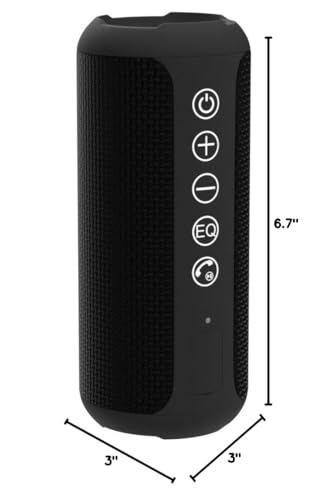
| 6.7" × 3" × 3", weighs 1.14 lbs (genuinely pocket-friendly) | 10.42" × 4.73" × 4.13", weighs 4.9 lbs (better for stationary use) |
| Water/Dust Protection - Essential for pool, beach, outdoor activities | |
| IPX7 (submersible to 3 feet, no dust protection) | IP67 (dust-tight plus water resistant - better for sandy/dusty environments) |
| Bluetooth Technology - Affects connection stability and audio quality | |
| Bluetooth 5.0/5.3, 66ft range, basic codec support | Bluetooth 5.4, 30ft range, aptX Adaptive and Snapdragon Sound |
| Multi-Device Connectivity - Important for seamless switching between phone/laptop | |
| Single device connection, manual switching required | Multi-point: connects to 2 devices simultaneously with automatic switching |
| Input Options - Flexibility for different audio sources | |
| Bluetooth, 3.5mm aux, microSD card slot (up to 32GB, offline playback) | Bluetooth, 3.5mm aux, USB-C (no memory card slot) |
| Special Features - Entertainment and convenience additions | |
| RGB light show synced to music, built-in microphone for calls | Phone charging via USB-C, SimpleSync with other Bose speakers |
| Build Materials - Affects durability and long-term value | |
| Plastic construction optimized for weight and cost | Premium aluminum, steel, silicone, fabric - built for longevity |
| Stereo Pairing - Enhances sound when using two speakers | |
| True Wireless Stereo (TWS) with basic stereo separation | TWS with sophisticated processing and better spatial imaging |
| Charging Speed - Matters when you forget to charge overnight | |
| Under 3 hours to full charge via USB-C | 5 hours to full charge via USB-C |
| Price Category - Determines value proposition and target market | |
| Budget-friendly (under $50 range) | Premium pricing (high-end portable speaker category) |
The Bose SoundLink Max delivers significantly better sound quality with superior driver technology, balanced frequency response, and clearer dialogue. The Ortizan X10 provides adequate sound for casual listening but can distort at maximum volume and has a less refined audio signature.
The Ortizan X10 offers exceptional 30-hour battery life at moderate volumes, making it ideal for extended outdoor use. The Bose SoundLink Max provides 20 hours of playback but includes USB-C power output to charge your phone, adding practical value beyond just speaker runtime.
The Ortizan X10 is significantly more portable, weighing just 1.14 pounds and measuring 6.7" × 3" × 3". The Bose SoundLink Max weighs 4.9 pounds and is much larger, making it better suited for stationary use or car-based activities rather than backpacking.
Both speakers offer water protection but with different strengths. The Ortizan X10 has IPX7 rating for submersion up to 3 feet. The Bose SoundLink Max features IP67 rating, which includes dust protection - better for sandy beaches and dusty environments.
The Bose SoundLink Max supports multi-point connectivity, allowing simultaneous connection to two devices with automatic switching. The Ortizan X10 connects to one device at a time, requiring manual reconnection when switching between devices.
The Ortizan X10 provides exceptional value with 30-hour battery life, RGB lighting, and multiple input options at a budget-friendly price. The Bose SoundLink Max justifies its premium pricing through superior audio quality, build materials, and advanced features for serious listeners.
The Ortizan X10 excels at outdoor parties with its RGB light show, 30-hour battery life, and True Wireless Stereo pairing for bigger sound. The Bose SoundLink Max offers better audio quality but lacks visual effects and has shorter battery life for all-day events.
The Bose SoundLink Max performs much better for home theater use with superior dialogue clarity, dynamic range, and balanced sound. While the Ortizan X10 can work for casual bedroom viewing, it's not ideal for serious movie watching due to audio limitations.
The Ortizan X10 offers more input flexibility with Bluetooth, 3.5mm aux, and microSD card slot for offline playback. The Bose SoundLink Max focuses on advanced Bluetooth features like aptX Adaptive and SimpleSync with other Bose products.
The Bose SoundLink Max uses premium materials including aluminum, steel, and silicone for superior long-term durability. The Ortizan X10 uses plastic construction optimized for weight and cost, making it adequate for normal use but less robust over time.
Both speakers support True Wireless Stereo pairing. The Ortizan X10 provides basic stereo separation when paired, while the Bose SoundLink Max offers more sophisticated processing with better instrument placement and spatial imaging.
The Ortizan X10 is ideal for camping and hiking due to its lightweight design, 30-hour battery life, and multiple charging options including solar compatibility. The Bose SoundLink Max is too heavy and bulky for serious outdoor activities where weight matters.
We've done our best to create useful and informative comparisons to help you decide what product to buy. Our research uses advanced automated methods to create this comparison and perfection is not possible - please contact us for corrections or questions. These are the sites we've researched in the creation of this article: reviewindetail.com - manuals.plus - newegg.com - walmart.com - nerdtechy.com - aliexpress.com - youtube.com - h5.lazada.com.ph - youtube.com - manuals.plus - walmart.com - ortizan.com - youtube.com - youtube.com - ubuy.com.pk - manuals.plus - youtube.com - aliexpress.com - aliexpress.com - ortizan.com - youtube.com - heartwood.church - device.report - staples.com - 365wholesale.com - bose.com - bose.com - bestbuy.com - soundguys.com - staples.com - techforless.com - bestbuy.com - assets.bose.com

Privacy Policy
Terms and Conditions - Affiliate Policy
Home Security
© Copyright 2008-2026.
11816 Inwood Rd #1211, Dallas, TX 75244