

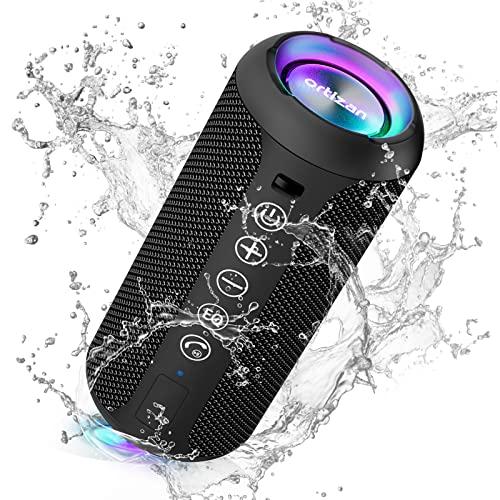
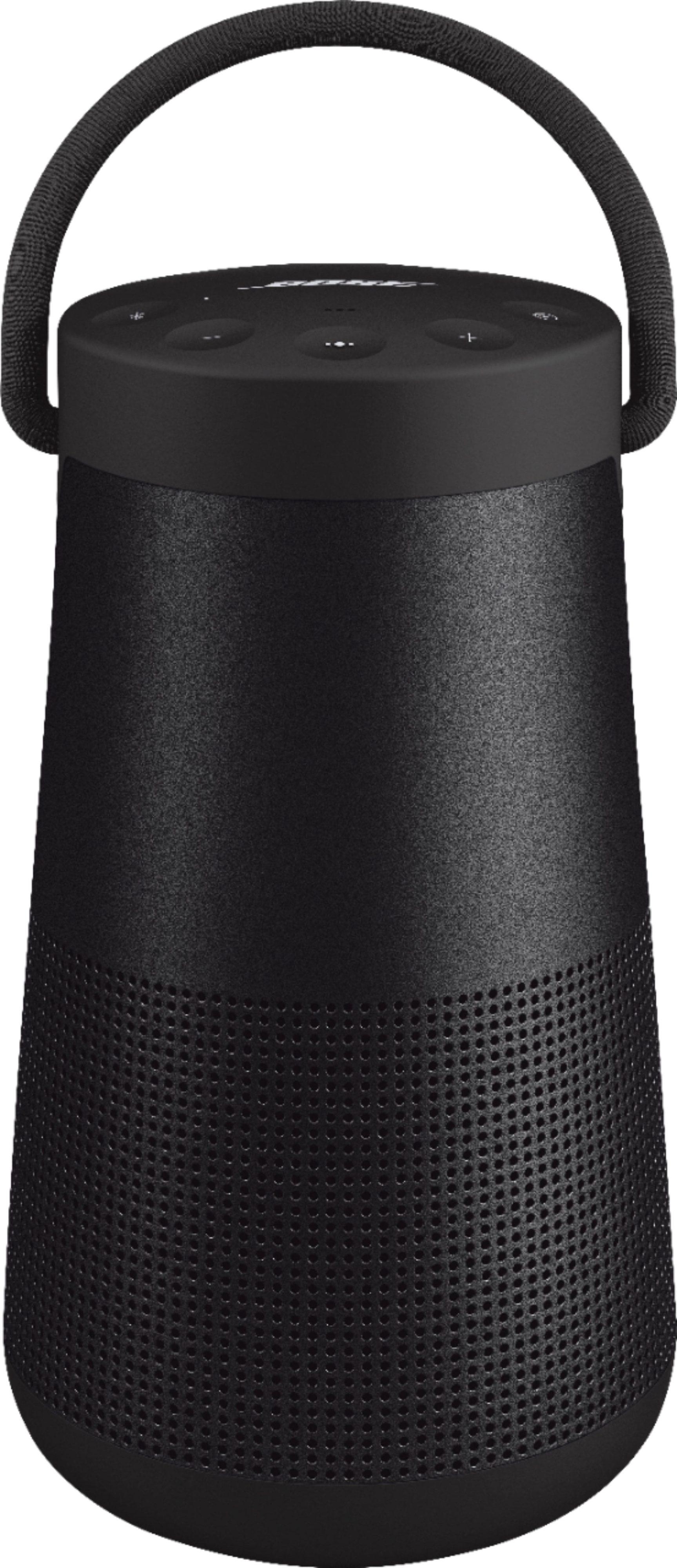
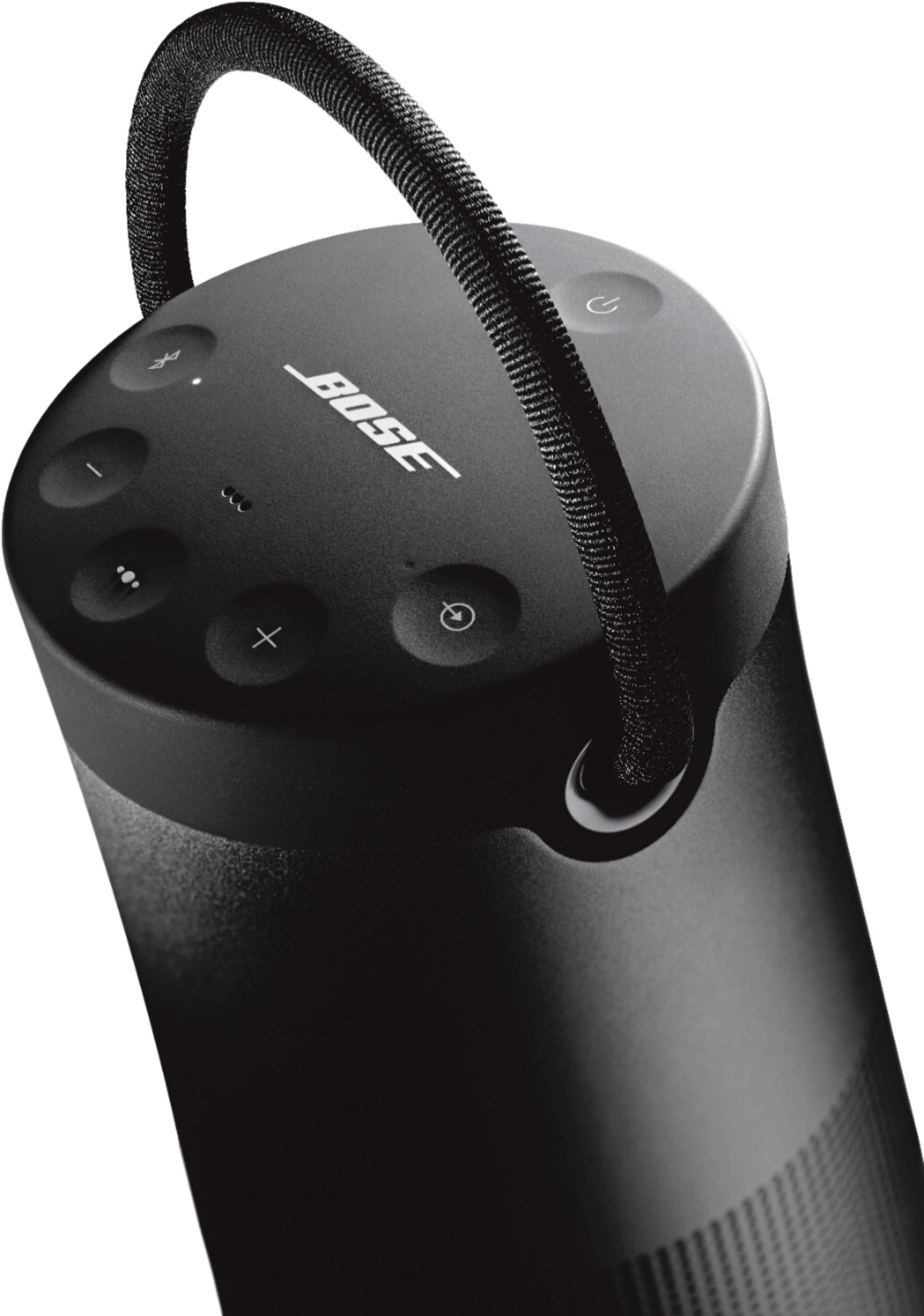
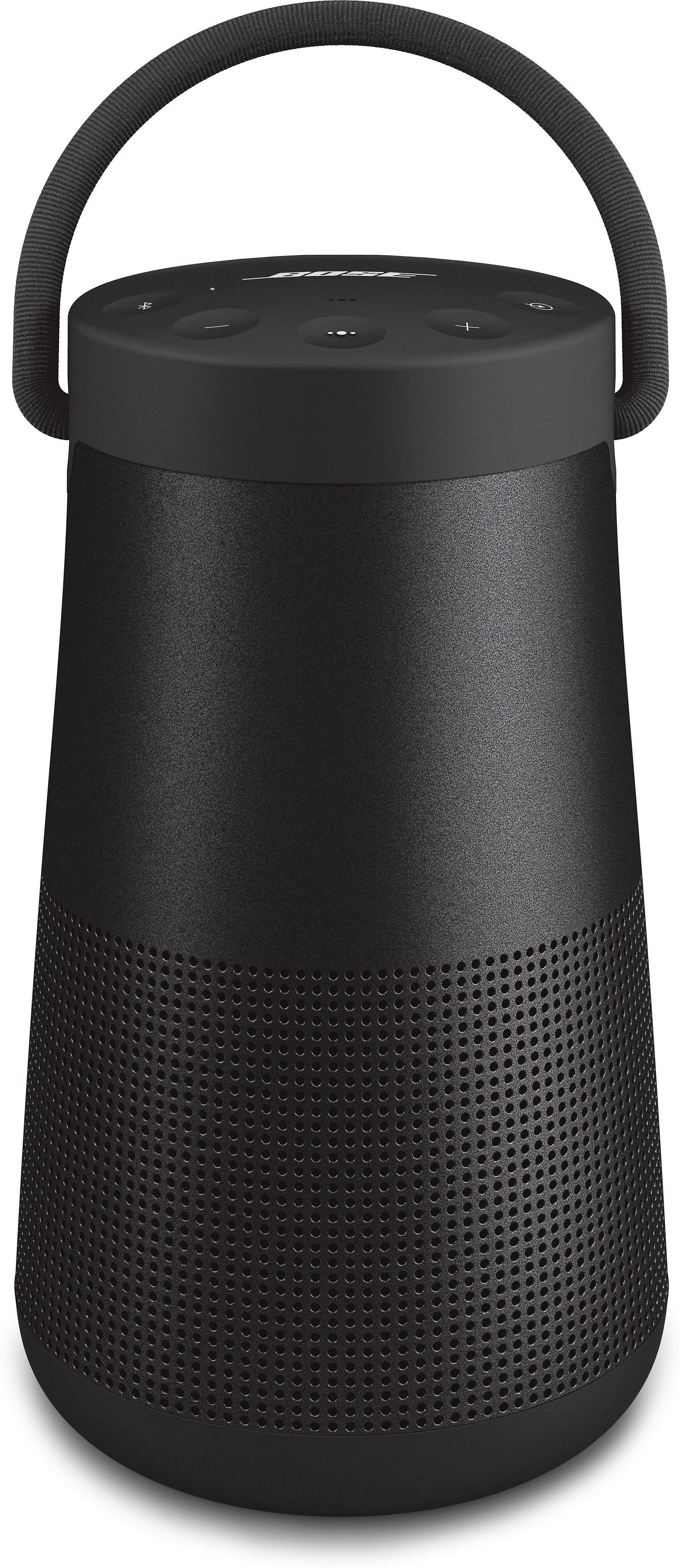
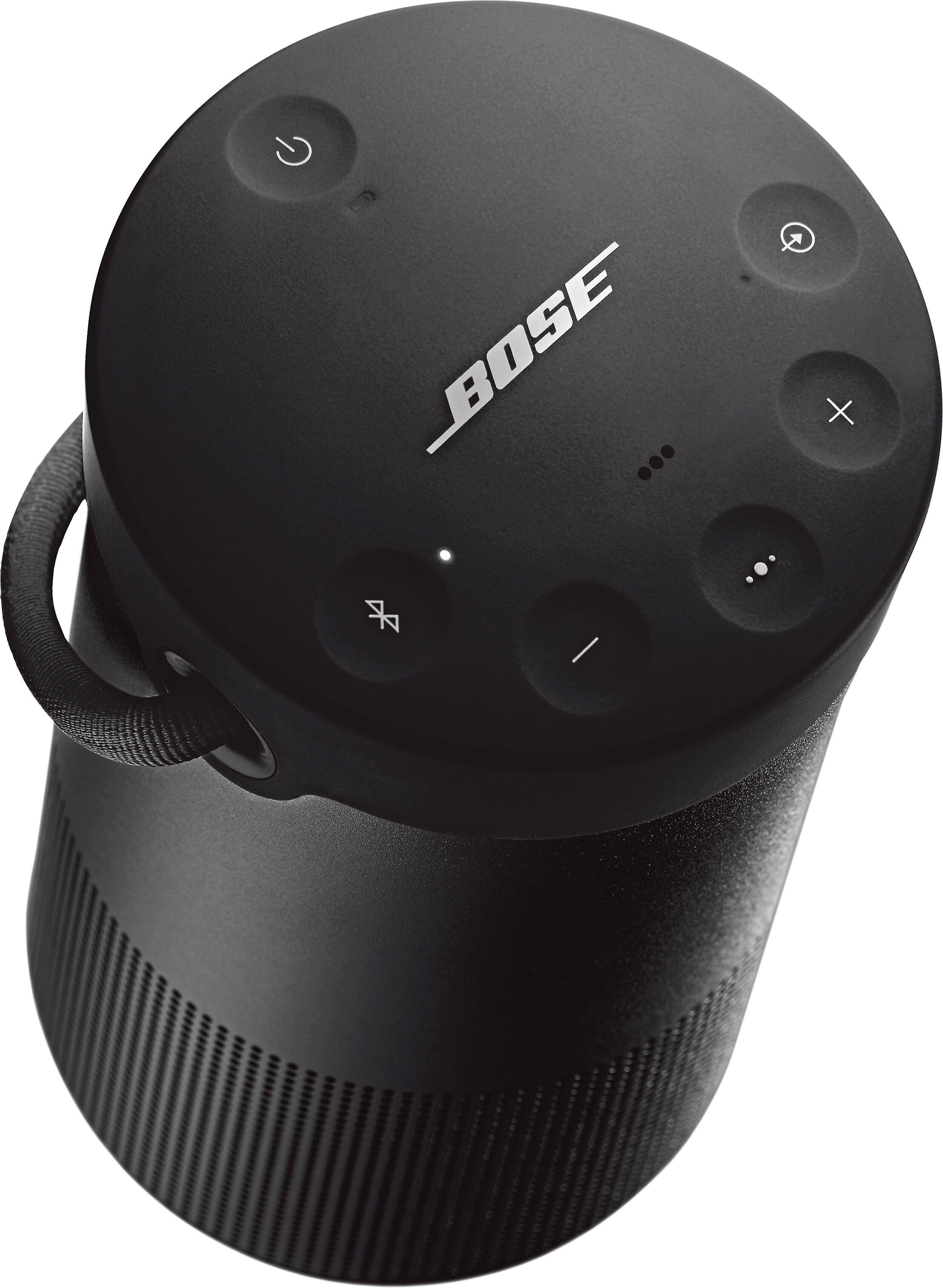
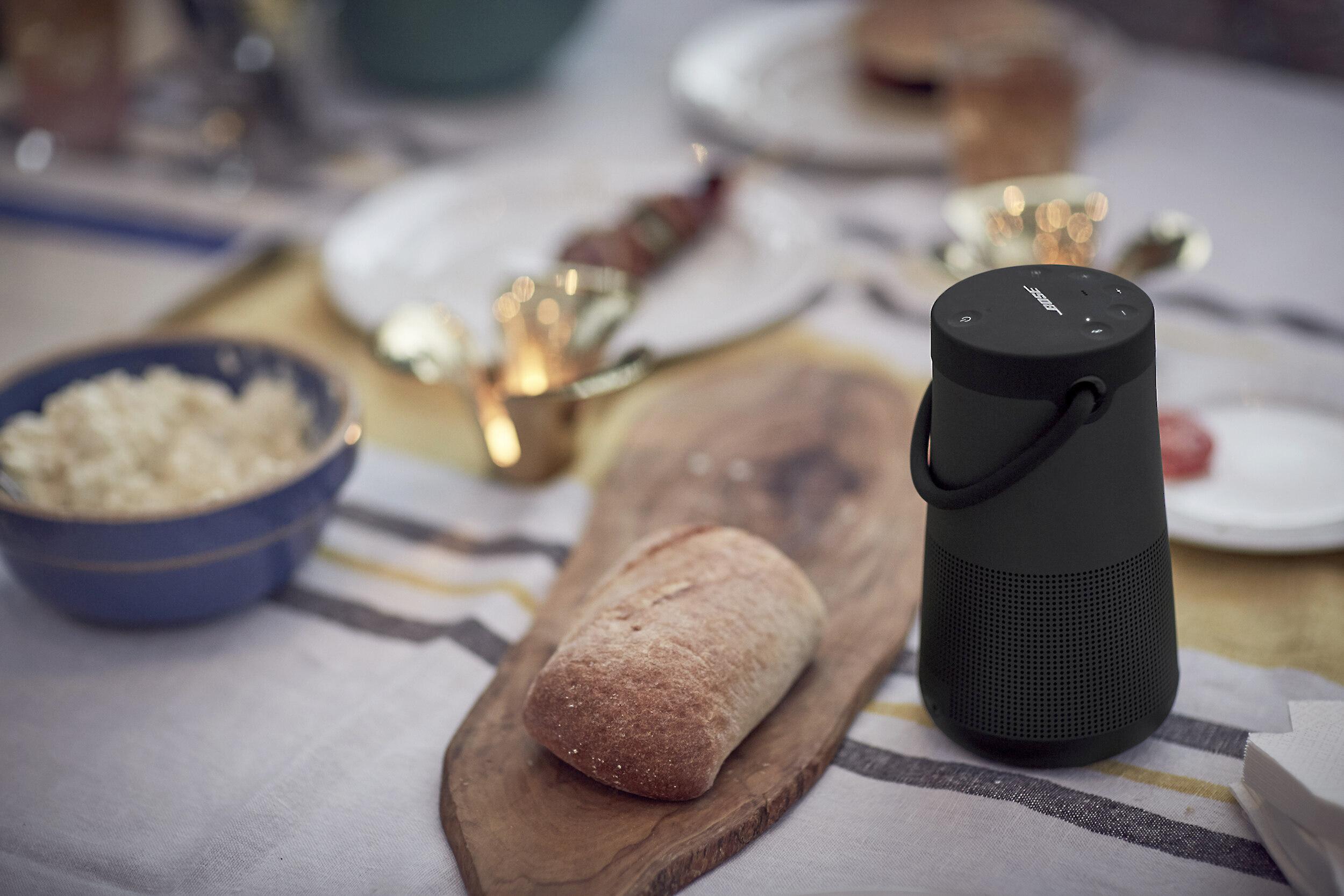
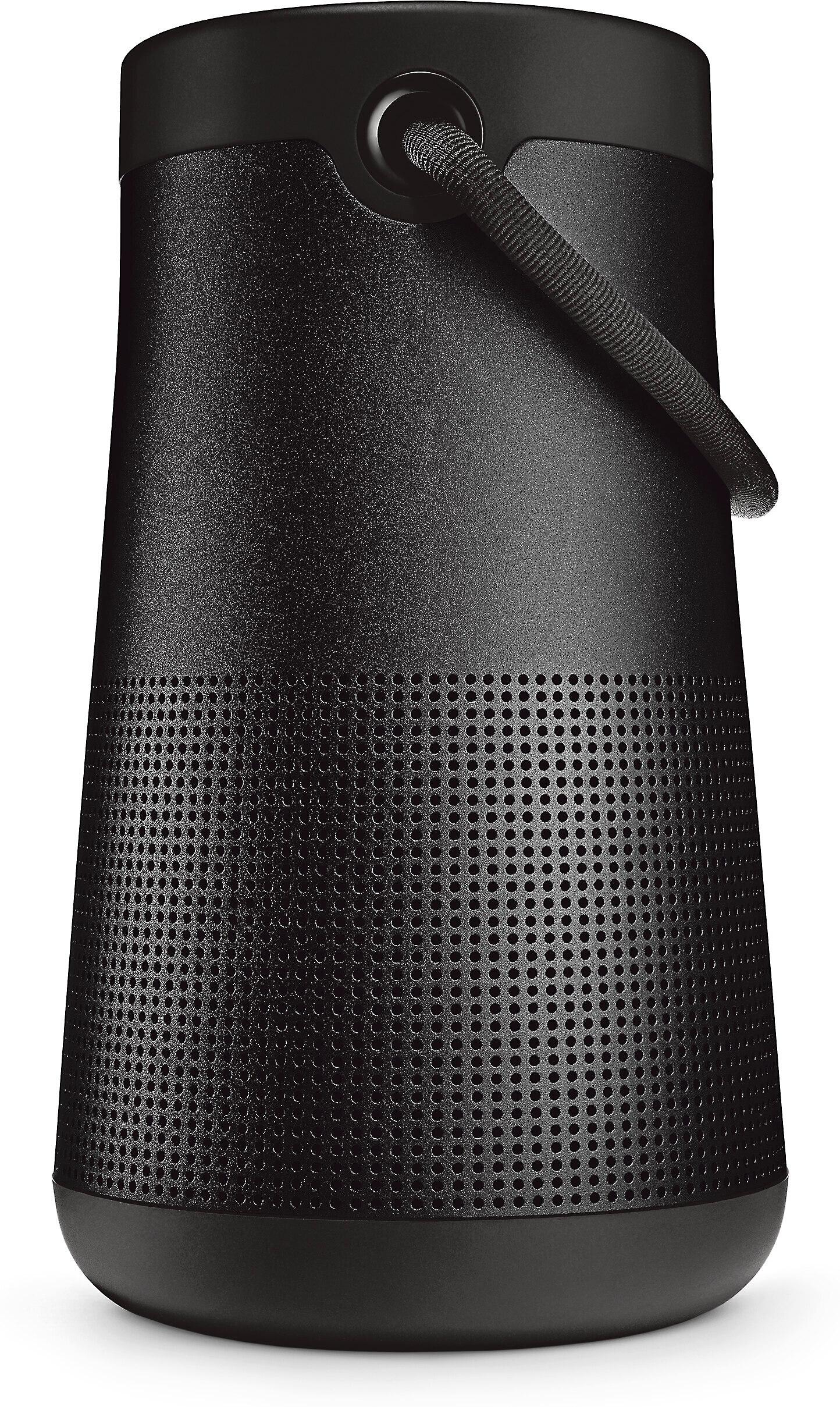
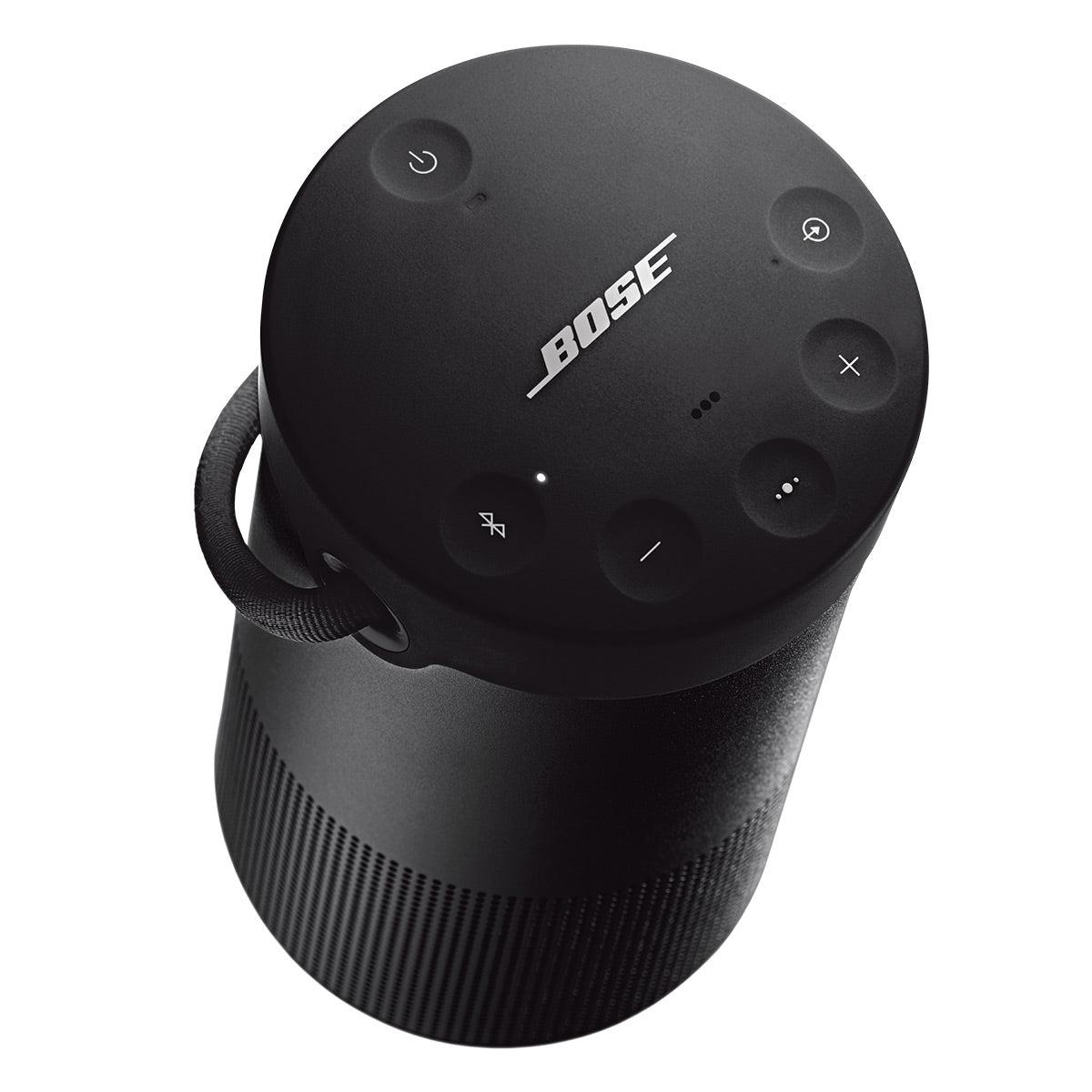
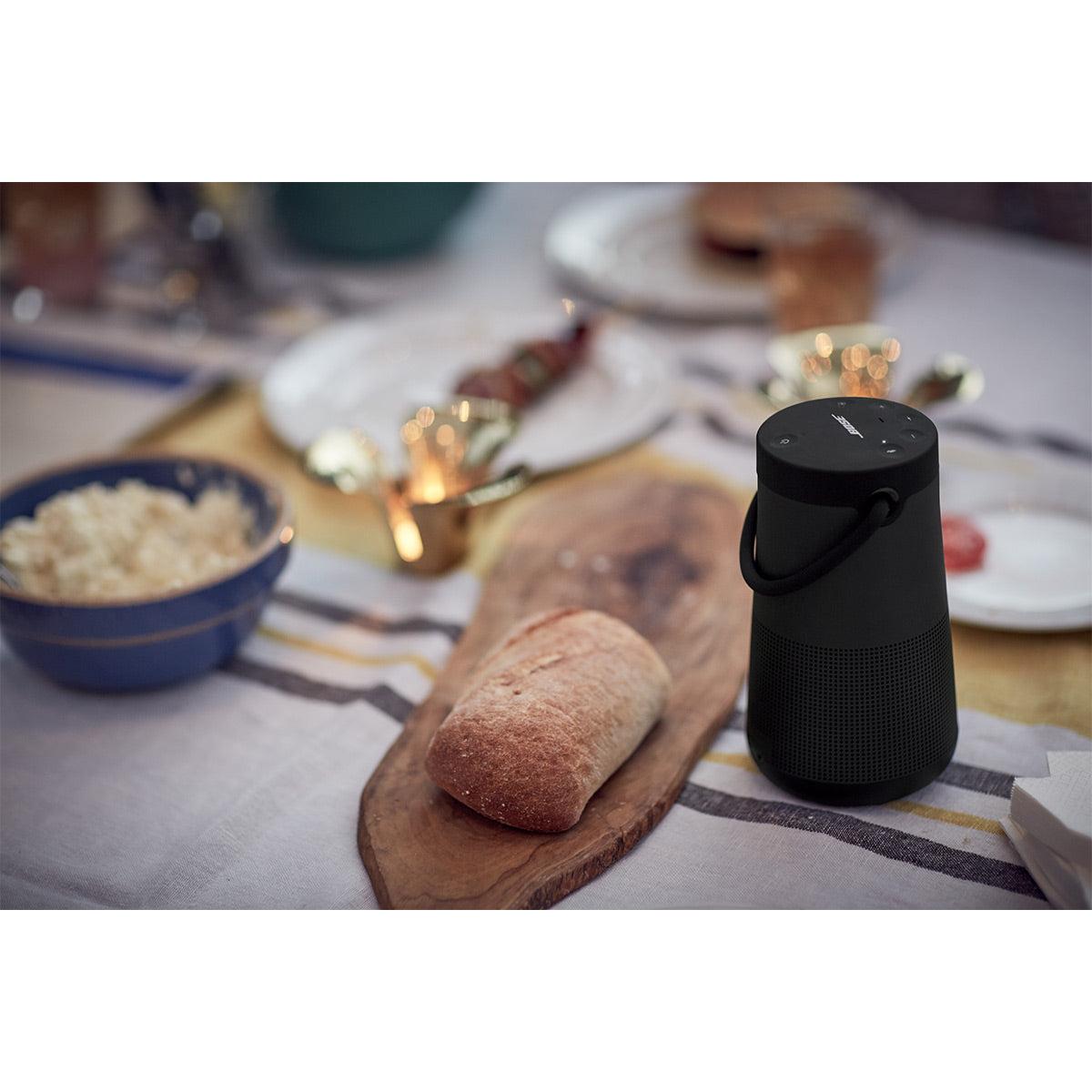

When it comes to portable audio, the Bluetooth speaker market has exploded with options ranging from ultra-budget picks to premium audiophile choices. Today, we're diving deep into two speakers that represent dramatically different philosophies: the Ortizan X10, a powerhouse focused on maximum battery life and outdoor durability, and the Bose SoundLink Revolve+ II, a premium speaker that prioritizes sophisticated audio engineering and 360-degree sound dispersion.
These aren't just different price points—they're fundamentally different approaches to portable audio. Understanding which philosophy aligns with your needs will save you from buyer's remorse and help you get the most value from your investment.
Before we dive into specifics, it's worth understanding what separates good portable speakers from mediocre ones. The core challenge is physics: cramming quality drivers (the components that actually produce sound), adequate amplification, and long-lasting batteries into a package small enough to carry around. This creates inevitable compromises.
Sound quality depends on several factors. Driver size matters—larger drivers generally produce better bass response because they can move more air. However, portable speakers often compensate with clever engineering like passive radiators (unpowered drivers that vibrate sympathetically to enhance bass) or digital signal processing (DSP), which uses computer algorithms to optimize the sound output.
Battery life varies dramatically based on volume levels, the efficiency of the amplifier, and the capacity of the internal battery. Manufacturers often quote battery life at moderate volumes (usually around 65 decibels, roughly the volume of normal conversation), but real-world performance at party volumes can be significantly shorter.
Durability ratings use the IP (Ingress Protection) system. The first number indicates dust protection (0-6 scale), while the second covers water resistance (0-9 scale). An IPX7 rating means the device can handle full submersion, while IP55 means it's protected against water jets but not submersion.
The Ortizan X10 emerged around 2022 as part of the budget speaker market's push toward offering premium features at accessible price points. At the time of writing, it sits firmly in the budget category while delivering specifications that would have been considered high-end just a few years ago.
The Bose SoundLink Revolve+ II launched in 2021 as an evolution of Bose's innovative cylindrical speaker design. It represents Bose's commitment to their omnidirectional audio philosophy—the idea that speakers shouldn't have a "sweet spot" but should sound good from any position around them.
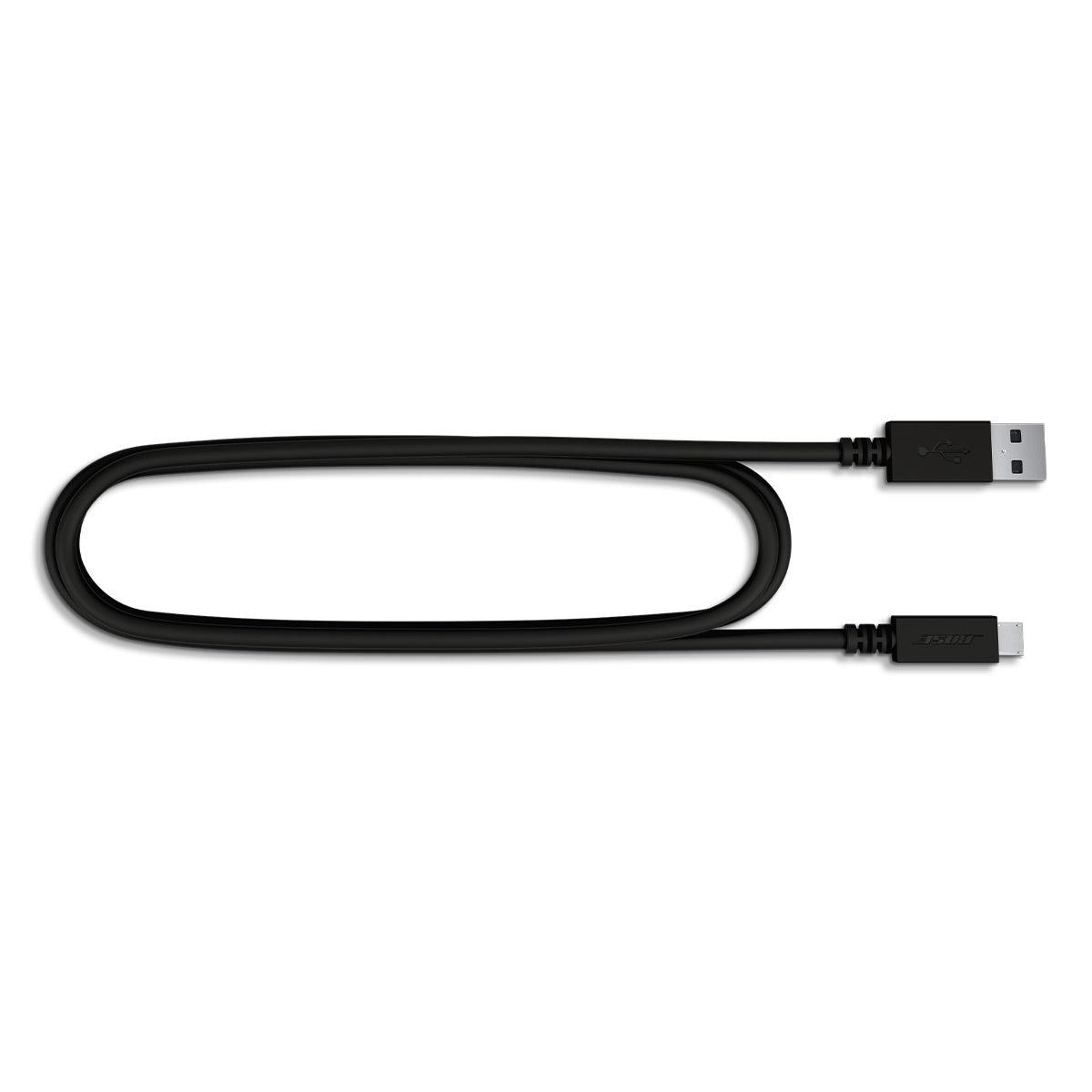
Since these speakers launched, the market has seen several important trends. USB-C charging has become more standard (though the Bose still uses the older micro-USB), battery technology has improved, and digital signal processing has become more sophisticated even in budget models.
The Ortizan X10 takes a brute-force approach with its 24-watt stereo output, split between two 12-watt drivers. This dual-driver configuration creates true stereo separation, meaning you get distinct left and right channels when positioned correctly. The speaker can achieve impressive volume levels that make it genuinely suitable for outdoor gatherings or filling large spaces.
Based on our research into user experiences, the Ortizan maintains its composure at moderate to high volumes, with clean reproduction across most of the frequency spectrum. However, pushing it to maximum volume introduces some distortion, particularly in the bass frequencies where the drivers struggle with the demands of both high volume and low-frequency reproduction.
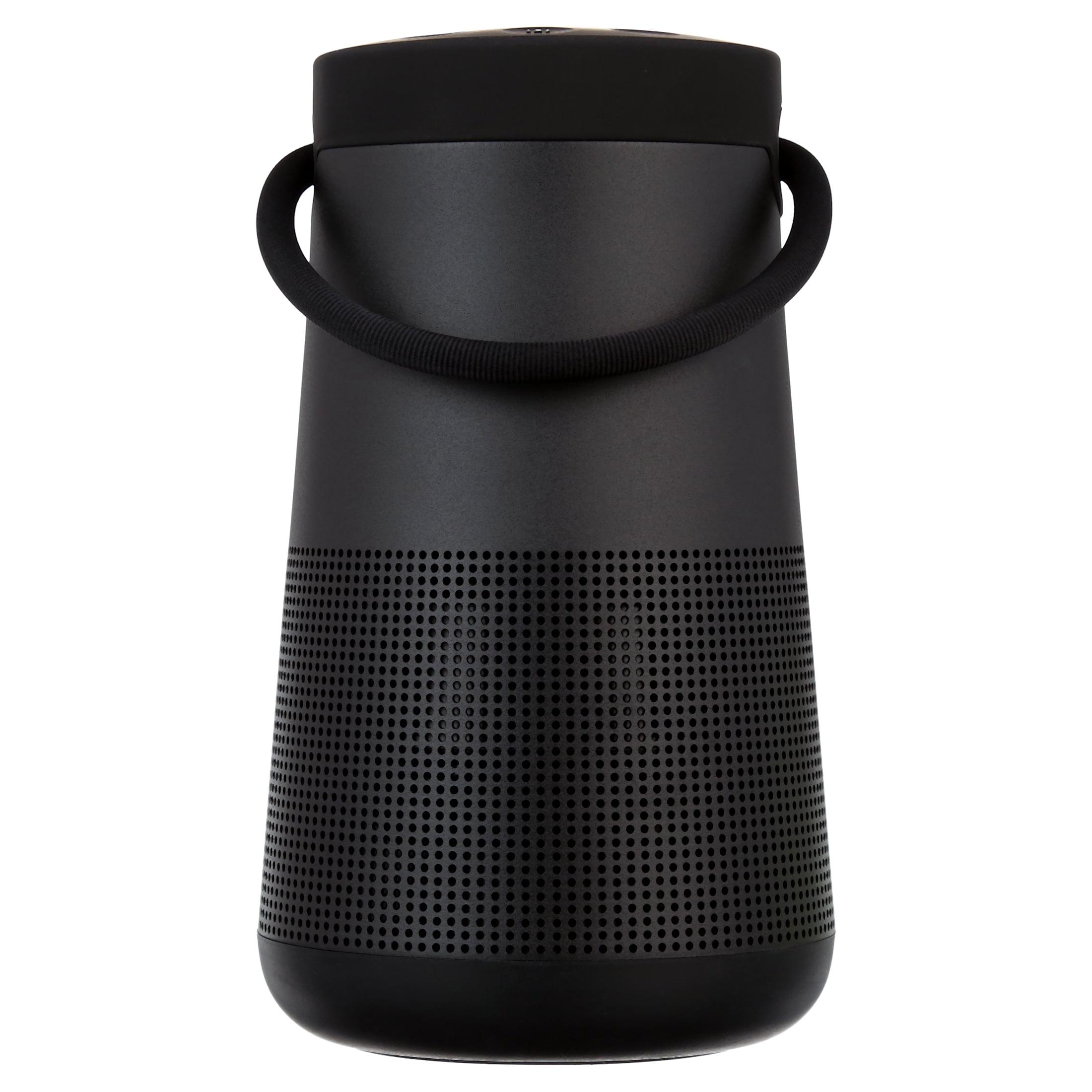
The Bose SoundLink Revolve+ II takes a completely different approach. Rather than maximizing raw power, it focuses on acoustic engineering. The single full-range transducer works with an omnidirectional acoustic deflector—essentially a carefully shaped piece of plastic that redirects sound waves in all directions. Two passive radiators enhance bass response without requiring additional powered drivers.
This design philosophy means the Bose doesn't achieve the same peak volume levels as the Ortizan, but it maintains better audio quality across its entire volume range. Expert reviews consistently note that the Bose sounds more refined and balanced, particularly in the midrange frequencies where vocals and most instruments live.
The Ortizan X10 employs what's called a "V-shaped" sound signature—enhanced bass and treble with slightly recessed midrange. This creates an exciting, energetic sound that many people find immediately appealing, especially for modern pop, electronic, and hip-hop music. The enhanced bass comes from both the dual-driver design and digital signal processing that boosts low frequencies.
However, this tuning can make vocals and acoustic instruments sound less natural than they should. It's a conscious trade-off that prioritizes impact and excitement over accuracy.
The Bose SoundLink Revolve+ II pursues a more balanced approach. Bose has tuned it for what audio engineers call a "flat" response—attempting to reproduce music as the artist and mixing engineer intended. This means vocals sound more natural, acoustic instruments have proper timbre (the quality that makes a guitar sound like a guitar rather than a piano), and complex musical passages don't become muddy.
The trade-off is that some listeners might initially find it less exciting than bass-heavy alternatives. It's the difference between audio candy and a balanced meal—both have their place, but one provides more long-term satisfaction.
This is where the philosophical differences become most apparent. The Ortizan X10 creates a traditional stereo soundstage when positioned properly. You can potentially hear instruments placed left, right, and center, creating width in the audio image. This works well when you're sitting in the optimal listening position.
The Bose SoundLink Revolve+ II sacrifices traditional stereo imaging for something more practical: consistent sound quality regardless of where you or the speaker are positioned. Its 360-degree dispersion means there's no "sweet spot"—it sounds essentially the same whether you're directly in front of it or behind it.
For group listening situations, this is genuinely revolutionary. Instead of everyone fighting for the best position, the sound quality remains consistent for everyone in the room. However, audiophiles might miss the precise imaging that traditional stereo designs can provide.
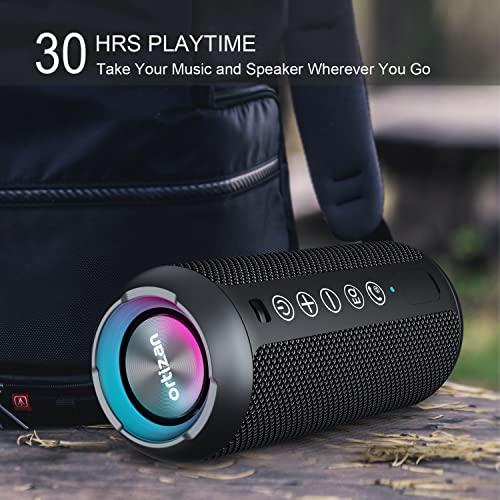
Battery life represents perhaps the most dramatic difference between these speakers. The Ortizan X10 achieves an impressive 30-hour runtime at moderate volumes, thanks to its efficient Class D amplification and large 3,600mAh battery. Even at higher volumes, user reports suggest you'll get 15-20 hours of playback—enough for multiple days of typical use.
This exceptional battery life comes from several engineering decisions. The Ortizan uses efficient drivers that don't require enormous amounts of power, and its amplification circuits are designed for power conservation rather than absolute audio quality.
The Bose SoundLink Revolve+ II offers a respectable but not exceptional 17 hours at moderate volumes. Real-world usage at higher volumes typically yields 8-12 hours. While this is adequate for most single-day uses, it can't match the Ortizan's multi-day endurance.
The charging story also differs significantly. The Ortizan uses modern USB-C charging and reaches full capacity in under three hours. The Bose still relies on micro-USB and requires four hours for a complete charge. In 2024, micro-USB feels increasingly outdated, especially on a premium product.
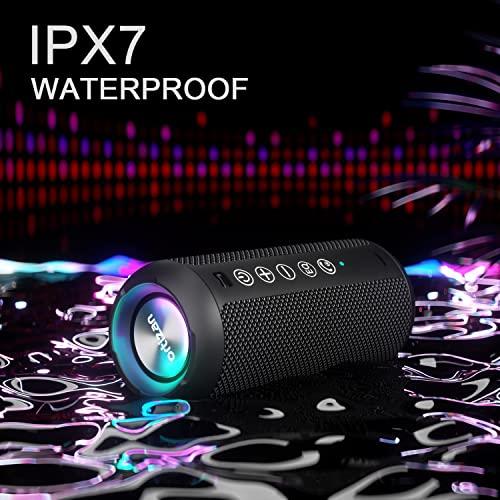
Water resistance showcases another fundamental difference in design philosophy. The Ortizan X10 achieves full IPX7 waterproof certification, meaning it can survive complete submersion in up to three feet of water for 30 minutes. This makes it genuinely suitable for pool parties, beach days, camping trips, and other scenarios where water exposure is likely.
The engineering behind this waterproofing involves sealed internal components, waterproof membranes over ports, and careful design of speaker grilles to prevent water ingress while maintaining audio quality. It's a significant technical achievement at this price point.
The Bose SoundLink Revolve+ II carries an IP55 rating—protected against dust and water jets, but not submersion. This means it can handle rain, splashes, and dusty environments, but you wouldn't want to drop it in a pool. For most indoor and light outdoor use, this protection level is adequate, but it limits the speaker's versatility compared to fully waterproof alternatives.
The Bose compensates with superior build quality in other areas. Its aluminum construction feels significantly more premium than the Ortizan's plastic housing, and the materials choices suggest better long-term durability in normal use conditions.
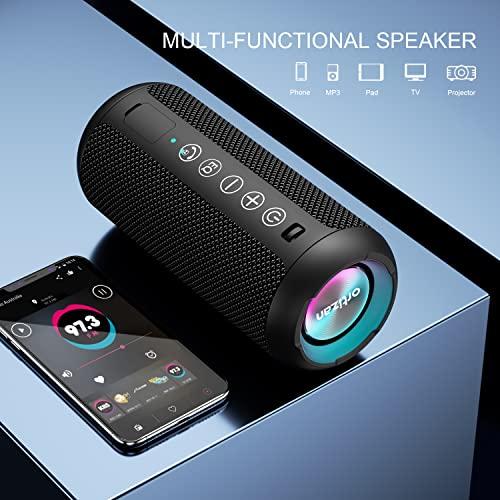
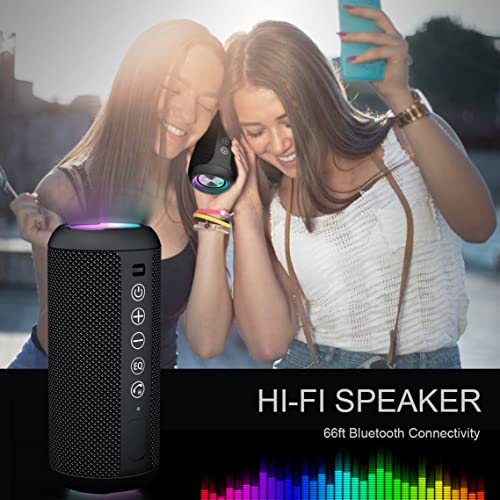
Modern Bluetooth speakers need to do more than just play music, and both speakers approach expanded functionality differently. The Ortizan X10 focuses on practical connectivity options. Its Bluetooth 5.0 implementation provides a 66-foot range and solid connection stability. More importantly, it includes features often missing from budget speakers: a microSD card slot for direct music playback (supporting up to 32GB cards and multiple audio formats), and a traditional 3.5mm auxiliary input for wired connections.
The SD card capability is particularly valuable for users who want to create dedicated party playlists without draining their phone's battery or dealing with potential Bluetooth connectivity issues in crowded environments.
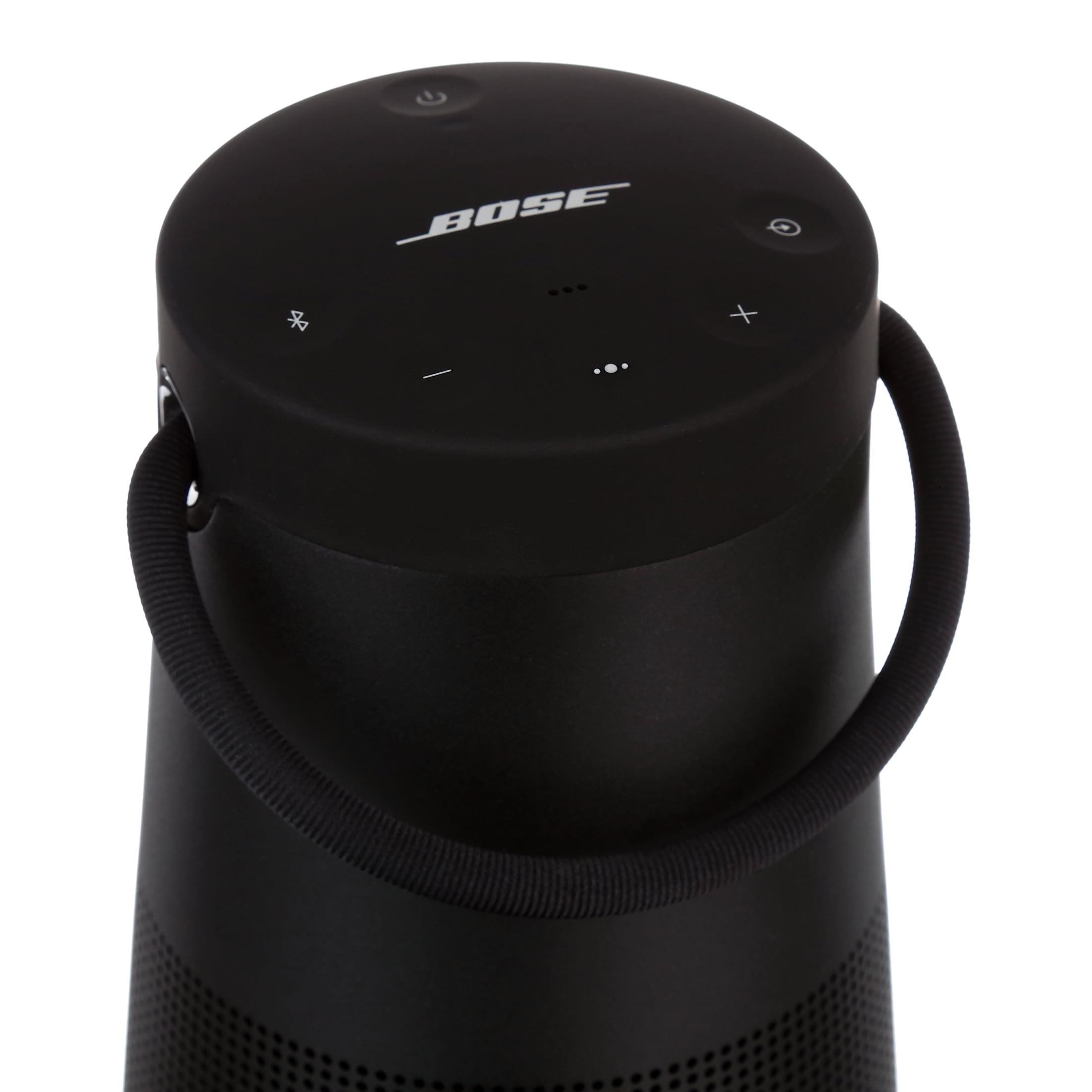
The Bose SoundLink Revolve+ II takes a more sophisticated approach to smart features. Its integration with voice assistants (Siri, Google Assistant, and Alexa) works through your connected phone, allowing hands-free control of music playback and other smart functions. The Bose Connect app provides speaker management, firmware updates, and the ability to link multiple Bose speakers for expanded audio coverage.
The Bose also supports multi-device pairing, allowing simultaneous connections to two phones or tablets. Only one can stream at a time, but switching between sources becomes seamless—particularly useful in shared living situations or professional environments.
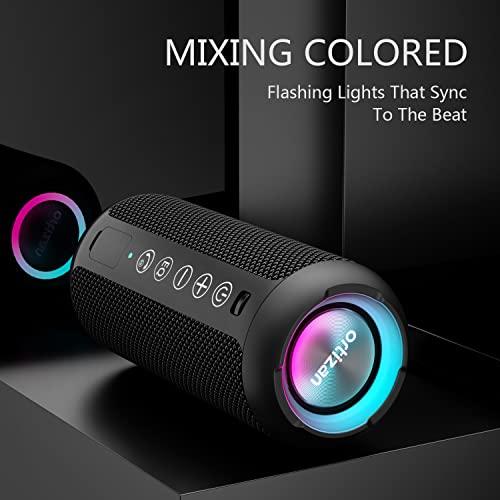
The Ortizan X10 includes RGB lighting that pulses and changes colors in sync with your music. While this might sound gimmicky, it actually adds genuine value for party situations and can serve as a capable night light. The lighting is customizable through multiple modes and can be disabled entirely for more serious listening sessions.
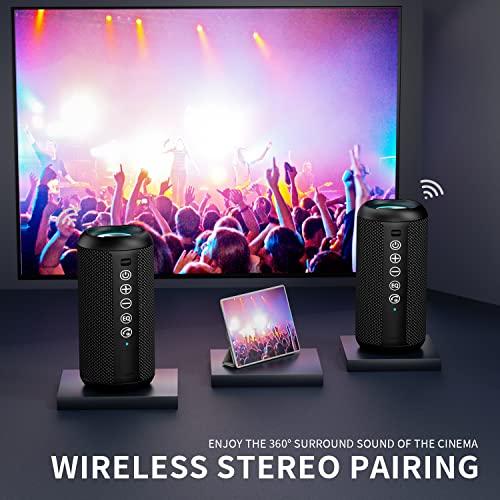
True Wireless Stereo (TWS) pairing allows two Ortizan units to work together for genuine stereo separation or increased volume coverage. This feature works well when it functions, though it requires purchasing two identical units to realize the benefit.
The Bose SoundLink Revolve+ II offers more sophisticated multi-speaker capabilities. Party Mode synchronizes multiple Bose speakers for expanded coverage, while Stereo Mode uses two speakers to create proper left/right channel separation. The Bose can also integrate with Bose's home audio ecosystem through SimpleSync technology.
Neither speaker is designed primarily for home theater use, but they can serve as temporary solutions or supplements to existing systems. The Ortizan X10 might seem like the obvious choice for home theater given its higher power output, but its directional design and V-shaped sound signature aren't ideal for dialogue clarity.
The Bose SoundLink Revolve+ II actually performs better for home theater applications despite its lower power output. Its balanced frequency response makes dialogue more intelligible, and the 360-degree dispersion works well in typical living room layouts where seating isn't always optimally positioned.
However, both speakers output mono audio by default (the Ortizan creates stereo only when properly positioned), which limits their effectiveness for movie soundtracks that rely on directional audio cues.
For dedicated home theater use, neither represents an optimal solution compared to purpose-built soundbars or bookshelf speakers, but the Bose would be more versatile for mixed-use scenarios.
At the time of writing, these speakers occupy dramatically different price tiers, which fundamentally changes the value calculation. The Ortizan X10 delivers remarkable feature density and performance at its price point—you're getting waterproof construction, marathon battery life, and legitimate volume output that competes with speakers costing significantly more.
The Bose SoundLink Revolve+ II commands a substantial premium that reflects its acoustic engineering, build quality, and brand reputation. Whether this premium is justified depends heavily on your priorities and use cases.
For pure features-per-dollar, the Ortizan is difficult to beat. For audio quality and sophisticated engineering, the Bose represents the investment in better sound reproduction that serious listeners will appreciate over years of use.
The Ortizan X10 makes the most sense for users who prioritize practical considerations over audio refinement. If you're planning beach trips, camping adventures, pool parties, or any situation where maximum battery life and waterproof protection matter more than audiophile sound quality, it's an excellent choice. Students, outdoor enthusiasts, and budget-conscious buyers who still want impressive volume and feature sets will find exceptional value here.
The Bose SoundLink Revolve+ II justifies its higher cost for users who prioritize audio quality and sophisticated features. If you're hosting dinner parties, using it for professional presentations, or simply want the best sound quality for indoor listening, the engineering investment pays dividends. It's also the better choice for users who plan to integrate multiple speakers or who value the consistency of 360-degree sound dispersion.
Ultimately, these speakers serve different masters. The Ortizan X10 maximizes practical utility and value, delivering features that matter for active, outdoor, and budget-conscious users. The Bose SoundLink Revolve+ II prioritizes audio quality and engineering sophistication for users willing to pay premium prices for premium experiences.
Your decision should align with your primary use cases. If you need a speaker that can survive anything and play all day, choose the Ortizan. If you want the best sound quality and most sophisticated features in a portable package, the Bose justifies its premium positioning.
Both represent successful approaches to portable audio—they're just solving different problems for different users.
| Ortizan X10 Portable Bluetooth Speaker 24W | Bose SoundLink Revolve+ II Bluetooth Speaker |
|---|---|
| Audio Power Output - Higher wattage means louder maximum volume for outdoor use | |
| 24W stereo (dual 12W drivers) | Single full-range driver with passive radiators |
| Sound Dispersion Pattern - Affects how sound fills a room and optimal listening positions | |
| Directional stereo (best sound in front of speaker) | 360-degree omnidirectional (consistent sound from all angles) |
| Battery Life - Critical for extended outdoor activities and travel | |
| Up to 30 hours at moderate volume | Up to 17 hours at moderate volume |
| Water Resistance - Determines outdoor durability and pool/beach safety | |
| IPX7 waterproof (submersible up to 3 feet) | IP55 water resistant (splash-proof, not submersible) |
| Weight and Portability - Affects ease of transport for hiking, travel, and daily carry | |
| 1.12 lbs (lightweight and compact) | 4.13 lbs (heavier but premium materials) |
| Charging Method - Modern USB-C vs older micro-USB affects convenience | |
| USB-C (3-hour charge time) | Micro-USB (4-hour charge time) |
| Connectivity Options - More options provide flexibility for different situations | |
| Bluetooth 5.0, microSD card, AUX-in | Bluetooth 4.2, AUX-in, NFC pairing |
| Bluetooth Range - Longer range means fewer dropouts when moving around | |
| 66 feet (20 meters) | 30 feet (9 meters) |
| Smart Features - Voice assistants and app control add convenience | |
| Basic controls, RGB lighting effects | Voice assistant support, Bose Connect app, multi-device pairing |
| Multi-Speaker Pairing - Ability to connect multiple units for bigger sound | |
| True Wireless Stereo (TWS) with two Ortizan X10 units | Party Mode and Stereo Mode with other Bose speakers |
| Build Materials - Affects durability and premium feel | |
| Plastic housing with fabric grille | Aluminum body with silicone bumpers and fabric handle |
| Price Positioning - Dramatically different value propositions | |
| Budget-focused with premium features | Premium pricing for audiophile engineering |
The Ortizan X10 is significantly louder with its 24W power output compared to the Bose SoundLink Revolve+ II. The dual 12W drivers in the Ortizan X10 can fill large outdoor spaces and compete with ambient noise much better than the Bose, making it the clear choice for pool parties, camping, or beach gatherings.
The Bose SoundLink Revolve+ II delivers superior sound quality with more balanced frequency response, clearer vocals, and better overall audio engineering. While the Ortizan X10 emphasizes bass and volume, the Bose focuses on accurate music reproduction that sounds more natural across all genres.
The Ortizan X10 offers exceptional battery life with up to 30 hours of playback, nearly double the Bose SoundLink Revolve+ II's 17-hour runtime. For extended camping trips, multi-day events, or situations where charging isn't convenient, the Ortizan X10 is the clear winner.
The Ortizan X10 is fully waterproof with IPX7 rating, making it safe for poolside use and even accidental submersion. The Bose SoundLink Revolve+ II has IP55 water resistance, which protects against splashes but isn't safe for pool environments or heavy rain exposure.
The Bose SoundLink Revolve+ II excels here with its 360-degree sound dispersion, delivering consistent audio quality regardless of where you're positioned. The Ortizan X10 has a traditional directional design that sounds best when you're directly in front of it, with sound quality decreasing as you move to the sides or behind.
The Ortizan X10 offers exceptional value with premium features like waterproofing, 30-hour battery life, and powerful output at a budget-friendly price point. The Bose SoundLink Revolve+ II costs significantly more but justifies the premium with superior audio engineering and build quality for serious listeners.
The Bose SoundLink Revolve+ II performs better for calls with its superior microphone quality and balanced frequency response that makes voices clearer. While both speakers support hands-free calling, the Bose also integrates with voice assistants like Siri and Google Assistant for added functionality.
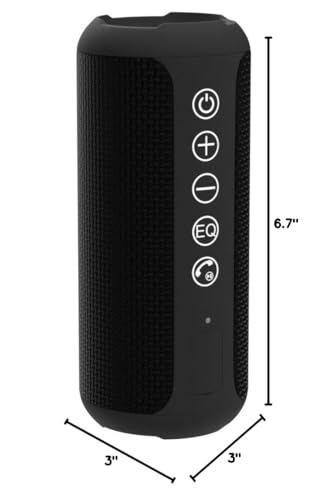
The Ortizan X10 wins for portability, weighing only 1.12 pounds compared to the Bose SoundLink Revolve+ II's 4.13 pounds. The Ortizan also includes a lanyard for easy carrying and uses modern USB-C charging, while the Bose still relies on older micro-USB cables.
Both support multi-speaker pairing but differently. The Ortizan X10 uses True Wireless Stereo to pair two identical units for stereo sound. The Bose SoundLink Revolve+ II offers more sophisticated options with Party Mode for synchronized playback and Stereo Mode for proper left/right channel separation across multiple Bose speakers.
The Ortizan X10 provides more versatile connectivity with Bluetooth 5.0, microSD card support for direct music playback, and AUX input. The Bose SoundLink Revolve+ II offers Bluetooth 4.2, AUX input, and NFC pairing, but lacks expandable storage options that the Ortizan provides.
The Ortizan X10 is built specifically for outdoor durability with full waterproofing and rugged construction designed for camping, hiking, and beach use. The Bose SoundLink Revolve+ II features premium aluminum construction that's more refined but less suited to extreme outdoor conditions due to its lower water resistance rating.
Neither speaker is ideal for dedicated home theater, but the Bose SoundLink Revolve+ II performs better for casual movie watching thanks to its balanced sound profile that makes dialogue clearer and its 360-degree dispersion that works well in living room settings. The Ortizan X10 emphasizes bass over vocal clarity, making it less suitable for movie dialogue despite its higher power output.
We've done our best to create useful and informative comparisons to help you decide what product to buy. Our research uses advanced automated methods to create this comparison and perfection is not possible - please contact us for corrections or questions. These are the sites we've researched in the creation of this article: reviewindetail.com - manuals.plus - newegg.com - walmart.com - nerdtechy.com - aliexpress.com - youtube.com - h5.lazada.com.ph - youtube.com - manuals.plus - walmart.com - ortizan.com - youtube.com - youtube.com - ubuy.com.pk - manuals.plus - youtube.com - aliexpress.com - aliexpress.com - ortizan.com - youtube.com - heartwood.church - device.report - rtings.com - dxomark.com - youtube.com - bestbuy.com - techradar.com - bhphotovideo.com - boselatam.com - nfm.com - bose.com - support.bose.com - bose.com - abt.com - bose.com

Privacy Policy
Terms and Conditions - Affiliate Policy
Home Security
© Copyright 2008-2026.
11816 Inwood Rd #1211, Dallas, TX 75244