

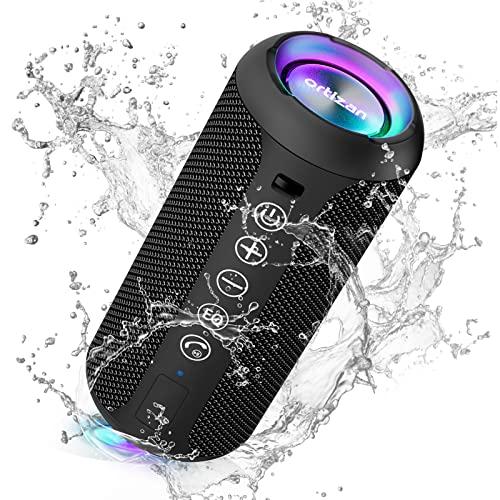

When shopping for a portable Bluetooth speaker, you're entering a crowded market where the difference between good and great often comes down to understanding what you actually need. The Ortizan X10 and JBL Flip 6 represent two fundamentally different approaches to portable audio, each with distinct strengths that serve different types of users.
At the time of writing, these speakers occupy different price tiers, with the Ortizan X10 positioned as a feature-rich budget option and the JBL Flip 6 commanding a premium for its established brand pedigree and audio engineering. Both launched in 2021, making them current-generation products that incorporate modern Bluetooth standards and battery technology.
Before diving into specifics, it's worth understanding what separates good portable speakers from mediocre ones. The core challenge in portable audio is physics: smaller speakers inherently struggle with bass reproduction because low frequencies require larger drivers or clever engineering solutions to move enough air. This is why many compact speakers sound thin or tinny.
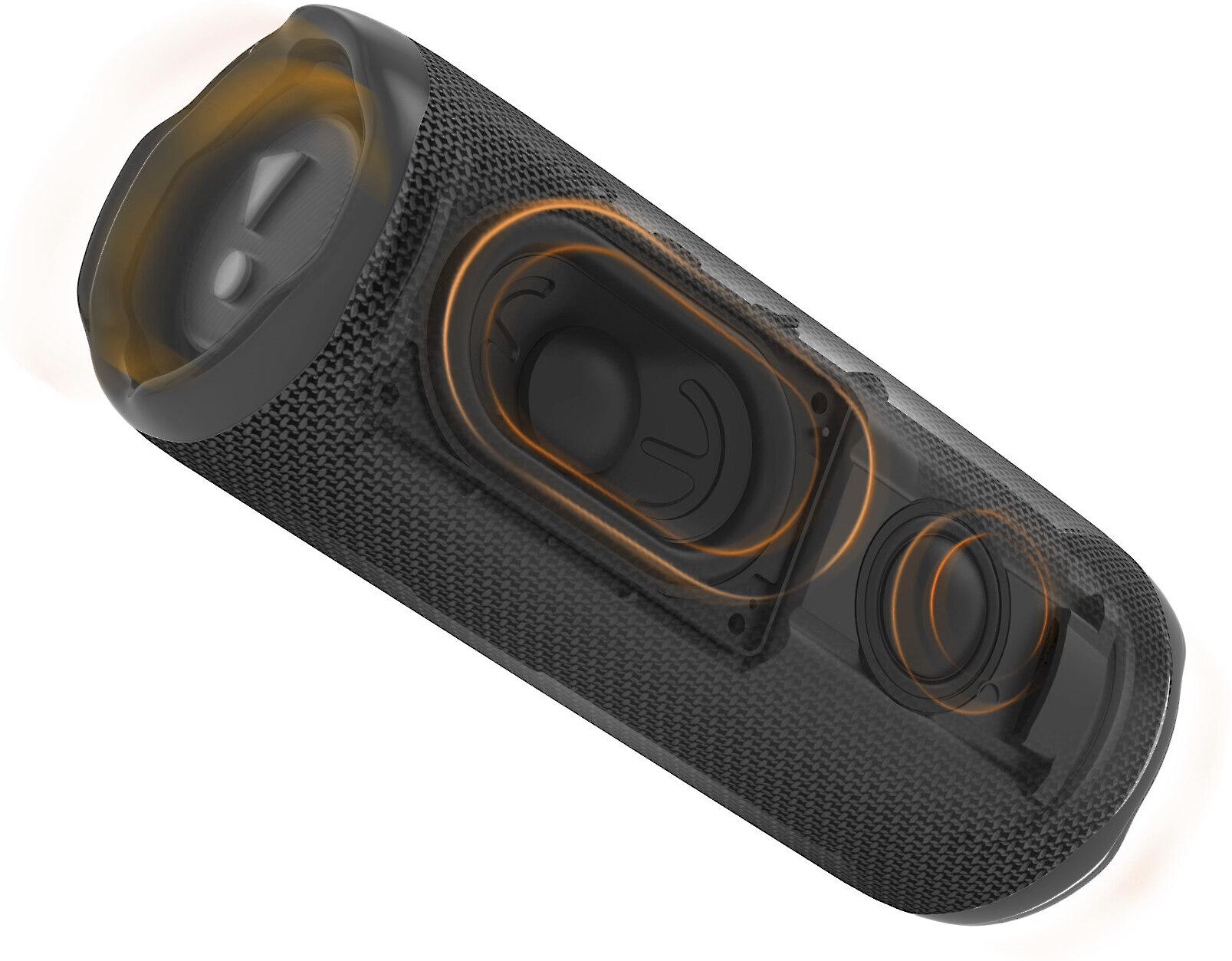
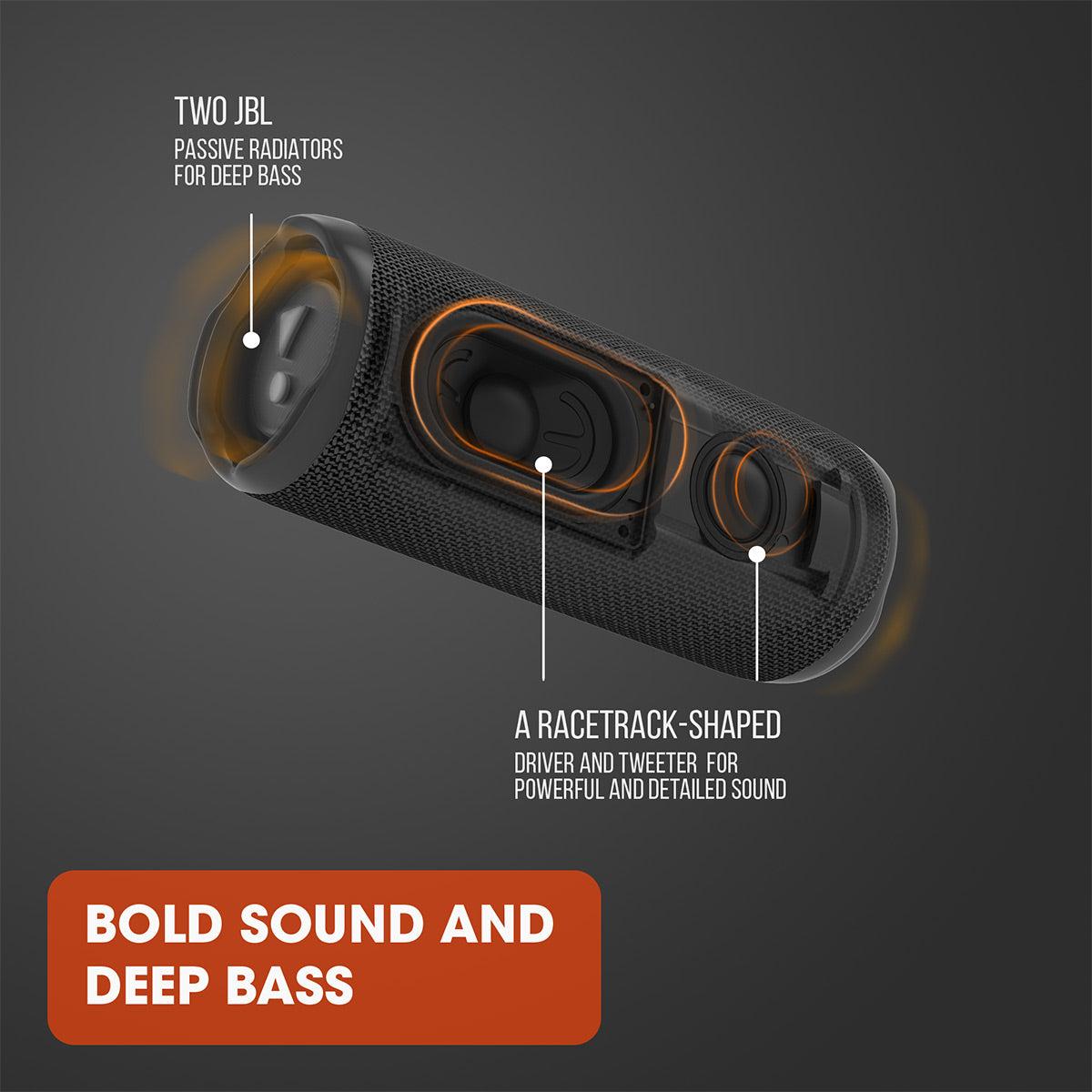
Modern portable speakers address this through several techniques. Passive radiators are essentially speakers without magnets that vibrate sympathetically with the main driver, helping extend bass response without requiring additional power. Digital Signal Processing (DSP) uses computer algorithms to optimize the audio signal before it reaches the speakers, compensating for physical limitations. Ported designs use carefully tuned air chambers to enhance bass response, similar to how a guitar's sound hole works.
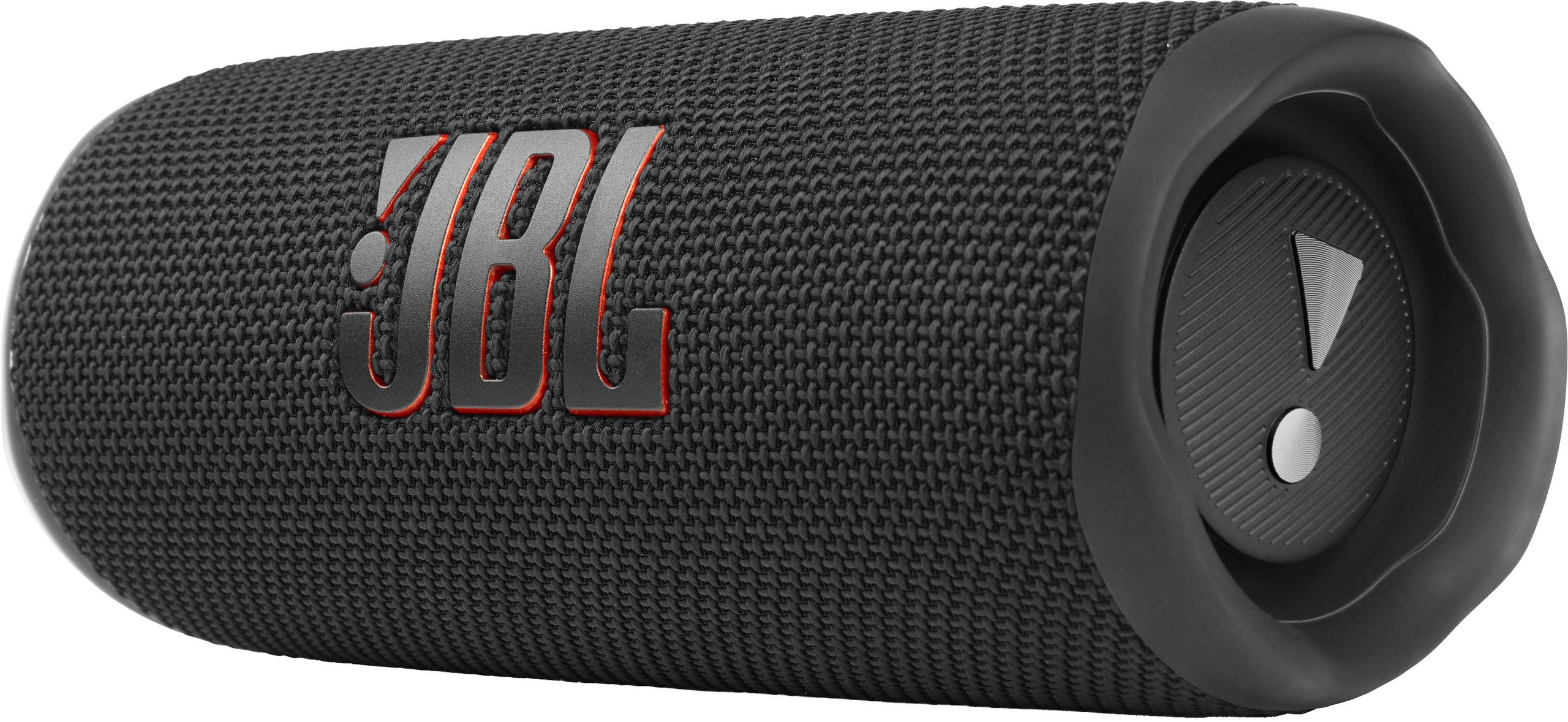
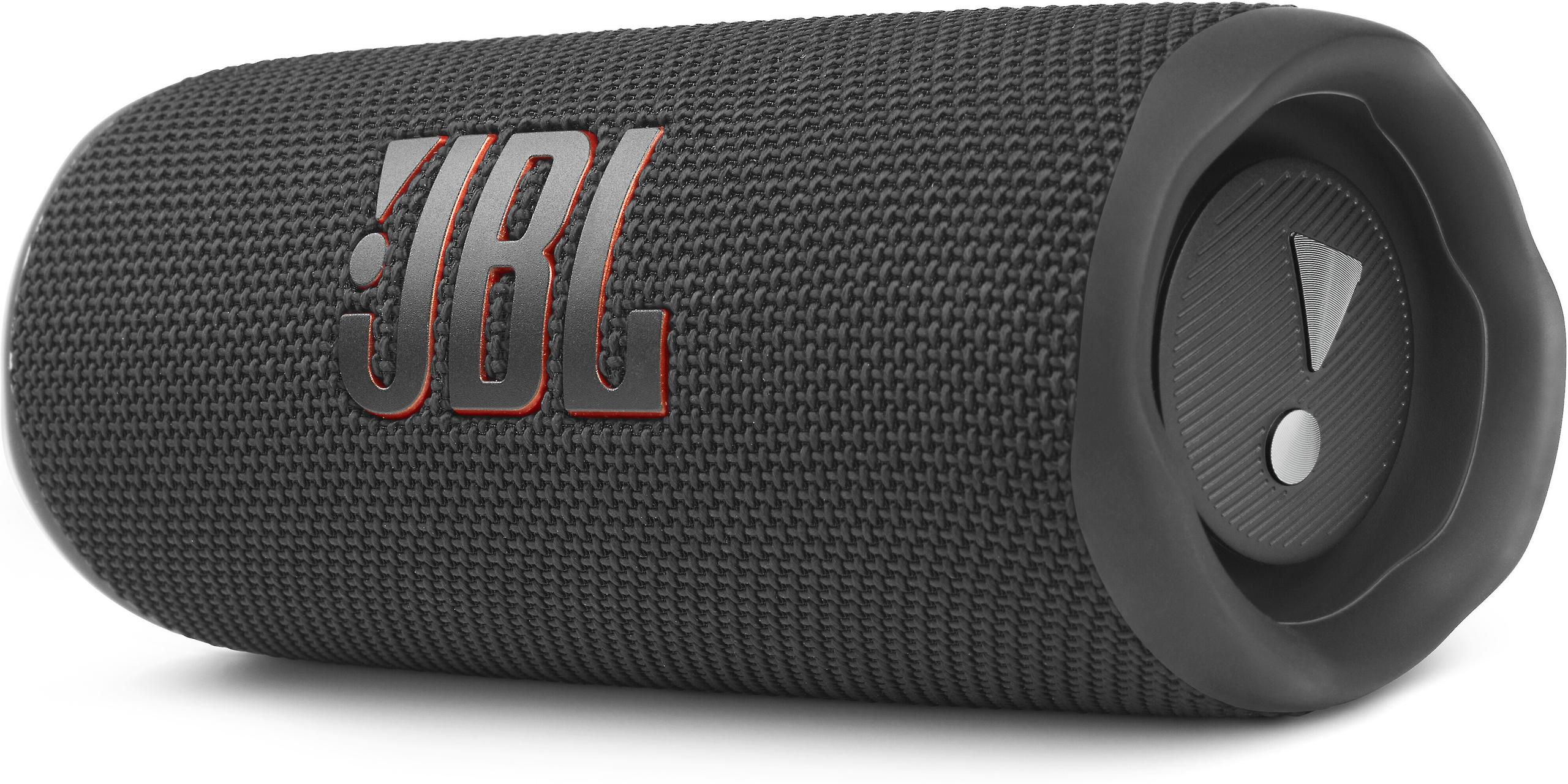
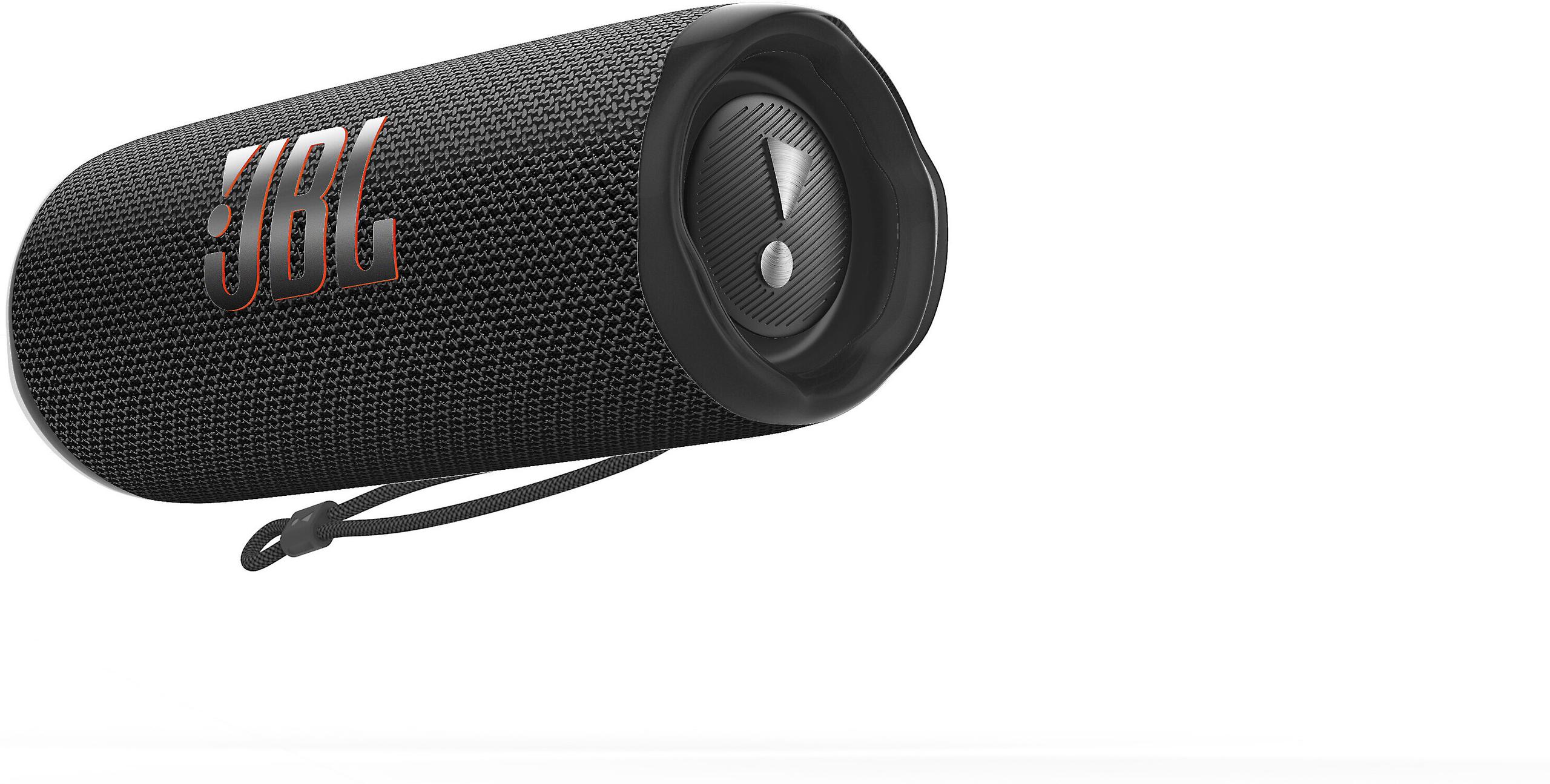
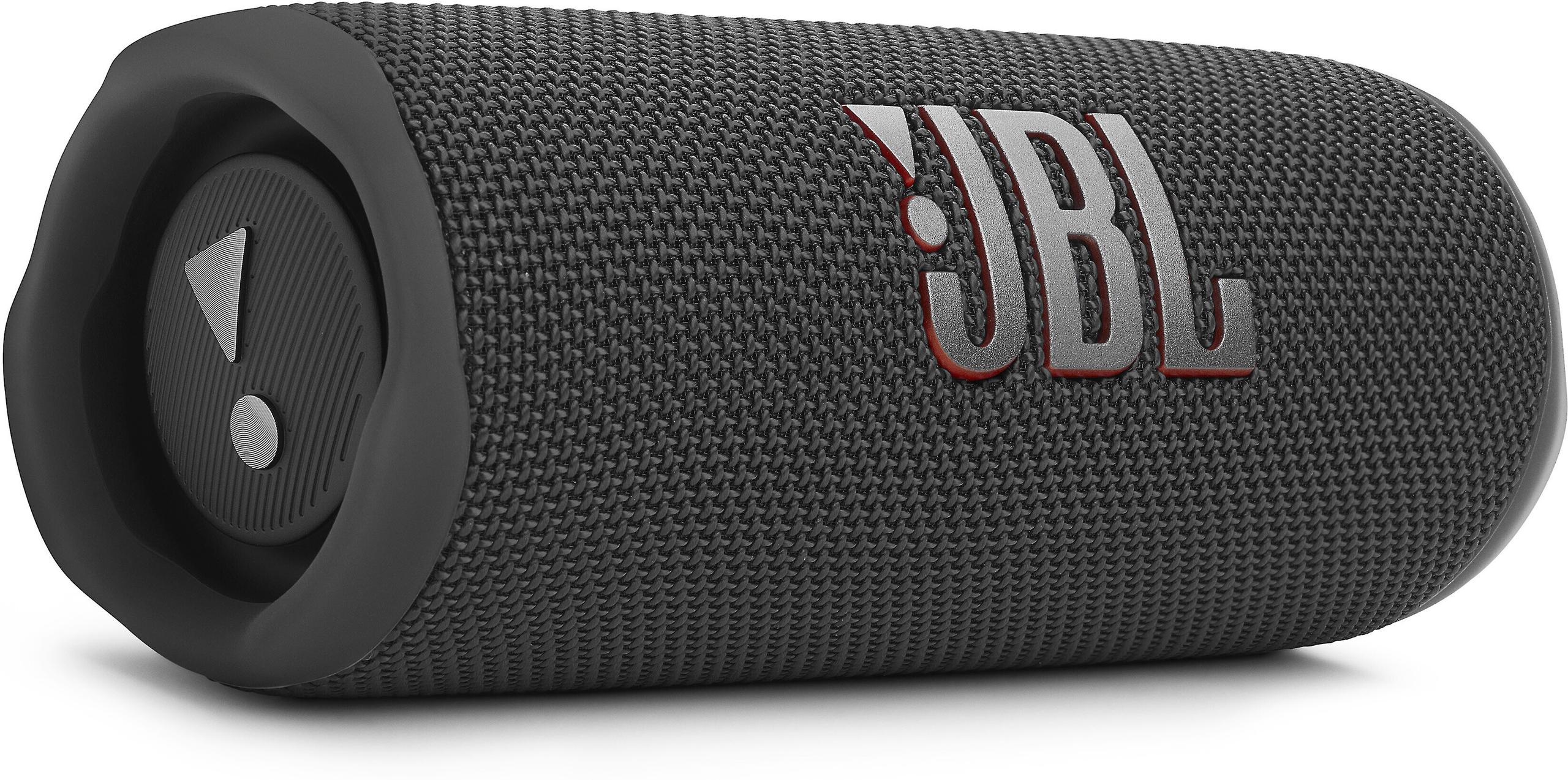
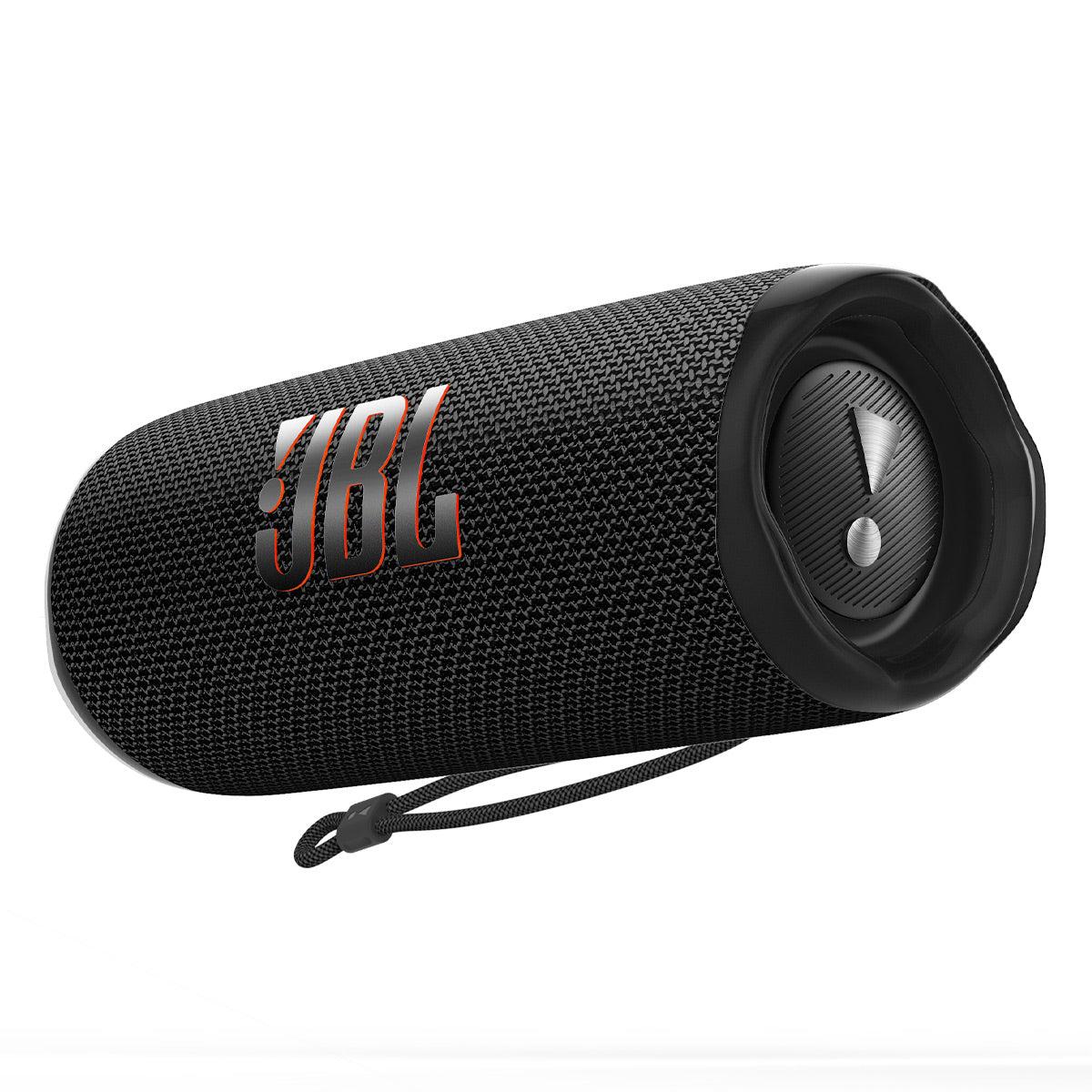
The Ortizan X10 employs dual 12-watt drivers with what the company calls "BASSBOOM" technology—essentially enhanced DSP tuning focused on bass response. The JBL Flip 6 takes a more sophisticated approach with a true 2-way system: a dedicated tweeter handles high frequencies while a racetrack-shaped woofer manages mids and lows, supported by dual passive radiators.
The most significant difference between these speakers lies in their audio approach. The JBL Flip 6 represents mature audio engineering from a company with decades of professional audio experience. Its 2-way driver configuration isn't just marketing—it's a fundamental design advantage that allows each driver to specialize in its optimal frequency range.
JBL specs the Flip 6's frequency response at 63Hz-20kHz, which is notably honest compared to many competitors' inflated claims. That 63Hz low-end limitation is realistic for a speaker this size, and JBL's engineers have tuned everything above that frequency to sound natural and balanced. The separate tweeter means cymbals retain their sparkle, vocals cut through the mix clearly, and the overall presentation doesn't favor any particular genre.
The Ortizan X10, meanwhile, claims an impressive 20Hz-20kHz response—the theoretical range of human hearing. While this looks great on paper, physics suggests this is optimistic marketing. However, our research into user reviews reveals the X10 does deliver surprisingly robust bass for its price point, likely through aggressive DSP boosting in the low frequencies. This creates a "fun" sound signature that many casual listeners prefer, even if it's not technically accurate.
For home theater use, the JBL Flip 6 would integrate better with existing audio systems due to its more neutral sound signature. Its balanced frequency response means it won't color dialogue or sound effects unnaturally. The Ortizan X10, while punchy and exciting for music, might make movie dialogue sound boomy or unclear due to its bass emphasis.
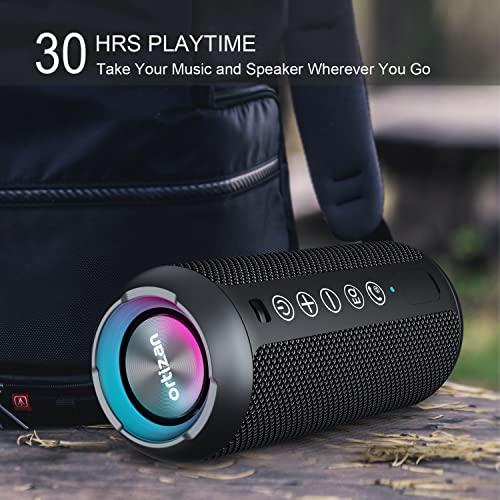
Battery technology in portable speakers has improved dramatically since lithium-ion cells became standard. The Ortizan X10 claims an impressive 30-hour playback time, while the JBL Flip 6 offers a more conservative 12 hours. These numbers require context to understand their real-world implications.
Battery life claims typically assume moderate volume levels (around 50-60% of maximum) playing compressed audio files. The Ortizan X10's extended runtime likely comes from a larger battery capacity (3600mAh according to specs) combined with potentially more efficient Class D amplification. However, real-world usage at outdoor volume levels would significantly reduce this runtime.
The JBL Flip 6's 12-hour rating reflects JBL's more conservative approach to specifications. In practice, this means you're more likely to achieve the claimed performance under normal listening conditions. JBL's battery management systems have also proven reliable over time, maintaining capacity better than many budget alternatives.
For extended outdoor adventures, the Ortizan X10's longer battery life becomes a genuine advantage. Weekend camping trips or full-day beach outings benefit from that extra runtime, even if the actual performance falls short of the 30-hour claim.
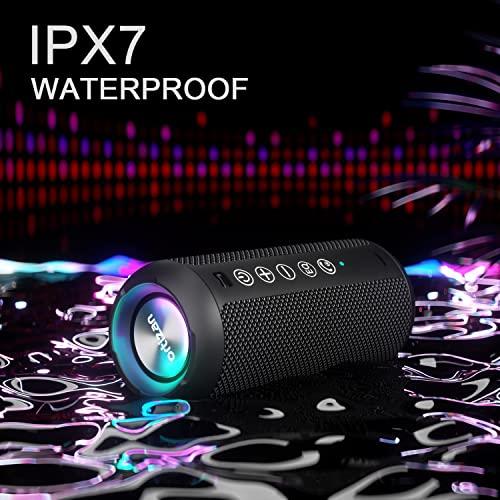
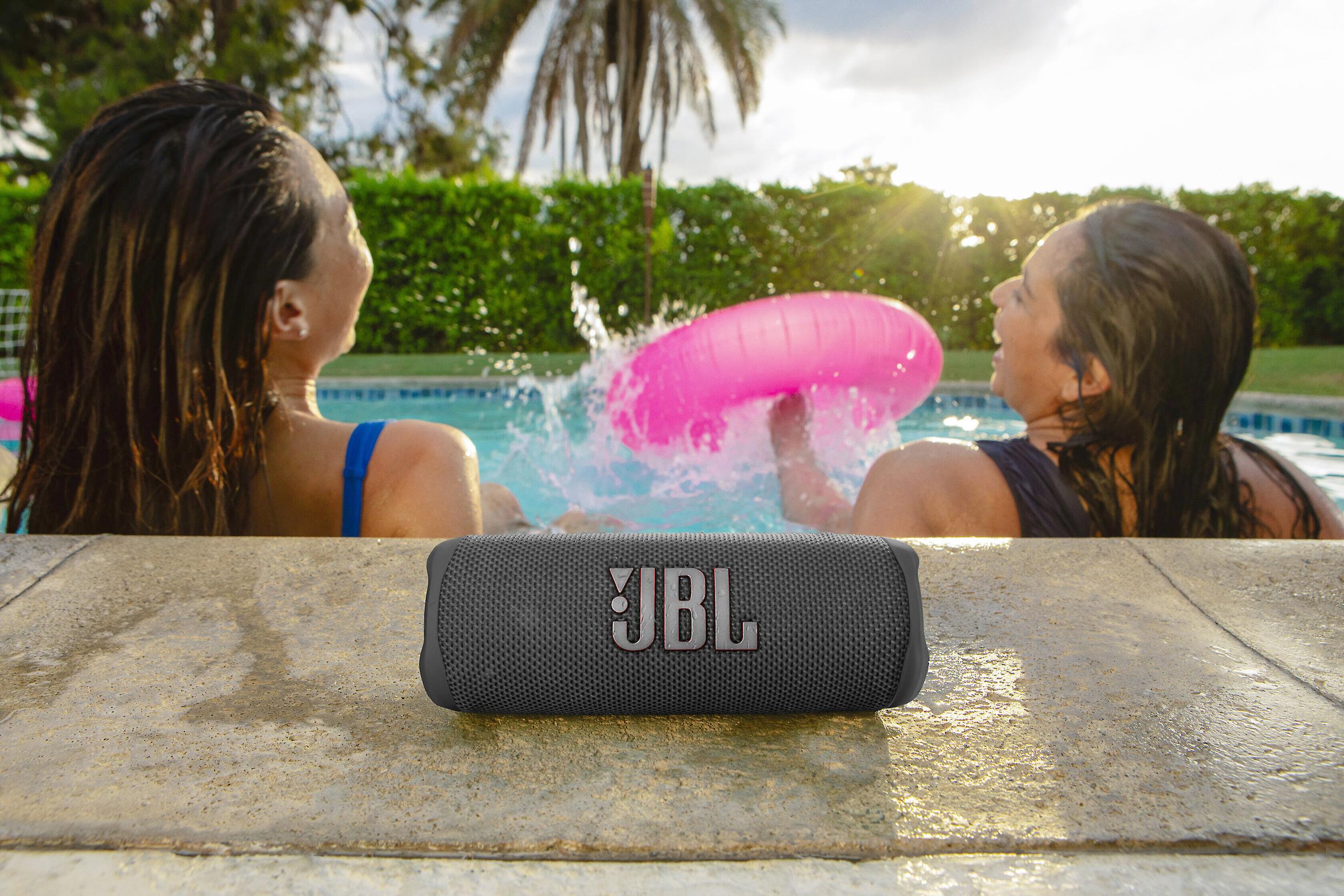
Both speakers offer water resistance, but their IP (Ingress Protection) ratings tell different stories. The Ortizan X10 carries an IPX7 rating, while the JBL Flip 6 achieves IP67. Understanding these codes reveals important practical differences.
IP ratings use two numbers: the first indicates dust protection (0-6 scale), the second water protection (0-8 scale). An "X" means the manufacturer didn't test or rate that protection level. So IPX7 means excellent water protection but unknown dust resistance, while IP67 indicates complete dust protection plus water resistance.
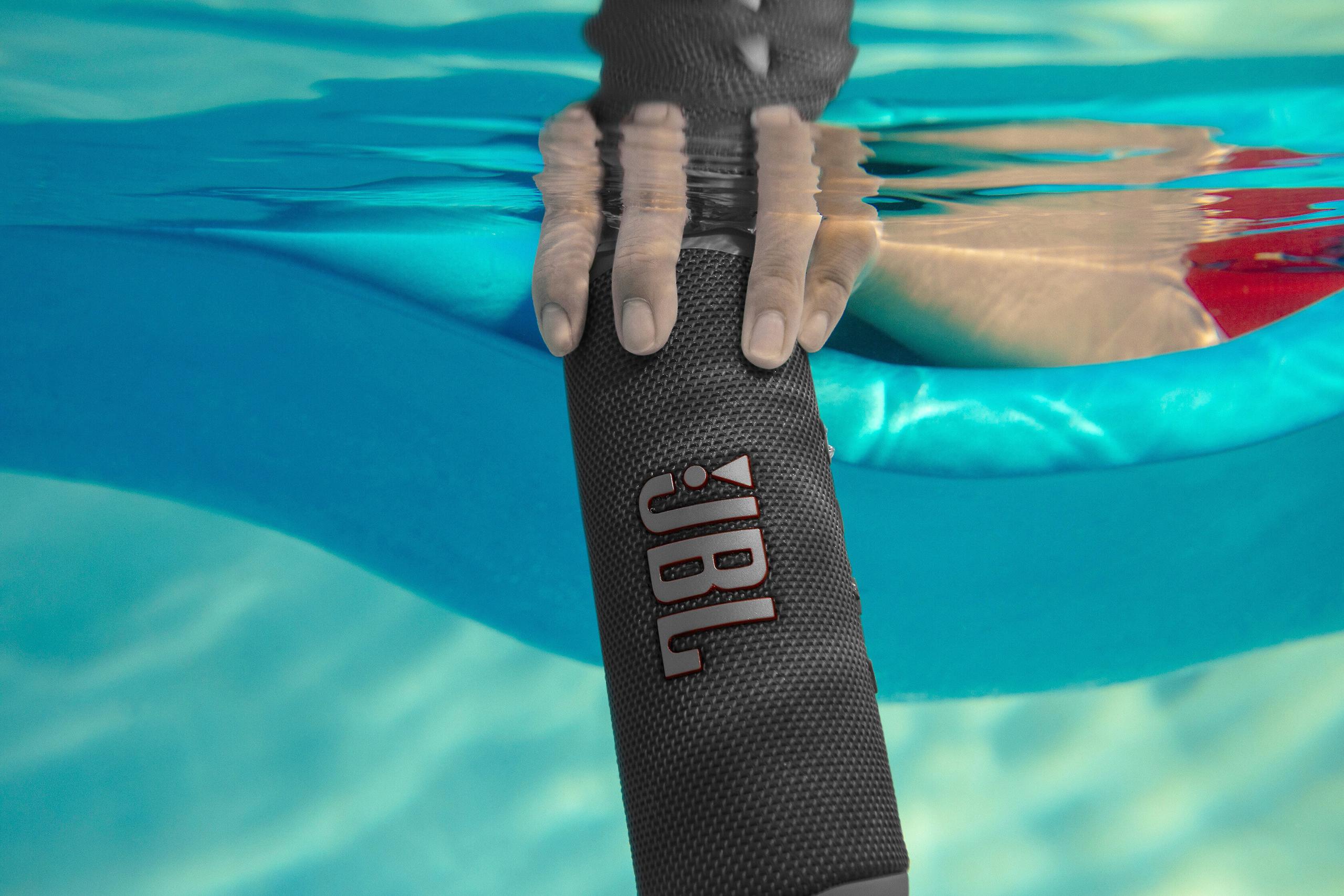
The JBL Flip 6's IP67 rating means it's completely dust-tight—important for beach use, dusty campsites, or workshops. Both speakers can handle submersion, but the JBL's dust protection makes it more versatile for harsh environments.
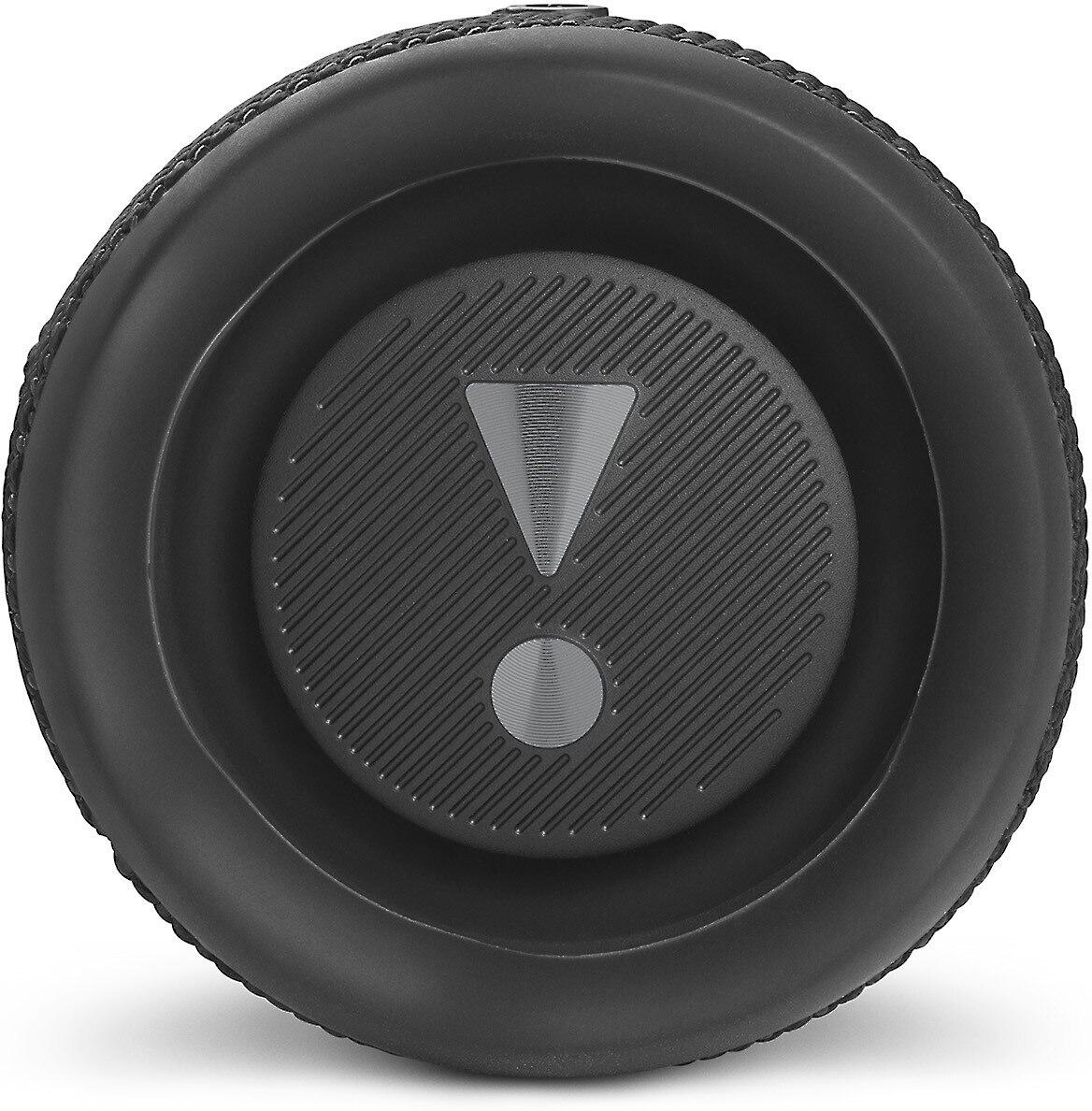
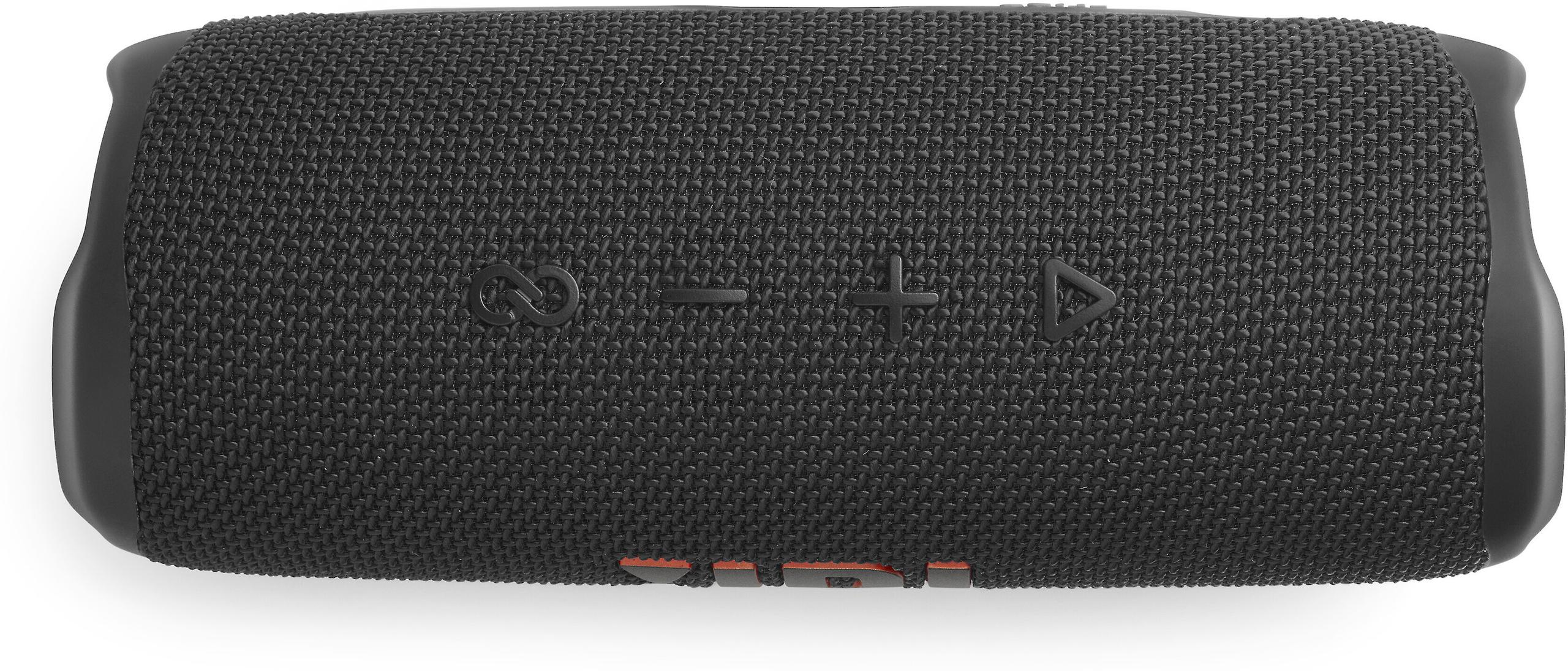
Material choices also matter for longevity. The JBL Flip 6 uses a fabric-wrapped design that's both attractive and durable, resisting scuffs and UV damage better than hard plastics. The Ortizan X10 relies more heavily on plastic construction, which keeps costs down but may not age as gracefully.
Here's where these speakers diverge most dramatically in philosophy. The Ortizan X10 embraces the "more is better" approach, packing in RGB lighting, multiple EQ modes, AUX input, microSD card support, and True Wireless Stereo (TWS) pairing. The JBL Flip 6 strips away everything non-essential, focusing solely on Bluetooth connectivity and core audio performance.
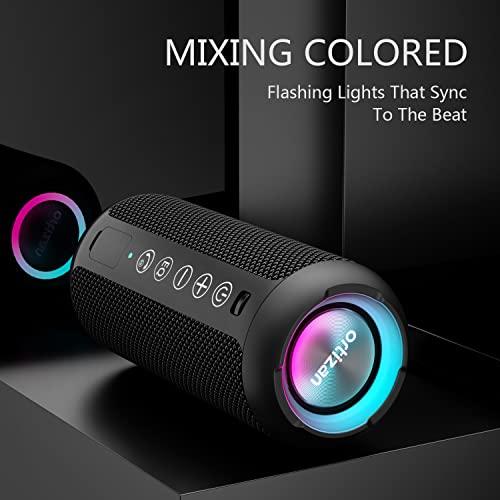
The Ortizan X10's RGB lighting system isn't just a gimmick—it genuinely enhances party atmospheres and outdoor gatherings. The lights pulse and change colors in sync with your music, creating a visual experience that many users find engaging. The multiple connectivity options also add practical value: AUX input works when Bluetooth fails, microSD playback doesn't drain your phone's battery, and TWS pairing lets you create a wider stereo soundstage with two speakers.
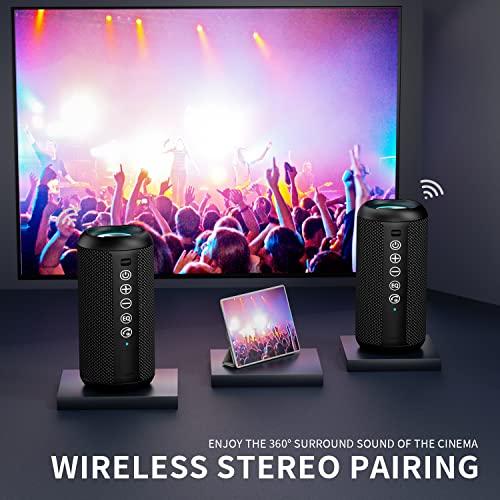
JBL's PartyBoost feature on the Flip 6 serves a similar multi-speaker purpose but only works with other recent JBL speakers. This ecosystem approach has advantages—guaranteed compatibility and optimized performance—but limits your options compared to the Ortizan's more universal TWS system.
The feature difference reflects target audiences: the Ortizan X10 appeals to users who want maximum versatility and party-friendly extras, while the JBL Flip 6 targets those who prefer refined simplicity and proven reliability.
Our research into professional reviews and user feedback reveals consistent patterns for both speakers. The JBL Flip 6 earns praise for its consistency—it sounds good right out of the box across different music genres and maintains that quality over time. Professional reviewers consistently note its balanced sound signature and impressive clarity for a speaker this size.
The Ortizan X10 receives more mixed reactions, but they're predictably mixed based on user priorities. Budget-conscious buyers love the feature set and find the audio quality surprisingly good for the price. Audiophile-oriented users note the boosted bass can overwhelm more delicate music but acknowledge it works well for electronic music and parties.
Durability feedback also follows expected patterns. JBL's established reputation for build quality shows in long-term user reports—fewer complaints about button failures, charging issues, or deteriorating sound quality over time. The Ortizan X10, being newer to the market, has less long-term data, but early reports suggest decent build quality for the price point, though not matching JBL's proven track record.
Both speakers use recent Bluetooth standards—5.0/5.3 for the Ortizan X10 and 5.1 for the JBL Flip 6—representing significant improvements over older versions. Bluetooth 5.x offers better range, more stable connections, and improved audio quality compared to the 4.x standards found in older speakers.
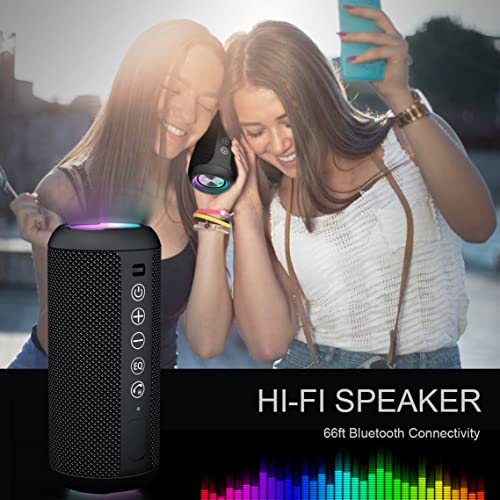
The practical benefits include more reliable pairing, better performance in crowded wireless environments (important at parties or events), and improved battery efficiency. Both speakers should maintain strong connections up to about 30 feet in typical home environments, with the Ortizan X10 claiming up to 66 feet in ideal conditions.
The decision between these speakers ultimately comes down to your priorities and use cases. The Ortizan X10 makes sense if you're price-sensitive but want maximum features. Its RGB lighting genuinely enhances social gatherings, the extended battery life suits outdoor adventures, and the multiple input options provide flexibility when Bluetooth isn't ideal.
However, the JBL Flip 6 justifies its premium through superior audio engineering, proven reliability, and better environmental protection. If sound quality matters most, or if you need a speaker for professional use where consistency is crucial, the JBL delivers noticeably better performance.
For home theater supplementation, the JBL Flip 6's neutral sound signature integrates better with existing audio systems. Its balanced frequency response won't interfere with dialogue clarity or sound effect accuracy. The Ortizan X10, while fun for music, might color movie audio in ways that prove distracting over time.
At the time of writing, the price difference between these speakers is substantial, making the Ortizan X10 appear to offer exceptional value. However, considering long-term ownership costs changes the calculation somewhat. JBL's established support network, readily available replacement parts, and proven durability may result in lower total cost of ownership despite the higher initial price.
The Ortizan X10 represents the increasingly common strategy of offering premium features at budget prices by accepting thinner margins and focusing on volume sales. This approach can deliver genuine value, but typically involves trade-offs in build quality, customer support, or long-term reliability.
Both approaches have merit depending on your situation. If you need a speaker for occasional use and want maximum features per dollar spent, the Ortizan X10 delivers impressive capability. If you plan to use your speaker regularly and prioritize consistent performance over feature count, the JBL Flip 6 justifies its premium through superior engineering and reliability.
The portable Bluetooth speaker market continues evolving rapidly, with improvements in battery technology, wireless connectivity, and miniaturized drivers appearing regularly. Both the Ortizan X10 and JBL Flip 6 represent current-generation technology that should remain relevant for several years, making either a reasonable investment in portable audio quality.
| Ortizan X10 Portable Bluetooth Speaker 24W | JBL Flip 6 Portable Waterproof Speaker |
|---|---|
| Power Output - Determines maximum volume and clarity at high levels | |
| 24W total (dual 12W drivers) | 30W total (20W woofer + 10W tweeter) |
| Driver Configuration - Affects sound quality and frequency separation | |
| Single driver type with DSP enhancement | True 2-way system with dedicated tweeter |
| Frequency Response - Range of sounds the speaker can reproduce | |
| 20Hz-20kHz (likely marketing claim) | 63Hz-20kHz (realistic and well-engineered) |
| Battery Life - Critical for outdoor and extended use | |
| Up to 30 hours (exceptional for camping/events) | Up to 12 hours (reliable and consistent) |
| Water/Dust Protection - Determines where you can safely use it | |
| IPX7 (waterproof but no dust rating) | IP67 (fully waterproof and dustproof) |
| Connectivity Options - Flexibility for different audio sources | |
| Bluetooth 5.0/5.3, AUX input, microSD slot | Bluetooth 5.1 only (simplified approach) |
| Special Features - Extras that enhance the experience | |
| RGB lighting, multiple EQ modes, TWS pairing | PartyBoost multi-speaker linking |
| Weight and Portability - Affects how easy it is to carry | |
| 1.15 lbs (lightweight for features included) | 1.21 lbs (slightly heavier but more robust) |
| Build Quality - Impacts long-term durability and reliability | |
| Plastic construction with fabric wrap | Premium fabric and rubber construction |
| Brand Heritage - Affects support, warranties, and resale value | |
| Newer brand with aggressive pricing | Established audio company with proven track record |
| Charging Time - How quickly you get back to full battery | |
| 3 hours via USB-C | 2.5 hours via USB-C (faster recovery) |
| Multi-Speaker Pairing - Ability to link multiple units | |
| TWS (works with any compatible speaker) | PartyBoost (works only with JBL speakers) |
| Target Use Case - Who each speaker serves best | |
| Feature-seekers wanting maximum value | Audio quality focused users prioritizing reliability |
The JBL Flip 6 delivers superior sound quality with its 2-way speaker system featuring a dedicated tweeter and optimized woofer. This configuration provides clearer highs, more balanced mids, and controlled bass. The Ortizan X10 offers impressive bass for its price but lacks the overall clarity and balance of the JBL Flip 6.
The Ortizan X10 claims up to 30 hours of battery life, making it excellent for extended outdoor use. The JBL Flip 6 provides up to 12 hours of playback, which is more realistic and consistent in real-world usage. For weekend camping or all-day events, the Ortizan X10 has a significant advantage.
Both speakers work well outdoors, but the JBL Flip 6 has an edge with its IP67 rating, providing complete dust protection in addition to waterproofing. The Ortizan X10 offers IPX7 waterproofing but no dust protection. For beach or desert environments, the JBL Flip 6 is more durable.
The Ortizan X10 is specifically designed for parties with RGB lighting that pulses to music and True Wireless Stereo pairing for connecting multiple speakers. The JBL Flip 6 focuses on sound quality and offers PartyBoost for linking with other JBL speakers, but lacks visual effects.
The Ortizan X10 provides exceptional value with features like RGB lighting, 30-hour battery life, and multiple connectivity options at a budget-friendly price. The JBL Flip 6 justifies its premium through superior audio engineering, build quality, and brand reliability.
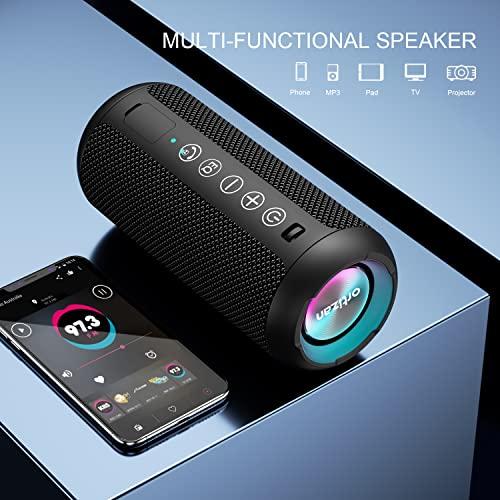
Both the Ortizan X10 and JBL Flip 6 use modern Bluetooth standards and connect to smartphones, tablets, laptops, and smart TVs. The Ortizan X10 also includes AUX input and microSD card support for additional connectivity options beyond Bluetooth.
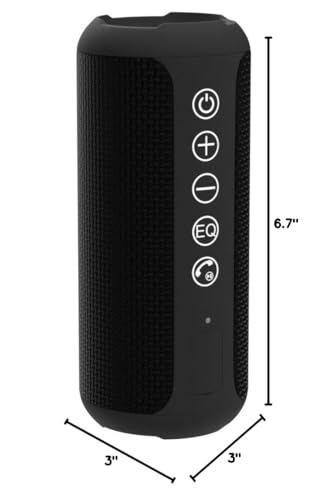
The Ortizan X10 weighs 1.15 pounds while the JBL Flip 6 weighs 1.21 pounds - both are highly portable. The JBL Flip 6 has a slightly more compact design, while the Ortizan X10 includes a lanyard for easier carrying.
The JBL Flip 6 offers IP67 protection, meaning it can be submerged up to 1 meter for 30 minutes and is completely dustproof. The Ortizan X10 provides IPX7 waterproofing, allowing submersion up to 3 feet for 30 minutes but without dust protection.
For home use, the JBL Flip 6 provides more balanced, natural sound that works well across all music genres and won't fatigue your ears during extended listening. The Ortizan X10 offers fun party features like RGB lighting but may sound too bass-heavy for everyday home listening.
Yes, both speakers support multi-speaker pairing. The Ortizan X10 uses True Wireless Stereo (TWS) technology that works with any compatible speaker brand. The JBL Flip 6 uses PartyBoost, which only connects to other recent JBL speakers but provides optimized performance.
The JBL Flip 6 charges faster, requiring 2.5 hours for a full charge compared to 3 hours for the Ortizan X10. Both use USB-C charging, but the JBL Flip 6 gets you back to listening sooner.
JBL, as an established audio company, provides more comprehensive customer support, warranty coverage, and service centers for the JBL Flip 6. The Ortizan X10 comes from a newer brand with less extensive support infrastructure, though it still includes standard warranty coverage.
We've done our best to create useful and informative comparisons to help you decide what product to buy. Our research uses advanced automated methods to create this comparison and perfection is not possible - please contact us for corrections or questions. These are the sites we've researched in the creation of this article: reviewindetail.com - manuals.plus - newegg.com - walmart.com - nerdtechy.com - aliexpress.com - youtube.com - h5.lazada.com.ph - youtube.com - manuals.plus - walmart.com - ortizan.com - youtube.com - youtube.com - ubuy.com.pk - manuals.plus - youtube.com - aliexpress.com - aliexpress.com - ortizan.com - youtube.com - heartwood.church - device.report - techradar.com - phonearena.com - youtube.com - tomsguide.com - outeraudio.com - wcucampusstore.com - jbl.com.sg - pcrichard.com - kh.jbl.com - musicarts.com - jbl.com - cnet.com - youtube.com

Privacy Policy
Terms and Conditions - Affiliate Policy
Home Security
© Copyright 2008-2026.
11816 Inwood Rd #1211, Dallas, TX 75244