

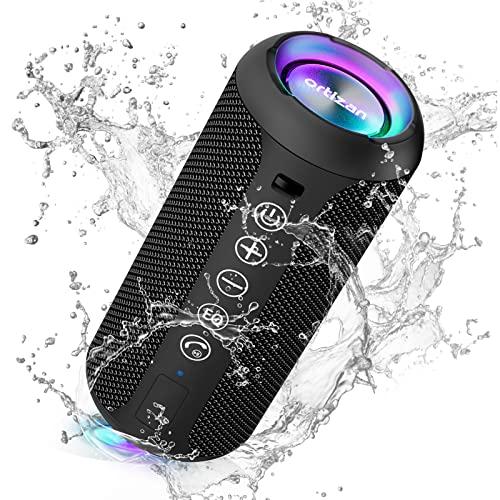


Finding the right portable Bluetooth speaker can feel overwhelming with hundreds of options flooding the market. Today, we're comparing two speakers that represent completely different philosophies: the Ortizan X10, a feature-packed powerhouse, and the JBL Clip 4, an ultra-portable companion designed for active lifestyles.
Understanding what makes a good portable speaker is crucial before diving into specifics. The most important performance metrics include audio quality (how music actually sounds), maximum volume output (measured in watts), battery life, water resistance ratings, and build quality. But here's the thing – the "best" speaker depends entirely on how you plan to use it.
Portable Bluetooth speakers have evolved dramatically since their early days in the 2010s. What started as basic wireless audio boxes have transformed into sophisticated devices with advanced digital signal processing (DSP – essentially computer chips that enhance and modify sound), waterproofing, and specialized features for different activities.
The Ortizan X10 represents the newer wave of budget-conscious speakers that pack premium features into affordable packages. Released around 2022-2023, it benefits from recent advances in battery technology and Bluetooth connectivity. The JBL Clip 4, launched in 2021, continues JBL's decade-long tradition of creating speakers designed specifically for attachment to gear during outdoor activities.
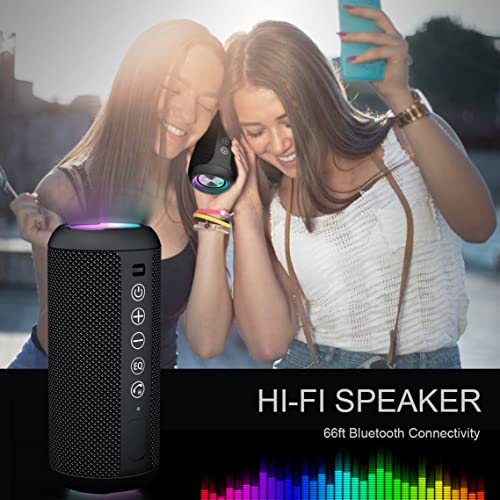
These release dates matter because Bluetooth technology has improved significantly. The Ortizan X10 uses Bluetooth 5.3, while the JBL Clip 4 uses 5.1. Both versions offer better connection stability and lower power consumption compared to older Bluetooth 4.x standards, but 5.3 provides slightly better range and audio quality.
Let's talk about what really matters for sound quality. The Ortizan X10 delivers 24 watts of total power through dual 12-watt drivers arranged in a stereo configuration. This means it has two separate speakers inside that can play different audio channels (left and right), creating a wider soundstage – the perceived space where music seems to come from.
Compare this to the JBL Clip 4, which uses a single 5-watt driver in mono configuration (all sound comes from one speaker). That's nearly five times less power on paper. But power isn't everything – it's how that power is used that matters.
Frequency response tells us which musical notes a speaker can reproduce. The Ortizan X10 claims to handle frequencies from 20Hz to 20kHz, covering the full range of human hearing. However, our research into user reviews suggests the actual bass response starts around 70-80Hz, which is still impressive for a portable speaker.
The JBL Clip 4 officially covers 100Hz to 20kHz. That higher starting point means less deep bass, but what it does produce tends to be more accurate and controlled. Think of it this way: the Ortizan tries to punch above its weight class with enhanced bass, while the JBL stays within its natural capabilities.
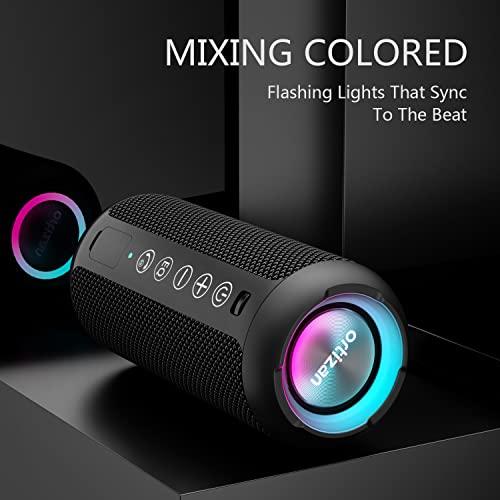
The Ortizan X10 includes something called BASSBOOM technology – essentially DSP that boosts low frequencies and adds processing to make bass sound deeper and more pronounced. It also offers multiple EQ presets (vocal, 3D bass, extra bass) that reshape the sound signature. This gives you more control over how your music sounds, though some purists prefer unprocessed audio.
Here's where things get interesting. Despite the huge power difference, user reviews reveal that the volume advantage isn't as dramatic as you'd expect. The Ortizan X10 definitely gets louder and fills medium-sized rooms better, making it suitable for small gatherings or outdoor parties. However, both speakers struggle in truly noisy environments like beaches with heavy wind or busy campsites.
The JBL Clip 4 provides adequate volume for personal listening and quiet outdoor activities. Where it shines is maintaining clarity at its maximum volume – no distortion or harsh sounds that plague some budget speakers when pushed to their limits.
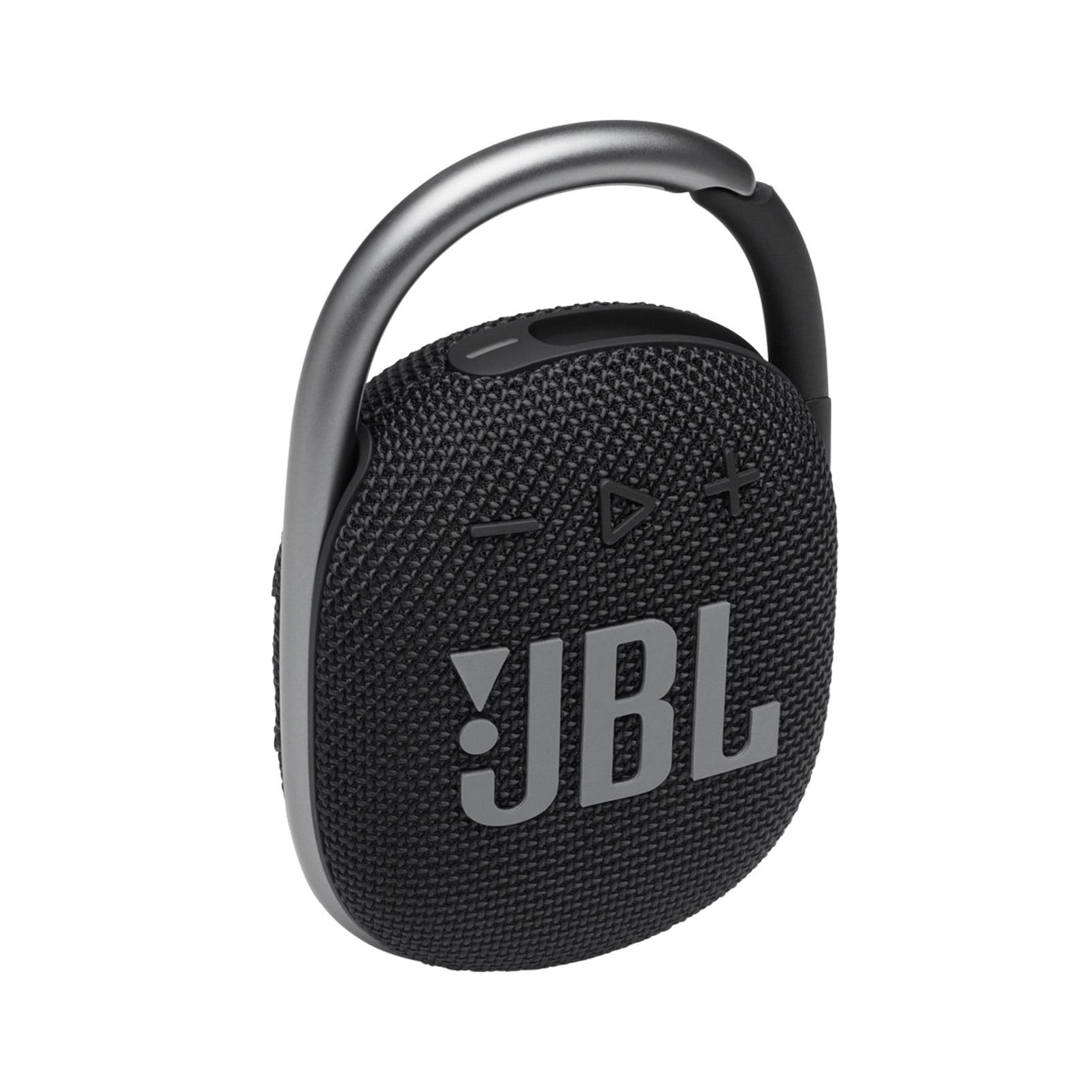
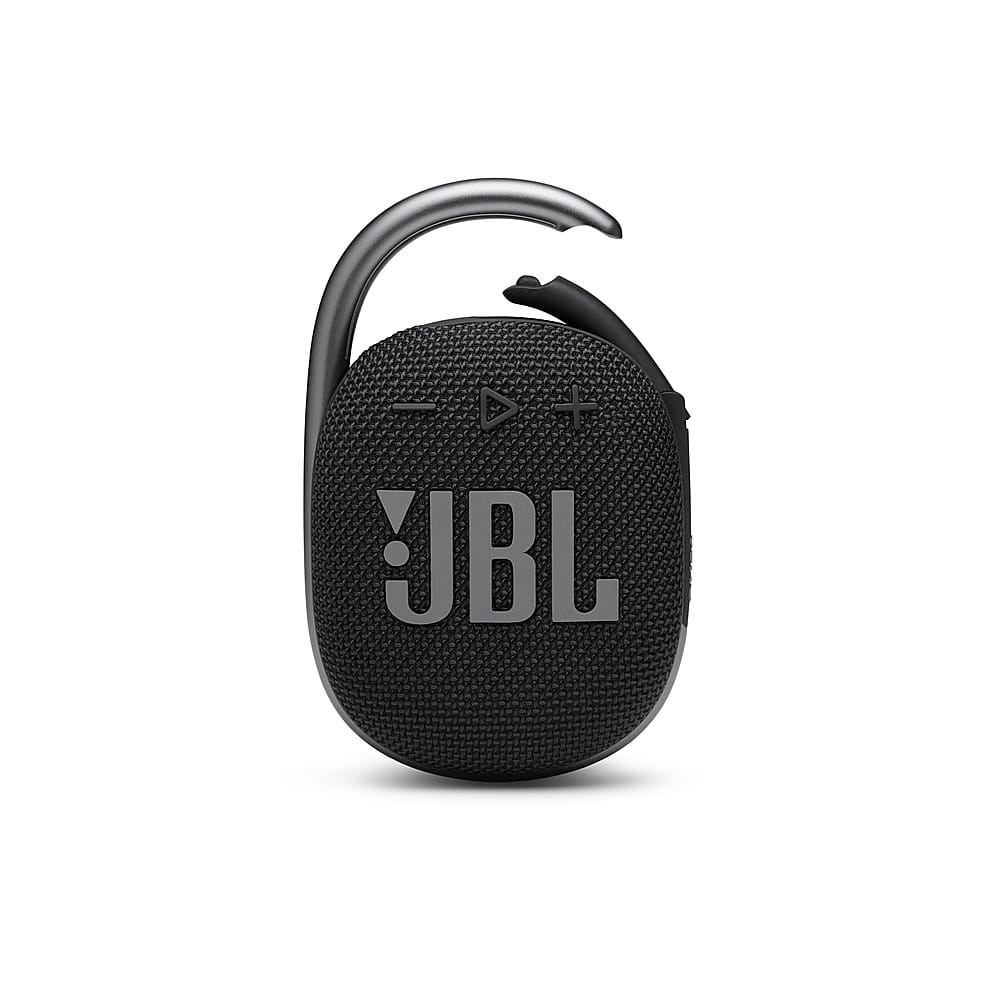
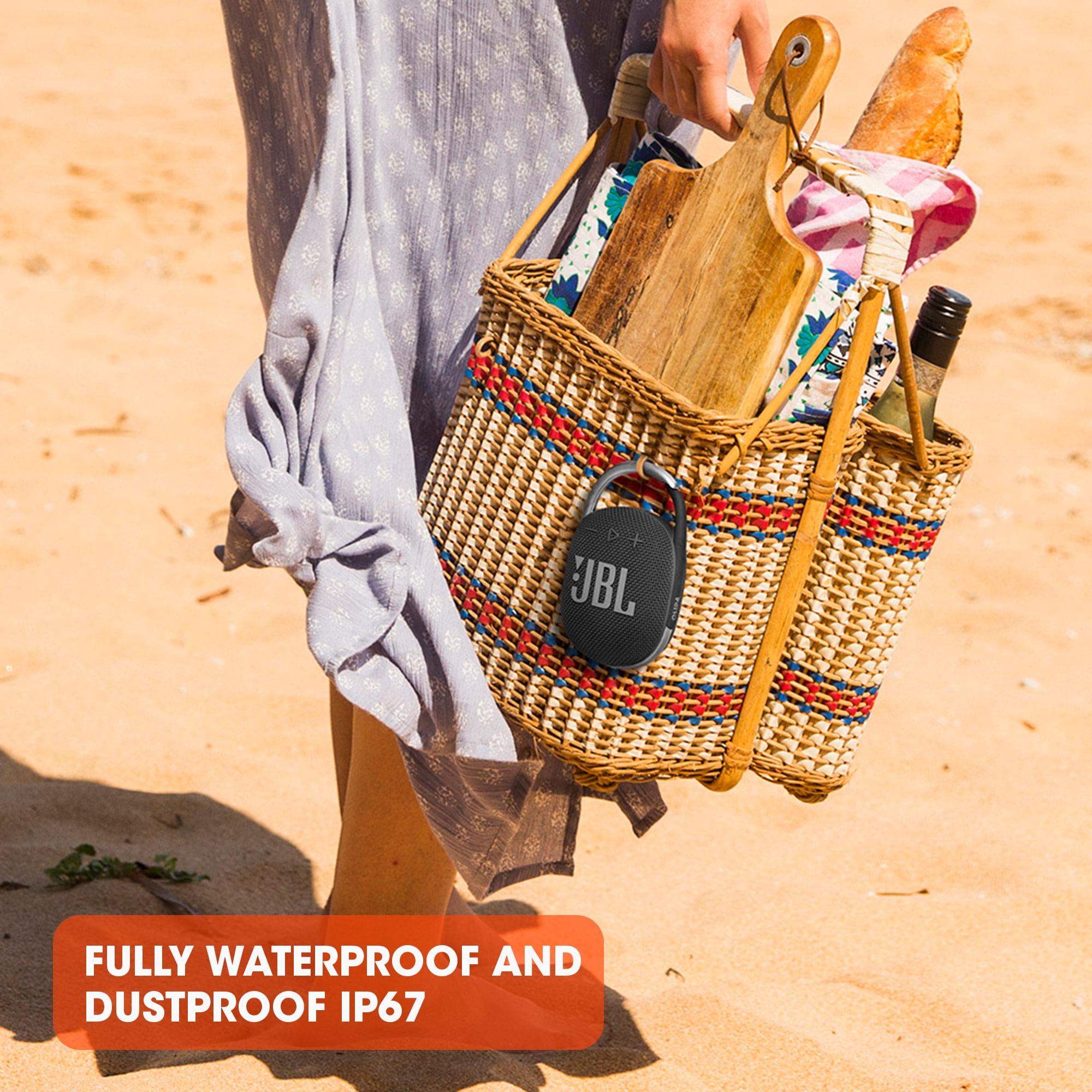
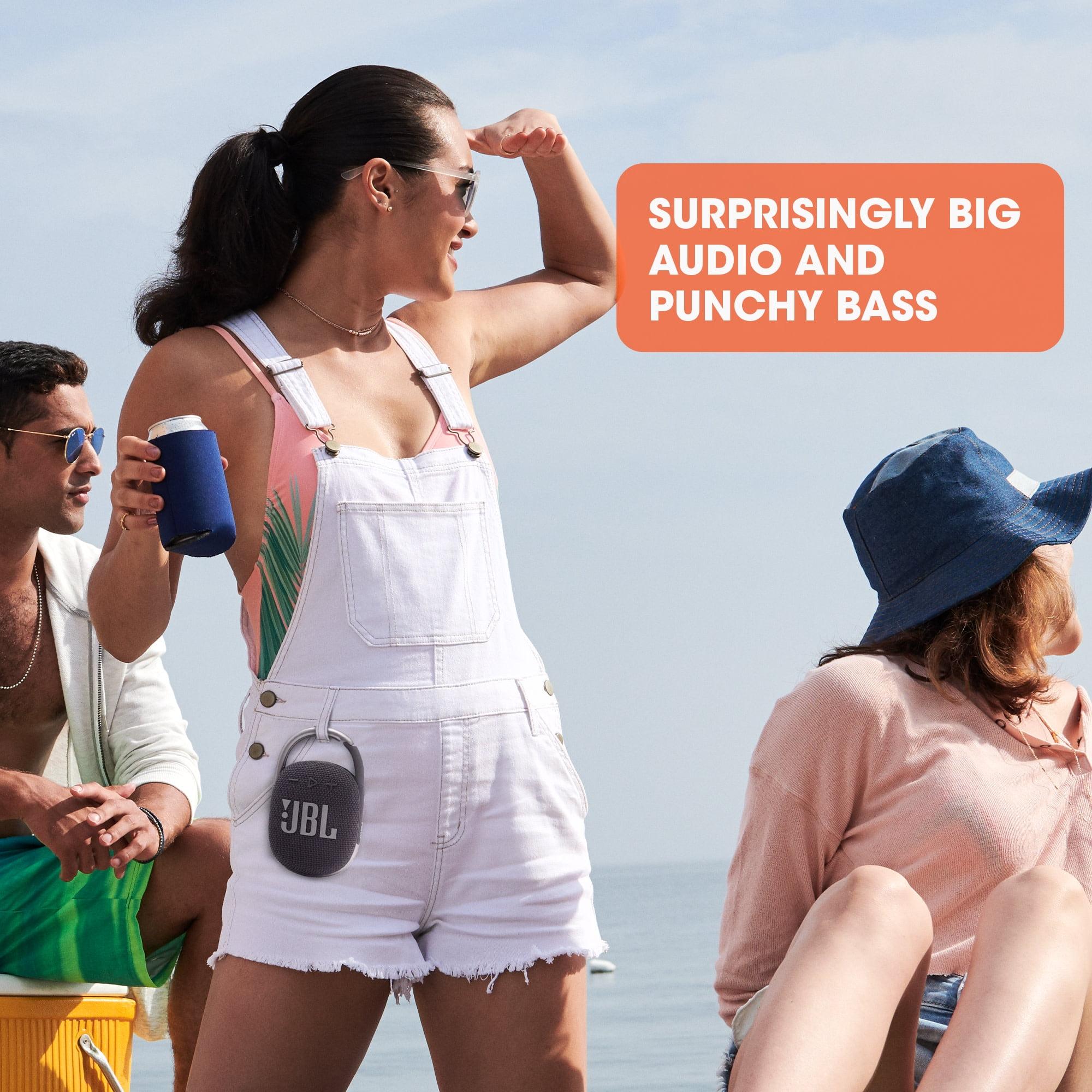
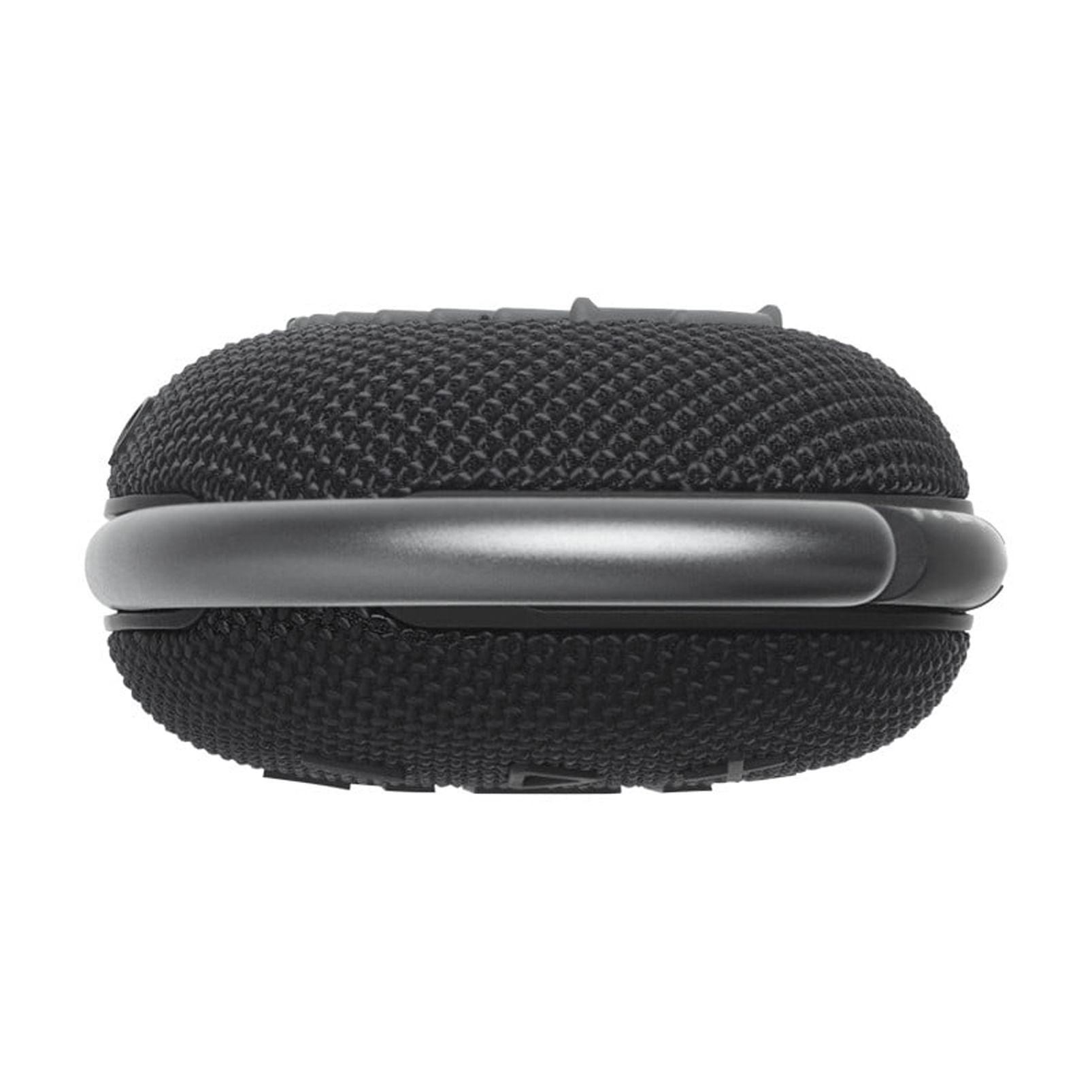
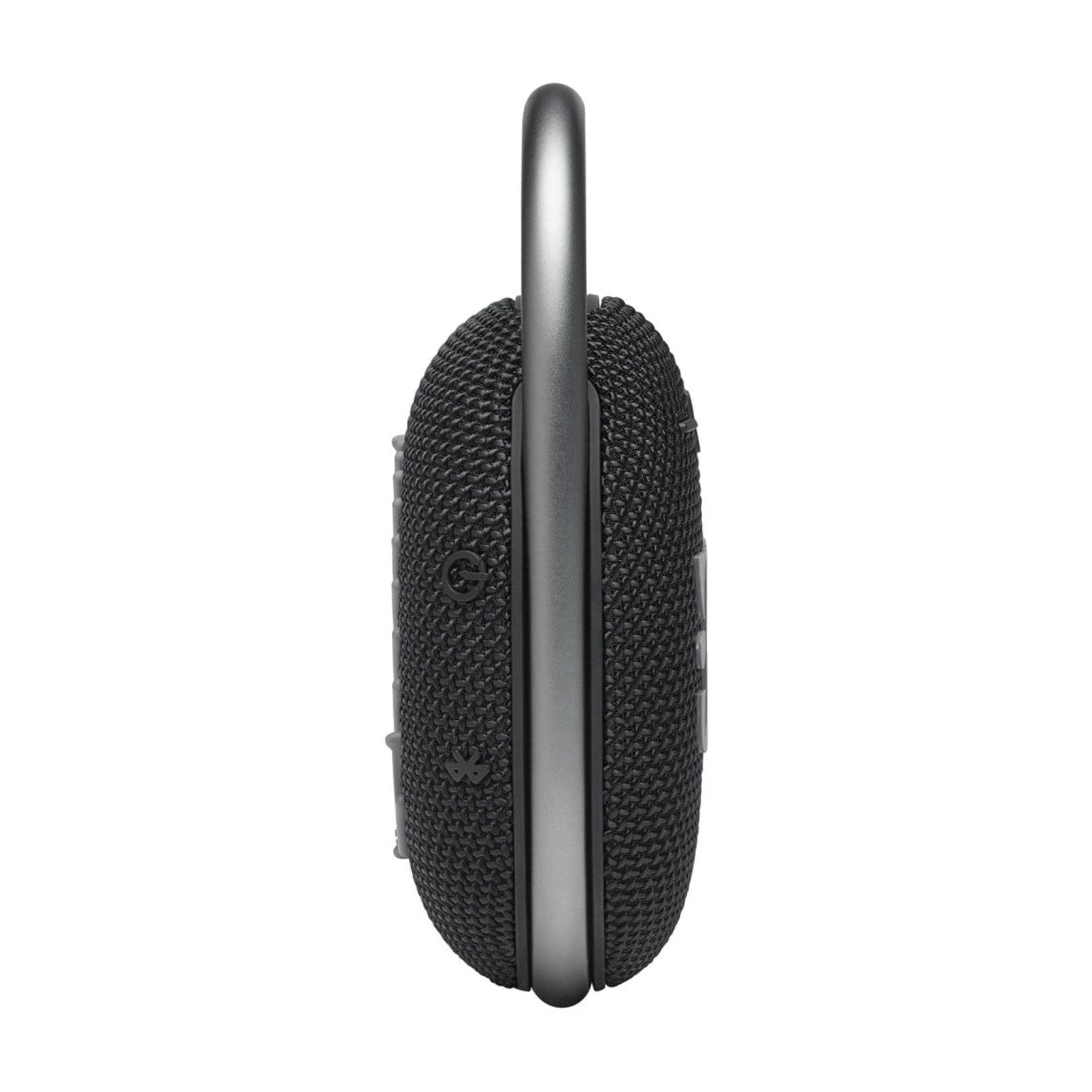
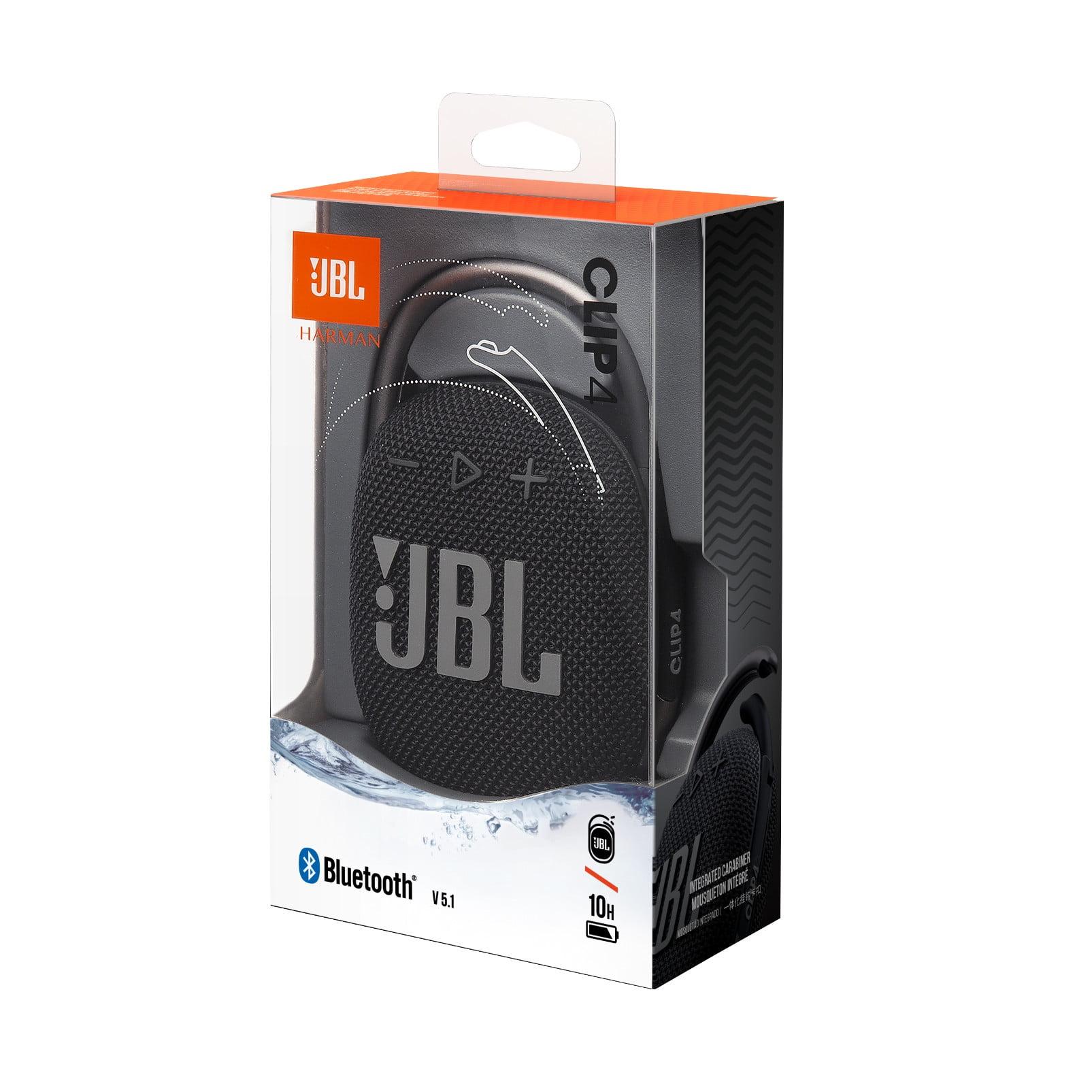
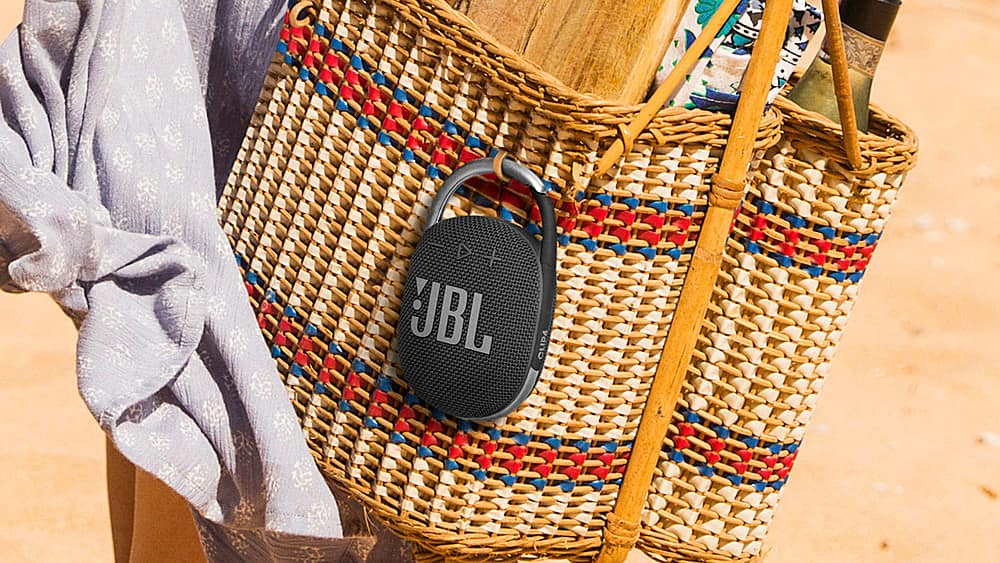
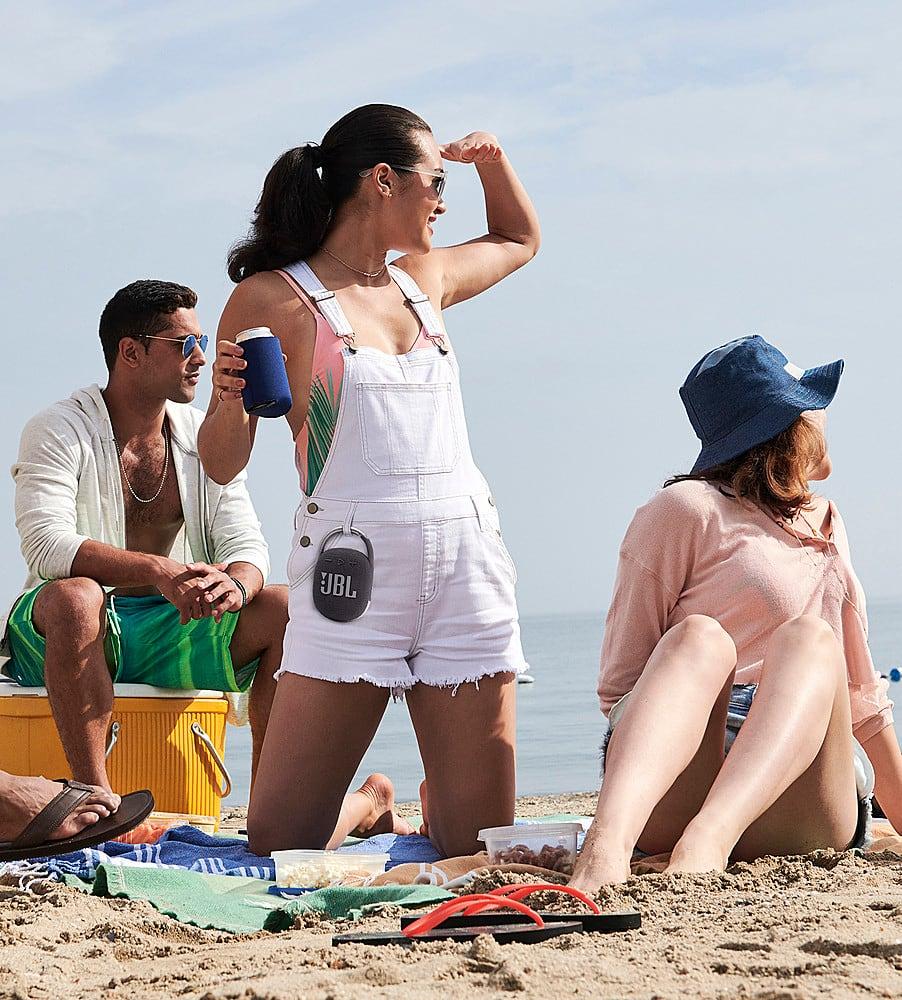
The fundamental difference between these speakers lies in their design philosophy. The JBL Clip 4 features an integrated carabiner (a spring-loaded metal clip like mountain climbers use) that lets you attach it directly to backpack straps, belt loops, or bicycle frames. This hands-free approach means you can keep your music with you during activities without dedicating pocket or bag space.
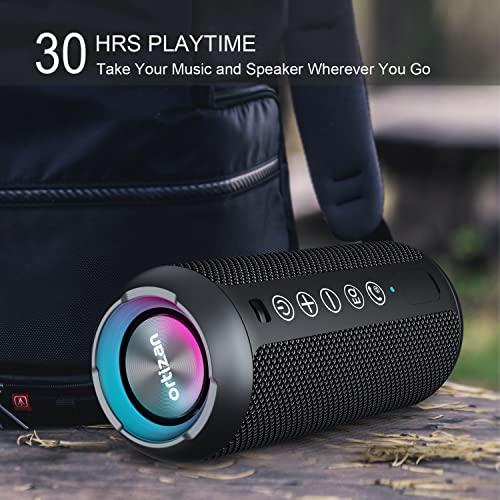
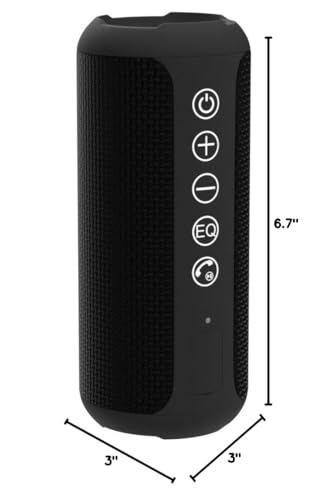
The Ortizan X10 takes a different approach with a cylindrical design that's meant to sit on surfaces. At 6.7 inches long and weighing about 1.1 pounds, it's still portable but clearly designed for stationary use. It includes a lanyard for carrying, but you wouldn't want this bouncing against your hip during a hike.
This design difference defines their ideal use cases. The JBL Clip 4 excels for activities where your hands need to be free: hiking, cycling, rock climbing, or working in the garage. Its compact size (about the length of a smartphone but thicker) disappears on your gear until you need it.
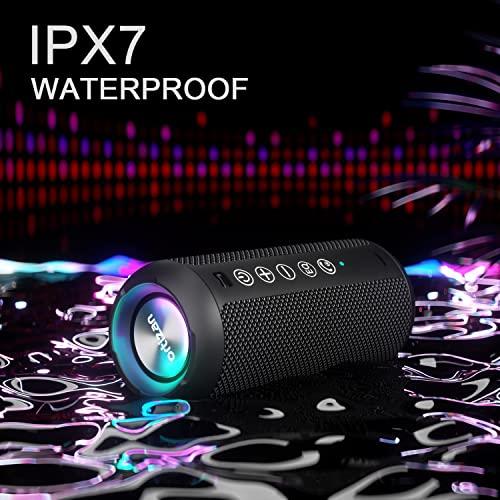
The Ortizan X10 works better for situations where you can set it down: beach days, camping trips, backyard parties, or as a desktop speaker in a dorm room. The RGB lighting effects (LED lights that pulse and change colors with the music) create ambiance that's perfect for evening gatherings but would be distracting during active pursuits.
Battery specifications often mislead consumers, so let's dig into what you can actually expect. The Ortizan X10 claims up to 30 hours of playtime from its 3600mAh battery. However, user reviews suggest this figure assumes very low volume levels – probably around 30-40% maximum. At more realistic listening volumes (60-70% maximum), expect closer to 15-20 hours, which is still excellent.
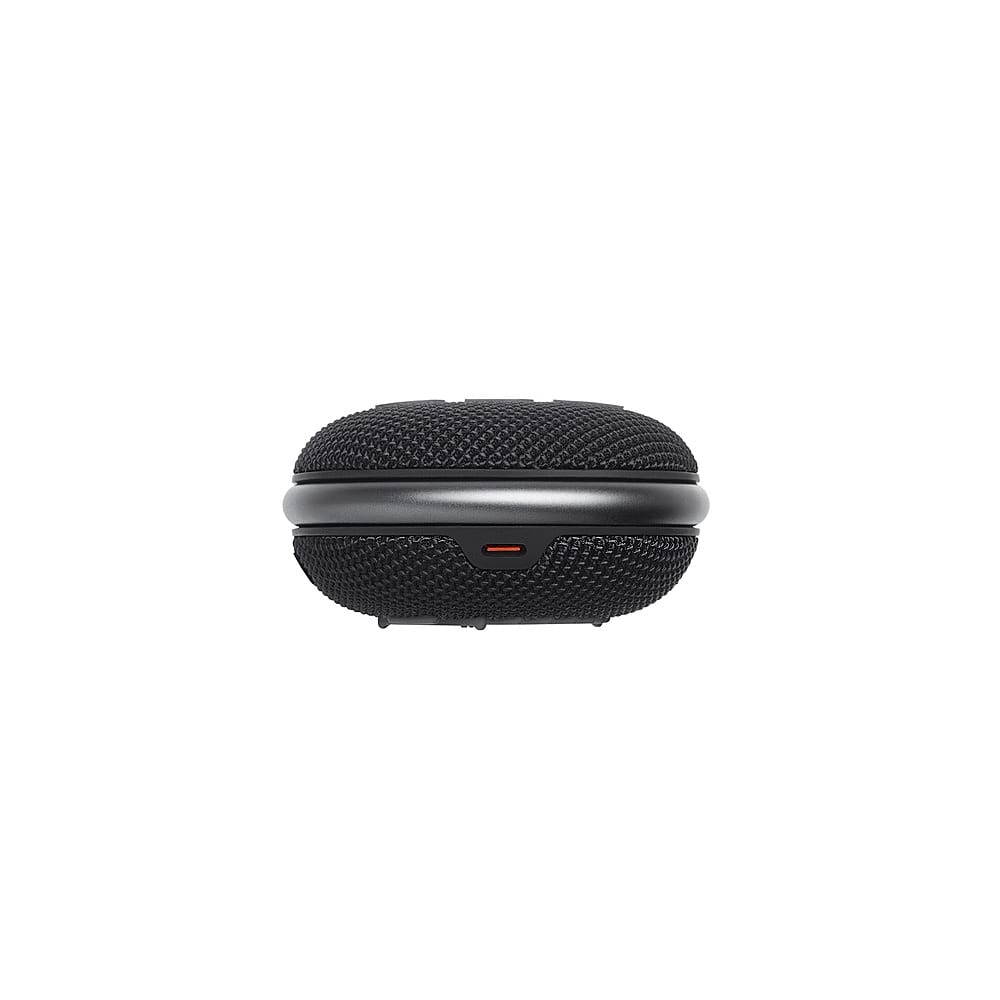
The JBL Clip 4 promises 10 hours from its smaller battery, and this figure appears more conservative and achievable. Users consistently report getting close to the advertised time, even at higher volumes. Both speakers charge via USB-C in about three hours, which has become the standard for modern portable electronics.
For extended outdoor trips, the Ortizan's longer battery life provides obvious advantages. However, the JBL's more predictable performance might be preferable when you need to know exactly how much music time remains.
Both speakers offer water protection, but with important differences. The JBL Clip 4 carries an IP67 rating, meaning it's completely dust-tight (the "6") and can survive submersion in up to one meter of water for 30 minutes (the "7"). This comprehensive protection handles both dusty hiking trails and accidental drops in streams.
The Ortizan X10 features IPX7 rating – the same water protection but without tested dust resistance (the "X" means untested, not absent). For most users, this difference won't matter, but if you frequently encounter very dusty environments, the JBL's superior rating provides extra peace of mind.
User feedback suggests the JBL Clip 4 feels more robust despite its smaller size. The Ortizan X10, while larger, uses materials that feel less premium under stress. This aligns with JBL's longer history of producing durable audio equipment versus newer brands trying to maximize features while minimizing costs.
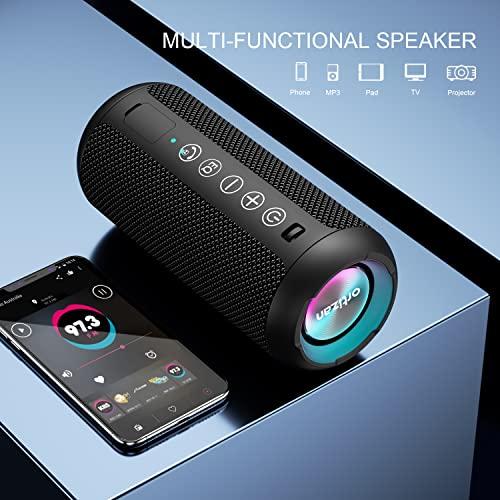
The Ortizan X10 offers extensive connectivity options that appeal to tech enthusiasts. Beyond Bluetooth, it includes a 3.5mm auxiliary input for wired connections and a microSD card slot supporting up to 32GB of music files. This means you can use it even without a phone nearby – perfect for dedicated music listening or areas with poor cell reception.
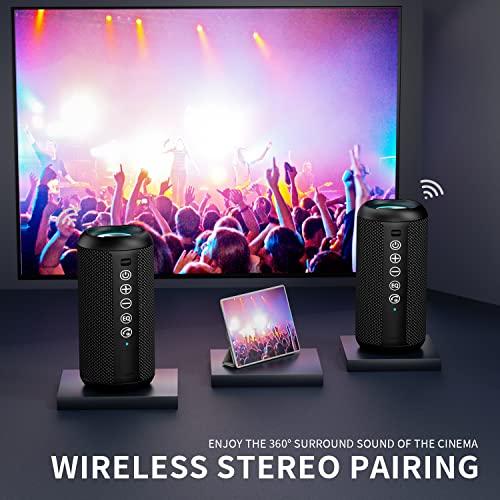
The True Wireless Stereo (TWS) feature lets you pair two Ortizan X10 speakers together, creating a genuine stereo separation that dramatically improves the listening experience for larger groups. This feature alone could justify the purchase for someone wanting to upgrade their sound system gradually.
The JBL Clip 4 deliberately simplifies connectivity to just Bluetooth. JBL removed the auxiliary input that previous Clip models included, focusing entirely on wireless convenience. While this limits flexibility, it also eliminates potential connection problems and keeps the design streamlined.
Both speakers include built-in microphones for hands-free phone calls, though neither excels at voice quality compared to dedicated headsets.
Neither speaker targets home theater use, but they serve different roles in entertainment setups. The Ortizan X10 can function as a secondary speaker for casual movie watching in smaller rooms, especially if you use the TWS feature to create left and right channels. Its enhanced bass helps with action movie soundtracks, though dialogue clarity suffers compared to dedicated TV speakers.
The JBL Clip 4 works better as a personal device for late-night viewing when you need to keep volume low. Its balanced sound signature reproduces dialogue more clearly than bass-heavy alternatives.
For serious home theater applications, both speakers fall short of what you'd get from dedicated soundbars or bookshelf speakers, but they can serve as portable solutions for bedrooms or outdoor movie nights.
At the time of writing, the Ortizan X10 typically costs significantly less than the JBL Clip 4, creating a compelling value proposition if you prioritize features and power per dollar. You get nearly five times the power, RGB lighting, multiple connectivity options, and longer battery life for less money.
However, the JBL Clip 4 commands a premium for its specialized design, brand reputation, and proven reliability. JBL's decade-plus history in portable audio means better customer service, more predictable quality control, and higher resale value.
This price difference reflects different business models. Ortizan maximizes features to compete on specifications, while JBL focuses on specific use cases and charges for brand trust and specialized engineering.
The Ortizan X10 includes newer Bluetooth 5.3 technology, which provides better connection stability and slightly improved audio quality compared to the JBL Clip 4's Bluetooth 5.1. Both versions support modern audio codecs that ensure high-quality wireless transmission, though the practical difference is minimal for most users.
The Ortizan's DSP capabilities and multiple EQ settings provide more customization options, while the JBL relies on tried-and-true acoustic engineering without digital enhancement. Neither approach is inherently superior – it depends on whether you prefer to tweak settings or trust the manufacturer's sound tuning.
The Ortizan X10 makes sense for users who want maximum bang for their buck and plan to use their speaker primarily in stationary settings. If you're hosting small gatherings, want impressive bass response, or appreciate customizable RGB lighting, this speaker delivers exceptional value. The multiple connectivity options and TWS capability provide flexibility for various scenarios.
Choose the JBL Clip 4 if true portability is your priority and you engage in activities where hands-free attachment matters. Hikers, cyclists, climbers, and anyone who needs background music during active pursuits will appreciate its specialized design. The brand reliability and comprehensive environmental protection justify the higher cost for users who depend on their gear performing consistently.
The Ortizan X10 targets users who want their portable speaker to occasionally replace their home audio system, while the JBL Clip 4 focuses on being the perfect activity companion that disappears when not needed.
Consider your primary use case honestly. If you mostly listen to music while stationary – at the beach, camping, or in your room – the Ortizan X10's extra power and features provide better value. If you're active and need music during movement, the JBL Clip 4's specialized portability is worth the premium.
Both speakers excel in their intended roles. The Ortizan delivers impressive performance for its price point, while the JBL provides reliable, purpose-built functionality that's hard to replicate. Your choice should align with how you actually plan to use your speaker, not just which specifications look better on paper.
The portable speaker market continues evolving rapidly, but these two models represent mature approaches to different user needs. Neither will disappoint when used as intended, making this decision more about matching your lifestyle than finding the "better" speaker.
| Ortizan X10 Portable Bluetooth Speaker 24W | JBL Clip 4 Portable Bluetooth Speaker |
|---|---|
| Power Output - Determines maximum volume and room-filling capability | |
| 24W stereo (dual 12W drivers) | 5W mono (single driver) |
| Audio Configuration - Affects soundstage width and stereo separation | |
| True stereo with left/right channel separation | Mono output from single driver |
| Frequency Response - Shows bass depth and treble extension | |
| 20Hz-20kHz claimed (realistically 70Hz-20kHz) | 100Hz-20kHz (more conservative but accurate) |
| Battery Life - Critical for extended use away from power | |
| Up to 30 hours claimed (realistic 15-20 hours at moderate volume) | 10 hours (consistently achievable in real-world use) |
| Water/Dust Protection - Essential for outdoor durability | |
| IPX7 (water submersion, dust resistance untested) | IP67 (complete dust/water protection) |
| Portability Design - Defines how you'll carry and use the speaker | |
| Cylindrical with lanyard (1.1 lbs, meant for stationary placement) | Integrated carabiner clip (0.53 lbs, hands-free attachment) |
| Connectivity Options - Flexibility for different audio sources | |
| Bluetooth 5.3, 3.5mm AUX, microSD card slot | Bluetooth 5.1 only (no auxiliary inputs) |
| Special Features - Value-added functionality beyond basic audio | |
| RGB lighting effects, TWS pairing, multiple EQ presets | Integrated carabiner, simplified controls, established brand support |
| Dimensions - Physical footprint and storage requirements | |
| 6.7" × 3" × 3" (compact but substantial) | 3.4" × 5.3" × 1.8" (ultra-compact, gear-attachable) |
| Best Use Cases - Scenarios where each speaker excels | |
| Beach parties, camping basecamp, desktop listening, small gatherings | Hiking, cycling, climbing, personal workouts, active pursuits |
The Ortizan X10 is significantly louder with 24W of power compared to the JBL Clip 4's 5W output. The Ortizan X10 can fill medium-sized rooms and handle small outdoor gatherings, while the JBL Clip 4 is best suited for personal listening and quiet environments.
The primary difference is portability approach: the JBL Clip 4 features an integrated carabiner clip for hands-free attachment to gear during activities, while the Ortizan X10 is designed for stationary placement with more power and features. The JBL Clip 4 prioritizes true portability, whereas the Ortizan X10 focuses on performance and value.
The Ortizan X10 offers longer battery life with up to 30 hours claimed (realistic 15-20 hours at moderate volume), compared to the JBL Clip 4's 10 hours. However, the JBL Clip 4 consistently delivers its advertised battery life, making it more predictable for planning purposes.
Yes, both are water-resistant but with different ratings. The JBL Clip 4 has IP67 protection (complete dust and water resistance), while the Ortizan X10 features IPX7 rating (water submersion protection but untested dust resistance). The JBL Clip 4 offers more comprehensive environmental protection.
The JBL Clip 4 is purpose-built for outdoor activities with its integrated carabiner clip that attaches to backpacks, belts, or gear. It's lightweight at 0.53 pounds and designed for hands-free use during hiking, cycling, or climbing. The Ortizan X10 is better suited for stationary outdoor use like camping or beach gatherings.
Both the Ortizan X10 and JBL Clip 4 include built-in microphones for hands-free calling. However, neither excels at voice quality compared to dedicated headsets. They're adequate for occasional calls but not ideal for frequent phone conversations.
Sound quality depends on your preferences. The Ortizan X10 delivers more powerful bass and stereo separation with dual drivers, plus customizable EQ settings. The JBL Clip 4 offers more balanced, consistent sound quality with JBL's established audio engineering. The Ortizan X10 has more impact, while the JBL Clip 4 has better accuracy.
The Ortizan X10 offers multiple connectivity options including Bluetooth, 3.5mm AUX input, and microSD card slot for standalone music playback. The JBL Clip 4 only supports Bluetooth connectivity, making the Ortizan X10 more versatile for different audio sources.
The Ortizan X10 typically offers better value with more power, features, and battery life for less money. However, the JBL Clip 4 provides value through specialized design, brand reliability, and proven durability. Choose the Ortizan X10 for features per dollar, or the JBL Clip 4 for specialized portability and brand trust.
Neither speaker is designed for serious home theater applications. The Ortizan X10 can serve as a secondary speaker for casual movie watching in smaller rooms, especially when using TWS pairing for stereo separation. The JBL Clip 4 works better for personal late-night viewing when you need to keep volume low.
The JBL Clip 4 appears more durable with comprehensive IP67 protection and JBL's established reputation for build quality. User feedback suggests the JBL Clip 4 feels more robust despite its smaller size. The Ortizan X10 offers good water protection but uses materials that feel less premium under stress.
The Ortizan X10 supports True Wireless Stereo (TWS) pairing, allowing you to connect two speakers for genuine stereo separation and wider soundstage. The JBL Clip 4 doesn't support speaker pairing features. This makes the Ortizan X10 more suitable for users wanting to expand their audio system over time.
We've done our best to create useful and informative comparisons to help you decide what product to buy. Our research uses advanced automated methods to create this comparison and perfection is not possible - please contact us for corrections or questions. These are the sites we've researched in the creation of this article: reviewindetail.com - manuals.plus - newegg.com - walmart.com - nerdtechy.com - aliexpress.com - youtube.com - h5.lazada.com.ph - youtube.com - manuals.plus - walmart.com - ortizan.com - youtube.com - youtube.com - ubuy.com.pk - manuals.plus - youtube.com - aliexpress.com - aliexpress.com - ortizan.com - youtube.com - heartwood.church - device.report - youtube.com - outeraudio.com - jbl.com - rtings.com - youtube.com - jbl.com - harmanaudio.com - youtube.com - ggelectronics.com - greentoe.com - soundstagexperience.com

Privacy Policy
Terms and Conditions - Affiliate Policy
Home Security
© Copyright 2008-2026.
11816 Inwood Rd #1211, Dallas, TX 75244