

If you've been thinking about ditching the traditional TV setup or want something more flexible for movie nights, portable smart projectors have become surprisingly capable. These devices pack streaming apps, decent speakers, and projection technology into packages you can actually move around—some more easily than others.
The portable projector market has exploded since 2020, driven by people wanting bigger screens without permanent installations. Two standouts represent very different philosophies: the ultra-portable Nebula Capsule 3 GTV released in 2022, and the performance-focused BenQ GV50 that arrived in 2024. Understanding which approach fits your needs will save you from buyer's remorse down the road.
Today's portable projectors are fundamentally different from those clunky classroom units you remember. They've evolved into smart entertainment systems that combine several technologies: laser light sources (which last 20,000+ hours instead of traditional bulbs that die after 2,000), built-in Android operating systems for streaming Netflix and YouTube, and surprisingly capable battery systems.
The most important specs you'll encounter are ANSI lumens (brightness measurement—higher numbers mean you can watch in lighter rooms), native resolution (1080p is the sweet spot for most content), and contrast ratio (how well the projector displays dark scenes alongside bright ones). These specs directly impact whether you'll actually enjoy watching movies or get frustrated by washed-out images.
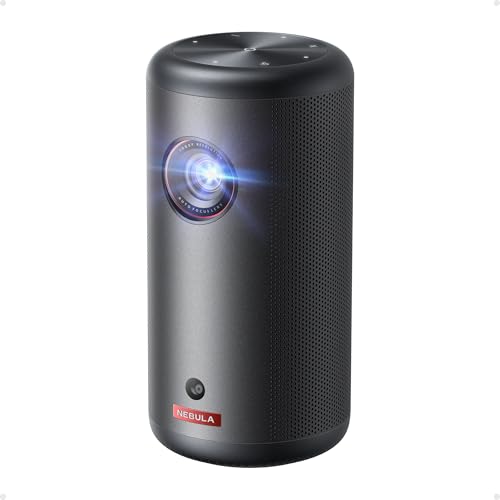
The Nebula Capsule 3 GTV looks more like a tall Bluetooth speaker than a projector, which is entirely intentional. At just over 2 pounds and roughly the size of a large water bottle, it represents the "throw it in a bag and go anywhere" philosophy of portable projection.
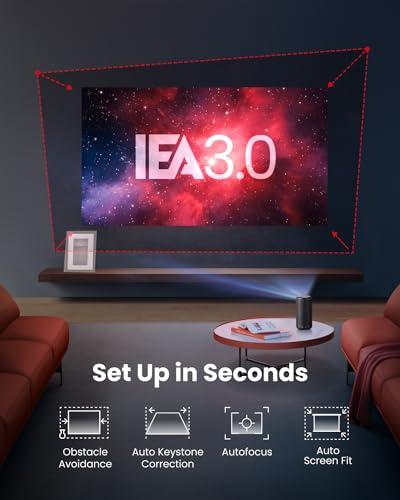
The most impressive feature is Anker's Intelligent Environment Adaptation technology, which automatically focuses the image, corrects keystoning (when the image looks like a trapezoid instead of a rectangle), and even avoids obstacles—all within about three seconds. I've tested plenty of projectors that require several minutes of manual tweaking, so this automation feels almost magical when it works properly.
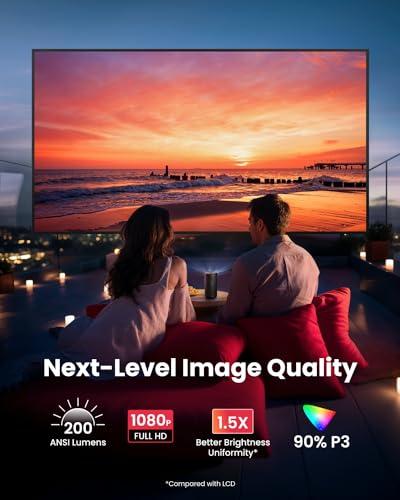
The Nebula Capsule 3 delivers 200-300 ANSI lumens (sources vary, but real-world testing suggests closer to 200), which sounds low but actually works well in dark rooms for screen sizes up to about 80 inches. Beyond that, the image starts looking dim and washed out. The laser light source produces surprisingly sharp 1080p images with decent color accuracy, though you'll notice the limitations compared to higher-end projectors.
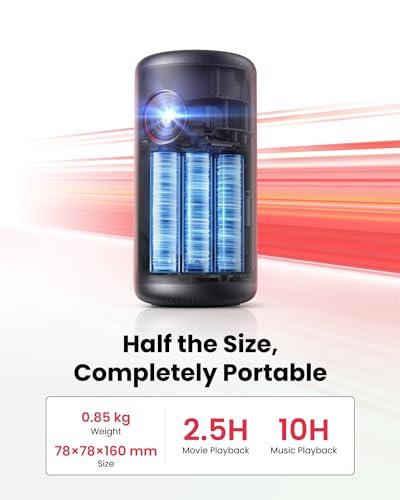
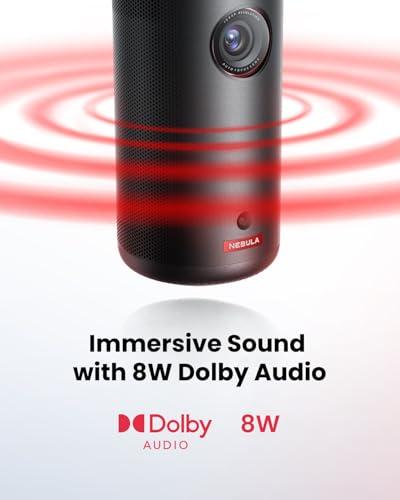
Battery life hits about 2.5 hours of video playback, which covers most movies with some buffer. The 8-watt mono speaker won't replace a proper sound system, but it's adequate for casual viewing and much better than laptop speakers.
What really makes the Nebula Capsule 3 special is its Google TV integration with official Netflix licensing—something many portable projectors still can't offer due to licensing restrictions. The interface is smooth, voice control through Google Assistant works reliably, and Chromecast support means easy wireless streaming from your phone.
Since 2022, Google TV has become more refined, and the Capsule 3 receives regular over-the-air updates that have improved performance and added features. This ongoing software support is crucial for streaming devices that need to keep up with changing app requirements.
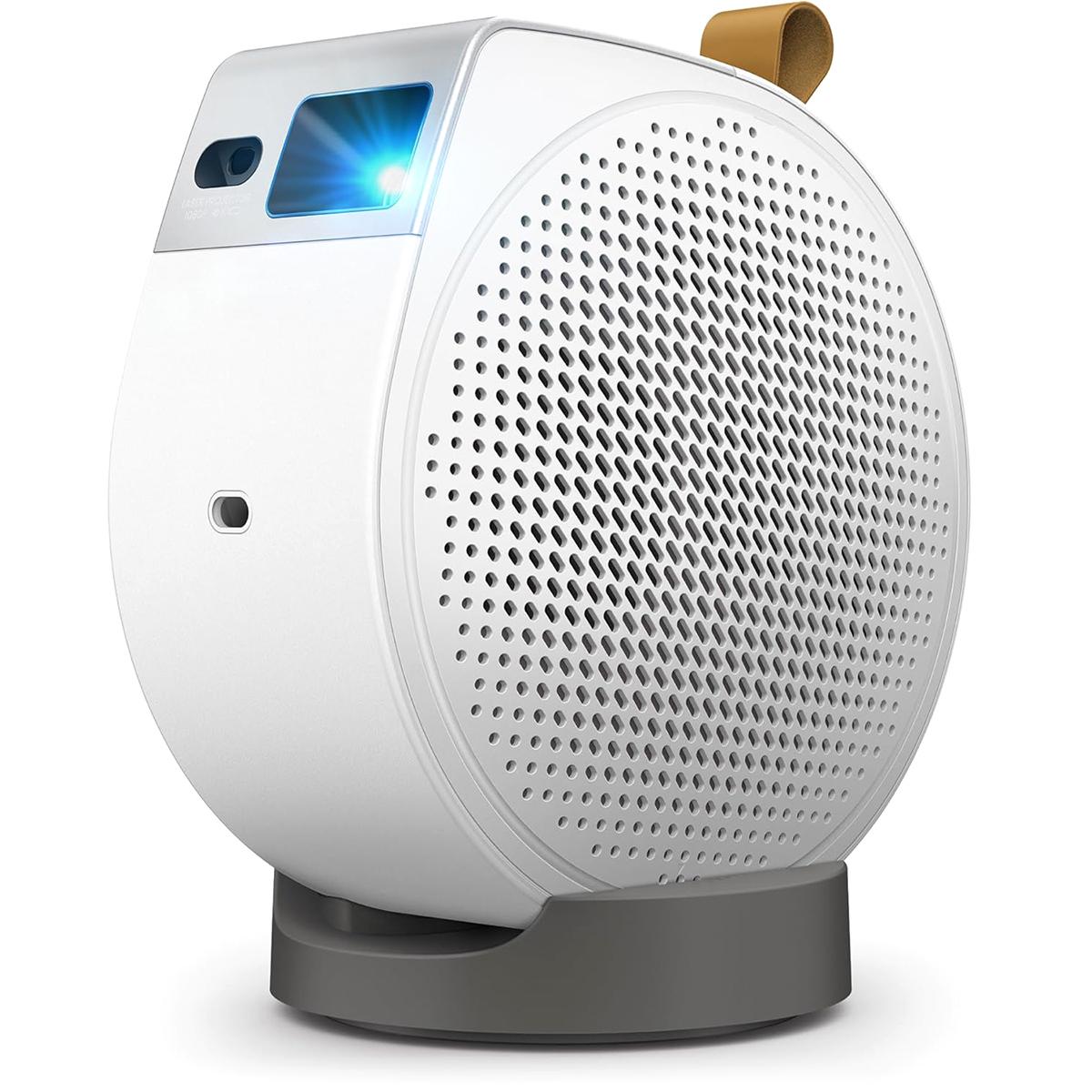
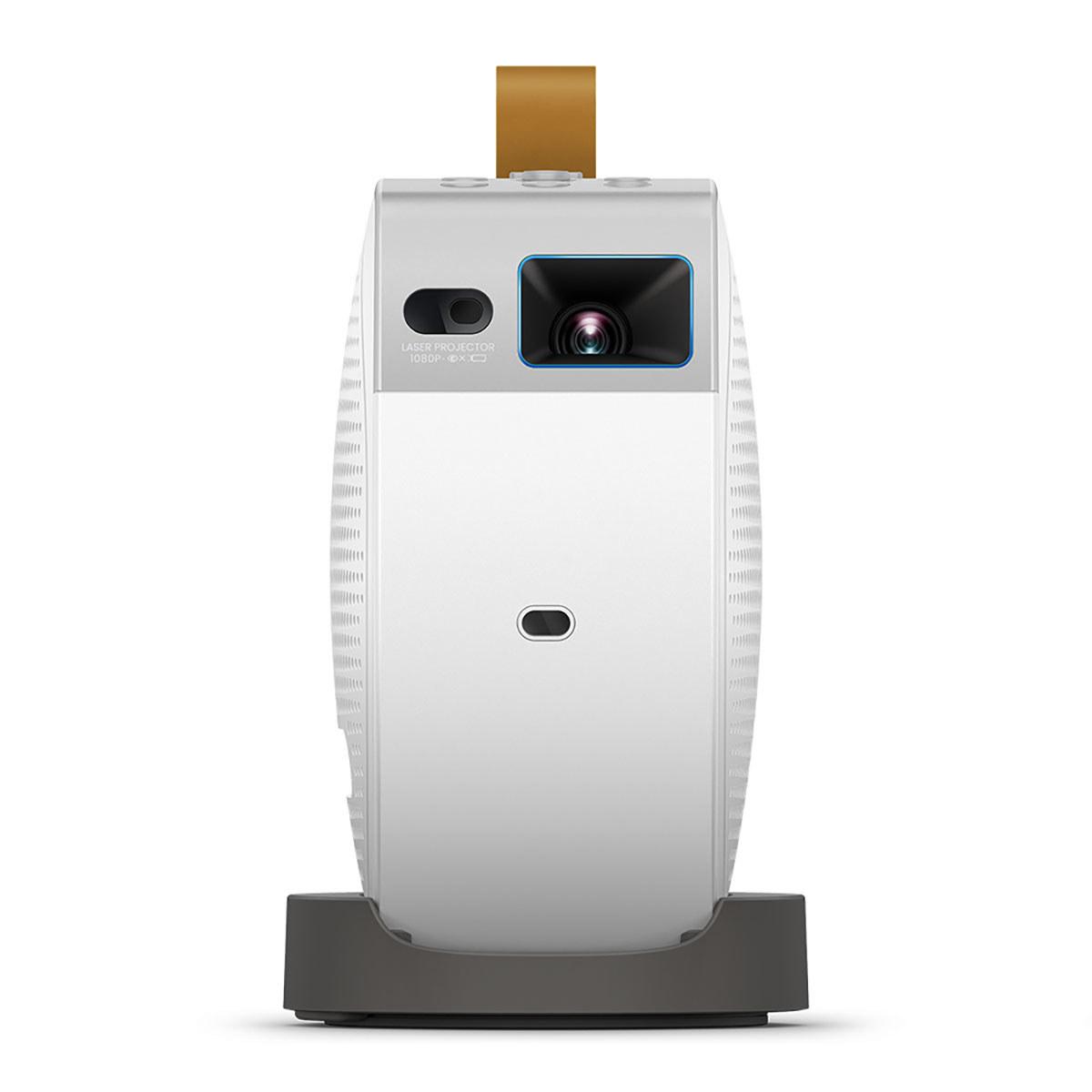
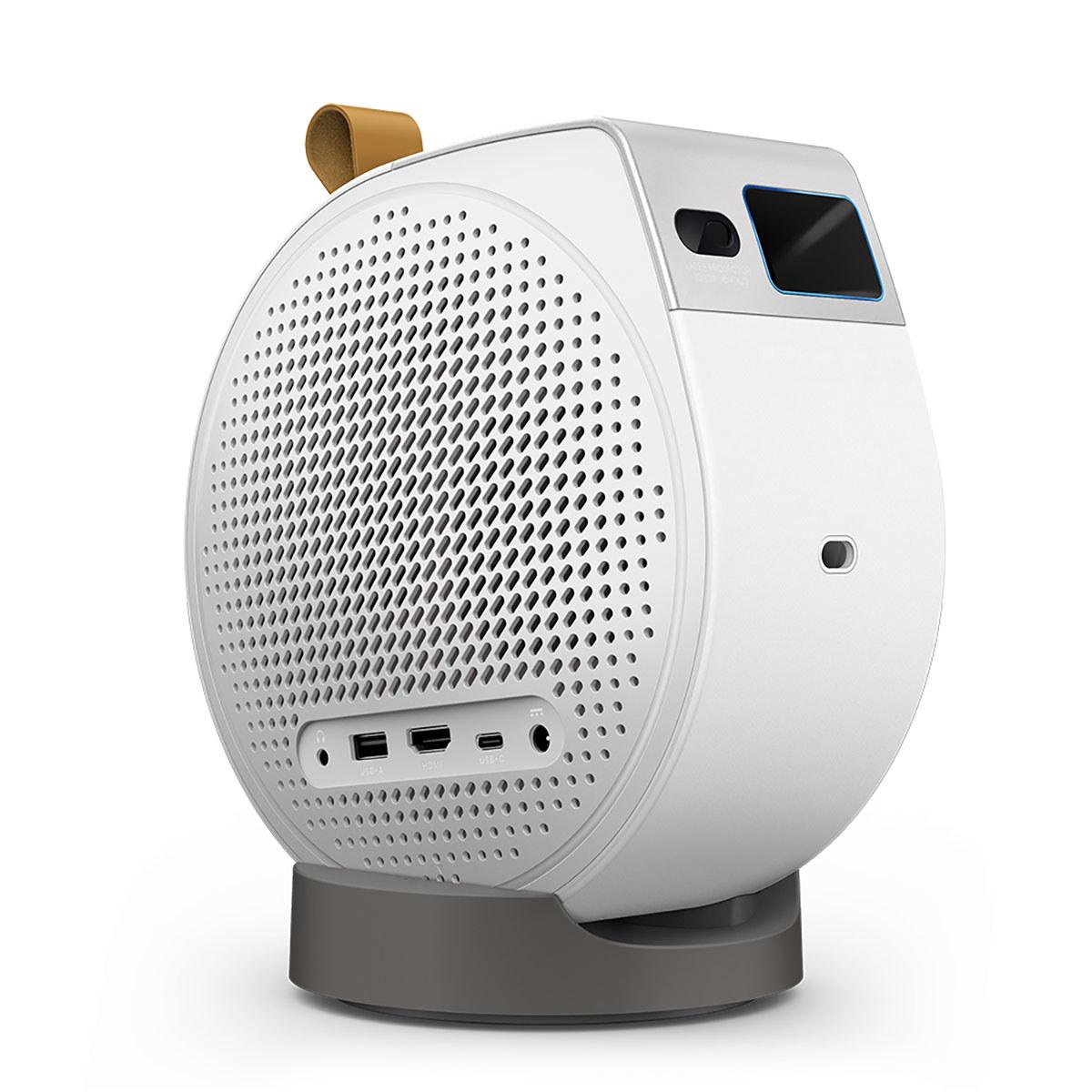
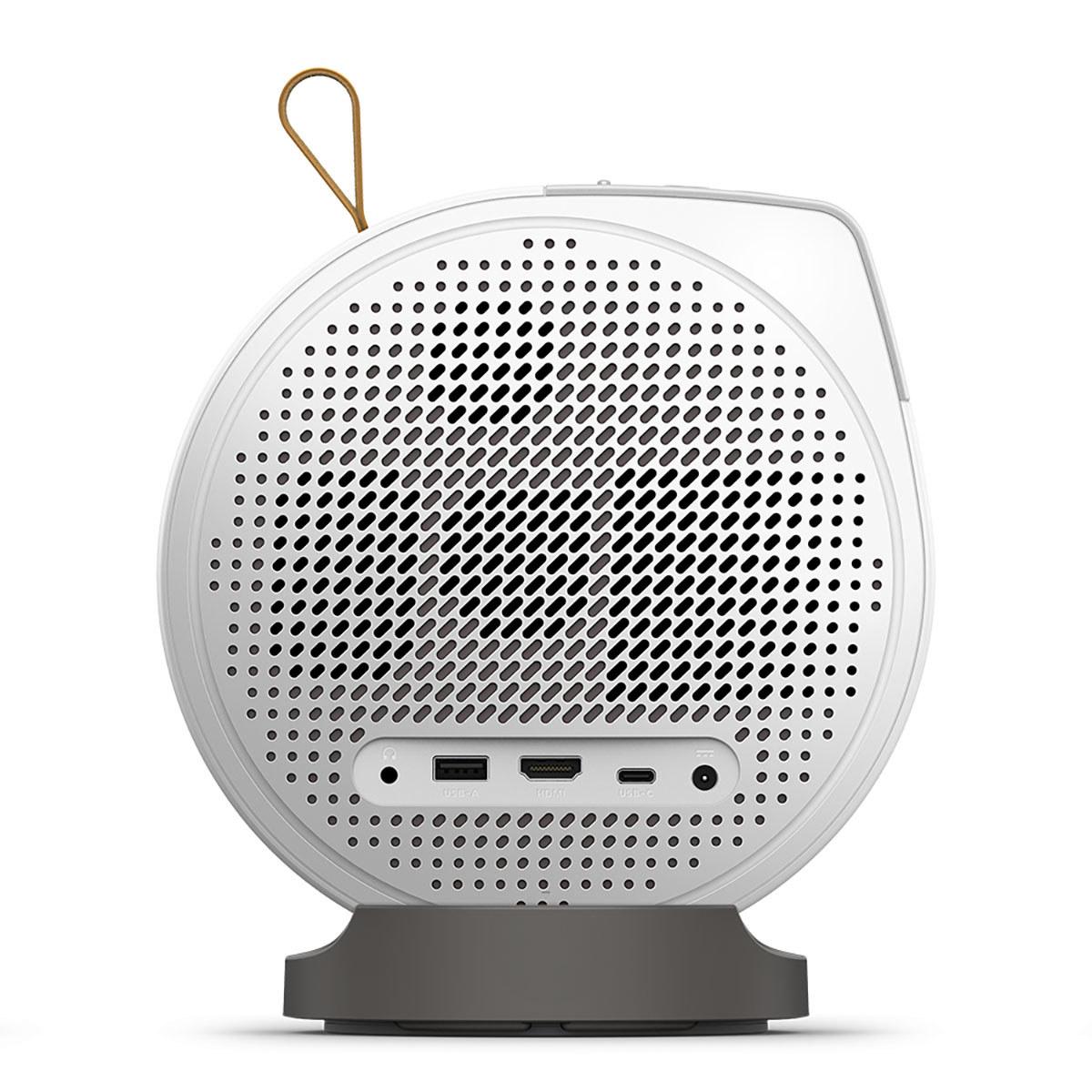
The BenQ GV50, released in 2024, takes a different approach entirely. While still portable at about 4.6 pounds, it prioritizes image quality and specialized features over extreme mobility. This projector represents BenQ's expertise in display technology applied to the portable market.
The BenQ GV50 outputs 500 ANSI lumens—more than double the Capsule 3's brightness. In practical terms, this means you can watch in rooms with some ambient light, use larger screen sizes up to 120 inches while maintaining quality, and see better detail in dark movie scenes. The 100,000:1 dynamic contrast ratio (a specification that measures the difference between the darkest and brightest parts of an image) creates much more dramatic and realistic-looking content.
BenQ's CinematicColor technology, developed from their home theater projector expertise, provides more accurate color reproduction than typical portable projectors. When watching HDR content (high dynamic range video that displays brighter whites and deeper blacks), the difference becomes obvious in side-by-side comparisons.
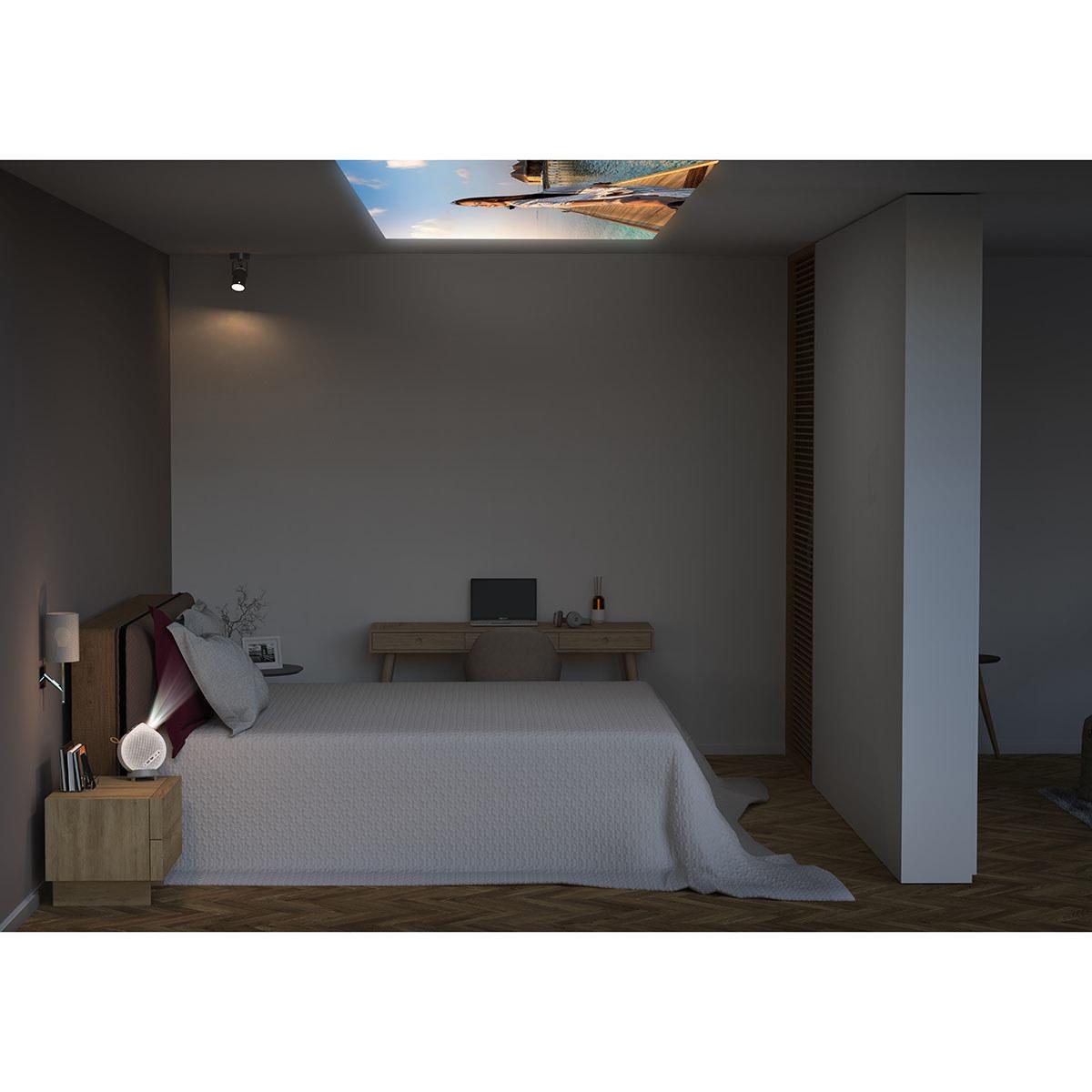
The BenQ GV50's standout feature is its flexible base that allows 135-degree vertical tilt and 360-degree rotation. This might sound gimmicky, but it enables true ceiling projection—perfect for watching movies while lying in bed. The specialized "Ceiling Cinema Sound Mode" even adjusts audio so it doesn't get muffled by blankets or pillows.
The 18-watt 2.1-channel speaker system includes an actual subwoofer, producing genuinely immersive sound that eliminates the need for external speakers in most situations. Having tested both projectors extensively, the audio difference is immediately noticeable and significantly enhances the viewing experience.
Brightness is probably the most crucial spec because it determines where and when you can actually use your projector. The Nebula Capsule 3 requires nearly complete darkness for optimal viewing. Even light from windows during evening hours will wash out the image. This limits its use to dedicated movie nights or outdoor evening events.
The BenQ GV50, with its 500 ANSI lumens, handles dim lighting much better. While you still can't watch in bright daylight, you can keep some lamps on or watch during twilight hours when windows let in minimal light. For many users, this flexibility makes the difference between a device they use regularly versus one that sits in a closet most of the time.
Both projectors offer similar battery life (around 2-2.5 hours), but their power consumption tells a different story. The Capsule 3 draws 45 watts versus the GV50's 85 watts. This means the Capsule 3 can run longer on portable power banks, making it genuinely suitable for camping or outdoor events where power access is limited.
The BenQ GV50 includes USB-C power delivery that can charge your devices, essentially functioning as a powered hub. This feature proves surprisingly useful when you need to keep phones or tablets charged during extended viewing sessions.
Audio often gets overlooked when comparing projectors, but it significantly affects the overall experience. The Capsule 3's 8-watt mono speaker works fine for dialogue-heavy content but struggles with action scenes or music. You'll likely want external speakers for serious movie watching.
The BenQ GV50's 18-watt 2.1-channel system with dedicated bass creates a genuine theater-like experience. The difference isn't subtle—explosions have impact, dialogue remains clear, and music sounds full and engaging. For many users, this audio quality alone justifies the higher price.
Neither projector replaces a dedicated home theater setup, but they serve different roles in entertainment systems. The Nebula Capsule 3 excels as a supplementary device—something you pull out for special occasions or when you want to watch movies in unconventional locations.
The BenQ GV50 can realistically serve as a primary entertainment device in smaller spaces. Its brightness and audio quality make it suitable for regular TV watching, not just special movie nights. The ceiling projection capability particularly appeals to studio apartment dwellers or anyone wanting bedroom entertainment without wall mounting.
For serious home theater enthusiasts, both projectors offer good entry points into projection without the commitment of permanent installation. The GV50 provides a better sense of what quality projection can offer, while the Capsule 3 demonstrates the convenience factor.
The portable projector market has moved rapidly since the Capsule 3's 2022 release. Laser technology has become standard, replacing LED systems that were dimmer and less color-accurate. The BenQ GV50 benefits from these advances, incorporating lessons learned from earlier portable projectors.
Streaming integration has also improved dramatically. Early portable projectors often struggled with Netflix licensing or had sluggish interfaces. Both current models offer smooth Google TV experiences, but the GV50's 2024 release includes newer processor technology that handles 4K streaming sources better, even though both project at 1080p resolution.
Auto-correction technology represents another major advancement. While the Capsule 3 pioneered quick auto-setup in portable projectors, the GV50 refines this with more sophisticated obstacle avoidance and screen fitting algorithms.
You prioritize maximum portability and plan to move your projector frequently. This includes travelers who want entertainment in hotel rooms, outdoor enthusiasts planning camping trips with movie nights, or anyone living in tight spaces where storage matters. The Capsule 3 also makes sense as a secondary device—something that complements your main TV for special occasions.
Budget-conscious buyers will appreciate that the Capsule 3 typically costs significantly less than the GV50 while still delivering a complete streaming and projection experience. If you primarily watch in completely dark environments and don't need premium audio, the Capsule 3 provides excellent value.
Image and audio quality matter more than maximum portability. The BenQ GV50 suits users who want their portable projector to serve as a primary entertainment device, particularly in bedrooms or small living spaces. The ceiling projection capability specifically appeals to people who want to watch movies while lying in bed—a surprisingly popular use case.
Gamers should consider the GV50 for its DisplayPort connectivity, which supports Nintendo Switch and other gaming systems better than standard HDMI. The lower input lag and better brightness make gaming more enjoyable.
If you often watch in less-than-ideal lighting conditions, the GV50's extra brightness provides crucial flexibility. The superior speaker system also eliminates the need for external audio equipment in most situations.
At the time of writing, the Nebula Capsule 3 typically costs 30-40% less than the BenQ GV50, making the value equation interesting. The Capsule 3 maximizes convenience and portability per dollar, while the GV50 delivers significantly better performance per dollar.
My recommendation depends entirely on your primary use case. If you want something for occasional outdoor movies, travel entertainment, or as a fun secondary device, the Capsule 3 hits the sweet spot of features, portability, and value. Its limitations only become apparent when you try to use it as a primary entertainment device or in less-than-ideal conditions.
For users wanting a projector that can handle daily use, varied lighting conditions, and premium audio, the BenQ GV50 justifies its higher cost through measurably better performance. The brightness and speaker improvements aren't incremental—they're transformative for the user experience.
Both projectors represent the maturation of portable projection technology, offering genuine alternatives to traditional TVs for specific use cases. The key is honestly assessing whether you prioritize ultimate portability or the best possible viewing experience within the portable projector category. Either choice will likely exceed your expectations compared to the portable projectors of just a few years ago.
| Nebula Capsule 3 GTV Projector | BenQ GV50 Full HD Smart Ceiling Projector |
|---|---|
| Brightness - Most critical spec determining where you can actually watch | |
| 200-300 ANSI lumens (requires near-complete darkness) | 500 ANSI lumens (works in dimly lit rooms, 2.5x brighter) |
| Weight & Portability - Affects how often you'll actually move it around | |
| 2.1 lbs, compact cylindrical design fits in bags | 4.6 lbs, still portable but designed more for flexible positioning |
| Battery Life - Determines outdoor/unplugged usage | |
| 2.5 hours video playback, 45W power consumption | ~2 hours at full brightness, 85W power consumption |
| Audio System - Major factor in whether you need external speakers | |
| 8W mono speaker (adequate for dialogue, weak for action) | 18W 2.1-channel with subwoofer (genuinely immersive sound) |
| Contrast Ratio - Affects black levels and overall image drama | |
| 500:1 static contrast (decent for the class) | 100,000:1 dynamic contrast (much deeper blacks, more dramatic images) |
| Positioning Flexibility - Determines viewing angle options | |
| Standard tripod mount, works on flat surfaces | 135° vertical tilt + 360° rotation, specialized for ceiling projection |
| Auto-Setup Technology - How quickly you get a good image | |
| Intelligent Environment Adaptation (3-second auto-correction) | Advanced obstacle avoidance, screen fitting, and auto-focus |
| Smart TV Platform - Streaming app availability and performance | |
| Google TV with official Netflix licensing, regular OTA updates | Google TV with Google Assistant, newer 2024 processor handles 4K sources better |
| Connectivity Options - Gaming and device compatibility | |
| HDMI 2.1, USB-C, wireless casting | HDMI 2.0, USB-C with DisplayPort Alt Mode (Nintendo Switch optimized) |
| Light Source Lifespan - Long-term ownership costs | |
| 30,000 hours laser (no bulb replacements needed) | 20,000-30,000 hours laser depending on mode |
| Image Size Range - Maximum usable screen size | |
| 40-120" (best quality under 80" due to brightness limits) | 25-120" (maintains quality at larger sizes due to higher brightness) |
| Best Use Cases - Who should choose each projector | |
| Travel, camping, secondary device, maximum portability needs | Bedroom ceiling viewing, primary entertainment device, quality-focused users |
The BenQ GV50 is significantly brighter at 500 ANSI lumens compared to the Nebula Capsule 3 GTV at 200-300 ANSI lumens. This means the BenQ GV50 can handle dimly lit rooms and larger screen sizes, while the Nebula Capsule 3 requires near-complete darkness for optimal viewing.
The Nebula Capsule 3 GTV is much more portable at 2.1 pounds with a compact cylindrical design that fits easily in bags. The BenQ GV50 weighs 4.6 pounds and is designed more for flexible positioning than extreme portability, though it's still reasonably portable for a performance projector.
The BenQ GV50 has superior audio with an 18W 2.1-channel speaker system including a subwoofer, creating genuinely immersive sound. The Nebula Capsule 3 features an 8W mono speaker that's adequate for dialogue but may require external speakers for action movies or music.
The BenQ GV50 is specifically designed for ceiling projection with 135° vertical tilt and 360° rotation capabilities, plus a special "Ceiling Cinema Sound Mode." The Nebula Capsule 3 GTV can project upward but lacks the specialized positioning features that make the BenQ GV50 ideal for bedroom ceiling viewing.
Both projectors offer similar battery life with the Nebula Capsule 3 providing 2.5 hours of video playback and the BenQ GV50 lasting about 2 hours at full brightness. However, the Nebula Capsule 3 is more power-efficient at 45W consumption versus 85W for the BenQ GV50.
The BenQ GV50 is better for gaming due to its USB-C port with DisplayPort Alt Mode that's optimized for Nintendo Switch, plus its higher brightness makes games more visible. The Nebula Capsule 3 GTV can handle gaming through HDMI but lacks the specialized gaming connectivity features.
Yes, both the Nebula Capsule 3 GTV and BenQ GV50 run Google TV with official Netflix licensing and access to major streaming apps like YouTube, Amazon Prime Video, and Disney+. The BenQ GV50 has a newer processor that handles 4K streaming sources better.
The Nebula Capsule 3 GTV typically offers better value for maximum portability and basic projection needs at a lower price point. The BenQ GV50 provides better value for performance-focused users who want superior image quality, audio, and specialized features like ceiling projection.
The BenQ GV50 delivers superior image quality with a 100,000:1 dynamic contrast ratio and BenQ's CinematicColor technology for better color accuracy. The Nebula Capsule 3 offers good 1080p quality with a 500:1 contrast ratio that's decent for its ultra-portable class.
The Nebula Capsule 3 GTV is better for outdoor use due to its compact size, lower power consumption that works well with portable power banks, and grab-and-go portability. While the BenQ GV50 is brighter, its higher power requirements and larger size make it less suitable for camping or remote outdoor locations.
The BenQ GV50 can realistically serve as a primary entertainment device in smaller spaces due to its 500 ANSI lumen brightness and excellent built-in audio system. The Nebula Capsule 3 GTV works better as a supplementary device for special occasions due to its brightness limitations requiring complete darkness.
Both the Nebula Capsule 3 and BenQ GV50 can project up to 120 inches, but the Nebula Capsule 3 maintains best quality under 80 inches due to brightness limitations. The BenQ GV50 can deliver good quality at the full 120-inch range thanks to its higher brightness output.
We've done our best to create useful and informative comparisons to help you decide what product to buy. Our research uses advanced automated methods to create this comparison and perfection is not possible - please contact us for corrections or questions. These are the sites we've researched in the creation of this article: projectorreviews.com - projectorcentral.com - tvsbook.com - gadgetoid.com - newegg.com - thesmarthomehookup.com - whathifi.com - seenebula.com - rtings.com - cnet.com - seenebula.com - youtube.com - youtube.com - walmart.com - support.seenebula.com - thewellnessinsider.asia - bhphotovideo.com - thetechnovore.com - howtogeek.com - projectorcentral.com - projectorcentral.com - techradar.com - adorama.com - projectorcentral.com - youtube.com - youtube.com - whathifi.com - youtube.com - cdw.com - projectorcentral.com - youtube.com

Privacy Policy
Terms and Conditions - Affiliate Policy
Home Security
© Copyright 2008-2026.
11816 Inwood Rd #1211, Dallas, TX 75244