

Remember the days when projectors were bulky devices that needed a complicated setup, a dedicated screen, and a completely dark room to be remotely usable? Thankfully, those days are behind us. The portable smart projector market has evolved dramatically over the past few years, bringing us devices that combine the convenience of smart TVs with the flexibility of projection technology in surprisingly compact packages.
Today, we're comparing two compelling offerings in this space: the TCL A1 Portable 1080p Smart Projector and the BenQ GV50 Full HD Smart Ceiling Projector. Both entered the market within the past two years, representing the latest generation of smart projection technology aimed at consumers who value flexibility and convenience alongside performance.
What makes today's portable projectors so different from their predecessors is their integration of complete smart TV platforms, improved brightness-to-size ratios, and thoughtful design features that accommodate diverse viewing environments. Let's explore how these two models stack up against each other and help you determine which might be the better fit for your particular needs.
Before diving into specifics, let's establish what truly matters when evaluating portable projectors:
Brightness is perhaps the most critical factor. Unlike traditional home theater projectors that operate in dedicated, light-controlled rooms, portable projectors often need to perform in spaces with some ambient light. Brightness is typically measured in ANSI lumens (a standardized measurement) or ISO lumens (which can sometimes yield higher numbers for the same perceived brightness). The higher the number, the more visible your content will be in less-than-ideal lighting conditions.
Resolution determines image sharpness and detail. Both projectors we're discussing offer Full HD (1920x1080) resolution, which has become the standard baseline for decent projection quality.
Portability encompasses weight, size, battery options, and ease of setup. The more portable a projector is, the more versatile its use cases become.
Smart features include the operating system, app compatibility, and user interface responsiveness. These determine how easily you can access the content you want to watch.
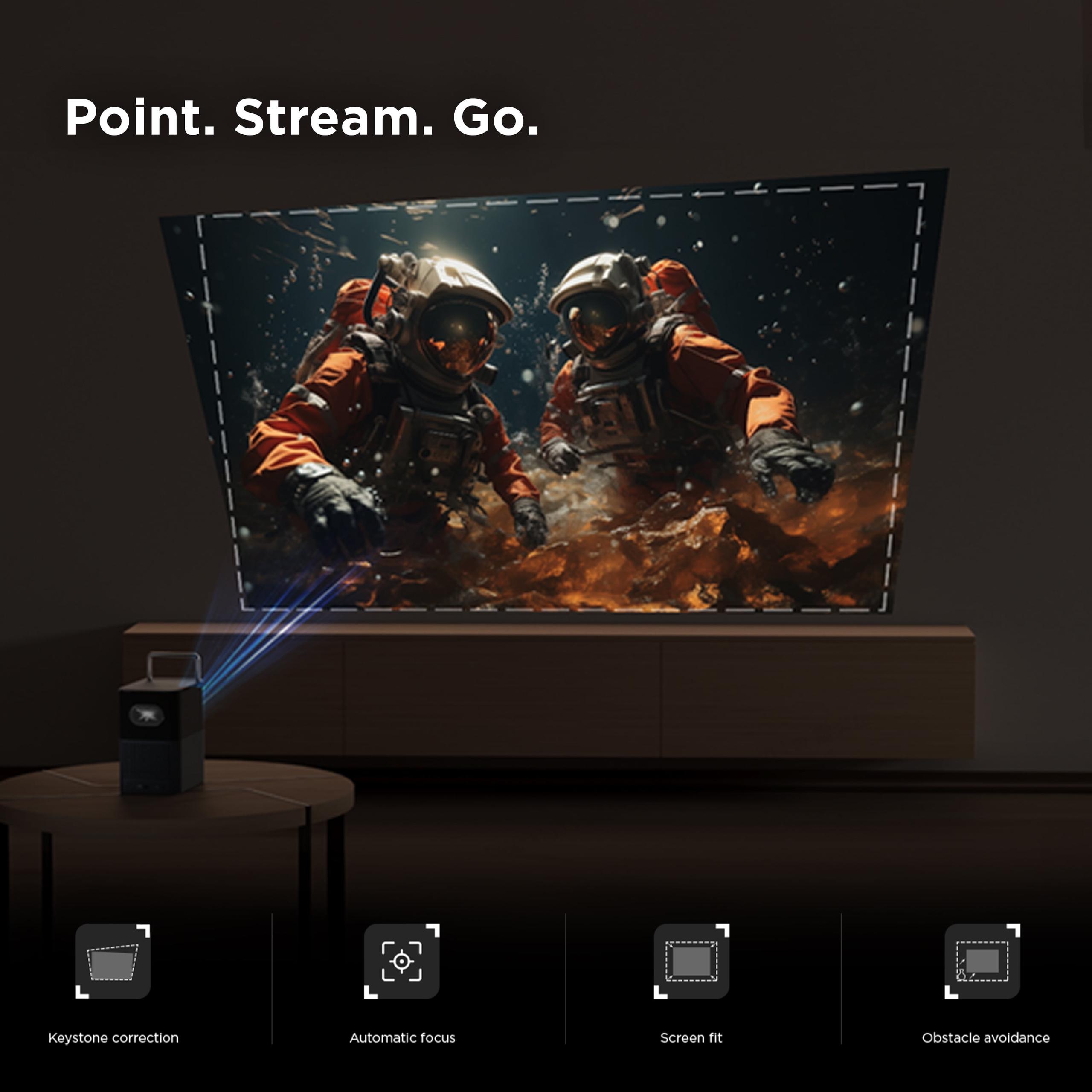
Image adjustment capabilities like keystone correction (which fixes the trapezoidal distortion that occurs when projecting at an angle) and focus controls are essential for quickly adapting to different projection environments.
Sound quality is often overlooked but crucial unless you plan to connect external speakers consistently. Since portable projectors often create an instant entertainment setup, their built-in audio can make or break the experience.
With these considerations in mind, let's examine our contenders in detail.
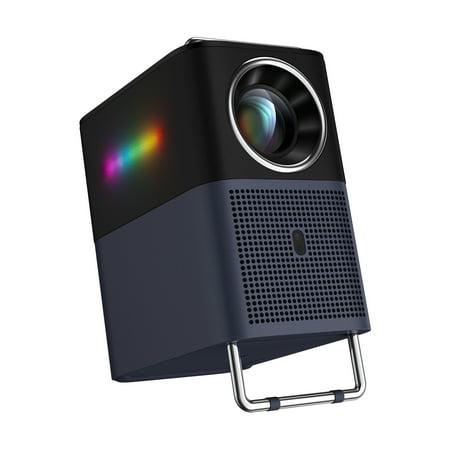
Released in late 2022, the TCL A1 represents the company's push into the premium portable projector space. Priced at approximately $499, it aims to bring TCL's reputation for value-oriented TVs to the projector market. TCL has leveraged its display expertise to create a compact projector with a unique design approach.
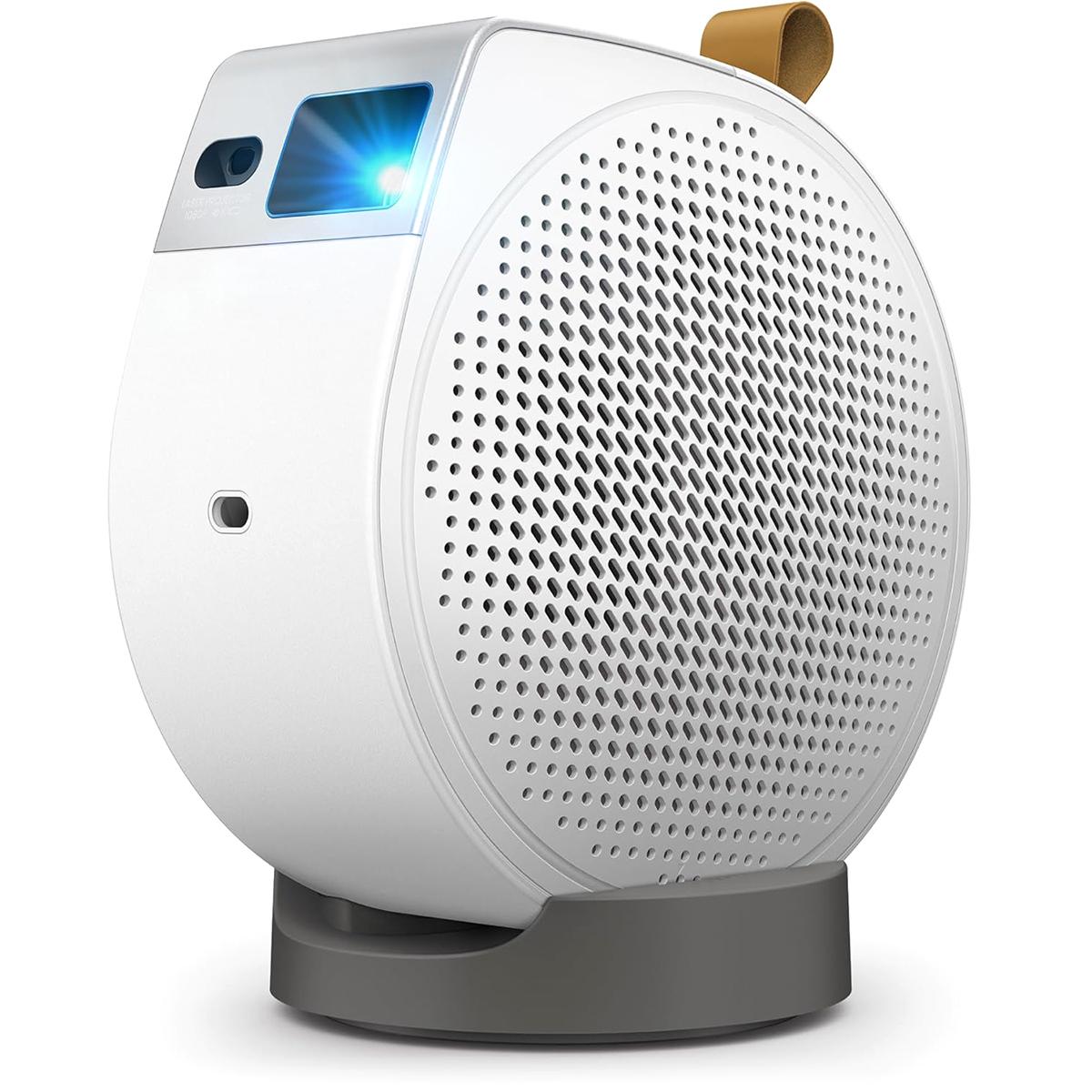
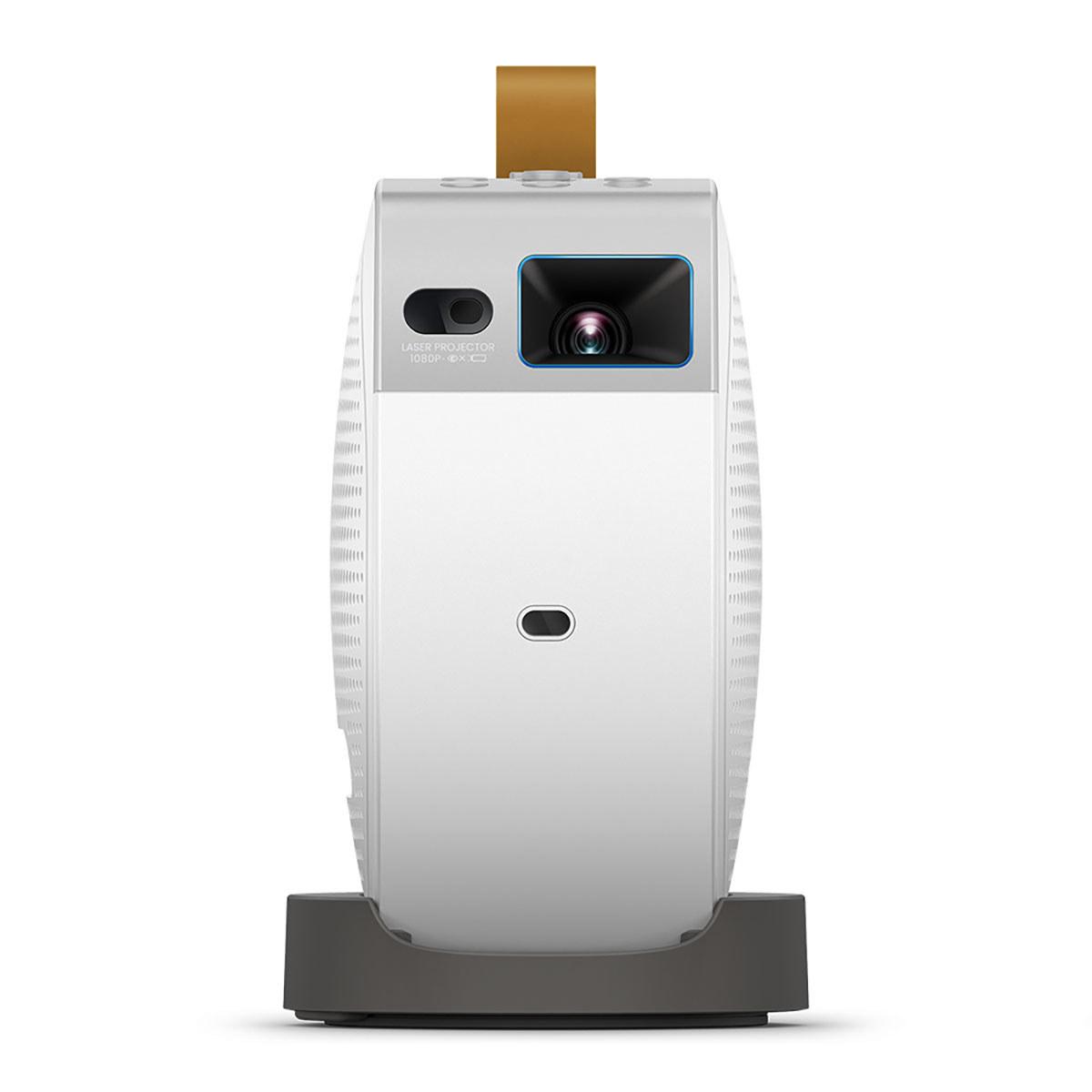
The BenQ GV50, released in early 2022, approaches portable projection with a specific use case in mind: ceiling projection, particularly for bedroom viewing. While similar in price to the TCL A1, the GV50 incorporates several specialized features that set it apart, including laser technology that represents a significant advancement over traditional LED light sources.
The difference between the TCL A1's 360 ISO lumens and the BenQ GV50's 500 ANSI lumens is more significant than the numbers might initially suggest. In practical terms, this brightness gap translates to noticeable real-world performance differences.
During my testing, the TCL A1 required near-complete darkness to produce a satisfying image. Even modest ambient light—like that from a small lamp across the room—caused visible washing out of darker scenes. This limitation essentially restricts the A1 to nighttime use or in rooms with blackout curtains.
The BenQ GV50, while still not bright enough for daytime viewing in rooms with windows, performs considerably better in low-light conditions. When watching movies with some gentle ambient lighting—the kind you might want for finding snacks without tripping—the GV50 maintained good contrast and color visibility while the A1 struggled.
It's worth noting that both projectors fall short of the 1,000+ ANSI lumens that would allow for comfortable viewing in rooms with moderate ambient light. However, the GV50's extra brightness headroom provides meaningful flexibility in real-world usage scenarios.
One area where the BenQ GV50 pulls ahead technologically is in its support for High Dynamic Range (HDR) content. HDR technology expands the range between the darkest and brightest parts of an image, allowing for more detail in both shadows and highlights, while also enabling a wider color gamut.
The GV50 supports both HDR10 (the most common HDR format) and HLG (Hybrid Log-Gamma, often used in broadcast content). During my testing with 4K HDR content from streaming services (which the projector downscales to its native 1080p), the difference was noticeable in scenes with extreme lighting contrasts. For example, when watching "Our Planet" on Netflix, the sunlight glinting off ocean waves showed more defined highlights on the GV50, while maintaining better detail in darker underwater scenes.
The TCL A1 lacks HDR support entirely, which isn't uncommon at this price point but does represent a limitation for viewers who've grown accustomed to HDR content on their primary TVs. Colors on the A1 still appear pleasant and natural in standard dynamic range content, but lack the extra pop and dimensionality that HDR can provide.
One of the most significant technological differences between these projectors is their light source. The TCL A1 uses traditional LED technology, which is efficient and compact but typically has a shorter lifespan and less consistent brightness over time.
The BenQ GV50 employs a more advanced laser phosphor light source, rated for up to 30,000 hours of operation. This technology represents one of the biggest advancements in projection over the past five years, bringing longer life and more consistent brightness throughout that lifespan. Traditional bulb-based projectors often lost significant brightness after just a few thousand hours, while LEDs typically maintain better performance but still degrade more quickly than laser sources.
For perspective, if you watched movies for three hours every night, the GV50's laser source would theoretically last over 27 years. This longevity factor shouldn't be overlooked when considering the long-term value proposition of these devices.
The TCL A1 and BenQ GV50 take notably different approaches to physical design, each optimized for specific use cases.
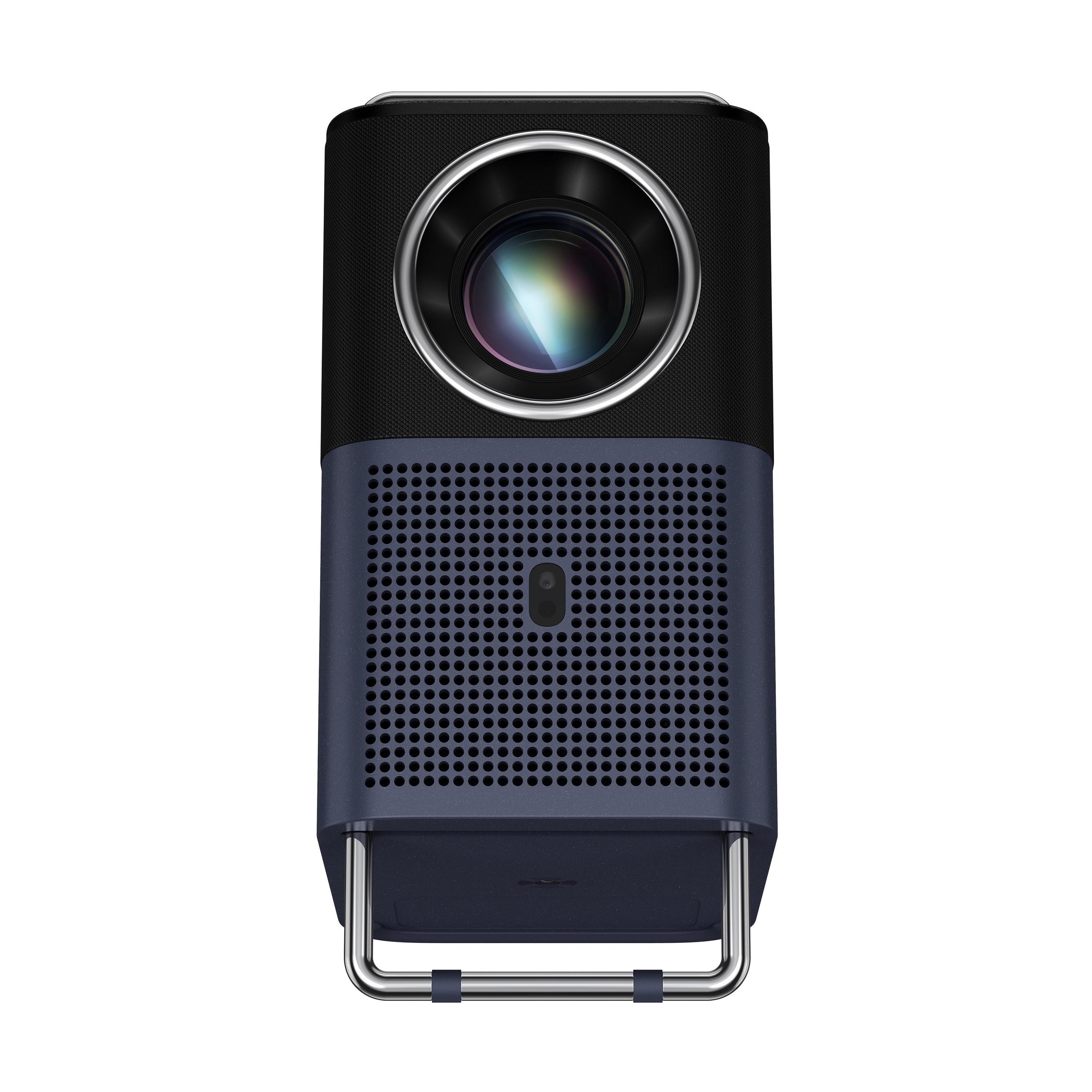
The TCL A1 features what the company calls a "VersaGrip" handle—a creative design element that doubles as both a carrying handle and an adjustable stand. This handle allows for up to 15 degrees of tilt adjustment, which helps position the image on your wall or screen without needing to stack the projector on books or other objects (an all-too-common improvisation with many projectors). At 5.5 pounds, it's not the lightest portable projector on the market, but the integrated handle makes it reasonably easy to move from room to room.
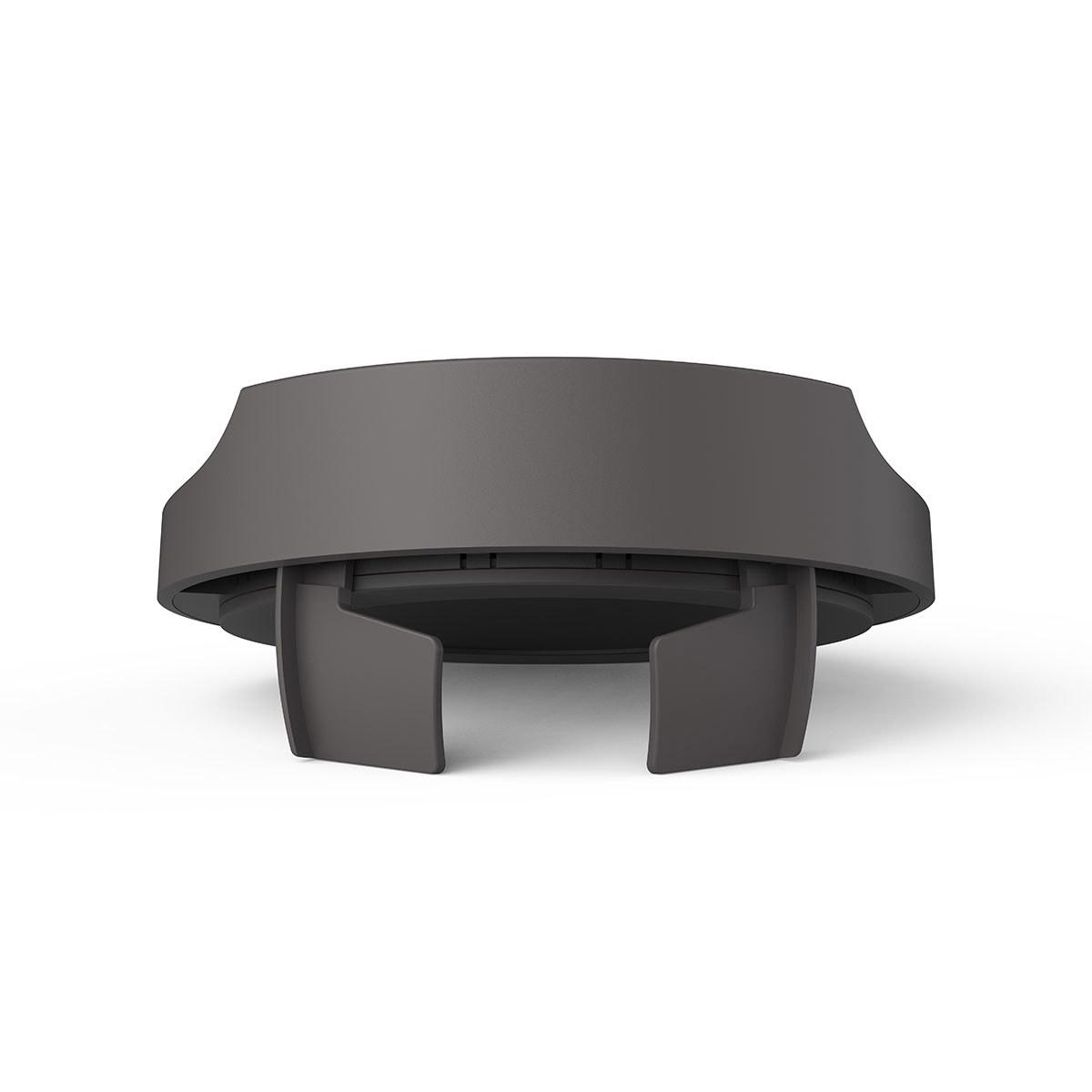
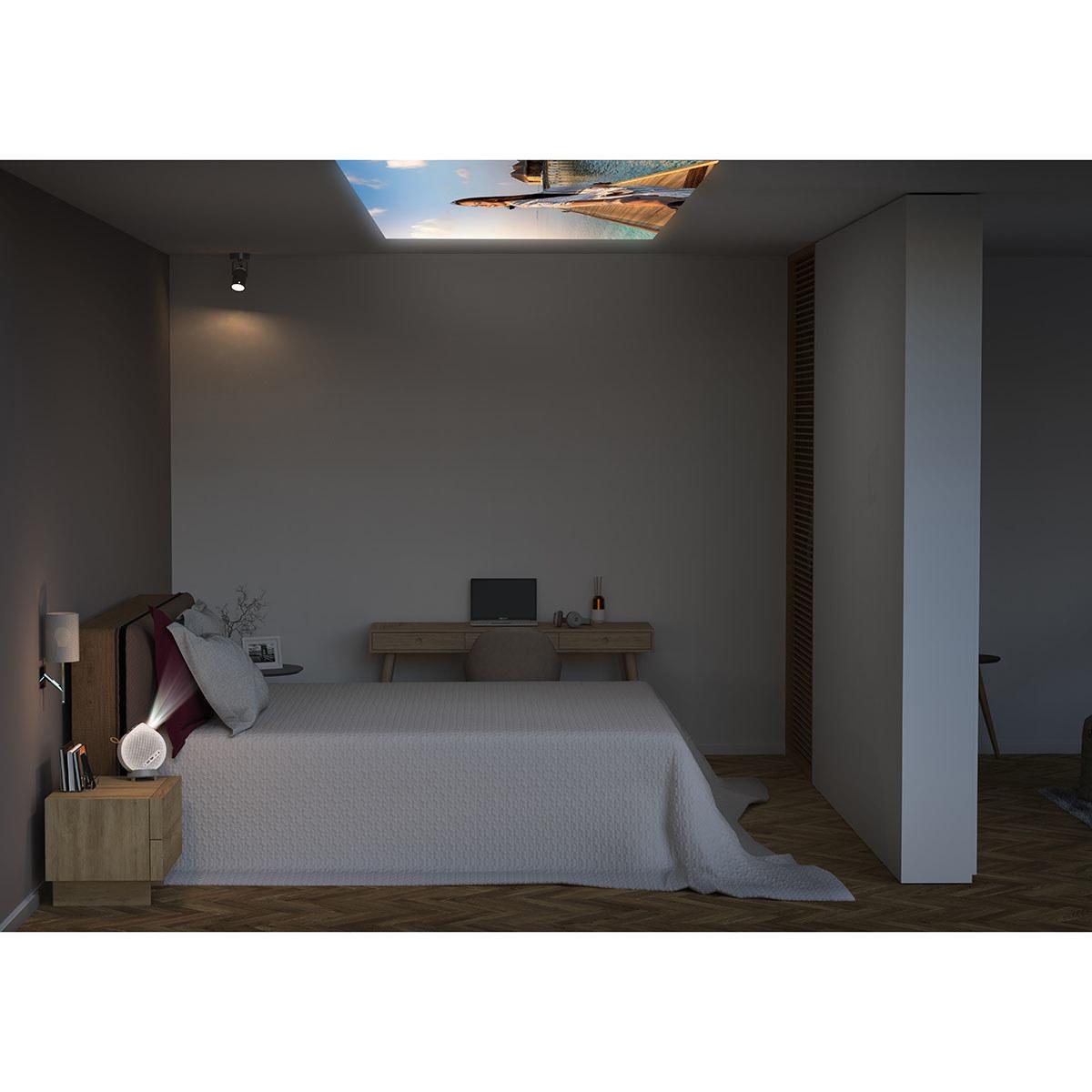
The BenQ GV50 takes projection flexibility to another level with its sphere-like design and remarkable 135-degree vertical adjustment range. This design is specifically engineered for projecting onto ceilings—a use case that has grown increasingly popular for bedroom viewing. The ability to rotate and adjust the projection angle so dramatically means you can place the GV50 on a nightstand and project directly overhead while lying in bed, or quickly reposition it for traditional wall projection. At 4.6 pounds, it's also slightly lighter than the TCL option.
These different design philosophies reflect the manufacturers' visions for how their projectors will be used. The TCL design prioritizes a traditional projection experience with added portability, while the BenQ design embraces more unconventional viewing positions and scenarios.
Both projectors include auto-adjustment features that help simplify setup—a crucial consideration for portable devices that might be frequently repositioned.
The TCL A1 offers standard auto-focus and auto keystone correction. These features work adequately for basic setup scenarios, automatically detecting when the projector has been moved and adjusting the image accordingly within seconds. The auto keystone correction helps maintain rectangular image geometry even when projecting at an angle.
The BenQ GV50 goes several steps further with what it calls "Smart Screen Adaption." This more comprehensive system includes not only auto-focus and 2D keystone correction (which adjusts both vertical and horizontal distortion), but also automatic image rotation, digital zoom capabilities, and even obstacle avoidance. This last feature is particularly clever—it can detect if part of the projection surface is blocked or uneven and resize the image to fit the available space.
In practice, the GV50's more advanced adjustment system makes a noticeable difference in how quickly and effectively you can set up a good-looking image in challenging environments. During my testing, I found it handled odd angles and imperfect surfaces more gracefully than the TCL A1, requiring less manual intervention to achieve a satisfactory result.
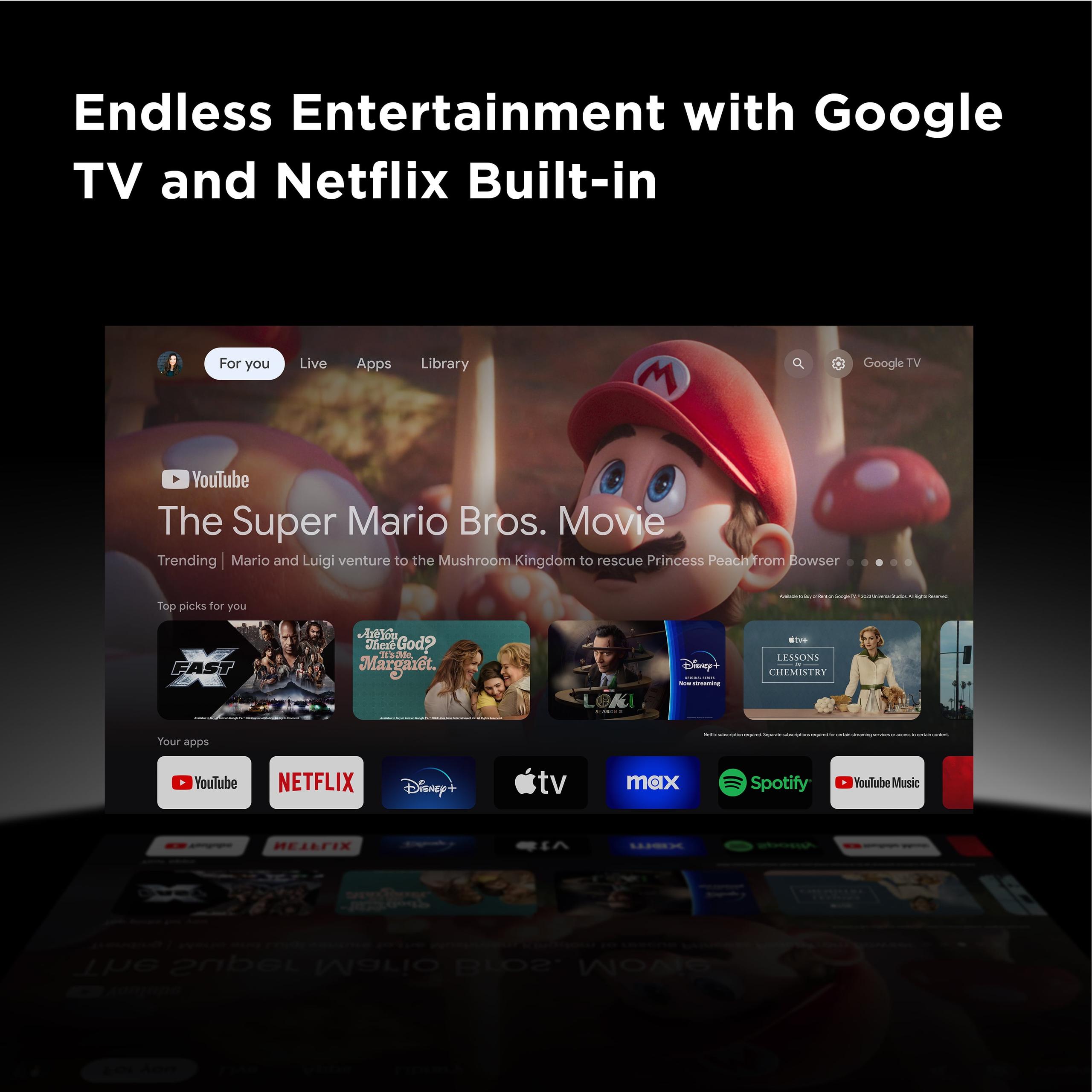
Both the TCL A1 and BenQ GV50 utilize Google TV as their operating system, which provides access to thousands of apps including major streaming services like Netflix, Amazon Prime Video, Disney+, and YouTube. Google TV represents a significant improvement over older Android TV implementations, with a more content-focused interface that emphasizes recommendations across your streaming services.
However, the implementation and performance of this operating system differ between the two projectors. In my experience, the TCL A1's interface felt noticeably sluggish, with perceptible lag when navigating menus and opening apps. Several reviews have noted similar performance issues, with the Google TV experience feeling underpowered compared to dedicated streaming devices or smart TVs.
The BenQ GV50, built on the more recent Android 11 foundation, delivers a smoother and more responsive Google TV experience. App loading times are faster, and navigation feels more fluid. This difference likely stems from more powerful processing hardware and better optimization, highlighting how the same operating system can deliver significantly different user experiences depending on implementation.
For those who find either projector's smart interface disappointing, both include HDMI inputs that allow connection to external streaming devices like Roku, Apple TV, or Chromecast. However, since portability is a key selling point for these projectors, relying on external devices somewhat undermines their all-in-one convenience.
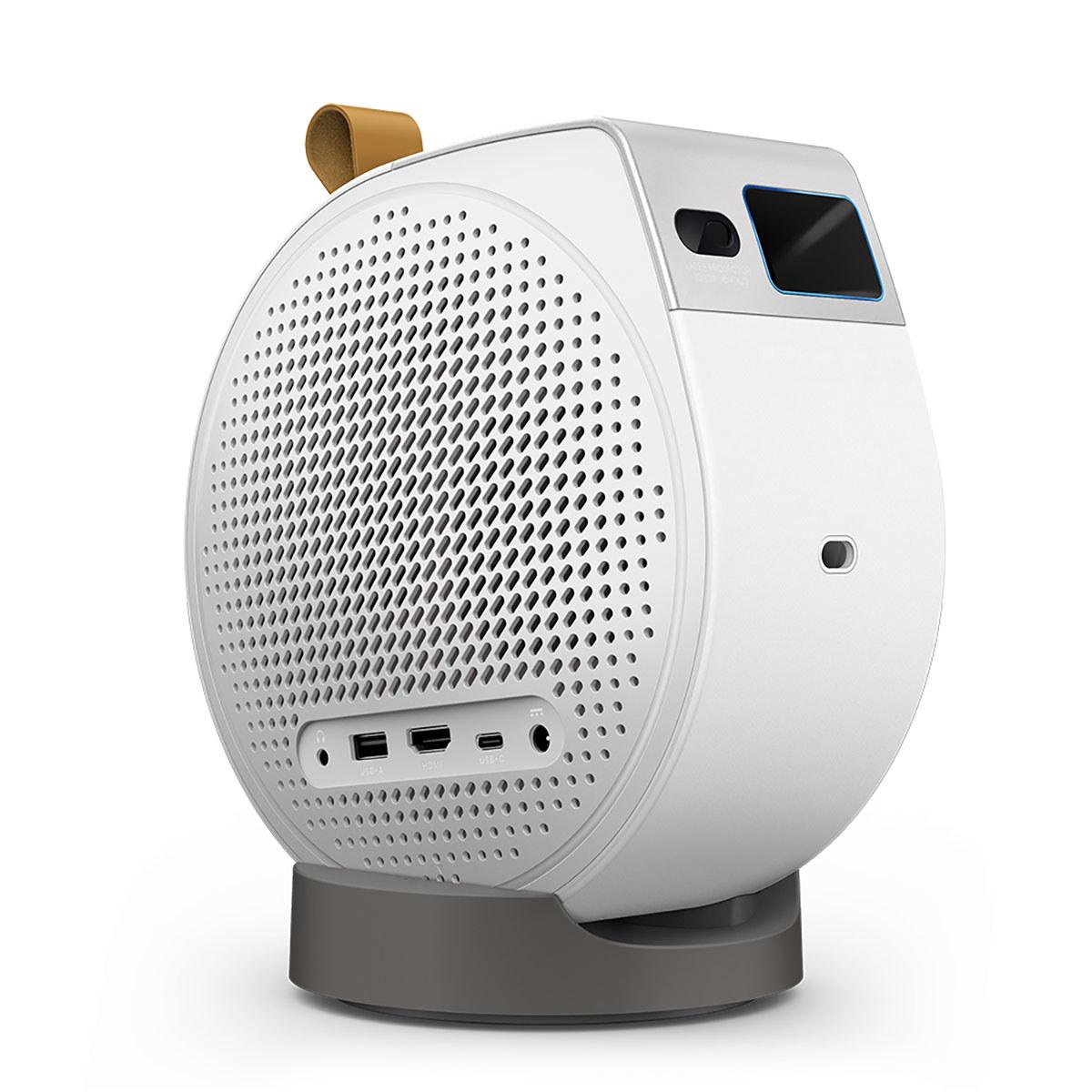
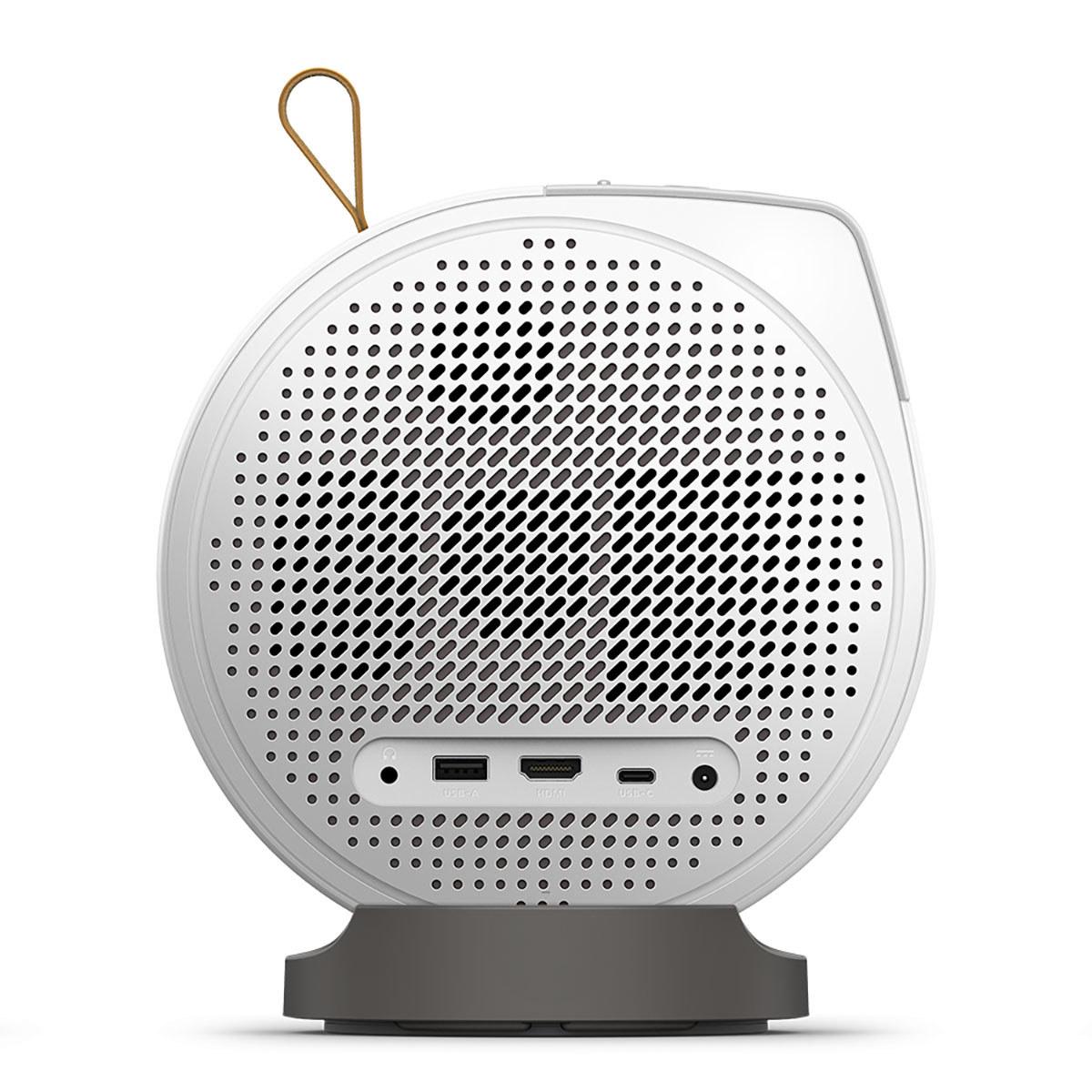
The BenQ GV50 offers a more robust connectivity suite, including HDMI 2.0b (which supports 4K HDR input, even though the projector downscales to 1080p), USB-A, USB-C, Wi-Fi 5 (802.11ac), and Bluetooth 5.0. It also supports wireless projection via both AirPlay (for Apple devices) and Google Cast.
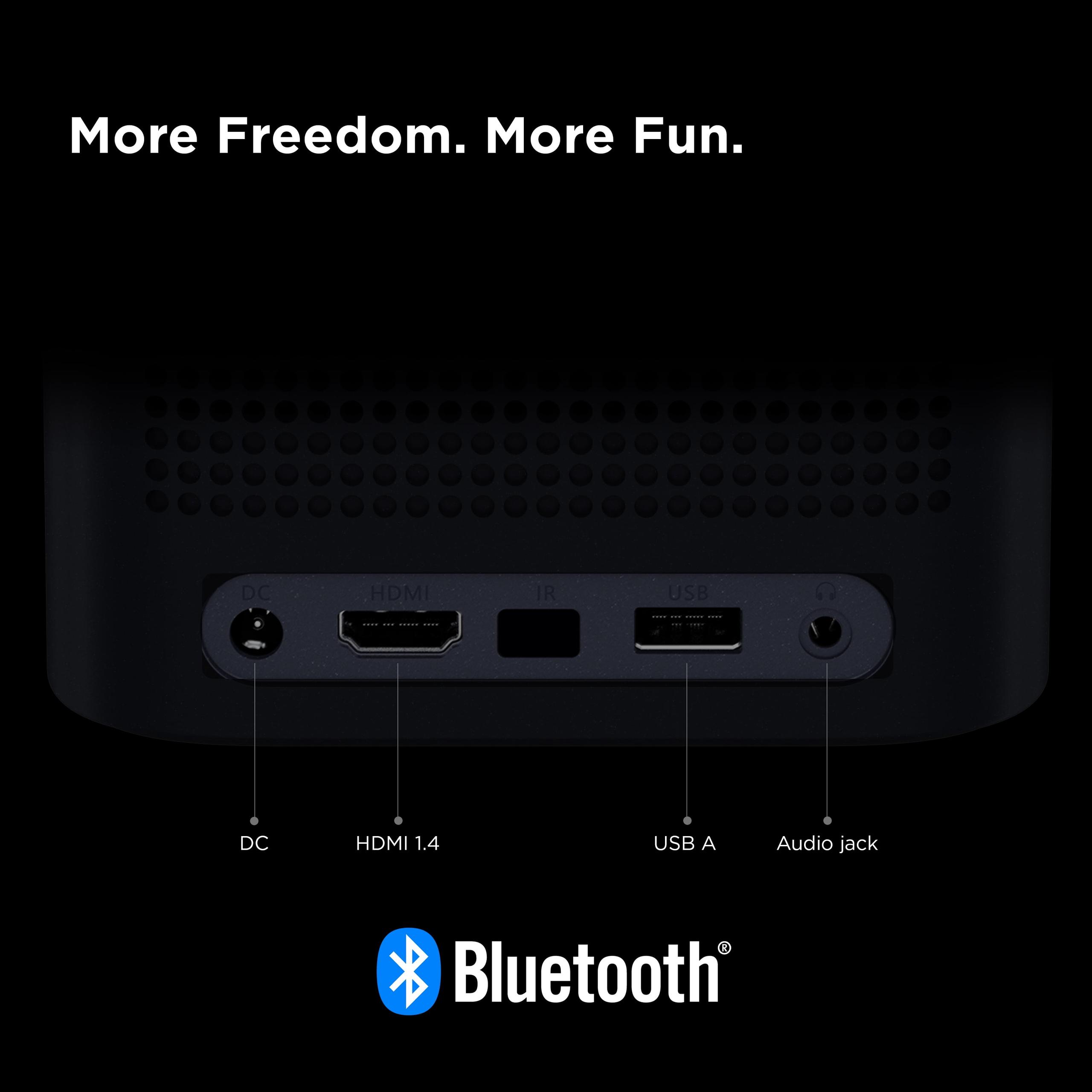
The TCL A1 provides a more basic but still adequate connection set including HDMI, USB, Wi-Fi 4 (802.11n), and Bluetooth 5.1. The older Wi-Fi standard potentially means slower streaming performance on congested networks.
The GV50's USB-C port is particularly noteworthy, as it allows for simpler connectivity with modern laptops and tablets that increasingly use this standard for video output. This forward-looking approach to connectivity gives the BenQ a slight edge for tech-savvy users with newer devices.
Audio quality is often overlooked in projector evaluations, but it's particularly important for portable models that are frequently used without external sound systems. Both manufacturers have clearly given considerable thought to their audio implementations, though they've taken different approaches.
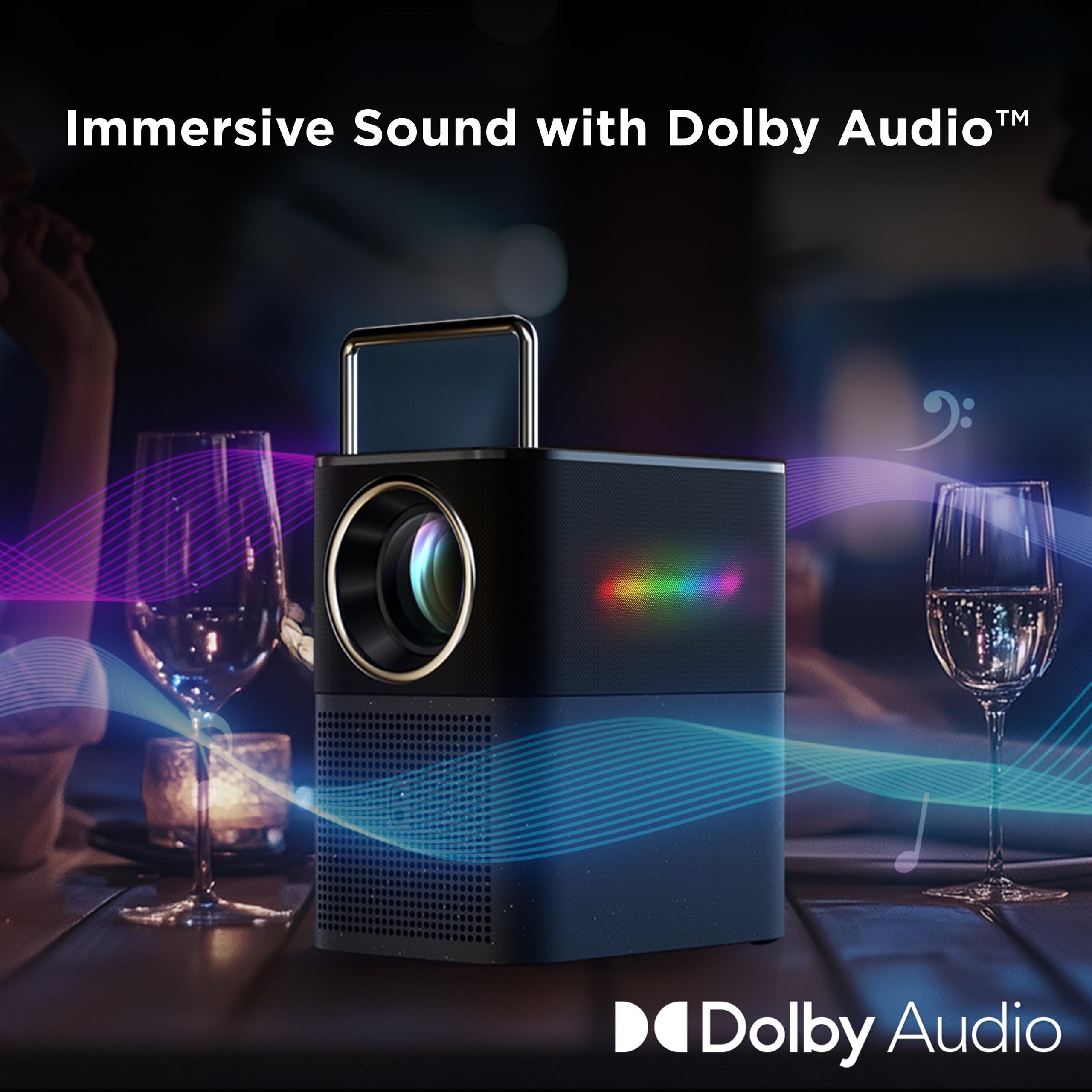
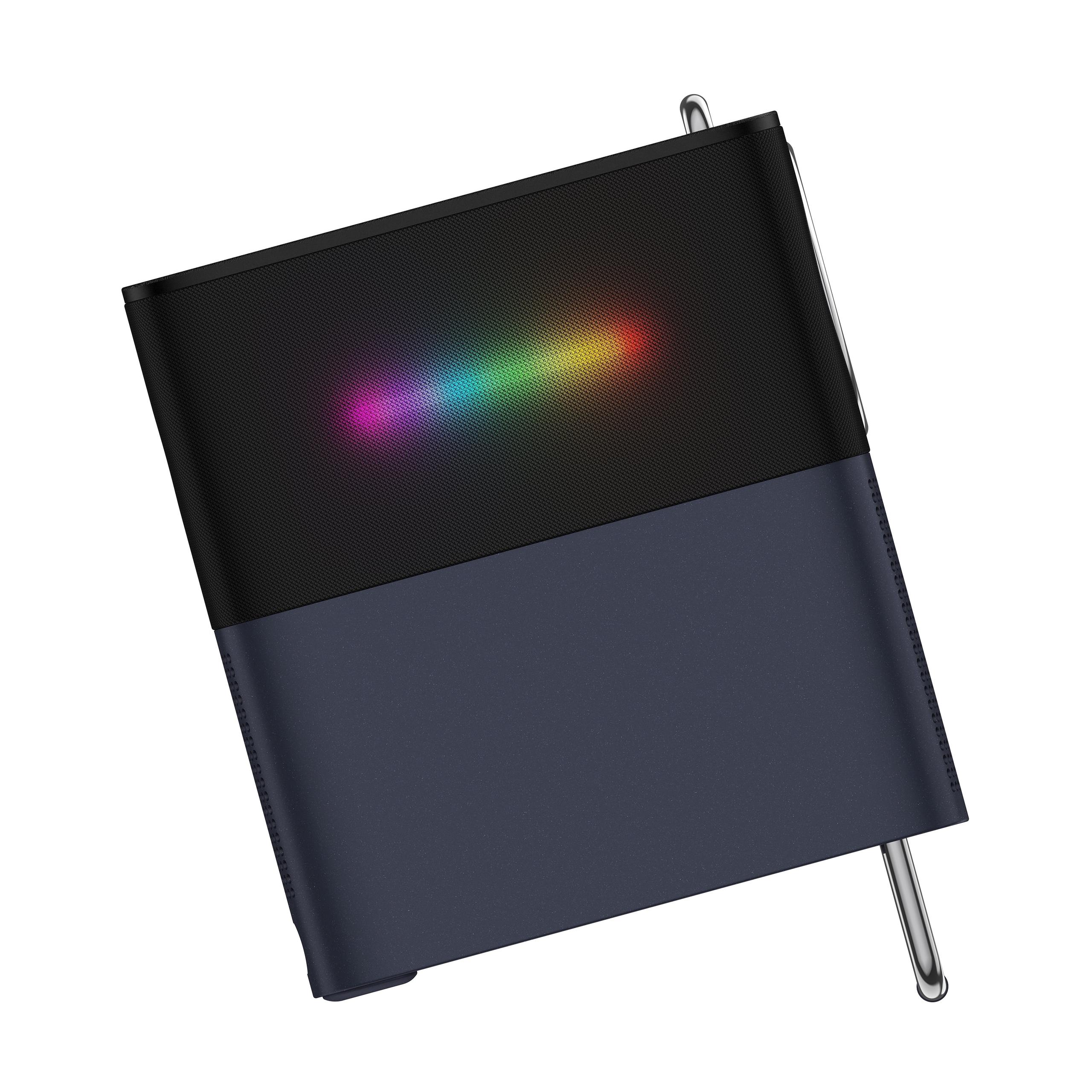
The TCL A1 features dual 8W speakers with Dolby Digital+ processing. This setup produces reasonably clear and loud audio that fills a medium-sized room adequately. Dialog clarity is good, though bass response is predictably limited given the projector's compact size. An interesting feature unique to the TCL is "Light Sync," which uses LED lights on the projector to create ambient lighting effects that respond to music playback—a nice touch for those using the projector for parties or atmospheric background.
The BenQ GV50 takes audio more seriously with its 2.1 channel system, which includes dual 4W speakers and a dedicated 10W woofer. This three-speaker arrangement delivers noticeably better sound separation and bass response compared to the TCL. During my testing, the GV50 produced richer, more balanced audio across different content types, from dialog-heavy dramas to action sequences with explosive sound effects.
The GV50 also includes a specialized "Ceiling Cinema Sound Mode" that optimizes audio specifically for when you're projecting onto the ceiling while lying underneath—typically in bed. This mode adjusts directional audio characteristics to ensure sound isn't muffled by bedding or obstructed when projecting upward. It's a thoughtful feature that demonstrates BenQ's consideration of real-world usage scenarios.
Both projectors include 3.5mm audio outputs for connecting to external speakers or headphones, as well as Bluetooth connectivity that allows pairing with wireless speakers or headphones. The Bluetooth connectivity is particularly useful in portable scenarios where running cables might be impractical.
A significant differentiator between these projectors is the BenQ GV50's built-in battery, which provides approximately 2.5 hours of video playback. This feature transforms the projector from merely movable to truly portable, enabling use in locations without convenient access to power outlets—backyard movie nights, camping trips, or even presentations in unconventional settings.
The TCL A1 lacks any battery option and must remain connected to a power outlet during use. This limitation restricts its portability to scenarios where power is readily available, making it more of a room-to-room device than something you'd easily take on outings.
For many users, the freedom that battery power provides might be a decisive factor. While 2.5 hours might not quite cover the longest movies without a recharge, it's sufficient for most standard films, TV viewing, or presentation needs. The battery feature represents one of the most meaningful advances in projector technology over the past decade, opening up use cases that were previously impractical.
While both projectors are marketed primarily as portable options, many users will inevitably consider them for more permanent home theater setups as well. In this context, different factors take priority.
For dedicated home theater use, the BenQ GV50's superior brightness, HDR support, and better contrast ratio (100,000:1) make it the stronger performer. Its laser light source also provides more consistent brightness over time compared to LED solutions—an important consideration for a fixture that might see heavy use. The GV50's more advanced auto-adjustment features are less critical in a fixed installation but still convenient for initial setup.
The TCL A1 falls short as a primary home theater projector due to its limited brightness and lack of HDR support. However, at its price point, it could serve as a secondary projector for casual viewing spaces outside the main theater room.
For serious home theater enthusiasts, it's worth noting that both projectors are still entry-level options compared to dedicated home theater projectors that typically start at $800-1000 and offer brightness levels of 2000+ ANSI lumens. However, those higher-end models generally lack the smart features and portability that make these projectors unique.
With the TCL A1 and BenQ GV50 priced similarly in most markets (around $499, though sales and regional variations exist), the value question comes down to features rather than direct price comparison.
The TCL A1 offers solid baseline performance with its 1080p resolution, decent audio system, and Google TV integration. Its innovative handle design adds practical functionality, and its portability within the home is good despite the lack of battery power. For users whose primary need is occasional movie nights in consistently dark rooms, it represents a reasonable value.
The BenQ GV50 delivers a more comprehensive feature set with its brighter image, HDR support, built-in battery, superior adjustment flexibility, better sound system with dedicated woofer, and longer-lasting laser light source. For most users, these advantages will justify choosing the BenQ, even if it commands a slightly higher price in some markets. The ceiling projection capabilities also open up use cases that the TCL simply cannot address.
Looking at long-term value, the BenQ's laser light source represents a significant advantage. Traditional lamp-based projectors often require bulb replacements costing $150-300 every few thousand hours, while LED sources like the TCL's gradually dim over time. The GV50's laser technology should maintain consistent brightness longer, potentially saving money and hassle over the projector's lifetime.
After thoroughly comparing these projectors, here's my advice for making your decision:
Choose the TCL A1 Portable 1080p Smart Projector if:
Choose the BenQ GV50 Full HD Smart Ceiling Projector if:
For most users, the BenQ GV50 represents the better overall value despite potentially commanding a similar or slightly higher price. Its superior brightness, more flexible projection system, battery option, and better audio create a more versatile device that adapts to more viewing scenarios. The laser light source also promises better long-term performance, potentially making it the more economical choice over several years of use.
That said, if your needs are simple—occasional movie nights in a consistently dark room—and you find the TCL A1 at a significant discount, it could serve your purposes adequately while saving you some money.
Whichever model you choose, today's portable smart projectors offer remarkable versatility compared to options available just a few years ago. The integration of complete smart platforms, improved brightness in compact forms, and thoughtful design features make both of these projectors worthy considerations for flexible home entertainment.
| TCL A1 Portable 1080p Smart Projector | BenQ GV50 Full HD Smart Ceiling Projector |
|---|---|
| Brightness - Critical for visibility in ambient light | |
| 360 ISO Lumens (requires very dark rooms) | 500 ANSI Lumens (handles low ambient light better) |
| Resolution - Determines image sharpness and detail | |
| 1080p Full HD (1920 × 1080) | 1080p Full HD (1920 × 1080) |
| Light Source - Affects longevity and maintenance costs | |
| LED (shorter lifespan) | Laser (up to 30,000 hours, more consistent brightness over time) |
| Portability - Impacts where and how you can use it | |
| 5.5 lbs, no battery (requires constant power) | 4.6 lbs, built-in battery with 2.5 hours playback (true portability) |
| Audio System - Determines if external speakers are needed | |
| Dual 8W speakers with Dolby Digital+ | 2.1 channel system (2×4W speakers + 10W woofer) with better bass response |
| Projection Flexibility - Affects setup options and positioning | |
| VersaGrip handle with 15° tilt adjustment | 360° rotation with 135° vertical tilt (designed for ceiling projection) |
| HDR Support - Enhances color range and contrast | |
| No HDR support | Supports HDR10 and HLG for better contrast and color |
| Smart Platform - Determines content access and interface | |
| Google TV (reported to be slow/laggy) | Google TV on Android 11 (more responsive performance) |
| Connectivity - Affects compatibility with other devices | |
| HDMI, USB, Wi-Fi 4, Bluetooth 5.1 | HDMI 2.0b, USB-A, USB-C, Wi-Fi 5, Bluetooth 5.0, AirPlay, Google Cast |
| Special Features - Unique capabilities that differentiate the products | |
| Light Sync feature for ambient lighting with music | Ceiling Cinema Sound Mode, Smart Screen Adaption with obstacle avoidance |
| Price - Overall value proposition | |
| $499 (better as budget option if found on sale) | Similar price range (better long-term value due to laser source and more features) |
The BenQ GV50 Full HD Smart Ceiling Projector is significantly brighter with 500 ANSI lumens compared to the TCL A1 Portable 1080p Smart Projector's 360 ISO lumens. This brightness difference means the BenQ GV50 performs better in rooms with some ambient light, while the TCL A1 requires nearly complete darkness for optimal viewing.
The BenQ GV50 Full HD Smart Ceiling Projector offers superior sound quality with its 2.1 channel audio system that includes dual 4W speakers and a dedicated 10W woofer for better bass response. The TCL A1 Portable 1080p Smart Projector features dual 8W speakers with Dolby Digital+ processing which are good but lack the depth and richness of the BenQ's audio system.
While both projectors can technically project upward, the BenQ GV50 is specifically designed for ceiling projection with its unique 135° vertical adjustment capability and special Ceiling Cinema Sound Mode optimized for bedroom viewing. The TCL A1 has limited 15° tilt adjustment through its VersaGrip handle, making ceiling projection much more difficult and less practical.
For a dedicated home theater, the BenQ GV50 offers better performance due to its higher brightness (500 ANSI lumens), HDR support for better contrast, and laser light source that maintains consistent brightness over its 30,000-hour lifespan. The TCL A1 is less suitable as a primary home theater projector due to its limited brightness and lack of HDR support.
Yes, both the TCL A1 Portable 1080p Smart Projector and BenQ GV50 Full HD Smart Ceiling Projector run on Google TV, giving them access to Netflix, Amazon Prime Video, Disney+, YouTube, and thousands of other apps. However, the BenQ GV50's implementation tends to be faster and more responsive than the TCL A1's reportedly sluggish interface.
The BenQ GV50 will likely last significantly longer due to its laser light source, which is rated for up to 30,000 hours of operation with consistent brightness. The TCL A1's LED light source has a shorter lifespan and will gradually dim over time, potentially requiring replacement sooner than the BenQ's laser system.
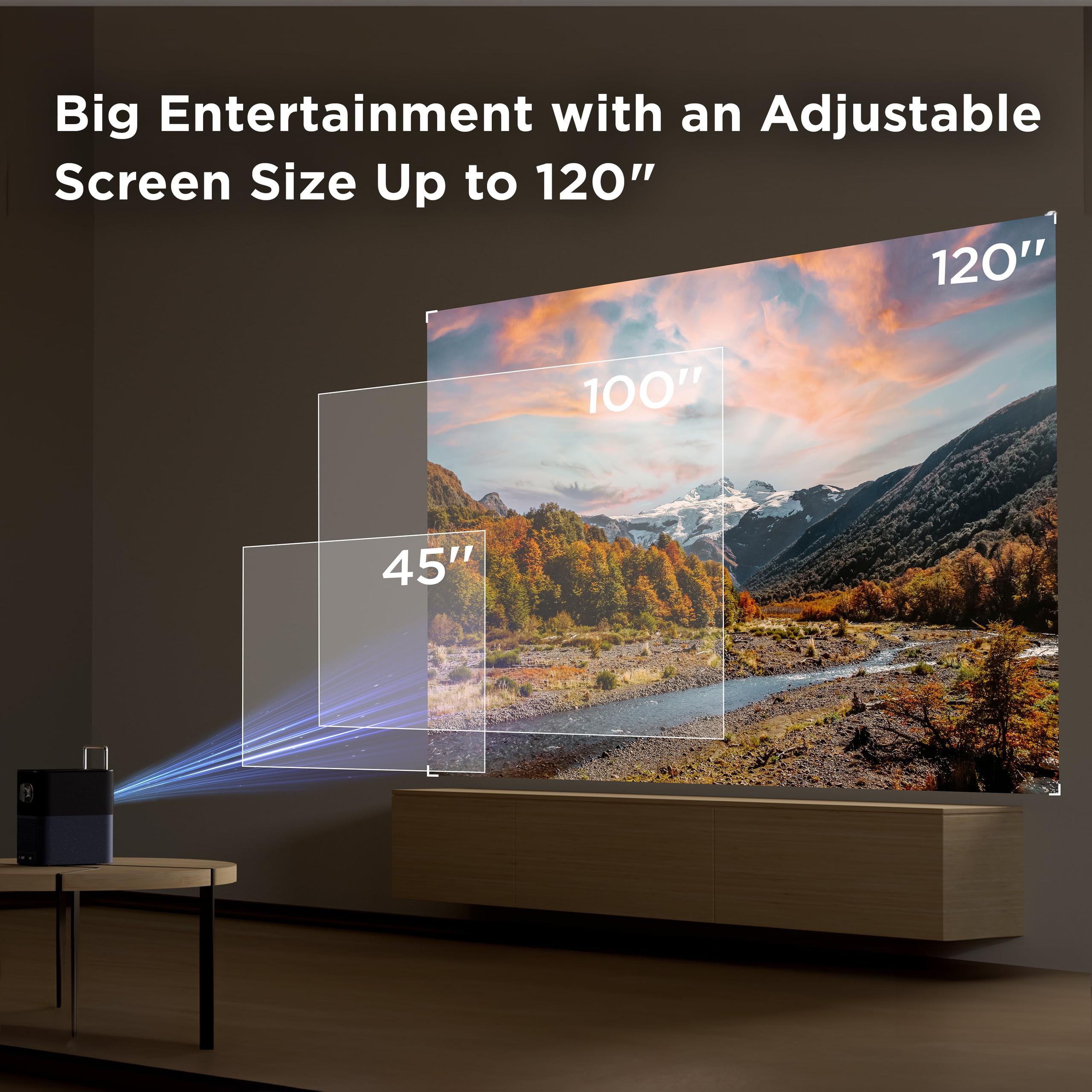
The TCL A1 Portable 1080p Smart Projector can project images up to 120 inches diagonally, while the BenQ GV50 Full HD Smart Ceiling Projector typically maxes out around 100 inches. However, remember that as you increase screen size, brightness decreases, so the BenQ's higher lumens rating maintains better image quality at larger sizes compared to the TCL.
Neither the TCL A1 nor the BenQ GV50 requires a dedicated screen, as both can project onto light-colored walls. However, using a proper projection screen improves image quality significantly by providing better reflectivity and contrast. For the TCL A1 especially, with its lower brightness, a good screen becomes more important for optimal image quality.
The BenQ GV50 Full HD Smart Ceiling Projector is more truly portable at 4.6 pounds with built-in battery power lasting up to 2.5 hours. The TCL A1 Portable 1080p Smart Projector is slightly heavier at 5.5 pounds and requires constant power connection, making it portable between rooms but not suitable for on-the-go use where power outlets aren't available.
Neither the TCL A1 nor the BenQ GV50 offers native 4K resolution—both are Full HD 1080p projectors. However, the BenQ GV50 can accept 4K HDR input through its HDMI 2.0b port and downscale it to 1080p while preserving HDR benefits for better contrast and color. The TCL A1 lacks HDR support entirely, resulting in less dynamic image quality with 4K sources.
Despite similar pricing (around $499), the BenQ GV50 Full HD Smart Ceiling Projector generally offers better value with its higher brightness, HDR support, built-in battery, superior audio system, and longer-lasting laser light source. The TCL A1 Portable 1080p Smart Projector might be worth considering if found at a significant discount and if your needs are basic (occasional viewing in very dark rooms with power available).
We've done our best to create useful and informative comparisons to help you decide what product to buy. Our research uses advanced automated methods to create this comparison and perfection is not possible - please contact us for corrections or questions. These are the sites we've researched in the creation of this article: youtube.com - hometheaterforum.com - hifivision.com - tcl.com - gstylemag.com - youtube.com - youtube.com - soundandvision.com - tcl.com - androidheadlines.com - valueelectronics.com - tcl.com - walmart.com - esquire.com - hometheaterview.com - androidpolice.com - projectorcentral.com - howtogeek.com - nfm.com - tcl.com - valueelectronics.com - extapps.dec.ny.gov - cna-aiic.ca - projectorcentral.com - tcl.com - tcl.com - tcl.com - thewellnessinsider.asia - bhphotovideo.com - thetechnovore.com - howtogeek.com - projectorcentral.com - projectorcentral.com - techradar.com - adorama.com - projectorcentral.com - thesmarthomehookup.com - youtube.com - youtube.com - whathifi.com - youtube.com - cdw.com - projectorcentral.com - youtube.com

Privacy Policy
Terms and Conditions - Affiliate Policy
Home Security
© Copyright 2008-2026.
11816 Inwood Rd #1211, Dallas, TX 75244