

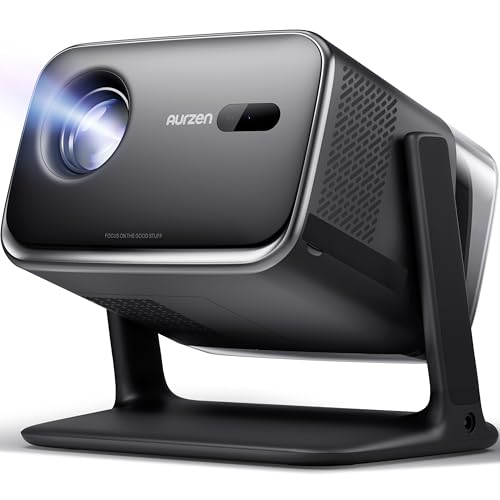
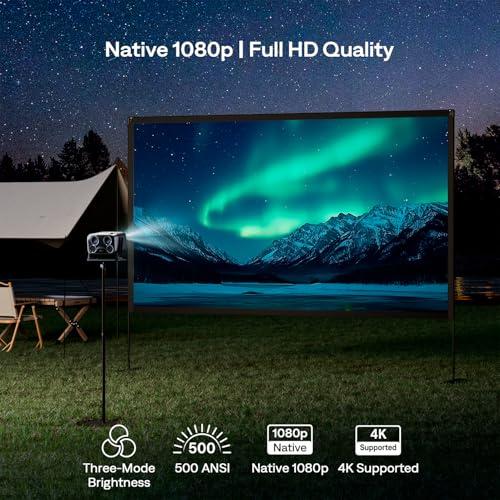
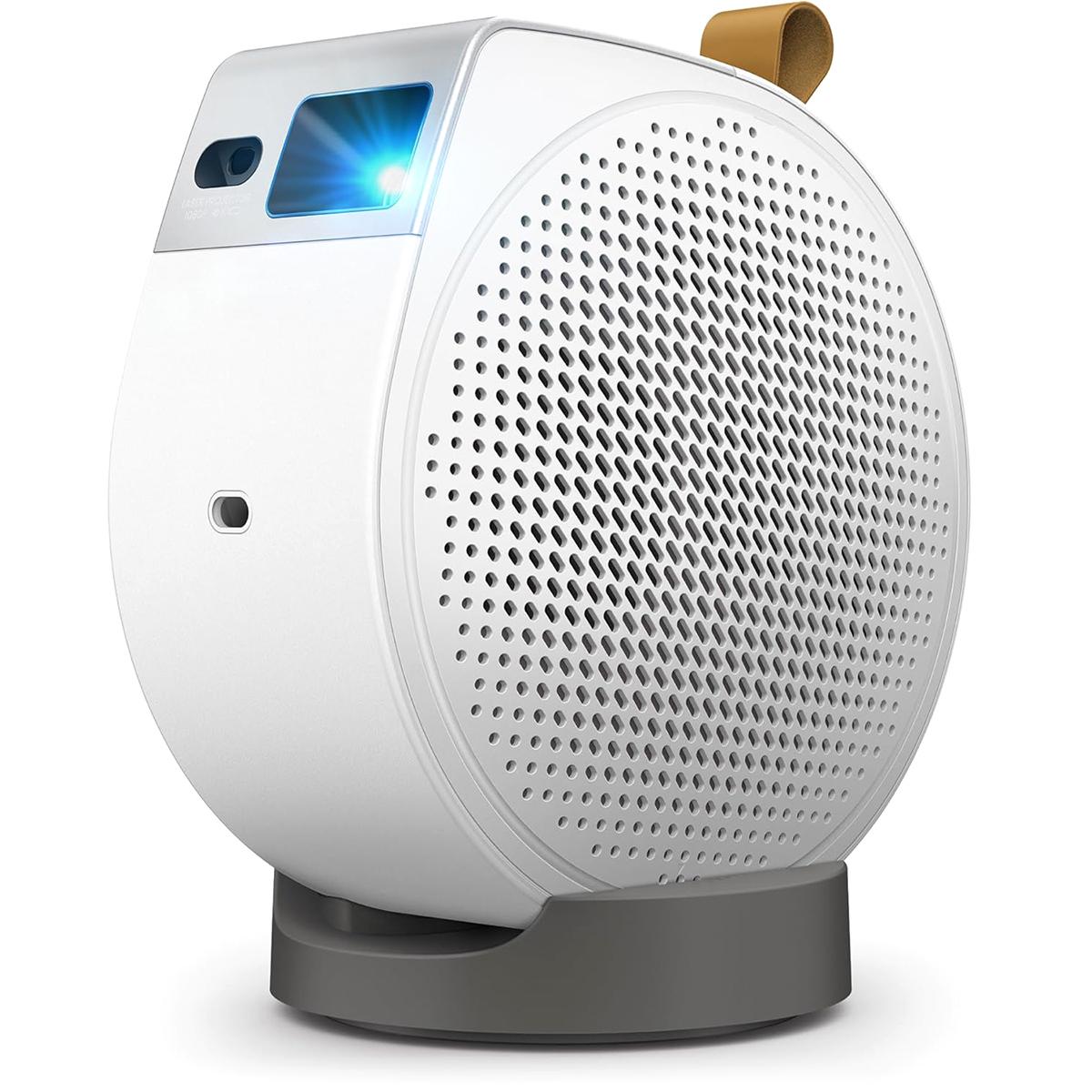
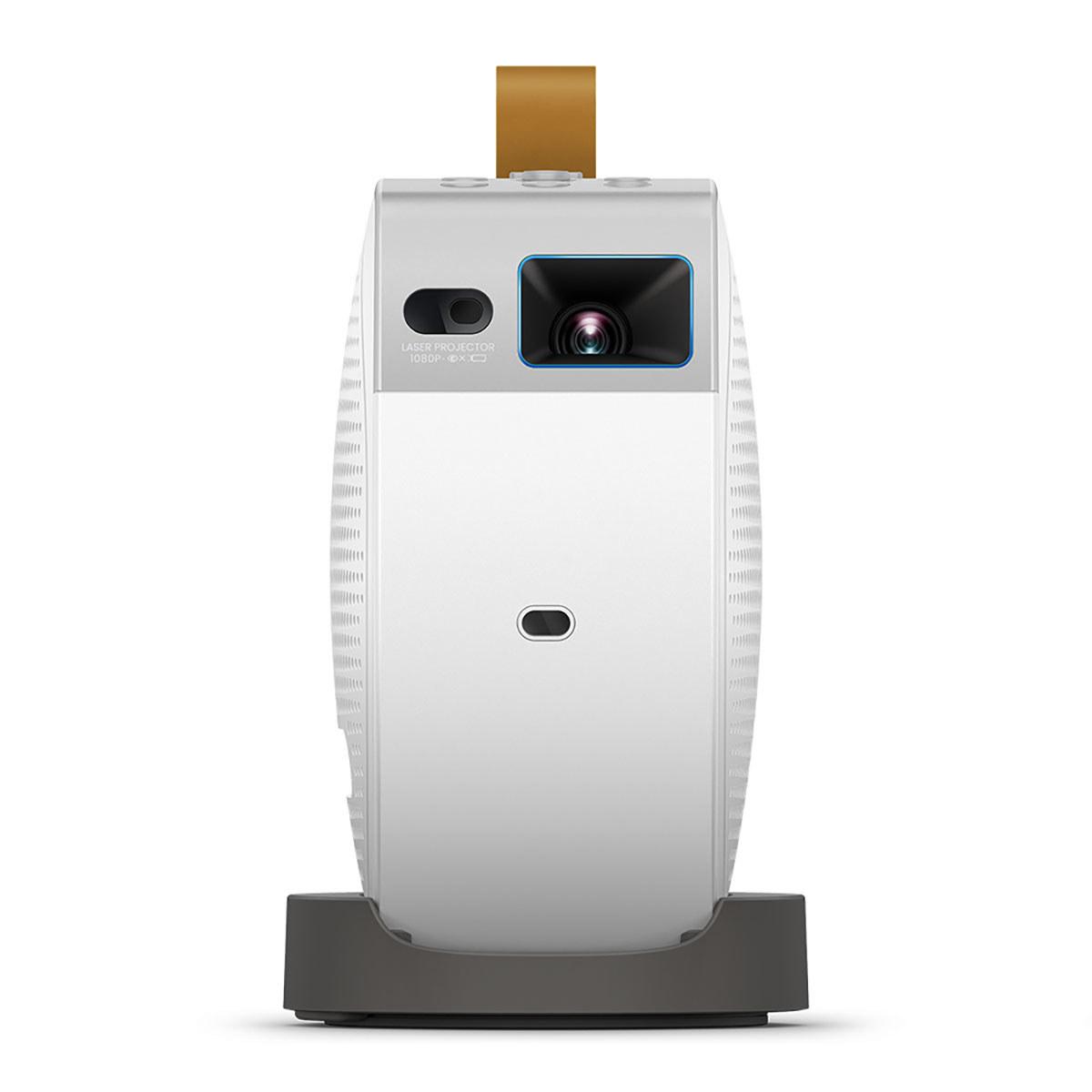
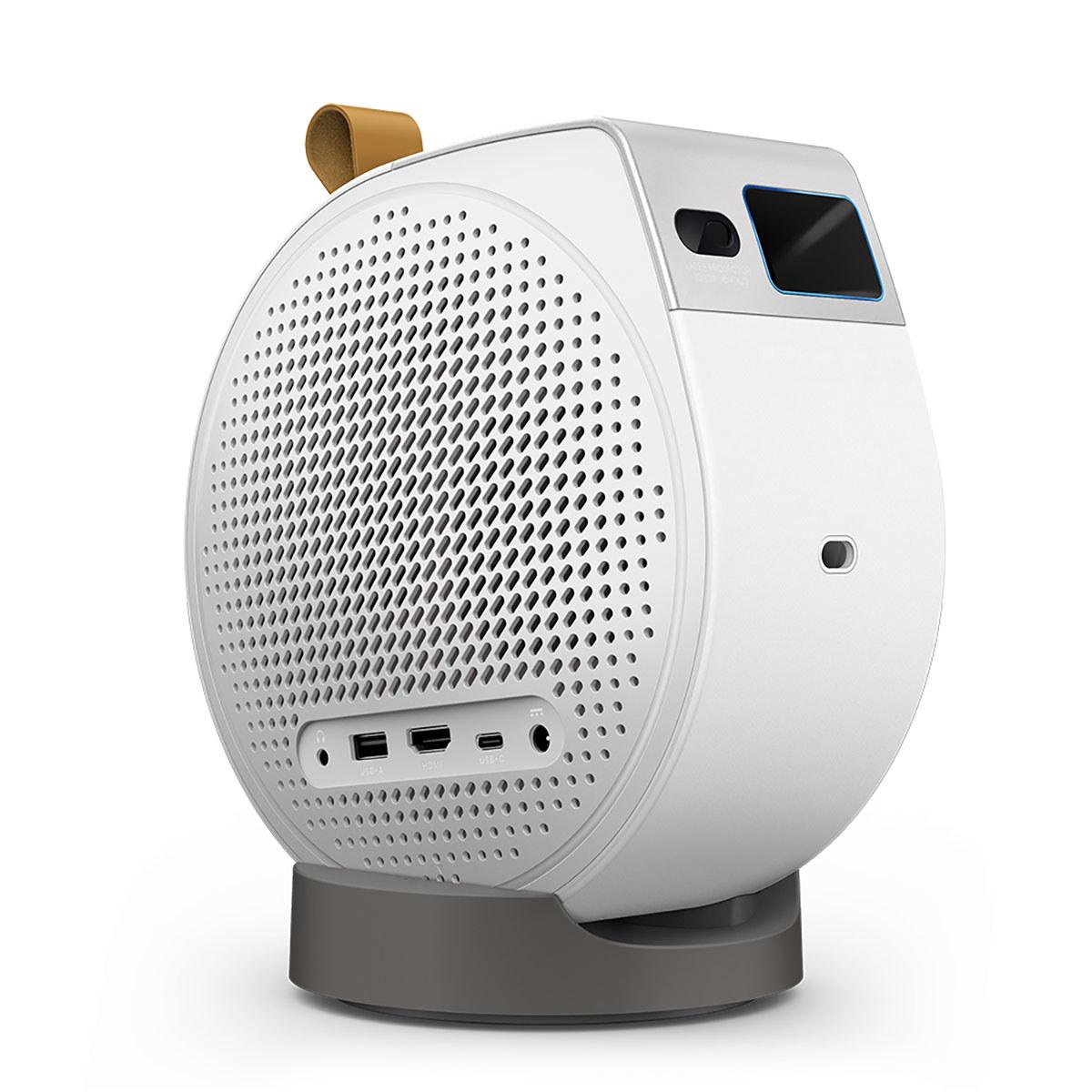
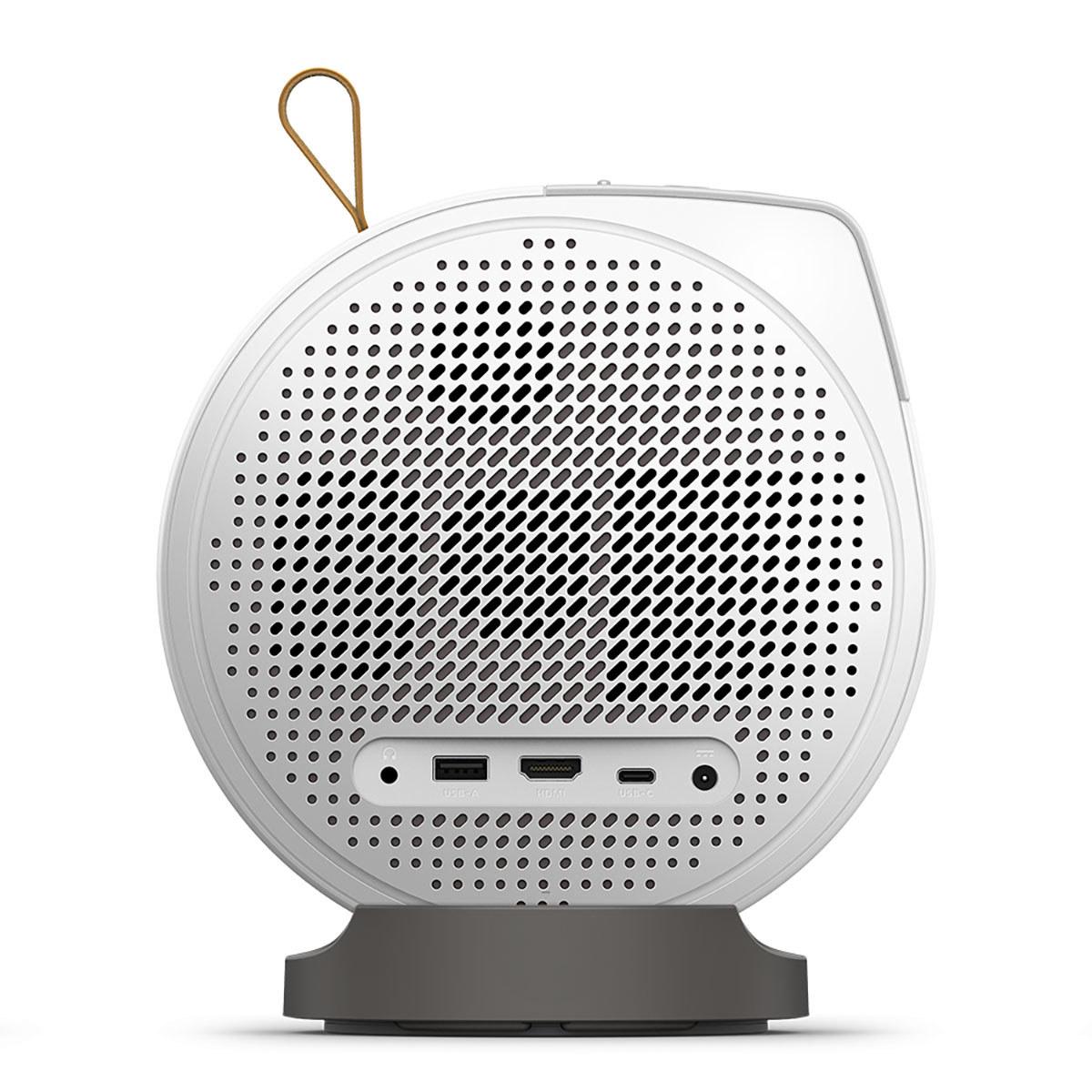
The world of portable projectors has evolved dramatically since 2020, transforming from basic presentation tools into sophisticated entertainment hubs. Today's smart portable projectors integrate streaming platforms, advanced auto-correction technology, and premium audio systems into compact packages that rival traditional home theater setups. Two standout models—the budget-focused Aurzen BOOM Mini Smart Projector Google TV and the premium BenQ GV50 Full HD Smart Ceiling Projector—represent different philosophies in this rapidly advancing category.
Both projectors launched in 2024, capturing the latest innovations in projection technology. The Aurzen BOOM Mini arrived in early 2024 as an aggressive value play, while the BenQ GV50 emerged mid-year as a premium solution targeting specific use cases. Understanding their differences requires diving deep into what makes modern projectors tick and how these technologies translate into real-world performance.
Smart portable projectors combine three critical technologies: the projection system itself, integrated computing platforms, and sophisticated auto-correction features. These aren't just "projectors with Wi-Fi"—they're complete entertainment systems that happen to project images.
The projection engine determines image quality fundamentals. LCD technology, used in the Aurzen BOOM Mini, passes light through liquid crystal panels to create images. It typically offers good color reproduction and sharp text but can struggle with deep blacks. DLP (Digital Light Processing) technology in the BenQ GV50 uses millions of tiny mirrors to reflect light, generally providing better contrast and smoother motion handling.
More importantly, the light source has revolutionized portable projectors. Traditional lamp-based projectors required frequent bulb replacements and generated significant heat. LED light sources, like those in the Aurzen BOOM Mini, last much longer and run cooler but traditionally offered limited brightness. Laser phosphor technology in the BenQ GV50 represents the newest advancement, combining the longevity of solid-state lighting with the brightness and color accuracy previously reserved for premium installations.
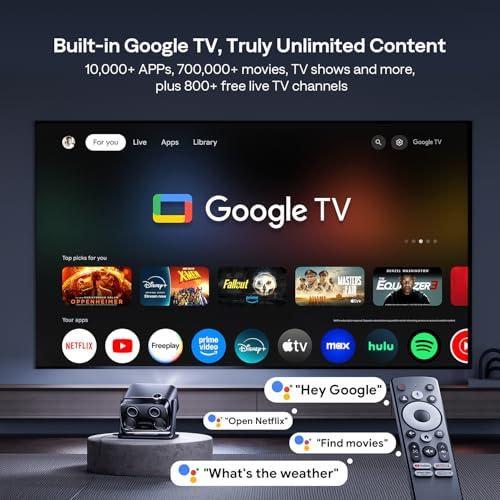
The computing platform transforms these projectors into smart devices. Google TV integration means accessing Netflix, Disney+, YouTube, and thousands of other apps directly without external streaming sticks. However, implementation varies significantly—some projectors simply run Android TV apps, while others like the Aurzen BOOM Mini include dedicated hardware optimized for streaming performance.
Both projectors claim 500 ANSI lumens, a measurement standard that provides more accurate brightness comparisons than the inflated "lumens" ratings common in budget projectors. ANSI (American National Standards Institute) lumens measure brightness across multiple screen points, preventing manufacturers from cherry-picking the brightest spot.
In practical terms, 500 ANSI lumens works well in darkened rooms but struggles against ambient light. You'll want blackout curtains for daytime viewing, though both projectors handle typical evening living room lighting reasonably well. The BenQ GV50's laser technology maintains this brightness more consistently over time, while LED sources in projectors like the Aurzen BOOM Mini gradually dim over thousands of hours.
Our research into user experiences reveals that brightness becomes the limiting factor for projection size. While both projectors can theoretically create massive images, brightness decreases as projection size increases. The sweet spot for both models appears to be 80-120 inches in darkened rooms, dropping to 60-80 inches with ambient light present.
The contrast ratio—the difference between the brightest whites and darkest blacks—represents the most significant performance gap between these projectors. The BenQ GV50's claimed 100,000:1 contrast ratio versus the Aurzen BOOM Mini's 1,000:1 reflects fundamental technology differences.
Laser phosphor systems can achieve near-perfect blacks by completely shutting off light to specific image areas. LCD panels always pass some light, creating grayish blacks that reduce image depth. This difference becomes most noticeable in dark movie scenes—space sequences in science fiction films or dramatic night scenes show significantly more detail on the BenQ GV50.
Color accuracy tells a similar story. The BenQ GV50's 92% Rec. 709 coverage means it reproduces 92% of the standard color space used for HD content, delivering more realistic skin tones and vibrant landscapes. LCD panels typically achieve 70-80% coverage, which remains adequate for casual viewing but lacks the color punch that makes HDR content truly impressive.
HDR (High Dynamic Range) support in both projectors enhances compatible content, but the BenQ GV50 better exploits HDR's potential due to its superior contrast capabilities. HDR expands the range between bright and dark image areas—exactly what contrast ratio measures.
The Aurzen BOOM Mini includes 2GB RAM and 16GB storage dedicated to its Google TV platform, while the BenQ GV50 relies on more basic smart functionality. This difference significantly impacts daily use beyond just having access to streaming apps.
With dedicated processing power, the Aurzen BOOM Mini launches apps faster, navigates menus smoothly, and handles 4K content streams without stuttering. The 16GB storage accommodates app updates and temporary files that prevent the sluggish performance plaguing many budget smart projectors.
Google Assistant integration adds practical value through voice control. Finding specific movies, adjusting volume, or controlling smart home devices through the projector creates a more integrated entertainment experience. The BenQ GV50 includes basic Google TV functionality but lacks the responsive performance and advanced features of dedicated smart platform hardware.
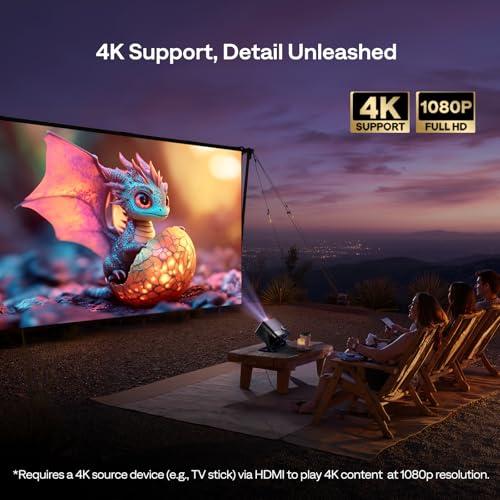
Both projectors support 4K input, but neither displays true 4K resolution—they downscale to their native 1080p panels. However, this downscaling process, combined with HDR processing, often produces sharper, more detailed images than standard 1080p content.
Modern portable projectors have largely solved the audio problem that plagued earlier models. Both projectors include substantial speaker systems that eliminate the need for external audio in most scenarios.
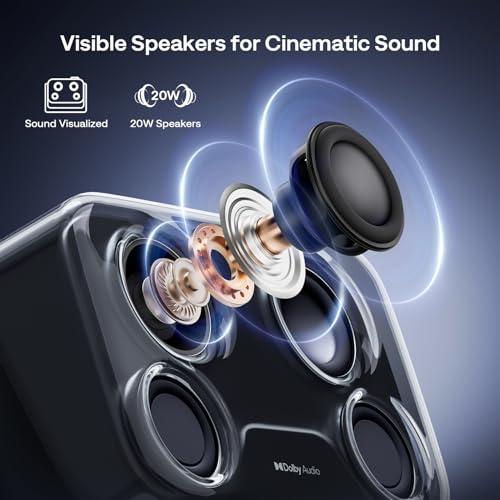
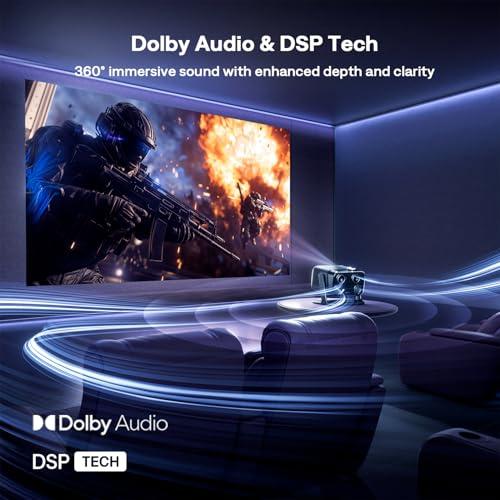
The Aurzen BOOM Mini's 20W Dolby Audio system with rear-facing speakers creates surprisingly immersive sound. Dolby Audio processing enhances dialogue clarity while maintaining dynamic range for action sequences. The rear-facing design reflects sound off walls, creating a more spacious soundstage than forward-firing speakers typically achieve.
The BenQ GV50 takes a different approach with its 18W 2.1-channel system including a dedicated 10W subwoofer. This configuration provides better bass response and more balanced frequency reproduction. The specialized "Ceiling Cinema Sound Mode" optimizes audio specifically for overhead projection scenarios, accounting for how sound travels when projecting onto ceilings.
Both projectors function as Bluetooth speakers when not projecting, extending their utility as music playback devices. This versatility particularly benefits the BenQ GV50's portable nature, allowing it to serve as a premium Bluetooth speaker for outdoor gatherings.
For home theater applications, both projectors provide adequate audio for rooms up to medium size. However, dedicated sound systems still offer superior performance for critical listening or large spaces. The 3.5mm audio outputs on both models accommodate external speakers or soundbars when desired.
Gaming on projectors has improved dramatically with recent technology advances, but performance varies significantly between models. Input lag—the delay between controller input and on-screen response—critically affects gaming experience, especially for competitive titles.
The BenQ GV50 achieves impressive 22.4ms input lag at 1080p/60Hz, approaching the performance of dedicated gaming projectors. This responsiveness suits most gaming scenarios, including competitive online play. DLP technology also provides superior motion handling, reducing blur during fast-paced action sequences.
While specific input lag measurements for the Aurzen BOOM Mini aren't available, user reports suggest adequate performance for casual gaming. The LCD technology may show slightly more motion blur than DLP systems, but the difference primarily affects competitive gaming scenarios.
Both projectors support HDR gaming, enhancing visual quality in compatible titles. However, the BenQ GV50's superior contrast ratio better exploits HDR's dynamic range improvements, particularly in games with dramatic lighting effects.
Modern auto-correction features have transformed projector setup from a frustrating technical challenge into a nearly effortless process. Both projectors include sophisticated systems, but their approaches differ significantly.
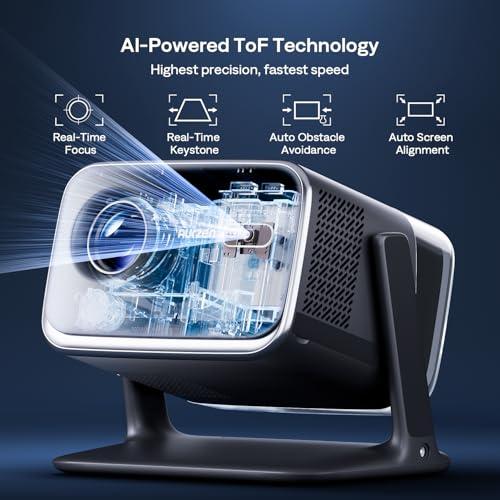
The Aurzen BOOM Mini incorporates ToF (Time-of-Flight) technology that uses light pulses to measure distance and automatically adjust focus within seconds. This system continuously monitors the projection surface, maintaining sharp focus even if the projector moves slightly. Combined with automatic keystone correction—which squares up the image even when projecting at angles—setup becomes remarkably simple.
The obstacle avoidance feature represents particularly impressive technology. The projector detects objects in the projection path and automatically adjusts the image to project around them or onto suitable surfaces. This capability proves invaluable in real-world scenarios where perfect projector placement isn't possible.
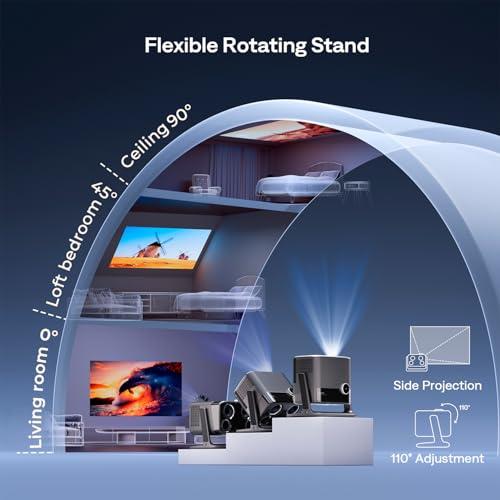
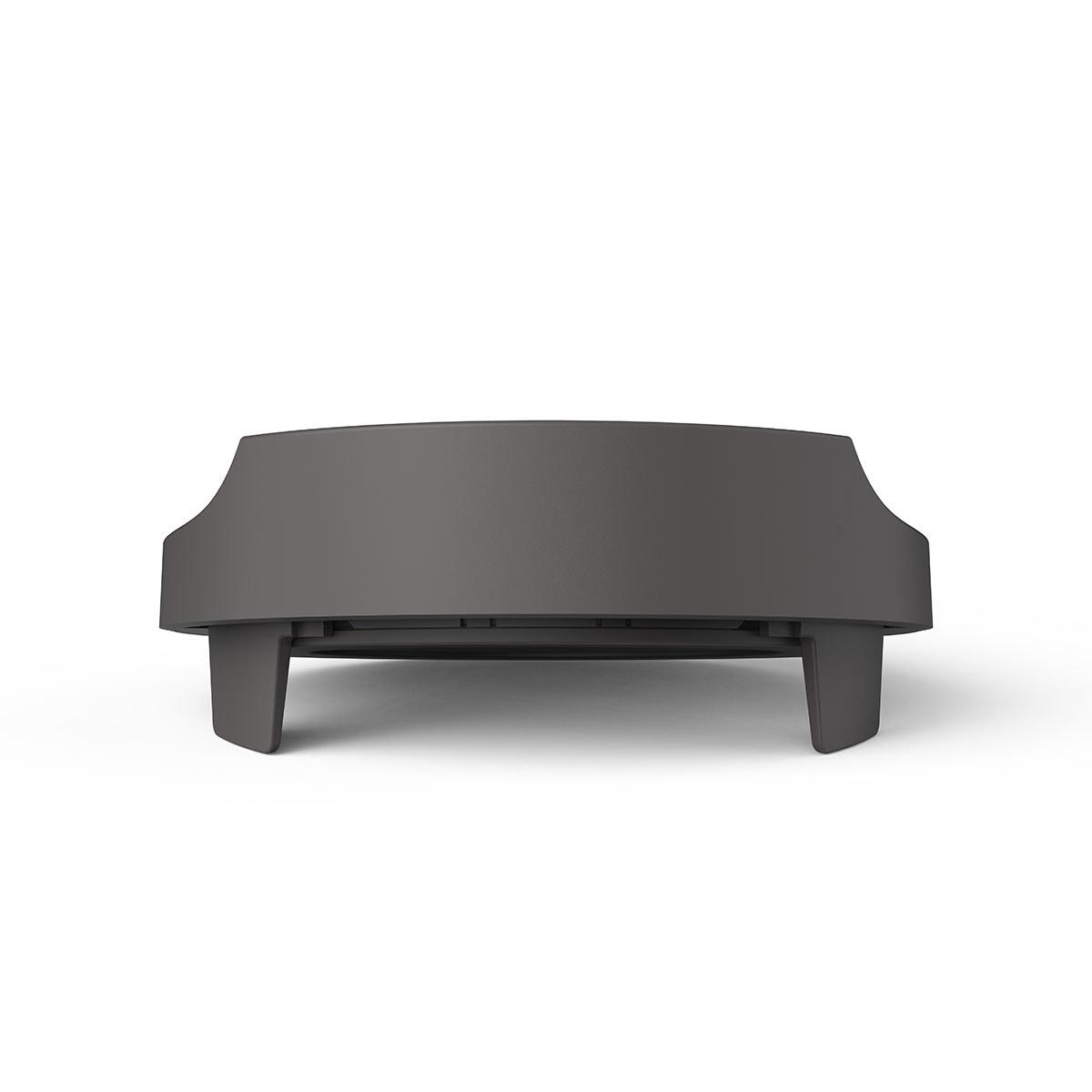
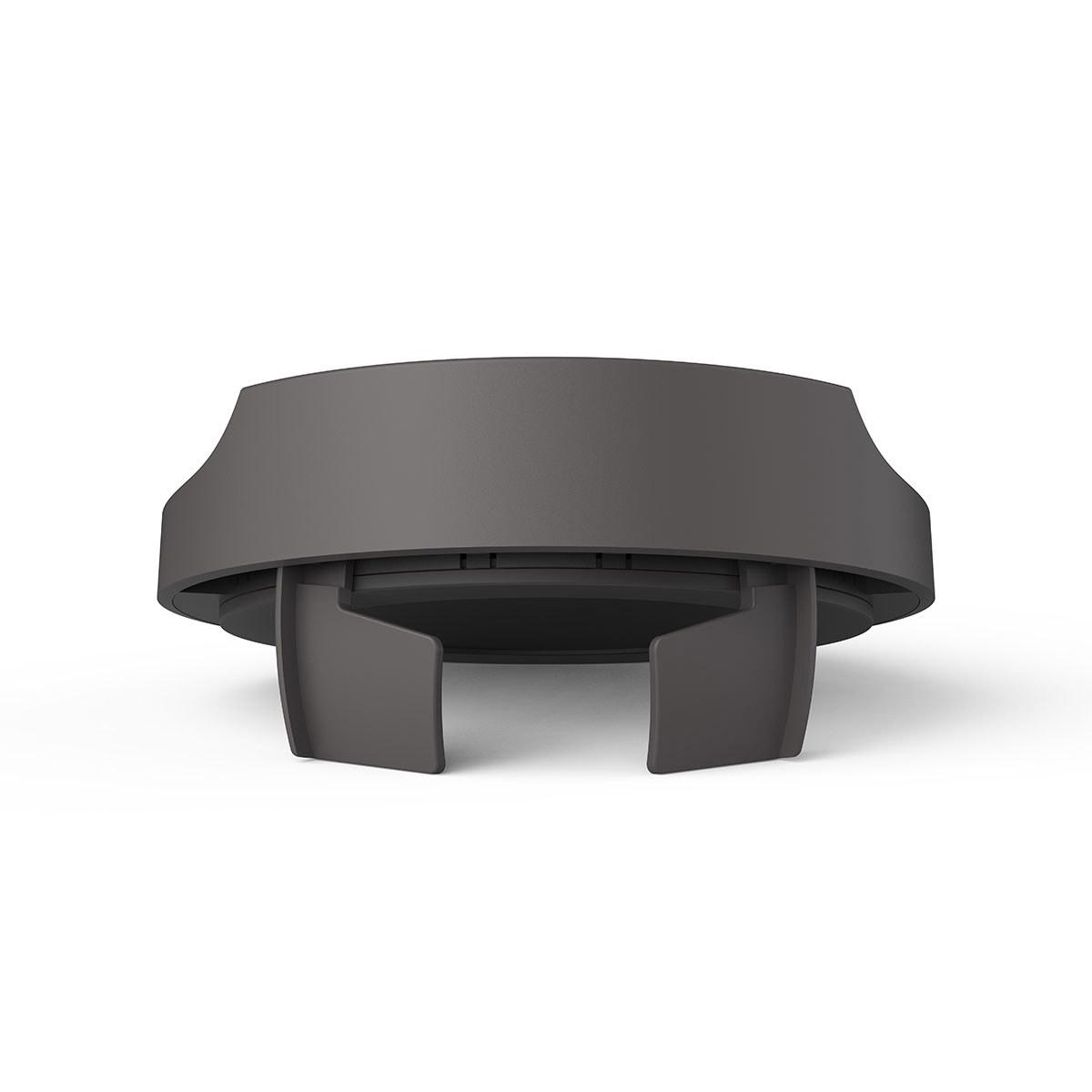
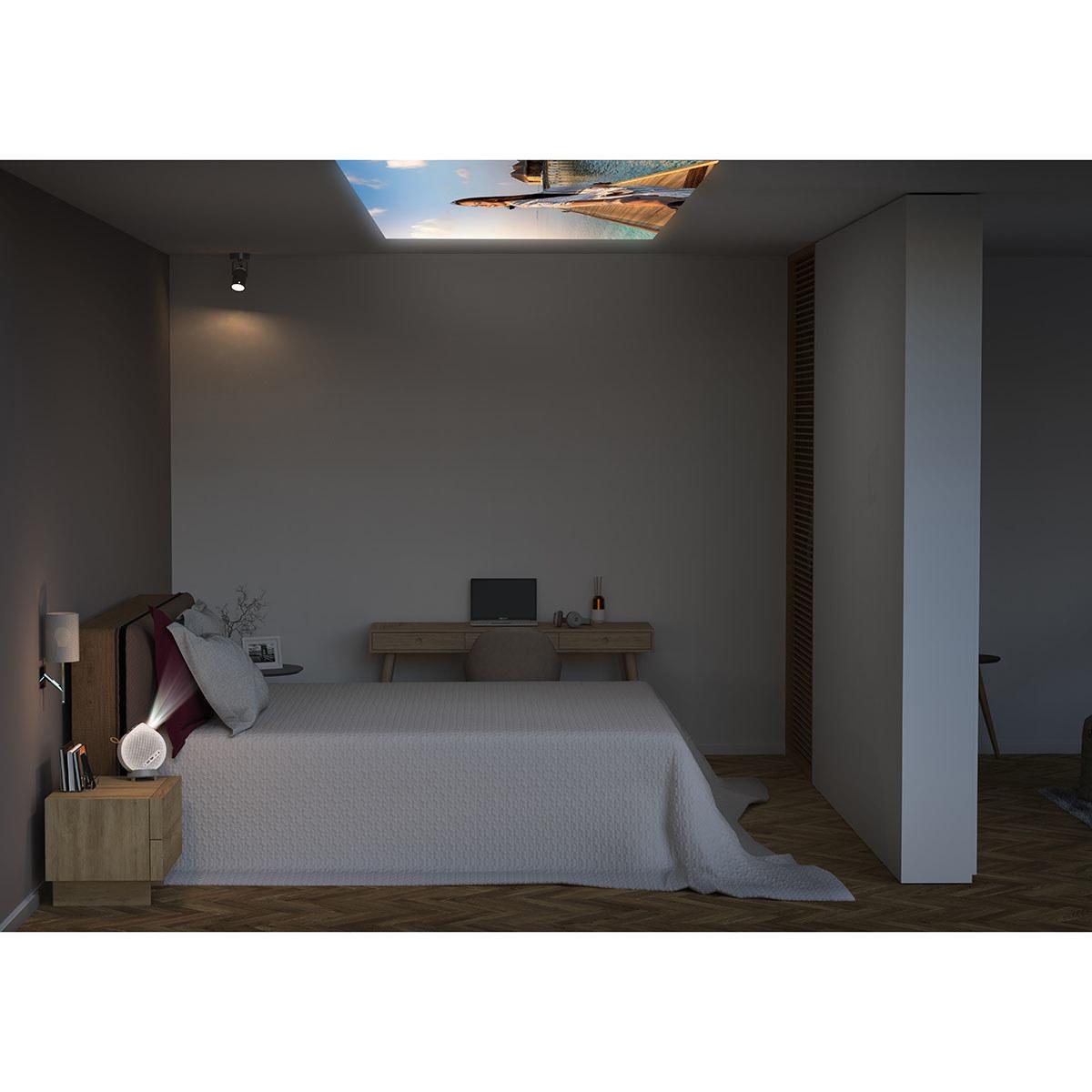
The BenQ GV50 includes 2D keystone correction and screen fitting features but relies more on its unique mounting system for optimal positioning. The flexible tripod base with 135-degree vertical adjustment specifically targets bedside ceiling projection—a use case that other projectors handle awkwardly if at all.
True portability requires more than compact size—it demands battery power and robust construction. The BenQ GV50 includes a built-in rechargeable battery providing up to 150 minutes of video playback, enabling genuine portable operation for outdoor movie nights or hotel room entertainment.
The battery capacity balances runtime against size constraints. While 2.5 hours may seem limited, it accommodates most movies and provides sufficient flexibility for temporary installations. The 2.1kg weight and integrated handle make the BenQ GV50 genuinely portable, though it's not exactly pocket-sized.
The Aurzen BOOM Mini requires constant power connection, limiting placement flexibility but eliminating battery management concerns. For fixed installations or scenarios with reliable power access, this approach simplifies operation while potentially reducing long-term costs.
Both projectors achieve impressively quiet operation below 36dB, making them suitable for bedroom use without distracting fan noise. This quiet performance represents significant improvement over older projector generations that often generated intrusive cooling noise.
At the time of writing, these projectors occupy different value segments with the Aurzen BOOM Mini positioned as an aggressive budget offering while the BenQ GV50 commands premium pricing.
The Aurzen BOOM Mini delivers exceptional value by including features typically reserved for more expensive models. The comprehensive Google TV integration, advanced auto-correction technology, and substantial audio system create a complete entertainment package at a budget-friendly price point. Eliminating the need for external streaming devices further enhances the value proposition.
The BenQ GV50 justifies its premium positioning through laser technology, rechargeable battery, superior build quality, and longer warranty coverage. The three-year warranty versus one year for the Aurzen BOOM Mini reflects confidence in long-term reliability and suggests lower total ownership costs over time.
Price alone doesn't determine value—the BenQ GV50's laser technology provides advantages that extend beyond immediate performance. Laser phosphor systems maintain brightness and color accuracy over decades rather than years, potentially making the premium price worthwhile for users planning extended ownership.
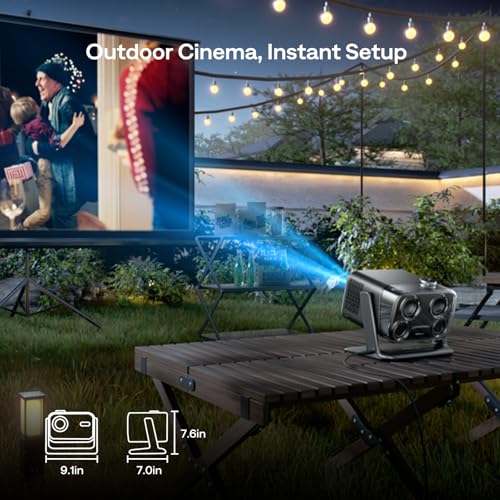
Both projectors suit home theater applications but excel in different scenarios. The Aurzen BOOM Mini works best for dedicated home theater rooms where projection distance and power access aren't constraints. Its larger projection capability (up to 200 inches versus 120 inches for the BenQ GV50) accommodates bigger screens, while the comprehensive smart platform eliminates additional equipment clutter.
The BenQ GV50 better serves flexible home theater scenarios—bedrooms, basement rec rooms, or outdoor entertaining areas where battery operation and compact size provide advantages. The superior contrast ratio particularly benefits movie watching in completely darkened environments.
Neither projector replaces high-end home theater projectors costing several thousand dollars, but both provide remarkably capable performance for casual to serious home theater enthusiasts. The key limitation remains brightness—both require light control for optimal performance.
The Aurzen BOOM Mini best serves budget-conscious users who prioritize smart features and large projection capabilities. It's ideal for families wanting comprehensive streaming access, users integrating with Google smart home ecosystems, and anyone seeking premium auto-correction features without premium pricing. The plug-in power requirement suits fixed installations where cord management isn't problematic.
The BenQ GV50 targets users who value portability, premium build quality, and superior image performance. It's perfect for frequent travelers, apartment dwellers with flexible entertainment spaces, gamers requiring low input lag, and users willing to invest in longer-term projection quality. The unique bedside ceiling projection capability serves a specific niche that no other projector addresses as elegantly.
Both projectors represent significant advances over 2020-era portable projectors in brightness, smart integration, and convenience features. The progression toward laser technology, comprehensive auto-correction, and dedicated smart platforms continues pushing portable projectors toward mainstream adoption.
Looking forward, brightness improvements and enhanced HDR processing will further close the gap between portable and fixed-installation projectors. However, both models already provide performance that satisfies most users' needs, making them solid investments in current projection technology.
The choice ultimately depends on prioritizing comprehensive smart features and value (Aurzen BOOM Mini) versus premium technology and true portability (BenQ GV50). Both approaches have merit, and both projectors represent excellent execution of their respective philosophies.
| Aurzen BOOM Mini Smart Projector Google TV | BenQ GV50 Full HD Smart Ceiling Projector |
|---|---|
| Brightness - Critical for image quality in various lighting conditions | |
| 500 ANSI lumens (good for dark rooms) | 500 ANSI lumens (good for dark rooms) |
| Light Source Technology - Affects longevity, color accuracy, and maintenance | |
| LED (20,000+ hour lifespan, gradual dimming over time) | Laser phosphor (30,000 hour lifespan, consistent brightness) |
| Contrast Ratio - Determines depth and richness of dark scenes | |
| 1,000:1 (adequate blacks, some detail loss in shadows) | 100,000:1 (deep blacks, excellent shadow detail) |
| Display Technology - Impacts color reproduction and motion handling | |
| LCD (good color accuracy, sharp text) | DLP (superior motion handling, better contrast) |
| Smart Platform Performance - Affects streaming speed and app responsiveness | |
| 2GB RAM + 16GB storage (smooth navigation, fast app loading) | Basic Google TV (slower performance, limited storage) |
| Projection Size Range - Flexibility for different room sizes | |
| 40"-200" (excellent for large rooms and outdoor use) | 30"-120" (suitable for bedrooms and small spaces) |
| Audio System - Built-in sound quality for complete entertainment | |
| 20W Dolby Audio with rear-facing speakers (immersive sound) | 18W 2.1-channel with 10W subwoofer (balanced frequency response) |
| Power Source - Affects placement flexibility and portability | |
| Plug-in only (limits placement but no battery management) | Built-in battery + plug-in (150 minutes runtime, true portability) |
| Auto-Correction Technology - Simplifies setup and maintains image quality | |
| Real-time ToF autofocus and keystone correction (3-second adjustments) | 2D keystone correction with manual fine-tuning |
| Mounting Flexibility - Determines projection angle options | |
| 110° vertical adjustment with standard mounting (versatile positioning) | 135° vertical adjustment with unique tripod base (optimized for ceiling projection) |
| Gaming Performance - Input lag affects competitive gaming experience | |
| Adequate for casual gaming (specific input lag not specified) | 22.4ms input lag (excellent for competitive gaming) |
| Warranty Coverage - Reflects manufacturer confidence and long-term value | |
| 1 year (standard budget projector coverage) | 3 years (premium support, higher confidence in reliability) |
| Noise Level - Important for bedroom and quiet environment use | |
| ≤36dB (quiet operation, minimal distraction) | 26-28dB (exceptionally quiet, ideal for bedside use) |
The BenQ GV50 offers superior home theater performance with its 100,000:1 contrast ratio and laser technology, delivering deeper blacks and more vibrant colors essential for movie watching. However, the Aurzen BOOM Mini provides better value for casual home theater setups with its comprehensive Google TV integration and larger projection size capability up to 200 inches.
Both the Aurzen BOOM Mini Smart Projector and BenQ GV50 deliver identical 500 ANSI lumens brightness. This makes them equally suitable for darkened rooms, though both will struggle in brightly lit environments. The key difference lies in brightness consistency over time, with the BenQ GV50's laser technology maintaining brightness longer than LED systems.
The Aurzen BOOM Mini significantly outperforms with dedicated 2GB RAM and 16GB storage for Google TV, enabling smooth streaming and fast app loading. It includes Google Assistant voice control and access to over 10,000 apps. The BenQ GV50 offers basic Google TV functionality but lacks the responsive performance and advanced features.
Only the BenQ GV50 Full HD Smart Ceiling Projector includes a built-in rechargeable battery providing up to 150 minutes of video playback, making it truly portable for outdoor use or rooms without convenient power access. The Aurzen BOOM Mini requires constant power connection, limiting placement flexibility but eliminating battery management concerns.
The BenQ GV50 excels for gaming with its impressive 22.4ms input lag at 1080p, suitable for competitive gaming. Its DLP technology also provides superior motion handling for fast-paced games. The Aurzen BOOM Mini offers adequate gaming performance for casual players but lacks the low latency needed for competitive gaming scenarios.
The Aurzen BOOM Mini features a 20W Dolby Audio system with rear-facing speakers for immersive sound, while the BenQ GV50 includes an 18W 2.1-channel system with a dedicated 10W subwoofer for better bass response. Both eliminate the need for external speakers in most scenarios, with the BenQ GV50 offering slightly more balanced frequency reproduction.
The BenQ GV50 delivers superior image quality with its laser technology providing 100,000:1 contrast ratio and 92% Rec. 709 color accuracy, resulting in more realistic colors and deeper blacks. The Aurzen BOOM Mini offers good LCD image quality but cannot match the contrast and color performance of laser phosphor technology.
The Aurzen BOOM Mini Smart Projector leads in setup convenience with real-time ToF autofocus and automatic keystone correction that adjusts the image in just 3 seconds. It includes obstacle avoidance and screen alignment features. The BenQ GV50 requires more manual adjustment but offers unique 135° vertical positioning for specialized ceiling projection setups.
The BenQ GV50 wins for true portability with its 2.1kg weight, built-in rechargeable battery, and compact design with integrated handle. The Aurzen BOOM Mini is reasonably compact but requires power connection, making it better suited for semi-permanent installations rather than frequent transport.
Both projectors operate quietly, with the BenQ GV50 Full HD Smart Ceiling Projector being exceptionally quiet at 26-28dB and the Aurzen BOOM Mini running at ≤36dB. Both are suitable for bedroom use without creating distracting fan noise, representing significant improvement over older projector generations.
The BenQ GV50 provides better long-term value despite higher upfront costs, featuring laser technology with 30,000-hour lifespan and 3-year warranty coverage. The Aurzen BOOM Mini offers exceptional immediate value with premium smart features at budget pricing, though its LED technology and 1-year warranty suggest shorter lifespan.
The Aurzen BOOM Mini Smart Projector supports projection sizes from 40" to 200", making it excellent for large rooms and outdoor use. The BenQ GV50 handles 30" to 120" projection sizes, which suits bedrooms and smaller spaces but may limit users wanting massive screen experiences for home theater applications.
We've done our best to create useful and informative comparisons to help you decide what product to buy. Our research uses advanced automated methods to create this comparison and perfection is not possible - please contact us for corrections or questions. These are the sites we've researched in the creation of this article: aurzen.com - aurzen.com - the-gadgeteer.com - projectorcentral.com - aurzen.com - aurzen.com - youtube.com - bestbuy.com - bestbuy.com - youtube.com - aurzen.com - youtube.com - hometechnologyreview.com - youtube.com - aurzen.com - thewellnessinsider.asia - bhphotovideo.com - thetechnovore.com - howtogeek.com - projectorcentral.com - projectorcentral.com - techradar.com - adorama.com - projectorcentral.com - thesmarthomehookup.com - youtube.com - youtube.com - whathifi.com - youtube.com - cdw.com - projectorcentral.com - youtube.com

Privacy Policy
Terms and Conditions - Affiliate Policy
Home Security
© Copyright 2008-2026.
11816 Inwood Rd #1211, Dallas, TX 75244