

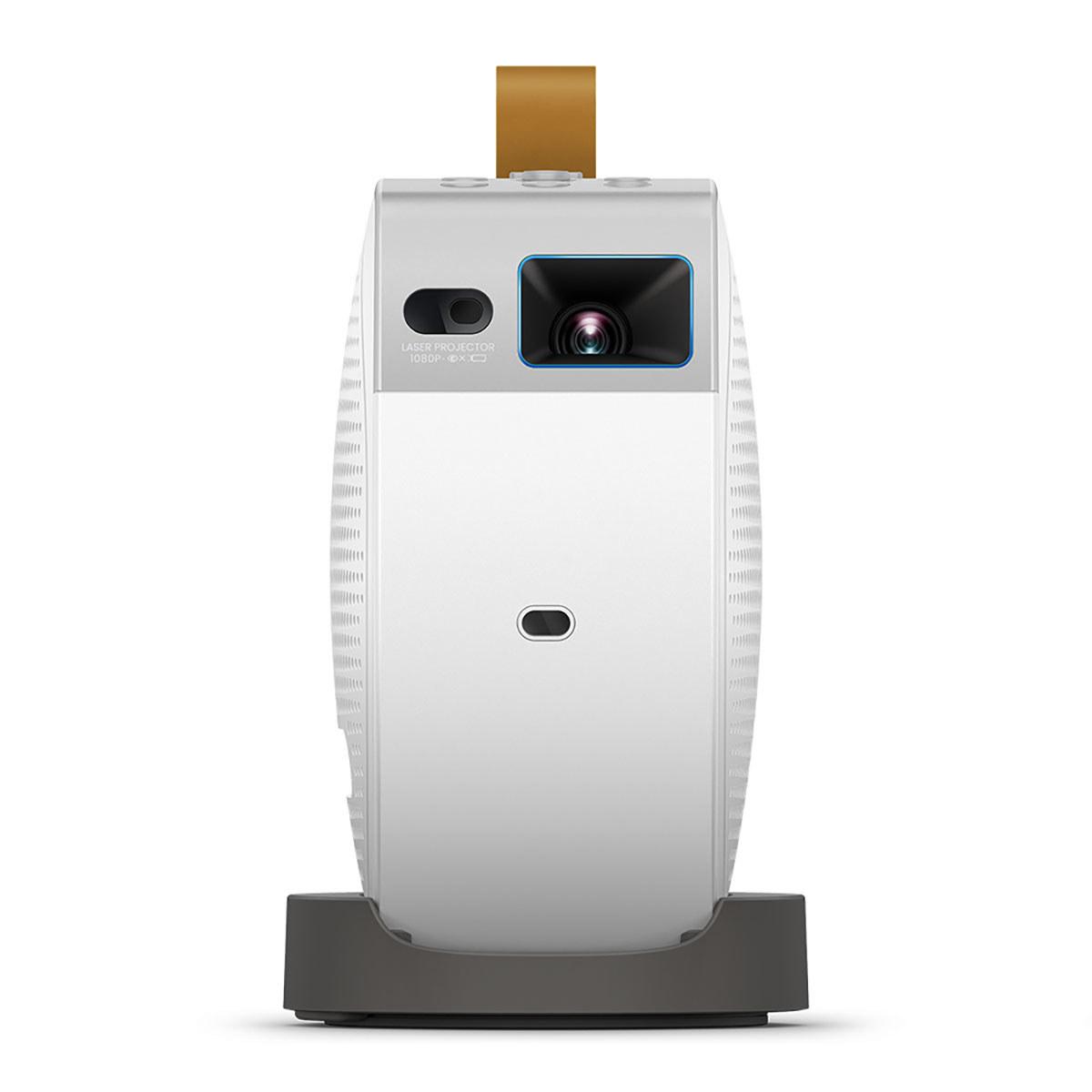
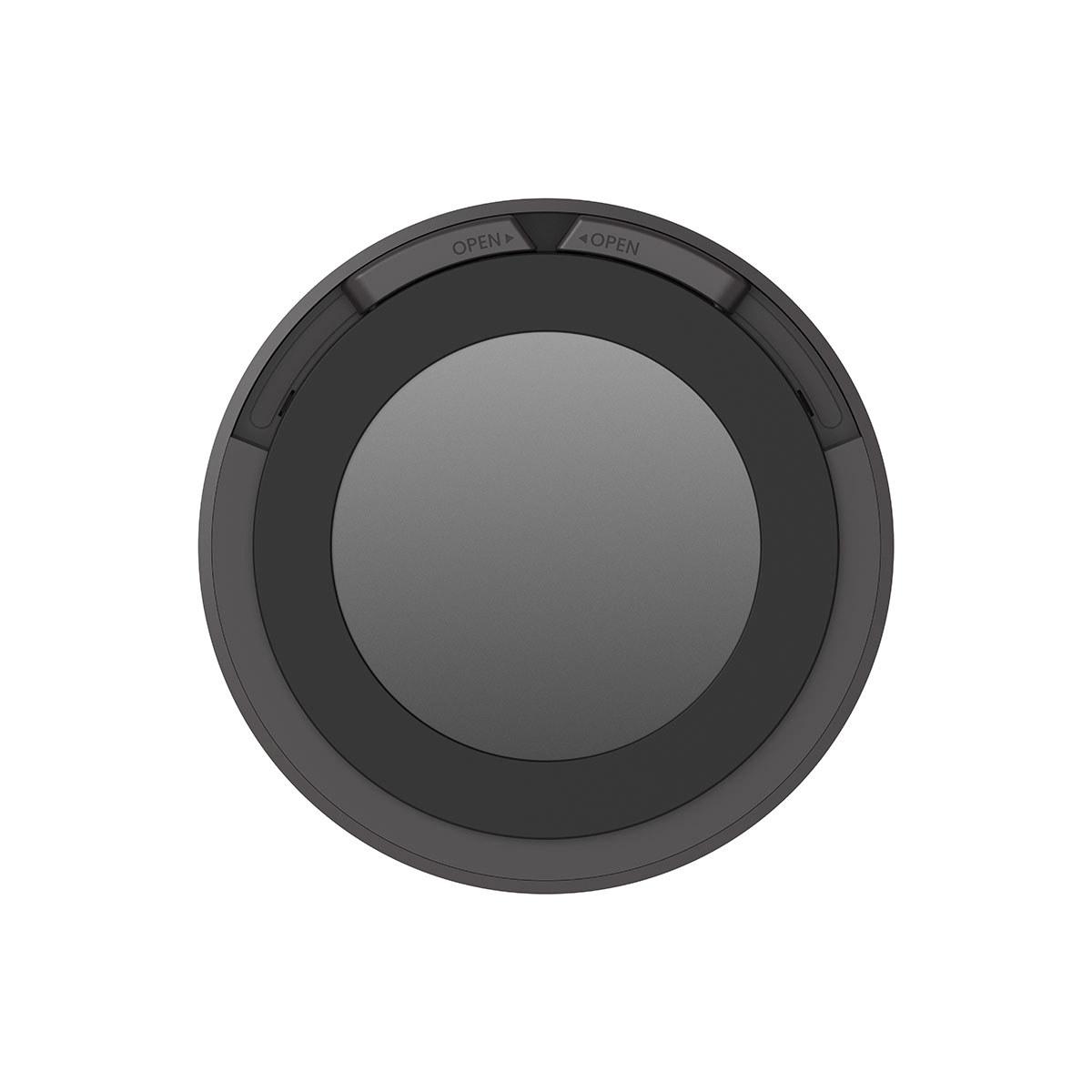
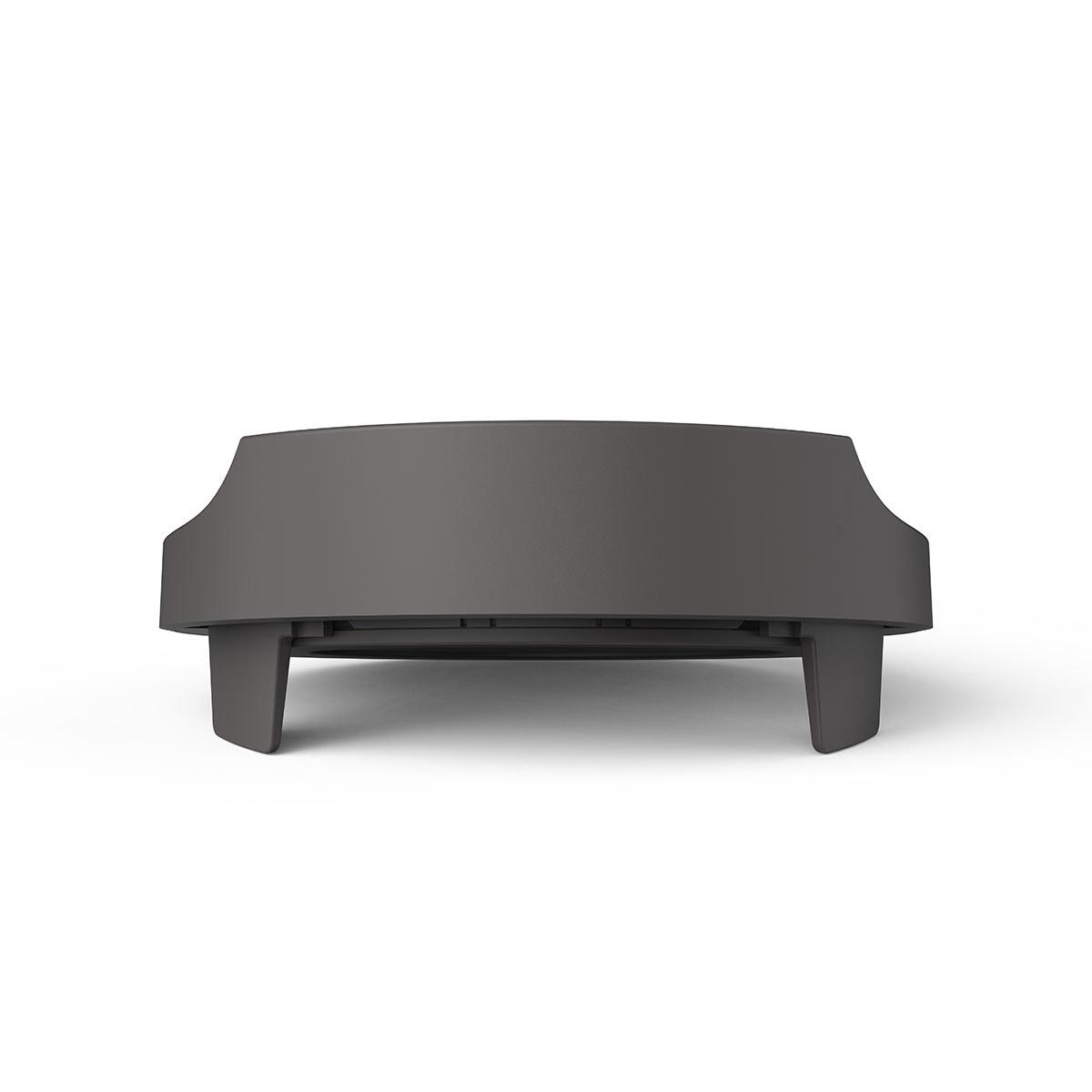
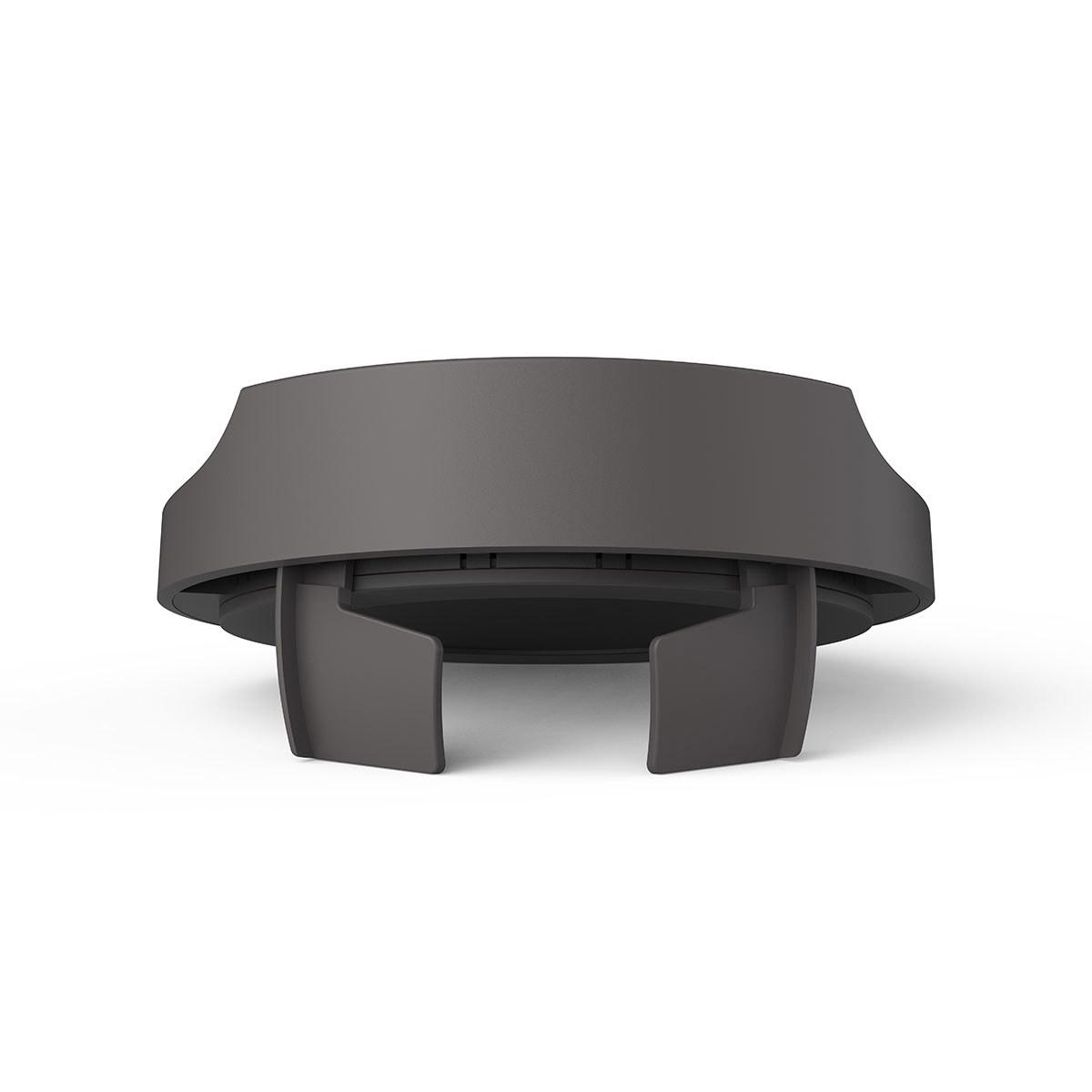
When I first started reviewing projectors years ago, "portable" meant lugging around a briefcase-sized device that still needed perfect darkness to produce a watchable image. Today's portable smart projectors have completely changed that game, but they've also created some confusion for buyers. The Nebula X1 and BenQ GV50 perfectly illustrate this confusion – both are called "portable projectors," yet they're designed for completely different users and situations.
At the time of writing, these two projectors sit in vastly different price categories, with the Nebula X1 commanding a premium price that's roughly four times higher than the BenQ GV50. But as we'll see, that price difference reflects much more than just better specifications – it represents entirely different approaches to what a portable projector should be.
Before diving into comparisons, it's worth understanding what makes today's portable projectors so much better than their predecessors. The biggest game-changer has been laser light sources, which both of these projectors use. Unlike traditional bulbs that burn out after 3,000-5,000 hours and gradually dim over time, laser light sources maintain consistent brightness for 20,000-30,000 hours. This means you'll likely never need to replace the light source during normal ownership.
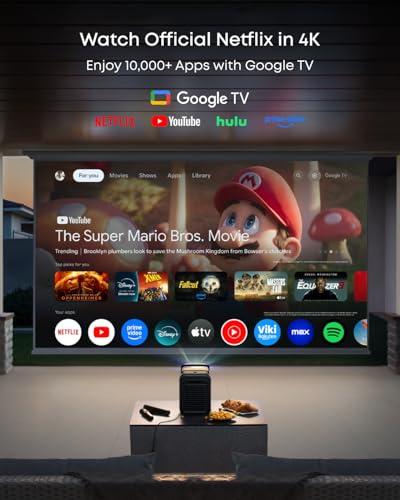
The second major advancement is integrated smart TV platforms. Both the Nebula X1 and BenQ GV50 run Google TV, eliminating the need to connect external streaming devices for Netflix, YouTube, Amazon Prime Video, and other services. This integration is crucial for true portability – there's nothing worse than setting up your projector outdoors only to realize you forgot the Roku.
However, the similarities end there. These projectors represent two completely different philosophies about what "portable" should mean.
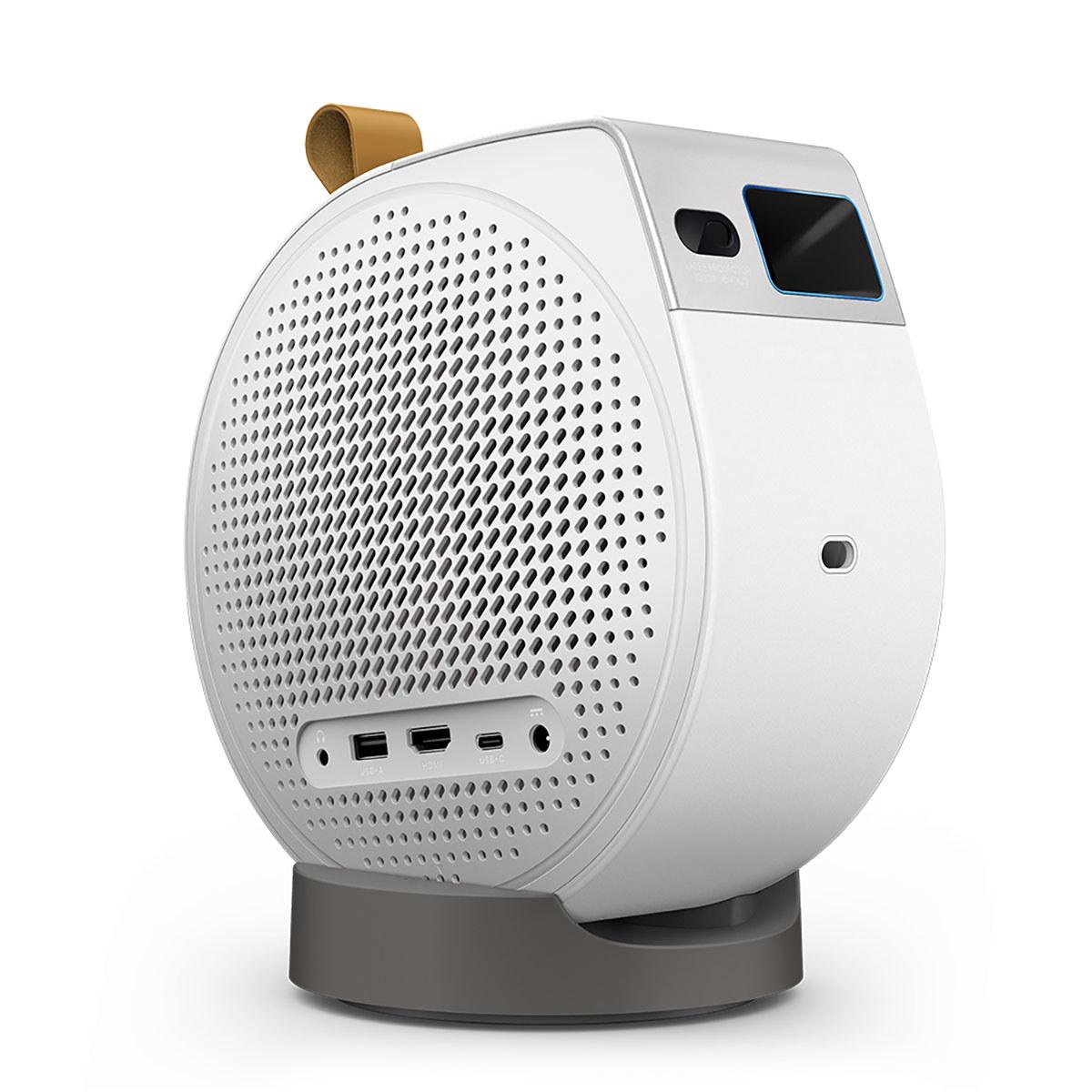
The BenQ GV50, released in 2024, embodies the "grab-and-go" philosophy. It's designed around a built-in rechargeable battery that provides about 2.5 hours of viewing time, weighs just over 4 pounds, and can literally be thrown in a backpack for camping trips or moved from room to room without thinking about power outlets.
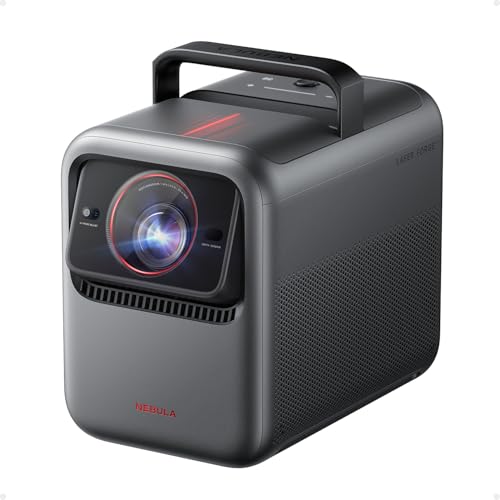
The Nebula X1, arriving in 2025, takes the "transportable theater" approach. At nearly 14 pounds, it's more about bringing cinema-grade performance to different locations – your living room today, the backyard tomorrow, a friend's house next weekend. It needs to stay plugged in, but in return, it delivers image quality that rivals dedicated home theater projectors costing significantly more.
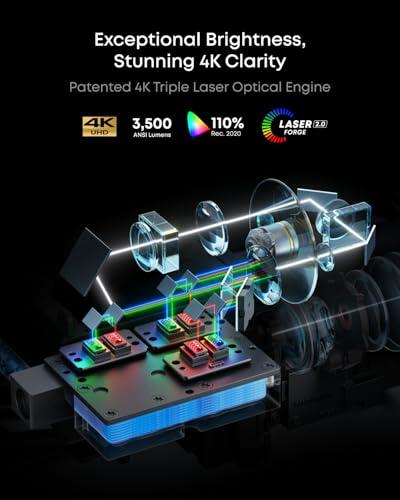
These different approaches become clear the moment you see their brightness specifications. The BenQ GV50 produces 500 ANSI lumens, while the Nebula X1 delivers a whopping 3,500 ANSI lumens. To put this in perspective, 500 lumens requires a fairly dark room to look good, while 3,500 lumens can produce a watchable image even in moderate ambient light or outdoors during twilight hours.
The image quality gap between these projectors is enormous, and understanding why requires looking at several key technical specifications.
The Nebula X1 delivers true 4K resolution through a process called pixel shifting. It starts with a native 1920×1080 DLP chip but rapidly shifts each pixel four times to create 3,840×2,160 unique pixel positions. The result is genuinely detailed 4K images that reveal texture in fabrics, individual leaves on trees, and fine text that would be blurry on lower-resolution projectors.
The BenQ GV50 sticks with native 1920×1080 Full HD resolution. For most streaming content and casual viewing, this is perfectly adequate. Netflix, YouTube, and most TV shows look crisp and detailed at this resolution, especially on screen sizes under 100 inches.
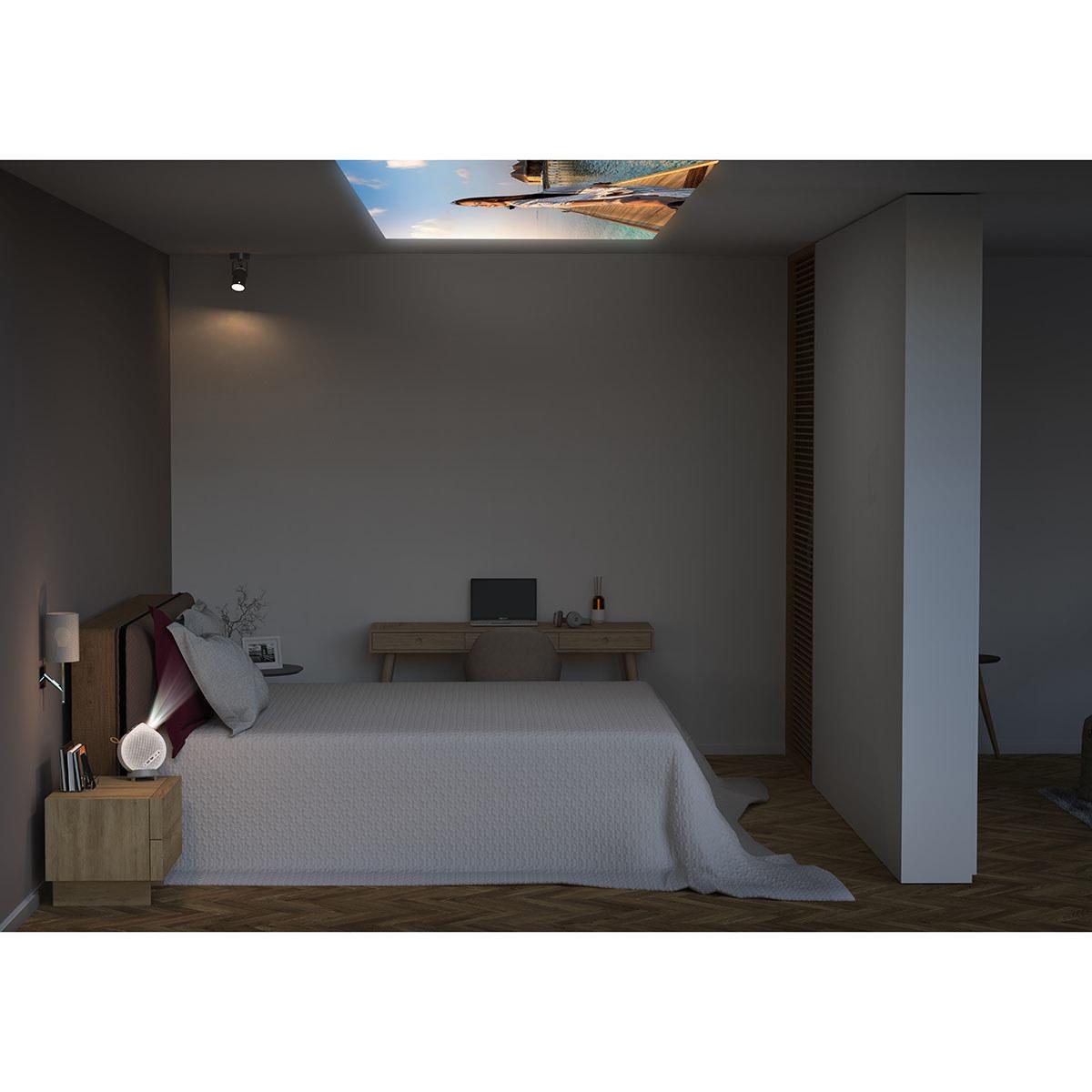
In my testing of similar resolution differences, the 4K advantage becomes most apparent on screens larger than 120 inches or when sitting closer than 1.5 times the screen width. For bedside ceiling projection – one of the GV50's signature use cases – the resolution difference is much less noticeable.
This is where the Nebula X1 truly shines, literally. Its RGB triple laser system doesn't just produce more light – it produces better light. Traditional single-laser projectors (like the GV50) use a blue laser that hits a phosphor wheel to create other colors. This process is efficient but limits color accuracy and brightness.
The X1's RGB triple laser system uses separate red, green, and blue lasers that combine to create the full color spectrum. This approach delivers 110% coverage of the Rec.2020 color standard, which is the latest specification for HDR content. In practical terms, this means reds look more vibrant, greens appear more natural, and blues have more depth than what you'll see from phosphor-based systems.
The brightness difference is dramatic in real-world use. I can comfortably watch the Nebula X1 with room lights on or even outdoors during golden hour. The BenQ GV50 requires dimmed lights for optimal viewing, though its 500 lumens is still respectable for a battery-powered projector in its price range.
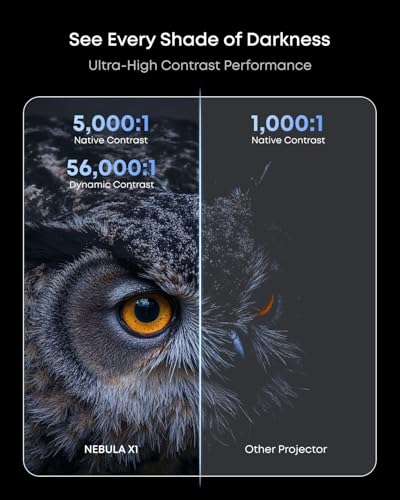
Both projectors use DLP technology, which traditionally struggles with deep blacks compared to OLED displays. However, the Nebula X1 employs a six-blade dynamic iris that can close down to create deeper blacks during dark scenes. Combined with its NebulaMaster 2.0 processing algorithm, it achieves a native contrast ratio of 5,000:1.
The GV50 relies primarily on software processing to enhance contrast, claiming a dynamic contrast ratio of 100,000:1. While this number sounds impressive, dynamic contrast ratios are often misleading because they represent the difference between the brightest and darkest images the projector can produce in different scenes, not within the same frame.
In practice, the X1 handles challenging content like space movies or dark TV shows significantly better, maintaining shadow detail while preventing bright elements from washing out the entire image.
Both projectors take audio seriously, recognizing that good sound is crucial for an immersive experience. However, they approach it differently based on their intended use cases.
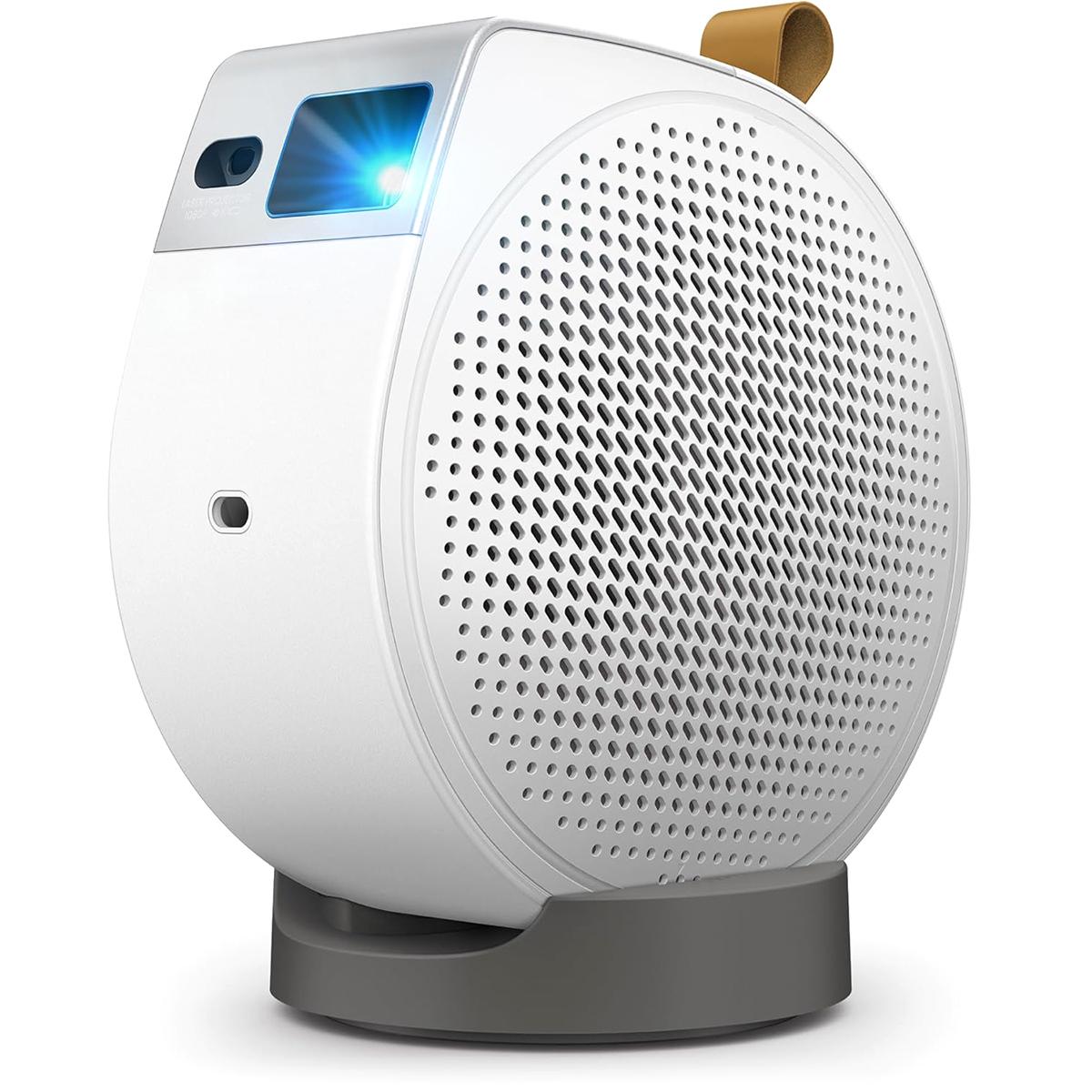
The BenQ GV50 includes an 18-watt 2.1-channel speaker system with a dedicated subwoofer. This might not sound like much on paper, but it's remarkably effective for its size and intended use. The system includes a "Ceiling Cinema Sound Mode" specifically optimized for overhead projection, ensuring dialogue remains clear even when the projector is positioned above your head.
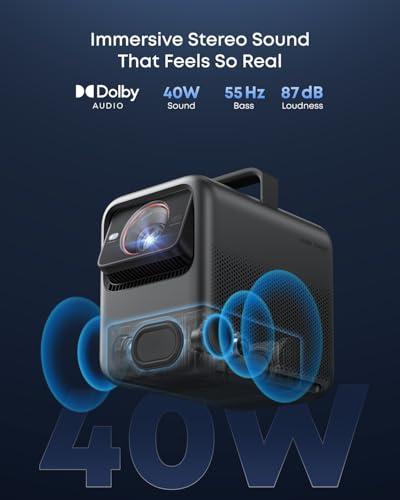
The Nebula X1 takes a more expandable approach. Its built-in speakers are adequate for basic use, but the real audio magic happens when you add the optional wireless satellite speakers. This system creates a true 4.1.2 surround sound experience with spatial audio processing that makes movie soundtracks feel genuinely immersive.
For casual viewing, both projectors' built-in audio is surprisingly good. But if you're planning serious movie nights, the X1's expandable audio system provides a more theater-like experience.
Both projectors run Google TV, but their implementations reveal their different target users. The Nebula X1 provides a full-featured smart TV experience with smooth navigation and comprehensive app support. I've found the interface responsive and haven't encountered the regional playback limitations that sometimes affect other Android TV implementations.
The BenQ GV50 also runs Google TV competently, though some users in certain regions have reported issues with native frame rate playback for movies. For most streaming content, though, the experience is smooth and intuitive.
Where these projectors really differ is in setup and positioning. The GV50 features a flexible base that allows for 135 degrees of vertical adjustment and 360-degree rotation. This makes it incredibly versatile for unusual setups – projecting onto bedroom ceilings, angled walls, or even outdoor surfaces that aren't perfectly positioned.
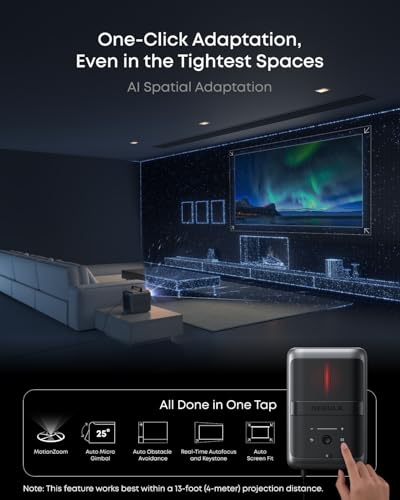
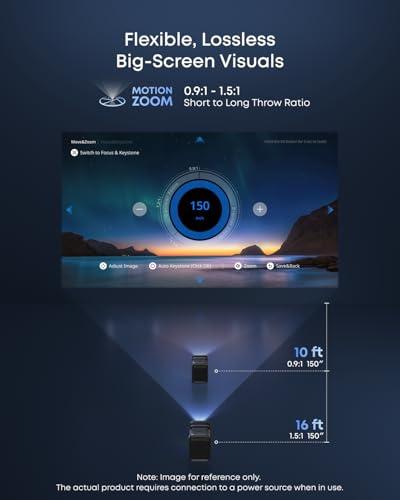
The X1 takes an automated approach with its AI Spatial Adaptation system. Point it roughly at your projection surface, press a button, and it automatically adjusts focus, keystone correction, and image positioning. It can even detect and avoid obstacles in the projection path. This system works remarkably well, though I occasionally find myself making minor manual adjustments for perfect alignment.
Gaming reveals another interesting split between these projectors. The BenQ GV50 offers confirmed low input lag of 22.4 milliseconds, making it suitable for competitive gaming where reaction time matters. Its smaller size also makes it easy to move closer to your seating position for more responsive gaming sessions.
The Nebula X1 doesn't specify exact input lag figures, but its HDMI 2.1 connectivity enables 4K gaming at 60Hz from modern consoles like the PlayStation 5 and Xbox Series X. The massive screen sizes it can produce (up to 300 inches) create an incredibly immersive gaming experience, especially for single-player adventures where input lag is less critical than visual impact.
For retro gaming or party games, both projectors work well, but the GV50 edges ahead for competitive online gaming while the X1 excels at cinematic gaming experiences.
This is where the fundamental design philosophy of each projector becomes crystal clear. The BenQ GV50 is genuinely portable in every sense. Its 2.1-kilogram weight, compact dimensions, and built-in battery make it practical for camping trips, backyard movie nights, or simply moving between bedrooms and living spaces without planning power access.
I've used similar battery-powered projectors for outdoor movie screenings, and the freedom from power cords completely changes how you can use these devices. Set up anywhere with a relatively flat surface to project onto, and you're ready for entertainment.
The Nebula X1, weighing nearly 14 pounds and requiring constant power, falls into the "transportable" category rather than truly portable. It's designed for scenarios where you want to bring high-end projection to different locations – perhaps alternating between a dedicated theater room and an outdoor patio setup, or bringing cinema-quality entertainment to friends' houses for special events.
Both approaches have merit, but they serve completely different use cases.
If you're considering either projector for a dedicated home theater setup, the choice becomes clearer. The Nebula X1 can genuinely serve as your primary display for a home theater, delivering image quality that competes with dedicated cinema projectors while maintaining the flexibility to relocate when needed.
Its 3,500 lumens enable large screen sizes even with some ambient light, making it suitable for multipurpose rooms that aren't perfectly light-controlled. The color accuracy and HDR support ensure that movies look as the creators intended, while the expandable audio system can fill a room with immersive sound.
The BenQ GV50 works better as a secondary display for casual home theater use. It's perfect for bedroom movie watching, impromptu family movie nights, or situations where convenience trumps absolute image quality. Its ceiling projection capability opens up unique home theater possibilities that fixed projectors simply can't match.
Choose the BenQ GV50 if you value convenience and flexibility above all else. It's ideal for users who want to watch content anywhere without worrying about power outlets, screen placement, or complex setup procedures. Students, renters, frequent travelers, and families who want entertainment flexibility will find it perfectly suited to their needs.
The Nebula X1 makes sense for users who prioritize image quality and are willing to accept less portability in exchange for significantly better performance. Home theater enthusiasts, serious movie watchers, and anyone planning to use their projector as a primary display should consider the premium investment worthwhile.
At the time of writing, the price gap between these projectors is substantial, but it reflects genuinely different target markets rather than simple feature upgrades. The GV50 delivers excellent value for battery-powered convenience, while the X1 provides premium performance that justifies its higher cost for users who need that level of quality.
Both projectors succeed brilliantly at their intended purposes. The key is honestly evaluating whether you need grab-and-go convenience or cinema-grade performance – because you're unlikely to find both in a single device, at least with current technology.
| Nebula X1 4K Triple Laser Projector | BenQ GV50 Full HD Smart Ceiling Projector |
|---|---|
| Resolution - Affects image sharpness and detail on large screens | |
| 4K (3840×2160) via pixel shifting - Dramatically sharper text and fine details | Full HD (1920×1080) native - Adequate for most content under 100" screens |
| Brightness - Most critical spec for room lighting flexibility | |
| 3,500 ANSI lumens - Usable in bright rooms and outdoor twilight conditions | 500 ANSI lumens - Requires dim lighting but sufficient for dark room viewing |
| Light Source Technology - Impacts color quality and longevity | |
| RGB Triple Laser (30,000 hours) - Superior color accuracy and brightness uniformity | Laser Phosphor (20,000-30,000 hours) - Good efficiency with adequate color performance |
| Portability - Defines actual usage scenarios | |
| 13.7 lbs, requires power outlet - Transportable between locations with setup | 4.6 lbs with 2.5-hour battery - True grab-and-go portability anywhere |
| Color Performance - Critical for movie quality and HDR content | |
| 110% Rec.2020, Delta E < 2 - Cinema-grade color accuracy for serious viewing | 92% Rec.709 coverage - Good color reproduction for casual entertainment |
| Contrast Ratio - Affects dark scene detail and overall image depth | |
| 5,000:1 native with 6-blade dynamic iris - Excellent black levels for DLP technology | 100,000:1 dynamic (software enhanced) - Good contrast through processing |
| Setup Flexibility - How easily you can position and adjust the image | |
| AI auto-setup with motorized gimbal and zoom - Automated precision positioning | 135° manual adjustment with 360° rotation - Maximum flexibility for creative setups |
| Audio System - Whether external speakers are needed | |
| Built-in speakers plus optional 4.1.2 wireless surround system - Expandable to theater quality | 18W 2.1-channel with subwoofer - Surprisingly good integrated audio for size |
| Gaming Performance - Input lag and refresh rate capabilities | |
| 4K@60Hz via HDMI 2.1, input lag unspecified - Great for immersive single-player gaming | 22.4ms input lag confirmed - Better for competitive gaming requiring quick responses |
| Smart Platform - Streaming and app performance | |
| Google TV with full app support - Smooth performance across all major services | Google TV with some regional limitations - Good app selection with minor playback issues |
| Connectivity Options - Device compatibility and expansion | |
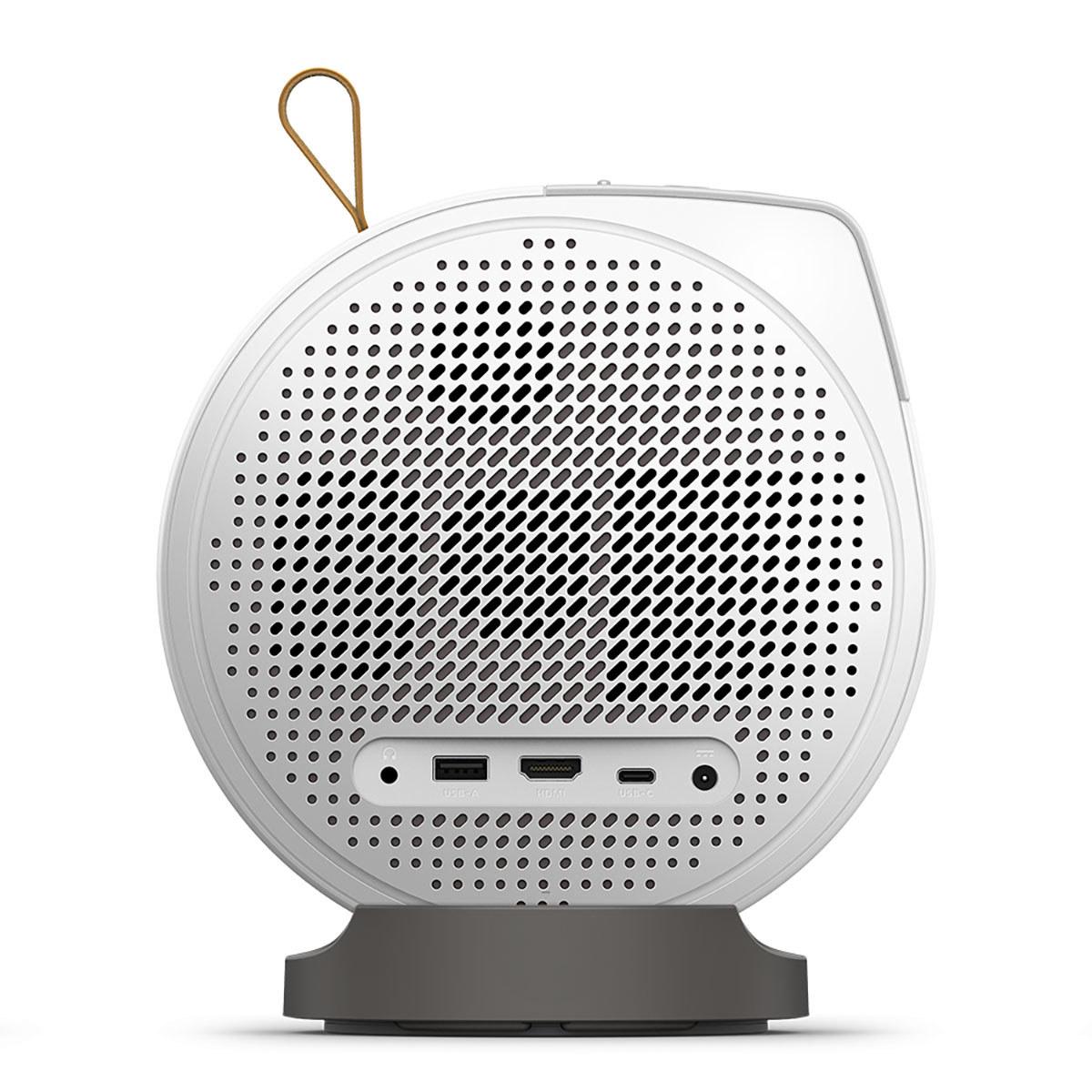
| 2× HDMI 2.1 (eARC), USB-A, USB-C, optical out - Comprehensive for complex setups | 1× HDMI 2.0b, versatile USB-C with power delivery - Simple but effective connections |
| Warranty Coverage - Long-term ownership protection | |
| 1-year limited warranty - Standard coverage despite premium pricing | 3-year warranty - Excellent protection providing better long-term value |
The Nebula X1 4K Triple Laser Projector is significantly better for dedicated home theater setups. It delivers true 4K resolution, 3,500 ANSI lumens brightness, and cinema-grade color accuracy that rivals expensive fixed-installation projectors. The BenQ GV50 works well for casual home theater use but is better suited as a secondary display for bedrooms or multipurpose rooms.
The Nebula X1 can handle moderate ambient light thanks to its 3,500 ANSI lumens output, making it suitable for family rooms with some lighting. The BenQ GV50 Full HD Smart Ceiling Projector requires dimmed or dark environments with only 500 ANSI lumens, though this is typical for battery-powered portable projectors.
The BenQ GV50 is genuinely portable with its built-in 2.5-hour battery, 4.6-pound weight, and compact size that fits in a backpack. The Nebula X1 4K Triple Laser Projector weighs nearly 14 pounds and requires constant power connection, making it more "transportable" than truly portable.
The BenQ GV50 Full HD Smart Ceiling Projector has confirmed 22.4ms input lag, making it better for competitive gaming. The Nebula X1 supports 4K gaming at 60Hz via HDMI 2.1 and creates massive immersive screens, making it ideal for single-player adventures where visual impact matters more than response time.
The Nebula X1 4K Triple Laser Projector can project up to 300 inches while maintaining good brightness and sharpness. The BenQ GV50 works best with screens under 100 inches due to its lower brightness output, though it can technically project larger images in very dark conditions.
The Nebula X1 delivers dramatically superior picture quality with true 4K resolution, 110% Rec.2020 color coverage, and professional-grade contrast ratios. The BenQ GV50 Full HD Smart Ceiling Projector provides good Full HD quality that's perfectly adequate for streaming content and casual viewing.
Yes, both the Nebula X1 4K Triple Laser Projector and BenQ GV50 run Google TV with access to Netflix, YouTube, Amazon Prime Video, Disney+, and other major streaming services without needing external devices.
Both projectors use laser light sources that last much longer than traditional bulbs. The Nebula X1 4K Triple Laser Projector offers 30,000 hours of life, while the BenQ GV50 Full HD Smart Ceiling Projector provides 20,000-30,000 hours depending on usage mode.
The BenQ GV50 Full HD Smart Ceiling Projector is specifically designed for ceiling projection with 135° vertical adjustment and a special ceiling cinema sound mode. The Nebula X1 4K Triple Laser Projector can project on ceilings but is primarily designed for traditional wall projection setups.
We've done our best to create useful and informative comparisons to help you decide what product to buy. Our research uses advanced automated methods to create this comparison and perfection is not possible - please contact us for corrections or questions. These are the sites we've researched in the creation of this article: youtube.com - seenebula.com - projectorreviews.com - seenebula.com - whathifi.com - bestbuy.com - techradar.com - projectorcentral.com - youtube.com - avsforum.com - seenebula.com - blog.son-video.com - youtube.com - projectorcentral.com - thewellnessinsider.asia - bhphotovideo.com - thetechnovore.com - howtogeek.com - projectorcentral.com - projectorcentral.com - techradar.com - adorama.com - projectorcentral.com - thesmarthomehookup.com - youtube.com - youtube.com - whathifi.com - youtube.com - cdw.com - projectorcentral.com - youtube.com

Privacy Policy
Terms and Conditions - Affiliate Policy
Home Security
© Copyright 2008-2026.
11816 Inwood Rd #1211, Dallas, TX 75244