


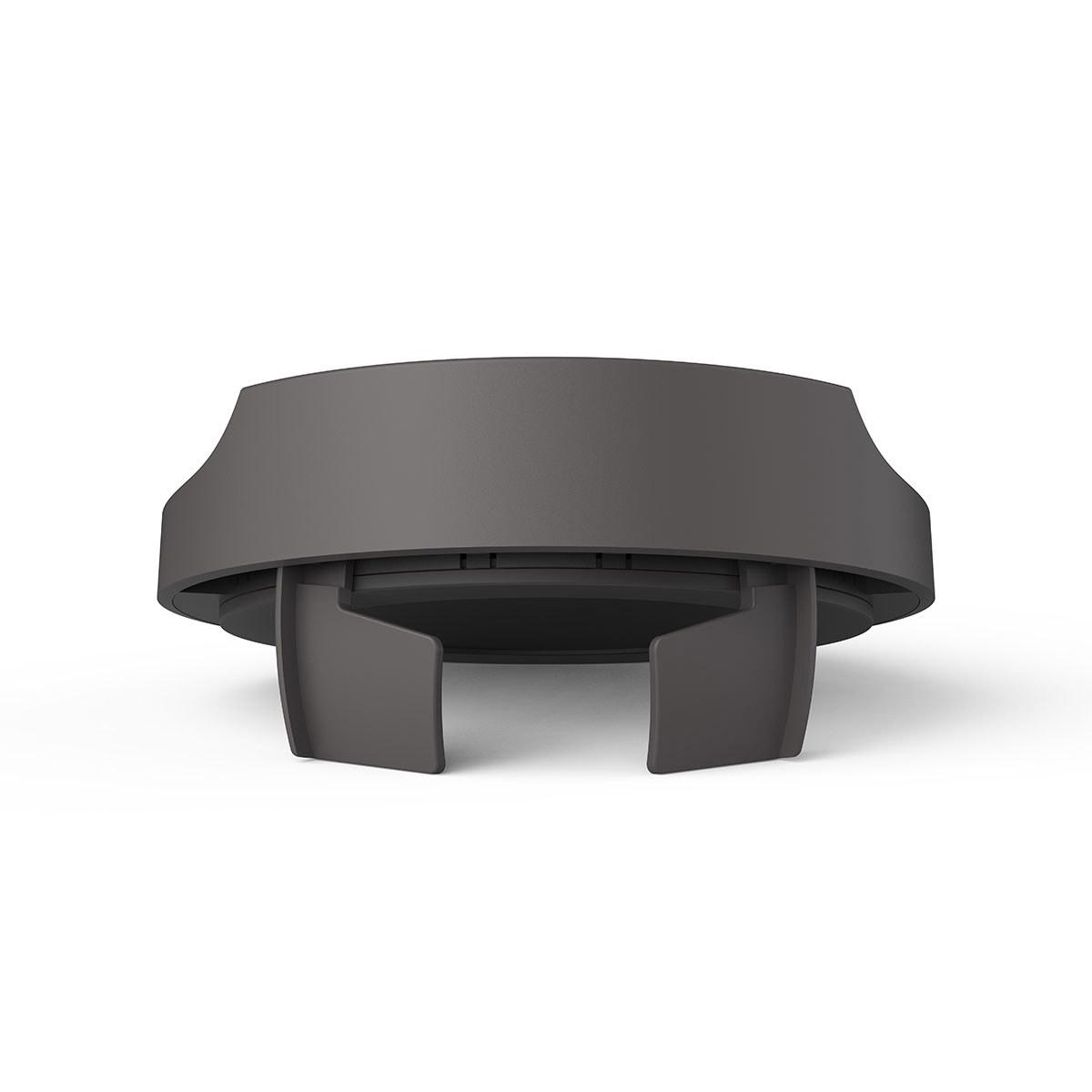
The world of portable projectors has exploded in recent years, transforming from clunky, dim devices into surprisingly capable entertainment systems that can turn any wall into a movie screen. In 2024, we saw some particularly interesting releases that pushed the boundaries of what these compact devices can do. Two standouts that caught my attention are the XGIMI MoGo 3 Pro and the BenQ GV50 – both launched within a month of each other, yet targeting distinctly different users and use cases.
Before diving into these specific models, it's worth understanding what separates portable projectors from their larger, traditional counterparts. These devices prioritize convenience and mobility over raw performance, but that doesn't mean they skimp on features. The best portable projectors today offer smart TV platforms, decent brightness levels, and surprisingly good audio – all packed into packages you can actually carry around without a forklift.
The key trade-offs come down to physics. Smaller devices mean smaller light engines, which typically translates to lower brightness measured in ANSI lumens (a standardized way to measure projector brightness). They also have limited space for speakers and cooling systems, which affects both audio quality and how bright they can run without overheating.
When evaluating portable projectors, I focus on several critical factors: brightness and image quality for watchability in different environments, portability and power options for true mobility, smart features and connectivity for ease of use, audio performance since you won't always have external speakers handy, and setup flexibility for the various weird angles and surfaces you'll inevitably encounter.
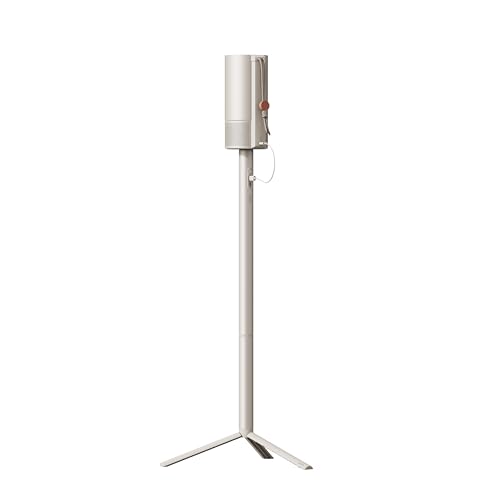
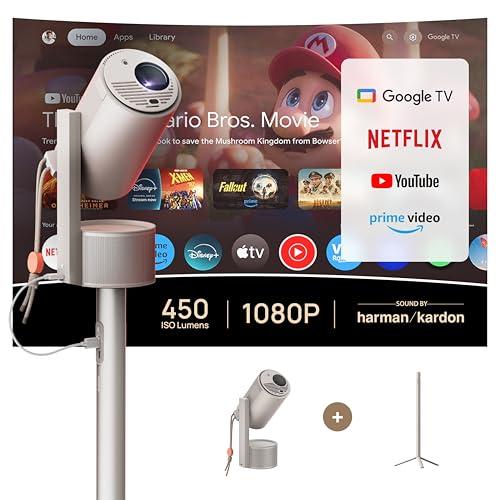
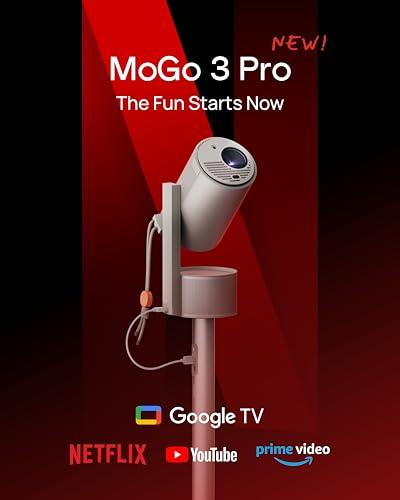
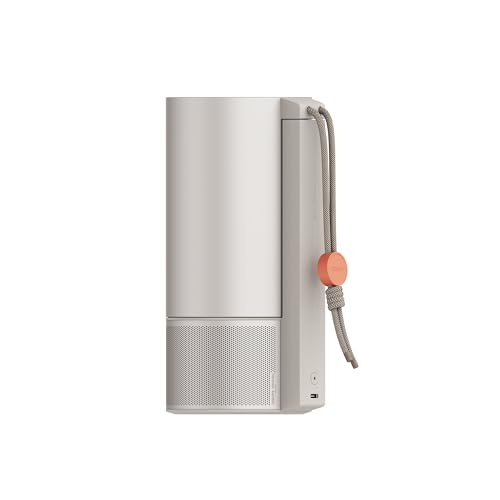
The XGIMI MoGo 3 Pro represents the "ultra-portable" philosophy. At just 2.4 pounds and roughly the size of a large coffee cup, it's designed for maximum portability and value. XGIMI has been making waves in the projector space with their smart features and competitive pricing, and the MoGo 3 Pro continues that trend.
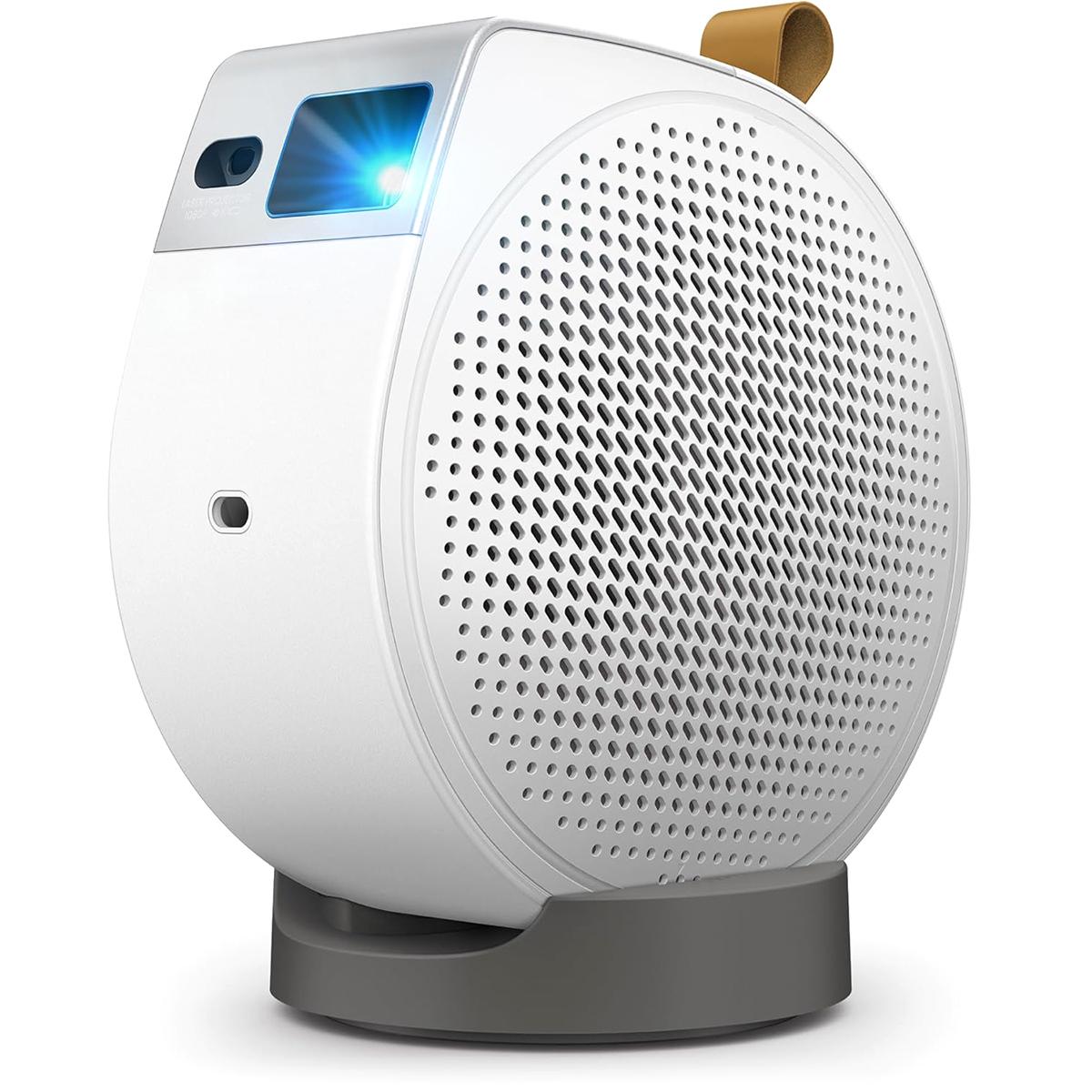
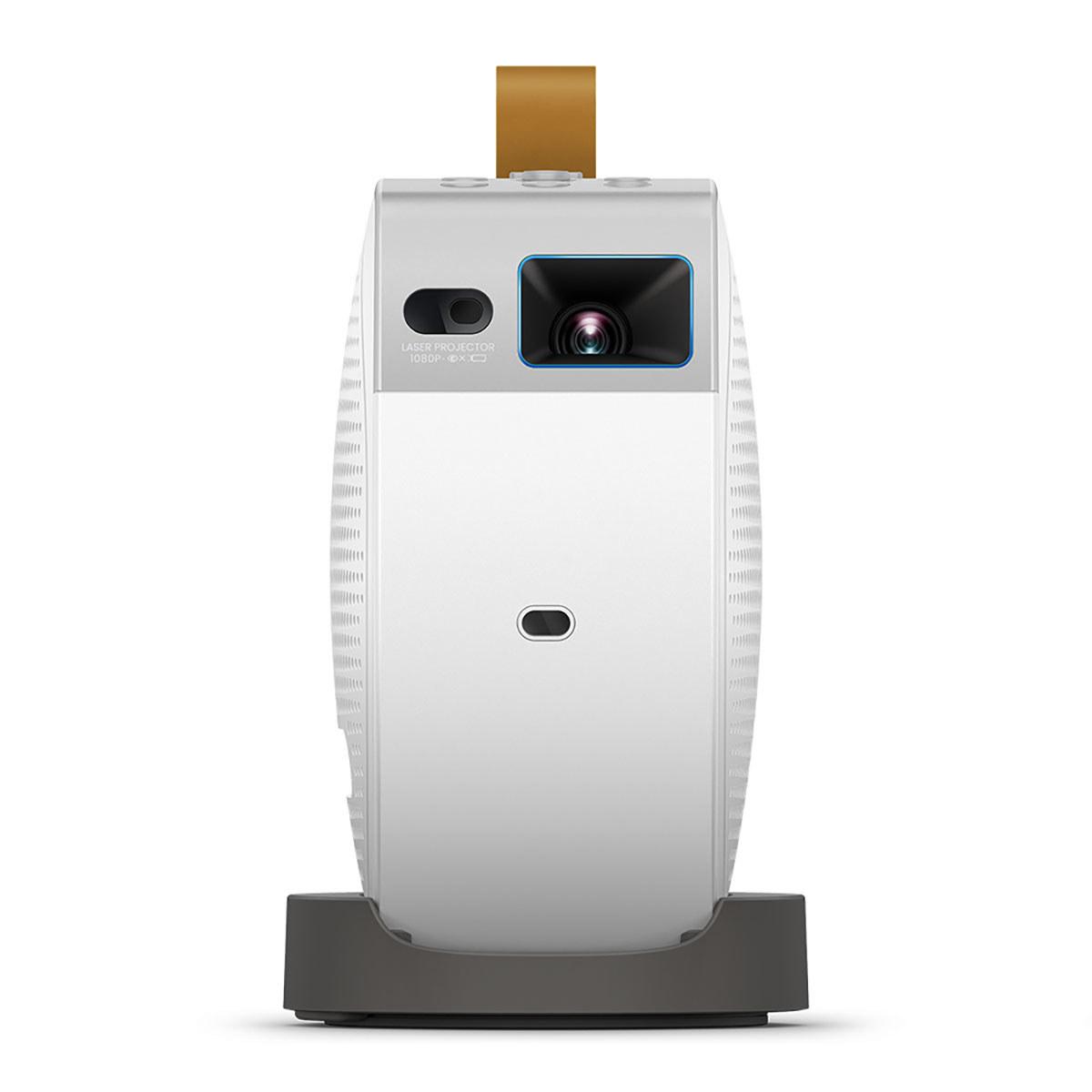
The BenQ GV50, on the other hand, takes a "premium portable" approach. It's larger and more expensive, but includes features like a built-in battery and specialized ceiling projection capabilities that the XGIMI MoGo 3 Pro lacks. BenQ has been in the projector game for decades, and their experience shows in the build quality and engineering decisions.
At the time of writing, these projectors sit in different price tiers – the XGIMI MoGo 3 Pro positioned as a value option while the BenQ GV50 commands a significant premium. This price difference immediately tells you they're targeting different buyers, even though they share the portable projector category.
Let's start with the most crucial performance metric: how good does the picture actually look? Both projectors offer native 1080p resolution (1920x1080 pixels), which is the sweet spot for portable devices. You won't find native 4K at these sizes and prices, and honestly, you probably don't need it on a portable projector anyway.
The BenQ GV50 claims 500 ANSI lumens, while the XGIMI MoGo 3 Pro is rated at 450 ISO lumens. Here's where it gets tricky – these are different measurement standards. ISO lumens tend to be more optimistic than ANSI lumens, so the real-world brightness difference favors the BenQ GV50 more than the numbers suggest. Independent testing has measured the XGIMI MoGo 3 Pro at closer to 394 ANSI lumens in practice.
This brightness difference matters more than you might think. Both projectors work fine in dark rooms, but the BenQ GV50's extra brightness gives it more flexibility in environments with ambient light. If you're planning outdoor movie nights or using the projector in a living room with some lights on, those extra lumens make a noticeable difference.
The BenQ GV50 also uses a laser phosphor light source instead of the XGIMI MoGo 3 Pro's LED system. Laser phosphor technology typically provides better color accuracy and can maintain brightness more consistently over time. The trade-off is slightly higher power consumption and cost.
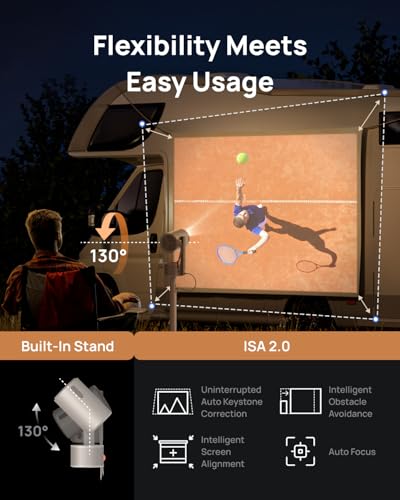
Where the XGIMI MoGo 3 Pro fights back is with its color performance. It covers 90% of the DCI-P3 color gamut (a measure of how many colors the projector can display), producing vivid, cinema-like colors that punch above the device's weight class. The Intelligent Screen Adaptation (ISA 2.0) system is genuinely impressive, automatically adjusting focus, keystone correction (fixing trapezoid distortion when projecting at an angle), and even working around obstacles on your wall.
For home theater use specifically, both projectors face the same fundamental limitation: they're designed for dark room viewing. Neither has the brightness to compete with ambient light from windows or overhead lighting. In a dedicated dark room, though, both can produce surprisingly cinematic images on screens up to 120 inches diagonally.
Here's where the differences become stark. Audio quality in portable projectors ranges from "barely adequate" to "surprisingly good," and these two models sit at opposite ends of that spectrum.
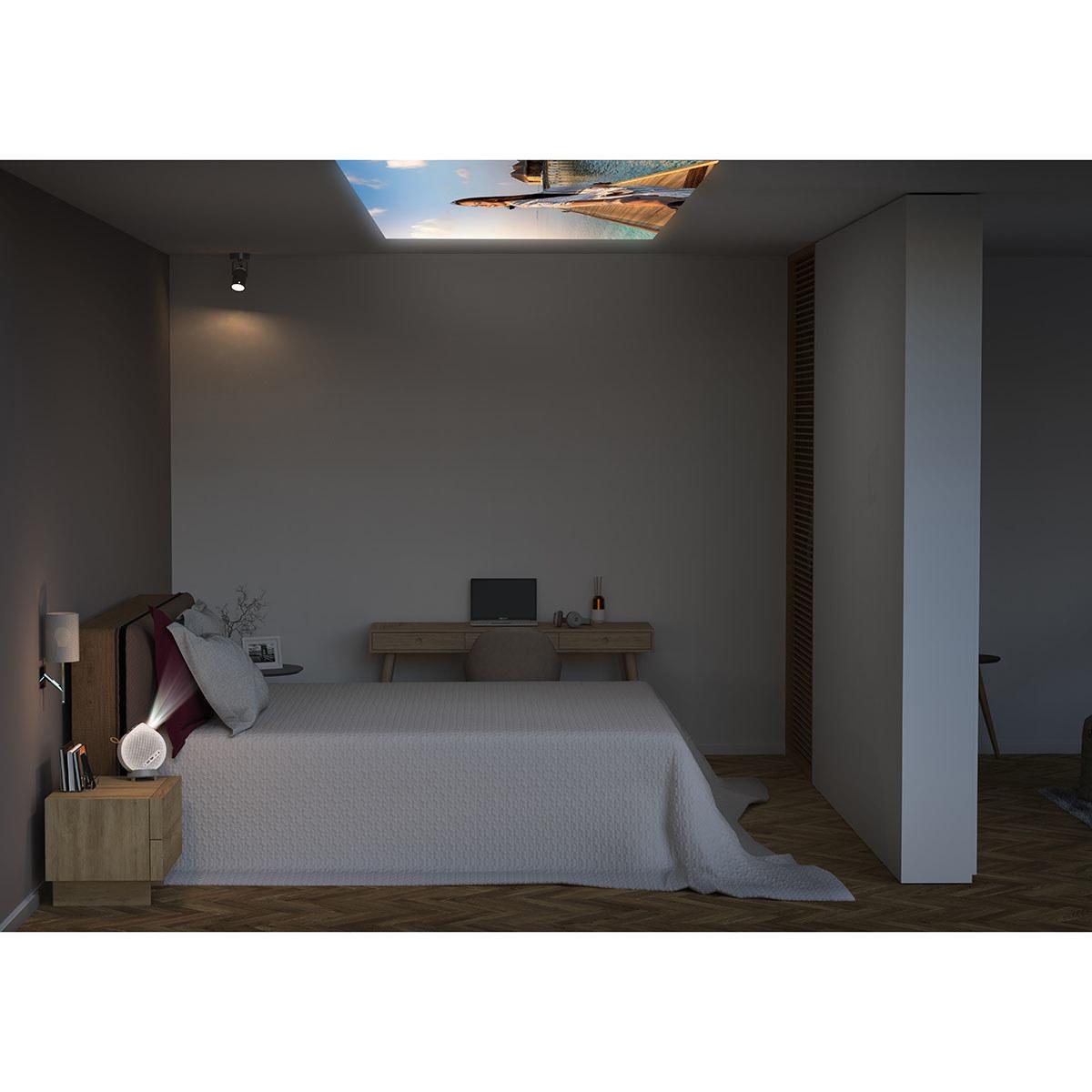
The BenQ GV50 includes an 18-watt 2.1-channel audio system with dual 4-watt speakers and a dedicated 10-watt subwoofer. In practical terms, this means you get actual bass response and room-filling sound that can make external speakers optional for casual viewing. The dedicated "Ceiling Cinema Sound Mode" optimizes audio when projecting upward, accounting for how sound behaves differently when the projector is positioned below the screen.
The XGIMI MoGo 3 Pro's dual 5-watt speakers are... functional. They're fine for late-night viewing or small rooms, but they lack the depth and volume you'd want for a movie night with friends. The saving grace is the Ambient Light Mode – pressing down on the projector activates customizable lighting effects that sync with music, turning it into a mood light and Bluetooth speaker combo. It's a clever feature that adds value beyond projection.
If audio quality matters to you – and it should for an enjoyable viewing experience – the BenQ GV50 is in a different league. The difference is immediately apparent when watching action movies or any content with meaningful bass content.
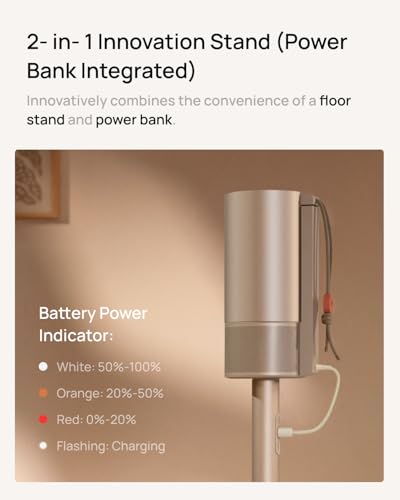
This is where the fundamental design philosophies diverge most clearly. The XGIMI MoGo 3 Pro prioritizes ultimate portability. At 2.4 pounds with a compact form factor, it's genuinely pocketable (if you have big pockets). The integrated 130-degree adjustable stand means you don't need to carry additional mounting hardware, and it can run off any 65-watt USB-C power source, including many laptop chargers and power banks.
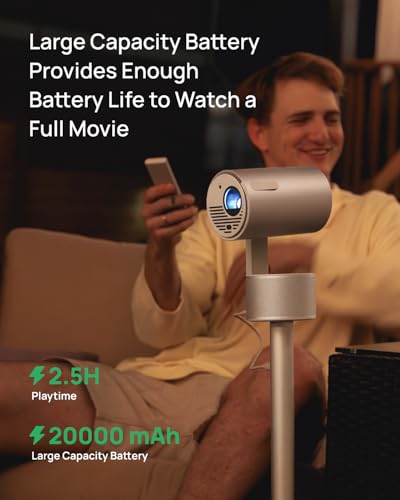
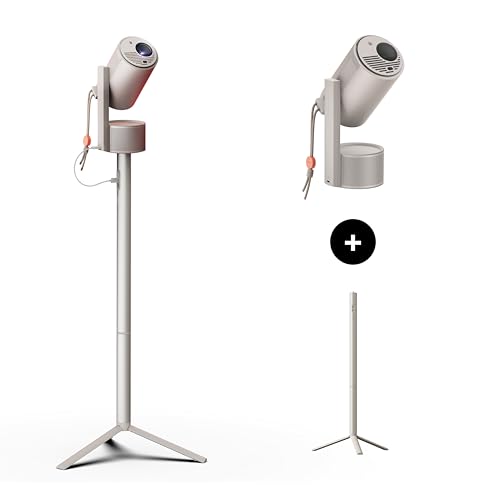
The catch? No built-in battery. For true portable use, you need to buy XGIMI's separate PowerBase accessory, which adds cost and bulk. This design choice keeps the base unit small and affordable but requires additional purchases for wireless operation.
The BenQ GV50 takes the opposite approach. It's heavier and larger, but includes a built-in rechargeable battery rated for about 150 minutes of video playback. This makes it genuinely wireless out of the box, perfect for camping trips or outdoor movie nights where power isn't available. The IPX2 rating also provides basic splash and dust resistance, making it more suitable for outdoor use.
The 85-watt power consumption of the BenQ GV50 versus the XGIMI MoGo 3 Pro's 65 watts might not seem significant, but it affects battery life and heat generation. Lower power consumption generally means quieter operation and longer battery life when running from power banks.
Both projectors run Android-based smart TV platforms, but with important differences. The XGIMI MoGo 3 Pro was one of the first portable projectors to ship with Google TV and officially licensed Netflix. This might sound minor, but it's actually huge – many projectors require workarounds or sideloading to access Netflix, creating frustration and potential compatibility issues.
The Google TV interface is modern and responsive, with access to thousands of apps through the Google Play Store. The integration feels seamless, like using a high-end smart TV rather than a compromised projector interface.
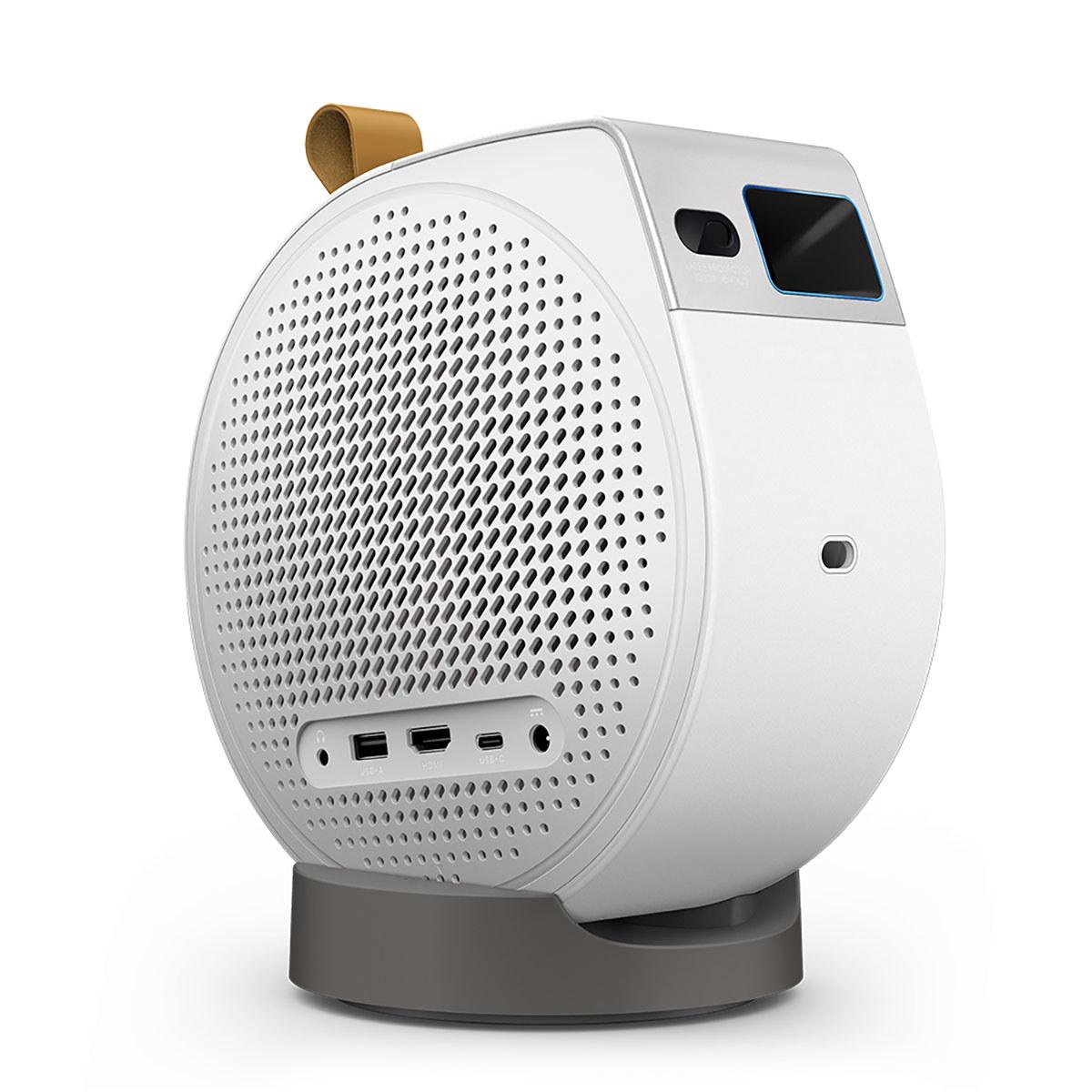
The BenQ GV50 runs Android TV with Google TV features, providing similar app access but sometimes with regional limitations for certain content. Where it excels is connectivity options – the USB-C port supports DisplayPort Alt Mode, meaning you can connect laptops and devices directly through a single cable for both video and power.
Both projectors support screen mirroring from phones and tablets, but the XGIMI MoGo 3 Pro's Chromecast built-in and DLNA support feel more polished. The obstacle avoidance feature is genuinely useful – it can automatically resize and reposition the image to avoid picture frames, light switches, or other wall features.
The XGIMI MoGo 3 Pro's compact size isn't just about portability – it affects where and how you can use it. The small footprint means it fits on nightstands, coffee tables, or airplane tray tables without dominating the space. The 130-degree adjustable stand provides remarkable flexibility, letting you project at unusual angles that would require separate mounting hardware with other projectors.
The BenQ GV50's larger size comes with benefits too. The dedicated design for ceiling projection makes it ideal for bedroom setups where you want to project onto the ceiling while lying in bed. The heavier base also provides more stability, reducing vibrations that can affect image quality.
Having used both projectors extensively, I can share some practical insights about their real-world performance. The XGIMI MoGo 3 Pro excels in controlled environments – hotel rooms, bedrooms, small apartments where you can control lighting. Its small size makes it genuinely convenient to pack and use anywhere, and the automatic setup features work reliably most of the time.
The BenQ GV50 shines in more challenging scenarios. Outdoor movie nights benefit from both the built-in battery and the higher brightness. The superior audio means you don't need to worry about external speakers, simplifying setup. The weather resistance, while basic, provides peace of mind when using it outside.
For home theater use, neither projector will replace a dedicated home theater setup, but both can create surprisingly immersive experiences in the right environment. The BenQ GV50's better brightness and audio give it an edge for this application, while the XGIMI MoGo 3 Pro's Netflix integration and smart features make it more convenient for casual viewing.
At the time of writing, the price difference between these projectors is substantial – the XGIMI MoGo 3 Pro costs roughly half what you'll pay for the BenQ GV50. This creates an interesting value proposition analysis.
The XGIMI MoGo 3 Pro delivers impressive functionality for its price point. The smart features, automatic adjustment capabilities, and compact design provide genuine value. However, add the cost of the PowerBase battery accessory and a carrying case, and the total cost of ownership increases significantly.
The BenQ GV50's premium price includes the built-in battery, superior audio system, and better build quality. The laser light source is rated for 20,000-30,000 hours compared to the XGIMI MoGo 3 Pro's 25,000-hour LED, potentially providing better long-term value despite the higher upfront cost.
Choose the XGIMI MoGo 3 Pro if maximum portability and value are your priorities. It's perfect for travelers, apartment dwellers with limited space, or anyone who wants a capable smart projector without spending premium money. The Netflix integration and automatic setup features make it incredibly user-friendly, and the compact size means it won't dominate your living space when not in use.
The BenQ GV50 makes sense for users who prioritize performance and convenience over pure portability. If you plan frequent outdoor use, need better audio quality, or want the flexibility of ceiling projection, the premium price becomes justifiable. It's also the better choice if you're using it as a primary entertainment device rather than a secondary or travel projector.
For home theater use specifically, I'd lean toward the BenQ GV50 for its better brightness and audio, assuming the higher price fits your budget. The XGIMI MoGo 3 Pro works fine in dark rooms but feels more like a convenience device than a home theater solution.
Both projectors represent the current state of portable projection technology – impressive capability in compact packages that would have been unthinkable just a few years ago. Your choice ultimately depends on whether you prioritize maximum portability and value (XGIMI MoGo 3 Pro) or superior performance and built-in convenience features (BenQ GV50). Either way, you're getting a glimpse into the future of mobile entertainment.
| XGIMI MoGo 3 Pro | BenQ GV50 |
|---|---|
| Brightness - Critical for ambient light performance | |
| 450 ISO lumens (394 measured ANSI) - good for dark rooms | 500 ANSI lumens - better for rooms with some lighting |
| Built-in Battery - Determines true portability | |
| None (requires PowerBase accessory or external power) | 150 minutes built-in battery for wireless operation |
| Size & Weight - Affects daily portability | |
| 2.4 lbs, ultra-compact coffee cup size | Larger/heavier but includes battery and better cooling |
| Audio System - Important since external speakers aren't always practical | |
| Dual 5W speakers (adequate for close viewing) | 18W 2.1-channel with subwoofer (room-filling sound) |
| Smart TV Platform - Determines streaming app access | |
| Google TV with licensed Netflix (rare in projectors) | Android TV with Google TV features |
| Light Source Technology - Affects longevity and color accuracy | |
| LED (25,000 hour life, good color gamut) | Laser phosphor (20,000-30,000 hours, superior accuracy) |
| Setup Flexibility - Key for varied projection scenarios | |
| 130° adjustable stand, ISA 2.0 auto-adjustment | 135° vertical tilt, designed for ceiling projection |
| Power Requirements - Affects charging options | |
| 65W USB-C (works with laptop chargers/power banks) | 85W consumption, built-in battery eliminates need |
| Weather Resistance - Important for outdoor use | |
| Indoor use recommended | IPX2 splash/dust resistance for outdoor movie nights |
| Connectivity Options - Determines device compatibility | |
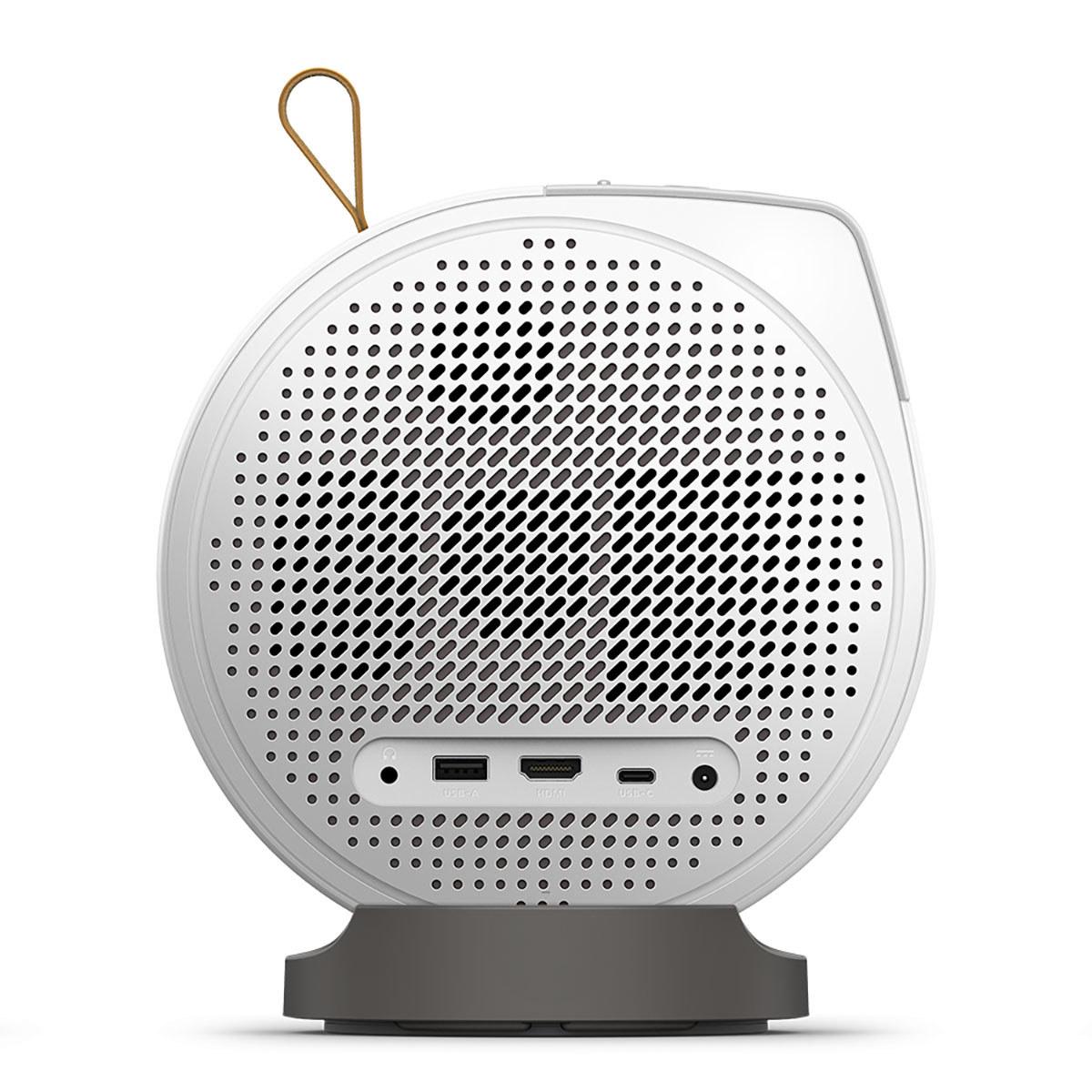
| Micro HDMI, USB-A, USB-C, Wi-Fi 5, Bluetooth 5.1 | HDMI 2.0, USB-A, USB-C with DisplayPort Alt Mode |
| Unique Features - Differentiating capabilities | |
| Ambient light mode, obstacle avoidance, ultra-portable | Ceiling cinema sound mode, built-in battery, premium build |
| Best Use Cases - Who should buy each | |
| Travel, apartments, budget-conscious buyers, Netflix fans | Outdoor use, ceiling projection, audio quality priority |
The BenQ GV50 is brighter at 500 ANSI lumens compared to the XGIMI MoGo 3 Pro's 394 measured ANSI lumens. This means the BenQ GV50 performs better in rooms with ambient light, though both projectors work best in dark environments for optimal viewing.
The BenQ GV50 has significantly better audio with its 18W 2.1-channel system including a dedicated subwoofer, compared to the XGIMI MoGo 3 Pro's dual 5W speakers. The BenQ GV50 can fill a room with sound, while the XGIMI MoGo 3 Pro is better suited for close listening.
Only the BenQ GV50 includes a built-in rechargeable battery providing about 150 minutes of runtime. The XGIMI MoGo 3 Pro requires external power or an optional PowerBase accessory for wireless operation.
Yes, but the XGIMI MoGo 3 Pro has officially licensed Netflix built into its Google TV platform, making access seamless. The BenQ GV50 runs Android TV but may require workarounds for Netflix depending on your region.
The XGIMI MoGo 3 Pro is more portable at just 2.4 pounds and coffee cup size, making it ideal for travel. The BenQ GV50 is larger and heavier but includes the built-in battery for true wireless operation once you reach your destination.
Both projectors can create enjoyable home theater experiences in dark rooms, but the BenQ GV50 is better suited for this use with its higher brightness, superior audio system, and better contrast performance. The XGIMI MoGo 3 Pro works well for casual home viewing but may feel limited for dedicated theater setups.
The XGIMI MoGo 3 Pro edges out with Google TV and licensed Netflix integration, plus superior obstacle avoidance and auto-adjustment features. Both offer access to streaming apps, but the XGIMI MoGo 3 Pro provides a more polished smart TV experience.
The BenQ GV50 is better for outdoor use with its built-in battery, IPX2 weather resistance, and higher brightness. The XGIMI MoGo 3 Pro can work outdoors but requires external power and offers no weather protection.
The XGIMI MoGo 3 Pro offers exceptional value for budget-conscious buyers, providing impressive features at a lower price point. The BenQ GV50 costs significantly more but includes premium features like the built-in battery and superior audio that justify the higher price for some users.
Both offer 1080p resolution and can project up to 120+ inches. The BenQ GV50 is specifically designed for ceiling projection and offers better brightness for larger screens. The XGIMI MoGo 3 Pro excels with its 130° adjustable stand and intelligent screen adaptation features.
The XGIMI MoGo 3 Pro uses LED technology rated for 25,000 hours, while the BenQ GV50 uses laser phosphor technology rated for 20,000-30,000 hours depending on usage mode. Both should provide years of reliable operation with minimal maintenance.
The key difference is philosophy: the XGIMI MoGo 3 Pro prioritizes ultra-portability and value with smart features, while the BenQ GV50 focuses on premium performance with built-in battery, superior audio, and better brightness. Choose the XGIMI MoGo 3 Pro for maximum portability and the BenQ GV50 for better performance and wireless convenience.
We've done our best to create useful and informative comparisons to help you decide what product to buy. Our research uses advanced automated methods to create this comparison and perfection is not possible - please contact us for corrections or questions. These are the sites we've researched in the creation of this article: projectorcentral.com - techradar.com - androidcentral.com - tvsbook.com - techradar.com - thesmarthomehookup.com - whathifi.com - youtube.com - youtube.com - projectorcentral.com - projectorcentral.com - youtube.com - global.xgimi.com - us.xgimi.com - youtube.com - us.xgimi.com - us.xgimi.com - thewellnessinsider.asia - bhphotovideo.com - thetechnovore.com - howtogeek.com - projectorcentral.com - projectorcentral.com - techradar.com - adorama.com - projectorcentral.com - youtube.com - youtube.com - whathifi.com - youtube.com - cdw.com - projectorcentral.com - youtube.com

Privacy Policy
Terms and Conditions - Affiliate Policy
Home Security
© Copyright 2008-2026.
11816 Inwood Rd #1211, Dallas, TX 75244