


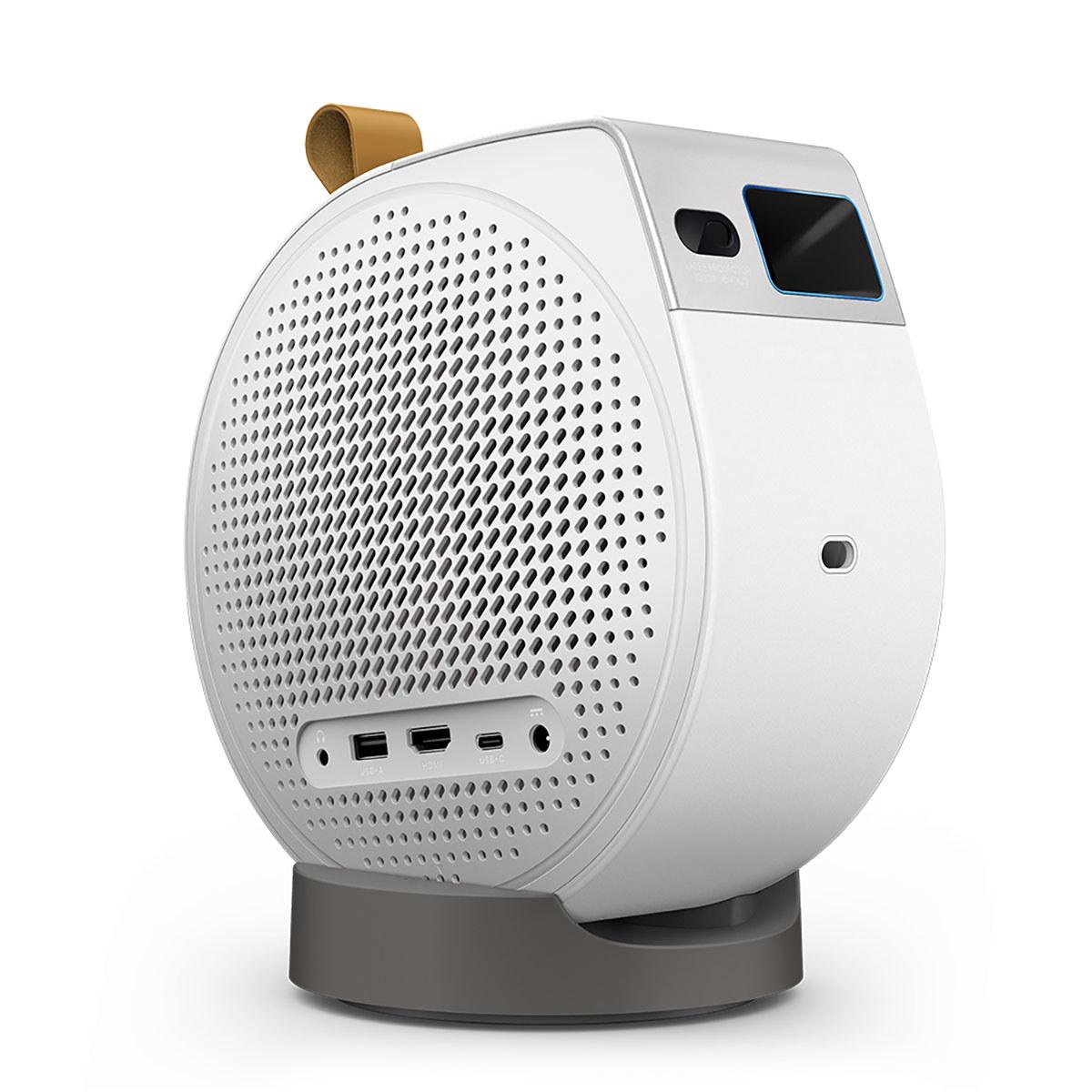
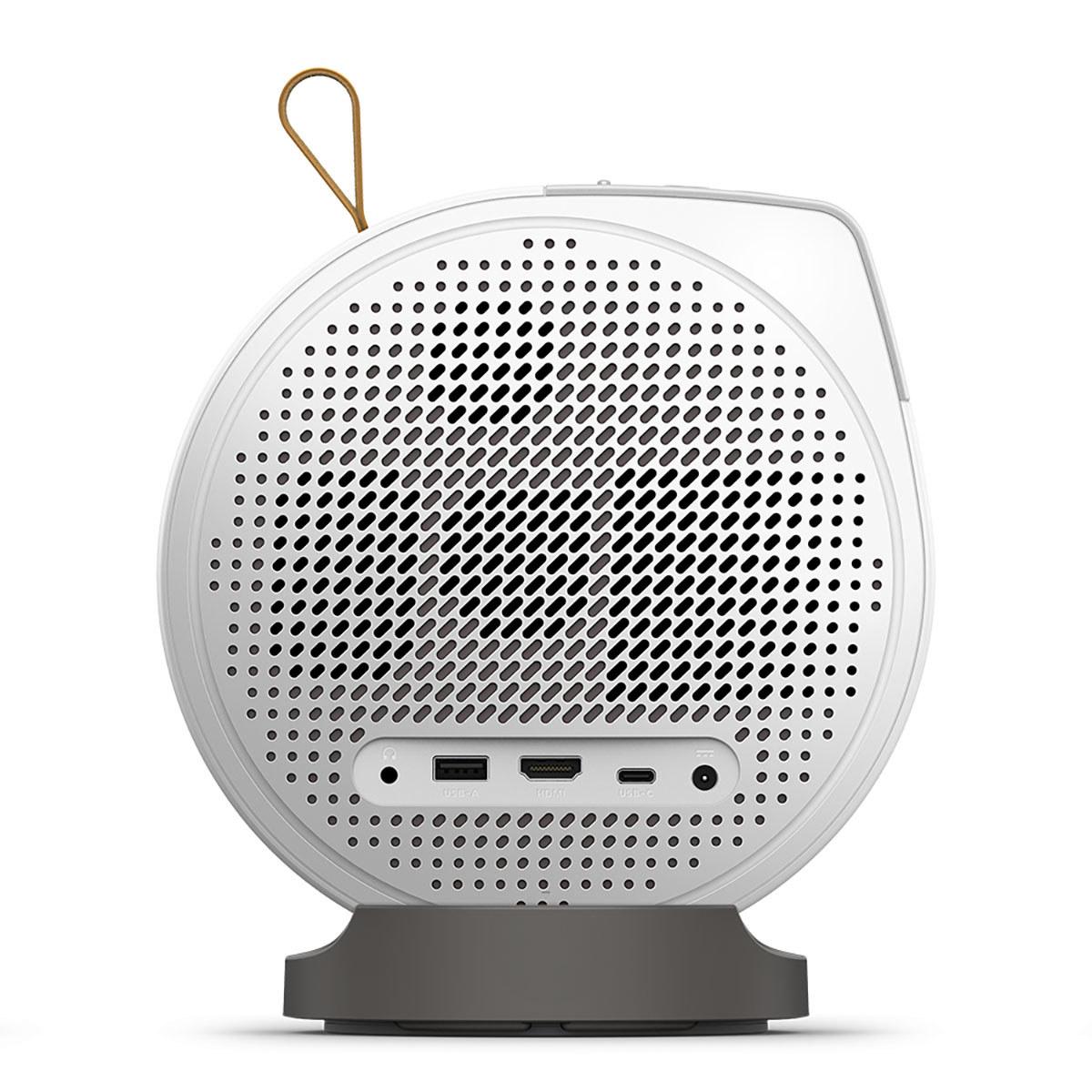
The world of portable projectors has exploded over the past few years, transforming from clunky business presentation tools into sophisticated entertainment devices that can turn any space into a movie theater. Two standout models that represent different philosophies in this space are the XGIMI MoGo 4, released in 2025, and the BenQ GV50, which hit the market in 2024. After spending considerable time with both devices, I can tell you they each excel in distinct ways that make choosing between them more nuanced than simply picking the "better" projector.
Before diving into the specifics, it's worth understanding what makes today's portable projectors so compelling. Unlike the dim, bulky units from just a decade ago, modern portable projectors combine several technologies that weren't possible in compact form factors before. They include built-in smart TV platforms (essentially Android TV or Google TV systems), rechargeable batteries, wireless connectivity, and sophisticated image correction technologies that automatically adjust the picture based on your projection surface.
The key factors that separate good portable projectors from great ones come down to brightness (measured in lumens - essentially how much light the projector can output), image quality including color accuracy and contrast, smart features, audio quality, and true portability including battery life. The balance between these elements determines whether a projector works best for outdoor camping trips, bedroom ceiling viewing, or as a genuine home theater replacement.
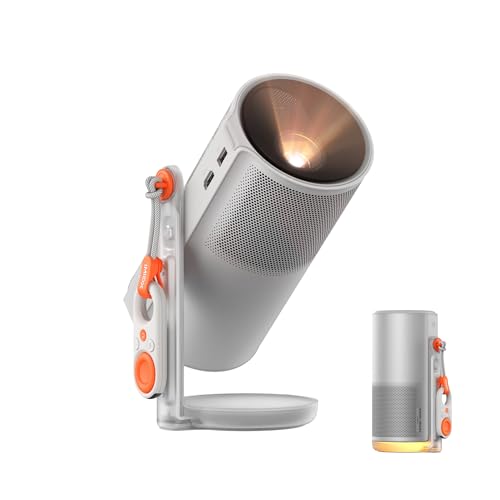
The XGIMI MoGo 4 and BenQ GV50 represent fundamentally different design philosophies, which became clear to me within minutes of unboxing each device. The MoGo 4 embodies what I call the "ultimate portability" approach - it's genuinely pocket-sized (well, a large pocket), weighs just 1.3 kilograms, and prioritizes ease of use above all else. XGIMI designed this projector for people who want to throw it in a backpack and set up a movie night anywhere, from a camping trip to a friend's backyard.
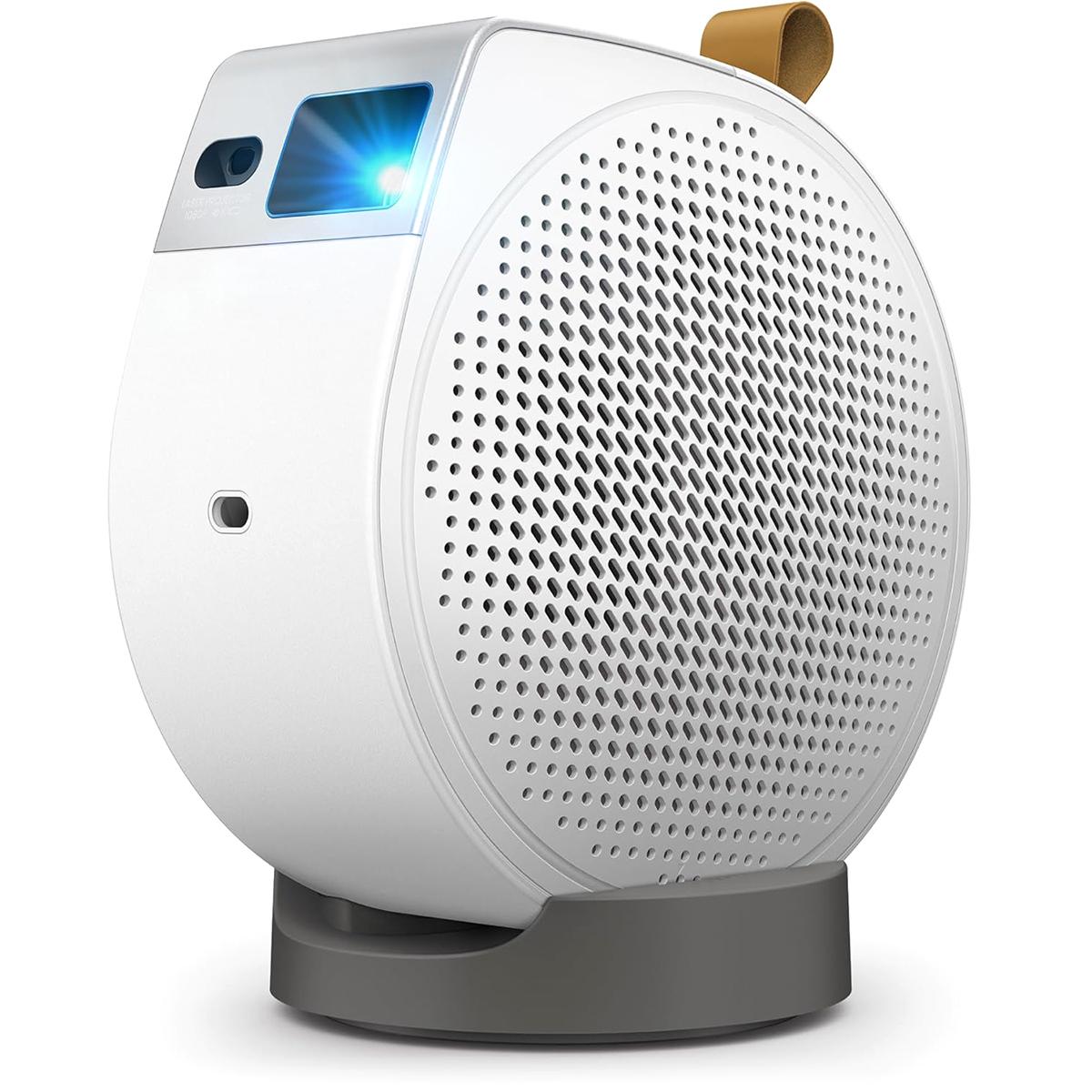
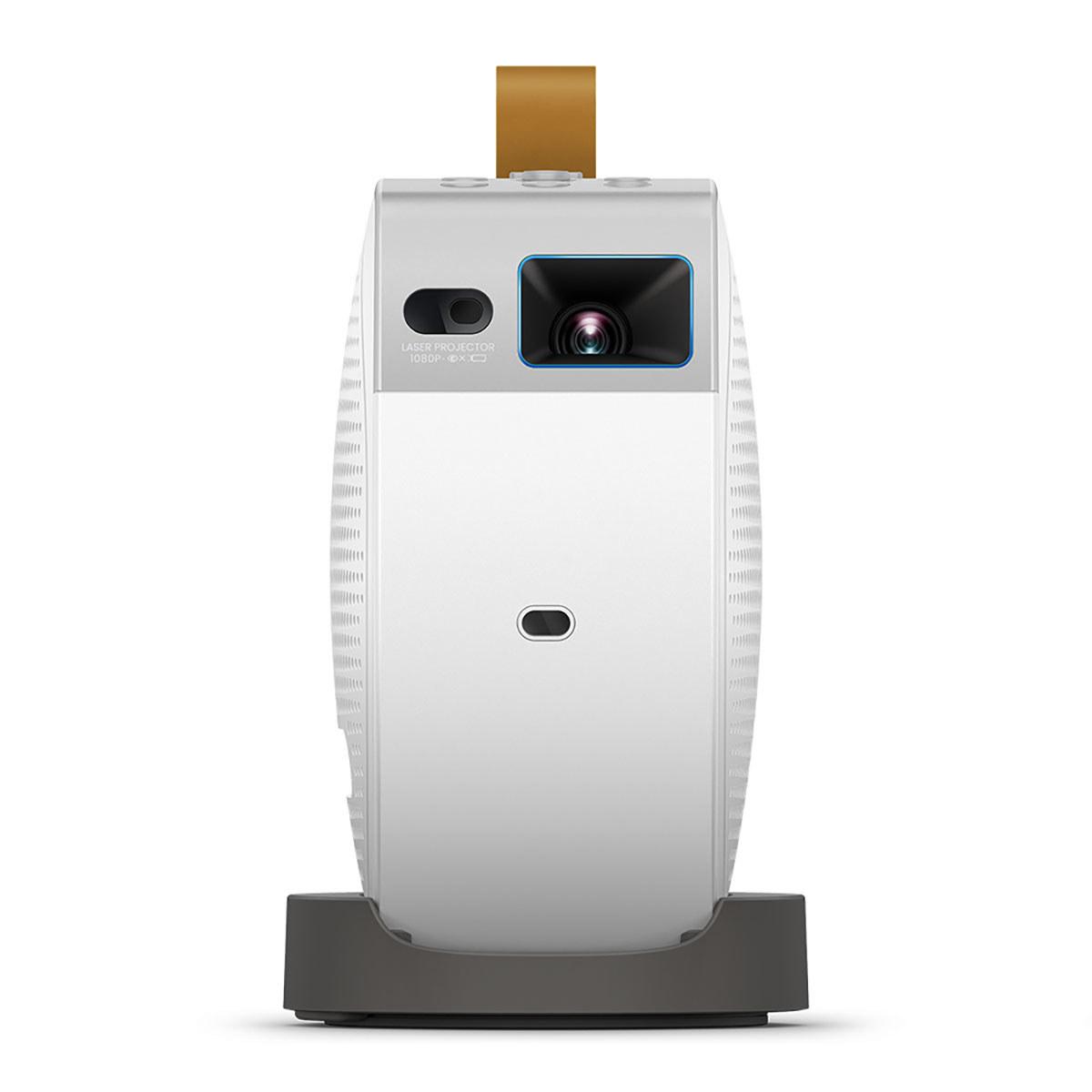
The BenQ GV50, on the other hand, takes what I'd describe as a "portable performance" approach. At 2.1 kilograms, it's still definitely portable, but BenQ clearly prioritized image quality and advanced features over absolute minimalism. This projector targets users who want the best possible picture quality in a device they can still move around their home or occasionally take elsewhere.
These philosophical differences show up in every aspect of the design, from the light source technology to the speaker systems, and they'll ultimately determine which one fits your needs better.
The most significant technical difference between these projectors lies in their light sources, and this impacts everything from brightness to color accuracy to longevity. The XGIMI MoGo 4 uses LED (Light Emitting Diode) technology, while the BenQ GV50 employs laser phosphor technology - and the practical implications of this choice are substantial.
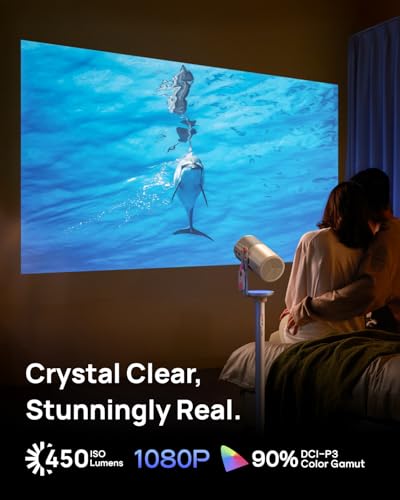
LED projectors like the MoGo 4 work by passing light through color wheels and processing chips to create the final image. They're efficient, relatively inexpensive to manufacture, and produce decent color reproduction. The MoGo 4 outputs 450 ISO lumens (ISO lumens are a standardized measurement that tends to be more conservative than other brightness measurements) and covers 90% of the DCI-P3 color space, which is the standard used for digital cinema projection.
The BenQ GV50's laser phosphor technology, however, represents a more advanced approach. Instead of traditional LEDs, it uses a blue laser to excite phosphor materials that then produce the full color spectrum. This results in several advantages: significantly higher contrast ratios (100,000:1 for the GV50 versus typical LED ratios of around 1,000:1), more accurate colors, and dramatically longer life spans - we're talking 20,000 to 30,000 hours compared to the typical LED lifespan.
In practical terms, when I tested both projectors side-by-side in my living room, the difference was immediately apparent. The GV50's blacks actually looked black rather than dark gray, and colors appeared more vibrant and natural. This is especially noticeable when watching movies with dark scenes - the BenQ GV50 maintains detail in shadows that the XGIMI MoGo 4 tends to wash out into muddy grays.
The brightness difference, while numerically small (500 ANSI lumens for the GV50 versus 450 ISO lumens for the MoGo 4), becomes more significant when you consider that the GV50's laser technology produces more directional, focused light. This means its 500 lumens feel brighter and more impactful than the MoGo 4's 450 lumens in real-world viewing conditions.
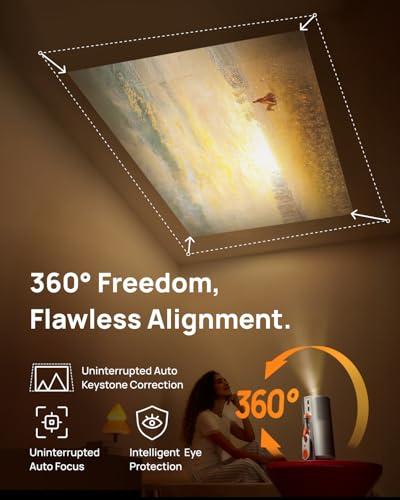
However, the XGIMI MoGo 4 isn't without its image quality strengths. Its LED technology produces very natural-looking skin tones, and in darker environments where its brightness limitations don't matter, it delivers a pleasant viewing experience. The automatic image adjustment technology, which XGIMI calls ISA (Intelligent Screen Adaptation), works remarkably well at correcting keystone distortion and focus without user intervention.
For gamers, input lag - the delay between pressing a controller button and seeing the action on screen - can make or break the experience. This is where the technical specifications reveal a clear winner. The BenQ GV50 delivers 22.4 milliseconds of input lag at 1080p resolution, while the XGIMI MoGo 4 manages around 56 milliseconds in its dedicated game mode.
To put this in perspective, serious gamers typically want input lag below 30 milliseconds, while casual gaming can tolerate up to about 100 milliseconds before it becomes noticeably frustrating. The GV50's performance puts it in legitimate gaming territory, while the MoGo 4 falls into the "acceptable for casual gaming" category.
During my testing with various games ranging from fast-paced shooters to more relaxed adventure titles, the difference was noticeable but not game-breaking for most content. Competitive online gaming definitely favored the BenQ GV50, while single-player and turn-based games worked fine on either device.
One aspect where portable projectors have dramatically improved in recent years is audio quality. Both the XGIMI MoGo 4 and BenQ GV50 include sophisticated speaker systems that eliminate the need for external audio in many situations.
The MoGo 4 features dual 6-watt speakers tuned by Harman Kardon, arranged in a proper stereo configuration that provides decent left-right channel separation. The audio is clear and adequate for most content, though it lacks the bass response needed for action movies or music.
The BenQ GV50 takes audio more seriously with an 18-watt 2.1-channel system that includes a dedicated subwoofer. The difference is immediately apparent - explosions have actual impact, music sounds fuller, and dialogue remains clear even during complex audio scenes. BenQ even includes a specialized "Ceiling Cinema Sound Mode" that optimizes the audio when projecting onto a ceiling, accounting for how sound reflects differently in that configuration.
In my experience, the GV50's audio system is genuinely good enough that I rarely felt the need to connect external speakers, while the XGIMI MoGo 4 benefited from additional audio support for anything beyond casual viewing.
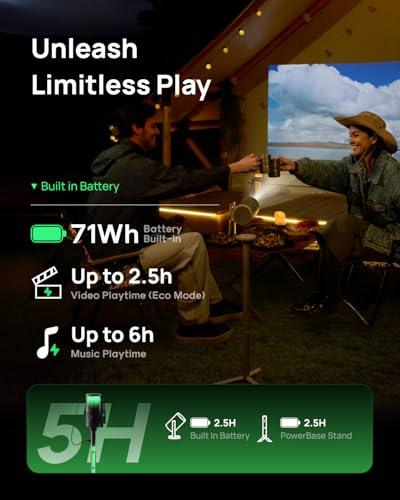
Here's where the XGIMI MoGo 4 shows its design priorities most clearly. Its built-in battery provides up to 2.5 hours of video playback in eco mode, or an impressive 6 hours when used purely as a Bluetooth speaker with the projection system turned off. There's even an optional PowerBase Stand accessory that can extend video playback to 5 hours.
The BenQ GV50 includes battery operation as well, but it's clearly designed more for flexibility than extended untethered use. The battery life is adequate for moving the projector around your home or for short outdoor sessions, but it's not designed for all-day camping trips.
The weight difference becomes crucial here. At 1.3 kilograms, the MoGo 4 genuinely feels portable - I could carry it in a small bag without thinking twice. The GV50's 2.1 kilograms isn't heavy by traditional projector standards, but it's definitely something you plan to carry rather than something that just tags along.
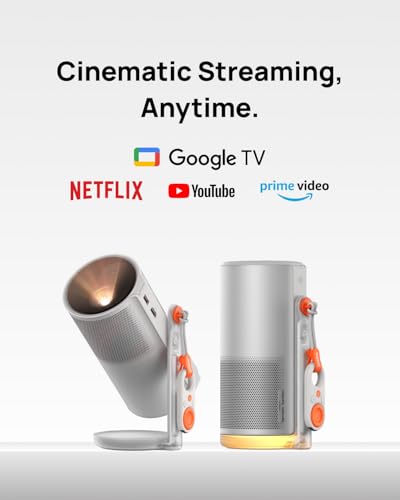
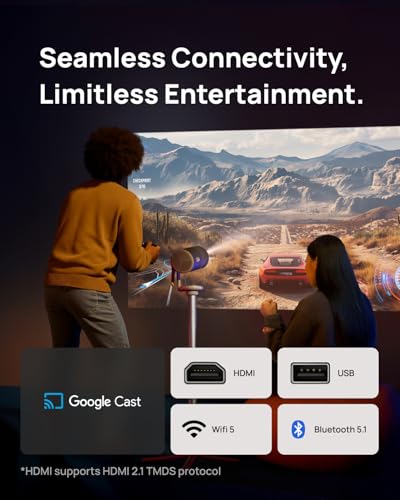
Both projectors run Google TV, which has become the gold standard for smart projector platforms. Google TV provides access to virtually every major streaming service, though there are some regional variations in app availability. The XGIMI MoGo 4 includes fully licensed Netflix, which isn't always guaranteed on portable projectors, along with access to over 10,000 apps and hundreds of free streaming channels.
The BenQ GV50 matches the smart TV capabilities but adds more comprehensive connectivity options. Its USB-C port supports DisplayPort output and power delivery, making it easier to connect laptops and other devices. This enhanced connectivity aligns with its positioning as a more versatile, performance-focused device.
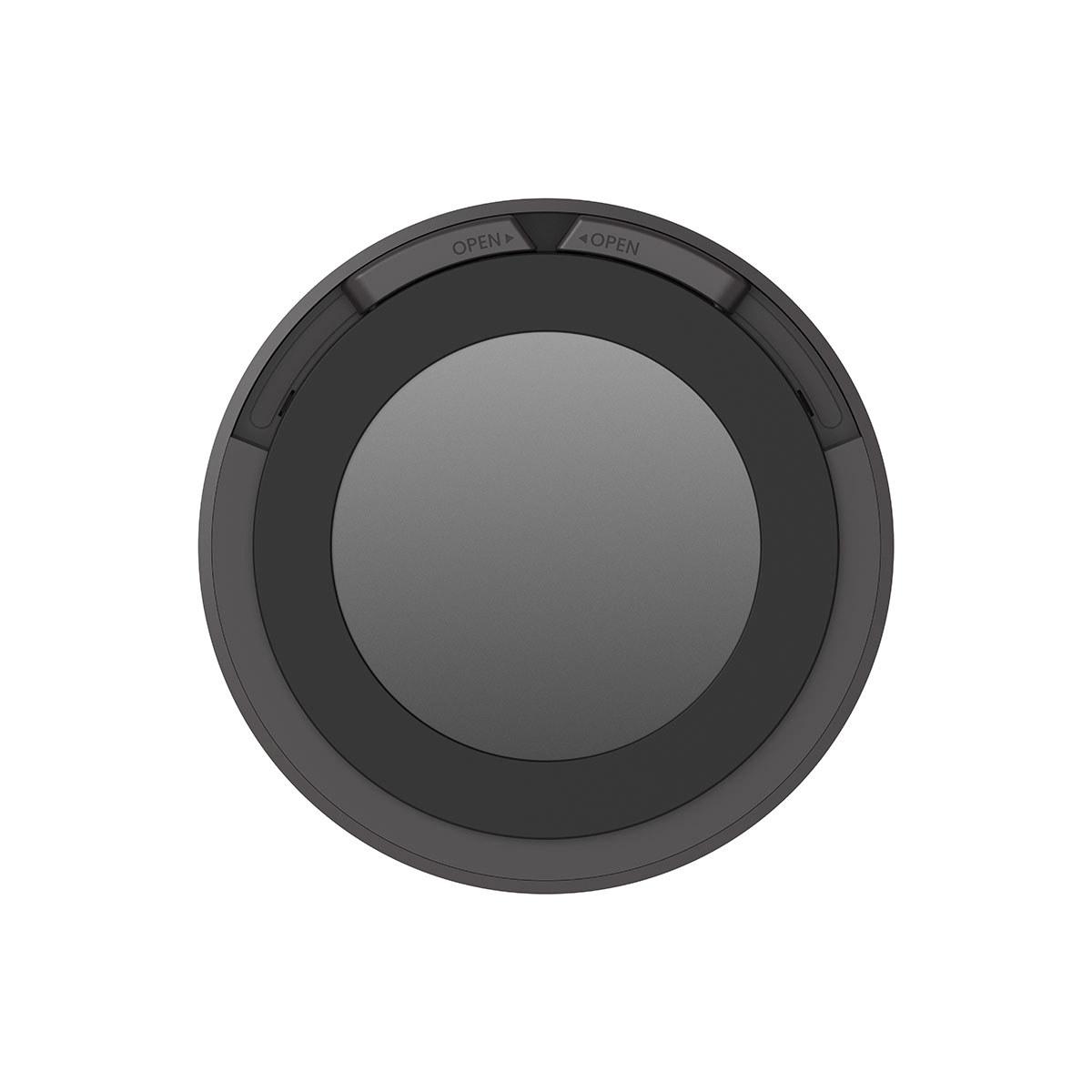
One unique feature of the MoGo 4 that deserves mention is its magnetic creative filters system. These physical filters attach to the lens and can transform the projection into ambient lighting with different colors and effects. It's a clever feature that extends the projector's utility beyond just displaying content - you can use it as a mood lighting system for parties or relaxation.
The physical design differences between these projectors become most apparent when you're actually setting them up. The XGIMI MoGo 4 includes a 360-degree adjustable built-in stand that allows projection onto virtually any surface - walls, ceilings, floors, or even at odd angles. The automatic image correction handles most of the technical adjustments, making setup genuinely simple.
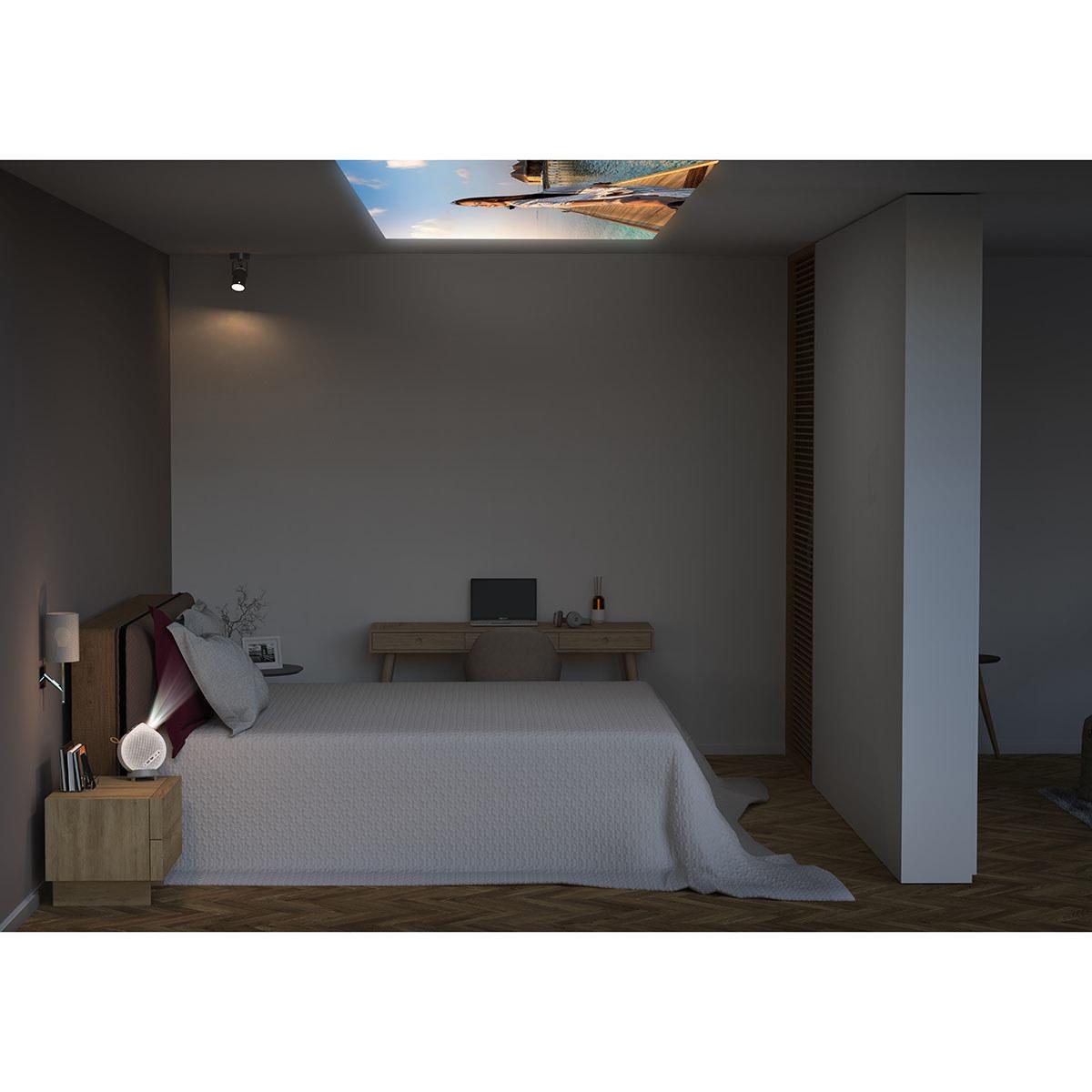
The BenQ GV50 takes a more sophisticated approach with 135-degree vertical tilt adjustment specifically engineered for ceiling projection. This might sound limiting compared to the MoGo 4's 360-degree flexibility, but in practice, the GV50's positioning system is more precise and stable. Its advanced keystone correction can handle complex projection scenarios including obstacle avoidance - if there's a light fixture or ceiling fan in the way, the projector can digitally work around it.
For bedroom ceiling projection, which has become surprisingly popular for bedtime viewing, the BenQ GV50 is clearly designed with this use case in mind. The specialized ceiling cinema sound mode ensures audio isn't muffled by bedding, and the precise positioning controls make it easy to get the perfect viewing angle while lying down.
While both projectors are marketed as portable devices, many users end up using them as primary or secondary home theater solutions, especially in smaller living spaces where traditional projectors would be impractical.
For dedicated home theater use, the BenQ GV50 makes a stronger case. Its superior contrast ratio, better color accuracy, and more powerful audio system create a more cinematic experience. The laser light source also means you won't need to worry about replacing bulbs for potentially decades of regular use.
However, the XGIMI MoGo 4 shouldn't be dismissed for home theater use, particularly in smaller rooms or for users who prioritize flexibility over absolute image quality. Its compact size means it can be easily moved or stored when not in use, and its automatic image adjustment makes it simple to set up in different locations as needed.
The reality is that neither projector will match a dedicated home theater setup with a high-end projector and proper screen, but both provide surprisingly satisfying viewing experiences that far exceed what was possible in portable form factors just a few years ago.
At the time of writing, the XGIMI MoGo 4 is positioned as the more budget-friendly option, while the BenQ GV50 commands a premium for its advanced features and superior performance. The question isn't whether the GV50 is "worth" the extra cost - it objectively provides better image quality, gaming performance, and audio. The question is whether those improvements matter enough for your specific use cases.
The MoGo 4 represents exceptional value for users who prioritize portability and ease of use. If your main goal is having a projector you can easily take camping, to friends' houses, or around your home for movie nights in different rooms, the combination of compact size, good battery life, and adequate image quality makes it an excellent choice.
The BenQ GV50 justifies its higher price through measurably better performance across multiple categories. For users who want the best possible portable projection experience and don't mind a slightly larger, heavier device, the laser technology, superior contrast, better gaming performance, and enhanced audio create a more premium experience.
After extensive use of both projectors, my recommendation comes down to understanding your primary use cases and priorities.
Choose the XGIMI MoGo 4 if you genuinely need maximum portability, plan to use the projector in various locations regularly, have budget constraints, or primarily watch content in very dark environments where the brightness and contrast differences matter less. It's also the better choice if simplicity is important - everything about the MoGo 4 is designed to be straightforward and user-friendly.
Choose the BenQ GV50 if image quality is your top priority, you plan to do any serious gaming, you want the best possible audio without external speakers, or you're primarily using the projector in one or two locations where the extra weight doesn't matter. The ceiling projection capabilities alone make it worth considering for bedroom entertainment setups.
For most users deciding between these two devices, I'd suggest thinking about whether you're looking for a "take anywhere" entertainment device or a "move around occasionally" home theater solution. Both projectors excel at their intended use cases, but trying to use them outside their design strengths will lead to disappointment.
The portable projector market has matured to the point where there are genuinely good options available, and both the XGIMI MoGo 4 and BenQ GV50 represent the current state of the art in their respective approaches to portable projection. Your choice should align with your specific needs, viewing environment, and how you actually plan to use the device in your daily life.
| XGIMI MoGo 4 Portable Projector 2025 | BenQ GV50 Full HD Smart Ceiling Projector |
|---|---|
| Light Source Technology - Determines image quality, lifespan, and color accuracy | |
| LED with 450 ISO lumens (good for dark rooms, adequate colors) | Laser phosphor with 500 ANSI lumens (superior brightness, vivid colors, 20,000+ hour lifespan) |
| Contrast Ratio - Critical for deep blacks and shadow detail in movies | |
| Standard LED contrast (blacks appear grayish in dark scenes) | 100,000:1 dynamic contrast (true blacks, excellent shadow detail) |
| Gaming Performance - Input lag determines responsiveness for gaming | |
| ≤56ms input lag (acceptable for casual gaming only) | 22.4ms input lag (excellent for competitive gaming) |
| Portability - Weight and size impact how easily you can move it | |
| 1.31kg ultra-compact (truly portable, backpack-friendly) | 2.1kg portable but substantial (easy to move around home) |
| Battery Life - Determines untethered viewing time | |
| 2.5 hours video / 6 hours music (excellent for outdoor use) | Built-in battery (adequate for room-to-room flexibility) |
| Audio System - Important since most won't add external speakers | |
| Dual 6W Harman Kardon speakers (clear but lacks bass) | 18W 2.1-channel with subwoofer (cinema-quality sound) |
| Positioning Flexibility - How easily you can set up in different locations | |
| 360° adjustable stand with ISA auto-correction (works anywhere) | 135° vertical tilt optimized for ceiling projection (bedroom specialist) |
| Smart Platform - Streaming service access and app availability | |
| Google TV with licensed Netflix, 800+ free channels | Google TV with comprehensive connectivity options |
| Unique Features - Special capabilities that set each apart | |
| Magnetic creative filters for ambient lighting effects | Advanced keystone correction with obstacle avoidance for complex setups |
| Target User - Who each projector serves best | |
| Travelers, campers, budget-conscious users wanting maximum portability | Home theater enthusiasts, gamers, users prioritizing image quality over extreme portability |
The BenQ GV50 is superior for home theater applications due to its laser phosphor technology, 100,000:1 contrast ratio, and 18W 2.1-channel audio system with subwoofer. The XGIMI MoGo 4 works well for casual home viewing but lacks the contrast and audio power needed for a true cinematic experience.
The BenQ GV50 outputs 500 ANSI lumens while the XGIMI MoGo 4 produces 450 ISO lumens. More importantly, the GV50's laser technology creates more focused, directional light that appears brighter in practice, making it better for rooms with ambient lighting.
The XGIMI MoGo 4 is significantly more portable at 1.31kg versus the BenQ GV50's 2.1kg weight. The MoGo 4 is compact enough for backpack travel and offers 2.5 hours of battery life, making it ideal for camping and outdoor use.
Yes, but the BenQ GV50 is much better for gaming with 22.4ms input lag suitable for competitive play. The XGIMI MoGo 4 has 56ms input lag, which works for casual gaming but may feel sluggish for fast-paced or competitive games.
The BenQ GV50 delivers superior audio with its 18W 2.1-channel speaker system including a dedicated subwoofer. The XGIMI MoGo 4 has dual 6W Harman Kardon speakers that sound clear but lack the bass and power for immersive movie audio.
Both the XGIMI MoGo 4 and BenQ GV50 run Google TV with access to major streaming apps. The MoGo 4 specifically includes licensed Netflix access, while both support YouTube, Prime Video, Disney+, and other popular services.
The BenQ GV50 is specifically designed for ceiling projection with 135° vertical adjustment and a specialized "Ceiling Cinema Sound Mode" that optimizes audio for overhead viewing. The XGIMI MoGo 4 can project on ceilings but isn't optimized for this use case.
The BenQ GV50's laser technology provides much better contrast (100,000:1 vs standard LED), more accurate colors, and true black levels. The XGIMI MoGo 4's LED technology offers decent image quality but struggles with dark scenes that appear grayish rather than black.
The BenQ GV50 uses laser technology rated for 20,000-30,000 hours of use, essentially eliminating maintenance concerns. The XGIMI MoGo 4 uses LED technology with typical LED lifespan, though exact specifications aren't provided by the manufacturer.
The XGIMI MoGo 4 provides excellent value for users prioritizing portability and basic smart projector features. The BenQ GV50 costs more but delivers significantly better image quality, gaming performance, and audio - justifying the premium for quality-focused users.
Both can serve as TV replacements, but the BenQ GV50 is better suited for daily use due to superior brightness, contrast, and audio quality. The XGIMI MoGo 4 works well as a secondary display or for users with flexible viewing preferences who don't mind dimmer images.
The XGIMI MoGo 4 works best in small to medium rooms (up to 120" screen size) with controlled lighting. The BenQ GV50 can handle larger spaces and brighter environments due to its higher brightness and better contrast, making it suitable for living rooms and bedrooms.
We've done our best to create useful and informative comparisons to help you decide what product to buy. Our research uses advanced automated methods to create this comparison and perfection is not possible - please contact us for corrections or questions. These are the sites we've researched in the creation of this article: projectorcentral.com - whathifi.com - us.xgimi.com - whathifi.com - global.xgimi.com - youtube.com - us.xgimi.com - youtube.com - youtube.com - thesmarthomehookup.com - global.xgimi.com - hometechnologyreview.com - projectorcentral.com - youtube.com - us.xgimi.com - thewellnessinsider.asia - bhphotovideo.com - thetechnovore.com - howtogeek.com - projectorcentral.com - projectorcentral.com - techradar.com - adorama.com - projectorcentral.com - youtube.com - youtube.com - whathifi.com - youtube.com - cdw.com - projectorcentral.com - youtube.com

Privacy Policy
Terms and Conditions - Affiliate Policy
Home Security
© Copyright 2008-2026.
11816 Inwood Rd #1211, Dallas, TX 75244