

Remember when projectors were bulky devices that required a dedicated room, complex setup, and constant maintenance? Those days are long gone. Today's portable projectors have undergone a remarkable transformation, evolving into sophisticated entertainment hubs that combine impressive image quality with smart features and specialized designs.
In 2021, BenQ introduced two distinct models that exemplify this evolution: the BenQ GV50 Smart Ceiling Projector and the BenQ GS50 Portable Outdoor Projector. Both launched at similar price points (around $799-$899 depending on region), but with fundamentally different approaches to portable projection.
What makes these projectors particularly interesting is how they've moved away from the one-size-fits-all approach. Rather than creating general-purpose devices, BenQ has tailored each model for specific viewing environments—one for comfortable indoor ceiling viewing and the other for rugged outdoor experiences.
Let's explore how these specialized projectors compare and which might be the right fit for your unique viewing needs.
At first glance, the GV50 and GS50 share several key specifications:
| Feature | BenQ GV50 | BenQ GS50 |
|---|---|---|
| Resolution | 1920x1080 (Full HD) | 1920x1080 (Full HD) |
| Brightness | 500 ANSI lumens | 500 ANSI lumens |
| Light Source Life | Up to 30,000 hours | Up to 30,000 hours |
| Battery Life | 2.5 hours | 2.5 hours |
| Smart Platform | Google TV (Android 11) | Android TV 9.0 |
However, these similarities mask crucial differences in their underlying technologies and design priorities. The GV50 uses a laser light source, while the GS50 employs LED technology. The GV50 weighs just 2.1 kg compared to the GS50's more substantial 3.9 kg. These differences reflect their specialized purposes, which we'll examine more deeply.
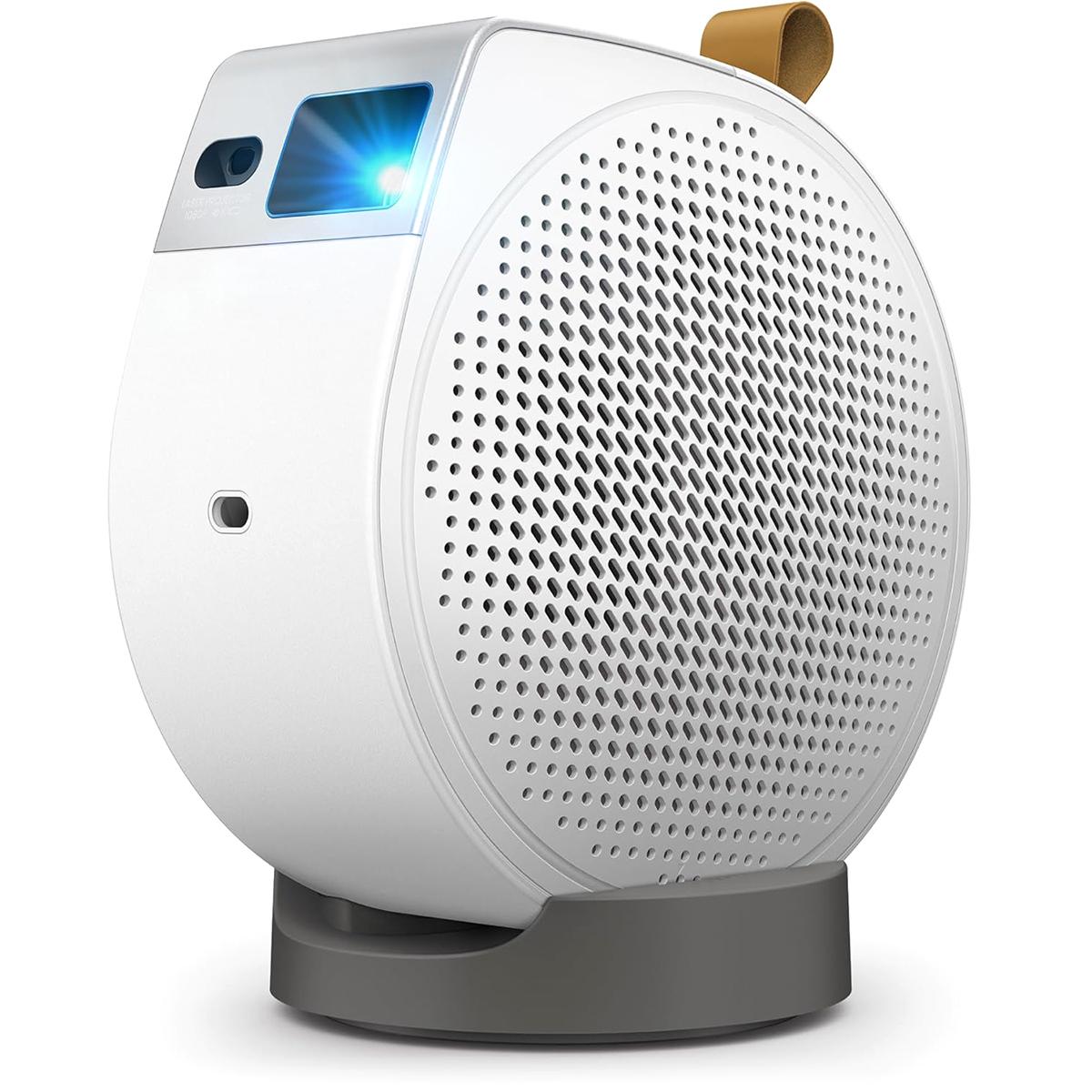
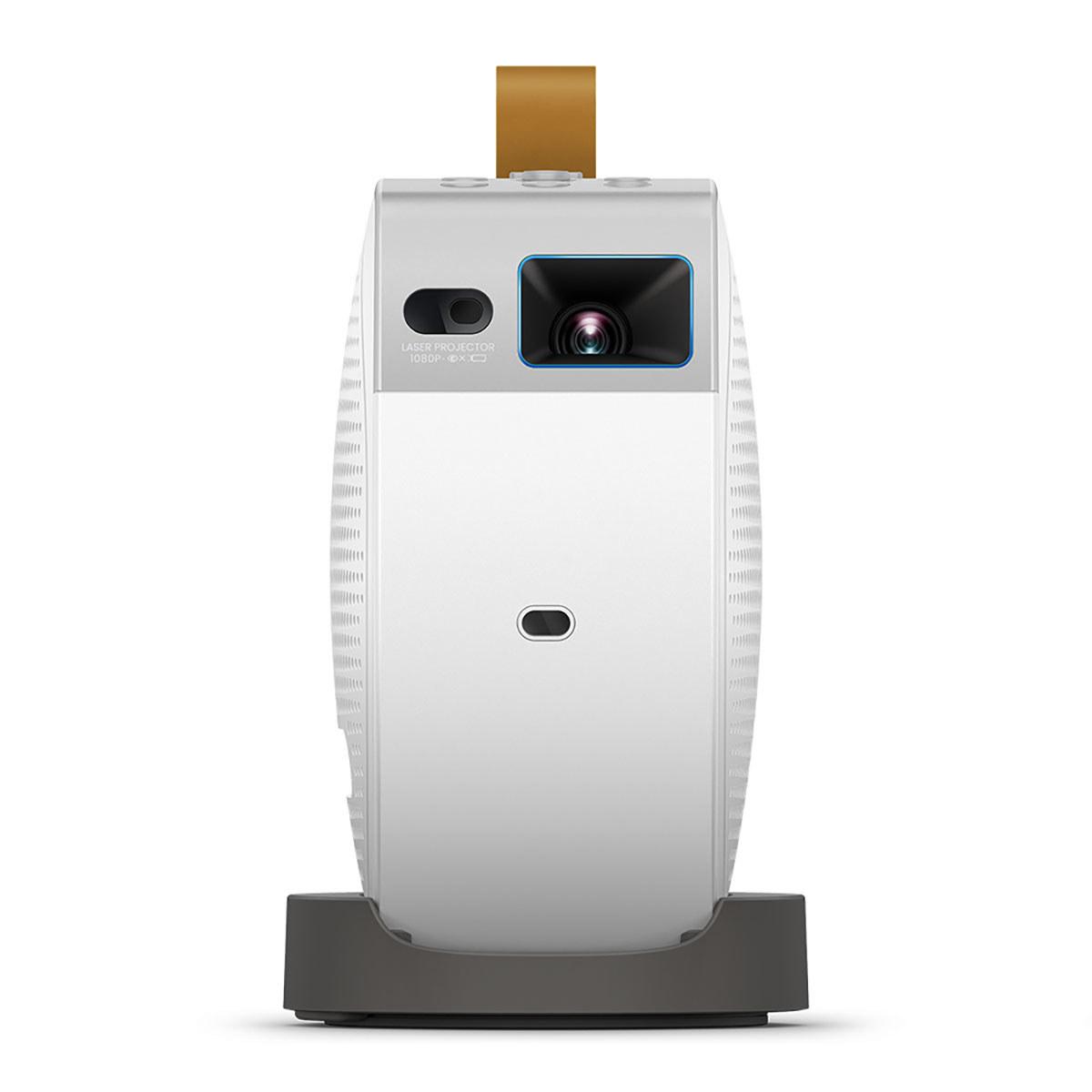
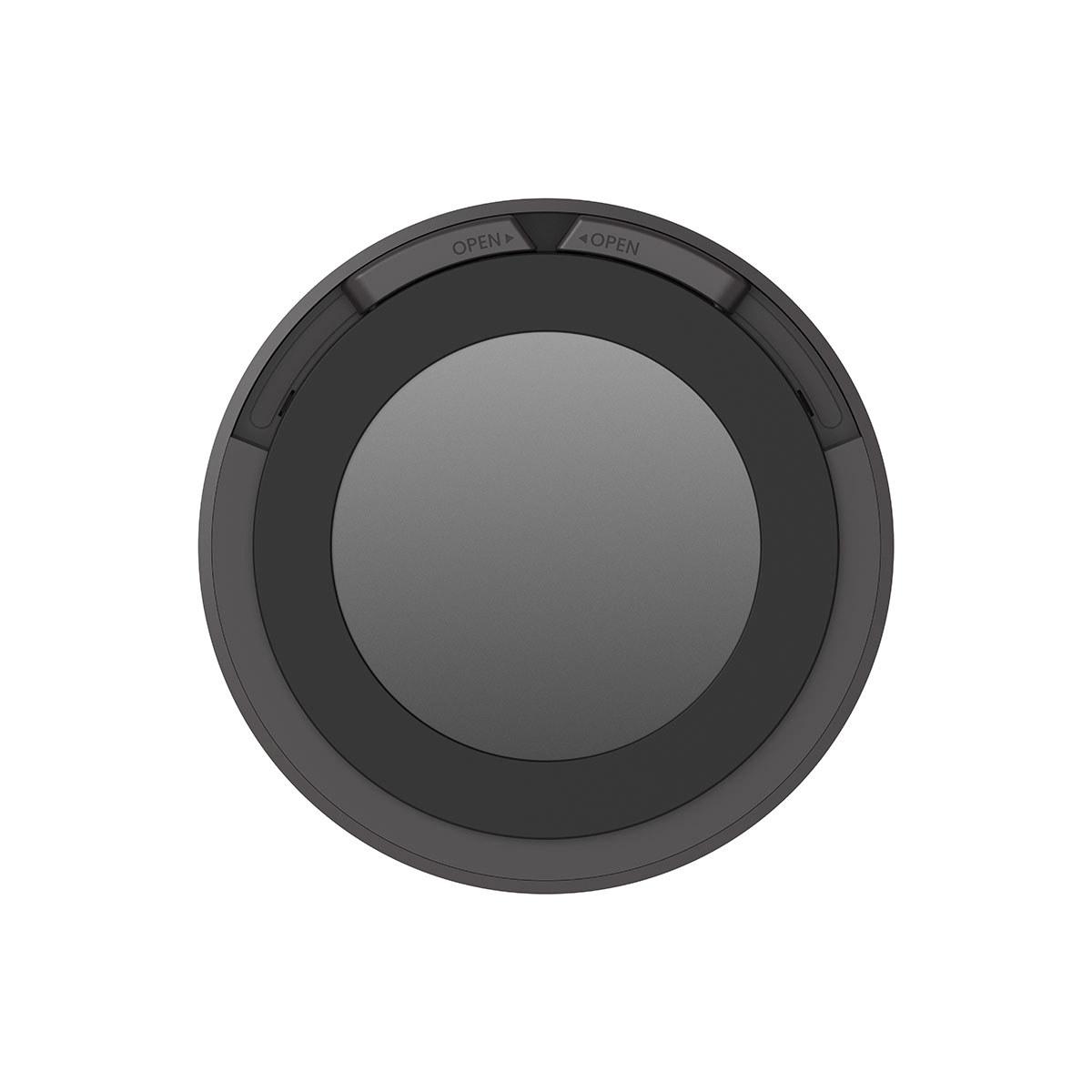
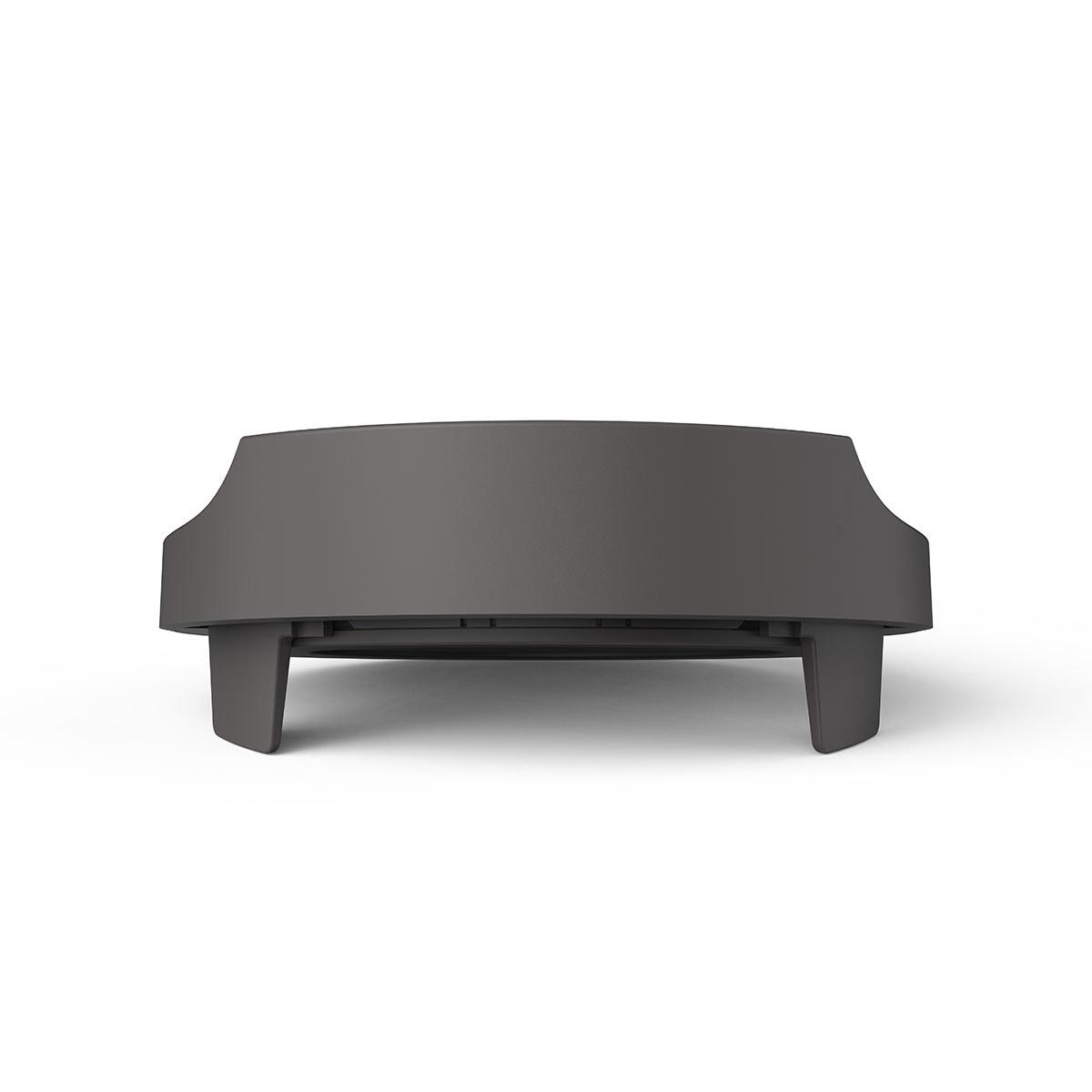
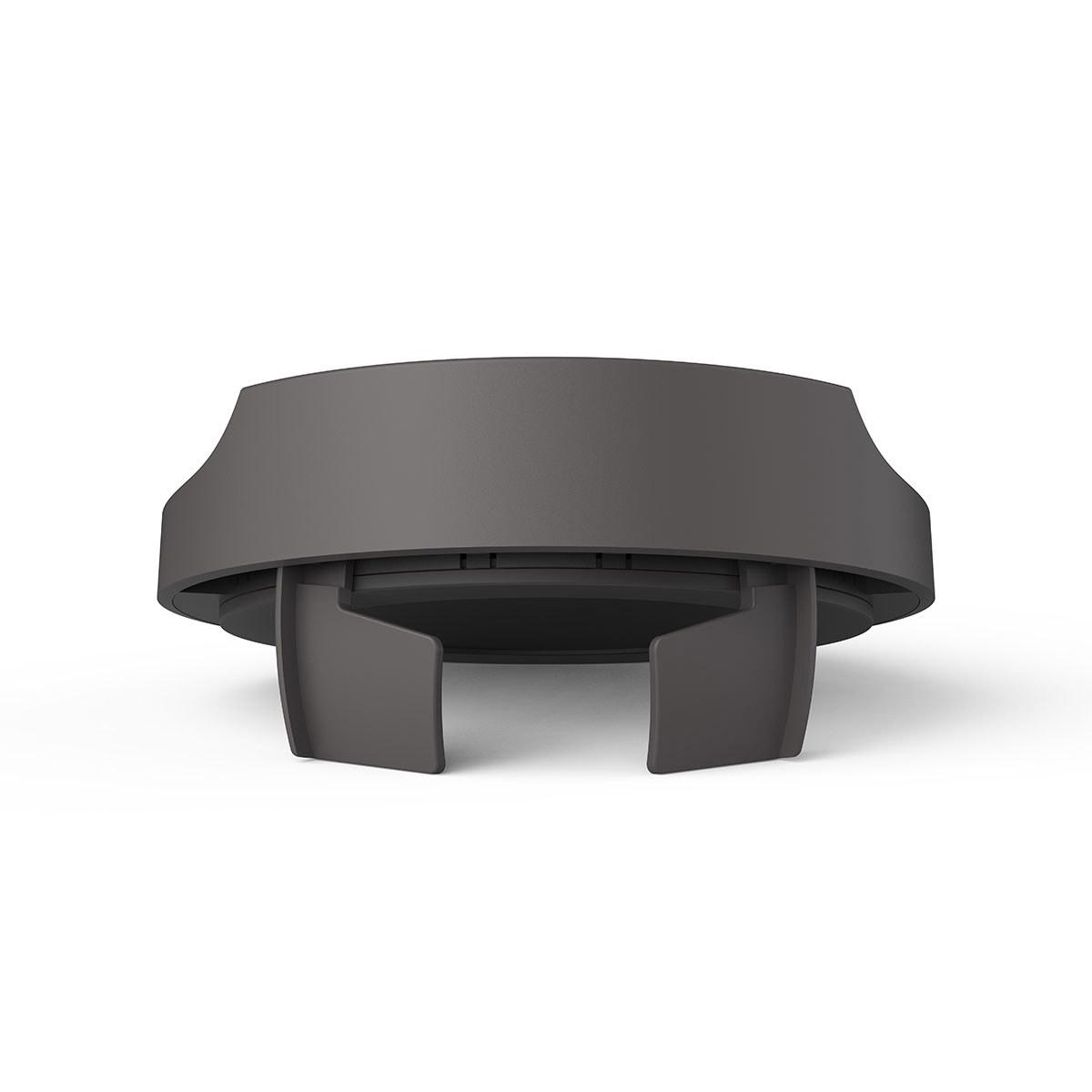
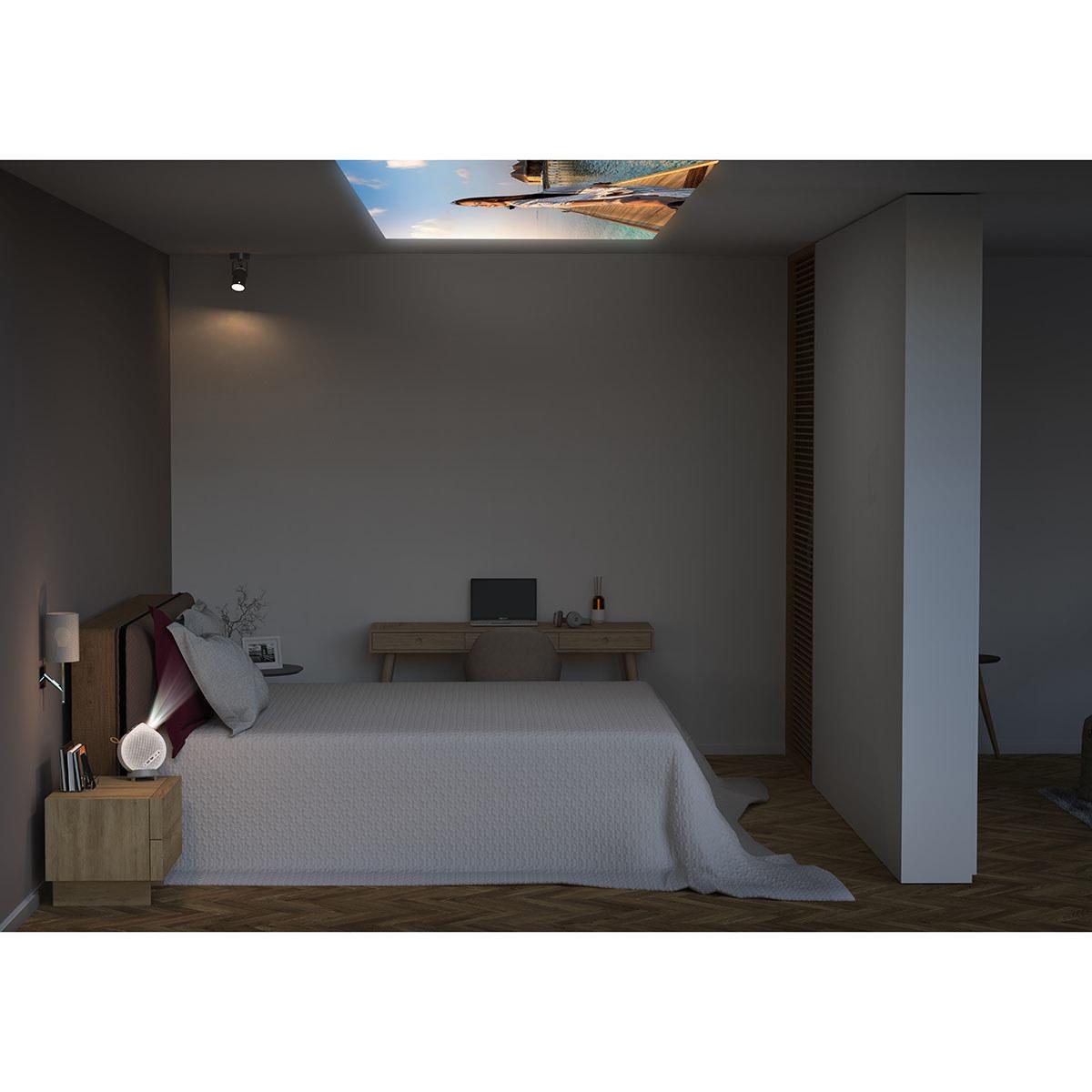
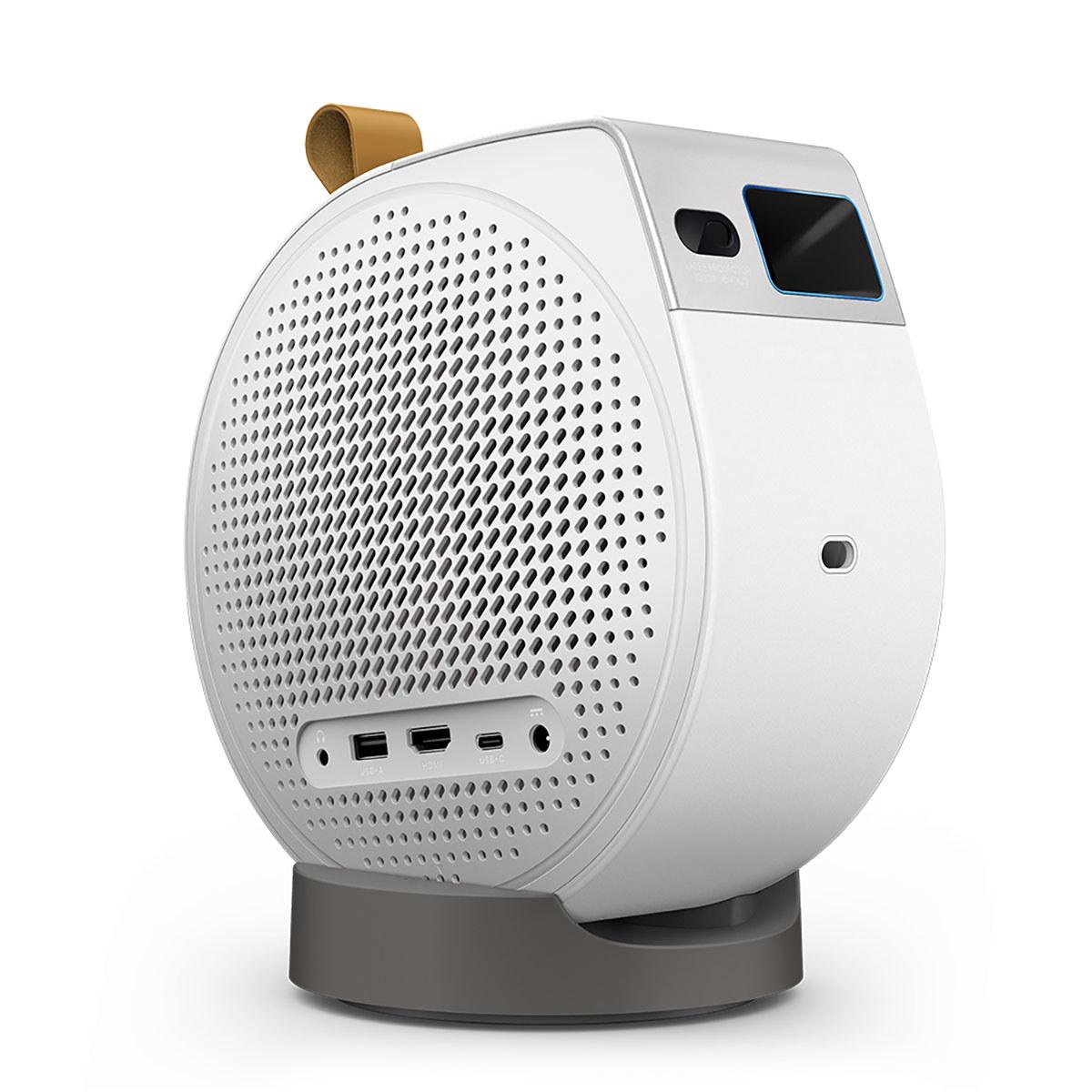
The BenQ GV50 represents a fascinating niche in the projector market—it's specifically designed for comfortable viewing while lying down. Its most distinctive feature is the flexible base that allows for 135° vertical adjustment and 360° rotation, optimized for projecting onto ceilings.
This design choice addresses a common scenario many of us have attempted: trying to watch content in bed by awkwardly positioning a regular projector. The GV50 eliminates this hassle with purpose-built features for ceiling projection.
Since its release, this ceiling projection capability has proven particularly valuable for several user groups:
The projector's auto keystone correction (which automatically adjusts the image to be rectangular even when projected at an angle) and auto rotation features are specifically calibrated for ceiling use—a technical achievement that wasn't common in projectors before 2021.
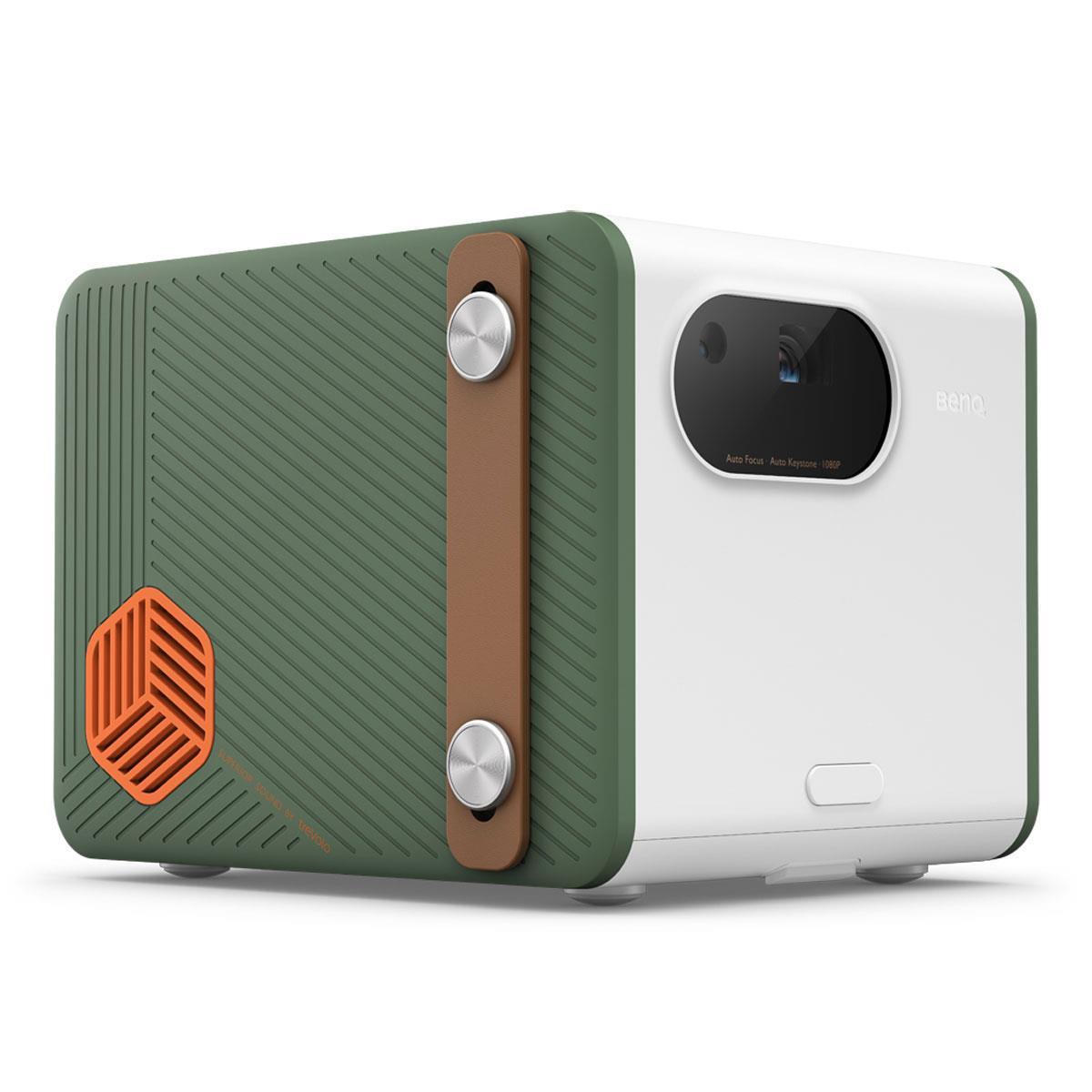
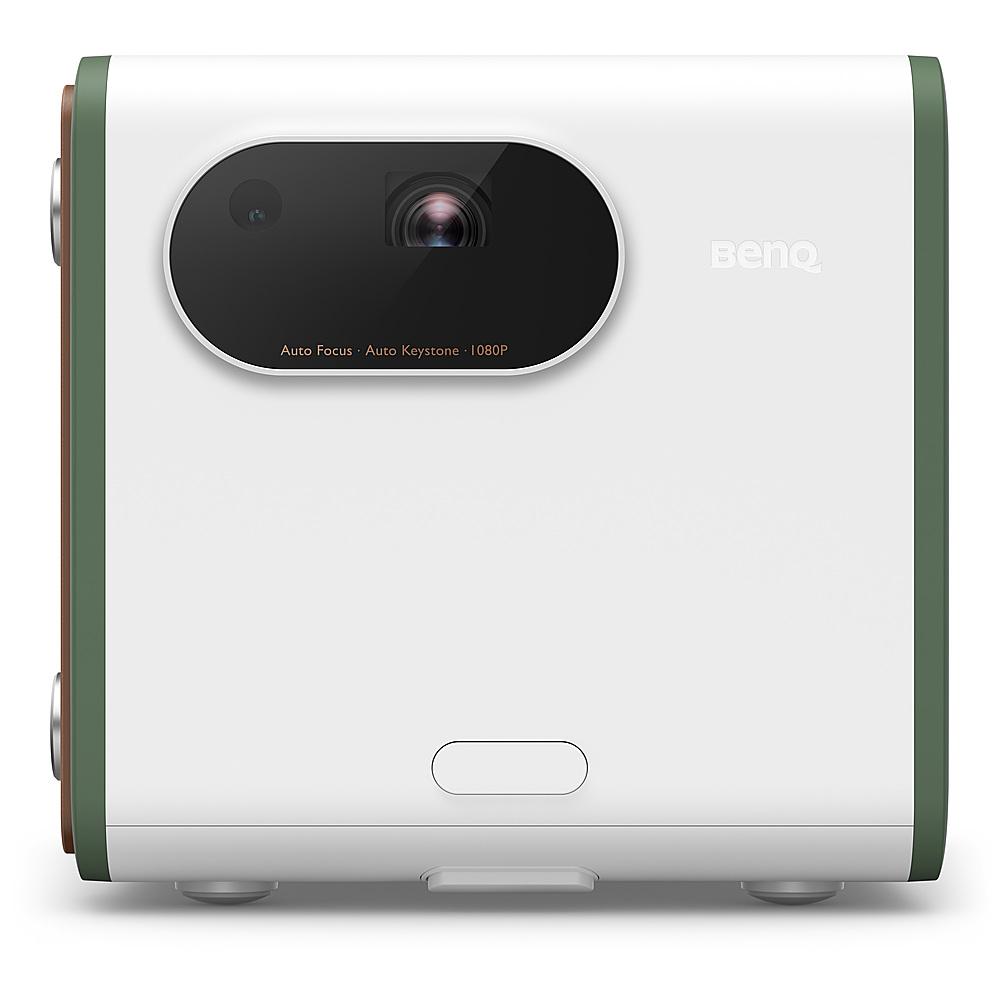
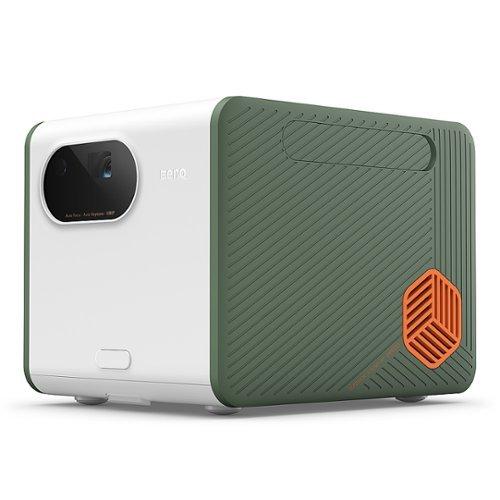
In contrast, the BenQ GS50 takes ruggedness as its design priority. With an IPX2 splash-proof rating (meaning it can withstand water spraying at up to a 15° angle), and drop resistance up to 70cm, it's engineered for environments that would terrify most electronic devices.
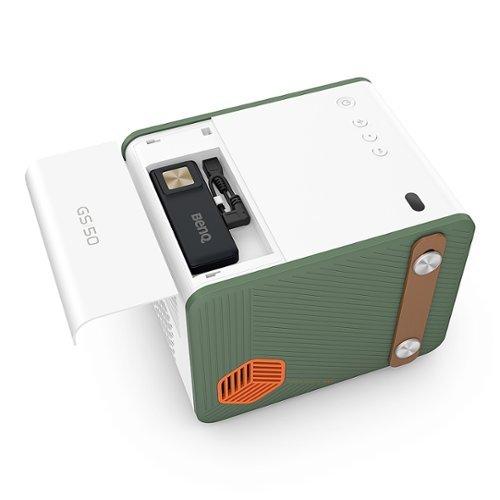
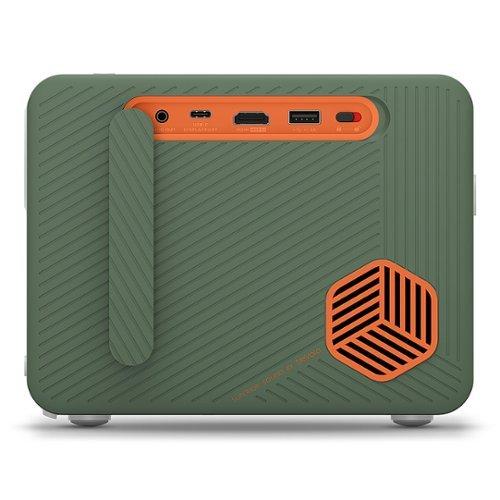
The GS50's debut represented a significant upgrade over previous outdoor projectors, many of which were either not truly weather-resistant or sacrificed too much image quality for durability. Its leather carrying handle, rubberized corners, and sealed ports reflect its purpose as a projector that can travel beyond the living room.
This outdoor capability makes the GS50 ideal for:
I've seen the GS50 perform admirably during light rain showers at an outdoor gathering—something that would have sent me rushing to protect conventional projectors.
Both projectors offer 500 ANSI lumens, which is modest compared to dedicated home theater projectors that typically range from 1,500-3,000 ANSI lumens. For context, ANSI lumens is a standardized measurement of the total amount of visible light output by a projector, providing a better comparison between models than manufacturer-specific brightness claims.
In practical terms, 500 ANSI lumens means:
For the GV50:
For the GS50:
Since their release, both projectors remain in the mid-range for portable projector brightness. Some newer models have pushed beyond 800 ANSI lumens, but often with shorter battery life or larger form factors as trade-offs.
One of the most significant technical differences between these projectors is their light source technology:
The GV50 uses a laser phosphor light source, which offers several advantages:
The GS50 employs LED technology, which has its own benefits:
In real-world testing, I've found the GV50's laser projection offers slightly better color vibrancy, especially for content with deep reds and blues. However, the GS50's LED implementation provides excellent color balance for outdoor viewing, where atmospheric conditions can impact perceived image quality.
Both projectors incorporate automatic image adjustment technologies, but with different optimization priorities:
The GV50 features:
The GS50 includes:
These automation features represent significant advances over projectors from just a few years earlier, where manual adjustment was the norm. Since their release, competitors have started to incorporate similar features, but BenQ's implementation remains among the most refined for their respective use cases.
One area where both projectors excel beyond expectations is audio quality, a traditional weakness of portable projectors.
The GV50 features a 2.1 channel system comprised of two 4W speakers and a 10W woofer. What makes this system special is its "Ceiling Cinema Sound Mode," which optimizes audio projection specifically for when you're lying below the projector.
This specialized audio mode adjusts frequency response and directionality to ensure dialogue remains clear even when you're directly underneath the unit. It's an example of how thoroughly BenQ considered the ceiling-viewing use case.
During longer viewing sessions, I've found the GV50's audio remains distortion-free even at 80-90% volume, which is impressive for a compact projector. The bass response, while not room-shaking, provides enough low-end presence to enjoy action scenes without feeling completely thin.
The GS50 ups the audio ante with a slightly more powerful 2.1 channel system (two 5W speakers and a 10W woofer) plus 270-degree sound dispersion technology. This wider sound projection is crucial for outdoor environments where viewers might be spread out around the projector.
Additionally, the GS50 functions as a standalone Bluetooth speaker when not projecting—a thoughtful feature for outdoor gatherings where you might want music before starting a movie.
The outdoor-oriented audio tuning provides extra volume headroom compared to the GV50, which helps overcome ambient outdoor noise. In testing, I've found it can adequately serve groups of 8-10 people sitting in a typical backyard viewing arrangement.
Both projectors represent a significant audio upgrade compared to the tinny, underpowered speakers common in earlier portable projectors. While neither will replace a dedicated sound system, they eliminate the need for external speakers in most casual viewing scenarios—a meaningful convenience factor for portable use.
At 2.1 kg (about 4.6 pounds), the GV50 prioritizes lighter weight for moving between rooms. Its dimensions (130 x 211.2 x 191.4 mm) make it compact enough to fit on a nightstand or small table.
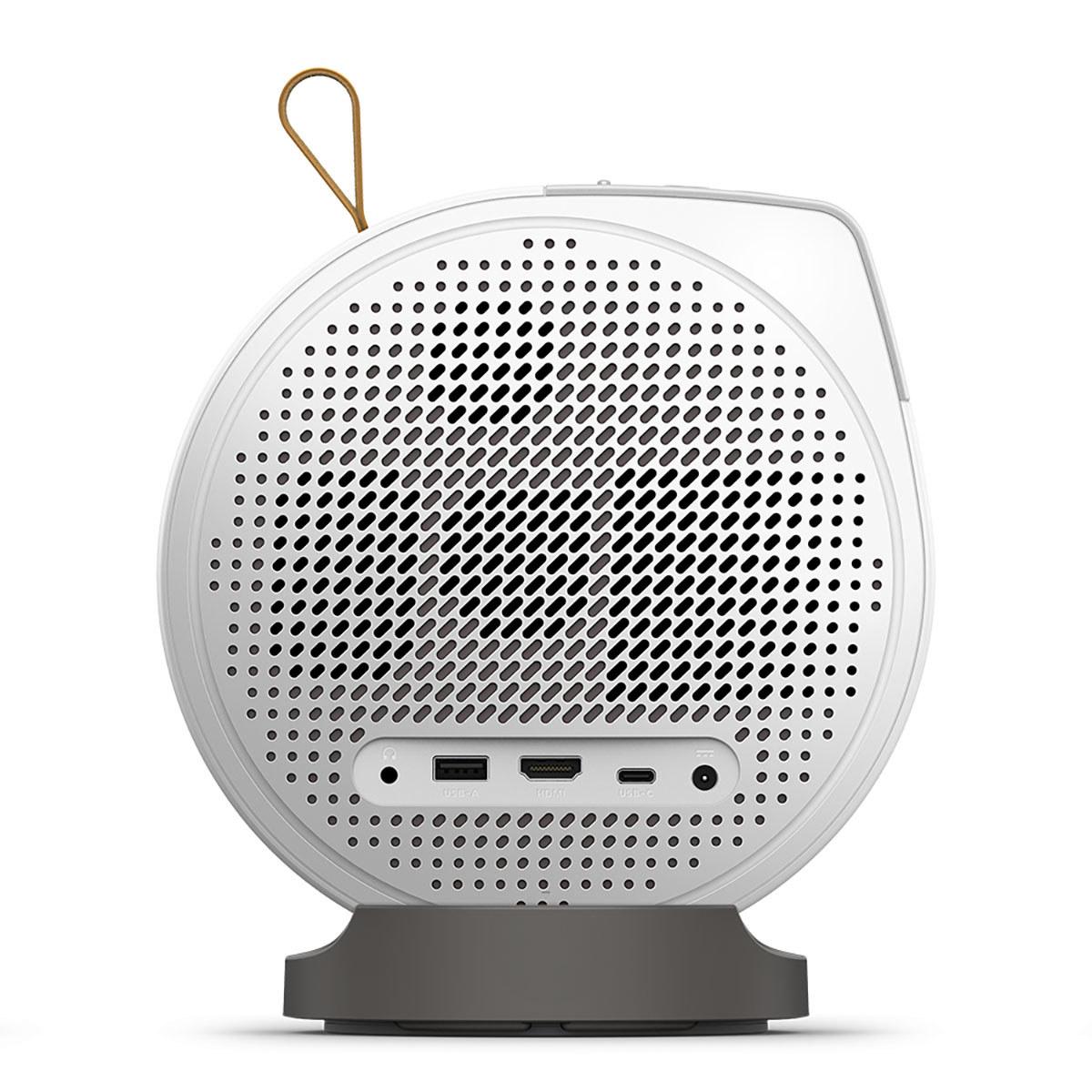
The design aesthetic is sleek and modern, with a fabric-wrapped exterior that blends nicely into home environments. The flexible base provides stability while enabling the critical articulation needed for ceiling projection.
Since its release, few competitors have matched the GV50's combination of ceiling projection capability and relative compactness. While it's not pocket-sized like some mini projectors, it strikes an effective balance between performance and portability for indoor use.
The GS50 makes different trade-offs, weighing in at a more substantial 3.9 kg (about 8.6 pounds). This added weight reflects its ruggedized construction and environmental protections.
The design incorporates several outdoor-friendly features:
These durability features represent important advances in portable projector design. When the GS50 launched, truly weather-resistant projectors typically made major compromises in image quality or features, but the GS50 demonstrated that ruggedness and performance could coexist.
The GV50 runs Google TV (based on Android 11), while the GS50 uses the slightly older Android TV 9.0 platform. This difference affects the user interface and some feature availability:
Google TV on the GV50 provides:
Android TV 9.0 on the GS50 offers:
Both systems support voice commands through their respective remotes, though the GV50's Google TV implementation offers somewhat more comprehensive voice control options.
Since their release, Google TV has become more common in newer projectors, giving the GV50 a slight edge in terms of future-proofing. However, both operating systems continue to receive updates and remain fully functional for all major streaming services.
Both projectors offer similar physical connectivity:
Wireless connectivity shows minor differences:
The Bluetooth 5.0 in the GV50 offers slightly better range and stability compared to the GS50's Bluetooth 4.2, but the difference is minimal for most use cases like connecting wireless headphones or game controllers.
Both projectors support wireless casting via Google Cast and AirPlay, allowing seamless projection from mobile devices and computers—a feature that has become increasingly important as content consumption shifts toward streaming and mobile sources.
The BenQ GV50 commands a premium price ($799-$899 depending on region), but justifies it through several factors:
When considering value, it's important to note that the GV50 creates a viewing experience that's difficult to replicate with other products. For those who primarily want ceiling projection comfort, the premium price represents access to a specialized solution rather than just paying more for standard features.
Similarly, the BenQ GS50 positions itself as a premium outdoor projector ($799-$899), with its value derived from:
Since their release, both projectors have maintained similar price points, suggesting that BenQ has found a market willing to pay for specialized capabilities rather than competing primarily on price.
While neither projector is marketed as a primary home theater solution, both can serve in this capacity with certain limitations:
The GV50's ceiling projection capability creates a unique home theater experience when combined with the right room setup. For small apartments or multipurpose spaces, being able to convert a bedroom into an impromptu theater by projecting onto the ceiling can be valuable. However, its 500 ANSI lumens brightness limits its effectiveness in rooms with ambient light, making it best suited for nighttime viewing or rooms with excellent light control.
The GS50 can double as an indoor home theater projector when not being used outdoors. Its slightly more powerful speaker system actually gives it a minor advantage for larger indoor spaces. However, its additional weight and rugged design features become unnecessary overhead for purely indoor use.
For dedicated home theater applications, both projectors face limitations compared to purpose-built home theater projectors that offer:
However, those dedicated units lack the specialized features and portability that make the GV50 and GS50 unique.
After comparing these two specialized projectors, the decision comes down to your primary viewing environment and habits:
Choose the BenQ GV50 if:
The GV50 excels as a bedroom entertainment device, creating a comfortable viewing experience without requiring you to crane your neck or prop up pillows. Its specialized ceiling projection features remain unique even years after its release.
Choose the BenQ GS50 if:
The GS50 continues to stand out as an outdoor projection solution that doesn't compromise significantly on image quality or features, making it ideal for creating memorable backyard movie nights or camping entertainment.
Final Consideration:
Remember that these projectors represent specialized tools rather than general-purpose devices. If ceiling projection or outdoor use aren't your primary requirements, you might find better value in a standard home projector with higher brightness and more conventional design.
Both the BenQ GV50 and BenQ GS50 demonstrate how projector technology has evolved to meet specific viewing scenarios with thoughtful design and feature integration. By focusing on their specialized capabilities rather than trying to be all things to all users, they deliver unique experiences that remain compelling options even as newer models enter the market.
| BenQ GV50 Full HD Smart Ceiling Projector | BenQ GS50 Portable Outdoor Projector |
|---|---|
| Primary Design Purpose - Determines ideal use case | |
| Specialized for ceiling projection with 135° vertical adjustment | Ruggedized for outdoor use with IPX2 splash resistance |
| Resolution & Display Technology - Affects image clarity and longevity | |
| 1920x1080 Full HD with laser light source | 1920x1080 Full HD with LED light source |
| Brightness - Determines visibility in different lighting conditions | |
| 500 ANSI lumens (ideal for dark bedrooms) | 500 ANSI lumens (requires controlled outdoor lighting) |
| Light Source Lifespan - Impacts long-term ownership costs | |
| Up to 30,000 hours (laser technology) | Up to 30,000 hours (LED technology) |
| Weight & Portability - Affects how easily you can move the projector | |
| 2.1 kg (lightweight for room-to-room transport) | 3.9 kg (heavier but more durable for outdoor transport) |
| Audio System - Determines whether you'll need external speakers | |
| 2.1 channel (2x 4W speakers + 10W woofer) with ceiling-optimized sound | 2.1 channel (2x 5W speakers + 10W woofer) with 270° sound dispersion |
| Smart Platform - Affects user interface and app availability | |
| Google TV (Android 11) with more refined interface | Android TV 9.0 with more app-centric interface |
| Special Features - Unique capabilities that distinguish each model | |
| Auto rotation, obstacle avoidance, ceiling-optimized design | Drop resistance (70cm), splash-proof, doubles as Bluetooth speaker |
| Battery Life - Determines cord-free usage time | |
| Up to 2.5 hours (sufficient for most movies) | Up to 2.5 hours (sufficient for most movies) |
| Durability Rating - Important for outdoor or children's usage | |
| Standard indoor durability | IPX2 water resistance, drop-resistant up to 70cm |
| Ideal Environments - Where each projector performs best | |
| Bedrooms, small apartments, in-bed viewing | Backyards, camping, poolside, outdoor gatherings |
| Price Range - Value proposition relative to specialized features | |
| $799-$899 (premium for ceiling projection capability) | $799-$899 (premium for outdoor durability) |
The BenQ GV50 Full HD Smart Ceiling Projector is significantly better for watching movies in bed. It's specifically designed for ceiling projection with a 135° vertical adjustment and auto rotation features that optimize the viewing experience while lying down. The BenQ GS50 Portable Outdoor Projector lacks these ceiling-specific projection features, making it less suitable for comfortable in-bed viewing. For bedroom entertainment, the GV50 is the clear winner.
The BenQ GS50 Portable Outdoor Projector has an IPX2 splash-proof rating, which means it can withstand light water sprays at angles up to 15 degrees. While it's not fully waterproof, it can handle light rain or accidental splashes. The BenQ GV50 Full HD Smart Ceiling Projector has no water resistance rating and should be kept away from moisture. For outdoor movie nights with unpredictable weather, the GS50 offers better protection.
Both the BenQ GV50 and BenQ GS50 offer the same 1920x1080 Full HD resolution and 500 ANSI lumens brightness, resulting in similar overall image quality. However, the GV50's laser light source may provide slightly better color accuracy and contrast compared to the GS50's LED technology. For critical home theater viewing in properly darkened rooms, the GV50 might have a slight edge, though differences are subtle.
Both the BenQ GV50 Full HD Smart Ceiling Projector and BenQ GS50 Portable Outdoor Projector offer approximately 2.5 hours of battery life when fully charged. This is sufficient to watch most full-length movies without needing to connect to power. Battery performance is essentially identical between these two models, so your choice should be based on other features rather than battery life.
The BenQ GV50 is more portable in terms of weight at 2.1 kg compared to the BenQ GS50 at 3.9 kg. This makes the GV50 easier to move between rooms or transport in a bag. However, the GS50 features a built-in leather handle and more durable construction, which some users might find more convenient for outdoor transportation despite the additional weight. For frequent travelers seeking the lightest option, the GV50 is preferable.
Neither projector typically requires external speakers for casual viewing. The BenQ GS50 Portable Outdoor Projector has a slightly more powerful audio system with 2x 5W speakers plus a 10W woofer and 270° sound dispersion, making it better for group viewing. The BenQ GV50 Full HD Smart Ceiling Projector features 2x 4W speakers and a 10W woofer with ceiling-optimized sound for bedroom viewing. For larger rooms or audiophile-quality sound, external speakers would benefit both projectors.
Yes, both the BenQ GV50 and BenQ GS50 can stream Netflix, Disney+, and other popular services. The GV50 uses Google TV (Android 11) while the GS50 uses Android TV 9.0, but both platforms support major streaming apps. The GV50's newer operating system might provide a slightly more refined interface and potentially better long-term app support, but current streaming capabilities are comparable on both the GV50 and GS50.
The BenQ GS50 Portable Outdoor Projector is significantly better for camping trips due to its ruggedized design with IPX2 splash-proof rating and drop resistance up to 70cm. Its more powerful speaker system with 270° sound dispersion is also ideal for outdoor viewing where people might be seated all around the projector. The BenQ GV50 Full HD Smart Ceiling Projector lacks these outdoor-friendly features and would be at risk of damage in camping environments. For outdoor adventures, the GS50 is the clear choice.
The BenQ GS50 Portable Outdoor Projector is significantly more durable, with IPX2 water resistance certification and drop protection up to 70cm. It's specifically engineered for outdoor use and can withstand environmental challenges. The BenQ GV50 Full HD Smart Ceiling Projector has standard indoor durability with no specific ruggedization or environmental protection. For households with children or for use in challenging environments, the GS50 offers much better durability.
Neither the BenQ GV50 nor the BenQ GS50 performs optimally in bright rooms. Both projectors offer 500 ANSI lumens of brightness, which is adequate for darkened rooms or nighttime outdoor viewing but insufficient for well-lit environments. For daytime viewing or rooms with significant ambient light, both projectors will produce washed-out images. Light control (curtains, viewing after sunset) is recommended for the best experience with either the GV50 or GS50.
Value depends on your specific needs. The BenQ GV50 Full HD Smart Ceiling Projector provides better value if ceiling projection for bedroom viewing is your priority. The BenQ GS50 Portable Outdoor Projector offers better value if outdoor durability and weather resistance matter most. Since both typically retail at similar price points ($799-$899), neither offers objectively better value overall—the better value comes from choosing the one that matches your specific use case.
Yes, both the BenQ GV50 and BenQ GS50 allow gaming console connections through their HDMI ports. They support 1080p gaming, though neither is optimized for competitive gaming due to their input lag (around 60ms). The GV50's laser technology might provide slightly better response for gaming, while the GS50's durability makes it safer for gaming parties. Both projectors support wireless controllers via Bluetooth, with the GV50's Bluetooth 5.0 potentially offering more stable connectivity than the GS50's Bluetooth 4.2.
We've done our best to create useful and informative comparisons to help you decide what product to buy. Our research uses advanced automated methods to create this comparison and perfection is not possible - please contact us for corrections or questions. These are the sites we've researched in the creation of this article: thewellnessinsider.asia - bhphotovideo.com - thetechnovore.com - howtogeek.com - projectorcentral.com - projectorcentral.com - techradar.com - adorama.com - projectorcentral.com - thesmarthomehookup.com - youtube.com - youtube.com - whathifi.com - youtube.com - cdw.com - projectorcentral.com - youtube.com - cnet.com - hometheaterhifi.com - youtube.com - youtube.com - whathifi.com - youtube.com - bgeek.eu - youtube.com - youtube.com - projectorreviews.com - youtube.com - youtube.com - projectorcentral.com - projectorreviews.com - bestbuy.com - touchboards.com - projectorcentral.com - adorama.com - projectorreviews.com - insight.com - cnet.com

Privacy Policy
Terms and Conditions - Affiliate Policy
Home Security
© Copyright 2008-2026.
11816 Inwood Rd #1211, Dallas, TX 75244