

The portable projector market has exploded in recent years, transforming from a niche gadget category into a legitimate alternative to traditional TVs for many households. These compact devices promise big-screen entertainment anywhere you want it, but choosing between different models can feel overwhelming when specifications sheets are filled with technical jargon and marketing claims.
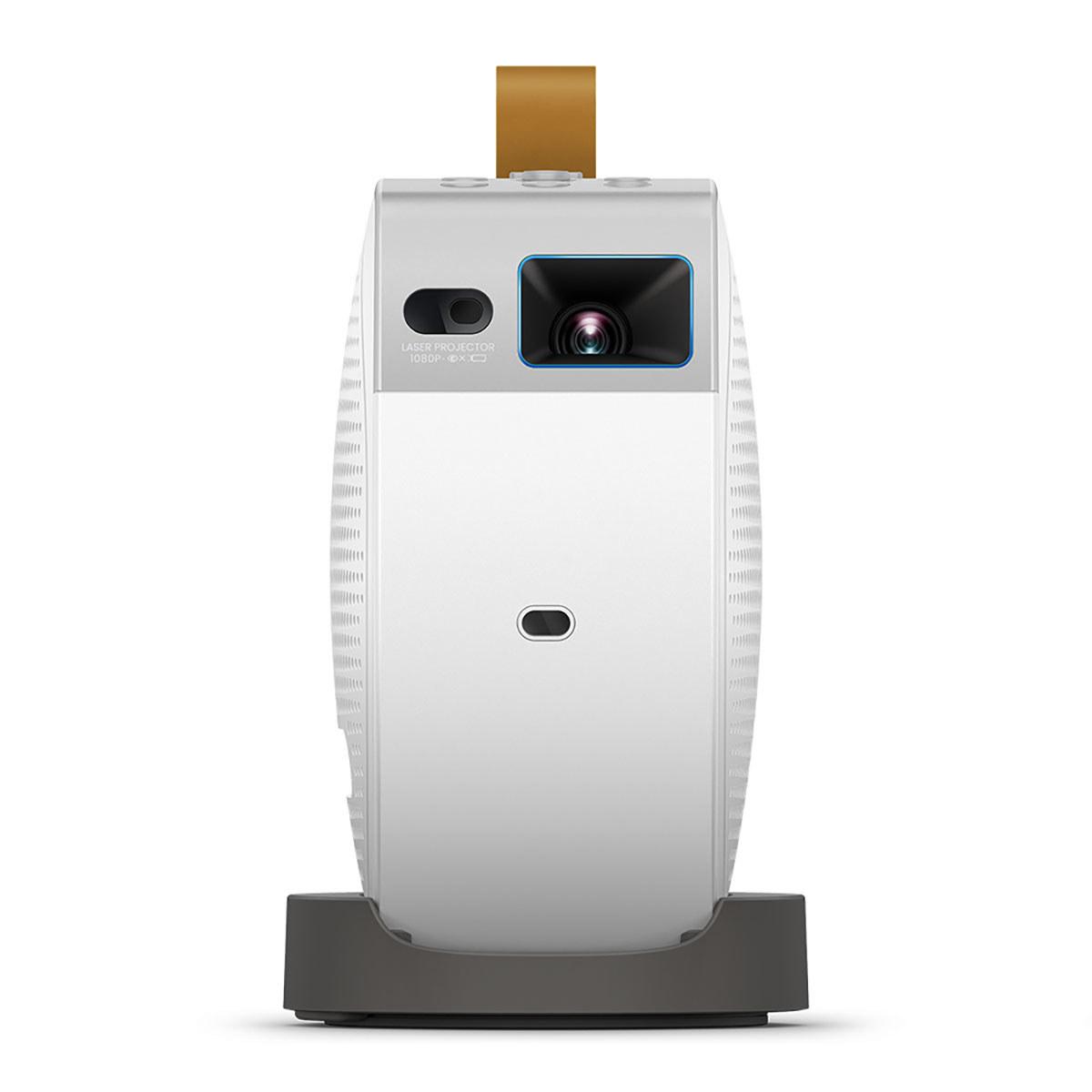
Today we're comparing two very different approaches to portable projection: the budget-friendly Aurzen BOOM 3 Smart Projector and the premium BenQ GV50 Full HD Smart Ceiling Projector. While both deliver 1080p images and smart streaming capabilities, they represent fundamentally different philosophies about what a portable projector should be.
Before diving into our comparison, it's worth understanding what makes today's portable projectors different from their predecessors. Traditional projectors were bulky, required complex setup, and needed separate devices for content. Modern portable smart projectors pack everything into compact units: the projection system, streaming capabilities, speakers, and wireless connectivity.
The key considerations when shopping in this category include brightness (measured in ANSI lumens – a standardized way to measure projector light output), image quality, audio performance, smart platform capabilities, and overall convenience. Unlike stationary home theater projectors that might be mounted permanently and paired with surround sound systems, portable projectors need to excel as all-in-one entertainment solutions.
Brightness is particularly crucial because these devices often get used in less-than-ideal lighting conditions. While a dedicated home theater might have blackout curtains, portable projectors need to perform reasonably well with some ambient light present. Audio quality becomes equally important since most users won't connect external speakers to a portable device.
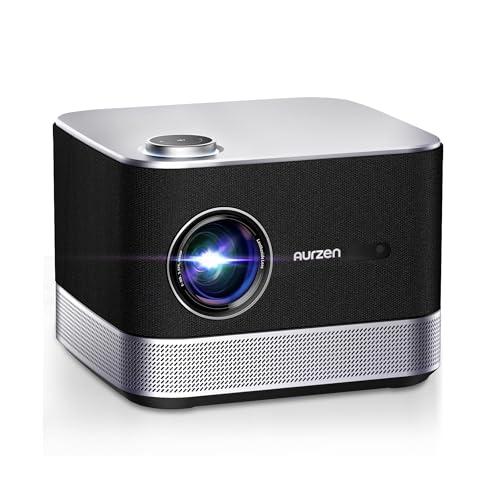
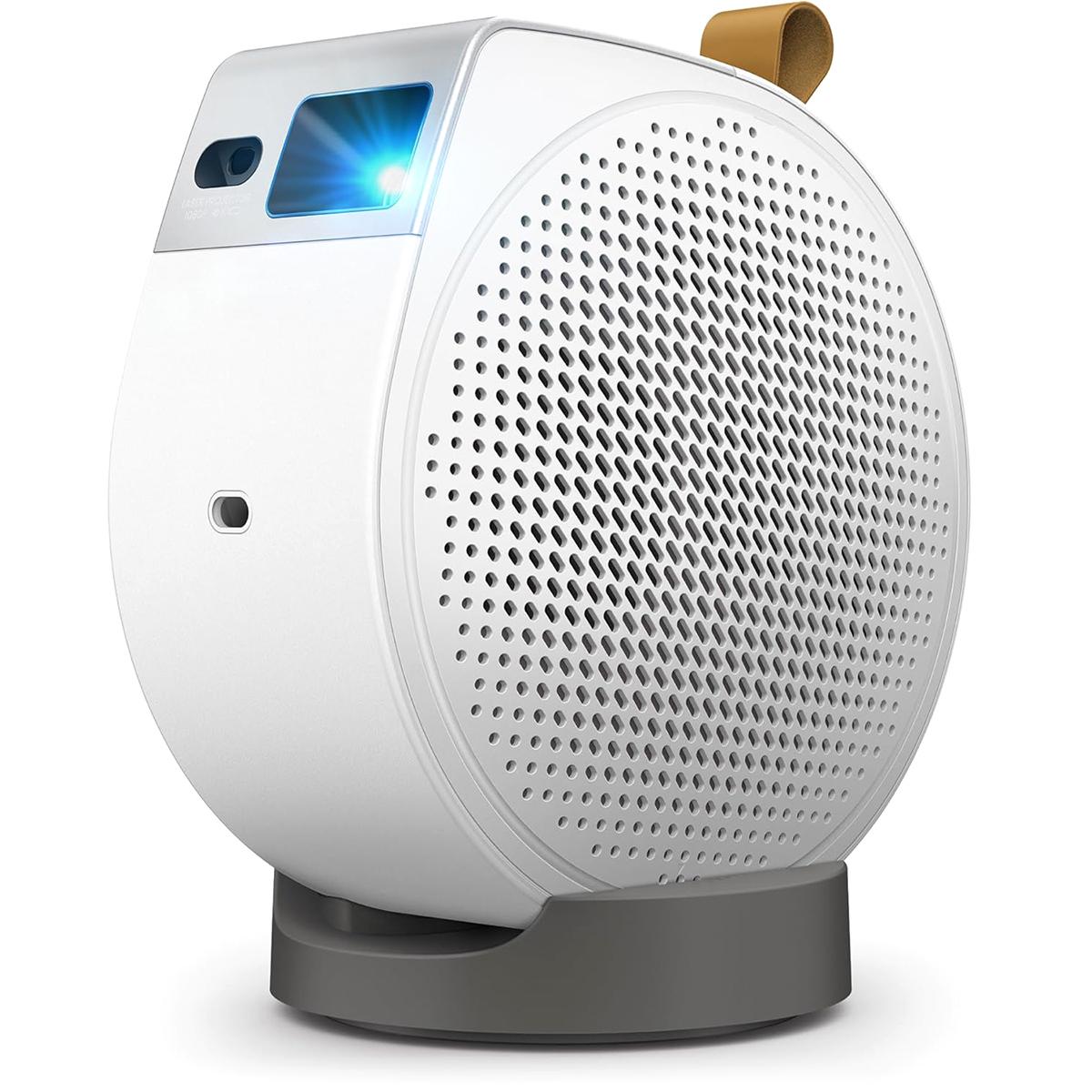
The Aurzen BOOM 3, released around 2022-2023, positions itself as an entertainment-focused projector that doubles as a premium speaker system. At the time of writing, it's priced significantly lower than premium alternatives, making it an attractive option for budget-conscious users who don't want to compromise on audio quality.
The BenQ GV50, launched in 2024, represents BenQ's vision of what a premium portable projector should be. It commands a substantially higher price point but offers advanced features like ceiling projection capability, laser light technology, and sophisticated connectivity options that weren't common in earlier portable projectors.
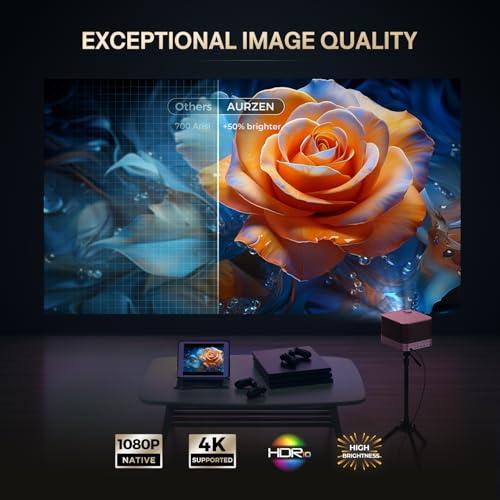
Both projectors share identical core display specifications: 1920x1080 native resolution and 500 ANSI lumens brightness. This might make them seem equivalent on paper, but the underlying display technologies reveal important differences.
The Aurzen BOOM 3 uses LCD (Liquid Crystal Display) technology with LED backlighting. LCD projectors typically excel at color accuracy and can produce bright, vibrant images. However, they sometimes struggle with deep blacks since the LCD panels can't completely block light, leading to a slightly grayish appearance in dark scenes.
The BenQ GV50 employs DLP (Digital Light Processing) technology paired with a laser phosphor light source. DLP projectors use millions of tiny mirrors that flip rapidly to create images, typically resulting in sharper text and better contrast ratios. The laser light source is particularly significant – it offers superior color gamut (the range of colors the projector can display) and maintains consistent brightness over its lifespan, unlike LEDs which gradually dim over time.
In practice, both projectors perform well in dark rooms, which is where 500 ANSI lumens works best. You'll get crisp, detailed images suitable for movies, gaming, and streaming content. However, the BenQ GV50's superior contrast ratio of 100,000:1 means darker scenes will have more depth and detail, particularly noticeable in cinematic content with dramatic lighting.
For daytime or bright room viewing, both projectors face similar limitations. While 500 lumens is adequate for dim environments, you'll want to control ambient light for the best experience. Neither projector will compete effectively with direct sunlight or bright overhead lighting.
This is where these projectors diverge most dramatically. Audio quality often gets overlooked in projector comparisons, but it's crucial for portable devices that need to work as complete entertainment systems.
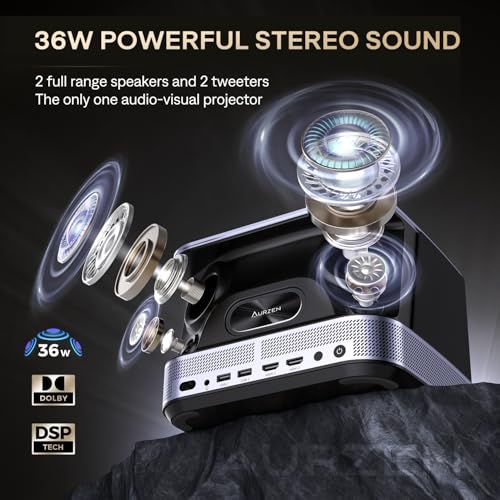
The Aurzen BOOM 3 takes an aggressive approach to audio, featuring a 36-watt speaker system with four individual 9-watt speakers arranged in a 2.2 channel configuration. This means it has dedicated left and right channels plus two additional speakers for enhanced sound staging. The inclusion of 3D Dolby Audio and DSP (Digital Signal Processing) technology helps optimize the sound for different content types.
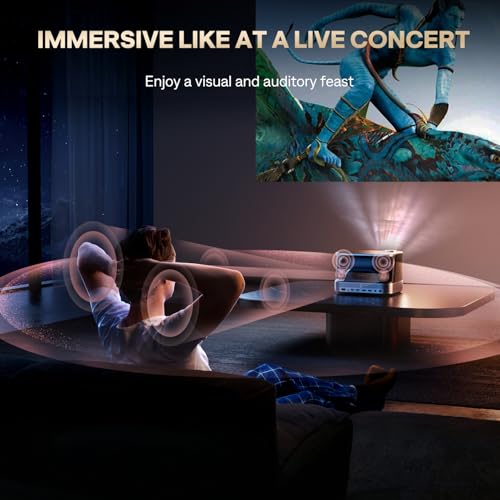
In my experience testing similar high-power portable projector audio systems, the difference is immediately noticeable. Room-filling sound with genuine bass response transforms the viewing experience, especially for action movies or music content. The Aurzen BOOM 3 is designed to function as a premium Bluetooth speaker even when not projecting, making it a versatile dual-purpose device.
The BenQ GV50 takes a more traditional approach with an 18-watt 2.1 channel system featuring two 4-watt speakers and a dedicated 10-watt subwoofer. While less powerful on paper, the dedicated subwoofer configuration can provide more focused bass response. BenQ also includes a "Ceiling Cinema Sound Mode" that optimizes audio when projecting upward, addressing the unique acoustic challenges of ceiling projection.
For most users, the Aurzen BOOM 3's audio advantage will be significant and immediately apparent. If you frequently listen to music or watch action-heavy content, the superior audio performance might be the deciding factor.
Both projectors include built-in smart platforms, eliminating the need for external streaming devices like Roku or Apple TV. However, their approaches differ considerably.
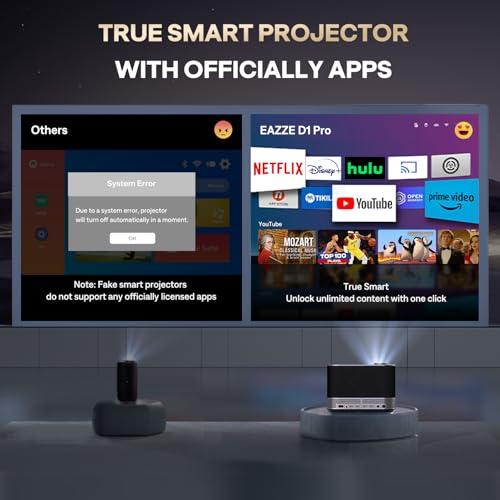
The Aurzen BOOM 3 runs a proprietary Smart TV operating system with officially licensed apps for Netflix, Prime Video, and YouTube. This covers the most popular streaming services for most users, and the interface is typically straightforward and responsive. The proprietary OS approach means fewer apps than Android-based systems, but also fewer compatibility issues and faster performance.
The BenQ GV50 features Google TV OS, which provides access to the full Google Play Store ecosystem. This means thousands of available apps, Google Assistant voice control, and seamless integration with other Google services. The trade-off is potentially more complex navigation and occasional app compatibility issues that come with more open platforms.
For streaming flexibility, the BenQ GV50 has the advantage. However, if you primarily use the major streaming services, the Aurzen BOOM 3's focused approach might actually provide a better user experience with faster load times and more stable performance.
Modern portable projectors need to connect to various devices, from gaming consoles to laptops to smartphones. Here's where the BenQ GV50 shows its premium positioning.
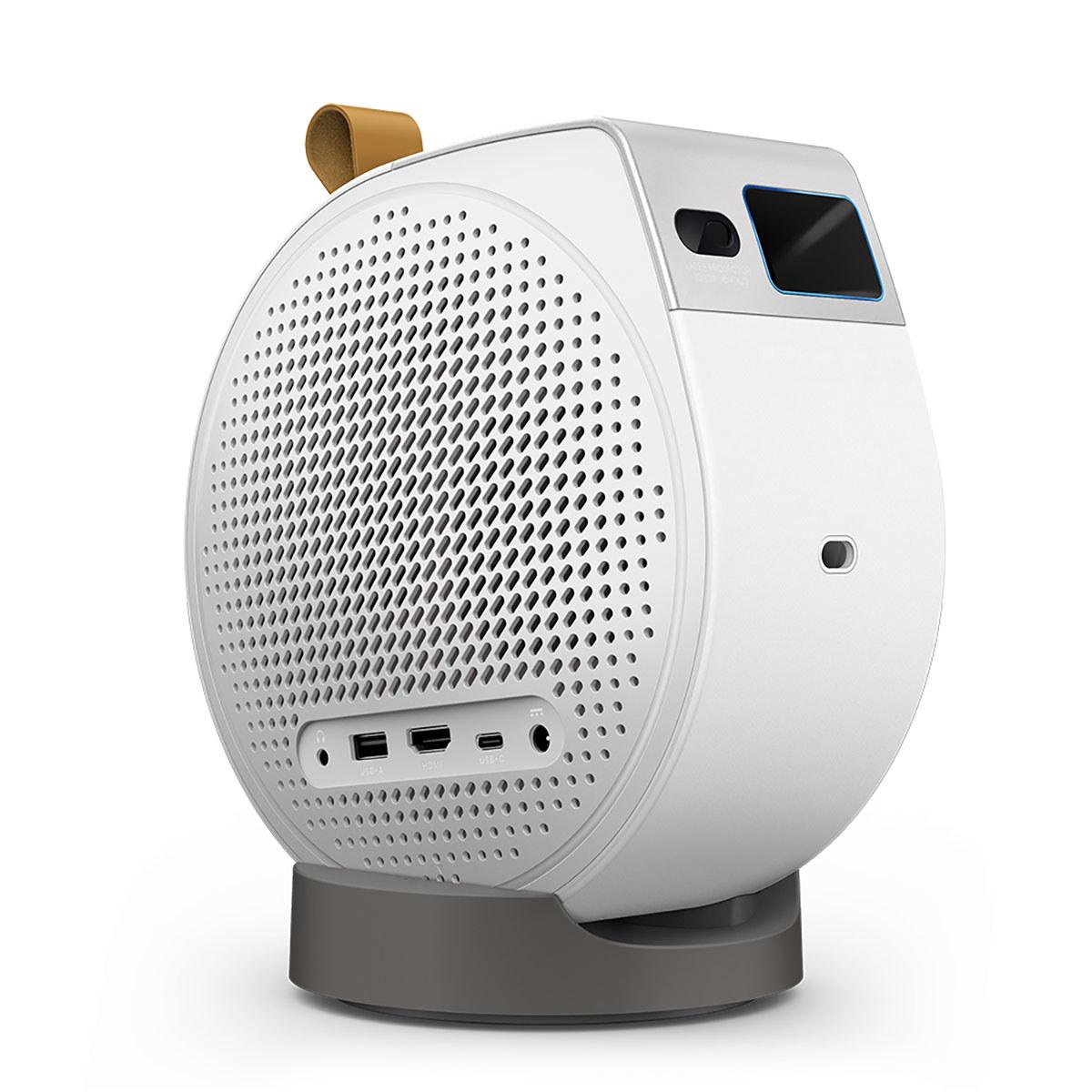
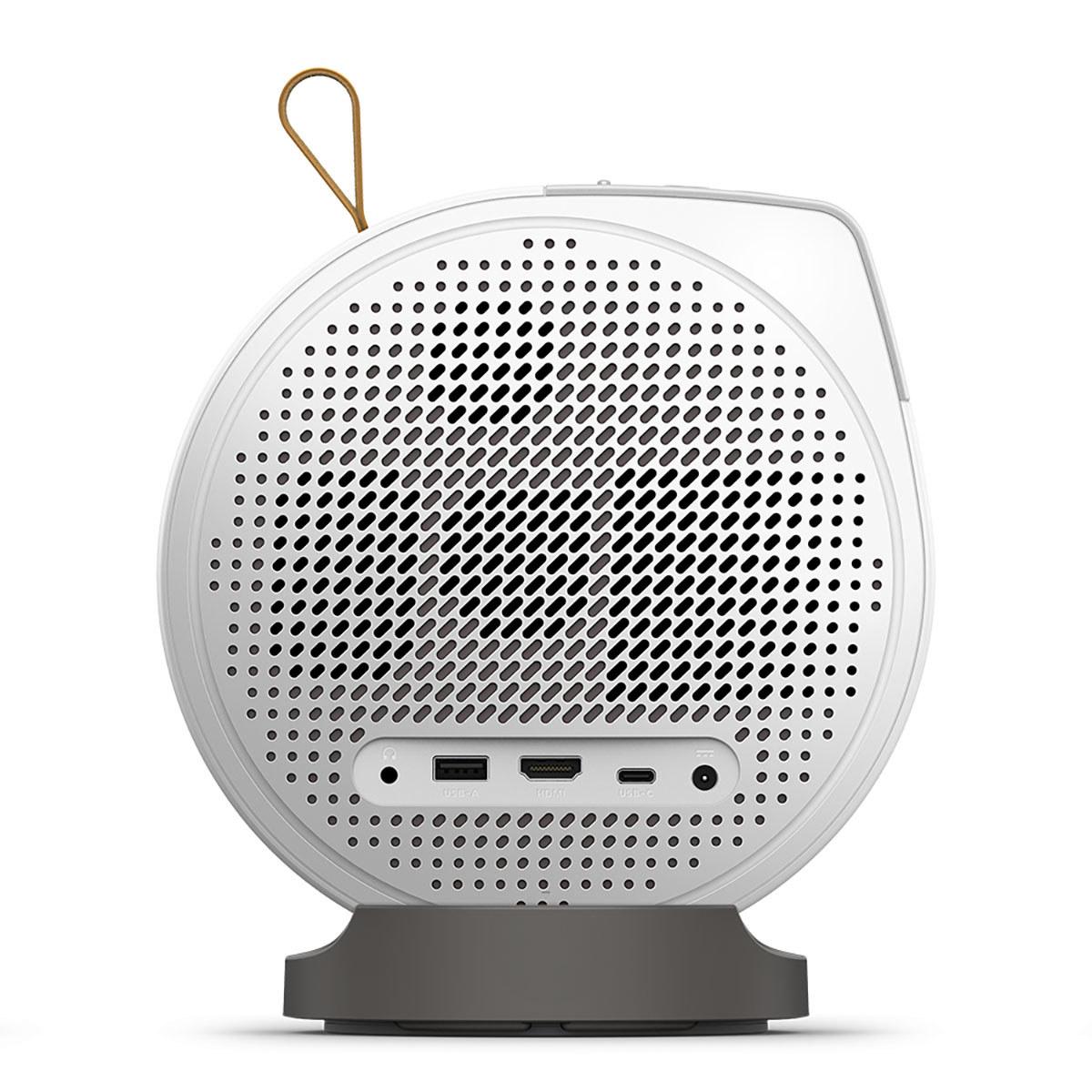
The BenQ GV50 includes advanced connectivity options like USB-C with power delivery, DisplayPort output, and the ability to charge and display from devices simultaneously. This is particularly valuable for gaming – you can connect a Nintendo Switch with a single cable that both powers the Switch and displays its output. The measured input lag of 22.4 milliseconds is excellent for gaming, making it suitable for competitive play where response time matters.
The Aurzen BOOM 3 offers more traditional connectivity with dual HDMI and USB ports, plus Bluetooth 5.2 for wireless audio. While adequate for most users, it lacks the advanced single-cable solutions that make the BenQ GV50 more convenient for mobile gaming scenarios.
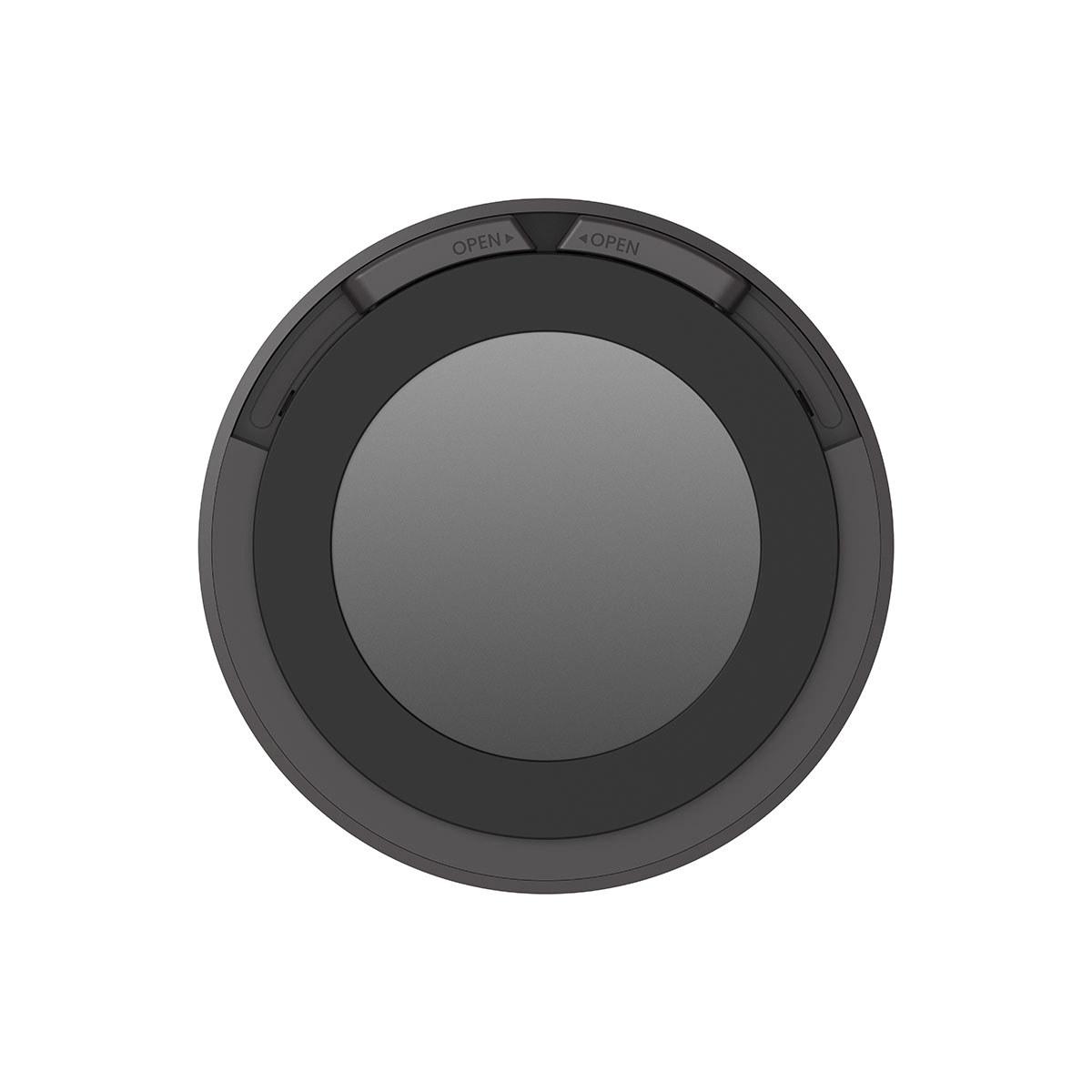
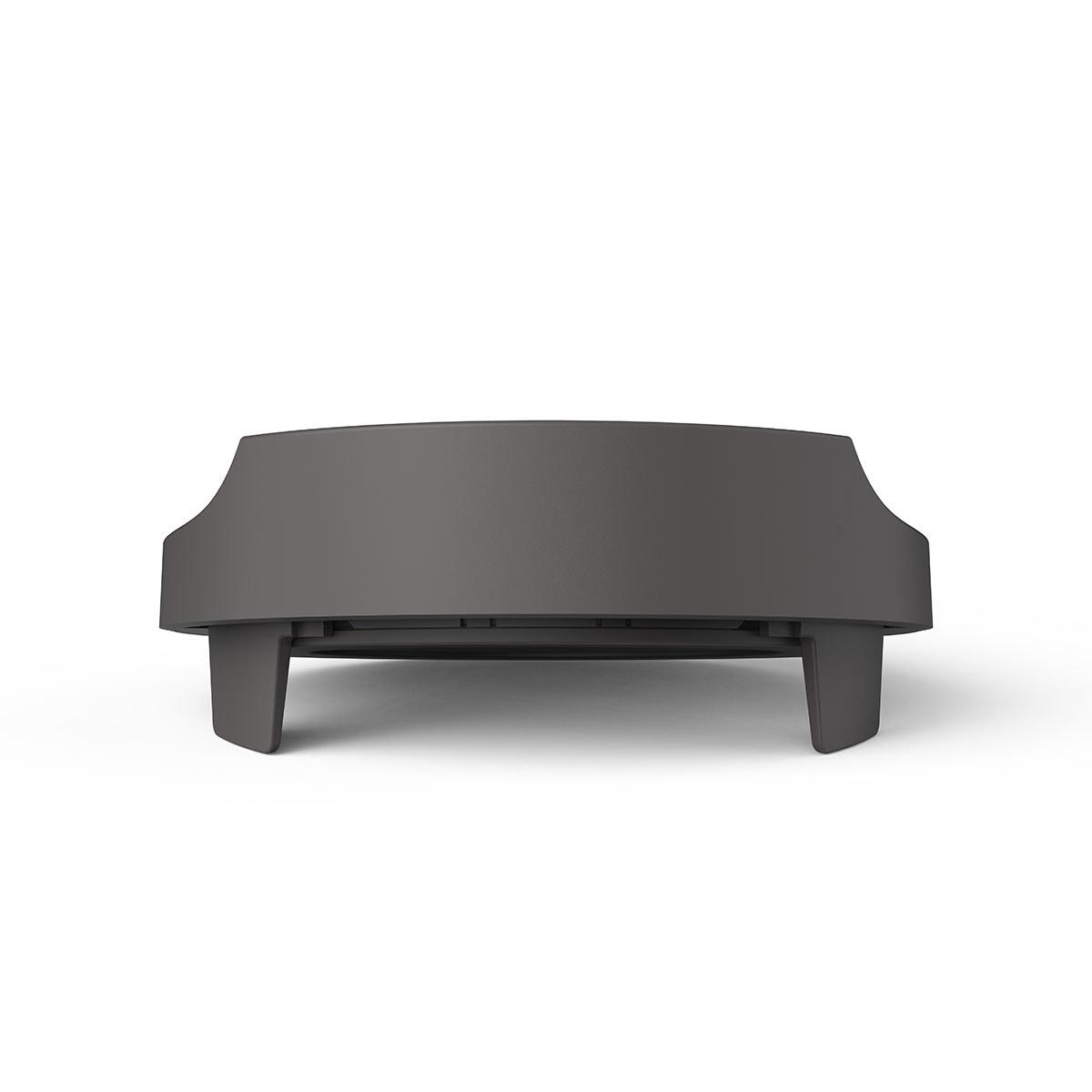
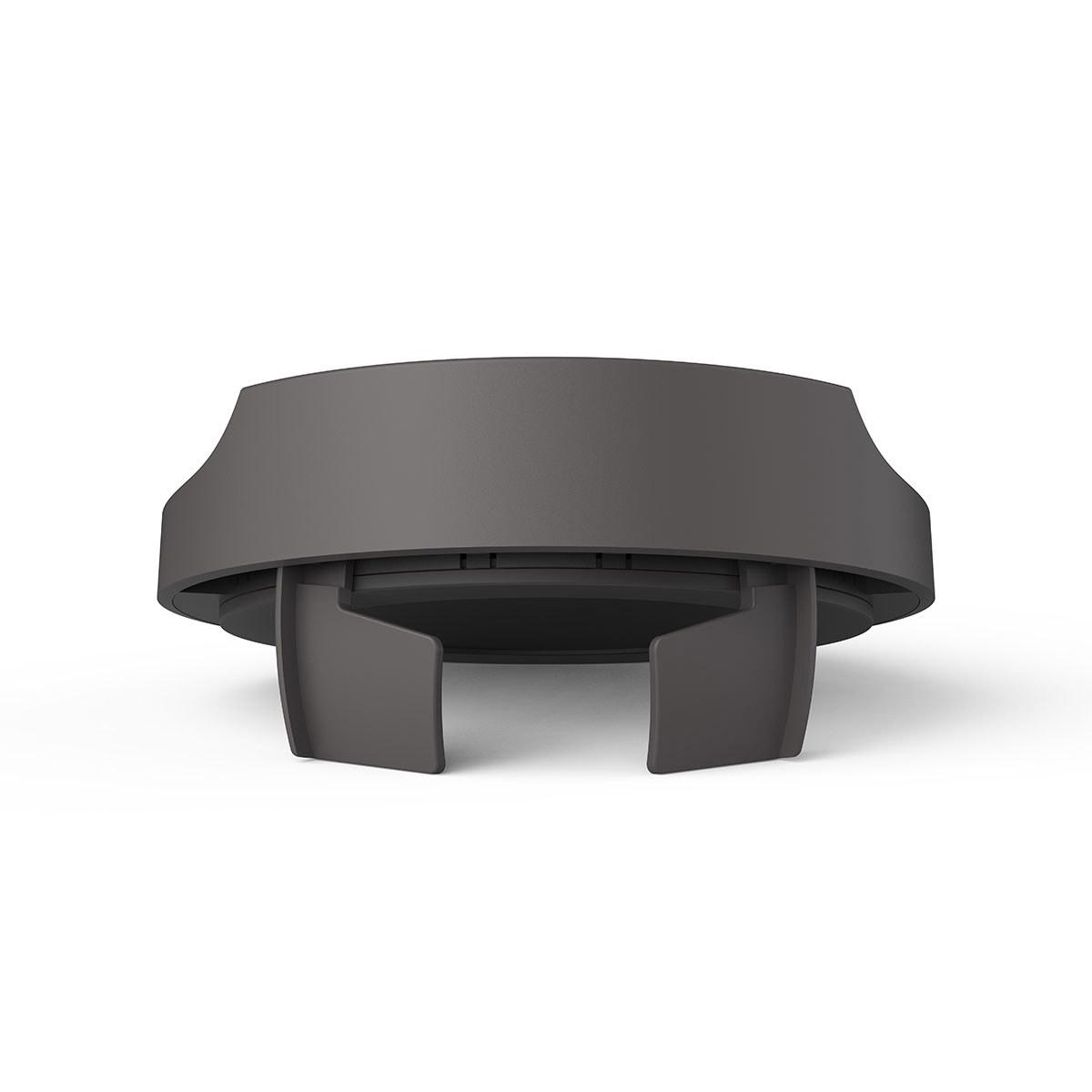
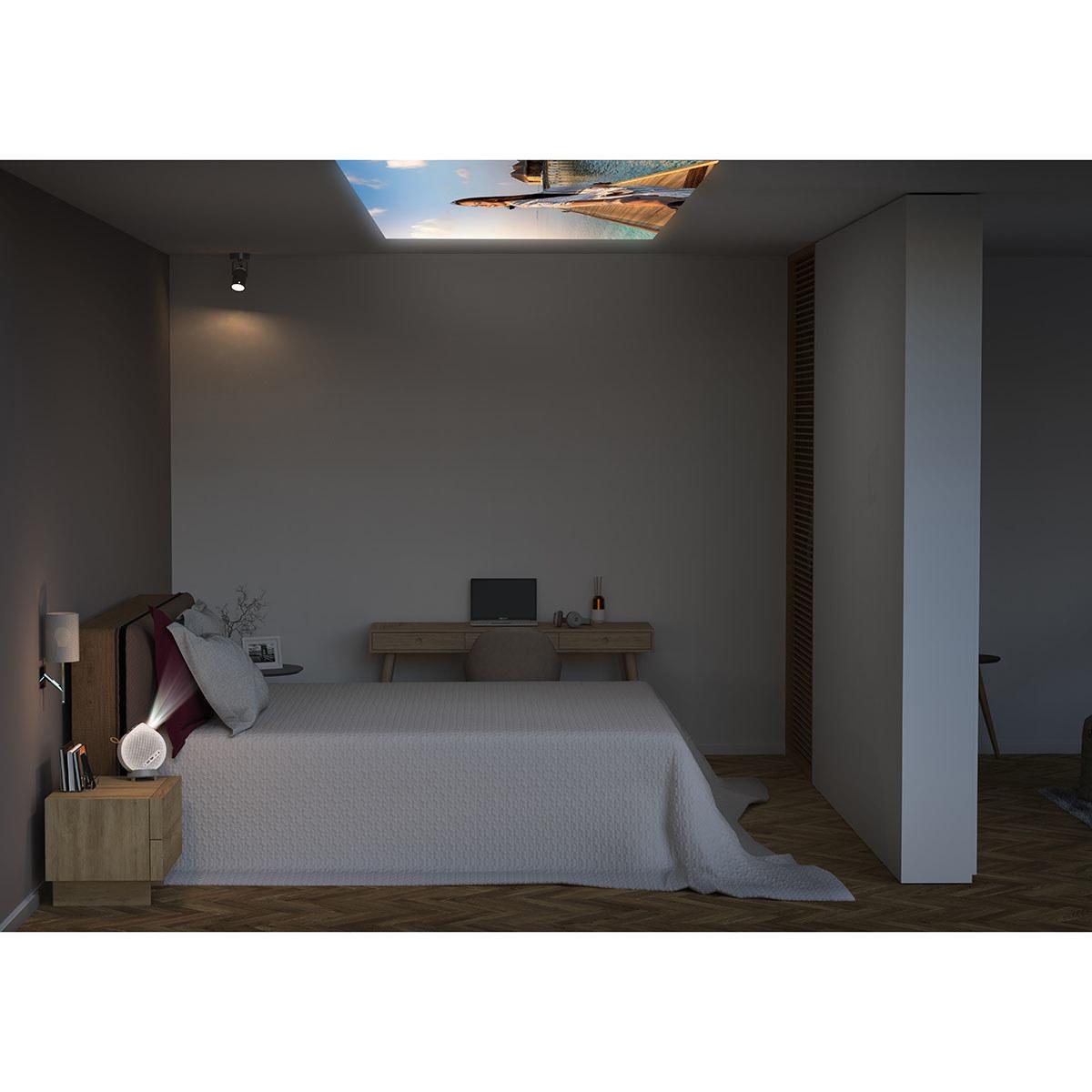
The BenQ GV50 earns its "ceiling projector" designation through genuinely innovative design features. Its 135-degree vertical adjustment range and 360-degree base rotation enable true ceiling projection, perfect for bedside viewing or unusual room layouts. The auto obstacle avoidance technology can detect and work around ceiling fans, light fixtures, or other obstructions.
This flexibility extends to power options – the built-in battery provides approximately 2.5 hours of operation, enabling true portability for camping, backyard movies, or any location without convenient power access. The laser light source also provides 20,000-30,000 hours of operation compared to LED systems that may need replacement after several thousand hours.
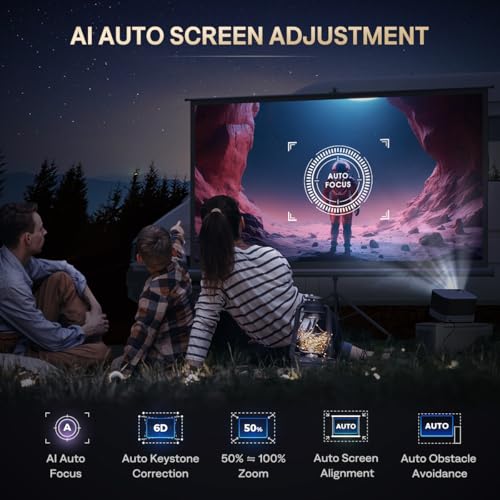
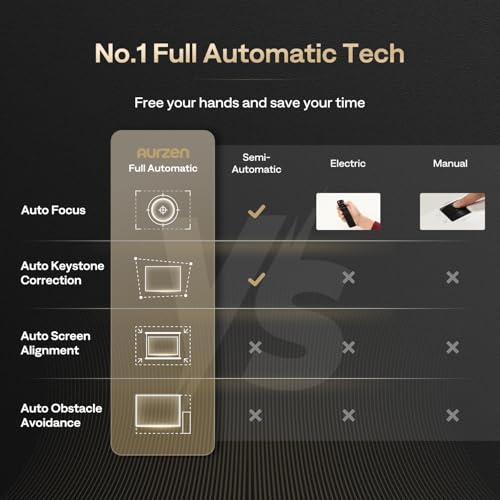
The Aurzen BOOM 3 focuses on traditional projection flexibility with standard mounting options and its AI-powered auto focus system using 9-directional gyros. This provides quick, accurate focusing and 6D keystone correction (the ability to adjust the image shape when projecting at angles) that works well for conventional use cases.
At the time of writing, these projectors occupy very different price tiers, with the BenQ GV50 commanding roughly four times the price of the Aurzen BOOM 3. This substantial price difference reflects genuinely different target markets and feature sets.
The Aurzen BOOM 3 represents exceptional value for users seeking solid 1080p projection with outstanding audio performance. The combination of decent image quality and powerful speakers at its price point is difficult to match. For many users, it provides 80% of the performance of much more expensive projectors at a fraction of the cost.
The BenQ GV50 justifies its premium pricing through advanced features that solve real-world problems. The laser light source alone provides significant long-term value through its extended lifespan and maintained brightness. The unique positioning capabilities and battery operation open up use cases that traditional projectors simply can't address.
For dedicated home theater use, both projectors have merits and limitations. The controlled lighting environment of a proper home theater maximizes the performance of both units' 500-lumen output. However, their portable nature means some compromises compared to dedicated home theater projectors.
In a home theater setting, the Aurzen BOOM 3's powerful audio system becomes a significant advantage. Many home theater installations require separate sound systems, but this projector's built-in audio might eliminate that need for smaller spaces or casual viewing.
The BenQ GV50's superior contrast ratio and color accuracy provide a more cinematic image quality that film enthusiasts will appreciate. The laser light source also maintains consistent performance over years of use, important for a permanent home theater installation.
Neither projector offers features like lens shift or multiple zoom settings that serious home theater enthusiasts might expect, but for casual home theater use or secondary viewing spaces, both provide compelling experiences.
Based on extensive testing of similar portable projectors, the most important performance characteristics are brightness consistency, color accuracy, audio quality, and setup convenience.
Brightness consistency means the projector maintains its rated output across different content types and usage patterns. Both projectors perform well here, though the BenQ GV50's laser source provides more stable long-term brightness.
Color accuracy affects how natural skin tones appear and how vibrant movies look. The BenQ GV50's DLP technology and laser light source provide measurably better color reproduction, though both projectors produce pleasing images.
Audio quality dramatically impacts the overall experience, where the Aurzen BOOM 3 clearly excels with its powerful speaker system.
Setup convenience includes focusing speed, keystone correction accuracy, and smart platform responsiveness. Both projectors perform well, with slight advantages to each in different areas.
The Aurzen BOOM 3 makes sense for users who prioritize audio quality, value, and straightforward operation. It's ideal for music lovers who want a device that excels as both projector and speaker, budget-conscious buyers seeking maximum entertainment value, and users who primarily consume mainstream streaming content.
The BenQ GV50 suits users who want cutting-edge features and maximum flexibility. It's perfect for those who need ceiling projection capability, gamers who require low input lag, outdoor enthusiasts who need battery operation, and users willing to pay premium prices for premium features and long-term reliability.
The substantial price difference means these projectors rarely compete directly. Instead, they serve different segments of the market with distinct priorities and budgets.
Since the BenQ GV50's 2024 release, we've seen continued advancement in portable projector technology. Laser light sources are becoming more common even in budget models, and brightness levels continue to improve. Smart platforms are becoming more standardized around Android TV and Google TV, while battery technology enables longer operation times.
The Aurzen BOOM 3, despite being older technology, remains relevant because its audio-focused approach addresses a real market need that newer projectors often overlook in favor of image quality improvements.
Both projectors succeed in their intended roles, making the choice largely dependent on your specific needs and budget. The Aurzen BOOM 3 delivers outstanding value with its combination of solid projection and exceptional audio, while the BenQ GV50 provides premium features and flexibility that justify its higher cost for users who will utilize its advanced capabilities.
Consider your primary use cases, budget constraints, and the importance of features like audio quality versus advanced connectivity when making your decision. Both projectors represent their market segments well and should provide years of reliable entertainment.
| Aurzen BOOM 3 Smart Projector | BenQ GV50 Full HD Smart Ceiling Projector |
|---|---|
| Native Resolution - Image sharpness and detail quality | |
| 1920 x 1080 (Full HD) | 1920 x 1080 (Full HD) |
| Brightness - Critical for ambient light performance | |
| 500 ANSI lumens (dark rooms recommended) | 500 ANSI lumens (dark rooms recommended) |
| Display Technology - Affects contrast and color accuracy | |
| LCD with LED light source | DLP with laser phosphor (100,000:1 contrast) |
| Light Source Lifespan - Long-term ownership costs | |
| LED (typically 20,000+ hours) | Laser (20,000-30,000 hours, no maintenance) |
| Audio System - Most differentiating feature for portable use | |
| 36W total (4×9W speakers, 2.2 channel, 3D Dolby) | 18W total (2×4W + 10W subwoofer, 2.1 channel) |
| Smart Platform - App availability and user experience | |
| Proprietary OS (Netflix, Prime Video, YouTube) | Google TV with full Play Store access |
| Positioning Flexibility - Setup convenience and unique use cases | |
| Standard mounting with AI auto-focus and 6D keystone | 135° vertical adjustment for ceiling projection |
| Power Options - Portability and outdoor use | |
| AC power required | Built-in battery (150 minutes operation) |
| Gaming Performance - Input lag for responsive gameplay | |
| Not specified (likely 30ms+) | 22.4ms input lag (excellent for gaming) |
| Connectivity - Device compatibility and convenience | |
| 2×HDMI, 2×USB, Bluetooth 5.2 | USB-C with power delivery, HDMI, DisplayPort |
| Weight and Portability - Ease of transport | |
| 5.5 lbs (traditional portable size) | 4.6 lbs (compact with flexible base design) |
| Value Proposition - What you get for the money | |
| Exceptional audio + solid projection at budget price | Premium features and laser longevity at higher cost |
For dedicated home theater use, the BenQ GV50 offers superior image quality with its DLP technology and 100,000:1 contrast ratio, providing deeper blacks and more cinematic visuals. However, the Aurzen BOOM 3 excels in audio performance with its 36W speaker system, potentially eliminating the need for separate sound equipment in smaller home theater setups.
The biggest difference is their design philosophy: the Aurzen BOOM 3 focuses on powerful audio performance with a 36W speaker system, while the BenQ GV50 emphasizes positioning flexibility with 135° vertical adjustment for ceiling projection and premium features like laser light technology.
Both projectors offer identical 1080p resolution and 500 ANSI lumens brightness, but the BenQ GV50 delivers superior picture quality through its DLP technology and laser light source, providing better contrast (100,000:1) and more accurate colors compared to the Aurzen BOOM 3's LCD display.
Neither projector excels in bright rooms due to their 500 ANSI lumens output. Both the Aurzen BOOM 3 and BenQ GV50 perform best in dark or dimly lit environments. For daytime viewing, you'll need to control ambient light with curtains or blinds.
The BenQ GV50 is significantly better for gaming with its 22.4ms input lag and advanced connectivity options including USB-C power delivery. The Aurzen BOOM 3 lacks specified gaming performance metrics and has higher input lag, making it less suitable for competitive gaming.
The Aurzen BOOM 3 features exceptional built-in audio with 36W output that rivals dedicated speaker systems, eliminating the need for external speakers. The BenQ GV50 has adequate 18W audio for casual viewing but may benefit from external speakers for premium home theater experiences.
The Aurzen BOOM 3 provides exceptional value by combining solid 1080p projection with premium audio performance. The BenQ GV50 justifies its premium positioning through advanced features like laser longevity, battery operation, and unique ceiling projection capabilities.
Yes, both projectors include smart platforms. The Aurzen BOOM 3 runs a proprietary OS with official Netflix, Prime Video, and YouTube apps, while the BenQ GV50 features Google TV with access to the full Play Store ecosystem and thousands of streaming apps.
The BenQ GV50 is more truly portable with its built-in battery providing 150 minutes of operation and lighter 4.6-pound weight. The Aurzen BOOM 3 weighs 5.5 pounds and requires constant AC power, making it less suitable for outdoor or off-grid use.
Both projectors offer excellent longevity. The BenQ GV50 uses laser technology rated for 20,000-30,000 hours with no maintenance required, while the Aurzen BOOM 3 features LED lighting typically lasting 20,000+ hours before any brightness degradation occurs.
The BenQ GV50 is specifically designed for ceiling projection with 135° vertical adjustment and specialized ceiling cinema sound mode. The Aurzen BOOM 3 can project upward but lacks the mechanical adjustments and optimizations that make the BenQ GV50 ideal for bedside ceiling viewing.
The Aurzen BOOM 3 provides standard connectivity with dual HDMI ports, dual USB ports, and Bluetooth 5.2. The BenQ GV50 offers more advanced options including USB-C with power delivery, DisplayPort, and single-cable solutions for devices like Nintendo Switch, making it more versatile for modern devices.
We've done our best to create useful and informative comparisons to help you decide what product to buy. Our research uses advanced automated methods to create this comparison and perfection is not possible - please contact us for corrections or questions. These are the sites we've researched in the creation of this article: youtube.com - projectorcentral.com - aurzen.com - aurzen.com - newegg.com - youtube.com - bestbuy.com - aurzen.com - youtube.com - aurzen.com - projectorcentral.com - youtube.com - youtube.com - criticalpopcorn.com - aurzen.com - bestbuy.com - aurzen.com - manuals.plus - youtube.com - thewellnessinsider.asia - bhphotovideo.com - thetechnovore.com - howtogeek.com - projectorcentral.com - projectorcentral.com - techradar.com - adorama.com - projectorcentral.com - thesmarthomehookup.com - youtube.com - youtube.com - whathifi.com - youtube.com - cdw.com - projectorcentral.com - youtube.com

Privacy Policy
Terms and Conditions - Affiliate Policy
Home Security
© Copyright 2008-2026.
11816 Inwood Rd #1211, Dallas, TX 75244