

If you're considering jumping into the world of smart projectors, you've probably noticed there's a massive range of options available. From ultra-budget models that cost less than a decent TV to premium units that rival high-end home theater setups, the smart projector category has exploded in recent years. Today, we're diving deep into two projectors that represent completely different approaches to the same goal: bringing big-screen entertainment to your home.
The HAPPRUN Google TV Smart Projector and JMGO N1S Pro 4K couldn't be more different in terms of price and performance, yet both aim to deliver that cinematic experience we all crave. One takes the budget-friendly route with solid basics, while the other pushes the boundaries of what a portable projector can do. Understanding these differences will help you figure out which approach makes more sense for your specific situation.
Smart projectors have fundamentally changed how we think about home entertainment. Unlike traditional projectors that required external streaming devices or computers, these units pack everything you need into one box. They connect directly to your WiFi, run streaming apps like Netflix and YouTube, and often include decent built-in speakers.
The key considerations when shopping for any smart projector boil down to a few critical factors. Resolution determines how sharp and detailed your image will look – think of it as the difference between looking at a photo on an old phone versus a modern smartphone. Brightness, measured in ANSI lumens, controls how well the image shows up in different lighting conditions. A brighter projector means you're not stuck watching movies in a cave-dark room.
The light source technology affects everything from color accuracy to how long the projector will last. Traditional lamp-based projectors need expensive bulb replacements every few years, while LED and laser projectors can run for decades without maintenance. Smart features determine how easy it is to access your favorite content, while setup convenience affects whether you'll actually enjoy using the thing or get frustrated trying to get a straight, focused image.
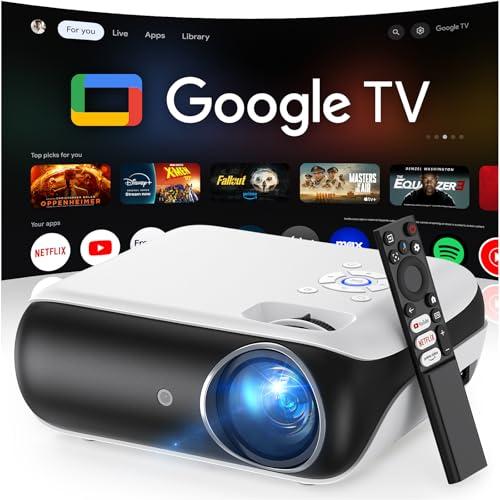
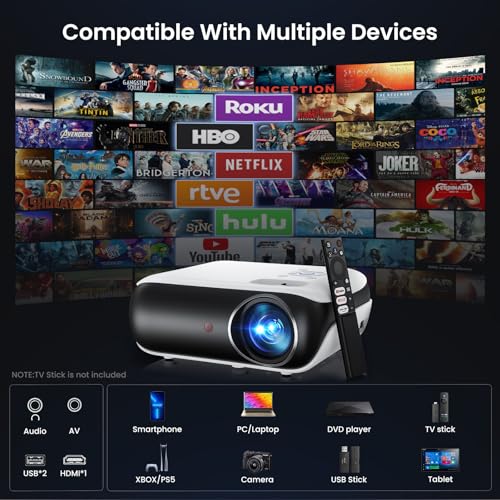
The HAPPRUN Google TV Smart Projector, released in recent years as part of the budget smart projector boom, represents what you can get when manufacturers focus on delivering essential features at an accessible price point. It offers native 1080p resolution (meaning it actually displays 1,920 by 1,080 pixels), 350 ANSI lumens of brightness, and full Google TV integration with official Netflix support – something that's surprisingly rare in budget projectors.
On the other end of the spectrum, the JMGO N1S Pro 4K launched in 2024 with technology that would have been unimaginable in portable projectors just a few years ago. This unit packs true 4K resolution (3,840 by 2,160 pixels – four times more detail than 1080p), a whopping 2,400 ANSI lumens of brightness, and an innovative gimbal design that lets you project onto walls, ceilings, or anywhere else you can imagine.
The resolution difference between these projectors is probably the most obvious spec gap, but understanding what it means in real-world use is crucial. The HAPPRUN delivers native 1080p, which provides sharp, clear images that look great for movies, TV shows, and casual content. While it can accept 4K input signals, it downscales them to its native 1080p resolution – you're not getting any extra detail from 4K content.
The JMGO N1S Pro, with its true 4K resolution, shows approximately four times more detail. This becomes particularly noticeable when you're sitting closer to the screen or projecting larger images. Text appears crisp and readable, fine textures in movies become visible, and the overall image has a more refined, premium feel. The difference is similar to upgrading from a 1080p TV to a 4K TV, but magnified across a much larger screen.
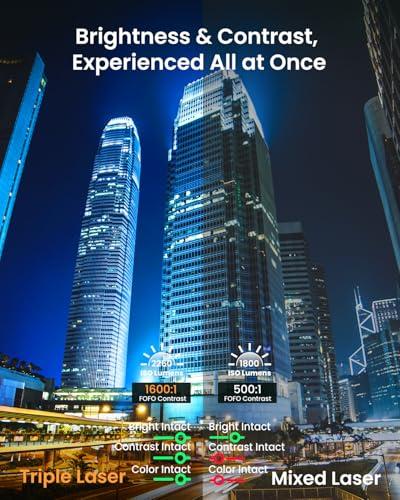
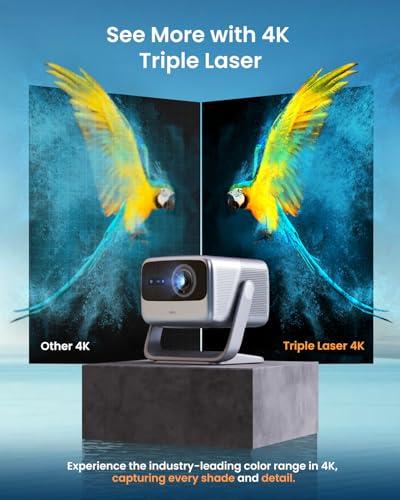
Beyond raw pixel count, the JMGO uses what's called MALC 2.0 triple RGB laser technology – essentially three separate lasers (red, green, and blue) that combine to create the image. This eliminates the "rainbow effect" that some people notice with single-chip DLP projectors, where you might briefly see red, green, and blue flashes as your eyes move across bright objects. The triple laser setup also enables an exceptionally wide color gamut, covering 110% of the BT.2020 color space. In practical terms, this means colors appear more vivid and saturated than what most displays can produce.
The HAPPRUN uses a more traditional LED light source with a color wheel system. While this keeps costs down and provides decent color reproduction for entertainment content, it can't match the color richness and accuracy of the laser system. For most casual viewing, the difference isn't dramatic, but side-by-side comparisons reveal the JMGO produces more lifelike skin tones and more vibrant outdoor scenes.
Here's where these projectors diverge most dramatically. The HAPPRUN outputs 350 ANSI lumens, which requires a genuinely dark room for optimal viewing. Any ambient light – even light bleeding in from other rooms – will wash out the image and make colors appear flat and washed out. This isn't necessarily a dealbreaker if you're planning dedicated movie nights, but it severely limits when and where you can use the projector.
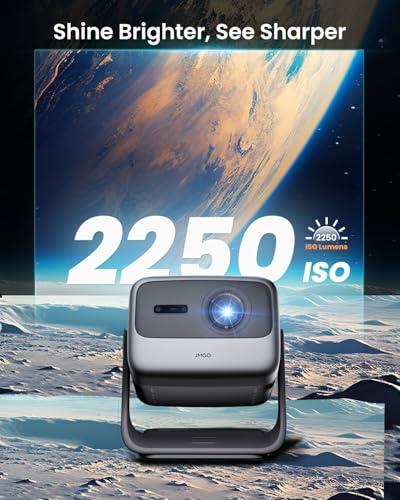
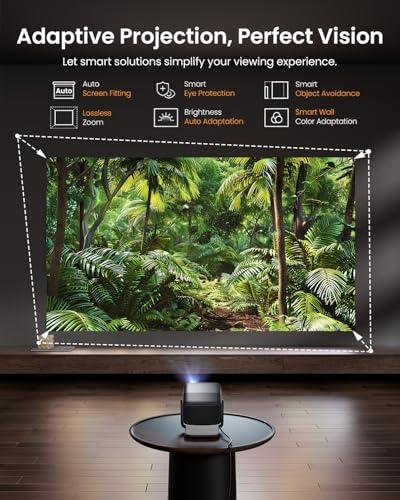
The JMGO N1S Pro produces 2,400 ANSI lumens – nearly seven times brighter. This massive difference transforms the viewing experience. You can watch content in living rooms with normal lighting, handle some daytime viewing scenarios, and maintain good color saturation even with ambient light present. The projector includes automatic brightness adjustment that reads your room conditions and optimizes the image accordingly.
From our research into user experiences and expert reviews, the brightness difference represents the single most important practical consideration between these units. The HAPPRUN essentially locks you into dark-room viewing, while the JMGO offers the flexibility to integrate projection into normal daily life rather than treating it as a special occasion setup.
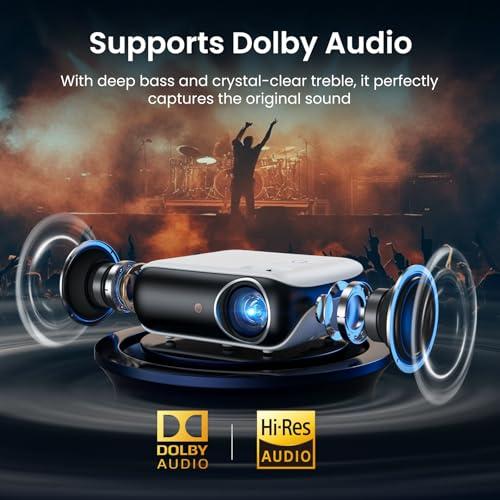
Both projectors recognize that great visuals need decent audio, but they approach this challenge differently. The HAPPRUN includes an 8W digital speaker system with Dolby 3D stereo processing. For a budget projector, the audio is surprisingly adequate – clear dialogue and enough volume for small to medium rooms. However, don't expect deep bass or immersive surround sound effects.
The JMGO N1S Pro steps up significantly with a 20W stereo speaker system featuring Dolby Digital Plus processing. User reviews consistently praise the audio quality, with many noting the "punchy bass, clear dialogue, and good directional sound." The audio system is designed with side-firing speakers that create a wider soundstage than typical front-facing projector speakers.
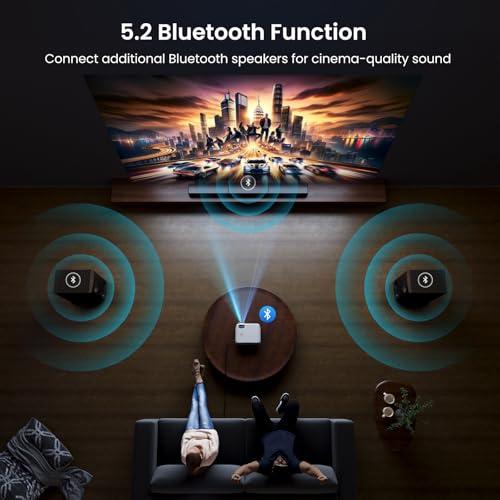
More importantly, the JMGO includes an HDMI eARC (enhanced Audio Return Channel) port, which allows seamless integration with external soundbars or home theater systems. This means you can start with the built-in speakers and upgrade your audio setup later without complicated wiring or additional devices.
Traditional projectors require careful placement, manual focus adjustment, and often frustrating keystone correction to get a properly shaped image. The HAPPRUN follows this conventional approach with manual adjustments and standard mounting options. While it's compact and portable, setting up the perfect image requires time and patience.
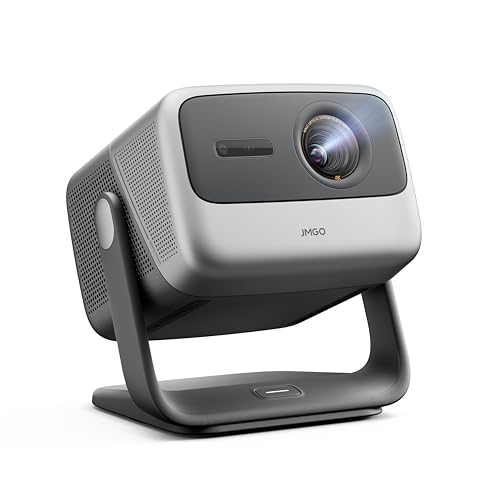
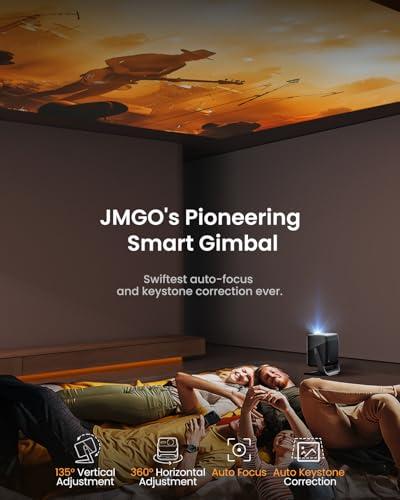
The JMGO N1S Pro introduces something genuinely revolutionary with its gimbal design. The projector head can rotate 135 degrees vertically and 360 degrees horizontally, all controlled electronically. Combined with instant autofocus, automatic keystone correction, and smart object avoidance, this system can project a perfect image onto walls, ceilings, or screens within minutes of setup.
This isn't just a convenience feature – it fundamentally changes how you use a projector. Want to watch a movie on the bedroom ceiling? The gimbal rotates up and automatically adjusts. Need to project onto a side wall for a presentation? The system handles the geometry correction automatically. The JMGO even includes smart eye protection that dims or shuts off the laser if someone walks in front of the beam.
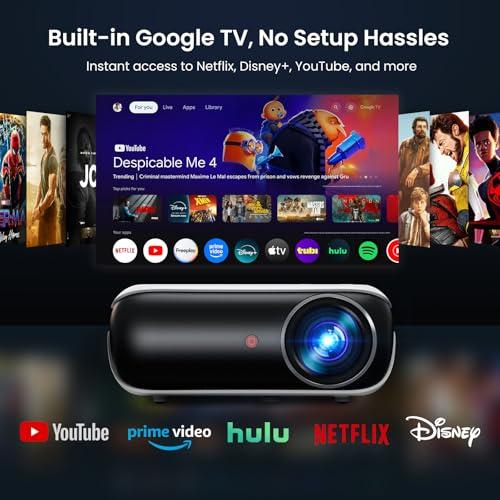
Both projectors run Google TV, which provides access to major streaming platforms including Netflix, YouTube, Disney+, and thousands of other apps. The HAPPRUN deserves credit for including official Netflix licensing at its price point – many budget projectors lack this certification and require workarounds to access Netflix content.
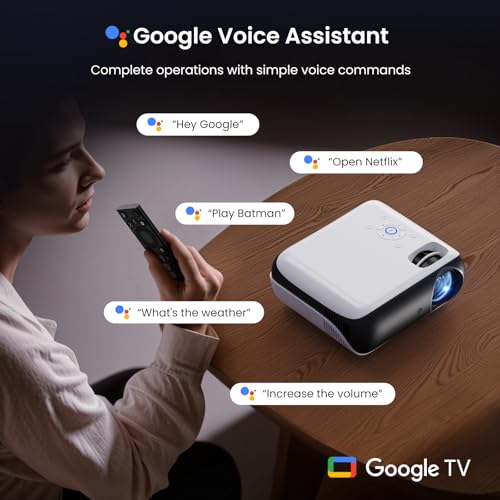
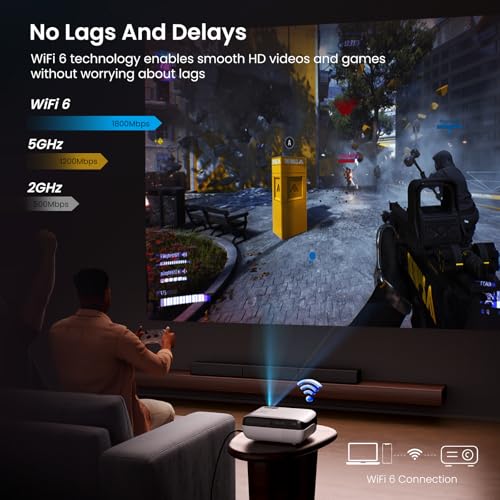
The JMGO includes more robust connectivity with dual HDMI 2.1 ports (supporting the latest gaming consoles and high-bandwidth devices), WiFi 6 for faster streaming, and more responsive smart TV performance thanks to better internal processing power. Both units support voice control via Google Assistant and casting from smartphones or tablets.
For gaming enthusiasts, the differences become more pronounced. The HAPPRUN can certainly handle casual gaming, but the 1080p resolution and limited brightness make it less ideal for detailed games or competitive play. Input lag is reasonable for the price point, but don't expect the responsiveness of dedicated gaming displays.
The JMGO N1S Pro offers true 4K gaming compatibility with HDMI 2.1 support, making it suitable for PlayStation 5 or Xbox Series X gaming. The higher brightness maintains color accuracy even in moderately lit gaming spaces, and the larger, sharper image can actually provide competitive advantages in some game types.
The HAPPRUN works best as a secondary display for occasional movie nights or outdoor entertainment. Its portability makes it excellent for camping trips, backyard movie nights, or temporary setups in guest rooms. However, the dark room requirement means it can't realistically replace a living room TV for daily use.
The JMGO N1S Pro represents a genuine TV replacement option for many households. The brightness and smart features allow it to function as a primary display, while the gimbal design enables flexible placement in living rooms, bedrooms, or dedicated theater spaces. The larger image size (up to 180 inches) creates a truly cinematic experience that no traditional TV can match.
The projector market has evolved rapidly since 2020, with laser technology becoming more affordable and smart features becoming standard rather than premium additions. The HAPPRUN represents the current state of budget smart projectors – decent image quality and full smart features at accessible prices.
The JMGO N1S Pro, launching in 2024, showcases where premium portable projectors are heading. The gimbal design, triple laser technology, and automated setup features represent genuine innovations rather than incremental improvements. As laser costs continue to fall, we expect these premium features to gradually work their way down to more affordable models.
At the time of writing, the HAPPRUN costs roughly one-fourth to one-fifth the price of the JMGO N1S Pro. This dramatic price difference means the value calculation depends entirely on your intended use and viewing environment.
The HAPPRUN delivers exceptional value if you're looking for occasional big-screen entertainment in controlled lighting conditions. For movie nights, outdoor viewing, or secondary display use, it provides the core smart projector experience without premium pricing. However, the dark room requirement significantly limits its versatility.
The JMGO N1S Pro justifies its premium pricing through daily usability and room flexibility. If you're considering projection as a primary viewing solution or want the convenience of using it in normal lighting conditions, the additional cost pays dividends in practical flexibility and image quality.
Choose the HAPPRUN Google TV Smart Projector if you're dipping your toes into projection, have strict budget constraints, or specifically need maximum portability. It's ideal for people with dedicated dark spaces for viewing, those seeking occasional entertainment rather than daily use, or anyone who wants smart projection features without the premium investment.
The JMGO N1S Pro 4K makes sense for serious home theater enthusiasts, families replacing a living room TV with projection, or anyone who values convenience and setup flexibility. The gimbal design alone justifies consideration if you plan to move the projector between rooms or projection surfaces regularly.
From our analysis of user feedback and expert reviews, the brightness difference emerges as the most critical decision factor. If you can guarantee dark room viewing conditions, the HAPPRUN provides excellent entertainment value. If you need flexibility to use projection in various lighting conditions throughout your home, the JMGO becomes almost essential despite the cost premium.
The projector market continues evolving rapidly, with new models and improved technology appearing regularly. However, these two units represent distinctly different approaches to smart projection that will likely persist – budget-focused essentials versus premium convenience and performance. Understanding which approach aligns with your specific needs will guide you toward the right investment for your home entertainment setup.
| HAPPRUN Google TV Smart Projector | JMGO N1S Pro 4K Projector |
|---|---|
| Native Resolution - Determines image sharpness and detail quality | |
| 1080p (1920x1080) with 4K decoding support | True 4K UHD (3840x2160) - 4x more detail |
| Brightness - Critical for room lighting flexibility | |
| 350 ANSI lumens (dark room required) | 2,400 ANSI lumens (usable in ambient light) |
| Light Source Technology - Affects color quality and lifespan | |
| LED with color wheel (20,000 hour life) | Triple RGB laser (30,000 hour life, no rainbow effect) |
| Color Gamut - Impact on color vibrancy and accuracy | |
| Standard color reproduction | 110% BT.2020 wide color gamut (exceptional vibrancy) |
| Contrast Ratio - Affects black levels and image depth | |
| 20,000:1 dynamic contrast | 1,600:1 native contrast with deeper blacks |
| Projection Size Range - Maximum screen size capability | |
| 40-200 inches (optimal at 80-120 inches) | 85-180 inches (optimal at 100-150 inches) |
| Setup and Positioning - Convenience and flexibility | |
| Manual adjustments, standard mounting options | Motorized gimbal (135°/360°), instant autofocus, auto keystone |
| Audio System - Built-in speaker quality | |
| 8W digital speaker with Dolby 3D stereo | 20W stereo speakers with Dolby Digital Plus, superior bass |
| Smart Platform - Streaming app access and performance | |
| Google TV with official Netflix licensing | Google TV with enhanced performance and faster interface |
| Connectivity Options - Device compatibility | |
| 1 HDMI, 2 USB, AV, WiFi 5, Bluetooth 5.2 | 2 HDMI 2.1 (eARC), USB, WiFi 6, Bluetooth 5.2 |
| Portability - Size and weight considerations | |
| Compact and lightweight, highly portable | Larger but still portable, premium build quality |
| HDR Support - Enhanced contrast and color range | |
| HDR10+ support | HDR10 support with 10-bit color processing |
| Gaming Compatibility - Performance for console gaming | |
| Basic 1080p gaming support | True 4K gaming with HDMI 2.1, low input lag |
| Throw Ratio - Distance needed for projection | |
| Standard throw (flexible placement) | 1.2:1 throw ratio (specific distance requirements) |
| Unique Features - Standout capabilities | |
| Budget-friendly with full smart features | Gimbal design, smart eye protection, auto room adaptation |
The JMGO N1S Pro 4K is significantly better for dedicated home theater setups. Its true 4K resolution, 2,400 ANSI lumens brightness, and triple RGB laser technology deliver cinema-quality visuals that can replace a traditional TV. The HAPPRUN Google TV Smart Projector works well for occasional movie nights but requires a completely dark room and provides only 1080p resolution.
The biggest difference is brightness and resolution. The JMGO N1S Pro 4K produces 2,400 ANSI lumens and true 4K resolution, while the HAPPRUN Google TV Smart Projector offers 350 ANSI lumens and 1080p resolution. This means the JMGO can be used in normal lighting conditions, while the HAPPRUN requires a dark room for optimal viewing.
Yes, both the HAPPRUN Google TV Smart Projector and JMGO N1S Pro 4K run Google TV with official Netflix licensing. They provide direct access to Netflix, YouTube, Disney+, Prime Video, and thousands of other streaming apps without needing external devices.
The HAPPRUN Google TV Smart Projector is more portable due to its smaller size and lighter weight. However, the JMGO N1S Pro 4K offers easier setup with its motorized gimbal design, instant autofocus, and automatic keystone correction. The JMGO can project onto walls or ceilings with minimal manual adjustment.
Both projectors support gaming, but the JMGO N1S Pro 4K is better suited for serious gaming. It offers true 4K resolution, HDMI 2.1 ports for next-gen consoles, and low input lag. The HAPPRUN Google TV Smart Projector handles casual gaming adequately but is limited to 1080p resolution.
The JMGO N1S Pro 4K produces 2,400 ANSI lumens, making it usable in rooms with ambient light and some daytime viewing scenarios. The HAPPRUN Google TV Smart Projector at 350 ANSI lumens requires a dark room and isn't suitable for daytime use or bright environments.
The JMGO N1S Pro 4K has superior audio with 20W stereo speakers featuring Dolby Digital Plus and punchy bass response. The HAPPRUN Google TV Smart Projector includes 8W speakers with Dolby 3D stereo, which are adequate for casual viewing but may require external speakers for immersive sound.
The JMGO N1S Pro 4K displays four times more detail than the HAPPRUN Google TV Smart Projector. This translates to sharper text, finer textures, and more detailed images, especially noticeable on larger screen sizes. The 1080p resolution of the HAPPRUN is suitable for movies and TV but lacks the crispness of true 4K.
Both projectors use long-lasting light sources. The HAPPRUN Google TV Smart Projector uses LED technology with approximately 20,000 hours of life. The JMGO N1S Pro 4K employs triple RGB lasers rated for 30,000 hours, eliminating the need for bulb replacements during the projector's lifetime.
The HAPPRUN Google TV Smart Projector provides excellent value for budget-conscious buyers who can accommodate dark-room viewing. The JMGO N1S Pro 4K offers premium value for users wanting 4K quality, room flexibility, and advanced features. Your choice depends on whether you prioritize low cost or high performance.
The JMGO N1S Pro 4K can realistically replace a living room TV due to its high brightness, 4K resolution, and smart features that work in normal lighting. The HAPPRUN Google TV Smart Projector works better as a secondary display for dedicated movie watching rather than daily TV replacement due to its dark-room requirement.
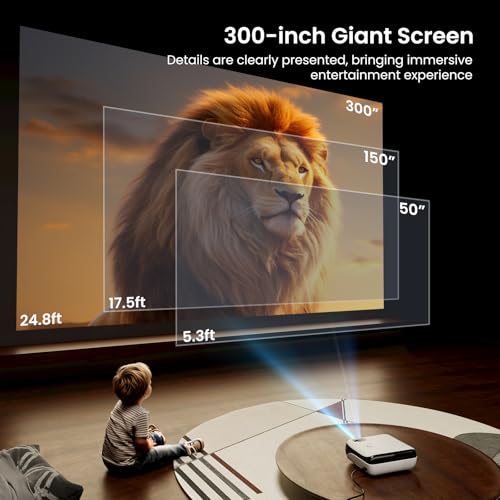
The HAPPRUN Google TV Smart Projector projects images from 40-200 inches, while the JMGO N1S Pro 4K handles 85-180 inches. Both can create massive screen sizes that dwarf traditional TVs, with optimal viewing typically around 100-150 inches depending on room size and viewing distance.
We've done our best to create useful and informative comparisons to help you decide what product to buy. Our research uses advanced automated methods to create this comparison and perfection is not possible - please contact us for corrections or questions. These are the sites we've researched in the creation of this article: youtube.com - topvisiontec.com - youtube.com - happrunprojector.com - youtube.com - happrunprojector.com - youtube.com - business.walmart.com - youtube.com - walmart.com - cordcuttersnews.com - nexpow.com - techradar.com - projectorcentral.com - gray9.in - projectorreviews.com - howtogeek.com - the-gadgeteer.com - projectorcentral.com - global.jmgo.com - global.jmgo.com - cnet.com - cnet.com - youtube.com - global.jmgo.com - avsforum.com - youtube.com - youtube.com

Privacy Policy
Terms and Conditions - Affiliate Policy
Home Security
© Copyright 2008-2026.
11816 Inwood Rd #1211, Dallas, TX 75244