


The projector market has transformed dramatically over the past few years. What once required a dedicated home theater room and professional installation now fits on your coffee table and connects to Wi-Fi. But this evolution has also created distinct categories that serve very different needs.
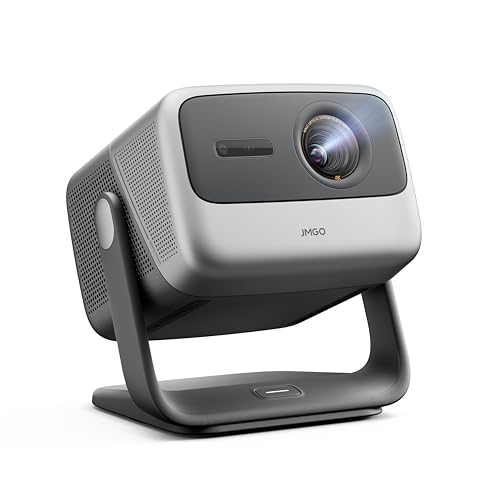
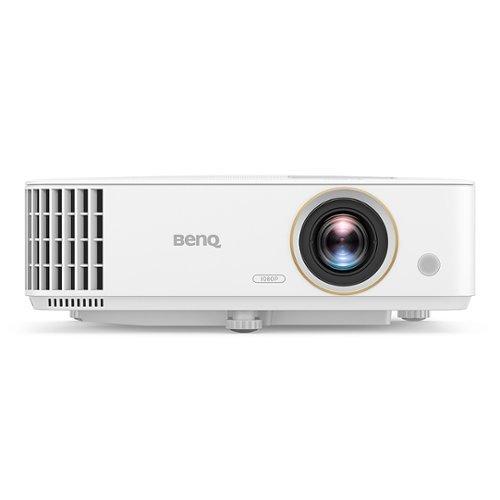
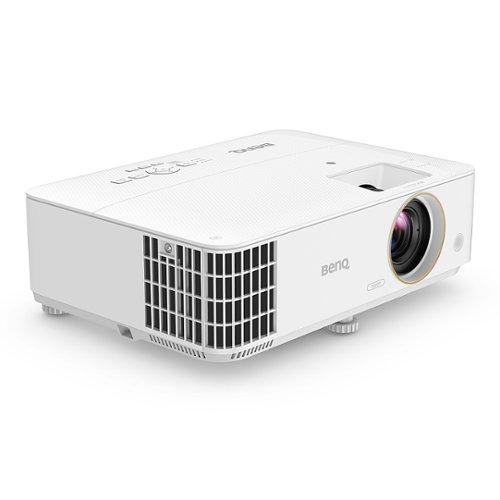
At the time of writing, we're looking at two projectors that represent these different philosophies perfectly: the JMGO N1S Pro 4K, released in 2024 as a premium lifestyle projector, and the BenQ TH685P, which launched in 2022 as a gaming-focused workhorse. Understanding which approach suits your needs better will save you from buyer's remorse and help you get the most entertainment value for your investment.
Before diving into specifics, it's worth understanding how projectors have evolved. Traditional projectors were essentially business presentation tools adapted for home use – bright, reliable, but requiring external devices for everything. Today's market splits into two main camps.
Lifestyle projectors like the JMGO N1S Pro 4K integrate smart TV operating systems, premium audio, and innovative form factors. They're designed to replace your TV entirely, handling streaming, gaming, and movies from a single device. These projectors prioritize convenience and visual quality over specialized performance.
Purpose-built projectors like the BenQ TH685P focus intensely on specific use cases. Gaming projectors optimize for ultra-low input lag (the delay between controller input and screen response), while brightness becomes paramount for daytime viewing. They assume you'll connect external devices for smart features.
The key considerations when choosing between these approaches involve your primary use case, room setup, and whether you value specialization or versatility more highly.
The most fundamental difference between these projectors lies in their light sources, which affects everything from image quality to long-term costs.
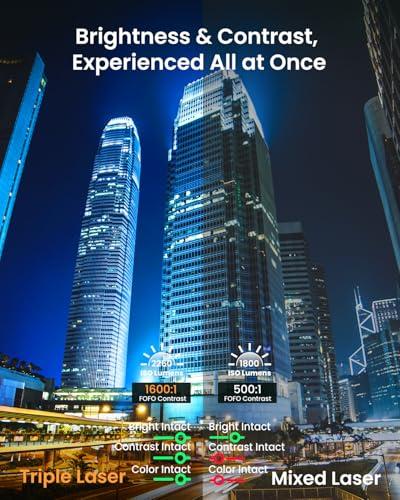
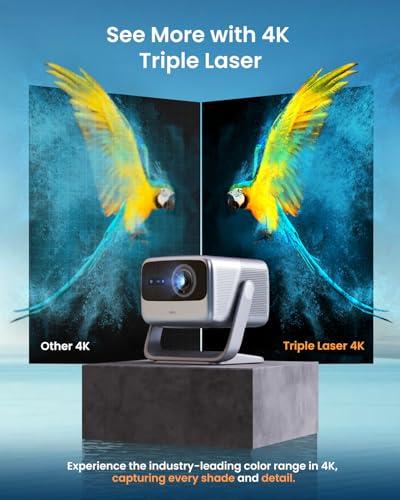
The JMGO N1S Pro 4K uses RGB triple laser technology – essentially three separate lasers for red, green, and blue light. This approach eliminates the "rainbow effect" (flashing color artifacts that some people notice with single-chip DLP projectors) and provides exceptional color accuracy. The laser light source lasts approximately 30,000 hours, meaning you could watch three hours daily for over 27 years before replacement.
Laser projectors also maintain consistent brightness and color accuracy throughout their lifespan. Traditional bulbs dim significantly over time, but lasers maintain nearly constant output. The JMGO N1S Pro 4K achieves 110% coverage of the BT.2020 color standard, which represents a much wider range of colors than older Rec.709 displays can reproduce.
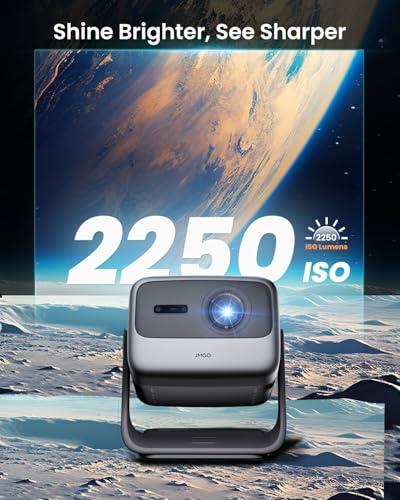
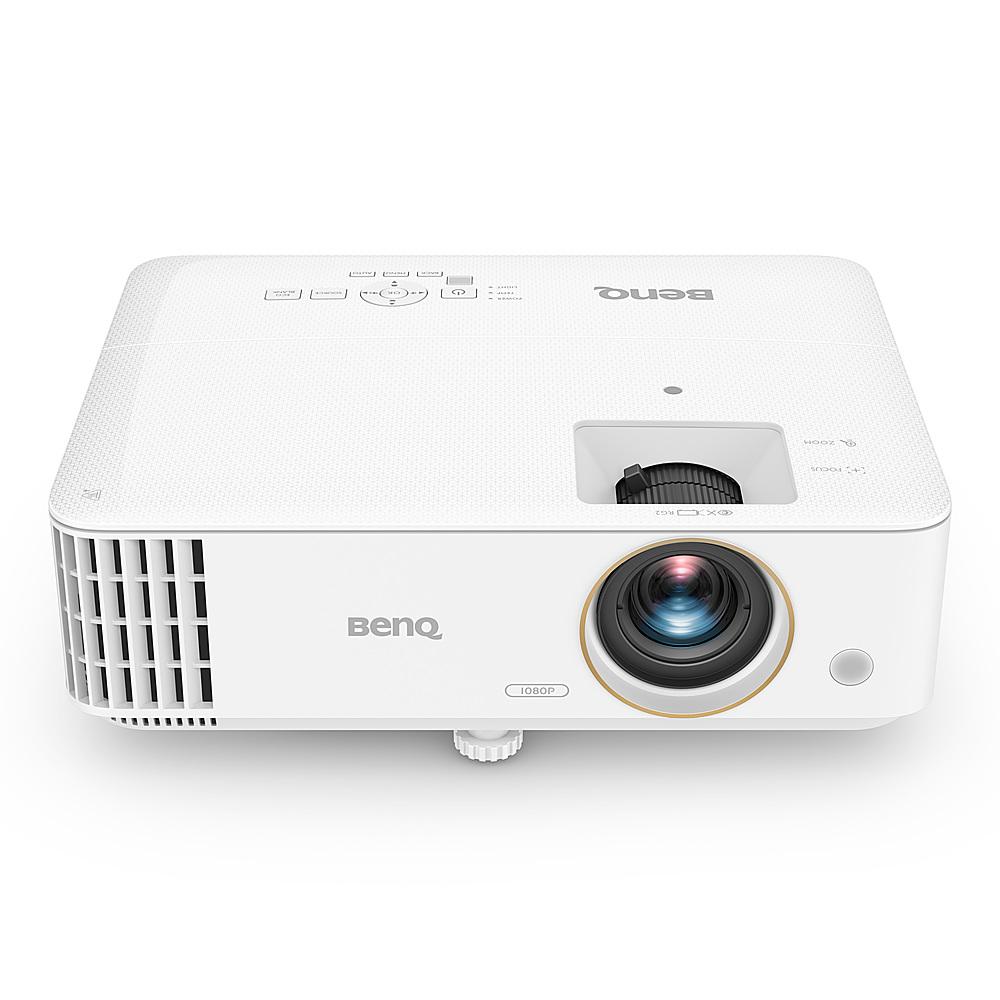
The BenQ TH685P uses a traditional metal halide bulb with DLP (Digital Light Processing) technology. While this might sound outdated, it offers practical advantages. Bulb-based projectors typically produce higher brightness levels – the BenQ TH685P delivers 3,500 ANSI lumens compared to the JMGO's 2,400 ANSI lumens. ANSI lumens measure actual light output under standardized conditions, making this a meaningful 46% brightness advantage.
This brightness difference matters significantly in real-world use. The BenQ TH685P can produce watchable images even with room lights on, while the JMGO N1S Pro 4K performs best in darker environments. For family rooms where you might want to keep some lights on while watching, or for daytime viewing, the BenQ's extra brightness provides more flexibility.
Resolution represents perhaps the most obvious specification difference, but the real-world impact depends heavily on your viewing habits and content sources.
The JMGO N1S Pro 4K delivers true 4K resolution at 3840×2160 pixels – four times the detail of 1080p. When viewed from typical home theater distances (8-12 feet), this resolution difference becomes apparent with native 4K content from Netflix, Disney+, or Ultra HD Blu-rays. Text appears sharper, and fine details in nature documentaries or action movies show more definition.
However, much existing content remains 1080p or lower. Cable TV, older streaming content, and many gaming scenarios don't benefit from 4K resolution. The JMGO N1S Pro 4K includes intelligent upscaling to improve lower-resolution content, but this can't create detail that wasn't originally captured.
The BenQ TH685P focuses on optimizing 1080p performance instead of pursuing higher resolution. This allows the projector to dedicate processing power to gaming-specific optimizations like reducing input lag and enhancing dark scene visibility. For competitive gaming, where reaction time matters more than pixel count, this represents a sensible trade-off.
Interestingly, the BenQ TH685P accepts 4K HDR input signals and intelligently downscales them to 1080p while preserving HDR color and contrast information. This means you get some benefits of 4K sources even on a 1080p display.
Gaming performance involves several technical factors, with input lag being the most critical. Input lag measures the time between pressing a controller button and seeing the result on screen. For competitive gaming, every millisecond counts.
The BenQ TH685P achieves exceptional 8.3ms input lag at 1080p/120Hz – among the lowest available in any projector. At standard 1080p/60Hz, it delivers 16ms input lag, which feels essentially instantaneous during gameplay. This projector includes a dedicated Game Mode that optimizes processing for minimal delay while enhancing visibility in dark game scenes.
By comparison, most lifestyle projectors including the JMGO N1S Pro 4K prioritize image processing quality over speed, resulting in higher input lag. While specific measurements weren't available in our research, typical smart projectors range from 30-80ms input lag, which creates noticeable delay in fast-paced games.
The BenQ TH685P also includes Game Sound Mode, which enhances audio specifically for gaming scenarios. This mode emphasizes directional audio cues and reduces processing that might delay sound synchronization.
For single-player gaming or story-driven experiences where reaction time matters less, the JMGO N1S Pro 4K's superior resolution and color accuracy can provide more immersive visuals. Games like Red Dead Redemption 2 or Horizon Zero Dawn benefit significantly from 4K detail and wider color gamuts.
This represents perhaps the starkest philosophical difference between these projectors.
The JMGO N1S Pro 4K runs Google TV, essentially integrating a complete smart TV platform. You can access Netflix, Disney+, Prime Video, and over 10,000 other apps directly from the projector without external devices. Google Assistant provides voice control for searching content, adjusting settings, or controlling smart home devices.
This integration eliminates the cable clutter and complexity of multiple devices. The projector handles streaming, gaming, and media playback from a single unit. Wi-Fi 6 support ensures fast streaming of 4K content, while Bluetooth 5.2 connects wireless headphones or speakers seamlessly.
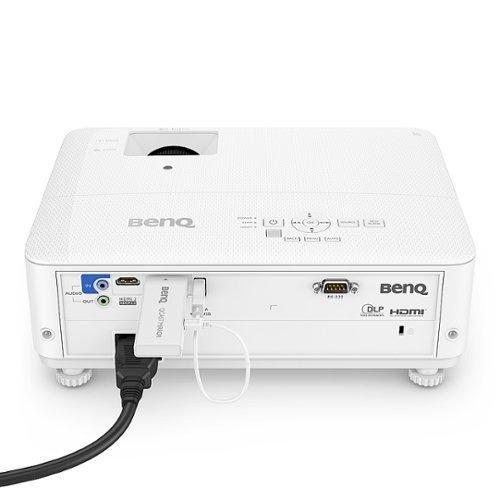
The BenQ TH685P takes the opposite approach, focusing on being an excellent display device while assuming you'll connect external sources. It provides two HDMI inputs and basic connectivity, but requires external streaming devices, gaming consoles, or media players for content.
This approach offers advantages for some users. External devices often receive more frequent updates than built-in smart platforms. Gaming consoles, Apple TV, or NVIDIA Shield devices typically provide better performance and longer software support than integrated smart TV platforms.
However, the external device approach requires more complexity in setup and daily use. You'll need multiple remotes, additional power outlets, and more cable management.
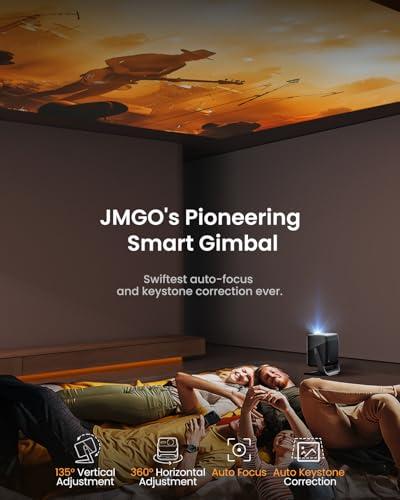
The JMGO N1S Pro 4K introduces genuine innovation in projector design with its gimbal mounting system. This motorized platform allows 360-degree horizontal rotation and 135-degree vertical adjustment, enabling projection onto walls, ceilings, or screens without physically moving the projector base.
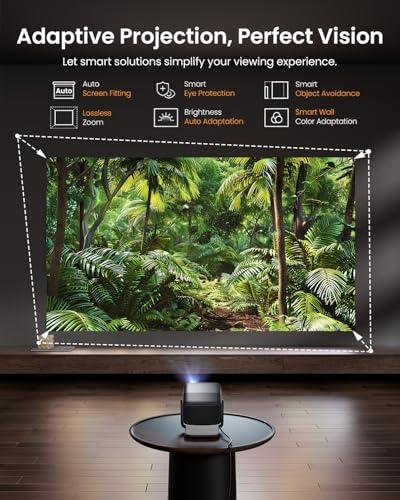
Combined with automatic focus, keystone correction (adjusting for angled projection), and screen alignment, this system can adapt to almost any room layout. The projector can project movies on a wall for regular viewing, then rotate to project onto the ceiling for bed-time viewing without any manual adjustment.
The gimbal system includes smart object avoidance using depth-sensing cameras. If someone walks into the projection beam, the system automatically dims or shuts off the laser to protect their eyes – a thoughtful safety feature for families with children.
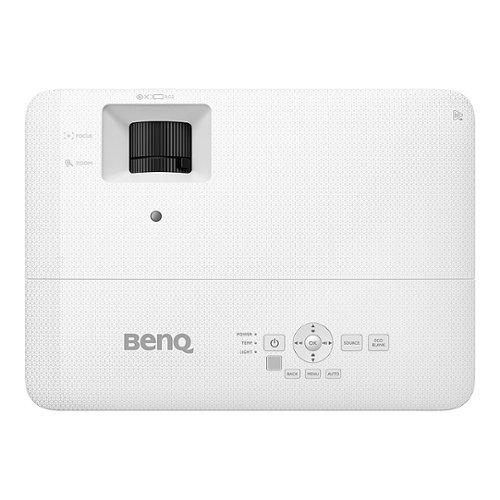
The BenQ TH685P uses traditional mounting approaches but includes practical features like 1.3x manual zoom and keystone correction. While less innovative, these proven methods work reliably and integrate easily with existing home theater setups.
Audio quality often gets overlooked in projector comparisons, but it significantly affects the viewing experience.
The JMGO N1S Pro 4K includes 20-watt stereo speakers with advanced digital signal processing. Based on user reviews, these speakers provide surprisingly rich sound with clear dialogue and reasonable bass response. While they won't match a dedicated sound system, they're sufficient for casual viewing and eliminate the need for external audio equipment in smaller rooms.
The BenQ TH685P includes a single 5-watt speaker with treVolo audio enhancement technology. This speaker focuses on clear dialogue and gaming audio cues rather than full-range music reproduction. For serious gaming or movie viewing, you'll likely want external speakers or a soundbar.
Both projectors include audio output connections for external sound systems, but the JMGO N1S Pro 4K's HDMI eARC (enhanced Audio Return Channel) support provides more sophisticated audio integration with modern soundbars and receivers.
Real-world performance depends heavily on your room setup and viewing habits.
The BenQ TH685P's superior brightness makes it more versatile across different environments. You can use it in family rooms with ambient lighting, for backyard movie nights, or in rooms with light-colored walls that reflect additional light. The extra brightness also enables larger screen sizes while maintaining image quality.
The JMGO N1S Pro 4K performs best in controlled lighting environments where its superior color accuracy and contrast ratio can shine. In darker rooms, the laser technology produces deeper blacks and more nuanced color gradations than traditional projectors.
Both projectors operate relatively quietly, though the JMGO N1S Pro 4K runs quieter at 26 decibels compared to the BenQ's 35 decibels. In quiet viewing environments, this difference becomes noticeable.
At the time of writing, these projectors occupy different price tiers, with the JMGO N1S Pro 4K commanding a premium for its advanced features and the BenQ TH685P offering strong value for gaming-focused users.
The JMGO N1S Pro 4K's higher initial cost includes several value factors: the 30,000-hour laser lifespan eliminates replacement costs for decades, integrated smart features reduce the need for external streaming devices, and 4K resolution provides future-proofing as more content becomes available.
The BenQ TH685P offers lower entry costs but requires external devices for streaming and will eventually need bulb replacement after 4,000-15,000 hours depending on usage mode. However, its specialized gaming performance may justify the investment for serious gamers.
Choose the JMGO N1S Pro 4K if you want a versatile entertainment centerpiece that handles everything from Netflix binges to casual gaming. Its innovative design and smart features work best for users who value convenience and cutting-edge technology. This projector excels in dedicated media rooms or bedrooms where lighting can be controlled.
The gimbal design particularly benefits users with unconventional room layouts or those who want maximum installation flexibility. If you're replacing a TV entirely and want a single device that handles all your entertainment needs, the JMGO N1S Pro 4K represents the future of home projection.
Choose the BenQ TH685P if gaming performance is your primary concern or you need maximum brightness for challenging viewing environments. Its ultra-low input lag and specialized gaming features provide advantages that no general-purpose projector can match. This projector also works better for users who prefer external devices for streaming and don't need integrated smart features.
The BenQ TH685P particularly suits competitive gamers, users with bright family rooms, or those wanting proven reliability at a lower price point. If you already own gaming consoles and streaming devices, this projector's focused approach delivers exceptional performance without paying for features you won't use.
Both projectors represent excellent examples of their respective categories. Your choice should align with whether you prioritize versatility and future-proofing or specialized performance and value. Either way, you'll enjoy the big-screen experience that only projection can provide.
| JMGO N1S Pro 4K Projector | BenQ TH685P 1080p HDR Gaming Projector |
|---|---|
| Resolution - Higher resolution provides sharper detail but costs more | |
| True 4K UHD (3840×2160) with 4x the detail of 1080p | Full HD 1080p (1920×1080) optimized for gaming |
| Brightness - Critical for room lighting flexibility and screen size | |
| 2,400 ANSI lumens (good for dark rooms, some ambient light) | 3,500 ANSI lumens (excellent for bright rooms, larger screens) |
| Gaming Performance - Input lag determines competitive gaming viability | |
| Standard input lag, designed for cinematic gaming | Ultra-low 8.3ms input lag at 120Hz, purpose-built for gaming |
| Light Source Technology - Affects longevity, color quality, and maintenance | |
| RGB triple laser (30,000+ hour lifespan, no bulb replacement) | Traditional metal halide bulb (4,000-15,000 hours, requires replacement) |
| Smart Features - Determines if you need external streaming devices | |
| Google TV OS with Netflix, 10,000+ apps, Google Assistant | No smart features, requires external streaming devices |
| Color Performance - Impact on movie and content viewing quality | |
| 110% BT.2020 color gamut, exceptional color accuracy | 95% Rec.709 coverage, good cinematic color reproduction |
| Installation Flexibility - Affects placement options and setup complexity | |
| Innovative gimbal design, 360° rotation, auto-focus/keystone | Traditional design with 1.3x zoom, manual adjustments |
| Audio System - Determines need for external speakers | |
| 20W stereo speakers, sufficient for casual viewing | 5W mono speaker, external audio recommended |
| Connectivity - Modern connection options and future-proofing | |
| 2× HDMI 2.1 (eARC), Wi-Fi 6, Bluetooth 5.2, USB | 2× HDMI 2.0, VGA, USB, no wireless connectivity |
| Target Use Case - Primary intended audience and scenarios | |
| Versatile home theater, streaming, casual gaming | Competitive gaming, bright room viewing, budget-conscious |
| Noise Level - Important for quiet viewing environments | |
| 26 dB (whisper quiet) | 35 dB (noticeable fan noise) |
| Value Proposition - Cost vs features and performance | |
| Premium lifestyle projector with cutting-edge features | Specialized gaming projector with proven performance |
The BenQ TH685P is specifically designed for gaming with ultra-low 8.3ms input lag at 120Hz, making it ideal for competitive gaming where reaction time matters. The JMGO N1S Pro 4K offers better visual quality for single-player games but has higher input lag that may affect competitive gaming performance.
The JMGO N1S Pro 4K delivers true 4K resolution with four times more detail than the BenQ TH685P's 1080p output. You'll notice sharper text, clearer fine details, and better image quality when sitting closer to the screen or using larger projection sizes.
The BenQ TH685P produces 3,500 ANSI lumens compared to the JMGO N1S Pro 4K's 2,400 ANSI lumens, making it 46% brighter. This extra brightness allows the BenQ to maintain good image quality even with ambient lighting or during daytime viewing.
The JMGO N1S Pro 4K includes Google TV with built-in Netflix and access to over 10,000 apps, eliminating the need for external streaming devices. The BenQ TH685P requires external devices like Apple TV, Roku, or gaming consoles for streaming content.
For dedicated home theaters with controlled lighting, the JMGO N1S Pro 4K excels with superior 4K resolution, better color accuracy, and integrated smart features. The BenQ TH685P works better in multi-purpose family rooms where brightness is more important than ultimate image quality.
The JMGO N1S Pro 4K uses laser technology rated for 30,000 hours without replacement - potentially lasting decades. The BenQ TH685P uses a traditional bulb lasting 4,000-15,000 hours depending on usage mode, requiring eventual replacement.
The JMGO N1S Pro 4K features 20W stereo speakers that provide decent audio for casual viewing. The BenQ TH685P has a basic 5W mono speaker that's adequate for gaming but you'll likely want external speakers for movies.
The JMGO N1S Pro 4K offers automatic focus, keystone correction, and a unique gimbal design for flexible placement. The BenQ TH685P uses traditional setup methods but includes 1.3x zoom for easier positioning in different room configurations.
The BenQ TH685P provides excellent value for gaming-focused users with its specialized features and lower entry cost. The JMGO N1S Pro 4K justifies its premium with 4K resolution, smart features, and long-term laser technology that eliminates replacement costs.
Both projectors support HDR10 content. The JMGO N1S Pro 4K displays native 4K HDR with superior color reproduction, while the BenQ TH685P accepts 4K HDR input and intelligently downscales it to 1080p while preserving enhanced colors and contrast.
The JMGO N1S Pro 4K operates at a whisper-quiet 26 decibels thanks to its efficient laser cooling system. The BenQ TH685P runs at 35 decibels, which is noticeable but not distracting during gaming or loud movie scenes.
The JMGO N1S Pro 4K is a premium lifestyle projector focusing on versatility, 4K quality, and smart features for general entertainment. The BenQ TH685P is a specialized gaming projector optimized for ultra-low input lag and bright output, requiring external devices for streaming but excelling at its core gaming mission.
We've done our best to create useful and informative comparisons to help you decide what product to buy. Our research uses advanced automated methods to create this comparison and perfection is not possible - please contact us for corrections or questions. These are the sites we've researched in the creation of this article: techradar.com - projectorcentral.com - gray9.in - projectorreviews.com - howtogeek.com - the-gadgeteer.com - projectorcentral.com - global.jmgo.com - global.jmgo.com - cnet.com - cnet.com - youtube.com - global.jmgo.com - avsforum.com - youtube.com - youtube.com - youtube.com - projectorcentral.com - androidguys.com - bhphotovideo.com - techradar.com - newegg.com - projectorcentral.com - cnet.com - staples.com - cdw.com - youtube.com - shi.com - touchboards.com - projectorcentral.com - youtube.com - iconicmicro.com - adorama.com - publicsector.shidirect.com - adorama.com

Privacy Policy
Terms and Conditions - Affiliate Policy
Home Security
© Copyright 2008-2026.
11816 Inwood Rd #1211, Dallas, TX 75244