

The world of portable projectors has exploded in recent years, transforming from dim, clunky devices into surprisingly capable entertainment systems that can deliver big-screen experiences anywhere. These compact powerhouses combine projection technology with smart TV features, wireless connectivity, and automated setup processes that would have seemed like science fiction just a decade ago.
At the heart of this evolution lies a fundamental trade-off: do you prioritize maximum image quality and performance, or do you value ultimate portability and convenience? This decision becomes crystal clear when comparing two very different approaches to portable projection—the JMGO N1S Pro 4K and the Samsung Freestyle 2nd Gen.
Before diving into specifics, it's worth understanding what makes modern portable projectors tick. Traditional projectors used bulky lamps that generated lots of heat, required frequent replacement, and took time to warm up. Today's portable projectors primarily use either LED or laser light sources, which start instantly, run cooler, and last tens of thousands of hours without replacement.
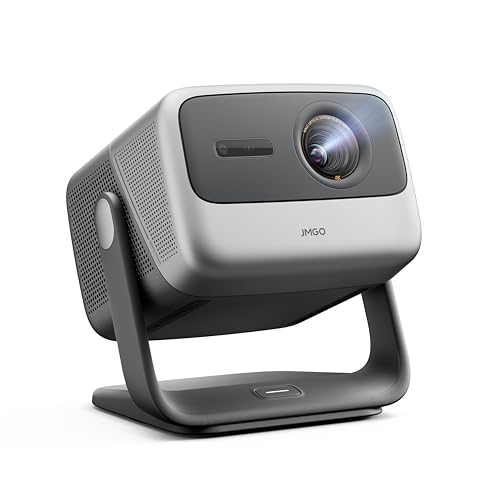
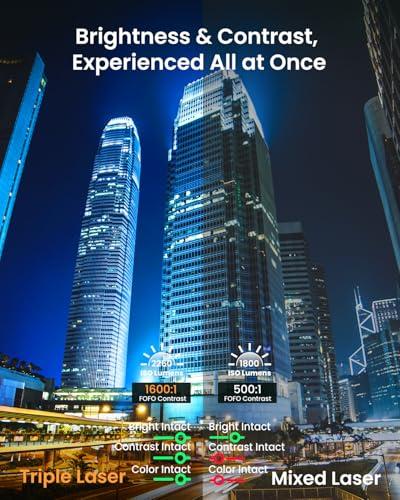
The JMGO N1S Pro 4K represents the cutting edge of this evolution. Released in 2024, it employs something called MALC 2.0 triple RGB laser technology—essentially three separate lasers (red, green, and blue) that combine to create the projected image. This approach delivers exceptional color accuracy and eliminates the "rainbow effect" (those brief color streaks you might see when moving your eyes quickly while watching some projectors) that plagues cheaper single-chip DLP projectors.
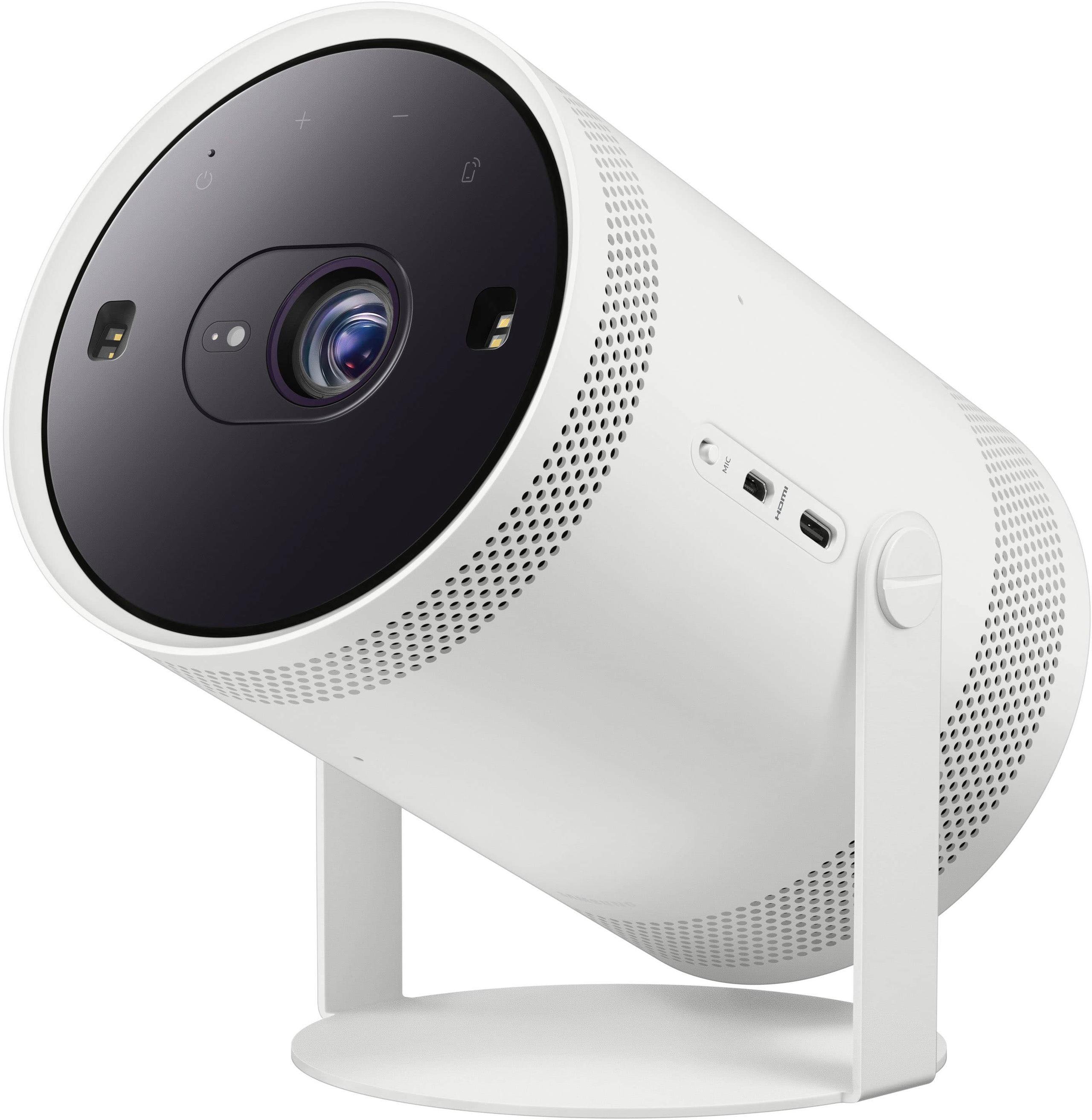
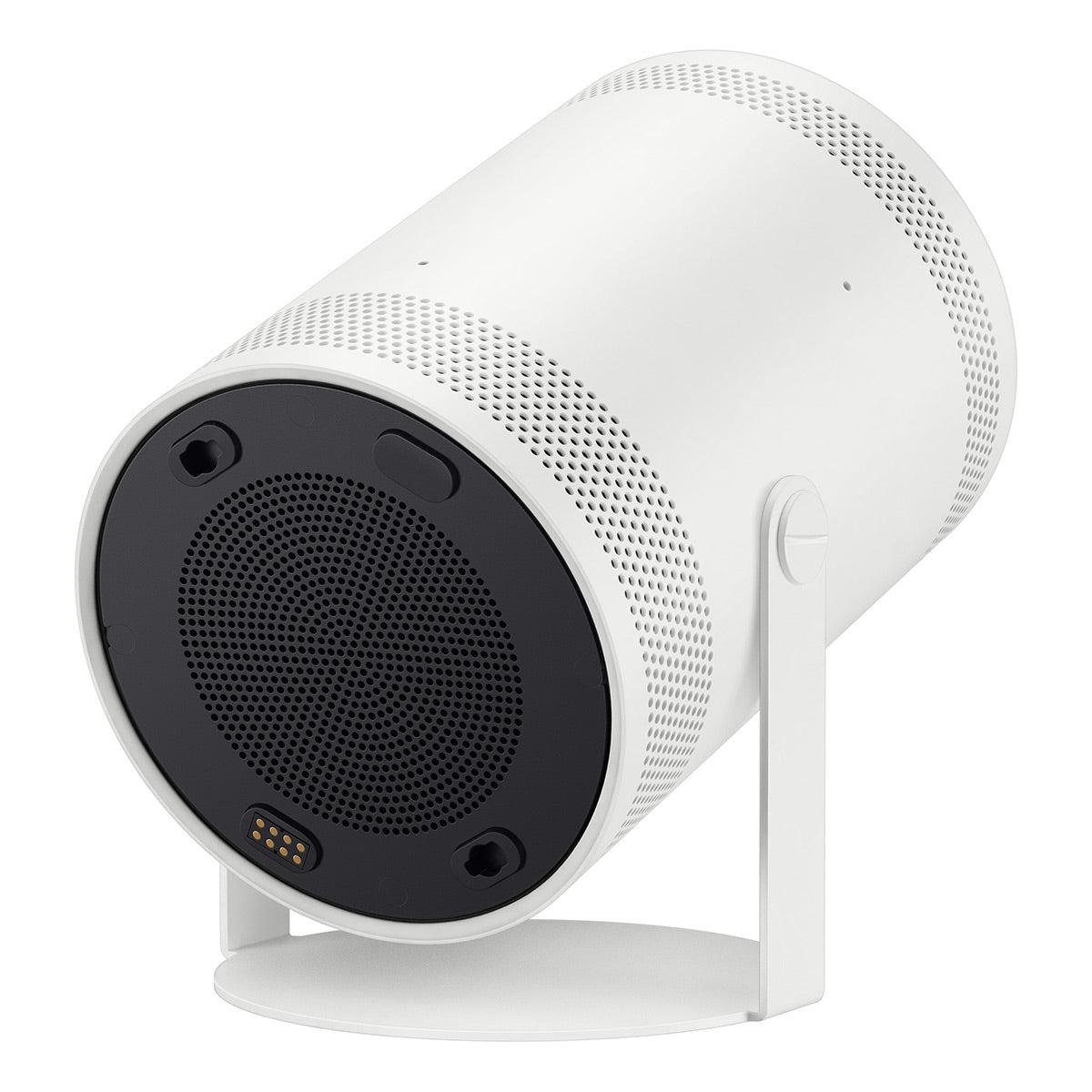
The Samsung Freestyle 2nd Gen, launched in 2023 as an improvement over Samsung's original Freestyle, takes a more traditional LED-based approach. While less sophisticated than triple laser systems, LED projection keeps costs down and power consumption low—important considerations for a device designed for maximum portability.
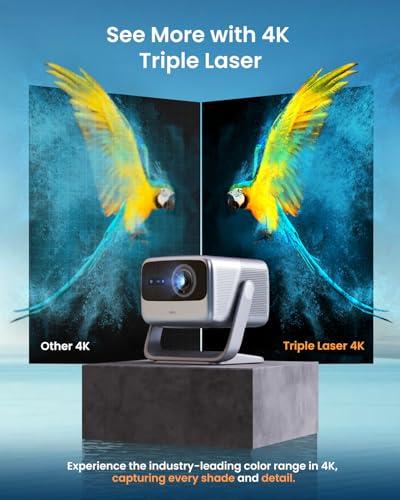
Perhaps the most significant difference between these projectors lies in their native resolution capabilities. The JMGO N1S Pro 4K delivers true 4K UHD resolution at 3840x2160 pixels, while the Samsung Freestyle 2nd Gen maxes out at 1080p Full HD (1920x1080 pixels).
This isn't just a numbers game—it's a four-fold difference in pixel density that becomes immediately apparent when viewing detailed content. With 4K streaming becoming the standard on Netflix, Disney+, and other major platforms, the JMGO N1S Pro 4K can display every pixel of detail that creators intended, while the Samsung Freestyle 2nd Gen must downscale that information, inevitably losing fine details in the process.
For home theater enthusiasts, this resolution difference is particularly crucial. When projecting onto large screens (80 inches or more), individual pixels become visible with 1080p content, creating a slightly grainy or pixelated appearance. 4K resolution maintains crisp, clean lines even at massive screen sizes, making it essential for serious movie watching.
After resolution, brightness might be the most critical specification for any projector. Measured in ANSI lumens (a standardized way of measuring light output), brightness determines where and when you can actually use your projector effectively.
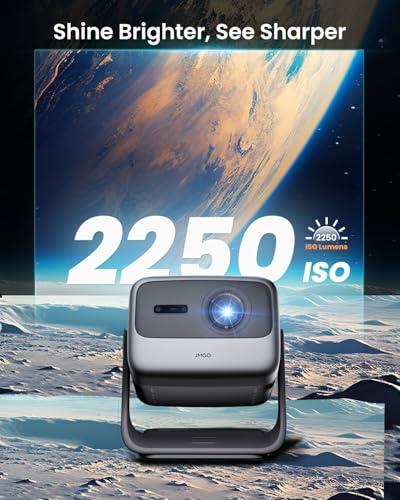
Here's where these two devices couldn't be more different. The JMGO N1S Pro 4K outputs an impressive 2,400 ANSI lumens, while the Samsung Freestyle 2nd Gen manages just 230 ANSI lumens—more than a ten-fold difference.
To put this in perspective, most home theaters require at least 1,000-1,500 lumens for comfortable viewing with some ambient light present. The JMGO N1S Pro 4K can handle moderately lit rooms, late afternoon viewing, or even outdoor movie nights with reasonable ambient light. The Samsung Freestyle 2nd Gen, on the other hand, really needs a completely dark environment to produce a watchable image.
This brightness difference fundamentally changes how you can use each projector. The JMGO N1S Pro 4K becomes a legitimate TV replacement that works in normal living conditions, while the Samsung Freestyle 2nd Gen is more of a novelty device for specific dark-room scenarios.
The JMGO N1S Pro 4K's triple laser system delivers something special in terms of color reproduction. It covers 110% of the BT.2020 color space—a technical specification that essentially means it can display a wider range of colors than most displays, including many TVs. This translates to more vibrant reds, deeper blues, and more natural skin tones.
The laser system also eliminates color wheel artifacts entirely. Traditional single-chip DLP projectors use a spinning color wheel to create different colors, which can sometimes create brief rainbow flashes when you move your eyes quickly. It's not something everyone notices, but once you do, it can be distracting during action sequences or when reading text.
The Samsung Freestyle 2nd Gen uses more conventional LED-based color reproduction, which is adequate for casual viewing but lacks the punch and accuracy of laser systems. It's the difference between watching a movie at a standard theater versus an IMAX or Dolby Vision screening—both are watchable, but one is clearly more immersive.
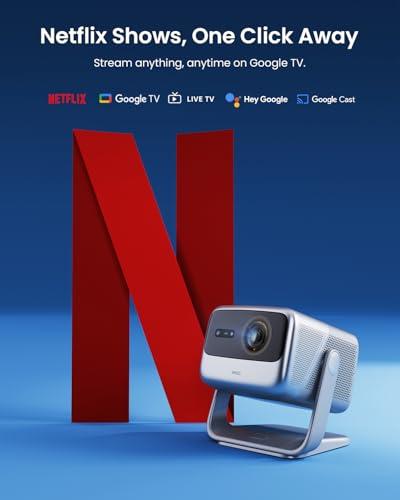
Both projectors run smart operating systems, but with different philosophies. The JMGO N1S Pro 4K uses Google TV, which has become the gold standard for streaming devices. It includes native Netflix support (surprisingly rare among projectors), access to over 10,000 apps, and Google Assistant integration for voice control. The interface feels familiar to anyone who's used a modern smart TV or streaming device.
The Samsung Freestyle 2nd Gen runs Samsung's Tizen OS, which Samsung significantly improved for the second generation after the original Freestyle's software was criticized for being painfully slow. Tizen now performs much better and includes Samsung's Gaming Hub, which allows cloud gaming through services like Xbox Game Pass without needing a console—a unique feature that could appeal to casual gamers.
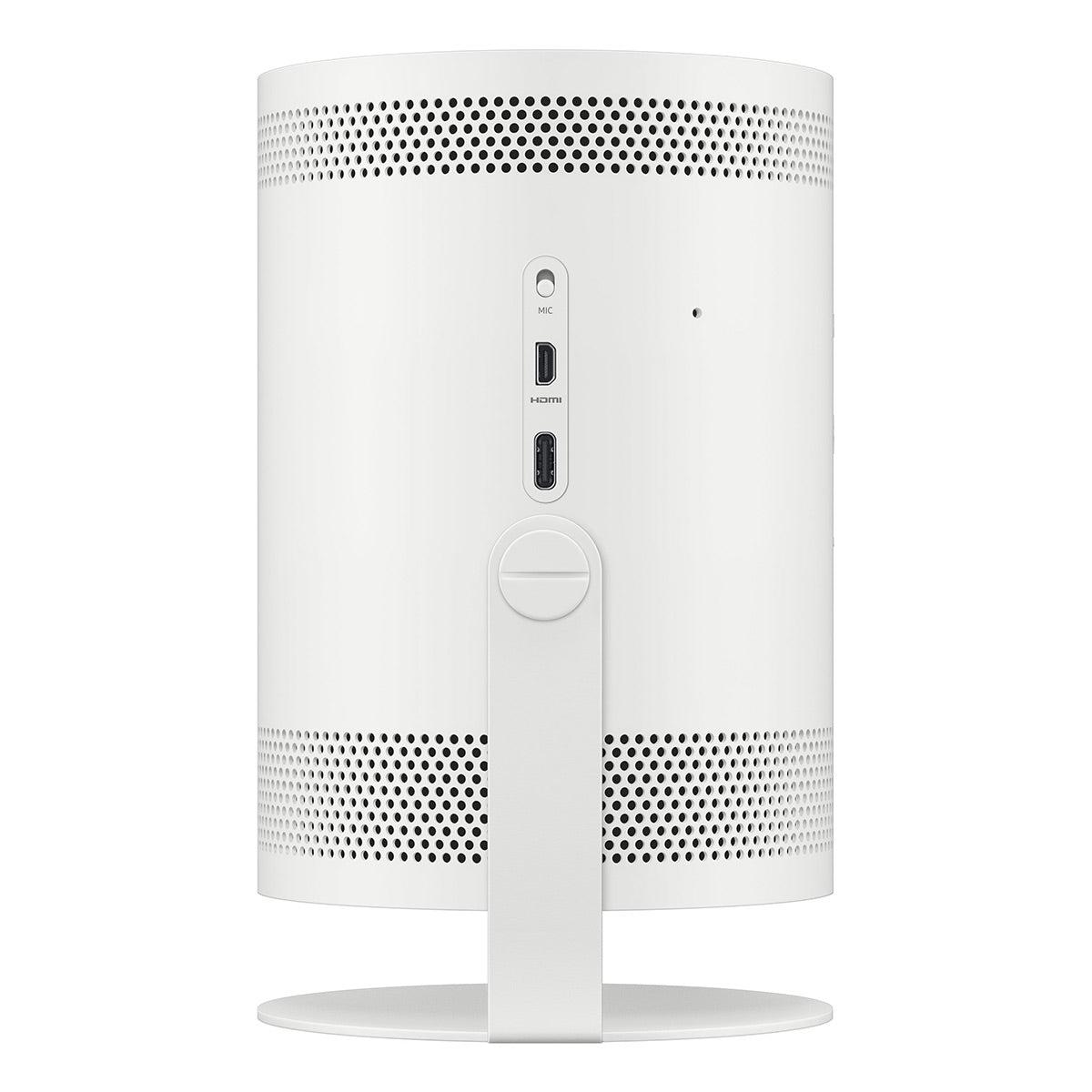
However, the Samsung Freestyle 2nd Gen's limited connectivity becomes an issue here. With only one micro-HDMI port and USB-C dedicated to power, you're largely dependent on wireless connections for everything. The JMGO N1S Pro 4K offers two full-sized HDMI 2.1 ports (one supporting eARC for soundbars), USB connectivity, and the latest Wi-Fi 6 standard for faster wireless streaming.
Projector audio historically ranges from "barely adequate" to "completely terrible," but both of these devices buck that trend, albeit in different ways. The JMGO N1S Pro 4K includes genuinely impressive 20W stereo speakers with Dolby Digital Plus support. In our research of user reviews, people consistently mention being surprised by how good the audio sounds—punchy enough for action movies and clear enough for dialogue-heavy content.
The Samsung Freestyle 2nd Gen takes a different approach with a 5W mono speaker designed for 360-degree sound dispersion. While clever in concept, the single-speaker, lower-powered approach simply can't match the JMGO N1S Pro 4K's stereo separation and overall volume. For late-night viewing or personal entertainment, the Samsung's audio suffices, but for any kind of group viewing or home theater experience, you'll want external speakers.
Modern projectors have largely solved the historical headaches of keystone correction (fixing the trapezoidal image you get when projecting at an angle) and focus adjustment through automation. Both projectors handle these basics, but with different approaches and varying degrees of success.
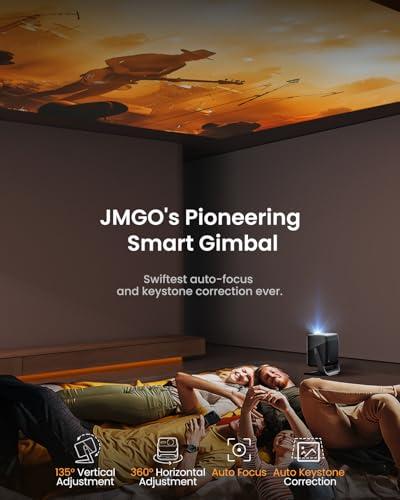
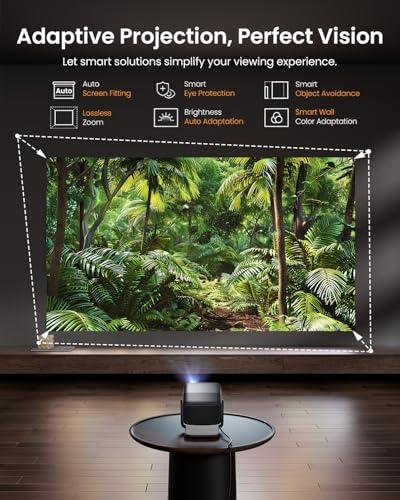
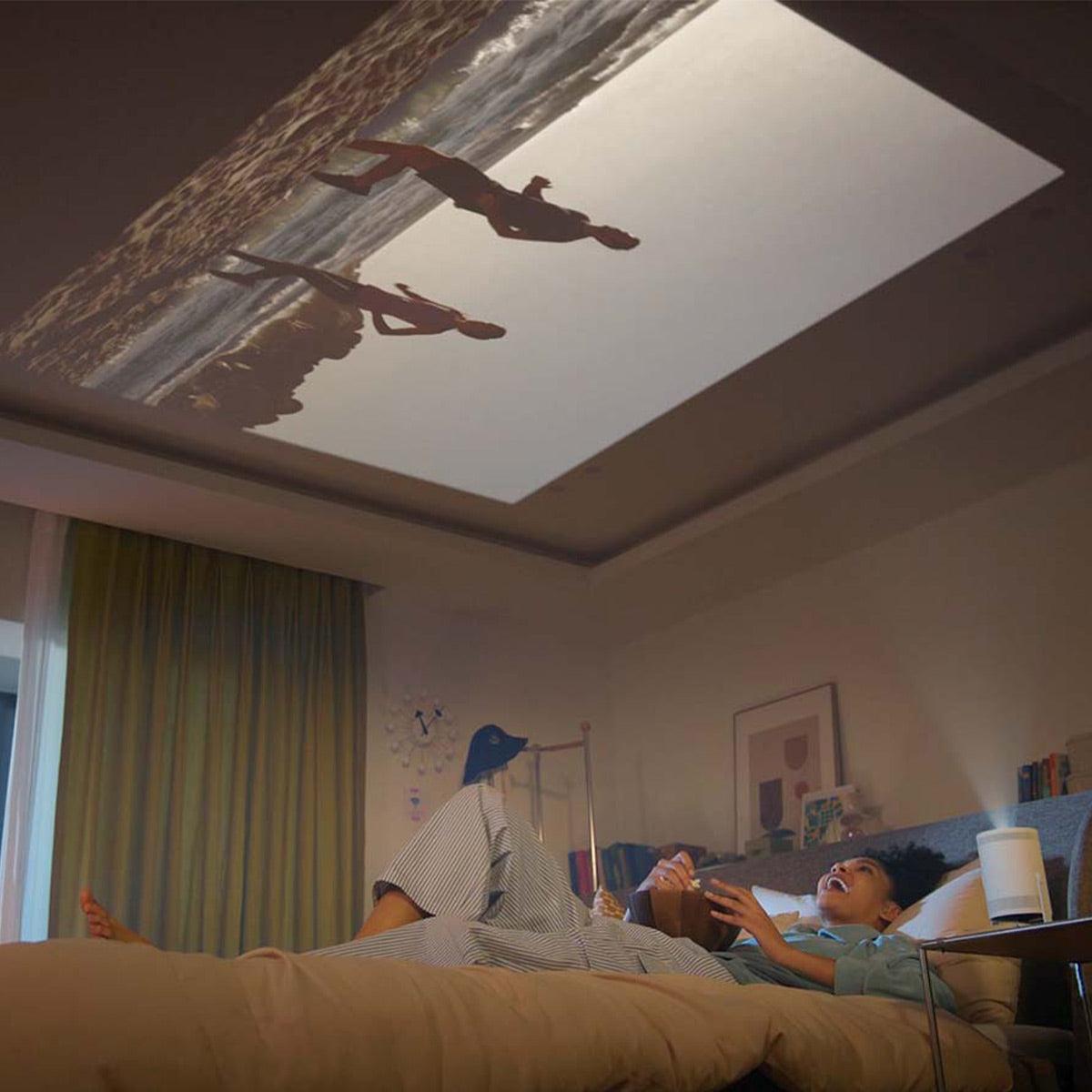
The JMGO N1S Pro 4K features an innovative gimbal system that allows 360-degree horizontal rotation and 135-degree vertical adjustment without moving the base unit. This means you can project onto walls, ceilings, or screens with remarkable flexibility. The system includes automatic focus, keystone correction, screen alignment, and even obstacle avoidance—if you accidentally place something in the projection path, the system can detect it and adjust accordingly.
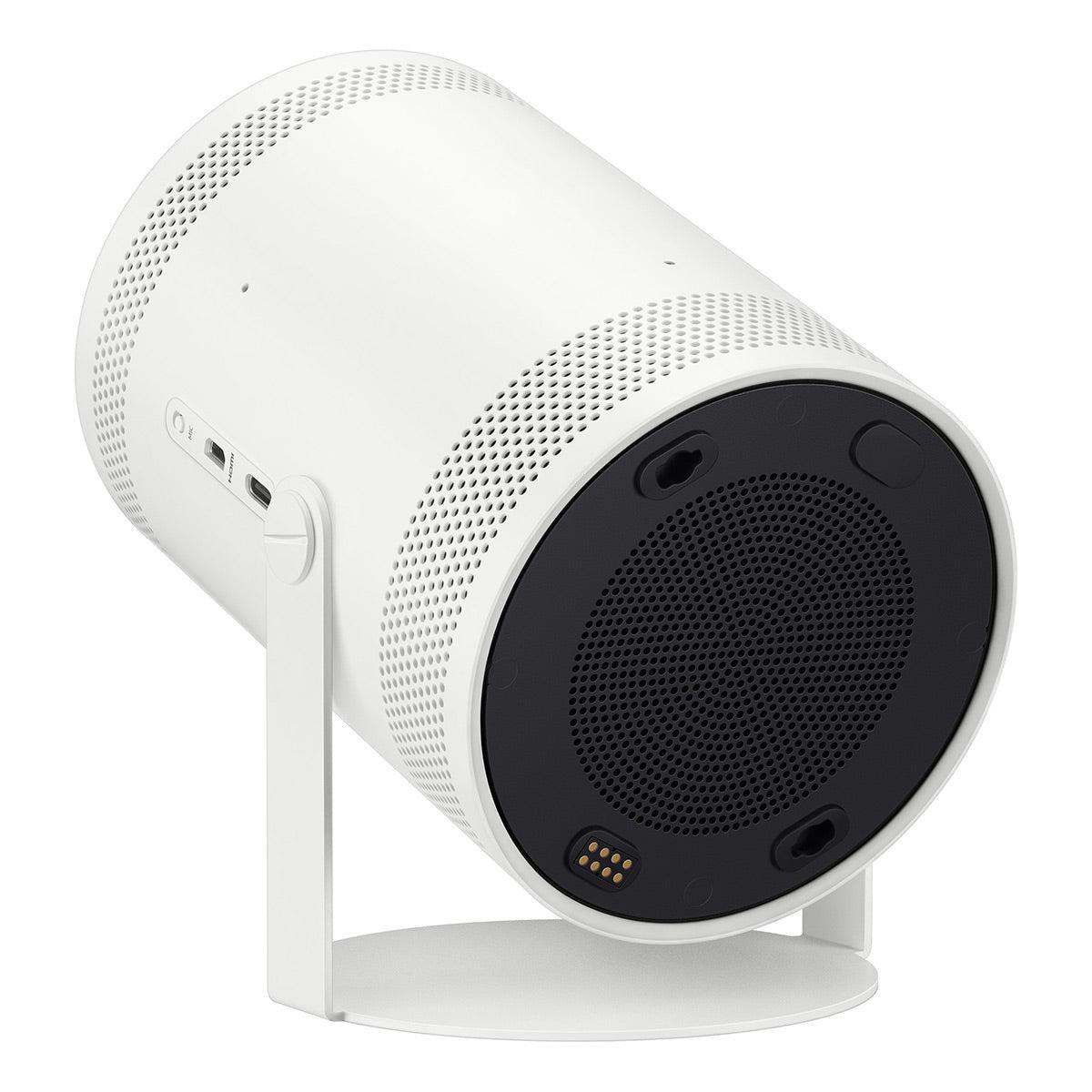
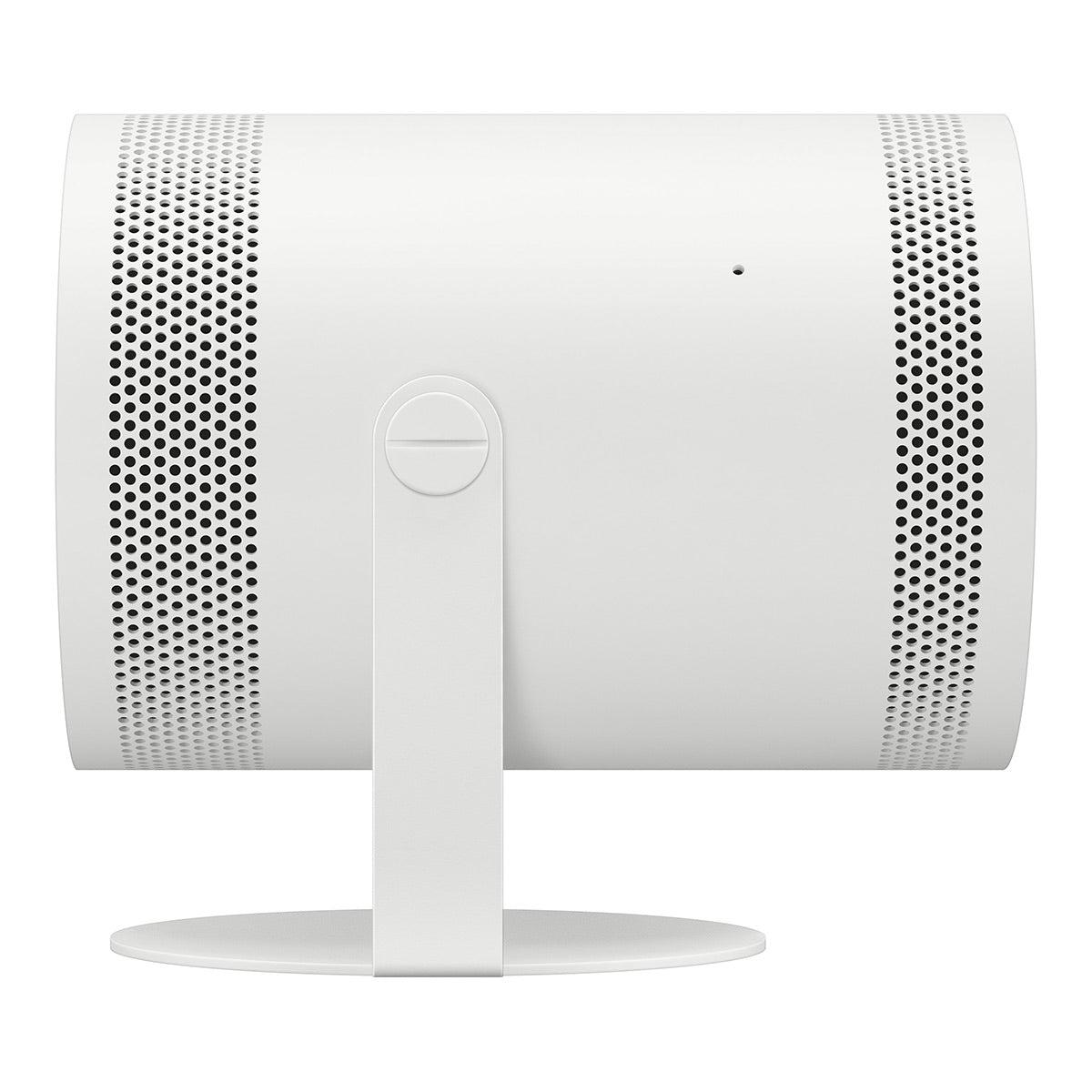
The Samsung Freestyle 2nd Gen uses a simpler rotating cradle design that's undeniably intuitive—you literally just point it where you want to project. However, user reviews reveal that Samsung's auto-correction features are less reliable than competitors, sometimes failing to create properly rectangular images or struggling with focus accuracy.
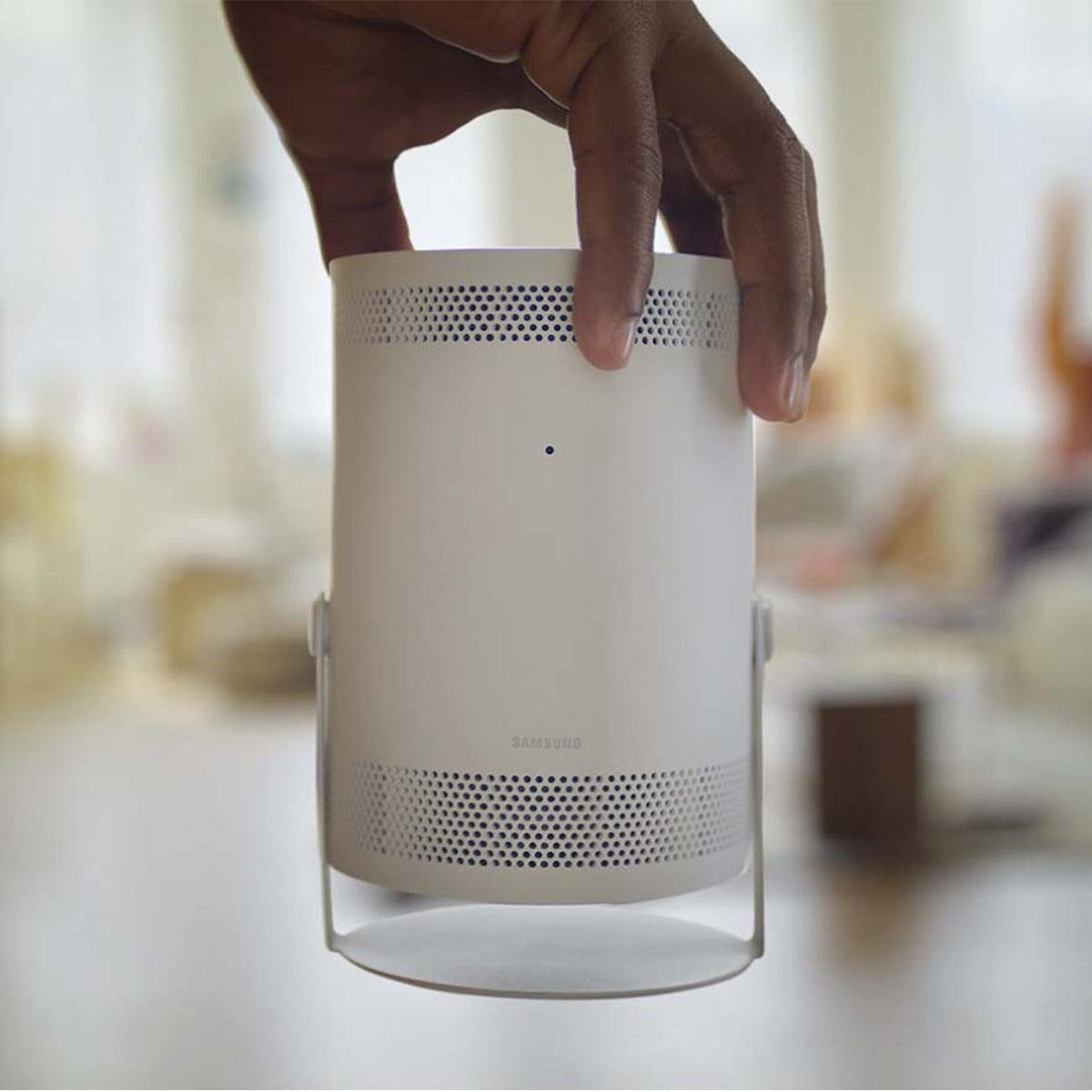
Here's where the Samsung Freestyle 2nd Gen finally takes a clear victory. At just 1.8 pounds and roughly the size of a small Bluetooth speaker, it's genuinely portable in a way that the JMGO N1S Pro 4K isn't. The Samsung fits easily in a backpack, requires relatively little power (50W versus 180W), and feels like something you could actually take camping or to a friend's house without much planning.
The JMGO N1S Pro 4K, while still considered "portable" in projector terms, weighs nearly 10 pounds and has dimensions similar to a desktop computer. It's more of a "moveable" projector than a truly portable one—you could relocate it between rooms or take it to a vacation rental, but it's not something you'd casually throw in a bag.
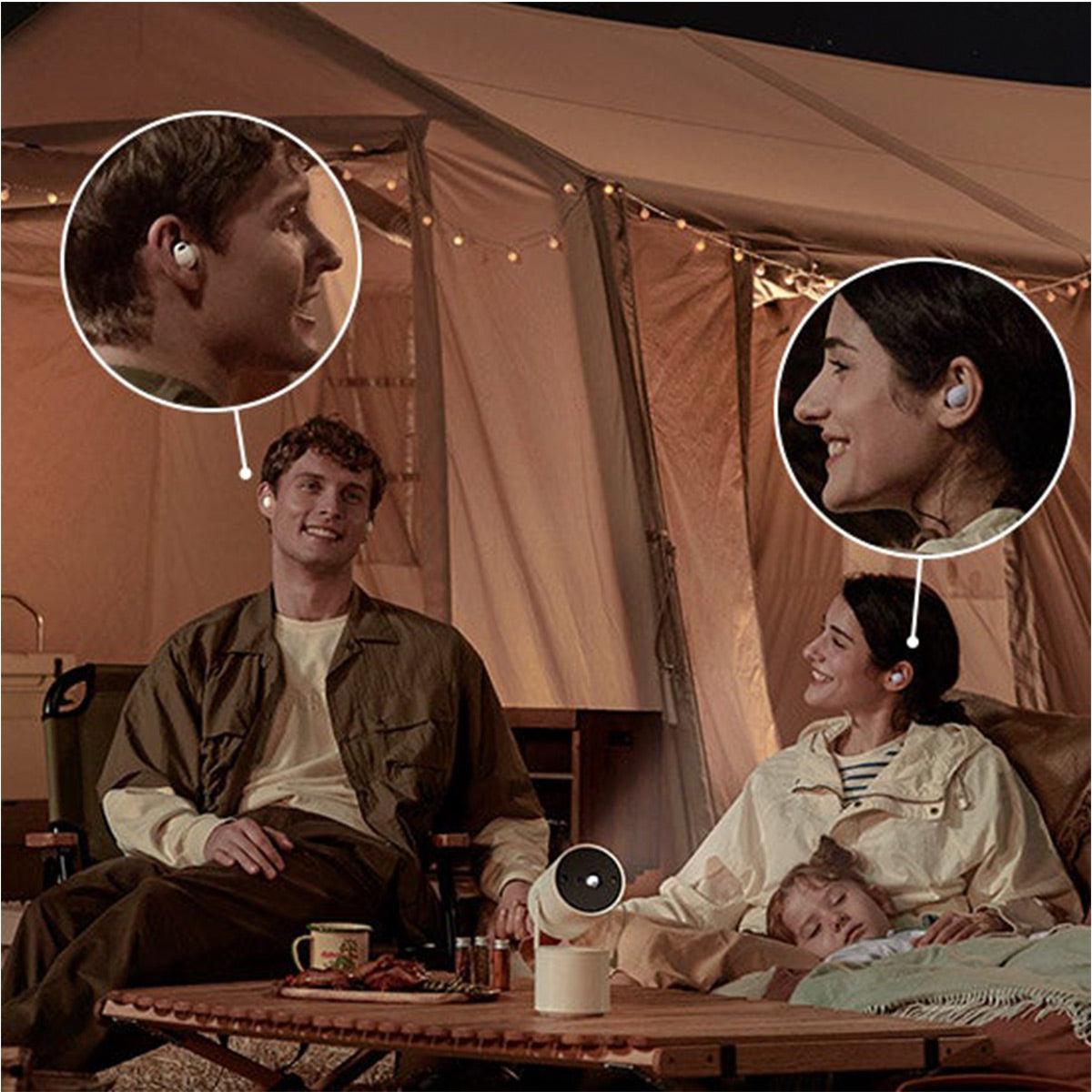
The power difference is particularly important for outdoor use. The Samsung Freestyle 2nd Gen can run on portable power banks (with Samsung's optional battery base), while the JMGO N1S Pro 4K requires AC power, limiting outdoor applications.
At the time of writing, these projectors occupy different price tiers that roughly reflect their capabilities. The JMGO N1S Pro 4K commands a premium price that positions it against high-end portable projectors and even some fixed-installation models. The Samsung Freestyle 2nd Gen sits in the mainstream portable projector market, competing with similar compact models from various manufacturers.
The JMGO N1S Pro 4K's higher price becomes more reasonable when you consider what you're getting: true 4K resolution, professional-grade brightness levels, advanced laser technology, and audio quality that rivals dedicated sound systems. For someone seeking to replace or supplement a traditional TV setup, the performance justifies the investment.
The Samsung Freestyle 2nd Gen's more accessible pricing makes it attractive for casual use cases—occasional movie nights, presentations, or travel entertainment. However, the severe brightness limitations mean you're paying for convenience rather than performance.
For dedicated home theater use, the choice becomes even clearer. The JMGO N1S Pro 4K can genuinely serve as a primary display system, delivering image quality that competes with large TVs while providing screen sizes that TVs simply can't match at reasonable prices. The 4K resolution ensures compatibility with modern content, while the high brightness allows for flexible room layouts that don't require complete light control.
The Samsung Freestyle 2nd Gen, despite Samsung's marketing positioning, isn't really suitable for serious home theater applications. The 1080p resolution and low brightness make it feel outdated compared to modern viewing standards. It's better suited for casual entertainment, children's rooms, or specific portable scenarios.
Both projectors support gaming, but with different strengths. The Samsung Freestyle 2nd Gen's Gaming Hub feature allows controller-free cloud gaming, which is genuinely convenient for casual gaming sessions. However, the 1080p resolution limits the experience compared to modern gaming standards.
The JMGO N1S Pro 4K offers proper 4K gaming support through its HDMI 2.1 ports, making it compatible with PlayStation 5, Xbox Series X, and high-end PC gaming. The larger, brighter, more detailed image provides a more immersive gaming experience, though you'll need to bring your own console or PC.
The Samsung Freestyle 2nd Gen makes sense for specific users: college students who want occasional movie nights in dorm rooms, frequent travelers who prioritize packability above all else, or families looking for a fun gadget for backyard movie nights with kids who won't notice the image quality limitations.
The JMGO N1S Pro 4K suits users who want legitimate home theater performance in a flexible package: homeowners looking to create dedicated theater spaces, renters who can't mount fixed displays, or entertainment enthusiasts who want the biggest possible screen without compromising significantly on image quality.
These projectors represent fundamentally different approaches to portable projection. The Samsung Freestyle 2nd Gen prioritizes convenience and portability at the expense of image quality, while the JMGO N1S Pro 4K delivers premium performance with some portability trade-offs.
If you're genuinely planning to move your projector frequently and use it primarily in completely dark environments, the Samsung's ultra-portable design might outweigh its performance limitations. However, for most users considering a portable projector as a primary or secondary entertainment system, the JMGO N1S Pro 4K's superior image quality, brightness, and features provide significantly better long-term value and enjoyment.
The technology gap between these devices reflects the broader evolution of portable projectors from novelty items to legitimate entertainment systems. The JMGO N1S Pro 4K represents where the category is heading, while the Samsung Freestyle 2nd Gen feels like a stepping stone that prioritizes convenience over the viewing experience itself.
| JMGO N1S Pro 4K Projector | Samsung Freestyle 2nd Gen Smart Projector |
|---|---|
| Resolution - Future-proofing and image detail quality | |
| True 4K UHD (3840 x 2160) with crisp detail even on large screens | 1080p Full HD (1920 x 1080) - adequate for smaller screens |
| Brightness - Critical for room lighting flexibility | |
| 2,400 ANSI lumens (usable in moderately lit rooms) | 230 ANSI lumens (requires completely dark room) |
| Display Technology - Affects color accuracy and longevity | |
| MALC 2.0 triple RGB laser (vibrant colors, no rainbow effect) | Traditional LED DLP (adequate colors, potential rainbow artifacts) |
| Weight & Portability - Ease of transport and setup | |
| 9.92 lbs - moveable between rooms but not grab-and-go | 1.8 lbs - truly portable, fits in backpack |
| Audio Quality - Built-in sound performance | |
| 20W stereo speakers with Dolby Digital Plus (room-filling sound) | 5W mono speaker with 360° design (personal viewing only) |
| Smart Platform - App ecosystem and streaming | |
| Google TV with native Netflix and 10,000+ apps | Samsung Tizen OS with Gaming Hub (improved from Gen 1) |
| Connectivity - Physical ports and wireless options | |
| 2x HDMI 2.1 (eARC), USB-A, Wi-Fi 6, Bluetooth 5.2 | 1x micro-HDMI, Wi-Fi 5, Bluetooth 5.2 (limited physical ports) |
| Positioning System - Setup convenience and flexibility | |
| Auto-stabilized gimbal (360° horizontal, 135° vertical adjustment) | 180° rotating cradle (simple but less reliable auto-correction) |
| Power Requirements - Affects portability and outdoor use | |
| 180W AC power required (limits outdoor applications) | 50W power consumption (works with portable batteries) |
| Color Gamut - Richness and accuracy of colors | |
| 110% BT.2020 coverage (exceptionally vibrant, accurate colors) | Standard color reproduction (adequate for casual viewing) |
| Image Size Range - Screen size flexibility | |
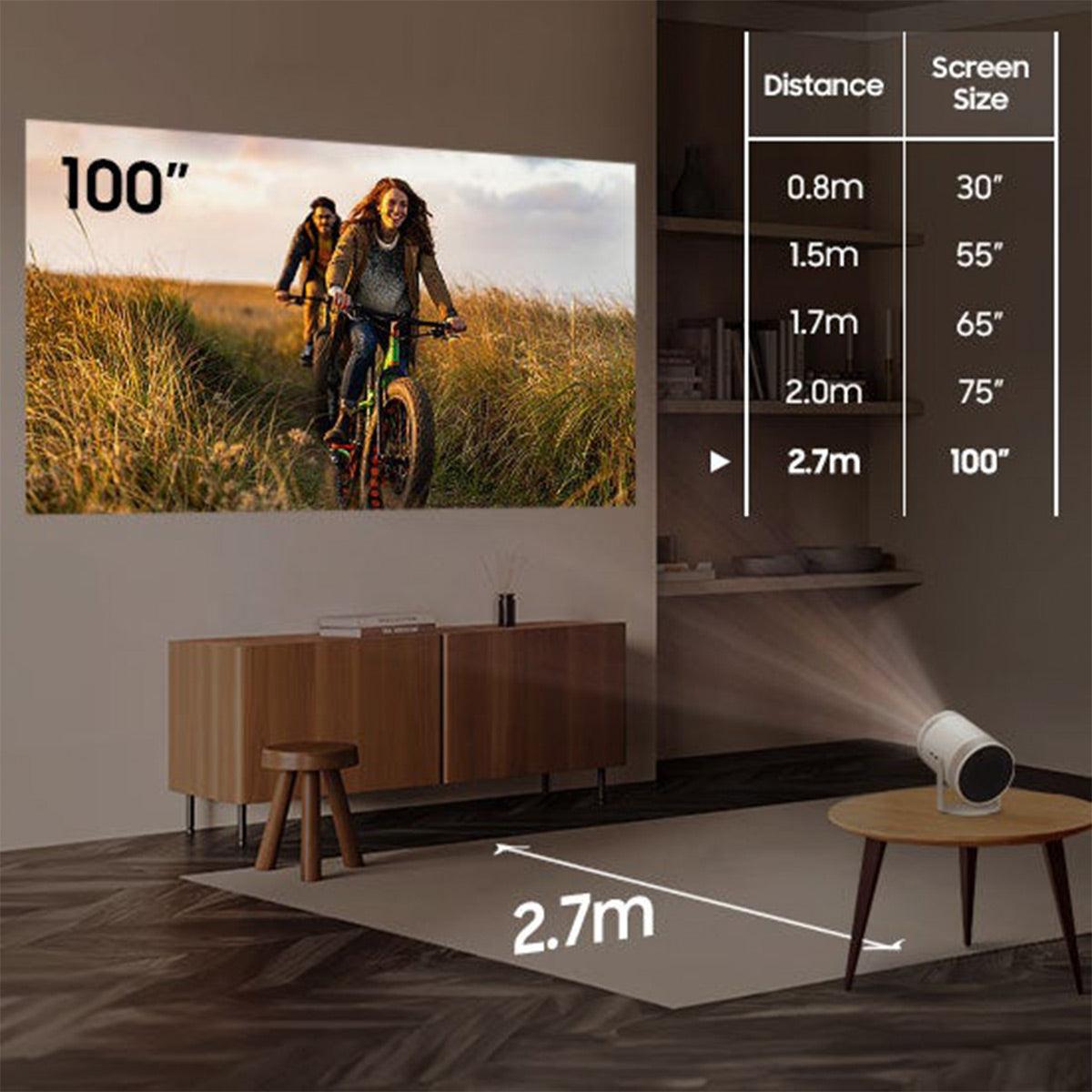
| 85" to 180" projection range | 30" to 100" projection range |
| Best Use Cases - Who should consider each option | |
| Home theater replacement, serious movie watching, flexible room setups | Travel entertainment, dorm rooms, casual outdoor movies |
The JMGO N1S Pro 4K Projector delivers significantly better image quality with true 4K resolution (3840x2160) compared to the Samsung Freestyle 2nd Gen Smart Projector's 1080p resolution. The JMGO N1S Pro 4K also features triple RGB laser technology for more vibrant colors and 2,400 ANSI lumens brightness versus Samsung's 230 lumens, making it suitable for well-lit rooms while the Samsung requires complete darkness.
The Samsung Freestyle 2nd Gen Smart Projector is much more portable at just 1.8 pounds compared to the JMGO N1S Pro 4K Projector's 9.9 pounds. The Samsung easily fits in a backpack and consumes only 50W of power, while the JMGO requires 180W and is better suited for moving between rooms rather than true grab-and-go portability.
Only the JMGO N1S Pro 4K Projector can handle moderately lit rooms with its 2,400 ANSI lumens output. The Samsung Freestyle 2nd Gen with just 230 lumens requires a completely dark environment for watchable images. For daytime viewing or rooms with ambient light, the JMGO N1S Pro 4K is the clear choice.
The JMGO N1S Pro 4K Projector is far superior for home theater applications. Its 4K resolution, high brightness, triple laser technology, and 20W stereo speakers with Dolby Digital Plus create a legitimate home theater experience. The Samsung Freestyle 2nd Gen is better suited for casual viewing rather than serious home theater setups due to its 1080p limitation and low brightness.
Both projectors offer smart streaming capabilities. The JMGO N1S Pro 4K Projector runs Google TV with native Netflix support and access to 10,000+ apps, plus Google Assistant integration. The Samsung Freestyle 2nd Gen Smart Projector uses Samsung's improved Tizen OS with Gaming Hub for cloud gaming, plus Bixby and Alexa voice assistants.
The JMGO N1S Pro 4K Projector has significantly better audio with 20W stereo speakers and Dolby Digital Plus support that can fill a room. The Samsung Freestyle 2nd Gen features a 5W mono speaker with 360-degree sound design that's adequate for personal viewing but lacks the power and stereo separation for group entertainment or home theater use.
The JMGO N1S Pro 4K Projector provides superior connectivity with two HDMI 2.1 ports (one with eARC), USB-A, Wi-Fi 6, and Bluetooth 5.2. The Samsung Freestyle 2nd Gen Smart Projector has limited physical connections with only one micro-HDMI port since USB-C is needed for power, though it does offer Wi-Fi 5 and Bluetooth 5.2 for wireless connectivity.
The JMGO N1S Pro 4K Projector features an advanced gimbal system allowing 360° horizontal and 135° vertical adjustment with automatic focus, keystone correction, and obstacle avoidance. The Samsung Freestyle 2nd Gen uses a simpler 180° rotating cradle that's intuitive to aim, though user reviews indicate its auto-correction features are less reliable than the JMGO's system.
For serious gaming, the JMGO N1S Pro 4K Projector excels with 4K resolution and HDMI 2.1 ports supporting modern consoles like PlayStation 5 and Xbox Series X. The Samsung Freestyle 2nd Gen Smart Projector offers unique cloud gaming through Samsung Gaming Hub without needing a console, but is limited to 1080p resolution which feels outdated for modern gaming standards.
The Samsung Freestyle 2nd Gen Smart Projector can work with portable power solutions and Samsung offers an optional battery base, making it suitable for outdoor use or locations without AC power. The JMGO N1S Pro 4K Projector requires 180W AC power and cannot run on batteries, limiting its use to locations with electrical outlets.
Value depends on your priorities. The JMGO N1S Pro 4K Projector offers exceptional performance per dollar with 4K resolution, high brightness, and premium features that justify its higher cost for serious home entertainment. The Samsung Freestyle 2nd Gen Smart Projector provides better value for ultra-portability needs but with significant performance compromises that may not satisfy users seeking quality viewing experiences.
Choose the JMGO N1S Pro 4K Projector if you want the best image quality, plan to use it as a TV replacement, need it to work in various lighting conditions, or prioritize home theater performance. Choose the Samsung Freestyle 2nd Gen Smart Projector if maximum portability is your top priority, you'll primarily use it in completely dark rooms, or you need something for casual entertainment like dorm rooms or travel.
We've done our best to create useful and informative comparisons to help you decide what product to buy. Our research uses advanced automated methods to create this comparison and perfection is not possible - please contact us for corrections or questions. These are the sites we've researched in the creation of this article: techradar.com - projectorcentral.com - gray9.in - projectorreviews.com - howtogeek.com - the-gadgeteer.com - projectorcentral.com - global.jmgo.com - global.jmgo.com - cnet.com - cnet.com - youtube.com - global.jmgo.com - avsforum.com - youtube.com - youtube.com - techradar.com - tech.slashdot.org - youtube.com - bestbuy.com - youtube.com - youtube.com - rtings.com - samsung.com - samsung.com - samsung.com - thesmarthomehookup.com - nfm.com - samsung.com - abt.com - projectorcentral.com - valueelectronics.com - target.com - samsung.com - samsung.com - images.samsung.com - abt.com - youtube.com - samsung.com - samsung.com - walts.com - bhphotovideo.com - shi.com - youtube.com - publicsector.shidirect.com - provantage.com - abcwarehouse.com

Privacy Policy
Terms and Conditions - Affiliate Policy
Home Security
© Copyright 2008-2026.
11816 Inwood Rd #1211, Dallas, TX 75244