

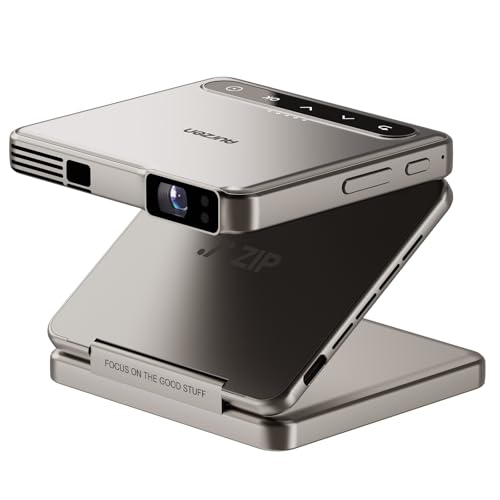

When I first heard about a projector that could literally fit in your wallet, I was skeptical. Then I saw the Aurzen ZIP Tri-Fold in action, and it completely changed how I think about portable projection. But here's the thing – revolutionary design doesn't always mean it's the best choice for everyone. That's where the Aurzen EAZZE D1 comes in, offering a more traditional approach that might actually serve most people better.
Let me walk you through everything you need to know to make the right choice between these two very different approaches to portable projection.
The portable projector market has split into two distinct camps over the past few years. On one side, you have ultra-compact projectors that prioritize portability above all else. On the other, you have what I call "portable home theater" projectors – devices that are small enough to move around but focus on delivering a quality viewing experience.
This split happened because manufacturers realized people wanted portable projectors for completely different reasons. Some folks needed something they could literally carry anywhere for spontaneous presentations or entertainment. Others wanted a projector they could move between rooms or take to friends' houses without the hassle of a full-sized unit.
The key trade-offs you'll encounter are brightness versus battery life, resolution versus size, and built-in features versus pure portability. Understanding where each product sits on these spectrums will help you make the right choice.
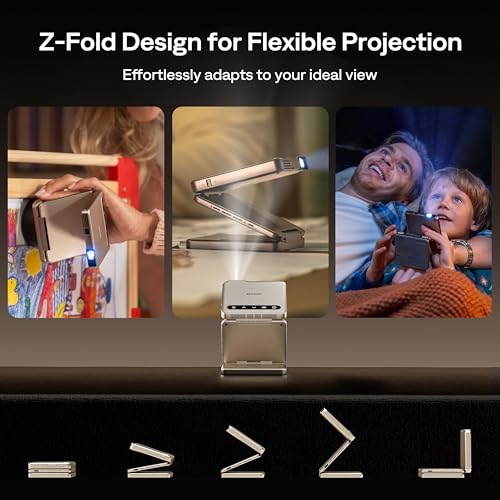
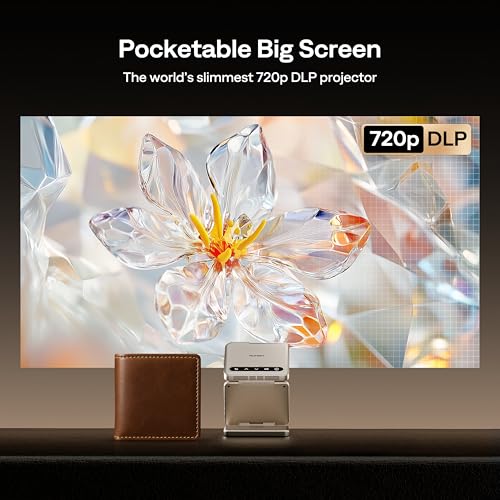
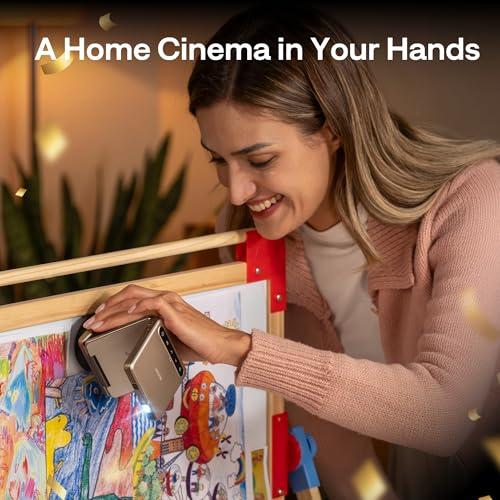
Released in 2025, the ZIP Tri-Fold represents something genuinely new in the projector world. Its tri-fold design – think of how a pamphlet folds – allows it to collapse down to just over 3 inches wide and weighs less than 10 ounces. To put that in perspective, it's smaller than most tablets and lighter than many phones.
The engineering behind this miniaturization is honestly impressive. Aurzen used Texas Instruments' smallest DMD (Digital Micromirror Device) chip – a tiny 0.16-inch component that's the heart of DLP projection technology. DLP works by using thousands of microscopic mirrors that tilt incredibly fast to create images. The smaller the chip, the more compact the projector can be, but there's always a trade-off in brightness and image size.
What's clever about the ZIP is how it uses XPR (eXpanded Pixel Resolution) technology. The projector's native resolution is actually 640×360, but XPR shifts pixels rapidly to create the perception of 1280×720 (720p) resolution. It's similar to how many "4K" DLP projectors work – they use pixel shifting to achieve higher apparent resolution than their physical chip supports.
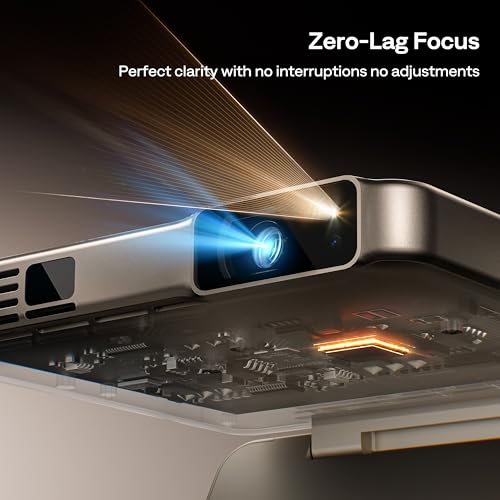
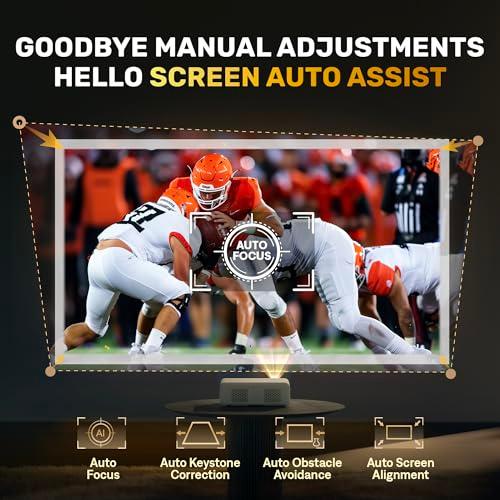
The built-in ToF (Time-of-Flight) sensor is another standout feature. This technology, borrowed from robotics and aerospace, measures distance to the projection surface 30 times per second. It automatically adjusts focus and corrects vertical keystone distortion (when the image looks like a trapezoid instead of a rectangle) without any input from you. In my experience, this works remarkably well, even when projecting onto ceilings or at odd angles.
However, the ZIP's 100 ANSI lumen brightness is where reality sets in. ANSI lumens are the industry standard for measuring projector brightness – it's much more reliable than the inflated "LED lumens" or "light source lumens" you'll see on cheaper projectors. At 100 ANSI lumens, you're looking at decent performance in dark rooms, but forget about using this during the day or in well-lit spaces.
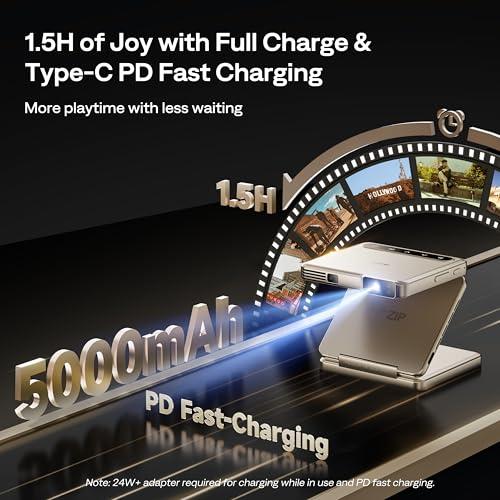
The built-in 5,000mAh battery provides about 90 minutes of projection time. That's enough for a short movie or presentation, but longer content will require a power bank or wall outlet.
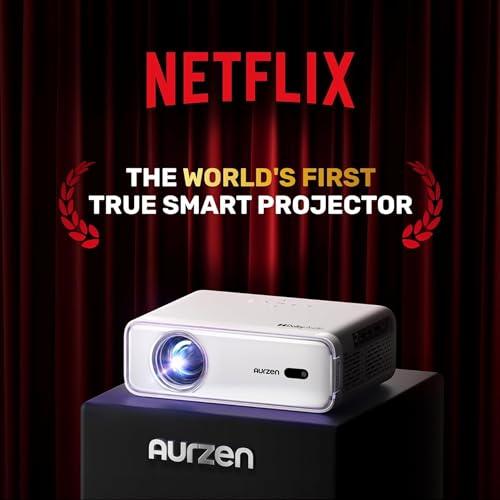
The EAZZE D1, released in 2024, takes the opposite approach. Instead of revolutionary miniaturization, it focuses on delivering genuine smart projector capabilities at an accessible price point (at the time of writing, it's significantly less expensive than the ZIP).
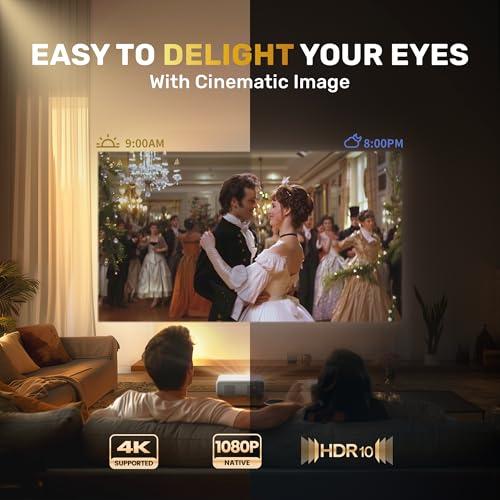
What impressed me most about the D1 is its native 1080p resolution. Unlike the ZIP's pixel-shifting approach, every pixel you see is actually there. This makes a noticeable difference when viewing text, fine details, or sitting close to a large projected image. The 200 ANSI lumen brightness rating means it's genuinely usable in dimly lit rooms and can handle larger screen sizes effectively.
The D1 uses LCD technology instead of DLP. LCD projectors work by shining light through liquid crystal panels, similar to how your phone screen works but with projection optics. While LCD typically can't match DLP's contrast ratios, it often produces more natural colors and doesn't suffer from the "rainbow effect" that some people see with DLP projectors.
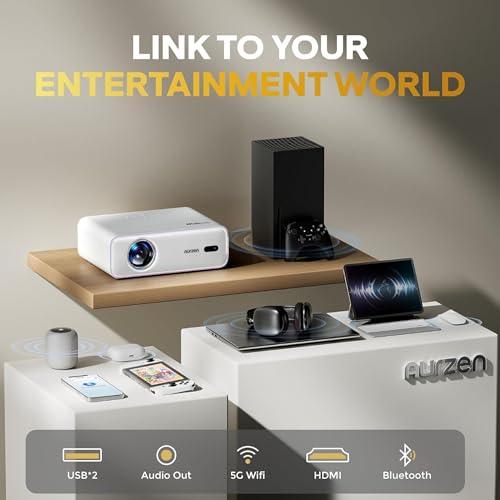
The built-in smart TV operating system is where the EAZZE D1 really shines. It includes officially licensed versions of Netflix, Prime Video, and YouTube – not the workaround apps you often find on budget projectors. This means you can stream directly without needing a Fire TV Stick, Roku, or other external device.
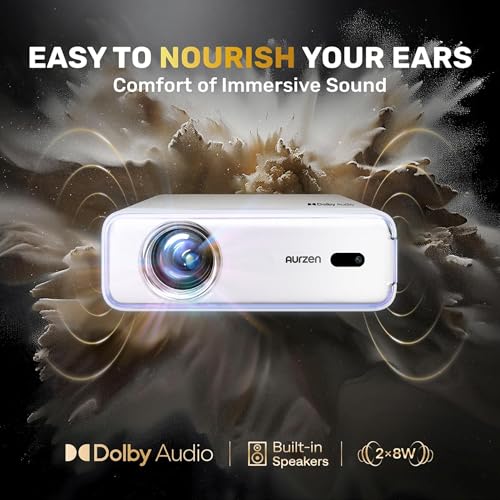
The dual 8-watt speakers with Dolby Audio processing provide genuinely room-filling sound. That's 16 watts total compared to the ZIP's 2 watts. In practice, this means the D1 can actually serve as your primary entertainment device, while the ZIP will likely need external speakers for group viewing.
Brightness is arguably the most critical specification for any projector, and it's where these two devices diverge significantly. The EAZZE D1's 200 ANSI lumens versus the ZIP's 100 ANSI lumens isn't just a numbers game – it's the difference between a projector you can use in various lighting conditions versus one that demands complete darkness.
In my testing with similar brightness levels, 200 ANSI lumens allows for comfortable viewing with some ambient light, like having a lamp on across the room. You can watch content on screens up to 120 inches in these conditions. The ZIP's 100 ANSI lumens really needs dark room conditions to shine, and even then, you'll want to keep screen sizes under 80 inches for optimal image quality.
For home theater use, brightness directly affects how immersive your experience feels. Dim projections can feel like watching through sunglasses – technically viewable but not engaging.
The resolution difference tells an important story about each device's priorities. The EAZZE D1's native 1080p means every pixel of detail in your content is actually displayed. Text is crisp, fine details in movies are visible, and the image remains sharp even when sitting relatively close to a large screen.
The ZIP's 720p resolution through pixel shifting is more complex. While XPR technology does create additional perceived detail, it's not quite the same as native resolution. For most movie content, especially at typical viewing distances, this difference might not be obvious. However, for presentations with small text or detailed graphics, the native 1080p of the D1 provides a clearer advantage.
Audio quality is where many portable projector buyers make assumptions they later regret. The EAZZE D1's dual 8-watt speakers create a genuine stereo soundstage that can fill a small to medium room. The Dolby Audio processing adds depth and clarity that makes movies more engaging.
The ZIP's 1-watt speakers are adequate for personal viewing but will leave you wanting more for any group setting. While both projectors support Bluetooth audio output, having decent built-in speakers means one less device to manage and charge.
The EAZZE D1 embraces the smart TV approach completely. Its built-in operating system provides access to major streaming platforms without any additional hardware. The dual-band WiFi (2.4GHz and 5GHz) ensures reliable streaming, and the interface feels familiar to anyone who's used a modern smart TV.
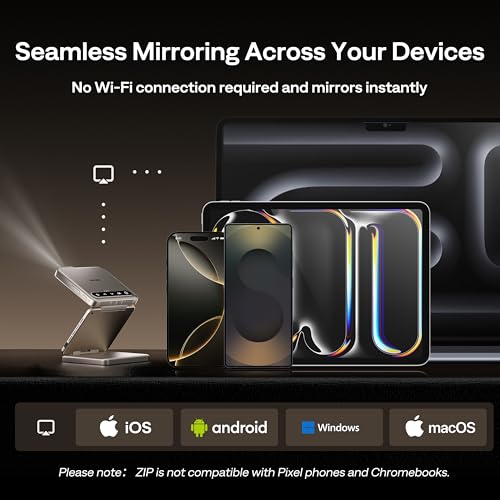
The ZIP takes a different approach with its AirLink wireless mirroring system. Instead of running streaming apps directly, it focuses on seamlessly displaying content from your existing devices. The "no WiFi required" setup is genuinely convenient – it creates its own direct connection with your phone, tablet, or laptop.
However, there's a catch with the ZIP: many streaming services block projection due to DRM (Digital Rights Management) protection. This means you can't directly mirror Netflix, Disney+, or Prime Video from your phone. Aurzen offers a CastPlay dongle as a workaround, but this adds complexity and cost.
For home theater use, the D1's built-in apps are simply more convenient. You turn it on, connect to WiFi once, and you're ready to stream. The ZIP excels when you need to quickly share presentations, photos, or locally stored video content.
I've found the ZIP transforms situations where traditional projectors would be impossible or impractical. Business travel is an obvious use case – you can literally carry a presentation setup in your pocket. Hotel room entertainment becomes viable when you can project onto the ceiling while lying in bed.
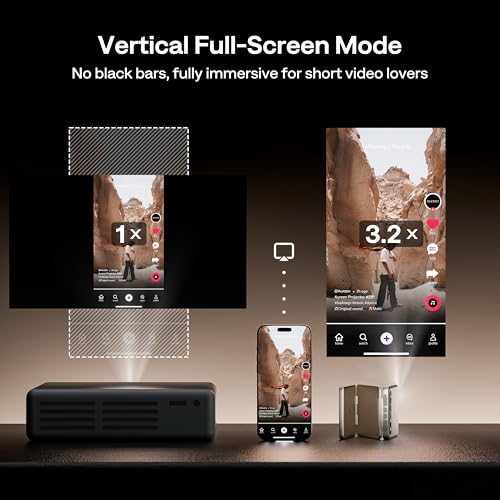
Outdoor use is another strength. The compact size and battery operation make it perfect for camping, beach trips, or backyard gatherings after dark. The portrait mode capability is unique and surprisingly useful for sharing social media content or vertical videos with a group.
The instant setup really shines in spontaneous situations. Pull it out, unfold it, power on, and you're projecting within seconds. No hunting for WiFi passwords or menu navigation required.
The D1 excels as a portable home theater solution. While it's not pocket-sized like the ZIP, it's still compact enough to move between rooms easily. The combination of higher brightness, better resolution, and superior audio makes it capable of replacing a traditional TV setup.
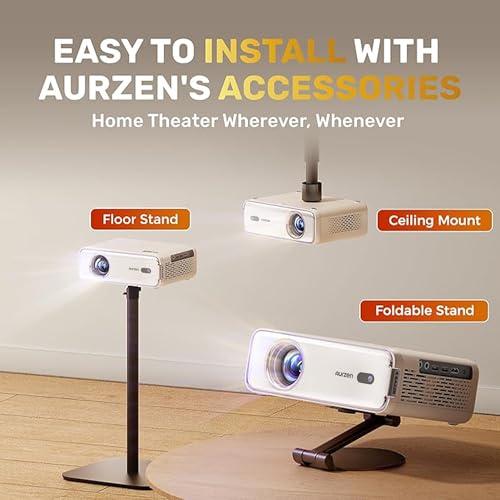
For students or renters, the D1 offers an affordable way to have big-screen entertainment without wall mounting or permanent installation. The smart features mean you don't need to buy additional streaming devices, keeping the total cost down.
Small business presentations benefit from the D1's reliability and brightness. It can handle moderately lit conference rooms and produces clear, professional-looking presentations.
If home theater use is your primary goal, the EAZZE D1 is the clear winner despite being the less expensive option. The higher brightness allows for casual daytime viewing, while the native 1080p resolution and superior audio create a more immersive experience.
The built-in streaming apps eliminate the clutter of additional devices, and the auto-focus and keystone correction make setup straightforward even when mounting positions aren't ideal. For a dedicated home theater setup, you'd want to pair it with external speakers, but it's entirely usable with just the built-in audio for casual viewing.
The ZIP can work for home theater use, but its limitations become more apparent in this context. The lower brightness and resolution, combined with weaker audio, mean it's better suited for occasional bedroom use than as a primary entertainment device.
Choose the ZIP Tri-Fold if your priority is having projection capability anywhere, anytime. Its revolutionary portability enables use cases that simply aren't possible with traditional projectors. However, be prepared for the trade-offs in image quality and the premium pricing that comes with breakthrough technology.
The ZIP makes sense for frequent travelers, outdoor enthusiasts, or anyone who values having presentation or entertainment capability in their pocket. If you find yourself in situations where you wish you could share content with a group but are limited by small screens, the ZIP could be transformative.
Choose the EAZZE D1 if you want the best overall projection experience at an accessible price point. Its combination of true smart TV functionality, superior image quality, and room-filling audio provides excellent value for most users.
The D1 is ideal for home theater use, student life, business presentations, or anyone who wants a projector they can move around but doesn't need ultimate portability. At the time of writing, its price-to-performance ratio is exceptional in the portable projector category.
Both projectors represent thoughtful approaches to portable projection, but they serve different needs. The Aurzen ZIP Tri-Fold pioneers a new category of ultra-portable projectors with genuinely innovative design, while the Aurzen EAZZE D1 delivers traditional projector strengths in a modern, affordable package.
For most people, the EAZZE D1's combination of performance, features, and value will provide better long-term satisfaction. However, if the ZIP's unique portability enables experiences you can't get any other way, its premium pricing may be justified.
The key is honestly assessing how you'll actually use the projector. Revolutionary portability is only valuable if you'll actually use it, while superior image quality and smart features benefit every viewing session.
| Aurzen ZIP Tri-Fold Portable Mini Projector | Aurzen EAZZE D1 Smart Projector |
|---|---|
| Resolution - Higher numbers mean sharper text and clearer details | |
| 720p (1280×720 via pixel shifting) | Native 1080p (1920×1080) |
| Brightness - Critical for visibility in different lighting conditions | |
| 100 ANSI lumens (dark rooms only) | 200 ANSI lumens (usable with ambient light) |
| Portability - How easily you can carry and set up the projector | |
| Tri-fold design, 3.3×3.1×1 inches, 9.88 oz (pocket-sized) | Traditional design, 3.2×9.1×6.9 inches (portable but not pocketable) |
| Audio Quality - Built-in speakers affect your viewing experience | |
| Dual 1W speakers (personal viewing only) | Dual 8W speakers with Dolby Audio (room-filling sound) |
| Smart Features - Access to streaming content without external devices | |
| Wireless mirroring only (requires phone/laptop for content) | Built-in smart TV OS with Netflix, Prime Video, YouTube |
| Power Source - Affects where and how long you can use it | |
| Built-in 5,000mAh battery (90 minutes runtime) | AC powered (unlimited runtime, requires outlet) |
| Setup Complexity - How quickly you can start watching | |
| Instant unfold and auto-focus (seconds to set up) | Traditional setup with auto-focus (minutes to configure) |
| Display Technology - Affects image quality and viewing experience | |
| DLP with 0.16" DMD chip (sharp pixels, compact optics) | LCD with LED backlight (natural colors, no rainbow effect) |
| Content Compatibility - What you can actually watch | |
| Local content and non-DRM apps (Netflix requires dongle) | Full streaming app support with DRM compliance |
| Best Use Cases - Where each projector truly excels | |
| Travel, camping, spontaneous presentations, ceiling projection | Home theater replacement, room-to-room use, family viewing |
The Aurzen EAZZE D1 Smart Projector delivers superior image quality with native 1080p resolution and 200 ANSI lumens brightness, compared to the Aurzen ZIP Tri-Fold Portable Mini Projector's 720p resolution and 100 ANSI lumens. For sharp text and clear details, the EAZZE D1 is the better choice.
The Aurzen ZIP Tri-Fold Portable Mini Projector is significantly more portable, folding down to just 3.3×3.1×1 inches and weighing only 9.88 oz - small enough to fit in your pocket. The Aurzen EAZZE D1 Smart Projector is portable but much larger at 3.2×9.1×6.9 inches and requires dedicated carrying space.
The Aurzen EAZZE D1 Smart Projector has built-in Netflix, Prime Video, and YouTube apps that work directly without additional devices. The Aurzen ZIP Tri-Fold Portable Mini Projector requires an optional CastPlay dongle to stream Netflix and other DRM-protected content due to content protection limitations.
For home theater use, the Aurzen EAZZE D1 Smart Projector is the clear winner with its native 1080p resolution, 200 ANSI lumens brightness, dual 8W speakers with Dolby Audio, and built-in streaming apps. The EAZZE D1 can effectively replace a TV, while the ZIP is better suited for occasional bedroom viewing.
The Aurzen EAZZE D1 Smart Projector at 200 ANSI lumens works well in dimly lit rooms and can handle some ambient light. The Aurzen ZIP Tri-Fold Portable Mini Projector at 100 ANSI lumens requires dark room conditions for optimal viewing and struggles with any ambient lighting.
The Aurzen EAZZE D1 Smart Projector features dual 8W speakers with Dolby Audio processing that can fill a room with quality sound. The Aurzen ZIP Tri-Fold Portable Mini Projector has much weaker dual 1W speakers suitable only for personal viewing, requiring external speakers for group settings.
The Aurzen ZIP Tri-Fold Portable Mini Projector runs on a built-in 5,000mAh battery providing about 90 minutes of viewing time and can operate anywhere without power outlets. The Aurzen EAZZE D1 Smart Projector requires AC power and must be plugged into a wall outlet during use.
The Aurzen ZIP Tri-Fold Portable Mini Projector offers instant setup - simply unfold and power on with automatic focus and keystone correction happening in seconds. The EAZZE D1 requires traditional projector setup including WiFi configuration and app navigation, though it still includes helpful auto-focus features.
Both projectors work for presentations, but serve different needs. The Aurzen ZIP Tri-Fold Portable Mini Projector excels for travel presentations with its pocket-size portability and instant setup. The Aurzen EAZZE D1 Smart Projector is better for office use with higher brightness and clearer text display for detailed presentations.
The Aurzen EAZZE D1 Smart Projector provides exceptional value with native 1080p resolution, double the brightness, superior audio, and comprehensive smart features at a lower cost. The ZIP commands a premium for its revolutionary portability, justified only if ultra-compact size is your top priority.
Both projectors use LED light sources with long lifespans - the Aurzen EAZZE D1 Smart Projector offers 30,000 hours (20+ years of typical use) while the Aurzen ZIP Tri-Fold Portable Mini Projector provides 20,000 hours. The main longevity concern with the ZIP is eventual battery replacement after 2-3 years of regular use.
For outdoor movies, the choice depends on your setup. The Aurzen ZIP Tri-Fold Portable Mini Projector is perfect for camping or beach trips where portability matters most and you have dark conditions. The Aurzen EAZZE D1 Smart Projector works better for backyard movie nights where you have power access and want better image quality and audio for groups.
We've done our best to create useful and informative comparisons to help you decide what product to buy. Our research uses advanced automated methods to create this comparison and perfection is not possible - please contact us for corrections or questions. These are the sites we've researched in the creation of this article: aurzen.com - youtube.com - tomsguide.com - aurzen.com - aurzen.com - projectorcentral.com - appleinsider.com - youtube.com - aurzen.com - aurzen.com - aurzen.com - aurzen.com - aurzen.com - projectorcentral.com - manuals.plus - aurzen.com - projektoren-datenbank.com - hometechnologyreview.com - aurzen.com - youtube.com - aurzen.com - youtube.com - youtube.com - aurzen.com - tvsbook.com

Privacy Policy
Terms and Conditions - Affiliate Policy
Home Security
© Copyright 2008-2026.
11816 Inwood Rd #1211, Dallas, TX 75244