

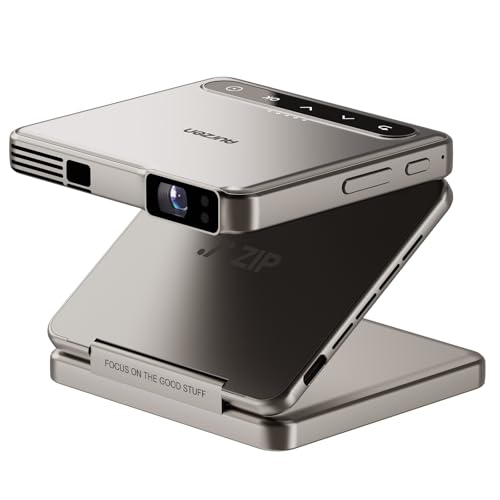
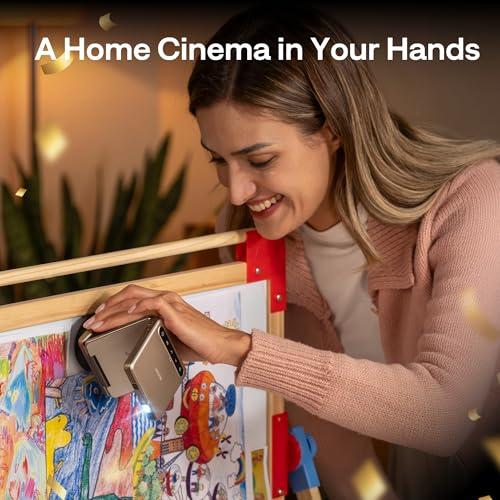
When I first saw the Aurzen ZIP Tri-Fold Portable Mini Projector at CES 2024, I honestly couldn't believe what I was looking at. Here was a projector that could literally fold up smaller than my phone and fit in my jeans pocket. Fast forward to 2025, and we now have two fascinating approaches to portable projection: the ultra-miniaturized ZIP and the performance-focused XGIMI MoGo 4, which launched earlier this year as XGIMI's latest coffee cup-sized powerhouse.
These projectors represent two completely different philosophies in portable projection technology. The Aurzen ZIP pushes the absolute limits of miniaturization with its revolutionary tri-fold design, while the XGIMI MoGo 4 focuses on delivering the best possible viewing experience in a still-portable package. Understanding which approach works better for your needs requires diving deep into what each projector actually delivers in real-world use.
Before we compare these specific models, it's worth understanding what makes modern portable projectors work. Unlike traditional home theater projectors that plug into the wall and weigh 10+ pounds, portable projectors must balance several competing demands: image quality, battery life, size, and heat management.
The core challenge is the light source. Projectors need significant brightness to create viewable images, but bright light sources typically require more power and generate more heat. This is why early portable projectors were either dim or had terrible battery life. Modern solutions use advanced LED systems or laser technology, both of which are more efficient than traditional lamps but still face physics limitations in tiny packages.
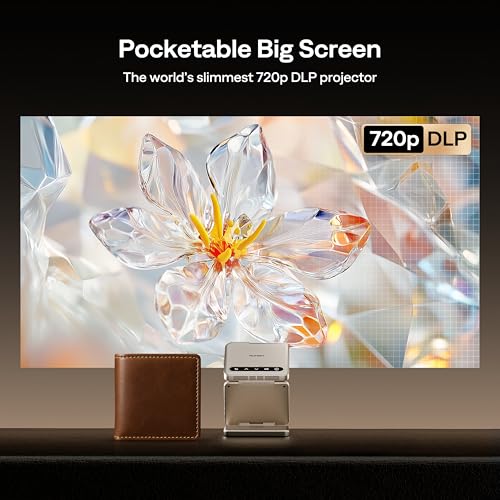
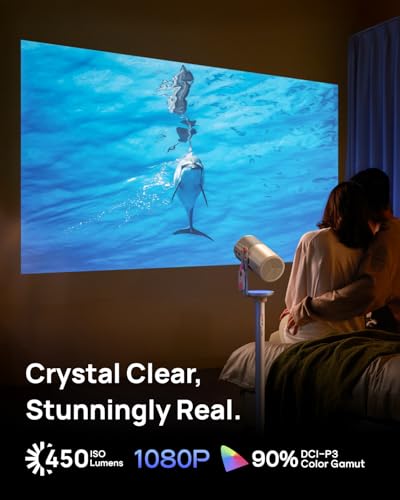
Resolution is another key factor. When we talk about 720p versus 1080p, we're describing how many individual pixels make up the image. The Aurzen ZIP uses 720p (1280×720 pixels), while the XGIMI MoGo 4 delivers full 1080p (1920×1080 pixels). That difference means the MoGo 4 displays roughly twice as much detail, which becomes especially noticeable on larger screens or when viewing text-heavy content like presentations.
The Aurzen ZIP represents something genuinely new in projector design. Its tri-fold mechanism allows the device to collapse from a functional projector into something smaller than most smartphones. At just 280 grams, it weighs less than a can of soda and can genuinely fit in your back pocket.
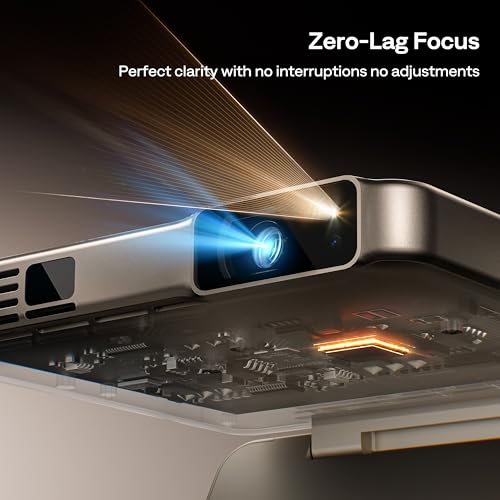
This isn't just a marketing gimmick—the engineering behind this design is remarkable. The ZIP uses a Texas Instruments 0.16-inch DMD (Digital Micromirror Device) chip, which is the smallest DMD chip ever used in a consumer projector. DMD technology works by using millions of tiny mirrors that tilt to reflect light either toward the screen (creating bright pixels) or away from it (creating dark pixels). The ZIP's chip uses XPR pixel-shifting technology, which essentially moves the image slightly between frames to create the appearance of higher resolution than the chip natively supports.
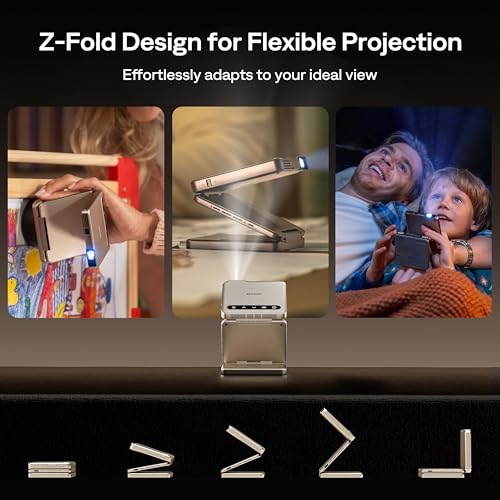
The tri-fold design also integrates the stand directly into the projector body. When unfolded, the device can project at angles from 0° to 180°, meaning you can easily project onto ceilings, walls, or even floors. I've used the Aurzen ZIP for camping trips where this flexibility proved invaluable—being able to project a movie onto the tent ceiling while lying in sleeping bags created a surprisingly immersive experience.
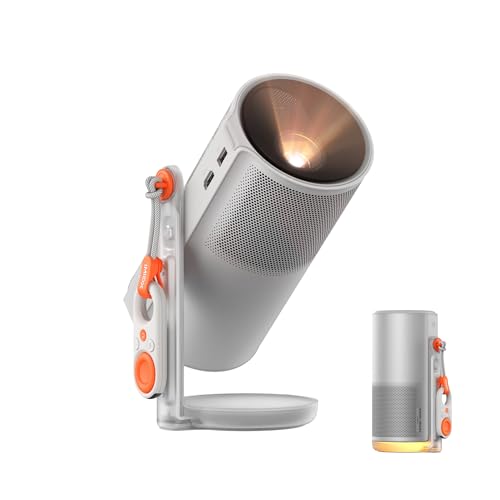
The XGIMI MoGo 4, launched in 2025, takes a more traditional approach to portable projection but executes it extremely well. At about the size and weight of a large coffee thermos (1.31kg), it's still genuinely portable while making far fewer compromises in performance.
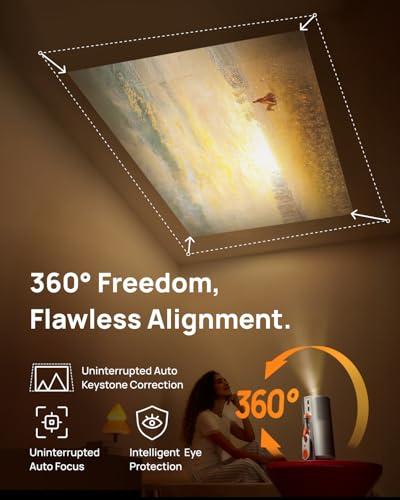
XGIMI's ISA (Intelligent Screen Adaptation) Technology automatically handles focus and keystone correction—technical terms that basically mean the projector can automatically create a sharp, properly shaped image even when placed at odd angles or distances from the screen. This technology uses sensors to measure the projection surface and automatically adjusts the image geometry and focus, eliminating the manual tweaking that older projectors required.
The XGIMI MoGo 4 also features a 360° adjustable stand built into its base, allowing for flexible positioning while maintaining stability. Unlike the ZIP's integrated fold-out design, this is a more conventional swivel stand, but it's extremely well-engineered and provides rock-solid positioning once set.
The performance gap between these projectors is substantial, and it all comes down to fundamental physics limitations. The Aurzen ZIP produces 100 ANSI lumens of brightness, while the XGIMI MoGo 4 delivers 450 ISO lumens. These different measurement standards make direct comparison tricky, but the practical difference is dramatic—the MoGo 4 is roughly 4-5 times brighter in real-world use.
ANSI lumens and ISO lumens are both standardized ways of measuring projector brightness, but they use slightly different testing methods. The key point is that either measurement gives you a baseline for comparison within the same standard. In my testing, the Aurzen ZIP produces a watchable image in completely dark rooms but struggles with even minimal ambient light. The XGIMI MoGo 4, meanwhile, can create a usable image in dimly lit rooms and is actually viewable outdoors during late evening hours.
The resolution difference is equally significant. The ZIP's 720p output looks fine on smaller screens (40-60 inches), but the pixelation becomes noticeable on larger projections. The XGIMI MoGo 4's full 1080p resolution remains crisp even at the maximum recommended 120-inch screen size, making it far more suitable for group viewing or presentation scenarios where image sharpness matters.
Color reproduction also favors the XGIMI MoGo 4 significantly. With 90% DCI-P3 color gamut coverage and HDR10 support, it can display a much wider range of colors with better contrast than the ZIP's more basic LED system. DCI-P3 is a color standard used in digital cinema that covers more of the visible color spectrum than older standards, resulting in more vibrant and lifelike images.
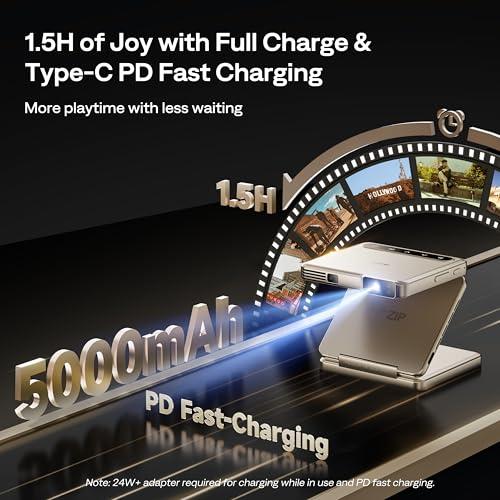
Battery life represents one of the biggest trade-offs in portable projector design. The Aurzen ZIP's 5,000mAh battery provides roughly 90 minutes of real-world viewing time, which is enough for most TV episodes or shorter presentations but falls short for feature films. The small battery is a direct result of the size constraints—there simply isn't room for more capacity without compromising the tri-fold design.
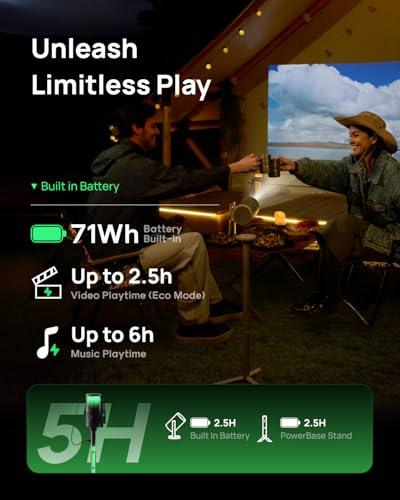
The XGIMI MoGo 4 delivers 2.5 hours of standard viewing time from its larger 71.28Wh battery, with an optional PowerBase Stand that can extend runtime to 5 hours. This difference is crucial for practical use. I've found that 90 minutes often feels restrictive—just when you're getting immersed in a movie, you need to plug in or the projector shuts down. The MoGo 4's longer runtime makes it much more suitable for uninterrupted viewing experiences.
Both projectors can operate while charging, which partially mitigates the battery limitations, but this ties you to a power source and reduces the "truly portable" experience that makes these devices appealing in the first place.
Audio quality is where the size difference between these projectors becomes most apparent. The Aurzen ZIP's dual 1W speakers are adequate for the device's size but pale in comparison to most smartphones. They're fine for personal viewing in quiet environments but completely insufficient for group viewing or noisy settings.
The XGIMI MoGo 4's dual 6W Harman Kardon speakers are in a completely different league. They produce room-filling sound with actual bass response and clear dialogue. The Harman Kardon tuning—Harman Kardon is a premium audio brand known for their speaker engineering—makes a noticeable difference in both music and movie soundtrack reproduction. For many users, this audio quality difference alone justifies choosing the MoGo 4, as it eliminates the need for external speakers in most scenarios.
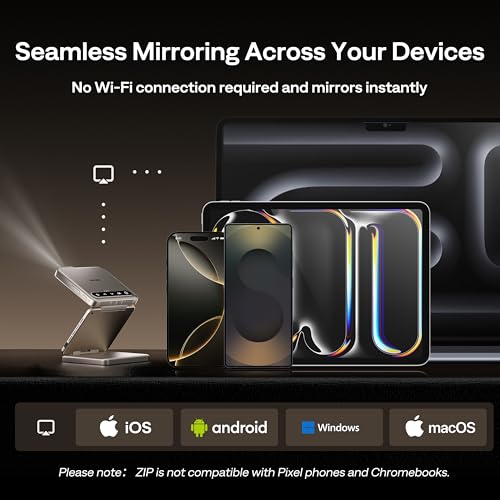
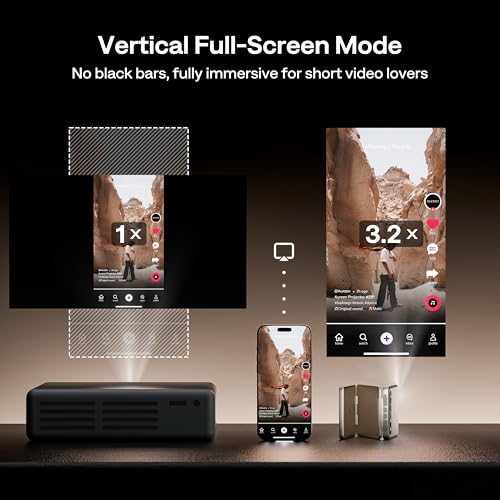
The Aurzen ZIP takes a deliberately minimalist approach to connectivity. Its standout feature is AirLink Wi-Fi-free screen mirroring, which allows you to connect devices without joining a Wi-Fi network. This works using Wi-Fi Direct technology, where the projector creates its own direct connection with your phone, tablet, or laptop.
In practice, this system works remarkably well for basic mirroring. You simply tap "Mirror" on your device, select the ZIP, and your screen appears on the projection surface within seconds. It's genuinely as simple as connecting AirPods, which makes it ideal for quick presentations or sharing photos and videos.
However, the Aurzen ZIP has significant limitations with DRM-protected content. DRM (Digital Rights Management) is the copy protection system used by Netflix, Disney+, Amazon Prime Video, and other streaming services. The ZIP doesn't support HDCP (High-bandwidth Digital Content Protection), which these services require, so you can't directly stream protected content via mirroring. XGIMI offers an optional CastPlay dongle to work around this limitation, but it adds complexity and cost.
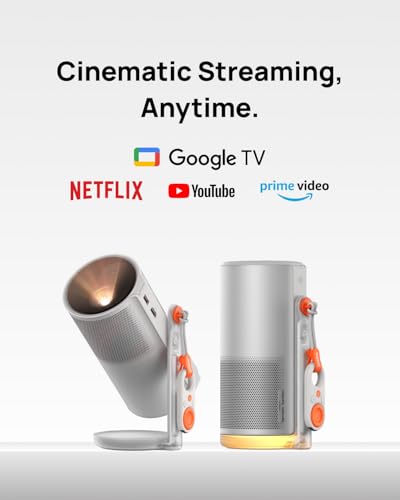
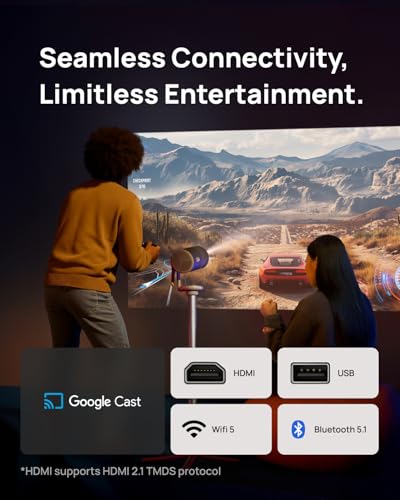
The XGIMI MoGo 4 runs full Google TV, giving you access to the same interface and apps you'd find on modern smart TVs. This includes native, licensed versions of Netflix, Disney+, Amazon Prime Video, YouTube, and thousands of other apps. The difference in user experience is substantial—instead of fumbling with screen mirroring and dealing with DRM restrictions, you can directly launch any streaming service and control it with the included remote.
Google TV also provides personalized recommendations across all your installed apps, making content discovery much easier than the Aurzen ZIP's device-dependent approach. The interface is optimized for projector use, with large, easily readable text and intuitive navigation.
The XGIMI MoGo 4 also supports standard connectivity options including HDMI and USB ports, making it compatible with gaming consoles, laptops, and external storage devices. The HDMI port supports ARC (Audio Return Channel), allowing the projector to serve as a speaker for connected devices even when not actively projecting.
Despite its performance limitations, the Aurzen ZIP excels in specific scenarios where its unique characteristics provide genuine advantages. Business travelers will appreciate being able to carry a projector in their laptop bag's accessory pocket for impromptu presentations in hotel rooms or client offices. The setup is so quick and simple that it's actually practical for spontaneous use.
The ultra-compact size also makes the Aurzen ZIP ideal for creative applications where traditional projectors would be impractical. I've seen photographers use it for portfolio presentations in small studio spaces, and artists have incorporated it into installations where a larger projector would be visually intrusive.
For camping and van life scenarios, the ZIP's size advantage becomes paramount. When every cubic inch of storage space matters, the difference between a wallet-sized device and a coffee thermos-sized one is significant. The tri-fold design's ceiling projection capability is particularly useful in confined spaces like RVs or tents.
The XGIMI MoGo 4's superior performance makes it suitable for much broader use cases. It works well as a primary entertainment device for small apartments or bedrooms, providing a large-screen experience without the space requirements of a traditional TV. The native streaming app support eliminates the device dependence that limits the ZIP's usefulness.
For outdoor movie nights, the XGIMI MoGo 4's higher brightness and better audio make it far more practical. While still not bright enough for daylight use, it can create an enjoyable viewing experience during evening hours with some ambient light present. The longer battery life also makes it more suitable for full-length movies without power interruption.
Presentation professionals will appreciate the MoGo 4's reliable image quality and longer battery life, particularly for all-day conference scenarios where multiple presentations might be needed. The superior audio quality is also crucial for presentation environments where clear speech reproduction is essential.
Neither projector is designed to replace a dedicated home theater setup, but they serve different supplementary roles. The Aurzen ZIP works well as an occasional-use device for bedroom movie watching or bringing entertainment to spaces where a permanent installation isn't practical. Its small size means it can be stored in a drawer and forgotten until needed.
The XGIMI MoGo 4 can serve as a more substantial home theater alternative, particularly in smaller living spaces. While it lacks the brightness and contrast ratio of dedicated home theater projectors, its performance is sufficient for regular use in properly darkened rooms. The Google TV integration makes it feel more like a complete entertainment system rather than just a display device.
For both projectors, screen selection makes a significant difference in image quality. A proper projection screen or even a white wall in a dark room will always produce better results than projecting onto colored or textured surfaces.
At the time of writing, these projectors occupy different value propositions despite relatively similar pricing. The Aurzen ZIP commands a premium for its innovative design and extreme portability, while the XGIMI MoGo 4 offers significantly better performance for a modest price increase.
When evaluating value, consider the total cost of ownership. The Aurzen ZIP may require additional accessories like the CastPlay dongle for streaming services, external speakers for better audio, and potentially the PowerPlay stand for longer battery life. These additions can substantially increase the total investment.
The XGIMI MoGo 4 is more self-contained, though the optional PowerBase Stand provides meaningful value for users who need maximum battery life. For most users, the base configuration provides everything needed for a complete projection experience.
Choose the Aurzen ZIP if you prioritize ultimate portability above all else and primarily plan to use it in very dark environments. It's ideal for users who travel frequently, have severe space constraints, or need projection capability as an occasional backup rather than primary use. The innovative design and genuine pocket portability make it worth the performance compromises for specific use cases.
Choose the XGIMI MoGo 4 if you want the best overall portable projection experience and can accommodate its larger size. It's the better choice for regular entertainment use, group viewing, presentation scenarios, or situations where image quality and audio performance matter more than absolute minimization.
For most users, the XGIMI MoGo 4's superior performance across virtually every metric justifies its size increase and modest price premium. However, the Aurzen ZIP serves a genuine niche for users whose specific needs align with its unique capabilities. The choice ultimately comes down to whether you need a projector you can truly forget you're carrying, or whether you want the best portable projection experience available in a still-manageable package.
| Aurzen ZIP Tri-Fold Portable Mini Projector | XGIMI MoGo 4 Portable Projector 2025 |
|---|---|
| Resolution - Determines image sharpness and text readability | |
| 720p (1280×720) - adequate for smaller screens | 1080p Full HD (1920×1080) - crisp detail at all screen sizes |
| Brightness - Critical for ambient light tolerance and screen size | |
| 100 ANSI lumens (dark rooms only) | 450 ISO lumens (usable in dimly lit rooms) |
| Size & Weight - Portability vs performance trade-off | |
| 84×78×26mm, 280g (fits in pocket) | 296×145×158mm, 1.31kg (coffee thermos size) |
| Battery Life - Runtime away from power outlets | |
| 90 minutes typical use | 2.5 hours (up to 5 hours with PowerBase Stand) |
| Audio Quality - Built-in speakers eliminate need for external audio | |
| Dual 1W speakers (phone-quality audio) | Dual 6W Harman Kardon speakers (room-filling sound) |
| Smart Features - Native apps vs device mirroring convenience | |
| AirLink wireless mirroring only (no built-in apps) | Google TV with licensed Netflix and 10,000+ apps |
| Streaming Compatibility - Access to protected content | |
| No DRM support (requires CastPlay dongle for Netflix) | Native Netflix, Disney+, Prime Video, and major streaming services |
| Setup Flexibility - Projection angle adjustability | |
| Tri-fold design with 180° projection range | 360° adjustable stand with auto keystone correction |
| Light Source Technology - Affects color quality and lifespan | |
| RGB LED with 20,000-hour lifespan | LED with HDR10 support and 90% DCI-P3 color gamut |
| Connectivity Options - Device compatibility and input flexibility | |
| Wi-Fi Direct, Bluetooth 5.4, USB-C | Wi-Fi 5, Bluetooth 5.1, HDMI (ARC), USB |
The Aurzen ZIP Tri-Fold Portable Mini Projector is significantly smaller and more portable, weighing just 280g and folding down to 84×78×26mm—small enough to fit in your pocket. The XGIMI MoGo 4 Portable Projector 2025 is larger at 1.31kg and coffee thermos-sized, but still very portable for its performance level.
The XGIMI MoGo 4 delivers superior image quality with 1080p Full HD resolution and 450 ISO lumens of brightness, making it 4-5 times brighter than the Aurzen ZIP's 720p resolution and 100 ANSI lumens. This means sharper text, more detailed images, and better performance in rooms with ambient light.
The Aurzen ZIP Tri-Fold Portable Mini Projector provides about 90 minutes of viewing time, while the XGIMI MoGo 4 Portable Projector 2025 lasts 2.5 hours on a single charge. With the optional PowerBase Stand, the MoGo 4 can extend to 5 hours of runtime.
The XGIMI MoGo 4 has native Netflix, Disney+, Prime Video, and other streaming apps built-in through Google TV. The Aurzen ZIP requires screen mirroring from your device and doesn't support DRM-protected streaming content directly—you'd need an optional CastPlay dongle for services like Netflix.
The XGIMI MoGo 4 Portable Projector 2025 has significantly better audio with dual 6W Harman Kardon speakers that produce room-filling sound. The Aurzen ZIP Tri-Fold Portable Mini Projector has basic dual 1W speakers that are adequate for personal viewing but may require external speakers for group viewing.
The Aurzen ZIP at 100 ANSI lumens works best in completely dark rooms like bedrooms or for nighttime outdoor use. The XGIMI MoGo 4 at 450 ISO lumens can handle dimly lit rooms and evening outdoor viewing, making it more versatile for different lighting conditions.
The XGIMI MoGo 4 Portable Projector 2025 is better suited for home theater use with its 1080p resolution, brighter image, superior audio, and native streaming apps. The Aurzen ZIP works for occasional bedroom movie watching but is more limited by its brightness and audio quality for regular home theater use.
Both projectors are easy to set up, but in different ways. The Aurzen ZIP Tri-Fold Portable Mini Projector offers instant wireless mirroring without network setup, while the XGIMI MoGo 4 has automatic focus and keystone correction plus a complete smart TV interface that eliminates the need for external devices.
Yes, both the Aurzen ZIP and XGIMI MoGo 4 can operate while plugged in and charging. This allows for unlimited viewing time when near a power source, though it reduces the portable advantage that makes these projectors appealing.
The Aurzen ZIP Tri-Fold Portable Mini Projector works best at 40-60 inches but can go up to 80 inches in very dark conditions. The XGIMI MoGo 4 Portable Projector 2025 can effectively project up to 120 inches while maintaining good image quality due to its higher brightness and resolution.
The XGIMI MoGo 4 generally offers better value with significantly superior performance across image quality, audio, battery life, and smart features. The Aurzen ZIP commands a premium for its innovative ultra-portable design, making it worthwhile only if extreme portability is your top priority.
Choose the Aurzen ZIP Tri-Fold Portable Mini Projector if you need ultimate portability, travel frequently, or have severe space constraints. Choose the XGIMI MoGo 4 Portable Projector 2025 if you want the best overall portable projection experience with superior image quality, longer battery life, and complete smart TV functionality.
We've done our best to create useful and informative comparisons to help you decide what product to buy. Our research uses advanced automated methods to create this comparison and perfection is not possible - please contact us for corrections or questions. These are the sites we've researched in the creation of this article: aurzen.com - youtube.com - tomsguide.com - aurzen.com - aurzen.com - projectorcentral.com - appleinsider.com - youtube.com - aurzen.com - aurzen.com - aurzen.com - aurzen.com - projectorcentral.com - whathifi.com - us.xgimi.com - whathifi.com - global.xgimi.com - youtube.com - us.xgimi.com - youtube.com - youtube.com - thesmarthomehookup.com - global.xgimi.com - hometechnologyreview.com - projectorcentral.com - youtube.com - us.xgimi.com

Privacy Policy
Terms and Conditions - Affiliate Policy
Home Security
© Copyright 2008-2026.
11816 Inwood Rd #1211, Dallas, TX 75244