


When you're shopping for a projector in 2024, you're essentially choosing between two very different philosophies. Do you want something that goes anywhere and does everything, or do you want something that sits in one spot and absolutely crushes its specific job? That's exactly the choice you're making between the XGIMI MoGo 3 Pro and the BenQ TH685P.
These aren't just different models from different brands—they represent completely different approaches to projection technology. One prioritizes convenience and smart features, while the other focuses purely on performance and gaming excellence. Let me walk you through what makes each special and help you figure out which one belongs in your home.
The projector world has evolved dramatically over the past few years. Gone are the days when all projectors were basically the same bulky box that required a dedicated room and complex setup. Today, we have ultra-portable smart projectors that can stream Netflix directly, gaming-focused models with response times that rival monitors, and everything in between.
When you're evaluating projectors, there are several key factors that matter most: brightness (measured in lumens, which determines how well you can see the image in ambient light), input lag (how quickly the projector responds to your controller—crucial for gaming), portability versus performance trade-offs, smart features versus raw capability, and the total cost of ownership over time.
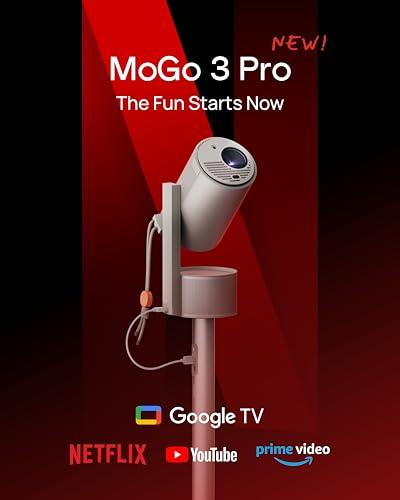
The XGIMI MoGo 3 Pro, released in 2024, represents the latest evolution in portable smart projectors. It's part of a new generation that treats projection as a lifestyle accessory rather than a piece of dedicated home theater equipment. Meanwhile, the BenQ TH685P, which launched in 2022, embodies the traditional approach: maximum performance for specific use cases, particularly gaming.
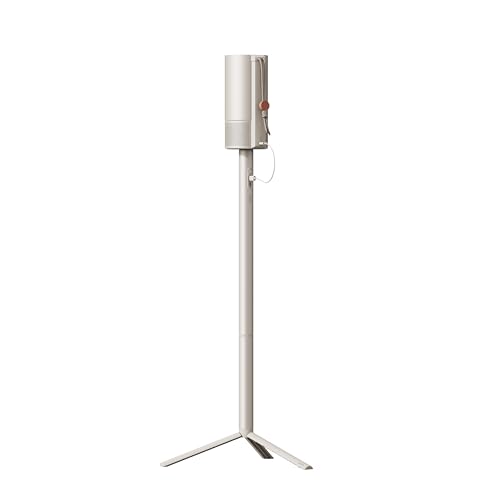
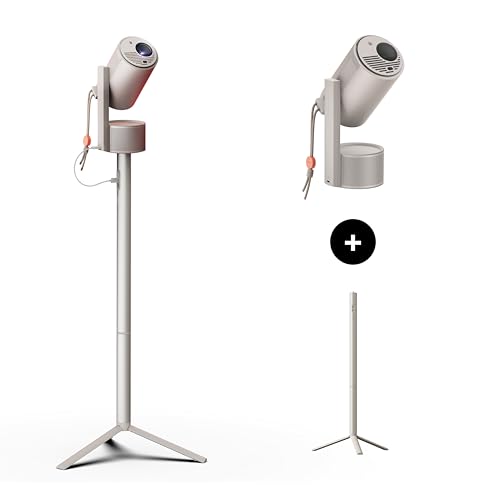
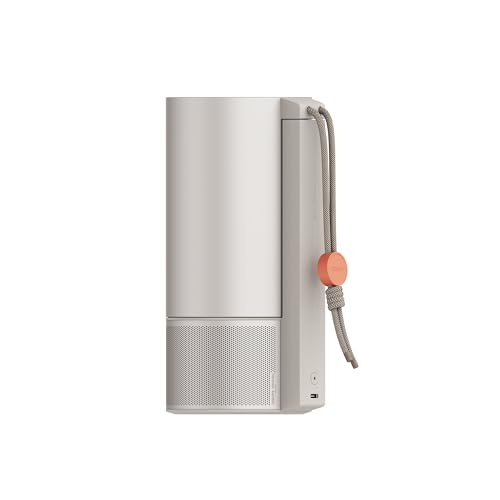
The difference between these projectors becomes obvious the moment you see them. The XGIMI MoGo 3 Pro looks more like a premium Bluetooth speaker than a traditional projector. At just 2.4 pounds, it's roughly the size and weight of a large coffee mug. Its cylindrical aluminum design is genuinely beautiful—something you wouldn't mind leaving on your coffee table or taking to a friend's house.
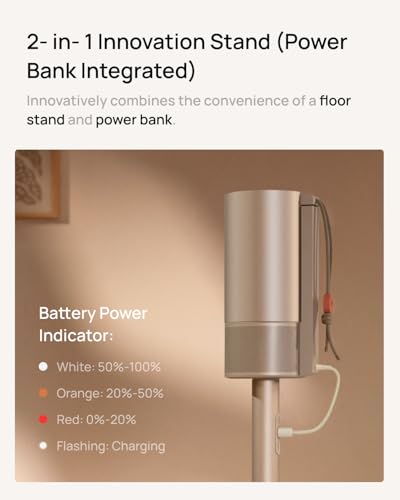
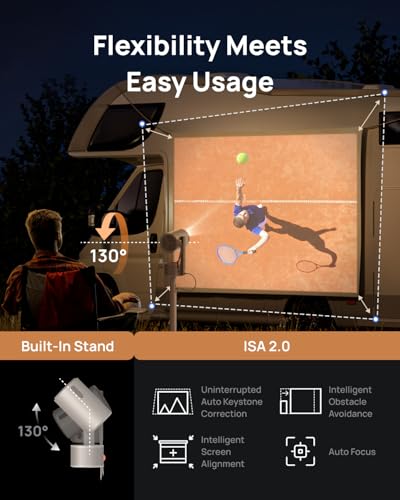
What's really clever about the MoGo 3 Pro is its integrated 130-degree adjustable stand. This isn't just a kickstand—it's a precisely engineered mechanism that lets you project at virtually any angle without needing additional accessories. The projector even knows when you've picked it up and automatically powers on, ready to go. It's these kinds of thoughtful touches that make portable projectors actually portable, rather than just smaller versions of traditional models.
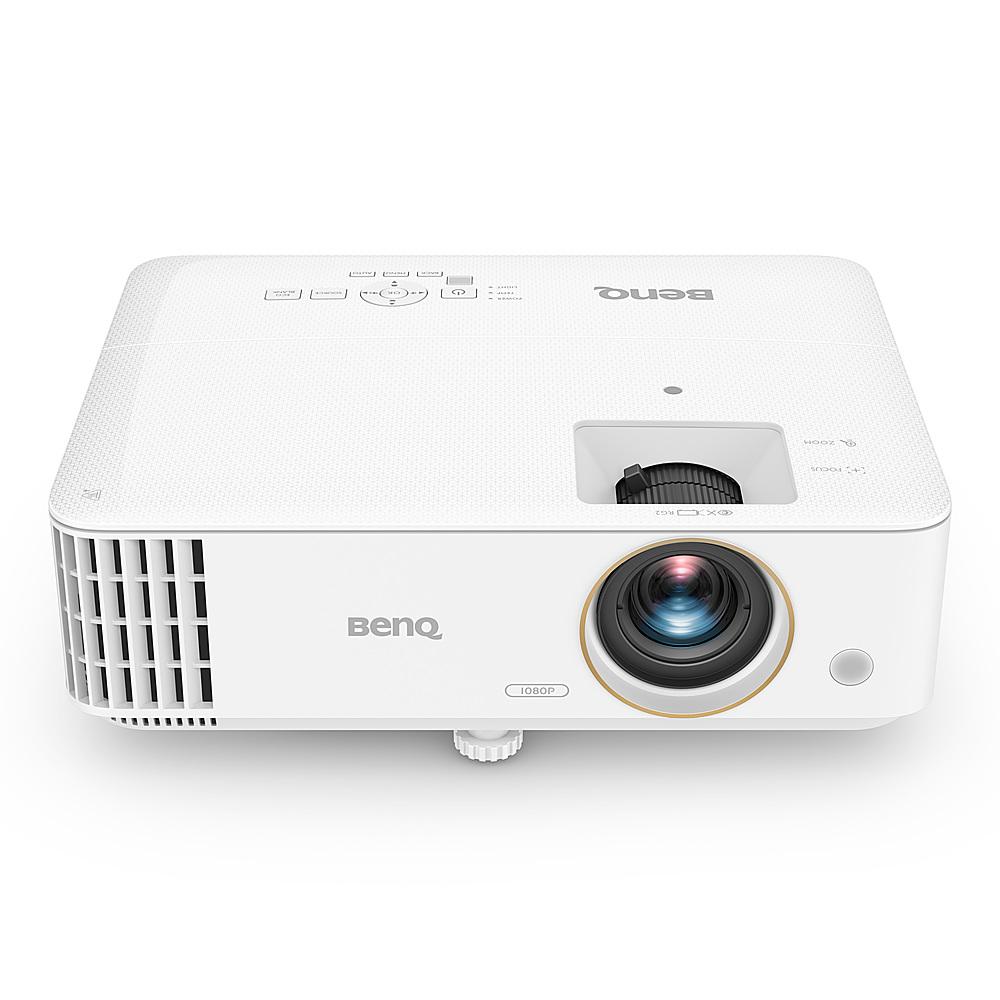
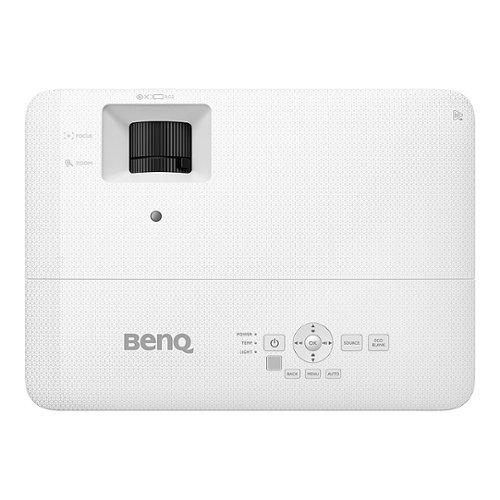
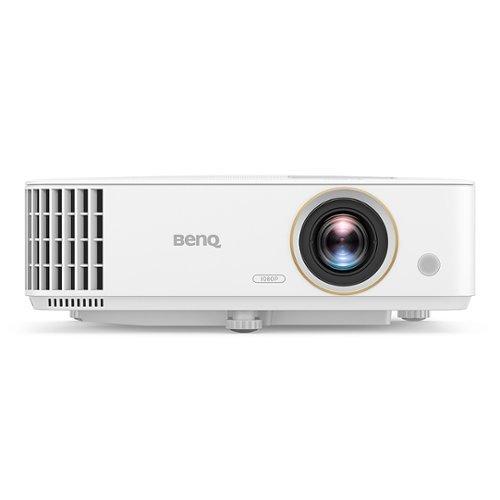
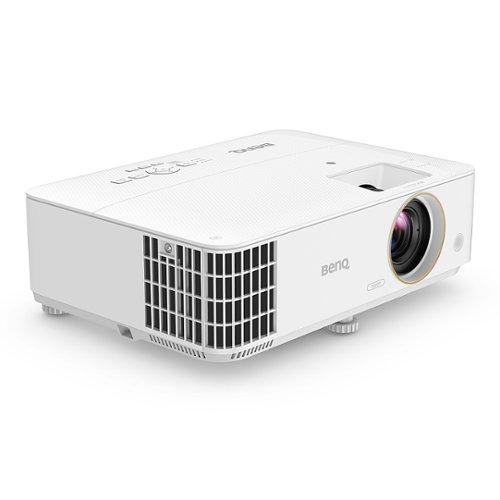
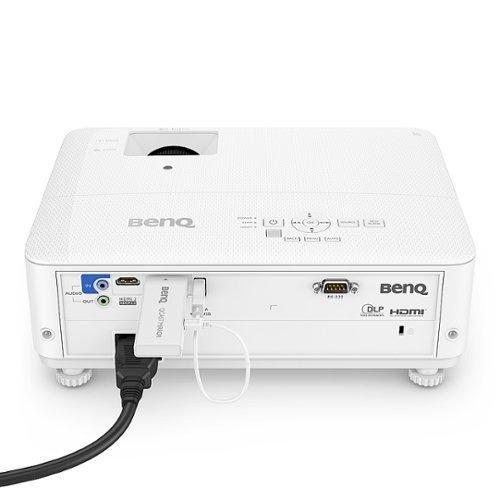
The BenQ TH685P, on the other hand, weighs 6.2 pounds and has the classic projector form factor. It's not meant to move around—it's designed to sit on a shelf or mount to a ceiling and deliver consistent, powerful performance. That extra weight isn't just bulk; it's housing more powerful components, better cooling systems, and a brighter lamp that can fill larger screens.
This fundamental difference in design philosophy affects everything else about how these projectors work and who they're best for.
Here's where the rubber meets the road: brightness. The BenQ TH685P produces 3,500 ANSI lumens, while the XGIMI MoGo 3 Pro outputs 450 ISO lumens. Now, these are different measurement standards (ANSI lumens vs ISO lumens), but the BenQ is still dramatically brighter—we're talking about roughly eight times more light output.
Why does this matter so much? Brightness determines everything about when and where you can use your projector. With the BenQ TH685P, you can watch movies on a 200-inch screen in a room with some ambient light—maybe not full daylight, but certainly with some lamps on or curtains open. The XGIMI MoGo 3 Pro really needs a darkened room to shine, especially on larger screen sizes.
However, here's what's interesting: the MoGo 3 Pro actually looks quite good at its optimal screen size of 60-120 inches in a properly darkened room. The colors are vibrant, the image is sharp, and because it uses LED technology instead of a traditional lamp, the colors have a different quality—often more saturated and punchy than lamp-based projectors.
For home theater use, this brightness difference is crucial. If you're setting up a dedicated theater room where you can control the lighting completely, the XGIMI MoGo 3 Pro can absolutely deliver a cinematic experience. But if you want to use your projector in a living room where blocking out all light isn't practical, the BenQ TH685P becomes essential.
Gaming on projectors used to be a compromise. Traditional projectors had input lag (the delay between when you press a button and when you see the result on screen) measured in tens of milliseconds, making fast-paced games frustrating. The BenQ TH685P changes that completely.
With an input lag of just 8.3 milliseconds at 1080p and 120Hz, the BenQ TH685P performs nearly as well as dedicated gaming monitors. To put that in perspective, most people can't detect lag under 20 milliseconds, and even competitive gamers usually find anything under 15 milliseconds acceptable. The BenQ's 8.3ms response time means you're essentially getting the same responsiveness as a high-end gaming monitor, just on a massive screen.
The BenQ TH685P also supports 120Hz refresh rates, which means it can display up to 120 frames per second from compatible gaming consoles like the PlayStation 5 or Xbox Series X. This results in incredibly smooth motion, especially noticeable in fast-paced shooters or racing games.
In contrast, the XGIMI MoGo 3 Pro has an input lag around 27 milliseconds. This is perfectly fine for casual gaming—playing through story-driven adventures or turn-based strategy games—but it's not ideal for competitive online gaming where every millisecond counts.
However, the MoGo 3 Pro has something the BenQ doesn't: ultimate flexibility. Want to have a gaming session in your backyard? The XGIMI can do that. Want to bring your Nintendo Switch to a friend's house and play on their wall? The MoGo 3 Pro fits in a backpack and sets itself up automatically.
This is where these projectors diverge most dramatically. The XGIMI MoGo 3 Pro runs Google TV with officially licensed Netflix—and this is actually a bigger deal than it might sound. Many projectors struggle with Netflix because of licensing restrictions, forcing users to find workarounds or use external streaming devices.
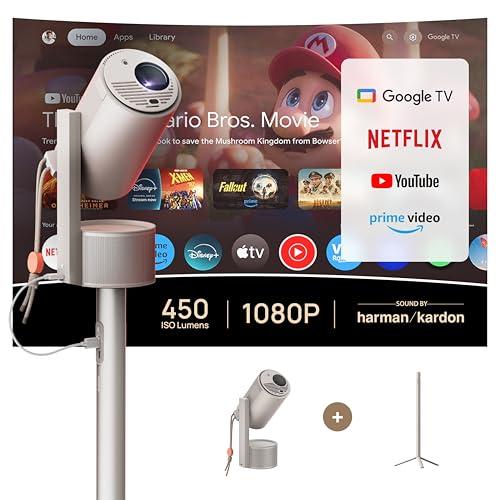
With the MoGo 3 Pro, you literally just turn it on and start watching. It has access to over 10,000 apps through the Google Play Store, plus 800+ free streaming channels. The interface is smooth and responsive, and because it's Google TV, it integrates seamlessly with other Google services and supports voice control through Google Assistant.
The projector also has some genuinely clever automated features. Its Intelligent Screen Adaptation (ISA) 2.0 system can automatically focus the image, correct keystone distortion (when the image looks trapezoidal instead of rectangular), and even adjust the projection to avoid obstacles like light switches or picture frames on the wall. I've tested this feature, and while it's not perfect, it works surprisingly well and eliminates most of the tedious setup that traditionally comes with projectors.
The BenQ TH685P takes the opposite approach—it's purely a display device. You'll need to connect an Apple TV, Roku, gaming console, or other streaming device to access content. This might seem like a disadvantage, but it also means the BenQ will never become obsolete due to software updates or streaming service changes. Your external streaming device can be upgraded independently.
For home theater enthusiasts, this approach often makes more sense. Dedicated streaming devices typically offer better performance and more consistent updates than built-in smart TV systems. But for casual users who want simplicity, the XGIMI's integrated approach is hard to beat.
Both projectors include built-in speakers, but they approach audio very differently. The XGIMI MoGo 3 Pro features dual 5-watt Harman Kardon speakers configured in stereo. For a device this size, the audio quality is genuinely impressive. The speakers provide clear dialogue, decent bass response, and enough volume to fill a medium-sized room.
What's particularly clever is that the MoGo 3 Pro can function as a standalone Bluetooth speaker when you're not projecting. It even has an "Ambient Light Mode" where the projector creates customizable lighting effects while playing music—essentially turning it into a premium speaker with mood lighting.
The BenQ TH685P has a single 5-watt mono speaker. It's adequate for casual viewing but doesn't match the XGIMI's stereo setup. However, most people setting up the BenQ for serious gaming or home theater use will likely connect external speakers or a sound bar anyway.
For home theater applications, both projectors benefit significantly from external audio systems. But if you want something that sounds good right out of the box without additional equipment, the XGIMI MoGo 3 Pro has a clear advantage.
Here's where the different technologies really show their impact on your wallet over time. The XGIMI MoGo 3 Pro uses LED light sources rated for 25,000 hours. At typical usage of a few hours per day, that's over a decade of use without any bulb replacements.
The BenQ TH685P uses a traditional metal halide lamp rated for 4,000 hours in standard mode or up to 15,000 hours in eco mode (which reduces brightness). Replacement lamps typically cost between $100-200, depending on where you purchase them. This means you'll likely need one or two lamp replacements over the projector's lifetime.
The XGIMI also consumes only 65 watts of power compared to the BenQ's 297 watts. Over years of use, this power difference adds up to meaningful savings on your electricity bill.
From a total cost of ownership perspective, the MoGo 3 Pro is significantly more economical, especially considering its lower initial purchase price as of late 2024.
For dedicated home theater use, both projectors have their merits, but they serve different scenarios. The BenQ TH685P is the better choice if you're setting up a traditional theater room with permanent seating and controlled lighting. Its high brightness allows for larger screen sizes—you can reasonably project a 200-300 inch image in a darkened room, creating a truly cinematic experience.
The BenQ also offers manual zoom and focus controls, which purists prefer for fine-tuning the image. Its color accuracy is excellent, covering 95% of the Rec.709 color space, which is the standard for HD content.
The XGIMI MoGo 3 Pro works better for flexible home theater setups. Maybe you want to watch movies on your bedroom ceiling sometimes, or set up an outdoor movie night in the summer, or create a temporary theater in different rooms. The automatic setup features mean you can achieve a good image quickly without extensive adjustment.
However, if you're planning to replace a traditional TV with a projector as your primary viewing device, the BenQ TH685P is the more practical choice due to its superior brightness and image quality in varied lighting conditions.
After testing both projectors extensively, here's my honest assessment of who should choose which:
Choose the XGIMI MoGo 3 Pro if you value flexibility above all else. This projector excels when you want entertainment that can adapt to your lifestyle rather than requiring you to adapt to it. It's perfect for renters who can't make permanent installations, frequent travelers, people with small living spaces, or anyone who wants a "set it and forget it" entertainment solution. The built-in streaming and automatic adjustment features make it incredibly user-friendly.
The MoGo 3 Pro is also ideal as a second projector—maybe your main TV handles most viewing, but you want something for the bedroom, outdoor use, or occasional big-screen gaming sessions.
Choose the BenQ TH685P if performance is your top priority and you have a specific use case in mind. This projector is outstanding for dedicated gaming setups where input lag matters, home theaters where you need maximum brightness and image quality, or any situation where the projector will stay in one location most of the time.
The BenQ makes the most sense when you're replacing a traditional TV or setting up a permanent entertainment area where the extra performance justifies the higher cost and reduced flexibility.
At the time of writing in late 2024, these projectors represent excellent value in their respective categories, though at significantly different price points. The XGIMI MoGo 3 Pro offers remarkable functionality for its price range, while the BenQ TH685P delivers professional-grade performance that justifies its premium cost.
Consider your primary use case honestly. If you want maximum convenience and flexibility, the XGIMI will likely exceed your expectations. If you want the best possible gaming experience or need bright projection for larger screens, the BenQ is worth the extra investment.
Both projectors represent the current state of the art in their categories, and either choice will provide years of entertainment. The question isn't which is objectively better—it's which approach to projection technology better matches your needs, space, and viewing habits.
The projection technology landscape continues evolving rapidly, but as of 2024, these two models exemplify the mature state of portable smart projectors and dedicated gaming projectors. Whether you choose the go-anywhere convenience of the XGIMI MoGo 3 Pro or the uncompromising performance of the BenQ TH685P, you're getting a projector that represents the best of its respective approach to home entertainment.
| XGIMI MoGo 3 Pro | BenQ TH685P |
|---|---|
| Brightness - Most critical factor for room lighting flexibility | |
| 450 ISO lumens (requires darker rooms, best for controlled lighting) | 3,500 ANSI lumens (works in moderately lit rooms, 8x brighter) |
| Gaming Input Lag - Essential for responsive gaming experience | |
| ~27ms (fine for casual gaming, not ideal for competitive play) | 8.3ms at 120Hz (professional gaming monitor performance) |
| Portability - Determines where and how you can use it | |
| 2.4 lbs, coffee cup size with 130° adjustable stand | 6.2 lbs, traditional projector requiring permanent setup |
| Smart Features - Affects ease of use and streaming capability | |
| Google TV built-in with licensed Netflix, 10,000+ apps | No smart features, requires external streaming devices |
| Screen Size Range - Maximum projection capability | |
| 40"-200" (optimal 60"-120") | 30"-300" (excellent performance at larger sizes) |
| Audio System - Built-in sound quality | |
| Dual 5W Harman Kardon stereo speakers, doubles as Bluetooth speaker | Single 5W mono speaker (adequate but basic) |
| Lamp Technology - Long-term costs and maintenance | |
| LED light source, 25,000 hour lifespan, no bulb replacements | Metal halide lamp, 4,000-15,000 hours, periodic bulb replacement needed |
| Power Consumption - Operating costs and portability | |
| 65W, USB-C power, works with power banks | 297W, AC power only, nearly 5x more power usage |
| Setup Complexity - Time and effort to get watching | |
| Automatic keystone, focus, obstacle avoidance, powers on when lifted | Manual focus and zoom, traditional projector setup required |
| Total Cost of Ownership - Initial price plus long-term expenses | |
| Lower upfront cost, no bulb replacements, lower electricity usage | Higher upfront cost, bulb replacement costs, higher power bills |
| Best Use Cases - Who should choose this projector | |
| Portable entertainment, outdoor movies, bedroom use, travelers | Dedicated gaming setup, home theater, large screen viewing |
The BenQ TH685P is significantly better for gaming with just 8.3ms input lag at 120Hz, making it competitive with gaming monitors. The XGIMI MoGo 3 Pro has around 27ms input lag, which is fine for casual gaming but not ideal for competitive or fast-paced games.
The BenQ TH685P produces 3,500 ANSI lumens compared to the XGIMI MoGo 3 Pro's 450 ISO lumens. This means the BenQ is roughly 8 times brighter and can be used in moderately lit rooms, while the XGIMI MoGo 3 Pro requires darker environments for optimal viewing.
The XGIMI MoGo 3 Pro is far more portable at just 2.4 pounds with a compact cylindrical design and built-in adjustable stand. The BenQ TH685P weighs 6.2 pounds and has a traditional projector form factor designed for permanent installation.
The XGIMI MoGo 3 Pro runs Google TV with built-in Netflix and access to over 10,000 apps. The BenQ TH685P has no smart features and requires external streaming devices like Apple TV, Roku, or gaming consoles.
For dedicated home theater rooms with controlled lighting, the BenQ TH685P is superior due to its much higher brightness and ability to project larger screen sizes up to 300 inches. The XGIMI MoGo 3 Pro works well for flexible home theater setups but is limited to smaller screens in darker rooms.
The XGIMI MoGo 3 Pro uses LED technology with a 25,000-hour lifespan and no bulb replacements needed. The BenQ TH685P uses a traditional lamp lasting 4,000-15,000 hours that will eventually need replacement, plus it consumes nearly 5 times more electricity.
The XGIMI MoGo 3 Pro has superior audio with dual 5W Harman Kardon stereo speakers and can function as a Bluetooth speaker. The BenQ TH685P has a single 5W mono speaker that's adequate but less impressive than the XGIMI's stereo setup.
The XGIMI MoGo 3 Pro offers automatic setup with features like auto-focus, auto-keystone correction, and obstacle avoidance. It even powers on automatically when lifted. The BenQ TH685P requires traditional manual setup with focus and keystone adjustments.
The BenQ TH685P can project screens up to 300 inches thanks to its high brightness, while the XGIMI MoGo 3 Pro is optimized for 40-200 inch screens with best performance at 60-120 inches due to its lower brightness output.
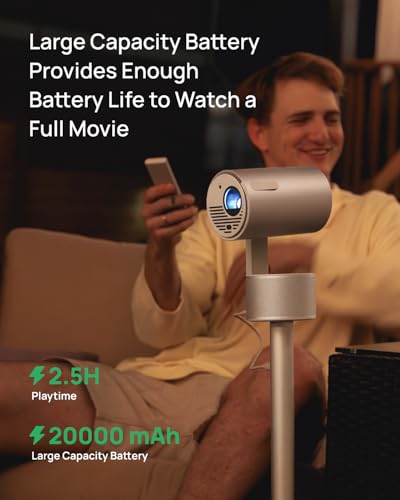
The XGIMI MoGo 3 Pro is excellent for outdoor use thanks to its portability, battery power capability, and compact design. The BenQ TH685P can work outdoors but requires AC power and is less practical to transport and set up.
The XGIMI MoGo 3 Pro typically offers better overall value with its lower purchase price, no ongoing bulb replacement costs, lower power consumption, and built-in smart features. The BenQ TH685P provides better value specifically for users who need its superior gaming performance and brightness.
Choose the XGIMI MoGo 3 Pro if you want flexibility, convenience, and all-in-one functionality for various locations. Choose the BenQ TH685P if you need maximum brightness, gaming performance, or plan to use it primarily in one dedicated location like a home theater or gaming room.
We've done our best to create useful and informative comparisons to help you decide what product to buy. Our research uses advanced automated methods to create this comparison and perfection is not possible - please contact us for corrections or questions. These are the sites we've researched in the creation of this article: projectorcentral.com - techradar.com - androidcentral.com - tvsbook.com - techradar.com - thesmarthomehookup.com - whathifi.com - youtube.com - youtube.com - projectorcentral.com - projectorcentral.com - youtube.com - global.xgimi.com - us.xgimi.com - youtube.com - us.xgimi.com - us.xgimi.com - youtube.com - projectorcentral.com - androidguys.com - bhphotovideo.com - techradar.com - newegg.com - projectorcentral.com - cnet.com - staples.com - cdw.com - youtube.com - shi.com - touchboards.com - projectorcentral.com - youtube.com - iconicmicro.com - adorama.com - publicsector.shidirect.com - adorama.com

Privacy Policy
Terms and Conditions - Affiliate Policy
Home Security
© Copyright 2008-2026.
11816 Inwood Rd #1211, Dallas, TX 75244