


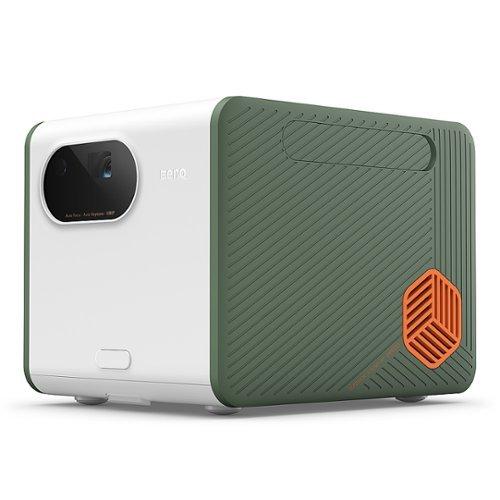
When I first started reviewing portable projectors five years ago, most were dim, clunky devices that required a dark room and endless fiddling to get a decent image. Fast forward to today, and we have projectors like the XGIMI MoGo 3 Pro and BenQ GS50 that can deliver surprisingly impressive big-screen experiences in packages you can actually carry around. But choosing between them isn't straightforward – they represent two very different philosophies about what portable projection should be.
The portable projector market has exploded since 2020, driven by people wanting flexible entertainment options both indoors and out. These aren't just smaller versions of traditional home theater projectors – they're fundamentally different beasts designed around mobility, convenience, and ease of use.
When evaluating any portable projector, brightness is king. Measured in lumens, this determines how well you'll see the image in different lighting conditions. But here's where it gets tricky: manufacturers love to play games with lumen ratings. Some quote "LED lumens" or "light source lumens" which sound impressive but don't translate to actual screen brightness. The most honest measurement is ANSI lumens, which measures the light actually reaching your screen.
Image quality goes beyond just resolution too. Color accuracy, contrast ratio (the difference between the darkest and brightest parts of an image), and how the projector handles motion all matter enormously. A projector might technically display 1080p, but if the colors look washed out or motion appears jerky, your viewing experience suffers.
Smart features have become crucial differentiators. Nobody wants to carry around a separate streaming device, so built-in platforms like Google TV or Android TV are now standard. But not all smart platforms are created equal – some are snappy and full-featured, while others feel sluggish with limited app selection.
Audio deserves special attention with portable projectors because you're often using them in situations where external speakers aren't practical. Unlike traditional home theater projectors that assume you'll connect to a sound system, portables need to sound good on their own.
The XGIMI MoGo 3 Pro and BenQ GS50 launched in 2024 and 2021 respectively, but they couldn't be more different in their design philosophy. XGIMI focused on creating the ultimate indoor portable projector – something that could legitimately replace your TV for casual viewing while being small enough to move from room to room or pack for travel.
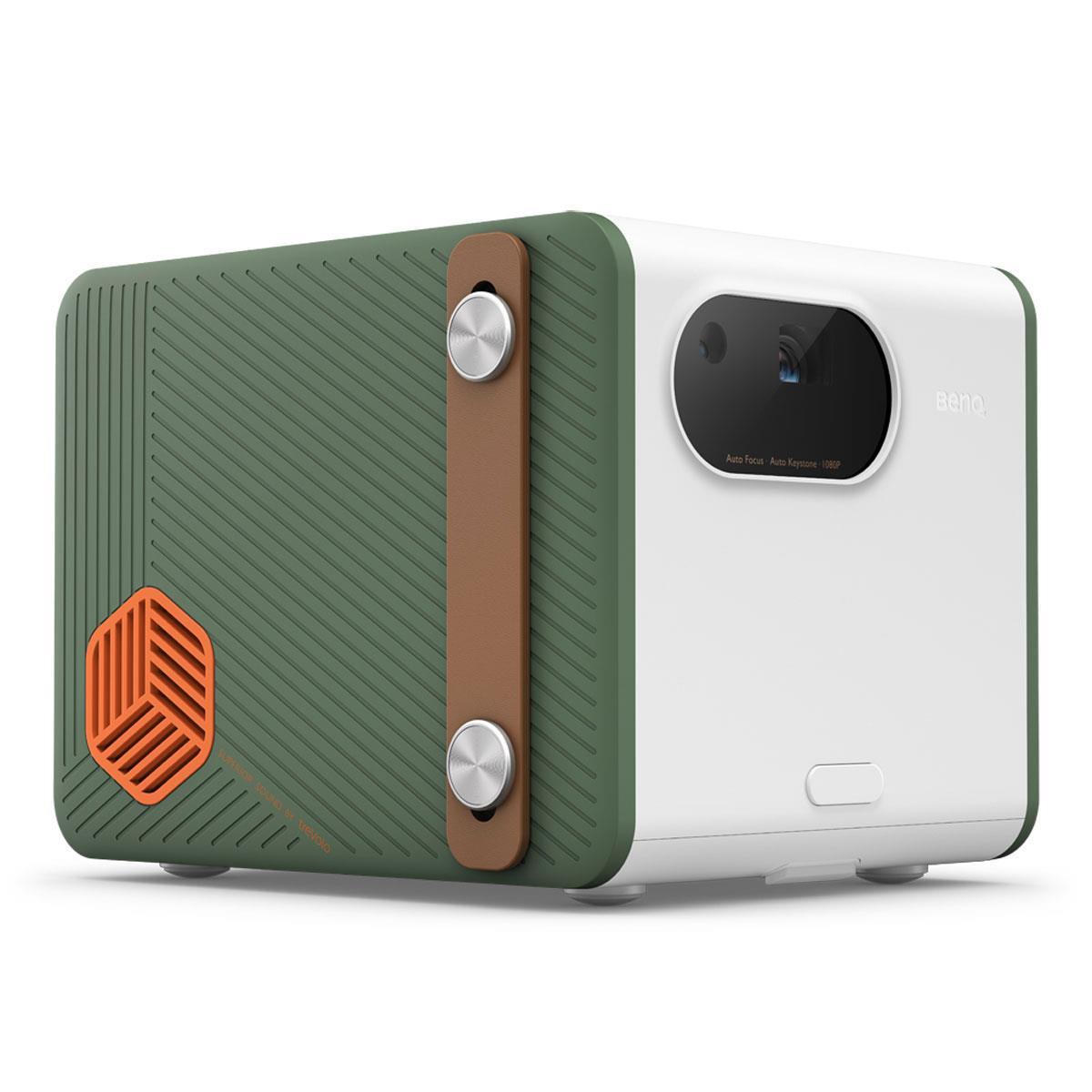
BenQ took the opposite approach with the GS50, building what's essentially a ruggedized outdoor entertainment system that happens to be portable. Where XGIMI prioritized compactness and smart features, BenQ emphasized durability, battery life, and audio quality.
This fundamental difference shapes everything about how these projectors perform and who they're best suited for.
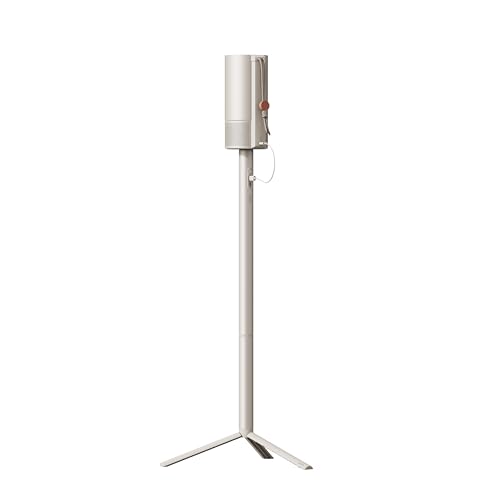
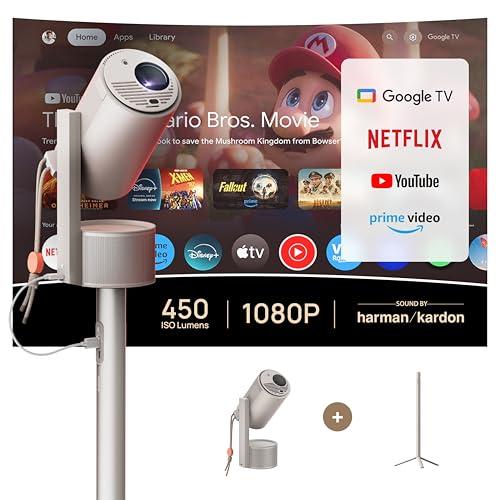
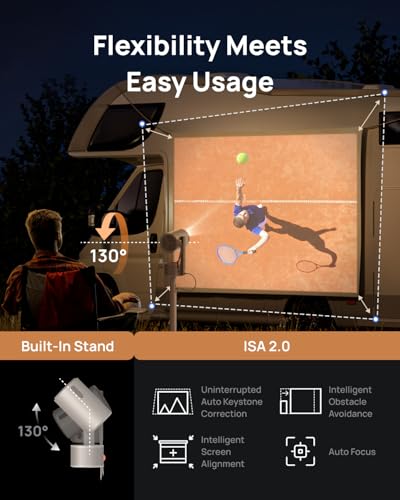
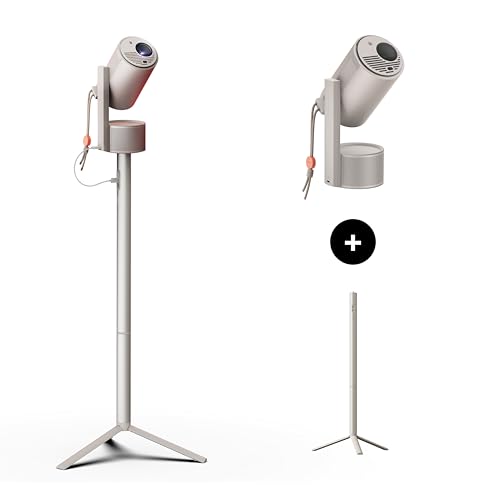
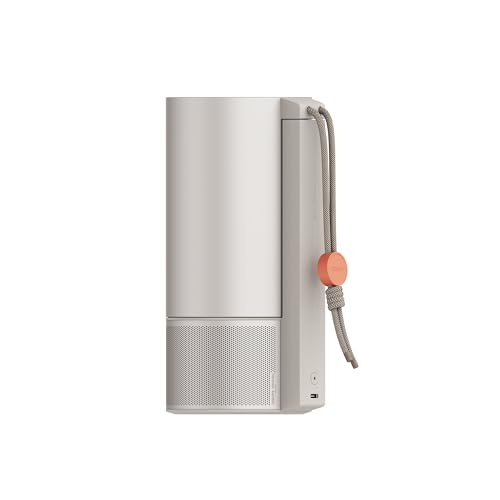
The first thing you notice about the XGIMI MoGo 3 Pro is how impossibly small it is. At just 2.4 pounds and roughly the size of a large coffee cup, it genuinely feels like magic when you first set it up and get a 100-inch image. The integrated 130-degree adjustable stand is brilliant – instead of needing a separate tripod or stack of books, you can simply adjust the angle and project onto walls, ceilings, or screens from almost any position.
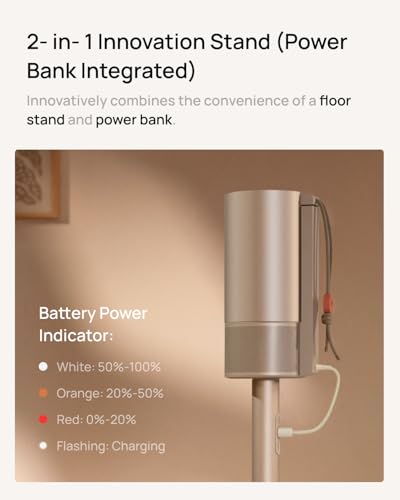
I've used the MoGo 3 Pro everywhere from hotel rooms to friends' apartments, and its compact size means it fits in any carry-on bag alongside your laptop. The Type-C power input is particularly clever – you can run it off the same power adapter that charges your laptop, or even from a sufficiently powerful power bank for truly mobile use.
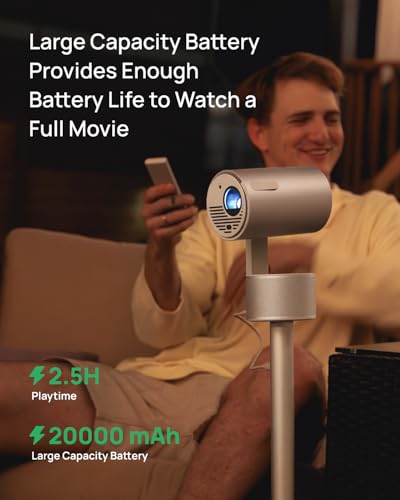
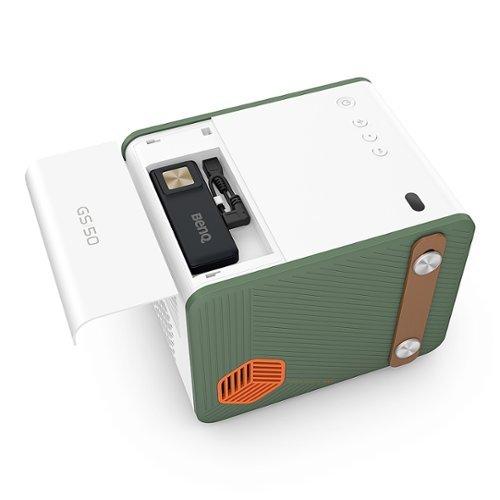
The BenQ GS50, meanwhile, weighs nearly four times as much at 8.6 pounds. That's still portable, but it's more "weekend camping trip" portable than "throw it in your daily backpack" portable. However, that extra size serves a purpose – it houses a substantial 2.5-hour battery and significantly more powerful audio components.
The GS50's IPX2 water resistance and drop protection up to 70 centimeters make it genuinely suitable for outdoor use. I've seen too many delicate electronics ruined by unexpected weather or accidents during camping trips to underestimate the value of ruggedized construction.
Here's where things get interesting from a technical standpoint. The BenQ GS50 officially rates at 500 ANSI lumens while the XGIMI MoGo 3 Pro claims 450 ISO lumens. But here's the catch – ISO lumens and ANSI lumens aren't directly comparable measurement standards.
In real-world testing, the MoGo 3 Pro typically measures around 394 ANSI lumens, while the GS50 delivers close to its claimed 500 ANSI lumens. That roughly 25% brightness advantage for the BenQ makes a noticeable difference when dealing with ambient light.
But brightness isn't everything. The XGIMI covers 90% of the DCI-P3 color space – that's the color standard used in movie theaters. What this means in practice is that colors look more vibrant and accurate, particularly reds and greens. When I'm watching nature documentaries or animated films, the difference is immediately apparent.
The GS50 counters with a higher contrast ratio of 100,000:1 compared to the MoGo 3 Pro's unspecified contrast. Higher contrast means deeper blacks and brighter whites, which helps with perceived image quality even if the color accuracy isn't quite as precise.
Both projectors use DLP (Digital Light Processing) technology, which uses millions of tiny mirrors to create the image. DLP tends to produce sharper images than LCD projectors and doesn't suffer from the "screen door effect" where you can see gaps between pixels. However, some people notice a "rainbow effect" with DLP – brief flashes of red, green, and blue when moving their eyes quickly across bright areas of the image.
This is where the BenQ GS50 absolutely crushes the competition. Its 2.1 channel audio system includes two 5-watt midrange speakers plus a dedicated 10-watt subwoofer. The difference isn't subtle – it's transformative. Where most portable projectors sound tinny and weak, the GS50 delivers room-filling audio with actual bass response.
The XGIMI MoGo 3 Pro includes dual 5-watt Harman Kardon speakers, which are respectable for its size but simply can't compete with dedicated subwoofer. The audio is clear and adequate for casual viewing, but you'll definitely want external speakers for any serious movie watching or music listening.
I've found the GS50's audio quality so impressive that it can genuinely serve as your primary speaker system for outdoor gatherings. The 270-degree sound dispersion means everyone around your campsite or backyard can hear clearly, not just those sitting directly in front.
Both projectors can function as Bluetooth speakers when not projecting, but again, the BenQ is in a different league here.
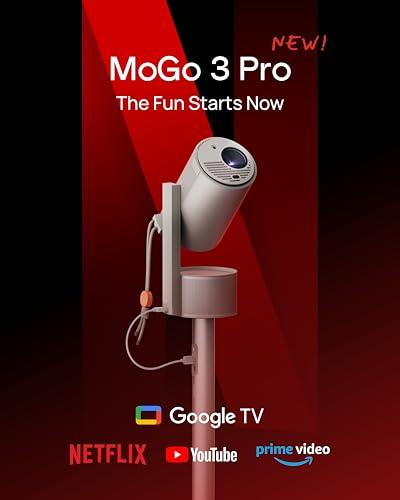
The XGIMI MoGo 3 Pro represents the current state-of-the-art in smart projector platforms. It runs Google TV – essentially the same interface you'd find on high-end smart TVs – with official Netflix support. This might sound trivial, but it's actually huge. Many projectors require workarounds or sideloading to get Netflix working properly, if at all.
The Google TV platform provides access to over 10,000 apps and integrates seamlessly with Google Assistant for voice control. Chromecast functionality is built-in, so you can easily cast content from your phone or tablet. The interface feels modern and responsive, unlike some projector smart platforms that seem stuck in 2018.
The BenQ GS50 runs Android TV 9.0, which is older but still functional. It provides access to about 5,000 apps through the Google Play Store. The included QS01 media streamer adds 4K content support and helps with connectivity, but the overall experience feels less polished than XGIMI's implementation.
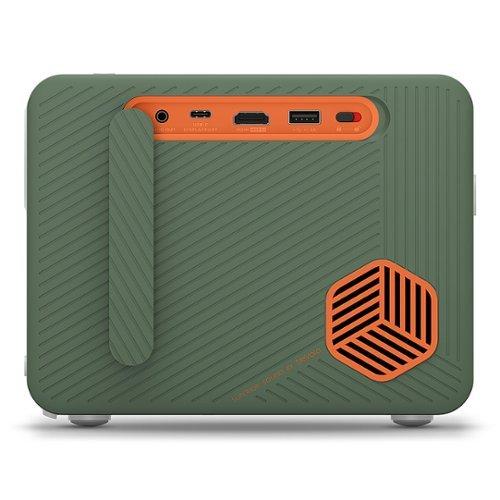
For connectivity, both projectors cover the basics, but with different strengths. The MoGo 3 Pro uses a mini HDMI port, which means you'll need adapters for standard HDMI cables – a minor annoyance but not a dealbreaker. The GS50 includes full-size HDMI 2.0, which is more convenient for connecting game consoles or other devices.
The XGIMI MoGo 3 Pro showcases some genuinely impressive automation technology called ISA 2.0 (Intelligent Screen Adaptation). This system automatically focuses the image, corrects keystone distortion (when the image appears trapezoidal instead of rectangular), and can even detect and avoid obstacles on your projection surface.
I've watched it resize and reposition images to avoid picture frames on walls or electrical outlets – it's almost eerie how well it works. The auto-focus is particularly quick and accurate, usually nailing perfect sharpness within seconds of startup.
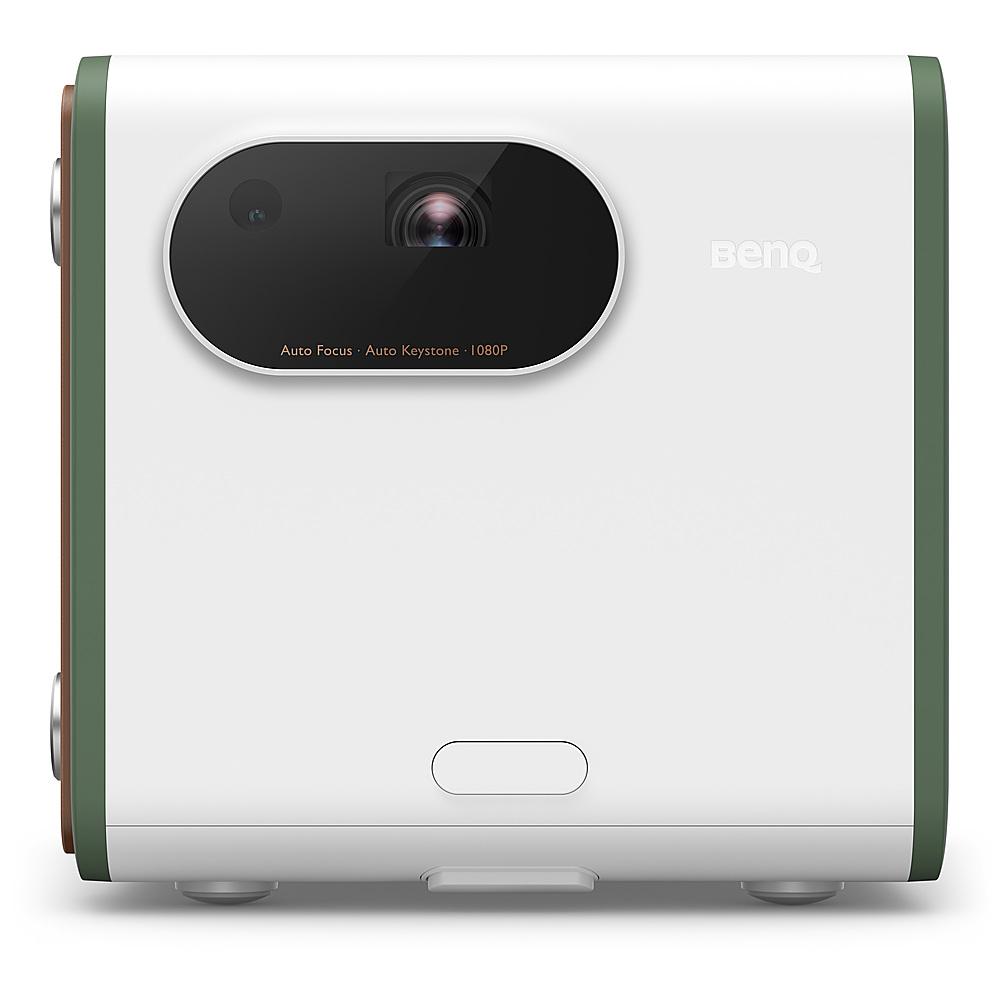
The BenQ GS50 includes auto-focus and keystone correction too, but it's more basic. You might need to make manual adjustments more often, especially if you're frequently moving the projector to different positions.
Both projectors include remote controls, but I find myself using the Google Assistant voice control on the XGIMI more often than expected. Being able to say "Hey Google, play Stranger Things on Netflix" and have it just work is genuinely convenient.
Gaming on projectors has improved dramatically in recent years, and both these models are surprisingly capable. The XGIMI MoGo 3 Pro offers around 27ms input lag in Game mode with automatic features disabled – that's competitive with many TVs and perfectly adequate for casual gaming. The BenQ GS50 clocks in at about 62ms at 60Hz, which is acceptable for single-player games but might feel sluggish for competitive online gaming.
For gaming, you'll want to connect via HDMI rather than relying on streaming apps. Both projectors can display game consoles beautifully on large screens, but the XGIMI's lower input lag gives it the edge for responsive gameplay.
This is where the fundamental differences between these projectors become most apparent. The XGIMI MoGo 3 Pro is genuinely capable of serving as a primary display for casual TV watching, streaming, and even some gaming. Its compact size means you could easily mount it on a coffee table or shelf as a permanent installation.
However, ambient light remains the enemy. Even the brightest portable projectors struggle in well-lit rooms compared to TVs. You'll get the best experience in rooms where you can control the lighting – think curtains or blinds to block sunlight, and the ability to dim room lights for evening viewing.
The BenQ GS50 is better suited as a secondary display for special occasions rather than daily TV replacement. Its battery-powered operation makes it perfect for backyard movie nights or camping trips, but the larger size and higher price make it less practical as a permanent living room fixture.
At the time of writing, the XGIMI MoGo 3 Pro typically retails for significantly less than the BenQ GS50 – often 40-50% less. This price difference reflects their different target markets and feature sets.
The XGIMI offers exceptional value for someone who primarily wants indoor portable projection with cutting-edge smart features. You're getting a legitimate 1080p streaming device with excellent automation and compact design at a very reasonable price point.
The BenQ GS50 commands a premium for its specialized outdoor capabilities, superior audio, and built-in battery. If those features matter to you, the extra cost is justified. But if you're mainly planning indoor use, that premium becomes harder to rationalize.
Choose the XGIMI MoGo 3 Pro if you want maximum value and convenience for primarily indoor use. It's perfect for apartment dwellers, frequent travelers, or anyone who wants to add a big-screen option to various rooms in their home without permanent installation. The smart platform is best-in-class, the automation features actually work well, and the compact size makes it genuinely portable for daily use.
The BenQ GS50 makes sense if outdoor use is a priority, if you need a projector that operates without external power, or if audio quality is crucial to your setup. It's the better choice for camping enthusiasts, people with large backyards who host outdoor movie nights, or anyone who needs a rugged projector that can handle less-than-ideal conditions.
Both the XGIMI MoGo 3 Pro and BenQ GS50 are excellent projectors that excel in their intended use cases. The XGIMI represents the future of indoor portable projection – incredibly compact, smart, and automated. The BenQ serves a more specialized but important niche for users who need genuine outdoor capability and superior audio.
Your choice should depend on how and where you plan to use the projector most often. If you're looking for a versatile indoor display that occasionally travels, the XGIMI offers better value and convenience. If outdoor use, battery operation, or exceptional audio quality are must-haves, the BenQ justifies its higher price.
The portable projector market continues to evolve rapidly, but both of these models represent solid investments that should serve you well for years to come. Just remember – no matter which you choose, controlling ambient light will always be key to getting the best possible viewing experience.
| XGIMI MoGo 3 Pro | BenQ GS50 |
|---|---|
| Brightness - Critical for ambient light performance | |
| 450 ISO lumens (~394 ANSI lumens measured) | 500 ANSI lumens (25% brighter for outdoor use) |
| Resolution - Both deliver sharp 1080p images | |
| 1920x1080 Full HD native | 1920x1080 Full HD native |
| Color Accuracy - Important for cinematic viewing | |
| 90% DCI-P3 color gamut (theater-quality colors) | Standard color gamut with 100,000:1 contrast |
| Portability - Key difference in daily usability | |
| 2.4 lbs, ultra-compact design with 130° stand | 8.6 lbs with leather handle and rugged build |
| Power Source - Affects true portability | |
| USB-C powered, no built-in battery | 2.5-hour built-in battery for cord-free operation |
| Audio Quality - Major differentiator for complete entertainment | |
| Dual 5W Harman Kardon speakers (adequate) | 2.1 system: 2x5W + 10W subwoofer (room-filling) |
| Smart Platform - Streaming convenience and app selection | |
| Google TV with licensed Netflix, 10,000+ apps | Android TV 9.0 with 5,000+ apps |
| Durability - Weather and impact resistance | |
| Indoor-focused design, standard construction | IPX2 water resistant, drop-proof to 70cm |
| Setup Intelligence - Ease of use and automation | |
| ISA 2.0 with obstacle avoidance and auto-everything | Basic auto-focus and keystone correction |
| Connectivity - Port selection and device compatibility | |
| Mini HDMI (needs adapter), USB-C, WiFi 5 | Full HDMI 2.0, USB-C with DisplayPort, WiFi |
| Gaming Performance - Input lag for responsive gameplay | |
| 27ms input lag in Game Mode (excellent) | 62ms input lag at 60Hz (adequate for casual) |
| Light Source Lifespan - Long-term reliability | |
| 25,000 hour LED lifespan | 20,000-30,000 hour LED lifespan |
| Best Use Cases - Where each projector excels | |
| Indoor TV replacement, travel, compact spaces | Outdoor events, camping, audio-focused setups |
The BenQ GS50 is significantly brighter at 500 ANSI lumens compared to the XGIMI MoGo 3 Pro's 450 ISO lumens (approximately 394 ANSI lumens when measured). This 25% brightness advantage makes the BenQ GS50 better suited for outdoor viewing and rooms with ambient light.
Only the BenQ GS50 has a built-in battery that provides up to 2.5 hours of cord-free operation. The XGIMI MoGo 3 Pro requires constant power via USB-C, though it can run from a power bank for portable use. For true wireless outdoor movie nights, the BenQ GS50 is the clear choice.
The BenQ GS50 has dramatically superior audio with a 2.1 channel system including two 5W speakers plus a 10W subwoofer. The XGIMI MoGo 3 Pro has dual 5W Harman Kardon speakers that are adequate but can't match the room-filling sound and bass response of the BenQ GS50.
Yes, but the XGIMI MoGo 3 Pro has a major advantage with Google TV and officially licensed Netflix built-in. The BenQ GS50 runs Android TV 9.0 with Netflix support, but the XGIMI's platform is more modern and responsive with access to over 10,000 apps versus 5,000 on the BenQ.
The XGIMI MoGo 3 Pro is much more portable at just 2.4 pounds versus the BenQ GS50's 8.6 pounds. The XGIMI is compact enough for daily carry and travel, while the BenQ GS50 is better suited for weekend trips and outdoor events where its rugged design provides value.
The XGIMI MoGo 3 Pro is better for gaming with just 27ms input lag in Game Mode, making it responsive enough for most gaming styles. The BenQ GS50 has 62ms input lag, which is acceptable for casual single-player games but may feel sluggish for competitive gaming.
The BenQ GS50 is specifically designed for outdoor use with IPX2 water resistance and drop protection up to 70cm. The XGIMI MoGo 3 Pro is designed for indoor use and lacks weather protection, making the BenQ GS50 the obvious choice for camping and outdoor entertainment.
Both have auto-focus capabilities, but the XGIMI MoGo 3 Pro is far more advanced with ISA 2.0 technology that automatically handles focus, keystone correction, and even obstacle avoidance. The BenQ GS50 has basic auto-focus and keystone correction that may require manual adjustment more often.
The XGIMI MoGo 3 Pro typically costs significantly less than the BenQ GS50 while offering superior smart features and automation. The BenQ GS50 commands a premium for its battery, rugged design, and superior audio. Value depends on whether you need the BenQ's specialized outdoor features.
The XGIMI MoGo 3 Pro is better suited as a TV replacement due to its compact size, excellent smart platform, and easy setup. The BenQ GS50 is designed more as a secondary display for special occasions. Both work best in rooms where you can control ambient light.
The XGIMI MoGo 3 Pro offers superior color accuracy with 90% DCI-P3 color gamut coverage, matching cinema standards for more vibrant and accurate colors. The BenQ GS50 focuses more on brightness and contrast than color accuracy, making the XGIMI better for critical movie watching.
The XGIMI MoGo 3 Pro is designed as an ultra-portable indoor smart projector with premium streaming features, while the BenQ GS50 is built as a rugged outdoor entertainment system with superior audio and battery power. Choose the XGIMI for convenience and smart features, or the BenQ GS50 for outdoor durability and audio quality.
We've done our best to create useful and informative comparisons to help you decide what product to buy. Our research uses advanced automated methods to create this comparison and perfection is not possible - please contact us for corrections or questions. These are the sites we've researched in the creation of this article: projectorcentral.com - techradar.com - androidcentral.com - tvsbook.com - techradar.com - thesmarthomehookup.com - whathifi.com - youtube.com - youtube.com - projectorcentral.com - projectorcentral.com - youtube.com - global.xgimi.com - us.xgimi.com - youtube.com - us.xgimi.com - us.xgimi.com - cnet.com - hometheaterhifi.com - youtube.com - youtube.com - whathifi.com - youtube.com - bgeek.eu - youtube.com - youtube.com - projectorreviews.com - youtube.com - youtube.com - projectorcentral.com - projectorreviews.com - bestbuy.com - touchboards.com - projectorcentral.com - adorama.com - projectorreviews.com - insight.com - cnet.com

Privacy Policy
Terms and Conditions - Affiliate Policy
Home Security
© Copyright 2008-2026.
11816 Inwood Rd #1211, Dallas, TX 75244