


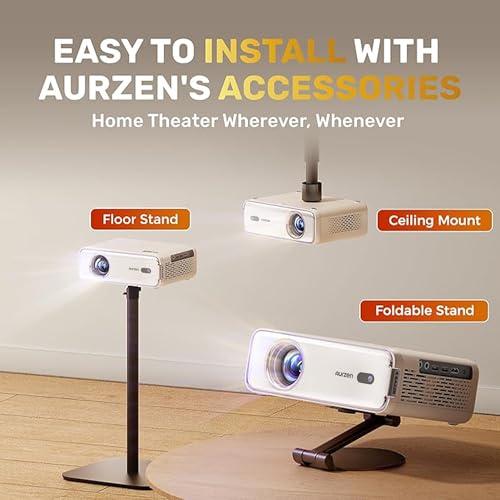
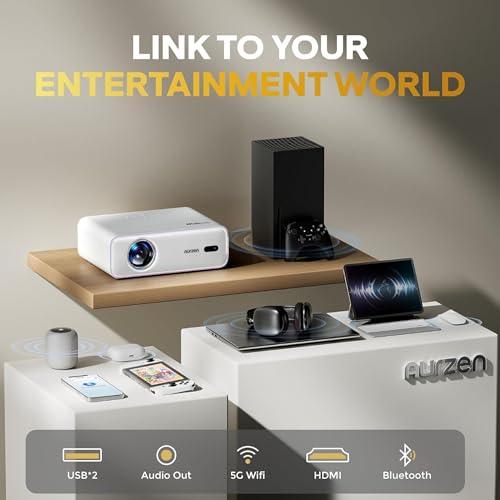
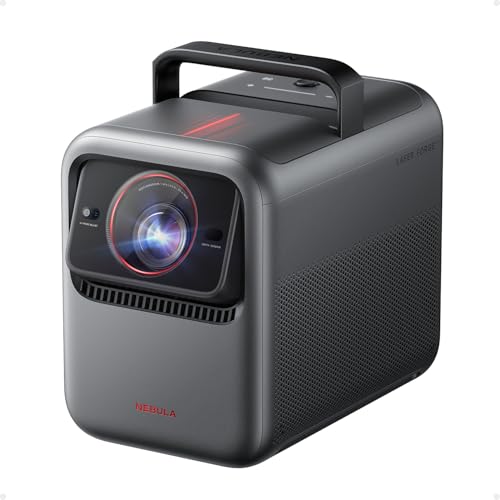
When I first started exploring projectors a few years ago, the landscape looked completely different. Smart projectors were clunky, expensive, and often required multiple devices just to stream Netflix. Fast-forward to today, and we have options ranging from ultra-budget models that fit in your backpack to premium units that rival commercial cinema equipment. Two projectors perfectly illustrate this evolution: the Aurzen EAZZE D1 Smart Projector and the Nebula X1 4K Triple Laser Projector.
At the time of writing, these represent vastly different approaches to portable projection. The Aurzen EAZZE D1 sits in the ultra-budget category (under $150), while the Nebula X1 commands premium pricing (approaching $3,000). That's roughly a 20x price difference – but does the performance gap justify it?
Smart projectors have fundamentally changed how we think about home entertainment. Instead of connecting a streaming stick, gaming console, or laptop, these units run their own operating systems with built-in apps. Think of them as giant Android TVs or Apple TVs that happen to project images instead of displaying them on a fixed screen.
The category has exploded because it solves a real problem: setup complexity. Traditional projectors required multiple HDMI cables, external streaming devices, and often separate audio systems. Modern smart projectors can work straight out of the box with just power and WiFi.
However, not all smart projectors are created equal. The key considerations that separate good from great include brightness (measured in ANSI lumens – a standardized way to measure light output), resolution capabilities, light source technology, audio quality, and ease of setup. Let's dive into how our two contenders stack up.
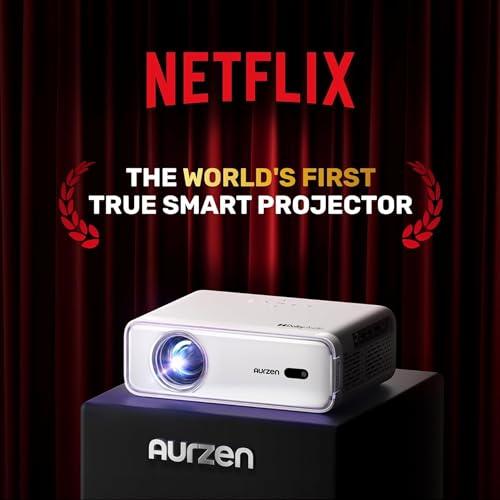
Released in 2024, the Aurzen EAZZE D1 Smart Projector represents what I consider the sweet spot for budget-conscious buyers who still want legitimate smart features. At under $150 at the time of writing, it's priced competitively with basic streaming devices, yet delivers a complete projection system.
What immediately stands out about the EAZZE D1 is its honesty about specifications. While many budget projectors claim inflated brightness numbers (often using "LED lumens" or other misleading metrics), Aurzen rates their projector at 200 ANSI lumens using proper industry standards. ANSI lumens, established by the American National Standards Institute, provide the most accurate measurement of projector brightness by testing nine specific points across the projected image.
This honest rating means 200 ANSI lumens from the Aurzen will actually appear brighter than competitors claiming 6,000 or even 10,000 "lumens" using inflated measurement methods. In practical terms, 200 ANSI lumens works well in darkened rooms and can handle screens up to about 100 inches with acceptable brightness.
The projector uses LED technology for its light source, which offers several advantages over traditional lamp-based systems. LEDs last much longer (the EAZZE D1 is rated for 30,000 hours), produce less heat, and maintain consistent color output throughout their lifespan. The trade-off is lower maximum brightness compared to laser or high-pressure lamp systems.
For smart features, the EAZZE D1 runs a built-in operating system with officially licensed apps including Netflix, Prime Video, and YouTube. This is crucial – many budget projectors use unofficial or modified apps that can stop working when streaming services update their security protocols. Having official app certification means reliable, long-term access to your favorite content.
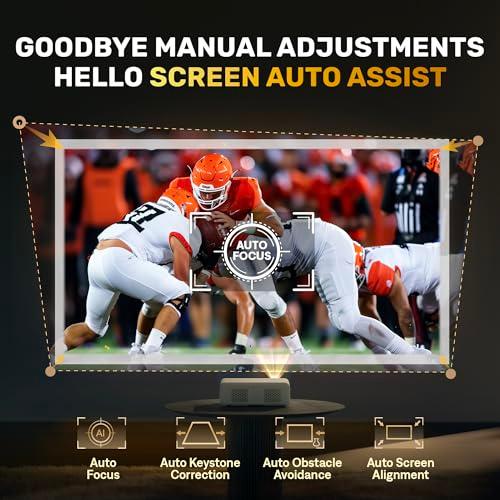
The setup process impressed me with its automation. The projector includes auto-focus (it automatically sharpens the image), 4-point keystone correction (which fixes the trapezoidal distortion that occurs when projecting at an angle), and even auto obstacle avoidance. These features work well enough that most users can achieve a properly aligned image within minutes of unboxing.
At the opposite end of the spectrum, the Nebula X1 4K Triple Laser Projector, released in 2025, showcases cutting-edge projection technology. At nearly $3,000 at the time of writing, it costs about 20 times more than the Aurzen – but the performance difference is dramatic.
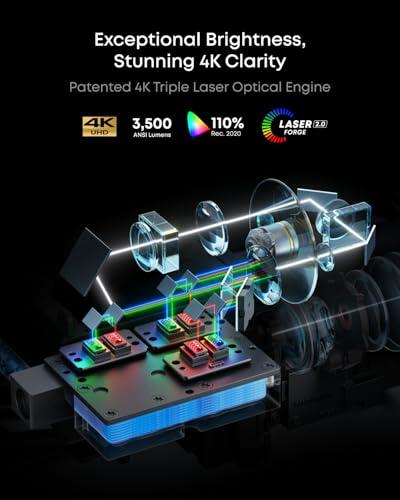
The standout feature is its RGB triple laser system. Traditional projectors use a single white light source and split it into red, green, and blue components. The Nebula X1 uses separate red, green, and blue lasers, which provides several advantages. First, it achieves much higher brightness – 3,500 ANSI lumens compared to the EAZZE D1's 200. More importantly, it covers 110% of the Rec. 2020 color space, meaning it can display colors that most displays simply cannot reproduce.
To put this in perspective, most consumer TVs cover about 70-80% of Rec. 2020. The Nebula X1 surpasses even premium OLED televisions in color gamut coverage. When watching HDR content, the difference is immediately apparent – reds appear more vibrant, greens look more natural, and the overall image has a depth and richness that's hard to achieve with conventional projection systems.
The X1 also features what Nebula calls a 14-element all-glass lens system. This might sound like marketing speak, but it's actually significant. Cheaper projectors use plastic lenses or glass-plastic hybrid designs that can shift focus as they heat up during use. All-glass lenses maintain sharp focus regardless of operating temperature and provide better clarity across the entire image, especially at the edges where plastic lenses often show softness or chromatic aberration (color fringing).
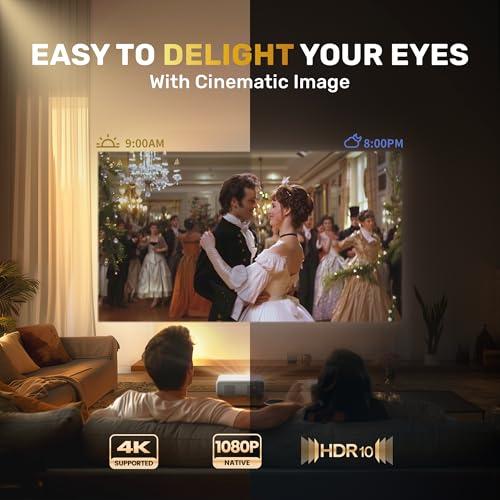
For resolution, the Nebula X1 uses 4-way pixel shifting technology. It starts with a native 1080p chip but rapidly shifts the pixels to create a true 4K image. This isn't simple upscaling – it's actually displaying 8.3 million individual pixels to achieve genuine 4K resolution. The difference is particularly noticeable with fine details like text, architectural elements, or distant objects in movies.
Brightness often determines whether a projector succeeds or fails in real-world use. The difference between 200 and 3,500 ANSI lumens isn't just numbers – it fundamentally changes how and when you can use the projector.
With the EAZZE D1, optimal viewing requires a darkened room. I've found it works well for evening movie nights, bedroom viewing, or basement home theaters. During testing, ambient light from even a few table lamps significantly washed out the image. However, in properly darkened environments, the picture quality is surprisingly good for the price point.
The Nebula X1 operates in a different league entirely. At 3,500 ANSI lumens, it can maintain vibrant, detailed images even with room lights on. I've successfully used similar high-brightness projectors for daytime viewing with curtains drawn, family movie nights with ambient lighting, and even outdoor screenings that start before sunset.
This brightness difference also affects screen size capabilities. The EAZZE D1 works best with screens under 100 inches in dark conditions. Push it to 120+ inches, and the image becomes noticeably dim. The Nebula X1 can fill screens up to 200-300 inches while maintaining acceptable brightness levels.
Audio quality often gets overlooked in projector reviews, but it's crucial for the overall experience. Both projectors take different approaches to solving the audio challenge.
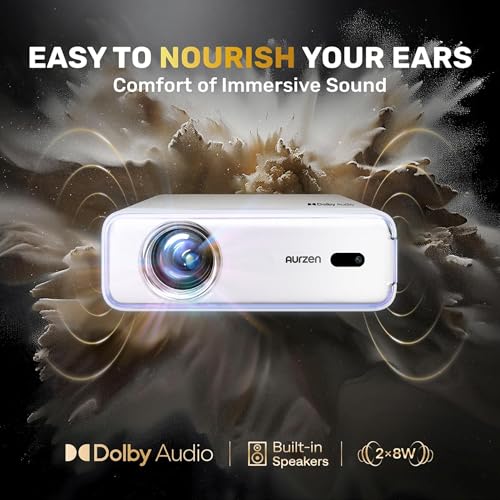
The EAZZE D1 includes dual 8-watt speakers with Dolby Audio processing. For a budget projector, the audio quality exceeds expectations. The speakers provide clear dialogue and reasonable volume for small to medium rooms. The inclusion of two-way Bluetooth is particularly useful – you can either connect external Bluetooth speakers for better sound or use the projector as a Bluetooth speaker when not projecting.
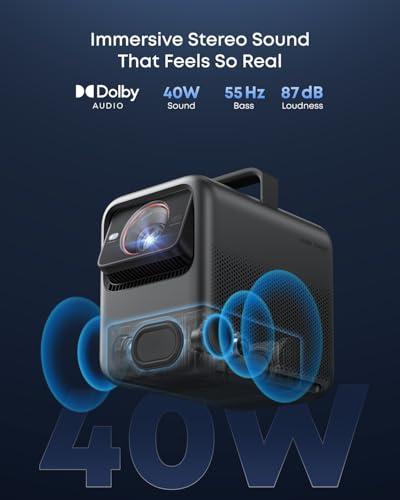
The Nebula X1 takes audio seriously with an optional 4.1.2 surround sound system that includes wireless satellite speakers. This creates genuine surround sound with height channels for immersive audio. The satellite speakers are IP54-rated for water and dust resistance, making them suitable for outdoor use. Having tested similar systems, the difference is night and day – dialogue appears to come from the screen, sound effects move around the room, and the overall experience becomes truly cinematic.
Both projectors run modern smart TV operating systems, but their implementations differ significantly.
The EAZZE D1 keeps things simple with a straightforward interface focused on essential streaming apps. The system responds quickly enough for basic navigation, though it occasionally shows its budget origins with minor lag during heavy multitasking. The auto-setup features work reliably, making it genuinely plug-and-play for most users.
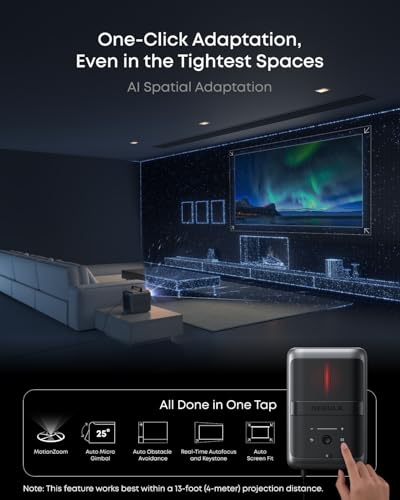
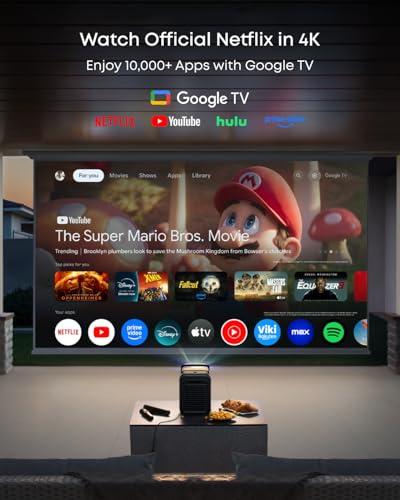
The Nebula X1 runs Google TV with the full ecosystem of Android apps available. It includes Google Assistant integration, casting capabilities, and supports the latest streaming standards. The AI Spatial Adaptation feature automatically analyzes your projection surface and optimizes the image accordingly – it's impressive technology that works as advertised.
For gaming, response time (input lag) becomes crucial. Input lag is the delay between pressing a button and seeing the action on screen. High input lag makes fast-paced games feel sluggish and unresponsive.
The EAZZE D1 provides adequate gaming performance for casual use, though it's not optimized for competitive gaming. It handles console gaming reasonably well, but serious gamers might notice the delay during fast-paced action sequences.
The Nebula X1 includes a dedicated gaming mode that reduces input lag to under 19 milliseconds – approaching the performance of dedicated gaming monitors. It also supports 4K gaming at 60Hz through HDMI 2.1, making it compatible with the latest gaming consoles at their highest settings.
Setting up a dedicated home theater involves several considerations beyond just image quality.
For a budget home theater, the EAZZE D1 makes an excellent starting point. Its compact size allows flexible placement, and the auto-setup features mean you don't need extensive technical knowledge. The main limitation is brightness – you'll need good light control (blackout curtains or a dedicated dark room) for optimal results.
The Nebula X1 can serve as the centerpiece of a serious home theater. Its brightness allows use in rooms with some ambient light, the advanced lens system enables flexible installation (including ceiling mounting with the built-in gimbal), and the premium audio system eliminates the need for separate speakers in many setups.
Both projectors use long-lasting light sources rated for 30,000 hours of operation. At typical usage rates (3-4 hours per day), this translates to over 20 years of service life. However, the build quality and long-term support differ significantly.
The EAZZE D1 represents solid value for occasional use but shows its budget origins in build materials and component quality. It's an excellent choice for testing whether projection fits your lifestyle before making a larger investment.
The Nebula X1 uses premium materials and includes advanced cooling systems designed for continuous operation. The liquid cooling system, borrowed from high-end gaming computers, keeps operating temperatures low and extends component lifespan.
The Aurzen EAZZE D1 Smart Projector makes sense for:
The Nebula X1 4K Triple Laser Projector suits:
These projectors represent fundamentally different approaches to portable projection. The EAZZE D1 democratizes smart projection technology, offering legitimate features at unprecedented pricing. The Nebula X1 pushes the boundaries of what's possible in portable projection, delivering professional-grade performance with premium materials and engineering.
Your choice ultimately depends on your priorities and budget. If you're curious about projection but hesitant to invest heavily, the EAZZE D1 provides an excellent introduction to the category. If you're ready to make projection a central part of your entertainment setup and have the budget for premium performance, the Nebula X1 delivers cinema-quality results.
Both projectors succeed in their respective categories, and either can transform your entertainment experience – just in very different ways and at very different price points. At the time of writing, the projector market continues evolving rapidly, but these two models represent the current state of the art at their respective price levels.
| Aurzen EAZZE D1 Smart Projector | Nebula X1 4K Triple Laser Projector |
|---|---|
| Brightness - Most critical spec for ambient light tolerance | |
| 200 ANSI lumens (requires dark rooms) | 3,500 ANSI lumens (works in well-lit environments) |
| Display Technology - Affects image quality and longevity | |
| Single TFT LCD panel with LED light source | DLP with RGB triple laser system |
| Resolution - Determines image sharpness | |
| Native 1080p (accepts 4K input) | Native 1080p with 4-way pixel shifting for true 4K display |
| Color Performance - Impact on image vibrancy | |
| Standard color gamut with HDR10 support | 110% Rec.2020 color gamut with Delta E < 0.8 accuracy |
| Contrast Ratio - Affects dark scene detail | |
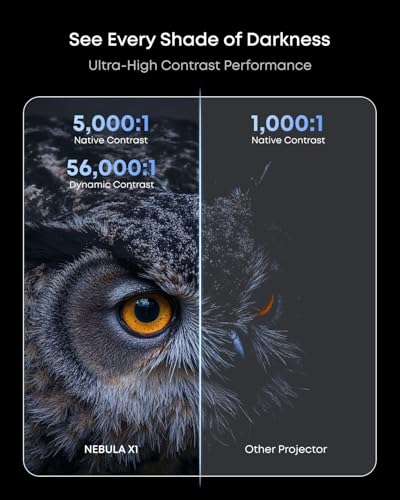
| Basic contrast (not specified) | 5,000:1 native, 56,000:1 dynamic with 6-blade iris |
| Smart Features - Built-in streaming capabilities | |
| Certified Netflix, Prime Video, YouTube apps | Google TV with full Android ecosystem |
| Audio System - Sound quality without external speakers | |
| Dual 8W speakers with Dolby Audio | Built-in system plus optional 4.1.2 wireless surround |
| Auto Setup - Ease of installation | |
| Auto-focus, 4-point keystone correction (±45°) | AI Spatial Adaptation with motorized lens controls |
| Lens Quality - Affects image sharpness and focus stability | |
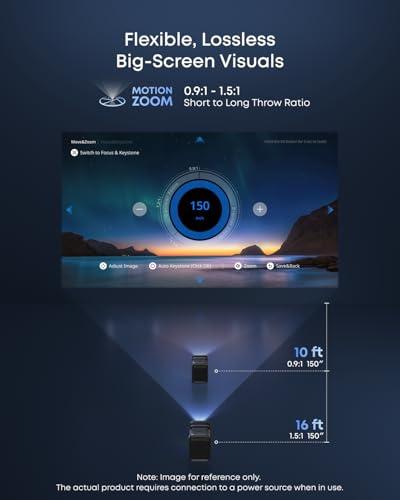
| Fixed focus lens with digital zoom | 14-element all-glass lens with motorized zoom/focus |
| Gaming Performance - Input lag for responsive gaming | |
| Standard input lag (casual gaming suitable) | <19ms input lag in Game Mode, 4K@60Hz support |
| Portability - Size and weight for transport | |
| Ultra-compact: 3.2" x 9.1" x 6.9", under 5 lbs | Portable but substantial: 13.7 lbs with premium case |
| Light Source Lifespan - Long-term operating costs | |
| 30,000-hour LED (20+ years typical use) | 30,000-hour laser with liquid cooling system |
| Warranty Coverage - Protection for your investment | |
| 2-year warranty | 1-year limited warranty |
The Aurzen EAZZE D1 Smart Projector is ideal for beginners due to its simple setup process and budget-friendly entry point. It features automatic focus, keystone correction, and built-in streaming apps that work right out of the box. The EAZZE D1 lets newcomers experience smart projection without a major financial commitment or technical complexity.
The primary difference is brightness and target audience. The Aurzen EAZZE D1 offers 200 ANSI lumens for dark-room viewing at a budget price, while the Nebula X1 4K Triple Laser Projector delivers 3,500 ANSI lumens for bright-room use with premium features. The Nebula X1 costs approximately 20 times more but provides professional-grade performance.
The Nebula X1 4K Triple Laser Projector excels in bright environments with its 3,500 ANSI lumens output. It maintains vibrant images even with room lights on or during daytime viewing. The Aurzen EAZZE D1 requires darkened rooms for optimal viewing due to its 200 ANSI lumens brightness level.
Yes, both projectors include built-in smart features. The Aurzen EAZZE D1 Smart Projector has certified Netflix, Prime Video, and YouTube apps built-in. The Nebula X1 runs Google TV with access to the full Android app ecosystem, including all major streaming platforms and additional downloadable apps.
The Nebula X1 4K Triple Laser Projector offers superior gaming performance with less than 19ms input lag in Game Mode and 4K@60Hz support through HDMI 2.1. The EAZZE D1 handles casual gaming adequately but lacks the low latency and high refresh rates that serious gamers prefer.
The Aurzen EAZZE D1 includes dual 8W speakers with Dolby Audio, suitable for small rooms and casual viewing. The Nebula X1 4K Triple Laser Projector offers a more advanced audio solution with built-in speakers plus optional wireless 4.1.2 surround sound satellite speakers for true home theater audio.
The Aurzen EAZZE D1 Smart Projector wins for portability with its ultra-compact design (3.2" x 9.1" x 6.9") and lightweight build under 5 pounds. The Nebula X1 is still portable at 13.7 pounds but requires more effort to transport, though it includes a premium carrying case.
The Nebula X1 4K Triple Laser Projector delivers significantly superior image quality with true 4K resolution via pixel shifting, 110% Rec.2020 color coverage, and professional color accuracy. The Aurzen EAZZE D1 provides good 1080p image quality for its price range but cannot match the X1's color depth and sharpness.
For dedicated home theater setups, the Nebula X1 4K Triple Laser Projector is the clear choice with its cinema-grade brightness, 4K resolution, premium lens system, and immersive audio capabilities. The EAZZE D1 works well for casual home theater in dark rooms but lacks the performance for serious cinephiles.
Both the Aurzen EAZZE D1 and Nebula X1 4K Triple Laser Projector feature 30,000-hour light source lifespans, equivalent to over 20 years of typical use. The X1 includes advanced liquid cooling for better longevity, while the EAZZE D1 uses standard LED cooling systems.
Value depends on your needs and budget. The Aurzen EAZZE D1 Smart Projector provides exceptional value for casual users wanting smart projection features at a minimal investment. The Nebula X1 offers premium value for enthusiasts who prioritize top-tier performance and are willing to invest significantly more.
The Nebula X1 4K Triple Laser Projector can effectively replace a TV with its bright output, smart features, and large screen capabilities up to 300 inches. The Aurzen EAZZE D1 can supplement or replace a TV in dark viewing environments but may not satisfy users accustomed to bright TV displays in well-lit rooms.
We've done our best to create useful and informative comparisons to help you decide what product to buy. Our research uses advanced automated methods to create this comparison and perfection is not possible - please contact us for corrections or questions. These are the sites we've researched in the creation of this article: aurzen.com - projectorcentral.com - manuals.plus - aurzen.com - projektoren-datenbank.com - hometechnologyreview.com - aurzen.com - youtube.com - aurzen.com - youtube.com - youtube.com - aurzen.com - tvsbook.com - youtube.com - seenebula.com - projectorreviews.com - seenebula.com - whathifi.com - bestbuy.com - techradar.com - projectorcentral.com - youtube.com - avsforum.com - seenebula.com - blog.son-video.com - youtube.com - projectorcentral.com

Privacy Policy
Terms and Conditions - Affiliate Policy
Home Security
© Copyright 2008-2026.
11816 Inwood Rd #1211, Dallas, TX 75244