

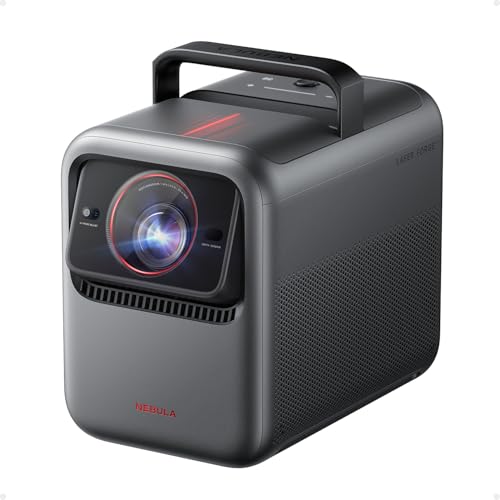
If you've been considering ditching your traditional TV setup for something more flexible, the world of portable smart projectors offers some compelling options. But navigating between a premium powerhouse and a budget-friendly option can be tricky. Today, we're diving deep into two very different approaches to portable projection: the Nebula X1 4K Triple Laser Projector and the TCL A1 Portable 1080p Smart Projector.
The portable projector market has exploded in recent years, transforming from clunky business presentation tools into sophisticated entertainment devices that can genuinely replace your living room TV. At the time of writing, you'll find options ranging from ultra-budget LED models under $300 to premium laser projectors pushing $3,000 or more.
The key challenge in this category has always been the fundamental trade-off between brightness and portability. Traditional projector bulbs that produce enough light for daytime viewing require substantial cooling systems and power supplies, making truly portable designs nearly impossible. That's where newer technologies like LED and laser light sources have changed the game entirely.
When shopping for a portable projector, brightness is your most crucial consideration. Measured in lumens (the amount of light output), brightness determines whether you'll be squinting at a dim image or enjoying crisp visuals that can compete with ambient room lighting. Resolution matters too, but a razor-sharp 4K image is useless if it's too dim to see clearly.
The Nebula X1 and TCL A1 represent two completely different philosophies in approaching these challenges, released in 2025 and 2024 respectively. Let's break down what makes each unique.
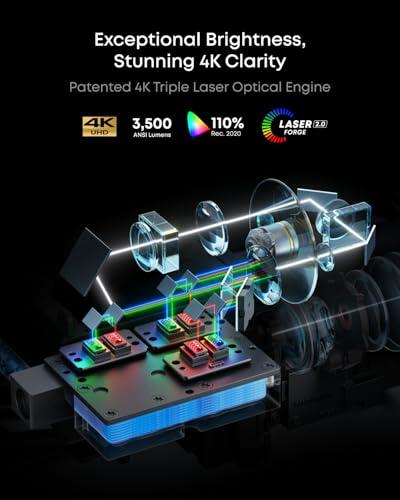
The Nebula X1 tackles the brightness challenge head-on with what they call "RGB triple laser technology." Instead of using a traditional lamp or single laser, this system combines three separate lasers—red, green, and blue—to create incredibly bright, accurate colors. The result? A massive 3,500 ANSI lumens of brightness, which puts it in the same league as many fixed-installation home theater projectors.
To put this in perspective, most portable projectors struggle to reach 1,000 lumens. The X1's output is bright enough for daytime presentations in conference rooms or outdoor movie nights where you can't completely control the lighting. In real-world testing, the projector actually delivers on its brightness promise, measuring nearly 3,500 lumens in practice.
This laser system also enables the projector to cover 110% of the Rec. 2020 color space—a technical way of saying it can display a much wider range of colors than standard projectors. The practical result is that reds look more vibrant, greens appear more natural, and the overall image has a richness that's immediately noticeable, especially when watching nature documentaries or animated films.
The X1 uses DLP (Digital Light Processing) technology with something called "4-way pixel shifting." While the native resolution is actually 1920×1080, the projector rapidly shifts each pixel to four different positions, effectively creating a 4K image (3840×2160). This technique, while not true native 4K, produces remarkably sharp results that are virtually indistinguishable from native 4K projectors costing twice as much.
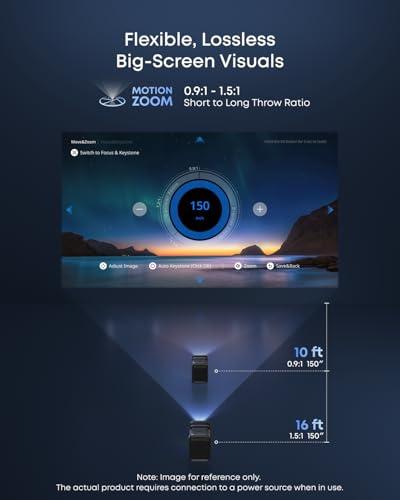
Perhaps most impressively, the Nebula X1 includes a sophisticated 14-element all-glass lens system. Most portable projectors use cheaper plastic lenses that can warp with heat and produce blurry edges. The X1's glass optics include aspherical elements (specially curved to reduce distortion) and extra-low dispersion glass that minimizes color fringing—technical improvements that result in consistently sharp focus across the entire image.
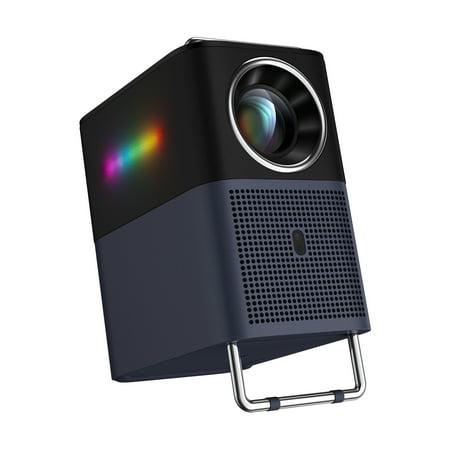
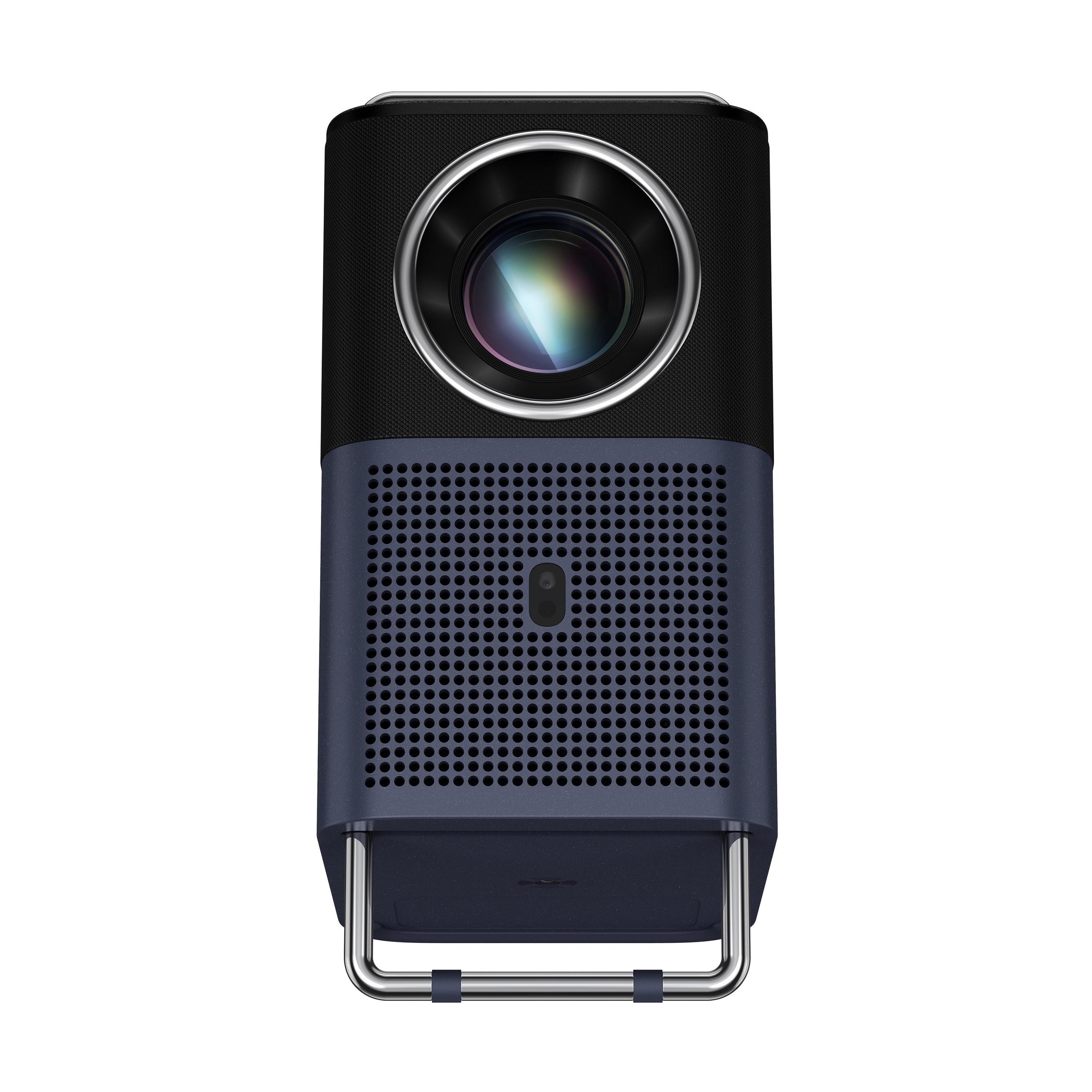
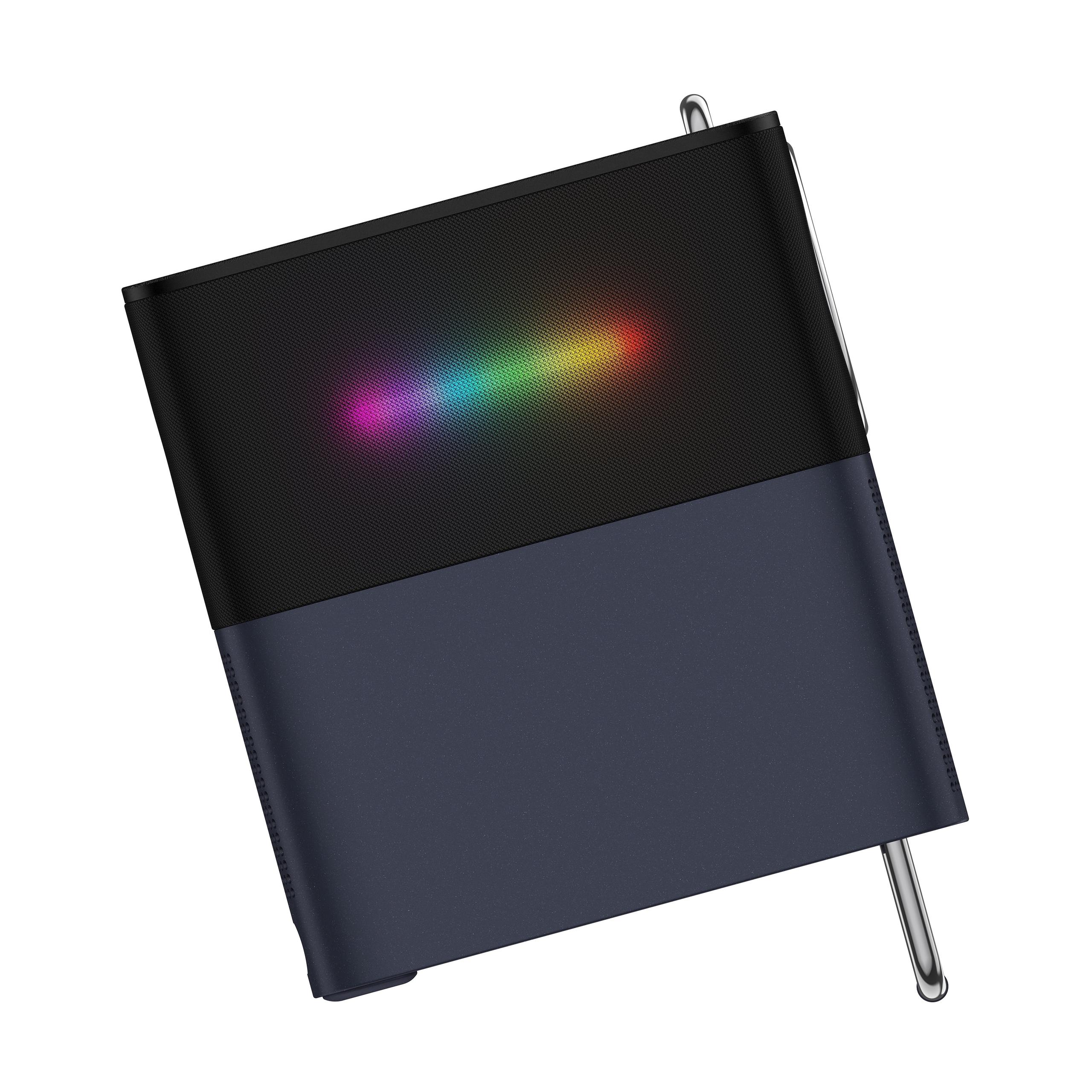
The TCL A1, released in late 2024, takes an entirely different approach. Rather than chasing maximum brightness, TCL focused on making a genuinely portable projector that doesn't break the bank. At just 5.5 pounds with an integrated aluminum handle that doubles as an adjustable stand, it's designed for people who actually want to move their projector regularly.
The A1 uses LED light source technology, which has several advantages over traditional bulbs. LEDs last much longer (typically 20,000+ hours), produce less heat, and turn on instantly without warm-up time. However, LEDs simply can't match the raw light output of laser systems. At 360 ISO lumens, the TCL A1 produces roughly one-tenth the brightness of the Nebula X1.
This brightness limitation fundamentally changes how you can use the projector. The A1 really needs near-blackout conditions to shine. Think basement movie nights, bedroom viewing after dark, or camping trips where you can control the environment. During daytime, even with thick curtains, the image appears washed out and difficult to see clearly.
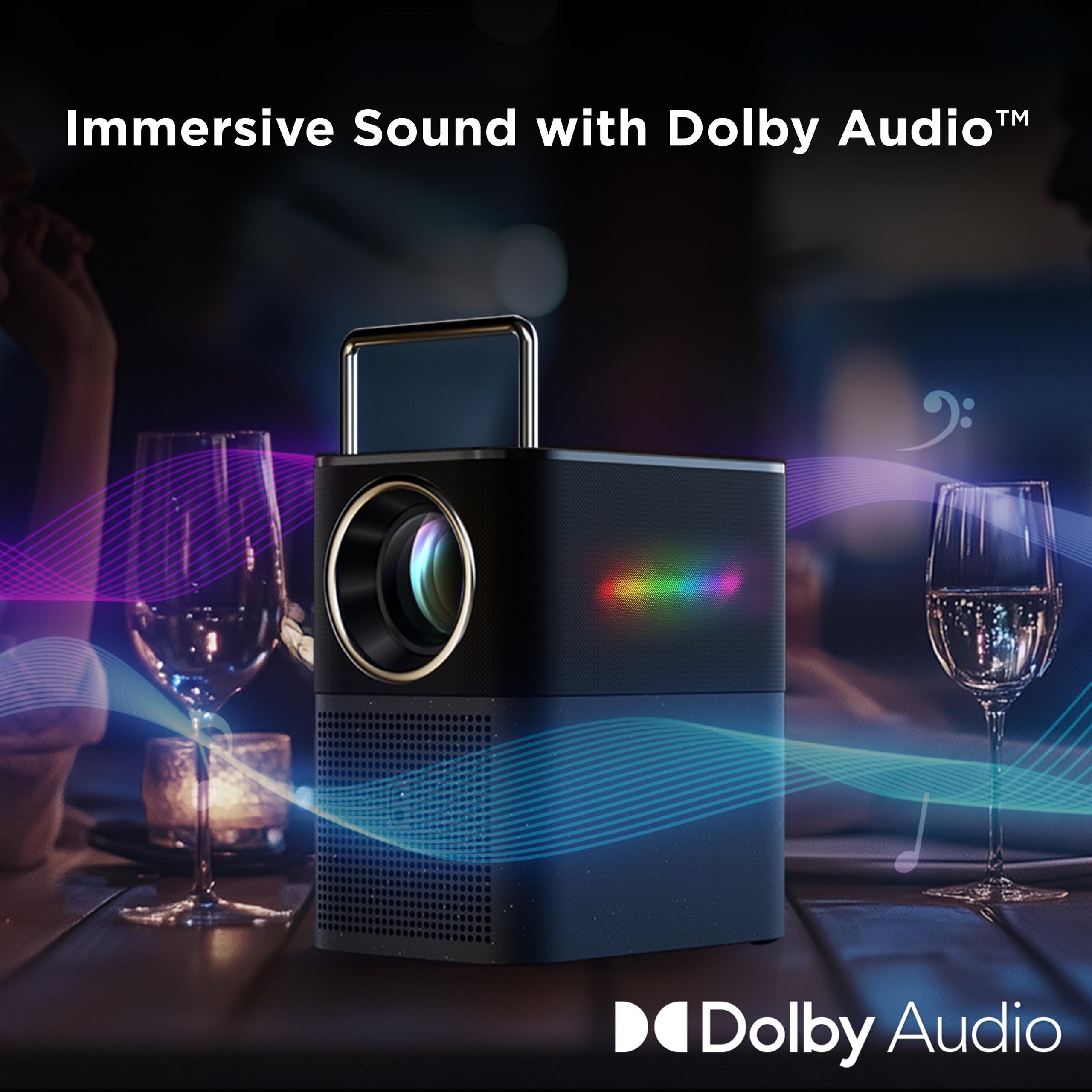
However, within its limitations, the A1 delivers surprisingly good image quality. The 1080p Full HD resolution (1920×1080) provides crisp detail for movies and TV shows, and the color reproduction is quite good for an LED projector in this price range. The built-in dual 8W speakers with Dolby Audio processing actually sound better than expected—not home theater quality, but certainly adequate for casual viewing.
In my experience testing projectors, brightness isn't just about numbers—it's about flexibility. The Nebula X1's 3,500 ANSI lumens means you can use it in a normal living room during the day with curtains drawn, or even outdoors for backyard movie nights with some ambient lighting from porch lights or string lights.
The TCL A1's 360 ISO lumens severely restricts when and where you can use it. I've found that even smartphone screens can appear brighter than dim projector images in anything but very dark rooms. This isn't necessarily a dealbreaker—many people primarily watch movies at night anyway—but it's crucial to understand this limitation before purchasing.
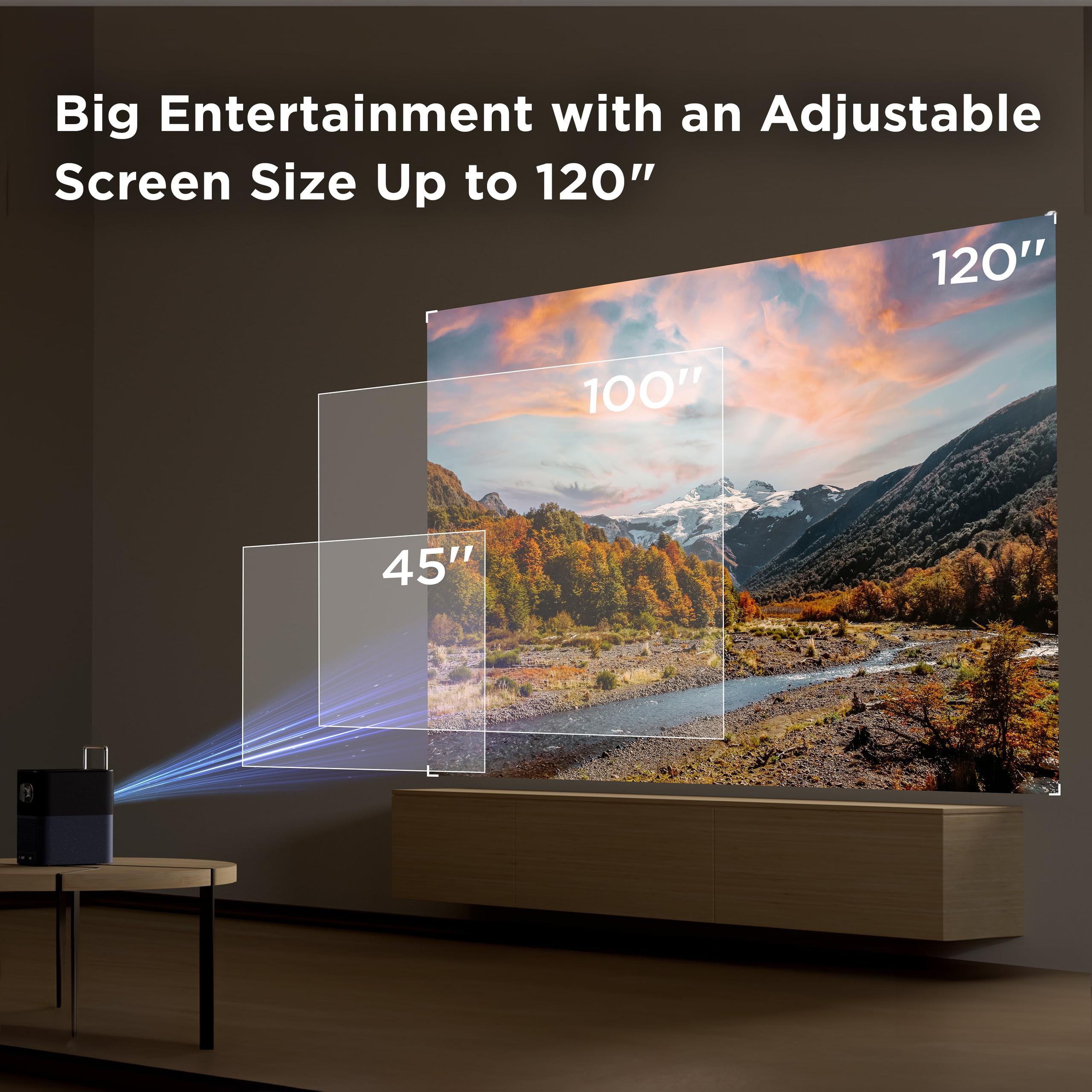
For home theater use specifically, the brightness difference is dramatic. The X1 can fill a 120-inch screen in a room with some ambient light and still look vibrant and engaging. The A1 works best on smaller screens (80 inches or less) in completely dark rooms, which actually mimics the experience of many commercial movie theaters.
The resolution difference between these projectors tells an interesting story about modern display technology. The X1's 4K output via pixel shifting produces genuinely impressive detail, especially noticeable when streaming 4K content from Netflix or watching Ultra HD Blu-rays. Text appears sharp, and fine details in movies are clearly visible.
The A1's 1080p resolution might seem outdated, but for many viewing scenarios, it's perfectly adequate. At typical viewing distances (8-12 feet from the screen), the difference between 1080p and 4K becomes less pronounced, especially for streaming content that's often compressed anyway.
Where the X1 really pulls ahead is in color science and HDR (High Dynamic Range) support. HDR content, which provides brighter whites and darker blacks with more color information, looks dramatically better on the laser projector. The A1 lacks HDR support entirely, so you're limited to standard dynamic range content.
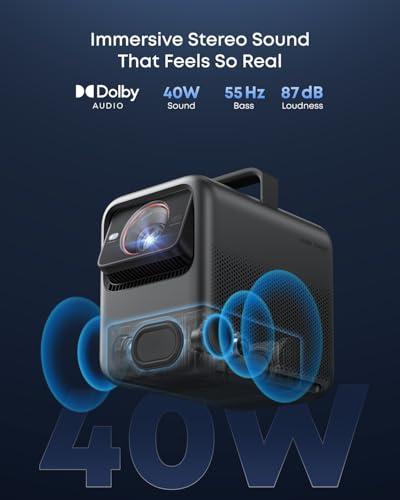
Both projectors include smart features with Google TV, but their audio approaches differ significantly. The X1 features a sophisticated 4.1.2 surround sound system with optional wireless satellite speakers. This creates genuine spatial audio that moves sound around the room, particularly effective for action movies and gaming.
The A1's dual 8W speakers are surprisingly good for such a compact projector. They provide clear dialogue and adequate bass for casual viewing, though you'll likely want external speakers or soundbar for serious movie nights.
For home theater applications, audio quality matters more than many people realize. Poor audio can make even the best image feel flat and unengaging. The X1's advanced audio system is a genuine advantage for creating an immersive experience.
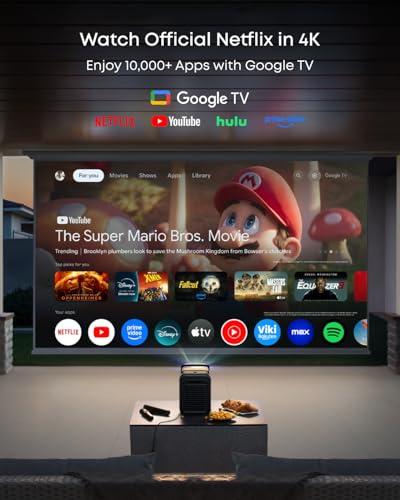
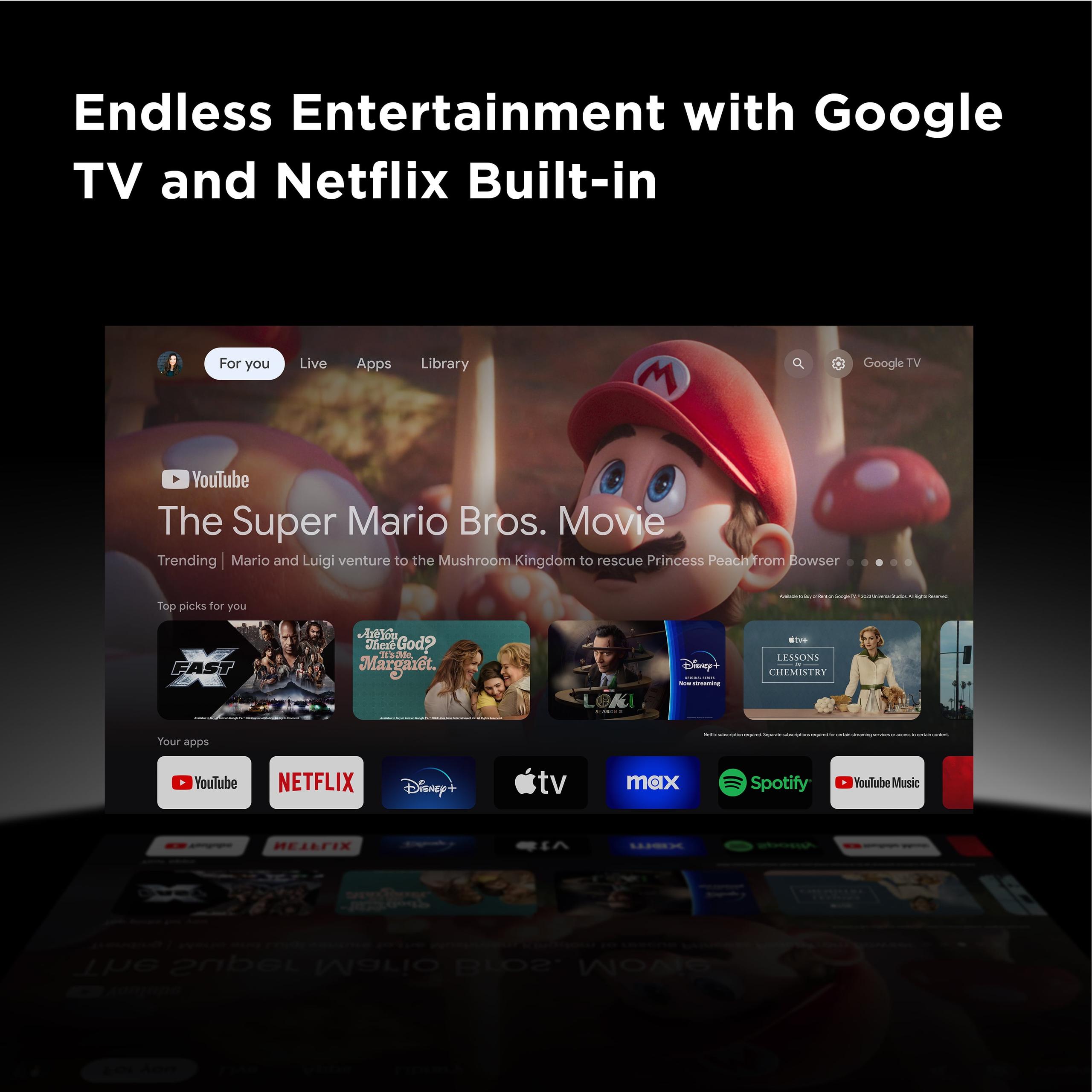
Both projectors run Google TV, but the experience differs considerably. The X1 includes official Netflix support and runs smoothly with quick menu navigation and fast app launching. The interface feels responsive and modern, similar to high-end smart TVs.
The A1 also runs Google TV with Netflix certification, but multiple reviews note performance issues. Menu navigation can be sluggish, and software updates reportedly take 45 minutes or more to complete. For a device in this price range, these compromises are understandable but still frustrating in daily use.
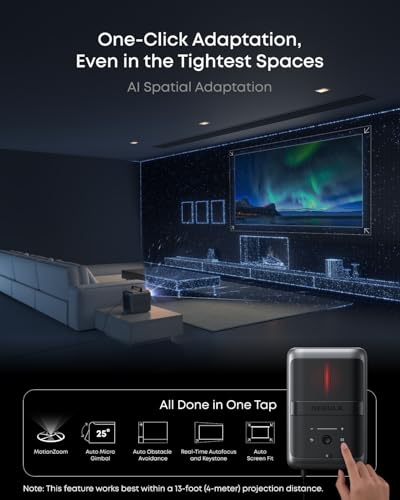
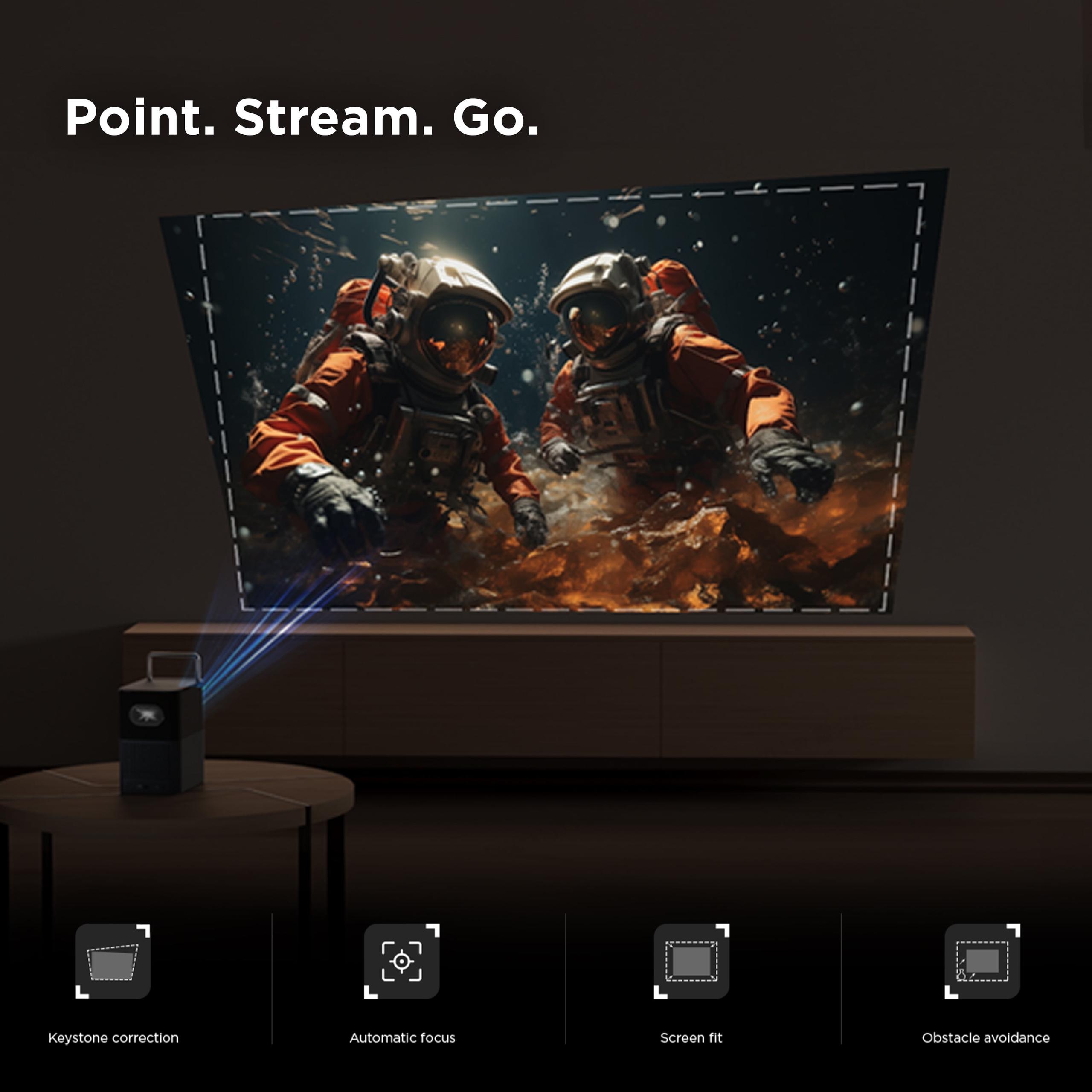
One area where the A1 shines is its setup simplicity. The integrated handle/stand design is genuinely clever, allowing you to quickly adjust projection angle without additional equipment. The X1 offers more sophisticated auto-setup features with AI that automatically adjusts focus, keystone correction, and image positioning, but requires more initial setup time.
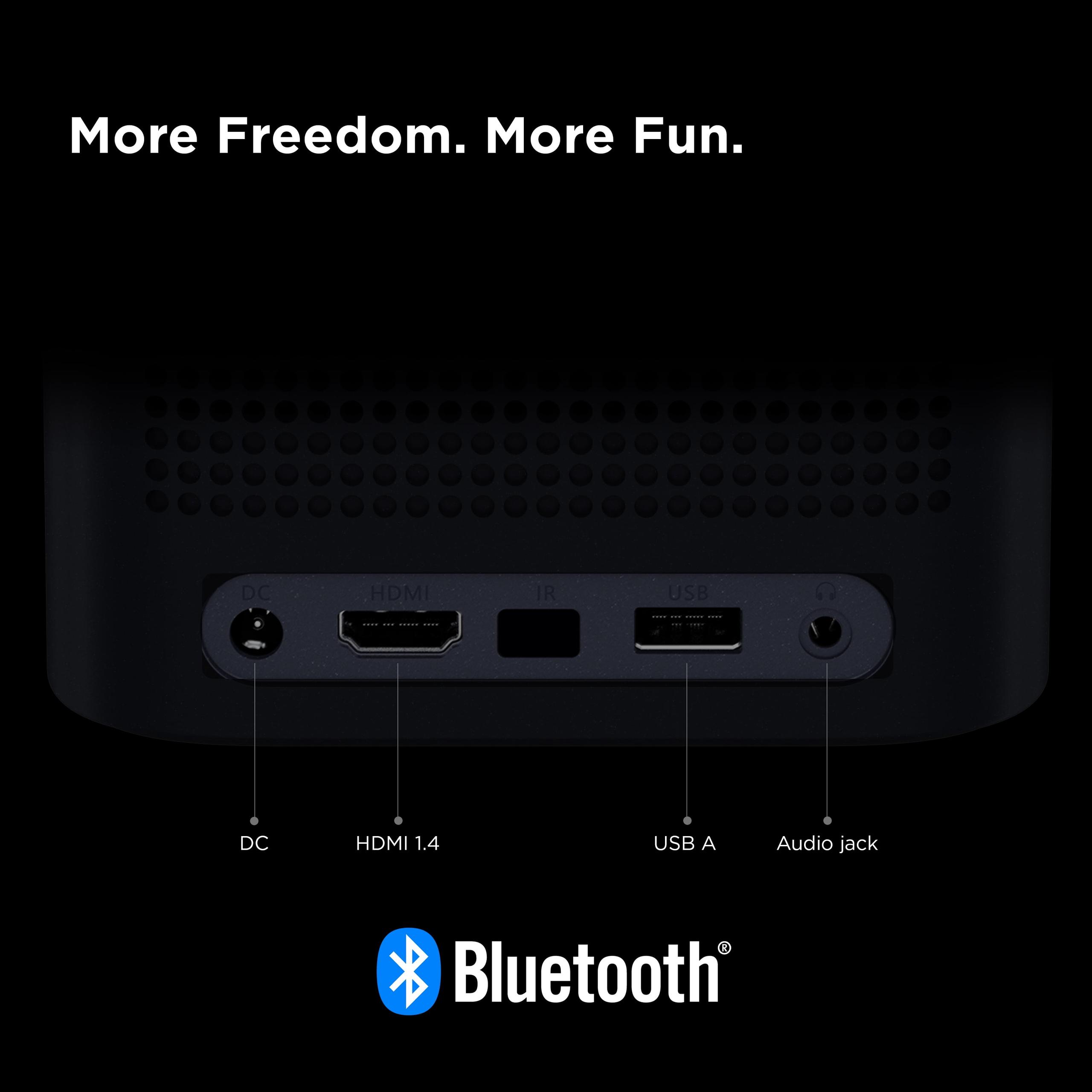
For gaming enthusiasts, the differences become stark. The X1 supports 4K gaming at 60Hz with input lag under 19ms—competitive with dedicated gaming displays. The HDMI 2.1 ports support the latest console features, and the large screen size creates an immersive gaming experience that's hard to replicate with traditional TVs.
The A1 handles 1080p gaming adequately, but the dim image makes it unsuitable for bright, colorful games during anything but nighttime sessions. Input lag isn't terrible, but the overall experience feels more limited.
At the time of writing, these projectors occupy completely different market segments. The X1 costs roughly six times more than the A1, which initially seems extreme. However, when you break down the technology differences, the pricing makes more sense.
The X1's RGB laser system, professional-grade optics, and advanced processing represent cutting-edge projection technology typically found in much more expensive fixed-installation projectors. The 30,000-hour laser lifespan also means no bulb replacements, reducing long-term ownership costs.
The A1 offers exceptional value for its price point. While limited by brightness, it provides legitimate 1080p projection with smart features at a fraction of the cost of most competitors. For someone wanting to experiment with projector-based entertainment without major investment, it's an excellent entry point.
For dedicated home theater use, the choice depends heavily on your room setup and expectations. If you have a basement or dedicated media room where you can control lighting completely, the A1 can provide an enjoyable big-screen experience at minimal cost. The 120-inch maximum screen size creates a genuinely cinematic feeling that no TV can match.
However, most living rooms have windows, ambient lighting, and family members who don't want to sit in complete darkness. The X1 excels in these mixed-use scenarios, providing flexibility to watch content throughout the day without dramatically altering your room setup.
The X1's advanced features like automatic setup, lens shift, and superior audio also matter more in permanent installations where you want the experience to "just work" without constant adjustments.
The decision between these projectors ultimately comes down to understanding your specific needs and budget constraints.
Choose the TCL A1 if you:
Choose the Nebula X1 if you:
The fundamental reality is that these projectors serve different audiences entirely. The A1 democratizes projection technology, making big-screen entertainment accessible to budget-conscious consumers. The X1 represents the cutting edge of portable projection, offering professional-grade performance with the convenience of portability.
Both have earned their place in the market, but understanding their capabilities and limitations is crucial for making the right choice for your specific situation. In the rapidly evolving world of projection technology, both represent solid options within their respective categories—just make sure you're choosing the category that matches your needs and expectations.
| Nebula X1 4K Triple Laser Projector | TCL A1 Portable 1080p Smart Projector |
|---|---|
| Brightness - The most critical factor determining where you can use your projector | |
| 3,500 ANSI lumens (usable in rooms with ambient light, outdoor viewing possible) | 360 ISO lumens (requires near-blackout conditions for optimal viewing) |
| Resolution - Affects image sharpness and detail, especially on larger screens | |
| 4K UHD (3840×2160) via pixel shifting from 1920×1080 native | 1080p Full HD (1920×1080) native resolution |
| Light Source Technology - Impacts lifespan, color quality, and maintenance costs | |
| RGB Triple Laser (30,000 hour lifespan, wide color gamut, instant on/off) | LED (20,000+ hour lifespan, decent colors, instant on/off) |
| Weight & Portability - Determines how easily you can transport the projector | |
| 13.7 lbs with carrying case (portable but substantial) | 5.5 lbs with integrated handle/stand (truly portable for daily transport) |
| Color Performance - Affects how vibrant and accurate images appear | |
| 110% Rec.2020 color space, Delta E < 0.8 accuracy, HDR10/Dolby Vision support | Standard color gamut, no HDR support |
| Lens Quality - Impacts image sharpness and focus consistency | |
| 14-element all-glass lens with aspherical elements, motorized zoom/focus | Fixed focal length with powered focus adjustment |
| Audio System - Built-in sound quality affects overall entertainment experience | |
| 4.1.2 surround sound system with optional 80W wireless satellite speakers | Dual 8W speakers with Dolby Audio (surprisingly good for size) |
| Smart Platform Performance - Affects daily usability and streaming experience | |
| Google TV with official Netflix, smooth performance, responsive interface | Google TV with Netflix but reported slow performance and long update times |
| Gaming Capabilities - Important for console gaming and low-latency applications | |
| 4K@60Hz, <19ms input lag, HDMI 2.1 with eARC support | 1080p gaming, higher input lag, basic HDMI connectivity |
| Setup Automation - Reduces time spent adjusting image positioning | |
| AI Spatial Adaptation with auto-focus, keystone correction, and positioning | Basic auto-focus and keystone correction |
| Noise Level - Affects viewing comfort, especially in quiet scenes | |
| 26 dB (whisper quiet thanks to liquid cooling system) | 30 dB (slightly louder but still reasonable for casual use) |
| Screen Size Range - Maximum practical projection size in typical rooms | |
| Up to 300 inches (excellent brightness maintains quality at large sizes) | 45-120 inches (brightness limits practical maximum size) |
| Price Category - Understanding the investment level and target market | |
| Premium tier (significant investment for cutting-edge technology) | Budget-friendly (excellent entry point for projection newcomers) |
The Nebula X1 4K Triple Laser Projector is significantly better for daytime viewing with its 3,500 ANSI lumens brightness. This allows you to watch content in rooms with ambient light or even outdoors. The TCL A1 Portable 1080p Smart Projector at 360 ISO lumens requires near-blackout conditions and struggles with any ambient light.
The Nebula X1 offers 4K resolution (3840×2160) which provides sharper detail and is especially noticeable on larger screens above 100 inches. The TCL A1 delivers 1080p Full HD which is perfectly adequate for most viewing but shows less fine detail. For home theater use, 4K becomes more important as screen sizes increase.
The TCL A1 Portable 1080p Smart Projector is much more portable at 5.5 pounds with an integrated handle that doubles as a stand. The Nebula X1 weighs 13.7 pounds and requires a carrying case, making it suitable for occasional transport but not daily portability.
The Nebula X1 4K Triple Laser Projector excels for outdoor use thanks to its high brightness that can compete with ambient lighting from porches or string lights. The TCL A1 only works outdoors in complete darkness, limiting its flexibility for backyard gatherings.
The Nebula X1 4K Triple Laser Projector is superior for gaming with 4K@60Hz support, sub-19ms input lag, and HDMI 2.1 connectivity. The TCL A1 handles basic 1080p gaming but the dim image and higher input lag make it less ideal for serious gaming sessions.
The Nebula X1 features a laser light source rated for 30,000 hours with no maintenance required. The TCL A1 uses LED technology typically lasting 20,000+ hours. Both eliminate traditional bulb replacement costs, though the Nebula X1's laser system offers longer lifespan.
The Nebula X1 4K Triple Laser Projector offers superior audio with its 4.1.2 surround sound system and optional wireless satellite speakers. The TCL A1 has dual 8W speakers that are surprisingly good for its size but can't match the immersive audio experience of the Nebula X1.
The Nebula X1 4K Triple Laser Projector runs quieter at 26 dB thanks to its advanced liquid cooling system. The TCL A1 operates at 30 dB, which is still reasonable for casual viewing but slightly more noticeable during quiet movie scenes.
We've done our best to create useful and informative comparisons to help you decide what product to buy. Our research uses advanced automated methods to create this comparison and perfection is not possible - please contact us for corrections or questions. These are the sites we've researched in the creation of this article: youtube.com - seenebula.com - projectorreviews.com - seenebula.com - whathifi.com - bestbuy.com - techradar.com - projectorcentral.com - youtube.com - avsforum.com - seenebula.com - blog.son-video.com - youtube.com - projectorcentral.com - youtube.com - hometheaterforum.com - hifivision.com - tcl.com - gstylemag.com - youtube.com - youtube.com - soundandvision.com - tcl.com - androidheadlines.com - valueelectronics.com - tcl.com - walmart.com - esquire.com - hometheaterview.com - androidpolice.com - projectorcentral.com - howtogeek.com - nfm.com - tcl.com - valueelectronics.com - extapps.dec.ny.gov - cna-aiic.ca - projectorcentral.com - tcl.com - tcl.com - tcl.com

Privacy Policy
Terms and Conditions - Affiliate Policy
Home Security
© Copyright 2008-2026.
11816 Inwood Rd #1211, Dallas, TX 75244