

Remember when projectors were bulky, expensive machines reserved for conference rooms and dedicated home theaters? Those days are long gone. Today's projector market has expanded dramatically, offering specialized options for virtually every use case imaginable – from ultra-portable movie machines to high-performance gaming beasts.
The TCL A1 Portable Smart Projector and BenQ TH685P Gaming Projector represent two distinct approaches to bringing big-screen experiences into your home. While they share a 1080p resolution, they're designed with fundamentally different priorities in mind.
Released in early 2023, the TCL A1 joined the growing portable projector market as smart TVs manufacturers began expanding into projection. Meanwhile, the BenQ TH685P, launched in late 2022, represents an evolution of BenQ's gaming projector line, refining the popular TH685 with enhanced gaming features.
When evaluating projectors, several key factors determine real-world performance:
Brightness remains the most critical specification – it determines not just how vibrant the image appears but in what conditions you can actually use your projector. A dim projector might produce beautiful images in a pitch-black room but become virtually invisible with even minimal ambient light.
Input lag measures how long it takes for your actions to appear on screen – critical for gaming but less important for movie watching. Think of it as the delay between pressing a button and seeing your character move.
Resolution affects image clarity, particularly at larger screen sizes, where individual pixels become more noticeable.
Smart features determine whether the projector works as a standalone device or requires additional sources for content.
Let's dive deeper into how these two projectors stack up and which might best suit your needs.
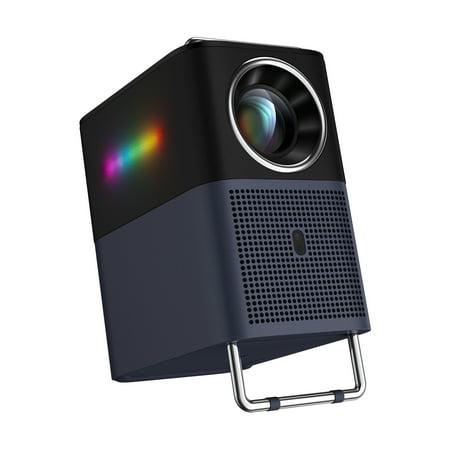
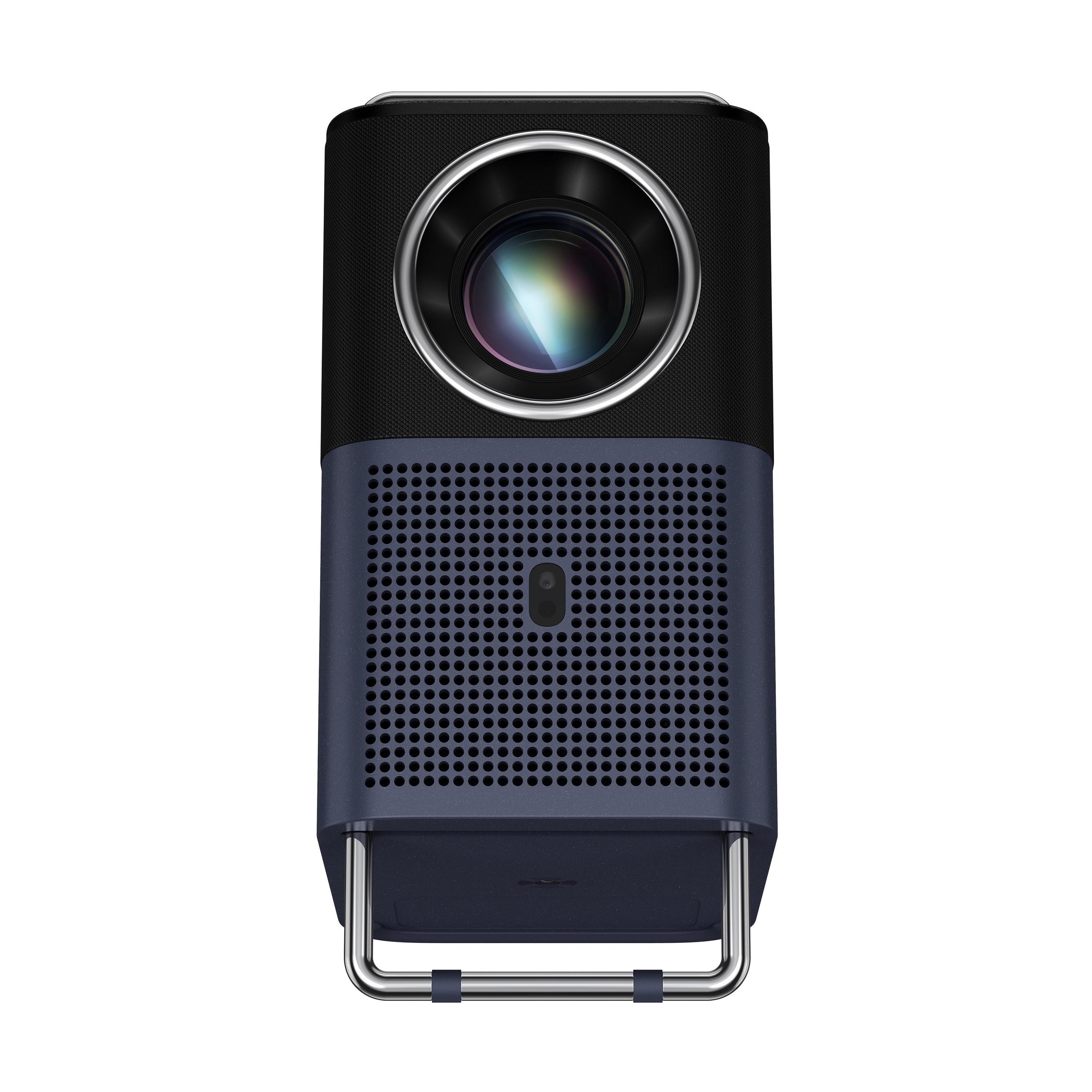
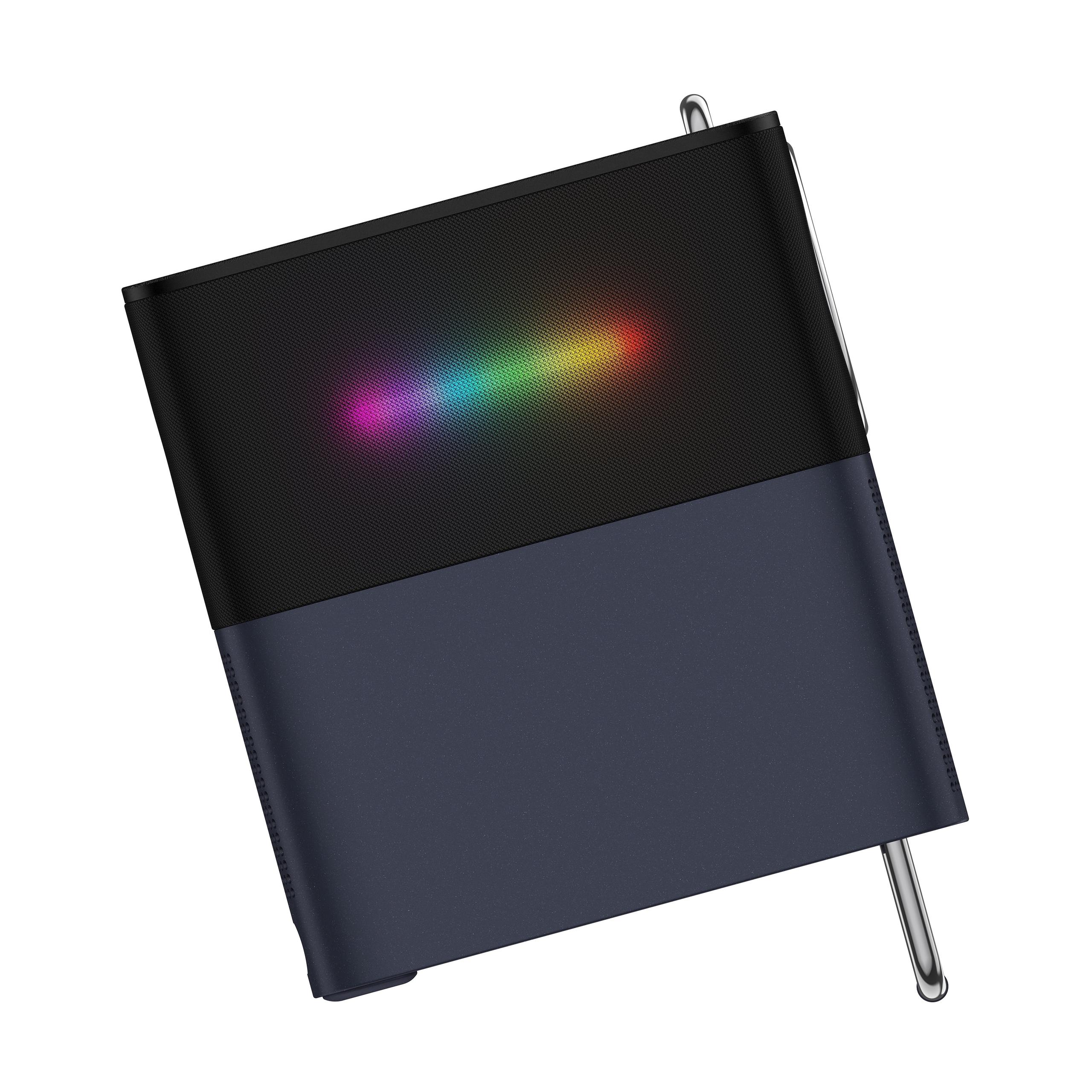
The TCL A1 embodies the "take it anywhere" approach to projection. With dimensions of just 5.0" x 7.6" x 10.4" and weighing 5.5 pounds, it's been engineered to move easily between rooms or locations. Its most distinctive physical feature is the innovative VersaGrip handle, which cleverly doubles as an adjustable stand allowing for up to 15-degree tilt adjustments.
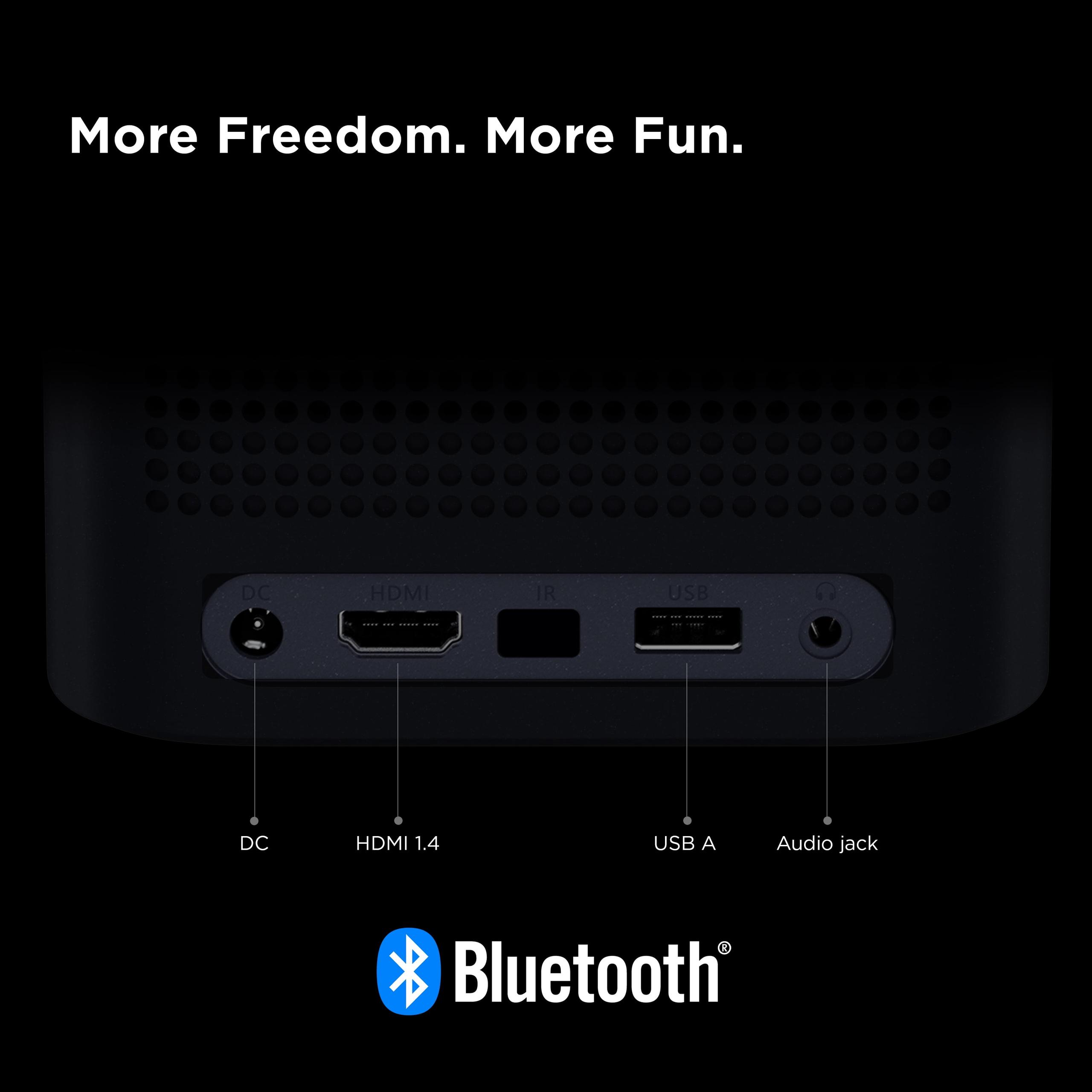
The projector comes with a carrying case, reinforcing its portable identity. Physical ports include a single HDMI input, USB, and a 3.5mm audio output – a relatively minimalist selection reflecting its all-in-one design philosophy.
Since its release, this approach to projector design has gained significant traction, with major TV manufacturers recognizing that many consumers, particularly apartment dwellers and younger buyers, want large-screen experiences without committing to permanent installations or large physical devices.
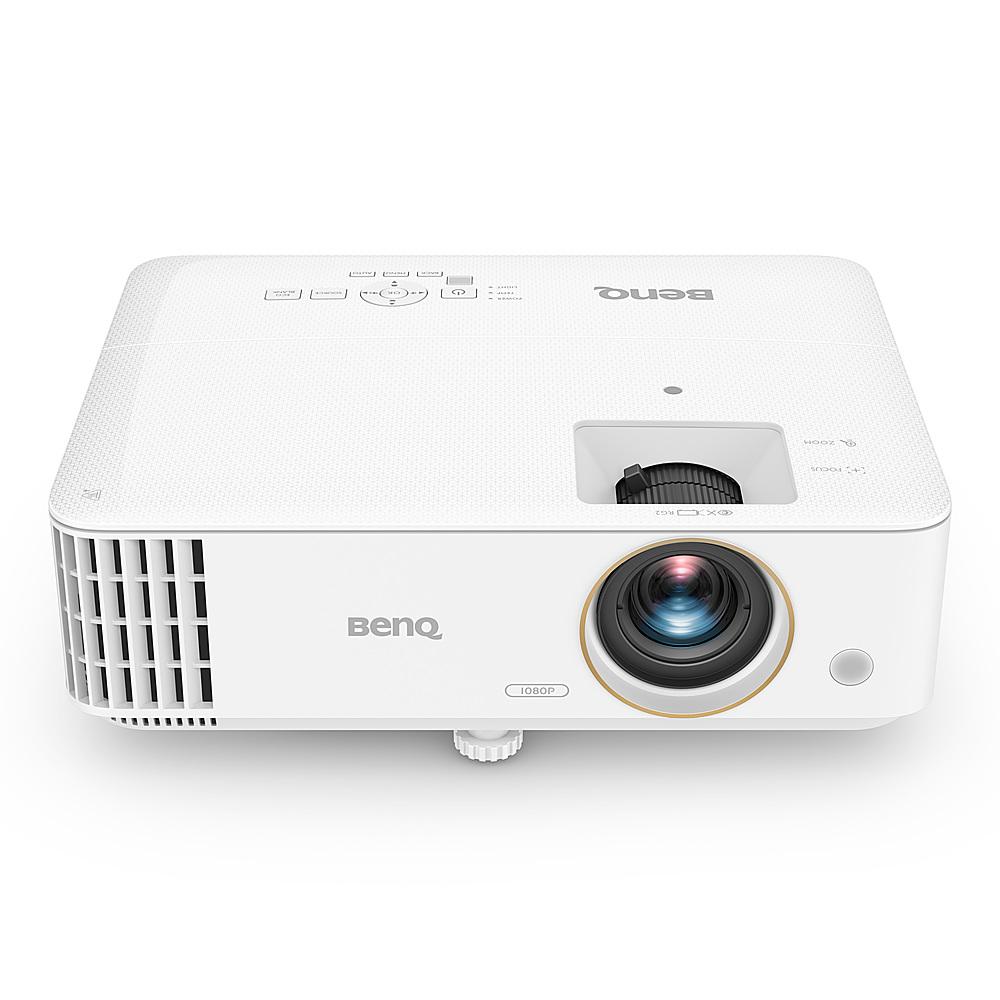
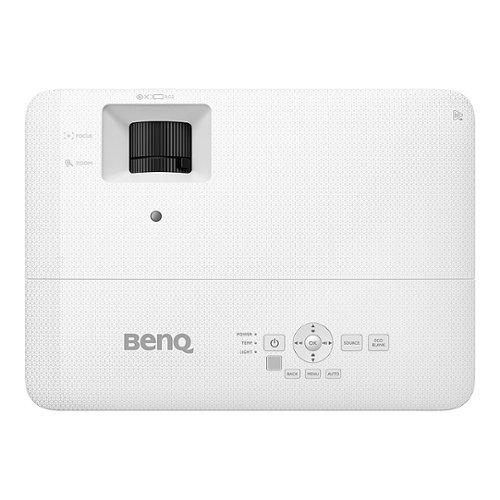
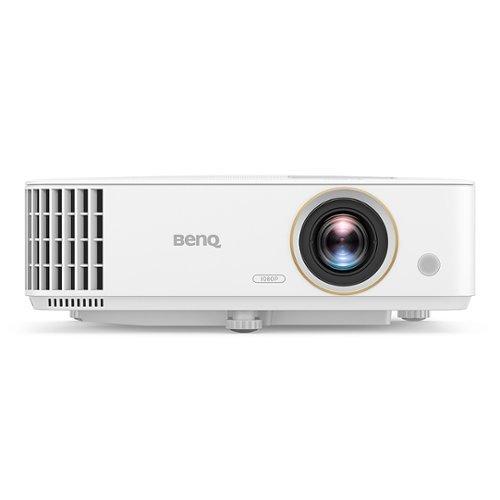
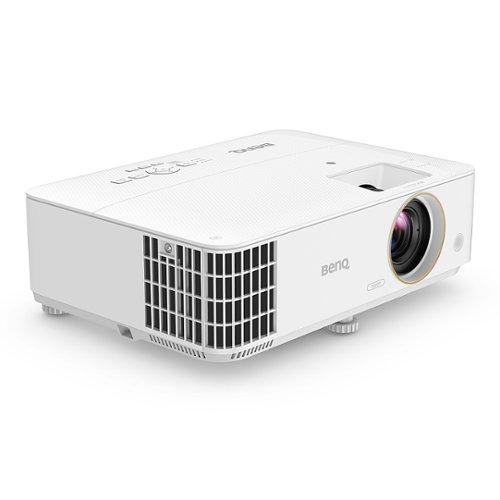
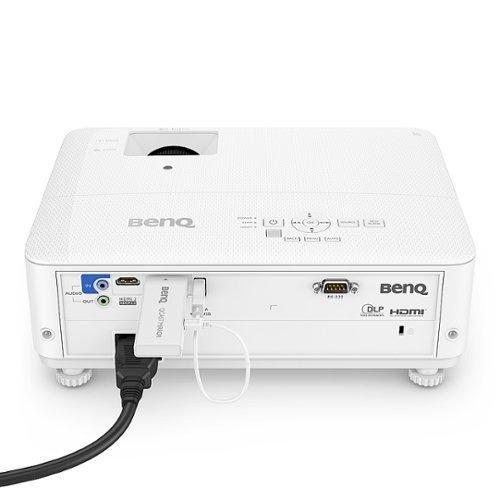
The BenQ TH685P follows a more traditional projector design philosophy, prioritizing performance over portability. At 12.28" x 4.33" x 8.86" and 6.2 pounds, it's not much heavier than the TCL but lacks built-in carrying solutions.
Its design focuses on airflow and cooling to support the significantly brighter lamp while maintaining reasonable noise levels. The projector includes more connection options, with dual HDMI 2.0 inputs, VGA, and various audio ports providing greater flexibility for connecting multiple sources.
The TH685P represents BenQ's response to the growing gaming projector market. While projectors were once considered unsuitable for serious gaming due to input lag, manufacturers like BenQ have made dramatic technological improvements in recent years, bringing lag times down from 50+ milliseconds to single-digit figures competitive with gaming monitors.
Perhaps no specification better illustrates the different use cases for these projectors than brightness. The BenQ TH685P outputs 3,500 ANSI lumens – the standard industry measurement for projector brightness. That's nearly ten times brighter than the TCL A1's 360 ISO lumens (a different measurement standard, but roughly comparable).
What does this mean in practice? The BenQ can produce a visible, watchable image in a living room with some ambient light – curtains drawn during daytime, or with modest lamp lighting in the evening. It's bright enough that you don't need to create perfect darkness to enjoy content.
The TCL A1, however, requires near-darkness to produce satisfying images. In anything but a very dim room, images appear washed out and lacking contrast. This limitation significantly restricts when and where you can use it effectively.
Since their releases, this brightness gap has remained a defining characteristic between portable and home theater projectors. While portable projector brightness has improved somewhat, the fundamental trade-off between lamp power, battery life, and heat management means portable options still typically offer 300-500 lumens compared to the 2,500-4,000 lumens of their plugged-in counterparts.
Color accuracy and processing also differ significantly. The BenQ TH685P covers 95% of the Rec.709 color space (the standard color profile for HDTV content) and includes 10-bit color processing, allowing it to display over a billion colors. It also supports HDR10 and HLG (Hybrid Log-Gamma) – two common High Dynamic Range formats that expand the range of brightness and color the projector can display, making bright areas brighter and dark areas darker for more realistic images.
The TCL A1 doesn't specify its color gamut coverage and lacks HDR support. This doesn't necessarily mean its colors are poor, but it suggests less emphasis on color accuracy and processing. Without HDR, the projector can't take advantage of the expanded brightness and color information in modern content.
Another significant technology difference lies in their display systems. The BenQ uses DLP (Digital Light Processing) technology, which employs millions of microscopic mirrors to reflect light and create images. This typically delivers sharper images and better contrast than the LCD (Liquid Crystal Display) technology used in the TCL, which passes light through liquid crystal panels. DLP projectors tend to have better black levels but can sometimes produce a "rainbow effect" (momentary color flashes) that some viewers find distracting.
For gamers, the choice between these projectors is straightforward. The BenQ TH685P was specifically engineered for gaming performance, with an input lag as low as 8.3ms at 120Hz refresh rate (or 16ms at 60Hz). This rivals many gaming monitors and means actions feel instantaneous – critical for competitive or fast-paced games.
The projector also supports refresh rates up to 120Hz at 1080p, providing smoother motion than standard 60Hz displays. Its dedicated Game Mode enhances visibility in dark scenes without washing out the entire image, and its Game Sound Mode adjusts audio to emphasize important gaming cues like footsteps.
While TCL doesn't publish input lag specifications for the A1, portable projectors typically have lag times of 50ms or higher – fine for casual gaming but noticeably laggy for anything requiring quick reflexes. The TCL's Google TV interface itself adds processing that typically increases lag compared to a direct HDMI connection.
Since these projectors were released, gaming-specific features have become increasingly important differentiators in the projector market. Manufacturers now highlight response times and refresh rates that would have been afterthoughts just a few years ago, reflecting the growing popularity of large-screen gaming experiences.
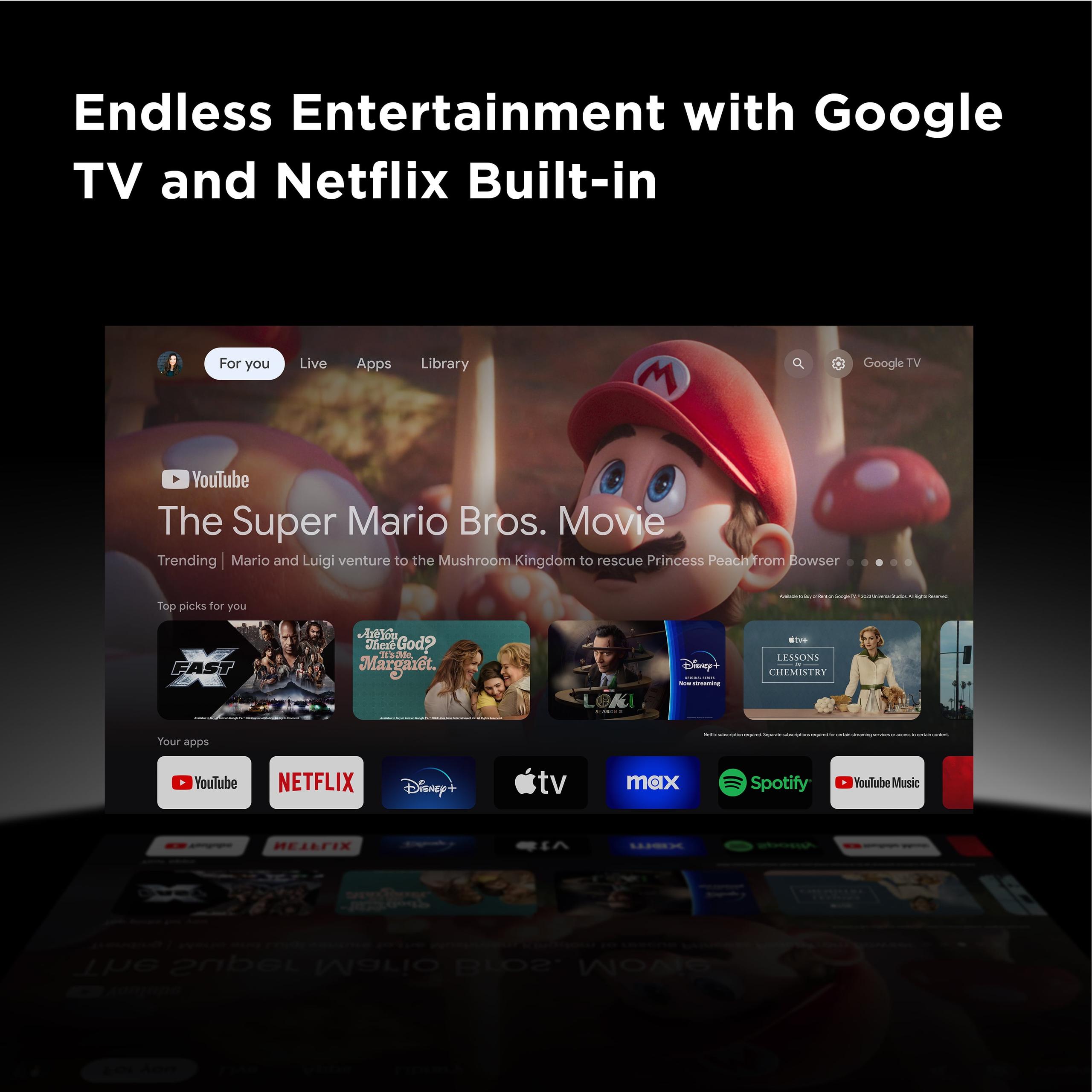
One area where the TCL A1 shines is its integrated smart platform. Running Google TV (an evolution of Android TV), it provides direct access to thousands of streaming apps including Netflix, Disney+, HBO Max, and YouTube without requiring any additional devices.
The built-in Google Assistant responds to voice commands, allowing you to search for content, control playback, and even manage other smart home devices. The projector also features Chromecast functionality, enabling you to easily cast content from compatible devices.
This integration makes the TCL A1 a true standalone entertainment device – just power it on, connect to Wi-Fi, and you're ready to stream. For travelers or those who value simplicity, this represents a significant convenience advantage.
The BenQ TH685P takes the opposite approach, offering no built-in streaming capabilities. To watch content, you'll need to connect external sources – whether that's a streaming stick, gaming console, Blu-ray player, or computer.
This approach has advantages and disadvantages. On the positive side, it allows the projector to focus on image quality rather than smart features, and you can upgrade your streaming device without replacing the entire projector. The lack of a smart interface also potentially reduces input lag for gaming.
The downside is added complexity and cost. You'll need to purchase, set up, and power additional devices, and manage multiple remotes (though HDMI-CEC helps with this by allowing some control through a single remote).
In the time since these projectors were released, smart features have become increasingly standard even on higher-performance projectors, though many serious home theater enthusiasts still prefer external streaming devices for their faster interfaces and more frequent updates.
We often focus so much on image quality that audio becomes an afterthought, but it significantly impacts overall experience. Here, the TCL A1 surprisingly outperforms the more expensive option.
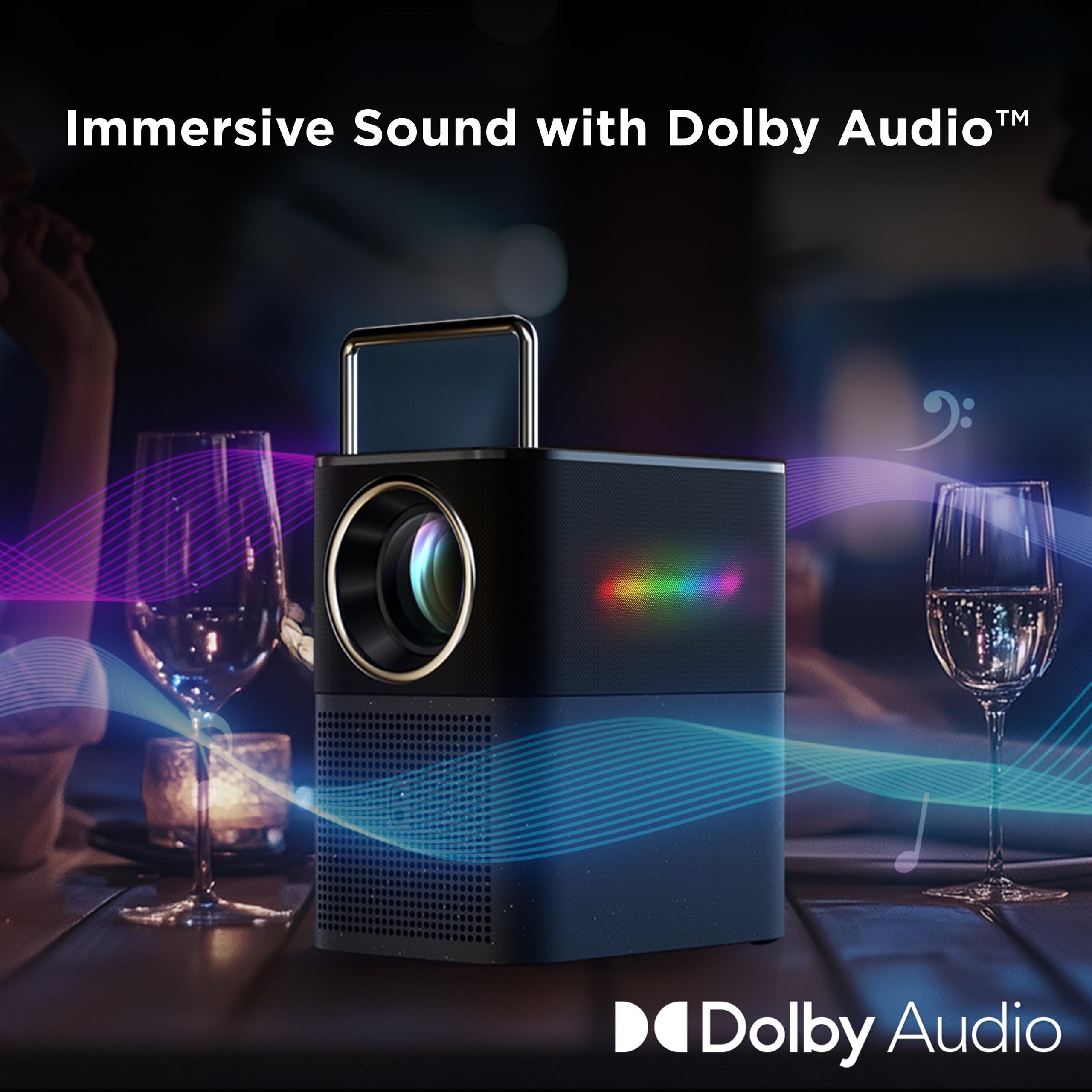
The TCL features dual 8W speakers with Dolby Digital+ processing, creating a reasonably immersive soundstage for a portable device. While it won't replace a dedicated sound system, it produces clear dialogue and respectable volume that's perfectly adequate for casual viewing.
The BenQ TH685P includes just a single 5W mono speaker that's functional but uninspiring. It's clear BenQ expects most users to connect external audio solutions, whether that's a soundbar, AV receiver, or headphones.
This audio difference reinforces their different use cases: the TCL as an all-in-one portable entertainment solution versus the BenQ as part of a larger home theater or gaming setup.
For dedicated home theater use, these projectors offer distinctly different experiences.
The BenQ TH685P provides the core of what makes a great home theater experience: a bright, colorful image visible even with some ambient light, strong contrast for movie viewing, and the ability to project images from 30" to 300" depending on your space. Its 1.3x zoom lens and vertical keystone correction provide some flexibility in placement, though not as much as more expensive home theater projectors.
Its lamp life extends up to 15,000 hours in eco mode – about 10 years of watching 4 hours daily – making it a long-term investment. For serious home theater enthusiasts, it offers 3D compatibility and sufficient brightness to maintain good image quality even on larger screens.
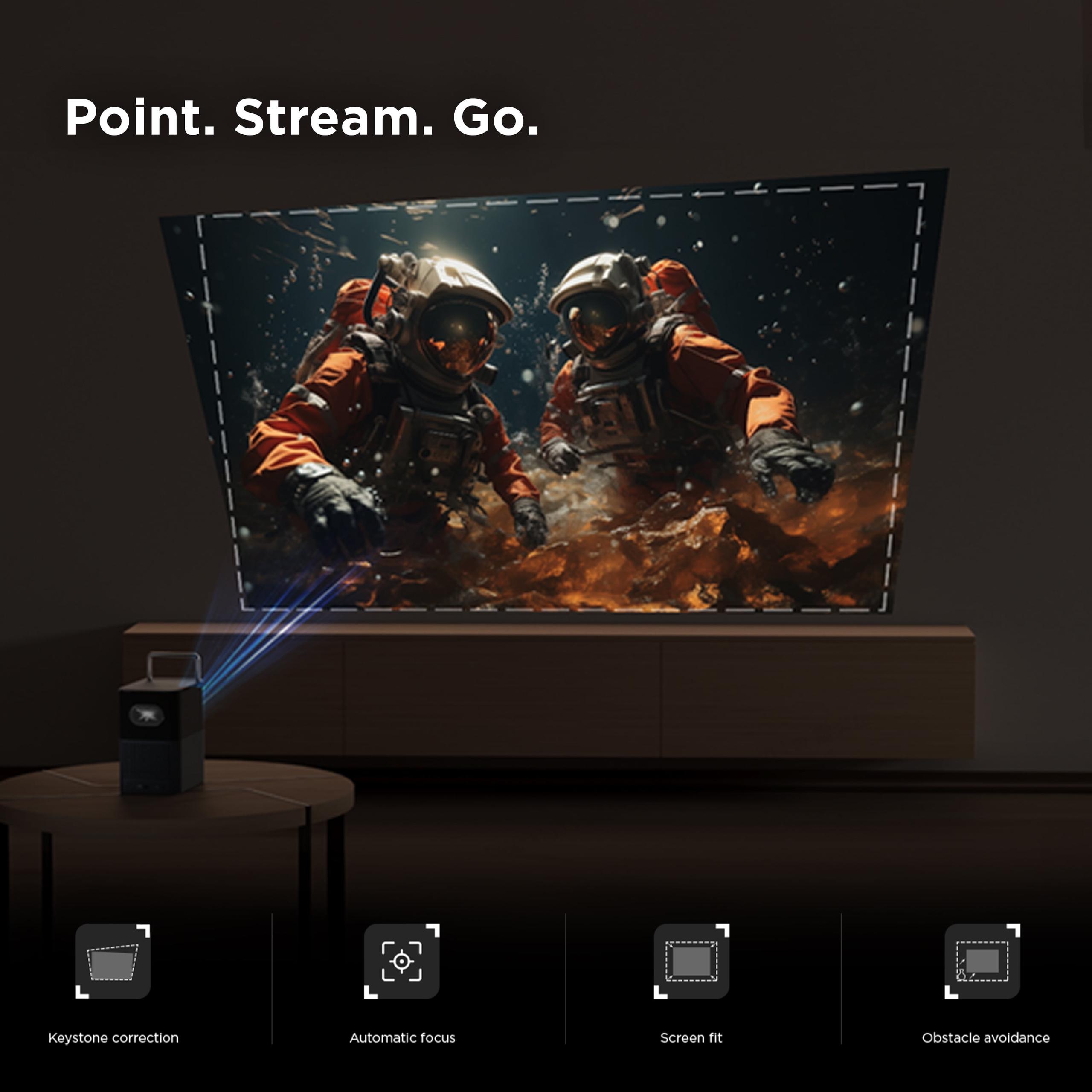
The TCL A1 takes a more casual approach to home theater. Its automatic focus and keystone correction make setup incredibly simple – just point it at a wall, and it configures itself. The built-in streaming means minimal cable management, and its portable nature allows you to create temporary theater setups rather than dedicating permanent space.
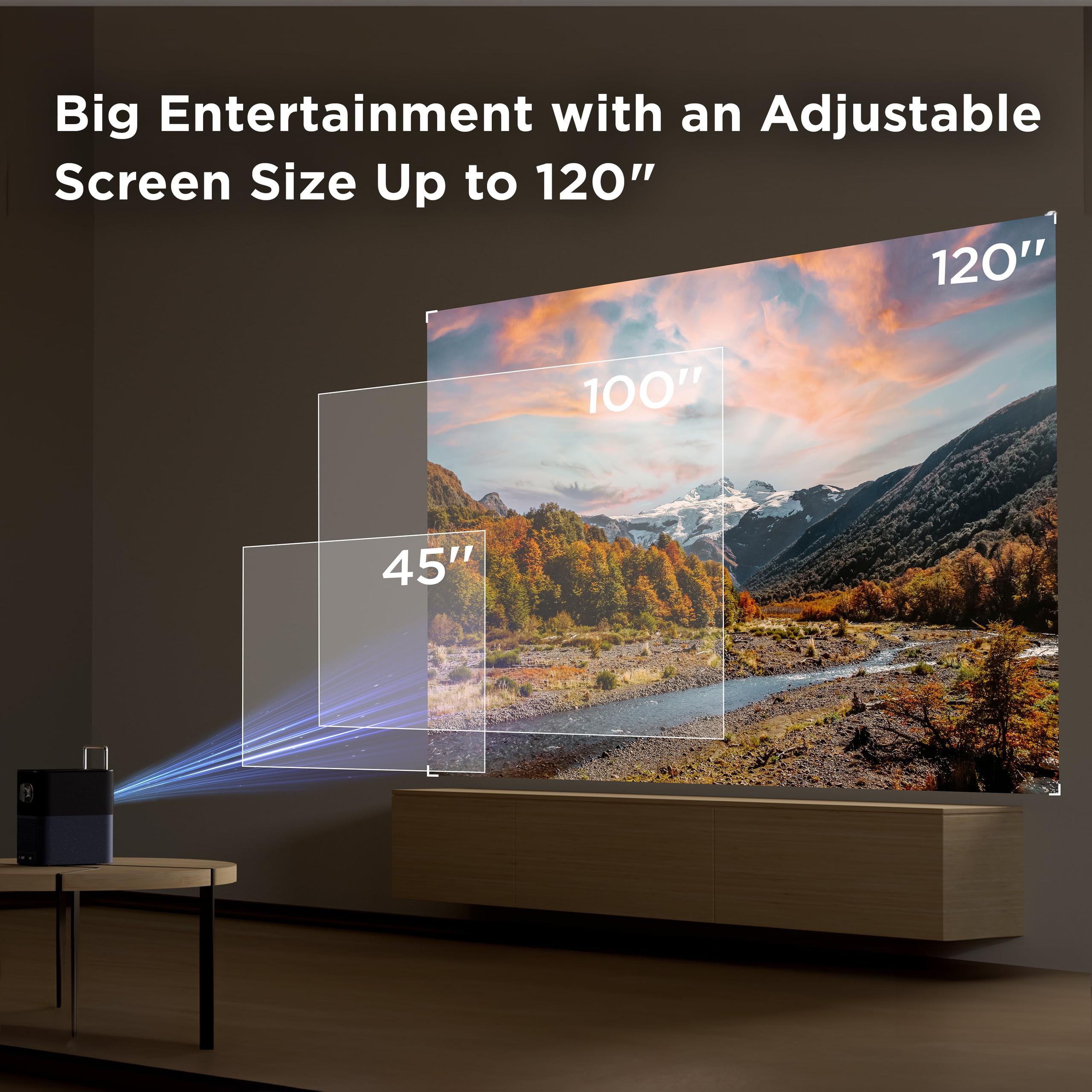
However, its limited brightness makes it best suited for smaller screen sizes (under 100") in very dark rooms, and it lacks the image quality refinements that movie enthusiasts typically seek.
At around $499, the TCL A1 represents typical pricing for portable smart projectors. Its value depends heavily on how much you prioritize its portability and convenience features over raw performance. For those who move frequently, travel often, or lack permanent space for a projection setup, its all-in-one nature provides significant value despite its performance limitations.
The BenQ TH685P sits in a similar price range but delivers substantially better brightness, gaming performance, and image quality. From a pure specifications perspective, it offers better value – but that calculation changes if you need to purchase additional streaming devices or if portability is a priority.
Since their release, both product categories have seen incremental improvements but maintained similar price points, suggesting manufacturers have found the current balance of features and cost to be attractive to consumers.
After comparing these two projectors across various dimensions, how do you decide which is right for you? Consider these scenarios:
Choose the TCL A1 Portable Smart Projector if:
Choose the BenQ TH685P Gaming Projector if:
The decision ultimately reflects different approaches to projection. The TCL embraces the "take it anywhere" philosophy with some performance compromises, while the BenQ delivers superior image quality and responsiveness for those who can accommodate a more traditional setup.
For my personal use, I'd generally recommend the BenQ TH685P for anyone setting up a dedicated space, as its brightness advantage simply makes it more versatile across different viewing conditions. However, for my own travel and occasional outdoor movie nights, something like the TCL A1 would be an appealing secondary option despite its limitations.
Whichever you choose, today's projectors offer remarkable technology compared to just a few years ago – bringing true big-screen experiences into more homes than ever before.
| TCL A1 Portable 1080p Smart Projector | BenQ TH685P 1080p HDR Gaming Projector |
|---|---|
| Brightness - Determines when and where you can use your projector | |
| 360 ISO lumens (requires near-darkness) | 3,500 ANSI lumens (usable with ambient light) |
| Resolution - Affects image clarity and sharpness | |
| 1080p Full HD | 1080p Full HD with HDR10 support |
| Input Lag - Critical for responsive gaming | |
| Not specified (likely 50ms+ typical for portable projectors) | 8.3ms at 120Hz, 16ms at 60Hz (excellent for competitive gaming) |
| Smart Platform - Determines standalone functionality | |
| Built-in Google TV with streaming apps and Google Assistant | None (requires external streaming devices) |
| Audio System - Impacts need for external speakers | |
| Dual 8W speakers with Dolby Digital+ (good standalone audio) | Single 5W mono speaker (basic audio, external speakers recommended) |
| Portability - Affects ease of movement and setup | |
| 5.5 lbs with handle design and carrying case (highly portable) | 6.2 lbs standard design (semi-portable, no built-in carrying solution) |
| Image Size Range - Determines flexibility in viewing distance | |
| 45" - 120" diagonal | 30" - 300" diagonal |
| Automatic Features - Simplifies setup process | |
| Auto focus and auto keystone correction | Manual focus and keystone adjustment |
| Connectivity - Determines external device support | |
| 1x HDMI, 1x USB, Wi-Fi, Bluetooth | 2x HDMI 2.0, VGA input, USB |
| Lamp Life - Impacts long-term ownership costs | |
| LED light source (not specified, but typically 20,000+ hours) | Up to 15,000 hours in LampSave mode |
| Color Performance - Affects image richness and accuracy | |
| Not specified | 95% Rec.709 color coverage, 10-bit color processing |
| Price - Overall value consideration | |
| $499 (premium for portability and smart features) | Similar price range (premium for brightness and gaming performance) |
The BenQ TH685P Gaming Projector is significantly better for gaming with its ultra-low 8.3ms input lag at 120Hz (16ms at 60Hz), which provides responsive gameplay. The TCL A1 Portable Projector doesn't specify its input lag, but portable projectors typically have 50ms+ lag, making the BenQ TH685P the clear choice for serious gamers.
The BenQ TH685P with its 3,500 ANSI lumens can produce visible images in rooms with some ambient light, making it suitable for daytime viewing with curtains drawn. The TCL A1 outputs only 360 ISO lumens, requiring near-darkness to display satisfactory images, making it unsuitable for bright rooms.
The TCL A1 Portable Projector offers easier setup with its auto focus and auto keystone correction features that automatically adjust the image. It also includes built-in Google TV for immediate streaming access. The BenQ TH685P requires manual adjustments and external devices for streaming content, making the TCL A1 more user-friendly for beginners.
Both the TCL A1 and BenQ TH685P offer 1080p resolution, but the BenQ provides superior image quality with HDR10 support, 95% Rec.709 color coverage, and a 10,000:1 contrast ratio. The TCL A1 lacks HDR support and doesn't specify color accuracy metrics, resulting in less vibrant and dynamic images compared to the BenQ.
For movie watching, the BenQ TH685P delivers a superior experience with its brighter image, HDR support, and better contrast ratio, especially in home theater settings. The TCL A1 can provide a decent movie experience in completely dark rooms, but its limited brightness restricts its performance for cinematic content on larger screens.
The TCL A1 features dual 8W speakers with Dolby Digital+ processing that provide satisfactory audio for most casual viewing. The BenQ TH685P has only a single 5W mono speaker that delivers basic audio quality. For immersive home theater sound, external speakers are recommended for both projectors but are practically essential for the BenQ.
The TCL A1 Portable Projector is designed specifically for portability at 5.5 lbs with a built-in VersaGrip handle that doubles as an adjustable stand, plus it comes with a carrying case. The BenQ TH685P weighs 6.2 lbs without built-in carrying features, making the TCL A1 significantly more convenient for moving between locations.
The TCL A1 has Google TV built in, providing immediate access to streaming services like Netflix, Disney+, and YouTube without requiring additional devices. The BenQ TH685P has no smart features, so you'll need to connect an external streaming device, gaming console, or computer to watch content.
The BenQ TH685P offers greater flexibility with image sizes ranging from 30" to 300" diagonal. The TCL A1 has a more limited range of 45" to 120" diagonal. This makes the BenQ more versatile for both smaller rooms and larger home theater setups.
The BenQ TH685P lamp lasts up to 15,000 hours in LampSave mode (about 10 years at 4 hours daily use). The TCL A1 uses an LED light source which typically lasts 20,000+ hours, though TCL doesn't specify the exact rating. LED sources generally require less maintenance than traditional lamps.
At similar price points (around $499), the BenQ TH685P offers better raw performance with superior brightness, contrast, and gaming capabilities. The TCL A1 provides better value if you prioritize portability, built-in streaming, and auto-setup features. Your specific needs determine which represents better value.
The BenQ TH685P is designed with standard mounting options for permanent ceiling installation in home theaters. The TCL A1, while technically mountable, is primarily designed for portable use with its handle/stand design, making it less ideal for permanent ceiling mounting in dedicated home theater rooms.
We've done our best to create useful and informative comparisons to help you decide what product to buy. Our research uses advanced automated methods to create this comparison and perfection is not possible - please contact us for corrections or questions. These are the sites we've researched in the creation of this article: youtube.com - hometheaterforum.com - hifivision.com - tcl.com - gstylemag.com - youtube.com - youtube.com - soundandvision.com - tcl.com - androidheadlines.com - valueelectronics.com - tcl.com - walmart.com - esquire.com - hometheaterview.com - androidpolice.com - projectorcentral.com - howtogeek.com - nfm.com - tcl.com - valueelectronics.com - extapps.dec.ny.gov - cna-aiic.ca - projectorcentral.com - tcl.com - tcl.com - tcl.com - youtube.com - projectorcentral.com - androidguys.com - bhphotovideo.com - techradar.com - newegg.com - projectorcentral.com - cnet.com - staples.com - cdw.com - youtube.com - shi.com - touchboards.com - projectorcentral.com - youtube.com - iconicmicro.com - adorama.com - publicsector.shidirect.com - adorama.com

Privacy Policy
Terms and Conditions - Affiliate Policy
Home Security
© Copyright 2008-2026.
11816 Inwood Rd #1211, Dallas, TX 75244