

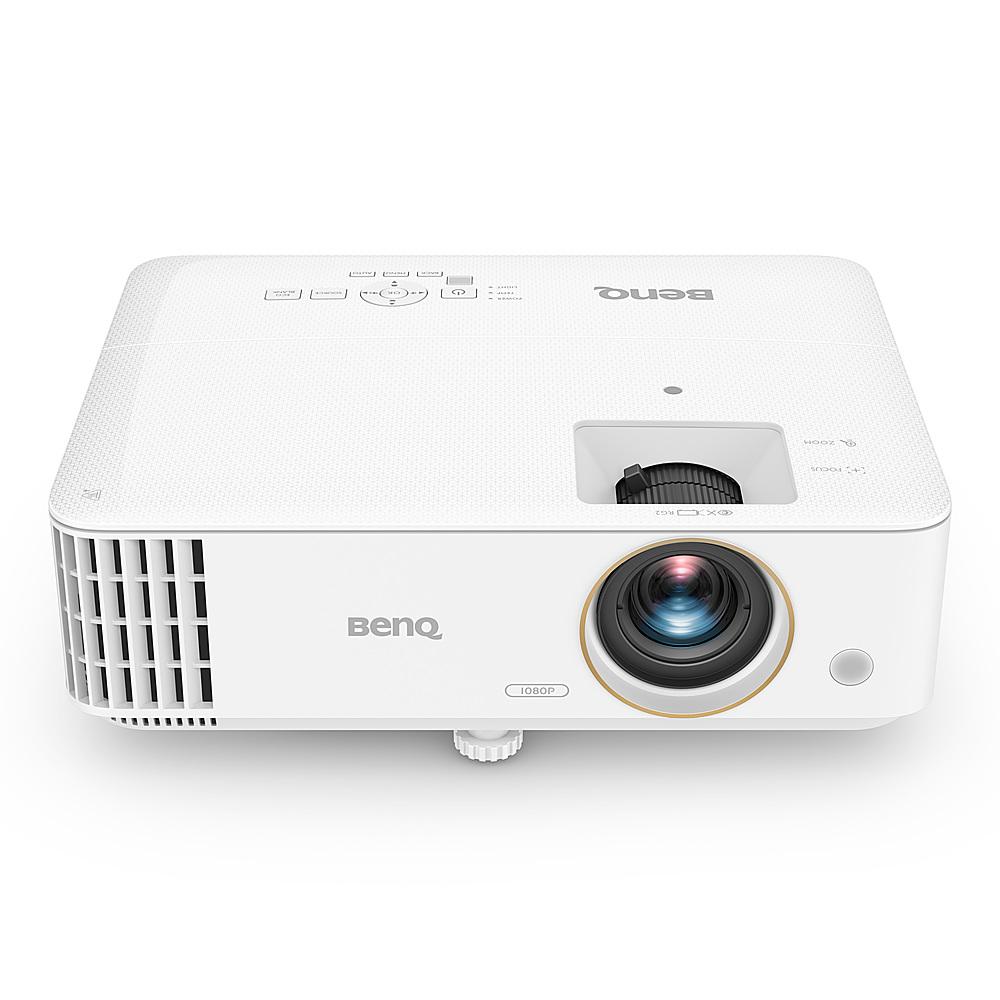
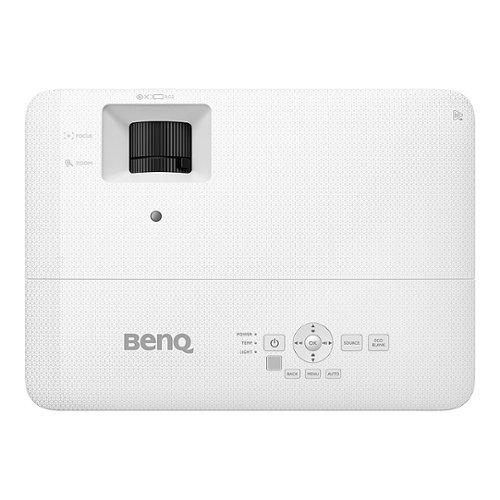
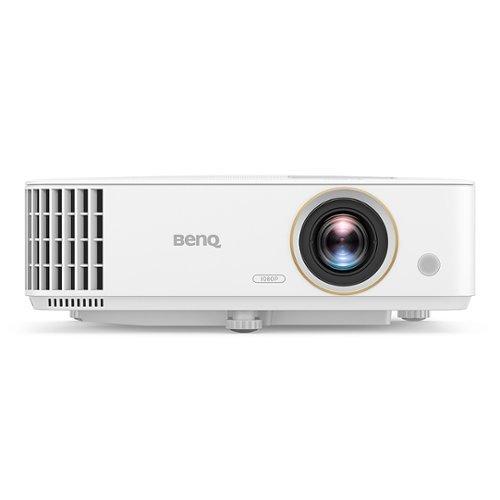
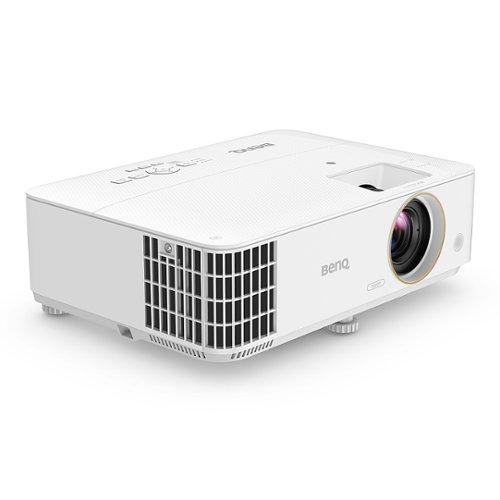
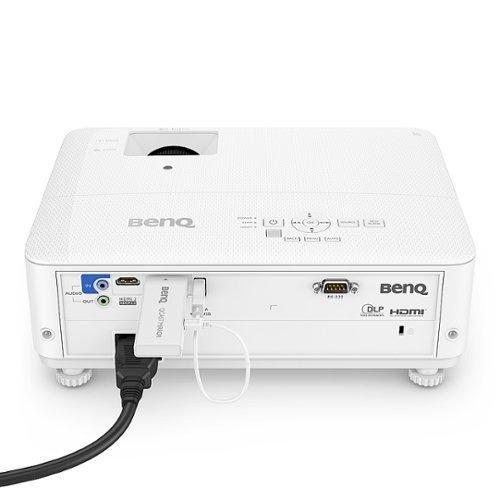
When you're shopping for a projector today, you're essentially choosing between two completely different philosophies. On one side, you have premium lifestyle projectors that prioritize convenience, stunning visuals, and smart features. On the other, you'll find specialized gaming projectors built for lightning-fast response times and competitive play. The JMGO N1S Ultimate and BenQ TH685P represent the best of each approach—and at the time of writing, they couldn't be more different in price, with the JMGO costing roughly three times more than the BenQ.
The projector landscape has evolved dramatically over the past few years. Gone are the days when projectors were simply "bright" or "not bright enough." Today's market splits into distinct categories serving specific needs, much like how smartphones differentiated into flagship and budget tiers.
Premium lifestyle projectors emphasize the complete entertainment experience. They pack smart operating systems, premium audio, advanced color technology, and installation flexibility that traditional projectors never offered. Gaming projectors, meanwhile, strip away non-essential features to focus intensely on what matters most to competitive gamers: ultra-low input lag, high refresh rates, and responsive performance.
The key considerations when choosing include your primary use case (movies, gaming, presentations, or mixed use), installation constraints, image quality requirements, gaming performance needs, smart features preferences, and long-term value expectations. Understanding these priorities will guide you toward the right choice.
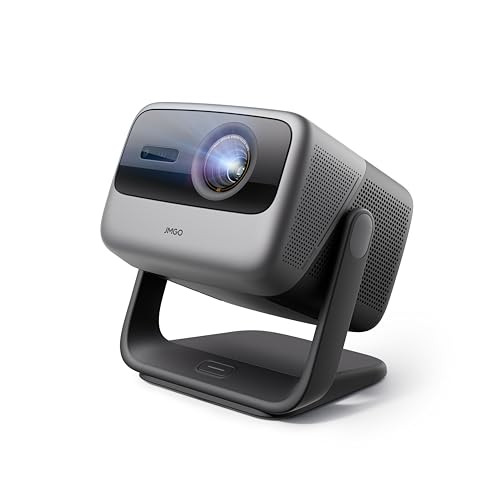
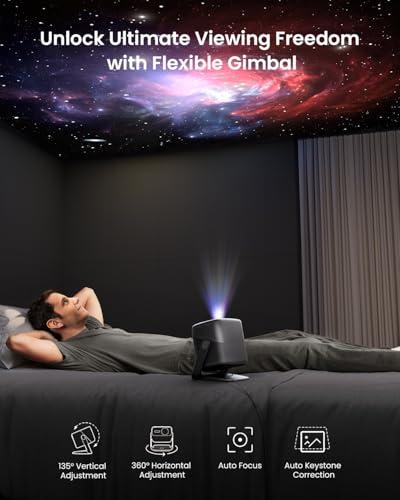
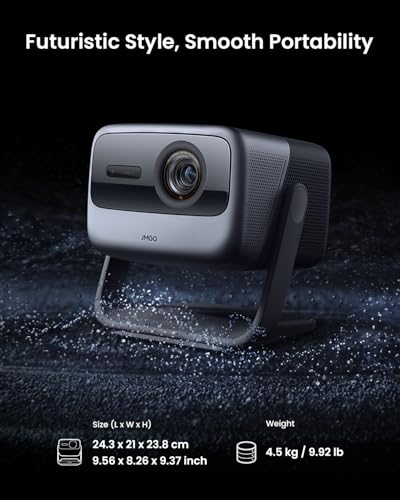
Released in 2024, the JMGO N1S Ultimate represents the cutting edge of lifestyle projection technology. This isn't just a projector—it's a complete entertainment system wrapped in an innovative design that can literally rotate 360 degrees horizontally and 135 degrees vertically thanks to its built-in gimbal system.
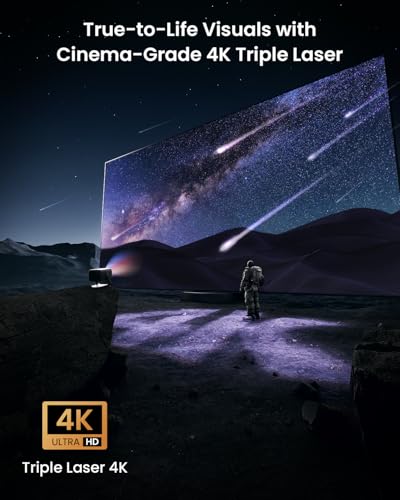
At its heart lies MALC 2.0 Triple Color Laser Optics, a mouthful of a name that essentially means it uses three separate lasers (red, green, and blue) to create incredibly accurate colors. This triple-laser system produces what's called 110% Rec.2020 color coverage—think of this as the projector being able to display more colors than most content even contains, ensuring you see every subtle shade exactly as intended.
The 4K resolution (3840×2160 pixels) comes via pixel-shifting technology, where the projector rapidly moves each pixel to four different positions to create the appearance of true 4K detail. While purists might debate whether this equals native 4K, the visual results are genuinely impressive, especially on larger screens.
The BenQ TH685P, released in 2022, takes a radically different approach. BenQ looked at what competitive gamers actually need and built a projector specifically around those requirements. The result is a no-nonsense machine that delivers 1080p resolution (1920×1080 pixels) with an almost unbelievable 8.3 millisecond input lag at 120Hz.
To understand why this matters, consider that many TVs have input lag of 20-50 milliseconds. In competitive gaming, those extra milliseconds can mean the difference between landing a shot and missing it entirely. The BenQ TH685P essentially eliminates lag as a factor, making your controller inputs feel instantaneous.
The resolution difference between these projectors is perhaps the most obvious on paper, but the real-world impact depends heavily on your viewing setup. The JMGO N1S Ultimate delivers 4K resolution, providing roughly four times the detail of the BenQ TH685P's 1080p output.
On screens larger than 100 inches—which many projector owners prefer—the 4K advantage becomes quite noticeable. Text appears sharper, movie details emerge more clearly, and the overall image simply looks more refined. However, for gaming at typical projector distances, 1080p often provides perfectly adequate sharpness, especially when you're focused on fast-paced action rather than scrutinizing fine details.
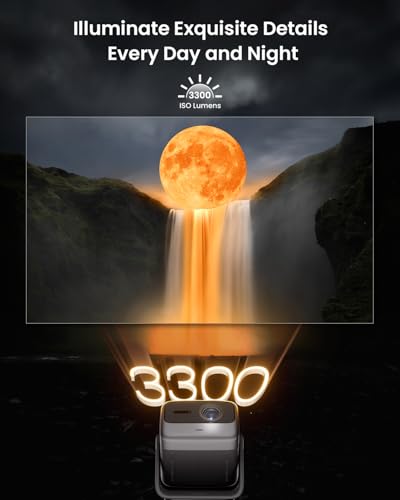
Both projectors deliver identical 3,500 ANSI lumens brightness, making them equally capable in rooms with ambient light. ANSI lumens represent the standardized measurement of projector brightness, accounting for variations across the image. This brightness level allows both projectors to produce watchable images even with some room lighting, though a darkened room still provides the best experience.
The difference lies in how they maintain this brightness over time. The JMGO's laser light source maintains consistent output throughout its 30,000-hour lifespan, while the BenQ's traditional metal halide bulb gradually dims and requires eventual replacement.
Color reproduction reveals the philosophical differences between these projectors. The JMGO N1S Ultimate covers 110% of the Rec.2020 color space—the wide color standard used for premium 4K content. This means it can display colors that extend beyond what most current content contains, future-proofing your investment as more wide-color content becomes available.
The BenQ TH685P covers 95% of the older Rec.709 standard, which perfectly matches most gaming and streaming content. BenQ tuned the colors specifically for gaming, creating punchy, saturated visuals that make games pop off the screen. While technically less accurate than the JMGO, many gamers prefer this slightly enhanced look.
Both projectors support HDR (High Dynamic Range), which expands the range between the brightest and darkest parts of an image. However, the JMGO's wider color gamut and 10-bit color processing (capable of displaying over 1 billion color variations) provides a more complete HDR experience.
Input lag measures the delay between when you press a button and when the action appears on screen. For competitive gaming, this metric trumps almost everything else. The BenQ TH685P delivers an exceptional 8.3 milliseconds of input lag at 1080p/120Hz, putting it among the fastest projectors available.
To put this in perspective, many gaming monitors achieve 1-5 milliseconds, while typical TVs range from 20-50 milliseconds. The BenQ sits comfortably in gaming monitor territory, making it genuinely suitable for competitive play. The JMGO N1S Ultimate, with approximately 16 milliseconds of input lag, works fine for casual gaming but isn't ideal for serious competitive play.
The BenQ TH685P supports 120Hz refresh rates, meaning it can display 120 individual frames per second. This creates smoother motion in fast-paced games and reduces the blur that occurs during quick movements. Modern gaming consoles like the PlayStation 5 and Xbox Series X can output 120Hz in many games, making this capability increasingly valuable.
The JMGO N1S Ultimate operates at standard 60Hz, which suffices for movies and casual gaming but can't match the fluid motion that serious gamers prefer.
BenQ included dedicated gaming features in the TH685P, including a Game Mode that enhances visibility in dark scenes—crucial for spotting enemies hiding in shadows. The Game Sound Mode optimizes the built-in speaker for directional audio cues.
The JMGO N1S Ultimate lacks gaming-specific optimizations but offers superior overall image quality that benefits all content types, including games played at a more relaxed pace.
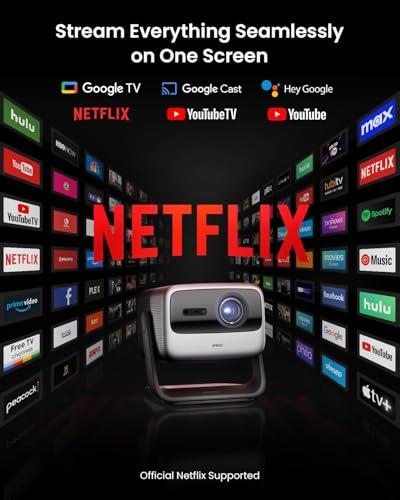
This represents perhaps the biggest philosophical difference between these projectors. The JMGO N1S Ultimate runs Google TV 3.0, essentially turning it into a massive Android TV. You get access to over 10,000 apps, including officially licensed Netflix—a rarity among projectors due to Netflix's strict certification requirements.
Having Netflix, Disney+, Amazon Prime, and other streaming services built-in eliminates the need for external devices. Google Assistant integration allows voice control, while wireless casting lets you share content from phones and tablets seamlessly.
The BenQ TH685P includes no smart features whatsoever. You'll need to connect a streaming stick, game console, or other external device for any content beyond what connects via HDMI. While this might seem limiting, many users prefer this approach as it keeps costs down and avoids the eventual obsolescence that affects built-in smart platforms.
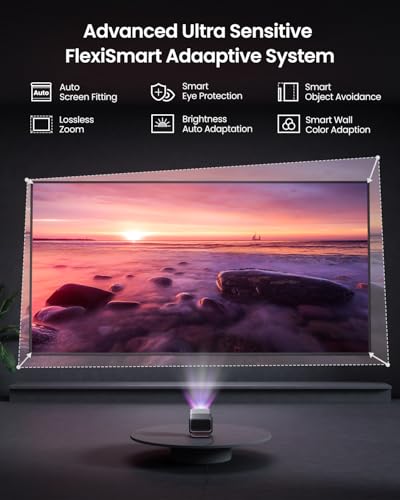
The JMGO N1S Ultimate's gimbal system represents a genuine innovation in projector design. Unlike traditional projectors that must be carefully positioned and manually adjusted, the JMGO can rotate to project onto walls, ceilings, or any surface within its range. The built-in sensors automatically detect the projection surface and adjust keystone correction, focus, and color settings accordingly.
This flexibility transforms how you can use a projector. Want to project a movie onto the bedroom ceiling for comfortable viewing? No problem. Need to set up outdoors for a backyard movie night? The gimbal handles the odd angles. This installation freedom particularly benefits renters or anyone who can't install a permanent ceiling mount.
The BenQ TH685P follows traditional projector conventions, requiring proper positioning and manual adjustments. It includes vertical keystone correction to fix image distortion when projected at an angle, but the adjustments are more limited and require manual intervention.
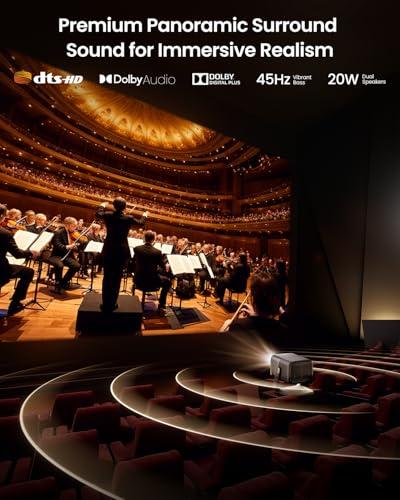
Built-in projector audio typically disappoints, but these models take different approaches to the problem. The JMGO N1S Ultimate includes a genuine audio system with a 20W subwoofer, dual 10W speakers, and support for advanced audio formats like Dolby Digital Plus and DTS-HD Master Audio. The bass extends down to 45Hz—impressive for any all-in-one system.
Having used similar integrated audio systems, I can say they genuinely reduce the need for external speakers in many situations. The JMGO's audio system produces room-filling sound with actual bass response, making it suitable for movie nights without additional equipment.
The BenQ TH685P includes a basic 5W mono speaker that serves primarily for menu navigation and basic audio needs. Serious gaming or movie watching will require external speakers or a soundbar.
The technology powering these projectors affects long-term costs significantly. The JMGO N1S Ultimate's laser light source lasts approximately 30,000 hours without degradation—roughly 10-15 years of typical home use. When it eventually dims, the entire projector will likely be obsolete anyway.
The BenQ TH685P's metal halide bulb provides 4,000-15,000 hours of life depending on usage mode, requiring eventual replacement at a cost of $100-200. While not prohibitively expensive, it's an ongoing maintenance consideration that laser projectors eliminate.
Both projectors represent mature technologies that should remain relevant for years. The JMGO's 4K capability and wide color gamut align with current content trends, while the BenQ's gaming optimizations match current console capabilities.
However, the smart features in the JMGO may become outdated more quickly than the hardware. Google TV receives regular updates, but eventually, newer streaming requirements might necessitate external devices anyway.
For dedicated home theater use, the JMGO N1S Ultimate provides a more complete experience. The 4K resolution reveals details in movies that 1080p simply can't match, while the wide color gamut reproduces the filmmaker's intended vision more accurately. The built-in audio eliminates cable runs to external speakers, and the smart features provide easy access to all major streaming services.
The installation flexibility particularly benefits home theater setups. Many rooms don't accommodate traditional projector placement perfectly, but the gimbal system adapts to whatever mounting position works best.
Serious gamers will find the BenQ TH685P far more suitable for their needs. The ultra-low input lag and 120Hz support provide competitive advantages that the JMGO simply can't match. The lower resolution becomes irrelevant when you're focused on reaction times rather than pixel-peeping details.
The lack of smart features actually benefits gaming setups, as consoles provide all necessary streaming capabilities anyway. The money saved versus the JMGO could fund a high-quality gaming headset or external speakers.
Families with diverse entertainment needs face a tougher choice. The JMGO N1S Ultimate handles movie nights, casual gaming, and streaming equally well, while the installation flexibility accommodates various room configurations. Kids can enjoy animated movies in stunning 4K, while parents appreciate the premium audio for evening viewing.
However, if the family includes serious gamers, the BenQ TH685P's gaming advantages might outweigh the JMGO's general superiority in other areas.
The decision between these projectors ultimately comes down to understanding your primary use case and budget constraints. At the time of writing, the JMGO N1S Ultimate costs roughly three times more than the BenQ TH685P, reflecting their different target markets and feature sets.
Choose the JMGO N1S Ultimate if:
Choose the BenQ TH685P if:
Both projectors excel in their intended roles, but they serve fundamentally different audiences. The JMGO represents the future of lifestyle projection—smart, flexible, and premium in every aspect. The BenQ focuses intensely on gaming performance while delivering excellent value for its specialized purpose.
Consider your primary use case honestly. If you spend most evenings watching Netflix and the occasional casual game, the JMGO's superior image quality and convenience features justify the premium. If you're serious about competitive gaming and want the best possible performance without breaking the bank, the BenQ TH685P delivers exactly what you need at a fraction of the cost.
| JMGO N1S Ultimate 4K Laser Projector | BenQ TH685P 1080p HDR Gaming Projector |
|---|---|
| Resolution - Higher resolution shows more detail, especially on screens over 100 inches | |
| 4K (3840×2160) via pixel-shifting for sharp, detailed images | 1080p (1920×1080) native resolution, adequate for gaming and smaller screens |
| Brightness - Both handle ambient light equally well | |
| 3,500 ANSI lumens with consistent laser output over time | 3,500 ANSI lumens but dims gradually as bulb ages |
| Input Lag - Critical for competitive gaming performance | |
| 16ms (suitable for casual gaming only) | 8.3ms at 120Hz (exceptional for competitive gaming) |
| Light Source Technology - Affects long-term costs and maintenance | |
| Triple RGB laser rated for 30,000 hours (maintenance-free) | Metal halide bulb lasting 4,000-15,000 hours (requires eventual replacement) |
| Smart Features - Determines if you need external streaming devices | |
| Google TV 3.0 with certified Netflix, 10,000+ apps built-in | No smart features (requires external streaming device) |
| Installation Flexibility - How easily it adapts to different room setups | |
| Revolutionary 360° gimbal system allows ceiling, wall, or angled projection | Traditional fixed mounting with manual keystone adjustment |
| Color Performance - Impacts movie and content viewing quality | |
| 110% Rec.2020 coverage with cinema-grade color accuracy | 95% Rec.709 coverage optimized for gaming content |
| Refresh Rate - Smoothness in fast-paced gaming | |
| 60Hz standard refresh rate | 120Hz support for ultra-smooth gaming motion |
| Audio System - Quality of built-in sound | |
| 20W subwoofer + dual 10W speakers with Dolby Digital Plus support | Basic 5W mono speaker (external audio recommended) |
| Contrast Ratio - Depth of blacks and overall dynamic range | |
| 1,600:1 native contrast with laser speckle reduction | 10,000:1 contrast ratio for deeper blacks |
| Primary Target Audience - Who each projector serves best | |
| Home theater enthusiasts wanting premium all-in-one solution | Competitive gamers prioritizing response time and value |
| Release Year - How current the technology is | |
| 2024 (latest laser and smart TV technology) | 2022 (mature gaming-optimized design) |
The BenQ TH685P is significantly better for gaming, especially competitive gaming. It delivers an exceptional 8.3ms input lag at 120Hz, making it one of the fastest projectors available. The JMGO N1S Ultimate has 16ms input lag, which is acceptable for casual gaming but not ideal for competitive play where every millisecond counts.
The JMGO N1S Ultimate offers 4K resolution (3840×2160), providing four times more detail than the BenQ TH685P's 1080p (1920×1080). The 4K advantage becomes most noticeable on screens larger than 100 inches, where text appears sharper and movie details are more defined. For gaming at typical distances, 1080p often provides perfectly adequate sharpness.
The JMGO N1S Ultimate includes Google TV 3.0 with certified Netflix and access to 10,000+ apps, eliminating the need for external streaming devices. The BenQ TH685P has no smart features, so you'll need to connect a streaming stick, gaming console, or other external device for Netflix, Disney+, and other services.
Both the JMGO N1S Ultimate and BenQ TH685P deliver identical 3,500 ANSI lumens brightness, making them equally capable in rooms with ambient light. The key difference is that the JMGO's laser maintains consistent brightness over 30,000 hours, while the BenQ's bulb gradually dims and requires eventual replacement.
The JMGO N1S Ultimate uses a maintenance-free laser light source rated for 30,000 hours of operation. The BenQ TH685P uses a traditional bulb lasting 4,000-15,000 hours depending on usage mode, requiring eventual replacement that typically costs $100-200.
Yes, both support ceiling mounting, but with different approaches. The JMGO N1S Ultimate features a revolutionary gimbal system allowing 360° rotation and projection onto any surface, including ceilings and walls. The BenQ TH685P requires traditional fixed mounting with manual keystone adjustments for angled projection.
The JMGO N1S Ultimate includes a premium audio system with a 20W subwoofer, dual 10W speakers, and support for Dolby Digital Plus. This provides room-filling sound with actual bass response. The BenQ TH685P has a basic 5W mono speaker that's adequate for menu navigation but requires external speakers for quality movie or gaming audio.
The JMGO N1S Ultimate covers 110% of the Rec.2020 color space with cinema-grade accuracy, ideal for movies and premium content. The BenQ TH685P covers 95% of Rec.709 with colors specifically tuned for gaming, creating punchy, saturated visuals that make games pop off the screen.
The JMGO N1S Ultimate is superior for home theater use. Its 4K resolution reveals movie details that 1080p can't match, the wide color gamut reproduces filmmakers' intended vision more accurately, and the built-in streaming services provide easy access to all major platforms. The premium audio system also reduces the need for external speakers in many home theater setups.
The BenQ TH685P supports 120Hz refresh rates, creating smoother motion in fast-paced games and reducing blur during quick movements. This works perfectly with modern consoles like PlayStation 5 and Xbox Series X. The JMGO N1S Ultimate operates at standard 60Hz, which is fine for movies and casual gaming but can't match the fluid motion serious gamers prefer.
The JMGO N1S Ultimate offers unprecedented installation flexibility with its gimbal design that can project onto walls, ceilings, or any angled surface. Built-in sensors automatically adjust keystone correction, focus, and color settings. The BenQ TH685P follows traditional projector conventions with limited manual adjustments and vertical keystone correction only.
The fundamental difference is their design philosophy: the JMGO N1S Ultimate is a premium lifestyle projector emphasizing 4K image quality, smart features, and installation convenience, while the BenQ TH685P is a specialized gaming projector focused on ultra-low input lag, high refresh rates, and exceptional value for competitive gaming performance.
We've done our best to create useful and informative comparisons to help you decide what product to buy. Our research uses advanced automated methods to create this comparison and perfection is not possible - please contact us for corrections or questions. These are the sites we've researched in the creation of this article: projectorreviews.com - youtube.com - projectorcentral.com - tomsguide.com - global.jmgo.com - global.jmgo.com - projectorcentral.com - global.jmgo.com - youtube.com - vividstorm.us - youtube.com - global.jmgo.com - device.report - global.nothingprojector.com - youtube.com - projectorcentral.com - androidguys.com - bhphotovideo.com - techradar.com - newegg.com - projectorcentral.com - cnet.com - staples.com - cdw.com - youtube.com - shi.com - touchboards.com - projectorcentral.com - youtube.com - iconicmicro.com - adorama.com - publicsector.shidirect.com - adorama.com

Privacy Policy
Terms and Conditions - Affiliate Policy
Home Security
© Copyright 2008-2026.
11816 Inwood Rd #1211, Dallas, TX 75244