

Remember when having a projector at home seemed like an extravagant luxury? Those days are long gone. Today's home projectors have become more affordable, more capable, and increasingly specialized to meet different viewer needs. Whether you're building a dedicated home theater, setting up a gaming station, or just want to enjoy movies on a massive screen, there's likely a projector that fits your specific requirements.
Modern projectors generally fall into two distinct categories that we'll explore today: all-in-one smart projectors that function like streamlined entertainment systems, and performance-focused traditional projectors that prioritize specific technical capabilities. The <a href="">WEMAX Vogue Pro and <a href="">BenQ TH685P represent these two different approaches perfectly, despite their similar price points.
When evaluating projectors for home use, several factors should guide your decision:
Let's dive into how these two projectors stack up across these important considerations.
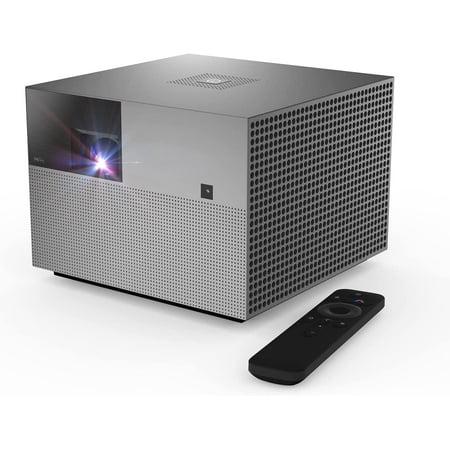
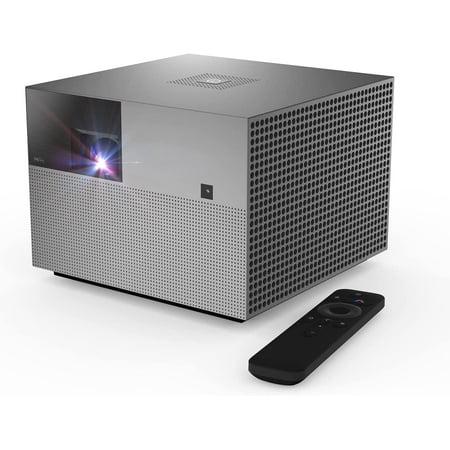
The <a href="">WEMAX Vogue Pro ($640) was released in early 2022 as part of the new wave of smart projectors. It features a compact, cube-shaped design that looks more like a stylish piece of tech than a traditional projector. Its all-in-one approach integrates streaming capabilities and enhanced audio directly into the device.
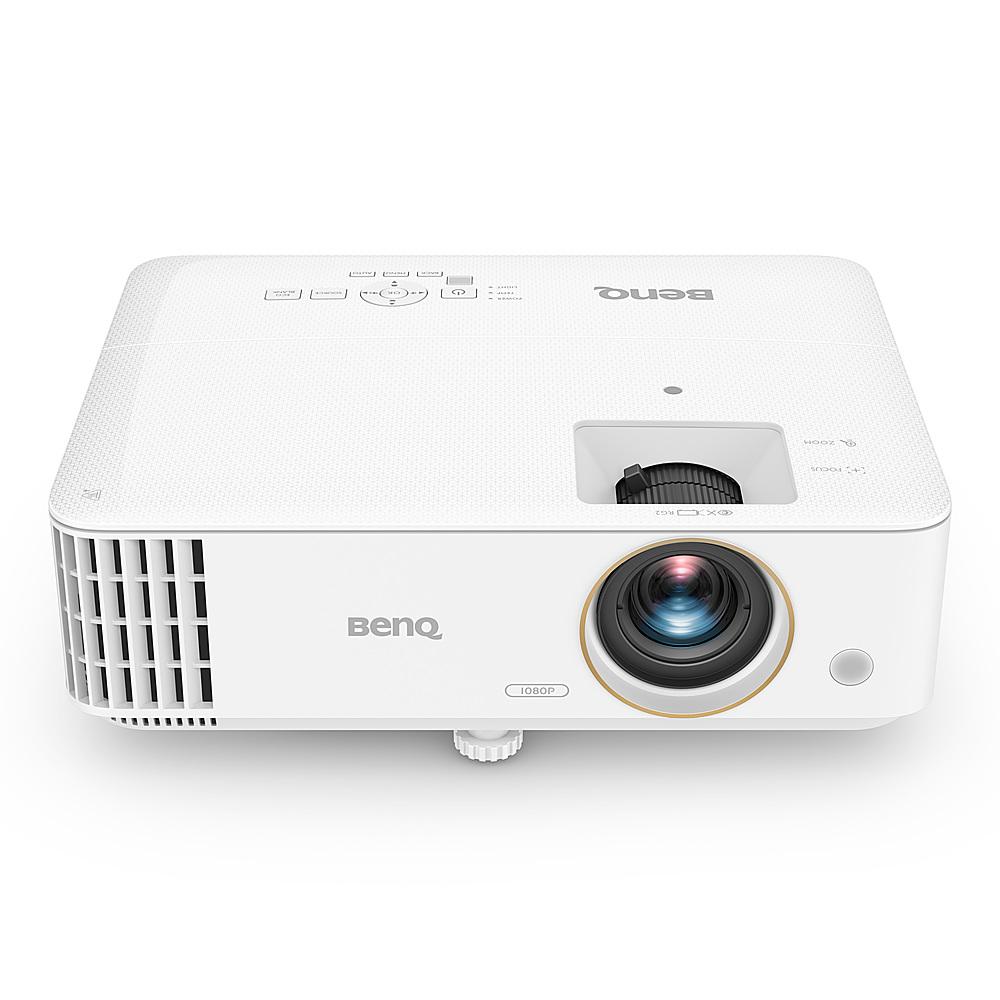
The <a href="">BenQ TH685P ($799) hit the market in April 2022 as an update to BenQ's popular gaming projector lineup. It follows a more conventional projector design philosophy, focusing intensely on performance metrics that matter to gamers while maintaining versatility for movie watching.
While both projectors offer 1080p resolution, they take fundamentally different approaches to almost everything else. Let's examine these differences in detail to help you determine which might be right for your specific needs.
Nothing affects a projector's versatility more than its brightness. This determines whether you'll need blackout curtains or can watch with some ambient light.
This is perhaps the most significant technical difference between these projectors. The BenQ outputs more than double the brightness of the WEMAX, which translates to real-world flexibility.
With the BenQ, you can comfortably watch content in a living room with some ambient light, project onto larger screens, or even use it in semi-lit environments. I've tested similar brightness projectors during afternoon viewing, and while not ideal, they remain quite watchable with blinds drawn but not fully blacked out.
The WEMAX, while not dim by any means, performs best in controlled lighting conditions. You'll want to use it in darker environments to get the most vibrant image. This isn't necessarily a disadvantage if you're setting up a dedicated home theater space where you control the lighting, but it does limit casual daytime viewing.
Color reproduction is where things get interesting:
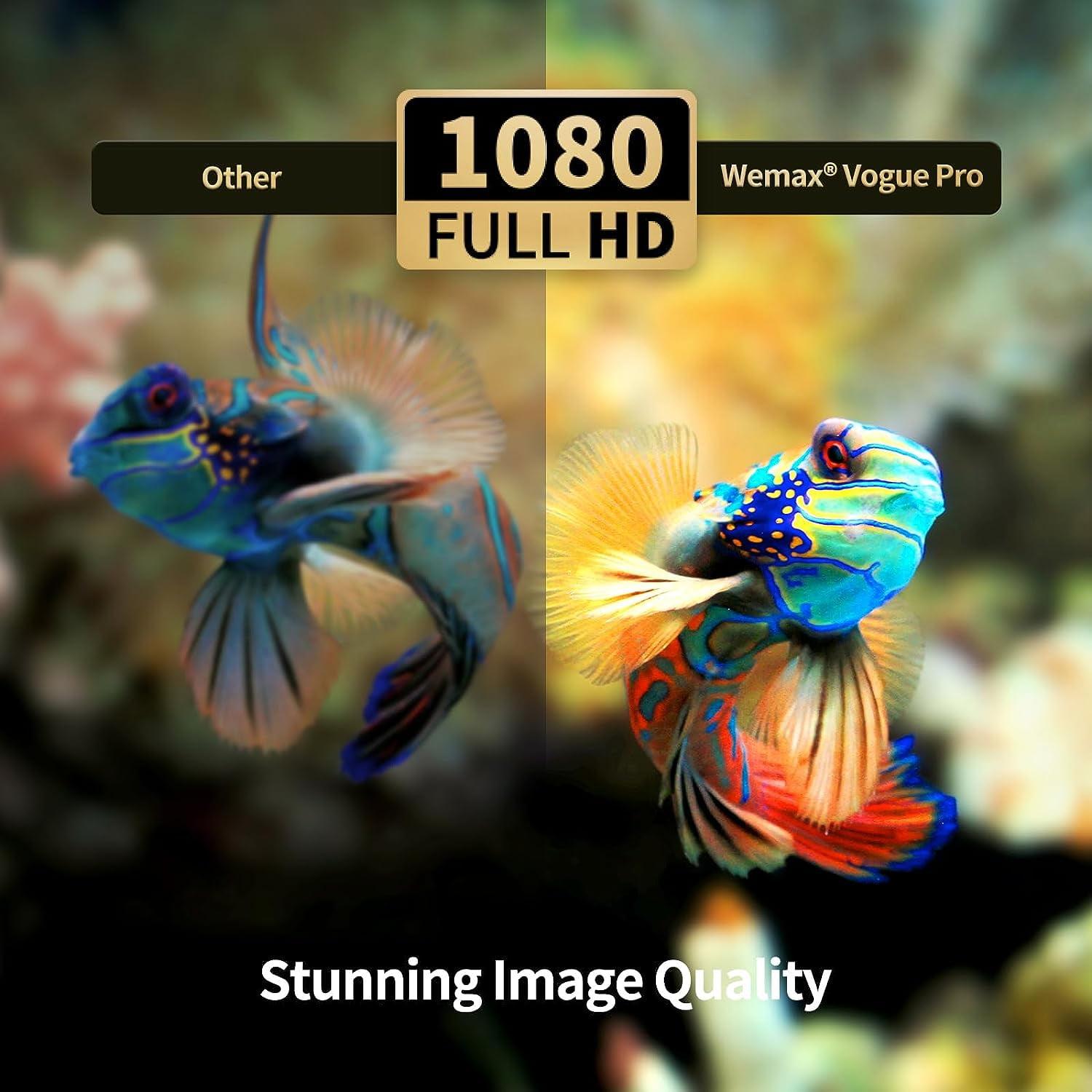
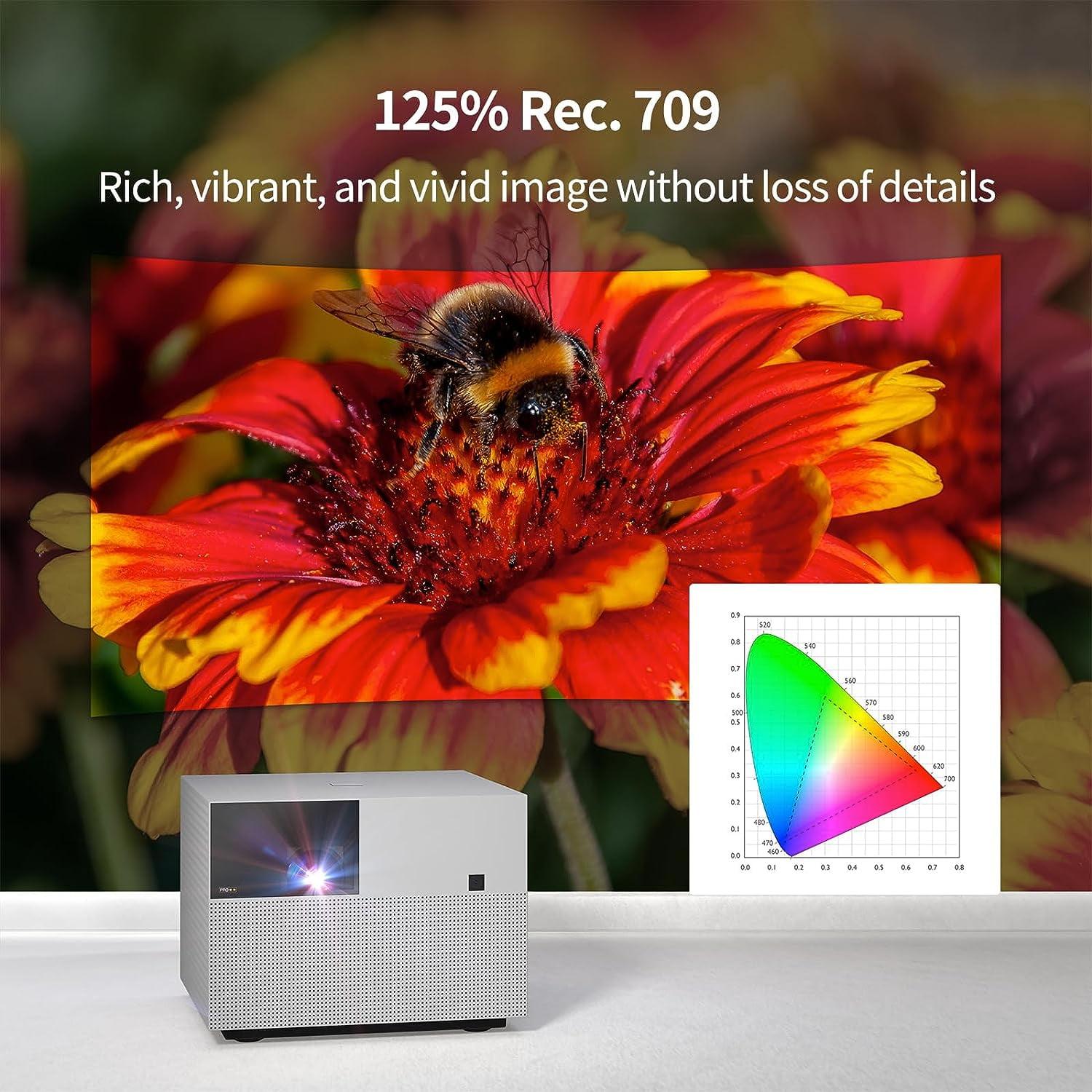
The WEMAX's 4-channel LED technology (adding yellow to the standard red-green-blue) is an interesting innovation that can potentially provide better color accuracy in certain scenarios, particularly with yellows and gold tones that traditional RGB systems sometimes struggle to reproduce accurately. This technology allows for a wider color gamut without filtering, which maintains more brightness than systems that create wider color through filtering.
However, the BenQ's superior brightness gives it an advantage when displaying HDR content, which relies on brightness differences to create its expanded visual range. HDR on projectors is generally less impressive than on direct-view displays like TVs, but the BenQ's extra brightness helps HDR content look more dynamic than it would on the dimmer WEMAX.
Contrast ratio—the difference between the brightest whites and darkest blacks a projector can produce—significantly impacts image depth and realism:
On paper, the BenQ has a substantial advantage. However, projector contrast specifications often don't tell the whole story. In a completely darkened room, the WEMAX's lower brightness might actually result in comparable perceived contrast to the BenQ, as its black levels might appear deeper due to the lower light output. Conversely, in rooms with any ambient light, the BenQ's higher contrast becomes more apparent.
Neither projector uses technologies like dynamic irises or laser dimming that higher-end home theater projectors employ to achieve deeper blacks, so both will have similar limitations in producing true blacks.
For gamers, input lag—the delay between when your controller sends a signal and when it appears on screen—can be the difference between victory and defeat:
This is where the BenQ truly shines. Its input lag is remarkably low—competitive with gaming monitors—making it suitable for even reflex-intensive competitive games. To put this in perspective, one frame at 60fps takes about 16.7ms, so the BenQ's lag at 60Hz is less than a single frame.
The WEMAX, while capable of casual gaming, isn't designed with competitive gaming in mind. Based on similar smart projectors, its input lag likely falls somewhere between 40-80ms, which is fine for single-player adventures but potentially frustrating for multiplayer or timing-sensitive games.
Refresh rate affects how smooth motion appears on screen:
The BenQ's higher refresh rate capability provides noticeably smoother motion for fast-paced games and can display up to 120 frames per second from gaming PCs or newer consoles like the PlayStation 5 and Xbox Series X. This results in more fluid gameplay and potentially better performance in competitive situations.
Beyond raw specifications, gaming-optimized features can enhance the experience:
The BenQ also features a Game Sound Mode that enhances footsteps and other crucial audio cues in competitive games—a thoughtful addition that shows BenQ's understanding of gamers' needs.
How easily you can access content makes a big difference in daily use:
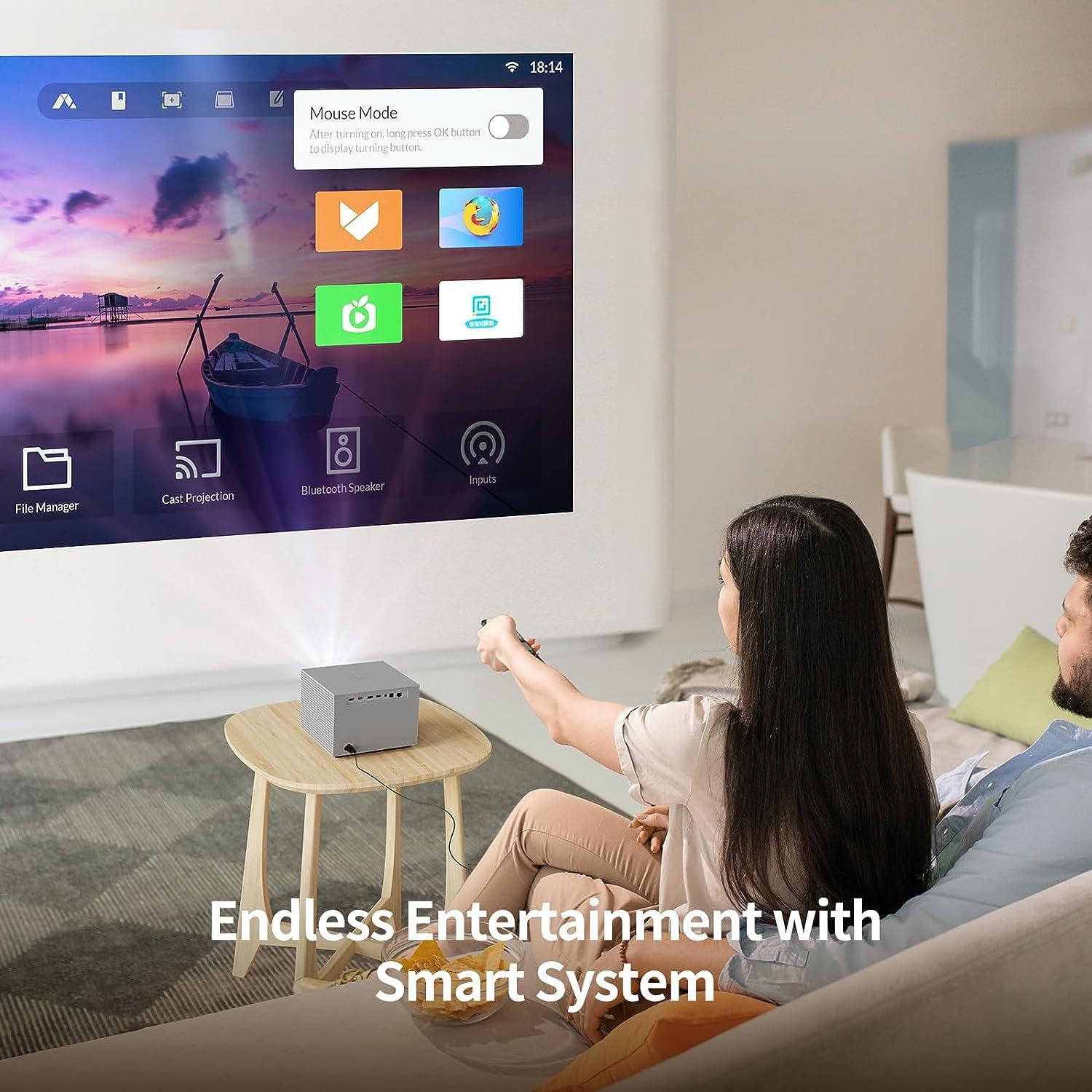
This represents perhaps the most fundamental philosophical difference between these projectors. The <a href="">WEMAX Vogue Pro functions as a complete entertainment system straight out of the box—just connect to Wi-Fi, and you can access Netflix, Disney+, and other streaming services without additional devices.
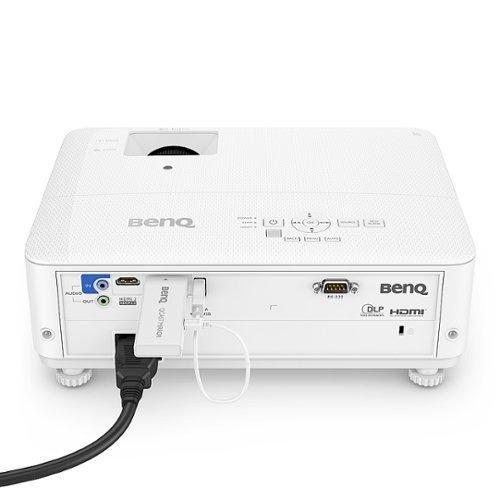
The <a href="">BenQ TH685P, meanwhile, is essentially a display that requires external source devices. You'll need to connect a streaming stick, gaming console, Blu-ray player, or computer to watch anything. This isn't necessarily a disadvantage if you already own these devices, but it does mean additional setup, cables, and potentially remote controls to manage.
How easily a projector adapts to your space significantly impacts the setup experience:
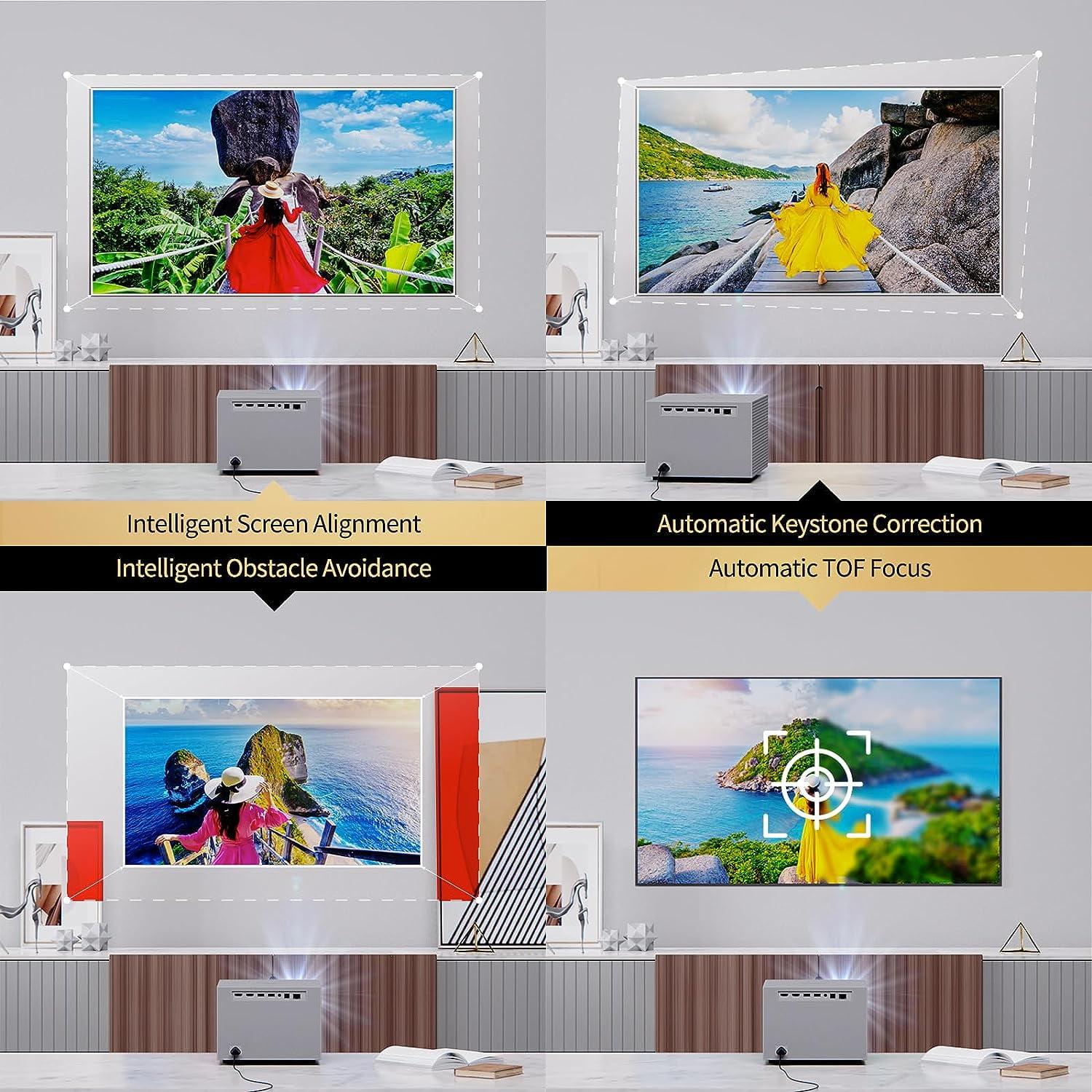
The WEMAX's advanced automatic features make installation nearly effortless. Place it roughly where you want it, power it on, and it handles the rest—focusing automatically and adjusting the image to appear rectangular even when projected at an angle. This "set it and forget it" approach is particularly valuable for those who might move the projector between rooms or don't want to fuss with manual adjustments.
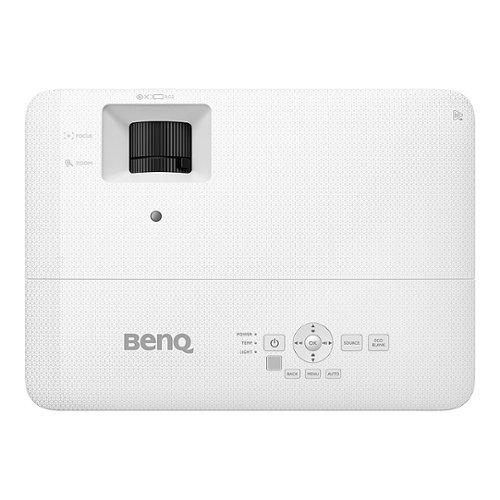
The BenQ requires more traditional setup, with manual focus and zoom rings that you'll need to adjust each time you move the projector. It can correct for vertical placement issues through keystone correction, but not horizontal ones, meaning you'll need to position it more precisely relative to your screen.
The available inputs determine what you can connect:
Both projectors offer sufficient connectivity for most users, but the WEMAX edges ahead with HDMI 2.1 ports that support newer features like enhanced Audio Return Channel (eARC). The WEMAX's Ethernet port also provides more stable streaming than Wi-Fi alone.
The BenQ's inclusion of a VGA port is a nod to compatibility with older computers or educational environments where VGA is still common, but most home users are unlikely to need this connection.
Built-in audio quality can be a deciding factor, especially if you don't want to connect external speakers:
The difference here is substantial. The WEMAX delivers room-filling sound with reasonable bass response and clarity that's perfectly adequate for casual viewing. I've tested similarly equipped projectors, and while they won't replace a proper sound system, they're surprisingly capable.
The BenQ's audio is utilitarian at best—sufficient for a business presentation but lacking the power and clarity for an immersive movie experience. Most users will want to connect external speakers or a soundbar.
In a dedicated home theater, you'd likely use a separate audio system with either projector, but the WEMAX's superior built-in audio makes it much more versatile for impromptu movie nights or temporary setups.
These specifications determine how far the projector needs to be from the screen to create a given image size:
The BenQ's zoom lens provides significant placement flexibility. For a 100-inch screen, you could position it anywhere from about 8.7 to 11.3 feet away and still get the same size image by adjusting the zoom. This flexibility can be invaluable when working around room constraints.
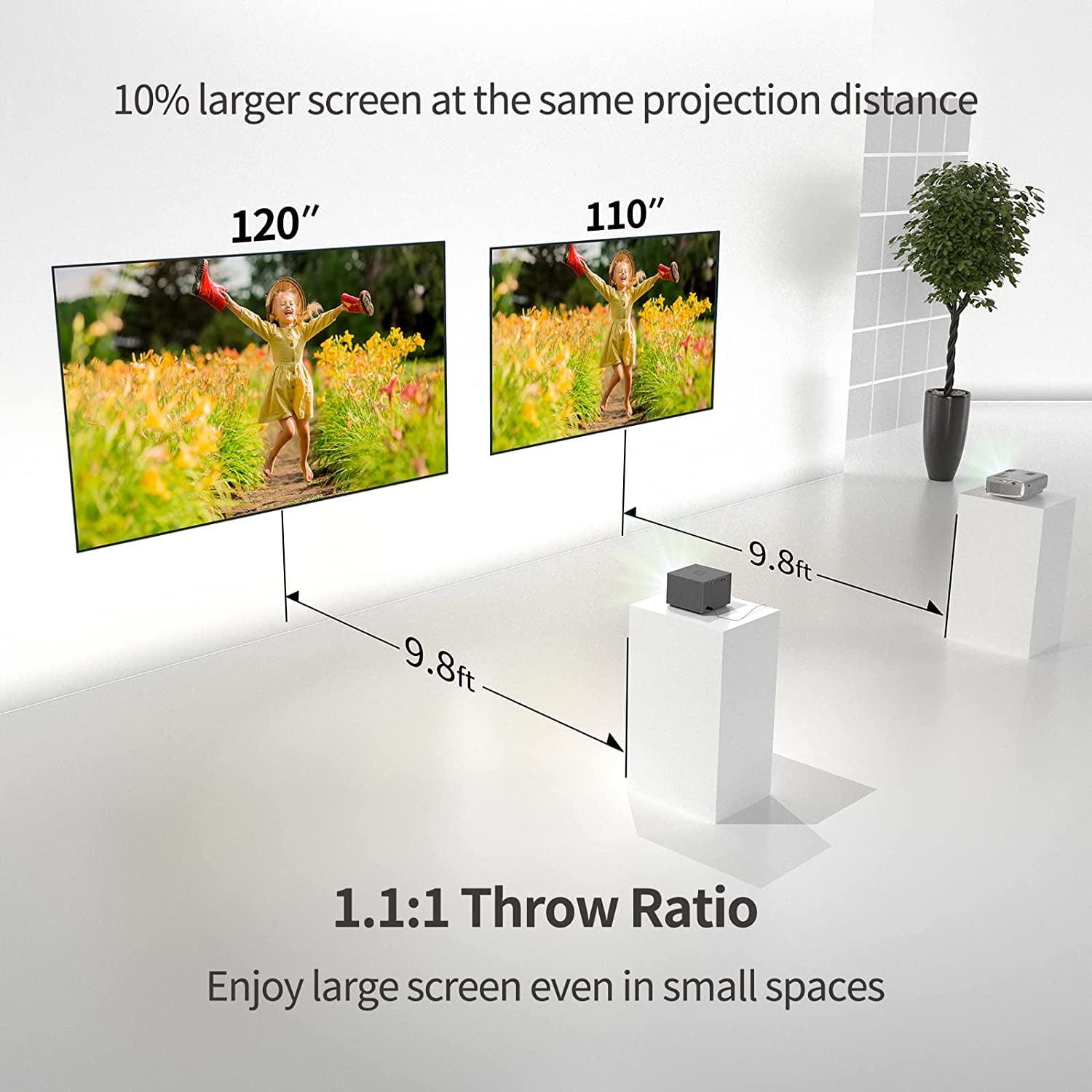
The WEMAX has a fixed lens, meaning there's exactly one distance that will produce a given screen size. For a 100-inch image, it needs to be placed at a specific distance (around 9 feet). This limitation might require furniture rearrangement or ceiling mounting to achieve your desired image size.
How a projector fits into your space matters:
The WEMAX's contemporary design allows it to blend with home decor more naturally. It doesn't immediately scream "projector," which might be preferable in living spaces where aesthetics matter.
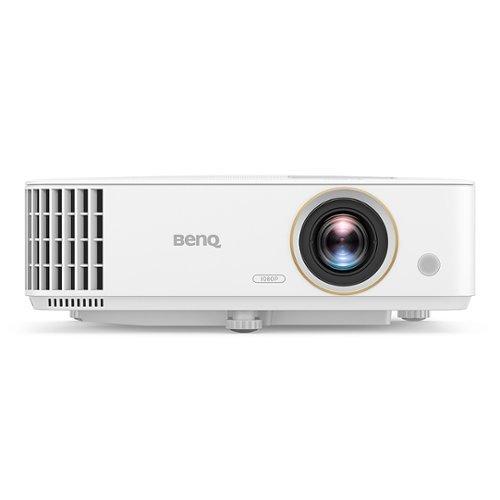
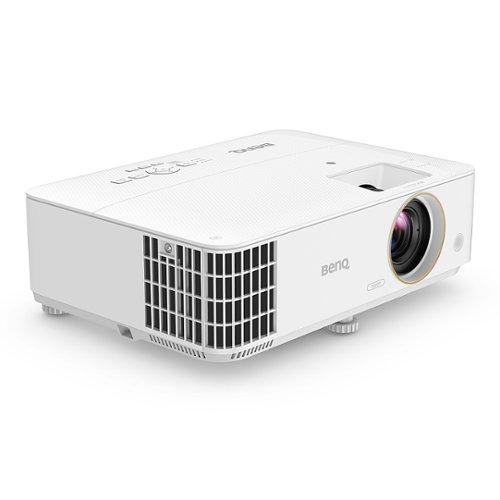
The BenQ follows conventional projector design cues, which isn't necessarily a disadvantage but does make it look more like commercial technology than a consumer device.
This aspect significantly impacts long-term ownership costs:
The WEMAX's LED light source will likely last for the entire life of the projector without replacement—that's 8+ years even if used 8 hours daily. The color consistency also remains more stable over time compared to traditional lamps.
The BenQ uses a conventional projector lamp that will eventually dim and require replacement at a cost of $150-250. In Eco mode, you might get 15,000 hours, but at full brightness, expect closer to 4,000 hours before needing a replacement. For a serious gamer playing 3 hours daily, that could mean a replacement within 3-4 years.
Initial price tells only part of the story:
Despite its lower initial price, the <a href="">WEMAX Vogue Pro potentially offers better value over time. Between the maintenance-free LED light source and integrated streaming, most users won't need to spend another dollar after purchase.
The <a href="">BenQ TH685P's higher initial cost doesn't include potential lamp replacements or the streaming devices you might need to add (like a $50 Roku or Fire TV Stick). For some users, these additional costs are justified by the performance benefits in brightness and gaming.
After exploring all these details, how do you decide which projector is right for you? Here's a straightforward breakdown:
Choose the WEMAX Vogue Pro if:
Choose the BenQ TH685P if:
For most general users looking for an easy-to-use home theater solution, the <a href="">WEMAX Vogue Pro offers better overall value and convenience. Its smart features, automatic adjustments, and maintenance-free design make it an excellent choice for casual viewers who prioritize simplicity and don't need extreme brightness.
For gamers and those needing maximum brightness, the <a href="">BenQ TH685P's specialized performance advantages justify its higher price and maintenance requirements. Its exceptional input lag and higher brightness are significant benefits that can't be overlooked if those features align with your needs.
The projector market continues to evolve rapidly, with manufacturers pushing innovations in different directions. The WEMAX represents the trend toward all-in-one smart entertainment, while the BenQ exemplifies optimization for specific use cases like gaming. Both approaches have merit, and your ideal choice depends entirely on how you plan to use your projector in your specific environment.
| WEMAX Vogue Pro 1080P Smart Projector | BenQ TH685P 1080p HDR Gaming Projector |
|---|---|
| Price - Your initial investment | |
| $640 (better value for smart features) | $799 (premium for gaming performance) |
| Brightness - Determines usability in different lighting conditions | |
| 1,600 ANSI lumens (requires darkened room) | 3,500 ANSI lumens (works in ambient light) |
| Light Source - Affects maintenance costs and longevity | |
| 4-channel LED (25,000+ hour lifespan, no replacement needed) | Metal halide lamp (4,000-15,000 hours, replacement costs $150-250) |
| Input Lag - Critical for responsive gaming | |
| Moderate (not optimized for gaming) | 8.3ms at 120Hz, 16ms at 60Hz (excellent for competitive gaming) |
| Refresh Rate - Impacts motion smoothness | |
| Standard 60Hz | Up to 120Hz (smoother gaming experience) |
| Smart Features - Determines need for additional devices | |
| Android-based Feng OS with built-in streaming apps | No smart features (requires external streaming device) |
| Auto-Adjustment - Affects ease of setup | |
| Auto focus, auto keystone (vertical/horizontal), obstacle avoidance | Basic vertical keystone correction only |
| Audio - Built-in sound quality | |
| Dual 10W speakers with Dolby Audio and DTS-HD support | Single 5W speaker (minimal, external audio recommended) |
| Throw Ratio - Affects placement flexibility | |
| Fixed throw ratio (~1.2:1) | 1.13-1.46:1 throw ratio with 1.3× zoom (more flexible placement) |
| Connectivity - Available inputs for your devices | |
| 2× HDMI 2.1 (1 with ARC), 2× USB, Ethernet, S/PDIF, 3.5mm audio | 2× HDMI 2.0, USB, VGA |
| Contrast Ratio - Affects image depth and black levels | |
| 2,500:1 | 10,000:1 (better for high-contrast scenes) |
| Color Technology - Impacts color accuracy and vibrancy | |
| 4-channel LED (RGBY) for improved color accuracy | 95% Rec.709 coverage, 10-bit processing, HDR10/HLG |
| Physical Design - Affects integration with home decor | |
| Compact cube design (200×200×148mm, 3.5kg) | Traditional projector design (312×110×225mm, 2.8kg) |
For a dedicated home theater room with controlled lighting, the WEMAX Vogue Pro 1080P Smart Projector offers excellent value with its built-in streaming apps and automatic setup features. While the BenQ TH685P has higher brightness, the WEMAX's 4-channel LED technology provides good color reproduction and its 25,000+ hour maintenance-free light source is ideal for dedicated theater use. The WEMAX Vogue Pro's superior built-in audio also means you might not need external speakers initially, though most home theater enthusiasts will eventually add a proper sound system.
The BenQ TH685P 1080p HDR Gaming Projector is significantly better for rooms with ambient light thanks to its 3,500 ANSI lumens brightness compared to the WEMAX Vogue Pro's 1,600 ANSI lumens. If you plan to watch during daytime or in a living room with windows, the BenQ will deliver a more vibrant, watchable image. The WEMAX performs best in darkened environments and may look washed out in well-lit rooms.
The BenQ TH685P is substantially better for gaming with its incredibly low 8.3ms input lag at 120Hz (16ms at 60Hz), dedicated Game Mode, and 120Hz refresh rate support. The WEMAX Vogue Pro lacks gaming-specific optimizations and likely has significantly higher input lag. For casual gamers, the WEMAX is adequate, but competitive gamers or those playing fast-paced titles should strongly consider the BenQ TH685P, which was specifically designed for gaming performance.
With the WEMAX Vogue Pro, no additional devices are needed as it has Android-based Feng OS with popular streaming apps built in. Just connect to Wi-Fi and you're ready to stream. The BenQ TH685P has no smart features or built-in streaming capabilities, so you'll need to purchase and connect a streaming device like a Roku, Fire TV Stick, or Apple TV to access streaming services.
The WEMAX Vogue Pro will cost significantly less to maintain long-term as it uses an LED light source rated for 25,000+ hours that never needs replacement. The BenQ TH685P uses a traditional lamp that will need replacement after 4,000-15,000 hours (depending on usage mode) at a cost of $150-250 per lamp. Additionally, the WEMAX's built-in streaming eliminates the need to purchase separate streaming devices.
The WEMAX Vogue Pro offers much easier setup with its automatic features including auto focus, auto keystone correction (both vertical and horizontal), and obstacle avoidance that automatically adjusts the image. The BenQ TH685P requires manual focus adjustment and only offers basic vertical keystone correction, meaning you'll need more precise initial placement and manual adjustments to get the perfect image.
Both the WEMAX Vogue Pro and BenQ TH685P can technically support screen sizes from about 30 inches up to 300 inches. However, the BenQ's higher brightness (3,500 ANSI lumens) means it can maintain better image quality at larger screen sizes and in less-than-ideal lighting conditions compared to the WEMAX's 1,600 ANSI lumens. For optimal performance, the WEMAX works best with screen sizes up to about 100 inches in darkened rooms.
Neither the WEMAX Vogue Pro nor the BenQ TH685P offers native 4K resolution – both are native 1080p (Full HD) projectors. However, both can accept 4K input signals, which they will downscale to their 1080p native resolution. They also both support HDR10 content, though the BenQ's higher brightness makes HDR content more impactful. If you need true 4K resolution, you would need to look at higher-end projectors.
The WEMAX Vogue Pro has significantly better built-in audio with its dual 10W speakers that support Dolby Audio and DTS-HD, providing room-filling sound adequate for casual viewing. The BenQ TH685P has a basic single 5W speaker that's functional but lacks power and clarity for an immersive experience. Most users will want to connect external speakers or a soundbar to the BenQ, while the WEMAX can stand alone for many users.
The BenQ TH685P offers more placement flexibility with its 1.3× zoom lens and 1.13-1.46:1 throw ratio, allowing you to position it at various distances while maintaining your desired screen size. The WEMAX Vogue Pro has a fixed throw ratio with no zoom, meaning there's only one specific distance that will produce a given screen size. However, the WEMAX's auto keystone and image adjustment features help compensate by making it easier to get a good image from imperfect placements.
For sports viewing, the BenQ TH685P has advantages with its higher 3,500 ANSI lumens brightness (ideal for daytime games) and 120Hz refresh rate that provides smoother motion for fast-moving action. The WEMAX Vogue Pro is suitable for sports in darkened rooms, but its standard 60Hz refresh rate may show more motion blur during particularly fast action. If you frequently host sports viewing parties in rooms with ambient light, the BenQ would be the better choice.
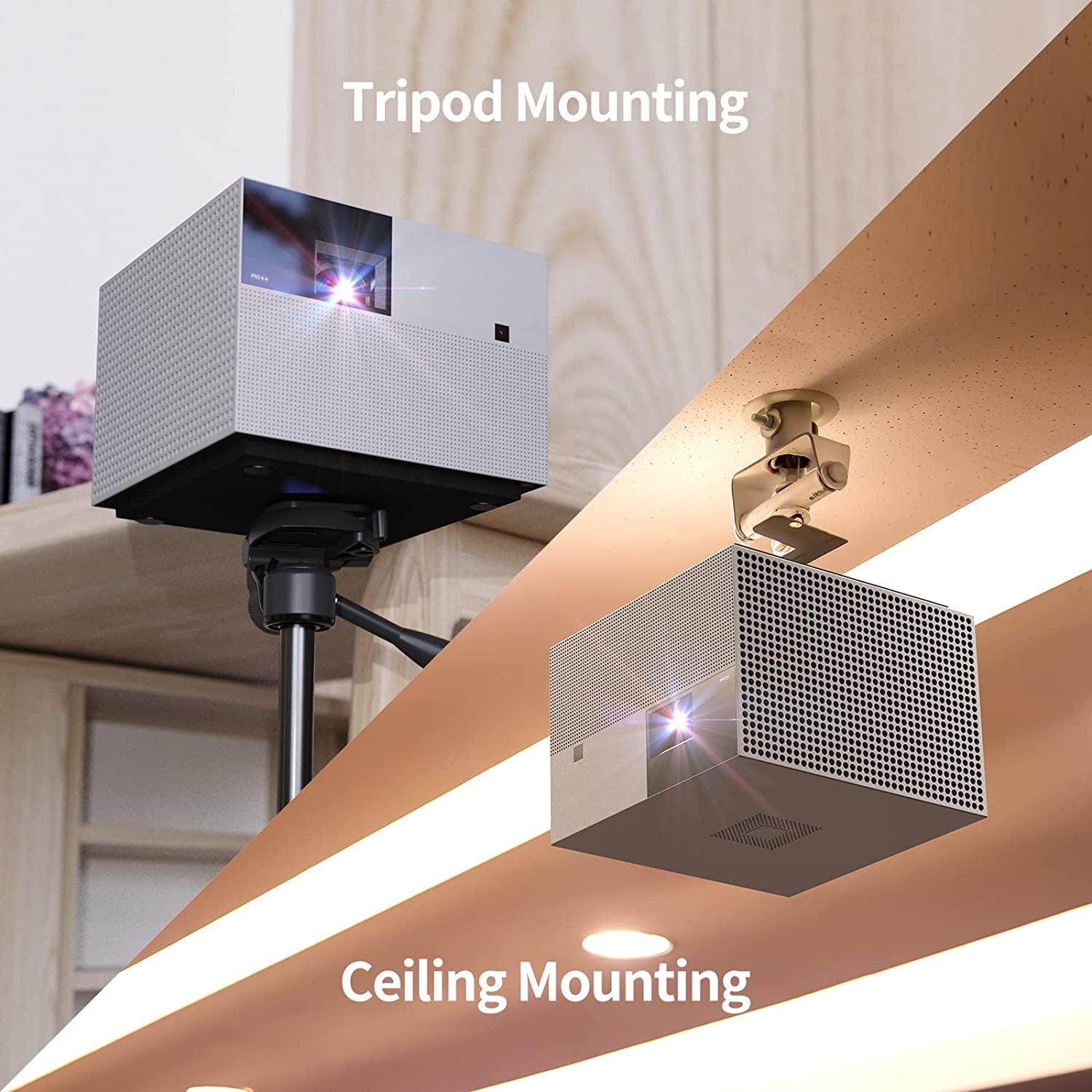
Both the WEMAX Vogue Pro and BenQ TH685P can be ceiling-mounted, though their installation requirements differ. The BenQ follows standard mounting patterns and has menu options for ceiling installation. The WEMAX can also be ceiling-mounted but its cube-shaped design may require specific mounting brackets. The WEMAX's auto-adjustment features make it easier to get a perfect image after ceiling mounting, while the BenQ will likely require more precise initial installation and manual adjustments.
For all-in-one convenience, the WEMAX Vogue Pro at $640 offers better overall value with its built-in streaming, automatic setup features, maintenance-free LED light source, and superior audio. The BenQ TH685P at $799 offers better value for specific use cases, particularly gaming and bright-room viewing, despite its higher initial cost and additional maintenance expenses. Your definition of "value" depends on your priorities – if convenience and low maintenance matter most, choose the WEMAX; if performance in gaming or brighter environments is paramount, the BenQ justifies its premium.
We've done our best to create useful and informative comparisons to help you decide what product to buy. Our research uses advanced automated methods to create this comparison and perfection is not possible - please contact us for corrections or questions. These are the sites we've researched in the creation of this article: wemax.com - wemax.com - youtube.com - techpowerup.com - wemax.com - projectorcentral.com - nikktech.com - youtube.com - techpowerup.com - techpowerup.com - youtube.com - nikktech.com - walmart.com - business.walmart.com - projectorcentral.com - techpowerup.com - projektoren-datenbank.com - wemax.com - youtube.com - projectorcentral.com - androidguys.com - bhphotovideo.com - techradar.com - newegg.com - projectorcentral.com - cnet.com - staples.com - cdw.com - youtube.com - shi.com - touchboards.com - projectorcentral.com - youtube.com - iconicmicro.com - adorama.com - publicsector.shidirect.com - adorama.com

Privacy Policy
Terms and Conditions - Affiliate Policy
Home Security
© Copyright 2008-2026.
11816 Inwood Rd #1211, Dallas, TX 75244