

In the evolving world of home entertainment, projectors have carved out a unique niche. Unlike traditional TVs, they offer the flexibility to create massive displays without permanently dedicating wall space. Today, we're comparing two distinctly different approaches to projection technology: the lifestyle-focused Samsung Freestyle 2nd Gen and the performance-oriented BenQ TH685P gaming projector. While they both throw images onto walls, their design philosophies and ideal use cases couldn't be more different.
Before diving into specifics, it's worth understanding where projectors fit in today's entertainment ecosystem. Traditional home theaters once required dedicated rooms with controlled lighting and expensive equipment. Modern projectors have dramatically expanded possibilities, with some designed for gaming, others for portable entertainment, and many attempting to replace traditional TVs altogether.
The projector market has evolved significantly over the past five years, with manufacturers focusing on different priorities: some chase brightness and resolution for dedicated home theaters, while others prioritize portability and smart features for flexible use. The Samsung Freestyle 2nd Gen and BenQ TH685P represent these divergent approaches perfectly.
The Samsung Freestyle 2nd Gen, released in early 2023, builds upon the original Freestyle launched in 2022. Samsung has made several meaningful improvements in this second iteration, most notably adding Samsung Gaming Hub support and increasing internal storage from 8GB to 16GB. The Freestyle line represents Samsung's vision of projectors as lifestyle products rather than just display devices.
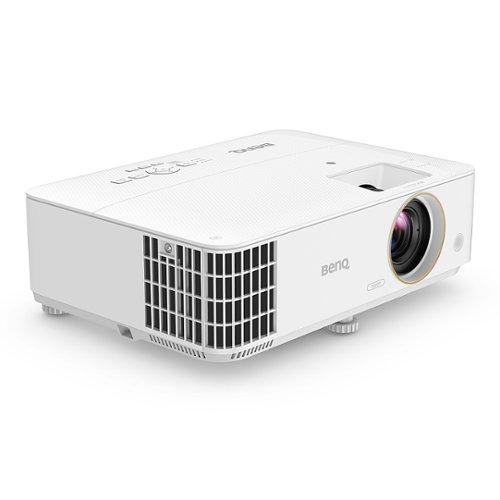
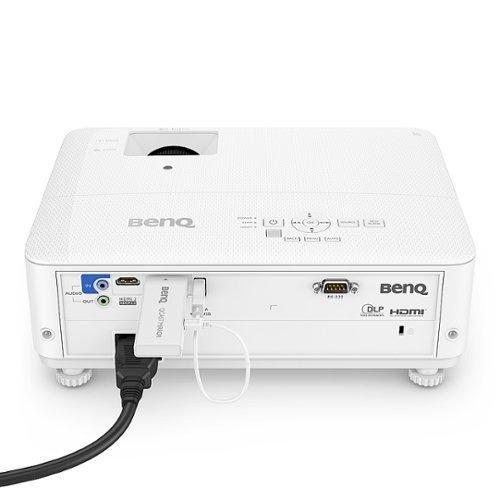
The BenQ TH685P, launched in late 2022, is the successor to the popular TH685 gaming projector. BenQ refined rather than revolutionized with this update, maintaining the core gaming-focused features while improving HDMI connectivity with eARC support (Enhanced Audio Return Channel, which allows sending high-quality audio back to sound systems) and slightly enhancing color performance.
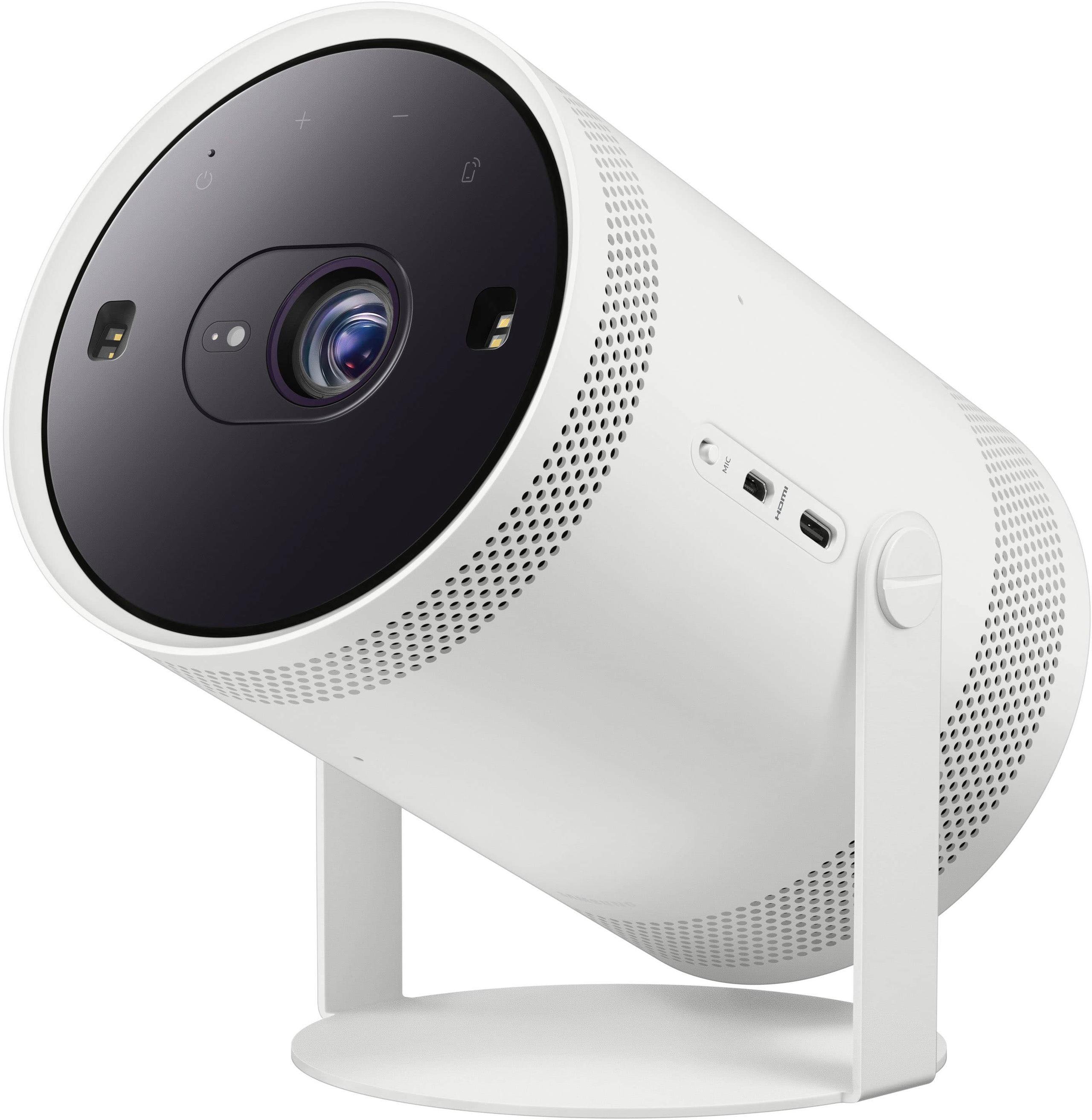
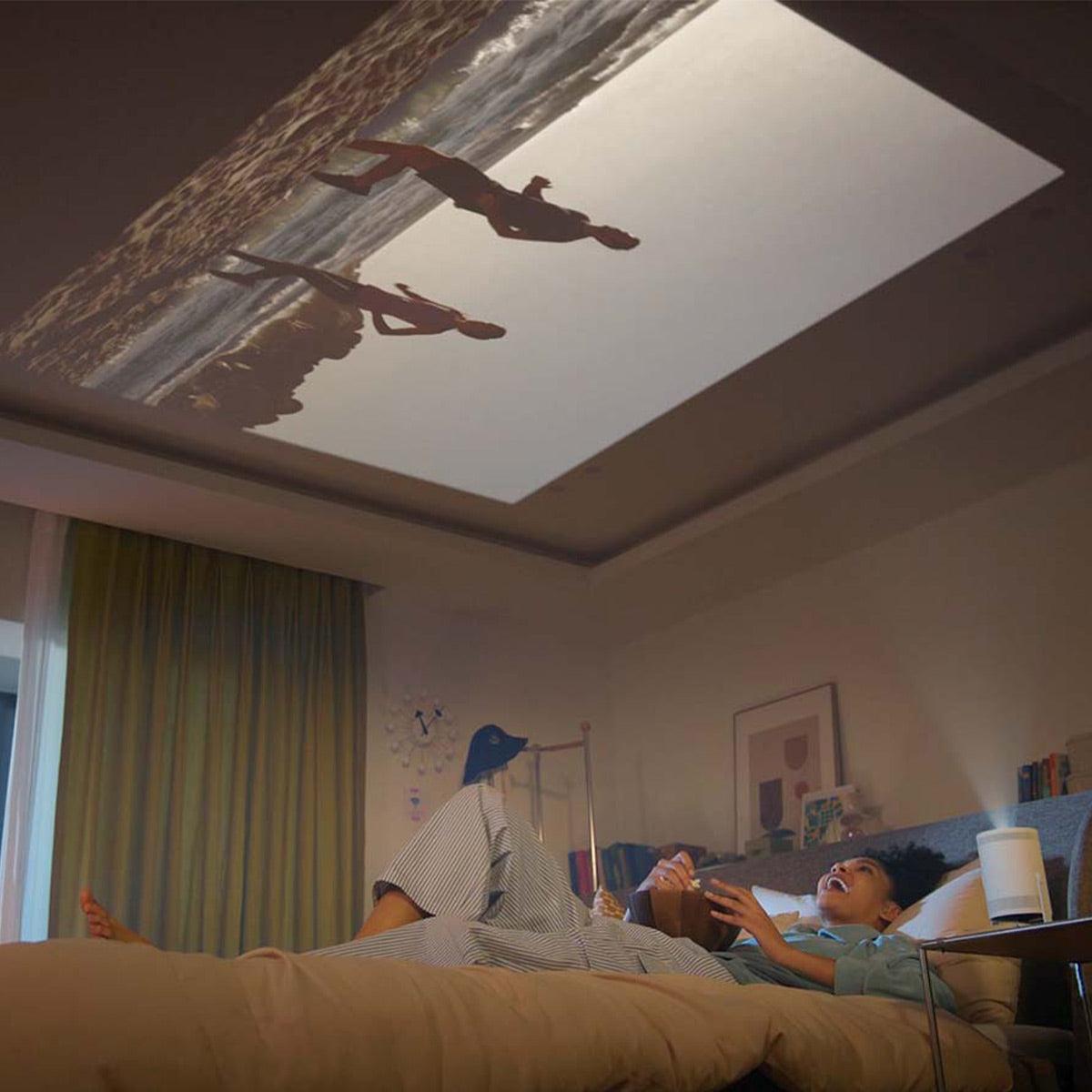
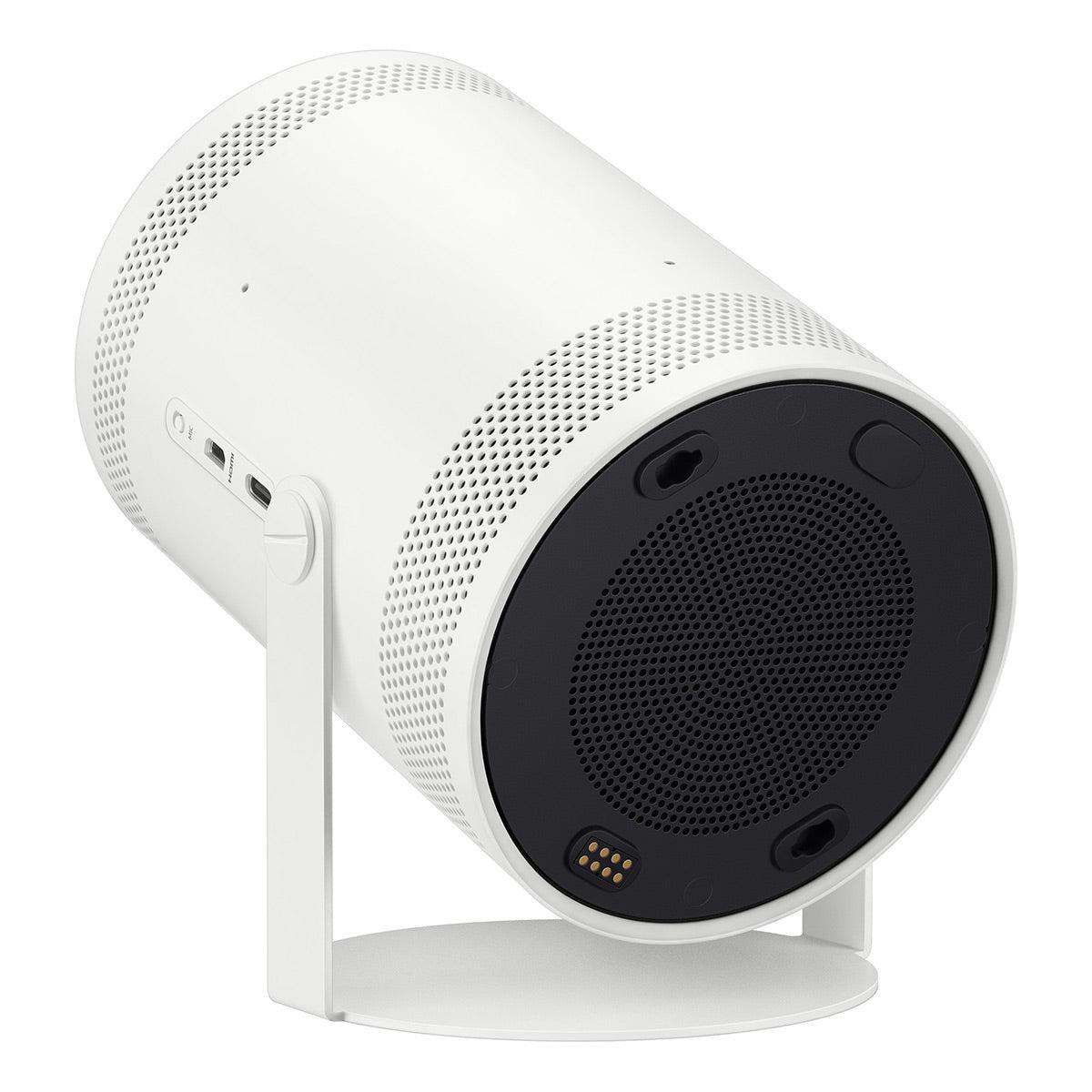
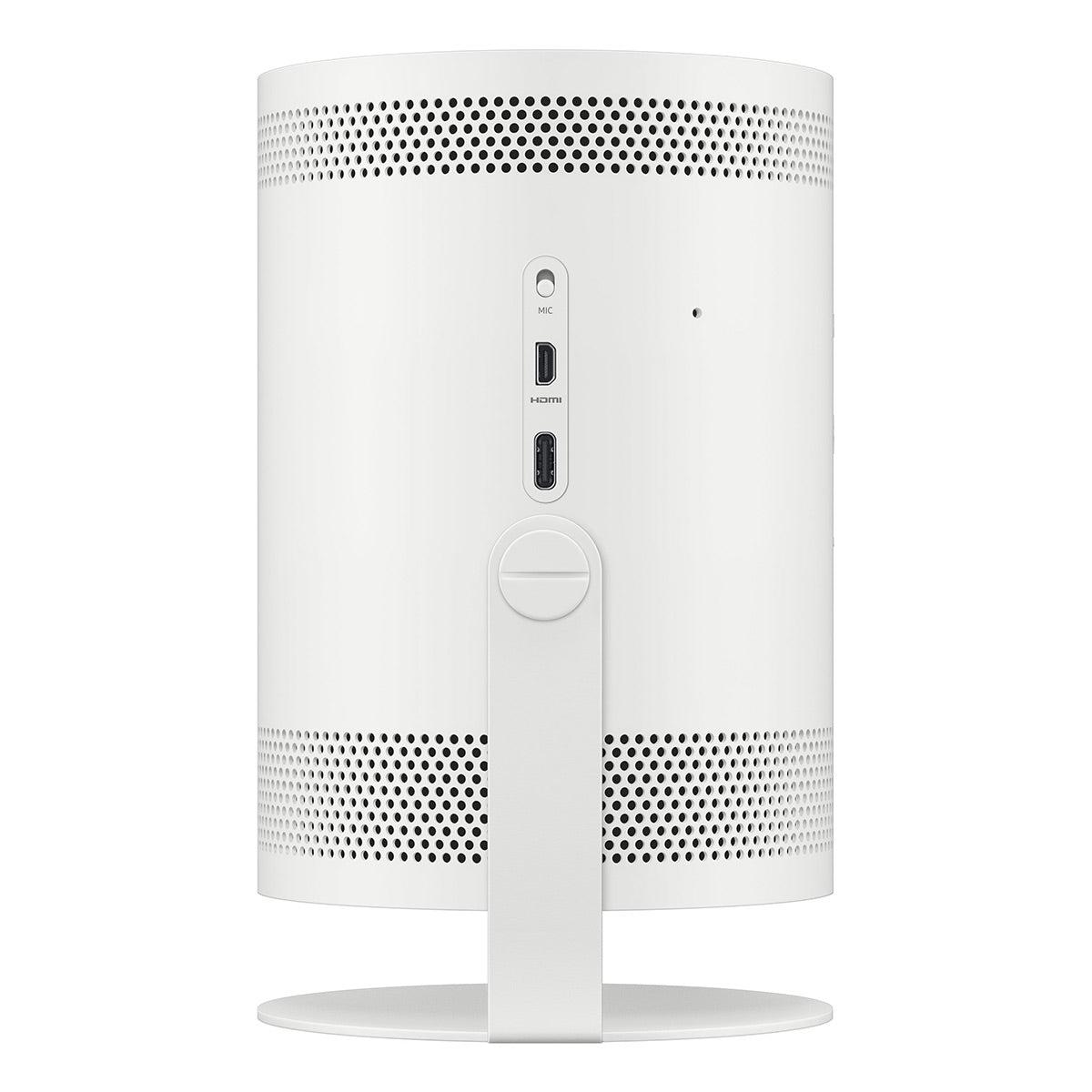
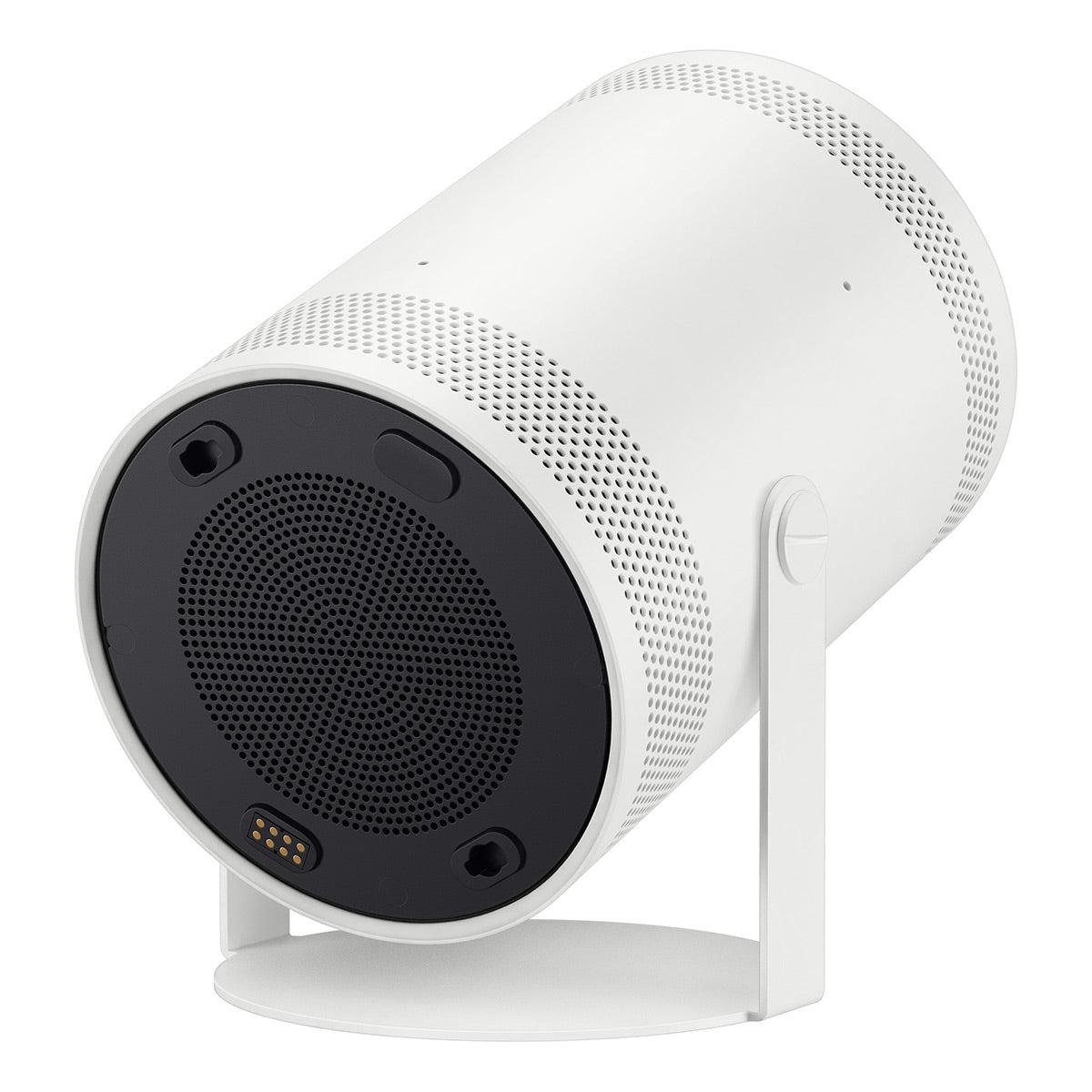
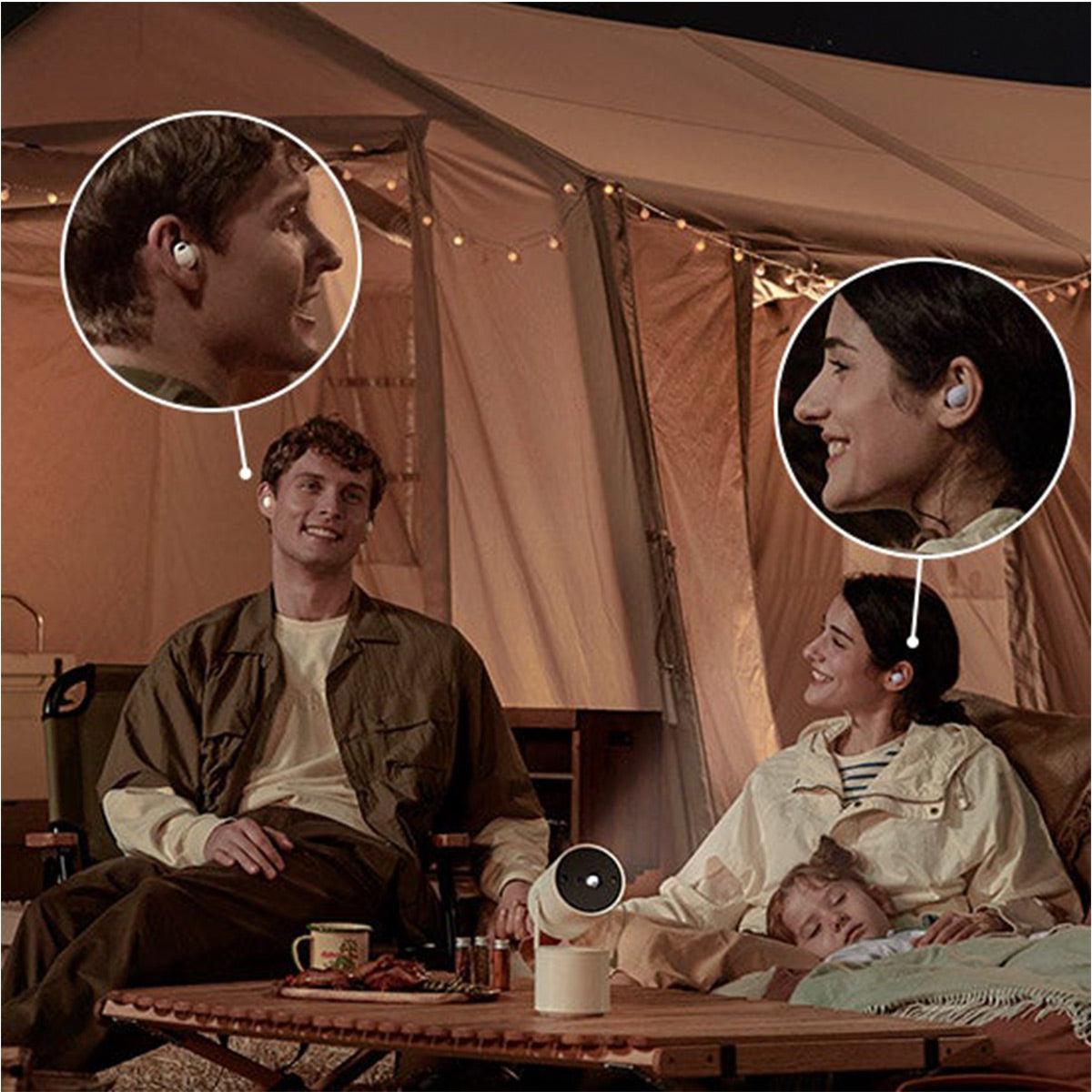
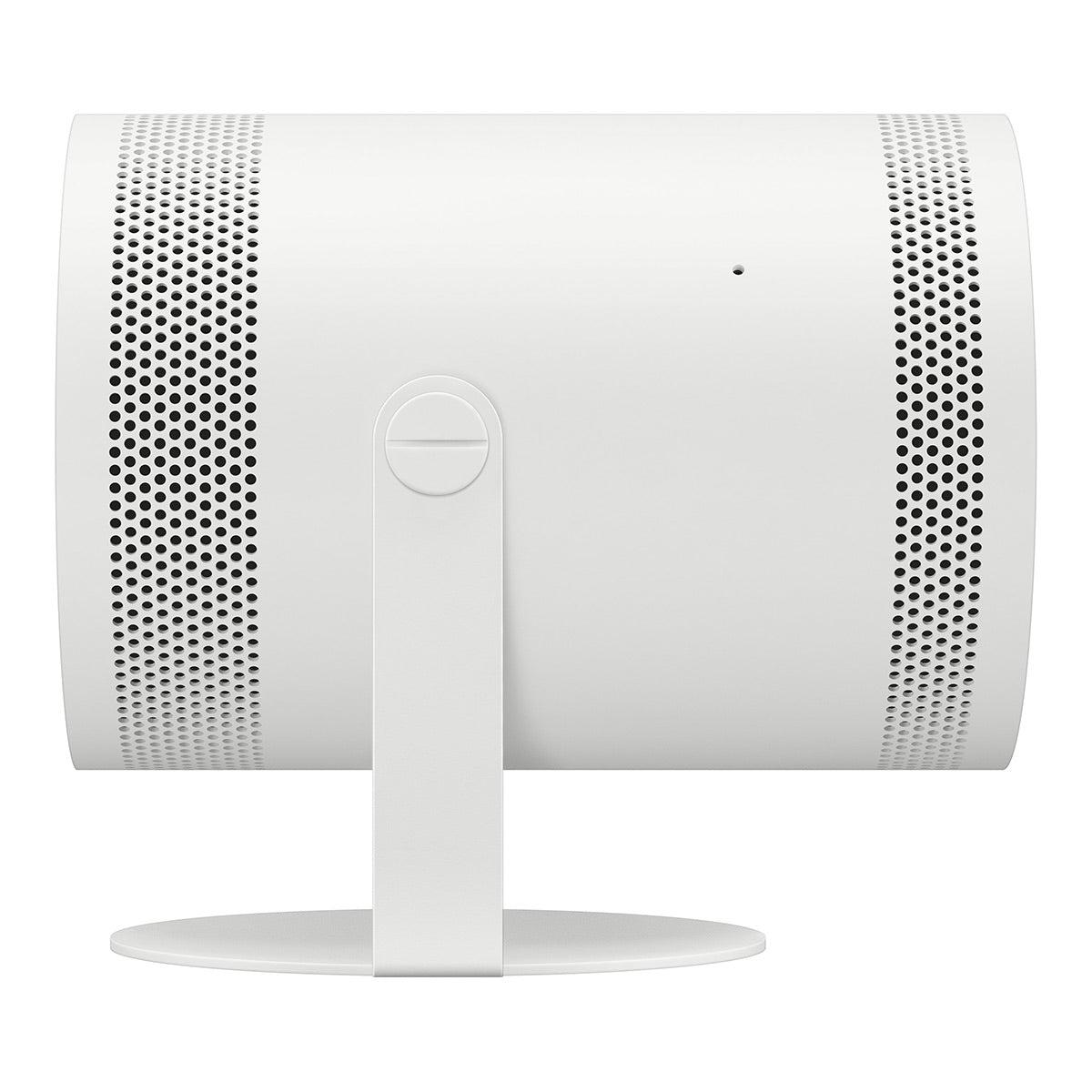
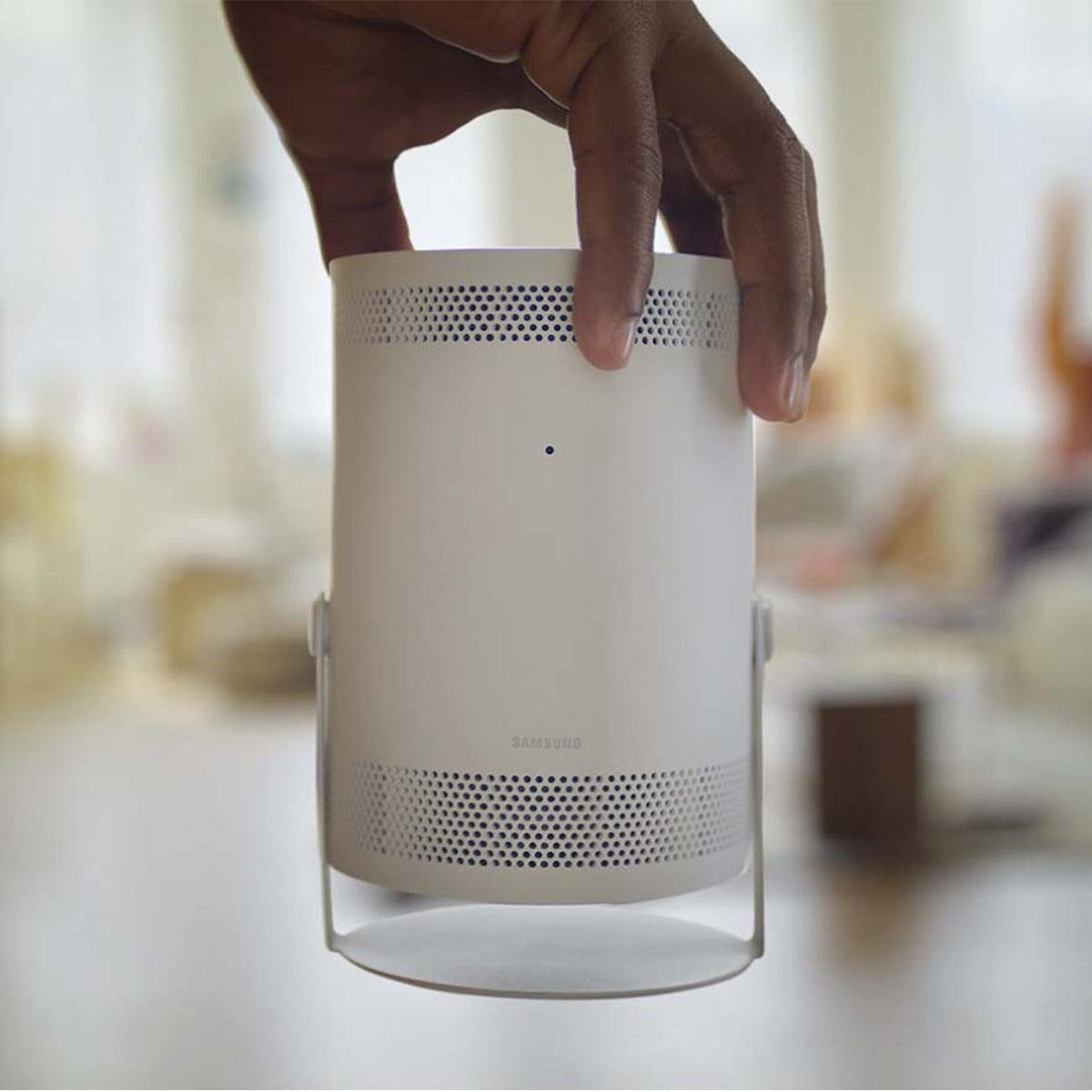
The Samsung Freestyle 2nd Gen immediately stands out with its unconventional cylindrical design. Weighing just 1.83 pounds and roughly the size of a small Bluetooth speaker, it's genuinely portable in a way few projectors can claim. The swiveling design allows for projection at virtually any angle – point it at walls, ceilings, or even floors with a simple rotation. This flexibility makes it ideal for impromptu movie nights in different rooms or even outdoor viewing.
"The most fascinating aspect of the Freestyle's design is how it rethinks what a projector should look like," says one industry expert. "It's essentially a spotlight form factor repurposed for projection."
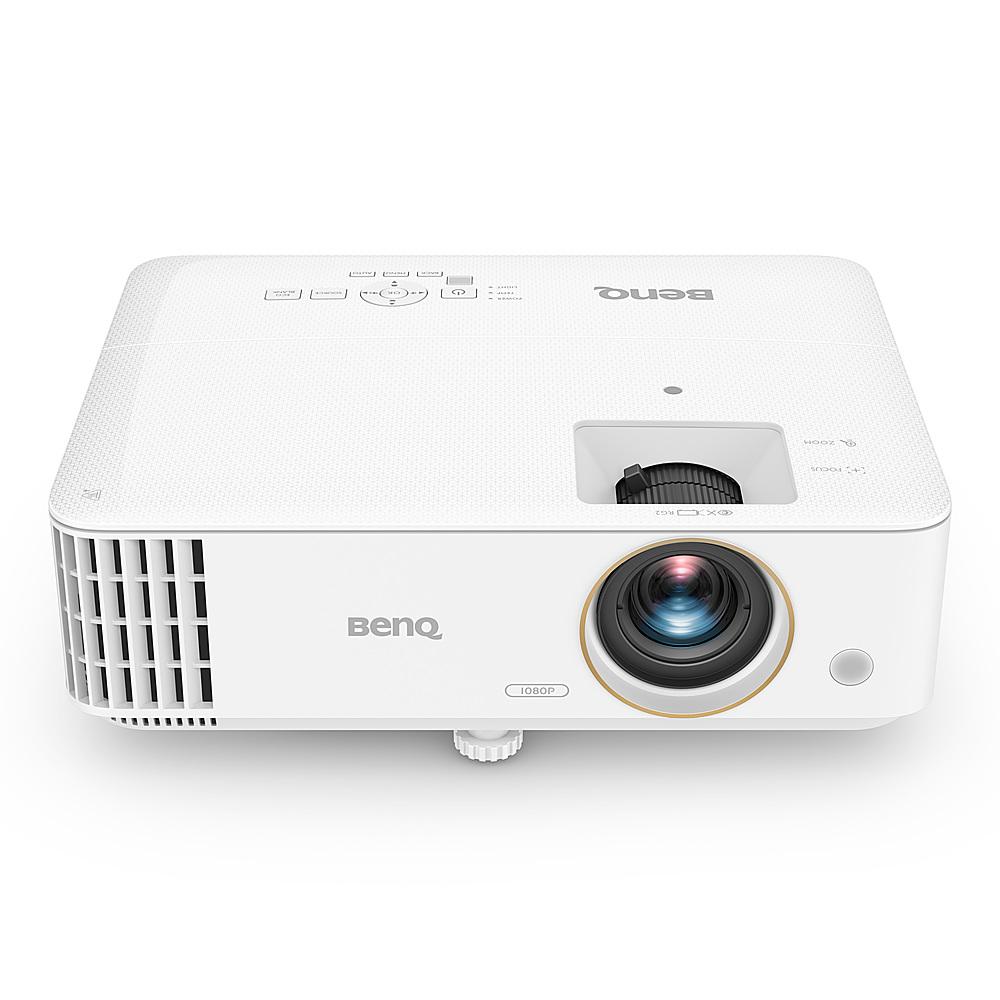
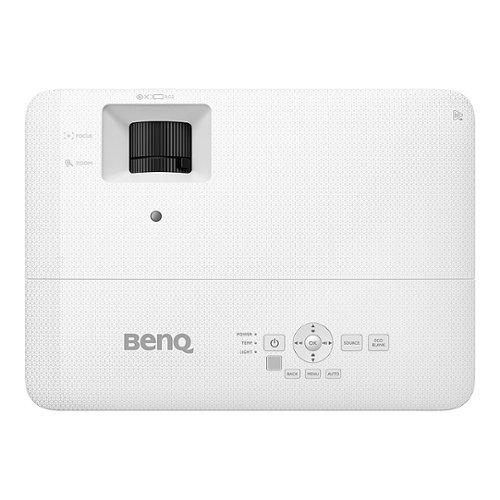
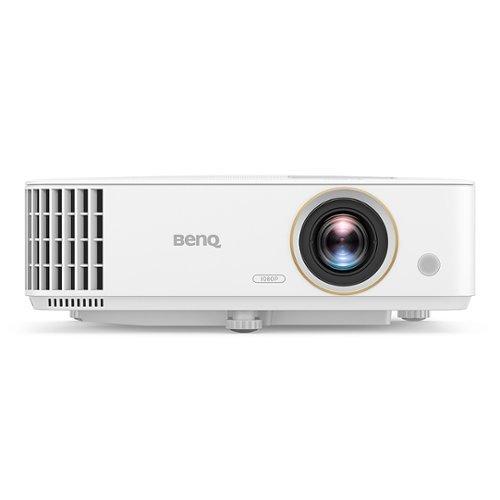
In contrast, the BenQ TH685P embraces a more traditional projector design. At 6.2 pounds, it's still considered portable by conventional standards, but it's clearly designed for semi-permanent installation. Its rectangular housing contains much larger optical components that prioritize image brightness and quality over extreme portability. You can certainly move it between rooms, but you wouldn't casually toss it in a backpack like the Freestyle.
The physical difference between these units speaks to their divergent use cases: the Freestyle is designed to go anywhere and adapt to various environments, while the BenQ is built to deliver maximum performance in a more controlled setting.
Brightness is perhaps the single most important specification for practical projector use, and here the difference between our contenders is stark.
The BenQ TH685P outputs an impressive 3,500 ANSI lumens. ANSI lumens (the standardized brightness measurement for projectors) at this level means the BenQ can produce a visible, enjoyable image even with some ambient light present. You don't need a pitch-black room to use it effectively, making it practical for everyday viewing or daytime gaming sessions.
The Samsung Freestyle 2nd Gen, with approximately 550 ANSI lumens, requires significantly darker conditions. This brightness level necessitates near-darkness for optimal viewing – think evening use with lights dimmed or off. The practical implication is that the Freestyle is more of a "special occasion" device for many users, while the BenQ can potentially replace a TV for regular viewing.
"Brightness affects everything about the viewing experience," notes a projection specialist. "It determines not just when you can use the projector, but how large your image can be while maintaining visibility."
Both projectors offer 1080p Full HD resolution, which remains the sweet spot for projectors in this price range. While 4K projectors exist, they typically command significantly higher prices.
The BenQ TH685P pairs its 1080p resolution with HDR10 support, enhancing contrast and color depth when playing compatible content. The high brightness level allows the HDR effect to be more pronounced, with brighter highlights and deeper blacks creating a more dynamic image. Its DLP (Digital Light Processing) technology utilizes a color wheel system that produces sharp images with excellent motion handling – particularly important for gaming and sports content.
The Samsung Freestyle 2nd Gen also supports HDR10, but its lower brightness somewhat limits the impact of this feature. Samsung compensates with sophisticated image processing that optimizes contrast and color based on content and projection surface. The Freestyle includes an adaptive color feature that adjusts the image when projecting onto colored walls – a thoughtful addition for a portable device likely to be used in various environments.
Color performance represents another area where these projectors take different approaches. The BenQ TH685P covers approximately 95% of the Rec.709 color space (the standard color profile for HD content), delivering accurate colors for movies and games. Its color wheel is optimized for brightness rather than the widest color gamut, making it excellent for punchy, vibrant images even with some ambient light.
The Samsung Freestyle focuses on color adaptability rather than strict accuracy. Its standout feature is the ability to analyze the color of your wall and adjust the projection accordingly, helping maintain reasonable color balance even when projecting onto non-white surfaces. This adaptive approach suits its portable nature, though color purists might prefer the more accurate reproduction of the BenQ in a controlled environment.
For gamers, projector performance extends beyond just image quality to include responsiveness and smooth motion handling.
The BenQ TH685P excels here with remarkably low input lag – as little as 8.3ms at 1080p/120Hz in its gaming mode. Input lag (the delay between when your controller sends a signal and when that action appears on screen) at this level is imperceptible even to competitive gamers. Combined with support for refresh rates up to 120Hz (meaning the image updates 120 times per second), the BenQ delivers an exceptionally responsive gaming experience that rivals gaming monitors.
"The sub-10ms input lag on a projector was unthinkable just a few years ago," explains a gaming technology expert. "It's what makes the BenQ a true gaming projector rather than just a projector that can be used for games."
The Samsung Freestyle 2nd Gen offers a decent but less impressive gaming experience with approximately 43ms of input lag at 60Hz. This performance is adequate for casual gaming and most single-player experiences but falls short for competitive multiplayer games where split-second reactions matter. The addition of Samsung's Gaming Hub in this second-generation model does improve the gaming experience by providing easy access to cloud gaming services like Xbox Game Pass and NVIDIA GeForce NOW.
The Samsung Freestyle 2nd Gen functions essentially as a smart TV in projector form, running Samsung's Tizen operating system. This provides access to virtually all major streaming services (Netflix, Disney+, Hulu, etc.) without requiring external devices. The interface will be immediately familiar to anyone who's used a recent Samsung TV, with the same tile-based organization and voice control options. The Freestyle also supports both Bixby and Amazon Alexa voice assistants for hands-free control.
The Freestyle's smart features extend beyond entertainment to include ambient modes that transform it into a mood light or digital art display when not being used for video content. Samsung has expanded these features in the second generation, making the device more versatile as a general lifestyle product.
The BenQ TH685P takes a fundamentally different approach with no smart operating system at all. It functions purely as a display device, requiring external sources like streaming sticks, game consoles, or computers to provide content. This simplicity has advantages – the interface never feels sluggish, and you're never limited by the projector's processing power – but it does necessitate additional devices and potentially more complex setup.
Connectivity further highlights the different philosophies of these projectors. The Samsung Freestyle offers relatively minimalist connections with a single HDMI port, USB-C for power or content, and wireless options including Bluetooth, Wi-Fi, and AirPlay. This streamlined approach suits its portable nature while still providing flexibility.
The BenQ TH685P provides more robust physical connections with two HDMI ports (one supporting eARC for advanced audio setups), USB power output (convenient for powering streaming sticks), 3.5mm audio output, and even RS-232 for integration with advanced home automation systems. This connection suite is designed for more permanent home theater setups where multiple devices might be connected simultaneously.
Projectors typically struggle with audio due to size constraints, but both models attempt to provide usable built-in sound.
The Samsung Freestyle 2nd Gen features a 360-degree 5W speaker system that disperses sound in all directions. This omnidirectional approach works well for its portable use case, providing adequate volume and reasonable clarity for casual viewing. The speaker quality is comparable to a decent Bluetooth speaker – not home theater quality, but perfectly functional for most environments where the Freestyle might be used.
The BenQ TH685P includes a more powerful 10W speaker that achieves higher volume levels but with less refined sound quality. It's sufficient for gaming in smaller rooms but lacks bass response and clarity for truly immersive movie experiences. Most users will want to connect external speakers or a soundbar for regular use, especially given the eARC support that allows for high-quality audio passthrough to compatible sound systems.
Throw ratio (the relationship between the projection distance and the resulting image size) significantly impacts where you can position a projector in your space.
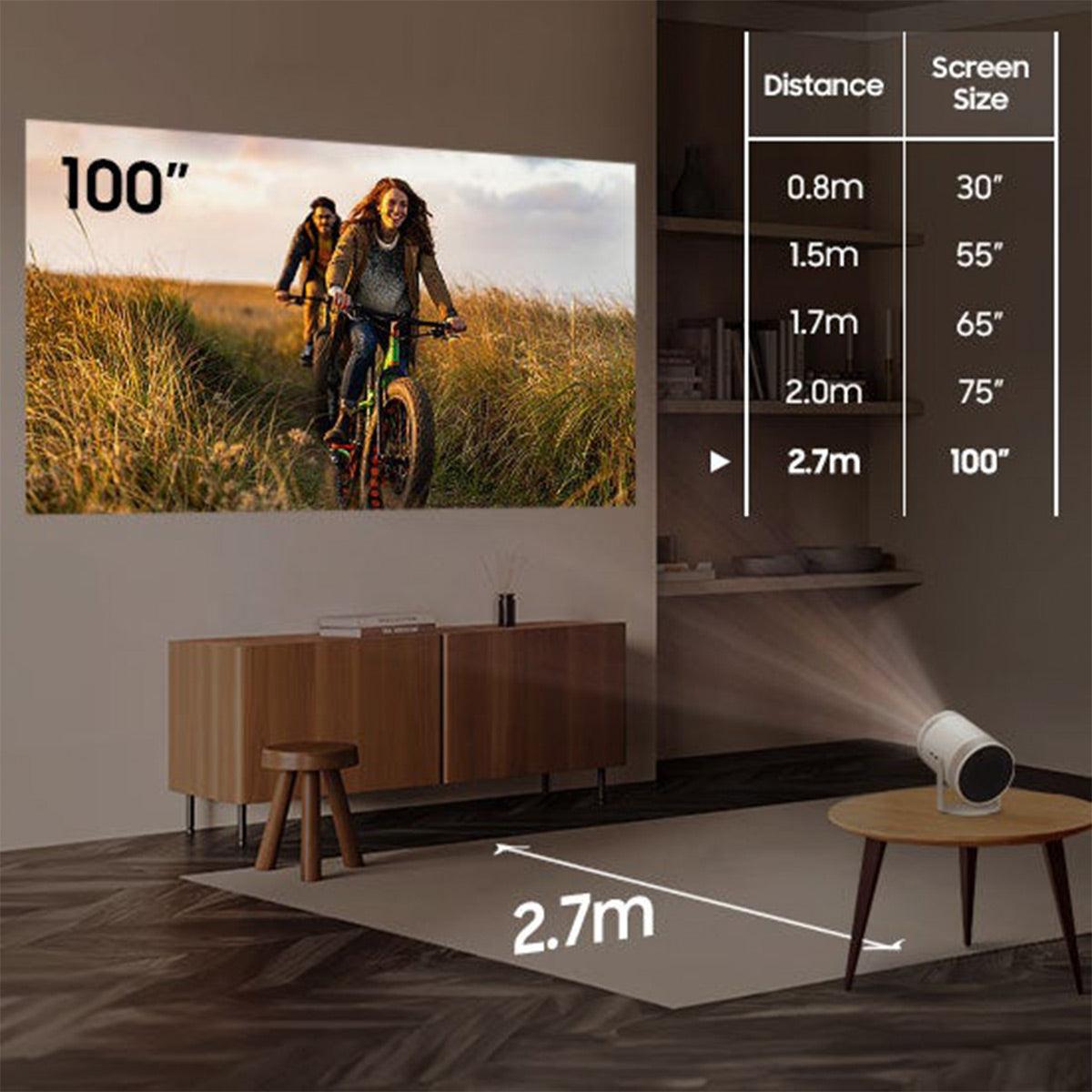
The Samsung Freestyle 2nd Gen uses a fixed throw ratio that requires approximately 9 feet of distance to create a 100-inch image. This means you need adequate space between the projector and your wall, which might be challenging in smaller rooms. However, its auto-keystone correction (which automatically adjusts the image to appear rectangular even when projecting at an angle) and auto-focus features significantly simplify setup, allowing for quick deployment in various environments.
The BenQ TH685P offers more flexibility with its 1.13-1.47:1 throw ratio and 1.3x zoom lens. This allows you to achieve a 100-inch image from distances between 8 and 10.5 feet, providing more placement options. The tradeoff is more manual setup – you'll need to adjust focus, zoom, and keystone correction manually, though once set, these adjustments typically remain stable for permanent installations.
For home theater enthusiasts, the installation differences between these projectors are substantial. The BenQ includes adjustable feet and ceiling mount compatibility, making it suitable for both tabletop use and permanent installation. Its larger size accommodates better cooling systems, allowing for longer operating sessions without overheating concerns.
The Freestyle's unique mounting system allows it to rotate for projection in virtually any direction, including onto ceilings while sitting on a table. Samsung also offers optional accessories including a battery base for truly wireless operation and a light socket adapter that allows the Freestyle to be powered from a standard light fixture – a clever solution for spaces without convenient power outlets.
At approximately $800, the Samsung Freestyle 2nd Gen represents a premium price point for its brightness class. You're paying for the compact form factor, smart features, and flexibility rather than raw performance metrics. For users who value these attributes – particularly those who will use it in multiple locations or for creative applications beyond traditional movie watching – the value proposition makes sense.
The BenQ TH685P, typically priced around $800-900, delivers substantially more brightness and gaming performance for a similar investment. From a pure specs-per-dollar perspective, it offers superior value, especially for dedicated home theater or gaming room applications. What you sacrifice is portability and built-in smart features.
"The value equation really depends on how you'll use these devices," explains a home theater consultant. "For a dedicated media room, the BenQ gives you more performance for your money. For someone who wants projection in different rooms or outdoor movie nights, the Freestyle's convenience justifies its cost."
The Samsung Freestyle 2nd Gen excels in scenarios that leverage its portability and smart features:
The Freestyle's greatest strength is its versatility – it can transform almost any space into an entertainment area temporarily, then disappear when not needed.
The BenQ TH685P is the clear choice for:
The BenQ's brightness advantage and gaming performance make it the superior choice for any scenario where image quality and responsiveness take priority over portability.
After comparing these projectors across multiple dimensions, your decision ultimately comes down to prioritizing your specific needs:
Both the Samsung Freestyle 2nd Gen and the BenQ TH685P represent excellent executions of their respective design philosophies. The Freestyle reimagines what a projector can be, prioritizing versatility and convenience in a surprisingly capable package. The BenQ takes a more traditional approach, delivering impressive performance metrics that will satisfy home theater enthusiasts and gamers alike.
Your perfect projector depends not on which is "better" in absolute terms, but which aligns with how you'll actually use it in your space and lifestyle. Consider your viewing environment, content preferences, and whether you value flexibility over maximum performance to make the choice that will bring you the most enjoyment from your investment.
| Samsung Freestyle 2nd Gen Smart Projector | BenQ TH685P 1080p HDR Gaming Projector |
|---|---|
| Release Date - Indicates technology generation and maturity | |
| Released in early 2023 | Released in late 2022 |
| Price - Overall investment required | |
| Approximately $800 | Approximately $800-900 |
| Brightness - Critical for determining viable viewing environments | |
| 550 ANSI lumens (requires dim or dark rooms) | 3,500 ANSI lumens (works well even with ambient light) |
| Resolution - Determines image clarity and detail | |
| 1080p Full HD with HDR10 support | 1080p Full HD with HDR10 support |
| Weight & Portability - Affects ease of movement and setup | |
| 1.83 pounds, ultra-portable cylindrical design | 6.2 pounds, traditional projector form factor |
| Input Lag - Essential for responsive gaming | |
| Approximately 43ms (acceptable for casual gaming) | 8.3ms at 1080p/120Hz (excellent for competitive gaming) |
| Throw Ratio - Determines required distance from screen | |
| Fixed throw ratio (needs ~9ft for 100" screen) | 1.13-1.47:1 with 1.3x zoom (more placement flexibility) |
| Smart Features - Convenience for content access | |
| Full Tizen OS with built-in streaming apps, voice assistants | No smart OS; requires external streaming devices |
| Audio - Affects need for external speakers | |
| 5W 360° omnidirectional speaker | 10W mono speaker (louder but less refined) |
| Special Features - Unique capabilities | |
| Auto-keystone, auto-focus, 180° rotation, wall color adaptation | Gaming mode, low latency, eARC audio support |
| Connectivity - Available input options | |
| HDMI, USB-C, Wi-Fi, Bluetooth, AirPlay | 2× HDMI (one with eARC), USB, 3.5mm audio out, RS-232 |
| Refresh Rate - Impacts motion smoothness | |
| Standard 60Hz | Up to 120Hz for smoother motion |
| Color Performance - Affects visual accuracy and vibrancy | |
| Adaptive color calibration for different wall surfaces | 95% Rec.709 coverage with accurate color reproduction |
| Primary Use Case - Best application scenario | |
| Portable entertainment, multiple locations, creative projection | Dedicated gaming and home theater in semi-permanent setup |
The BenQ TH685P is significantly brighter at 3,500 ANSI lumens compared to the Samsung Freestyle 2nd Gen's 550 ANSI lumens. This makes the BenQ much better for rooms with ambient light, while the Samsung requires dimmer conditions for optimal viewing.
The BenQ TH685P is superior for gaming with its impressive 8.3ms input lag at 1080p/120Hz and 120Hz refresh rate. The Samsung Freestyle 2nd Gen has higher input lag (approximately 43ms) and standard 60Hz refresh rate, making it suitable for casual but not competitive gaming.
The Samsung Freestyle 2nd Gen is substantially more portable at 1.83 pounds with a compact cylindrical design compared to the BenQ TH685P which weighs 6.2 pounds. The Freestyle is designed for easy transport while the BenQ is meant for semi-permanent installations.
The Samsung Freestyle 2nd Gen features Samsung's Tizen OS with built-in streaming apps like Netflix, Disney+, and Hulu. The BenQ TH685P has no smart OS and requires external streaming devices to access content.
The Samsung Freestyle 2nd Gen and BenQ TH685P are similarly priced with the Samsung typically around $800 and the BenQ between $800-900, making price less of a deciding factor than the projectors' different feature sets and capabilities.
For a dedicated home theater, the BenQ TH685P typically offers better movie performance with its higher brightness, more accurate colors (95% Rec.709), and better contrast. The Samsung Freestyle 2nd Gen works well in completely dark rooms but doesn't have the same image impact in home theater settings.
Both projectors have built-in speakers, but most users will want external audio for a true home theater experience. The Samsung Freestyle 2nd Gen has a 5W 360° speaker that's decent for casual viewing, while the BenQ TH685P has a louder 10W speaker but with less refined sound quality.
The Samsung Freestyle 2nd Gen is significantly easier to set up with auto-keystone correction and auto-focus features that automatically adjust the image. The BenQ TH685P requires manual adjustment of focus, zoom, and keystone correction, though it offers more precise control.
The Samsung Freestyle 2nd Gen has an adaptive color feature that automatically adjusts the image when projecting onto colored walls. The BenQ TH685P doesn't have this feature and works best when projecting onto a proper white or gray screen surface.
Both the Samsung Freestyle 2nd Gen and BenQ TH685P offer 1080p Full HD resolution with HDR10 support. The BenQ's much higher brightness allows it to display HDR content more effectively with better contrast and color impact.
The BenQ TH685P offers more flexible placement with its 1.13-1.47:1 throw ratio and 1.3x zoom lens, allowing various distances for the same screen size. The Samsung Freestyle 2nd Gen offers unique positioning flexibility with its 180° rotation capability, allowing projection on ceilings, walls, or floors.
The Samsung Freestyle 2nd Gen is ideal for multi-room use due to its lightweight design, auto-adjustment features, and built-in streaming apps. If you need a portable solution you can easily move between rooms or take outdoors, the Freestyle is significantly more practical than the BenQ TH685P, which is designed more for semi-permanent setups.
We've done our best to create useful and informative comparisons to help you decide what product to buy. Our research uses advanced automated methods to create this comparison and perfection is not possible - please contact us for corrections or questions. These are the sites we've researched in the creation of this article: techradar.com - tech.slashdot.org - youtube.com - bestbuy.com - youtube.com - youtube.com - rtings.com - samsung.com - samsung.com - samsung.com - thesmarthomehookup.com - nfm.com - samsung.com - abt.com - projectorcentral.com - valueelectronics.com - target.com - samsung.com - samsung.com - images.samsung.com - abt.com - youtube.com - samsung.com - samsung.com - walts.com - bhphotovideo.com - shi.com - youtube.com - publicsector.shidirect.com - provantage.com - abcwarehouse.com - youtube.com - projectorcentral.com - androidguys.com - bhphotovideo.com - techradar.com - newegg.com - projectorcentral.com - cnet.com - staples.com - cdw.com - youtube.com - shi.com - touchboards.com - projectorcentral.com - youtube.com - iconicmicro.com - adorama.com - publicsector.shidirect.com - adorama.com

Privacy Policy
Terms and Conditions - Affiliate Policy
Home Security
© Copyright 2008-2026.
11816 Inwood Rd #1211, Dallas, TX 75244