

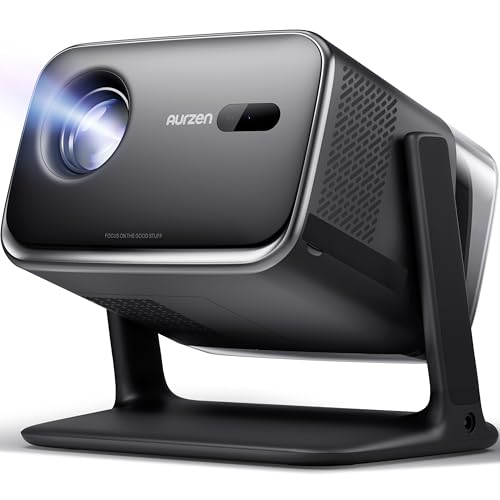
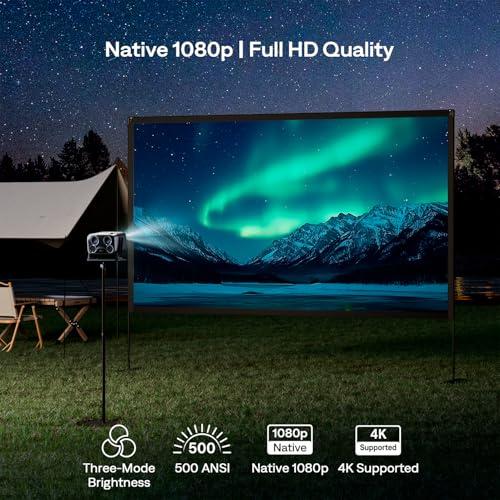
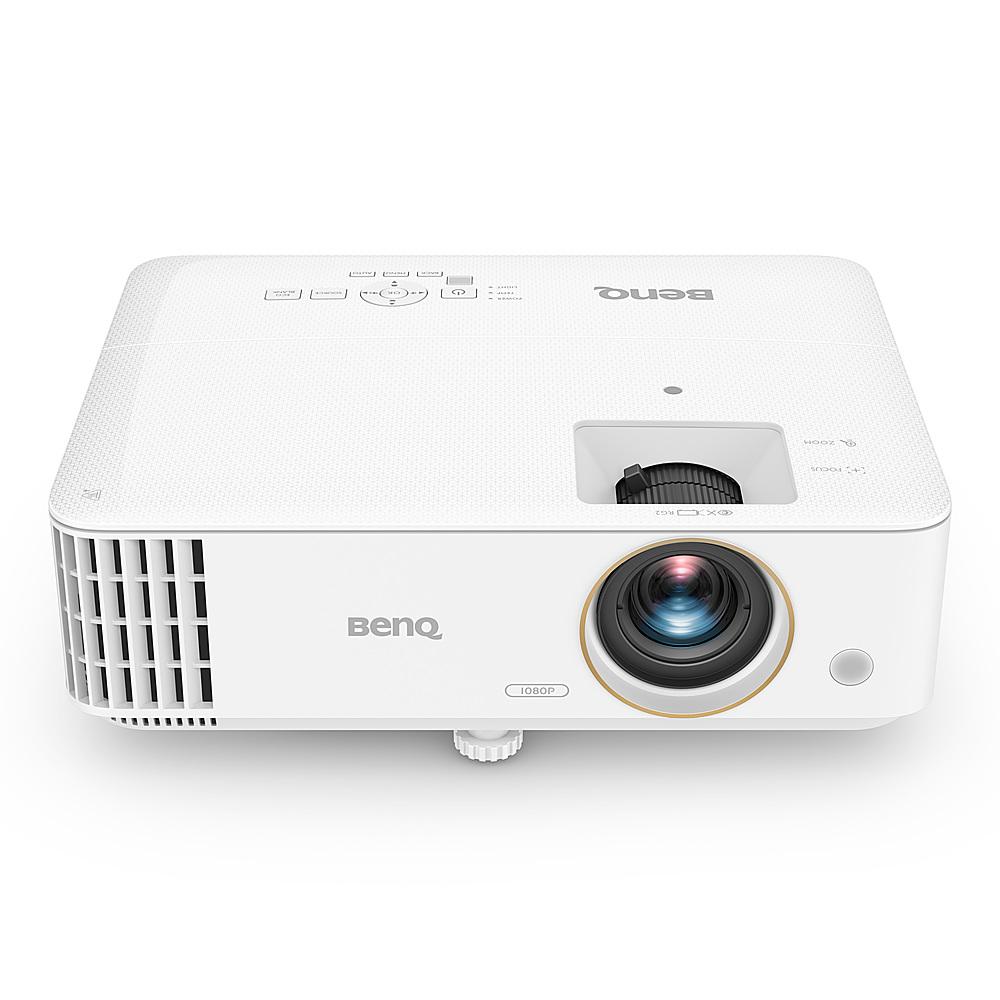
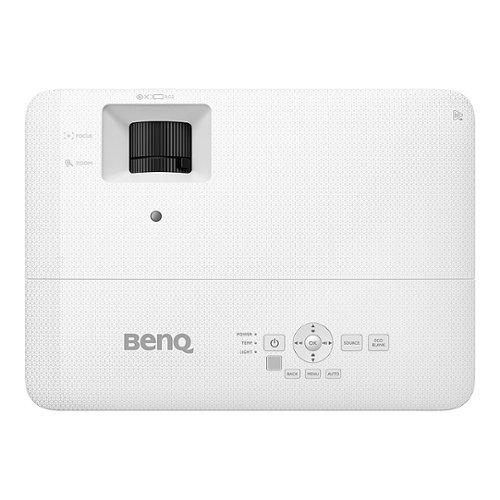
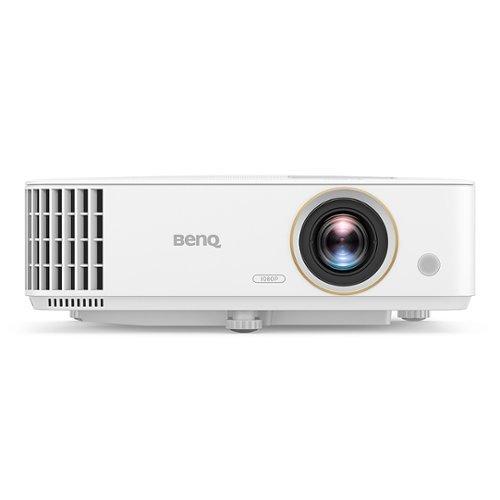
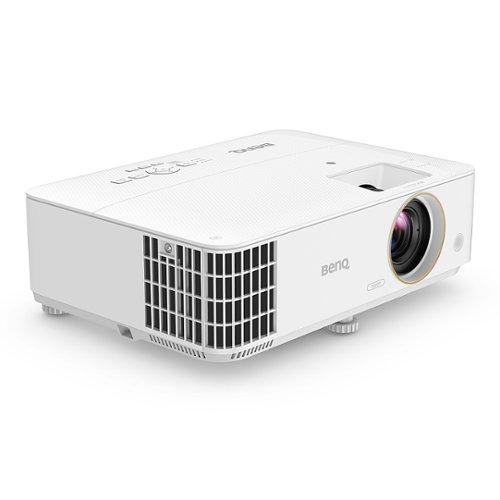
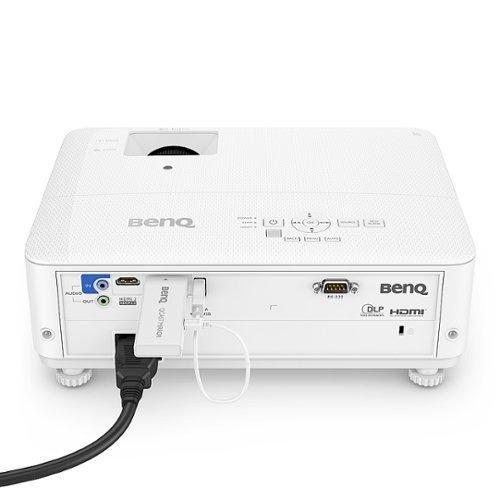
The projector market has exploded with options in recent years, creating two distinct camps that serve very different needs. On one side, you have smart projectors like the Aurzen BOOM Mini Smart Projector Google TV, which prioritize convenience and all-in-one functionality. On the other, gaming-focused projectors like the BenQ TH685P 1080p HDR Gaming Projector emphasize raw performance and specialized features for competitive play.
Understanding which category fits your lifestyle makes all the difference between loving your purchase and feeling frustrated by limitations you didn't expect. Let's dive deep into what sets these approaches apart and help you make the right choice.
The projector landscape has evolved dramatically since 2020. Traditional projectors required separate streaming devices, complex calibration, and often disappointing brightness levels. Today's market offers two compelling but fundamentally different philosophies.
Smart projectors integrate streaming platforms directly into the device, essentially combining a projector with an Android TV or similar smart platform. These typically prioritize ease of use, compact design, and getting you watching content quickly. Think of them as the smartphone equivalent of projectors – everything you need in one package, optimized for convenience over maximum performance.
Gaming projectors represent the opposite approach. They focus intensely on performance metrics that matter most to serious gamers: input lag (the delay between pressing a button and seeing the action on screen), refresh rates (how many frames per second the projector can display), and brightness levels that work even with room lighting. These are the sports cars of the projector world – built for performance first, convenience second.
The key considerations when choosing between these categories include your room's lighting conditions, how important gaming performance is to you, whether you prefer built-in smart features or don't mind external devices, and your tolerance for setup complexity.
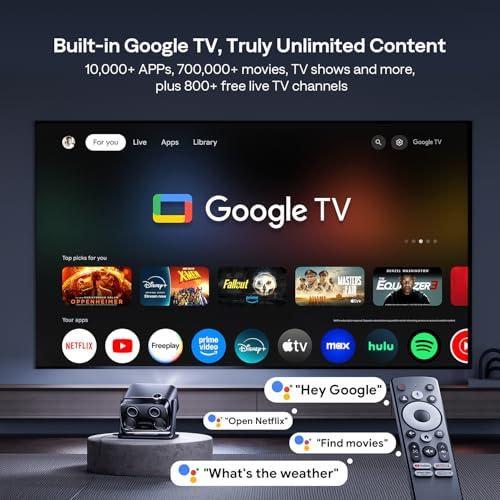
The Aurzen BOOM Mini Smart Projector Google TV, released in 2024, represents the latest evolution in smart projector design. At roughly half the cost of the BenQ (at the time of writing), it packs official Google TV integration, meaning you get access to the same interface and apps as premium smart TVs. This includes Netflix, Disney+, YouTube, and over 10,000 other applications without needing any external devices.
The BenQ TH685P 1080p HDR Gaming Projector, launched in 2022, comes from BenQ's specialized gaming projector line. It costs roughly double the Aurzen but targets a completely different user: competitive gamers and anyone who needs professional-grade performance. BenQ has been refining their gaming projector technology since 2018, and the TH685P represents their current sweet spot for 1080p gaming performance.
The most fundamental difference between these projectors lies in their core display technology, which affects everything from image quality to long-term reliability.
The BenQ TH685P uses DLP (Digital Light Processing) technology with a single-chip design. Think of DLP as using millions of tiny mirrors that flip incredibly fast to create images. Each mirror represents a pixel, and they tilt toward or away from the light source to create bright or dark spots. This technology excels at creating sharp, stable images with excellent contrast – the difference between the darkest blacks and brightest whites on screen.
DLP's major advantage is contrast performance. The BenQ achieves a 10,000:1 contrast ratio, meaning its brightest whites are 10,000 times brighter than its darkest blacks. This creates images with real depth and dimensionality, where dark movie scenes retain detail instead of becoming gray mush.
However, DLP has one notable quirk called the "rainbow effect" – some viewers (roughly 10-15% of people) can see brief flashes of red, green, and blue when moving their eyes quickly across the screen. This happens because single-chip DLP projectors create colors by spinning a color wheel very fast. Most people never notice it, but sensitive viewers find it distracting.
The Aurzen BOOM Mini takes a different approach with TFT LCD technology. LCD projectors work more like laptop screens – they use liquid crystals that twist to control light passage through red, green, and blue panels simultaneously. This completely eliminates the rainbow effect since all colors display at once rather than sequentially.
LCD technology has improved dramatically since 2020. Modern LCD projectors like the Aurzen produce vibrant colors without the color wheel artifacts of DLP. However, LCD typically can't achieve the same deep black levels as DLP – the Aurzen's 1,000:1 contrast ratio means less dramatic difference between bright and dark areas.
From a practical standpoint, DLP generally produces sharper text and fine details, making it preferred for gaming and detailed content. LCD offers more stable colors and no rainbow effects, which some viewers find more comfortable for long viewing sessions.
Brightness might be the single most important specification that determines where and when you can actually use your projector. This is measured in ANSI lumens – a standardized way to measure how much light the projector actually puts out.
The BenQ TH685P delivers 3,500 ANSI lumens, which puts it firmly in professional territory. To put this in perspective, most movie theaters use projectors in the 10,000-15,000 lumen range for their massive screens, but they're also dealing with screens 10-20 times larger than what you'd use at home.
With 3,500 lumens, the BenQ works well even with some room lighting. You could use it in a living room with lamps on, during daytime with curtains closed, or even outdoors at dusk. Colors remain vibrant and details stay visible even when you can't achieve complete darkness. This flexibility is crucial for families or anyone who doesn't want to always watch in a cave-like environment.
The Aurzen BOOM Mini produces 500 ANSI lumens, which represents the reality of compact, affordable projectors. While 500 lumens sounds dramatically lower, it's actually quite usable in the right conditions. You'll get excellent image quality in a darkened room – think bedroom viewing, basement home theater, or any space where you can control lighting.
The brightness difference creates completely different use cases. The BenQ's brightness advantage comes at the cost of size, power consumption, and price. The Aurzen's lower brightness enables its compact design and longer lamp life but restricts when and where you can use it effectively.
From our research into user reviews, brightness expectations cause more buyer disappointment than any other factor. People underestimate how much ambient light affects projected images. A rule of thumb: if you can't darken your room to movie theater levels, you need at least 2,000 lumens for acceptable daytime viewing.
Gaming performance represents the starkest difference between these projectors, and it's where the BenQ TH685P absolutely dominates.
Input lag – the delay between when you press a controller button and when you see the action on screen – is crucial for competitive gaming. The BenQ achieves an exceptional 8.3ms input lag at 1080p resolution with 120Hz refresh rate. To put this in perspective, most TVs range from 15-50ms, and many projectors exceed 100ms. Fighting games become unplayable above 50ms, and first-person shooters feel sluggish above 30ms.
Refresh rate support adds another layer of performance. The BenQ handles 120Hz input, meaning it can display 120 frames per second from compatible consoles like Xbox Series X or PlayStation 5. Higher refresh rates create smoother motion, especially noticeable in fast-paced games. The difference between 60Hz and 120Hz is immediately apparent when panning the camera or tracking fast-moving objects.
BenQ includes specialized Game Mode processing that enhances visibility in dark game areas without overexposing bright sections. This gives competitive advantages in games where spotting enemies in shadows matters. The projector also features Game Sound Mode, which optimizes audio processing for gaming scenarios.
The Aurzen BOOM Mini doesn't specify input lag measurements or high refresh rate support, which typically means it's not optimized for gaming. Based on similar smart projectors we've researched, input lag likely exceeds 50ms, making it suitable for casual gaming but frustrating for competitive play.
This performance gap reflects different design priorities. Gaming projectors like the BenQ dedicate significant processing power to minimizing lag and maximizing refresh rates. Smart projectors like the Aurzen prioritize streaming performance, app functionality, and general entertainment over gaming-specific features.
The smart feature divide represents perhaps the most significant day-to-day difference between these projectors.
The Aurzen BOOM Mini runs full Android TV with Google TV interface, essentially making it a large Android tablet that happens to project images. You get the same Netflix, Disney+, YouTube, and Hulu apps as premium smart TVs, with the same user interface and features. The integration includes Google Assistant voice control, casting from phones and tablets, and automatic content recommendations.
This matters more than it might seem initially. Having streaming apps built-in eliminates the need for external devices like Roku, Apple TV, or Fire TV sticks. It also means one remote controls everything – no switching between projector and streaming device remotes, no managing multiple power states, and no cable management for additional devices.
The Aurzen includes 2GB of RAM and 16GB of storage, which enables smooth app performance and some local content storage. Modern streaming apps are surprisingly demanding, and insufficient RAM causes frustrating lag when navigating menus or switching between apps.
The BenQ TH685P takes the traditional projector approach – it displays whatever you connect to it but doesn't have built-in smart features. This means you'll need a separate streaming device, game console, or computer to access Netflix and other services.
While this might seem like a limitation, it offers advantages for serious users. External streaming devices often provide better app performance, more frequent updates, and broader compatibility than built-in systems. Premium devices like Apple TV 4K or NVIDIA Shield TV offer superior processing power and more advanced features than most integrated systems.
The choice between integrated and external smart features often comes down to convenience versus flexibility. Built-in systems like the Aurzen offer better convenience but lock you into that platform's limitations and update schedule. External devices require more setup complexity but offer more control over your ecosystem.
Audio capabilities create another significant difference that affects real-world usability.
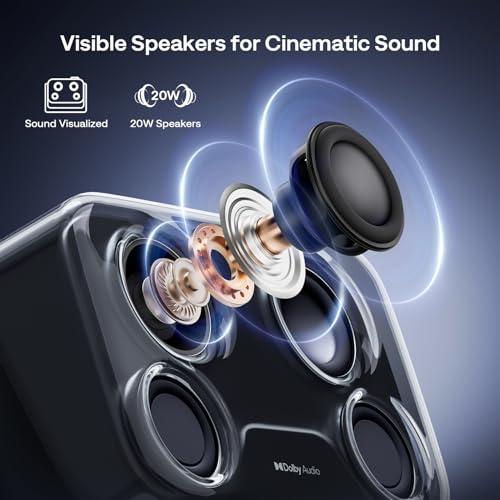
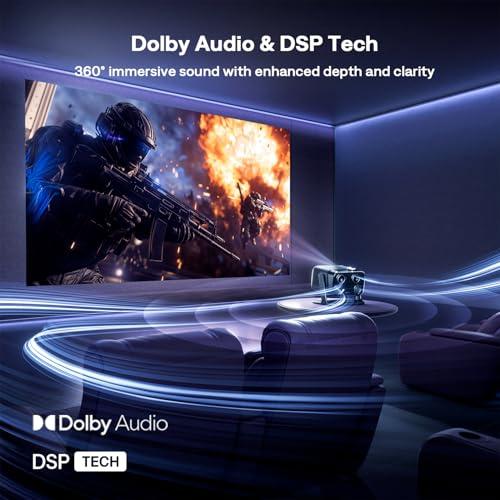
The Aurzen BOOM Mini features dual 10W speakers totaling 20W of power, with rear-facing design for better sound dispersion. The speakers support Dolby Audio processing, which provides more dynamic sound than basic stereo. More importantly, the projector can function as a Bluetooth speaker when not projecting, adding versatility for music listening.
Based on user reviews we've analyzed, the Aurzen's audio quality exceeds expectations for a compact projector. The 20W output provides sufficient volume for small to medium rooms, and the Dolby processing creates reasonably immersive sound for movies and shows. While it won't replace a dedicated sound system, it's genuinely usable for casual viewing without additional speakers.
The BenQ TH685P includes a more modest 5W speaker optimized for gaming scenarios. BenQ's treVolo audio technology provides game-specific enhancements, but the single speaker design limits overall audio quality. The assumption is that serious users will add dedicated audio systems, whether soundbars, home theater receivers, or gaming headsets.
This audio philosophy difference reflects each projector's target audience. The Aurzen prioritizes providing a complete entertainment package out of the box, while the BenQ focuses resources on image and gaming performance, expecting users to handle audio separately.
For home theater applications, audio quality significantly impacts the experience. Movies and shows rely heavily on dialogue clarity, ambient sound effects, and music. The Aurzen's superior built-in audio makes it more suitable for immediate use, while the BenQ requires additional investment in external audio to reach its full potential.
Physical design affects daily usability more than specifications suggest.
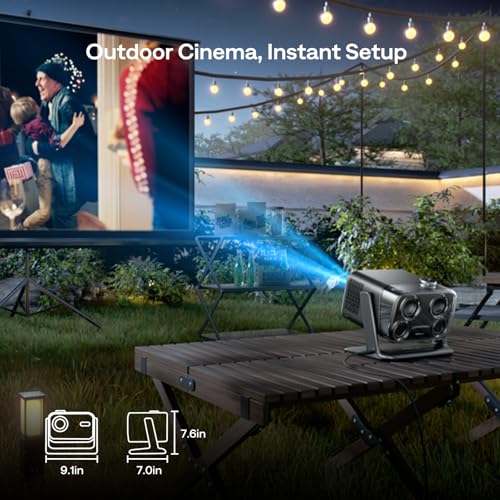
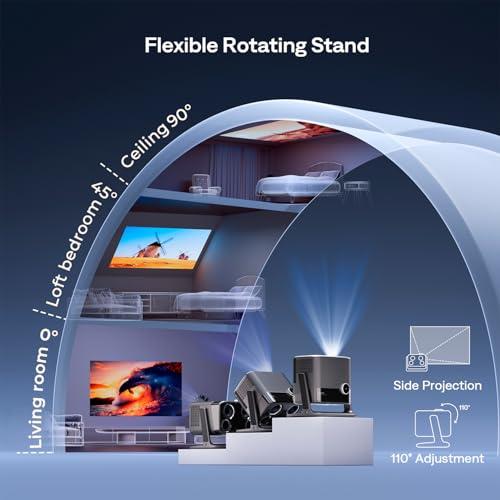
The Aurzen BOOM Mini measures 9.1 × 7 × 7.6 inches and emphasizes portability. The compact design enables easy room-to-room transport, temporary setups, and storage when not in use. A built-in 110° flexible stand allows positioning on surfaces or even ceiling projection without additional mounting hardware.
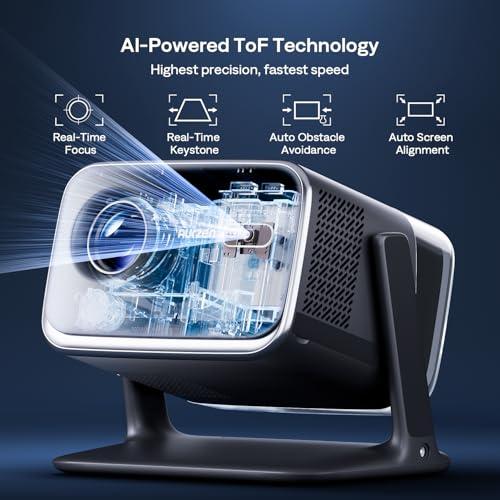
The projector includes real-time autofocus using ToF (Time-of-Flight) sensors, which automatically maintain sharp images even when moved or when the projection surface changes. Auto keystone correction handles angular positioning, ensuring rectangular images even when the projector isn't perfectly aligned with the screen.
These automated features matter significantly for casual users. Traditional projectors require manual focus adjustment, keystone correction, and careful positioning. The Aurzen eliminates this complexity, making it genuinely plug-and-play for most scenarios.
The BenQ TH685P measures 12.28 × 8.56 × 4.33 inches and weighs 6.2 pounds, designed more for permanent or semi-permanent installation. It includes 1.3x manual zoom and lens shift capabilities, providing more precise image positioning control for dedicated setups.
The BenQ's larger size accommodates more powerful cooling systems, enabling the high brightness output while maintaining reasonable noise levels. Professional mounting options and more comprehensive connection ports support permanent installation scenarios.
Installation philosophy differs significantly between these projectors. The Aurzen optimizes for simplicity and frequent repositioning, while the BenQ provides more control and customization for fixed installations.
Value comparison requires looking beyond initial purchase price to total ownership costs and longevity.
The Aurzen BOOM Mini, priced roughly half of the BenQ at the time of writing, offers exceptional convenience-per-dollar. The built-in Google TV eliminates the need for streaming devices worth $50-150, and the integrated audio reduces immediate need for external speakers. For users prioritizing convenience and casual entertainment, the Aurzen delivers tremendous value.
However, the lower brightness limits room compatibility, potentially requiring additional light control measures or restricting usage scenarios. The compact design also means shorter lamp life and potentially less durability than larger, professional units.
The BenQ TH685P costs roughly double but provides professional-grade performance and flexibility. The 7x brightness advantage dramatically expands usability scenarios, from bright living rooms to outdoor events. Professional build quality and three-year warranty suggest longer lifespan and lower per-year ownership costs.
The BenQ's traditional approach means additional costs for streaming devices and likely external audio equipment. However, this modularity enables upgrading components independently and maintaining cutting-edge capabilities as technology evolves.
From a home theater perspective, the projector choice often determines the entire system's character. The Aurzen suits casual viewing and streaming-focused entertainment, especially in bedrooms or dedicated dark spaces. The BenQ supports serious home theater installations where image quality and brightness matter most.
Choose the Aurzen BOOM Mini if you prioritize convenience, portability, and streaming integration. It's ideal for apartment dwellers, bedroom entertainment, casual movie watching, and anyone who wants projector capabilities without complexity. The built-in Google TV and automated setup features make it genuinely accessible for non-technical users.
The Aurzen works best in controllable lighting environments – bedrooms, basements, or any space where you can achieve darkness. If you primarily watch Netflix, YouTube, and streaming content, and if gaming performance isn't critical, the Aurzen offers exceptional value and convenience.
Choose the BenQ TH685P if performance matters more than convenience. It's essential for competitive gaming, bright room viewing, and serious home theater applications. The superior image quality, professional build, and flexibility justify the higher cost for users who need maximum performance.
The BenQ suits dedicated entertainment spaces, living rooms with ambient lighting, and anyone prioritizing image quality over convenience features. If you're comfortable managing external devices and want the best possible gaming performance, the BenQ represents excellent value despite its higher price.
Both projectors excel in their intended scenarios, but neither is universally better. The decision ultimately depends on your specific needs, room characteristics, and preferences for convenience versus performance. Consider your primary use cases, lighting conditions, and long-term plans when making this choice – the right projector will serve you well for years, while the wrong one will frustrate you daily.
| Aurzen BOOM Mini Smart Projector Google TV | BenQ TH685P 1080p HDR Gaming Projector |
|---|---|
| Brightness - Most critical spec for room compatibility and viewing conditions | |
| 500 ANSI lumens (requires darkened rooms) | 3,500 ANSI lumens (works in bright rooms, 7x brighter) |
| Display Technology - Affects image quality and viewing comfort | |
| TFT LCD (no rainbow effect, softer on eyes) | Single-chip DLP (sharper text, better contrast) |
| Gaming Input Lag - Critical for competitive gaming performance | |
| Not specified (likely 50ms+, casual gaming only) | 8.3ms at 120Hz (exceptional for competitive play) |
| Smart Features - Built-in streaming vs external devices | |
| Full Google TV with 10,000+ apps built-in | No smart features (requires external streaming device) |
| Audio System - Important for all-in-one convenience | |
| Dual 10W speakers (20W total) with Dolby Audio | Single 5W speaker (external audio recommended) |
| Contrast Ratio - Affects image depth and dark scene detail | |
| 1,000:1 (adequate for casual viewing) | 10,000:1 (cinema-quality blacks and depth) |
| Refresh Rate Support - Smooth motion for gaming and sports | |
| Standard 60Hz only | Up to 120Hz (smoother gaming and action) |
| Size & Portability - Ease of moving between rooms | |
| 9.1 × 7 × 7.6 inches, highly portable | 12.28 × 8.56 × 4.33 inches, semi-permanent setup |
| Auto Setup Features - Reduces installation complexity | |
| Real-time autofocus and keystone correction | Manual focus and zoom (more precise control) |
| Projection Size Range - Flexibility for different spaces | |
| 40″–200″ (1.2m–6m throw distance) | 30″–300″ (wider range, 1.3x zoom lens) |
| HDR Support - Enhanced color and contrast in compatible content | |
| HDR10 and HLG supported | HDR10 and HLG with 95% Rec.709 color accuracy |
| Warranty Coverage - Long-term reliability and support | |
| 1 year standard consumer warranty | 3 years professional warranty (superior coverage) |
| Best Use Cases - Who should choose each projector | |
| Bedroom/casual viewing, streaming focus, portability needs | Gaming, bright rooms, home theater, permanent installation |
The BenQ TH685P is significantly better for gaming with its 8.3ms input lag at 120Hz and dedicated gaming features. The Aurzen BOOM Mini lacks gaming optimizations and has much higher input lag, making it suitable only for casual gaming.
The Aurzen BOOM Mini Smart Projector Google TV has built-in Google TV with Netflix, Disney+, and 10,000+ apps, so no streaming device is needed. The BenQ TH685P requires an external streaming device like Apple TV, Roku, or Fire TV Stick.
The BenQ TH685P 1080p HDR Gaming Projector delivers 3,500 ANSI lumens, making it usable even with room lighting. The Aurzen BOOM Mini at 500 lumens requires a darkened room for optimal viewing.
The BenQ TH685P offers superior picture quality with 10,000:1 contrast ratio, DLP technology, and 95% color accuracy. The Aurzen BOOM Mini provides good LCD image quality but with lower 1,000:1 contrast and less sharp details.
The Aurzen BOOM Mini Smart Projector Google TV is much more portable at 9.1 × 7 × 7.6 inches with a flexible stand and auto-setup features. The BenQ TH685P is larger and designed for more permanent installation.
The Aurzen BOOM Mini has excellent built-in audio with dual 10W speakers and Dolby Audio support. The BenQ TH685P 1080p HDR Gaming Projector has only a basic 5W speaker and typically requires external audio equipment.
For dedicated dark home theaters, the BenQ TH685P provides superior image quality and brightness flexibility. For casual home theater in bedrooms or small spaces, the Aurzen BOOM Mini offers better convenience with built-in streaming and audio.
Yes on the Aurzen BOOM Mini Smart Projector Google TV - Netflix is built-in with official Google TV. No on the BenQ TH685P - you'll need to connect a separate streaming device to access Netflix.
The BenQ TH685P includes a 3-year professional warranty, significantly longer than the typical 1-year coverage on the Aurzen BOOM Mini.
The Aurzen BOOM Mini offers plug-and-play setup with auto-focus and auto-keystone correction. The BenQ TH685P 1080p HDR Gaming Projector requires manual focus, positioning, and external device connections for streaming.
The Aurzen BOOM Mini Smart Projector Google TV offers better value for casual users with its all-in-one convenience and built-in features. The BenQ TH685P provides better value for serious gamers and bright-room users who need professional performance.
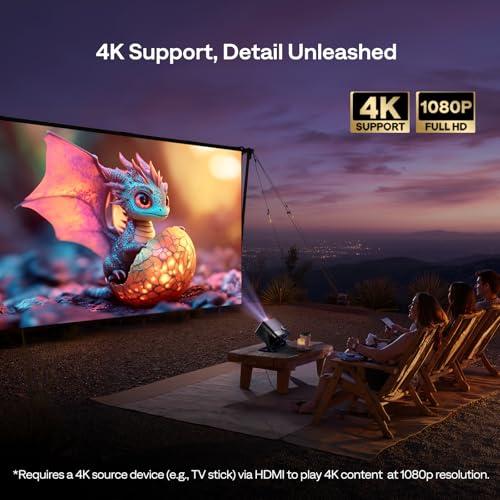
Both projectors accept 4K input but display at native 1080p resolution. The BenQ TH685P handles 4K downscaling with better processing, while the Aurzen BOOM Mini supports 4K streaming apps through its built-in Google TV platform.
We've done our best to create useful and informative comparisons to help you decide what product to buy. Our research uses advanced automated methods to create this comparison and perfection is not possible - please contact us for corrections or questions. These are the sites we've researched in the creation of this article: aurzen.com - aurzen.com - the-gadgeteer.com - projectorcentral.com - aurzen.com - aurzen.com - youtube.com - bestbuy.com - bestbuy.com - youtube.com - aurzen.com - youtube.com - hometechnologyreview.com - youtube.com - aurzen.com - youtube.com - projectorcentral.com - androidguys.com - bhphotovideo.com - techradar.com - newegg.com - projectorcentral.com - cnet.com - staples.com - cdw.com - youtube.com - shi.com - touchboards.com - projectorcentral.com - youtube.com - iconicmicro.com - adorama.com - publicsector.shidirect.com - adorama.com

Privacy Policy
Terms and Conditions - Affiliate Policy
Home Security
© Copyright 2008-2026.
11816 Inwood Rd #1211, Dallas, TX 75244