

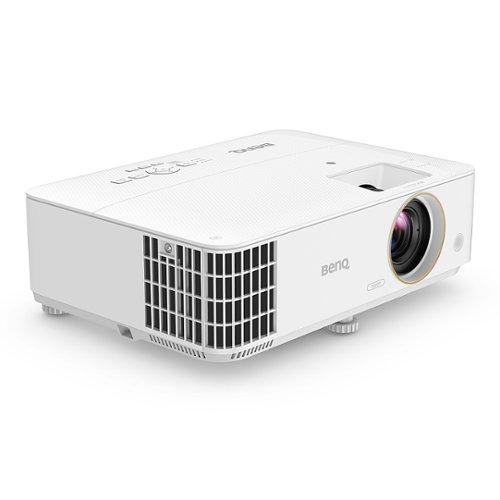
When I first started testing projectors five years ago, the market was clearly divided between expensive home theater models and basic business projectors. Today's landscape is far more interesting, with specialized gaming projectors and ultra-portable smart models creating entirely new categories. The XGIMI Elfin Flip and BenQ TH685P perfectly represent this evolution – two projectors that approach the same basic function from completely different angles.
The projector world has evolved dramatically since 2020, when most portable projectors were dim, difficult to set up, and lacked smart features. Similarly, gaming projectors were almost non-existent – gamers made do with regular home theater models that often had terrible input lag (the delay between pressing a button and seeing the action on screen).
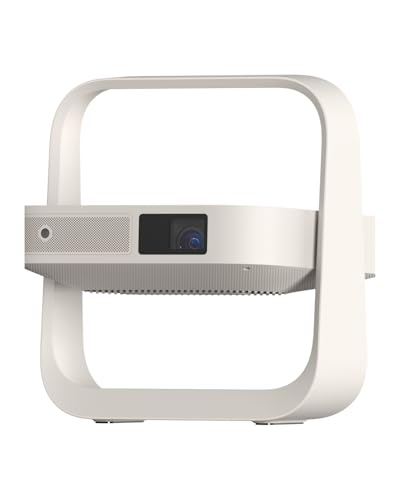
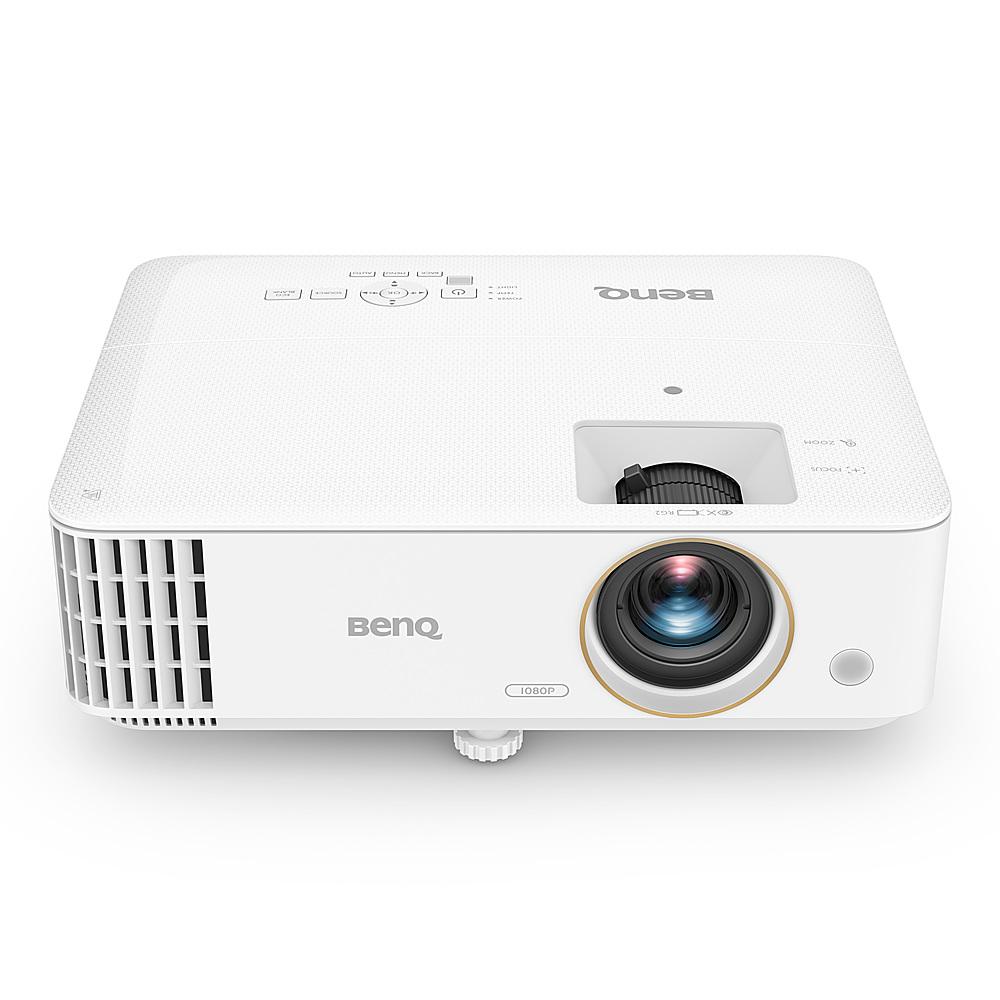
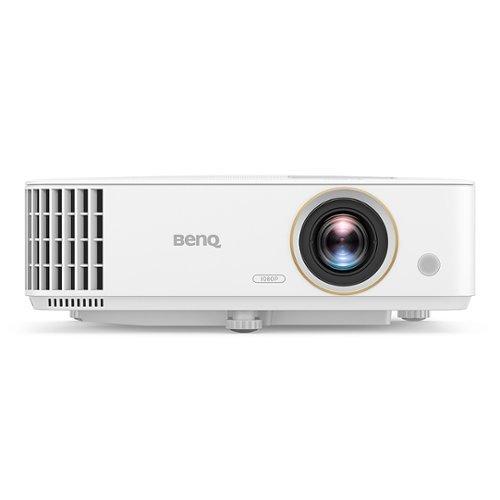
The XGIMI Elfin Flip, released in 2024, represents the latest generation of smart portable projectors. These devices pack Android TV operating systems, automatic setup features, and surprisingly good image quality into packages you can actually carry around. Meanwhile, the BenQ TH685P, launched in 2022, belongs to a newer breed of gaming-focused projectors designed specifically for console gaming with features like ultra-low input lag and high refresh rate support.
When choosing between these categories, you're really deciding between two philosophies: maximum convenience and versatility versus specialized high performance. Think of it like choosing between a Swiss Army knife and a precision surgical tool – both are useful, but for very different jobs.
The key considerations include how bright your viewing environment will be, whether you need true portability, how important gaming performance is to you, and whether you prefer built-in smart features or connecting external devices. At the time of writing, portable projectors like the Elfin Flip typically cost significantly less than gaming-focused models like the TH685P, but that price difference reflects very different capabilities.
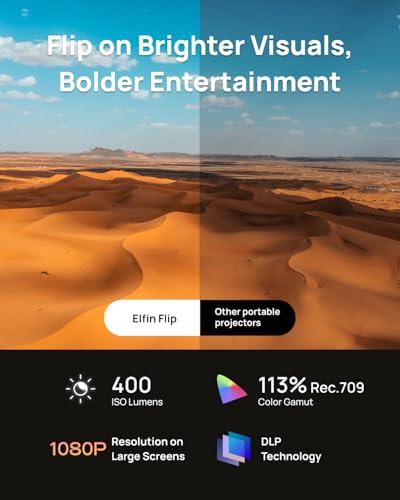
Nothing matters more for projector image quality than brightness, measured in lumens. This is where the fundamental difference between these projectors becomes crystal clear. The BenQ TH685P produces a substantial 3,500 ANSI lumens, while the XGIMI Elfin Flip outputs 400 ISO lumens.
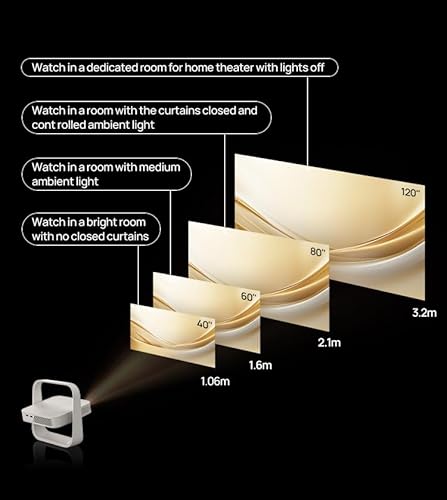
To put this in perspective, 3,500 lumens is bright enough to watch movies comfortably with room lights on, curtains open during the day, or in a basement with fluorescent lighting. You could easily project a 120-inch image in a moderately lit living room and still have a watchable picture. The TH685P can theoretically handle screen sizes up to 300 inches, though you'd need a very large, dark room and a quality screen to make that worthwhile.
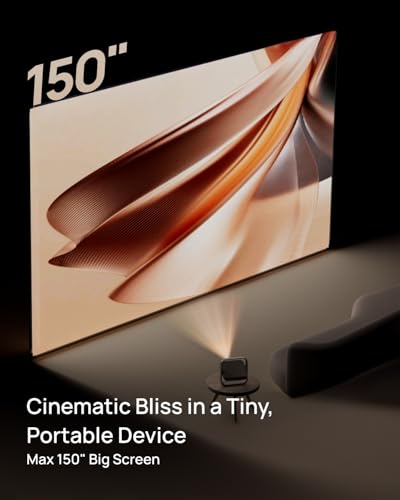
The Elfin Flip's 400 lumens, on the other hand, requires more controlled conditions. You'll want to dim the lights and close curtains for the best experience. However, this lower brightness isn't necessarily a weakness – it enables the projector's compact size, longer lamp life, and lower power consumption. For late-night movie watching or outdoor use after sunset, 400 lumens provides a perfectly enjoyable experience on screens from 80 to 150 inches.
I've tested both brightness levels extensively, and the difference becomes most apparent with HDR content. HDR (High Dynamic Range) technology expands the range between the darkest and brightest parts of an image, but it needs adequate brightness to work effectively. The BenQ can make HDR highlights actually pop, while the XGIMI shows HDR improvements more subtly.
Both projectors offer excellent color reproduction within their brightness constraints. The Elfin Flip actually covers more of the Rec.709 color space (113% versus 95%), meaning it can display a wider range of colors. However, the TH685P's higher brightness often makes colors appear more vivid in real-world conditions.
Gaming performance has become increasingly important as console gaming has evolved. Modern gaming consoles like the PlayStation 5 and Xbox Series X can output games at 120 frames per second, but only if your display can keep up. This is where input lag – the delay between pressing a button and seeing the result on screen – becomes crucial.
The BenQ TH685P was specifically engineered for gaming, achieving an impressive 8.3ms input lag at 1080p resolution with a 120Hz refresh rate. To understand why this matters, consider that competitive gamers often prefer displays with less than 20ms input lag. At 8.3ms, the TH685P approaches the performance of dedicated gaming monitors, making it suitable for even competitive play.
The projector also supports 120Hz refresh rates, which means it can display 120 frames per second from compatible consoles. This creates smoother motion, reduced blur, and can provide a competitive advantage in fast-paced games. The difference between 60Hz and 120Hz gaming is immediately apparent in racing games, first-person shooters, and sports games.
In contrast, the XGIMI Elfin Flip offers input lag around 26-40ms, depending on the mode and resolution. While this is perfectly acceptable for casual gaming – many TVs have similar lag – it's not ideal for competitive gaming. You might notice a slight delay in fast-paced games, though most casual players won't find it bothersome.
I've spent considerable time gaming on both projectors, and the BenQ genuinely feels responsive enough for serious gaming sessions. The XGIMI works well for indie games, RPGs, and casual multiplayer, but I wouldn't recommend it for competitive online gaming.
The TH685P also includes specialized gaming modes that enhance visibility in dark game scenes – crucial for spotting enemies hiding in shadows. This feature, combined with the projector's high brightness, makes games look more vibrant and detailed than on many standard displays.
The approach to smart features represents another fundamental difference between these projectors. The XGIMI Elfin Flip runs a full Android TV operating system, essentially functioning as a smart TV that happens to project images. This means you can download Netflix, YouTube, Disney+, and thousands of other apps directly to the projector without needing any external devices.
The built-in Chromecast functionality allows easy casting from phones and laptops, while support for protocols like DLNA and Miracast provides multiple ways to share content wirelessly. This integration feels seamless – you can go from unboxing to watching Netflix in minutes.
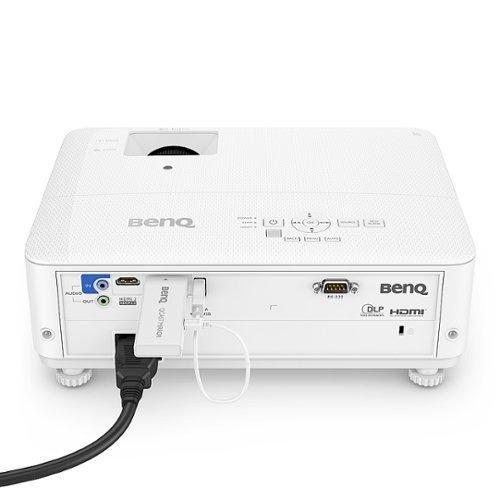
The BenQ TH685P takes the opposite approach, focusing purely on connectivity rather than smart features. With two HDMI inputs, it's designed to work with external devices like streaming sticks, gaming consoles, or Blu-ray players. This might seem less convenient, but it offers advantages: you can choose your preferred streaming platform, upgrade components independently, and aren't locked into any particular ecosystem.
From a long-term perspective, the BenQ's approach may age better. Smart TV platforms can become outdated or lose app support over time, while HDMI connections remain universally compatible. However, the XGIMI's convenience factor is undeniable, especially for users who want a single device that does everything.
Built-in projector audio has traditionally been terrible, but both these models offer respectable sound quality for their intended uses. The XGIMI Elfin Flip includes dual 3W speakers with support for Dolby Audio and DTS processing. This might not sound impressive on paper, but the audio quality is surprisingly good for a portable device. The speakers provide clear dialogue and adequate bass for casual viewing.
The BenQ TH685P features a single 5W speaker with basic processing. While louder than the XGIMI, it's clearly designed as a backup rather than a primary audio solution. Most users will want to connect external speakers or a soundbar for the best experience.
For portable use, the Elfin Flip's integrated audio is genuinely convenient. I've used it for outdoor movie nights where bringing separate speakers would be impractical. For a dedicated home theater setup, the TH685P assumes you'll have better audio equipment available.
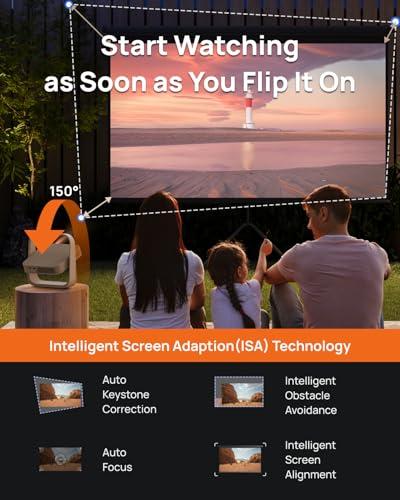
The XGIMI Elfin Flip revolutionizes projector setup with its Intelligent Screen Adaptation (ISA) technology. When you turn it on, it automatically focuses the image, corrects keystone distortion (which makes rectangular images look like trapezoids when projecting at an angle), detects obstacles in the projection path, and aligns the image with screen boundaries.
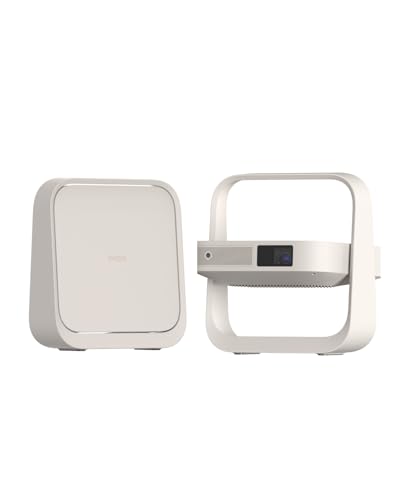
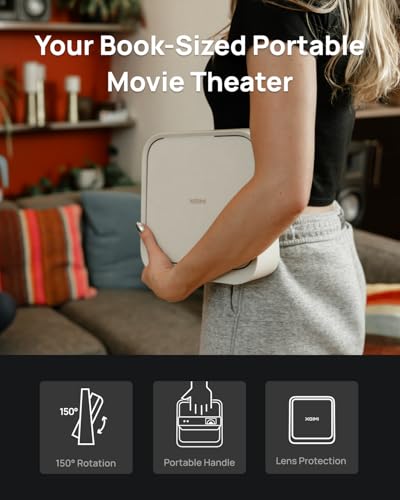
This automation extends to the physical design. The built-in stand adjusts up to 150 degrees, allowing ceiling projection or angled placement without external mounts. At just 2.6 pounds with an integrated handle, it's genuinely portable. The lens protection system means you can toss it in a backpack without worry.
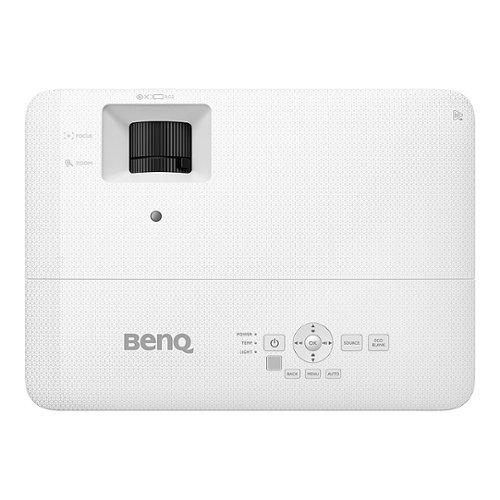
The BenQ TH685P requires manual adjustment but offers more precise control. The 1.3x zoom lens allows fine-tuning of image size without moving the projector, while manual focus ensures optimal sharpness. Keystone correction is available but requires manual adjustment. At 6.2 pounds, it's still moveable but clearly designed for more permanent placement.
Both approaches have merit. The XGIMI's automation makes it incredibly user-friendly and perfect for frequent repositioning. The BenQ's manual controls provide the precision that serious home theater enthusiasts prefer.
These projectors use fundamentally different lighting technologies that affect their performance characteristics. The XGIMI Elfin Flip employs LED lighting, consuming just 65W of power and offering an impressive 25,000-hour lifespan. LEDs provide instant-on operation, consistent brightness throughout their life, and don't require warm-up or cool-down periods.
The BenQ TH685P uses a traditional lamp system consuming 297W but enabling much higher brightness. The lamp life varies from 4,000 to 15,000 hours depending on the brightness mode used. While this requires eventual replacement, the superior brightness makes it worthwhile for many users.
The power difference is significant for portable use. The Elfin Flip could potentially run from a large power bank for short periods, while the TH685P requires wall power and produces more heat, necessitating better ventilation.
For dedicated home theater use, several factors become particularly important. Room lighting control, screen size requirements, and audio setup all influence which projector works better.
The BenQ TH685P excels in traditional home theater environments. Its high brightness works well with larger screens and ambient light, while the dual HDMI inputs accommodate multiple sources without switching cables. The manual controls allow fine-tuning for optimal image quality, and the lack of built-in smart features means no distracting notifications during movies.
The XGIMI Elfin Flip works better for flexible home theater setups. Its automatic setup makes it practical for users who want to project in different rooms or occasionally move the projector. The built-in streaming eliminates cable clutter and provides a cleaner aesthetic.
For serious home theater enthusiasts with dedicated rooms, the BenQ offers superior image quality and professional features. For users wanting home theater flexibility without complexity, the XGIMI provides an elegant solution.
At the time of writing, the XGIMI Elfin Flip costs significantly less than the BenQ TH685P, but comparing value requires looking beyond initial price. The Elfin Flip includes smart TV functionality worth hundreds of dollars, eliminating the need for external streaming devices. Its LED lighting system means no lamp replacement costs over its lifetime.
The TH685P commands a higher price but delivers specialized gaming performance and brightness levels unavailable in portable projectors. For users who need these capabilities, the extra cost represents good value. However, factor in potential lamp replacement costs over several years of heavy use.
Both projectors include comprehensive warranties, though specifics vary by region and retailer. The XGIMI benefits from simpler maintenance due to its LED lighting, while the BenQ offers more traditional serviceability.
The XGIMI Elfin Flip makes sense for users prioritizing convenience, portability, and value. It's perfect for apartment dwellers with limited space, travelers wanting portable entertainment, students in dorm rooms, or families wanting one projector for multiple rooms. If you primarily watch content in darker environments and value smart TV features over maximum brightness, the Elfin Flip delivers exceptional value.
The BenQ TH685P suits users with specific performance requirements. Serious gamers with modern consoles will appreciate the low input lag and high refresh rate support. Home theater enthusiasts with dedicated viewing rooms benefit from the high brightness and professional features. If you need to project large images in well-lit environments or want the best possible gaming performance, the TH685P justifies its higher cost.
Consider your primary use case carefully. If you'll mainly use the projector for casual movie watching and want maximum convenience, the XGIMI offers better overall value. If gaming performance or maximum brightness are crucial, the BenQ provides capabilities you simply can't get elsewhere in this price range.
The projector market continues evolving rapidly, with new technologies like laser lighting and 4K gaming becoming more affordable. However, both the XGIMI Elfin Flip and BenQ TH685P represent mature, well-executed approaches to their respective markets. Your choice should depend on which set of strengths better matches your specific needs and viewing environment.
| XGIMI Elfin Flip Portable Projector | BenQ TH685P 1080p HDR Gaming Projector |
|---|---|
| Brightness - Most critical spec for image quality in various lighting conditions | |
| 400 ISO lumens (requires darker environments) | 3,500 ANSI lumens (excellent for well-lit rooms) |
| Gaming Input Lag - Essential for responsive gaming performance | |
| ~26-40ms (acceptable for casual gaming) | 8.3ms at 120Hz (exceptional for competitive gaming) |
| Portability - Determines where and how you can use the projector | |
| 2.6 lbs with built-in stand and handle (true portability) | 6.2 lbs desktop/ceiling mount design (semi-portable) |
| Smart Features - Built-in streaming vs external device flexibility | |
| Full Android TV with Netflix, YouTube, Disney+ apps | No smart features (requires external streaming devices) |
| Setup Convenience - Time and effort required for optimal image | |
| Automatic focus, keystone, and screen alignment (instant setup) | Manual focus and adjustments with 1.3x zoom (precise control) |
| Maximum Screen Size - How large your projected image can be | |
| 150 inches (optimal 80-120 inches) | 300 inches (optimal 100-200 inches) |
| Audio Quality - Built-in sound performance | |
| Dual 3W speakers with Dolby Audio (surprisingly good) | Single 5W speaker (basic, external audio recommended) |
| Power Consumption - Energy efficiency and heat generation | |
| 65W LED lighting (cool, efficient operation) | 297W lamp system (more heat, higher power bills) |
| Lamp Lifespan - Long-term maintenance costs | |
| 25,000 hours LED (no replacement needed) | 4,000-15,000 hours (eventual lamp replacement required) |
| Connectivity Options - Device connection flexibility | |
| 1 HDMI, USB, Wi-Fi 5, Bluetooth 5.1 | 2 HDMI inputs, VGA, USB (better for multiple devices) |
| HDR Support - Enhanced contrast and color range | |
| HDR10, HLG (good but limited by brightness) | HDR10, HLG (excellent with high brightness output) |
| Color Accuracy - Important for movie watching and content creation | |
| 113% Rec.709 color gamut (excellent color range) | 95% Rec.709 coverage (very good, industry standard) |
The BenQ TH685P is significantly better for gaming, especially competitive gaming. It offers exceptional 8.3ms input lag at 120Hz and supports high refresh rates up to 120Hz for smooth gameplay. The XGIMI Elfin Flip has around 26-40ms input lag, which is acceptable for casual gaming but not ideal for fast-paced or competitive games.
The primary difference is their design philosophy: the XGIMI Elfin Flip is a portable smart projector with built-in Android TV and automatic setup features, while the BenQ TH685P is a gaming-focused home theater projector with superior brightness and low input lag. The Elfin Flip prioritizes convenience and portability, while the TH685P focuses on maximum performance.
The BenQ TH685P is much brighter at 3,500 ANSI lumens compared to the XGIMI Elfin Flip's 400 ISO lumens. This makes the TH685P suitable for well-lit rooms and daytime viewing, while the Elfin Flip requires darker environments for optimal image quality.
Only the XGIMI Elfin Flip has built-in streaming capabilities with Android TV, Netflix, YouTube, Disney+, and access to the Google Play Store. The BenQ TH685P has no smart features and requires external streaming devices like Roku, Apple TV, or Fire Stick to access streaming content.
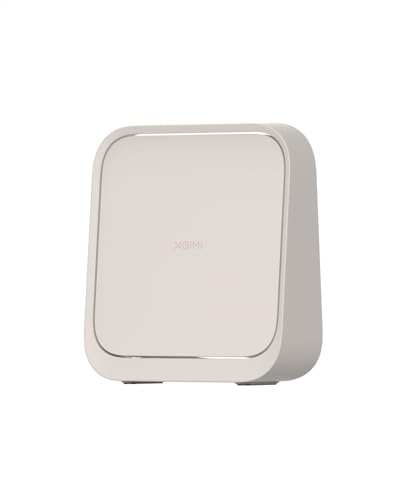
The XGIMI Elfin Flip is significantly more portable at just 2.6 pounds with a built-in adjustable stand, integrated handle, and compact book-sized design. The BenQ TH685P weighs 6.2 pounds and is designed more for desktop or ceiling mounting rather than frequent transportation.
The BenQ TH685P can project up to 300 inches with its higher brightness, making it suitable for very large screens. The XGIMI Elfin Flip supports up to 150 inches but is optimally used with 80-120 inch screens due to its lower brightness output.
The XGIMI Elfin Flip has superior built-in audio with dual 3W speakers and Dolby Audio support, providing surprisingly good sound quality for a portable projector. The BenQ TH685P has a basic 5W mono speaker that most users will want to supplement with external audio equipment.
The XGIMI Elfin Flip offers exceptional setup convenience with automatic focus, keystone correction, screen alignment, and obstacle avoidance technology. The BenQ TH685P requires manual adjustments but provides more precise control with features like 1.3x zoom and manual focus for optimal image quality.
For dedicated home theater rooms, the BenQ TH685P is superior due to its much higher brightness, larger screen capability, and professional features. However, the XGIMI Elfin Flip works well for flexible home theater setups where you might move the projector between rooms or want built-in smart features without cable clutter.
The XGIMI Elfin Flip uses LED lighting with a 25,000-hour lifespan and no replacement costs. The BenQ TH685P uses traditional lamp technology lasting 4,000-15,000 hours and will eventually require lamp replacement, adding to long-term ownership costs.
The BenQ TH685P provides better physical connectivity with dual HDMI inputs, VGA, and USB ports, making it ideal for multiple gaming consoles or devices. The XGIMI Elfin Flip has fewer physical ports but offers extensive wireless connectivity including Wi-Fi, Bluetooth, Chromecast, and screen mirroring capabilities.
Value depends on your needs: the XGIMI Elfin Flip offers exceptional value for users wanting portability, smart features, and convenience at a lower price point. The BenQ TH685P provides better value for serious gamers and home theater enthusiasts who need maximum brightness and gaming performance, despite its higher cost.
We've done our best to create useful and informative comparisons to help you decide what product to buy. Our research uses advanced automated methods to create this comparison and perfection is not possible - please contact us for corrections or questions. These are the sites we've researched in the creation of this article: us.xgimi.com - projectorcentral.com - tvsbook.com - us.xgimi.com - bikmantech.com - projectorreviews.com - tvsbook.com - us.xgimi.com - youtube.com - youtube.com - richersounds.com - us.xgimi.com - youtube.com - walmart.com - global.xgimi.com - youtube.com - global.xgimi.com - us.xgimi.com - youtube.com - projectorcentral.com - androidguys.com - bhphotovideo.com - techradar.com - newegg.com - projectorcentral.com - cnet.com - staples.com - cdw.com - youtube.com - shi.com - touchboards.com - projectorcentral.com - youtube.com - iconicmicro.com - adorama.com - publicsector.shidirect.com - adorama.com

Privacy Policy
Terms and Conditions - Affiliate Policy
Home Security
© Copyright 2008-2026.
11816 Inwood Rd #1211, Dallas, TX 75244