

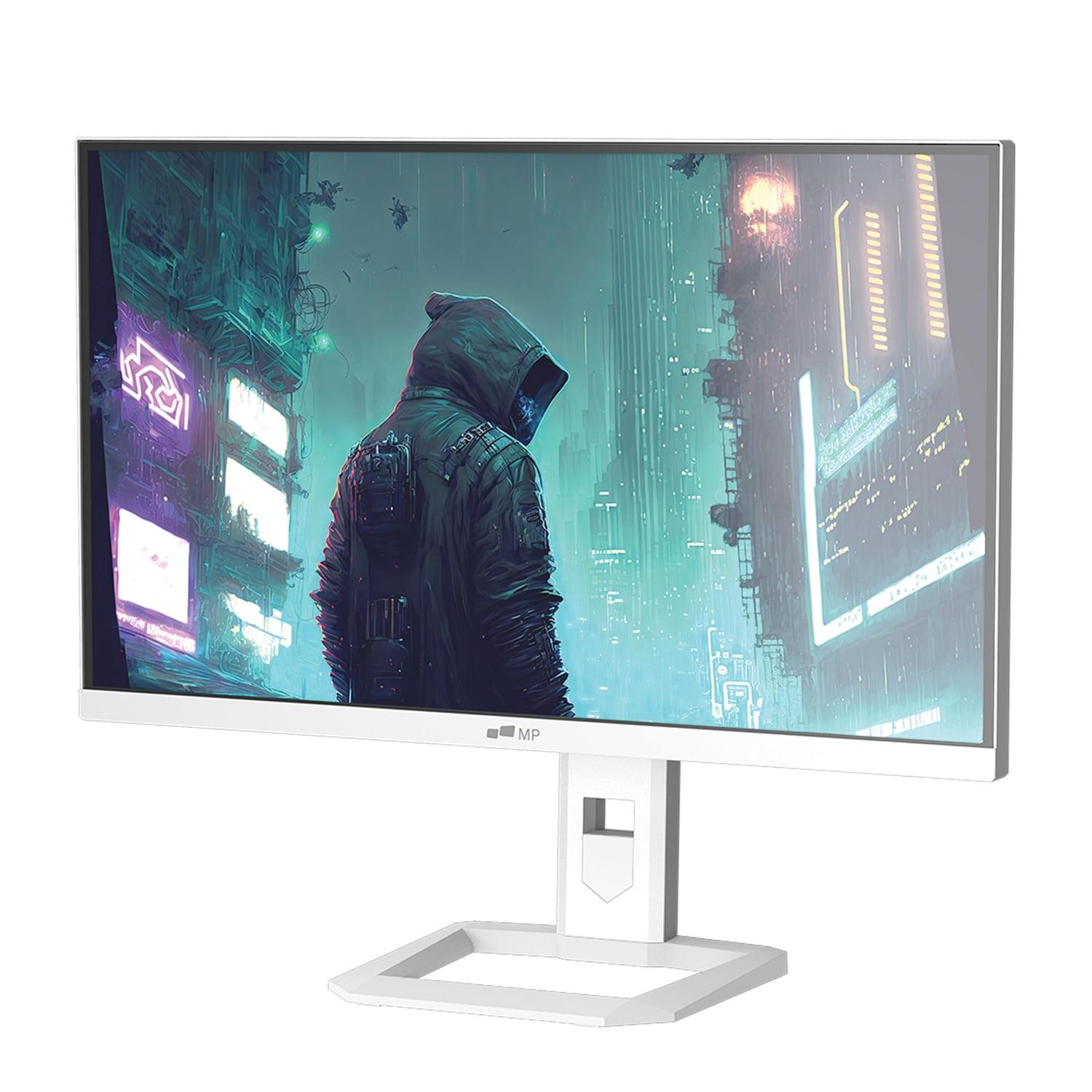
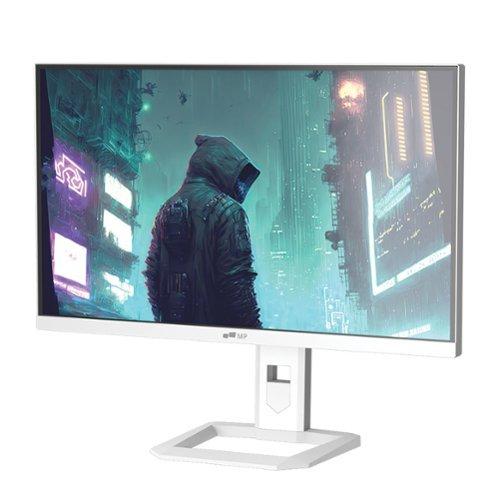
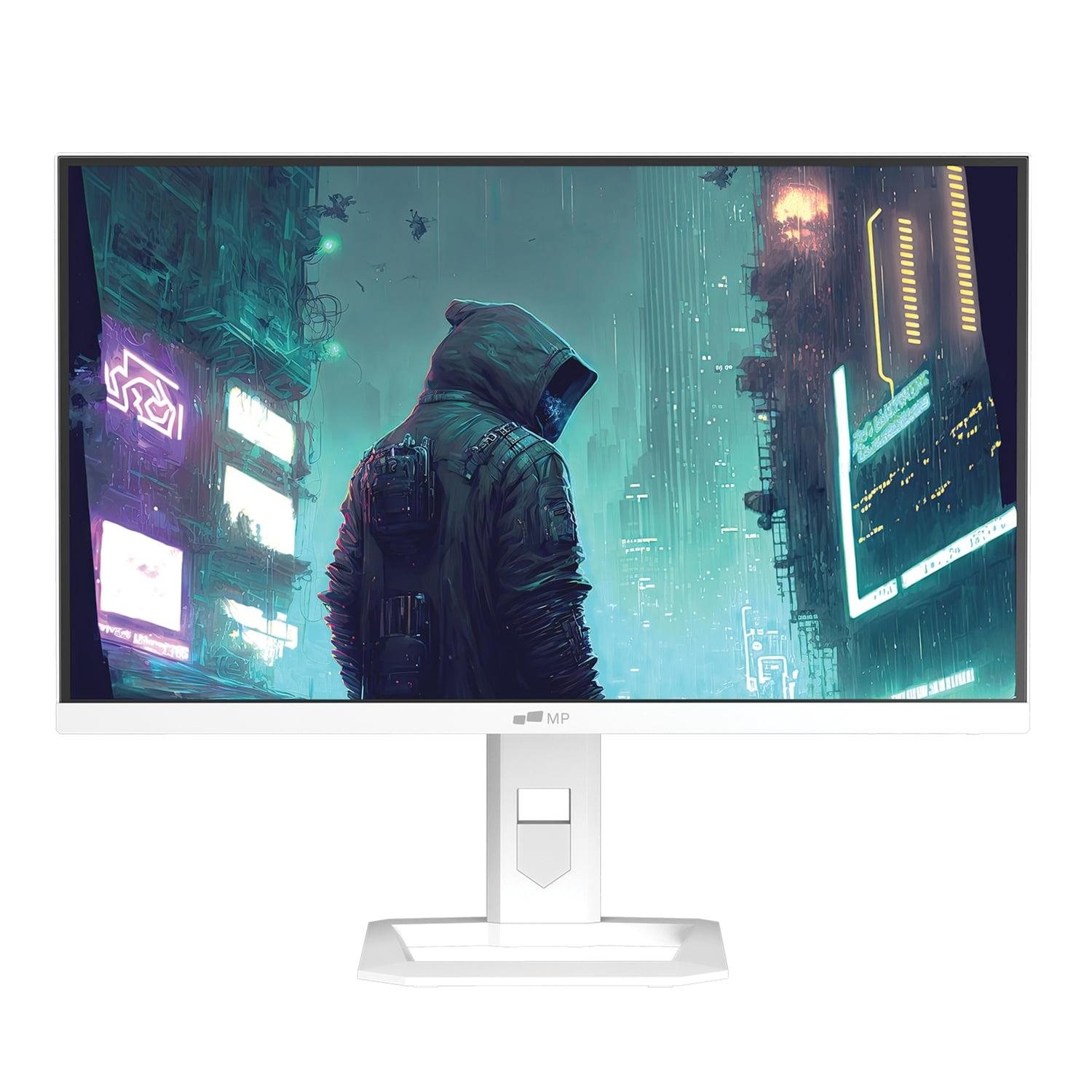
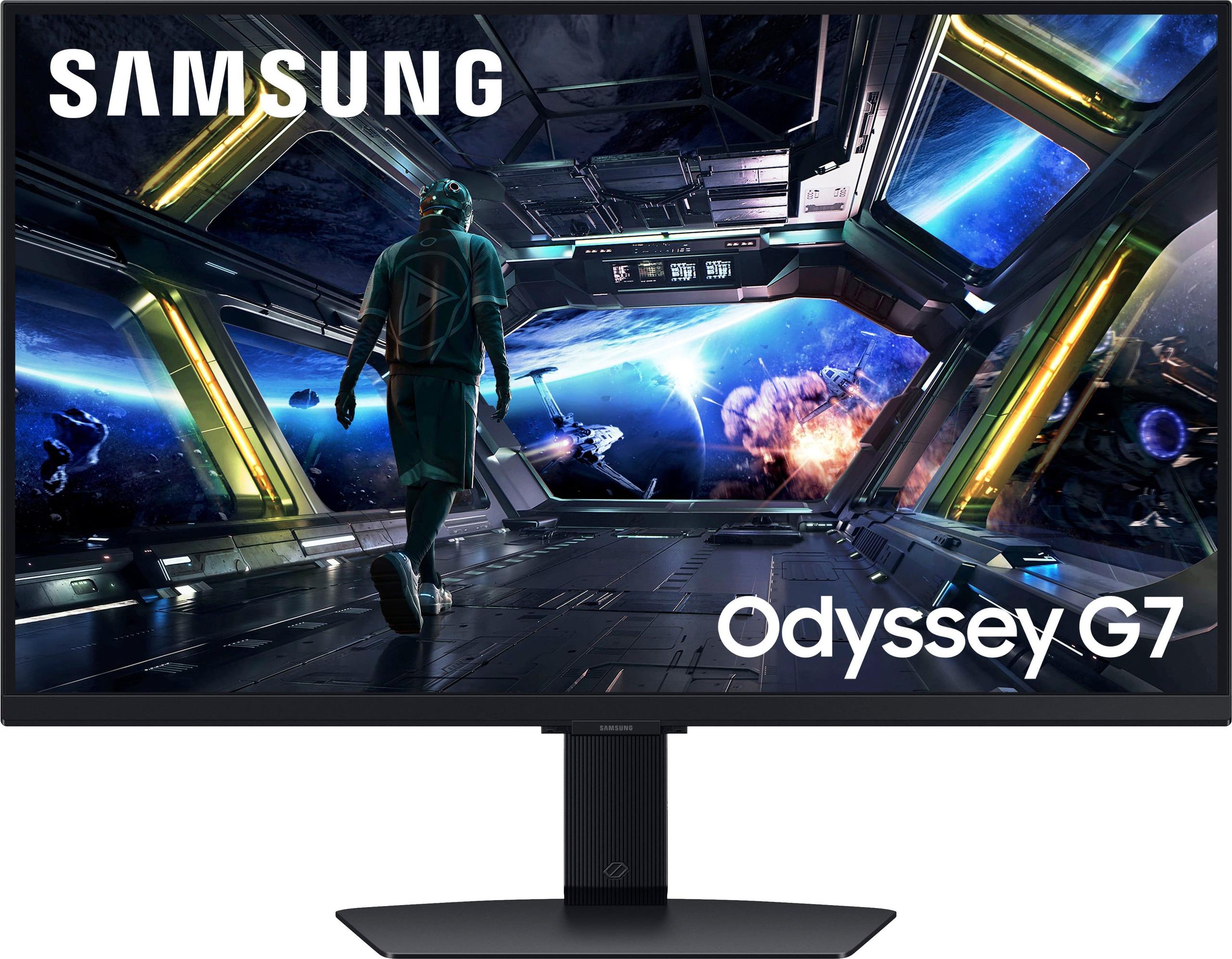
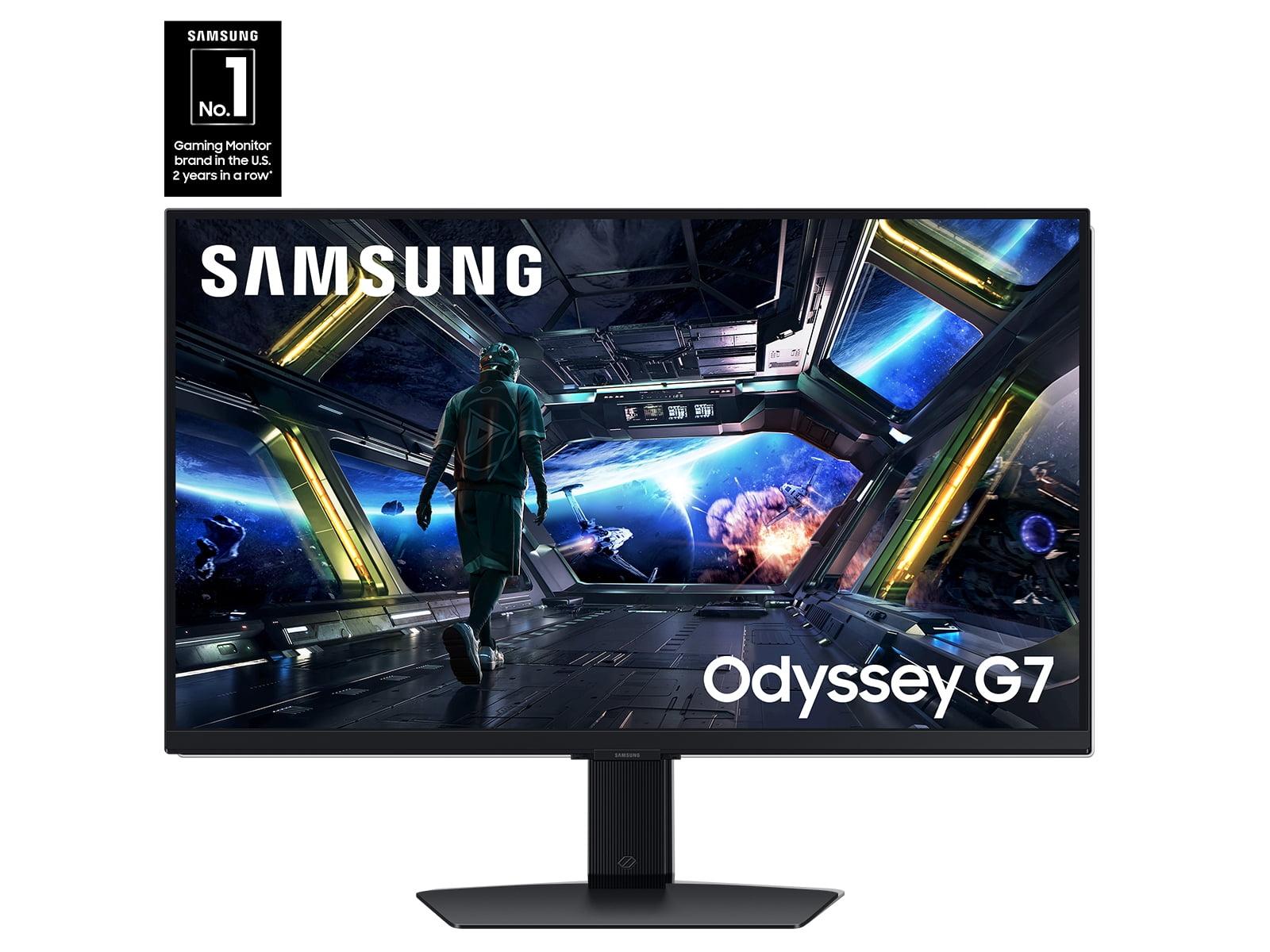
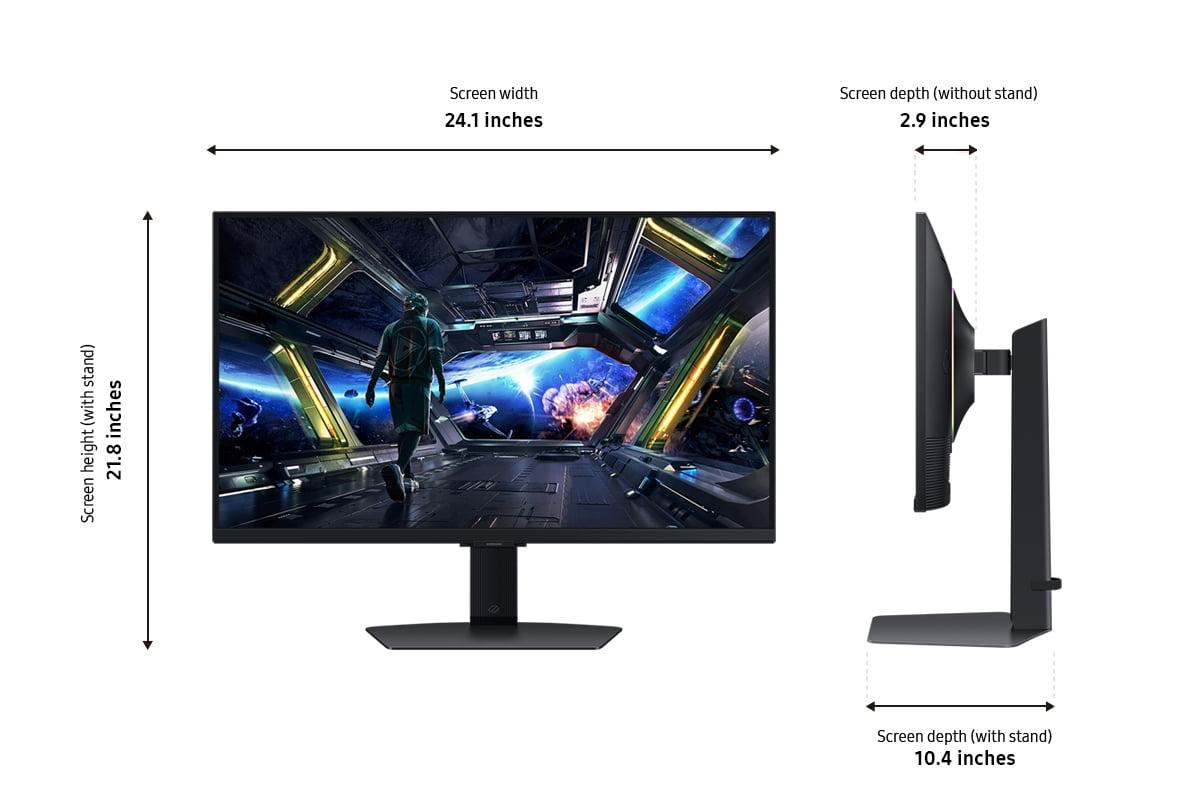
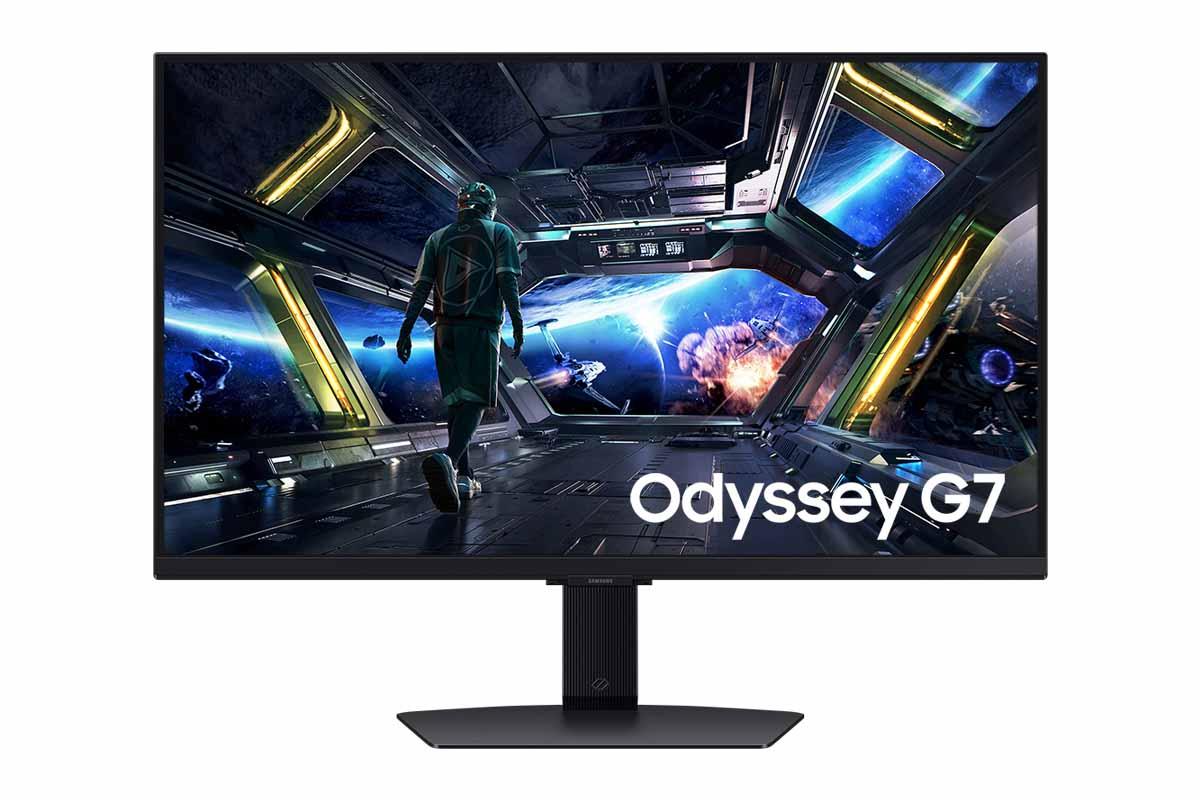
Choosing a gaming monitor can feel overwhelming, especially when you're comparing two completely different approaches to the same problem. Today, we're looking at two fascinating 27-inch gaming displays that couldn't be more different in their philosophies: the Mobile Pixels 27" WQHD Mini-LED Gaming Monitor and the Samsung 27" Odyssey G7 G70D 4K UHD IPS Gaming Monitor.
At the time of writing, these monitors sit in very similar price ranges, making the decision even trickier. One offers cutting-edge display technology that was virtually unheard of in gaming monitors just a few years ago, while the other delivers proven 4K performance with smart features that blur the line between monitor and TV.
Gaming monitors aren't just regular displays with flashy RGB lighting. They're engineered around specific performance characteristics that matter most when you're trying to land that perfect headshot or catch every frame of fast-paced action.
The most critical factors include refresh rate (how many times per second the screen updates), response time (how quickly pixels change colors), input lag (the delay between your mouse click and seeing the result), and display technology (which affects everything from color accuracy to contrast). Modern gaming also demands features like variable refresh rate support, which synchronizes your monitor's refresh with your graphics card to eliminate screen tearing—that annoying horizontal line that appears when frame rates don't match up perfectly.
What's particularly interesting about these two monitors is how they represent different eras of gaming display technology. The Mobile Pixels Mini-LED monitor was released in 2025, incorporating display technology that was primarily reserved for premium TVs just a couple of years earlier. Meanwhile, the Samsung Odyssey G7 G70D launched in 2024, building on Samsung's established gaming monitor expertise with added smart features.
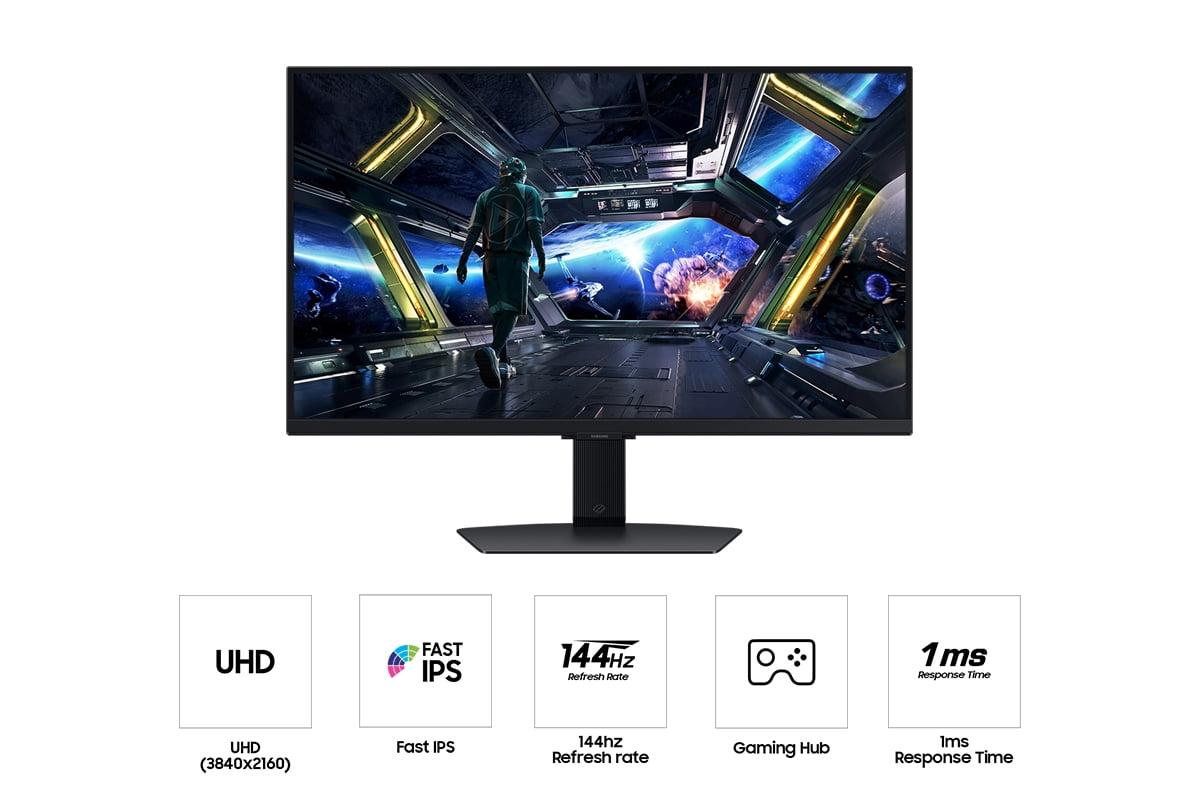
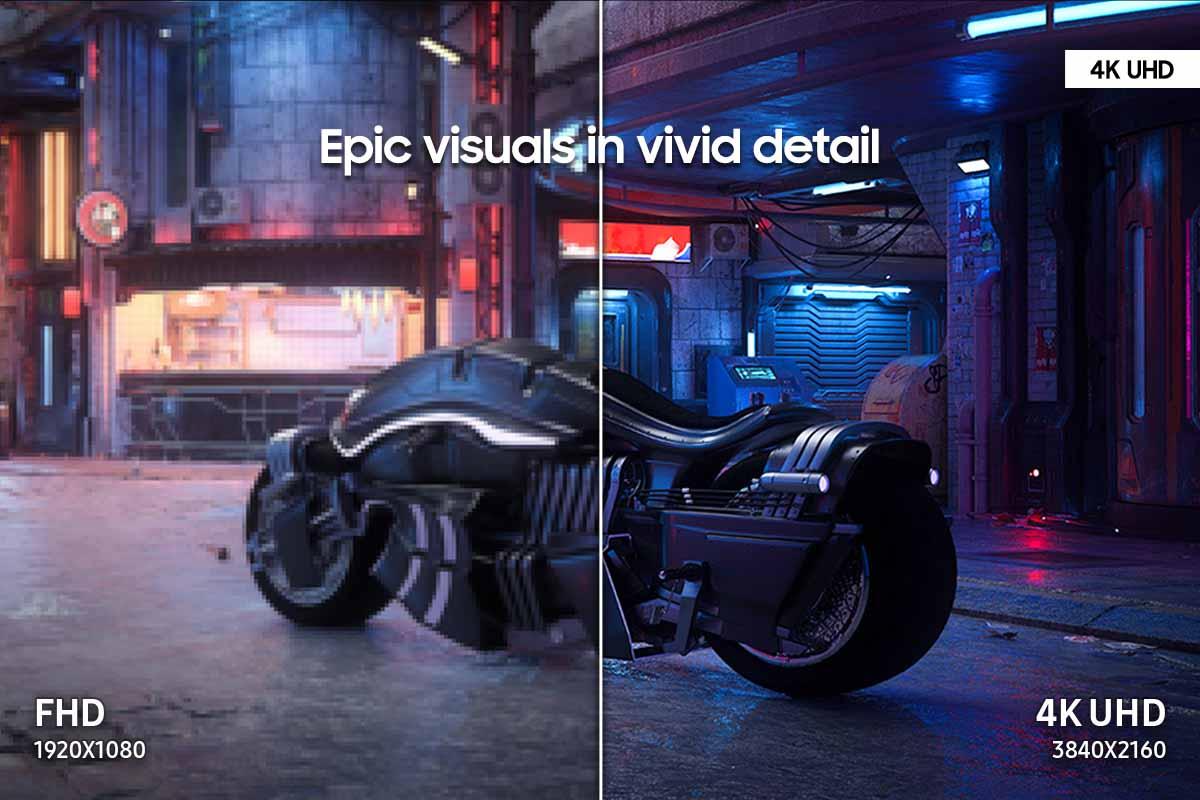
Let's start with the most obvious difference: resolution. The Samsung Odyssey G7 G70D delivers true 4K resolution at 3840 x 2160 pixels, which translates to about 163 pixels packed into every inch of that 27-inch screen. That's incredibly sharp—so sharp that text looks almost printed on paper, and you can see individual blades of grass in games like Red Dead Redemption 2.
The Mobile Pixels monitor, on the other hand, uses WQHD resolution (2560 x 1440), giving you about 109 pixels per inch. While that's notably less dense, there's a crucial trade-off here that serious gamers understand: your graphics card doesn't have to work as hard to push those pixels, meaning you can achieve higher frame rates in demanding games.
I've spent countless hours gaming on both resolution levels, and here's the reality: if you're primarily playing competitive games like Valorant, Counter-Strike, or Rocket League, the higher frame rates you'll get with 1440p often matter more than the extra detail from 4K. But if you love single-player adventures or do any productivity work, that 4K crispness is genuinely impressive.
This is where things get really interesting. The Mobile Pixels monitor uses Mini-LED backlighting technology, which is essentially the next evolution of traditional LED displays. Instead of having a handful of LED zones lighting up the screen, Mini-LED uses thousands of tiny LEDs that can be individually controlled. This creates what's called "local dimming"—the ability to make specific areas of the screen incredibly bright while keeping other areas perfectly dark.
The result? A dynamic contrast ratio of 1,000,000:1, which sounds like marketing fluff until you see it in action. Dark scenes in games like Resident Evil or horror movies actually look dark, not the washed-out gray you get with most monitors. The Mobile Pixels display can also hit 1000 nits of peak brightness, which is bright enough to make HDR content genuinely pop.
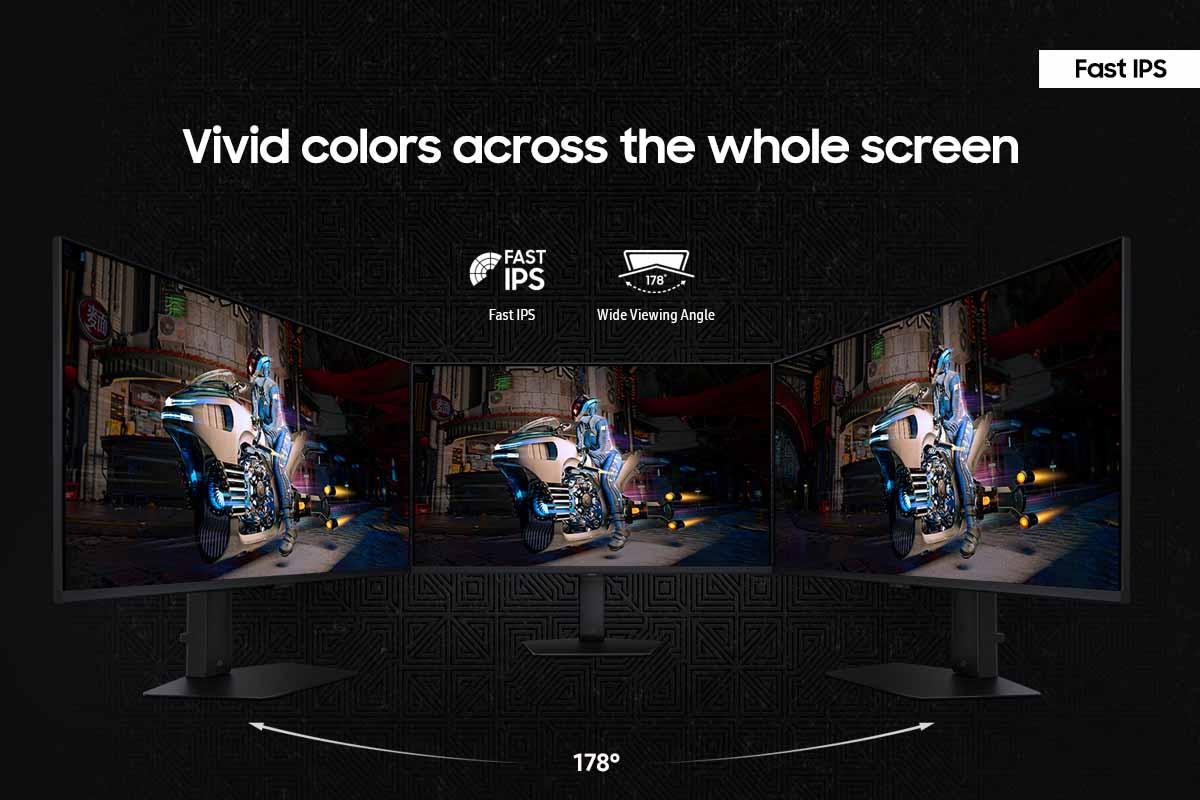
The Samsung Odyssey G7 G70D takes a different approach with its Fast IPS panel. IPS (In-Plane Switching) technology is the gold standard for color accuracy and viewing angles. Colors look consistent whether you're sitting directly in front of the screen or viewing from the side, and the color reproduction is excellent right out of the box.
However, IPS panels have traditionally struggled with contrast ratios, typically managing only 1000:1. This means blacks look more like dark gray, especially in dimly lit rooms. Samsung has implemented some local dimming features, but with only 32 zones controlling the entire 27-inch screen, the effect is limited and can actually be distracting in dark scenes.
High Dynamic Range (HDR) is supposed to make games and movies look more lifelike by expanding the range between the darkest darks and brightest brights. But not all HDR is created equal.
The Mobile Pixels monitor supports HDR1000, meaning it can actually produce those 1000 nits of brightness that make HDR content shine. When you're exploring a cave in Skyrim and then step into bright sunlight, the contrast feels natural and immersive.
The Samsung display is certified for DisplayHDR 400, which requires only 400 nits of brightness. In practice, this means HDR content looks slightly better than standard content, but it's not the dramatic improvement you'd get from a true HDR display. The limited brightness and poor local dimming mean HDR feels more like a marketing checkbox than a meaningful feature.
Here's where the Mobile Pixels monitor flexes its muscles. With a 180Hz refresh rate, it can display 180 individual frames every second, compared to the Samsung's 144Hz. Both are significantly higher than the 60Hz you'll find on most basic displays, but that extra 36Hz can make a noticeable difference in competitive gaming.
To put this in perspective: at 180Hz, each frame is displayed for about 5.6 milliseconds, while 144Hz shows each frame for about 6.9 milliseconds. That might not sound like much, but when you're trying to track an enemy's movement in a fast-paced shooter, every millisecond counts.
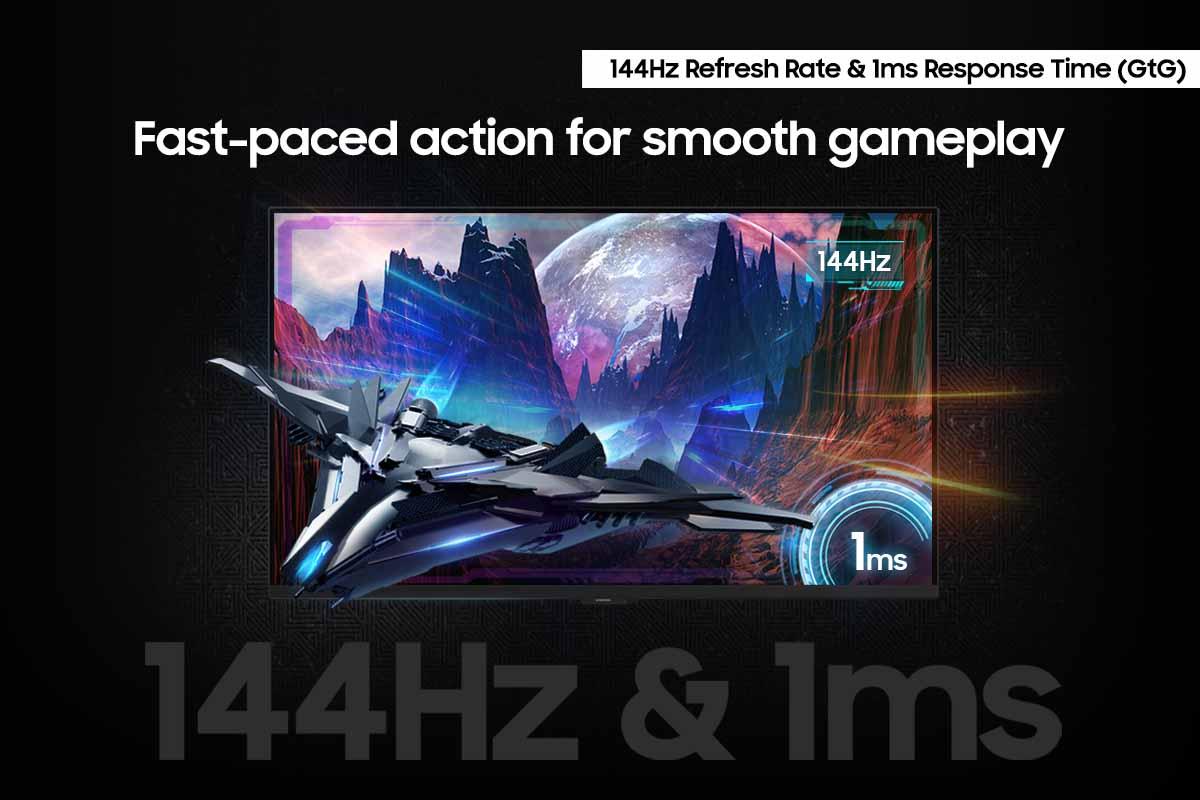
Both monitors achieve 1ms response times, which measures how quickly pixels can change from one color to another. This is crucial for preventing "ghosting"—those trailing shadows you sometimes see behind moving objects. In my experience, both displays handle fast motion excellently, though the Mobile Pixels monitor's higher refresh rate gives it a slight edge in smoothness.
This is an area where the Samsung Odyssey G7 G70D pulls ahead. It supports both AMD FreeSync Premium and NVIDIA G-SYNC compatibility, meaning it'll work seamlessly with graphics cards from both major manufacturers. This technology synchronizes your monitor's refresh rate with your GPU's output, eliminating screen tearing and reducing stuttering.
The Mobile Pixels display supports AMD FreeSync Premium, but the G-SYNC compatibility isn't as well-documented. If you're running an NVIDIA graphics card, this could be a consideration.
This is where the Samsung Odyssey G7 G70D really differentiates itself. Samsung has essentially built a smart TV into this gaming monitor, complete with their Gaming Hub platform. You can access cloud gaming services like Xbox Game Pass Ultimate or GeForce Now directly from the monitor, stream Netflix or Disney+, and even control everything with the included remote.
The NQM AI Processor is particularly clever—it uses artificial intelligence to upscale lower-resolution content to near-4K quality. This means older games or streaming content that isn't natively 4K still looks sharp and detailed.
Gaming-specific features include Dynamic Black Equalizer, which automatically adjusts brightness in dark areas to help you spot enemies hiding in shadows, and various picture modes optimized for different game genres. You can even simulate an ultrawide 21:9 aspect ratio, giving you a wider field of view in supported games.
The Mobile Pixels monitor takes a more focused approach, concentrating on display quality rather than smart features. It includes practical touches like automatic brightness adjustment based on ambient lighting and blue light filtering for eye comfort during long gaming sessions.
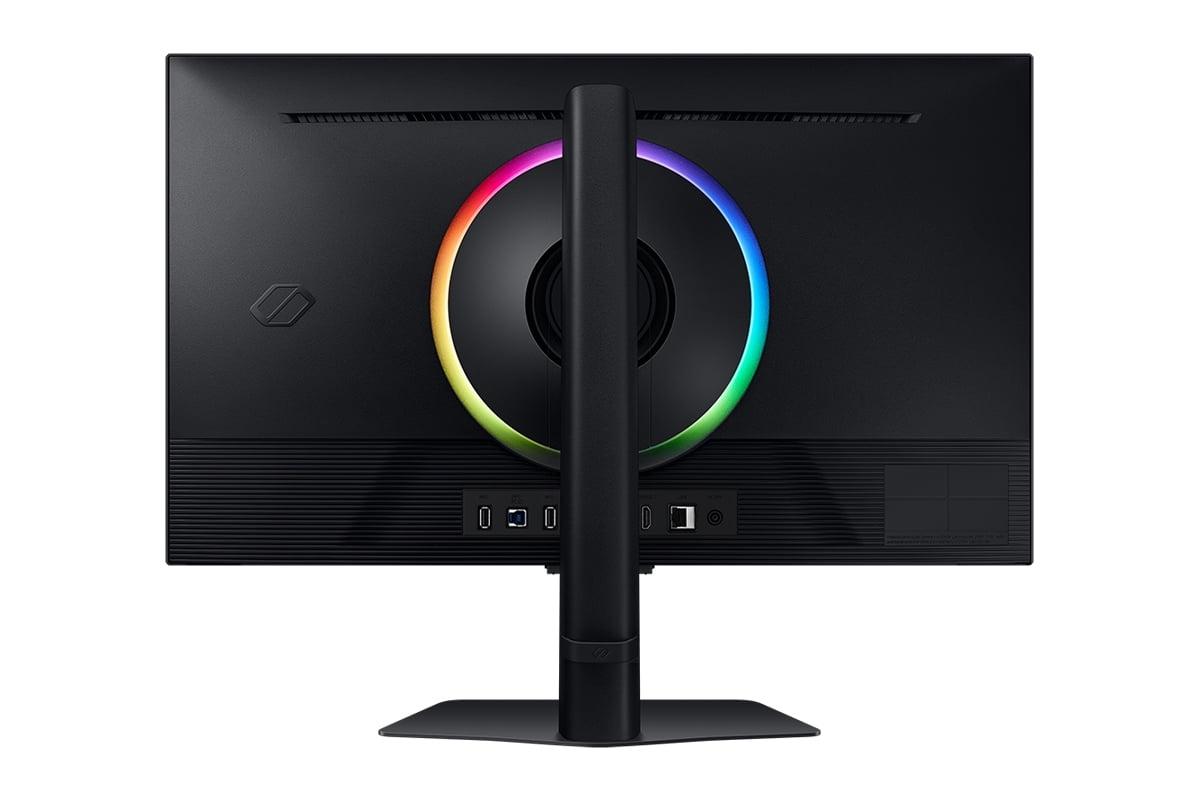
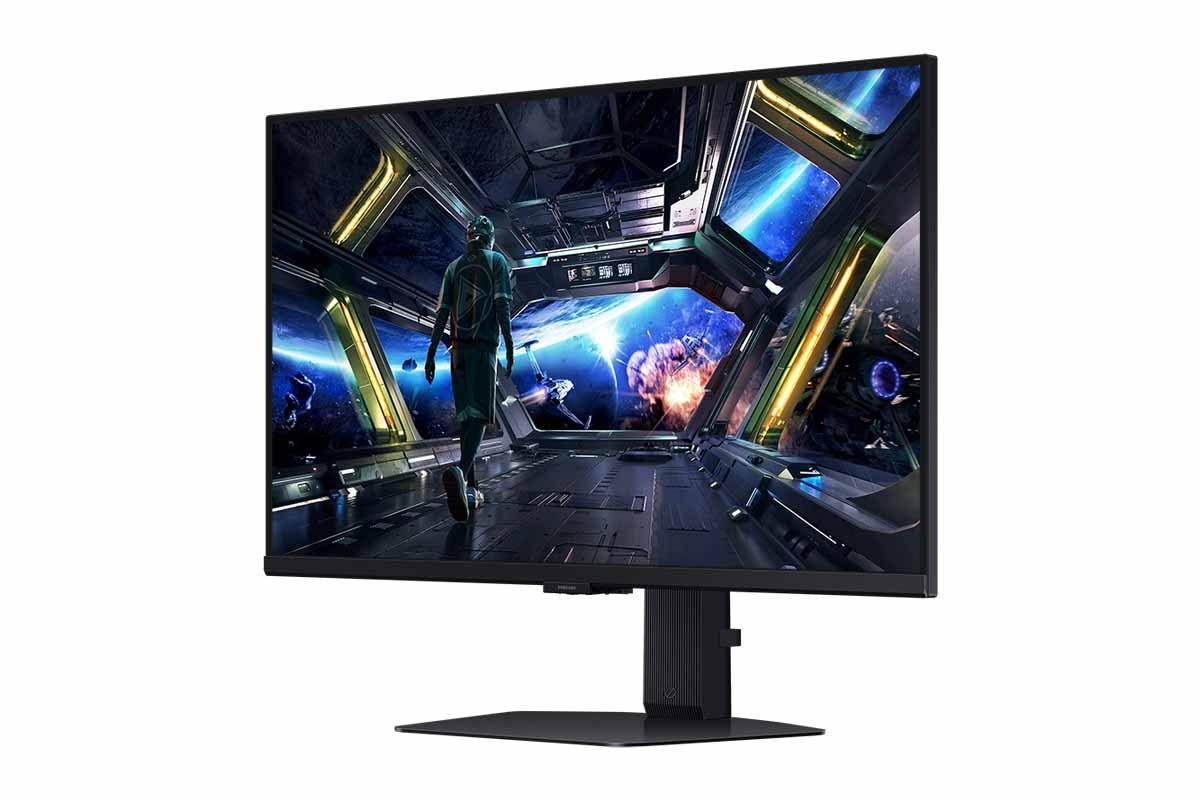
The Samsung Odyssey G7 G70D wins decisively in the ergonomics department. The stand offers full height, tilt, swivel, and pivot adjustments, so you can position the screen exactly where you need it. The build quality feels premium, and the RGB lighting on the back can project colors onto your wall using Samsung's CoreSync technology—a nice touch for creating an immersive gaming atmosphere.
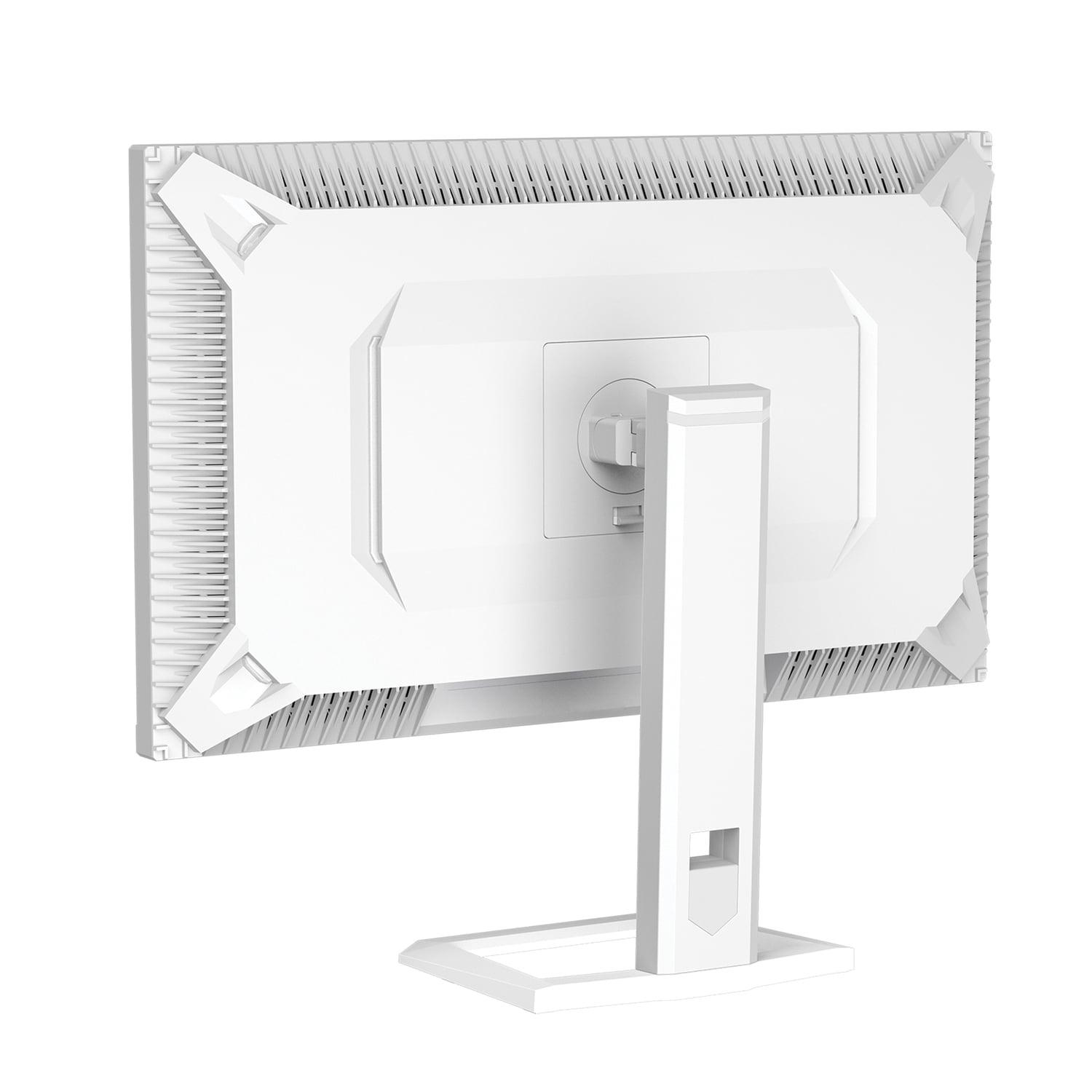
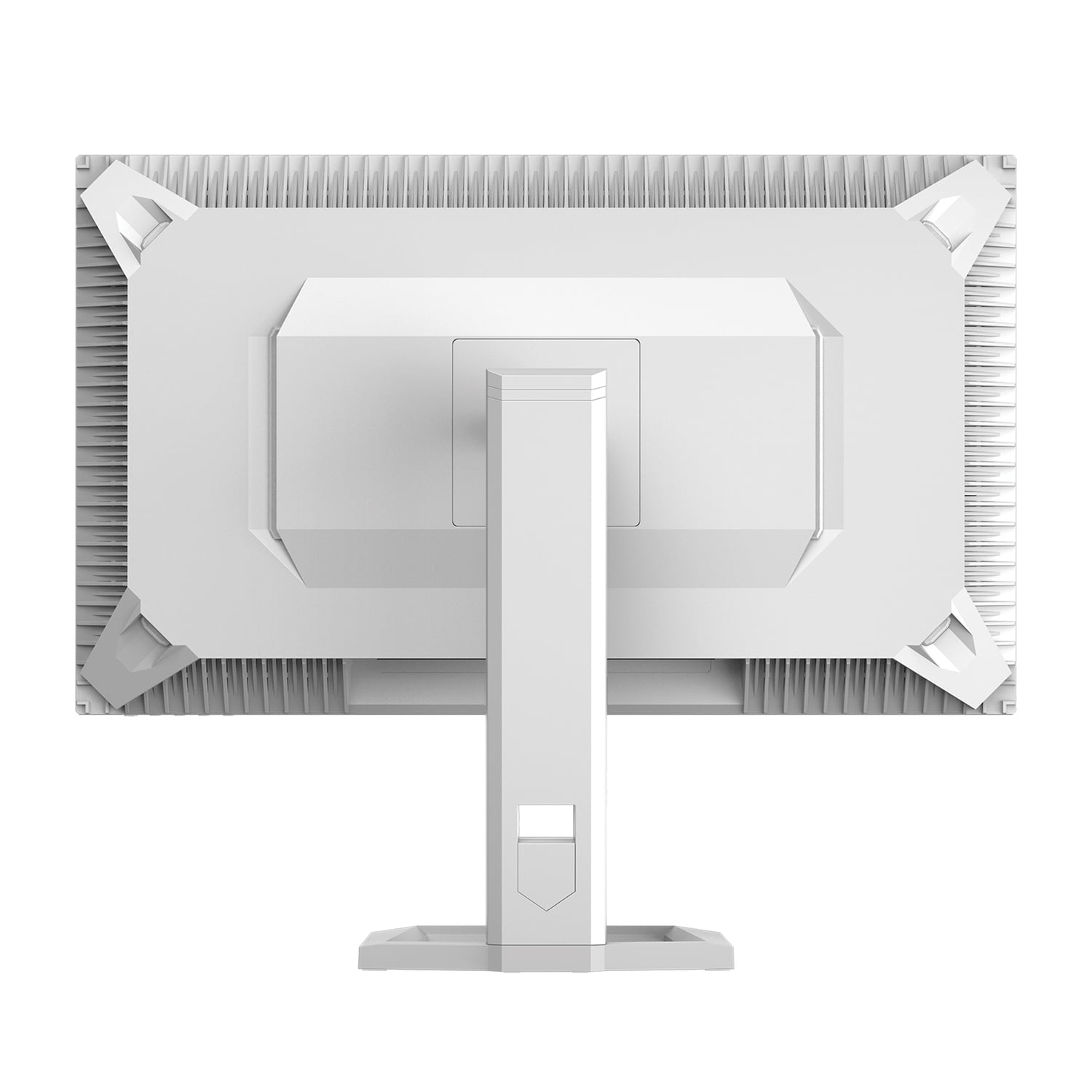
The Mobile Pixels display is more limited here, offering only basic tilt and swivel adjustments with no height adjustment. However, it is VESA mount compatible, so you can always upgrade to a better stand or arm later.
If you're considering either monitor for home theater use, there are important factors to consider. The Samsung Odyssey G7 G70D has a clear advantage here with its smart TV functionality, built-in speakers, and 4K resolution that makes the most of modern streaming content and Blu-ray movies.
The Mobile Pixels monitor, despite lacking smart features, actually provides a superior viewing experience for dark movie content thanks to its Mini-LED technology. Those deep blacks make a huge difference when watching films, especially in genres like sci-fi or horror where contrast is crucial.
However, neither monitor is ideal for serious home theater use compared to dedicated TVs or projectors in the same price range, primarily due to their 27-inch size.
When evaluating gaming monitors, certain performance characteristics matter more than others depending on your use case. For competitive gamers, refresh rate and input lag are paramount—you want every advantage possible. For single-player gamers and content creators, color accuracy and contrast become more important.
The Mobile Pixels monitor excels in scenarios where visual quality matters most: HDR gaming, dark atmospheric games, and any situation where contrast enhances the experience. The combination of high refresh rate and superior display technology makes it particularly appealing for enthusiasts who want the latest and greatest.
The Samsung display shines in versatility and proven performance. The 4K resolution makes text crisp for productivity work, the comprehensive VRR support ensures compatibility with any setup, and the smart features add genuine convenience.
Choose the Mobile Pixels 27" WQHD Mini-LED Gaming Monitor if:
You're primarily focused on gaming performance and want cutting-edge display technology. The 180Hz refresh rate and Mini-LED backlighting create an exceptional gaming experience, especially for competitive players or anyone who values superior contrast and HDR performance. This monitor is perfect for enthusiasts who want to experience the latest display technology and don't mind giving up some resolution for better visual quality and higher frame rates.
The Mini-LED technology also makes this display somewhat future-proof—you're getting technology that was reserved for premium TVs just a couple of years ago, and it's likely to age better than traditional LED displays.
Choose the Samsung 27" Odyssey G7 G70D 4K UHD IPS Gaming Monitor if:
You want maximum versatility and don't mind trading some visual pizzazz for practical benefits. The 4K resolution is genuinely useful for productivity work, and the smart features eliminate the need for additional streaming devices. If you game on multiple platforms or want a monitor that can handle everything from competitive gaming to Netflix binges, this is the more well-rounded choice.
The superior ergonomics and build quality also make this a better choice for users who need a flexible, adjustable display for long work sessions.
At the time of writing, both monitors offer excellent value in their own ways, sitting in similar price brackets while delivering vastly different experiences. The Mobile Pixels monitor represents the bleeding edge of gaming display technology, while the Samsung Odyssey G7 G70D offers proven performance with practical smart features.
Your choice ultimately depends on what you value most: cutting-edge display technology with superior contrast and brightness, or proven 4K performance with smart TV convenience. Both are excellent monitors that will serve you well—they just excel in different areas.
In my experience, the Mobile Pixels display is the more exciting choice for pure gaming, while the Samsung is the safer pick for mixed use. Either way, you'll end up with a capable gaming monitor that represents the current state of display technology in 2025.
| Mobile Pixels 27" WQHD Mini-LED Gaming Monitor | Samsung 27" Odyssey G7 G70D 4K UHD IPS Gaming Monitor |
|---|---|
| Display Resolution - Higher resolution means sharper text and more detailed visuals | |
| 2560 x 1440 (WQHD) - Less GPU demanding, enables higher frame rates | 3840 x 2160 (4K UHD) - Extremely sharp, ideal for productivity and detailed gaming |
| Display Technology - Determines contrast, brightness, and overall image quality | |
| Mini-LED with 1,000,000:1 contrast ratio - OLED-like blacks without burn-in risk | Fast IPS with 1000:1 contrast ratio - Consistent colors but gray blacks in dark rooms |
| Peak Brightness - Critical for HDR performance and bright room visibility | |
| 1000 nits with HDR1000 support - True impactful HDR experience | 350 nits with DisplayHDR 400 - Limited HDR improvement over standard content |
| Refresh Rate - Higher rates provide smoother motion in fast-paced games | |
| 180Hz - Marginal advantage for competitive gaming | 144Hz - Excellent for most gaming scenarios |
| Response Time - Lower times reduce ghosting in fast motion | |
| 1ms (GtG) - Excellent for competitive gaming | 1ms (GtG) - Excellent for competitive gaming |
| Variable Refresh Rate Support - Eliminates screen tearing across different frame rates | |
| AMD FreeSync Premium - Limited NVIDIA compatibility | AMD FreeSync Premium + NVIDIA G-SYNC compatible - Works with all major GPUs |
| Smart Features - Adds functionality beyond basic display | |
| Basic gaming features with eye care technology | Full Gaming Hub OS with streaming apps, remote control, AI upscaling |
| Ergonomics - Important for comfort during long gaming sessions | |
| Basic tilt/swivel, VESA mountable - Limited adjustability | Full height/tilt/swivel/pivot adjustments - Superior positioning flexibility |
| Color Accuracy - Important for content creation and color-critical work | |
| 94% DCI-P3 coverage with vivid Mini-LED enhancement | 99% sRGB, good IPS color consistency across viewing angles |
| Connectivity Options - Determines compatibility with devices | |
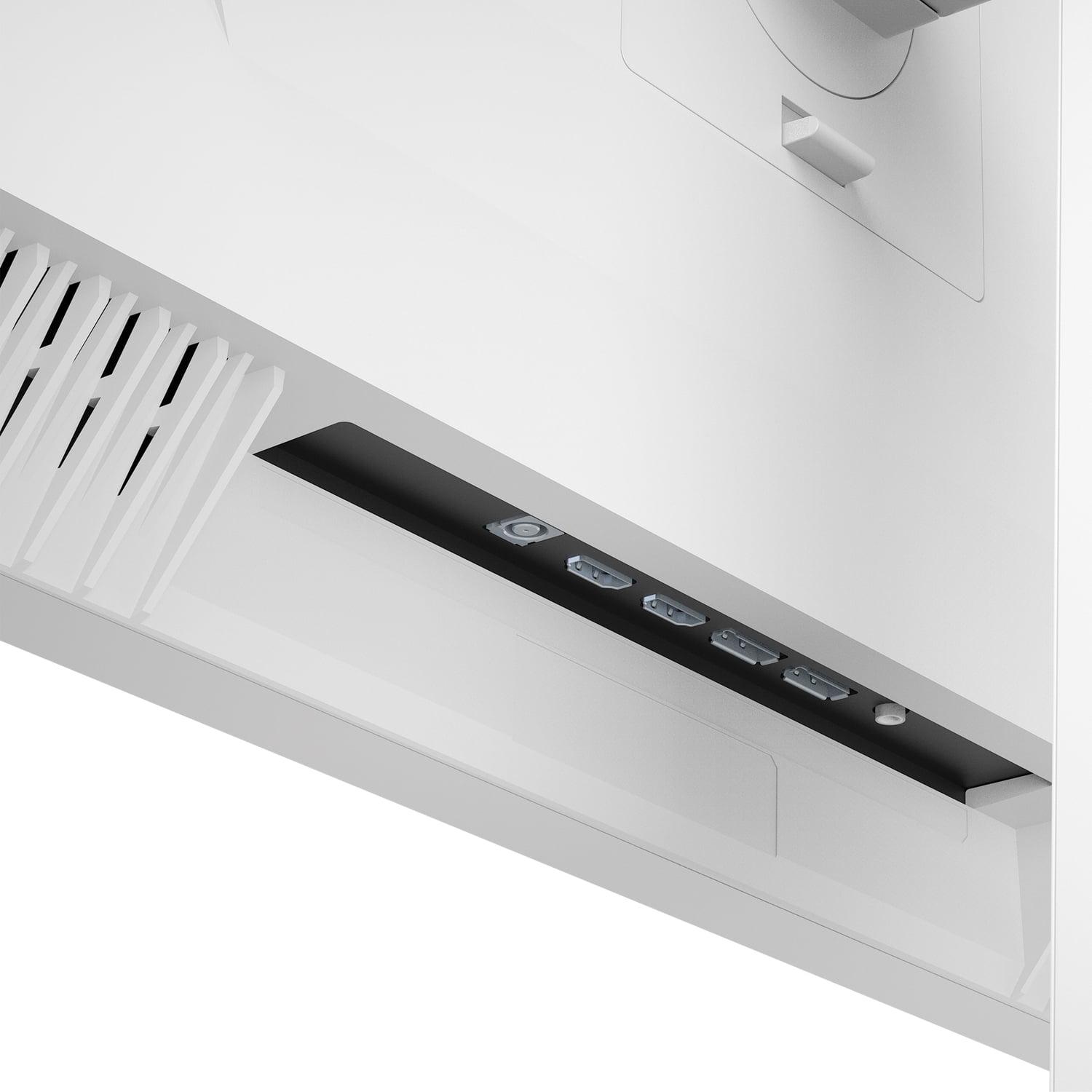
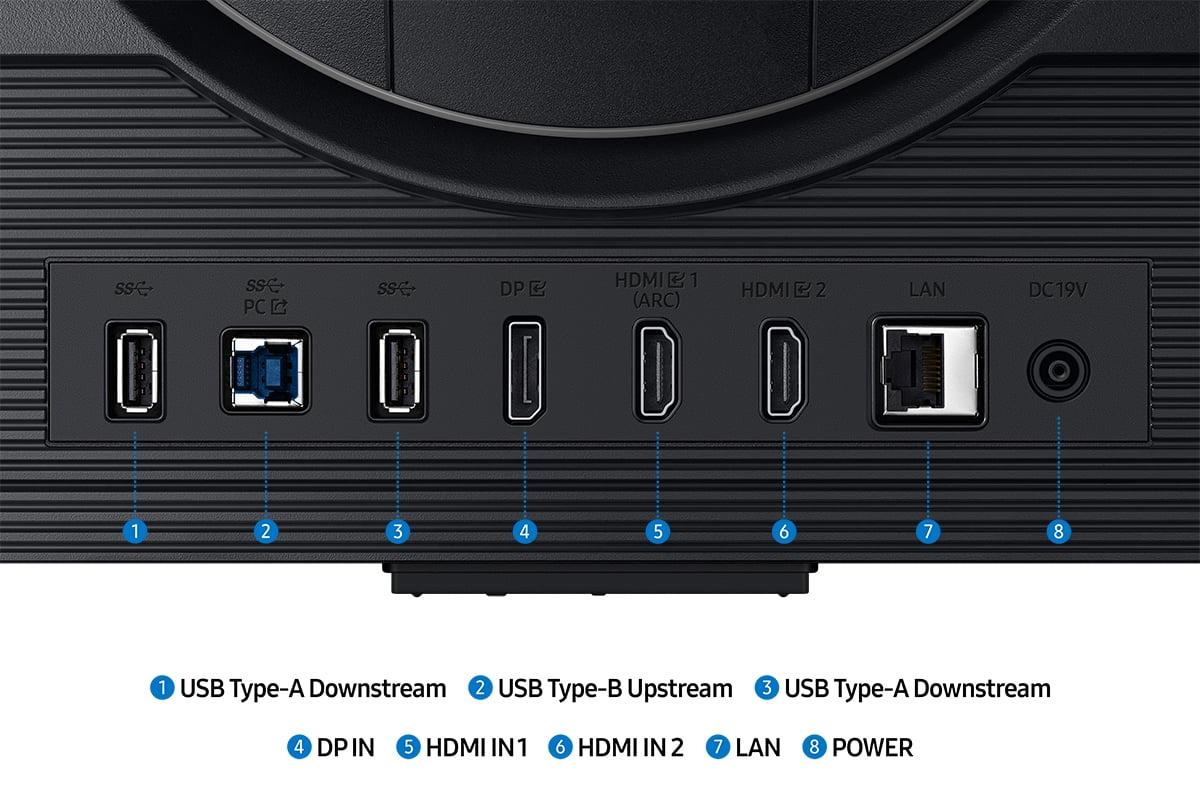
| 2x HDMI 2.1, 2x DisplayPort 1.4 - Solid gaming connectivity | HDMI 2.1, DisplayPort, USB-A ports - More versatile peripheral support |
| Release Timeline - Indicates technology generation and feature currency | |
| Released 2025 - Latest Mini-LED gaming technology | Released 2024 - Proven gaming performance with smart features |
Both the Mobile Pixels 27" WQHD Mini-LED Gaming Monitor and Samsung 27" Odyssey G7 G70D 4K UHD IPS Gaming Monitor excel at gaming but in different ways. The Mobile Pixels monitor offers a higher 180Hz refresh rate and superior contrast with Mini-LED technology, making it ideal for competitive gaming and dark atmospheric games. The Samsung Odyssey G7 G70D provides sharper 4K visuals and broader VRR support, making it better for single-player adventures and mixed gaming scenarios.
Mini-LED technology in the Mobile Pixels monitor uses thousands of tiny LEDs for precise local dimming, creating deeper blacks and brighter highlights with a 1,000,000:1 contrast ratio. IPS technology in the Samsung Odyssey G7 G70D provides consistent colors across wide viewing angles but offers lower contrast at 1000:1, meaning blacks appear more gray in dark environments.
Only the Samsung 27" Odyssey G7 G70D 4K UHD IPS Gaming Monitor offers true 4K resolution at 3840 x 2160 pixels. The Mobile Pixels 27" WQHD Mini-LED Gaming Monitor uses 2560 x 1440 resolution, which is lower but enables higher frame rates and reduces GPU requirements for demanding games.
The Mobile Pixels monitor at 180Hz provides marginally smoother motion compared to the Samsung Odyssey G7 G70D at 144Hz. While both refresh rates are excellent for gaming, competitive players may notice the difference in fast-paced esports titles. For most gamers, both refresh rates provide similarly smooth experiences.
The Samsung 27" Odyssey G7 G70D 4K UHD IPS Gaming Monitor is superior for productivity due to its 4K resolution that makes text incredibly sharp and provides more screen real estate. The IPS panel also offers better color consistency for professional work. The Mobile Pixels monitor works for productivity but the lower resolution is less ideal for detailed work.
Yes, but with significant quality differences. The Mobile Pixels 27" WQHD Mini-LED Gaming Monitor supports HDR1000 with 1000 nits peak brightness for genuinely impactful HDR. The Samsung Odyssey G7 G70D offers DisplayHDR 400 with limited brightness, providing only modest HDR improvements over standard content.
The Samsung 27" Odyssey G7 G70D 4K UHD IPS Gaming Monitor includes comprehensive smart features with Gaming Hub OS, streaming apps, remote control, and AI upscaling. The Mobile Pixels monitor focuses purely on display performance without smart TV functionality, offering only basic gaming features and eye care technology.
Both work well with consoles, but the Samsung Odyssey G7 G70D has advantages with full VRR support for PlayStation 5 and Xbox Series X, plus 4K resolution that matches console capabilities. The Mobile Pixels monitor offers higher refresh rates but may have limited VRR compatibility with some consoles.
The Mobile Pixels 27" WQHD Mini-LED Gaming Monitor performs better in bright environments due to its 1000 nits peak brightness compared to the Samsung Odyssey G7 G70D's 350 nits. The higher brightness helps overcome ambient light and maintains visibility in well-lit gaming setups.
For movie watching, the Mobile Pixels monitor provides superior contrast and deeper blacks that enhance dark movie scenes, while the Samsung Odyssey G7 G70D offers built-in streaming apps and 4K resolution for sharp content. Both serve movie watching well, but the Samsung's smart features provide more convenience for streaming.
Value depends on priorities. The Mobile Pixels 27" WQHD Mini-LED Gaming Monitor offers cutting-edge Mini-LED technology typically found in much more expensive displays. The Samsung 27" Odyssey G7 G70D 4K UHD IPS Gaming Monitor provides 4K resolution, smart features, and superior ergonomics. Both offer strong value in their respective categories.
The Mobile Pixels monitor offers 2x HDMI 2.1 and 2x DisplayPort 1.4 connections focused on gaming devices. The Samsung Odyssey G7 G70D includes HDMI 2.1, DisplayPort, and additional USB-A ports for peripherals, plus wireless connectivity for smart features. The Samsung provides more versatile connectivity options overall.
We've done our best to create useful and informative comparisons to help you decide what product to buy. Our research uses advanced automated methods to create this comparison and perfection is not possible - please contact us for corrections or questions. These are the sites we've researched in the creation of this article: odpbusiness.com - wellbots.com - bestbuy.com - bhphotovideo.com - youtube.com - networkhardwares.com - mobilepixels.us - bestbuy.com - business.walmart.com - newegg.com - beachaudio.com - petra.com - centralcomputer.com - mobilepixels.us - compsource.com - walmart.com - newegg.com - bestbuy.com - typectechreviews.com - rtings.com - rtings.com - youtube.com - youtube.com - samsung.com - samsung.com - samsung.com - bhphotovideo.com - samsung.com - samsung.com - versus.com - abt.com - abt.com - bestbuy.com - bhphotovideo.com - youtube.com - abt.com

Privacy Policy
Terms and Conditions - Affiliate Policy
Home Security
© Copyright 2008-2026.
11816 Inwood Rd #1211, Dallas, TX 75244