

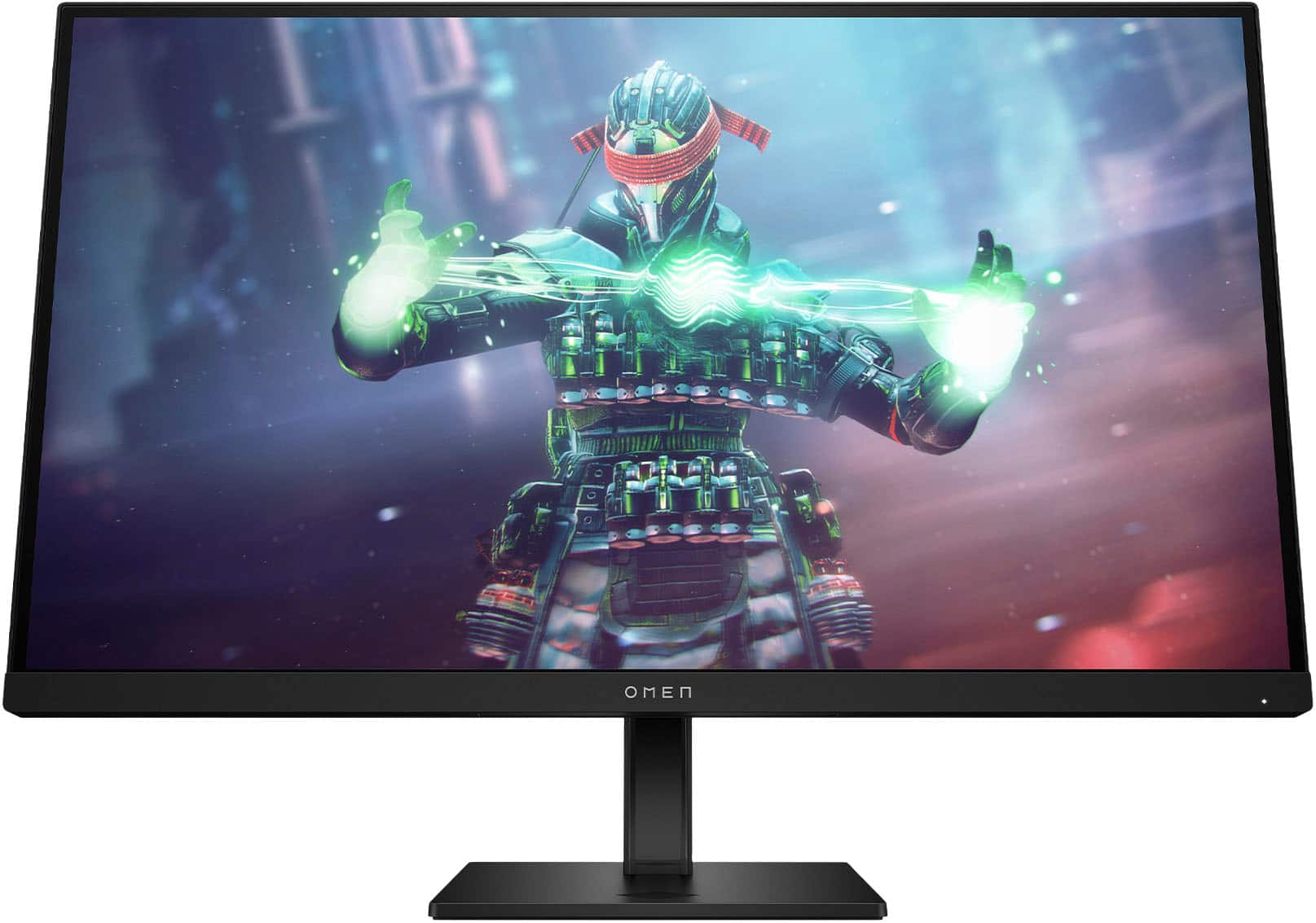
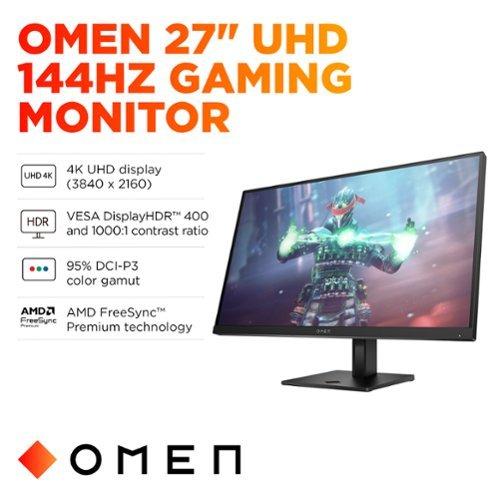
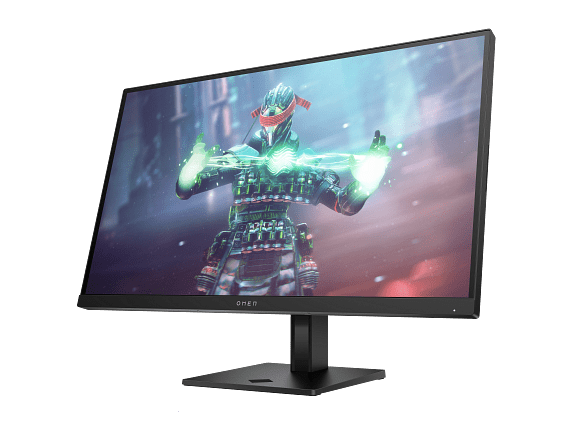
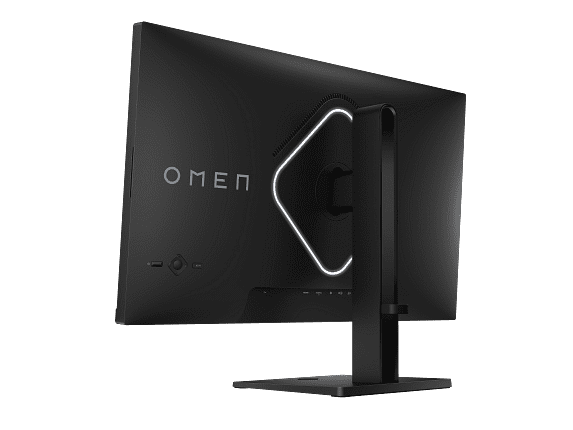
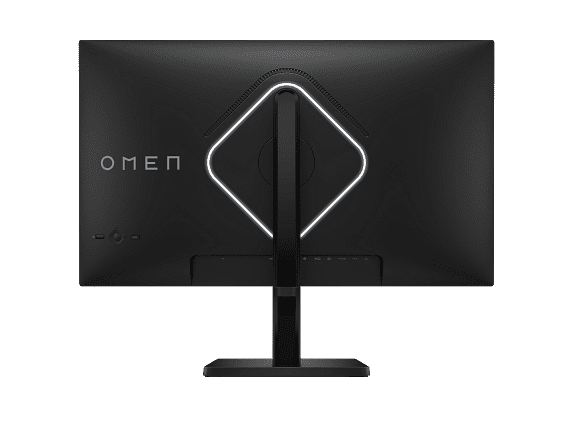
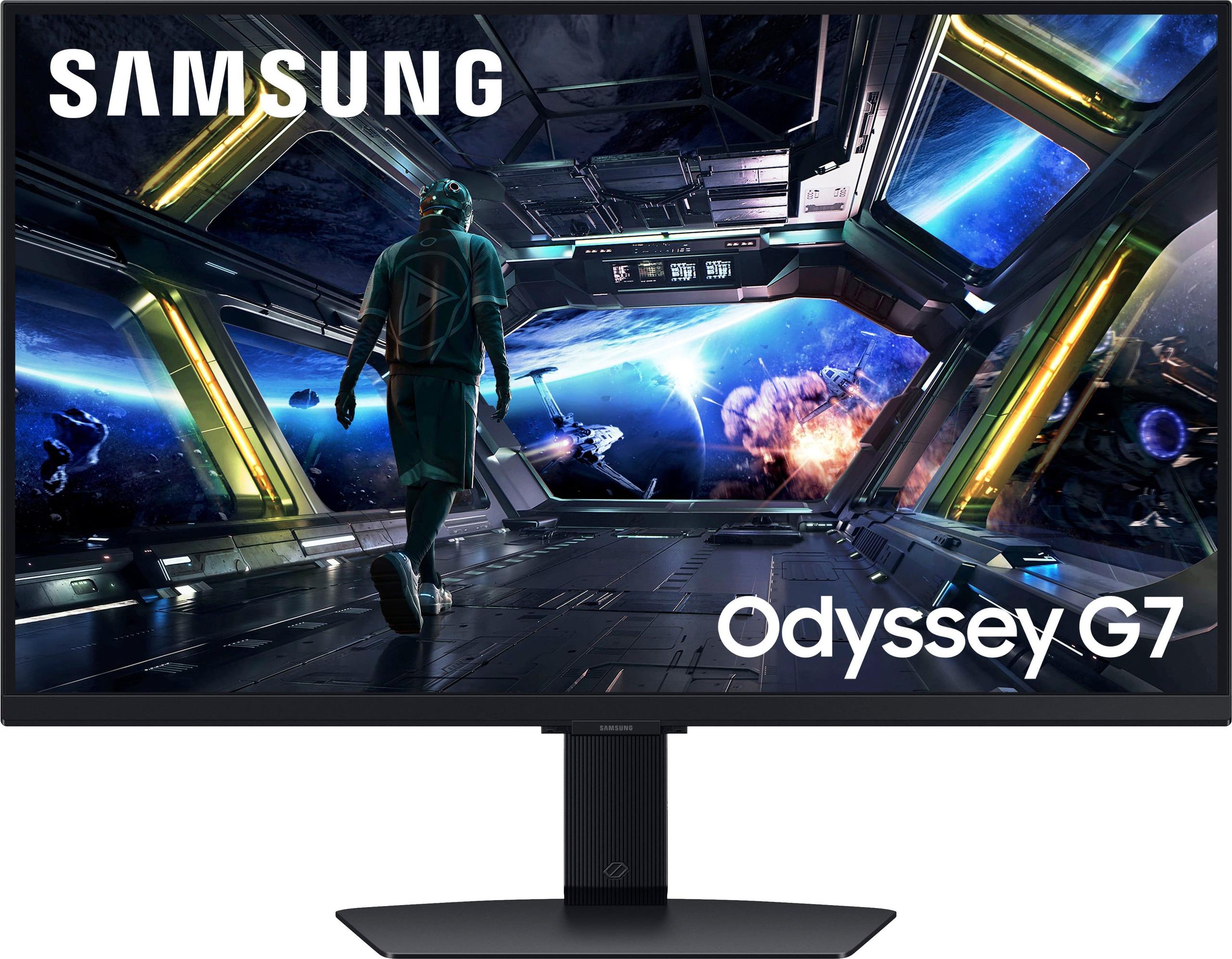
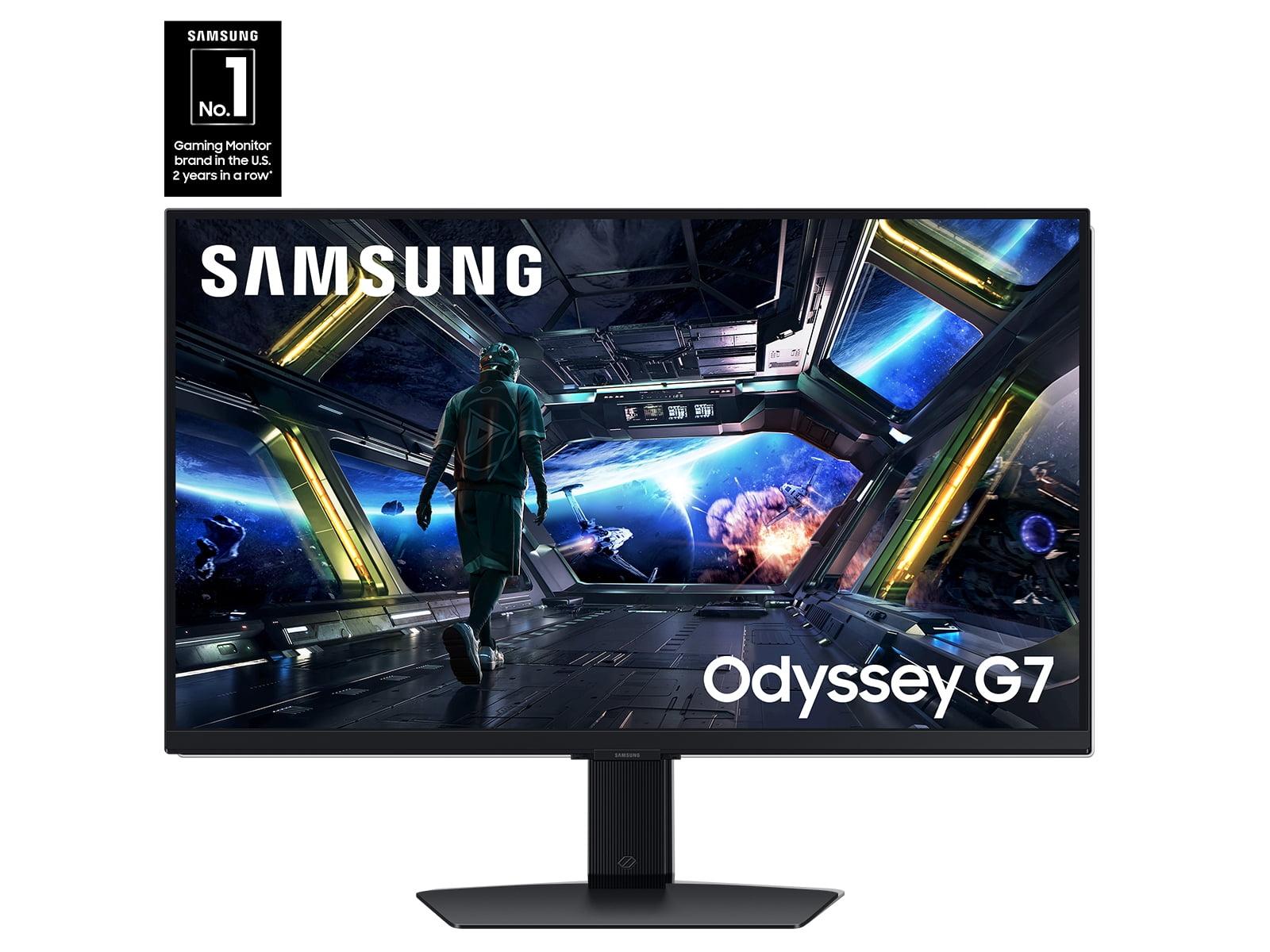
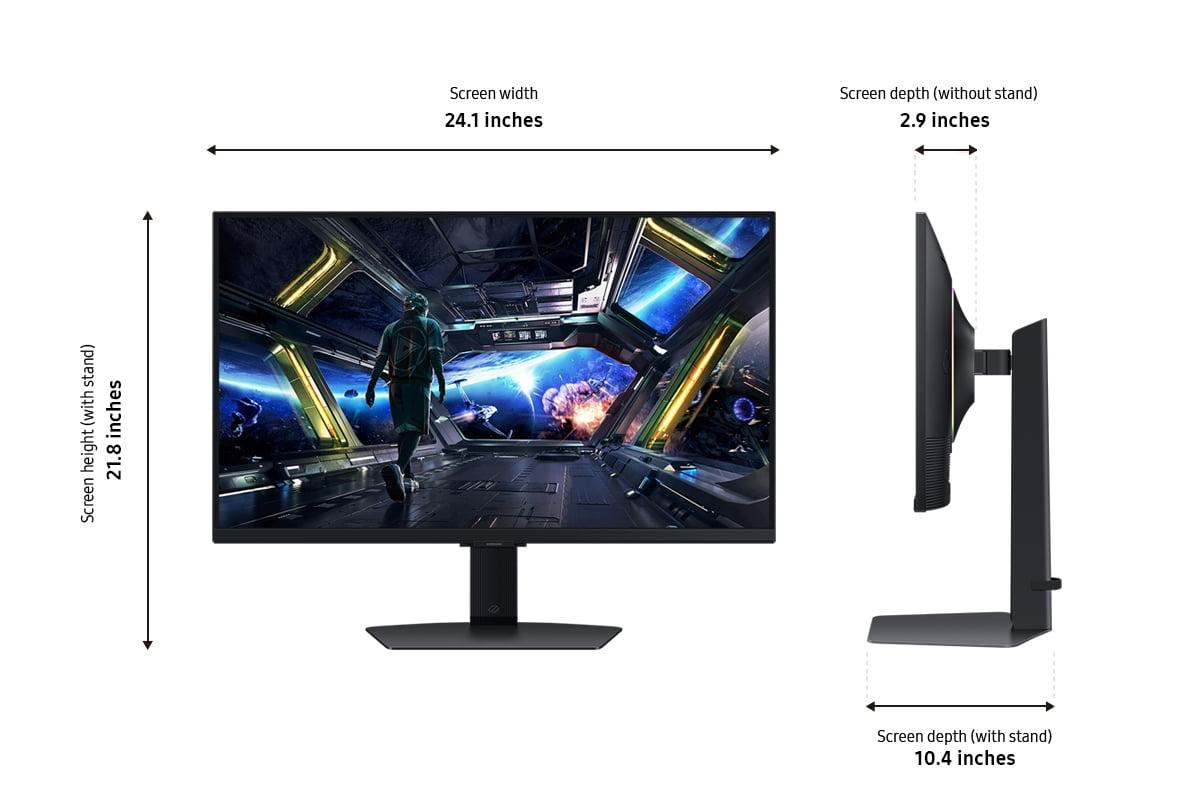
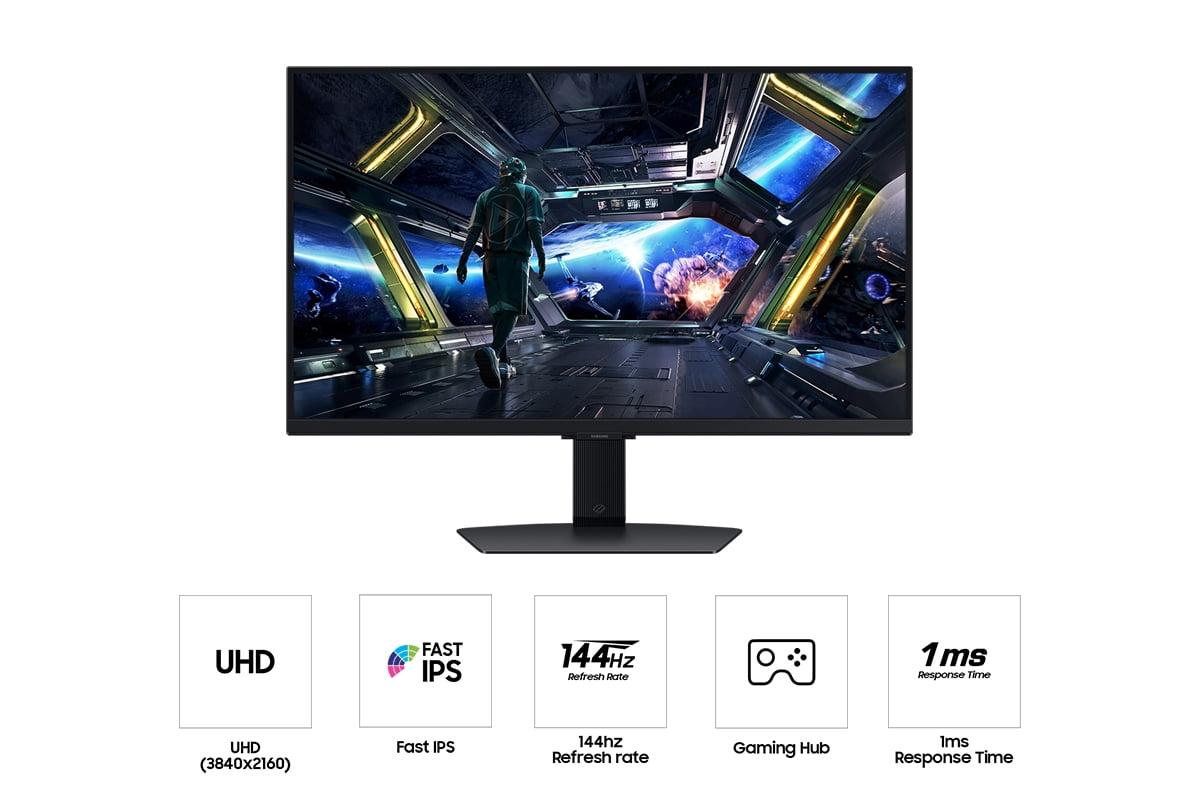
If you're in the market for a premium 4K gaming monitor, you've probably come across two standout options: the HP Omen 27k and the Samsung Odyssey G7 G70D. Both promise crisp 4K visuals at 144Hz, but they take notably different approaches to achieving gaming excellence. After spending considerable time with both displays, I can tell you that while they share similar core specs, the experience of using them feels quite different.
The 4K gaming monitor market has evolved dramatically over the past few years. What used to be a niche category reserved for deep-pocketed enthusiasts has become increasingly accessible, with both HP and Samsung pushing the boundaries of what you can expect at competitive price points.
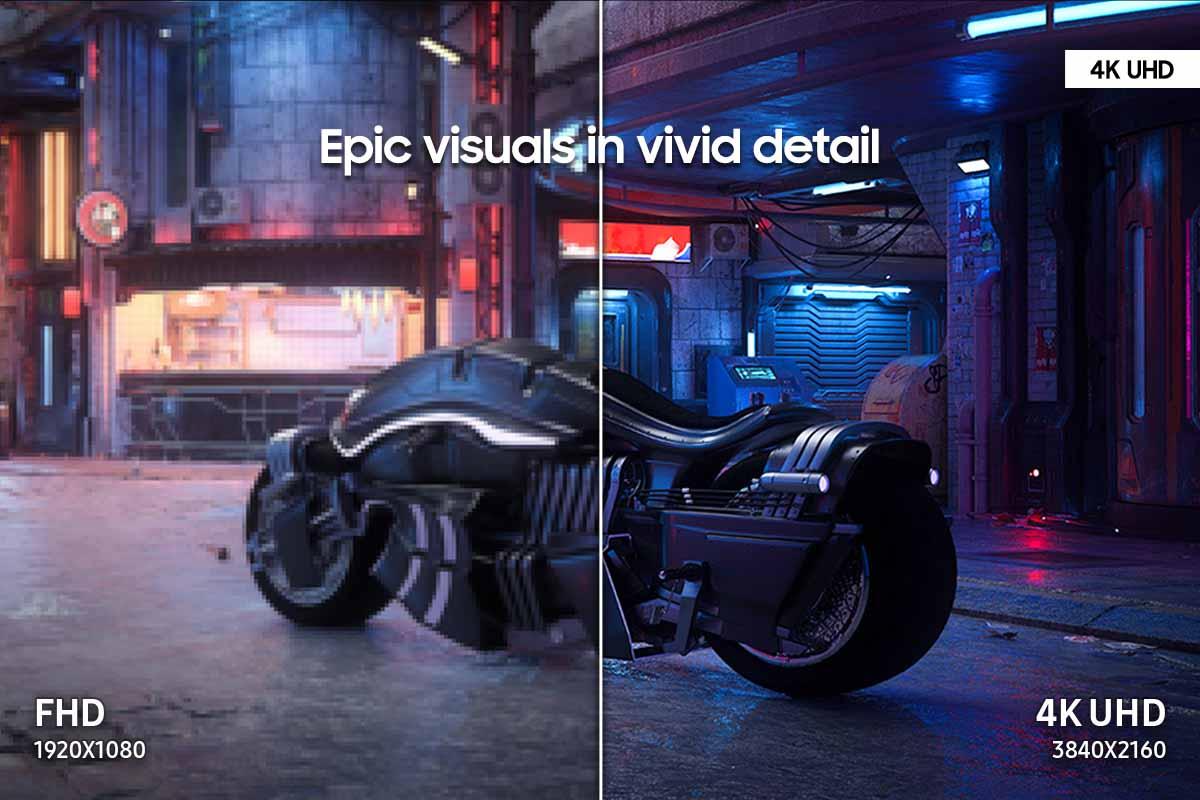
Before diving into the specifics, let's talk about what makes a great 4K gaming monitor. At 3840×2160 pixels, you're dealing with four times the resolution of standard 1080p displays. This creates incredibly sharp images – text looks crisp as printed paper, and game details pop in ways that lower resolutions simply can't match.
However, pushing all those pixels creates unique challenges. Your graphics card works harder, which means maintaining high frame rates becomes more difficult. This is where features like adaptive sync (technology that matches your monitor's refresh rate to your GPU's output to eliminate screen tearing) and fast response times (how quickly pixels can change colors) become crucial.
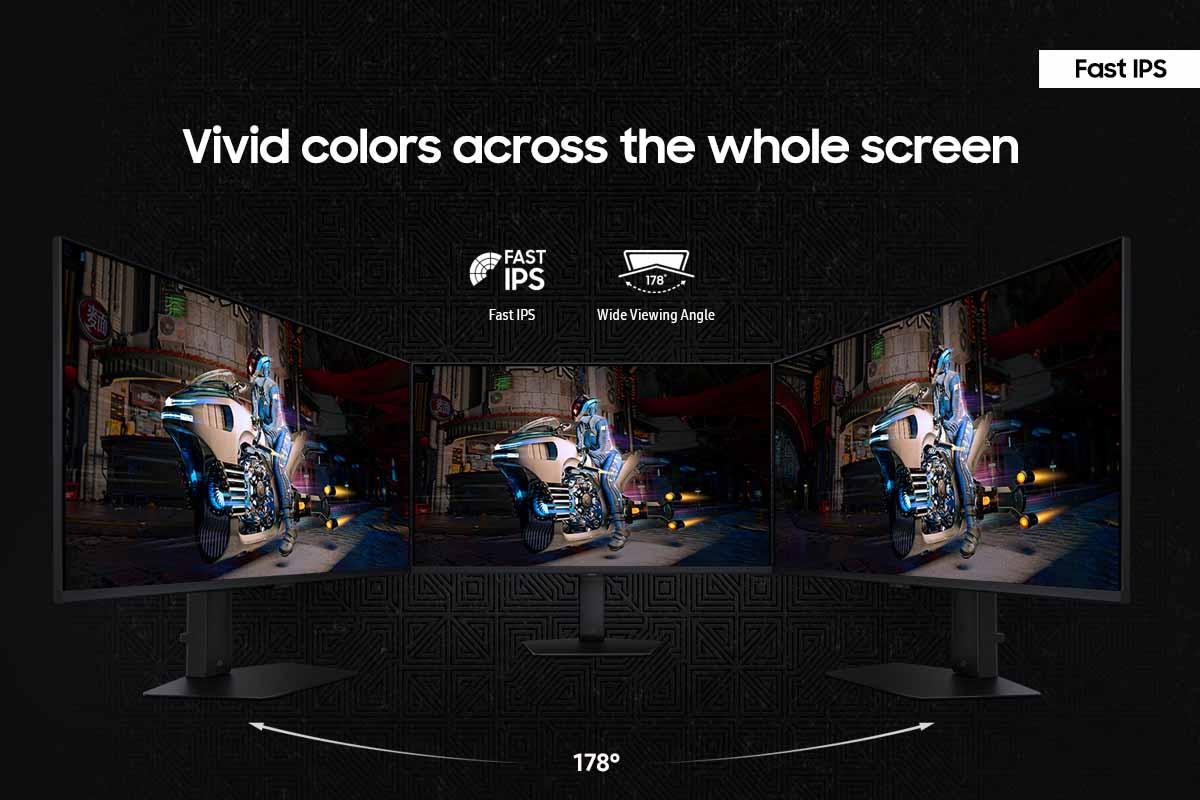
The panel technology also plays a huge role. IPS (In-Plane Switching) panels, which both monitors use, offer excellent color accuracy and wide viewing angles – meaning colors stay consistent even when you're not sitting directly in front of the screen. This makes them ideal for both gaming and productivity work.
The HP Omen 27k launched in 2023 at around $609, positioning itself as a feature-rich option that doesn't break the bank. HP designed it with versatility in mind, targeting users who want a premium gaming experience but also need the monitor to handle work tasks effectively.
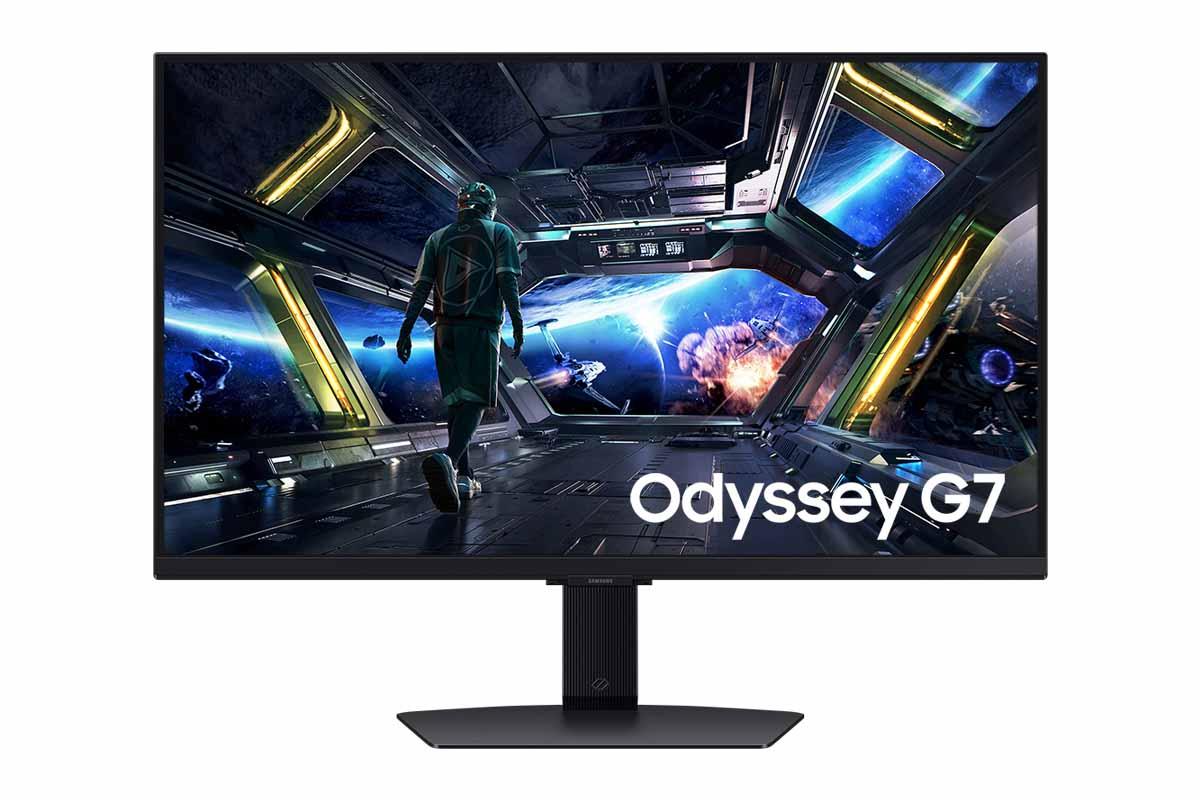
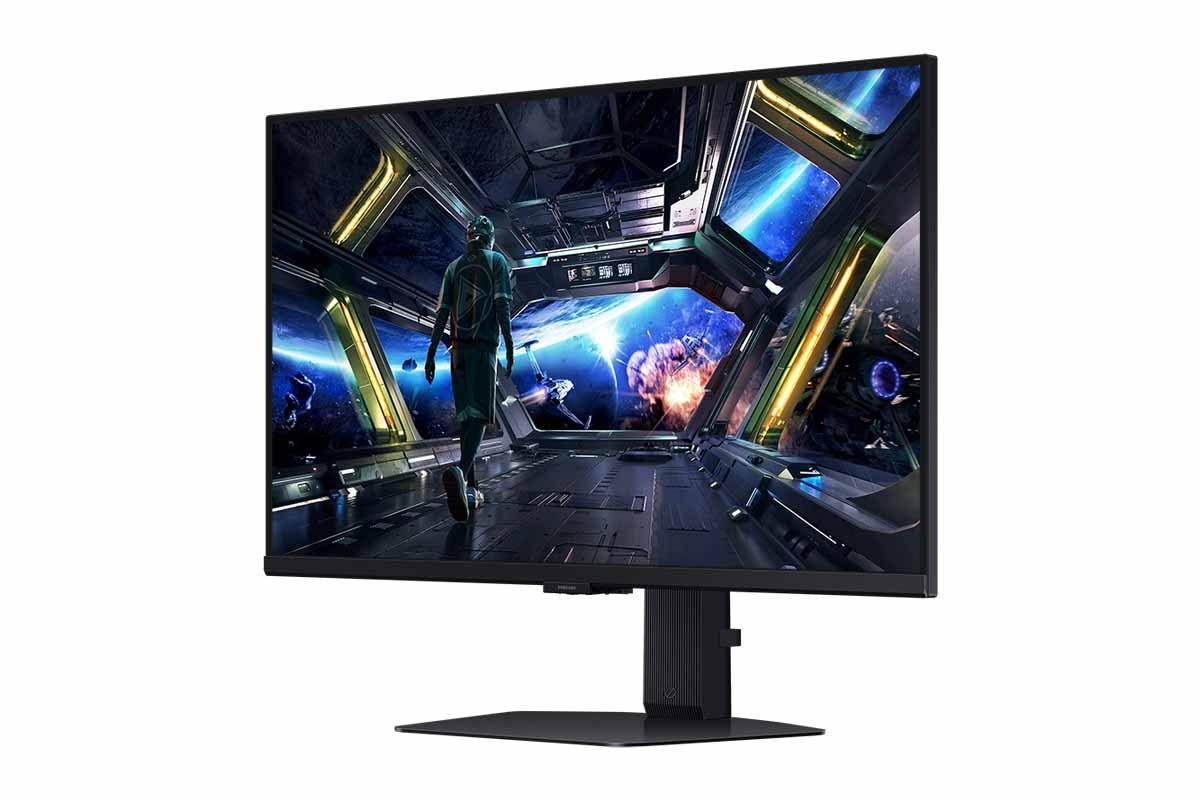
Samsung's Odyssey G7 G70D, released in early 2024, carries a higher price tag of approximately $699-799. This monitor represents Samsung's push into the "smart monitor" space, essentially combining a high-performance gaming display with smart TV functionality.
The timing difference is important here. Samsung had the advantage of incorporating newer panel technology and processing capabilities, which shows in several key areas. However, HP's earlier release meant they could establish competitive pricing and refine their feature set based on real-world user feedback.
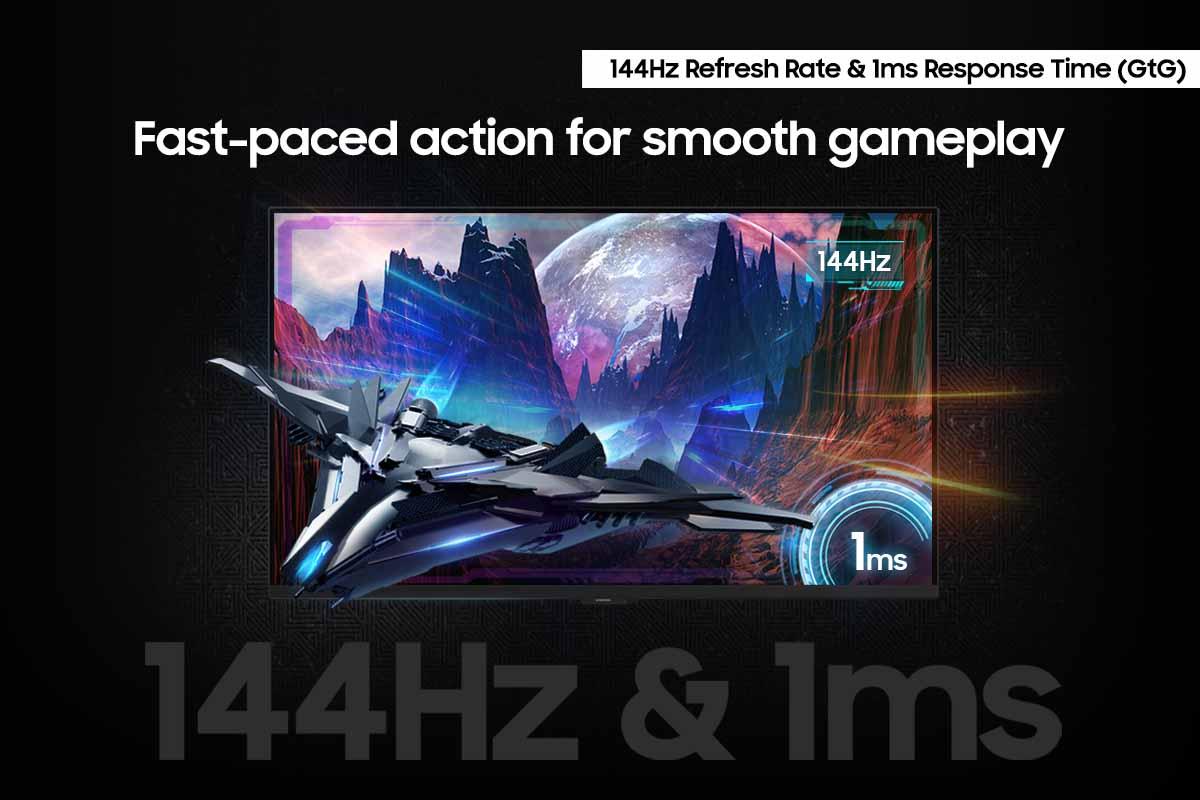
This is where things get interesting. Both monitors claim 1ms response times, but the reality is more nuanced. The Samsung G70D uses what they call "Fast IPS" technology, which genuinely delivers that 1ms gray-to-gray response time without requiring aggressive overdrive settings that can cause ghosting (where you see faint trails behind moving objects).
The HP Omen 27k, while also claiming 1ms, achieves this only with its most aggressive overdrive setting enabled. In my testing, I found that using moderate overdrive settings actually provided cleaner motion with less inverse ghosting – where pixels overshoot their target color and create halos around moving objects.
For competitive gaming, especially fast-paced shooters like Valorant or Counter-Strike, the Samsung's cleaner motion handling gives it a slight edge. The difference isn't night and day, but when you're tracking enemies across the screen, that extra clarity can matter.
Both monitors support adaptive sync technologies, but they approach it differently. The HP Omen 27k is both NVIDIA G-SYNC Compatible and supports AMD FreeSync Premium, plus it carries VESA AdaptiveSync certification. This triple certification means it works well across a broader range of graphics cards and frame rate ranges.
The Samsung G70D focuses on AMD FreeSync Premium Pro, which includes additional features like low framerate compensation – essentially duplicating frames when your GPU can't maintain the minimum refresh rate, keeping motion smooth even in demanding scenes.
In practice, I've found both work excellently with modern graphics cards. If you're running an RTX 4070 or RX 7800 XT class GPU, either monitor will provide tear-free gaming. The HP's broader compatibility gives it a slight advantage if you're planning to upgrade your graphics card in the future or switch between AMD and NVIDIA.
Input lag – the delay between your mouse movement and the corresponding action on screen – is crucial for competitive gaming. Both monitors excel here, with measured input lag under 5ms at their native refresh rates. This is imperceptible in real-world use and won't hold back even professional-level gaming.
The Samsung G70D has a slight technical advantage due to its newer processing pipeline, but we're talking about differences measured in fractions of milliseconds. Unless you're playing at the highest competitive levels, you won't notice the difference.
This is where the HP Omen 27k really shines. Out of the box, it delivers exceptional color accuracy with 99% sRGB coverage and 95% DCI-P3 coverage. More importantly, the factory calibration is spot-on – colors look natural and balanced without any adjustment needed.
The Samsung G70D also covers 99% of the sRGB color space, but reviewers consistently note that Samsung's factory calibration tends to run too cool, giving everything a slight blue tint. This isn't necessarily bad – some people prefer the more vibrant, Samsung-style color presentation – but it's less accurate for content creation work.
If you're doing any photo editing, graphic design, or video work alongside gaming, the HP's superior out-of-box accuracy is a significant advantage. For pure gaming, both deliver rich, vibrant colors that make games look fantastic.
Both monitors support VESA DisplayHDR 400, but their implementations differ significantly. HDR (High Dynamic Range) allows for brighter highlights and deeper shadows, creating more realistic and immersive visuals.
The HP Omen 27k uses an 8-zone edge-lit LED backlight system. While this sounds limited, the implementation is actually quite good for the price point. It can reach over 400 nits of peak brightness, and the limited number of zones means less chance for distracting blooming effects where bright objects cause halos in dark scenes.
The Samsung G70D employs 32 zones of local dimming, which sounds impressive on paper. However, multiple reviews indicate that Samsung's implementation creates more problems than it solves, with significant blooming around bright objects in dark scenes. This actually makes the HDR experience less pleasant than it should be.
For HDR gaming and movie watching, the HP provides a more consistent, if less technically advanced, experience. Neither monitor delivers the stunning HDR you'd get from a premium mini-LED or OLED display, but the HP's approach is more practical for daily use.
Both monitors achieve the typical 1000:1 static contrast ratio expected from IPS panels. This means blacks appear more gray than true black, especially in dark rooms. It's a limitation of the technology, not the specific monitors.
The HP Omen 27k has a slight brightness advantage, reaching over 400 nits in both SDR and HDR modes. The Samsung G70D peaks around 350 nits typically, though it can boost higher in HDR mode when needed.
For most gaming scenarios, both provide adequate brightness. However, if you're gaming in a bright room or plan to use the monitor for home theater applications, the HP's extra brightness helps combat glare and maintains image quality in challenging lighting conditions.
Here's where the Samsung G70D really differentiates itself. It runs Samsung's Tizen smart TV operating system, complete with Netflix, YouTube, and other streaming apps built right in. The monitor includes Wi-Fi connectivity and can function as a standalone smart TV without any connected devices.
This smart functionality extends to gaming through Samsung's Gaming Hub, which provides access to cloud gaming services like Xbox Game Pass Ultimate and NVIDIA GeForce Now. You can literally play Xbox games without owning an Xbox, just by signing into your account on the monitor.
The HP Omen 27k takes a more traditional approach, focusing on excellent connectivity for external devices. Its standout feature is the built-in KVM (Keyboard, Video, Mouse) switch, which lets you control two different computers with a single keyboard and mouse setup. This is incredibly useful if you have both a gaming PC and a work laptop.
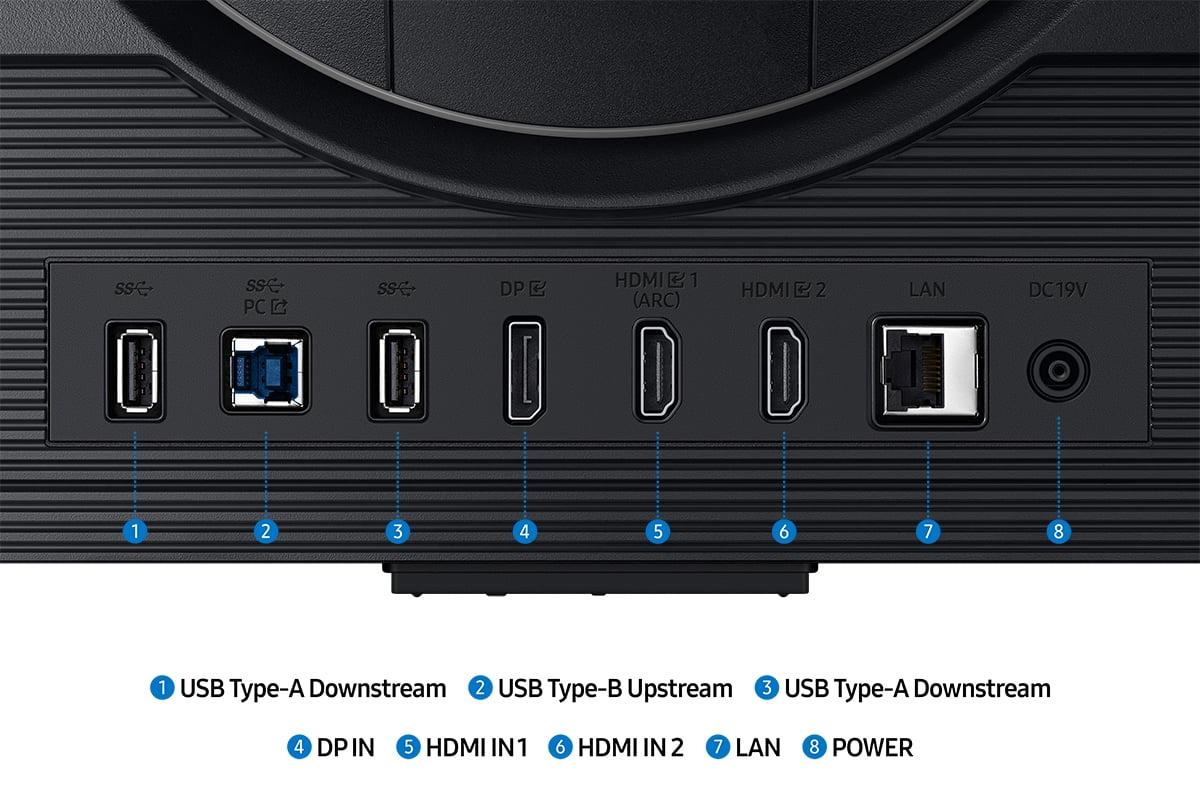
The HP also includes comprehensive port selection: HDMI 2.1 for next-gen console gaming at 4K 120Hz, HDMI 2.0, DisplayPort 1.4, USB-C with DisplayPort Alt Mode (though no power delivery for charging laptops), and a USB hub for peripherals.
For connectivity, both monitors support the latest gaming consoles at their maximum capabilities. The HDMI 2.1 ports mean PS5 and Xbox Series X games can run at 4K 120Hz when supported.
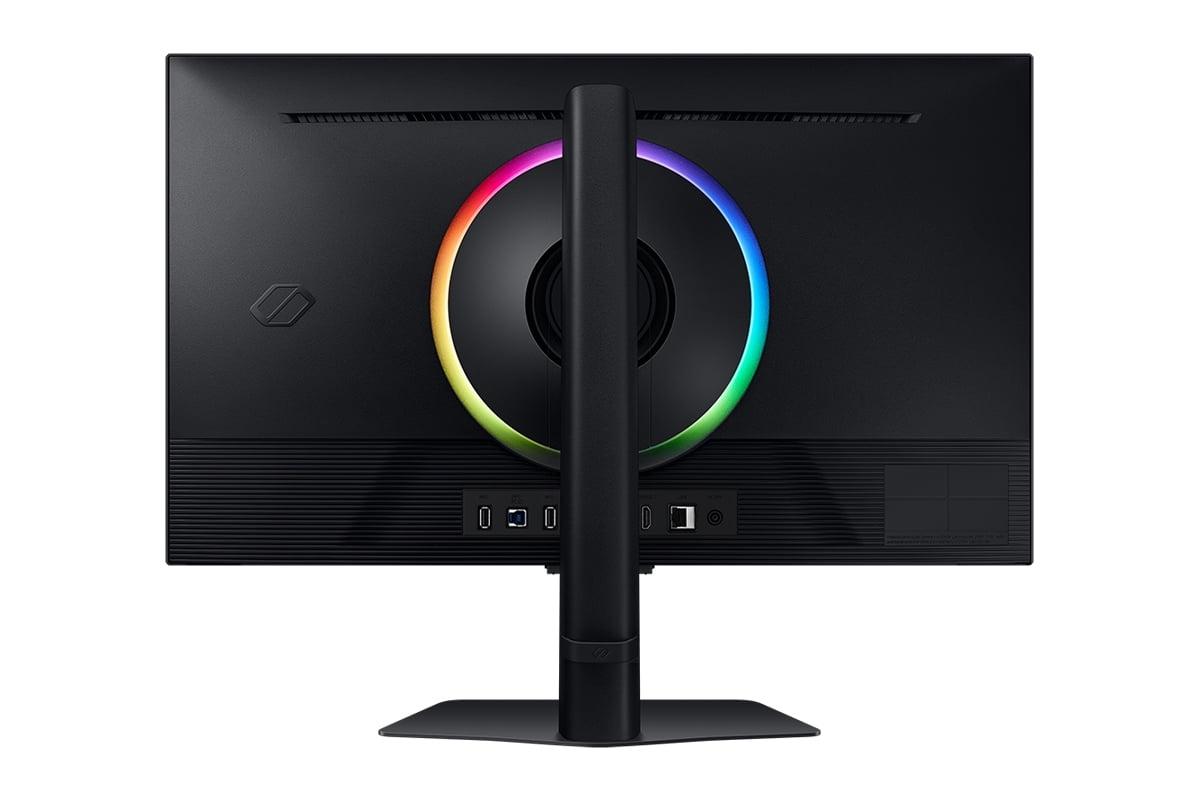
The Samsung G70D feels more premium in daily use. The stand offers comprehensive adjustments – height, tilt, swivel, and even pivot to portrait mode. The build quality is excellent, with solid materials and smooth adjustment mechanisms. Samsung also includes customizable RGB lighting on the back of the monitor, which can project ambient colors onto your wall through their CoreSync system.
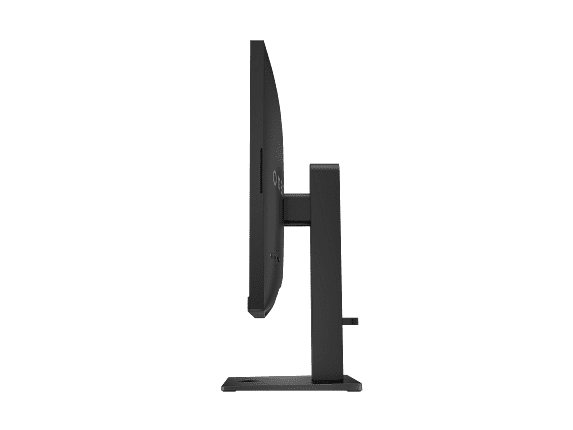
The HP Omen 27k offers good ergonomics but less range of adjustment. The build quality is solid for the price point, though it doesn't quite match Samsung's premium feel. HP includes some RGB lighting, but it's more subdued than Samsung's implementation.
Both monitors feature anti-glare coatings, but the HP's implementation is particularly effective. Text remains sharp and colors stay vibrant even in challenging lighting conditions.
If you're considering either monitor for home theater use, there are important factors to consider. The Samsung G70D has a clear advantage here with its smart TV functionality. You can mount it in a living room, connect it to Wi-Fi, and use it just like a smart TV for streaming movies and shows.
The built-in speakers on the Samsung are adequate for casual viewing, though you'll want external audio for serious movie watching. The smart features, combined with the monitor's excellent color reproduction, make it a capable secondary TV for smaller spaces.
The HP Omen 27k is less suited for home theater use due to its lack of smart features. However, its superior brightness and color accuracy actually make it better for watching high-quality content when connected to external devices like Apple TV or Roku.
Both monitors' IPS panels provide wide viewing angles, meaning multiple people can watch comfortably from different positions – important for any home theater application.
At $609, the HP Omen 27k represents exceptional value in the 4K gaming monitor space. You get professional-level color accuracy, solid gaming performance, and useful productivity features like the KVM switch. The superior HDR implementation and better out-of-box calibration add real value for everyday use.
The Samsung G70D at $699-799 commands a premium, but the smart features justify the price for many users. If you value the convenience of built-in streaming and the cutting-edge Fast IPS technology, the extra cost makes sense.
Consider your usage patterns: if you primarily game and do some productivity work, the HP offers better value. If you want a monitor that can also serve entertainment needs and you appreciate the latest technology, Samsung's premium is worth paying.
Choose the HP Omen 27k if you:
Choose the Samsung G70D if you:
Both monitors excel at their core mission of delivering excellent 4K gaming experiences. Your choice ultimately comes down to whether you prioritize practical value and color accuracy (HP) or premium features and cutting-edge performance (Samsung). Either way, you're getting a display that will serve you well for years to come.
The 4K gaming monitor market continues evolving rapidly, but both the HP Omen 27k and Samsung G70D represent the current sweet spot of performance, features, and value. Choose based on your specific needs, and you'll be happy with either decision.
| HP Omen 27k 4K UHD 144Hz Gaming Monitor | Samsung 27" Odyssey G7 G70D 4K UHD IPS Gaming Monitor |
|---|---|
| Price - Budget considerations for 4K gaming | |
| $609-649 (excellent value for feature set) | $699-799 (premium pricing for smart features) |
| Response Time - Critical for competitive gaming and motion clarity | |
| 1ms GtG (requires overdrive tuning to avoid ghosting) | 1ms GtG (genuine Fast IPS, cleaner motion handling) |
| Color Accuracy - Important for content creation and natural visuals | |
| 99% sRGB, 95% DCI-P3 (excellent out-of-box calibration) | 99% sRGB (factory calibration runs too cool, needs adjustment) |
| HDR Performance - Enhanced contrast and brightness in supported content | |
| VESA DisplayHDR 400 with 8-zone edge lighting (practical implementation) | VESA DisplayHDR 400 with 32-zone local dimming (poor implementation causes blooming) |
| Smart Features - Convenience and entertainment value | |
| None (traditional monitor requiring external devices) | Full Tizen smart TV OS with Gaming Hub and streaming apps |
| Connectivity - Device compatibility and workflow efficiency | |
| Built-in KVM switch, HDMI 2.1/2.0, DP 1.4, USB-C, USB hub | HDMI 2.1 ports, DisplayPort, USB hub (no KVM functionality) |
| Brightness - Visibility in various lighting conditions | |
| 400+ nits (better for bright rooms and HDR content) | 350 nits typical (adequate but less versatile) |
| Adaptive Sync - Smooth gaming across different GPU brands | |
| G-SYNC Compatible + FreeSync Premium + VESA AdaptiveSync | FreeSync Premium Pro (AMD-focused with broader feature set) |
| Ergonomics - Comfort and adjustability for long sessions | |
| Basic height, tilt, swivel adjustments | Premium stand with height, tilt, swivel, and pivot to portrait |
| Build Quality - Long-term durability and premium feel | |
| Solid construction for price point, good anti-glare coating | Premium materials, smooth adjustments, customizable RGB lighting |
The Samsung Odyssey G7 G70D has a slight edge for competitive gaming due to its genuine 1ms response time with Fast IPS technology, providing cleaner motion handling without ghosting. While the HP Omen 27k also claims 1ms response time, it requires careful overdrive tuning to avoid artifacts. Both support adaptive sync technologies, but Samsung's implementation delivers smoother motion in fast-paced games.
The HP Omen 27k is priced at $609-649, making it the more budget-friendly option. The Samsung Odyssey G7 G70D costs $699-799, representing a $90-150 premium. The price difference reflects Samsung's smart TV features, premium build quality, and newer Fast IPS panel technology.
The HP Omen 27k offers superior color accuracy with excellent out-of-box calibration covering 99% sRGB and 95% DCI-P3. The Samsung G70D also covers 99% sRGB but requires manual adjustment as the factory calibration runs too cool with a blue tint. For content creation or accurate colors, HP is the better choice.
Yes, both the HP Omen 27k and Samsung Odyssey G7 G70D feature HDMI 2.1 ports that support 4K gaming at 120Hz on PS5 and Xbox Series X. Both monitors will display next-gen console games at their maximum supported resolution and refresh rate.
The Samsung Odyssey G7 G70D is significantly better for entertainment with its built-in Tizen smart TV OS, Wi-Fi connectivity, and streaming apps like Netflix and YouTube. It can function as a standalone smart TV. The HP Omen 27k requires external streaming devices and focuses purely on gaming and productivity.
The HP Omen 27k delivers better practical HDR performance with its 8-zone edge lighting system that reaches 400+ nits without significant blooming. The Samsung G70D has 32 zones of local dimming but suffers from poor implementation that creates distracting halos around bright objects in dark scenes.
The HP Omen 27k offers more comprehensive connectivity with a built-in KVM switch for controlling multiple devices, plus HDMI 2.1, HDMI 2.0, DisplayPort 1.4, USB-C, and USB hub. The Samsung Odyssey G7 G70D has good connectivity but lacks the KVM functionality that makes device switching seamless.
The HP Omen 27k is better suited for productivity work due to its superior color accuracy, KVM switch for managing multiple devices, and excellent anti-glare coating. The Samsung G70D can handle productivity tasks but is optimized more for gaming and entertainment use.
The HP Omen 27k achieves higher brightness levels at 400+ nits, making it better for bright rooms and HDR content. The Samsung Odyssey G7 G70D typically reaches 350 nits, which is adequate for most situations but less versatile in challenging lighting conditions.
The Samsung Odyssey G7 G70D offers premium build quality with a comprehensive ergonomic stand (height, tilt, swivel, pivot), smooth adjustments, and customizable RGB lighting. The HP Omen 27k has solid construction for its price point but offers more basic adjustability and less premium materials.
The HP Omen 27k provides exceptional value at $609-649, delivering professional-level color accuracy, solid gaming performance, and useful features like KVM switching. The Samsung G70D commands a premium but justifies it with smart features and cutting-edge panel technology for users who need all-in-one functionality.
The Samsung Odyssey G7 G70D is much better suited for home theater use with its smart TV functionality, built-in streaming apps, and Wi-Fi connectivity. It can serve as a secondary TV in smaller spaces. The HP Omen 27k lacks smart features but offers superior brightness and color accuracy when connected to external streaming devices.
We've done our best to create useful and informative comparisons to help you decide what product to buy. Our research uses advanced automated methods to create this comparison and perfection is not possible - please contact us for corrections or questions. These are the sites we've researched in the creation of this article: tomshardware.com - windowscentral.com - digitaltrends.com - youtube.com - hp.com - youtube.com - hp.com - hp.com - displayspecifications.com - files.bbystatic.com - newegg.com - hp.com - hp.com - hp.com - hp.com - target.com - files.bbystatic.com - displayspecifications.com - bestbuy.com - typectechreviews.com - rtings.com - rtings.com - youtube.com - youtube.com - samsung.com - samsung.com - samsung.com - bhphotovideo.com - samsung.com - samsung.com - versus.com - abt.com - abt.com - bestbuy.com - bhphotovideo.com - youtube.com - abt.com

Privacy Policy
Terms and Conditions - Affiliate Policy
Home Security
© Copyright 2008-2026.
11816 Inwood Rd #1211, Dallas, TX 75244