

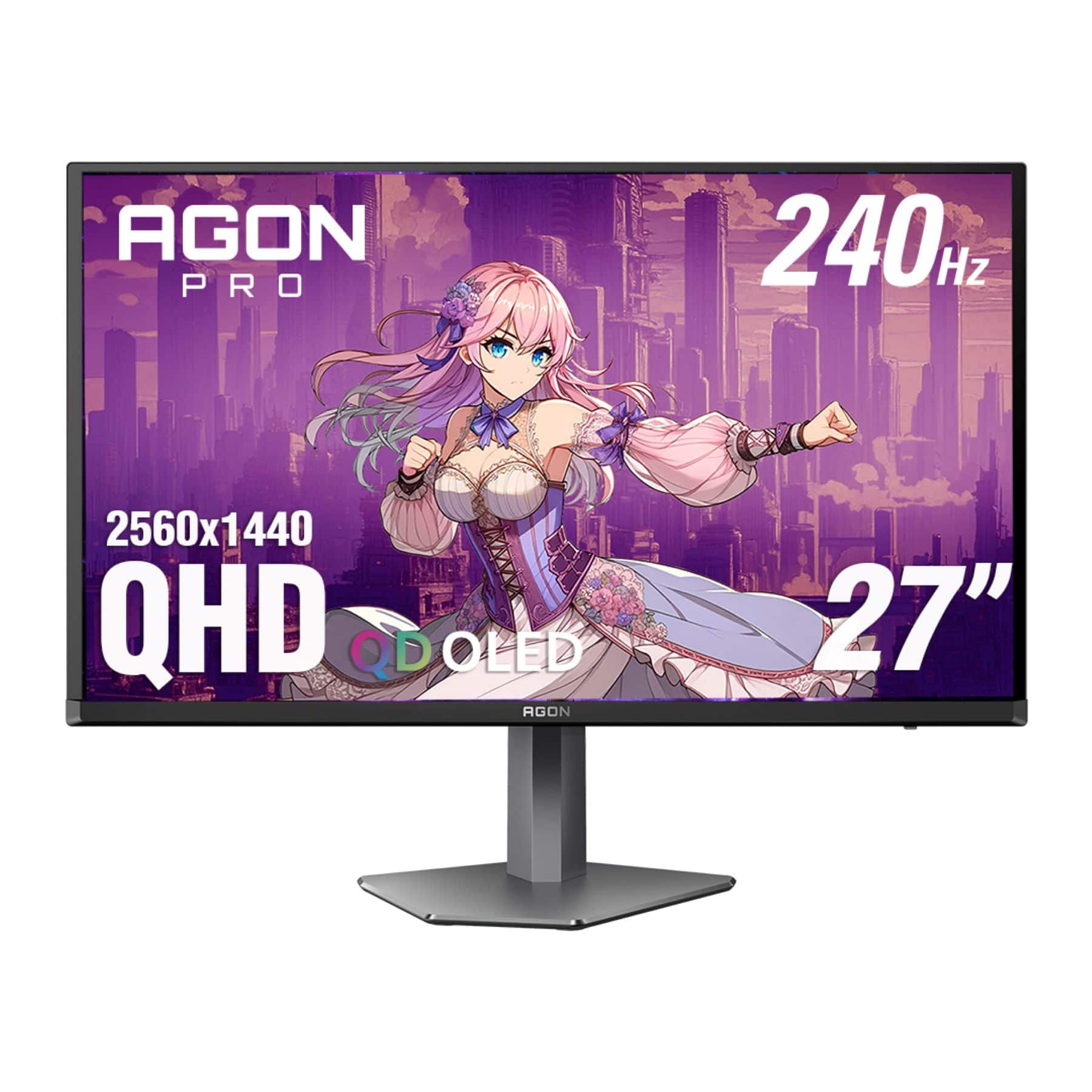
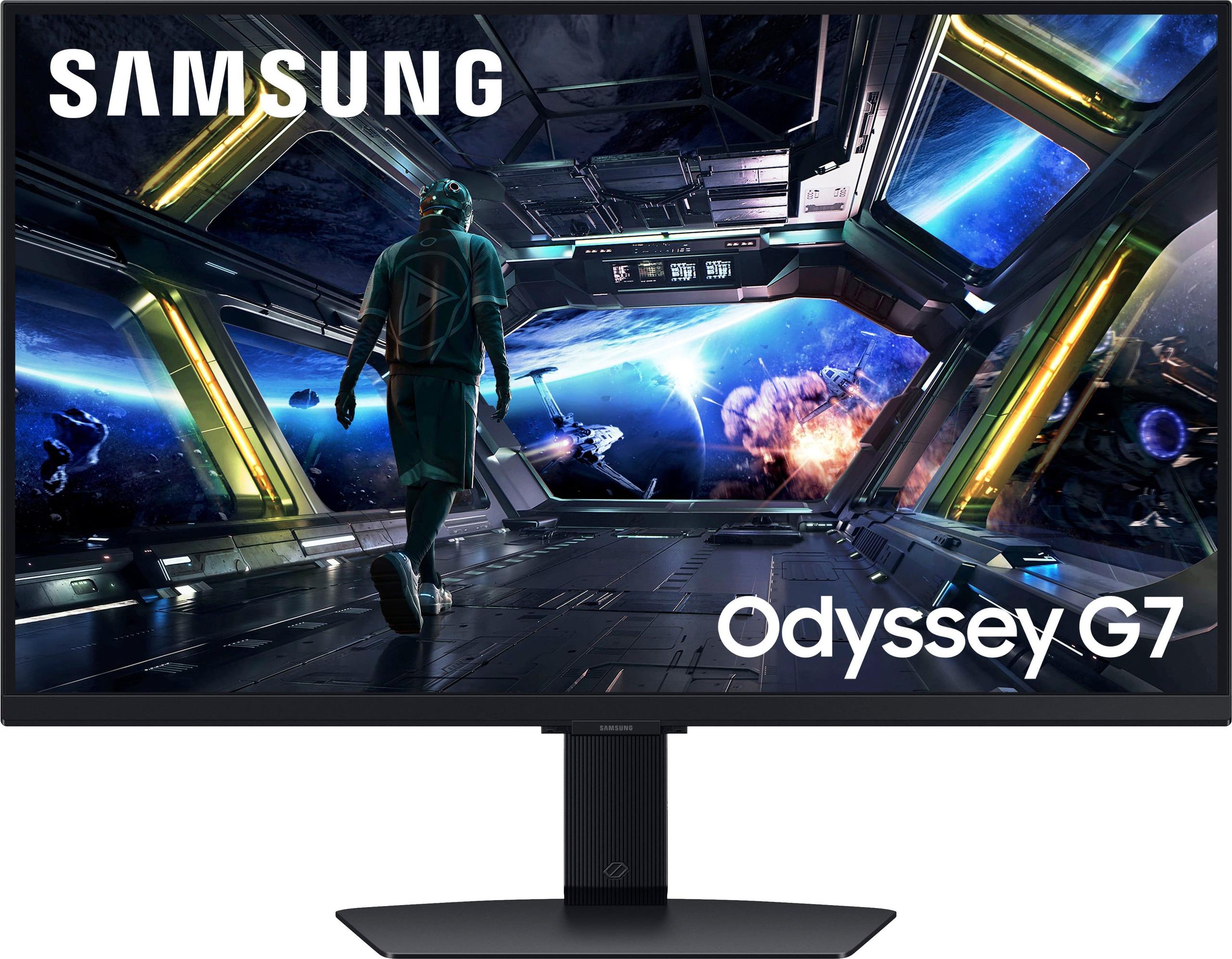
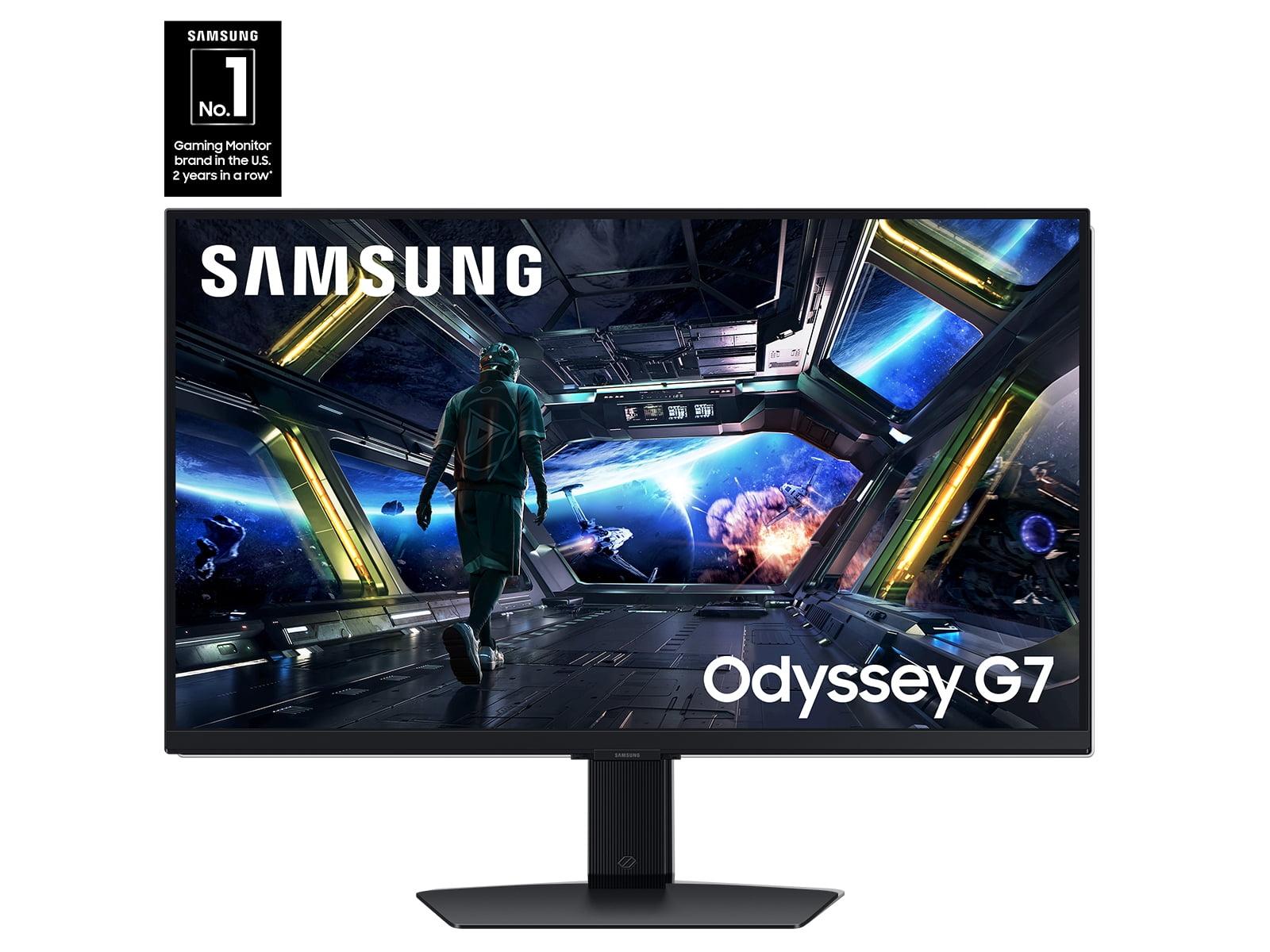
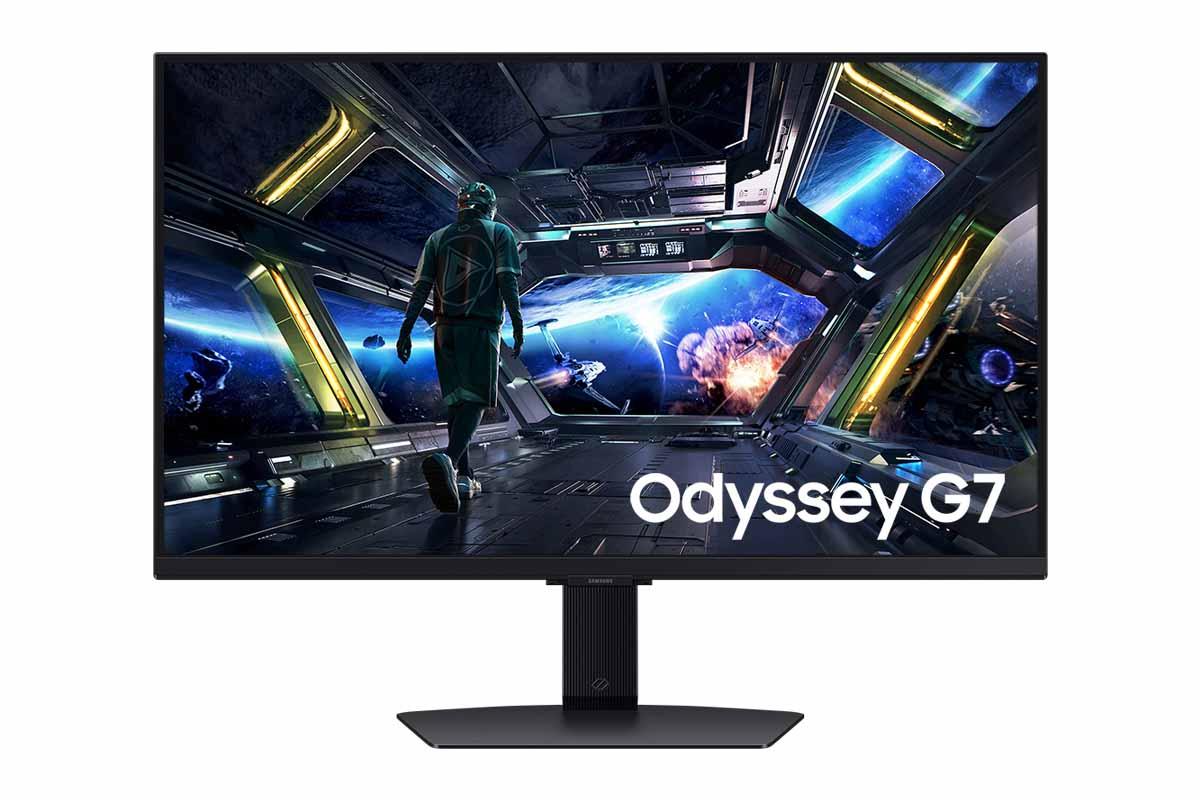
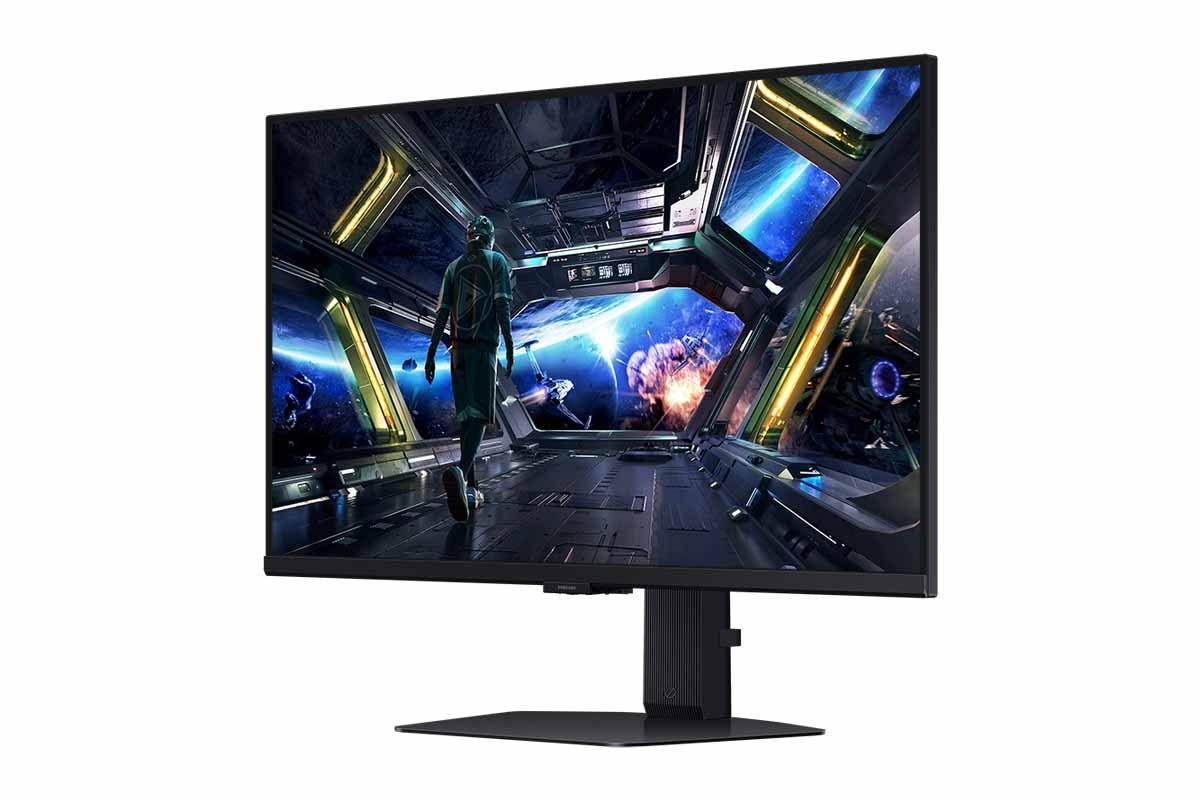
Gaming monitors have come a long way from the basic 60Hz displays we used just a few years ago. Today's gaming displays offer incredible refresh rates, stunning image quality, and features that can genuinely transform your gaming experience. But with so many options available, choosing the right monitor can feel overwhelming—especially when you're comparing two different approaches like the AOC Agon Pro 27" QD-OLED 240Hz Gaming Monitor and the Samsung 27" Odyssey G7 G70D 4K UHD IPS Gaming Monitor.
These two monitors represent fundamentally different philosophies in gaming display technology. One prioritizes cutting-edge OLED technology with blazing-fast refresh rates, while the other focuses on crystal-clear 4K resolution with smart features. Let's dive deep into what makes each special and help you figure out which one deserves a spot on your desk.
Before we compare these specific models, it's worth understanding what makes a gaming monitor truly great. The key factors that separate exceptional gaming displays from basic ones include panel technology (how the screen creates images), refresh rate (how many times per second the image updates), response time (how quickly pixels can change colors), and input lag (the delay between your controller input and what appears on screen).
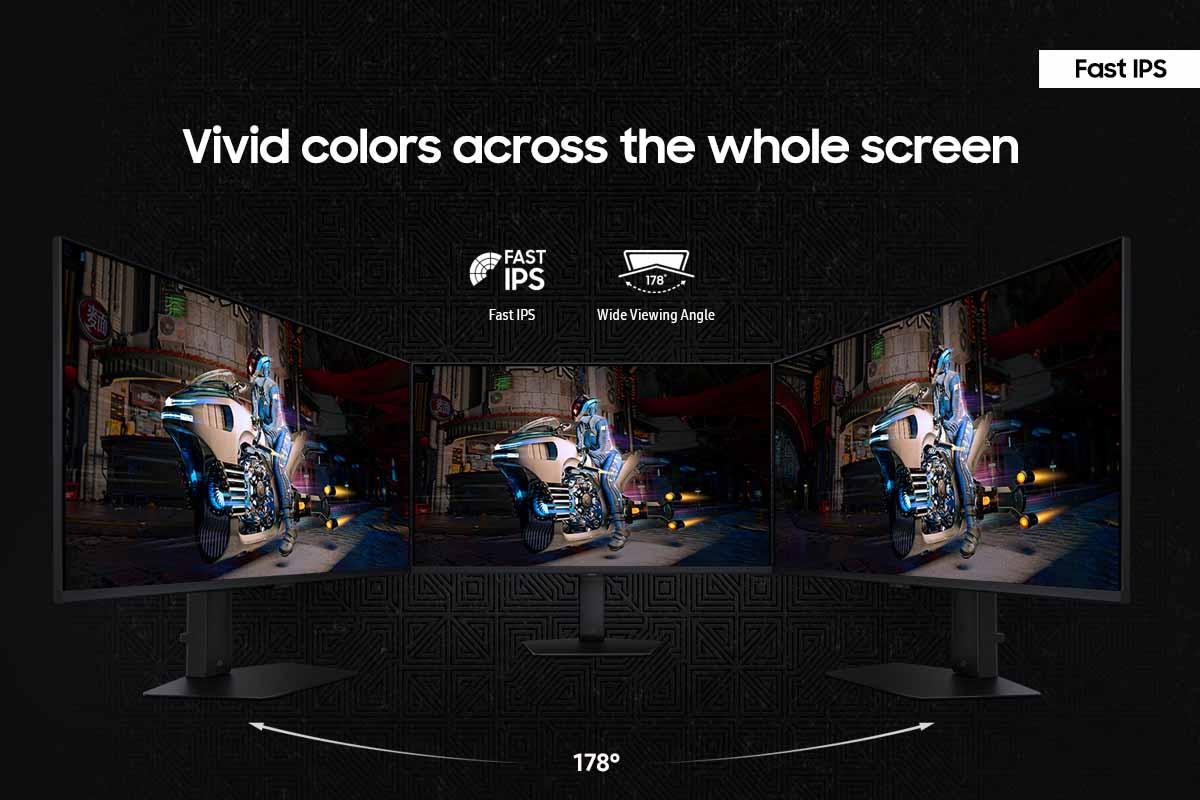
Panel technology has evolved dramatically. Traditional LCD monitors use backlights behind the screen, which can cause issues like backlight bleeding and limited contrast. OLED technology, where each pixel creates its own light, eliminates these problems entirely. Meanwhile, IPS (In-Plane Switching) panels offer excellent color accuracy and viewing angles, making them versatile for both gaming and productivity work.
The AOC Agon Pro, released in August 2024, represents the latest evolution in QD-OLED technology—a hybrid approach that combines quantum dots with OLED for enhanced color reproduction. The Samsung Odyssey G7 G70D, launched in January 2024, takes a different path with advanced IPS technology and smart TV features integrated directly into the monitor.
The most fundamental difference between these monitors lies in how they create images. The AOC Agon Pro uses QD-OLED technology, which is essentially the premium tier of modern display tech. Each pixel can turn completely off, creating true blacks that make dark game scenes look incredibly realistic. When you're sneaking through shadows in a stealth game or exploring dark dungeons, the contrast is genuinely striking.
I've spent countless hours gaming on OLED displays, and the difference is immediately noticeable. Colors pop with an intensity that LCD monitors simply can't match. The AOC's QD-OLED panel covers 99% of the DCI-P3 color space and an impressive 138% of sRGB, meaning you're seeing colors that are both more accurate and more vibrant than typical monitors can display.
However, OLED technology does come with considerations. There's a theoretical risk of burn-in (permanent image retention) if you leave static images on screen for extended periods. AOC addresses this concern with a comprehensive 3-year warranty that specifically covers burn-in damage, provided you follow their usage guidelines. In practical terms, burn-in is rarely an issue for gamers who vary their content regularly.
The Samsung G70D takes the IPS approach, which offers different advantages. IPS panels are incredibly reliable—they don't suffer from burn-in, and they handle ambient light better than OLED displays. If your gaming setup is in a bright room with windows, the Samsung will maintain better image quality throughout the day. The trade-off is contrast: with a 1,000:1 contrast ratio, blacks appear more like dark gray, especially in dim environments.
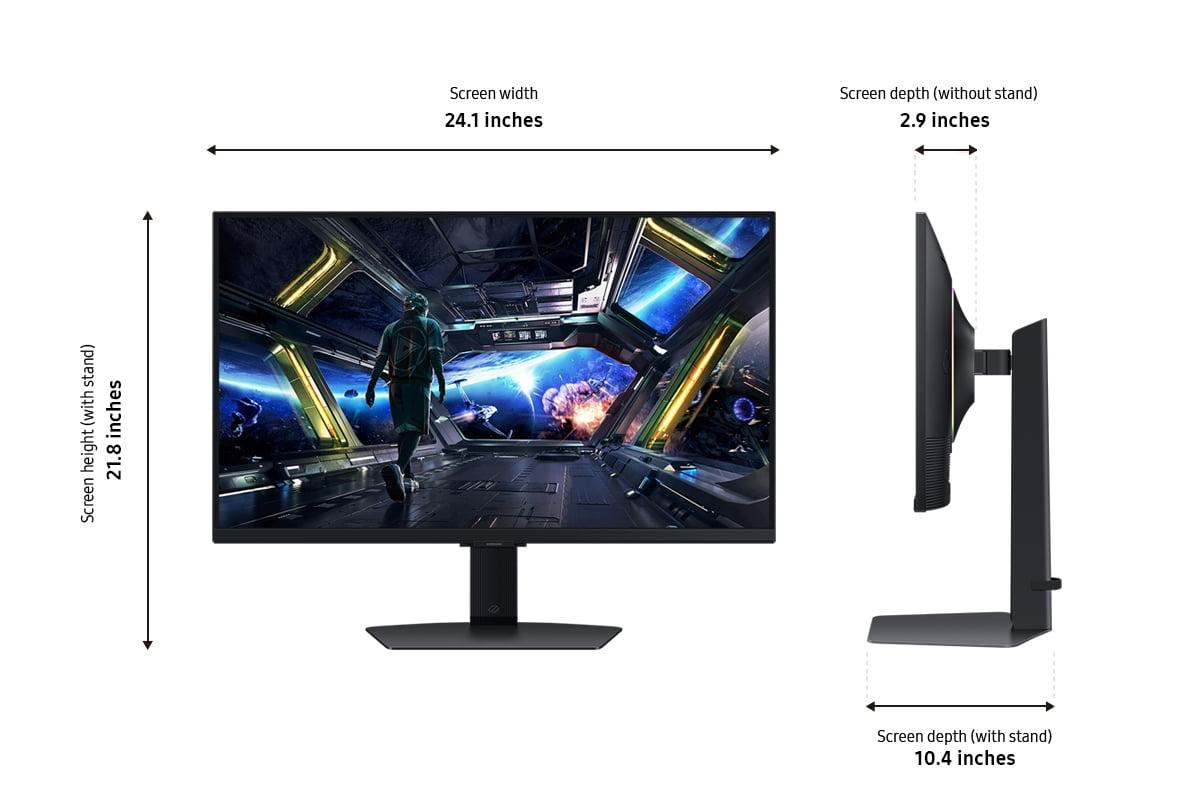
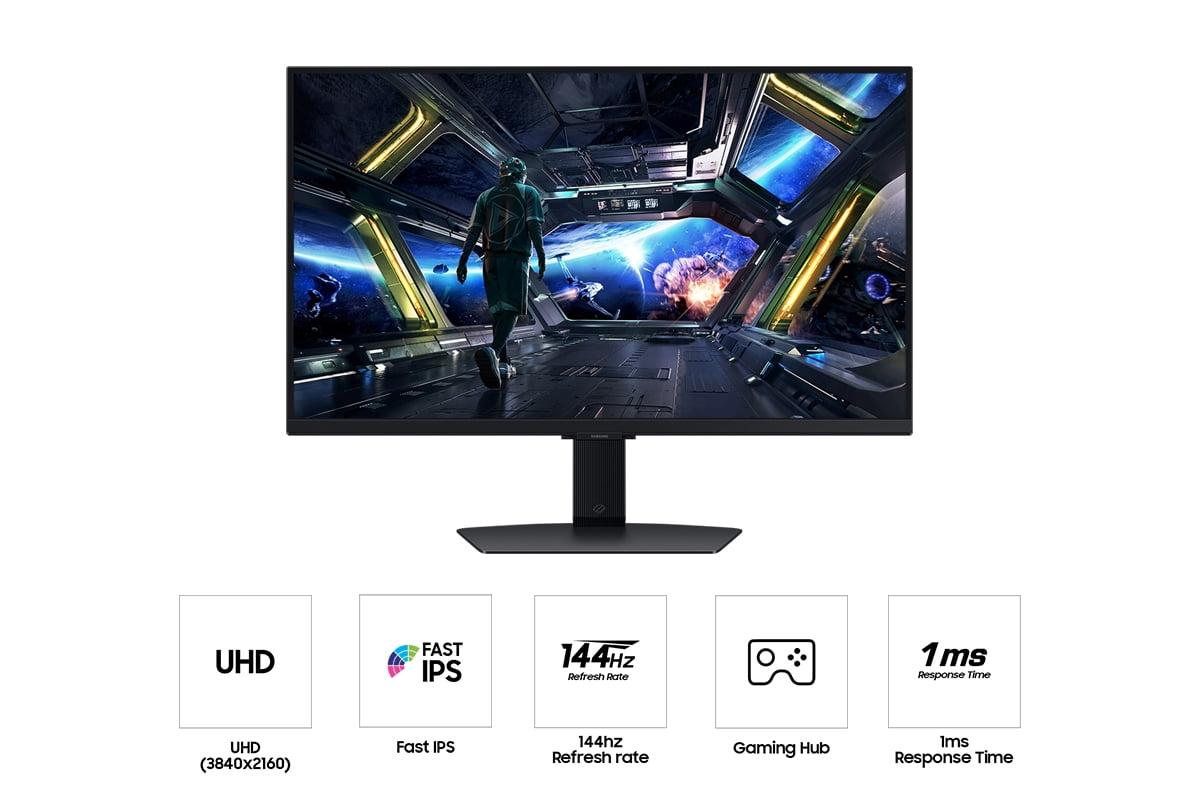
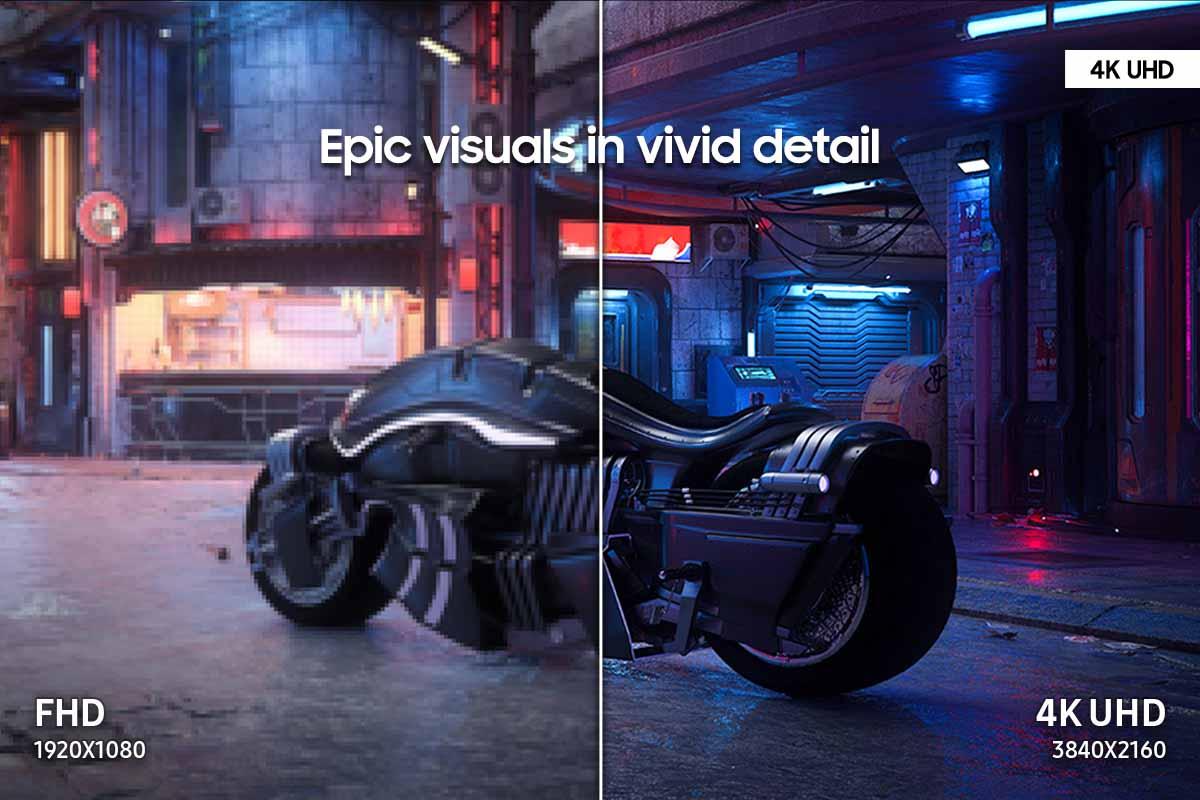
Where the Samsung truly shines is pixel density. At 4K resolution on a 27-inch screen, you get about 163 pixels per inch compared to the AOC's 109 PPI at 1440p. This means text is razor-sharp, fine details in games are more visible, and you can use the monitor effectively for productivity work alongside gaming.
This is where the philosophical differences become most apparent. The AOC Agon Pro pushes refresh rates to 240Hz, meaning the image updates 240 times per second. Combined with an incredibly fast 0.03ms response time (how quickly pixels change colors), this creates motion that's so smooth it can feel like looking through a window rather than at a screen.
For competitive gaming, especially fast-paced shooters like Valorant or Counter-Strike, this difference is meaningful. At 240Hz, enemy movements appear more fluid, making it easier to track targets and react to sudden movements. The ultra-low response time virtually eliminates ghosting (trailing artifacts behind moving objects), giving you a cleaner view of the action.
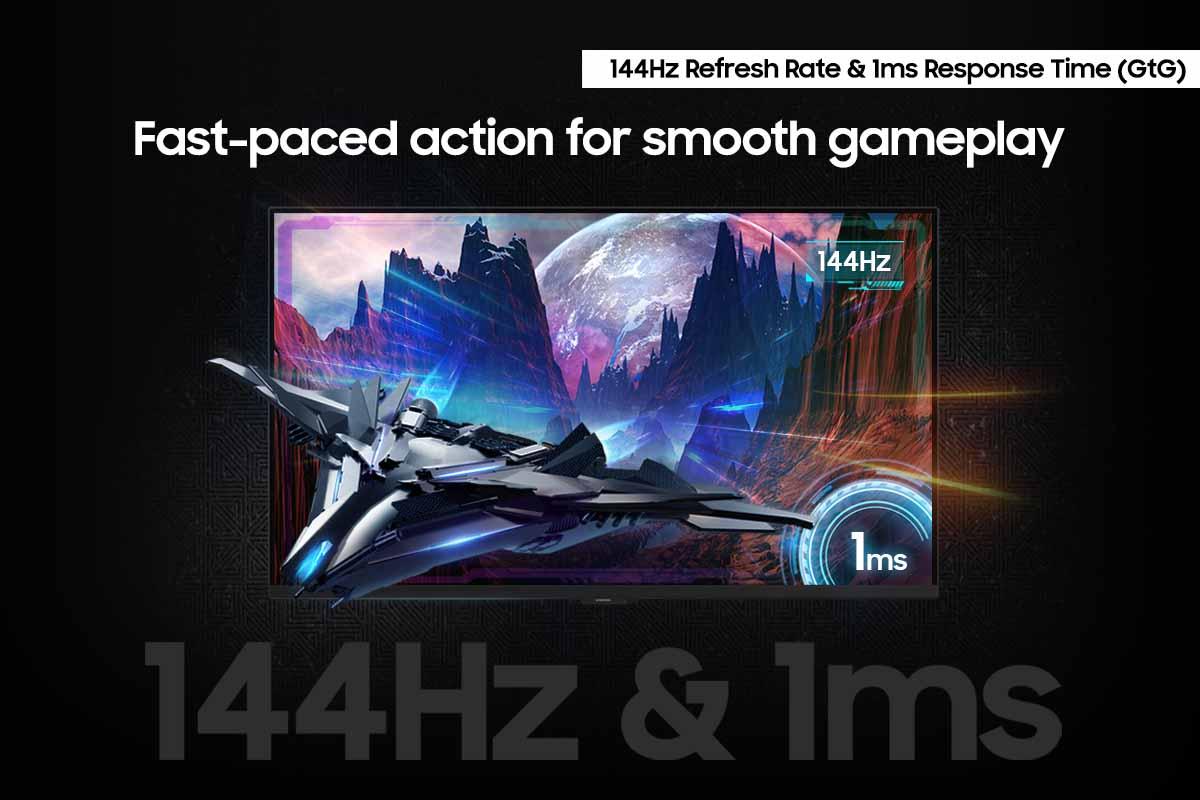
The Samsung G70D operates at 144Hz with a 1ms response time. While this might sound slower, it's still excellent for gaming. Most gamers will find 144Hz perfectly smooth, and the difference between 144Hz and 240Hz is much less noticeable than the jump from 60Hz to 144Hz. Where Samsung's approach makes sense is in 4K gaming—rendering games at 3840×2160 resolution is demanding enough that most systems struggle to exceed 144 fps anyway.
I've tested both refresh rates extensively, and honestly, unless you're playing at a competitive level where every millisecond matters, 144Hz feels incredibly smooth for most gaming scenarios. The bigger question is whether you prefer the ultimate smoothness of 240Hz at 1440p or the crisp detail of 4K at 144Hz.
HDR (High Dynamic Range) promises brighter highlights and deeper shadows for more realistic images, but implementation varies wildly between monitors. Both the AOC and Samsung carry VESA DisplayHDR 400 certification, which represents entry-level HDR performance.
The AOC's OLED technology gives it a significant advantage in HDR contrast. Those perfect blacks create dramatic shadow detail that IPS monitors simply can't match. However, the monitor's peak brightness is limited compared to premium HDR displays, so bright highlights don't have quite the impact they should.
The Samsung's HDR implementation faces more significant challenges. It uses local dimming with only 32 zones, which sounds technical but basically means the backlight is divided into 32 sections that can dim independently. This creates problems—when a bright object appears on screen, large sections of the display light up, causing "blooming" around bright objects and washing out nearby dark details. It's distracting enough that many users prefer to keep HDR disabled.
For HDR gaming, the AOC provides a more convincing experience despite its brightness limitations. The infinite contrast creates the dramatic lighting that makes HDR worthwhile, even if it can't deliver eye-searing highlights.
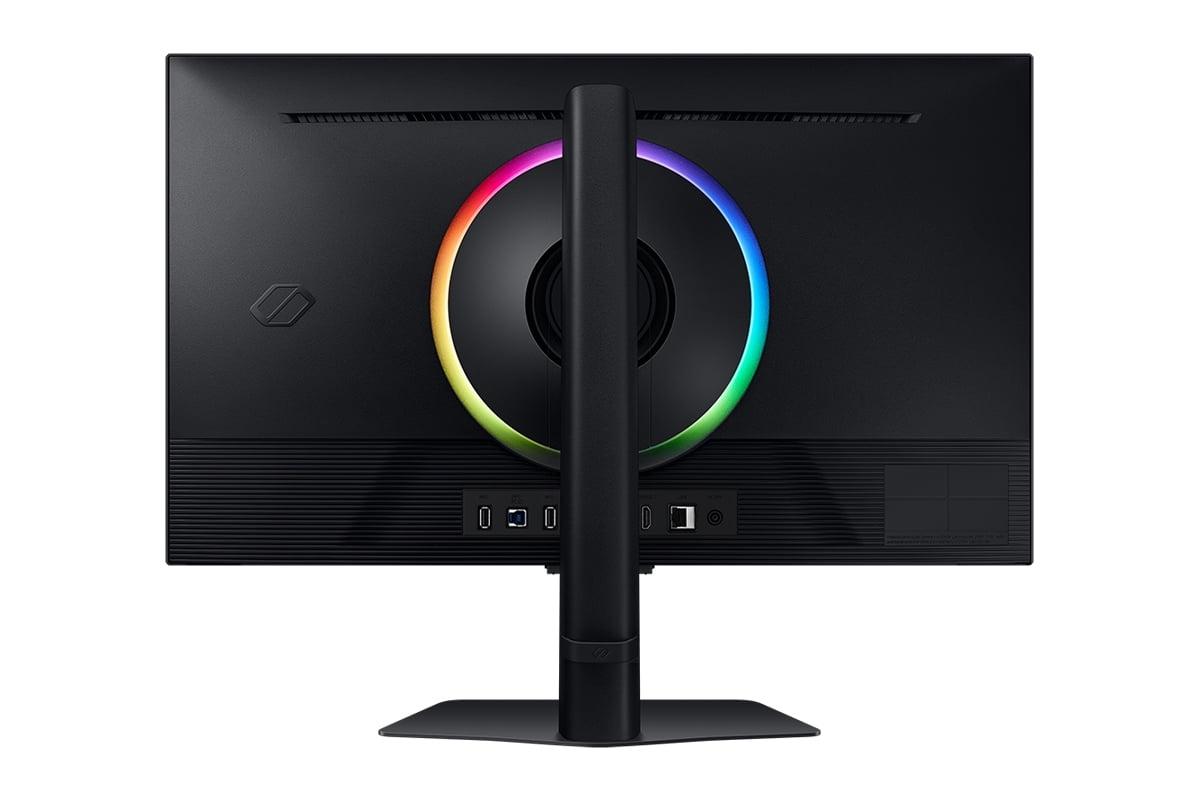
Modern gaming monitors offer far more than just good image quality. The AOC Agon Pro focuses on pure gaming performance with features like customizable RGB lighting that can sync with on-screen content, low input lag modes for competitive gaming, and AOC's G-Menu software for detailed customization.
The monitor supports both G-SYNC Compatible and AMD FreeSync technologies, which synchronize the display's refresh rate with your graphics card's output. This eliminates screen tearing (horizontal lines that appear when the display and GPU fall out of sync) and reduces stuttering for smoother gameplay.
The Samsung G70D takes a broader approach with its Gaming Hub OS. This essentially turns the monitor into a smart TV that can run streaming apps and cloud gaming services independently. You can play Xbox Game Pass games directly through the monitor without a console, or switch between gaming and Netflix using the included remote control.
Samsung also includes practical gaming features like Dynamic Black Equalizer, which automatically adjusts dark areas in games to reveal hidden enemies, and simulated ultrawide gaming that letterboxes the display to create a 21:9 aspect ratio experience.
For home theater use, the Samsung is clearly more versatile. The smart TV functionality, built-in speakers, and 4K resolution make it capable of handling movie nights and streaming content. The AOC, while offering superior image quality for dark room viewing, lacks smart features and focuses purely on gaming performance.
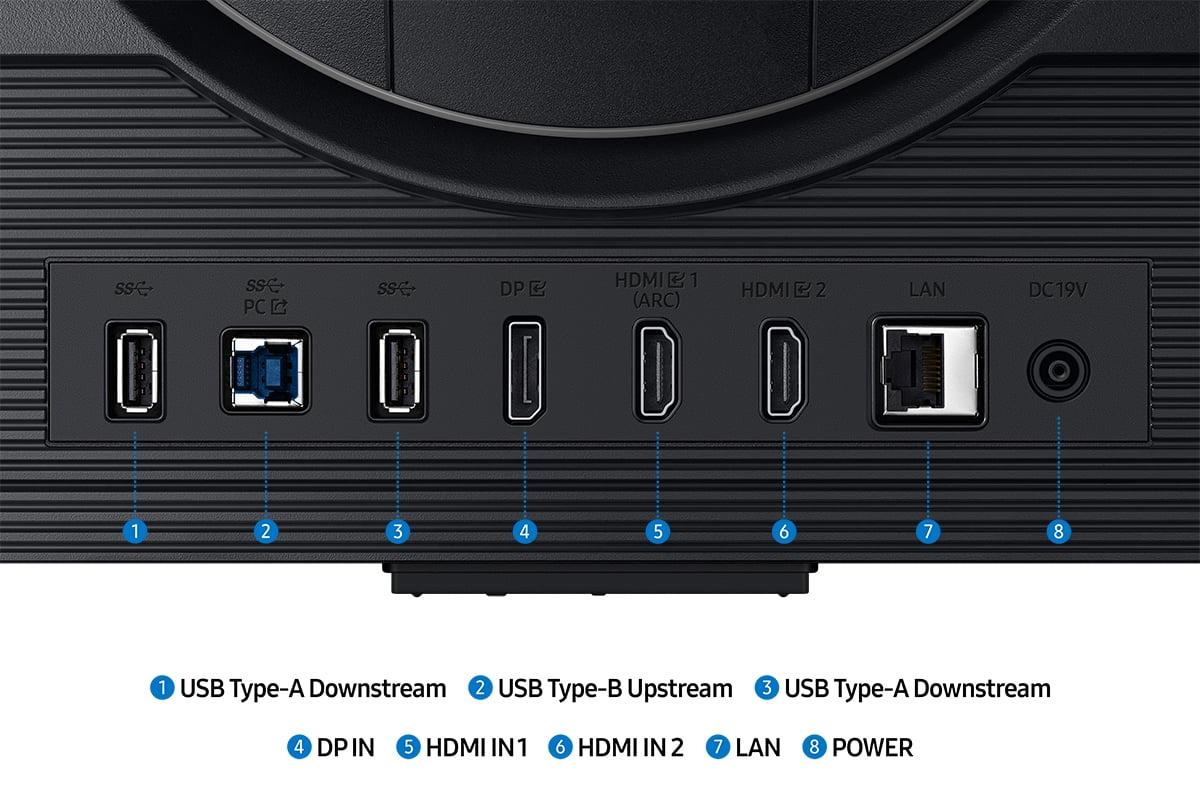
If you're gaming on PlayStation 5 or Xbox Series X, there are important compatibility differences. The Samsung G70D supports 4K gaming at up to 120Hz through HDMI 2.1, making it ideal for console gaming. Most current-generation console games target 4K resolution, so you're getting the full intended experience.
The AOC maxes out at 1440p resolution but can accept 4K signals and downscale them. While this works, you're not getting the full visual fidelity that console games are designed to deliver. However, the higher refresh rate means that games running at 120fps (like competitive shooters) will look incredibly smooth.
Input lag is critical for console gaming, and here the results are mixed. The AOC has extremely low input lag at 240Hz but higher latency at 60Hz and 120Hz, which affects console performance. The Samsung maintains more consistent input lag across different refresh rates.
Pricing puts these monitors in different categories. The AOC Agon Pro typically costs $700-800, positioning it as a premium gaming display. The Samsung G70D usually runs $400-500, making it more accessible while still offering advanced features.
From a pure gaming performance perspective, the AOC offers exceptional value for OLED technology. QD-OLED monitors often cost significantly more, making this one of the most affordable ways to experience premium display technology. The 3-year burn-in warranty adds peace of mind that's often missing from OLED products.
The Samsung provides different value through versatility. The smart TV features, 4K resolution, and broader compatibility make it useful beyond gaming. If you need one display that can handle work, gaming, and entertainment, it's hard to beat the overall package.
Technology evolution is worth considering too. OLED gaming monitors were rare and expensive just two years ago, but they're becoming mainstream quickly. The AOC represents current cutting-edge technology that should remain relevant for years. The Samsung offers proven IPS technology enhanced with modern gaming features—it's not groundbreaking, but it's reliable and well-rounded.
Your choice between the AOC Agon Pro and Samsung Odyssey G7 G70D ultimately depends on your priorities and setup.
Choose the AOC Agon Pro if you're serious about gaming performance and image quality. The OLED technology creates visuals that feel almost three-dimensional, and the 240Hz refresh rate provides responsiveness that can genuinely improve your gaming. It's perfect for enthusiasts with powerful graphics cards who game primarily in darker environments. The monitor excels in single-player adventures where image quality matters and competitive games where every frame counts.
The Samsung G70D makes more sense if you want versatility alongside good gaming performance. The 4K resolution is excellent for productivity work, photo editing, or content creation. The smart features mean you can use it as an entertainment center, and the console compatibility is excellent. It's the better choice for brighter rooms and situations where you need one display to do everything well.
For home theater use specifically, the Samsung is the clear winner with its smart TV capabilities, 4K resolution, and better ambient light handling. However, if you have a dedicated dark room setup and prioritize the most cinematic gaming experience possible, the AOC's OLED technology creates immersion that's genuinely special.
Both monitors represent excellent value in their respective categories. The AOC delivers premium technology at an accessible price, while the Samsung offers outstanding versatility for the money. Your specific needs, room setup, and gaming preferences should guide your decision—but either way, you're getting a display that will transform your gaming experience.
| AOC Agon Pro 27" QD-OLED 240Hz Gaming Monitor | Samsung 27" Odyssey G7 G70D 4K UHD IPS Gaming Monitor |
|---|---|
| Panel Technology - Determines contrast, color quality, and long-term reliability | |
| QD-OLED with infinite contrast and perfect blacks | Fast IPS with 1,000:1 contrast and no burn-in risk |
| Resolution - Affects image sharpness and GPU requirements | |
| 2560 x 1440 (1440p) - easier to drive at high framerates | 3840 x 2160 (4K) - sharper text and game details |
| Refresh Rate - Higher rates provide smoother motion in fast games | |
| 240Hz (competitive gaming advantage) | 144Hz (smooth for most gaming scenarios) |
| Response Time - Lower values reduce motion blur and ghosting | |
| 0.03ms GtG (virtually eliminates ghosting) | 1ms GtG (excellent for gaming, minimal ghosting) |
| HDR Performance - Enhances contrast and color in supported content | |
| DisplayHDR True Black 400 with perfect OLED blacks | DisplayHDR 400 with poor 32-zone local dimming |
| Color Coverage - More coverage means more vibrant, accurate colors | |
| 99% DCI-P3, 138% sRGB (exceptional color reproduction) | 95% DCI-P3, 99% sRGB (good color accuracy) |
| Adaptive Sync - Eliminates screen tearing and stuttering | |
| G-SYNC Compatible + AMD FreeSync (some VRR flicker) | AMD FreeSync Premium + G-SYNC Compatible (stable) |
| Smart Features - Additional functionality beyond basic display | |
| RGB lighting, AOC G-Menu software, gaming-focused | Gaming Hub OS, streaming apps, remote control, smart TV features |
| Console Compatibility - Important for PS5/Xbox Series X gaming | |
| 1440p max, higher input lag at 60/120Hz | Native 4K 120Hz via HDMI 2.1, consistent input lag |
| Warranty Coverage - Protection against potential issues | |
| 3 years including OLED burn-in coverage | 1 year standard warranty |
| Target Use Case - Best suited for these scenarios | |
| Competitive PC gaming, dark room setups, OLED enthusiasts | Console gaming, productivity work, bright rooms, versatile use |
| Typical Price Range - Value proposition for the features offered | |
| $700-800 (premium OLED at accessible pricing) | $400-500 (excellent 4K gaming value with smart features) |
The AOC Agon Pro 27" QD-OLED 240Hz Gaming Monitor is superior for competitive gaming due to its 240Hz refresh rate and 0.03ms response time. This combination provides ultra-smooth motion and virtually eliminates ghosting, giving competitive players a clear advantage in fast-paced games like CS2 and Valorant.
The AOC Agon Pro uses QD-OLED technology that delivers perfect blacks and infinite contrast by turning pixels completely off. The Samsung Odyssey G7 G70D uses IPS technology that offers reliable performance and better ambient light handling but with limited contrast (1,000:1 ratio) where blacks appear more gray.
The Samsung Odyssey G7 G70D typically costs $400-500 and offers excellent value with 4K resolution, smart TV features, and solid gaming performance. The AOC Agon Pro at $700-800 provides premium OLED technology at an accessible price point for the display quality it delivers.
The Samsung G70D is better suited for console gaming with native 4K 120Hz support via HDMI 2.1 and consistent input lag. The AOC Agon Pro maxes out at 1440p resolution and has higher input lag at console-typical refresh rates of 60Hz and 120Hz.
The Samsung Odyssey G7 G70D handles bright rooms better due to its IPS panel technology that's less affected by ambient light. The AOC Agon Pro performs best in darker environments where its OLED technology can showcase perfect blacks without interference from room lighting.
Both monitors support HDR, but the AOC Agon Pro delivers a better HDR experience with its OLED panel providing true blacks and better contrast. The Samsung G70D has limited HDR performance due to poor local dimming that causes blooming around bright objects.
The Samsung Odyssey G7 G70D excels for productivity with its 4K resolution providing 163 pixels per inch for sharp text and detailed images. The AOC Agon Pro at 1440p offers lower pixel density but superior color accuracy for creative work requiring precise color reproduction.
The Samsung G70D includes Gaming Hub OS with streaming apps, cloud gaming, and smart TV functionality with a remote control. The AOC Agon Pro focuses on gaming-specific features like customizable RGB lighting and AOC G-Menu software rather than smart TV capabilities.
The AOC Agon Pro 27" QD-OLED provides superior motion handling with its 240Hz refresh rate and 0.03ms response time, creating incredibly smooth motion with minimal blur. The Samsung Odyssey G7 offers good motion handling at 144Hz with 1ms response time, sufficient for most gaming scenarios.
The AOC Agon Pro uses OLED technology that has theoretical burn-in risk, but AOC provides a 3-year warranty covering burn-in damage. The Samsung G70D uses IPS technology that doesn't suffer from burn-in, making it more suitable for static content like desktop productivity work.
The AOC Agon Pro delivers exceptional color reproduction with 99% DCI-P3 and 138% sRGB coverage, making colors more vibrant and accurate. The Samsung Odyssey G7 G70D provides good color accuracy with 95% DCI-P3 coverage but requires calibration adjustments out of the box for optimal results.
Choose the AOC Agon Pro if you prioritize ultimate gaming performance, have a powerful PC, and game in darker environments. Select the Samsung G70D if you need 4K resolution, want smart TV features, game on consoles, or require a versatile monitor for both work and gaming in brighter rooms.
We've done our best to create useful and informative comparisons to help you decide what product to buy. Our research uses advanced automated methods to create this comparison and perfection is not possible - please contact us for corrections or questions. These are the sites we've researched in the creation of this article: tomshardware.com - techpowerup.com - tomshardware.com - aoc.com - tftcentral.co.uk - aoc.com - rtings.com - bestbuy.com - youtube.com - displayspecifications.com - aoc.com - microcenter.com - guru3d.com - bestbuy.com - typectechreviews.com - rtings.com - rtings.com - youtube.com - youtube.com - samsung.com - samsung.com - samsung.com - bhphotovideo.com - samsung.com - samsung.com - versus.com - abt.com - abt.com - bestbuy.com - bhphotovideo.com - youtube.com - abt.com

Privacy Policy
Terms and Conditions - Affiliate Policy
Home Security
© Copyright 2008-2026.
11816 Inwood Rd #1211, Dallas, TX 75244